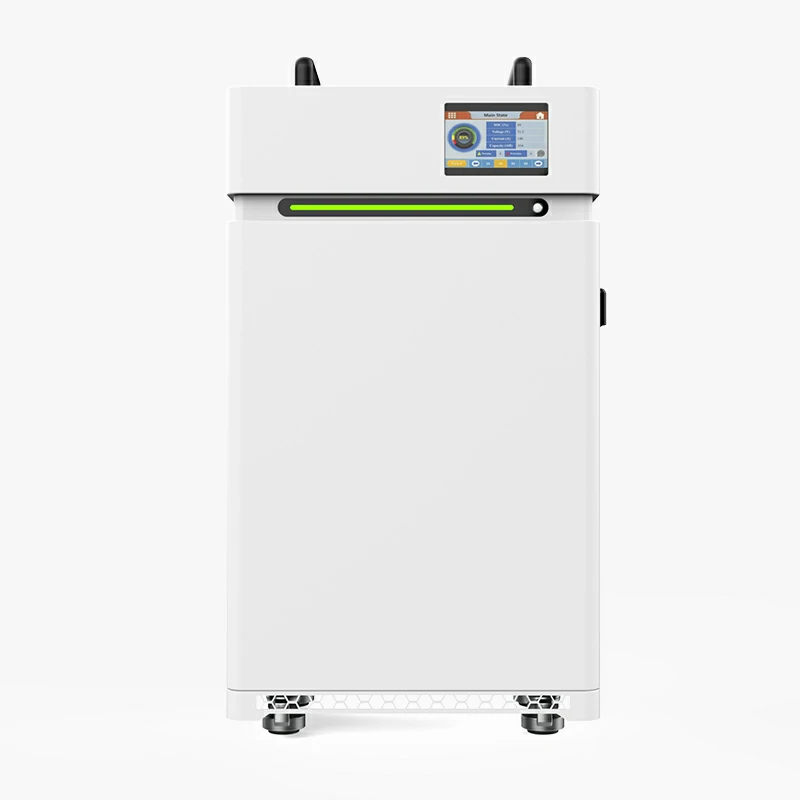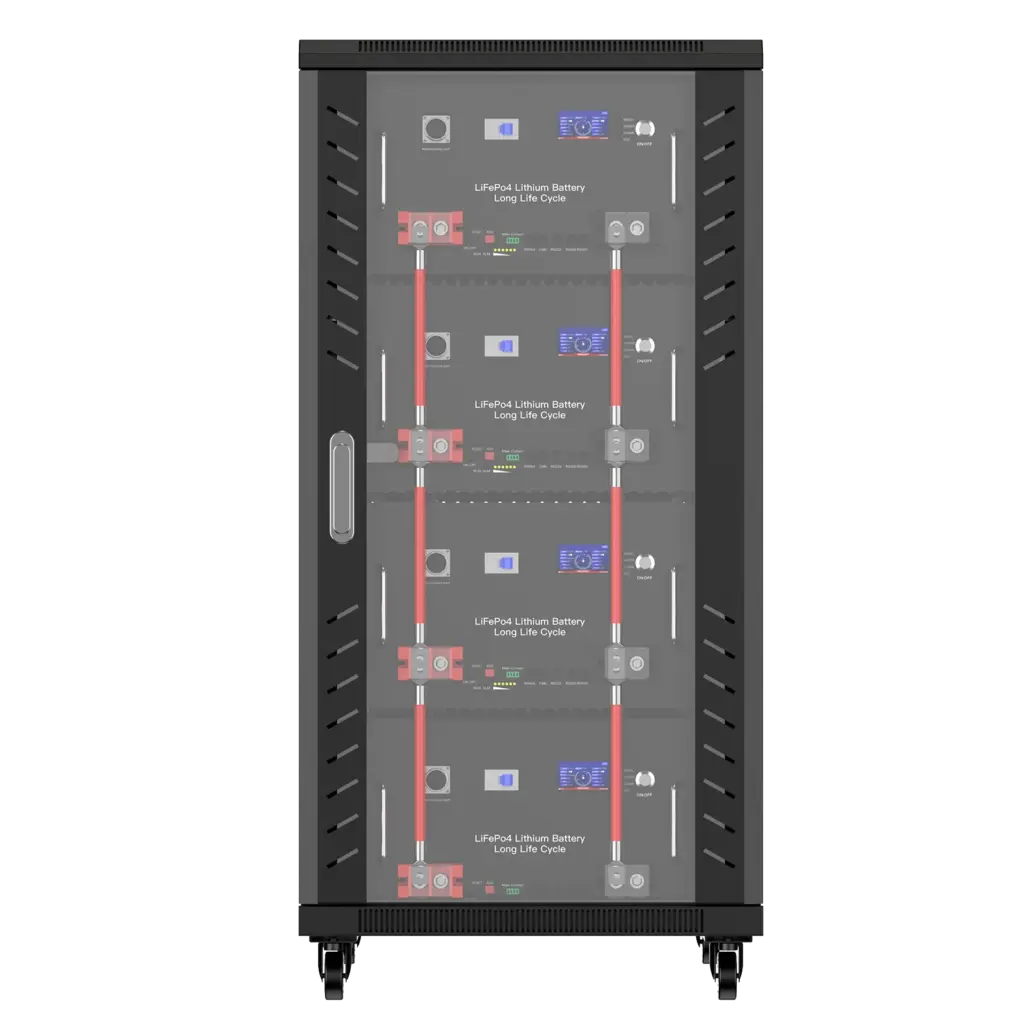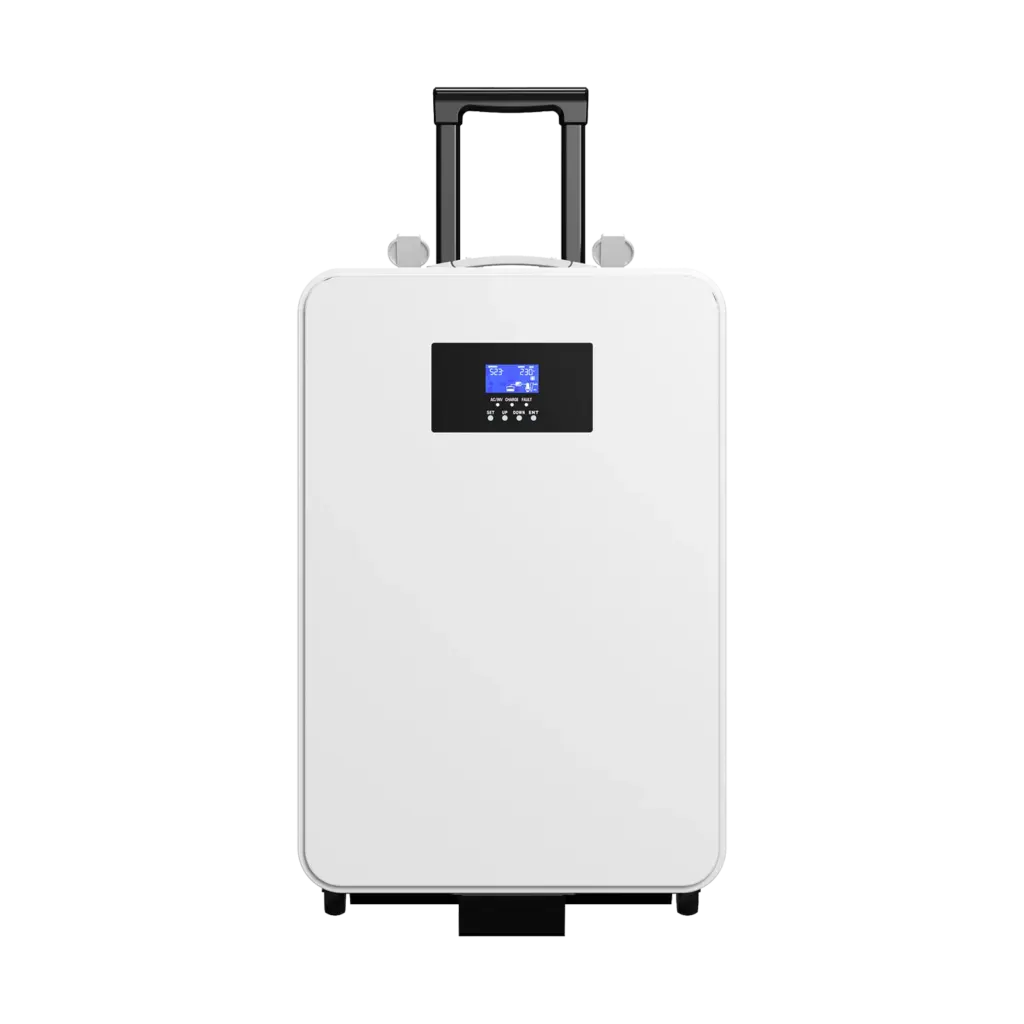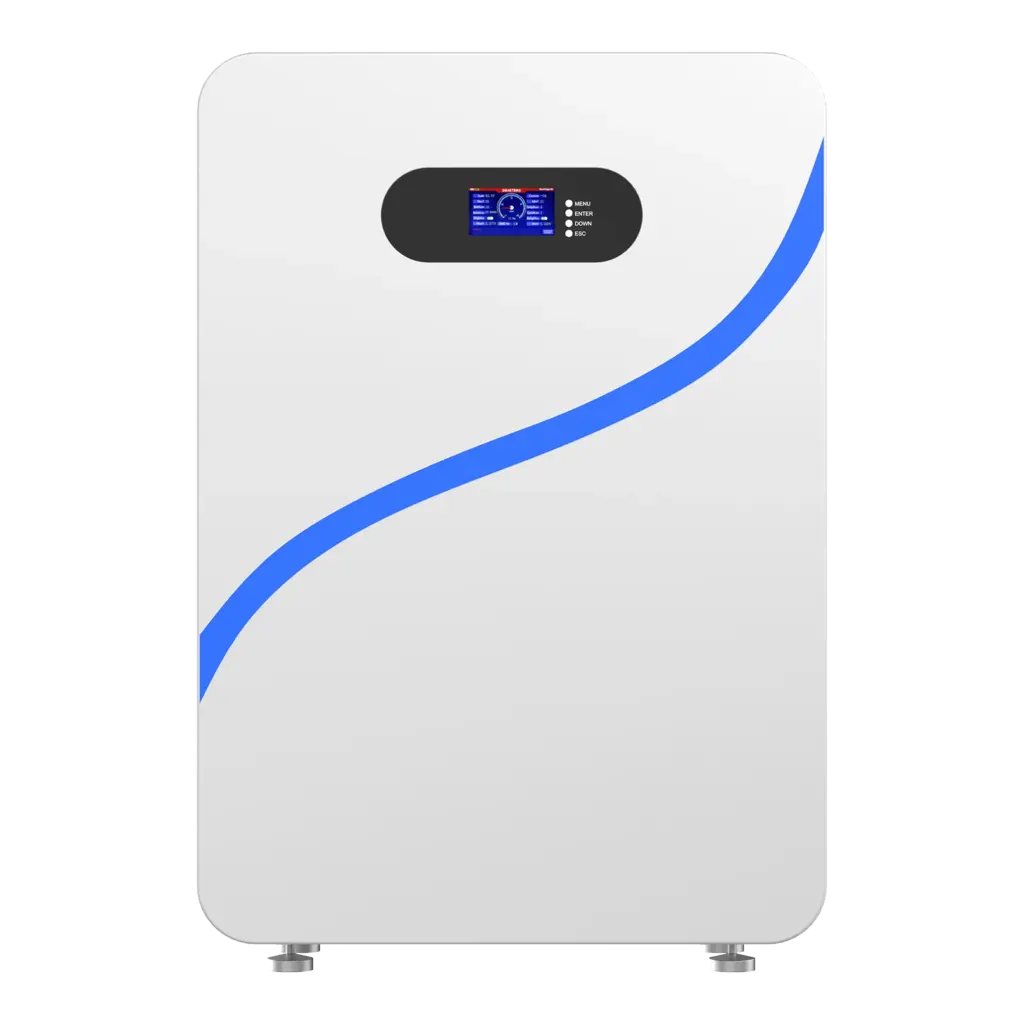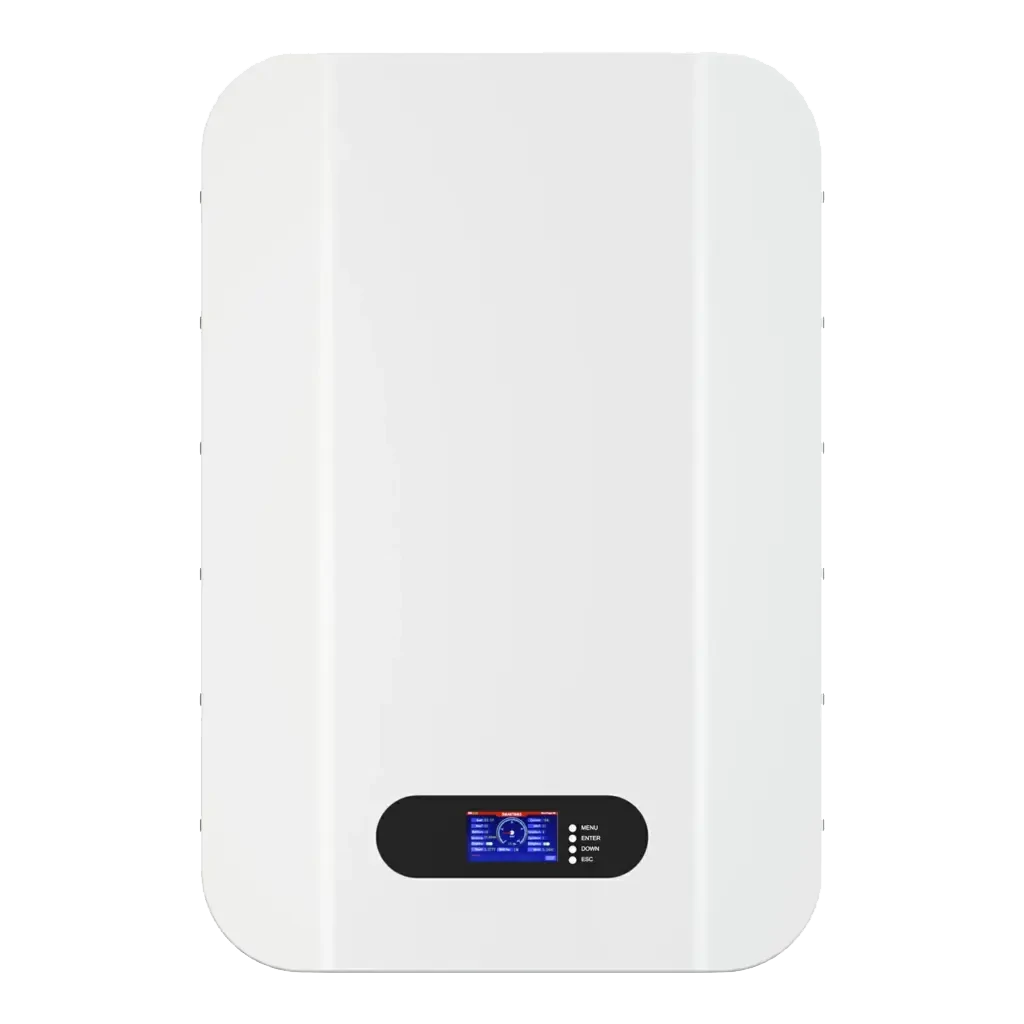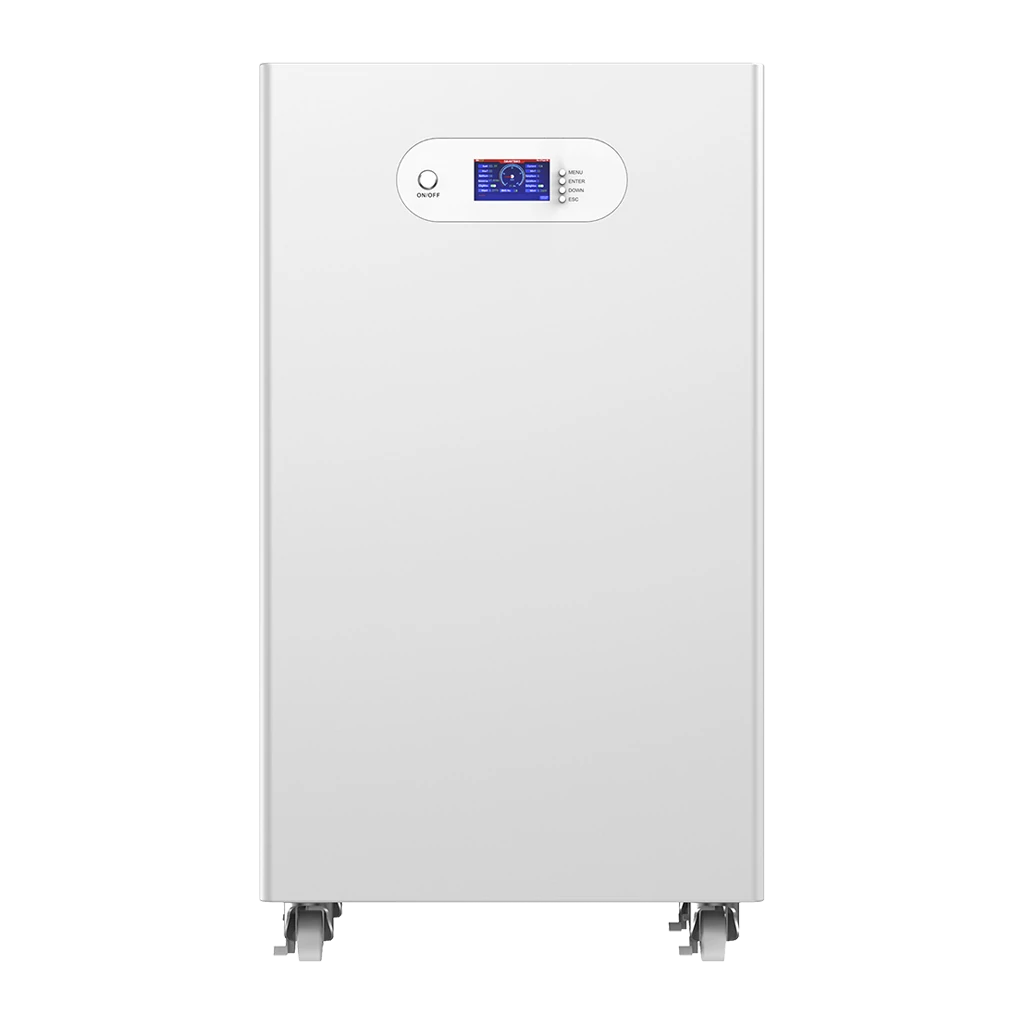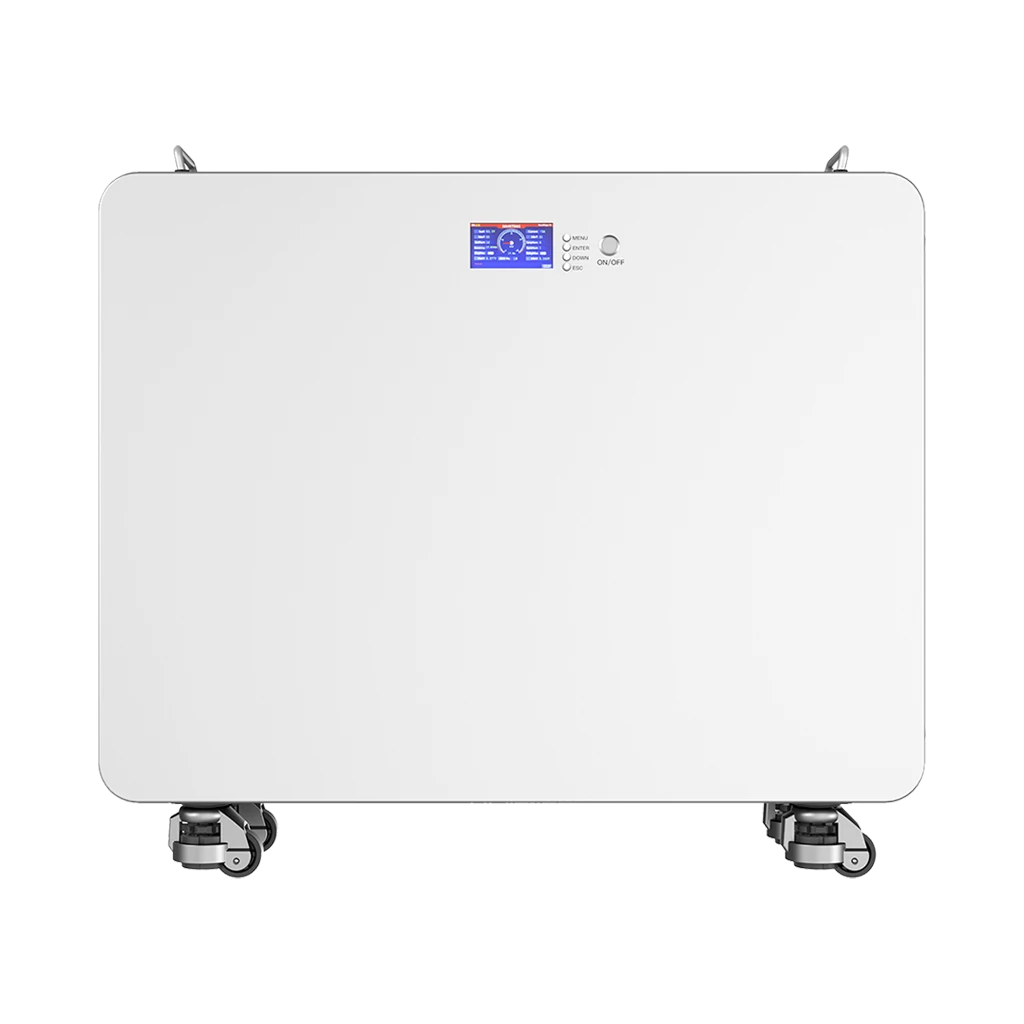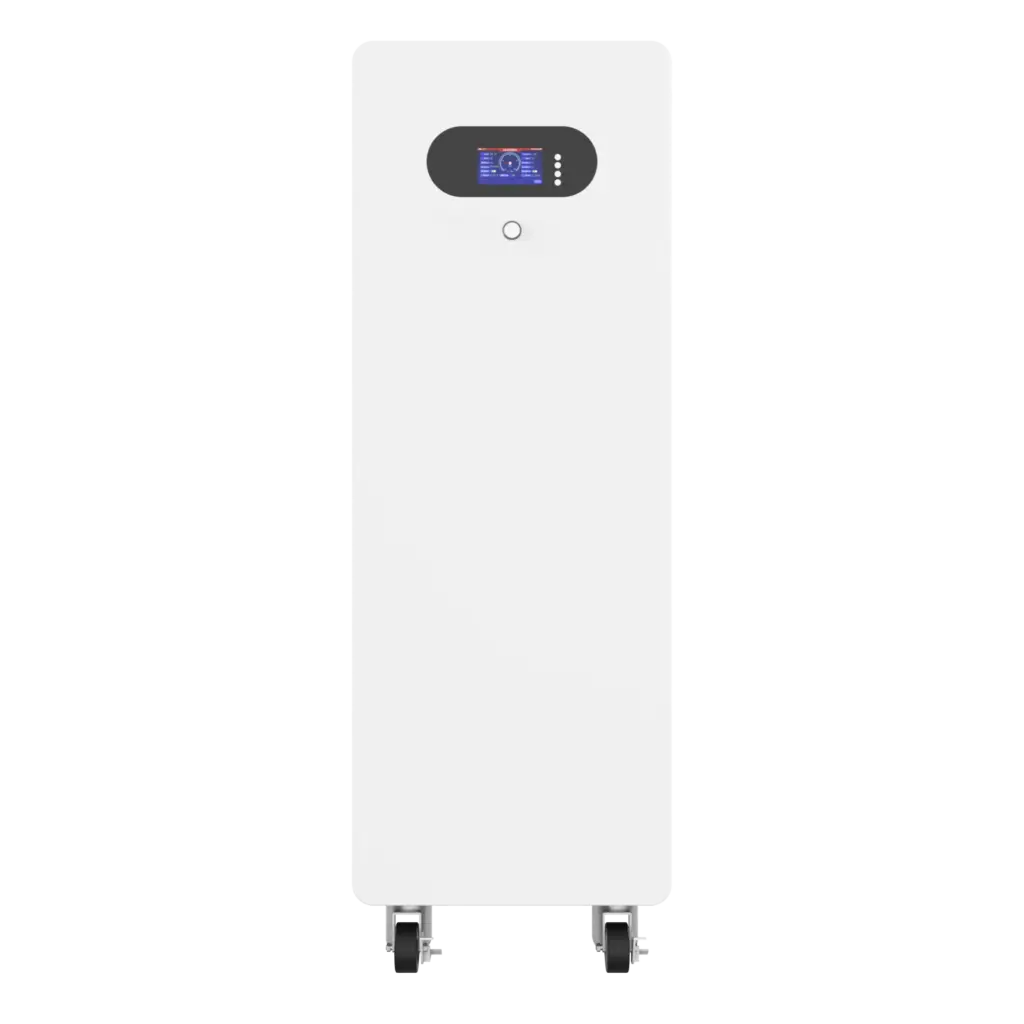

A solar backup battery stores electricity from solar panels or the grid and supplies that power when your home needs it most. For many homeowners, the main reason to add battery storage is simple: keep essential appliances running during power outages, use more self-generated solar energy at night, and reduce dependence on expensive grid electricity during peak hours.
Quick Answer: What Is the Best Solar Backup Battery?
The best solar backup battery is not always the biggest or most expensive battery. The right choice depends on what you want to power during an outage, how long you want backup power to last, whether you already have solar panels, and how your home’s electrical loads are configured.
For most homes, a practical solar backup battery should offer enough usable capacity to support essential loads, stable power output for refrigerators, lights, routers, pumps, and selected appliances, safe lithium battery chemistry such as LiFePO4, reliable BMS protection, inverter compatibility, and a clear path for future expansion. Homeowners focused on essential-load backup may need a smaller system, while whole-home backup, EV charging, electric heating, or long outages usually require a larger battery bank and careful load management.
What Is a Solar Backup Battery?
A solar backup battery is an energy storage system that saves electricity for later use. In a solar home, the battery usually charges from solar panels during the day. When the sun goes down, electricity prices rise, or the utility grid fails, the battery can discharge stored power to your home.
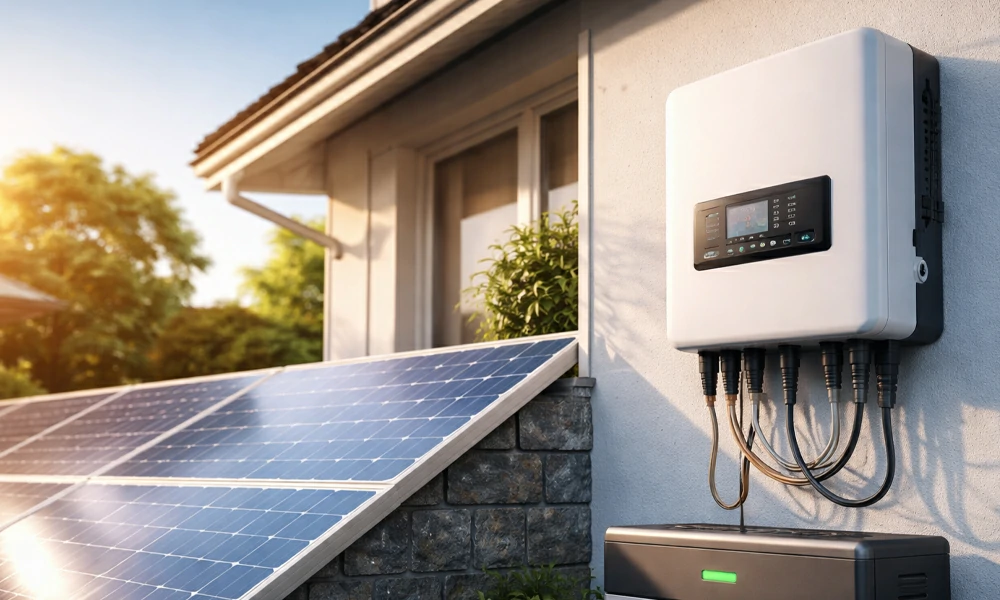
A solar backup battery system normally includes the battery modules, a battery management system, inverter equipment, protection devices, monitoring software, and sometimes a protected-load panel or transfer equipment.
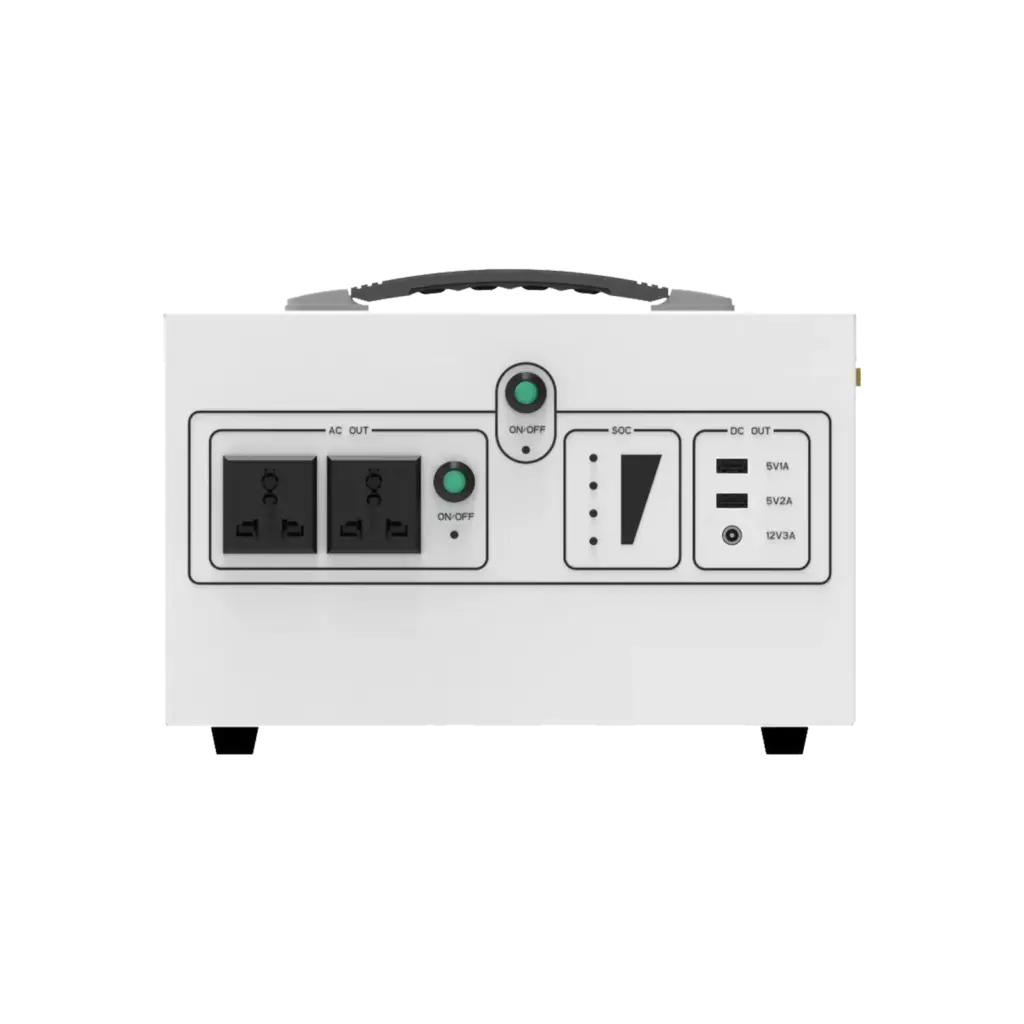
Unlike a simple portable power station, a home solar backup battery is usually connected into the home electrical system by a qualified installer. It can be designed for essential-load backup, whole-home backup, off-grid use, or time-of-use energy management.
Solar Backup Battery vs Generator: Which One Is Better?
A solar backup battery and a generator both provide backup power, but they solve the problem differently.
A generator burns fuel and can run for a long time as long as fuel is available. It is useful for extended outages, large loads, and homes where full backup power is required for many days. However, generators produce noise, emissions, and require fuel storage and maintenance.
A solar backup battery is quiet, automatic, low-maintenance, and can be recharged by solar panels. It is especially useful for daily solar self-consumption, time-of-use savings, and short-to-medium outages. For long storms or multi-day low-sun conditions, a hybrid design that combines solar, battery storage, and a backup generator may be more practical.
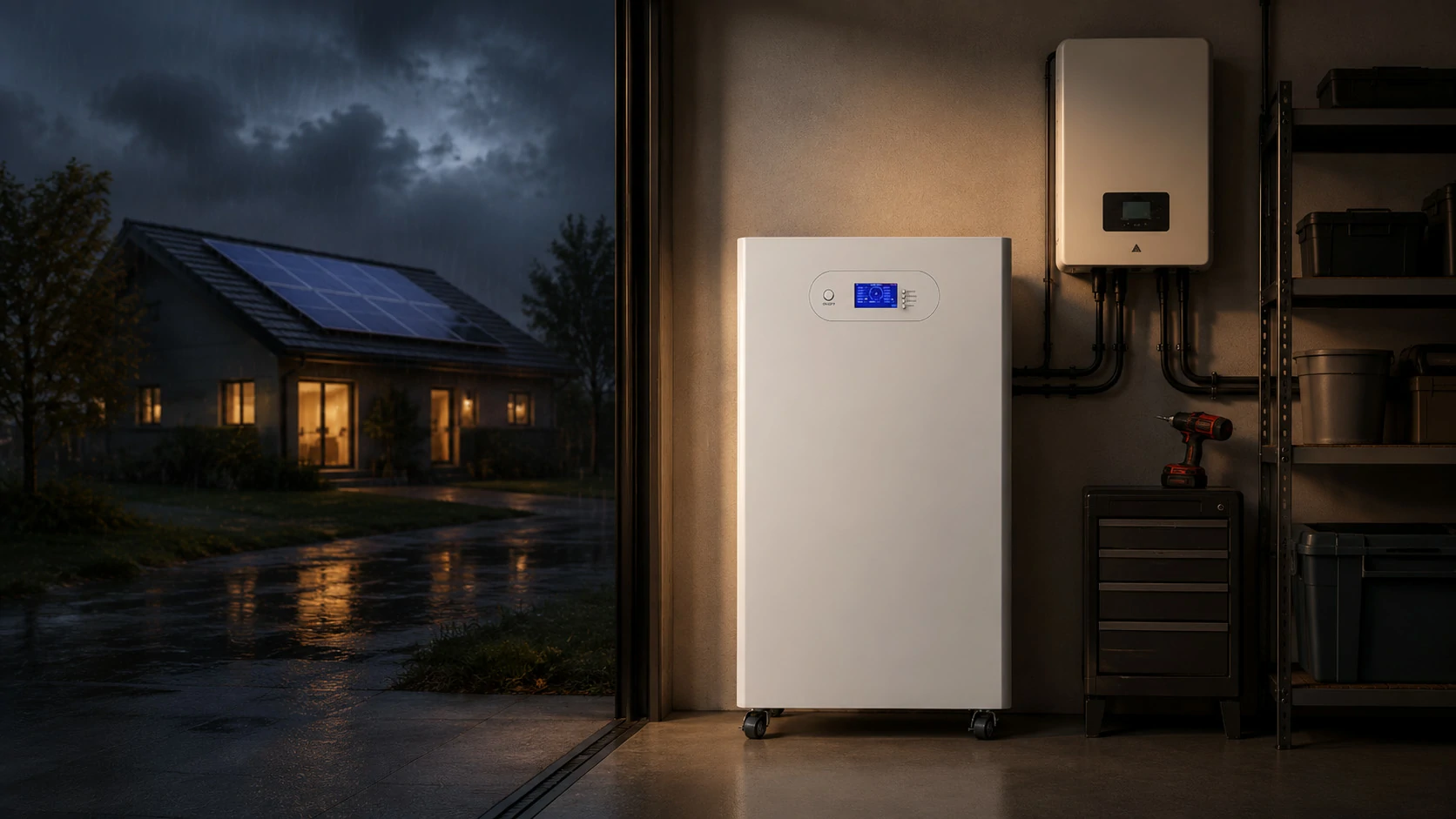
What Makes the Best Solar Backup Battery?
The best solar backup battery should be judged by real project performance, not by one headline specification. A battery with a large nominal capacity may still disappoint if its usable capacity is limited, its power output is too low, its inverter compatibility is poor, or its warranty terms are weak.
Here are the most important factors to evaluate.
1. Usable Capacity, Not Just Nominal Capacity
Battery capacity is measured in kilowatt-hours, or kWh. This tells you how much energy the battery can store. However, buyers should focus on usable capacity, not only nominal capacity.
Nominal capacity is the theoretical stored energy inside the battery. Usable capacity is the portion the system allows you to discharge in normal operation. Manufacturers limit usable capacity to protect battery life and avoid deep discharge damage.
For example, a 15kWh battery may not always deliver the full 15kWh to the home, depending on depth of discharge, inverter settings, reserve capacity, temperature, and BMS protection logic.
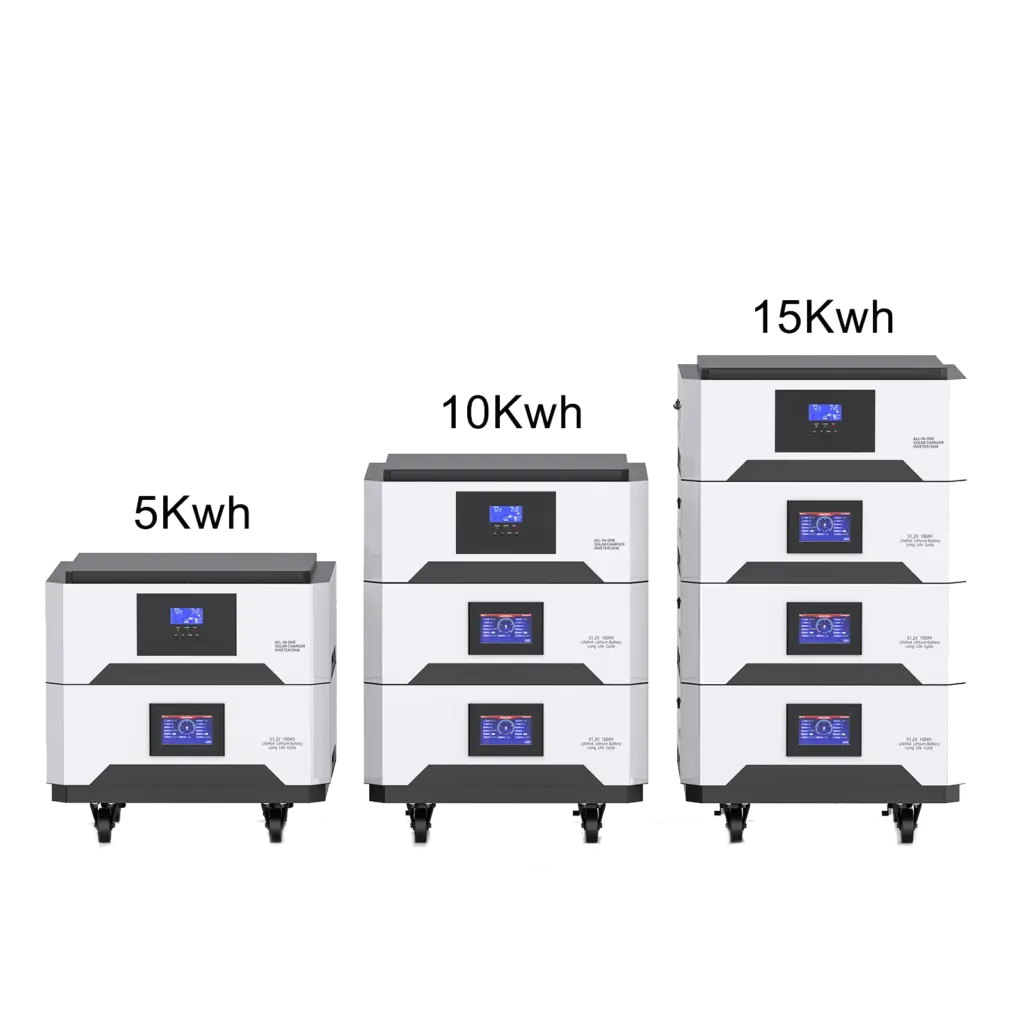
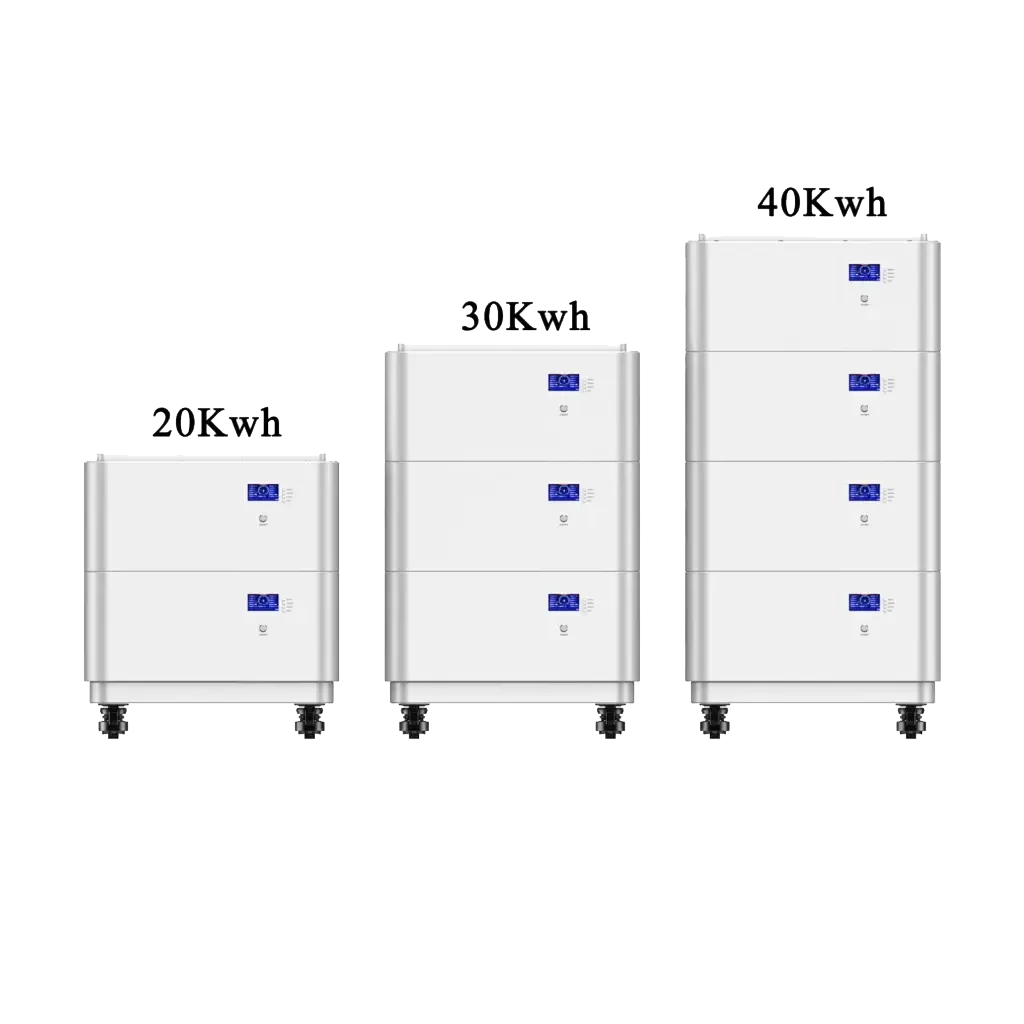
For essential-load backup, many homes start with around 10–15kWh of usable storage. For larger homes, longer outages, electric appliances, or partial whole-home backup, 20–30kWh or more may be more realistic.
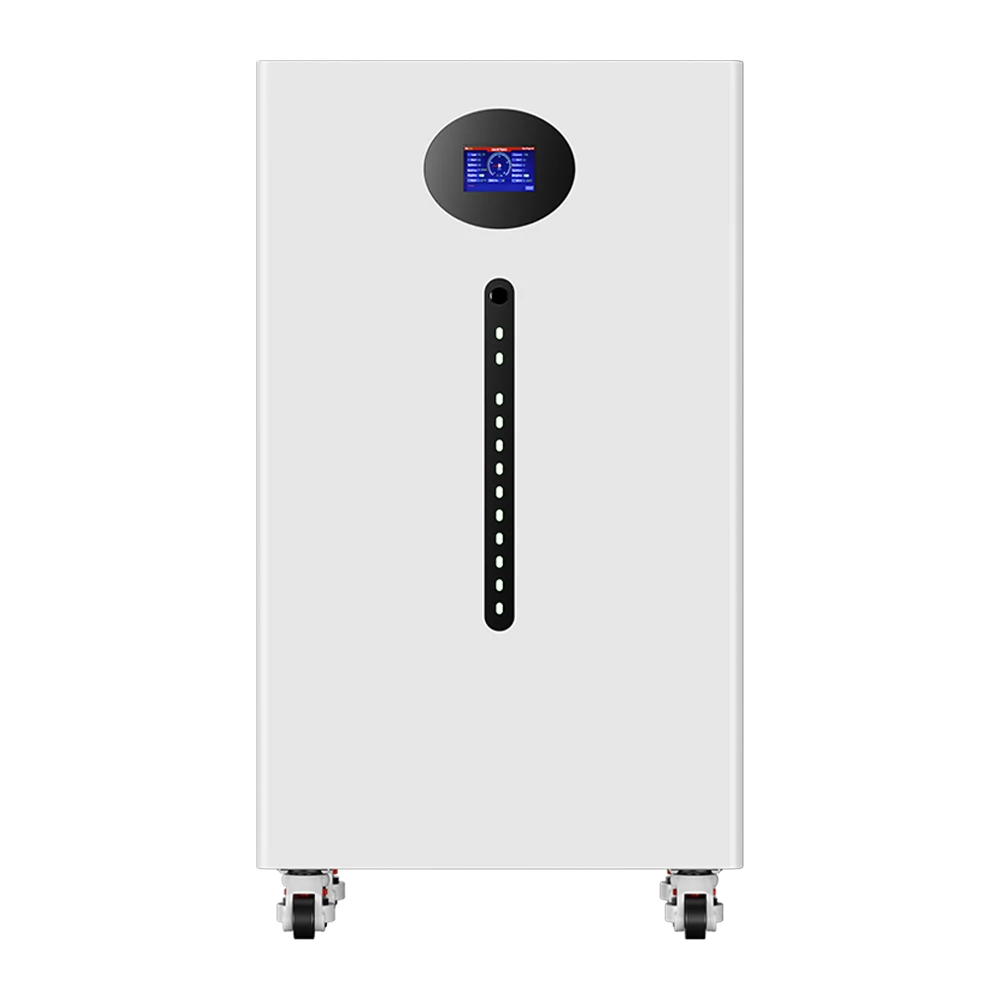
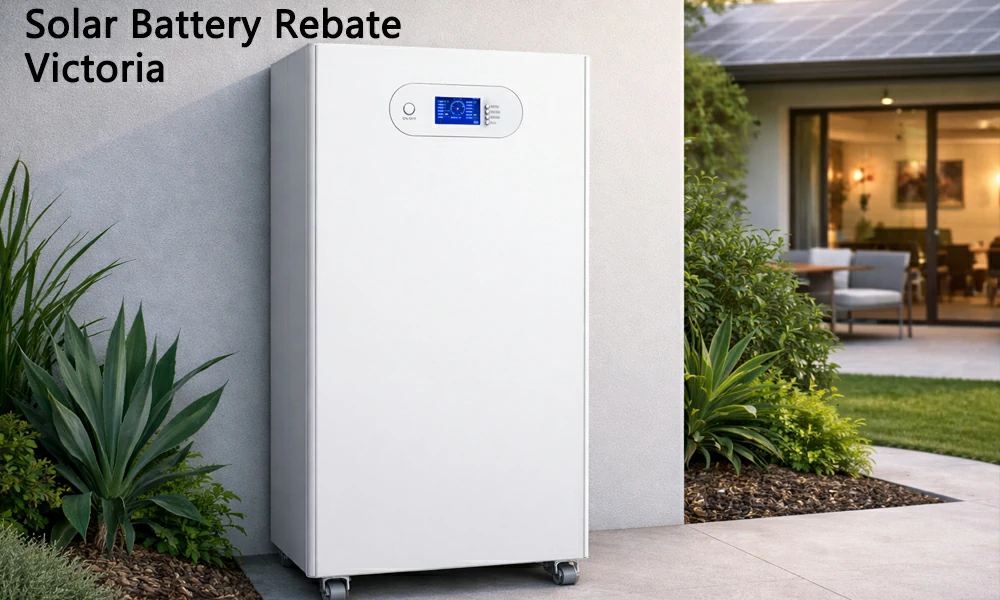
Avepower’s 16kWh 48V 314Ah LiFePO4 solar battery is an example of a vertical home battery format that can be used for solar storage, backup power, and modular residential projects.
2. Power Output: kW Matters as Much as kWh
Capacity tells you how long a battery can run loads. Power output tells you what loads it can run at one time.
This is where many homeowners get confused. A battery may have enough stored energy to run a refrigerator for many hours, but it also needs enough continuous and surge power to start compressors, pumps, HVAC equipment, or other motor-based loads.
Continuous output is the power the battery/inverter can supply steadily. Surge output is the short burst needed when appliances start.
A good solar backup battery design should match both your energy needs and your power demand. If you want to run only lights, Wi-Fi, a refrigerator, and a few outlets, the power requirement is modest. If you want to run central air conditioning, well pumps, electric cooking, or EV charging, the system needs much higher output and more advanced load management.
3. Essential-Load Backup vs Whole-Home Backup
Before buying a battery, decide what you really want to power during an outage.
Essential-load backup usually covers refrigerators, lights, Wi-Fi, security systems, garage doors, medical devices, sump pumps, and a few outlets. This design is more affordable, easier to size, and often gives better runtime.
Whole-home backup is more complex. It may include HVAC, water heating, electric cooking, laundry equipment, EV charging, and other large loads. This usually requires more battery capacity, higher inverter output, multiple batteries, smart load controls, and a larger solar array.
4. Battery Chemistry: Why LiFePO4 Is Widely Used
Most modern home solar batteries use lithium-based chemistry. Within lithium batteries, lithium iron phosphate, or LiFePO4 / LFP, has become a popular choice for stationary energy storage because of its thermal stability, long cycle life, and strong safety profile.
Lead-acid batteries can still be used in some low-cost or small off-grid systems, but they usually have shorter lifespan, lower usable depth of discharge, lower efficiency, and more maintenance requirements.
For residential backup, LiFePO4 is often preferred because homeowners want a battery that can cycle daily, support long service life, and operate safely in a fixed installation.
5. Inverter Compatibility and Communication
A solar backup battery is only as reliable as the system around it. Battery-inverter compatibility is one of the most important design details.
A compatible system allows the inverter and battery BMS to communicate using protocols such as CAN or RS485. This communication helps coordinate charging current, discharge limits, state of charge, alarms, temperature protection, and shutdown behavior.
Without proper communication, the battery may still work in basic voltage-control mode, but the system may lose monitoring accuracy, protective coordination, or optimal charge/discharge behavior.
This is why installers should check inverter compatibility before finalizing the system design. Avepower provides an inverter compatibility guide to help installers and project buyers match battery systems with suitable inverter communication options.
6. Scalability and Modular Expansion
A battery system should match today’s needs without blocking tomorrow’s upgrades. Many homeowners start with essential backup and later add more storage when they buy an EV, electrify heating, add more solar panels, or experience longer outages.
Scalable battery systems allow additional modules or parallel units to be added later. This can reduce upfront cost while keeping a path open for future expansion.
However, expansion should be planned from the beginning. The inverter, cables, breakers, cabinet layout, battery communication settings, and installation space should all support future capacity.
For small and medium residential projects, Avepower’s wall mounted LiFePO4 home solar battery can fit compact installations, while vertical and stackable formats may be better for larger storage requirements.
7. AC-Coupled vs DC-Coupled Solar Battery Systems
A solar backup battery can be connected in different ways. The two most common designs are AC-coupled and DC-coupled systems.
An AC-coupled battery is often easier to add to an existing solar system because it connects on the AC side of the home electrical system. This can be useful when a homeowner already has a grid-tied solar inverter and wants to retrofit battery storage.
A DC-coupled battery is often used in new installations with hybrid inverters. Solar DC power can charge the battery before conversion to AC, which may improve efficiency in some operating modes and simplify new solar-plus-storage design.
The better option depends on whether the home already has solar, the inverter brand, backup requirements, local electrical code, and budget.
For new residential solar-plus-storage projects, Avepower’s 15kWh home solar battery with 6kW inverter is an example of an all-in-one format designed to simplify integration between battery and inverter functions.
8. Safety and BMS Protection
A good solar backup battery should include a reliable battery management system, also called BMS. The BMS monitors cell voltage, current, temperature, state of charge, and abnormal operating conditions. It helps protect the battery against overcharge, over-discharge, overcurrent, short circuit, and temperature risks.
For homeowners and installers evaluating LiFePO4 systems, Avepower’s battery safety technology page explains how smart BMS protection, stable chemistry, certified components, and factory quality control support safer residential and commercial energy storage.

How to Size a Solar Backup Battery for Your Home
Sizing is the most important part of choosing a solar backup battery. Many homeowners either undersize the battery and feel disappointed during outages, or oversize it and pay for capacity they rarely use.
Start with three questions:
- What do you want to power during an outage?
- How many hours or days do you want backup power?
- Will solar panels recharge the battery during the outage?
A simple sizing method is:
Daily backup energy needed = appliance power × hours of use
For example, if your essential loads include a refrigerator, WiFi router, lights, phone charging, and a few outlets, your daily energy requirement may be much lower than your total household electricity use. If you add air conditioning, electric heating, cooking, water pumps, or an EV charger, the required battery capacity increases quickly.
Example Essential-Load Backup Calculation
| Load | Approximate Power | Backup Time | Energy Needed |
|---|---|---|---|
| Refrigerator | 150 W average | 24 hours | 3.6 kWh |
| WiFi router | 15 W | 24 hours | 0.36 kWh |
| LED lights | 80 W | 6 hours | 0.48 kWh |
| Phone/laptop charging | 100 W | 4 hours | 0.4 kWh |
| TV or small electronics | 120 W | 4 hours | 0.48 kWh |
| Safety margin | — | — | 1–2 kWh |
In this example, a 6–8 kWh usable battery may cover basic overnight resilience. However, if the homeowner wants two days of backup or wants to include a pump, HVAC, or more appliances, a 10–20 kWh system may be more appropriate.
Essential Loads vs Whole-Home Backup
Essential-load backup protects selected circuits. Whole-home backup attempts to power nearly everything in the home. Essential-load systems are usually more affordable, easier to design, and more efficient during outages because the battery is not wasted on non-critical loads.
Whole-home backup requires more battery capacity and higher inverter output. If the home has electric heating, central air conditioning, an electric water heater, or EV charging, whole-home backup can require multiple batteries and careful load management.
How Many Solar Backup Batteries Do You Need?
The number of batteries depends on usable kWh, power output, and backup goal.
| Backup Goal | Typical Battery Size | Suitable For |
|---|---|---|
| Basic emergency backup | 5–10 kWh | Refrigerator, lights, WiFi, phone charging |
| Essential-load backup | 10–15 kWh | Critical circuits, overnight backup, daily solar use |
| Strong home resilience | 15–30 kWh | Longer outage support, higher evening loads |
| Whole-home backup | 30–40+ kWh | Larger homes, pumps, HVAC, multi-day backup |
| Off-grid or high-load home | 40 kWh+ | Remote homes, farms, villas, heavy appliances |
These ranges are only starting points. Climate, house size, appliance type, solar array size, inverter power, and user behavior all change the final design.
For example, a mild-climate home with gas heating may need far less backup capacity than an all-electric home with heat pumps and electric water heating. A villa with a well pump and large air-conditioning load may need a much larger system than an apartment using only basic circuits.
How Long Can a Solar Backup Battery Power a House?
Runtime depends on battery size, usable capacity, load demand, solar recharge, inverter efficiency, and weather.
A 10kWh usable battery can theoretically run 1kW of continuous loads for about 10 hours before losses and reserve settings. If the home is only drawing 500W of essential loads, the same battery may last closer to 20 hours. If the home is drawing 3kW, it may last only a few hours.
Solar recharge changes the calculation. During a sunny outage, solar panels can refill the battery and extend runtime. During storms, snow, heavy cloud cover, smoke, or nighttime outages, solar generation may be limited.
Best Solar Backup Battery by Home Type
Different homes need different battery designs.
Wall-Mounted Battery
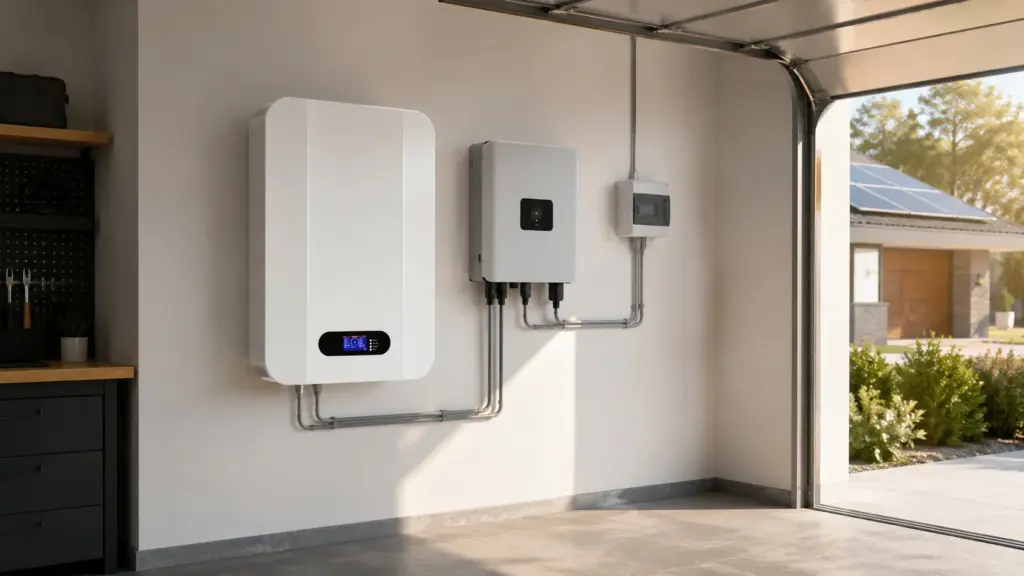
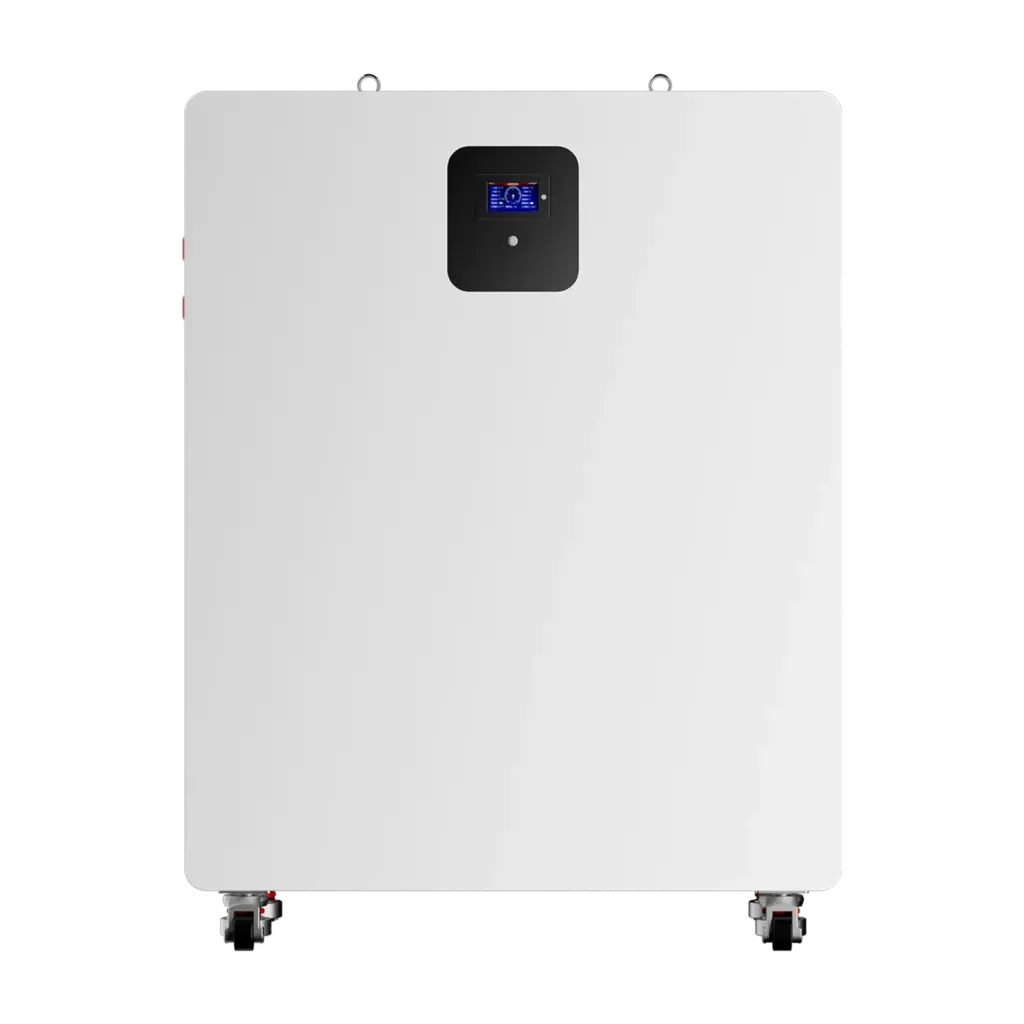
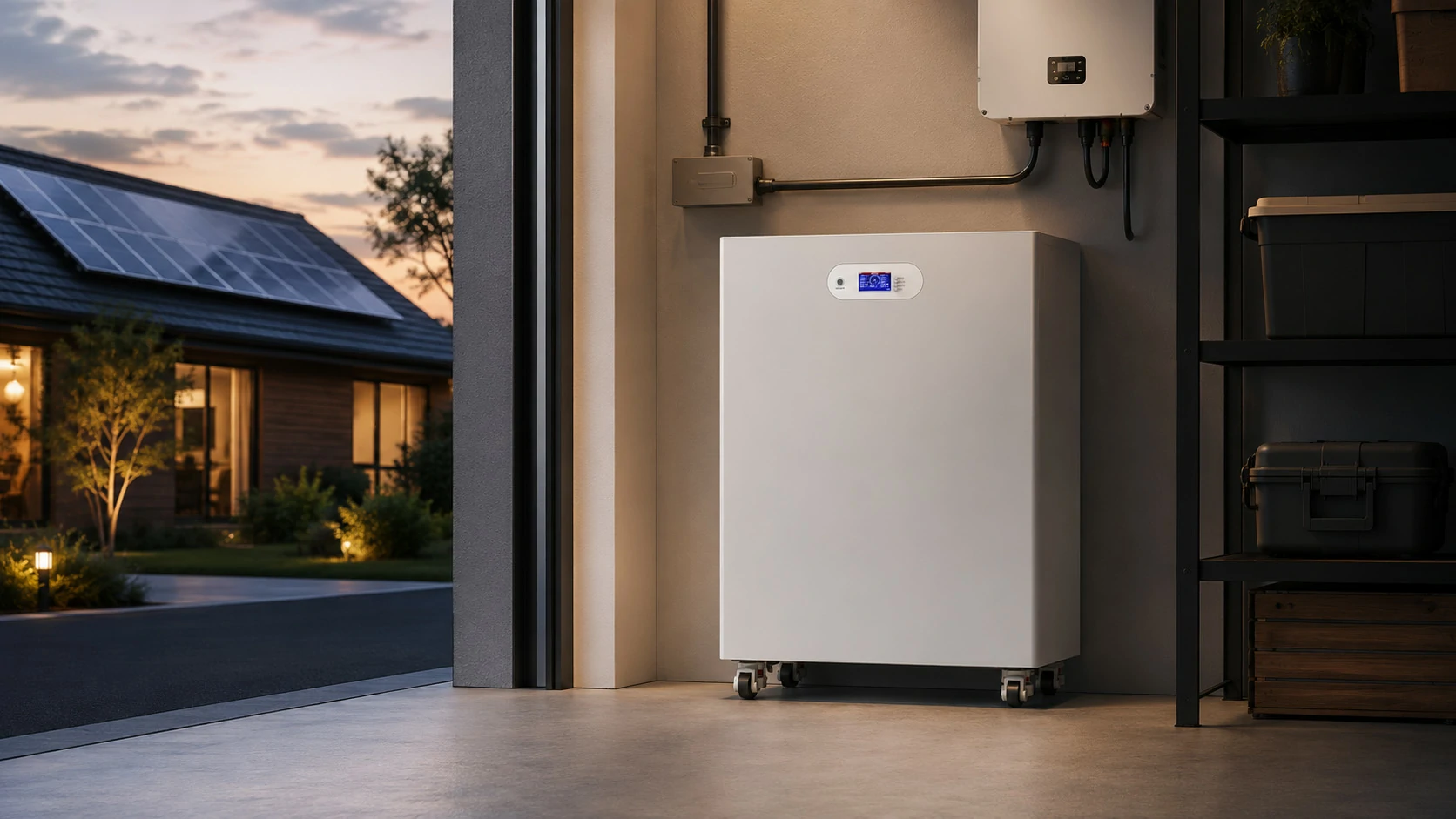
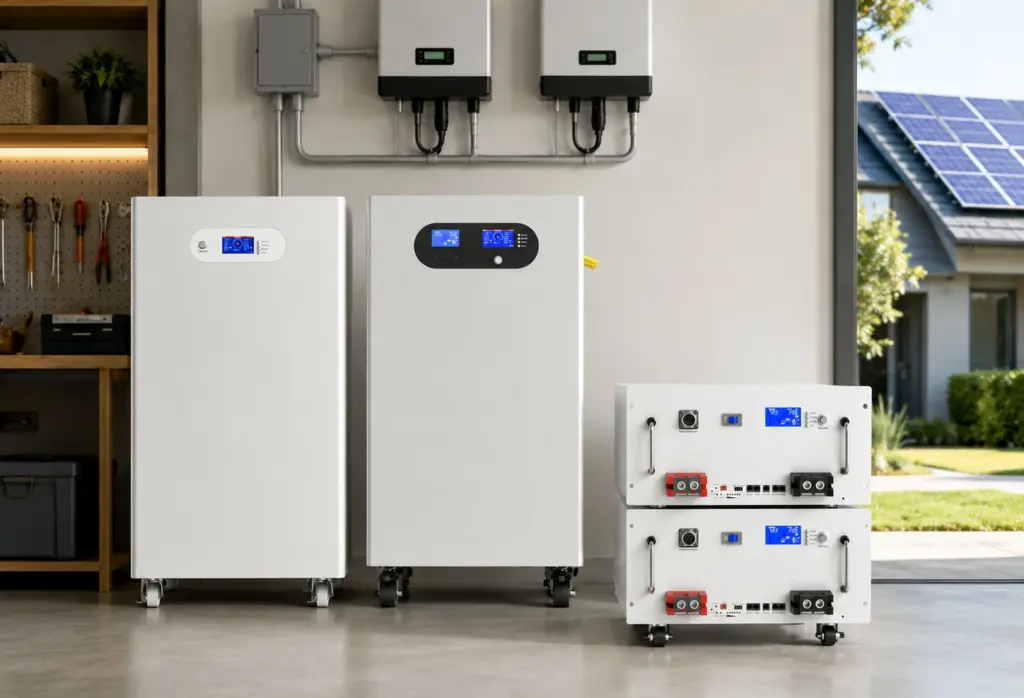
A wall-mounted battery is suitable for homes with limited floor space, garages, utility rooms, and smaller backup loads. It is often used for 5 kWh or 10 kWh residential systems.
Avepower’s wall mounted battery range is suitable for compact home solar storage, essential-load backup, and installer-led residential battery projects.
Vertical LiFePO4 Battery
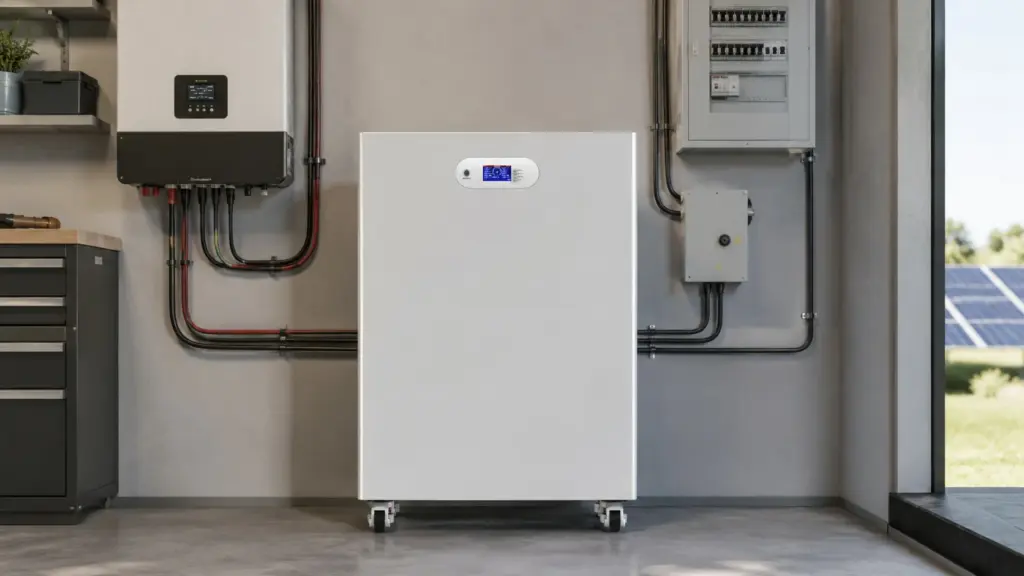
A vertical battery is a good option when the homeowner needs higher capacity in a cabinet-style format. It can be suitable for daily solar self-consumption, backup circuits, off-grid cabins, villas, telecom rooms, and small commercial spaces.
Avepower’s vertical LiFePO4 battery solutions are designed for home energy storage projects that need larger capacity, practical installation, and reliable LiFePO4 performance.
Stackable Battery
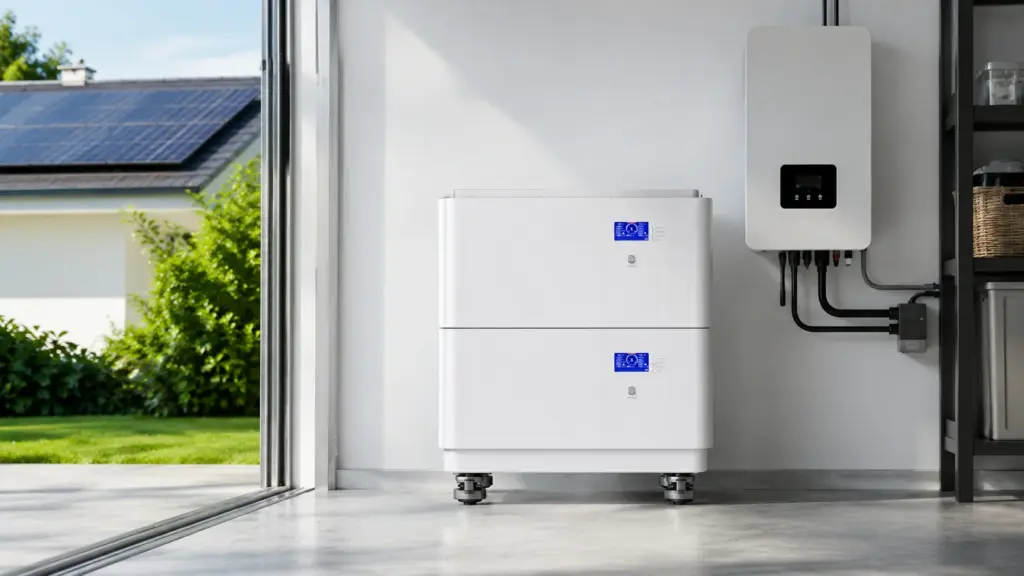
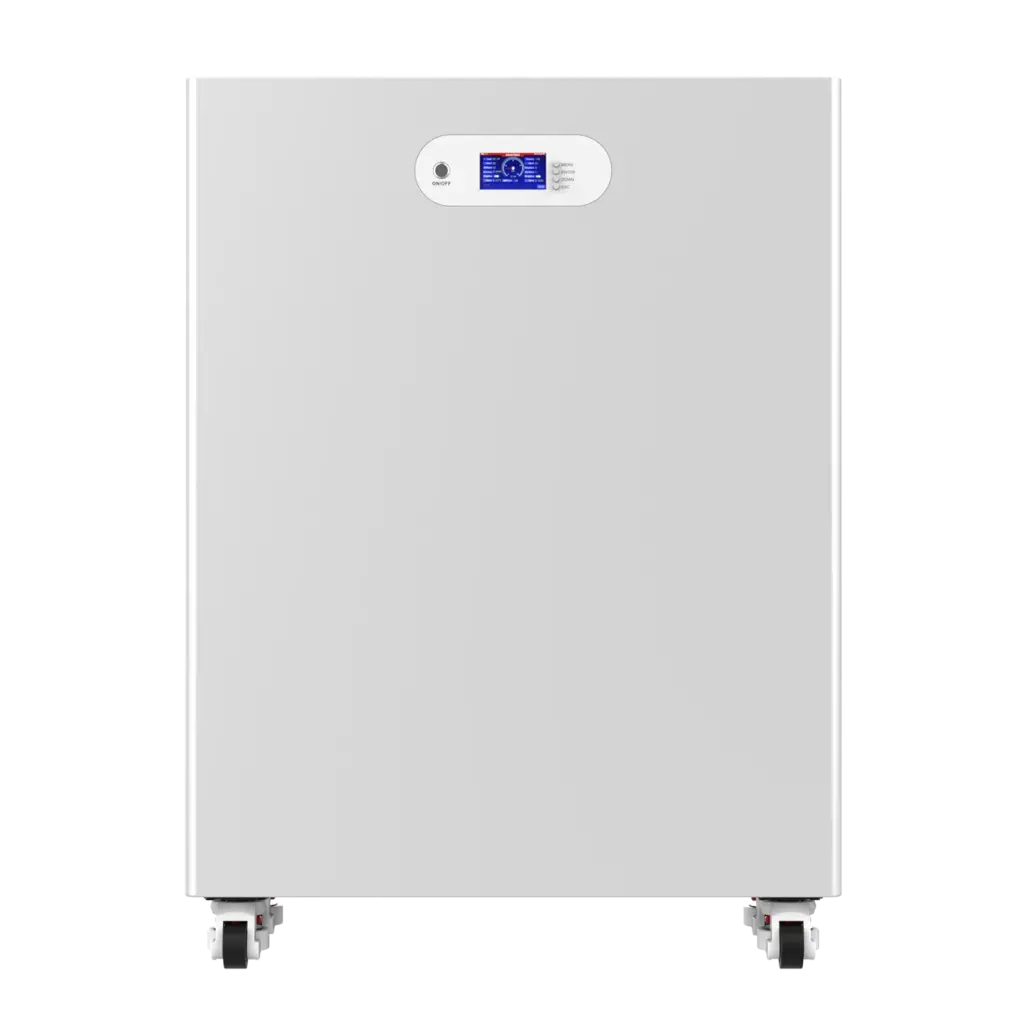
A stackable battery system is ideal when expansion is important. Homeowners can start with a smaller system and add more modules as loads increase.
Avepower’s stackable battery solutions are suitable for modular home storage, scalable solar backup, and projects where installers want flexible capacity planning.
Rack-Mount Battery
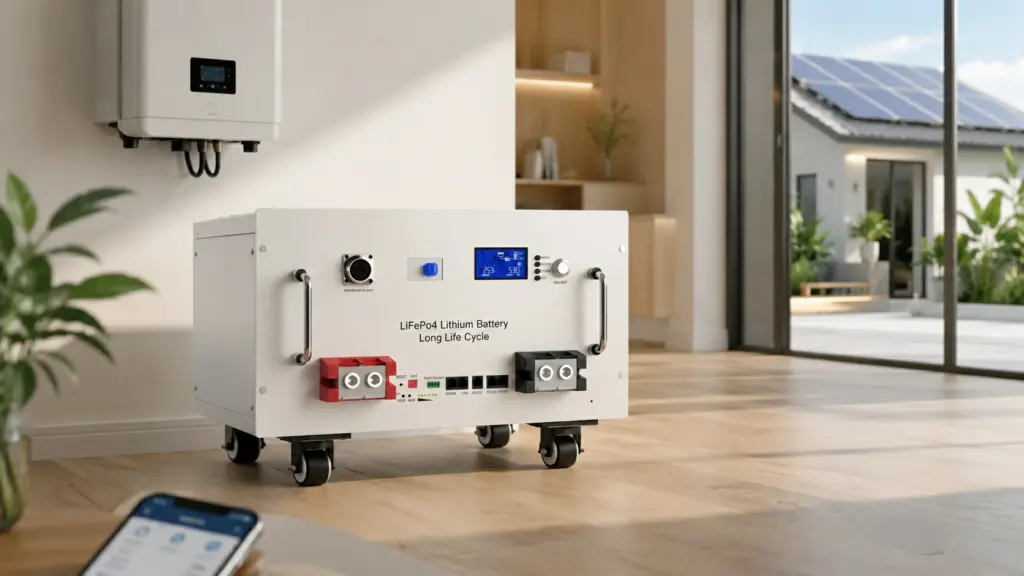
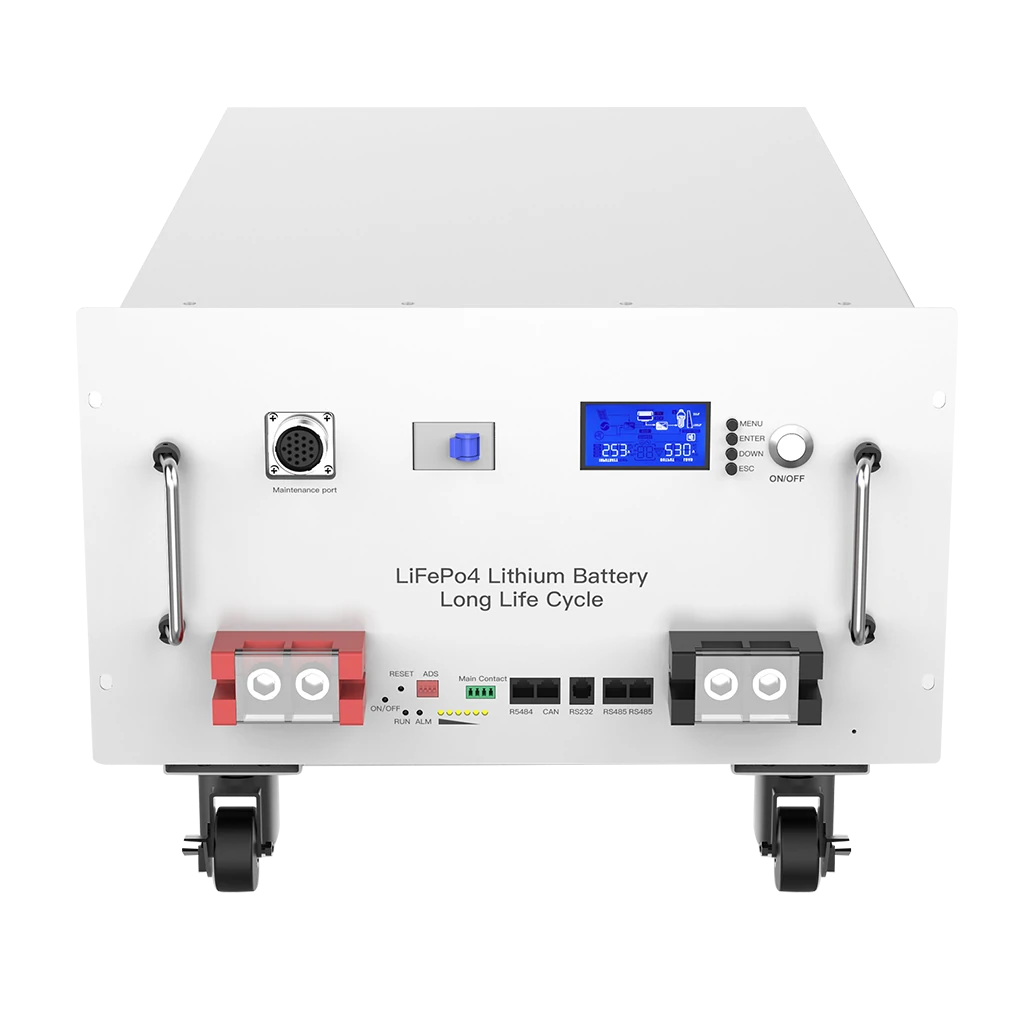
Rack-mounted batteries are often used in equipment rooms, telecom sites, off-grid systems, and projects where serviceability and organized wiring are important.
Avepower’s rack mount battery range is a practical option for installers who prefer structured battery banks and cabinet-based layouts.
All-in-One Battery System
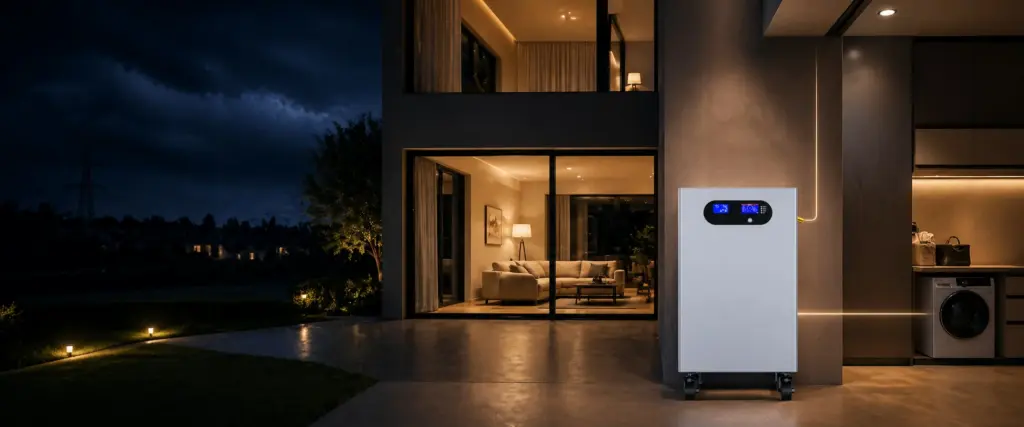
An all-in-one system integrates battery storage with inverter equipment and control functions. This can simplify system design for new solar-plus-storage projects.
Avepower’s all-in-one home battery system is suitable for users who want an integrated solar storage solution with battery, inverter, and energy management functions in one design.
Take Control of Your Energy with Avepower!
Reliable home solar battery solutions with OEM/ODM customization and in-house manufacturing, tailored to the needs of distributors, installers, and energy partners.
What Makes a Solar Backup Battery Reliable?
A reliable solar backup battery is not only a battery with high capacity. It must work safely and predictably in real home conditions.
Reliable Cell Chemistry
LFP chemistry is widely used for residential storage because it is stable, durable, and well-suited to repeated charge and discharge cycles.
Strong BMS Protection
A quality BMS should monitor voltage, temperature, current, state of charge, alarms, and communication status. It should help protect the battery in abnormal conditions and make troubleshooting easier for installers.
Correct Inverter Settings
The inverter must be configured with the right charge voltage, discharge limit, current limit, communication protocol, and backup reserve settings. Incorrect inverter settings can reduce battery performance or cause system alarms.
Load Management
Not every appliance should be backed up. A protected-load panel or smart load control can prevent the battery from being drained too quickly. This is especially important for air conditioning, electric heating, water heaters, EV chargers, and large pumps.
Installation Quality
Even the best battery can perform poorly if the system is installed incorrectly. Cable sizing, breaker selection, grounding, ventilation, wall or floor support, firmware setup, and commissioning checks all affect long-term reliability.
Monitoring and Maintenance
Modern battery monitoring helps homeowners and installers check state of charge, operat
Avepower Recommendation: How to Choose by Home Type
For smaller homes, apartments, and essential-load backup, Avepower generally recommends starting with a compact wall-mounted or 5–10 kWh battery configuration. This can cover basic backup needs while keeping system cost and installation complexity under control.
For standard homes with rooftop solar, evening energy use, and backup requirements, a 10–20 kWh LiFePO4 system is usually more practical. A vertical battery or stackable battery can provide stronger usable capacity and better flexibility for future expansion.
For villas, farms, off-grid homes, or homes with well pumps and higher loads, a larger multi-battery system may be required. In these cases, Avepower recommends confirming load priority, inverter power, solar recharge capacity, communication protocol, and installation space before selecting the final battery configuration.
For installers, distributors, EPC teams, and OEM/ODM buyers, Avepower can support customization for capacity, appearance, communication, BMS logic, branding, and project-specific battery design through its custom battery storage service.
Conclusion
A solar backup battery is one of the most practical upgrades for homeowners who want better power security, higher solar self-consumption, and more control over electricity costs. But the best system is not simply the battery with the biggest advertised capacity. It is the system that matches your home’s real loads, outage expectations, solar production, inverter setup, installation environment, and future energy plans.
For basic backup, a compact 5–10 kWh battery may be enough. For stronger home resilience, 10–20 kWh is often more realistic. For whole-home backup, off-grid homes, or properties with high electric loads, a larger modular LiFePO4 battery system may be required.
Avepower recommends choosing a solar backup battery based on usable capacity, power output, LFP chemistry, BMS protection, inverter communication, and expandability. For homeowners, installers, and distributors planning residential solar storage projects, Avepower provides wall-mounted, vertical, rack-mounted, stackable, and all-in-one LiFePO4 battery solutions that can be adapted to different home backup and solar storage applications.
FAQ
Yes. If your solar battery has a capacity of at least 3 kWh, it may qualify for the 30% Federal Solar Investment Tax Credit (ITC), which applies to the total system cost.
DoD measures how much energy has been used from the battery’s total capacity. Lower DoD levels generally extend battery life, so avoid fully discharging your battery whenever possible.
Most solar batteries last 10–15 years, depending on the battery type, usage patterns, depth of discharge, and environmental conditions.
Lithium-ion (especially LiFePO₄) batteries are currently the top choice for homes and businesses due to their high efficiency, long lifespan, and safety.
Improve your home’s energy efficiency—use energy-saving appliances, improve insulation, and focus on powering only essential loads during outages.
The number of batteries depends on your daily energy use, backup goals (partial or whole-home), and each battery’s usable capacity. A professional assessment can determine the right setup.