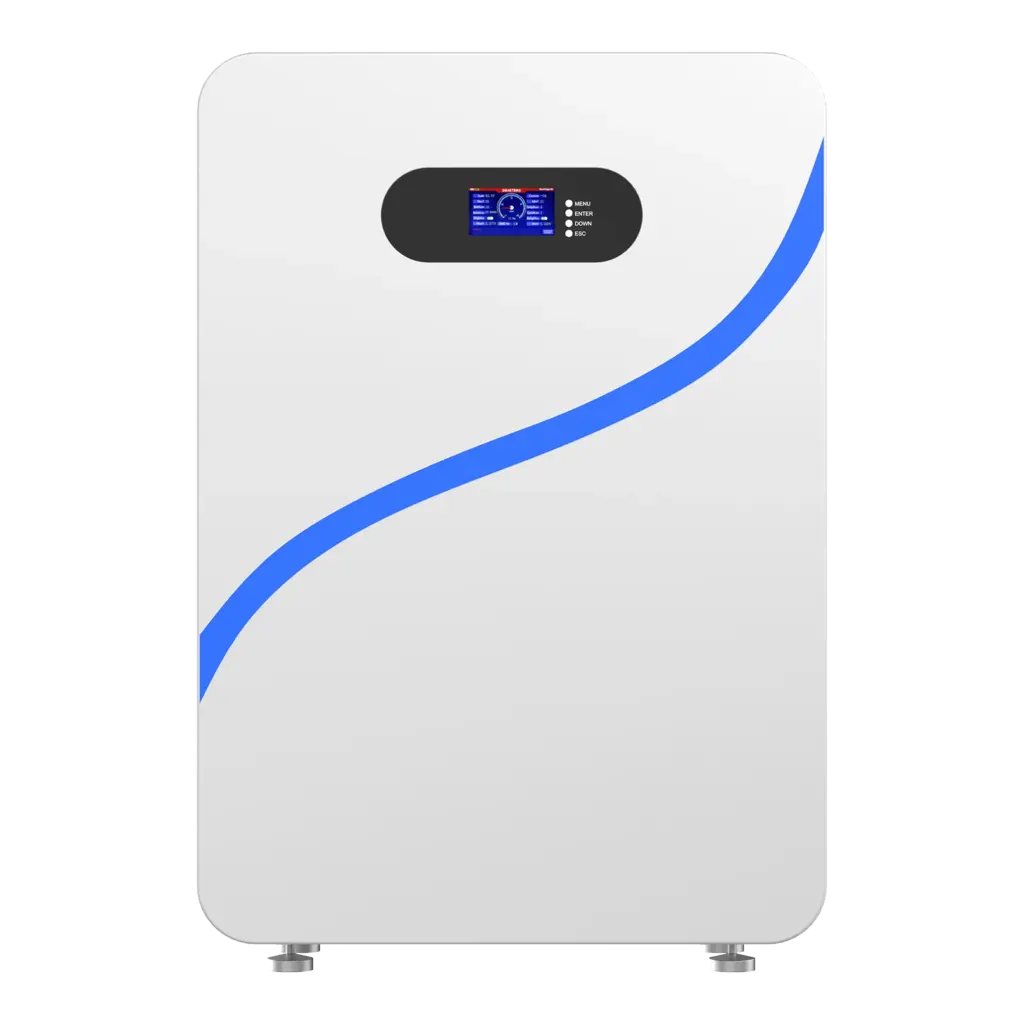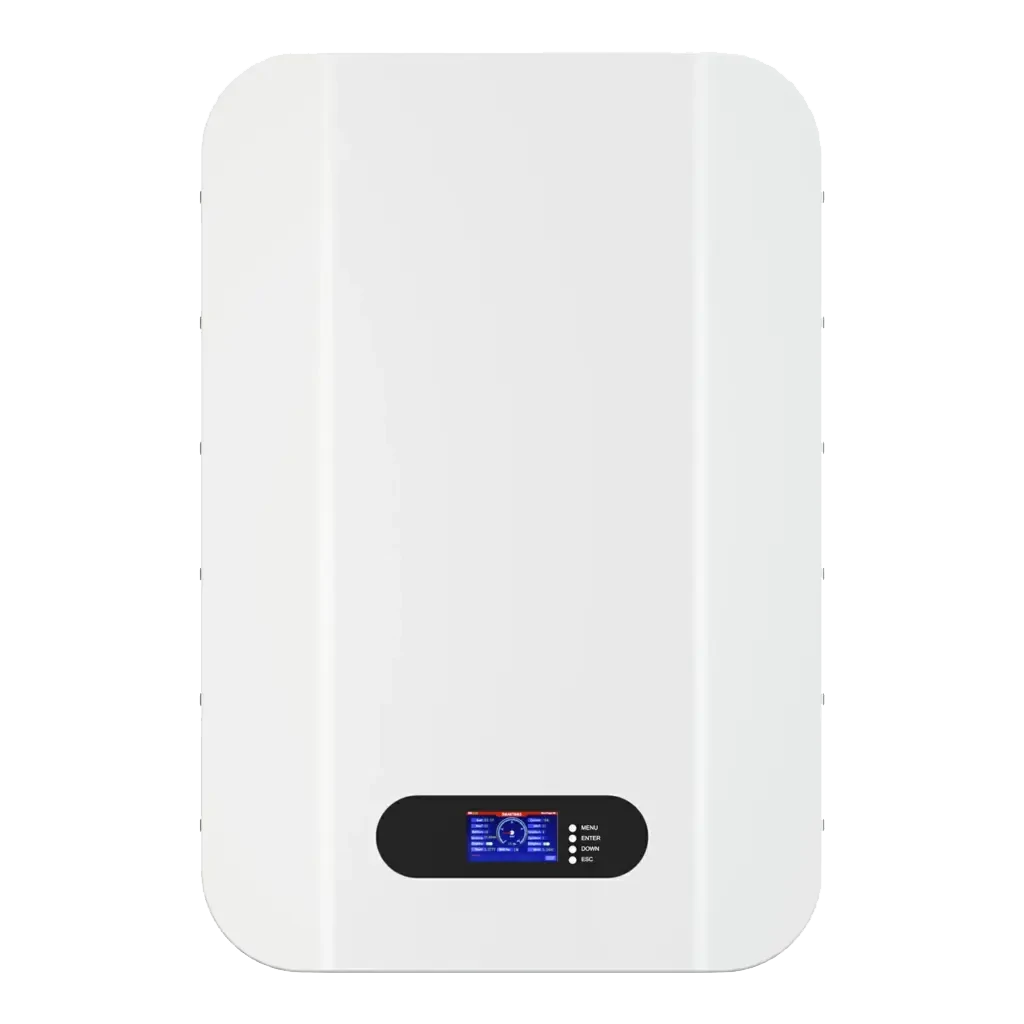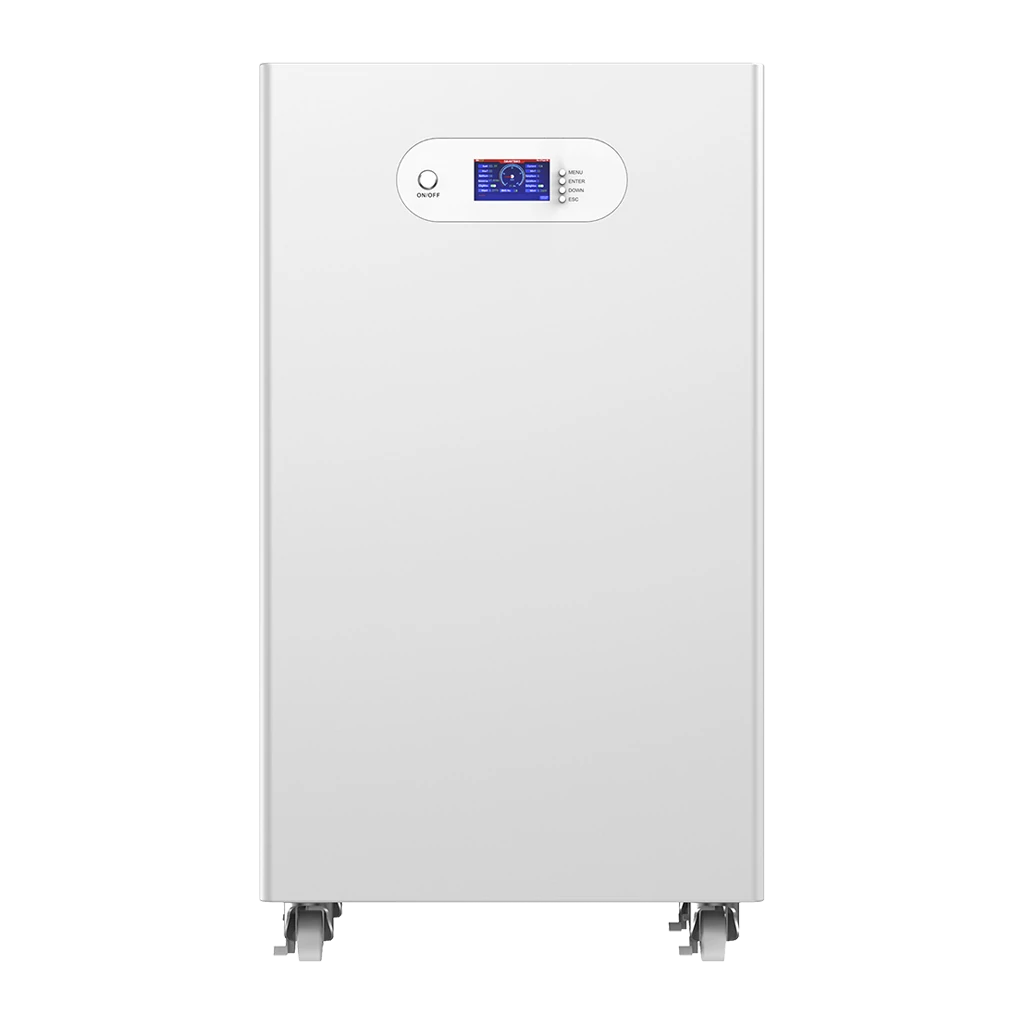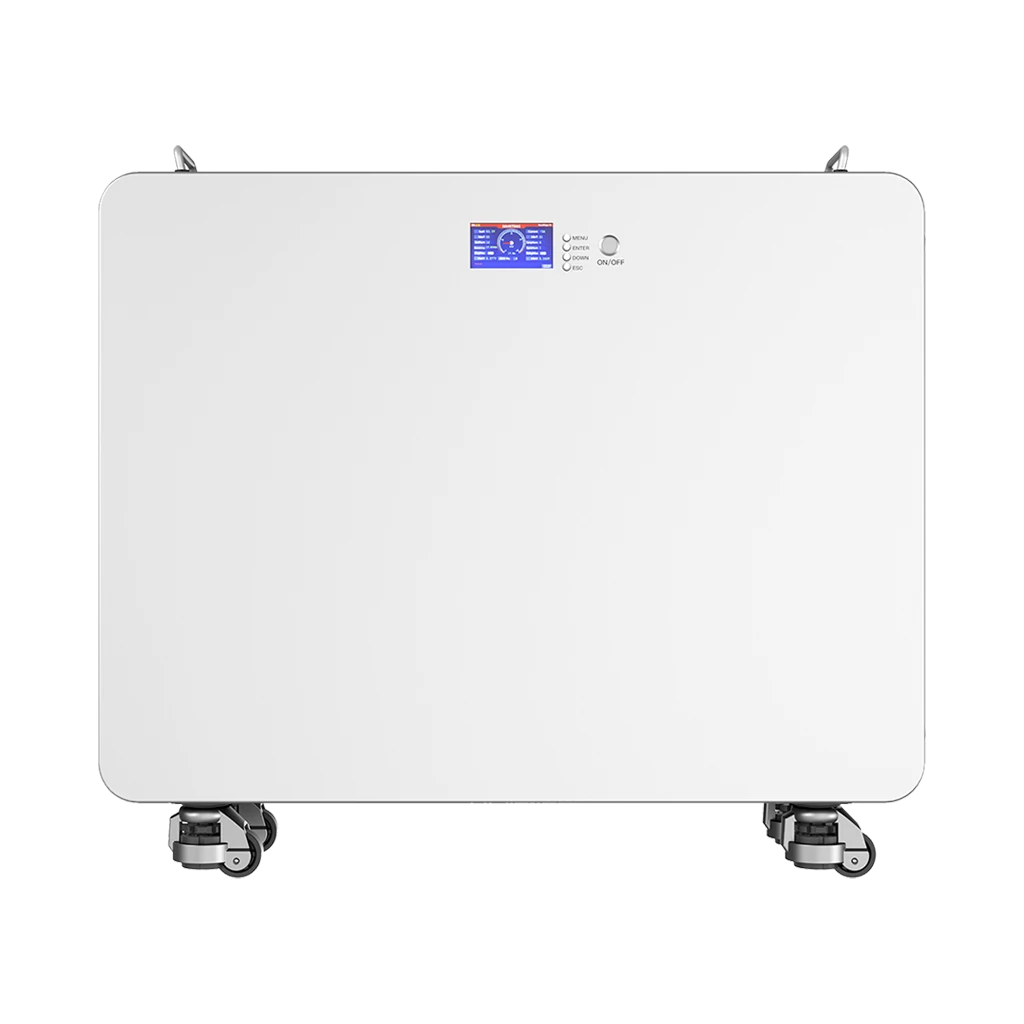

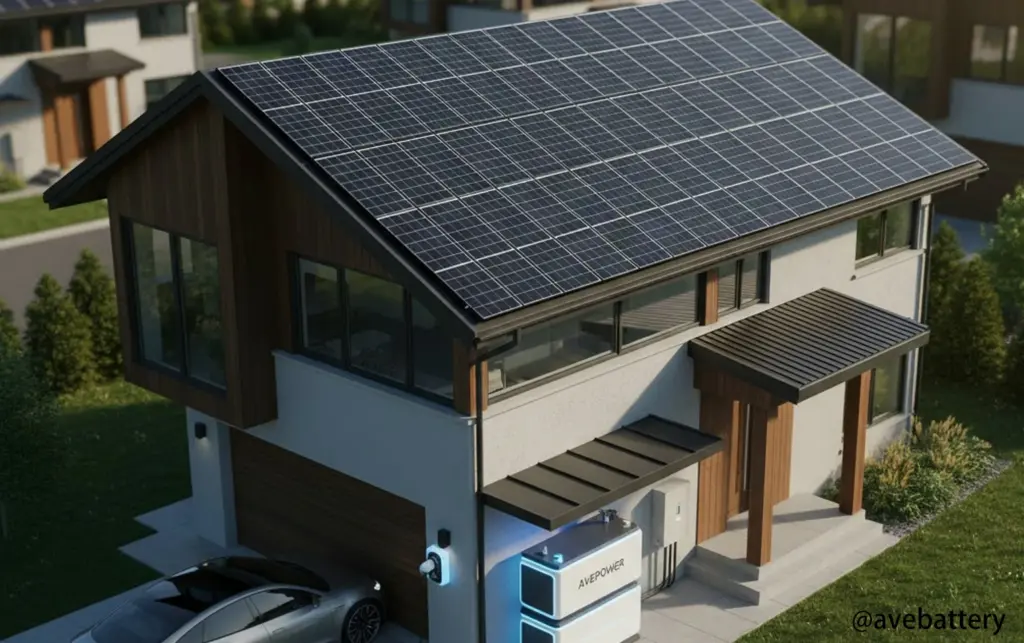
Homeowners everywhere are looking for ways to cut electricity costs, use clean energy, and protect themselves from power outages. One of the best ways to do all three is through a solar-plus-storage system — a combination of solar panels and a home battery. This setup allows you to generate, store, and use your own solar power, even when the sun isn’t shining.
This article will guide you through how solar battery storage works, what components make up a system, how to measure its performance, and how to size it correctly to match your home’s energy needs.
Why Storing Solar Energy Matters
Without a battery, your solar system only works when the sun is shining. At night or during power outages, you must rely on grid electricity. Adding a home energy storage battery changes that completely.
A solar battery acts like your personal energy reserve. You can use it to:
- Power your home at night.
- Run essential appliances during blackouts.
- Reduce your dependence on the utility company.
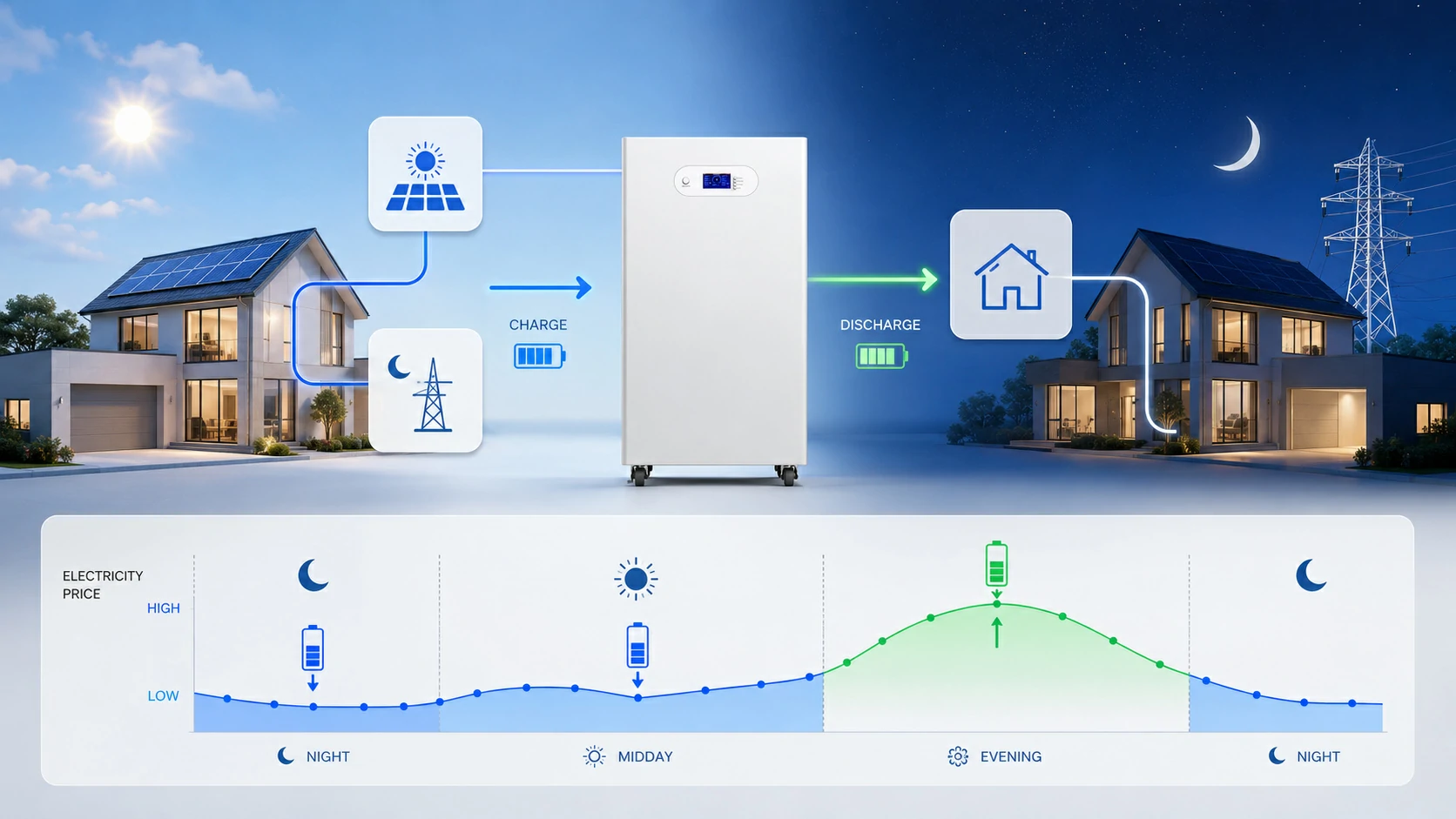
- Save money by using stored energy during expensive peak hours.
If your system has the right kind of inverter, it can even isolate itself from the grid during an outage and continue supplying your home with power. That means your lights, Wi-Fi, and refrigerator can stay on even when the neighborhood is dark.
This independence transforms your solar setup from a money-saving tool into a full home energy management system that provides comfort, reliability, and resilience.
How a Solar Energy Battery Storage Works
By using a solar energy storage system, you no longer need to rely on the power grid for electricity. Instead, you can generate electricity during the day and store it for use when the sun goes down.
Step by Step:
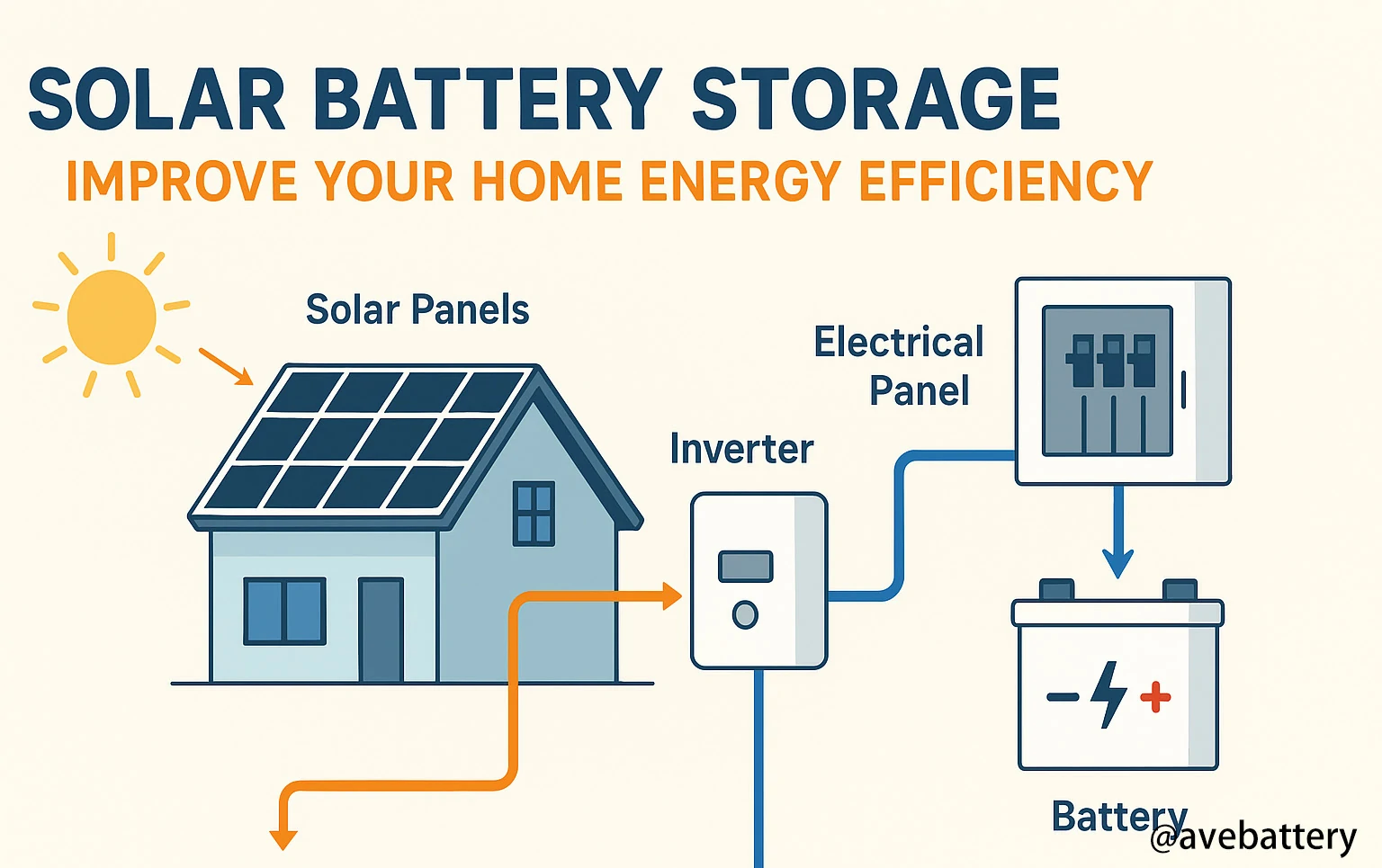
- Solar panels capture sunlight and convert it into direct current (DC) electricity.
- Inverters transform that DC into alternating current (AC), which powers home devices.
- Batteries store excess electricity for use when solar generation is low or unavailable.
- Smart energy management systems control the power flow—deciding when to use, store, or export energy.
This closed-loop design gives you energy independence, stability during grid outages, and the satisfaction of powering your home with renewable energy you produced yourself.
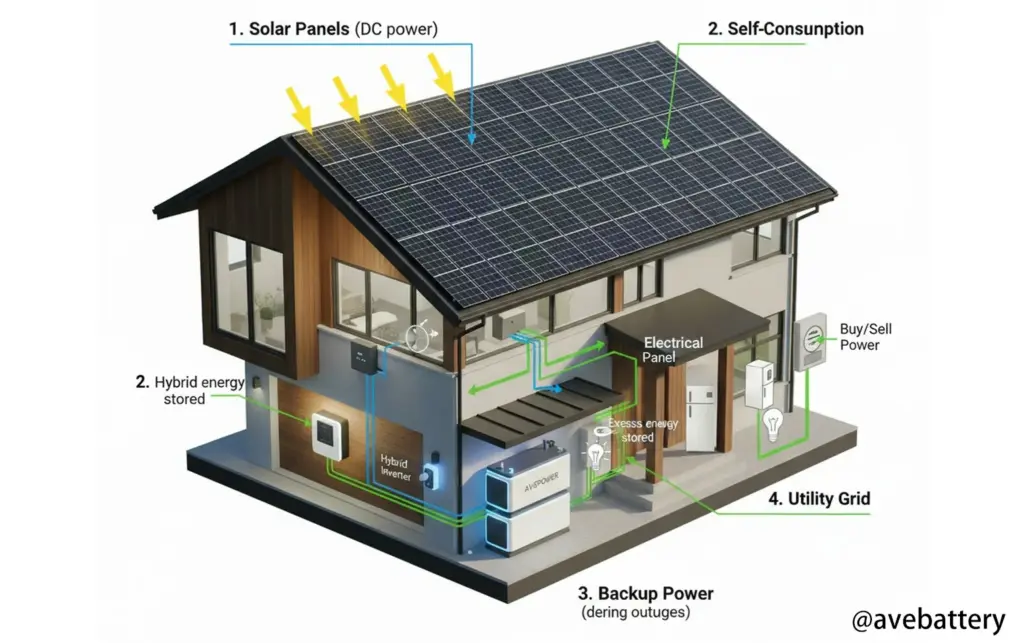
Step 1: Capturing Solar Energy
Solar panels are the first step in the energy conversion process. Typically mounted on rooftops or ground frames, these panels contain solar cells made from silicon. When sunlight strikes the cells, they produce direct current (DC) electricity, which is not compatible with most household appliances.
An inverter converts DC electricity into alternating current (AC) electricity, which powers lights, refrigerators, electronics, and other devices in a home. Modern inverters are highly efficient and can be integrated with storage solutions to optimize energy use.
Step 2: Storing Surplus Energy
During periods of high solar irradiance, when PV output exceeds the home’s immediate load demand, the excess electricity is not passively exported. In a solar-plus-storage architecture, the system’s Energy Management System (EMS) automatically directs this surplus DC power to the BESS. The energy is stored chemically within the battery cells, establishing an onsite energy reserve.
This stored capacity is a strategic asset. It can be utilized to meet the home’s power requirements during off-production hours (after sunset), stabilize the load during intermittent production periods (cloudy weather), and most critically, function as an uninterruptible power source during a grid failure event.
Step 3: Energy Independence and Backup Power
Traditional solar systems shut down during blackouts to protect grid workers, leaving homes without power. A solar battery system, however, can isolate itself from the grid (islanding mode) and continue operating safely.
This means your essential devices—refrigerators, lights, Wi-Fi routers, and medical equipment—keep running. Instead of being dependent on the grid, you gain energy resilience and independence, making your home more secure and efficient.
The Advantages of Energy Independence
Homeowners invest in solar battery storage not only for cost savings but also for control, resilience, and sustainability. Energy independence means you can rely less on external utilities and more on the clean power you generate yourself.
Reliable Power During Outages
Most traditional solar systems must shut down during grid failures for safety reasons. However, when you add a battery backup, your system can automatically disconnect from the grid and operate independently—a process known as islanding. This allows you to keep essential circuits running, such as refrigerators, lighting, and Wi-Fi routers, ensuring comfort and safety even during prolonged blackouts.
Increased Solar Self-Consumption
Without a battery, much of your solar electricity is sent back to the grid. With storage, that same energy stays within your home, powering appliances directly or charging your battery for nighttime use. This improves your solar self-consumption rate and makes your investment more valuable.
Long-Term Energy Cost Reduction
By drawing from your battery during peak utility hours—when electricity prices are highest—you can reduce your time-of-use (TOU) charges. Over the system’s lifetime, this strategy can save thousands of dollars while stabilizing your energy costs against fluctuating grid rates.
Core Components of a Solar Battery Storage System
To understand how to select and optimize a solar-plus-storage solution, it’s important to know what each component does. The efficiency, lifespan, and performance of your system depend on how well these parts work together.
Solar Panels
Solar panels are the visible face of any solar system. They contain photovoltaic (PV) cells—usually made of silicon—that absorb sunlight and produce DC electricity.
There are two main panel types used in residential setups:
| Panel Type | Material & Structure | Appearance | Efficiency & Performance | Cost Level | Best For |
|---|---|---|---|---|---|
| Monocrystalline Panels | Made from a single, pure silicon crystal | Solid black color with smooth texture | Higher efficiency and better power output in limited space | Higher cost | Homeowners with small rooftops or high energy demand |
| Polycrystalline Panels | Made by melting multiple silicon fragments together | Blue, speckled surface | Slightly lower efficiency and power density | Lower cost | Homeowners seeking affordable solar installation |
While both types are reliable, monocrystalline panels generally yield more power per square meter, which becomes important for small rooftops or high-energy households.
Inverters
The inverter converts DC electricity from the panels into AC electricity for your home. It also manages power flow between panels, the grid, and the battery.
There are three main types:
| Inverter Type | Connection Method | Main Function | Advantages | Limitations | Best For |
|---|---|---|---|---|---|
| String Inverter | Connects multiple solar panels in a series (“string”) and converts their combined DC output to AC power | Centralized power conversion | Affordable, simple setup | Shading on one panel affects all | Homes with open, unshaded roofs |
| Microinverter | Installed individually behind each solar panel | Converts DC to AC directly at each panel | Works well in shaded or uneven roofs | Higher cost | Homes with complex or shaded roofs |
| Hybrid Inverter | Connects both solar panels and battery storage in a single integrated unit | Manages power conversion for solar generation, home usage, and battery storage | Future-ready, easy battery connection | Slightly more expensive | Homes planning solar + storage |
Choosing a hybrid inverter from the start provides the flexibility to add battery storage later without major upgrades.
Battery Units
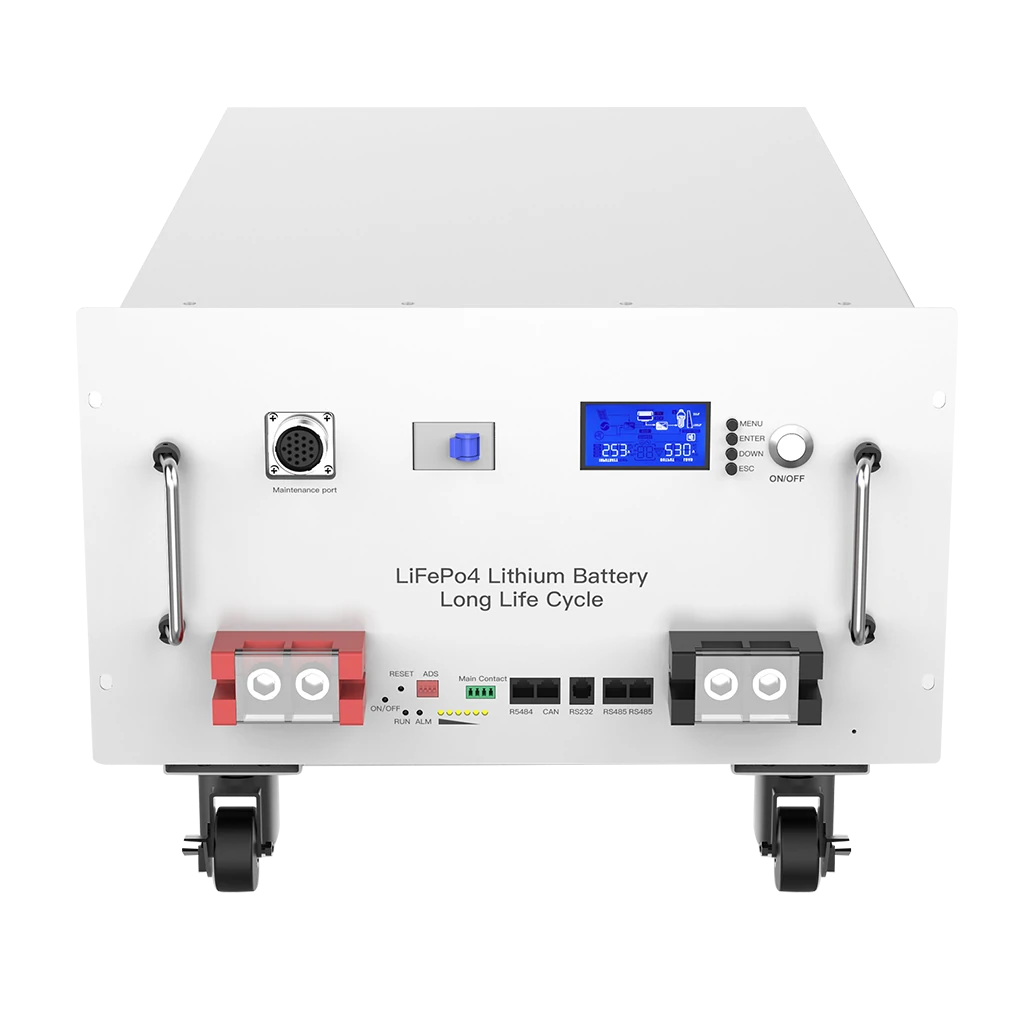
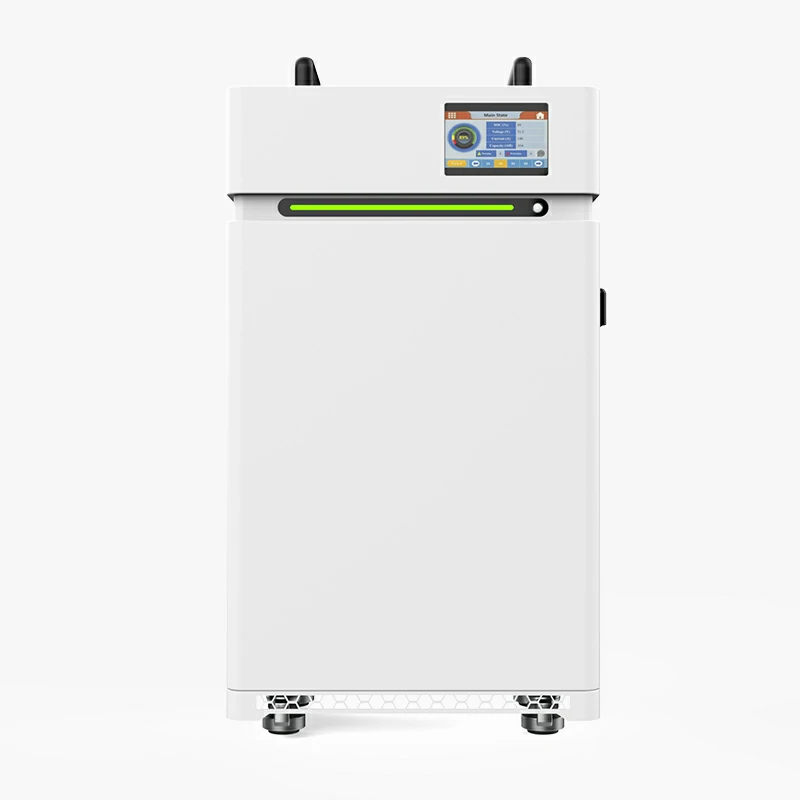
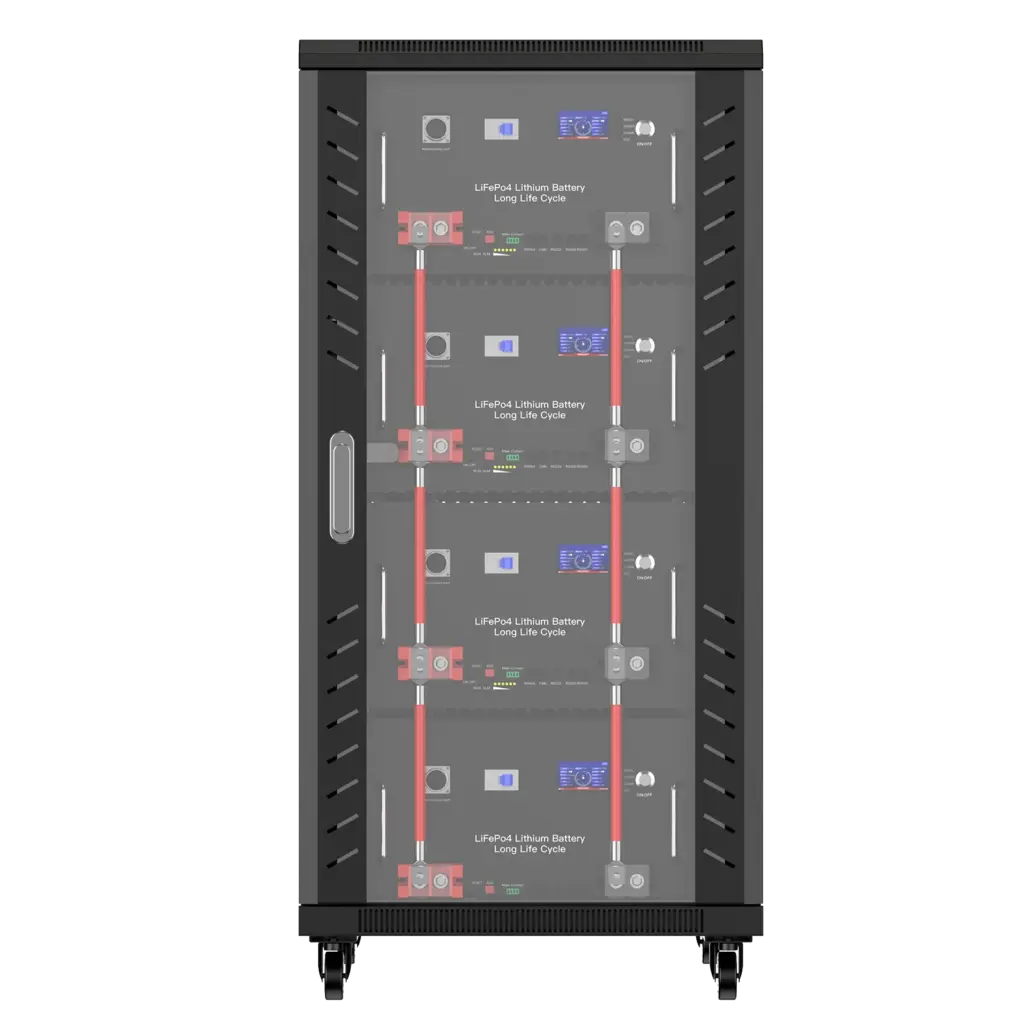
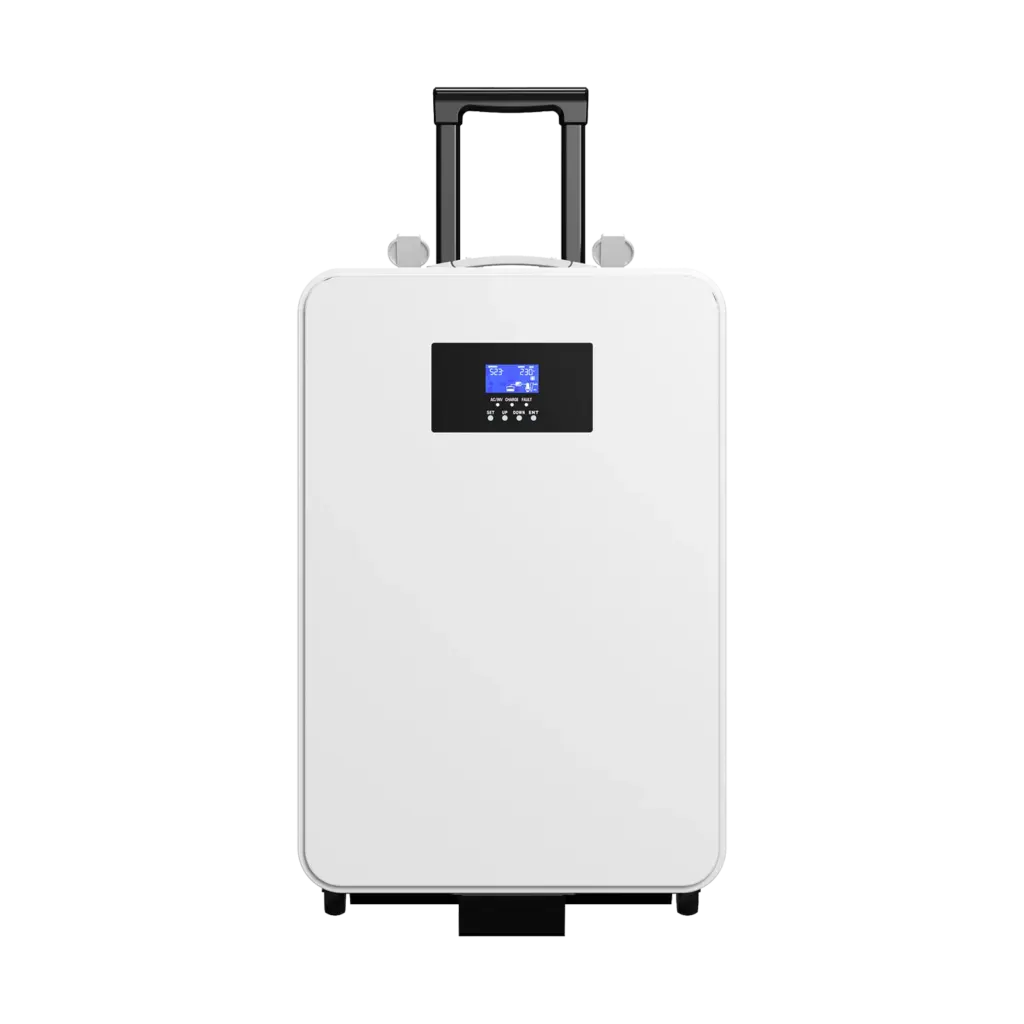
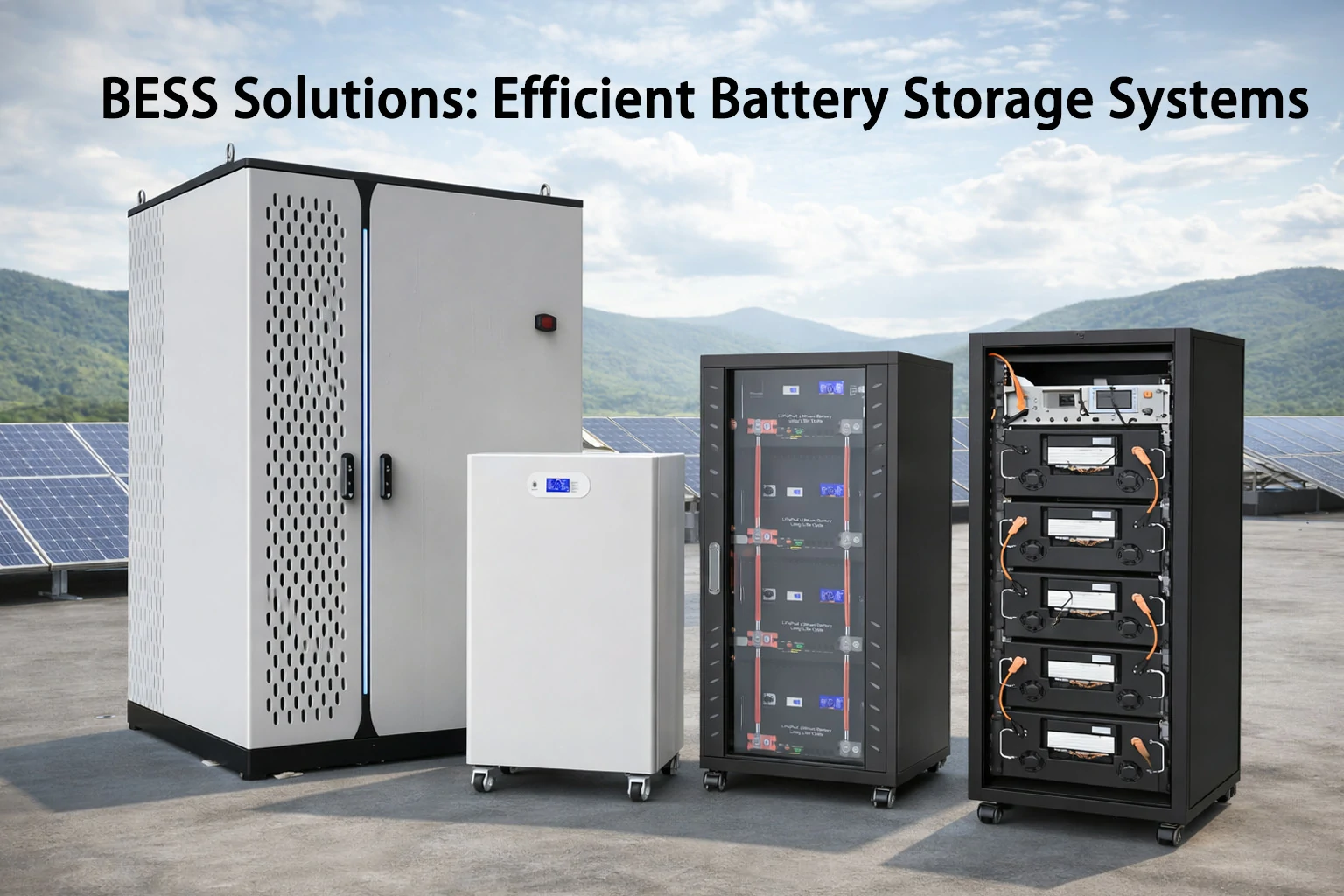
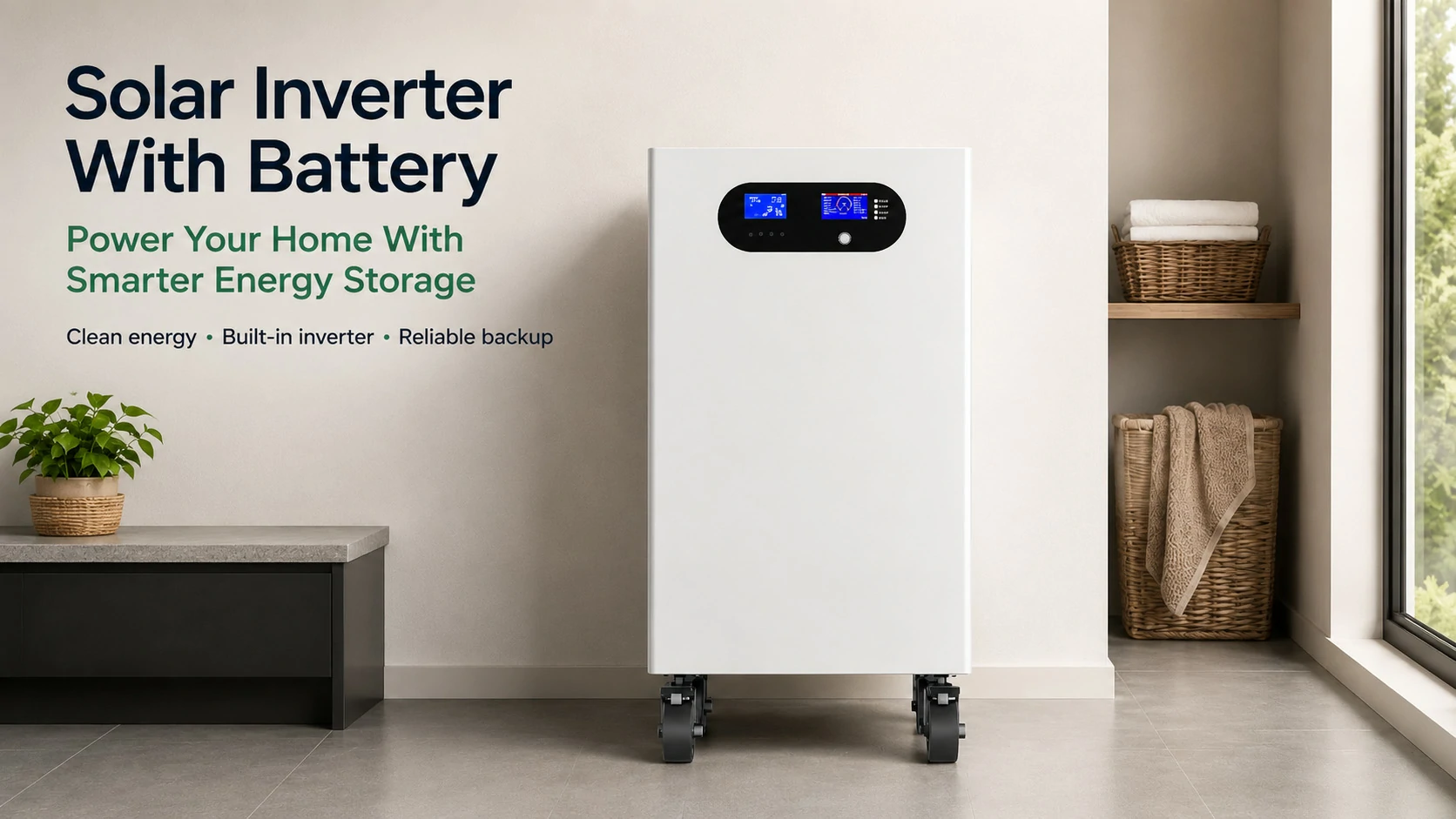
The battery stores unused solar power so you can use it when sunlight isn’t available. Modern systems rely on lithium-ion technology, known for high energy density, long lifespan, and low maintenance.
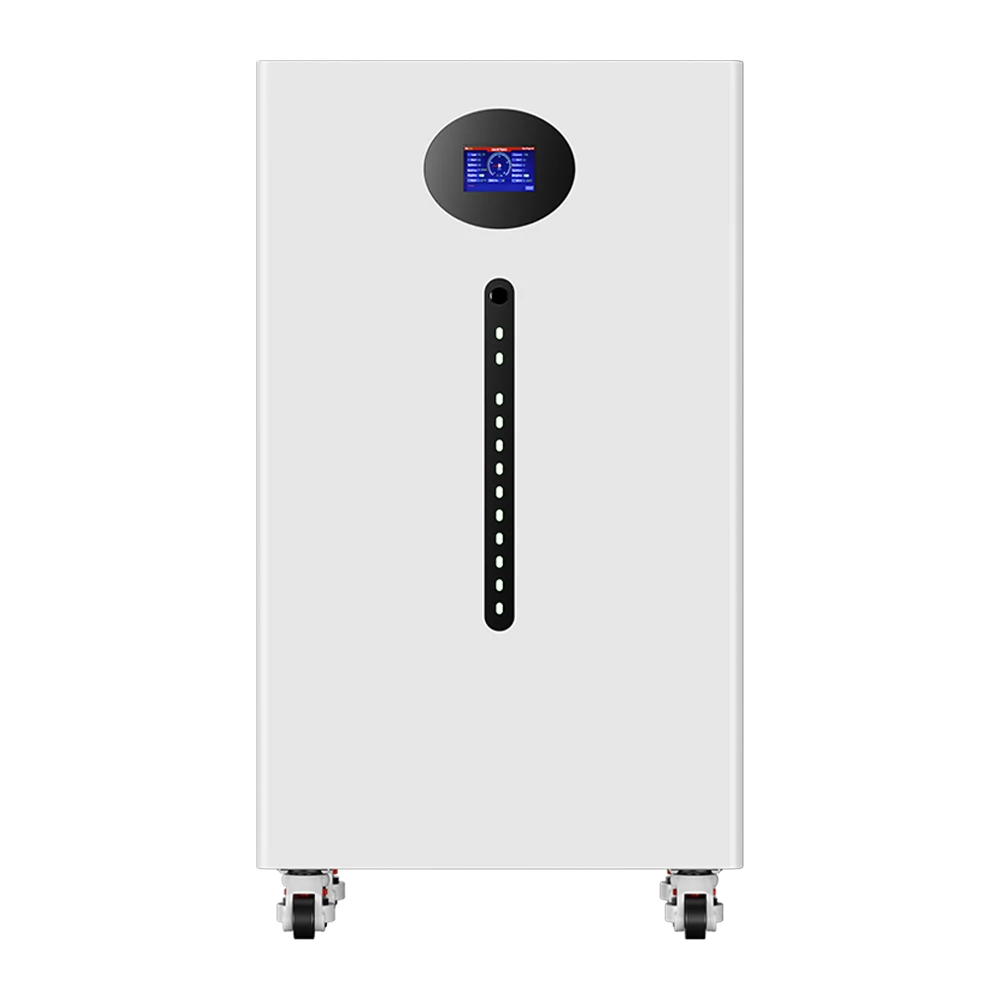
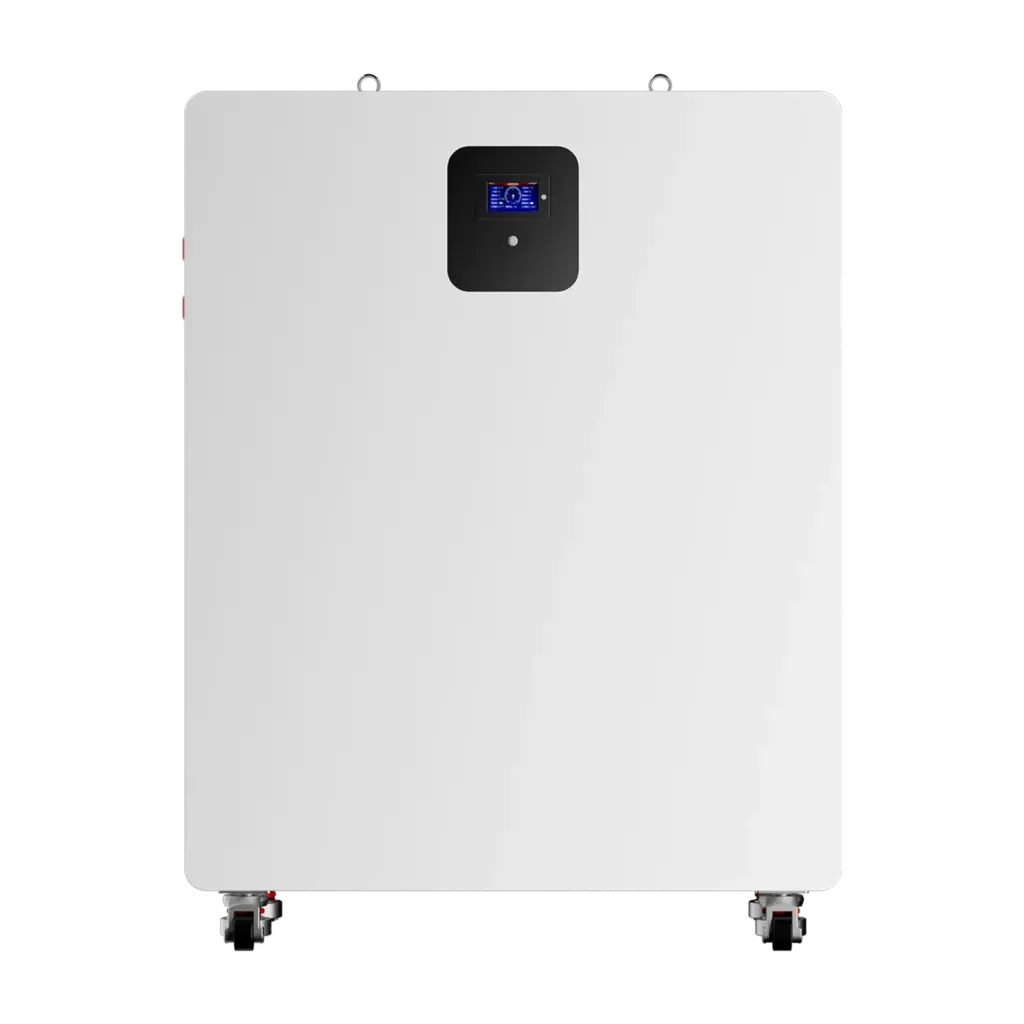
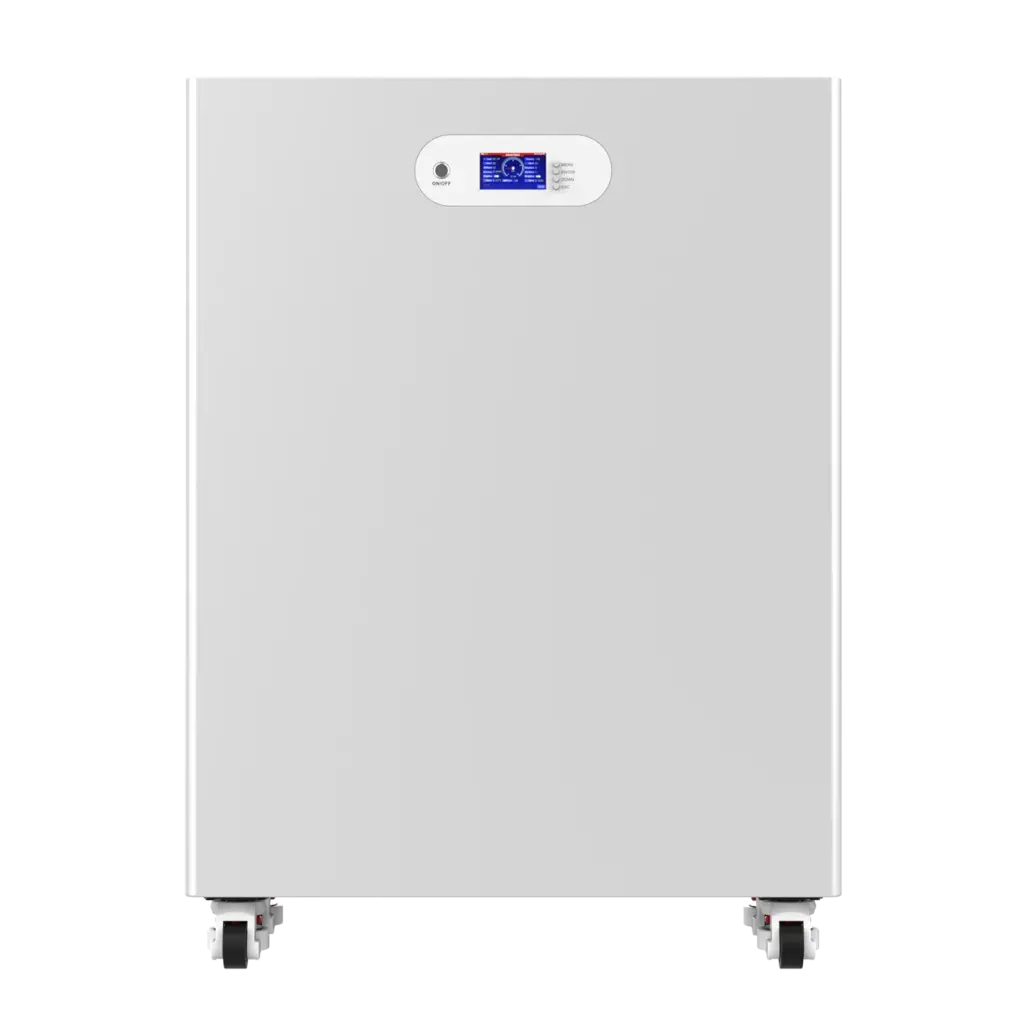
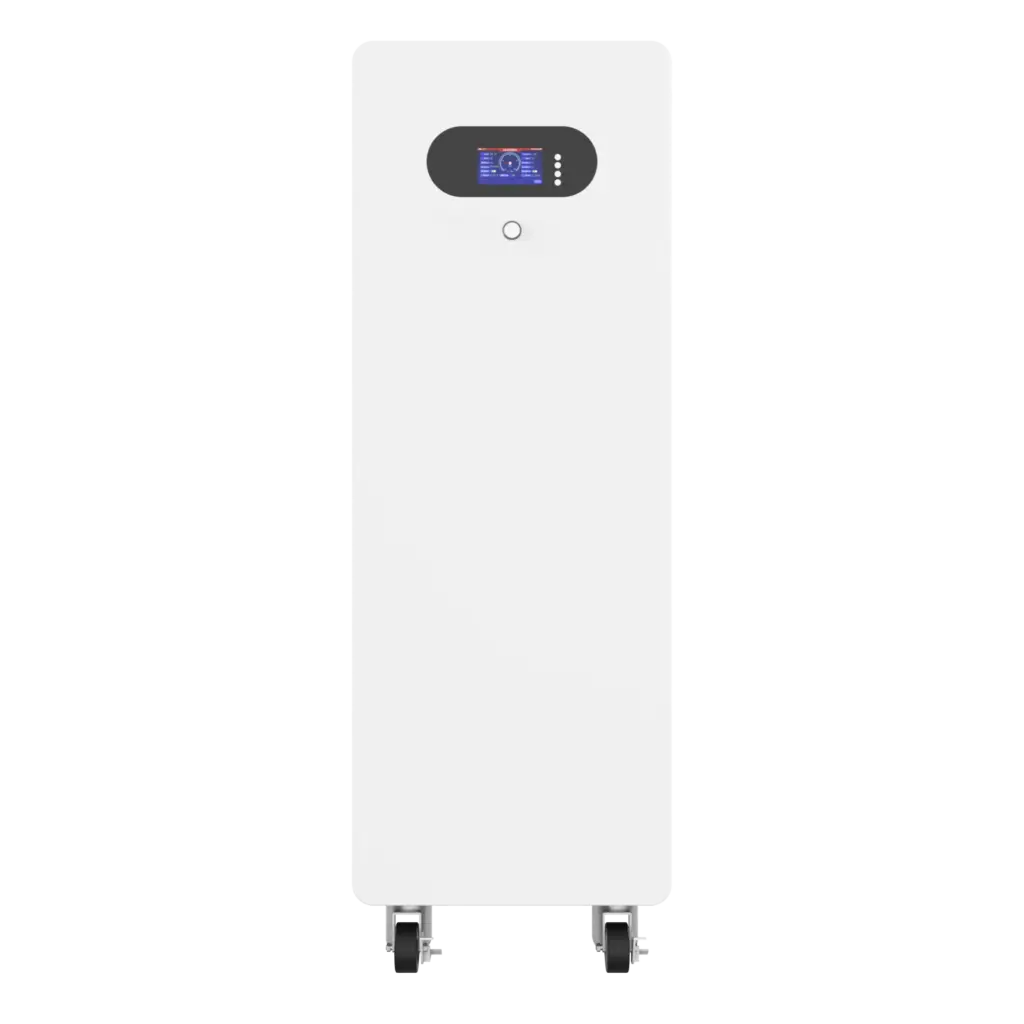
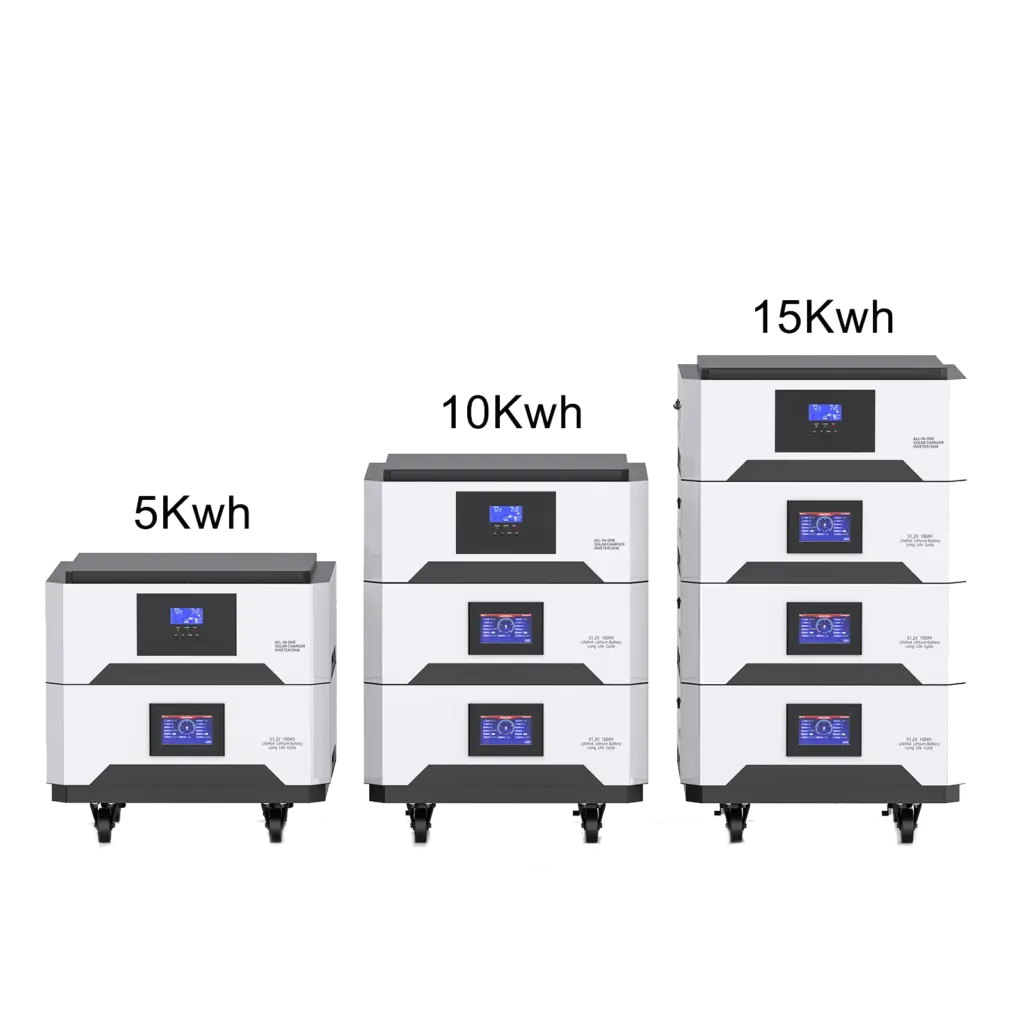
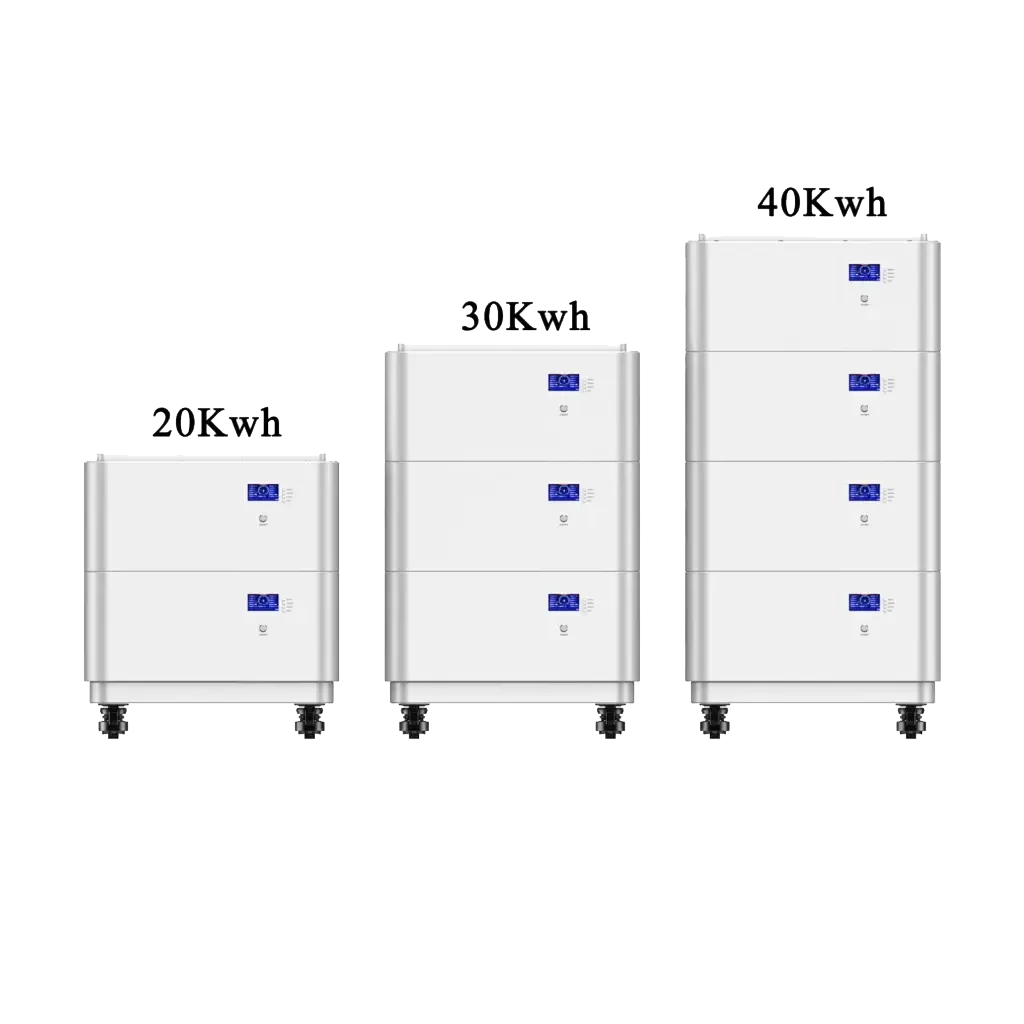
For example, Avepower residential energy storage unit may be designed with a modular system, allowing its base capacity—say, 5 kilowatt-hours (kWh)—to be expanded up to a much larger capacity (e.g., 260 kWh) by simply adding extra modules. This modularity makes them an ideal solution for customizing the energy setup precisely to a home’s specific needs and power consumption patterns.
Racking and Mounting
Racking provides the structural support that holds solar panels firmly in place.
- Ground mounts: Used when roof orientation or shading limits performance, allowing optimal panel placement in yards or open spaces.
- Roof mounts: Most common for residential installations, using rails attached to the roof structure.
Regardless of the approach, proper and safe installation of the racking is critical to ensure long-term durability, reliable performance, and the safety of your solar energy system.
Choosing the Best Battery Chemistry for Your Home
The internal chemistry of a battery determines how safe, efficient, and durable it is.
The main options include:
- LFP (Lithium Iron Phosphate) Battery
- NMC (Nickel Manganese Cobalt) Battery
- Lead-Acid Battery
| Characteristic | Lithium Iron Phosphate Battery | Nickel Manganese Cobalt Battery | Lead-Acid Battery |
|---|---|---|---|
| Lifespan (Cycles) | 4,000–8,000 | 1,000–2,500 | 500–1,000 |
| Safety | Very high; stable | Moderate; needs protection system | Moderate; can emit gas if overcharged |
| Cost per kWh | About 20% lower | Higher | Lowest upfront cost |
| Sustainability | Cobalt-free, more eco-friendly | Contains cobalt and nickel | Recyclable but contains toxic lead |
| Energy Density | Slightly lower | Higher | Much lower; bulky and heavy |
| Maintenance | Almost none | Low | Requires regular maintenance |
| Climate Performance | Excellent in hot areas | Better in cold areas | Poor in extreme temperatures |
Which Battery Chemistry Is Best for a Home?
Battery chemistry affects safety, life, cost, and how the battery handles heat or cold.
- LFP (lithium iron phosphate) batteries usually last longer and have lower fire risk. They often offer more cycles and lower cost per kilowatt-hour.
- NMC (lithium nickel manganese cobalt) batteries often store more energy per weight and size. They usually cost more and carry more chemical risk because of cobalt and nickel.
- Lead-acid batteries are the oldest and most affordable option. They work well for backup use or off-grid systems with low daily cycling needs.
A homeowner who values safety and long life often chooses LFP. Someone needing compact, high-density storage might prefer NMC. Those seeking a low-cost, entry-level option for occasional backup may still consider lead-acid. Read this article to learn more about LFP vs NMC Batteries.
How to Size Your Solar Battery System
Battery Size Calculator — How Many kWh do I Need?
Getting the right size is crucial for cost-effectiveness. Too small, and you won’t meet your home’s needs. Too large, and you’ll overpay for unused capacity.
Check Your Energy Use First
Start by reviewing your electricity bills to understand how much energy your home uses each month. Look for the total kilowatt-hours (kWh) listed on each bill.
Examining a full year of usage reveals seasonal changes — summer and winter months often show the highest demand.
If you no longer have paper bills, many utilities offer online tools that display your hourly or monthly usage. You can also use appliance power guides to estimate how much energy your major devices consume.
Size According to Your Energy Goals
Your ideal solar battery capacity depends on what you want your system to do:
- Backup Power: If you only need energy for essentials during an outage, a 10 kWh battery may be enough.
- Bill Reduction: For savings during high-rate hours (time-of-use plans), you may need 20–30 kWh of storage.
- Off-Grid Living: Complete energy independence might require 100 kWh or more, depending on your location and energy habits.
Match Solar Panels to Battery Capacity
The solar array must generate enough electricity to power your home and charge your battery during the day.
A balanced rule of thumb:
- Oversizing your solar array by 20–50% can help ensure you have enough energy even on cloudy days.
- For every 1 kWh of battery storage, install 250–300 watts of solar panels.
Installers often recommend designing a solar array 20–50% larger than what your past bills suggest. This extra margin accounts for future energy growth—many homeowners use more electricity once they have solar power available.
Understanding Solar Storage Efficiency
Efficiency metrics are essential for homeowners to accurately assess and compare battery performance. Three key measures determine how effectively a solar storage system delivers usable energy.
1. Round-Trip Efficiency (RTE)
Round-Trip Efficiency indicates the percentage of energy that a battery can return relative to the amount it stores. Some energy is inevitably lost during charging and discharging, typically as heat. For example, if you store 10 kWh in a battery and can use 9 kWh, the RTE is 90%. Higher RTE means less energy wasted and greater overall system value.
A higher RTE means less wasted energy.
- Avepower’s home storage systems, for instance, achieve up to 97.5% efficiency when power flows directly from panels to the grid or home, and about 89% through a full charge–discharge cycle.
- By contrast, traditional lead-acid batteries typically operate around 80–85% efficiency.
2. Depth of Discharge (DoD)
Depth of Discharge indicates how much of a battery’s capacity can be used safely. For example, a 10 kWh battery with a 90% DoD lets you use 9 kWh before needing to recharge.
Using too much of the stored power too often can shorten battery life. Modern lithium batteries can safely operate at 90–100% DoD, giving homeowners much more usable energy compared to lead-acid batteries, which are usually limited to 50%.
3. Cycle Life
Cycle life measures how many complete charge-and-discharge cycles a battery can undergo before its storage capacity drops significantly. Lithium Iron Phosphate (LFP) batteries typically last between 4,000 and 8,000 cycles, offering years of consistent performance. Evaluating RTE, DoD, and cycle life together gives a realistic understanding of a battery’s true value in everyday use.
LFP batteries generally last three to four times longer than NMC or lead-acid types. A longer cycle life translates to better long-term value, especially since most homeowners use their batteries daily.
Calculating True Usable Power
Combining these metrics provides the most accurate assessment of a battery’s real usable capacity:
A 10 kWh battery with a 90% DoD and 90% RTE does not deliver 10 kWh of power.
- Usable Stored Energy: 10 kWh × 90% DoD = 9.0 kWh
- Actual Delivered Energy: 9.0 kWh × 90% RTE = 8.1 kWh
This calculation, which yields 8.1 kWh, is the only correct method for comparing the genuine, real-world value of different energy storage systems.
Maximizing Solar Efficiency Through Smart Habits
While a high-quality solar-plus-storage system provides the foundation for energy independence, how you use energy at home plays a crucial role in maximizing efficiency. Simple adjustments and smart technologies can help you use more solar power directly and reduce reliance on stored electricity.
Load Shifting
One of the most effective ways to get the most out of your solar system is load shifting. This means running high-energy appliances—like dishwashers, washing machines, and electric vehicle chargers—during peak solar production hours, typically around midday. By using solar electricity as it’s generated, you reduce the need to draw from your battery or the utility grid, increasing the overall efficiency of your system.
Smart Home Automation
Modern smart home devices can automate energy management, making it easier to optimize your solar usage without constant attention. Smart thermostats, delayed-start appliances, and connected plugs can be programmed to operate when solar production is highest. For example, a smart thermostat can cool your home in the afternoon using solar power, or a plug can charge your EV during peak sunlight. These automated actions ensure that your home maximizes clean energy use effortlessly.
Energy-Efficient Appliances
Another key strategy is reducing overall energy demand. Upgrading to LED lighting, ENERGY STAR-rated appliances, and modern HVAC systems lowers the total electricity your home consumes. This allows more of your solar power to be stored in the battery or used directly for essential loads. In practice, energy-efficient homes can achieve greater independence with smaller batteries and smaller solar arrays, which reduces installation costs while improving sustainability.
Safety, Certification, and Longevity Considerations
High-quality energy storage systems undergo strict testing and certification to ensure reliability and safety. When evaluating suppliers, prioritize systems certified under CE, UL, RoHS, and ISO 9001 standards. These credentials confirm compliance with international safety and manufacturing requirements.
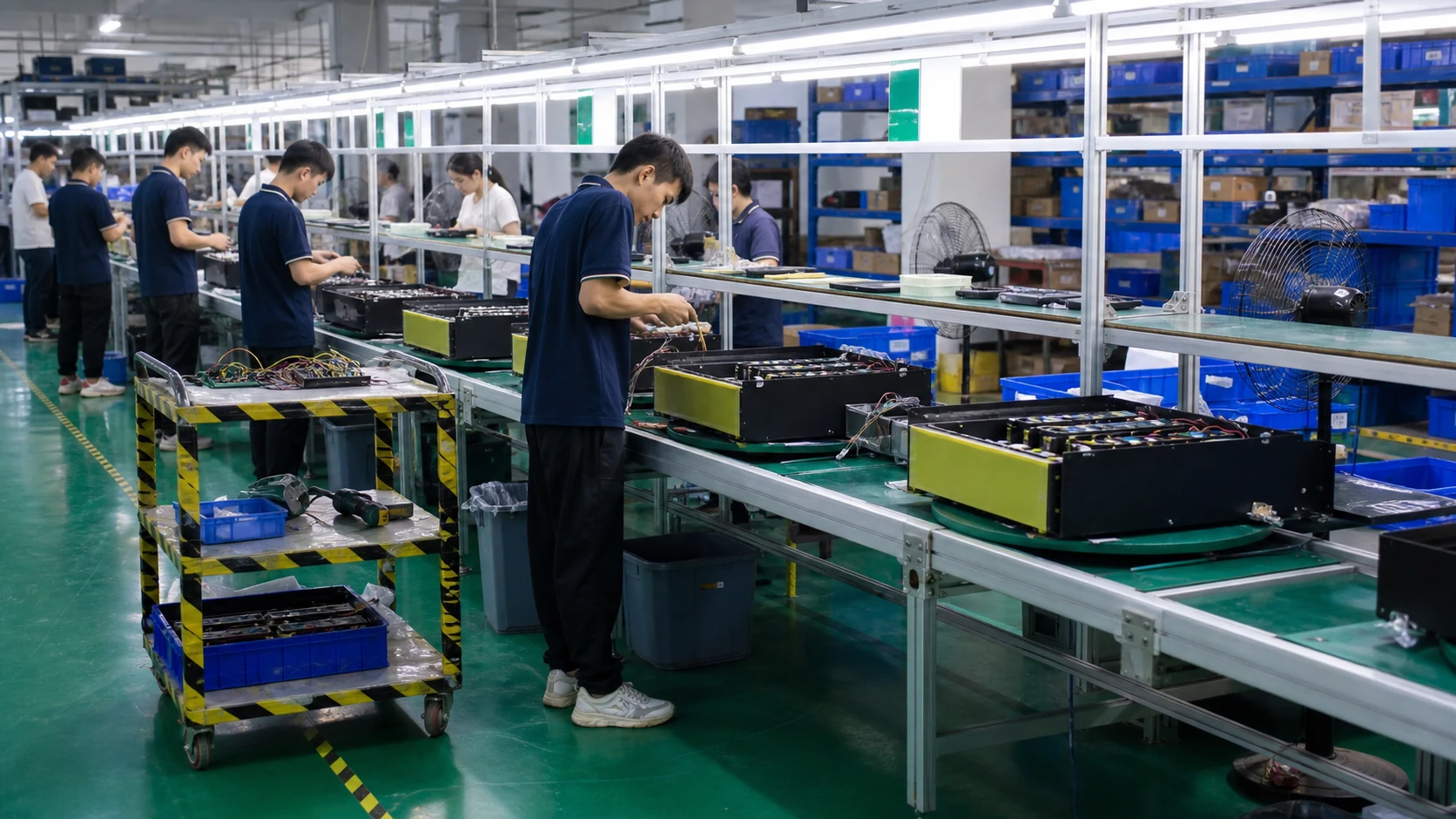
Manufacturers like Avepower have adopted modular LFP designs that can expand from small 5kWh systems to large-scale configurations exceeding 200kWh. Combined with advanced Battery Management Systems (BMS), these batteries ensure protection against overcharging, overheating, and short circuits.
With certifications such as CE, UL, RoHS, and ISO9001, and built-in BMS safety mechanisms, these systems are designed for durability and peace of mind. Homeowners benefit from a clean, quiet, and maintenance-free energy solution that performs reliably for over 10 years of R&D and 20,000 square meters of factory capacity
Conclusion
By capturing sunlight, converting it into usable electricity, and storing excess energy, homeowners gain control over their power use, lower utility costs, and achieve reliable backup during outages. Combined with smart energy habits, a well-designed system provides sustainable, cost-effective, and resilient energy for years to come.
FAQ
The key components include solar panels, an inverter, a battery unit, and a mounting/racking system.
Usable energy is calculated by multiplying battery capacity × Depth of Discharge (DoD) × Round-Trip Efficiency (RTE). For example, a 10 kWh battery with 90% DoD and 90% RTE provides 8.1 kWh of usable power.
Using energy-efficient appliances, LED lighting, and smart home devices for automation can significantly enhance solar self-consumption, reduce electricity waste, and increase battery savings.
Often, yes. Panels are usually sized 20–50% larger than historical energy use to ensure enough electricity is generated for home consumption and battery charging, especially as energy needs grow over time.