

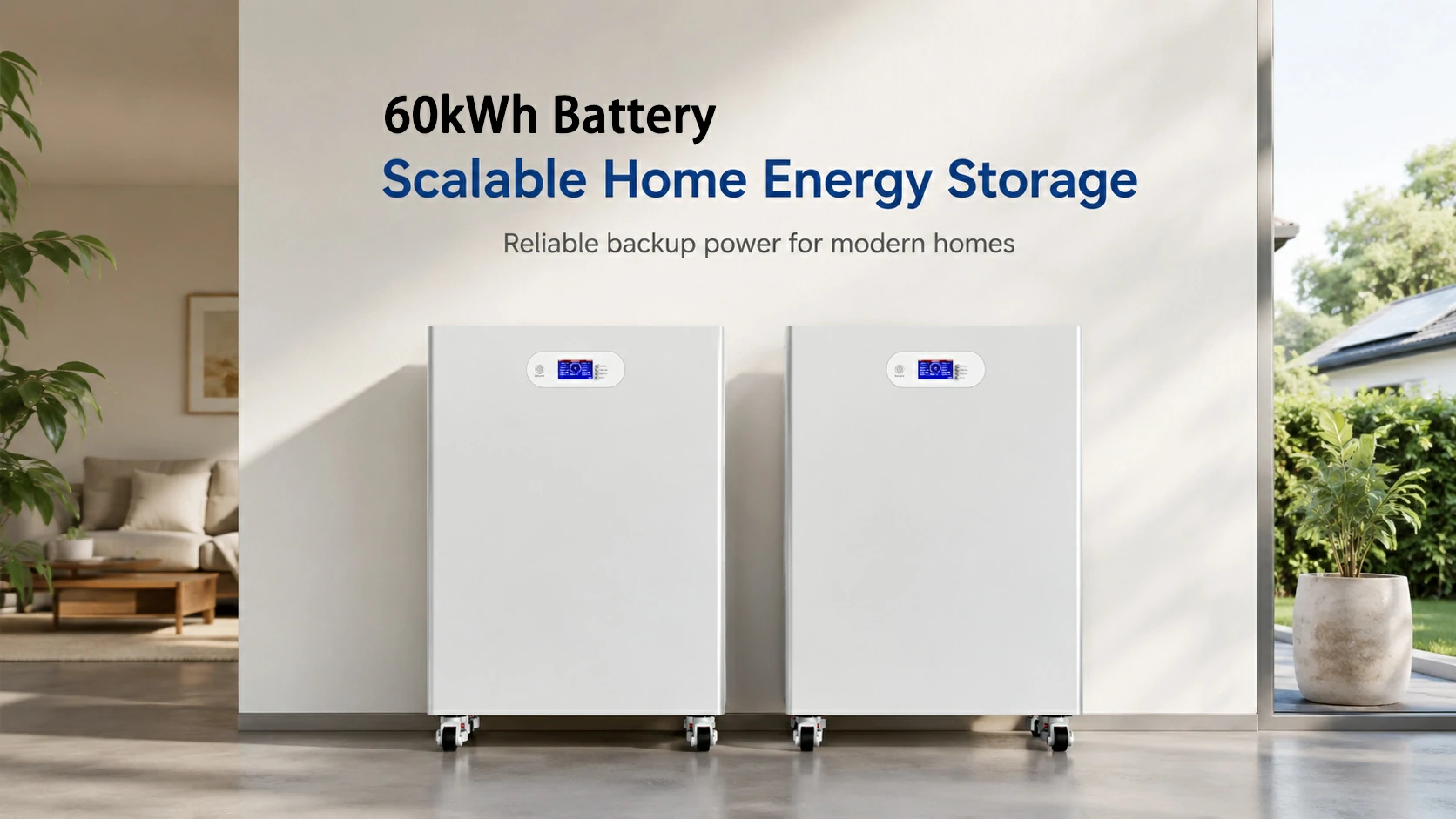
A 60kWh battery is not a small emergency battery. It is a large home energy storage system designed for households that want longer backup time, higher solar self-consumption, stronger outage protection, or a more independent off-grid power setup.
For some homes, 60kWh is oversized. For others, especially large homes with air conditioning, heat pumps, EV charging, well pumps, workshops, or frequent blackouts, it can be the difference between running only a few essential circuits and keeping daily life close to normal.
This guide explains how a 60kWh battery works, how long it can power a home, how much solar you may need to recharge it, what it may cost in 2026, and how to decide whether this capacity is right for your project.
Quick Answer: Is a 60kWh Battery Enough for a Home?
Yes, a 60kWh battery is enough for many large homes, but the actual backup time depends on your daily electricity use and which appliances you keep running.
A practical 60kWh system may deliver around 48–54kWh of usable energy after considering depth of discharge, inverter efficiency, and reserve settings. That can support:
| Home Load Profile | Estimated Backup Time from 60kWh Battery |
|---|---|
| Essential loads only, 5–10kWh/day | 5–10 days |
| Efficient home, 20kWh/day | about 2–3 days |
| Average/high-use home, 30kWh/day | about 1.5–2 days |
| Large all-electric home, 40–60kWh/day | about 1 day or less |
| Heavy HVAC, EV charging, pool pumps | depends heavily on inverter power and load control |
For whole-home backup, battery capacity in kWh is only one part of the decision. You also need enough inverter power in kW to start and run large appliances at the same time.
What Is a 60kWh Battery?
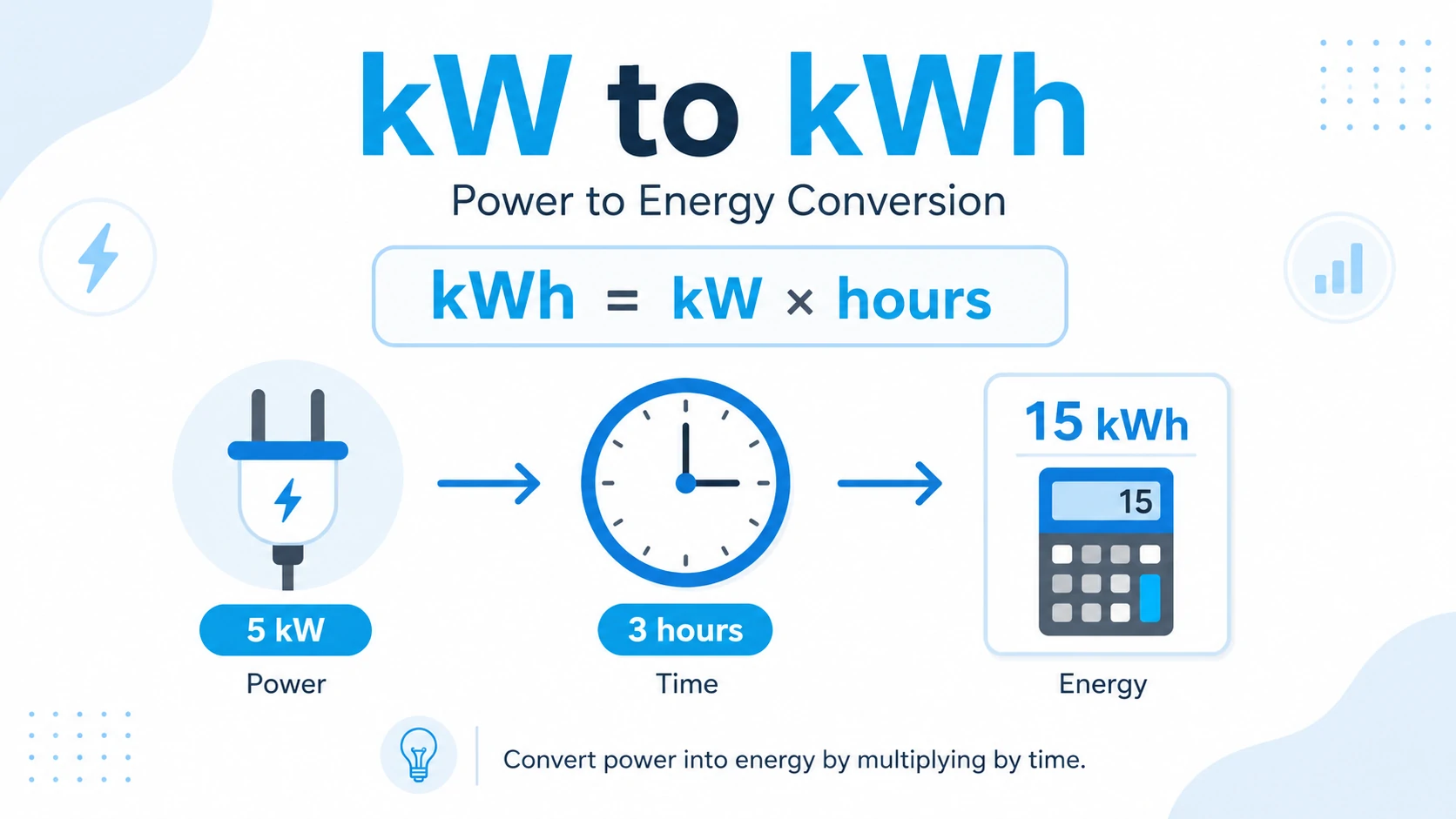
A 60kWh battery is an energy storage system that can store 60 kilowatt-hours of electricity. In simple terms, it is the amount of energy needed to run a 1kW load for 60 hours, a 3kW load for 20 hours, or a 10kW load for about 6 hours before losses and reserve settings.
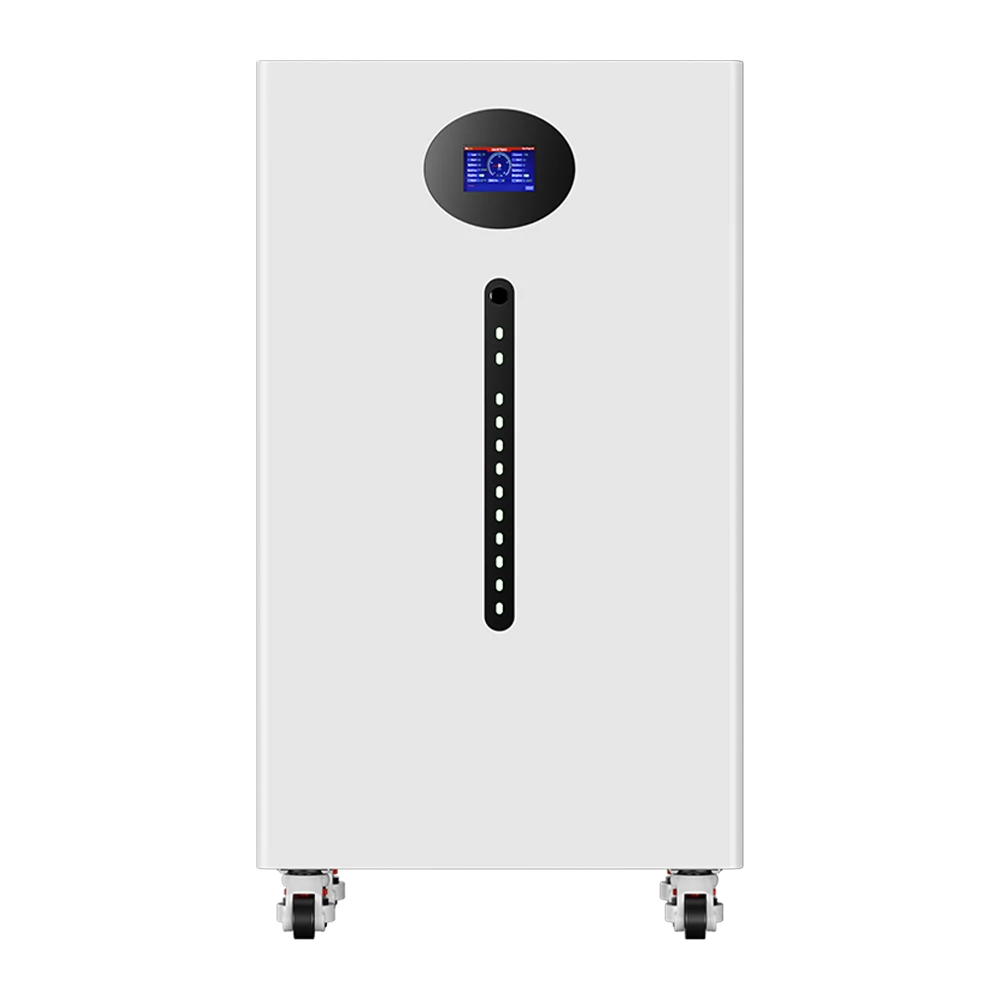
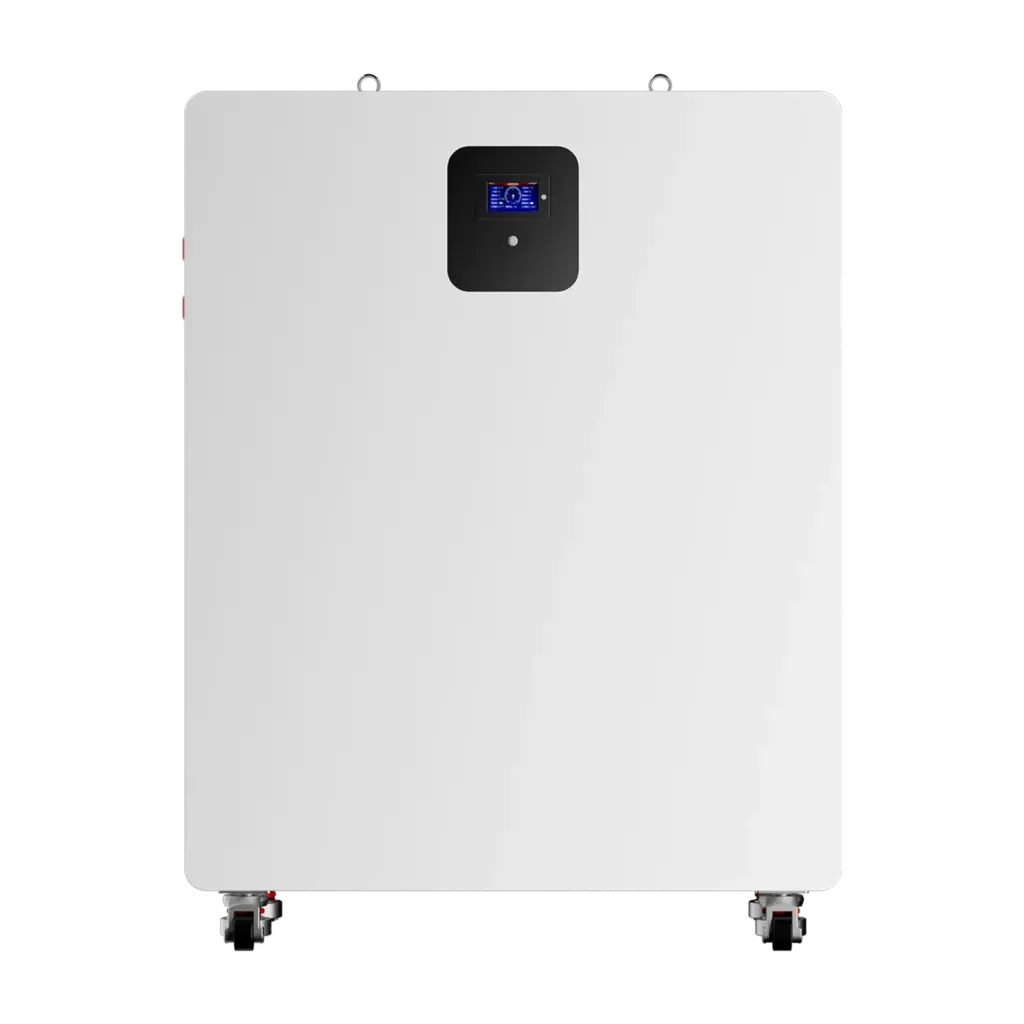
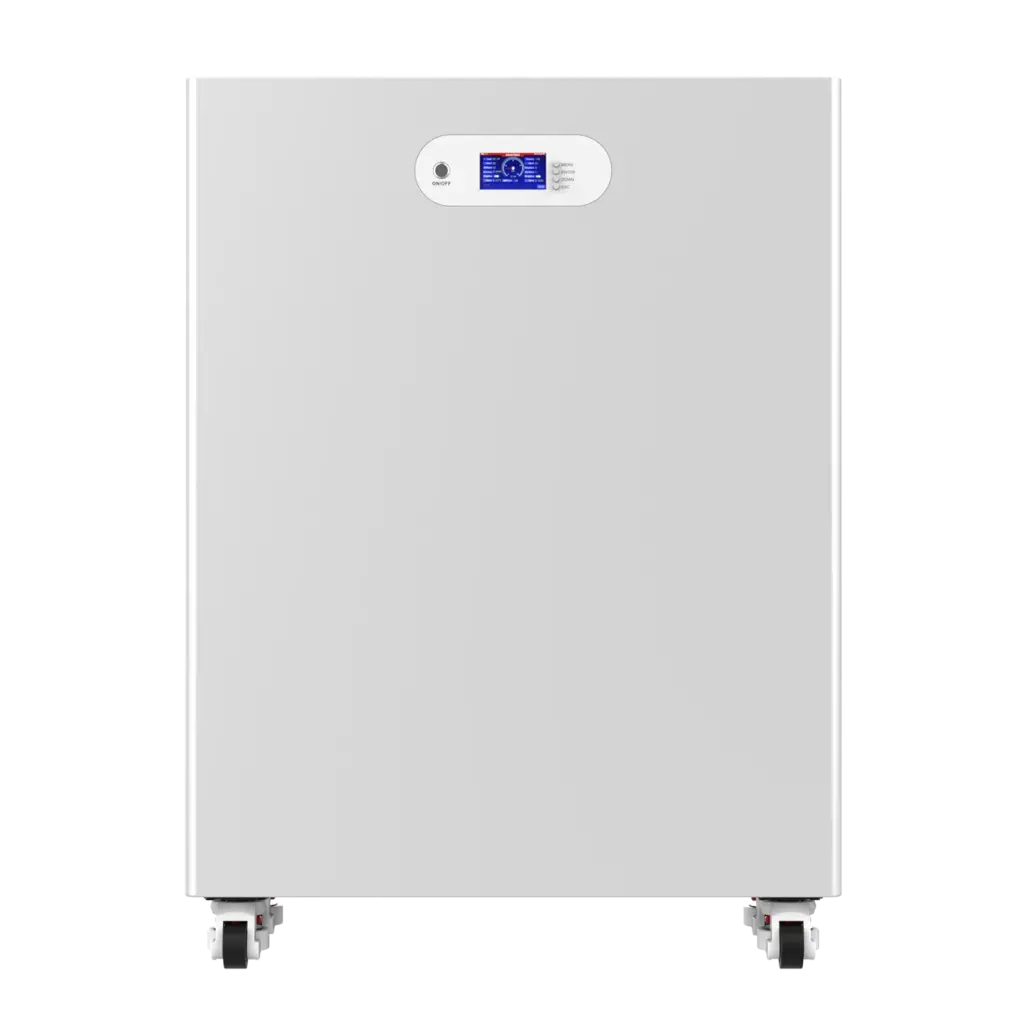
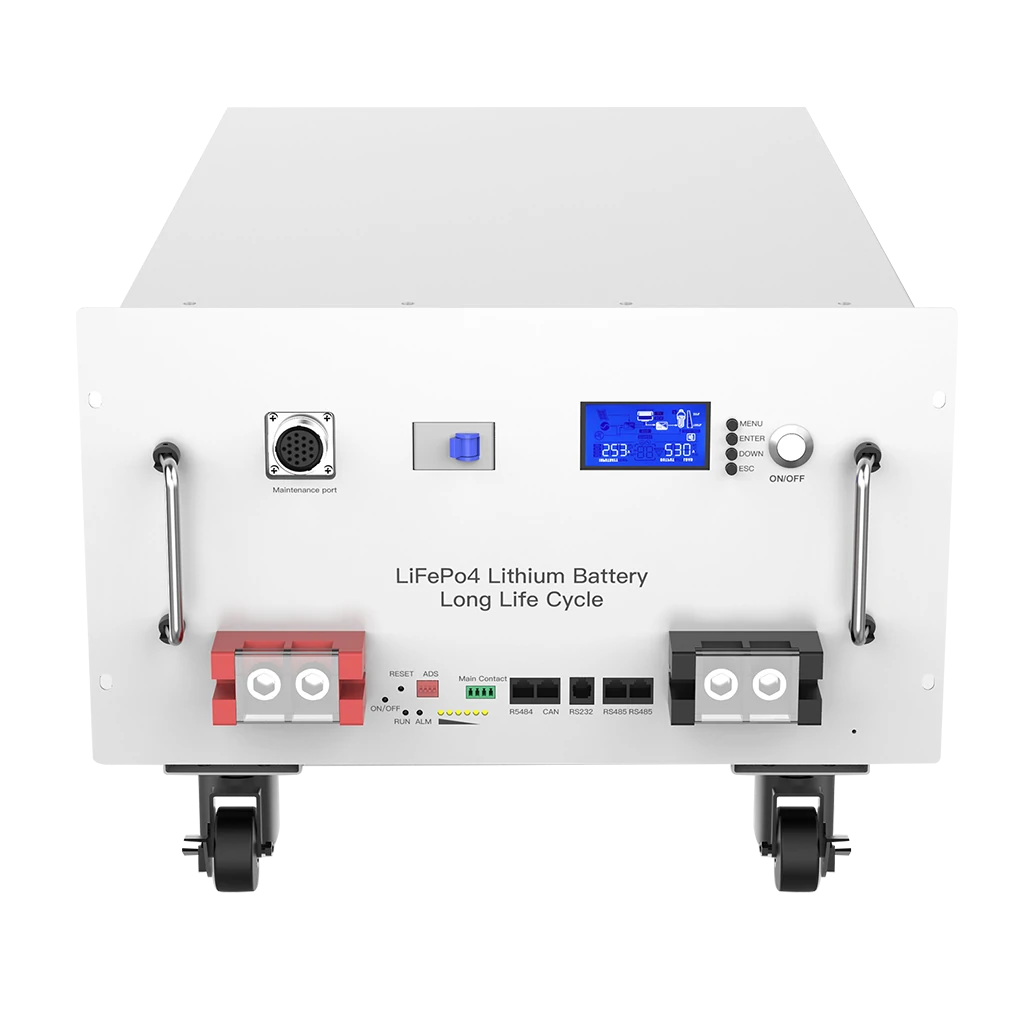
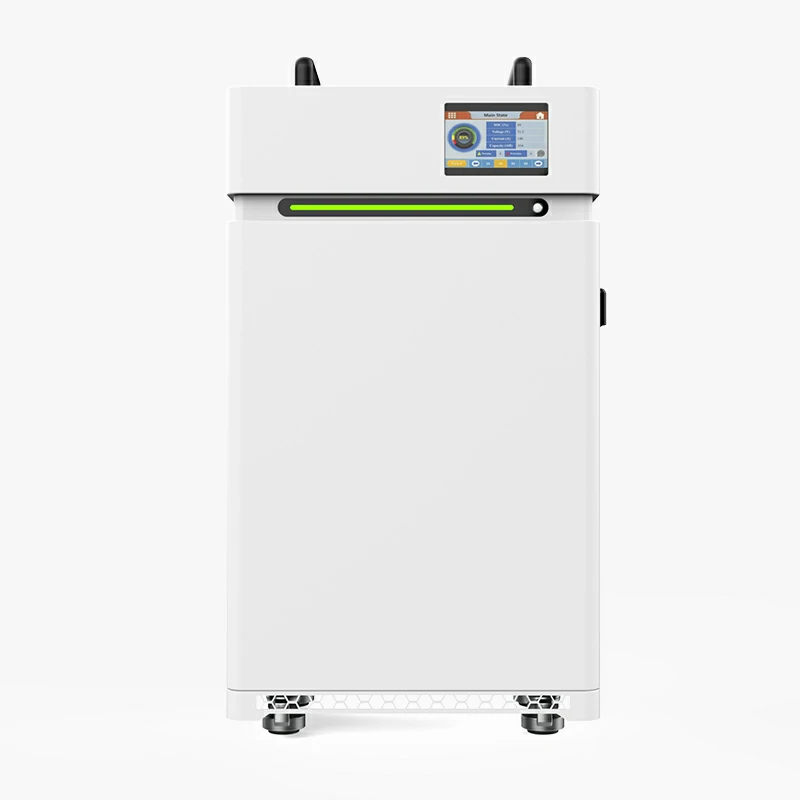
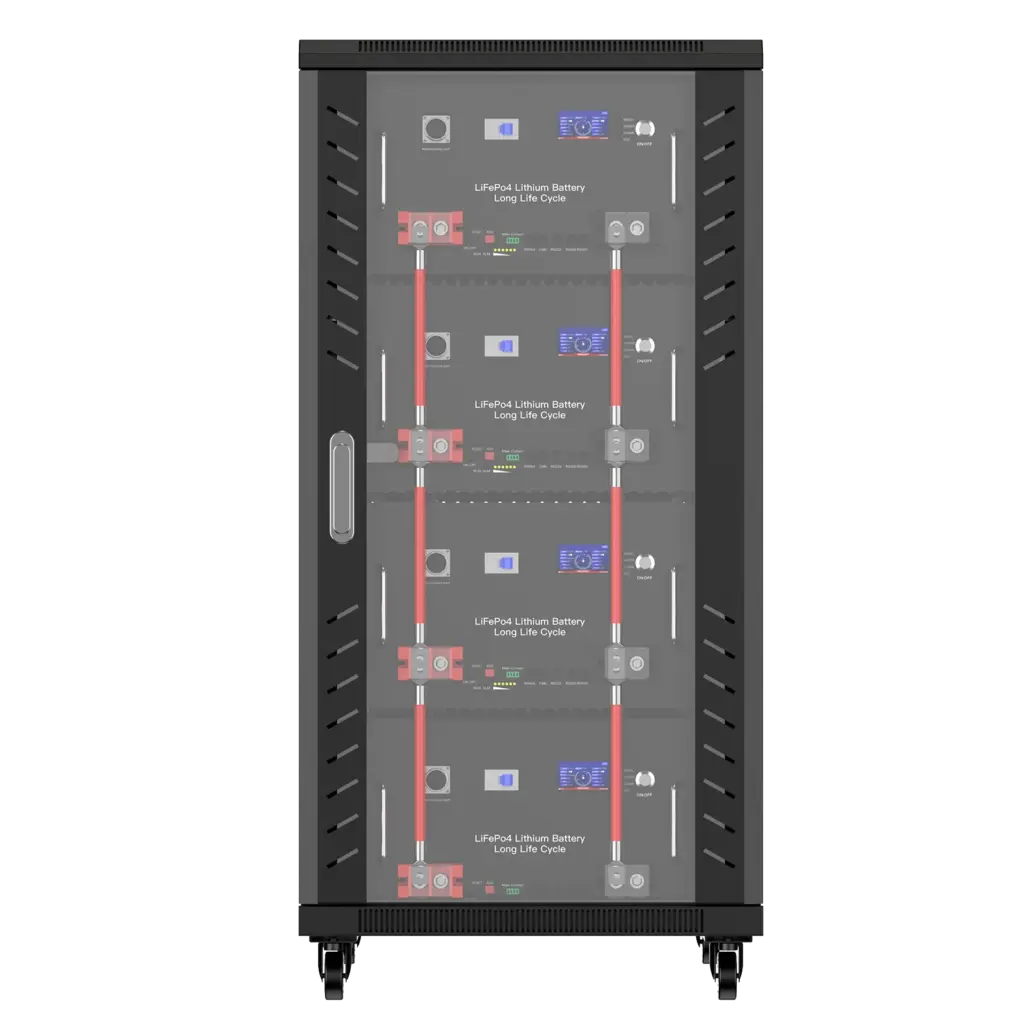
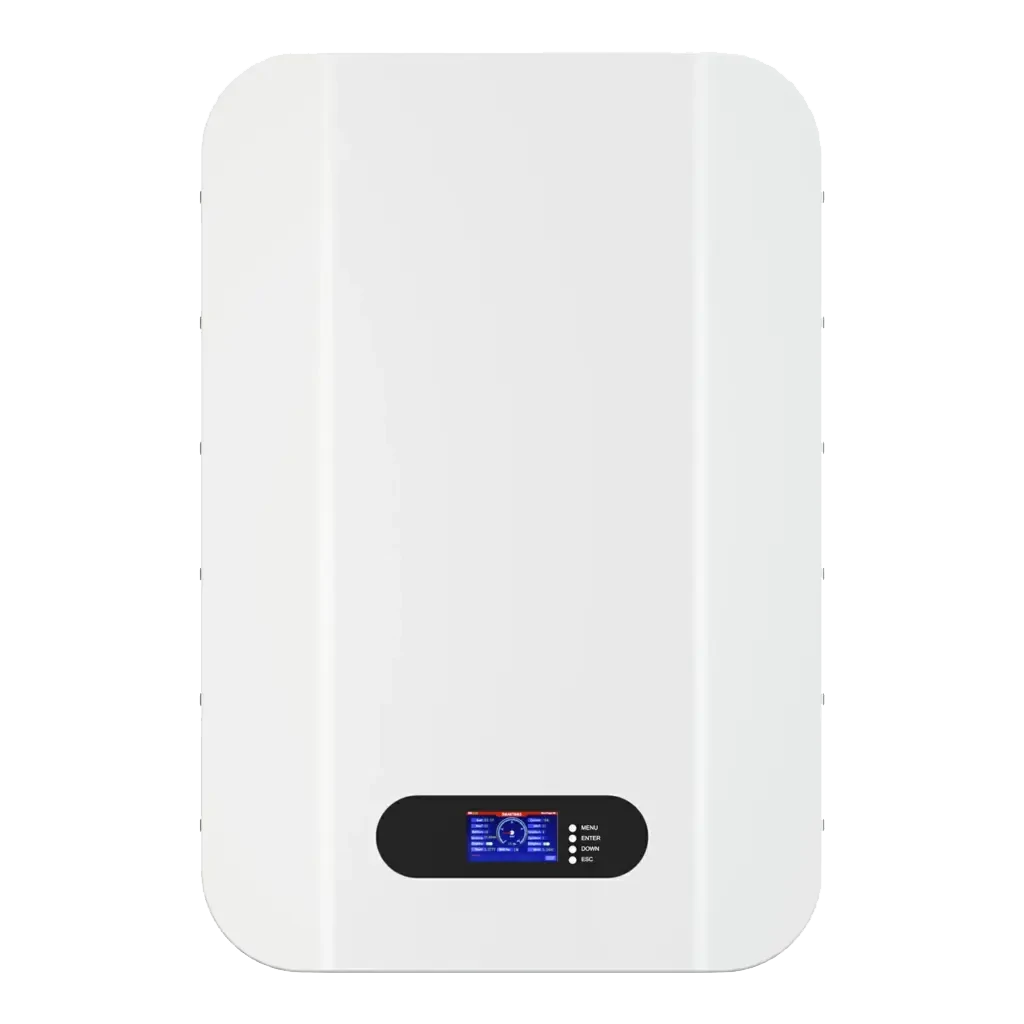
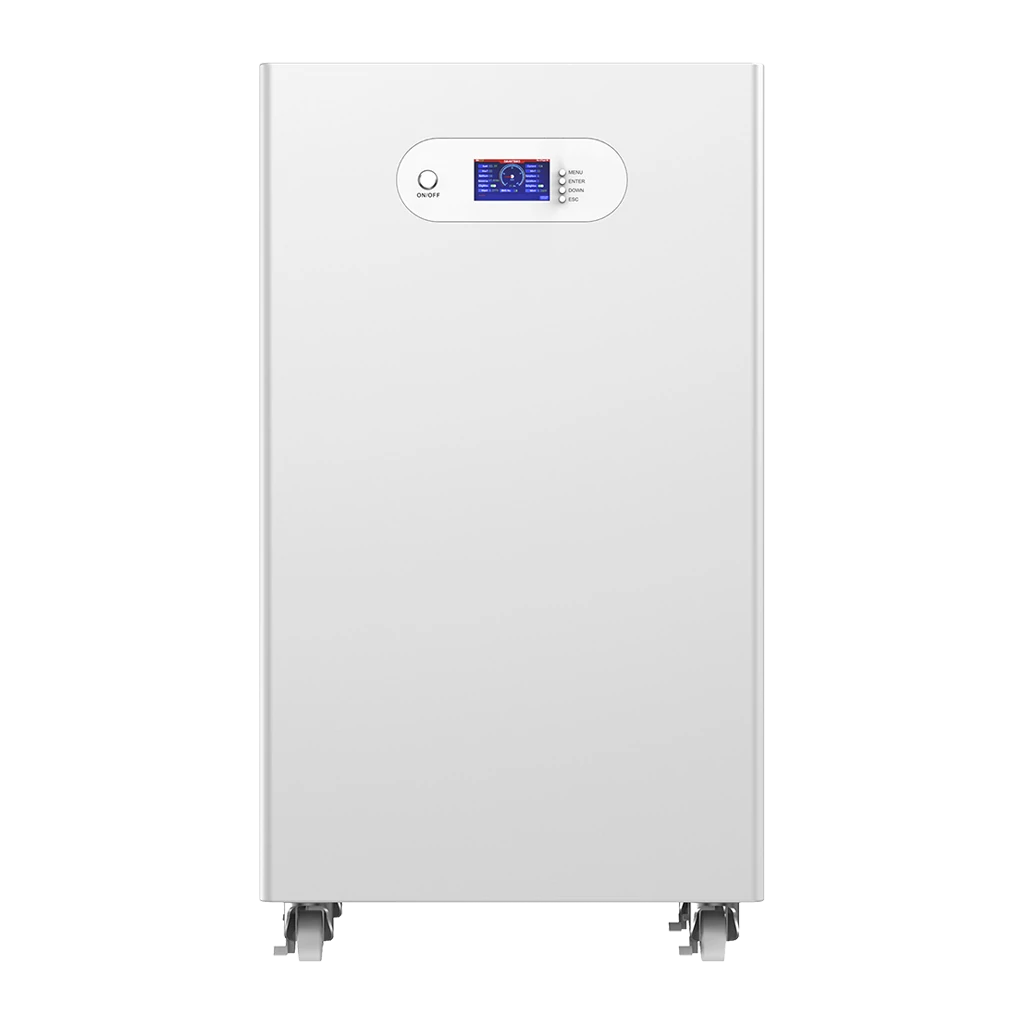
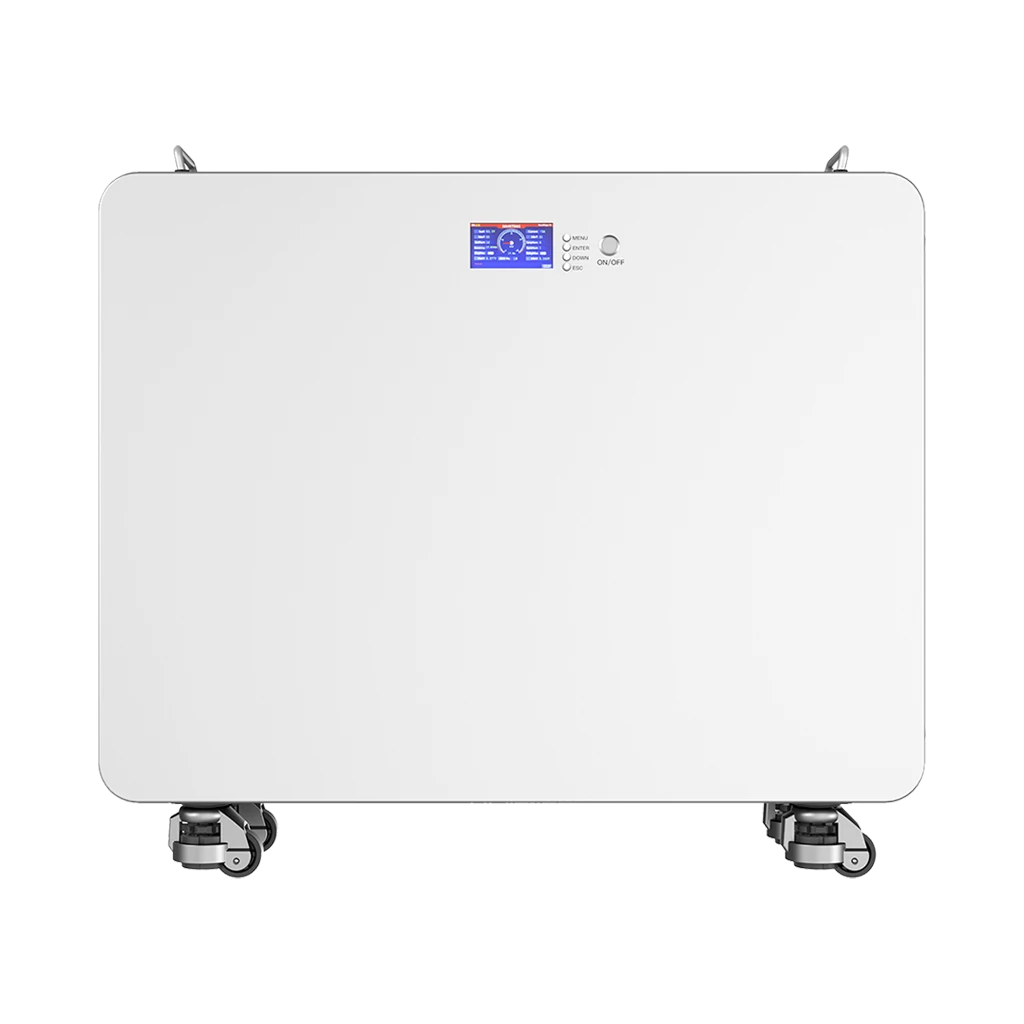
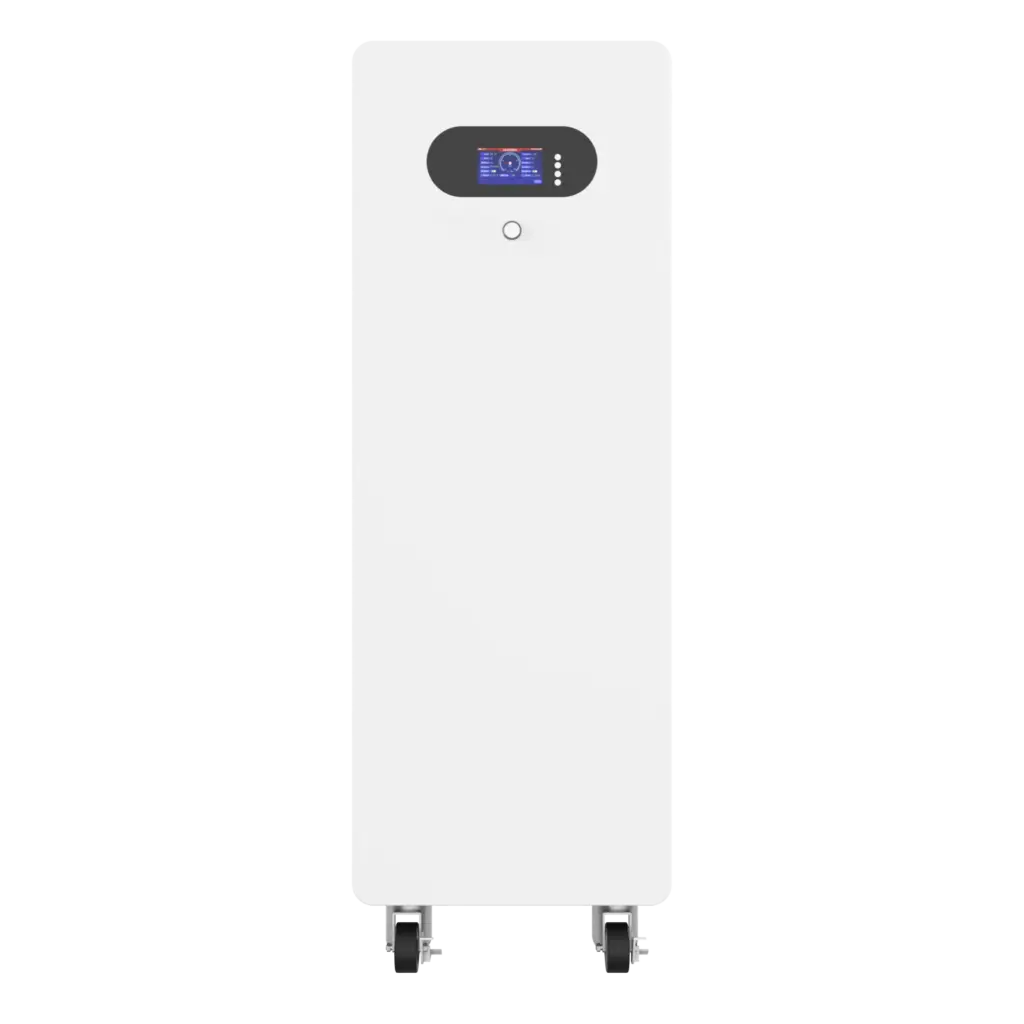
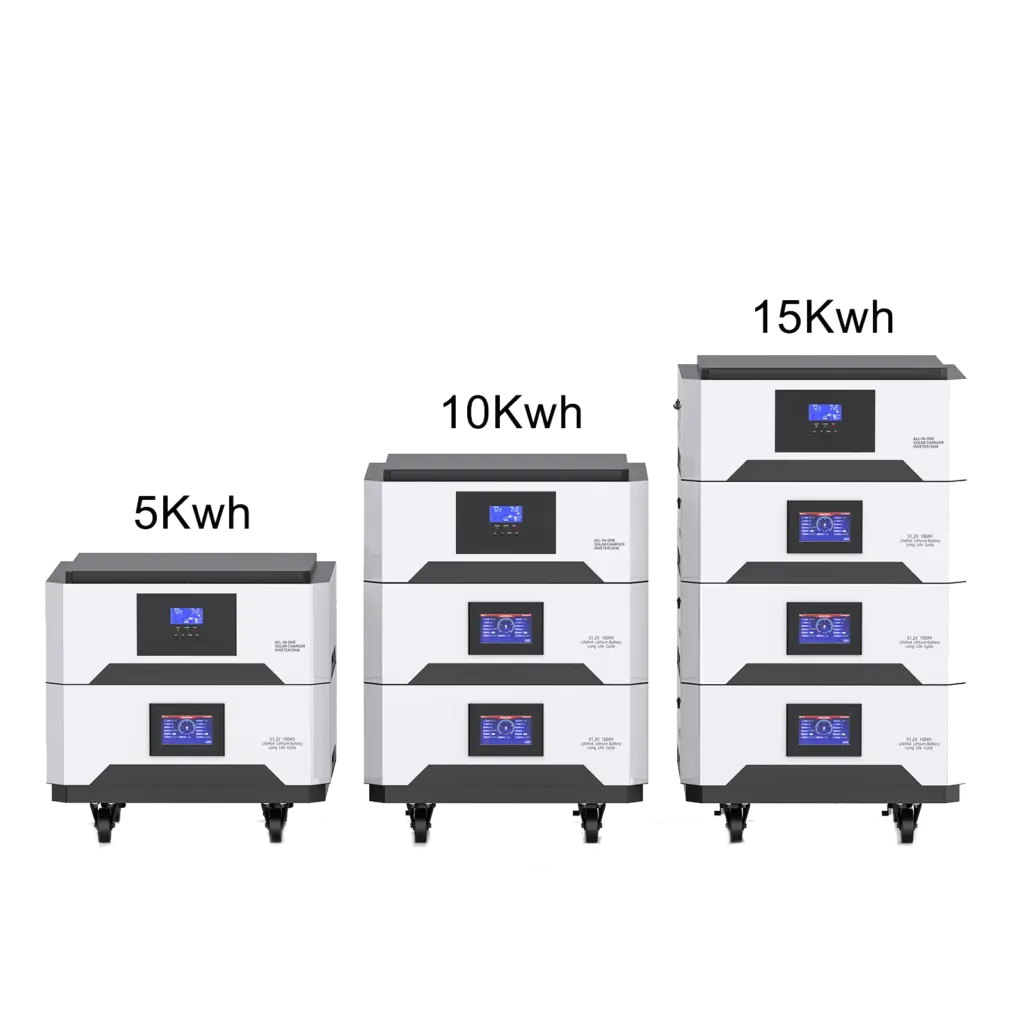
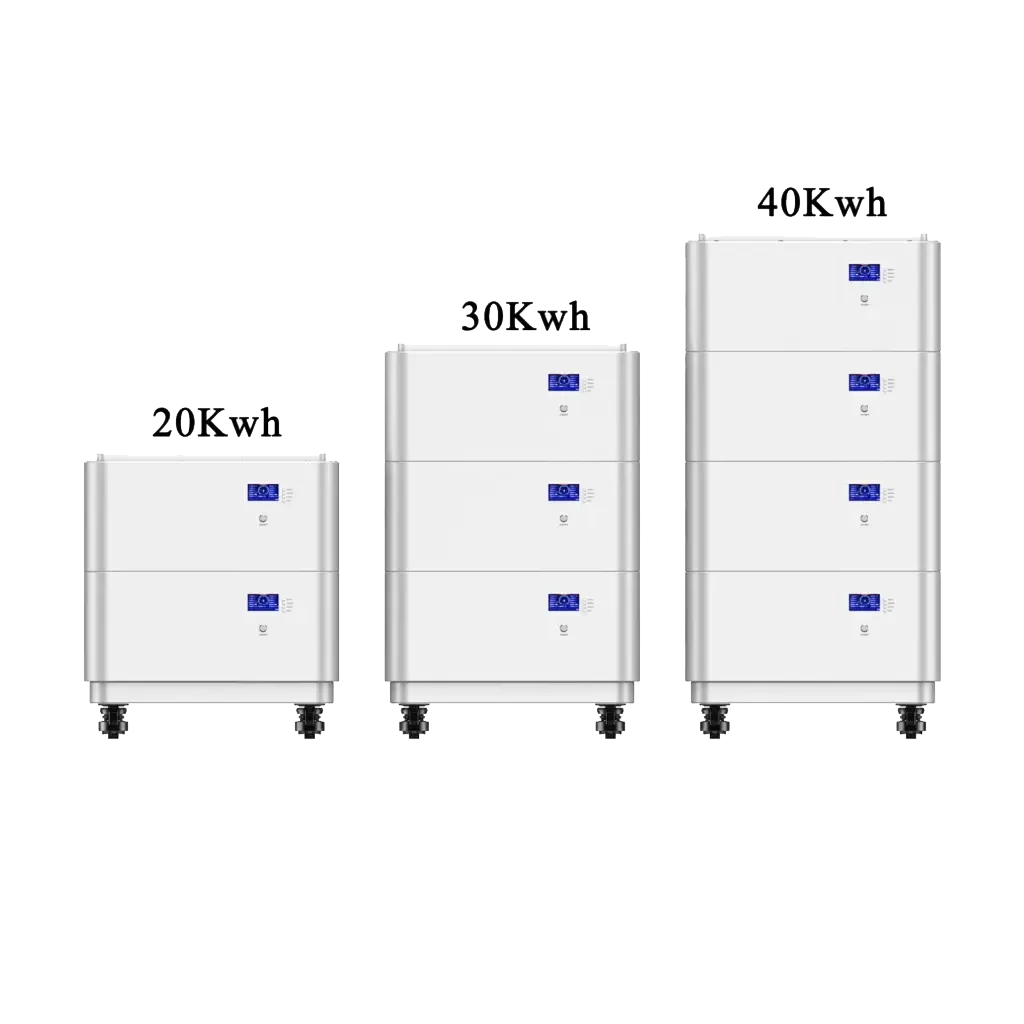
In home solar and backup power systems, a 60kWh battery usually consists of several battery modules connected together. For example, a project may use four 15kWh LiFePO4 batteries, three 20kWh batteries, a rack-mounted battery bank, or a custom high-voltage cabinet.
Avepower usually recommends treating 60kWh as a system-level design, not just a battery purchase. A reliable system should include the battery modules, BMS, inverter or hybrid inverter, protection devices, communication settings, monitoring, installation design, and future expansion plan.
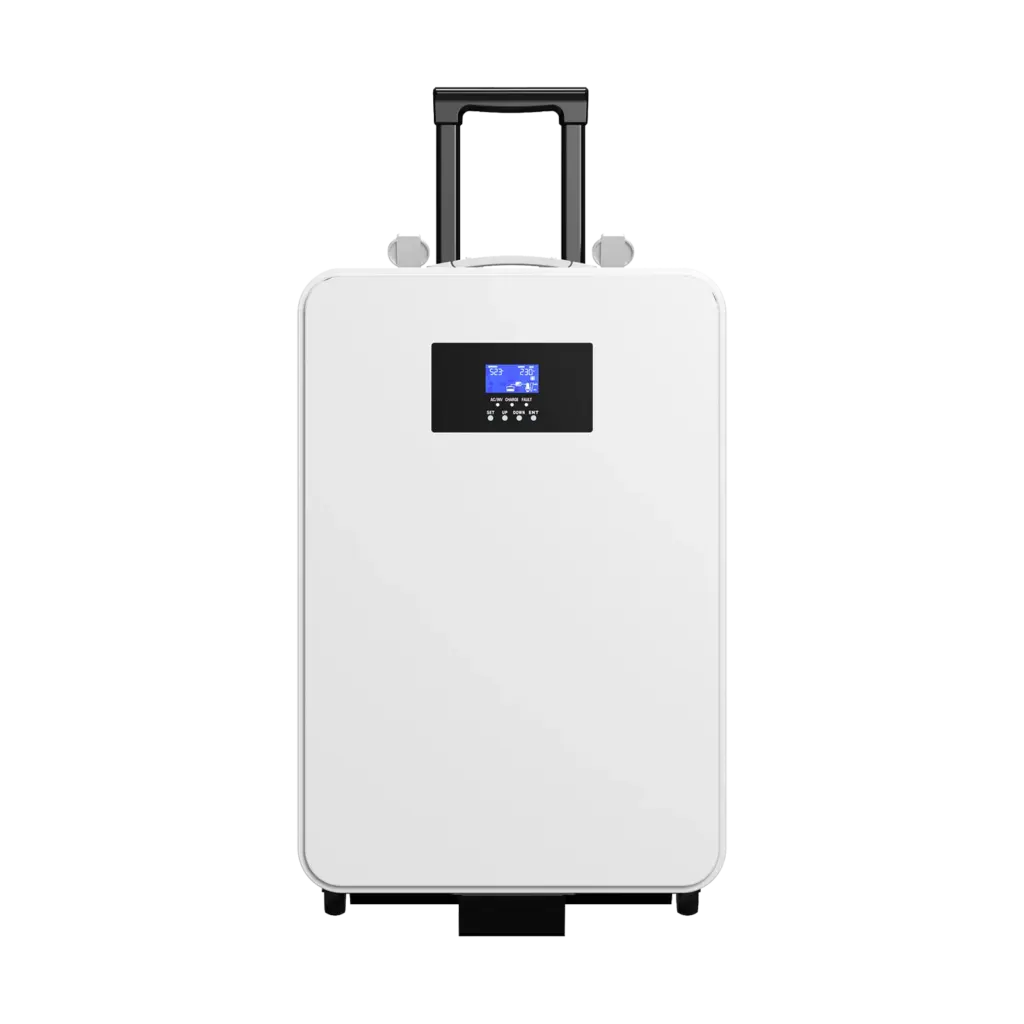
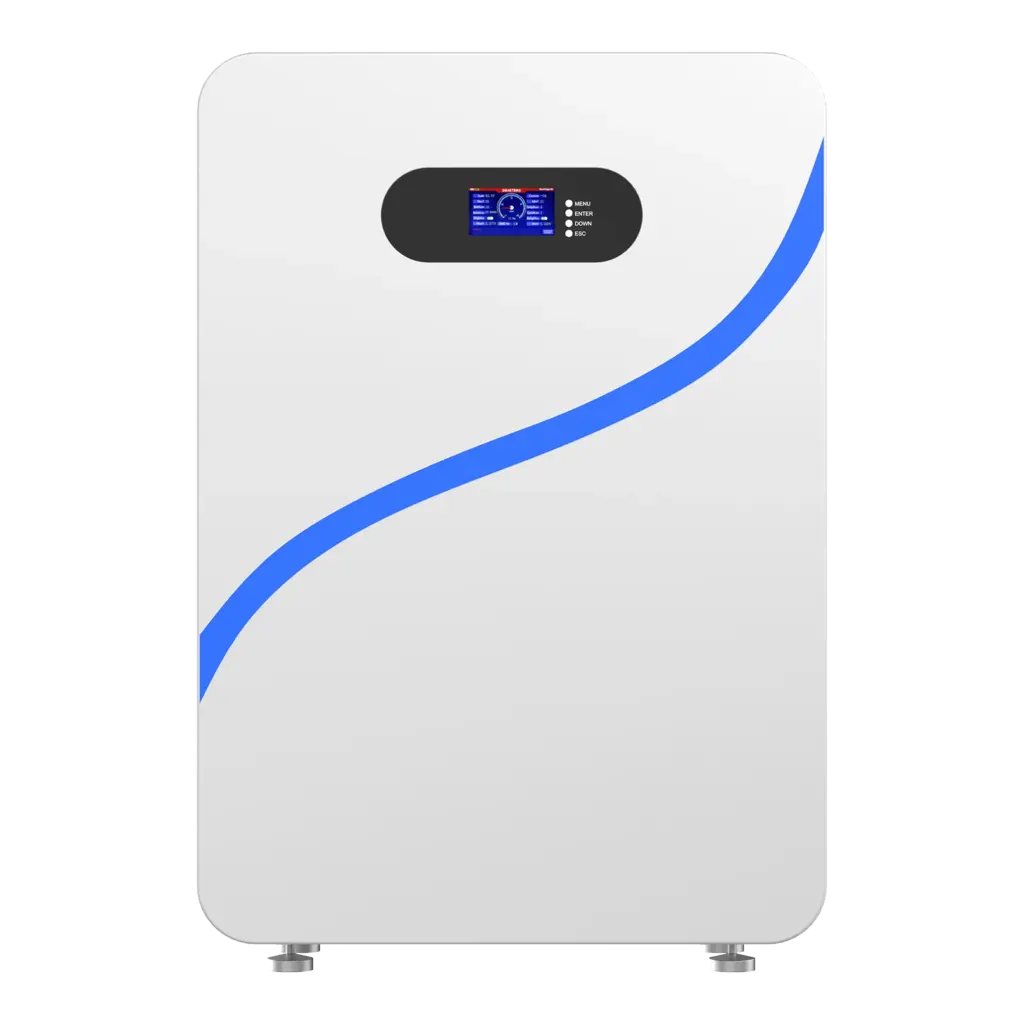
For buyers comparing capacity options, Avepower’s home energy storage solutions provide different battery formats, including vertical batteries, rack-mounted batteries, stackable batteries, and custom high-voltage storage systems.
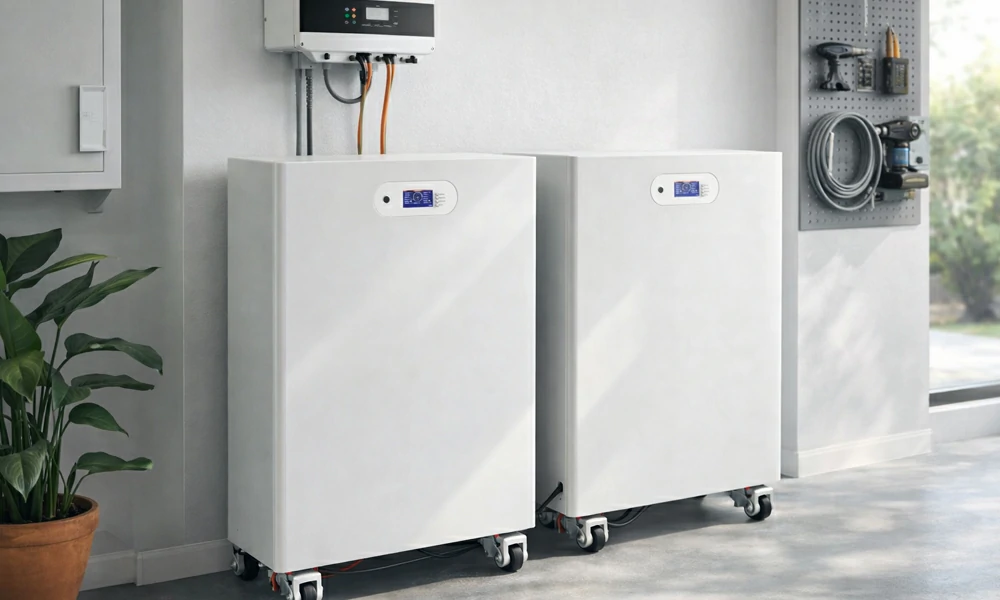
Build a Reliable 60kWh Home Backup System
Need longer backup time for your home, villa, off-grid house or solar storage project? Avepower can help you design a scalable 60kWh LiFePO4 battery solution with inverter compatibility, and flexible capacity expansion.
How Long Will a 60kWh Battery Last During an Outage?
The simplest formula is:
Backup time = usable battery energy ÷ average load
If your usable energy is about 50kWh, the runtime depends on how much power the home is drawing.
| Average Running Load | Approximate Runtime |
|---|---|
| 1kW | 50 hours |
| 2kW | 25 hours |
| 3kW | 16–17 hours |
| 5kW | 10 hours |
| 8kW | 6 hours |
| 10kW | 5 hours |
What Can a 60kWh Battery Run?
A well-designed 60kWh battery system can support many household loads, including:
- Refrigerator and freezer
- Lighting
- Internet router and home office equipment
- Security system
- TVs and small appliances
- Microwave and some kitchen loads
- Well pump or water pump
- Garage door opener
- Medical devices
- Selected air conditioning or heat pump loads
- Limited EV charging, if planned correctly
However, large loads must be managed carefully. The issue is not only energy capacity. The inverter must also provide enough output power and surge capability.
For example, a 60kWh battery with a small inverter may store plenty of energy but still fail to start a large central AC unit. On the other hand, a properly matched inverter system can support heavier loads, especially when soft starters, smart panels, load shedding, or staged startup logic are used.
This is why homeowners and installers should separate two questions:
- How many kWh do I need for runtime?
- How many kW do I need to run appliances at the same time?
Who Actually Needs a 60kWh Battery?
A 60kWh battery makes the most sense for homes and light commercial sites with higher-than-average energy requirements.
Large Homes and Villas
Large houses often have multiple HVAC zones, larger refrigerators, electric cooking, pool equipment, water pumps, home offices, and higher evening loads. A 10kWh or 15kWh battery may only cover essentials, while a 60kWh battery can provide a more comfortable backup experience.
Homes With Frequent or Long Outages
If outages are rare and short, a smaller battery may be more cost-effective. But in areas affected by storms, weak grids, wildfire shutoffs, hurricanes, or load shedding, larger storage can be valuable.
Solar Homes With Low Export Value
In many markets, exporting solar power to the grid is less valuable than using that energy yourself. A larger battery allows homeowners to store more daytime solar generation and use it at night or during peak electricity pricing.
Off-Grid Homes and Farms
For off-grid projects, a 60kWh battery can provide a strong overnight and cloudy-day buffer. Still, it should not be sized in isolation. The solar array, inverter, backup generator, local sunlight, seasonal weather, and daily load profile must be designed together.
For deeper off-grid planning, Avepower’s off-grid solar system guide.
Homes Preparing for EV Charging
A 60kWh battery can help support EV charging, but it is not always efficient to charge an EV heavily from a home battery unless there is a specific reason, such as outage backup, off-grid use, or maximizing surplus solar. EV charging can consume a large share of the battery quickly.
If an EV adds 20–40kWh of charging demand per day, the home’s storage and solar system must be sized accordingly.
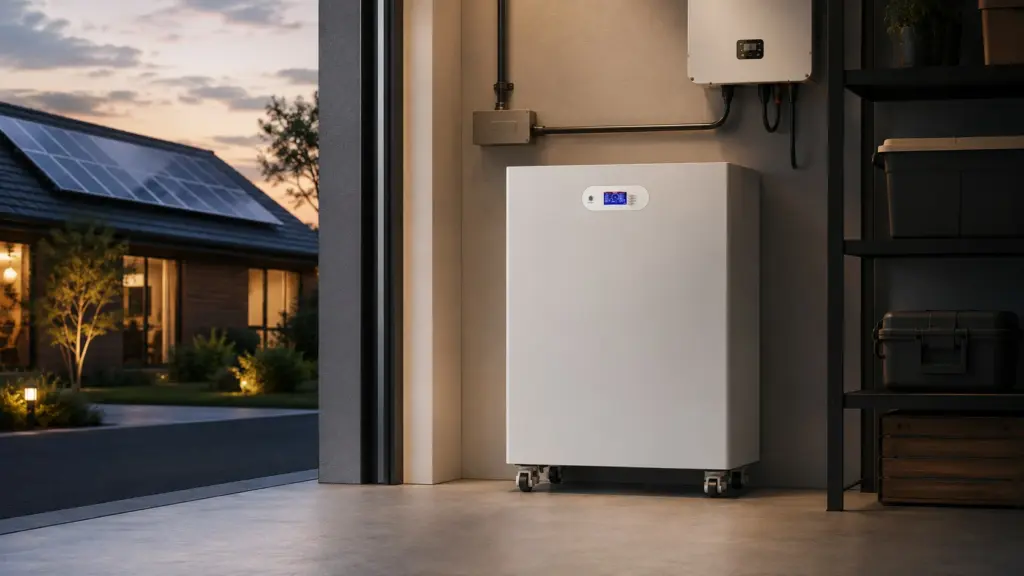
Store More Solar Energy for Longer Backup
A properly designed 60kWh battery system can help homeowners increase solar self-consumption, reduce grid dependence and keep essential or whole-home loads running during outages. Avepower supports flexible LiFePO4 battery configurations for solar storage projects.
When a 60kWh Battery May Be Too Large
A 60kWh battery is not the best choice for every homeowner. It may be excessive if:
- Your home uses less than 10–15kWh per day
- You only need to run a fridge, WiFi, lights, and a few outlets
- Outages in your area are short and rare
- Your solar system is too small to recharge the battery effectively
- Your budget is better spent on efficiency upgrades first
- Local code or installation space limits large battery systems
For many homes, a 10–20kWh battery can provide useful essential-load backup. A 30–40kWh system may already cover a large portion of daily use. A 60kWh battery should be chosen when there is a clear reason for extended runtime, high daily consumption, or future expansion.
For a broader sizing method, link to Avepower’s guide: what size home battery storage do you need.
60kWh Battery Cost in 2026
The cost of a 60kWh battery depends on the battery chemistry, usable capacity, inverter size, installation complexity, cabinet design, protection equipment, local permitting, and whether the system is low-voltage or high-voltage.
A realistic installed budget for a large 60kWh home battery system may fall roughly in the $45,000–$80,000+ range before incentives, depending on country, system architecture, brand, and site conditions. Some direct-supplier or OEM configurations may price lower, while premium integrated systems or complex whole-home backup installations may cost more.
In the U.S., homeowners should note that the IRS states the Residential Clean Energy Credit is not available for property placed in service after December 31, 2025. Check the current IRS Residential Clean Energy Credit page before publishing incentive claims.
In Australia, the Cheaper Home Batteries Program supports eligible batteries, but larger battery systems are affected by tiered support rules. For a 60kWh battery article targeting Australian buyers, avoid saying the full 60kWh receives the same simple 30% discount without checking the latest usable-capacity and STC factor rules.
What Size Solar System Do You Need for a 60kWh Battery?
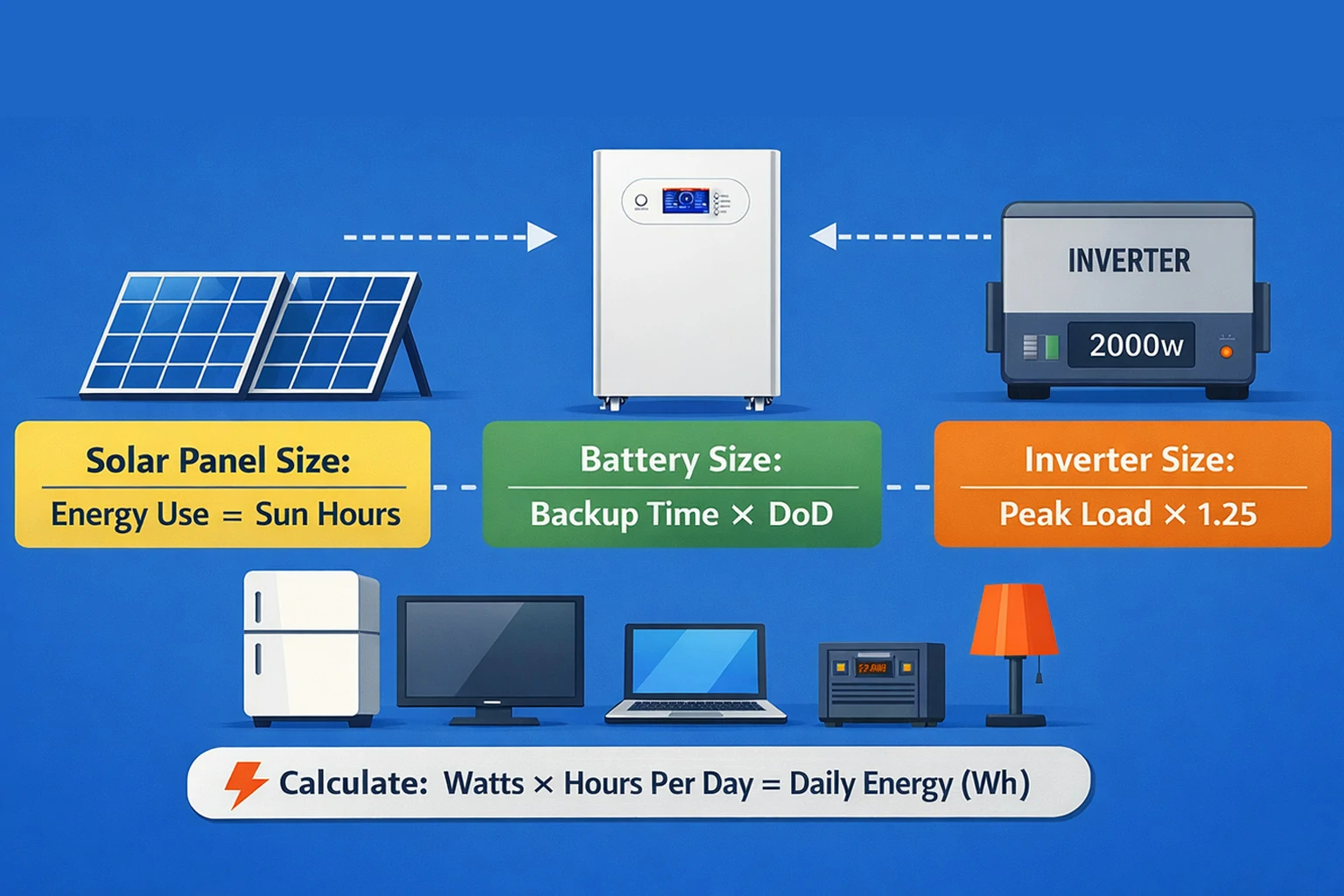
A 60kWh battery should usually be paired with enough solar power to recharge it within a reasonable time. The right solar size depends on daily consumption, peak sun hours, shading, roof orientation, and whether the home also uses grid charging.
A simple planning formula is:
Required solar kW = daily recharge target ÷ peak sun hours ÷ system efficiency
Example:
If you want to recharge 45kWh per day, your location has 4.5 peak sun hours, and system efficiency is about 80%:
45 ÷ 4.5 ÷ 0.8 = about 12.5kW of solar
For many homes using a 60kWh battery, a 12kW to 20kW solar system is a practical planning range. Smaller solar arrays can still work, but the battery may not fully recharge during cloudy weather or high-load days.
For homes with very high loads, EV charging, or off-grid use, solar sizing should be calculated from 12 months of consumption data rather than a generic rule.

60kWh Battery vs Smaller Battery Sizes
| Battery Size | Best For | Limitations |
|---|---|---|
| 5–10kWh | Essential backup, small homes, short outages | Limited runtime, usually not whole-home |
| 15–20kWh | Daily solar storage, critical loads, moderate backup | May not support large HVAC for long |
| 30–40kWh | Larger homes, partial whole-home backup, longer outage coverage | Higher cost and more installation planning |
| 60kWh | Large homes, villas, off-grid homes, high-load users, extended backup | Requires careful solar, inverter and safety design |
| 100kWh+ | Estates, farms, small commercial, microgrid projects | Usually requires project-level engineering |
This comparison helps users understand that 60kWh is a serious capacity tier. It should be selected based on measured energy demand, not only because “bigger sounds safer.”
Safety: What to Check Before Installing a 60kWh Battery
Because 60kWh is a large amount of stored energy, safety should be treated as a system requirement, not a marketing feature.
Key safety points include:
- LiFePO4 chemistry for better thermal stability
- Proper BMS protection against overcharge, over-discharge, overcurrent, short circuit, and temperature issues
- Certified cells, modules, and system-level components
- Correct DC protection and disconnects
- Proper cable sizing and torque control
- Fire code compliance and installation clearances
- Indoor or outdoor rating suitable for the location
- Inverter compatibility and communication testing
- Professional commissioning and documentation
The UL 9540A test method is widely referenced for evaluating thermal runaway fire propagation behavior in battery energy storage systems. For larger residential or light commercial systems, installers should also follow local electrical codes, building codes, fire codes, and manufacturer installation instructions.
Avepower batteries are designed with BMS protection, communication support, and international certification documentation for different project requirements. For inverter selection, installers can also review the Avepower inverter compatibility list.
Avepower 60 kWh Battery Storage Solutions
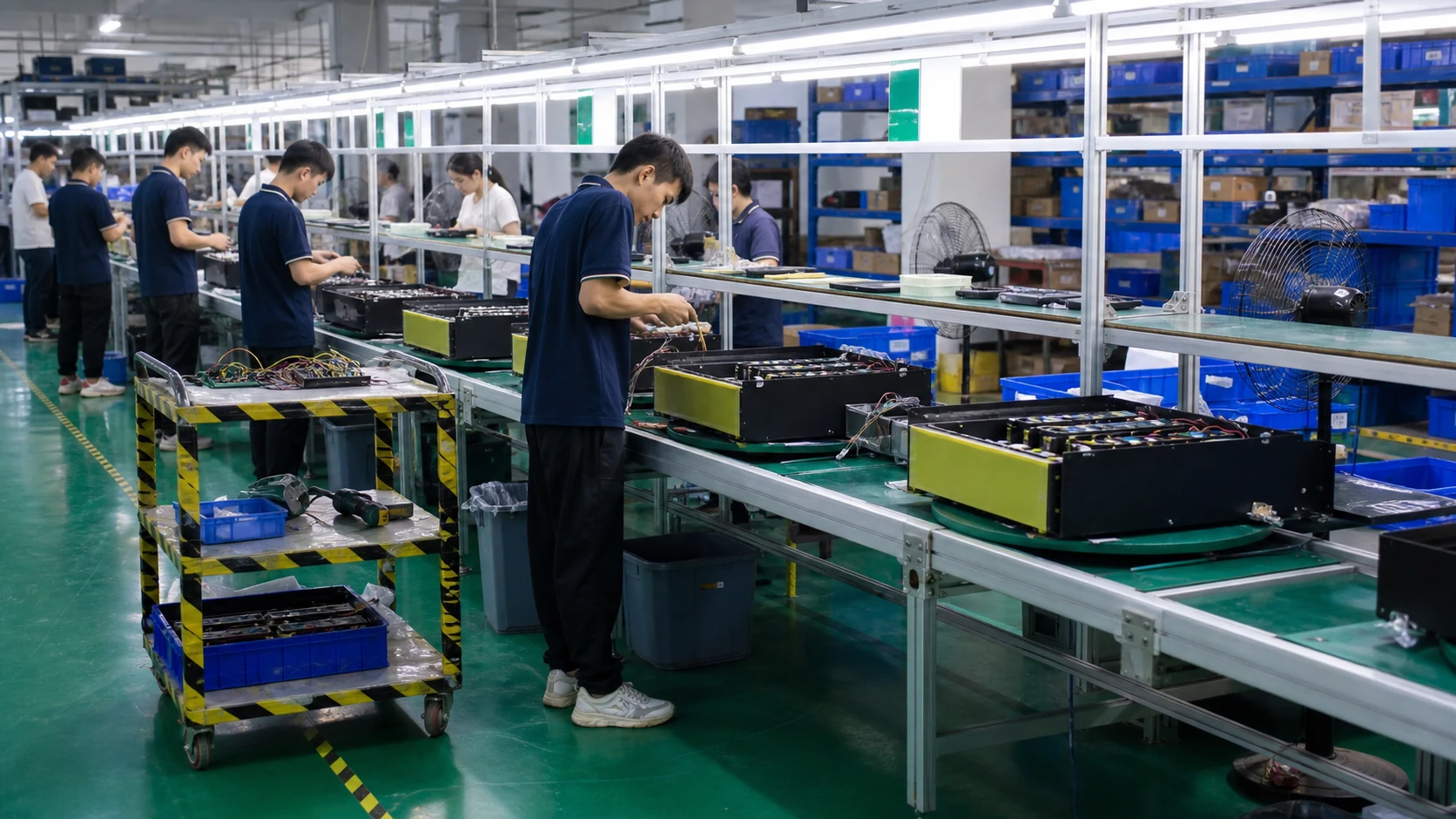
Many home seek suppliers who can provide safe, stable, and customizable energy storage solutions. Avepower specializes in the design and manufacturing of batteries for energy storage applications. Avepower’s systems are equipped with Battery Management Systems (BMS) for protection and comply with international certifications such as CE, UL, RoHS, and ISO9001. Moreover, Avepower supports OEM and ODM customization, including appearance, capacity, and system functions. This flexibility helps distributors tailor solutions to local markets and installer networks.
Avepower batteries are typically designed for long cycle life, with some configurations capable of exceeding 8,000 cycles under specific conditions.
If you need a 60 kWh battery solution for large homes, farms, or commercial sites, consider this as a comprehensive energy plan. Avepower offers complete solutions that include battery modules, compatible inverter options, and scalable designs to support future expansion.
Discover how Avepower can empower your energy needs today. Contact us to learn more and customize your ideal storage system!
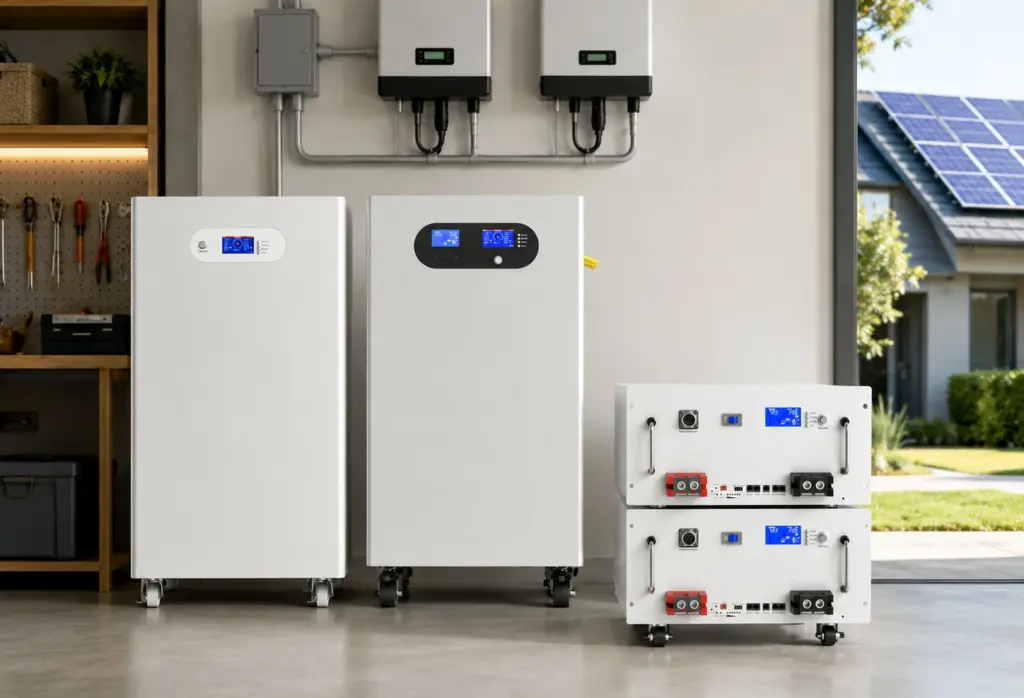
Take Control of Your Energy with Avepower!
Reliable home solar battery solutions with OEM/ODM customization and in-house manufacturing, tailored to the needs of distributors, installers, and energy partners.
Conclusion
A 60kWh battery is a powerful storage option for modern homes, but it should be chosen for the right reasons. It can provide meaningful whole-home backup, store large amounts of solar energy, support off-grid living, and help high-consumption households reduce dependence on the grid.
The key is proper system design. A reliable 60kWh battery setup must balance usable capacity, inverter output, solar recharge rate, BMS protection, installation safety, and long-term expansion.
For homeowners, installers, distributors, and OEM/ODM partners planning a 60kWh battery project, Avepower can help evaluate the right battery format, inverter compatibility, communication protocol, cabinet structure, and scalable energy storage solution.
FAQ
A 60kWh battery may power an efficient home for about 2–3 days if daily use is around 20kWh. For a home using 30–40kWh per day, it may provide about 1–2 days of backup. Heavy HVAC, EV charging, or electric heating can reduce runtime significantly.
Yes, 60kWh can support whole-home backup for many houses, but the inverter must also have enough power output to run large appliances. Capacity determines runtime, while inverter power determines what can run at the same time.
Many projects pair a 60kWh battery with about 12kW to 20kW of solar, depending on sunlight, daily usage, and recharge target. A smaller solar system can work, but it may take longer to recharge the battery.
Yes, but it depends on the air conditioner size, startup surge, inverter rating, and how long the AC runs. Central air conditioning can consume a large amount of energy, so load management is important.
Four 15kWh batteries can create about 60kWh of nominal capacity. This modular design is common for 48V-class residential battery banks.
Yes, a 60kWh battery can be suitable for off-grid homes, cabins, farms, and villas, but it must be paired with enough solar generation and sometimes a backup generator for long cloudy periods.
60kWh is energy capacity, which tells you how much electricity the battery can store. 60kW is power output, which tells you how much electricity the system can deliver at one moment. A home battery buyer must check both.
LiFePO4, also called LFP, is widely used for home energy storage because it offers strong thermal stability, long cycle life, and good safety performance compared with many other lithium chemistries.





1 thought on “60kWh Battery for Home Energy Storage: When It Makes Sense”
This is a great Starting Page in anyone’s need to become less reliant on an electric utility that has long outages, such as what NIPSCO had to resolve across 346,000 customers starting August 11, 2026 after experiencing a derecho and EF-1 Tornado storm in the northern third of Indiana.