
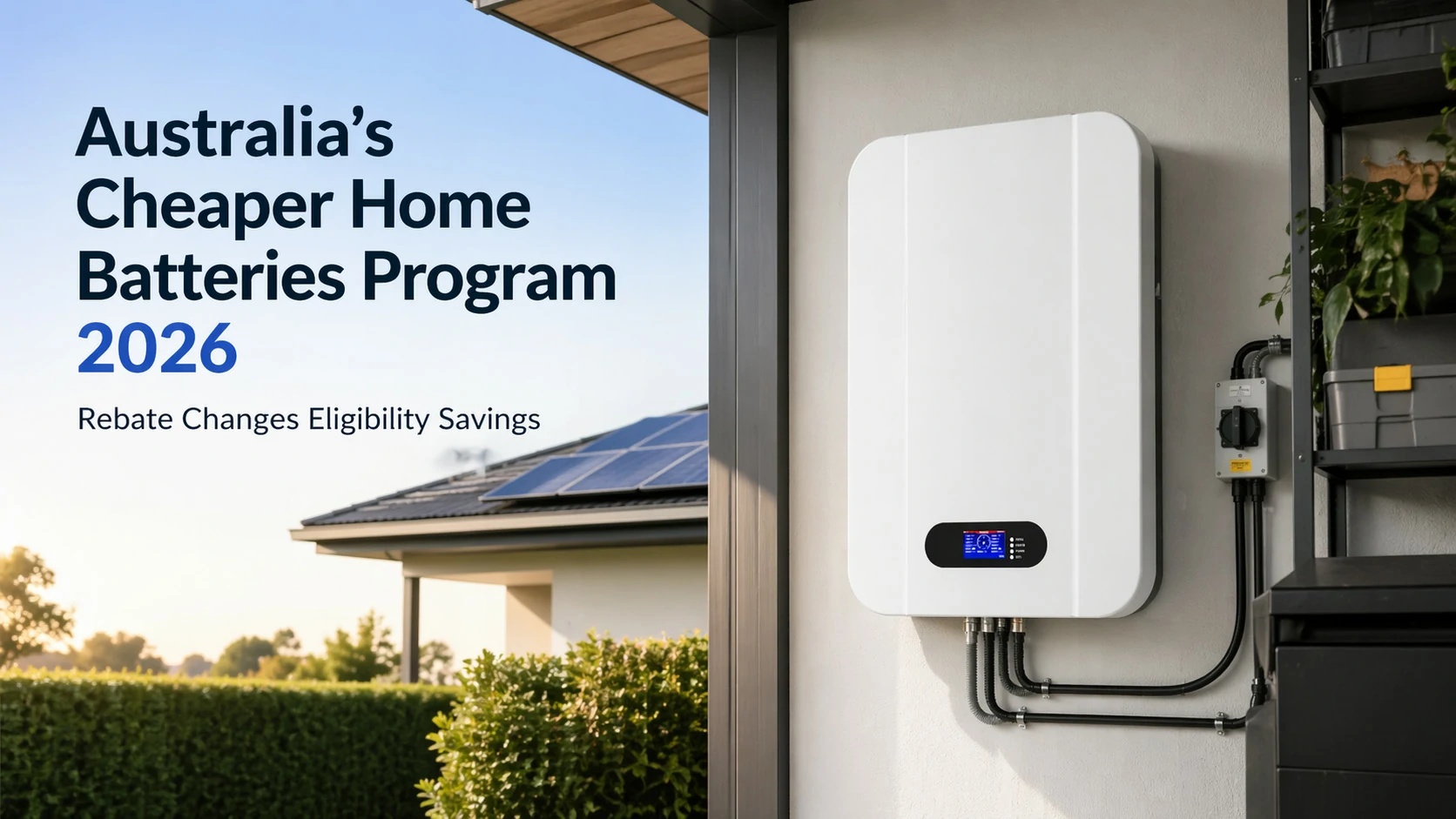
Australia’s Cheaper Home Batteries Program has become one of the most important incentives for households, small businesses and community organisations looking to add battery storage to new or existing rooftop solar systems.
Since launching on 1 July 2025, the program has helped reduce the upfront cost of eligible small-scale battery systems. In 2026, however, the rules have changed. The discount still supports eligible batteries from 5 kWh to 100 kWh, but from 1 May 2026 the way the rebate is calculated becomes more targeted by battery size.
This guide explains what changed in 2026, how much you may save, who is eligible, what battery size makes sense, and how to choose a solar battery system that gives real long-term value.
Key Takeaways for 2026
The Cheaper Home Batteries Program is still available nationwide for eligible battery installations connected to new or existing rooftop solar systems.
Australian households, businesses and community organisations can receive an upfront discount of around 30% on eligible small-scale battery systems between 5 kWh and 100 kWh. The discount is usually handled by the installer or retailer through the Small-scale Renewable Energy Scheme, so customers generally do not need to apply directly to the government.
From 1 May 2026, the STC factor changes to 6.8 and the support becomes tiered by battery capacity. The first 14 kWh receives the full STC factor, capacity above 14 kWh and up to 28 kWh receives 60%, and capacity above 28 kWh and up to 50 kWh receives 15%.
The program still supports battery systems up to 100 kWh nominal capacity, but STCs can only be claimed on the first 50 kWh of usable capacity.
What Is the Cheaper Home Batteries Program?
The Cheaper Home Batteries Program is an Australian Government incentive designed to reduce the upfront cost of installing eligible small-scale battery systems.
It works by expanding the existing Small-scale Renewable Energy Scheme to include battery storage. Instead of giving most customers a direct cash payment, the program creates Small-scale Technology Certificates, or STCs, based on the battery’s usable storage capacity. In most cases, the installer or retailer applies the value of those STCs as an upfront discount on the quote or invoice.
What Changed in 2026?
The biggest 2026 change is the move from a simpler flat-style rebate calculation to a more targeted structure.
The Australian Government confirmed that the program is expected to expand from the original $2.3 billion estimate to about $7.2 billion over the next four years. The goal is to help more than 2 million Australians install a battery by 2030 and deliver around 40 GWh of additional storage capacity.
At the same time, the government adjusted the STC factor so the discount better reflects falling battery costs and avoids over-subsidising very large systems.
| Period | STC Factor |
|---|---|
| January–April 2026 | 8.4 |
| May–December 2026 | 6.8 |
| January–June 2027 | 5.7 |
| July–December 2027 | 5.2 |
| January–June 2028 | 4.6 |
| July–December 2028 | 4.1 |
| January–June 2029 | 3.6 |
| July–December 2029 | 3.1 |
| January–June 2030 | 2.6 |
| July–December 2030 | 2.1 |
How the Rebate Is Calculated in 2026
The exact dollar value of the rebate depends on STC market prices, administration costs, battery usable capacity and the installation date.
A simple way to understand the gross rebate is:
Usable battery capacity × STC factor × STC market value × applicable capacity tier
Because STC prices move, the actual amount on a quote may vary. Many market guides use around $40 per STC as a simple example before fees, but the real discount may be lower after administration and trading costs.
Indicative Gross Rebate Examples Using $40 per STC
| Battery usable capacity | Jan–Apr 2026 gross estimate | May–Dec 2026 gross estimate |
|---|---|---|
| 5 kWh | about $1,680 | about $1,360 |
| 10 kWh | about $3,360 | about $2,720 |
| 13.5 kWh | about $4,536 | about $3,672 |
| 15 kWh | about $5,040 | about $3,971 |
| 20 kWh | about $6,720 | about $4,787 |
| 28 kWh | about $9,408 | about $6,093 |
| 30 kWh | about $10,080 | about $6,174 |
| 40 kWh | about $13,440 | about $6,582 |
| 50 kWh | about $16,800 | about $6,990 |
Who Is Eligible?
A battery system usually needs to meet several requirements to qualify.
An eligible battery system must generally be between 5 kWh and 100 kWh in nominal capacity. STCs can only be claimed for the first 50 kWh of usable capacity. Smaller modular batteries may be stacked to reach the minimum 5 kWh threshold if the final configuration is approved and installed as one system.
The battery must be installed with a new or existing rooftop solar PV system. Battery systems that only charge from the grid and are not connected to solar are not eligible. The solar PV system must generally be 100 kW or less.
The battery system and inverter must be approved by the Clean Energy Council and installed by, or under the on-site supervision of, a Solar Accreditation Australia accredited battery installer.
For on-grid systems, the battery and inverter must be technically capable of participating in a Virtual Power Plant, also known as a VPP. However, joining a VPP is not required under the federal program. Off-grid battery systems do not need to be VPP capable.
Portable batteries and electric vehicles are not eligible.
How A Home Battery Works With Your Solar System
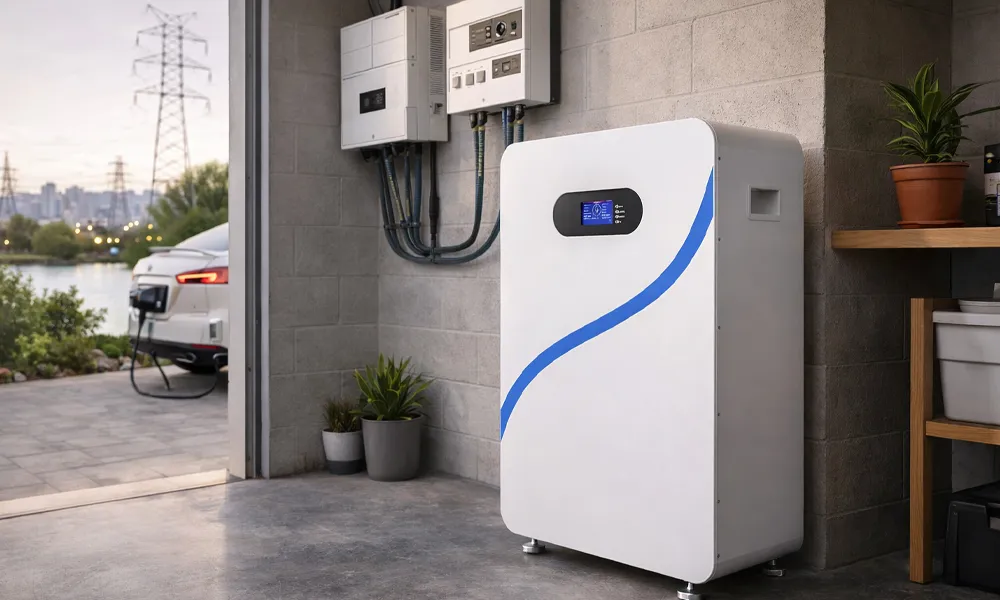
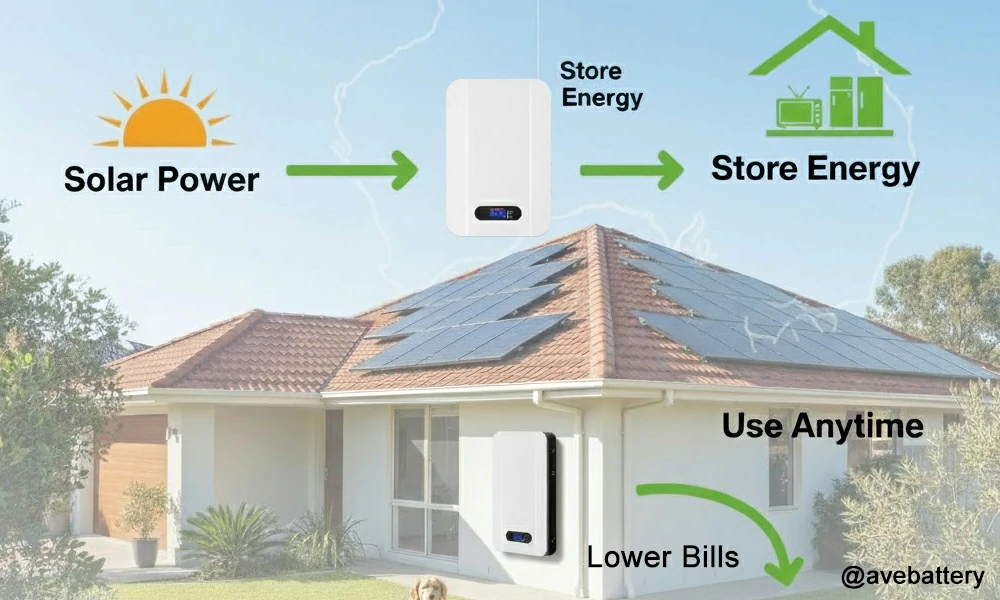
A home battery is a box of rechargeable cells that stores energy from your solar panels instead of sending it straight back to the grid.
During the day, your solar system:
- First powers the devices in your home.
- Then charges your battery with any extra solar energy.
- Only after that sends leftover power to the grid for a feed-in tariff (FiT).
At night or during cloudy periods, your battery sends that stored energy back into your home, so you buy less power from your retailer.
A battery cannot remove you from the grid by itself, but it can:
- Reduce your grid use.
- Help keep key circuits running during a blackout (if your system includes backup features).
- Increase how much of your own solar you actually use.
Does the Program Apply to Existing Solar Homes?
Yes. One of the most useful parts of the Cheaper Home Batteries Program is that it can support homes that already have rooftop solar.
If your existing solar PV system is compliant with state and territory electrical safety rules, you may be able to add a battery without replacing the whole solar system. However, the battery inverter must meet the program’s requirements, and the system must be designed and installed by an accredited professional.
Does the Program Apply to New Solar and Battery Systems?
Yes. If you are installing solar and battery storage together, the system can be designed from the beginning as a complete solar-plus-storage solution.
This often gives better design flexibility because the installer can choose the solar inverter, hybrid inverter, battery size, backup circuits and monitoring system as one package.
For new installations, the most important thing is not simply choosing the largest battery that qualifies. The battery should match your solar generation, evening energy use, tariff structure and backup expectations.
What Battery Size Should You Choose?
The best battery size depends on how much energy your home uses after sunset, how large your solar system is, and whether you need backup power.
5–10 kWh Batteries
A 5–10 kWh battery can suit smaller homes, townhouses, apartments with suitable solar access, or households mainly looking to store daytime solar for evening use.
This size range may be suitable when the home has moderate electricity use and does not need whole-home backup. It can also be a good entry point for customers who want to lower upfront cost while still improving solar self-consumption.
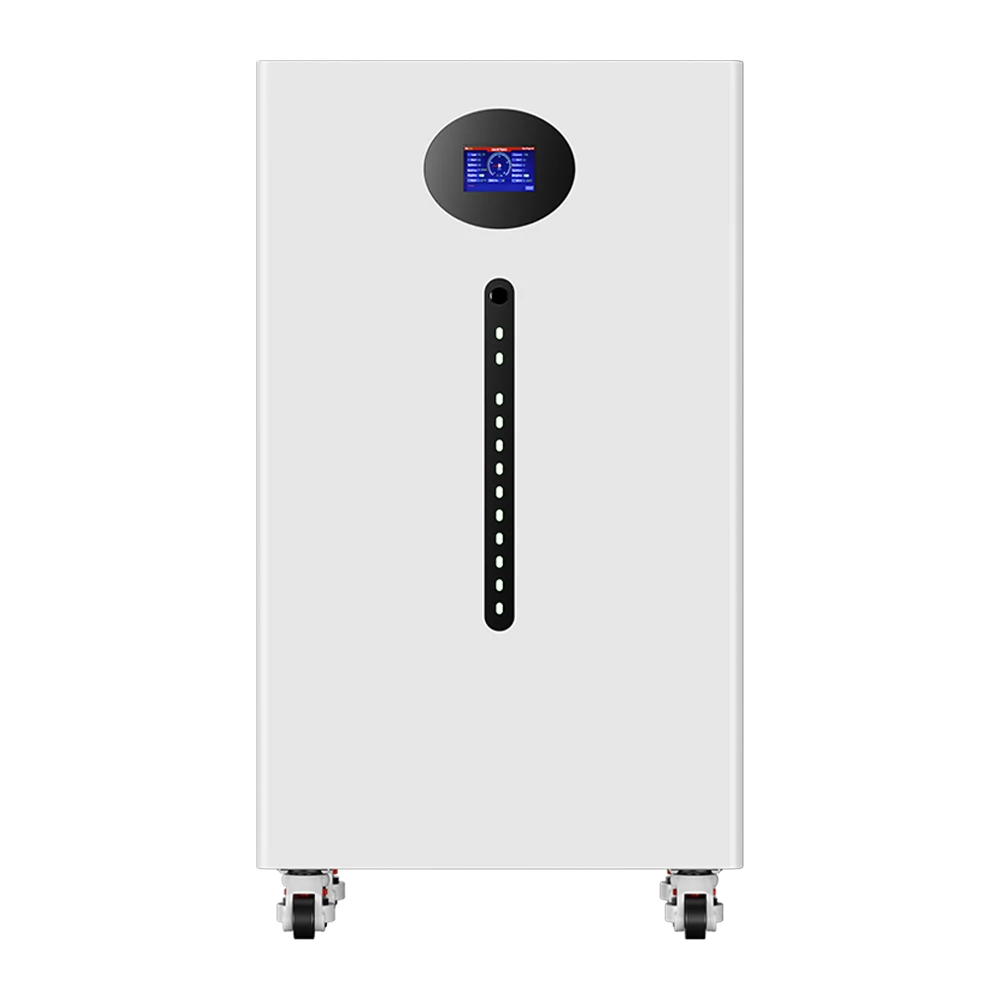
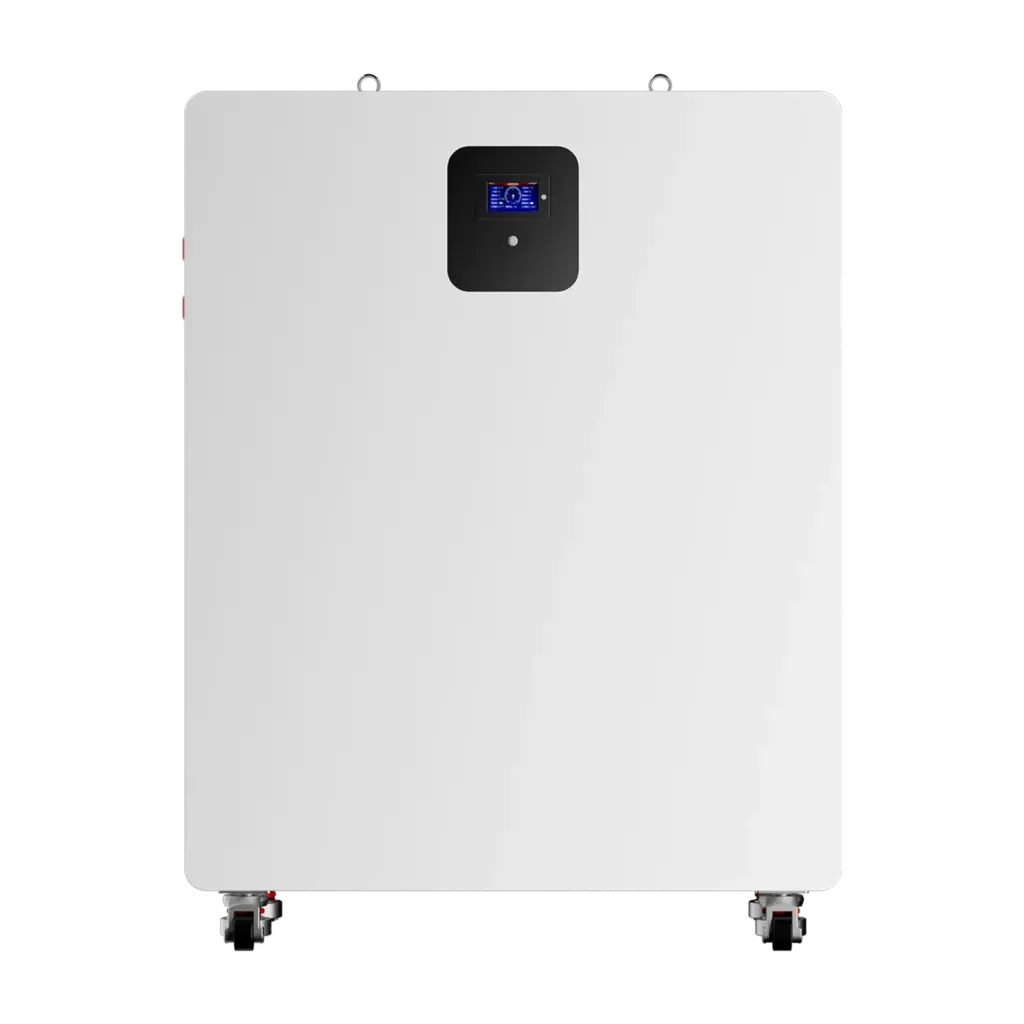
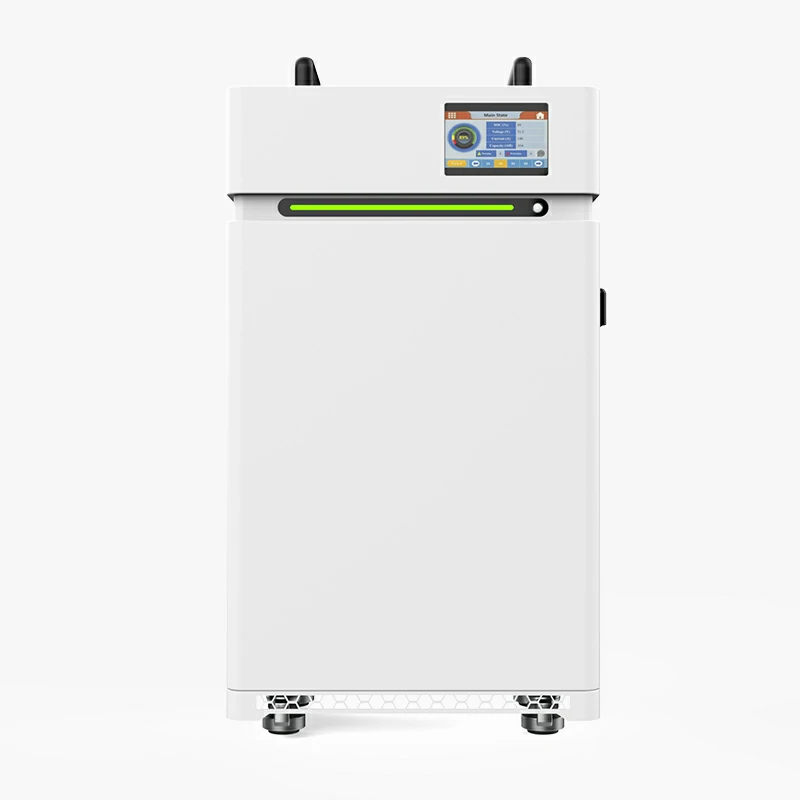
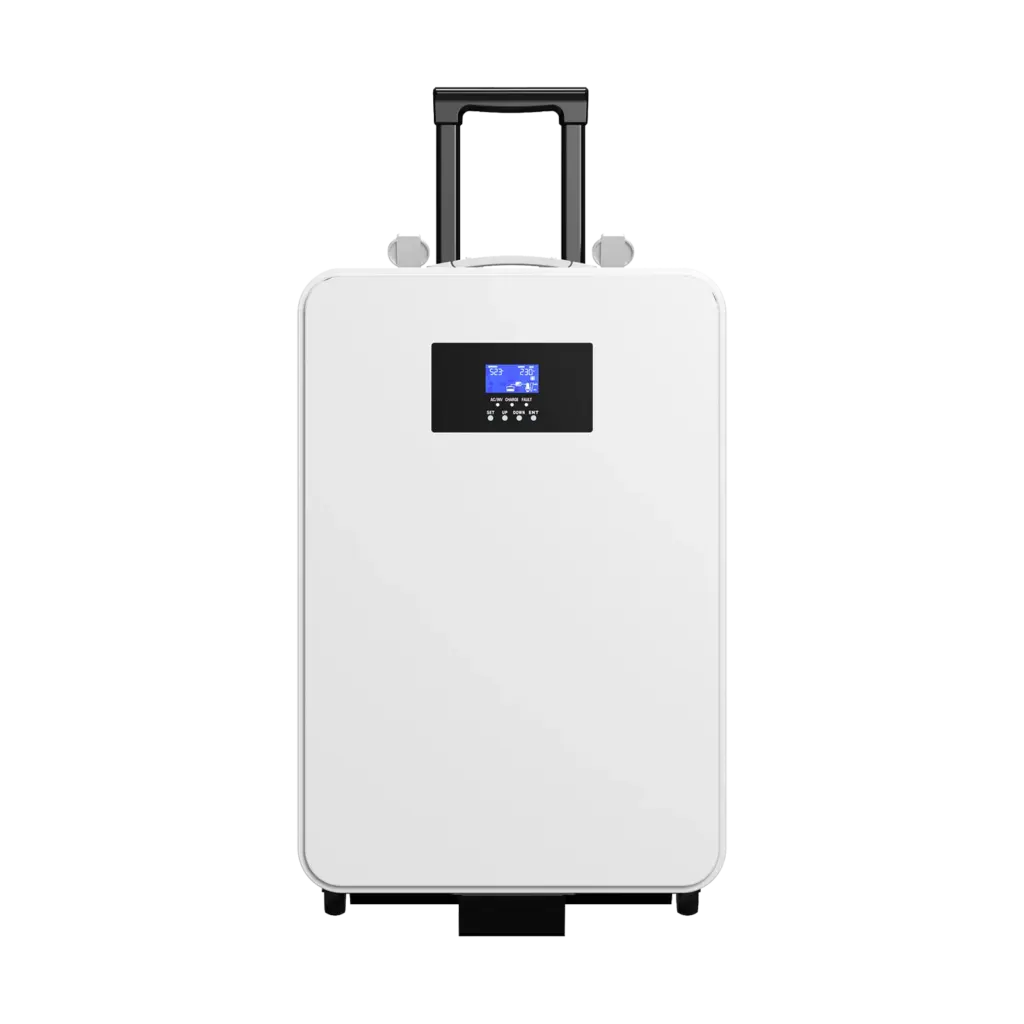
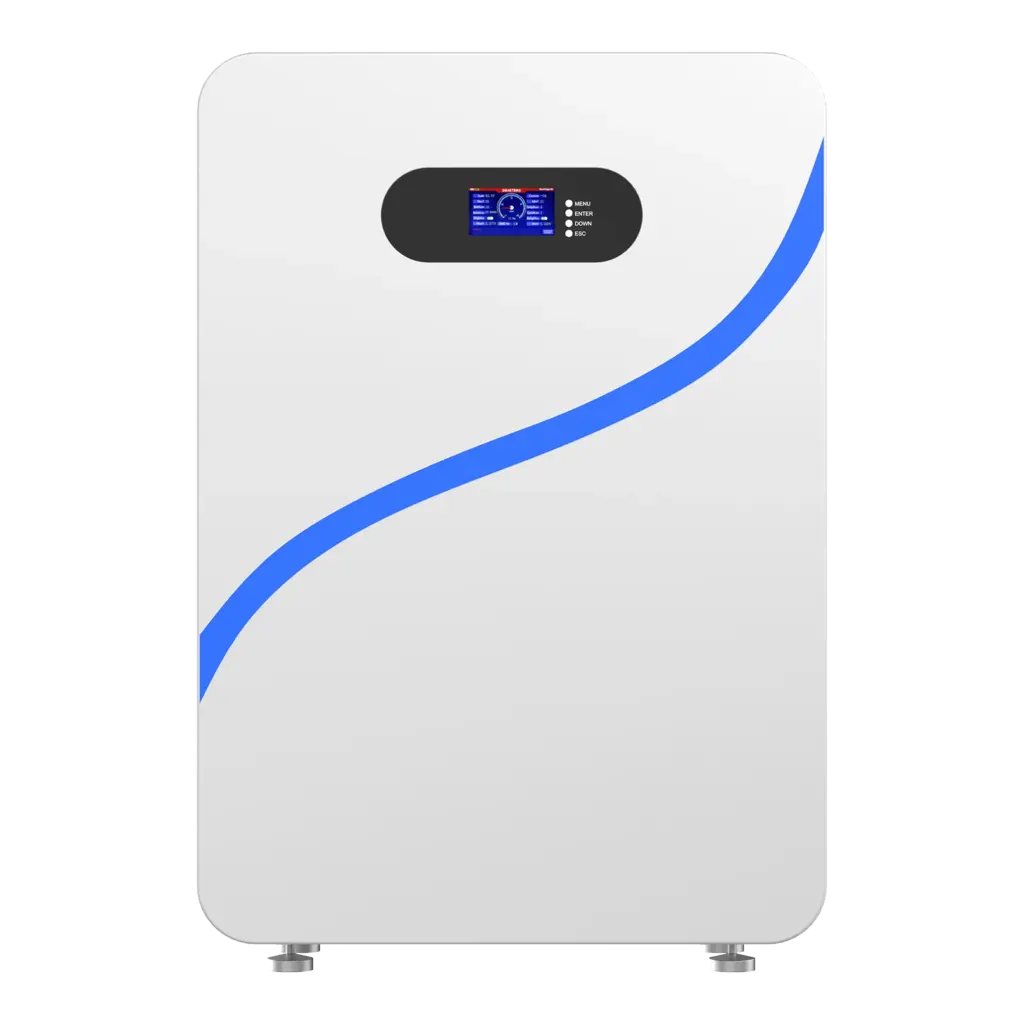
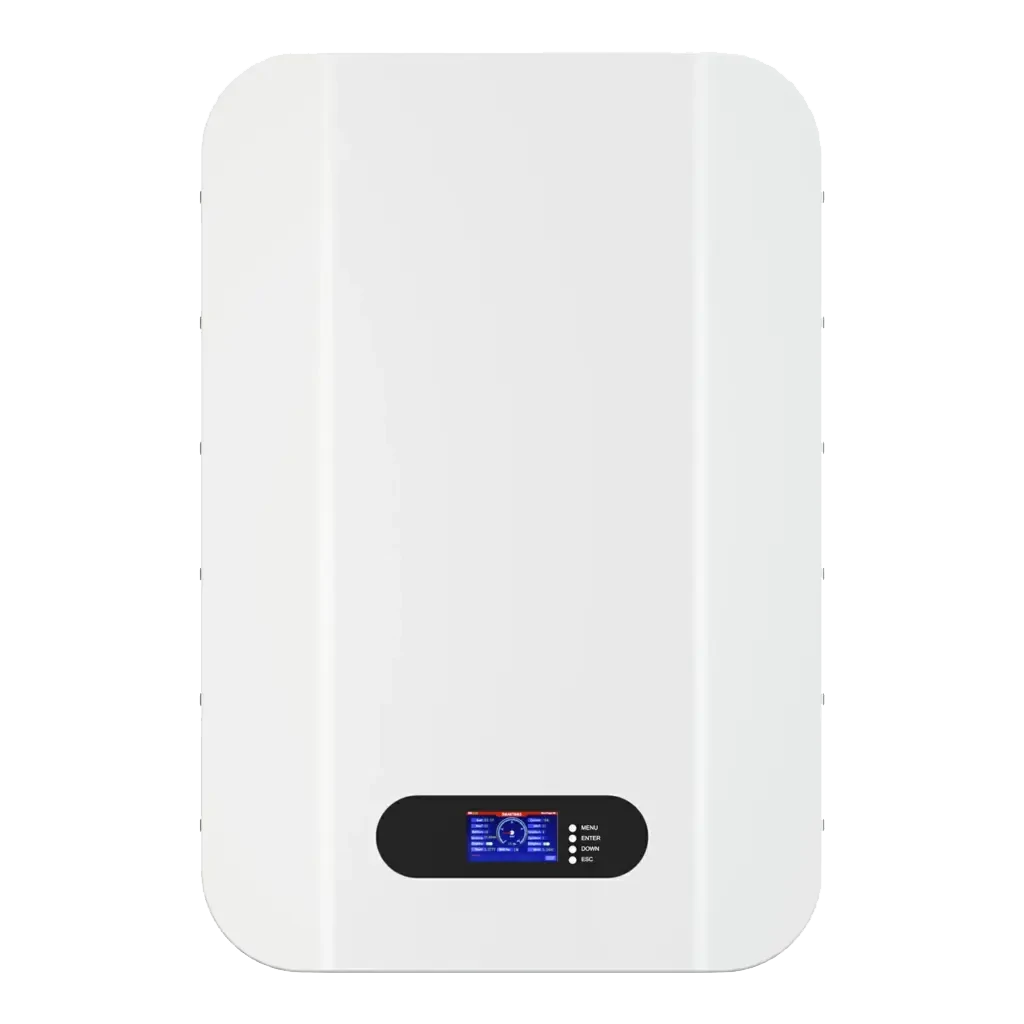
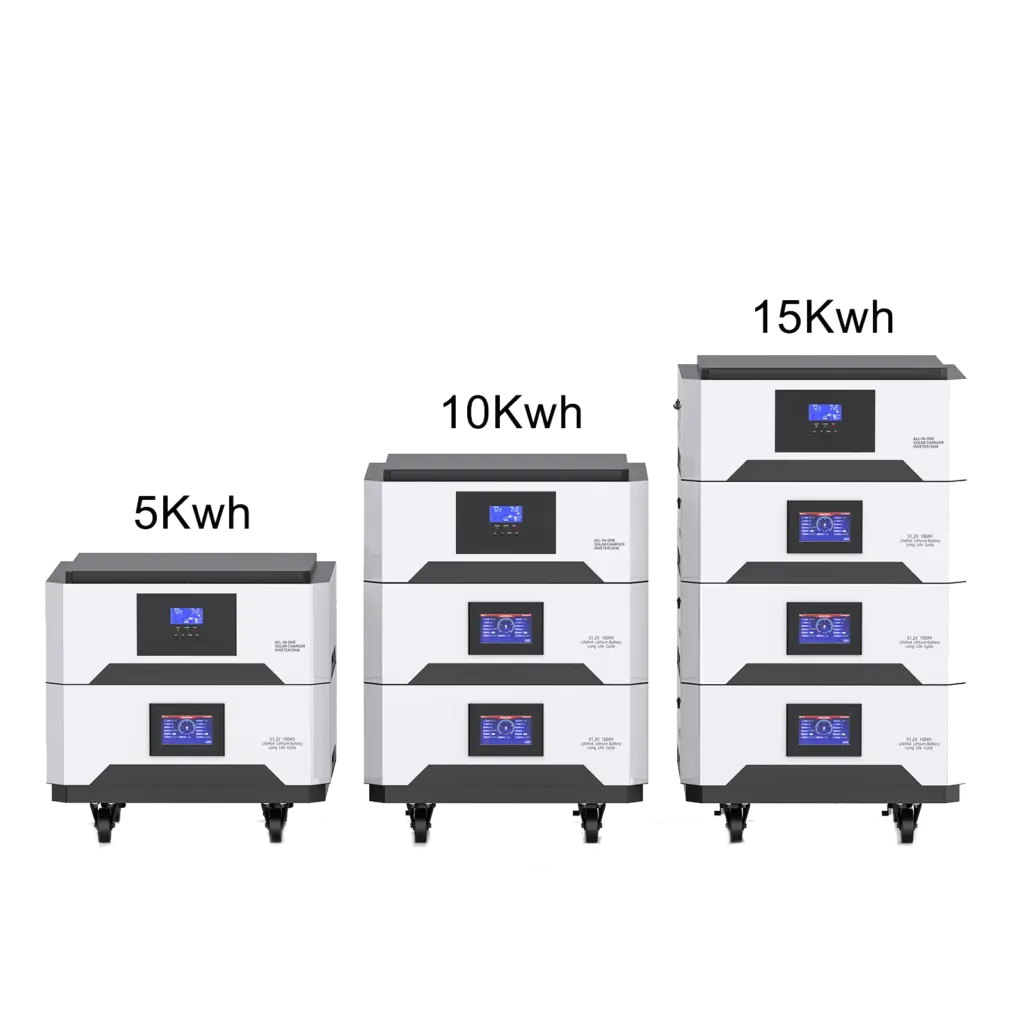
Avepower’s wall-mounted and compact LiFePO4 battery options can fit this type of project where space saving, safety and simple installation are important.
10–15 kWh Batteries
A 10–15 kWh battery is often a strong match for a typical family home with a 6–10 kW rooftop solar system.
This size can cover more evening usage, support essential backup circuits, and improve the value of solar energy when feed-in tariffs are low.
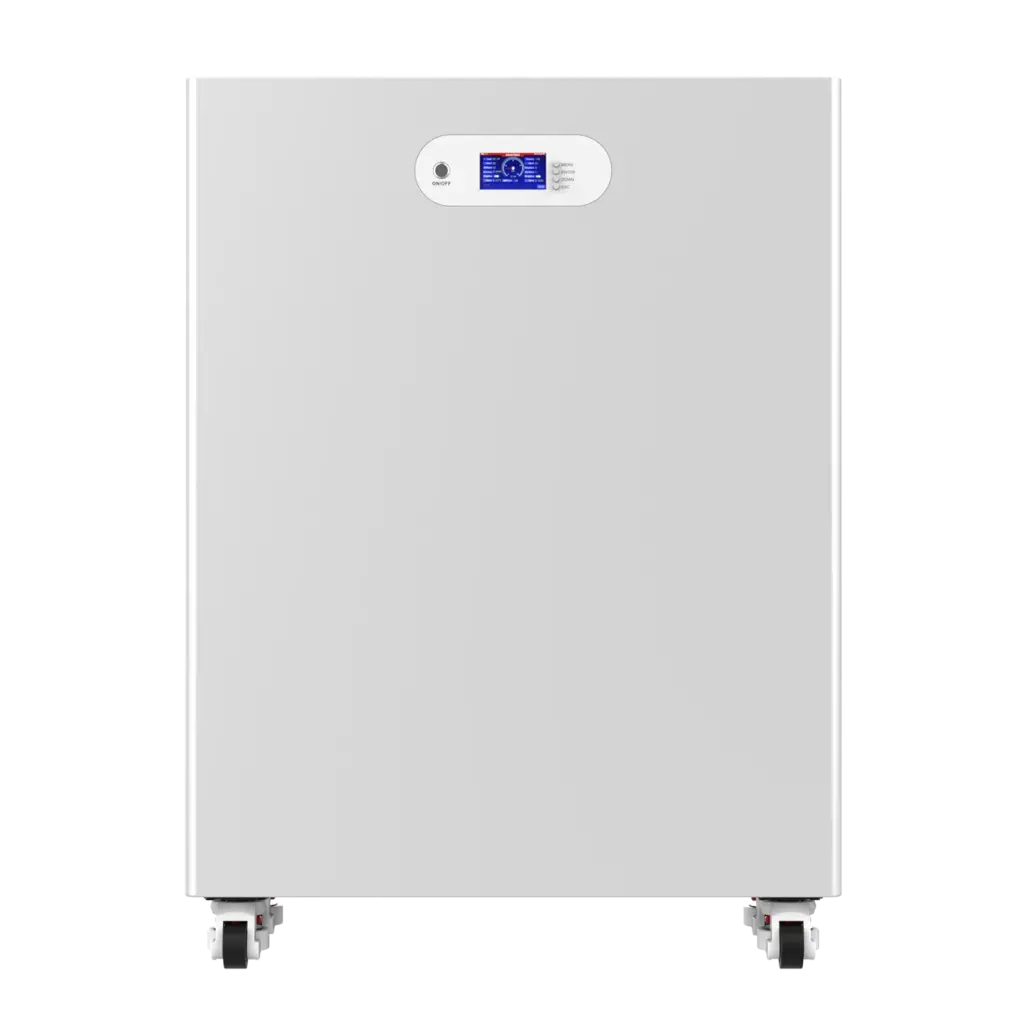
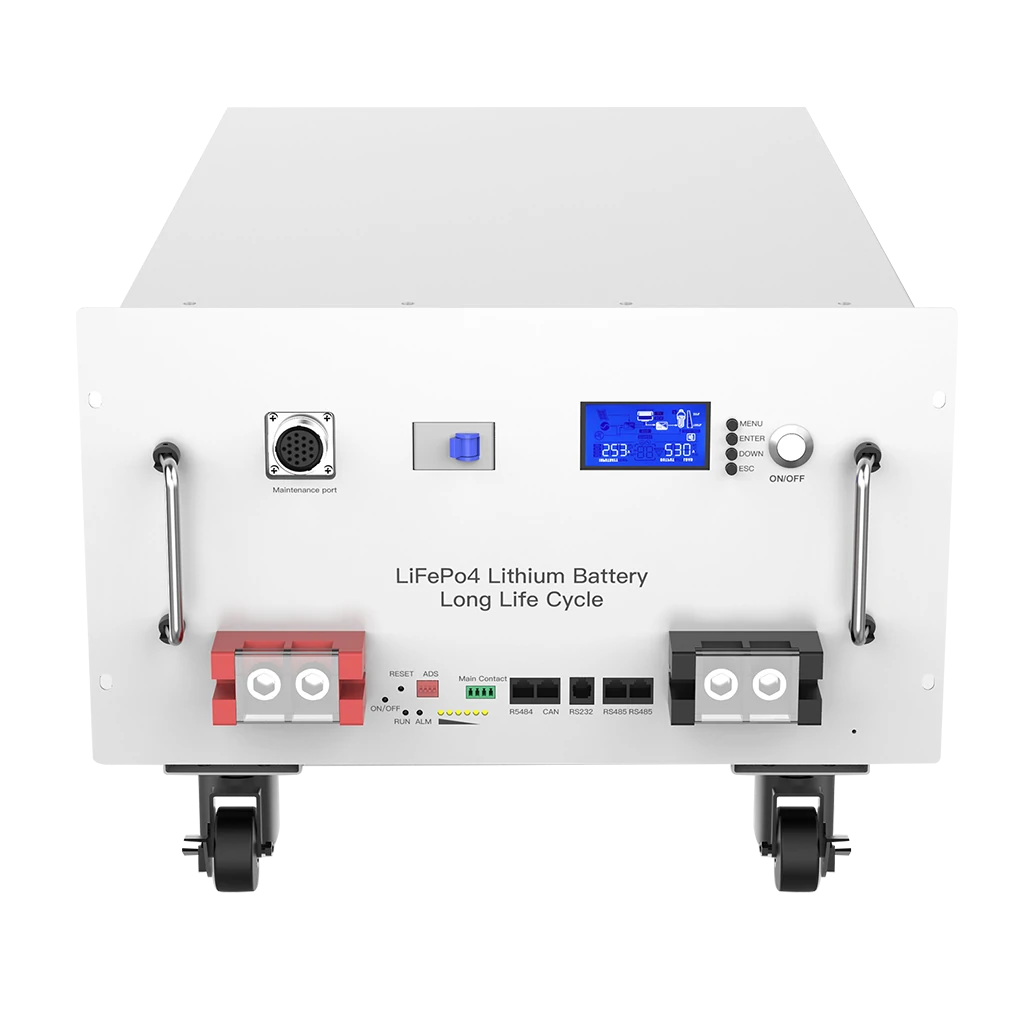
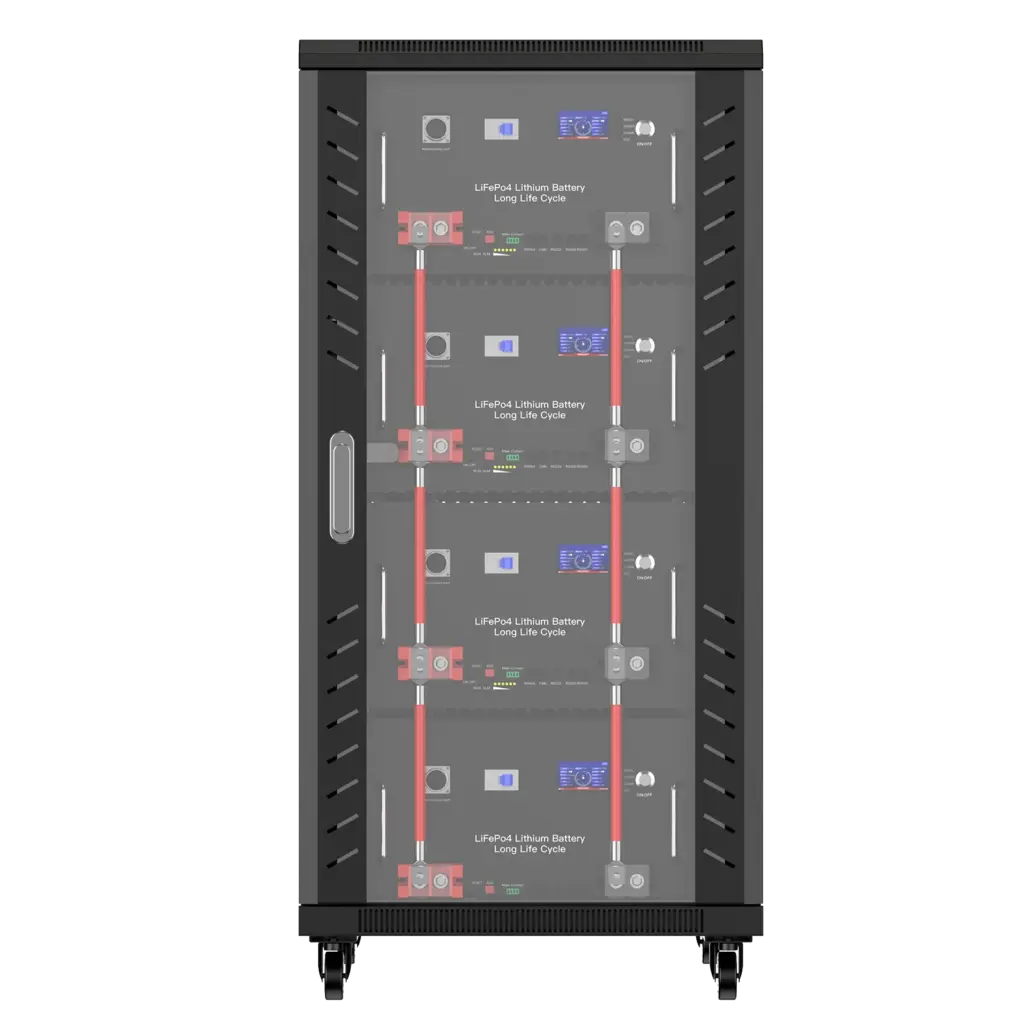
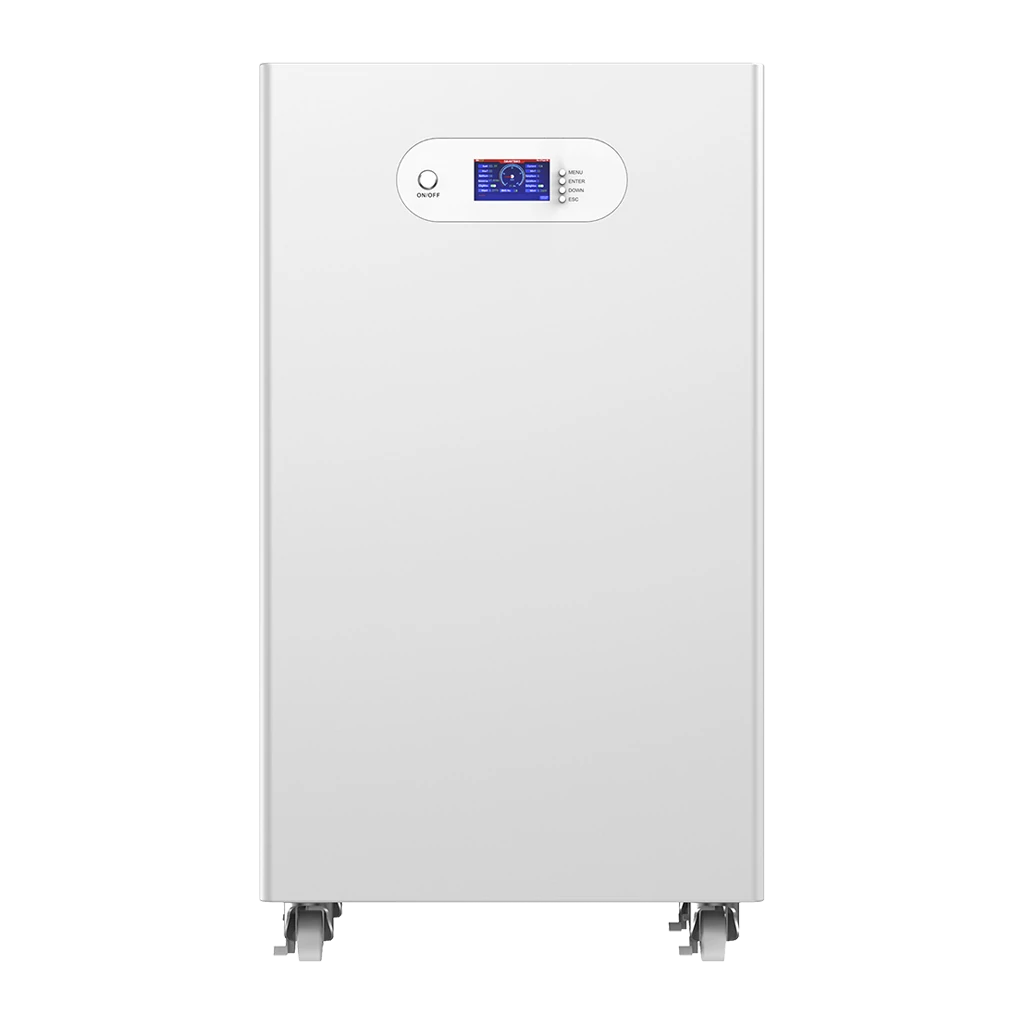
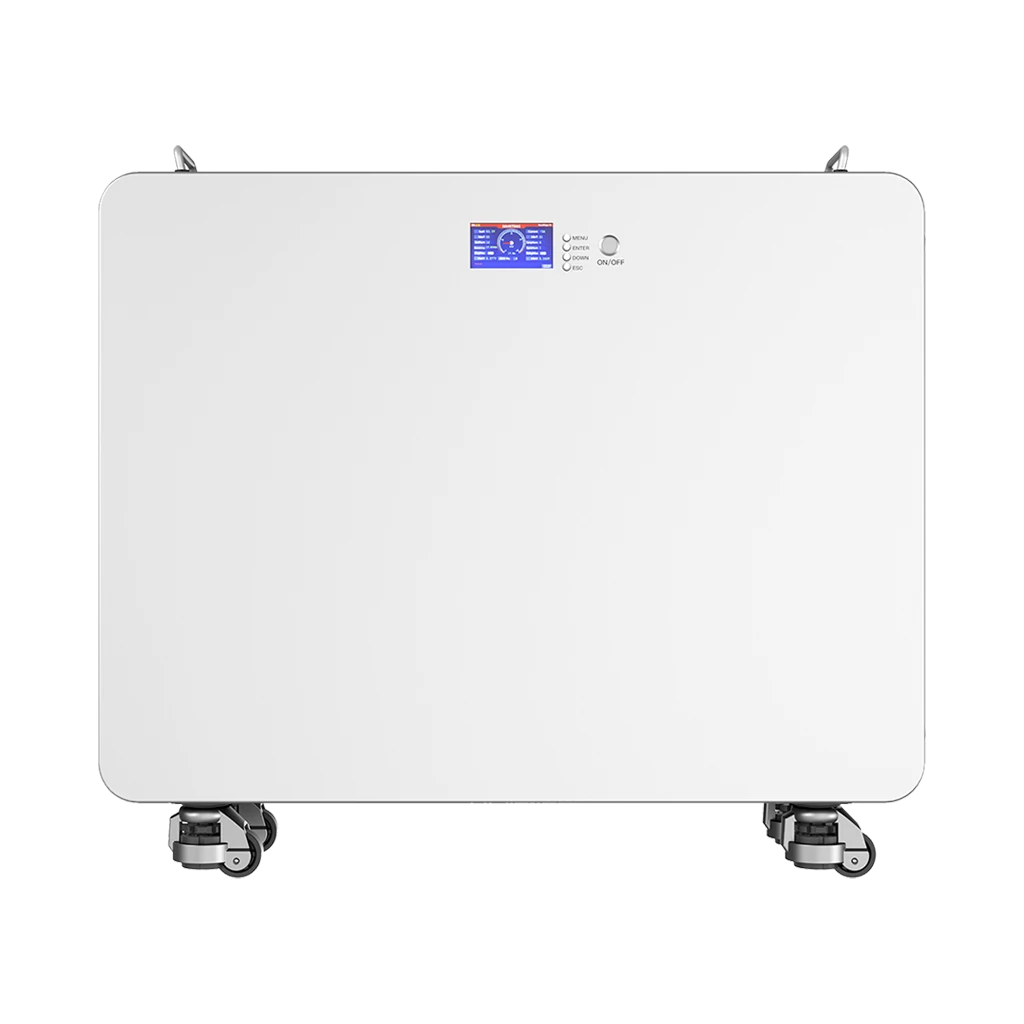
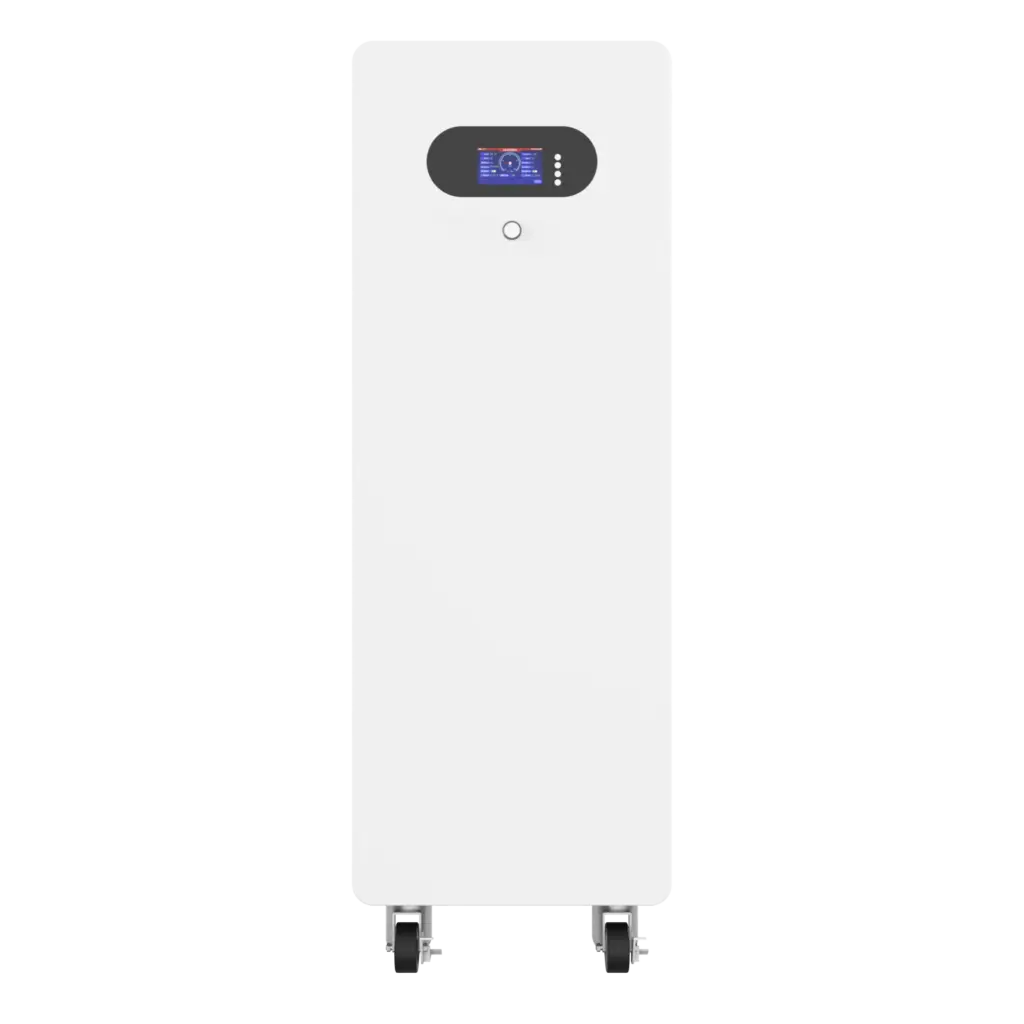
Avepower’s 10 kWh wall-mounted battery, 15 kWh vertical LiFePO4 battery, rack-mounted battery and 15 kWh all-in-one battery with inverter can be positioned for this type of home energy storage need.
15–20 kWh Batteries
A 15–20 kWh battery may suit larger homes, homes with electric hot water, heat pumps, pool pumps, home offices or partial EV charging needs.
This size can also work for homes that want longer backup coverage during outages. However, the system should still be sized according to real usage data. Oversizing a battery can reduce economic value if much of the capacity remains unused.
20–50 kWh Batteries
Larger residential and small commercial systems can still qualify for the federal program, but from 1 May 2026 the rebate is more heavily tapered after 14 kWh and again after 28 kWh.
This means 20–50 kWh systems should be justified by actual load needs, backup requirements, business usage, multi-unit properties or special project requirements.
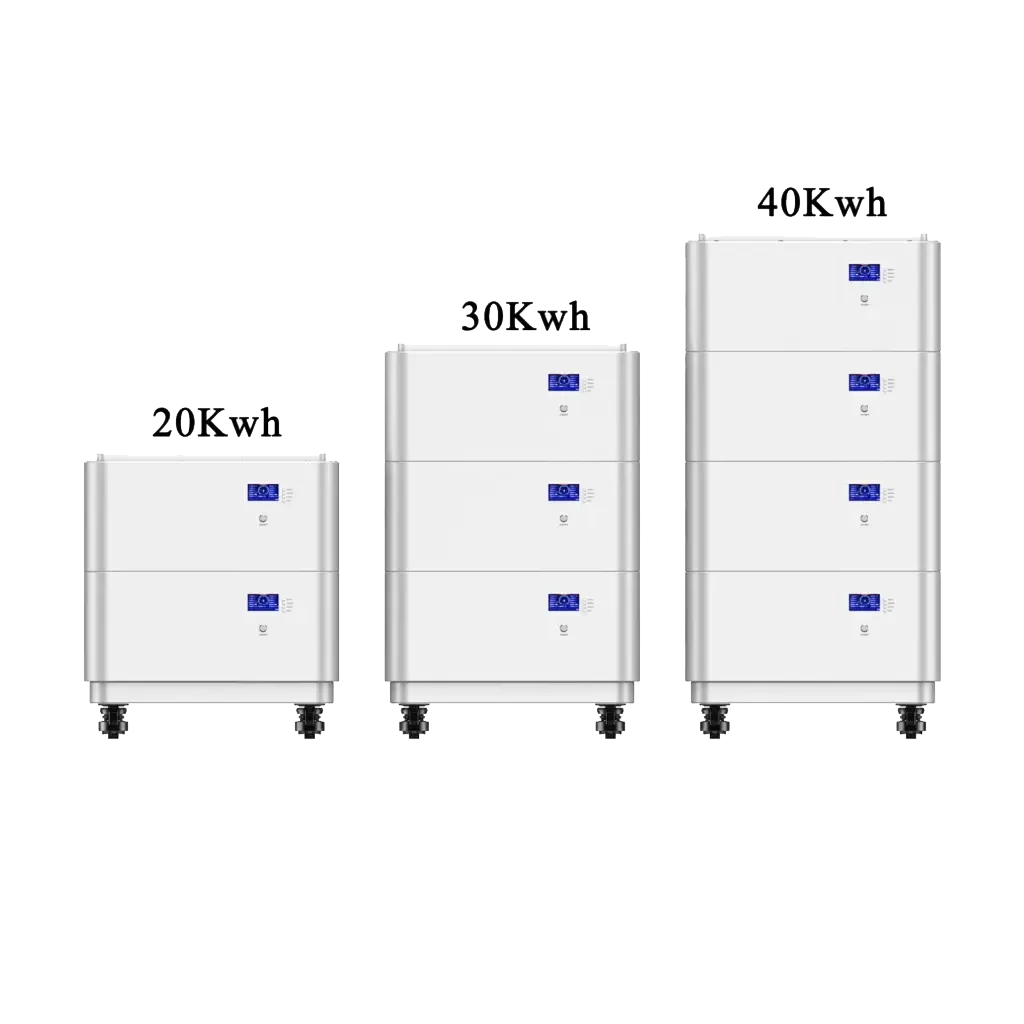
Avepower’s stackable LiFePO4 battery systems can support flexible capacity expansion, making them suitable for installers, distributors and project buyers who need different system sizes for different customer profiles.
Is Bigger Always Better?
No. Bigger is not always better.
The Australian Government also advises consumers to avoid oversizing batteries because a battery that is too large for the home’s solar and inverter setup may limit the potential benefit to the home and grid.
A good battery size should be based on:
- average daily electricity use
- evening and overnight consumption
- solar system size
- electricity tariff structure
- backup power needs
- available installation space
- whether the home may join a VPP
- whether future loads such as EV charging or heat pumps are planned
A correctly sized 10–15 kWh system can often provide better value than an oversized 30–50 kWh system if the household does not use enough stored energy.
Federal and State Battery Incentives in 2026
The federal Cheaper Home Batteries Program is the main national incentive, but some states and territories may offer additional support.
New South Wales
NSW offers a Virtual Power Plant incentive for eligible households and small businesses that connect a battery to a participating VPP provider. Batteries between 2 kWh and 28 kWh can be eligible for this incentive, and the NSW Government states that it can be combined with the federal Cheaper Home Batteries Program.
For more information about subsidies in New South Wales, please read this article: “solar battery rebate NSW.”
Western Australia
Western Australia runs the WA Residential Battery Scheme, which can provide one-off rebates and no-interest loans for eligible households. The WA Government states that the scheme is additional to the federal Cheaper Home Batteries Program. On a 10 kWh battery, combined rebate examples are listed as $5,000 for Synergy customers and $7,500 for Horizon Power customers.
WA applicants may also need to participate in a VPP to qualify for the state scheme.
Victoria
Solar Victoria is no longer taking applications for interest-free solar battery loans. Victorian households now mainly rely on the federal Cheaper Home Batteries Program for battery support.
ACT
The ACT Sustainable Household Scheme can provide eligible homeowners with low-interest loans from $2,000 to $15,000 for energy-efficient upgrades, including household battery storage systems. The loan can be repaid over up to 10 years and has a 3% interest rate.
Queensland, South Australia, Tasmania and Northern Territory
In many cases, households in these regions mainly rely on the federal battery discount, retailer offers, local council programs or VPP-related incentives. Because these programs change often, customers should always ask their installer to confirm current state and local options before signing a quote.
How to Access the Cheaper Home Batteries Discount
Most customers do not need to apply directly to the Australian Government or the Clean Energy Regulator.
The usual process is:
- Compare quotes from accredited battery installers or solar retailers.
- Confirm the battery, inverter and final system design meet program rules.
- Check whether the quote clearly shows the rebate or STC discount.
- Confirm whether the installation date affects the final discount.
- Ask for warranty, payback, backup and VPP details in writing.
- Proceed with installation by an accredited battery installer.
- Pay the reduced quote or invoice amount after the STC value is applied.
The government also advises consumers to seek more than one quote, check system warranty, understand the expected payback period, and choose a reputable retailer and installer.
What to Check Before Signing a Battery Quote
Before you sign, ask your installer these questions:
- Is the battery on the CEC approved battery list?
- Is the inverter on the CEC approved inverter list?
- Is the installer accredited by Solar Accreditation Australia?
- What usable capacity is the rebate calculated on?
- What STC factor is being used?
- Is the quote based on installation before or after 1 May 2026?
- What happens if the installation is delayed?
- Is the battery VPP capable?
- Do I need to join a VPP?
- What circuits will run during a blackout?
- Is the system designed for essential backup or whole-home backup?
- What is the battery warranty and expected cycle life?
- Is the battery expandable later?
These questions help prevent confusion, especially in 2026 when the rebate value changes based on installation date and battery size.
Avepower Home Battery Solutions for Solar Storage Projects
Avepower provides LiFePO4 battery storage solutions for residential and light commercial solar energy storage projects.
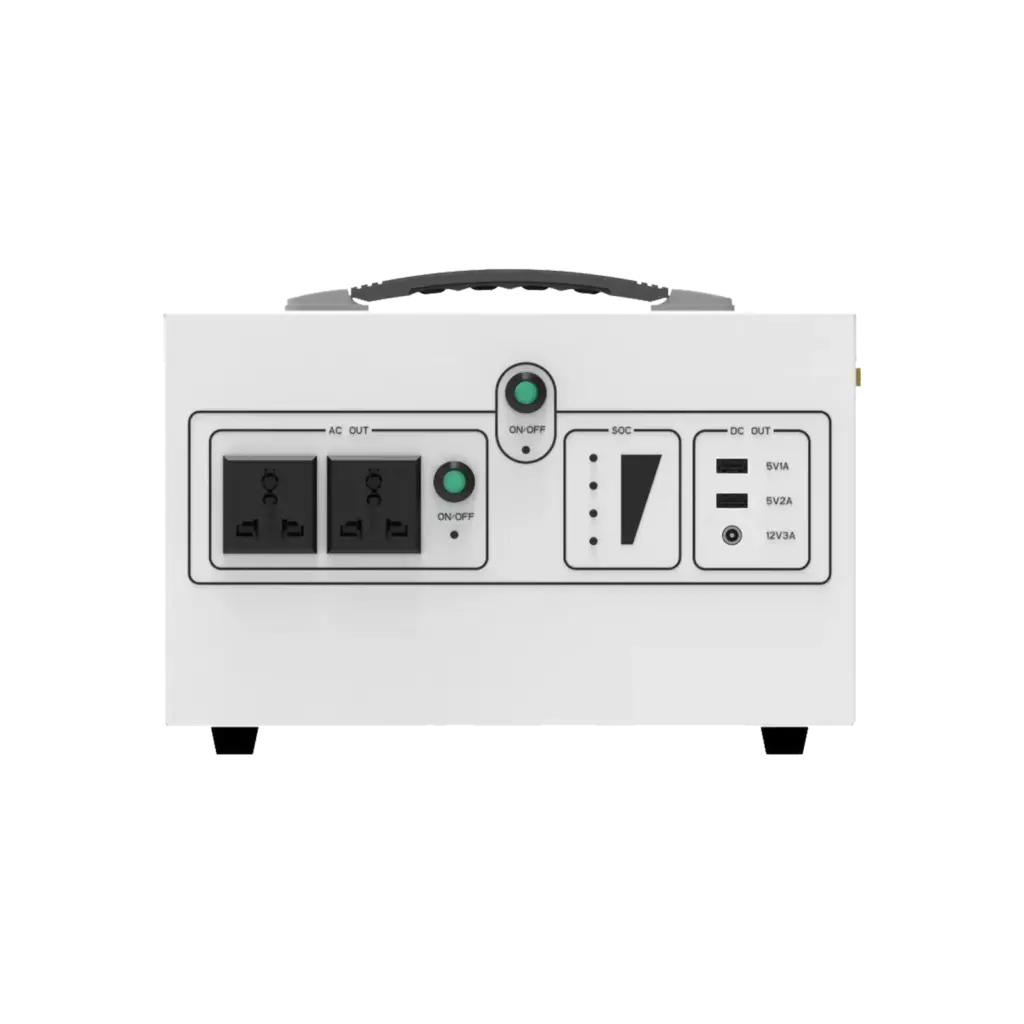
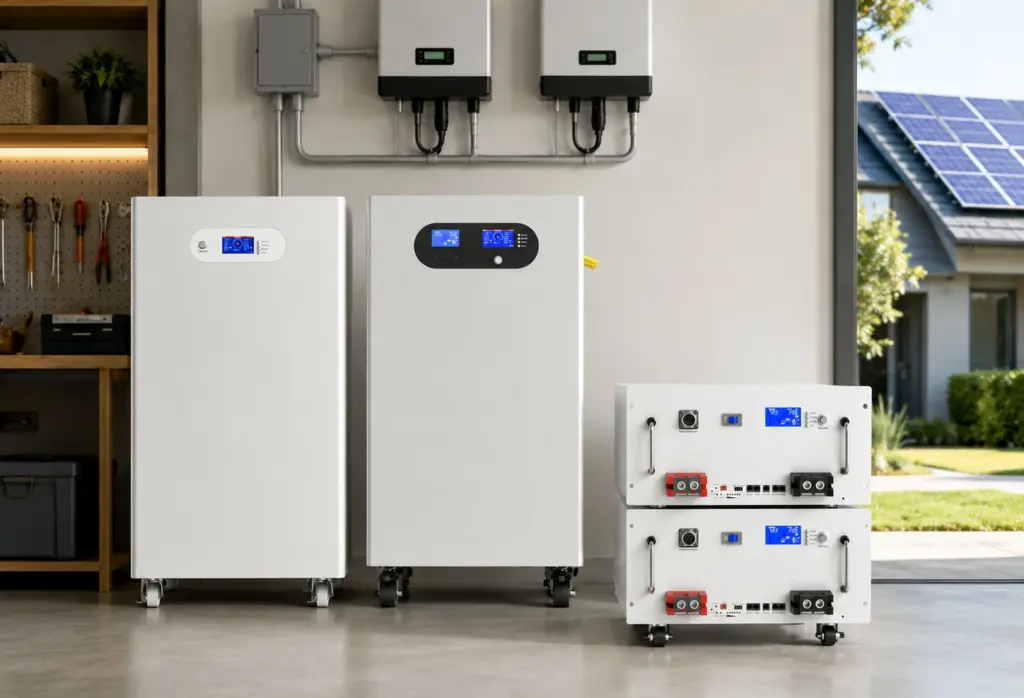
For installers, distributors, wholesalers, EPCs and OEM/ODM partners, Avepower can support different project needs with modular product options, including wall-mounted batteries, rack-mounted batteries, vertical LiFePO4 batteries, stackable batteries and all-in-one battery systems.
Avepower battery solutions are designed around practical energy storage needs:
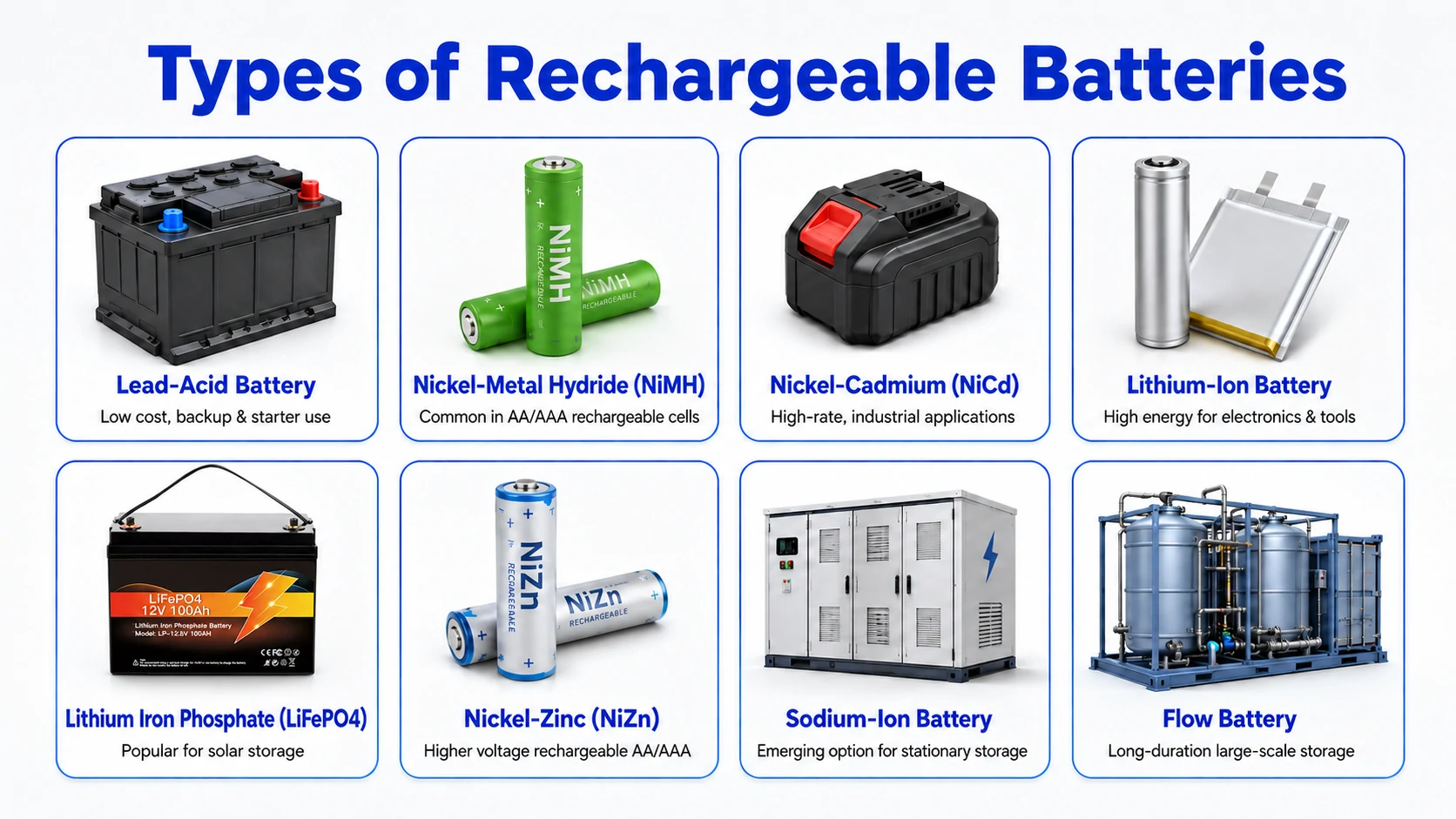
- safe LiFePO4 chemistry
- intelligent BMS protection
- flexible capacity options
- inverter communication support such as CAN and RS485
- OEM/ODM customization for appearance, capacity and functions
- project support for installers, distributors and energy storage brands
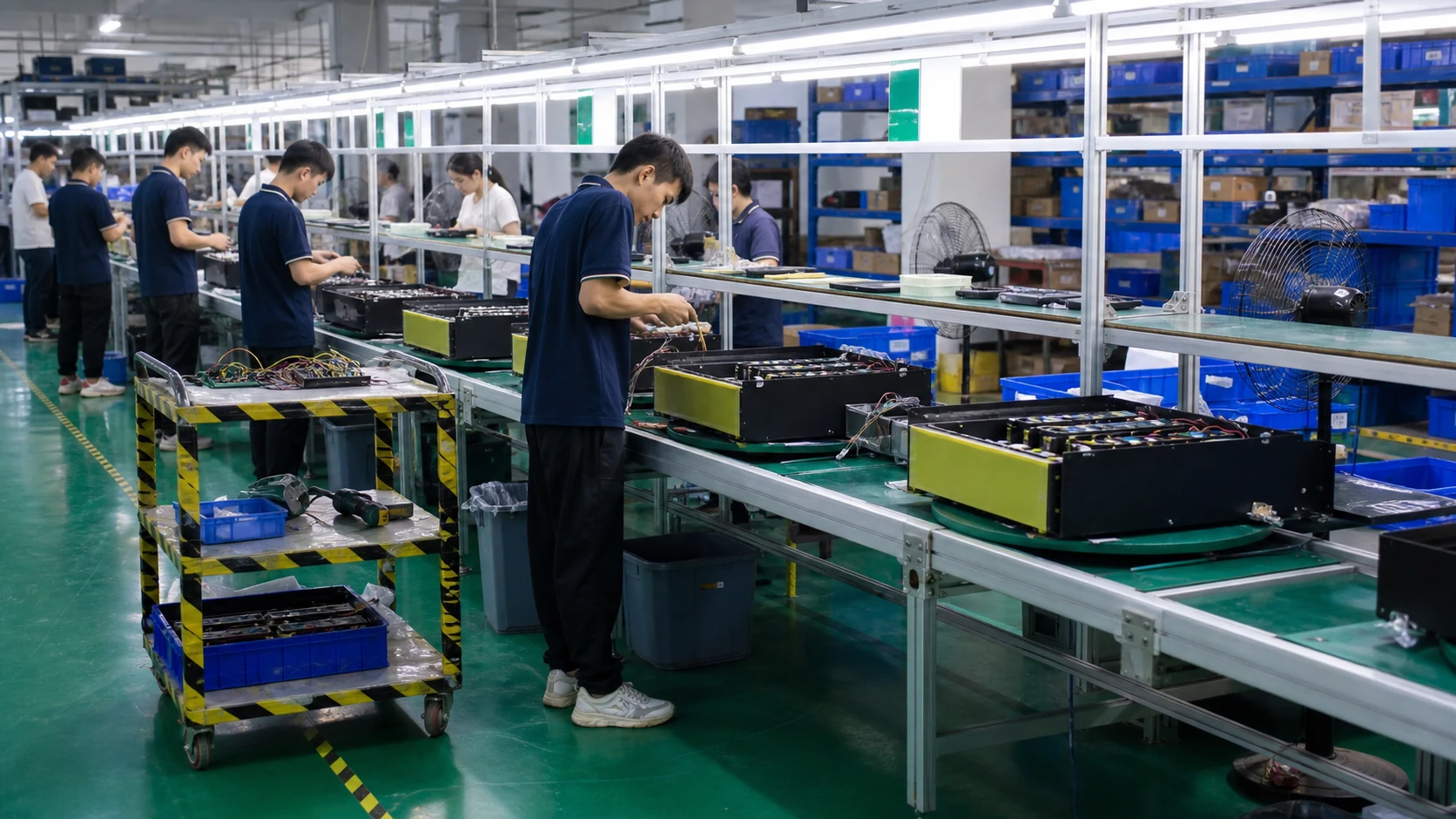
- factory manufacturing capability for volume supply
For Australia-oriented rebate projects, the final system must always be checked against local requirements, including CEC approved product lists, inverter compatibility, accredited installation and state electrical safety rules.
Avepower can support B2B buyers with product selection, technical documents, battery configuration suggestions and customized residential energy storage solutions for different market needs.
Take Control of Your Energy with Avepower!
Reliable home solar battery solutions with OEM/ODM customization and in-house manufacturing, tailored to the needs of distributors, installers, and energy partners.
Is a Home Battery Worth It in 2026?
For many solar households, the financial case for battery storage is stronger in 2026 than it was before the federal rebate.
A battery can help you:
- use more of your own solar power
- reduce electricity bought from the grid at night
- reduce exposure to high peak tariffs
- improve backup power resilience
- prepare for future electrification
- participate in VPP programs where suitable
However, the best result comes from choosing the right size, not simply chasing the largest rebate.
A 10–15 kWh battery may be ideal for many average homes. A 15–20 kWh battery may suit larger homes with higher evening loads. A 20 kWh+ system may be suitable for larger residential or small business projects, but it should be based on real load data and solar generation.
Conclusion
The Cheaper Home Batteries Program remains a major opportunity for Australian households, small businesses and community organisations in 2026.
The program still offers meaningful upfront support for eligible solar battery systems, but the 2026 changes make correct sizing, installation timing and product compliance more important than ever.
From 1 May 2026, the rebate becomes more targeted. Smaller and medium-sized batteries continue to receive strong support, while larger systems receive a tapered level of support. This means customers should focus on the battery size that best matches their real energy usage, not simply the biggest battery available.
For installers, distributors and project buyers, the Australian battery market will continue to demand safe, modular and flexible LiFePO4 storage products. Avepower supports this need with scalable home battery solutions, OEM/ODM customization and practical project support for solar-plus-storage applications.
FAQ
The Cheaper Home Batteries Program is an Australian Government incentive that reduces the upfront cost of eligible small-scale battery systems installed with new or existing rooftop solar.
The program started on 1 July 2025 for eligible battery systems installed on or after that date.
From 1 May 2026, the STC factor changes and the rebate becomes tiered by battery capacity. The first 14 kWh receives the full factor, the next capacity band receives 60%, and capacity above 28 kWh up to 50 kWh receives 15%.
Eligible battery systems must generally be between 5 kWh and 100 kWh in nominal capacity. STCs can only be claimed on the first 50 kWh of usable capacity.
Avepower provides LiFePO4 home battery solutions for installers, distributors, EPCs and OEM/ODM buyers. For Australian rebate projects, the final battery and inverter combination must be checked against CEC approval, local compliance and accredited installation requirements.
In some locations, yes. For example, NSW VPP incentives and WA Residential Battery Scheme support may be combined with the federal program if all eligibility rules are met.
No. Battery systems that only store electricity from the grid and are not connected to rooftop solar are not eligible.