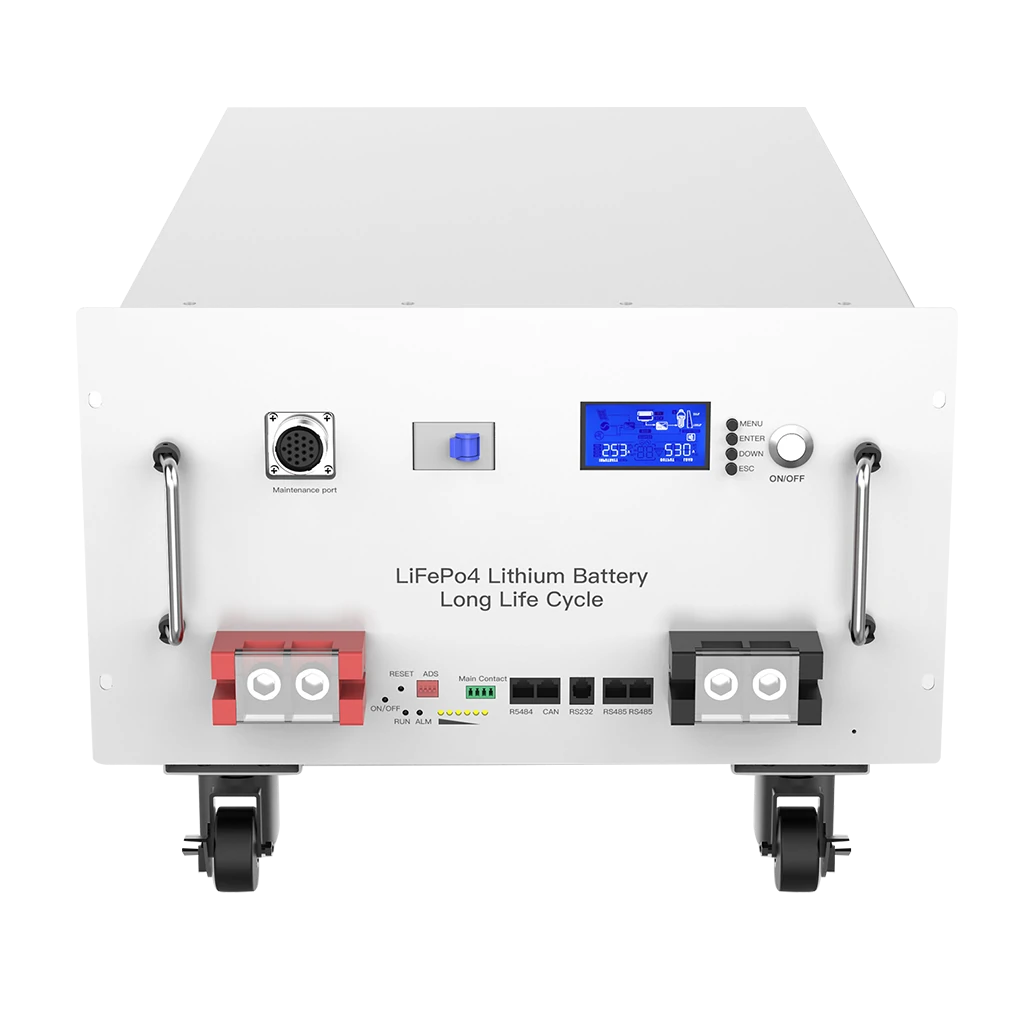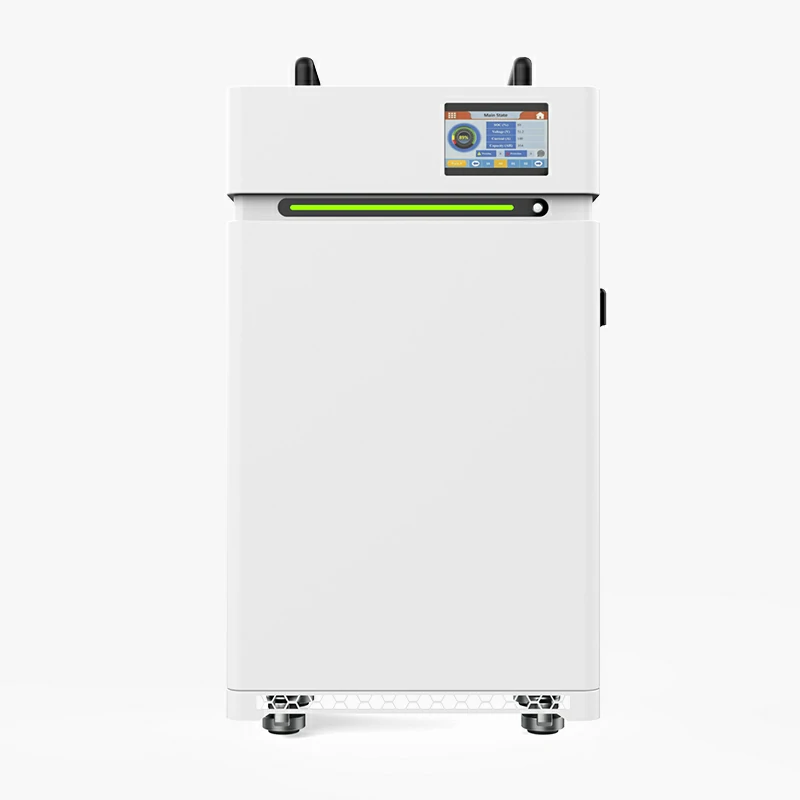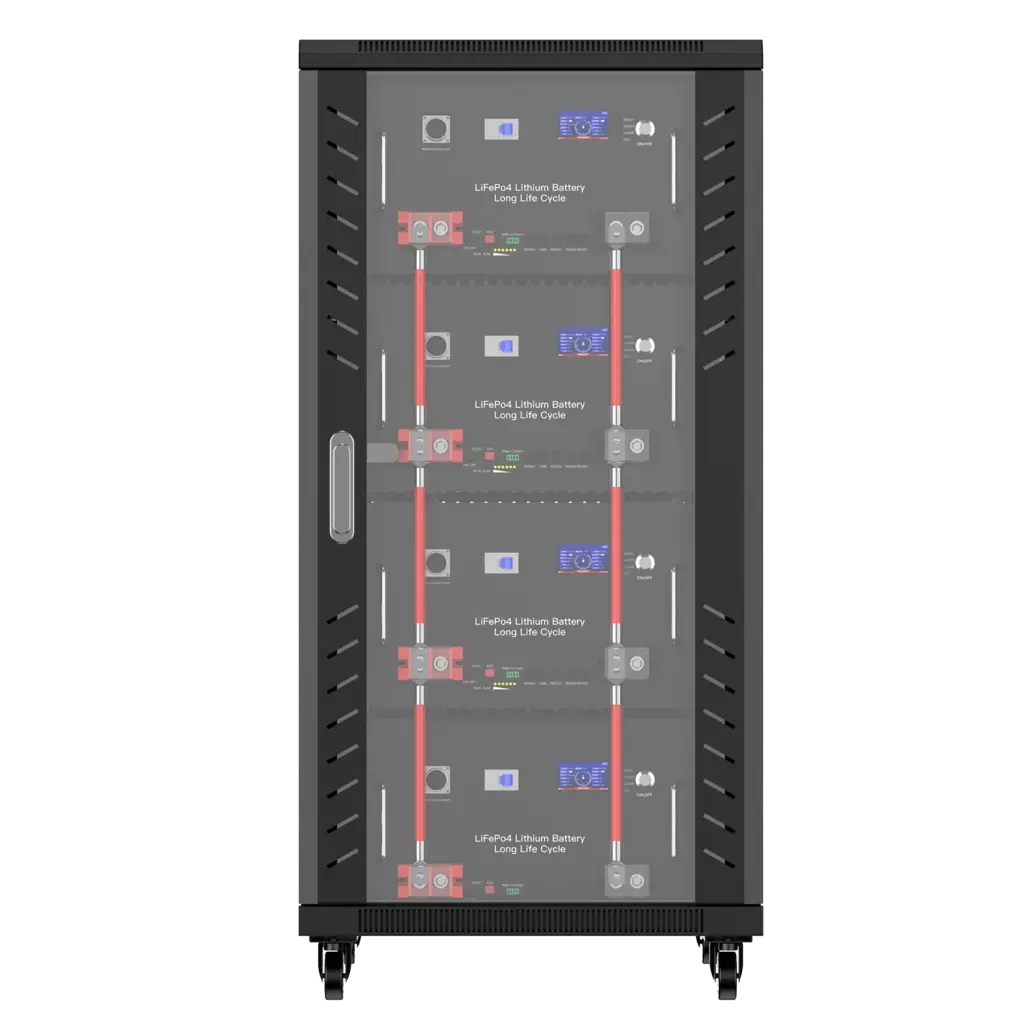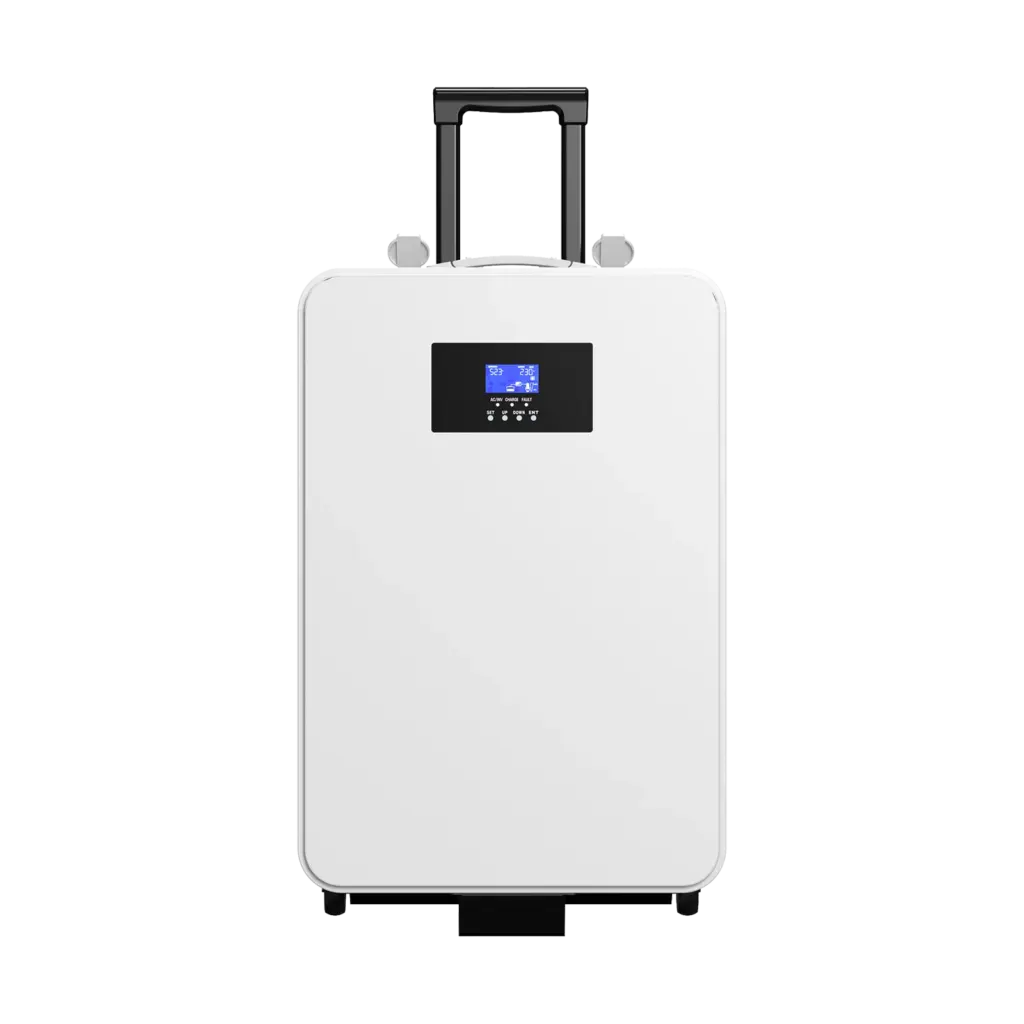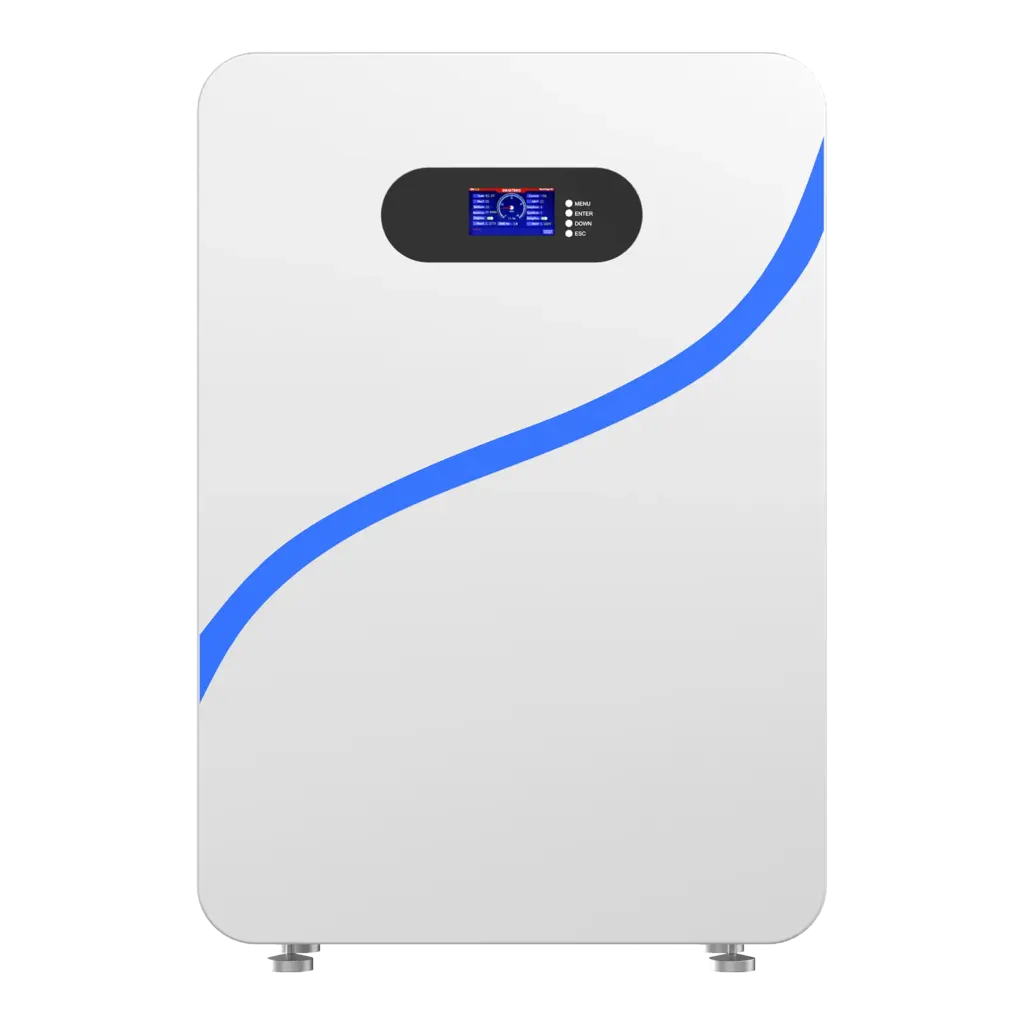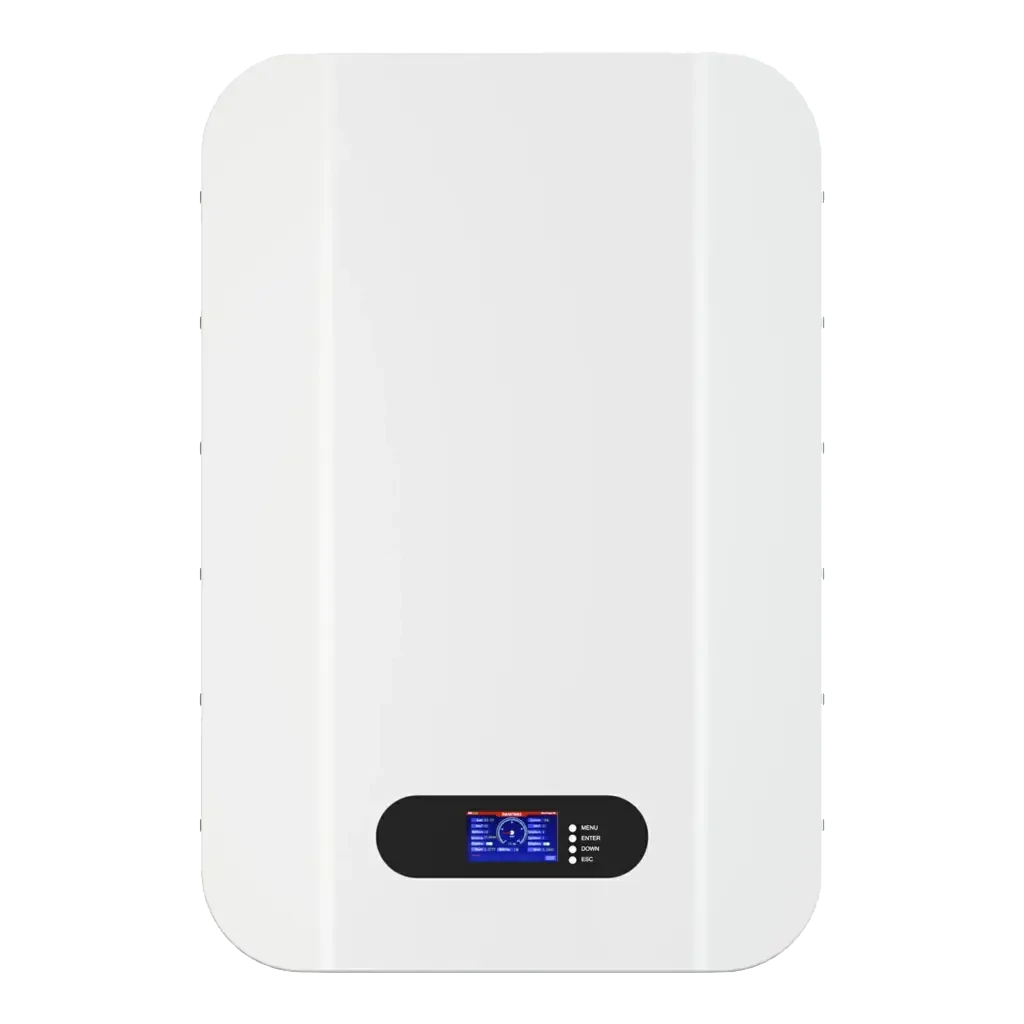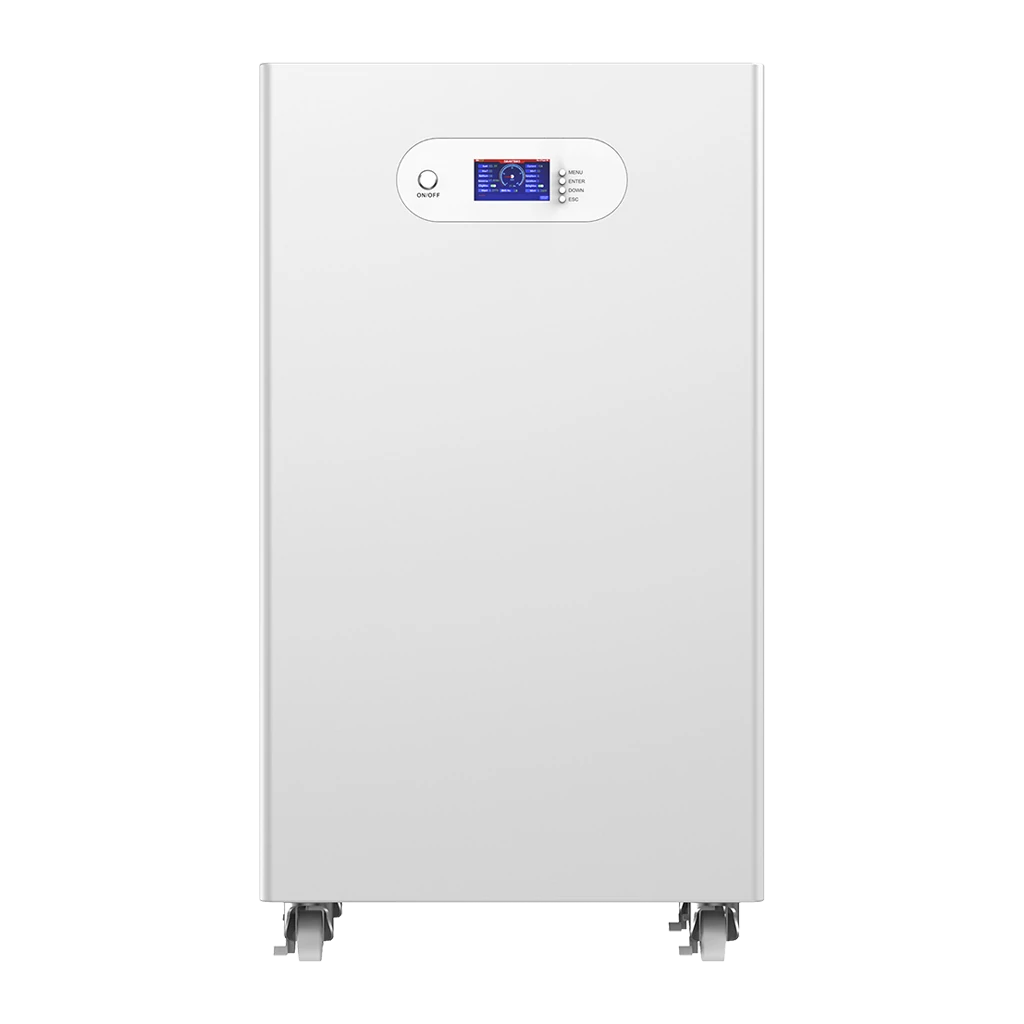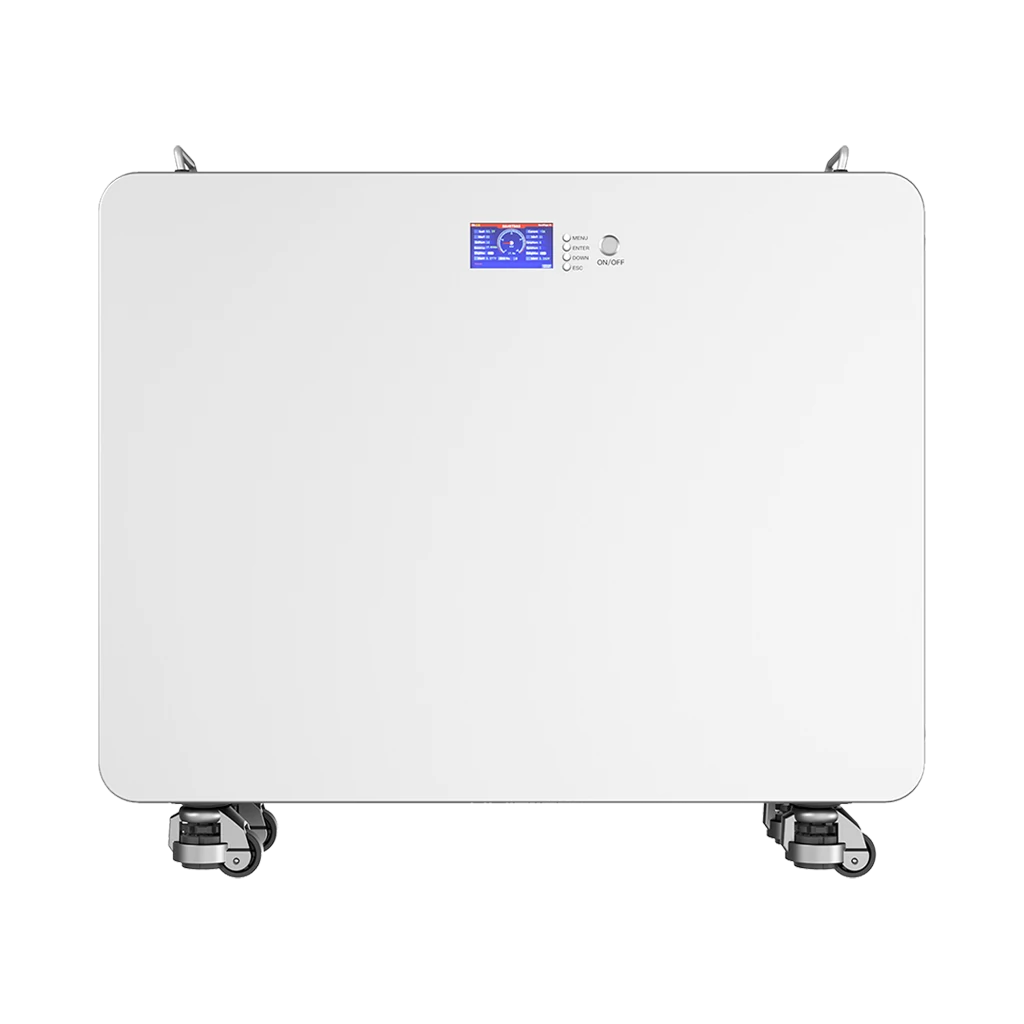
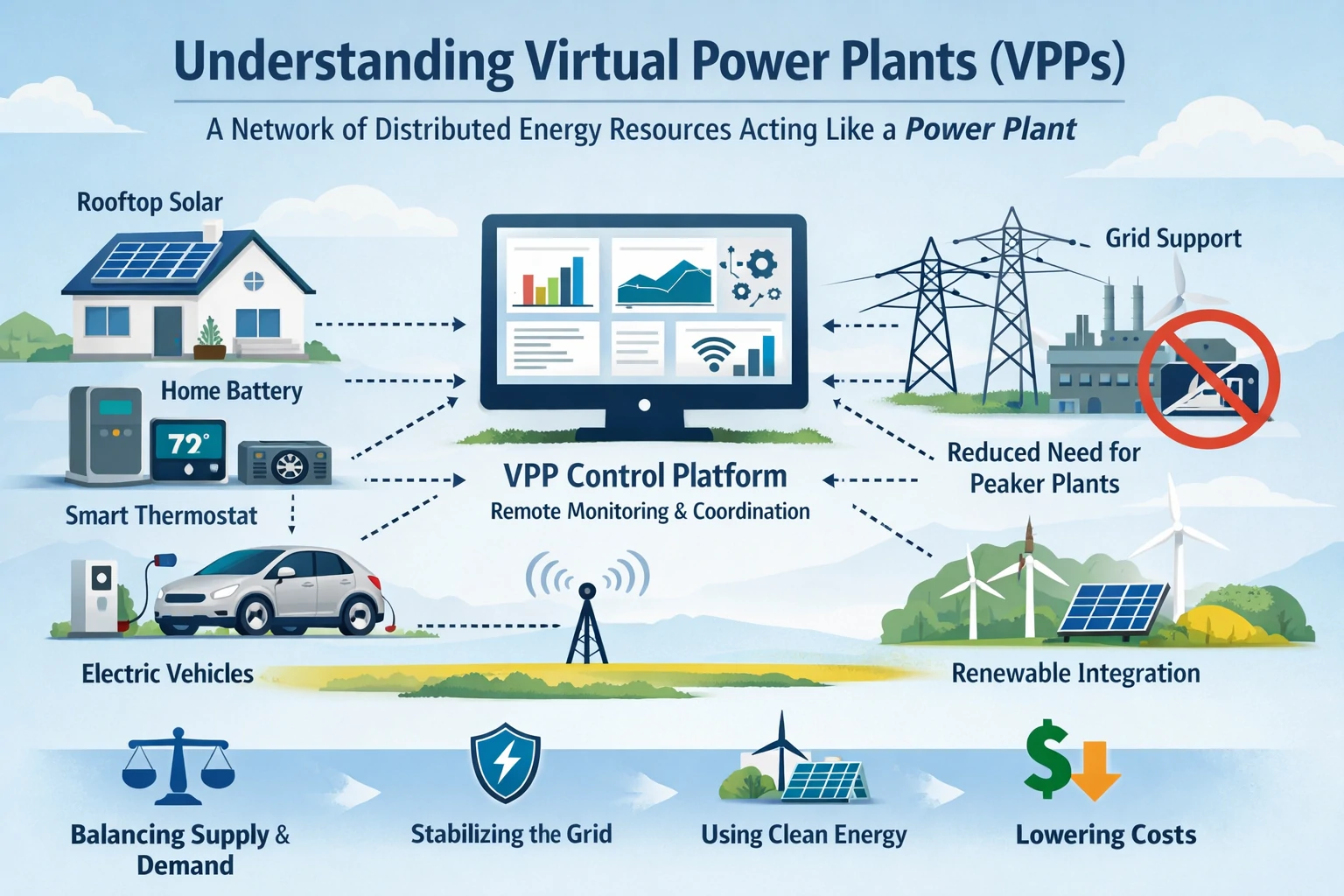
A Virtual Power Plant (VPP) is a network of distributed energy resources—including home batteries, solar panels, electric vehicles, and controllable electrical loads—that are coordinated through software to operate as a single flexible energy resource. VPPs help balance electricity supply and demand, support grid stability, and may provide financial benefits to participating households and businesses.
Unlike a conventional power station, a VPP does not generate electricity at one central location. It connects energy resources across multiple sites and adjusts their operation in response to electricity demand, market conditions, and network requirements.
This guide explains how VPPs work, their benefits and limitations, potential financial returns, battery compatibility, and the key considerations before joining a program.
What is VPP?
A Virtual Power Plant (VPP) is a system that connects and manages many small, distributed energy resources—such as solar panels, battery storage systems, electric vehicles, and smart appliances—so they operate together like a single power plant.
Simple Definition: A VPP is not a physical power plant. Instead, it is a software-driven network that coordinates energy generation, storage, and consumption across multiple locations.
Key Characteristics of a VPP
- Decentralized: Resources are geographically distributed
- Software-driven: Operated via cloud-based energy management platforms
- Flexible: Can quickly adjust supply and demand
- Grid-interactive: Participates in electricity markets and grid services
In essence, a VPP turns individual energy assets into a coordinated, intelligent system capable of delivering power and grid services at scale.
What Is the Objective of a Virtual Power Plant?
The main objective of a VPP is to coordinate distributed energy resources so they can respond to changes in electricity demand, renewable generation, and grid conditions. By combining many smaller assets, VPP operators may provide services that would otherwise require larger, centrally controlled resources.
How Do VPPs Work?
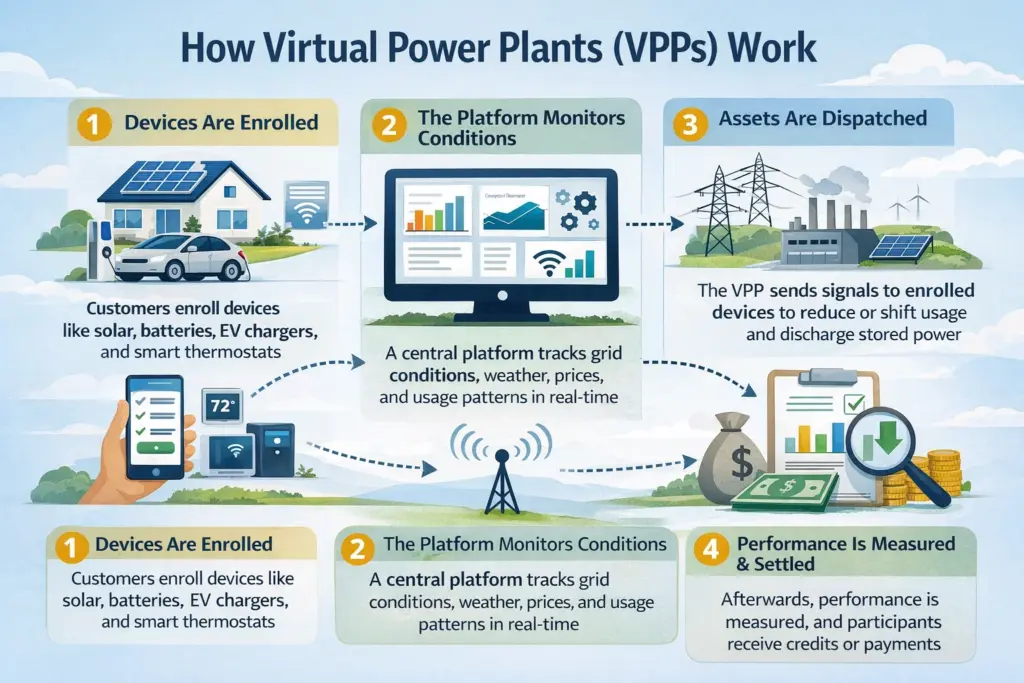
VPPs work by connecting many small energy devices and controlling them as one coordinated system. These devices can include home batteries, rooftop solar, EV chargers, smart thermostats, water heaters, and flexible commercial loads. A central software platform monitors grid conditions, electricity prices, weather, and device availability, then tells participating assets when to charge, discharge, reduce consumption, or shift usage. In that way, a VPP behaves like a “virtual” power plant even though the equipment is spread across many locations.
Simple Example
On a hot evening, electricity demand rises sharply. Instead of switching on only expensive peaker plants, the VPP operator can tell thousands of enrolled home batteries to discharge for a short time, delay some EV charging, and adjust a group of smart thermostats slightly. Together, those actions reduce pressure on the grid.
Components of a Virtual Power Plant
A fully functional VPP typically includes the following elements:
- Distributed Energy Resources (DERs): Solar panels, wind turbines, battery storage, electric vehicles, and controllable loads.
- Energy Management System (EMS): The central software that orchestrates all resources, predicts energy availability and demand, and optimizes dispatch.
- Communication Network: Secure, fast, and reliable data transmission channels connecting DERs to the EMS.
- Forecasting Tools: Algorithms that predict renewable generation, consumption patterns, and market conditions.
- Market Interface: The mechanism through which the VPP can participate in electricity markets and provide services to grid operators.
These components work together to make VPPs highly adaptive and responsive to both consumer and grid needs.
Benefits of Virtual Power Plants
Virtual Power Plants can create value by coordinating distributed electricity generation, battery storage, and flexible demand. Their benefits include supporting grid stability, improving renewable energy integration, and creating opportunities for participating customers to earn payments or reduce electricity costs. However, outcomes depend on the VPP’s operating model, market rules, and participation agreement.
Key Benefits of a VPP
- Peak demand management: Coordinated batteries and flexible loads can reduce demand on the electricity grid during peak periods.
- Renewable energy integration: VPPs can shift electricity consumption or battery discharge to better match variable solar and wind generation.
- Potential customer earnings: Participants may receive bill credits, higher export rates, upfront incentives, or a share of electricity market revenue.
- Electricity cost optimisation: Some VPPs charge batteries during low-price periods and discharge them when electricity is more valuable.
- Grid services: Qualified VPP operators can provide services such as demand response, frequency support, or local network flexibility.
- Better use of distributed assets: Existing batteries, EV chargers, and controllable loads may deliver additional value through coordinated operation.
Does a VPP Provide Backup Power?
Not automatically. Backup power depends on whether the battery system includes a compatible backup inverter, appropriate electrical switching equipment, and correctly configured backup circuits.
A VPP contract may also allow an operator to discharge some stored energy for grid services. Households that prioritise blackout protection should check whether they can maintain a minimum battery reserve and how the VPP manages that reserve.
A VPP should therefore be evaluated separately from the battery system’s physical backup capabilities.
Why Do We Need VPPs?
The modern electricity grid faces several challenges that VPPs are uniquely positioned to address:
- Renewable Energy Variability: Solar and wind generation fluctuate with weather and time of day. VPPs balance these inconsistencies by coordinating energy storage and flexible demand.
- Grid Decentralisation: As rooftop solar, home batteries, electric vehicles, and flexible electrical loads become more widespread, managing electricity supply and demand becomes more complex. VPPs provide one way to coordinate these distributed resources, alongside demand response programs, network management technologies, and other grid flexibility services.
- Peak Demand Management: During high-demand periods, VPPs can reduce the strain on the grid by intelligently dispatching stored energy or adjusting consumption patterns.
- Cost and Environmental Pressure: VPPs enable more efficient energy use, reduce reliance on expensive and polluting peaking power plants, and support the global transition to cleaner energy.
In essence, VPPs make the energy system smarter, more resilient, and more environmentally friendly.
Are Virtual Power Plants Really Worth It?
A Virtual Power Plant can be financially worthwhile when its additional payments, electricity bill savings, and market incentives exceed participation fees, lost self-consumption value, and potential battery operating costs.
How Do Virtual Power Plants Pay Homeowners?
VPP compensation can take several forms:
| Payment Model | How It Works | Main Consideration |
|---|---|---|
| Upfront incentive | One-time payment or battery discount | Contract length and eligibility |
| Fixed bill credit | Regular credit for participating | Performance and availability requirements |
| Premium feed-in tariff | Higher payment for eligible exports | Export limits and qualifying periods |
| Wholesale revenue sharing | Payments linked to electricity market prices | Variable earnings and possible fees |
| Demand response payment | Compensation for reducing demand or delivering energy during events | Event frequency and customer control |
The exact amounts depend on the provider, location, equipment, and contract. No single annual VPP income figure applies to all households.
How Do You Calculate the Financial Benefit of a VPP?
The most useful comparison is the additional net value of joining a VPP compared with operating the same battery without the VPP.
Incremental Annual VPP Benefit = VPP Payments and Additional Bill Savings − Fees − Lost Self-Consumption Value − Additional Battery Operating Costs
A household should compare:
- Annual electricity costs without a battery.
- Annual electricity costs with solar and a battery but no VPP.
- Annual electricity costs and VPP payments after joining.
The difference between the second and third scenarios is the relevant incremental benefit from VPP participation.
What Are the Disadvantages of Joining a VPP?
The main disadvantages are reduced control over battery operation, potentially variable income, battery cycling, limited provider compatibility, and contractual restrictions.
Some VPP arrangements can also involve establishment fees, subscription charges, special equipment, minimum contract periods, or exit conditions.
Do You Need to Join a VPP to Get Australia’s Battery Rebate?
No. Under Australia’s Cheaper Home Batteries Program, eligible grid-connected battery systems must be technically capable of participating in a Virtual Power Plant, but homeowners are not required to join a VPP to receive the federal battery discount.
The battery and inverter must satisfy the relevant technical requirements, including the ability to receive and respond to external control signals.
Actual participation in a VPP may require additional software, compatible equipment, a reliable internet connection, and an agreement with a participating VPP operator.
Are There Additional VPP Incentives in Australia?
Yes. Some Australian states offer additional incentives for eligible VPP participants.
In New South Wales, the VPP incentive applies to qualifying batteries with more than 2 kWh and up to 50 kWh of capacity, following changes introduced on 1 July 2026. However, incentive calculations are capped at 28 kWh of eligible capacity made available to the grid.
The NSW incentive can be combined with the federal battery discount when both programs’ conditions are satisfied.
Incentive values and payment arrangements depend on the VPP provider and contract.
The Role of Battery Storage in Virtual Power Plants
Battery storage improves a Virtual Power Plant’s ability to shift electricity across time and respond to changing grid conditions. Batteries can store energy during periods of high renewable generation or low electricity prices, then discharge when demand or electricity prices increase.
However, batteries are not mandatory for every type of VPP. Some VPPs primarily coordinate flexible electricity demand, EV charging, or other controllable resources.
How Batteries Support VPP Operation
Battery energy storage contributes to VPP operation through:
- Peak shaving: Discharging stored electricity during high-demand periods.
- Energy arbitrage: Charging when electricity is less expensive and discharging when its value is higher.
- Frequency response: Providing rapid adjustments in power output when supported by the inverter and VPP arrangement.
- Renewable energy shifting: Storing surplus solar electricity for use when generation declines.
- Dispatchable capacity: Making stored energy available to an operator within the battery’s technical and contractual limits.
The battery’s usable capacity, charge and discharge power, round-trip efficiency, state of charge, and cycle-life characteristics determine how effectively it can support these services.
Backup operation is a separate capability that requires suitable inverter and electrical system configuration. VPP participation alone does not provide uninterrupted electricity during a blackout.
For Installers: Battery Storage Is the Key to Future-Ready Energy Projects
For both installers and homeowners, battery energy storage is no longer an optional extra. It is becoming the key to making solar systems more practical, more flexible, and more valuable.
In fact, without wider battery adoption, many of the benefits discussed above are difficult to fully achieve. Solar generation alone cannot solve the timing gap between when electricity is produced and when it is needed most. Battery storage fills that gap by storing excess solar power during the day and making it available when demand rises in the evening, during outages, or when electricity prices are higher.
Looking for a reliable battery storage solution for your next project or home energy upgrade?
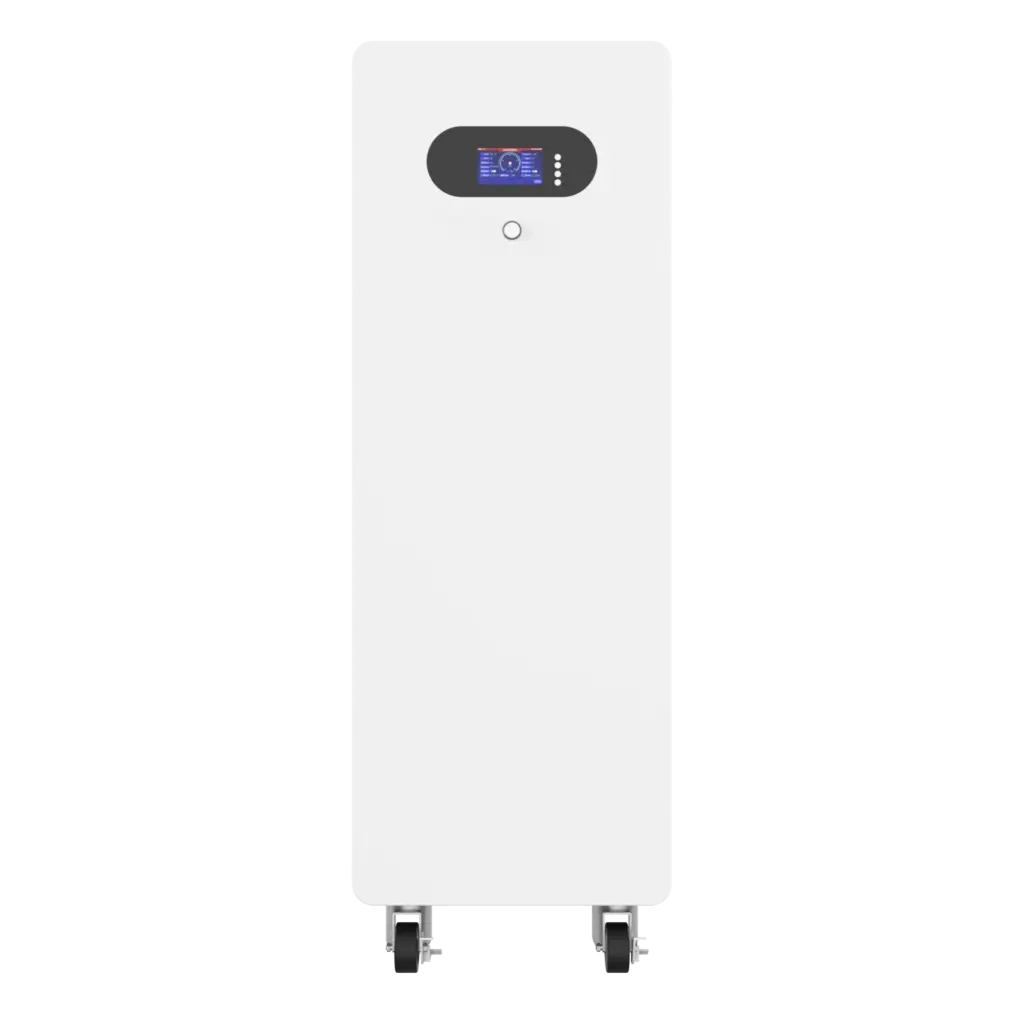
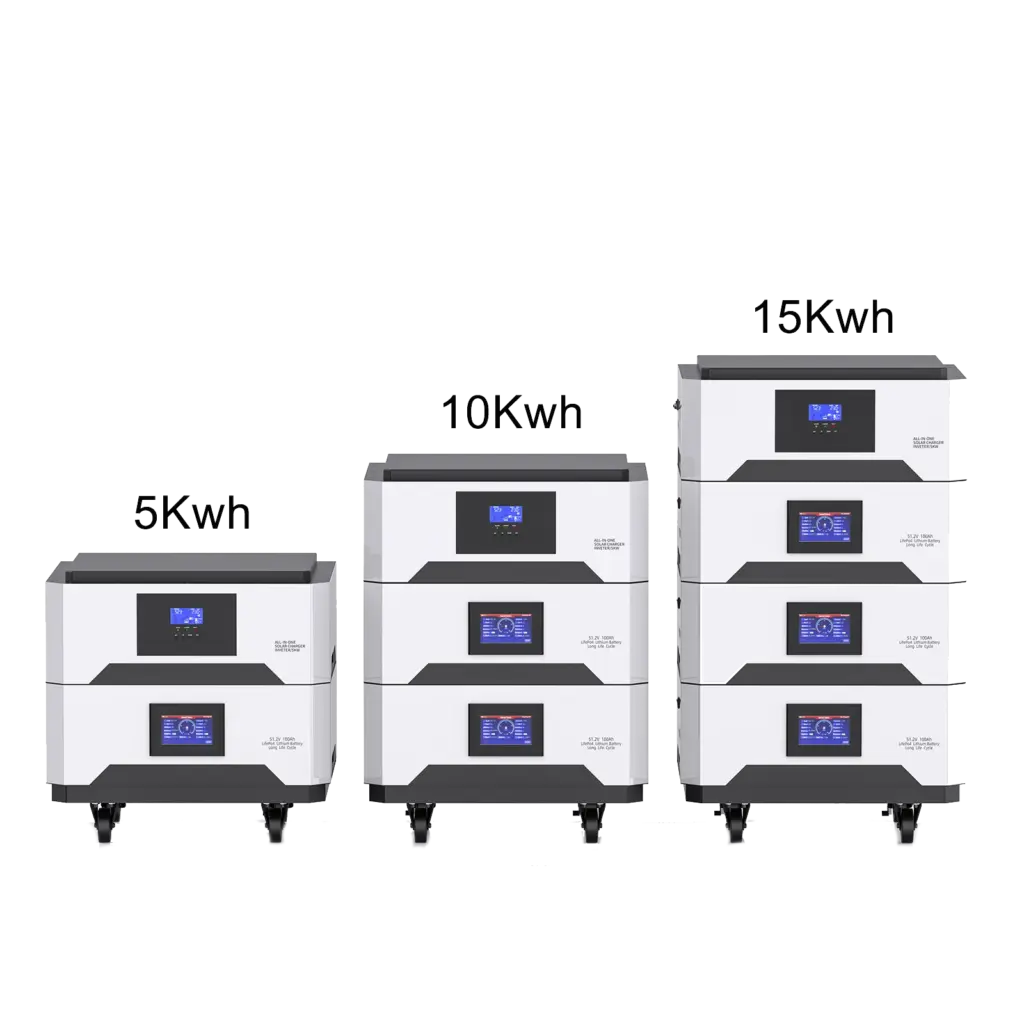
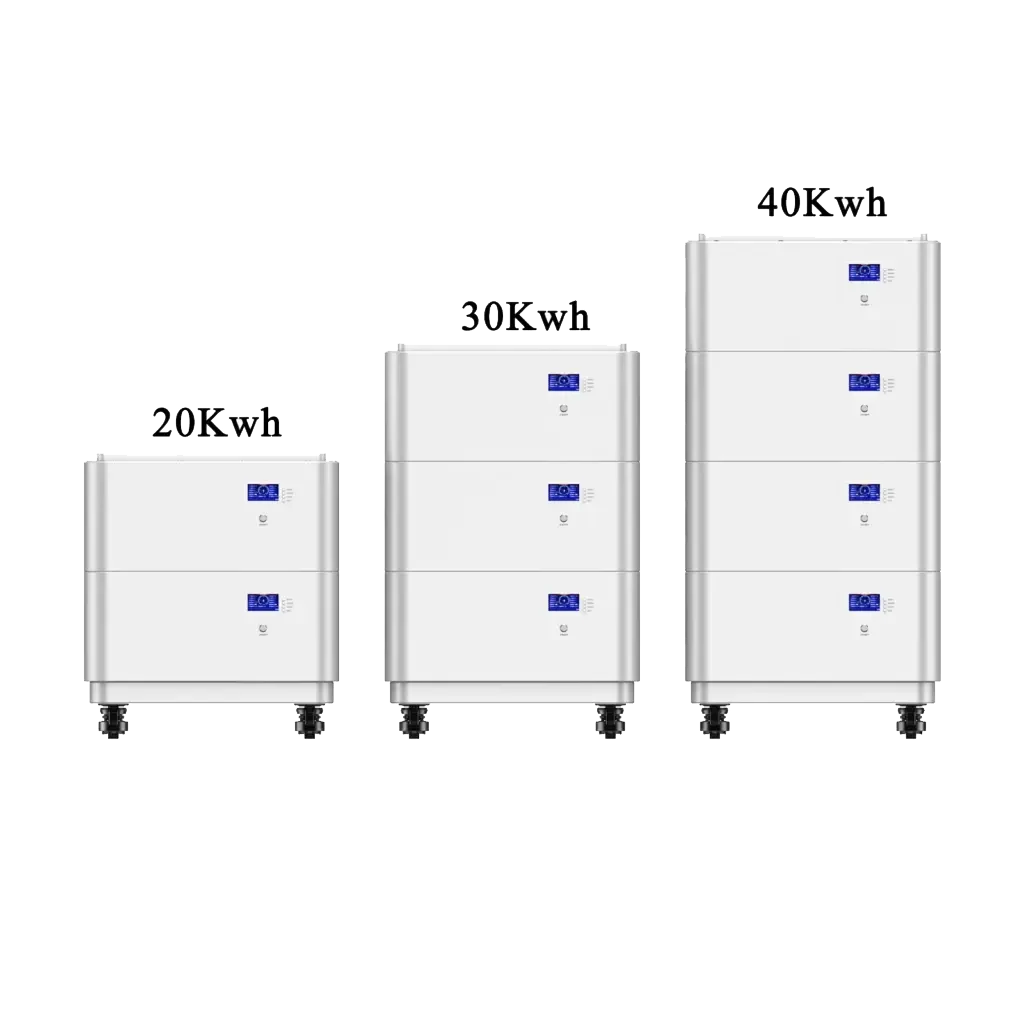
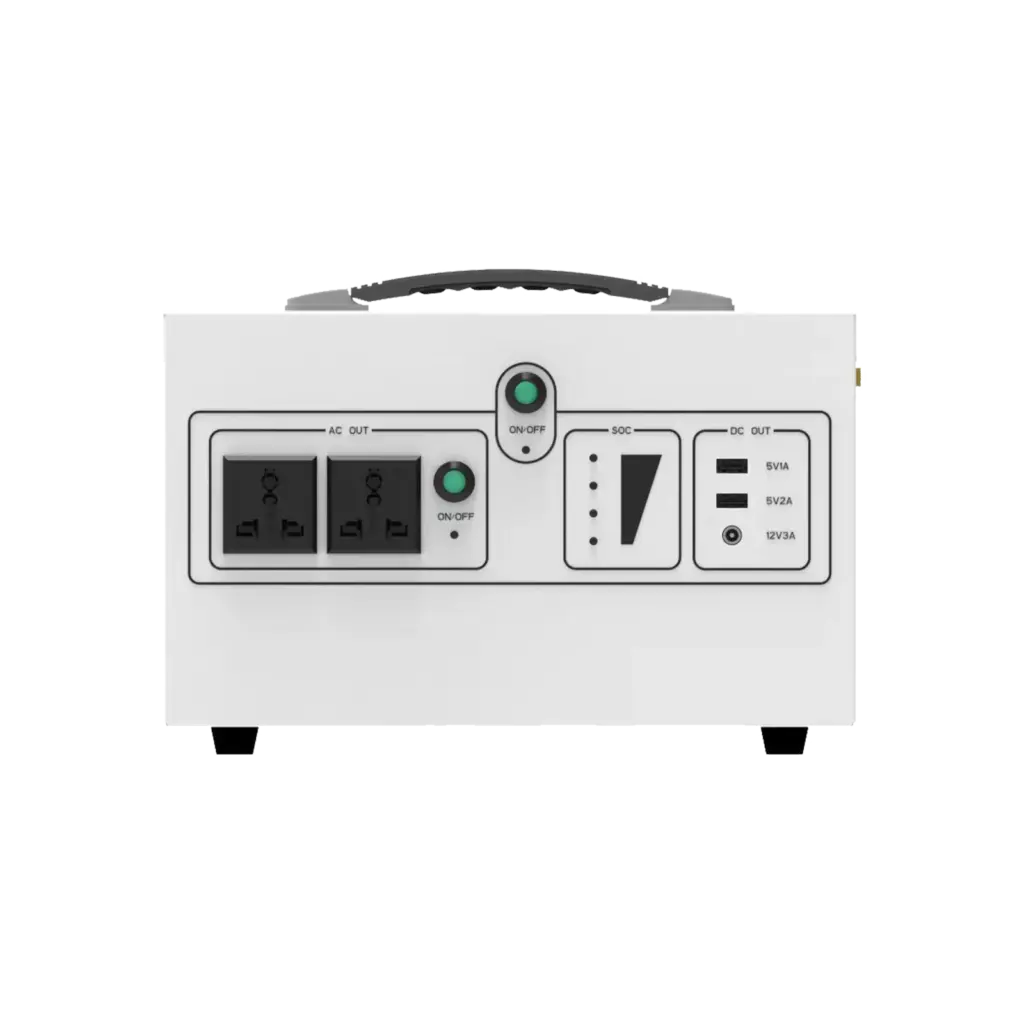
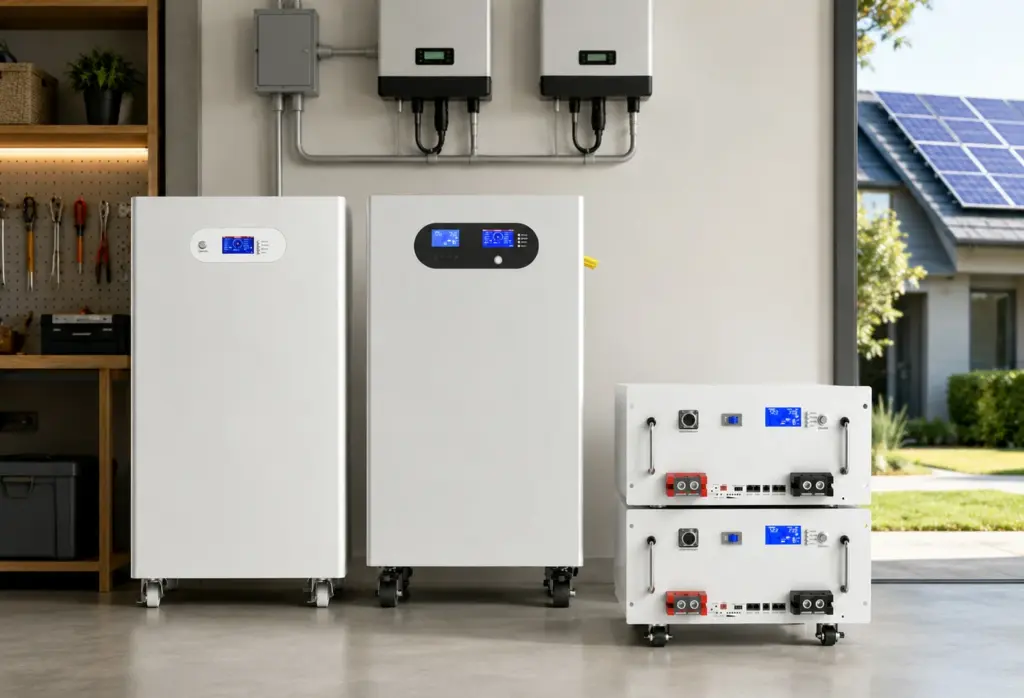
Avepower supports installers with dependable residential battery storage solutions built for home energy storage applications. With intelligent BMS protection, long cycle life, modular expansion, and broad inverter compatibility, Avepower batteries are designed to help you simplify installation, improve system reliability, and meet different customer energy needs more efficiently.
Talk to Avepower today to get:
- Recommended battery models for your project
- Inverter compatibility support
- Technical consultation for system design
- Distributor and installer pricing
- OEM / customization options for your market
Request Installer Pricing or Contact Our Team to Discuss Your Next Project.
Take Control of Your Energy with Avepower!
Reliable home solar battery solutions with OEM/ODM customization and in-house manufacturing, tailored to the needs of distributors, installers, and energy partners.
FAQ
VPP stands for Virtual Power Plant, a network of distributed energy resources coordinated through software to provide electricity and grid services as a combined system.
A VPP remotely coordinates compatible batteries to charge, discharge, or adjust energy use in response to electricity prices and grid conditions. The available operations depend on the equipment and VPP agreement.
VPP earnings vary by provider, location, battery capacity, energy exports, electricity prices, and contract terms. Payments may include bill credits, upfront incentives, premium export tariffs, or wholesale revenue sharing. There is no guaranteed annual income.
Yes, when the additional payments and electricity savings exceed participation fees, lost self-consumption value, and additional battery operating costs. The result depends on the individual household and VPP contract.
Not always. Some VPPs coordinate flexible loads, EV chargers, or other energy resources without conventional home batteries. However, many residential VPP programs are designed around compatible battery storage systems.
It can. Additional charging and discharging may increase battery cycling and degradation. The actual impact depends on battery chemistry, operating conditions, cycle frequency, and warranty terms.
No. Eligible grid-connected battery systems must be technically VPP-capable under Australia’s Cheaper Home Batteries Program, but joining a VPP is voluntary.
No. A battery must be compatible with the intended VPP operator, inverter, control software, and communication requirements. A battery described as VPP-ready is not necessarily supported by every VPP provider.