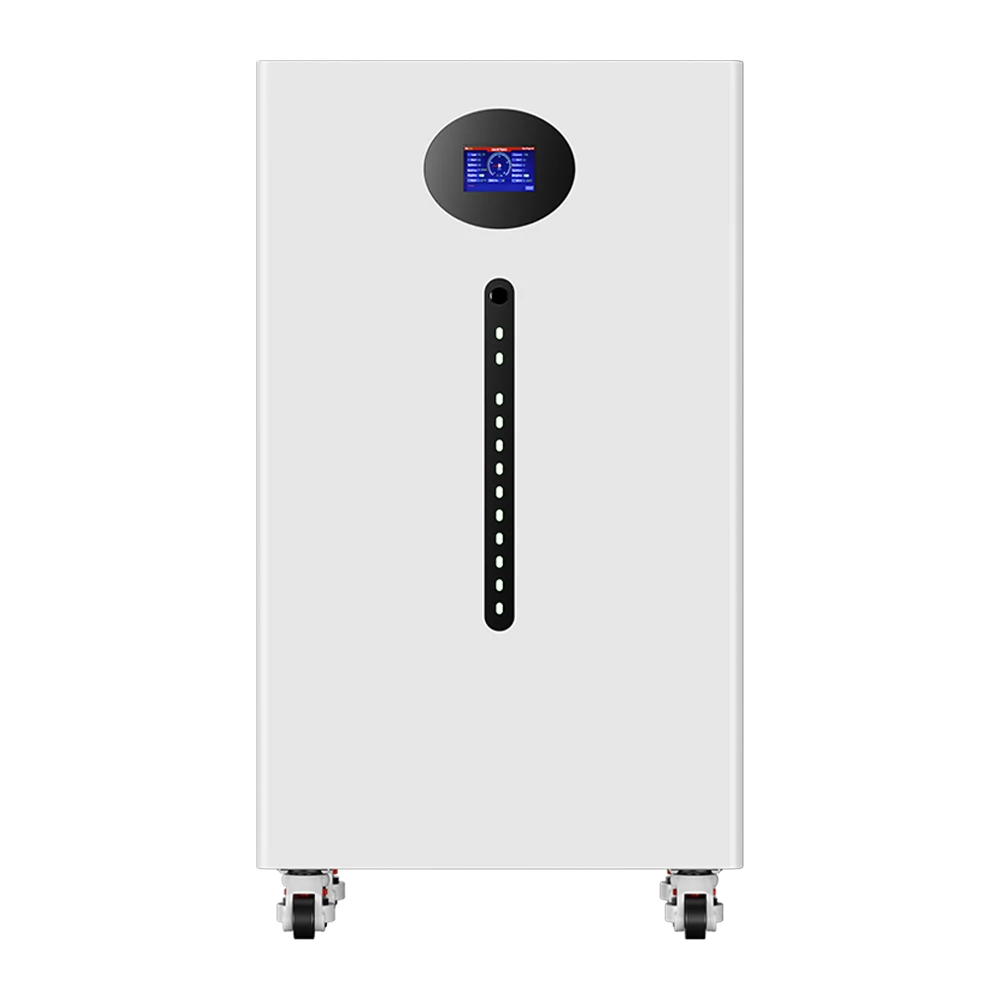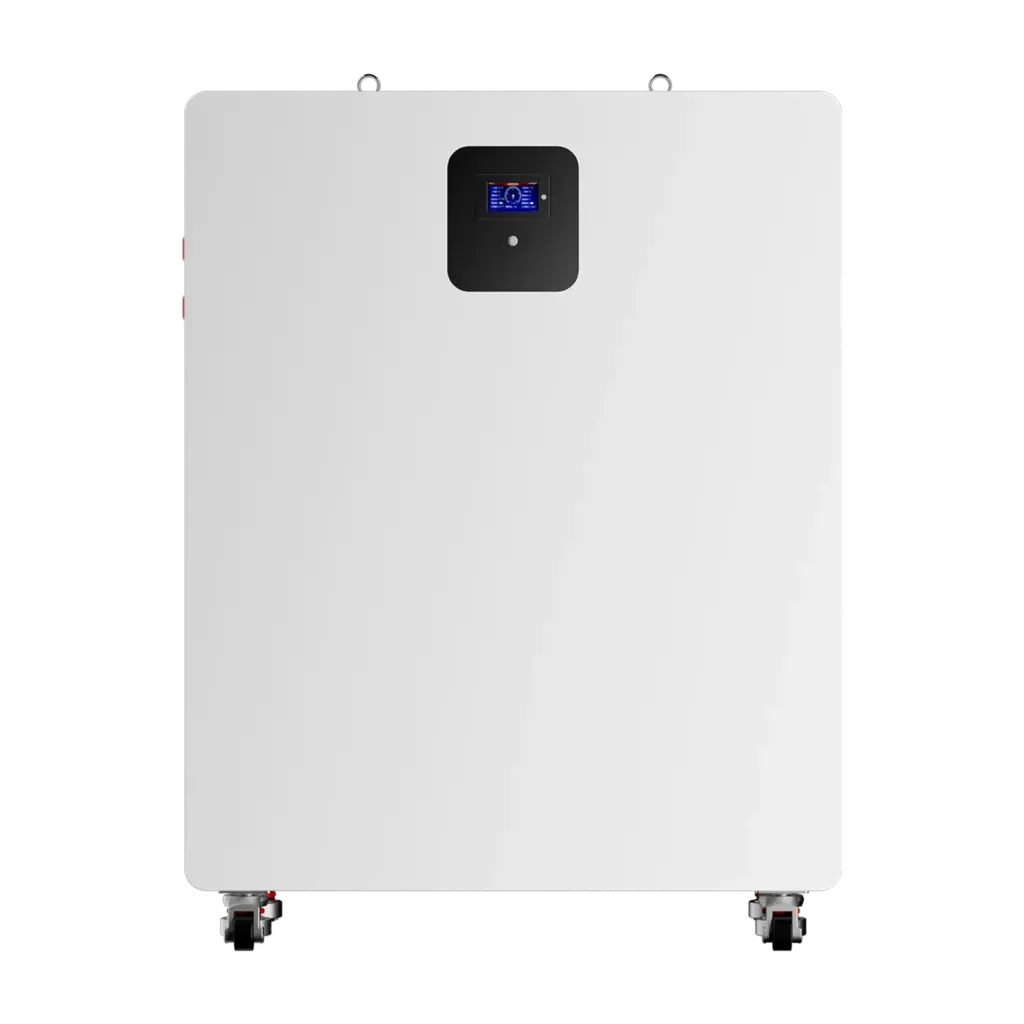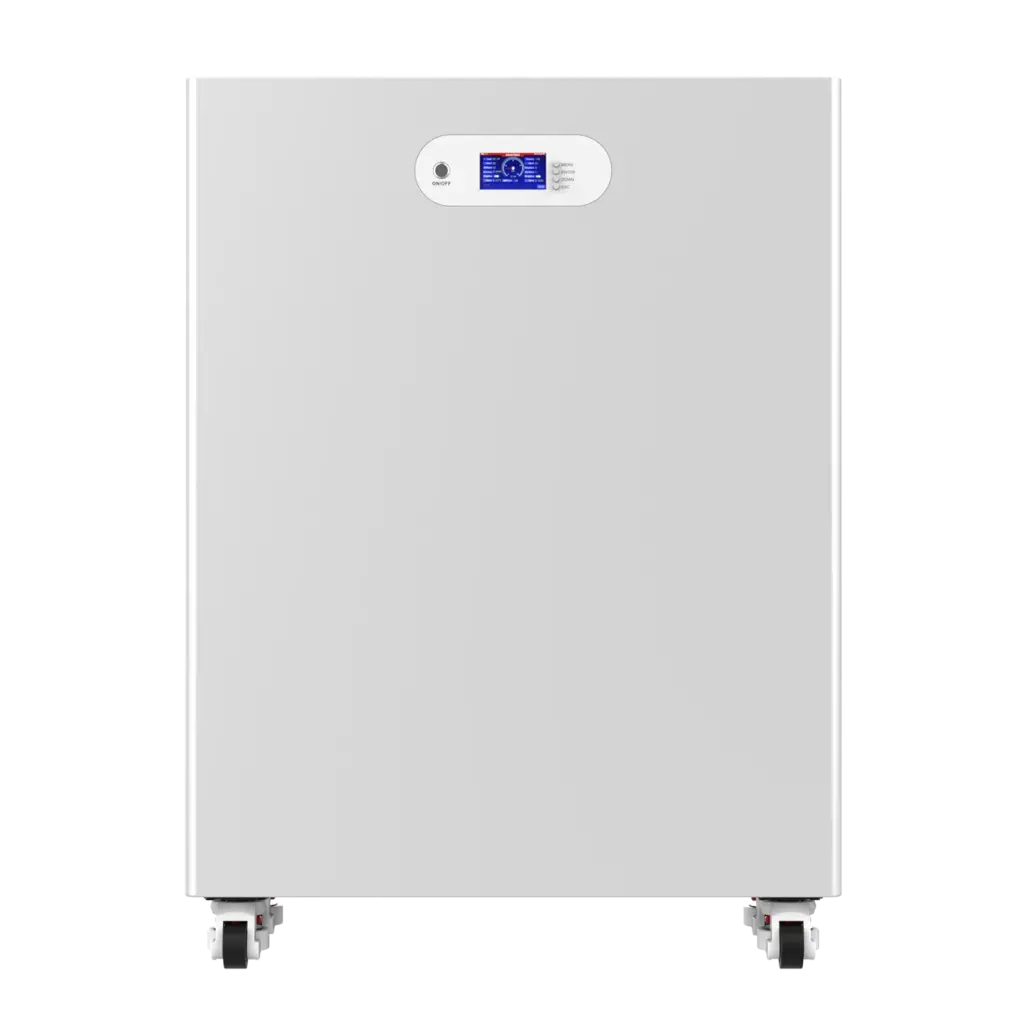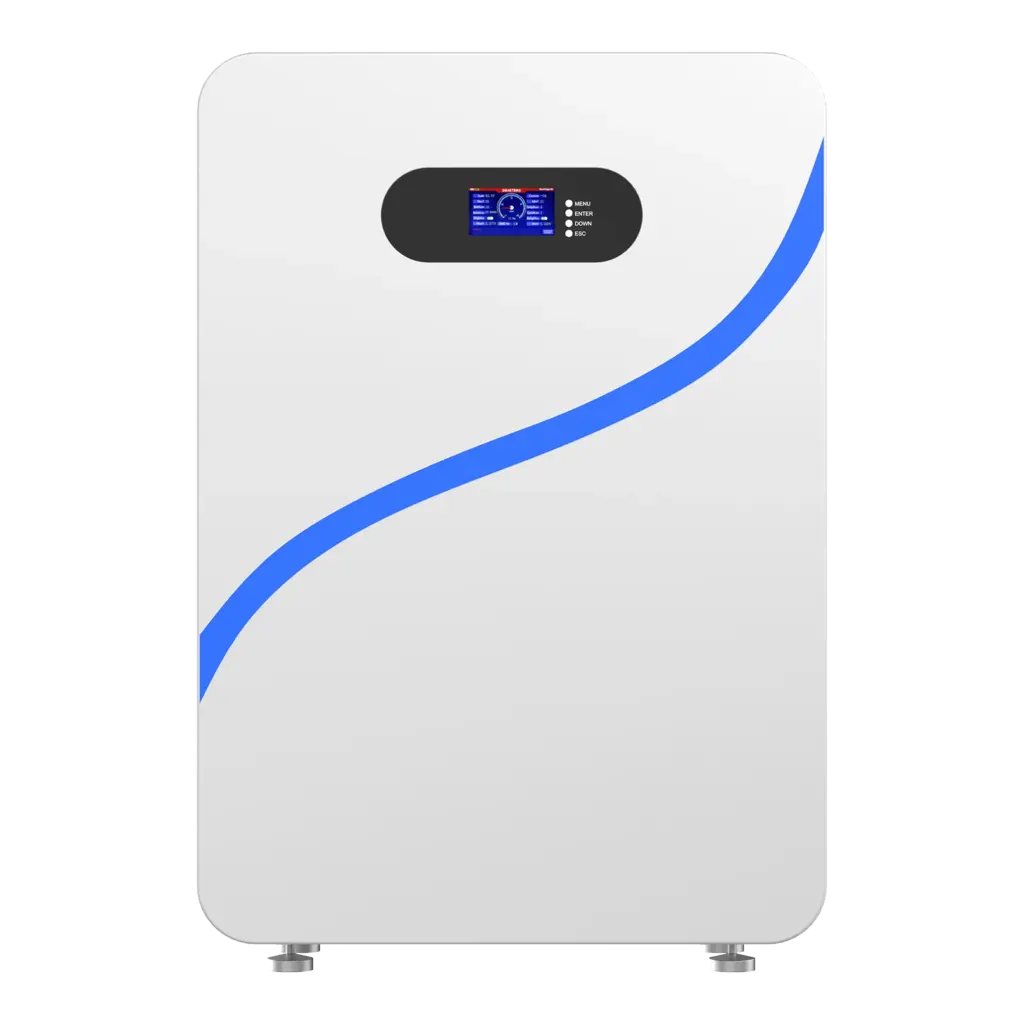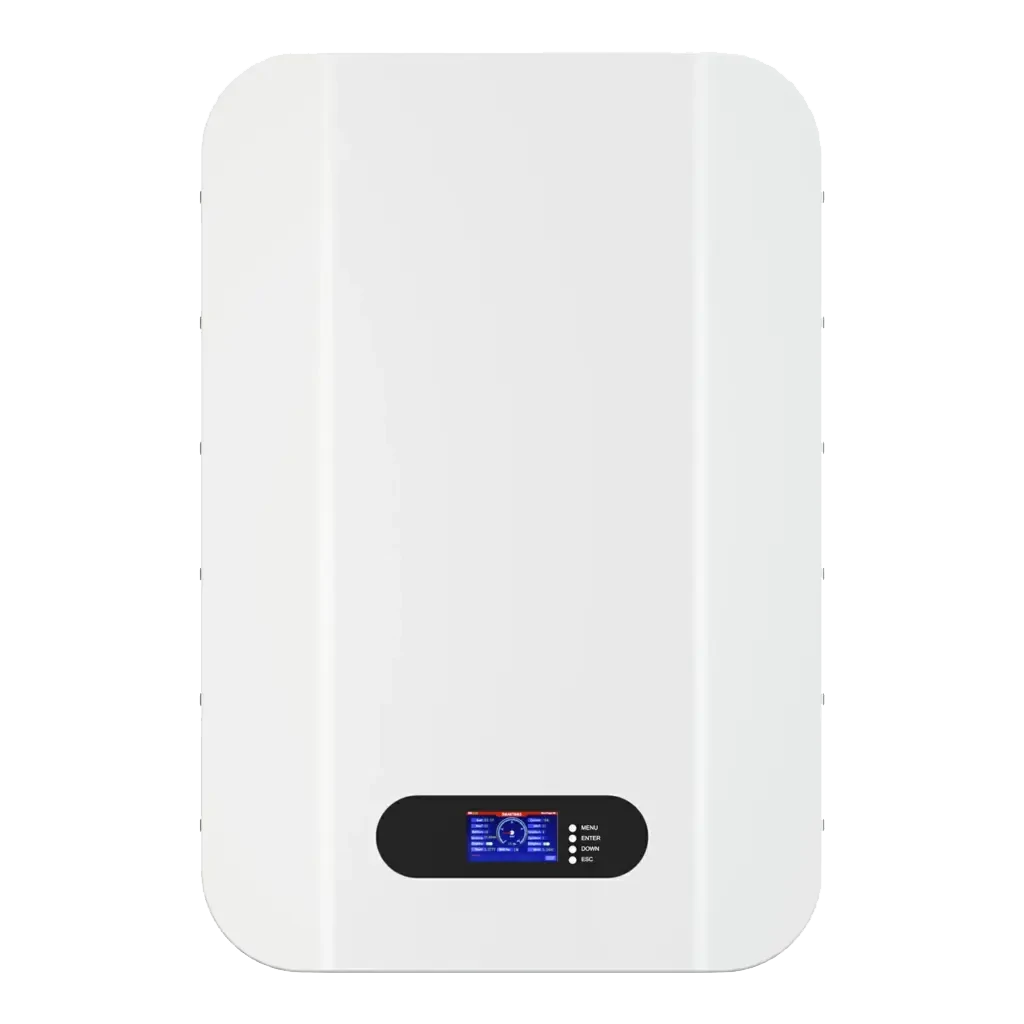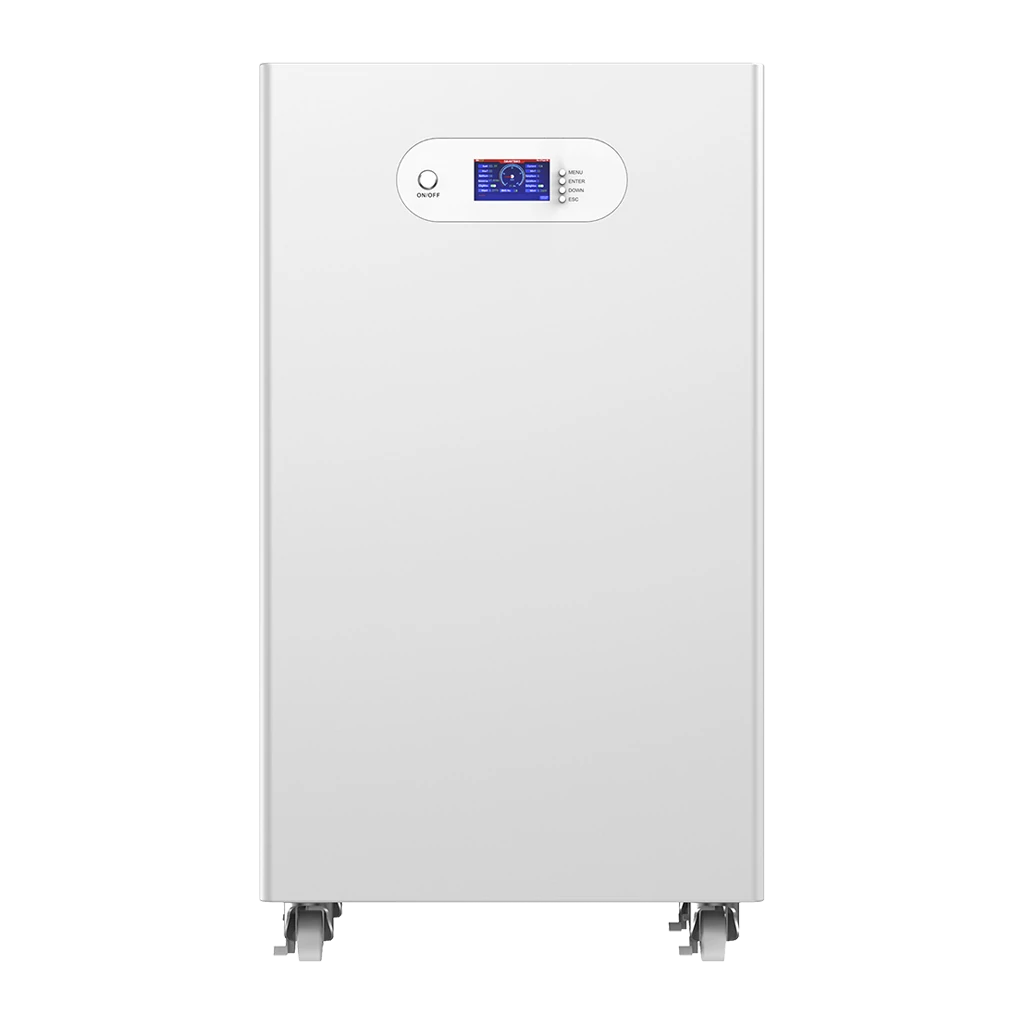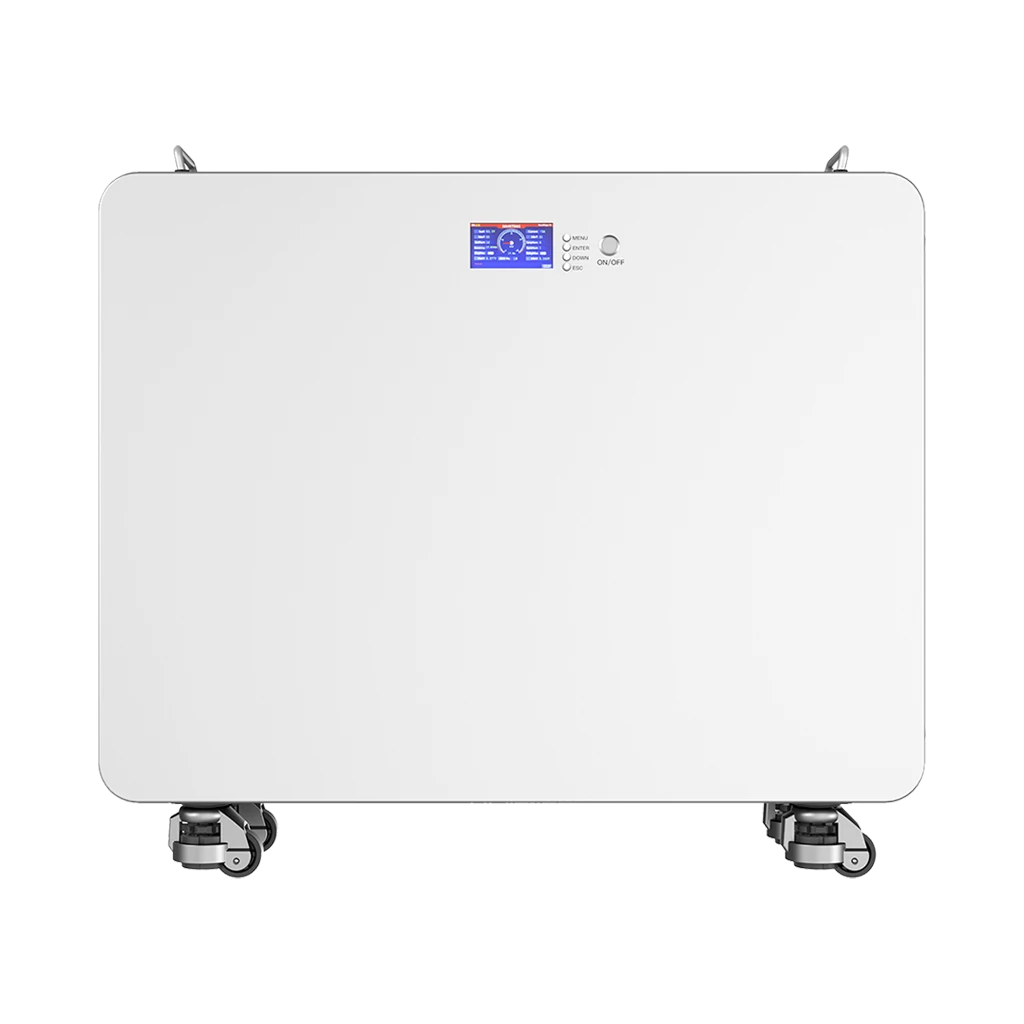
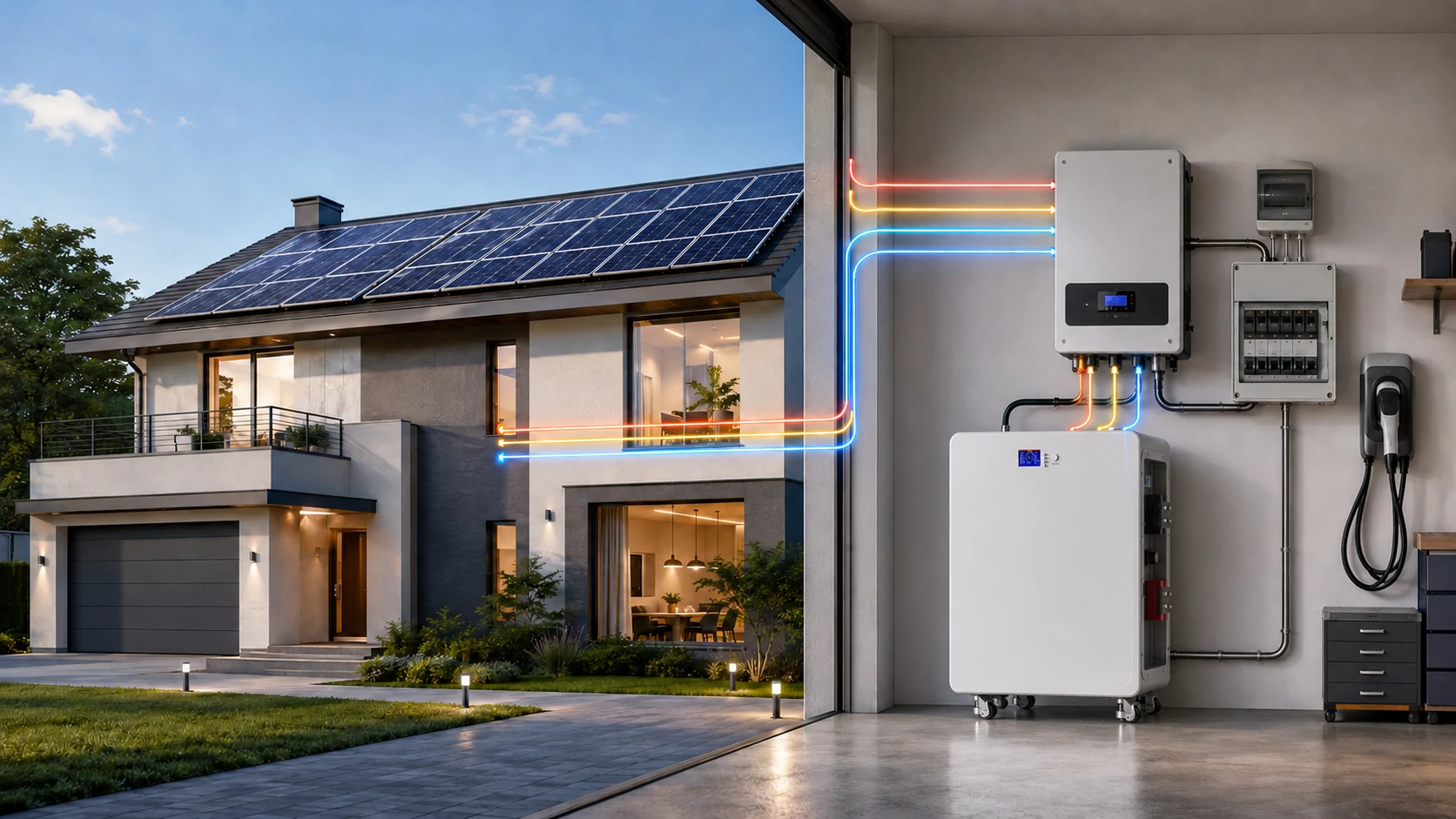
A 3 phase solar battery is usually not a battery that “creates three-phase power” by itself. In most solar storage systems, the battery stores DC electricity, while the three-phase hybrid inverter or battery inverter converts that stored energy into three-phase AC power for your home, farm, workshop, or commercial building.
So, do you need a 3 phase solar battery system?
You need a true three-phase solar battery system if you want backup power across all three phases, or if you need to run three-phase loads such as large air conditioning, pumps, machinery, or commercial equipment during an outage. If you only want to power essential circuits such as lights, Wi-Fi, refrigeration, security systems, and selected sockets, a single-phase battery connected to one backed-up phase may be enough.
This guide explains how three-phase solar battery storage works, when it is worth the extra cost, how to size the battery, and what installers, distributors, and project buyers should check before choosing a system.
What Is a 3 Phase Solar Battery?
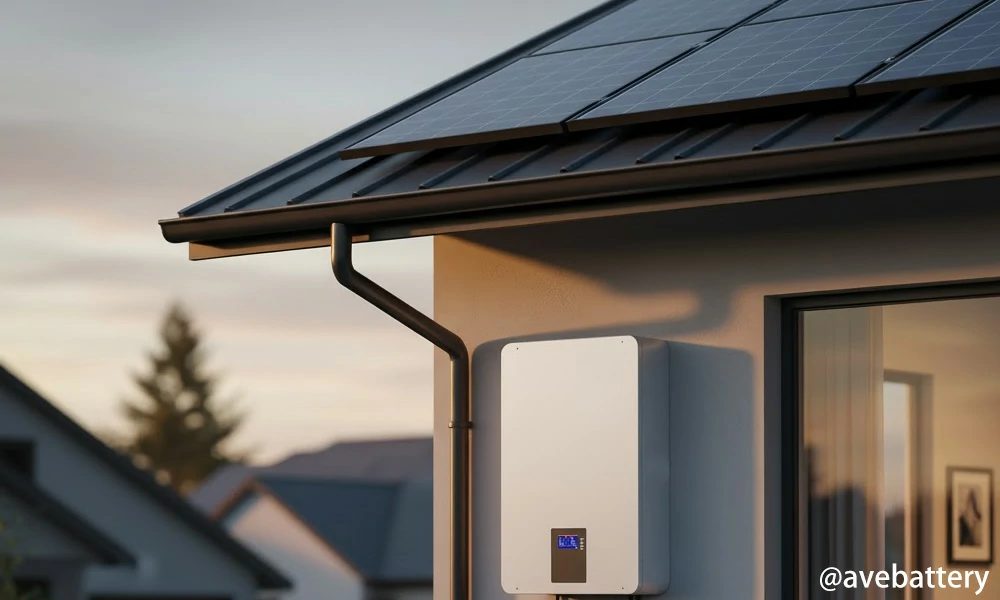
A 3 phase solar battery is not simply a “larger battery.” It is a complete solar-plus-storage setup configured for a three-phase electrical system.
A typical system includes:
- Solar panels
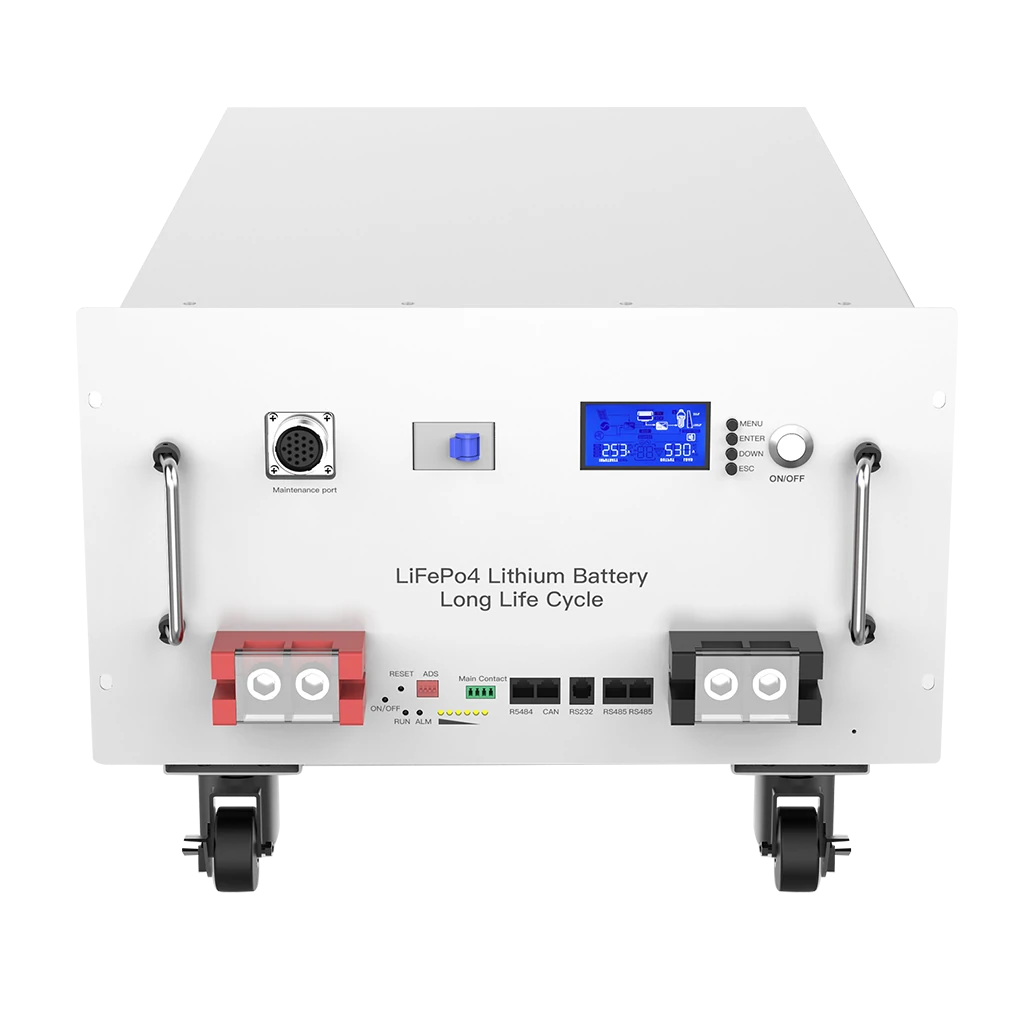
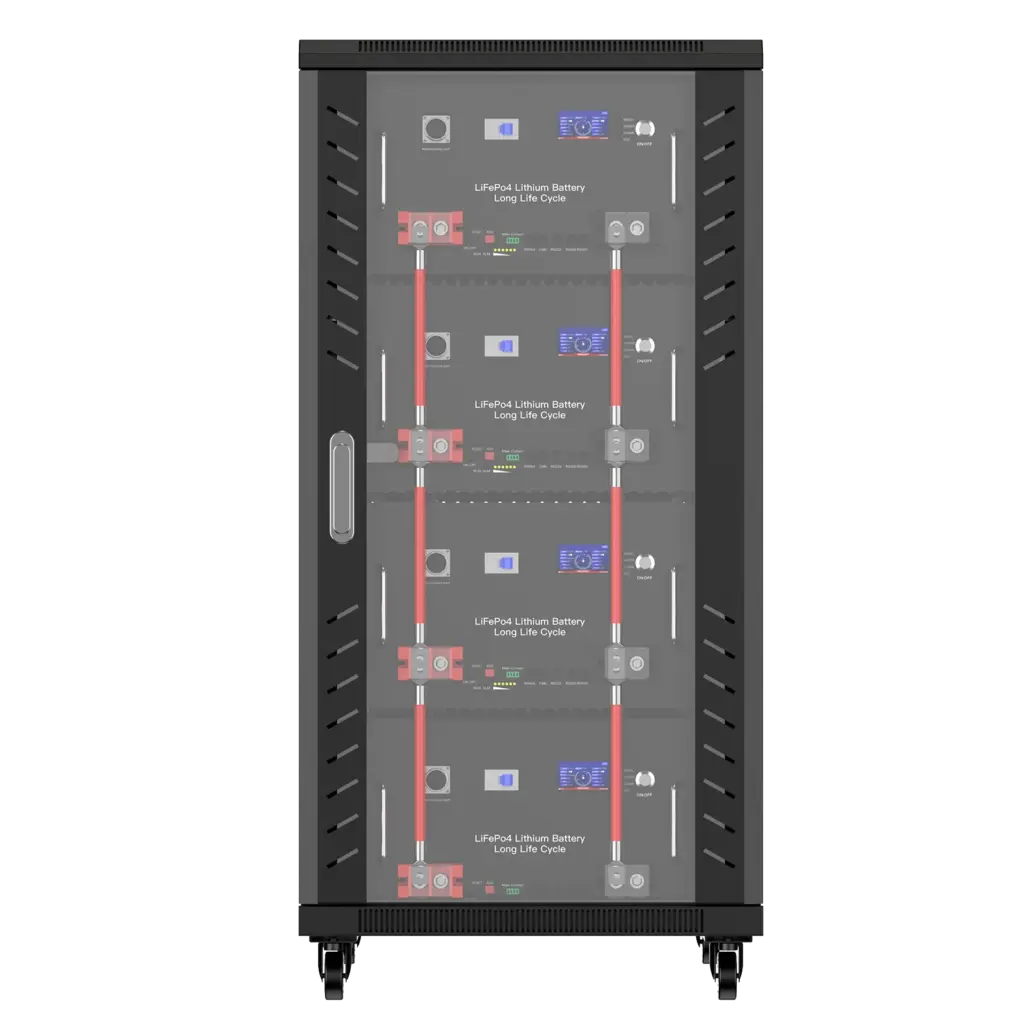
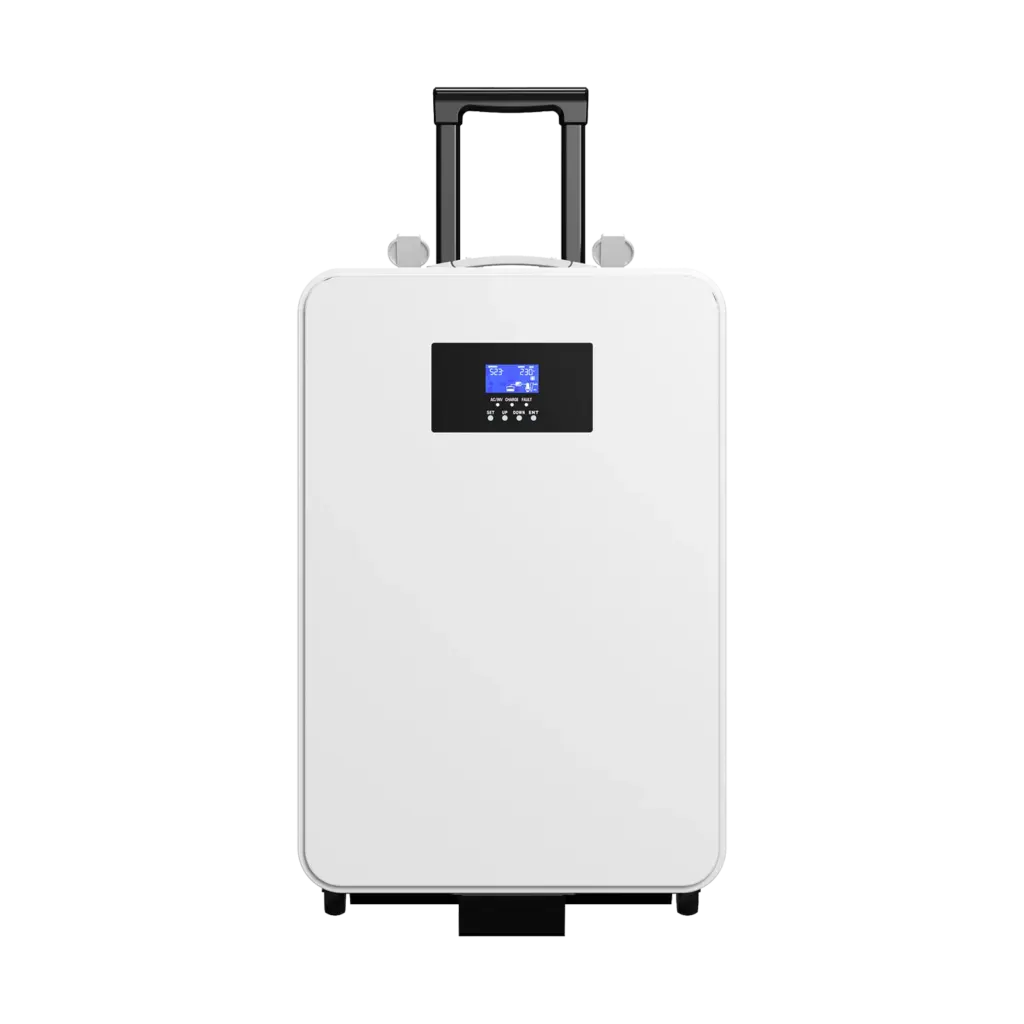
- A lithium battery bank
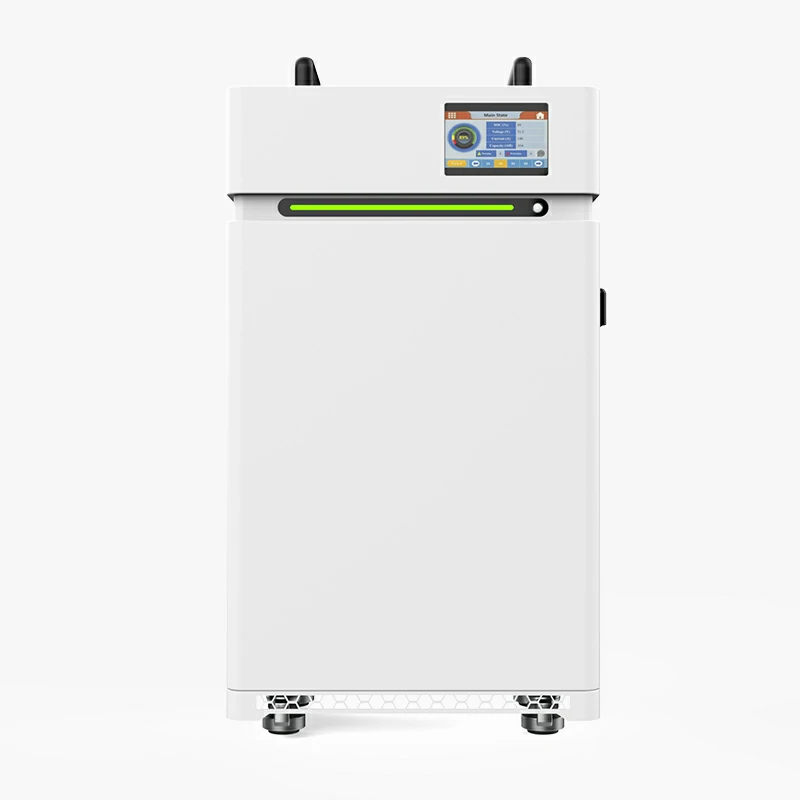
- A three-phase hybrid inverter or power conversion system
- Battery management system
- Energy meter or CT clamps
- Backup interface or transfer switch where backup is required
- Monitoring and control software
The battery itself stores electricity in DC form. The three-phase inverter or PCS is the component that converts battery power into three-phase AC output. This distinction matters because many people assume the battery alone decides whether a system is single-phase or three-phase. In reality, phase output is controlled by the inverter architecture, wiring design, backup interface, and energy management logic.
For a deeper technical explanation of the inverter side, you can read Avepower’s guide: 3 Phase Inverter: What It Is, How It Works, and When to Use One.
How Does a 3 Phase Solar Battery System Work?
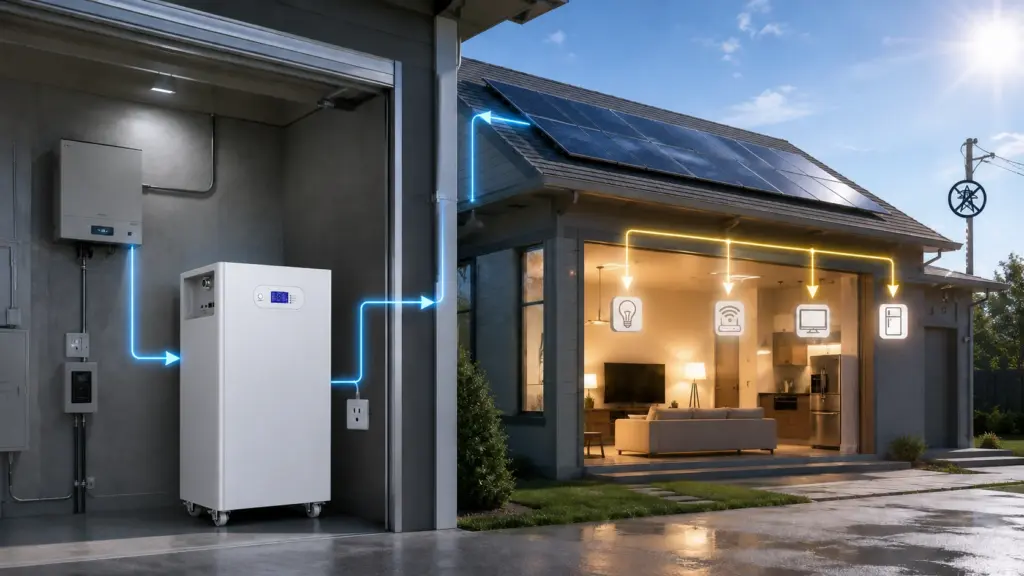
A 3 phase solar battery system works by storing surplus solar energy and releasing it when the property needs power.
The basic process is:
- Solar panels generate DC electricity during the day.
- The inverter converts solar power into usable AC electricity for the property.
- Surplus solar energy charges the battery.
- The battery stores energy for later use.
- When solar production drops, the system discharges stored energy across the configured phases.
- If backup is enabled, selected circuits or the whole property may continue operating during a grid outage, depending on system design.
This is why a 3 phase solar battery is often considered for properties with larger or more complex loads. Instead of supporting only one part of the building, a well-designed three-phase system can help manage energy across L1, L2, and L3.
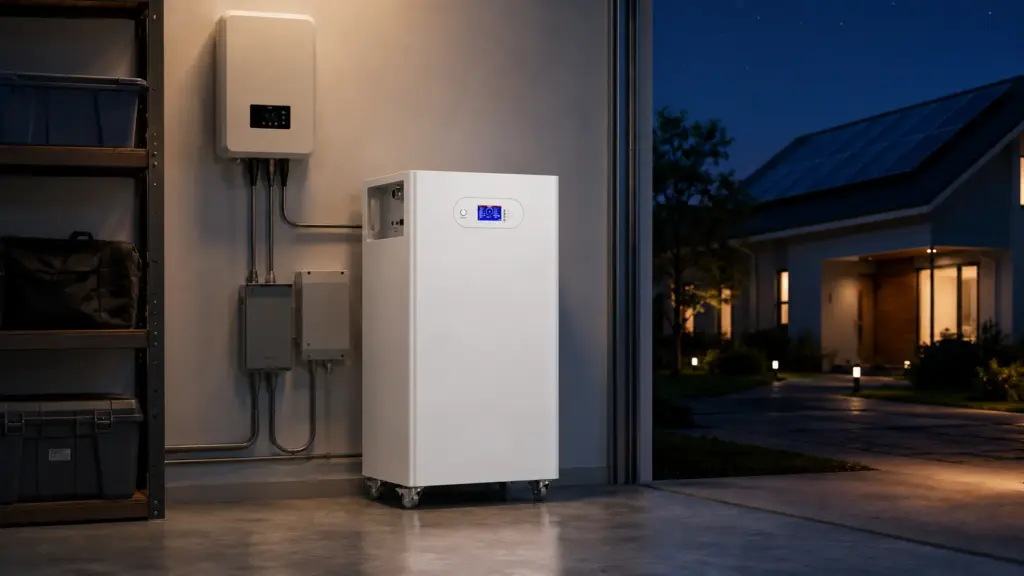
Need a Reliable Battery Solution for 3 Phase Solar Projects?
Avepower provides scalable LiFePO4 battery solutions for residential and small commercial solar storage projects. Get technical support, capacity options, and project-based battery recommendations for your next three-phase installation.
3 Phase Solar Battery Cost
In 2026, general residential solar battery systems commonly fall around $700–$1,600 per usable kWh installed, while a typical 13–13.5 kWh home battery system is often around $12,000–$20,000+ before incentives, depending on brand, capacity, backup scope, and site complexity.
| System Type | Typical Capacity | Estimated Installed Cost |
|---|---|---|
| Essential-load backup on a 3 phase home | 10–15 kWh | $12,000–$25,000+ |
| Larger 3 phase home battery system | 20–30 kWh | $25,000–$50,000+ |
| Whole-home / villa backup | 30–50 kWh+ | $40,000–$80,000+ |
| Small commercial 3 phase battery storage | 50 kWh+ | Custom project quote |
Main cost factors include:
- Battery capacity
- Battery chemistry
- Inverter type
- Backup capability
- Switchboard work
- Existing solar system compatibility
- Installation complexity
- Monitoring and control hardware
- Certification and compliance requirements
- Labor rates in your region
- Whether it is a new installation or retrofit
Safety and Compliance: What to Check Before Buying
Battery storage is a high-power electrical system. It should be designed and installed by qualified professionals according to local electrical rules.
Before buying a 3 phase solar battery system, check:
- Battery and inverter compatibility
- Battery communication protocol
- Maximum charge and discharge current
- Backup output rating
- Per-phase power limit
- Surge capacity
- IP rating and installation location
- Fire safety requirements
- Warranty terms
- Local grid approval requirements
- Product certification
- Installer qualification
For safety certification, UL explains that UL 9540 covers energy storage systems and equipment, including charging, discharging, protection, control, and communication. Requirements vary by market, so buyers should check local standards such as UL, IEC, CE, UN38.3, grid codes, and local electrical regulations.
In Australia, for example, solar battery installations under relevant programs must be installed by or supervised by accredited battery installers, according to the Clean Energy Regulator.
3 Phase Solar Battery vs Single-Phase Battery
The main difference is not the battery chemistry. It is how the stored energy is converted and delivered to the building.
| Factor | Single-Phase Battery Setup | 3 Phase Solar Battery Setup |
|---|---|---|
| Best for | Small homes, basic backup, simple solar systems | Large homes, villas, farms, workshops, commercial buildings |
| Electrical supply | Single-phase property or one phase of a three-phase property | Three-phase property |
| Load support | Usually one phase or selected circuits | Can support loads across three phases when designed correctly |
| Backup capability | Often essential-load backup | Can support broader or whole-site backup depending on equipment |
| System complexity | Lower | Higher |
| Installation cost | Usually lower | Usually higher |
| Best use case | Solar self-consumption and essential backup | Higher-load sites, phase balancing, larger PV systems, commercial energy use |
A single-phase battery can sometimes be installed on a three-phase property. However, it may only discharge on one phase. This can still reduce bills in some net-metered environments, but it may not fully support loads on other phases. For properties with heavy three-phase loads or whole-site backup goals, a true three-phase configuration is usually more suitable.
Can a Single-Phase Battery Work on a Three-Phase Home?
Yes, a single-phase battery can often be installed on a three-phase home. It will usually connect to one phase and support loads on that phase. For normal self-consumption, this may still reduce your electricity bill because many smart meters calculate net energy use across phases.
However, backup power is different from bill savings. During a blackout, a single-phase battery normally backs up only the circuits connected to its backup phase. It will not normally power true three-phase appliances such as three-phase air conditioning, pumps, or machinery.
Build a Scalable Solar Battery Storage System
From homes and villas to small commercial sites, Avepower LiFePO4 battery systems can be configured to match different storage capacities, backup needs, and inverter requirements. Share your project details and get a suitable battery solution.
Benefits of a 3 Phase Solar Battery
Better Load Balancing
A three-phase battery system can help distribute energy more evenly across the property. This is important when large loads are not evenly spread across phases.
Stronger Backup Design
When paired with the correct three-phase inverter and backup interface, a 3 phase solar battery can support more comprehensive backup than a basic single-phase setup.
Better Fit for Large Solar Arrays
Larger solar systems often need better AC output management. Three-phase architecture can make the system more suitable for higher solar capacity and higher site demand.
More Useful for Commercial and Light Industrial Sites
Businesses often care about more than backup. They may need peak shaving, load shifting, solar self-consumption, and long-term electricity cost control. A three-phase battery system is usually a better fit for these applications.
Future-Ready for Electrification
Homes and businesses are adding more electric loads, including EV chargers, heat pumps, electric cooking, and electric hot water systems. A three-phase battery system can provide more flexibility for future energy demand.
Limitations of a 3 Phase Solar Battery
A 3 phase solar battery is not always the best choice. It can be more expensive, more complex, and may require more detailed design work.
Common limitations include:
- Higher equipment cost
- More complex installation
- More detailed switchboard assessment
- Possible network approval requirements
- More advanced inverter compatibility requirements
- Backup limitations for very large loads
- More careful commissioning and monitoring
If your home is small, your loads are simple, or your main goal is essential-load backup, a single-phase or AC-coupled battery may be enough.
How to Size a 3 Phase Solar Battery
Sizing a 3 phase solar battery requires more than choosing a popular kWh number. The correct battery size depends on load profile, solar production, backup expectations, inverter rating, and phase distribution.
Use this practical process:
1. Review Your Daily Electricity Use
Start with your average daily consumption in kWh. A typical residential system may only need 10–20 kWh of storage for evening use, while larger homes, farms, or businesses may need 30 kWh, 50 kWh, or more.
2. Identify Critical Backup Loads
List what must run during an outage. Separate “must-have” loads from “nice-to-have” loads.
Must-have loads may include:
- Refrigerator
- Internet
- Lighting
- Medical equipment
- Water pump
- Security system
Nice-to-have loads may include:
- Full air conditioning
- EV charging
- Electric oven
- Pool heating
- Workshop equipment
3. Check Three-Phase Loads
Identify whether any loads actually require three-phase power. These may include large air conditioners, bore pumps, lifts, compressors, commercial machinery, or high-power EV chargers.
4. Match Battery Capacity to Runtime
Estimate runtime with this simple formula:
Battery runtime ≈ usable battery capacity ÷ average load
For example, if you have 20 kWh usable capacity and your backup loads average 2 kW, the battery may last about 10 hours before considering system losses and battery reserve settings.
5. Match Inverter Power to Peak Demand
Your inverter must support the maximum simultaneous load. Three-phase systems may also have per-phase power limits, so a “10 kW three-phase inverter” does not always mean 10 kW is available on one phase.
6. Leave Room for Future Growth
If the property may add EV charging, heat pumps, more solar panels, or business equipment, choose a modular battery platform that can expand later.
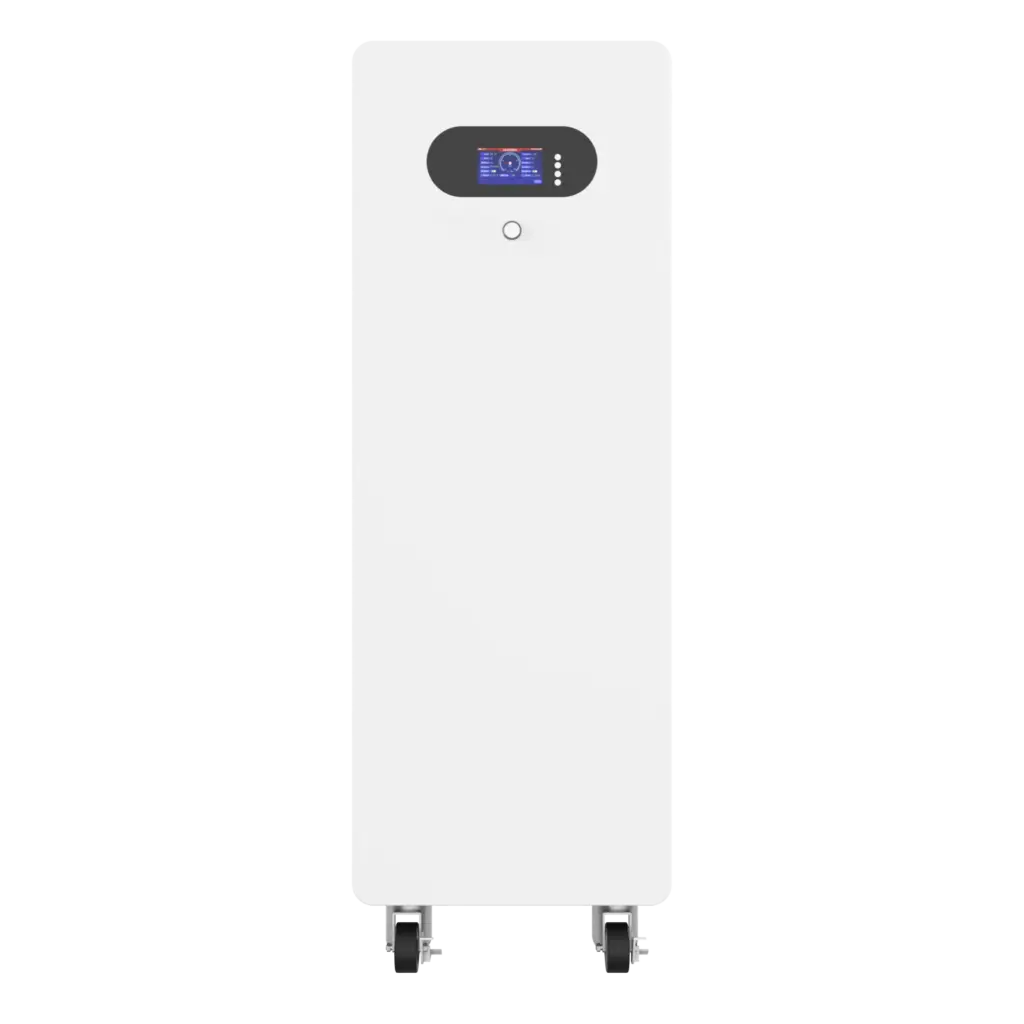
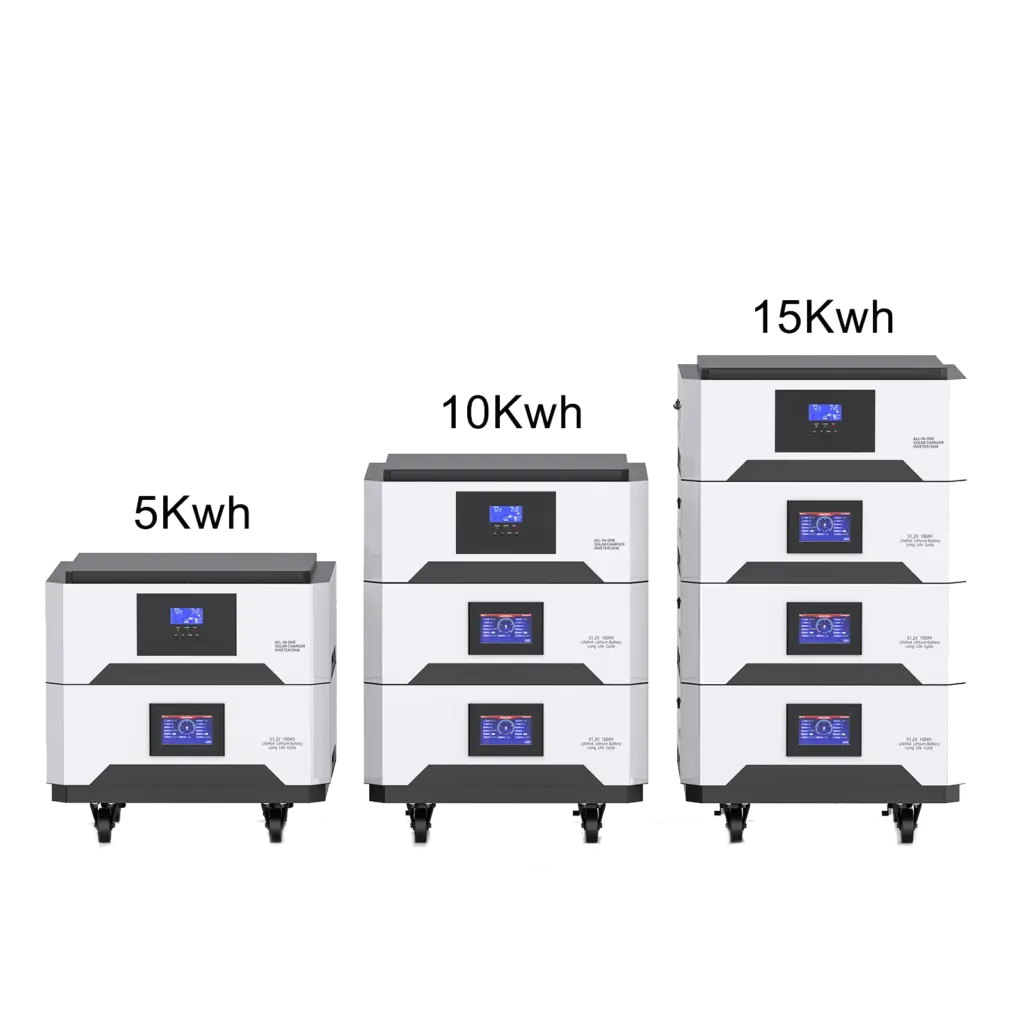
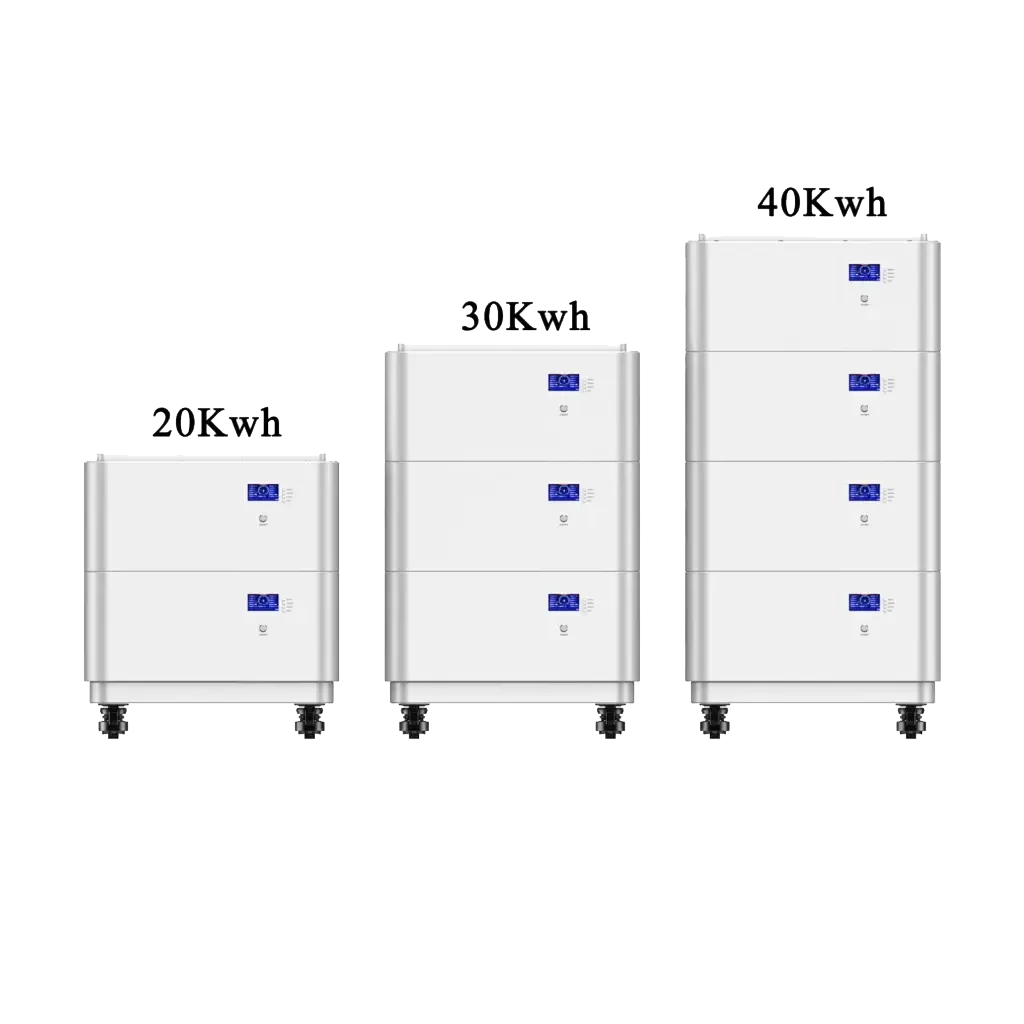
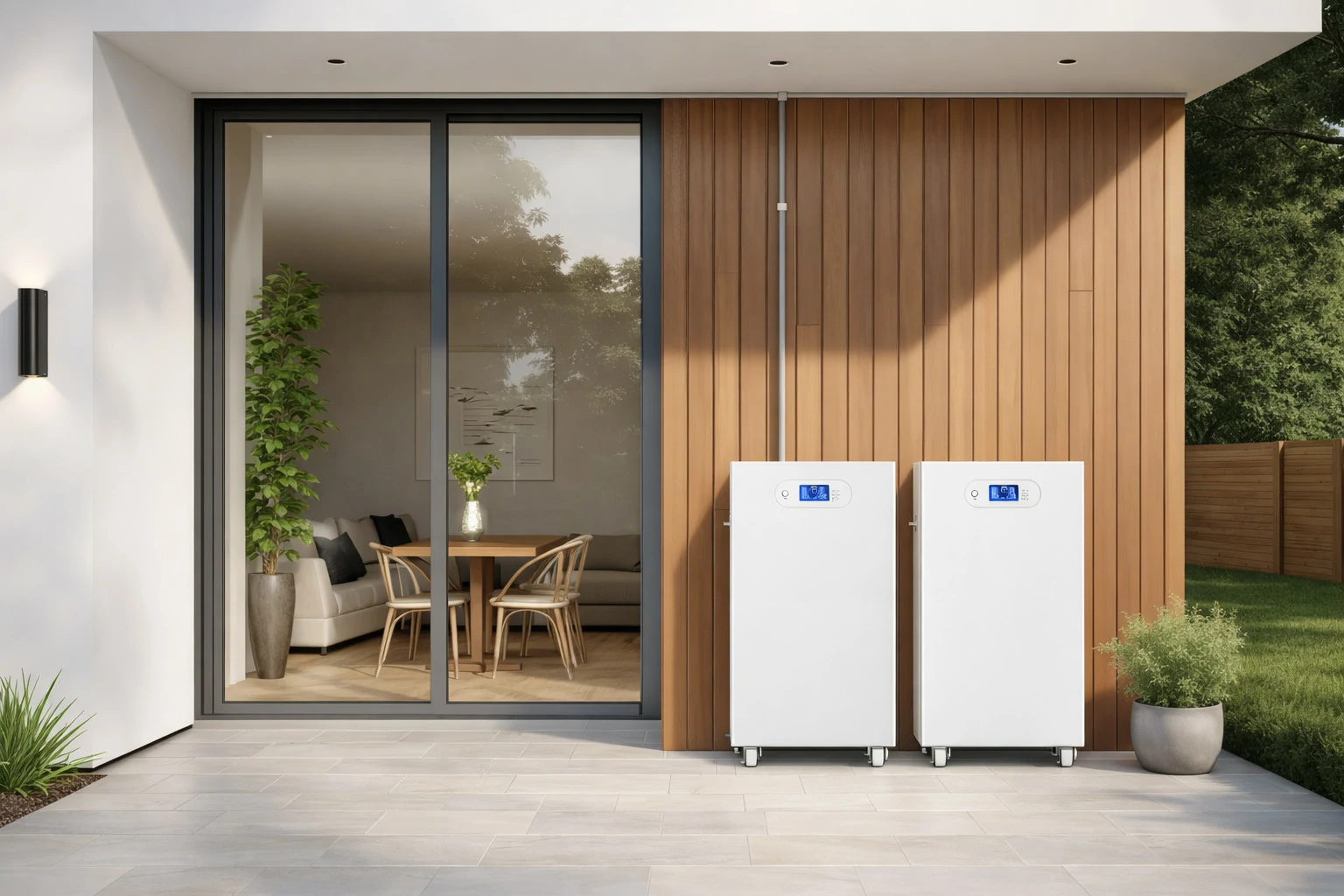
Avepower offers modular stackable LiFePO4 battery options for solar storage projects where installers, distributors, or OEM customers need flexible capacity planning. For broader residential applications, Avepower’s home energy storage system range can be considered as part of a complete solar-plus-storage design with compatible inverters and proper installation.
Best Applications for 3 Phase Solar Battery Storage
A 3 phase solar battery is especially useful for properties with larger and more complex energy needs.
Large Homes and Villas
Large homes often have higher evening loads, multiple air conditioning units, electric cooking, pool pumps, EV chargers, and larger solar arrays. A three-phase battery system can help distribute energy more evenly and support higher power demand.
Farms and Rural Properties
Farms may use pumps, refrigeration, motors, irrigation systems, and workshop equipment. In areas with unstable grid supply, three-phase solar battery backup can improve operating continuity.
Small Commercial Buildings
Shops, clinics, offices, warehouses, and workshops often have daytime solar generation and evening or peak-hour loads. Battery storage can reduce peak demand, shift solar energy, and support business continuity.
Installer-Led Residential Projects
For solar installers, three-phase homes often require more careful design. Battery selection must match the inverter, backup goal, switchboard layout, and customer expectations.
OEM/ODM and Distribution Projects
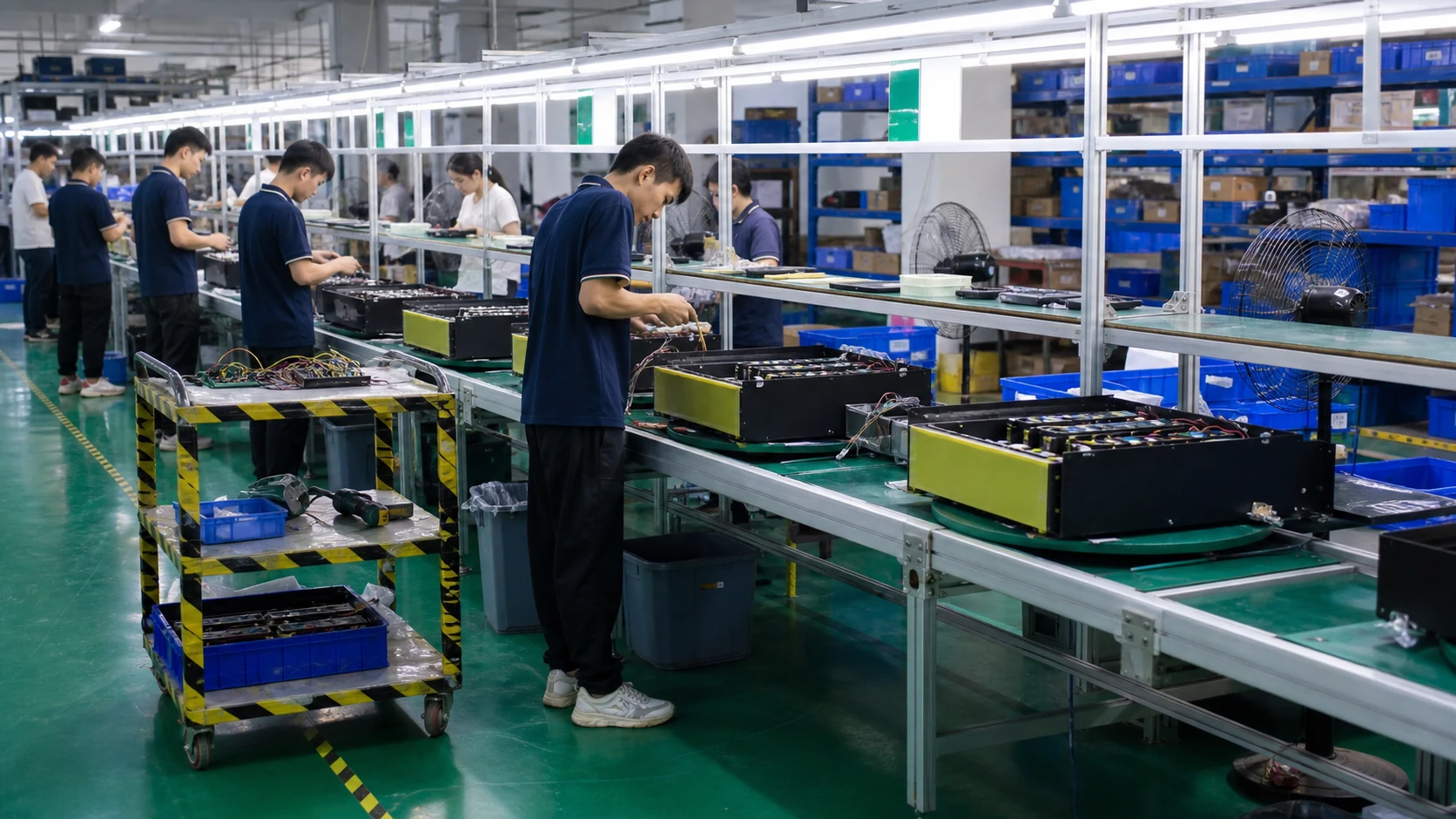
For distributors and energy storage brands, three-phase solar storage demand is growing as customers adopt larger PV arrays, electrification, EV charging, and backup-ready homes. Avepower works as a battery energy storage system manufacturer supporting installers, distributors, private label brands, and project developers with LiFePO4 battery solutions, technical support, and OEM/ODM customization.
How Avepower Supports 3 Phase Solar Battery Projects
Avepower focuses on LiFePO4 battery storage solutions for residential and commercial energy storage projects. For three-phase applications, Avepower batteries can be considered for system designs that require scalable battery capacity, BMS protection, communication support, and OEM/ODM flexibility. Installers and distributors can explore Avepower’s residential battery energy storage systems when designing solar-plus-storage solutions for homes, villas, and small commercial projects.
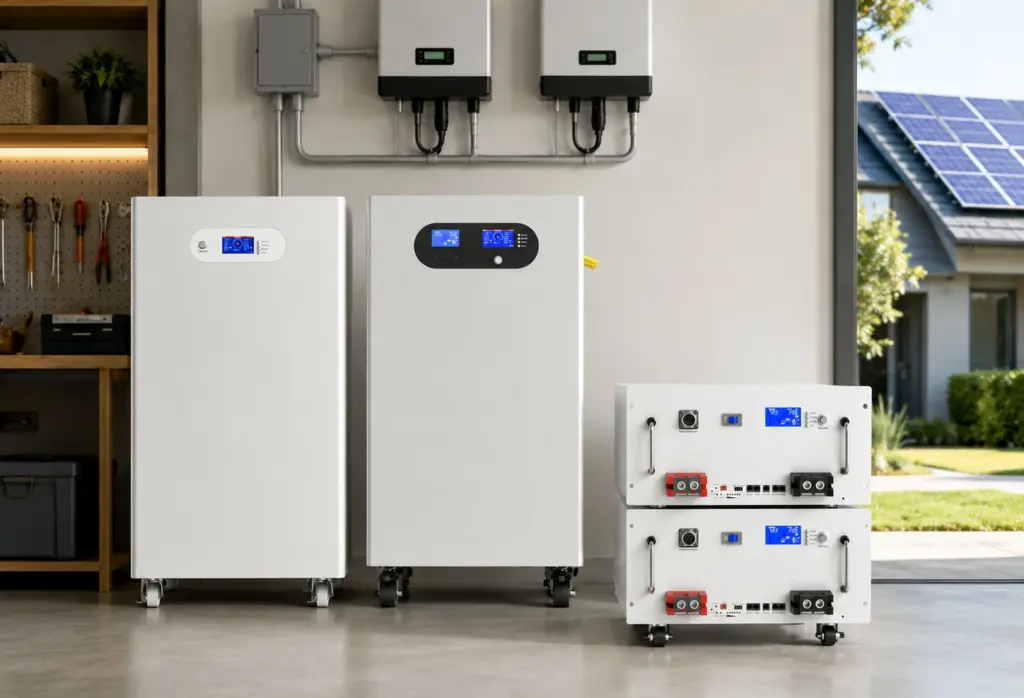
Take Control of Your Energy with Avepower!
Reliable home solar battery solutions with OEM/ODM customization and in-house manufacturing, tailored to the needs of distributors, installers, and energy partners.
Conclusion
A 3 phase solar battery system is not just a larger battery. It is a complete solar storage design that must match the property’s phase supply, inverter architecture, backup goals, and load profile.
For many three-phase homes, a single-phase battery backing up essential circuits may be enough. For larger homes, farms, workshops, and commercial buildings that need backup across all phases or support for three-phase loads, a true three-phase solar battery system is the better long-term solution.
The most reliable approach is to start with a load assessment, define backup priorities, choose the right inverter architecture, and select a scalable LiFePO4 battery platform that can grow with future energy demand.
FAQ
A 3 phase solar battery is a battery storage system designed to work with a three-phase electrical supply. The battery stores DC energy, while a three-phase inverter or PCS manages AC output across the three phases.
Not usually. Most batteries store DC electricity. The three-phase function comes from the inverter, PCS, and system wiring.
Yes, in some cases. A single-phase battery can work on a three-phase property, but it may only support one phase. This can be acceptable for basic backup or self-consumption, but it may not be ideal for larger loads or whole-home backup.
It can, but only if the system is designed for whole-home backup. You need the correct inverter, backup interface, transfer equipment, wiring, and load management.
Yes, if the inverter, local rules, and electricity plan allow it. Grid charging can be useful for backup preparation or time-of-use energy management.
Yes. Three-phase battery storage is often well suited for commercial buildings because many businesses use three-phase power and have higher loads, demand charges, or backup requirements.
Installers should check phase load distribution, inverter compatibility, communication protocol, battery capacity, backup circuit design, protection devices, local standards, and commissioning requirements.
Yes. Avepower provides LiFePO4 battery systems that can be used as the storage layer in three-phase solar battery projects when paired with compatible three-phase inverters or PCS equipment. Avepower supports installers, distributors, OEM/ODM brands, and project buyers with scalable battery options and technical configuration support.