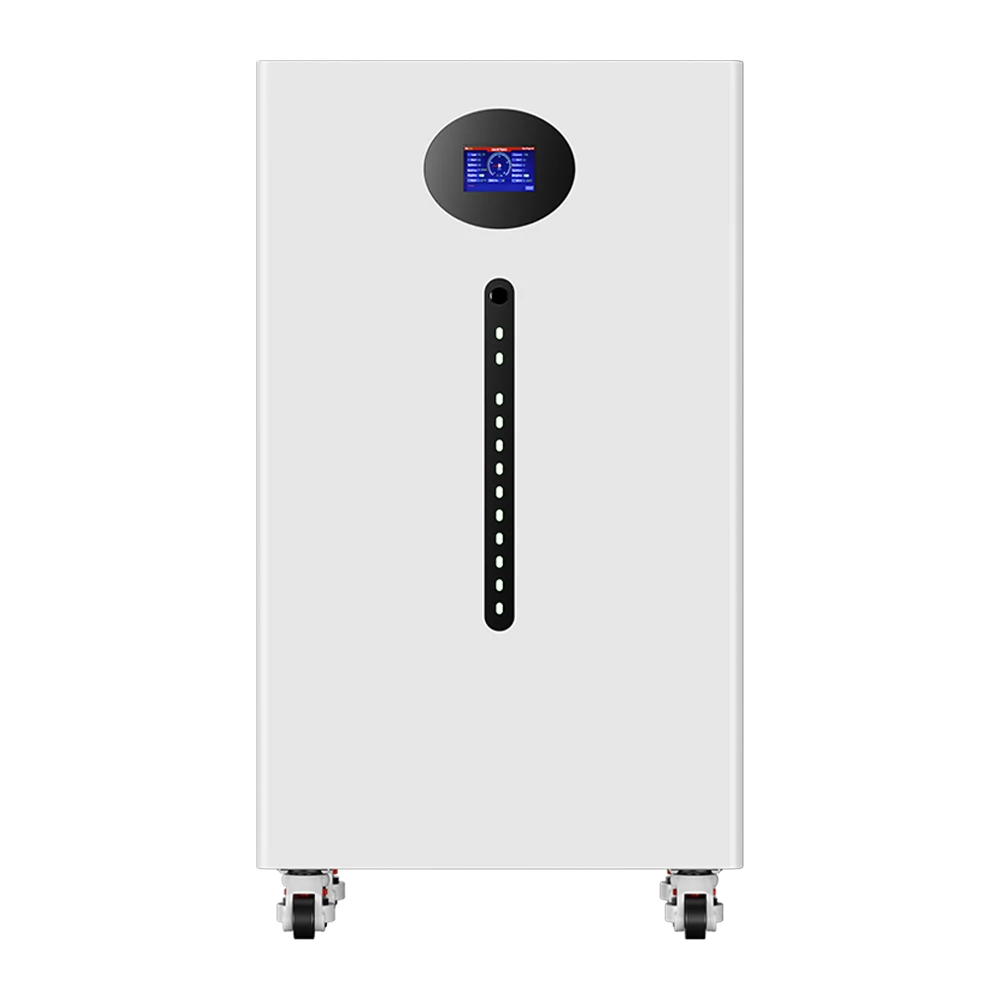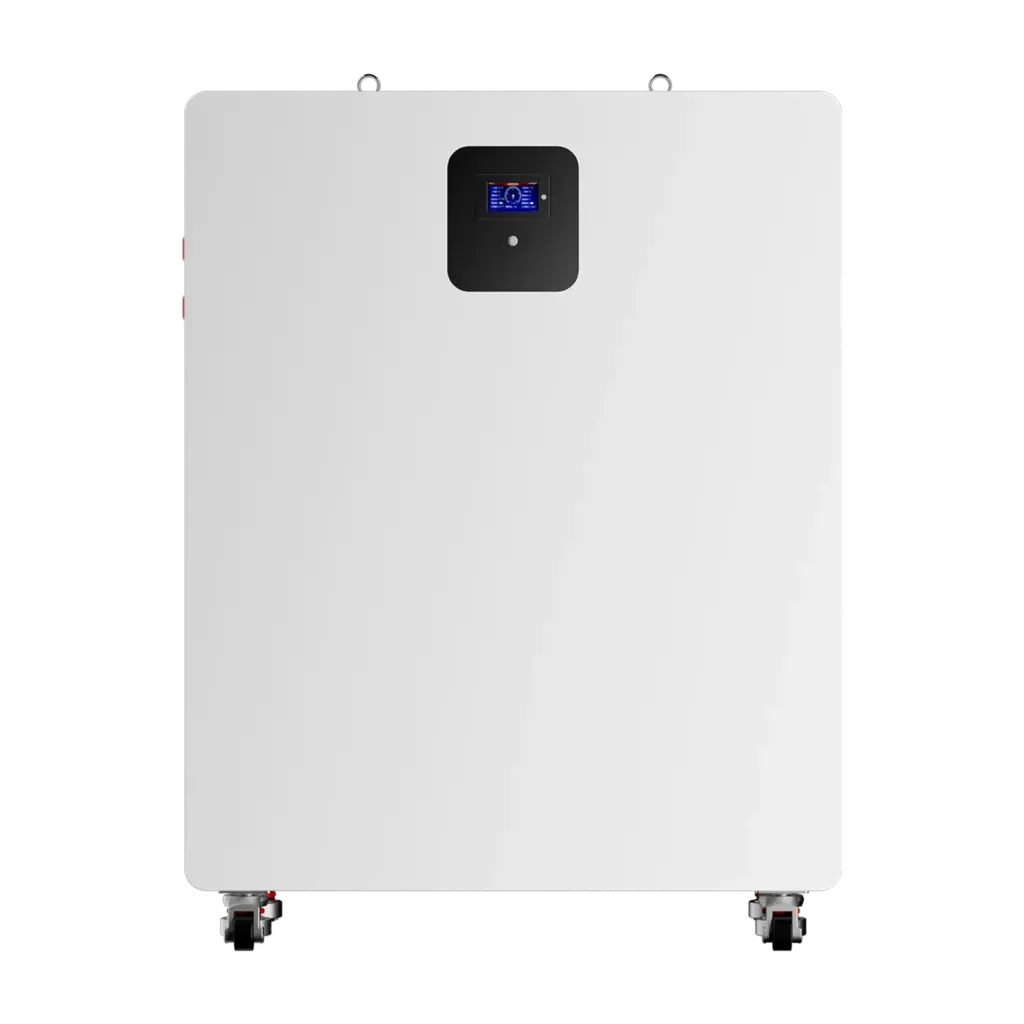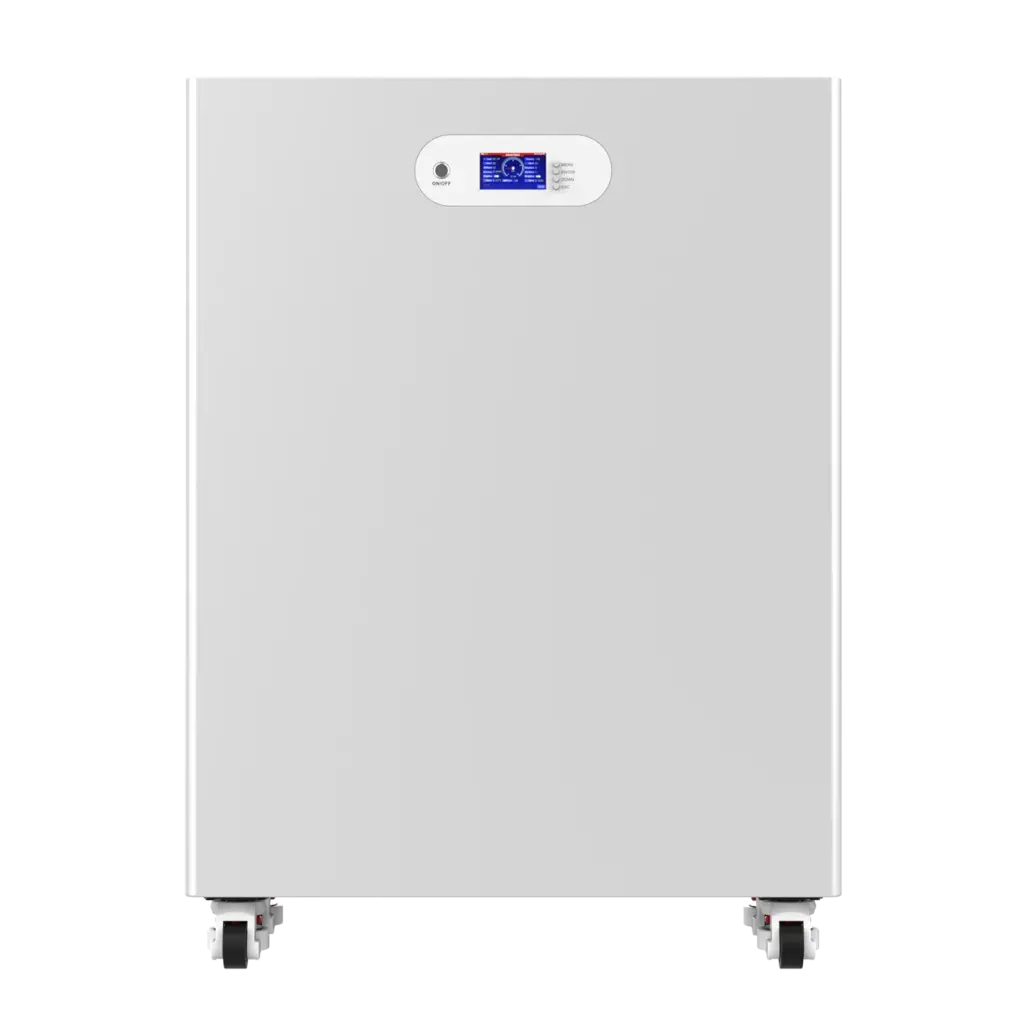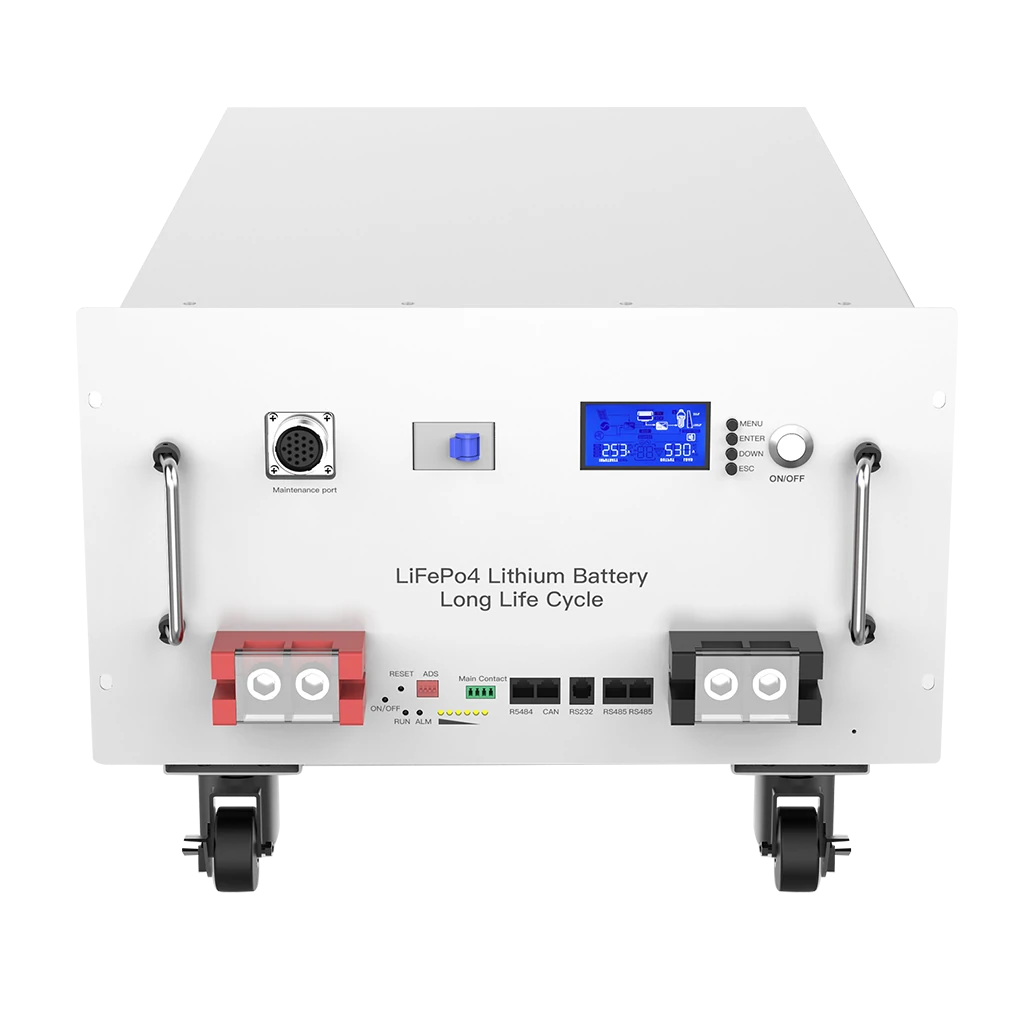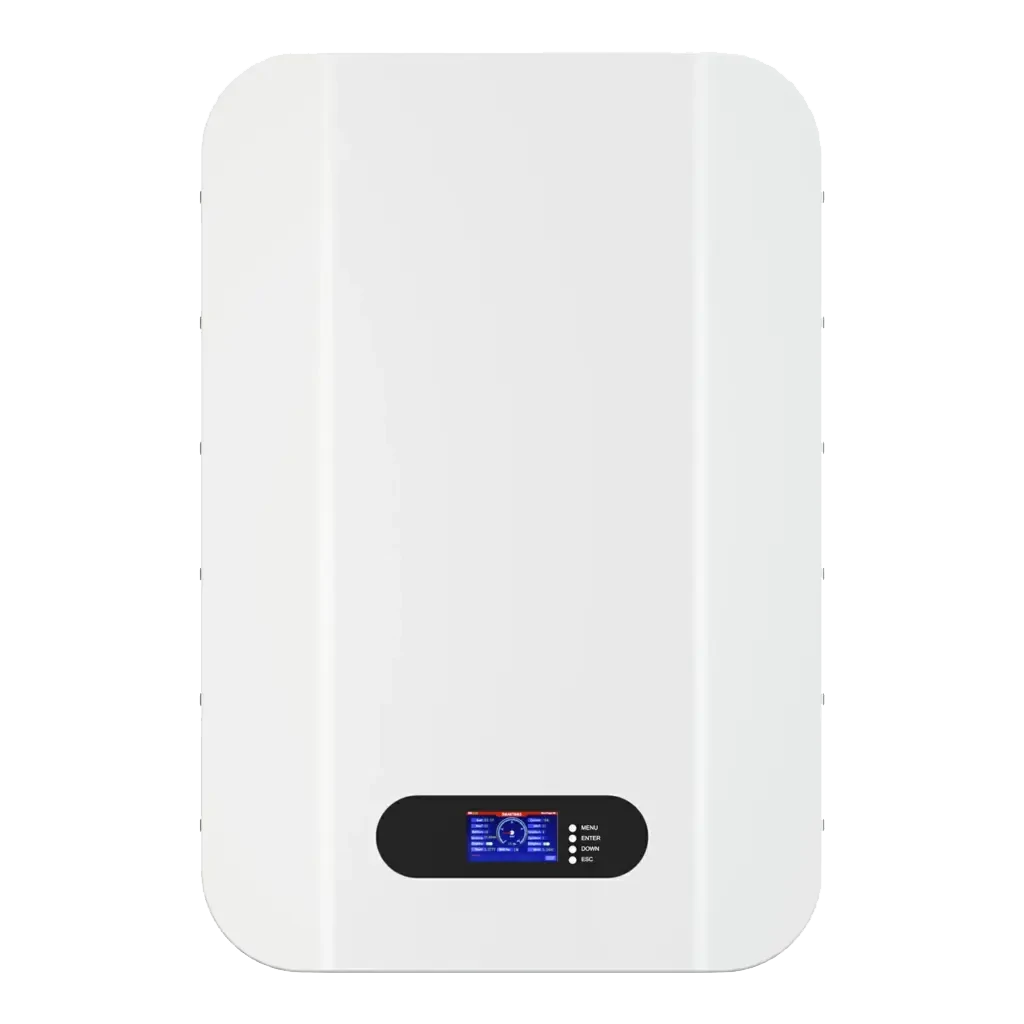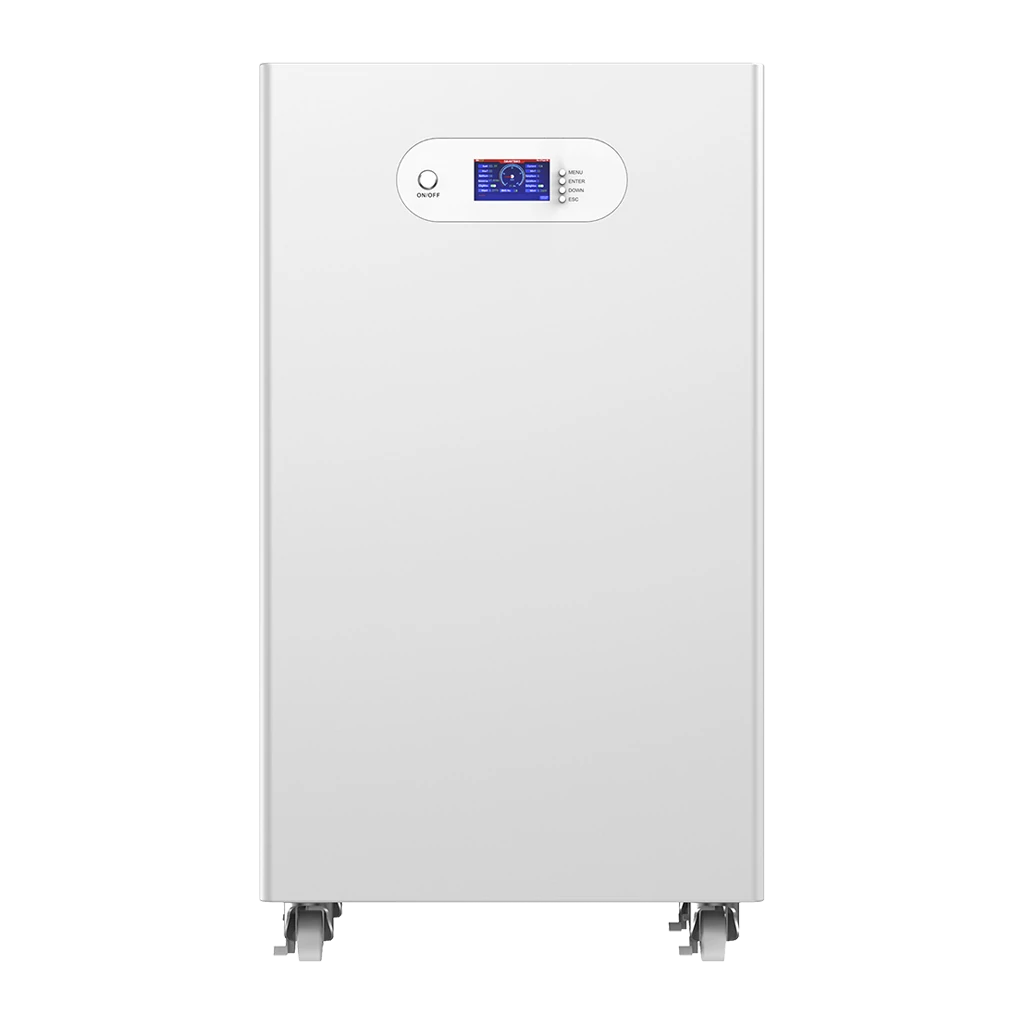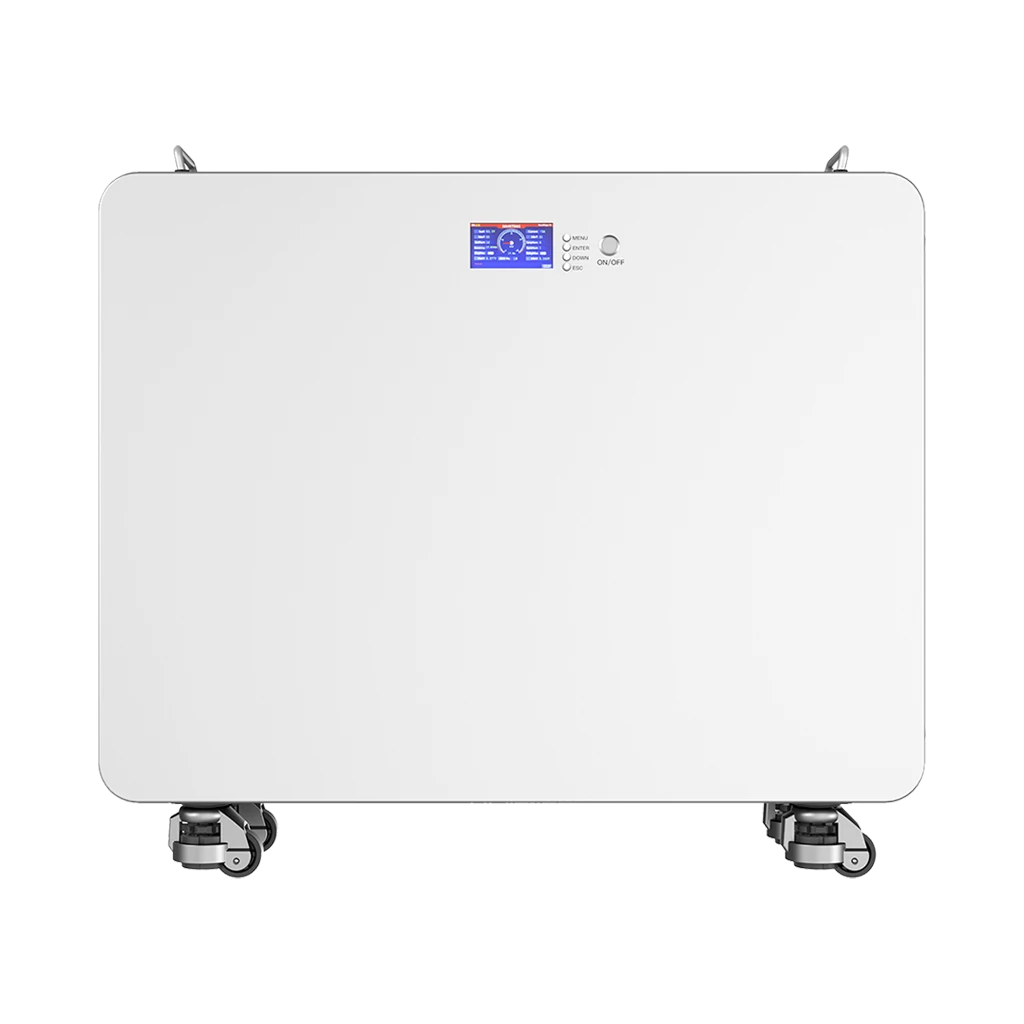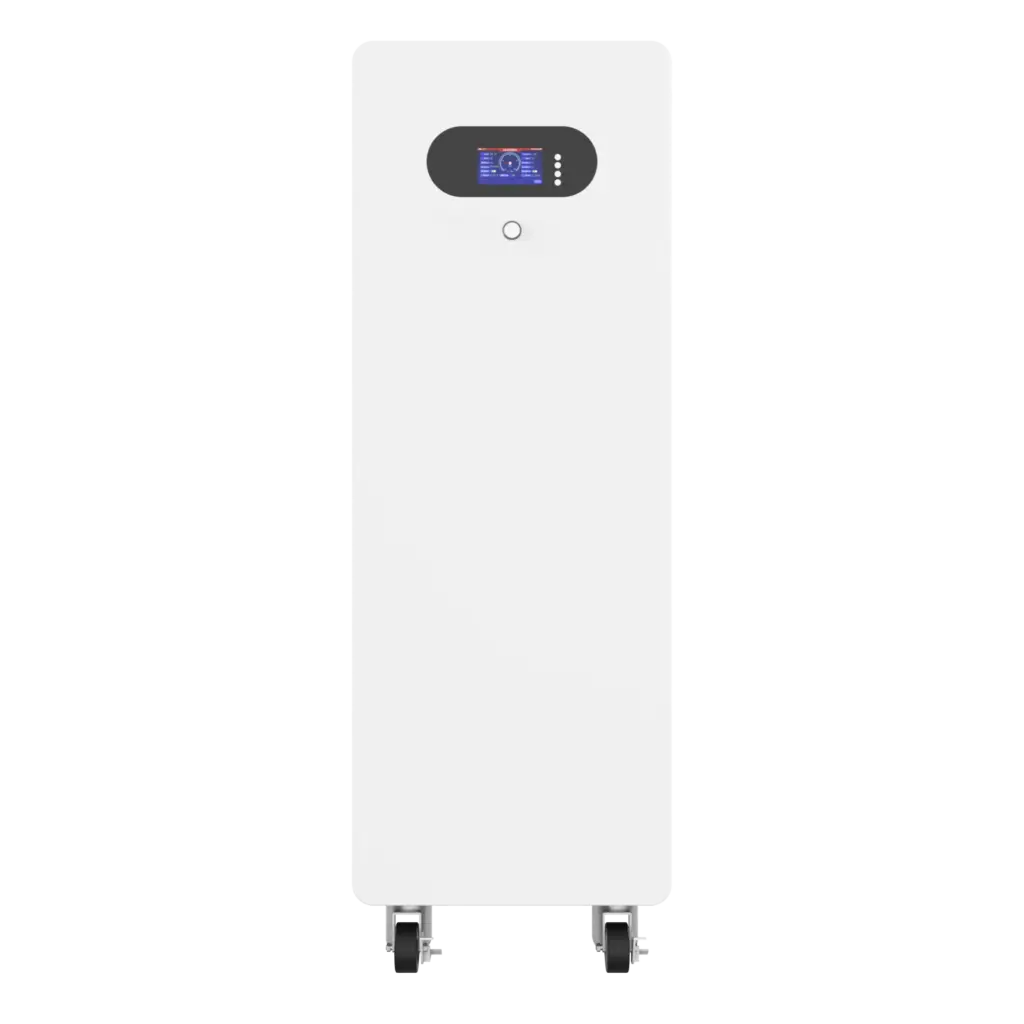

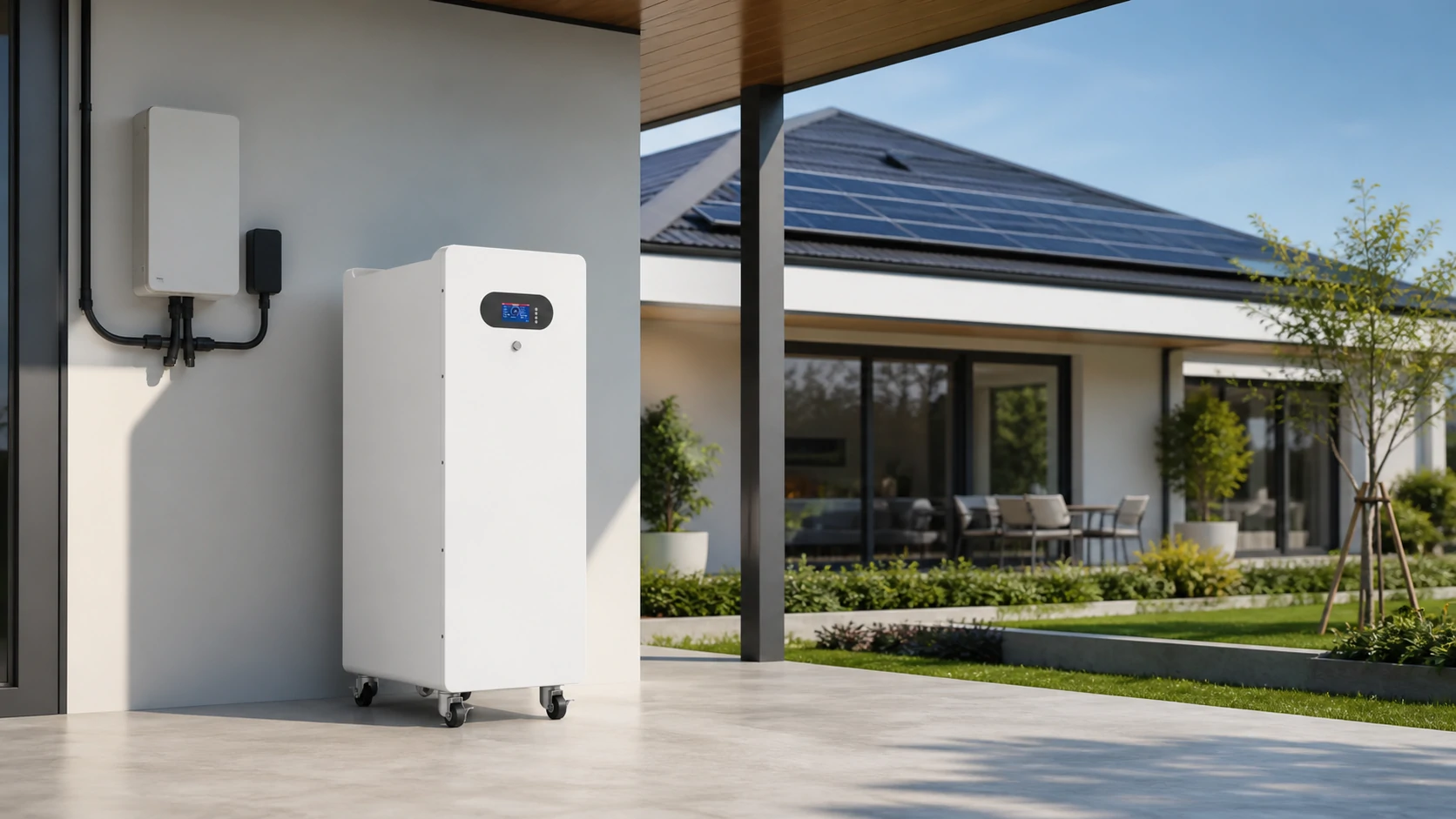
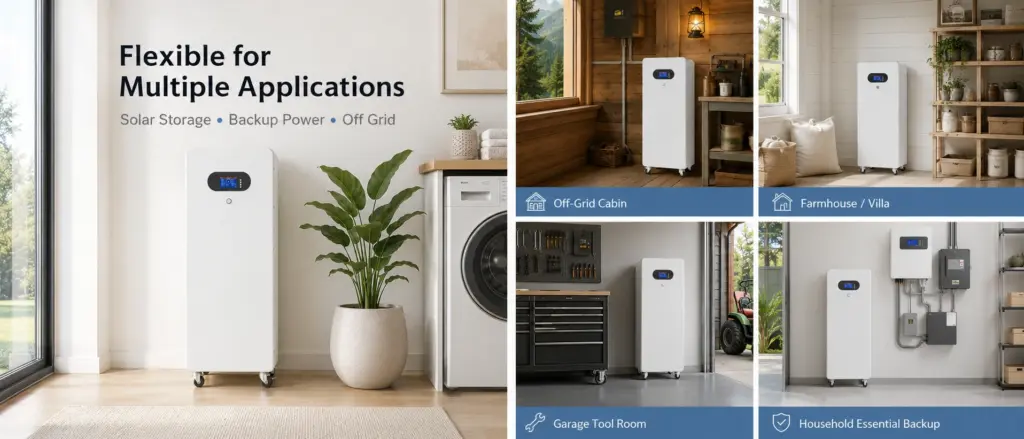
A 17 kWh battery can store about 17 kilowatt-hours of electricity. In practical terms, it can run essential household loads for many hours, support overnight solar energy use, and provide backup power during grid outages. For many larger homes, villas, off-grid cabins, and small commercial backup projects, a 17 kWh battery is a strong mid-to-large storage option.
However, whether it is enough for your home depends on three key factors: your daily electricity use, the loads you want to back up, and the usable capacity of the battery after depth of discharge and inverter losses.
For example, if your backed-up loads use 1 kW on average, a 17 kWh battery may last around 14–16 hours in real use. If your loads average 3 kW, it may last around 4–5 hours. The more high-power appliances you run, such as air conditioners, electric ovens, heaters, pumps or EV chargers, the faster the battery will discharge.
What Is a 17 kWh Battery?
A 17 kWh battery is an energy storage system that can store 17 kilowatt-hours of electrical energy. One kilowatt-hour means using 1,000 watts for one hour. So, in simple theory:
- 1 kW load × 17 hours = 17 kWh
- 2 kW load × 8.5 hours = 17 kWh
- 5 kW load × 3.4 hours = 17 kWh
In real systems, you should not calculate runtime from the full nameplate capacity only. You also need to consider usable capacity, depth of discharge, inverter efficiency, battery age, temperature, and whether the system is AC-coupled or DC-coupled.
Solar-plus-storage systems store electricity generated by solar panels and release it later when needed, especially when solar production is low or electricity demand is high: Solar Energy Battery Storage 101.
How Long Will a 17 kWh Battery Last?
A 17 kWh battery’s runtime depends on the power draw. The basic formula is:
Runtime = usable battery capacity ÷ load power
If we assume 90% usable energy after system losses, a 17 kWh battery may provide about 15.3 kWh of usable electricity.
| Average Load | Estimated Runtime |
|---|---|
| 500 W essential loads | About 30 hours |
| 1 kW light home backup | About 15 hours |
| 2 kW medium household load | About 7.5 hours |
| 3 kW high evening load | About 5 hours |
| 5 kW heavy load | About 3 hours |
These numbers are only planning estimates. In real use, refrigerators cycle on and off, air conditioners surge, pumps start briefly at higher power, and battery inverters have output limits.
For a more accurate estimate, list the appliances you want to power, add their wattage, and estimate how many hours each one runs.
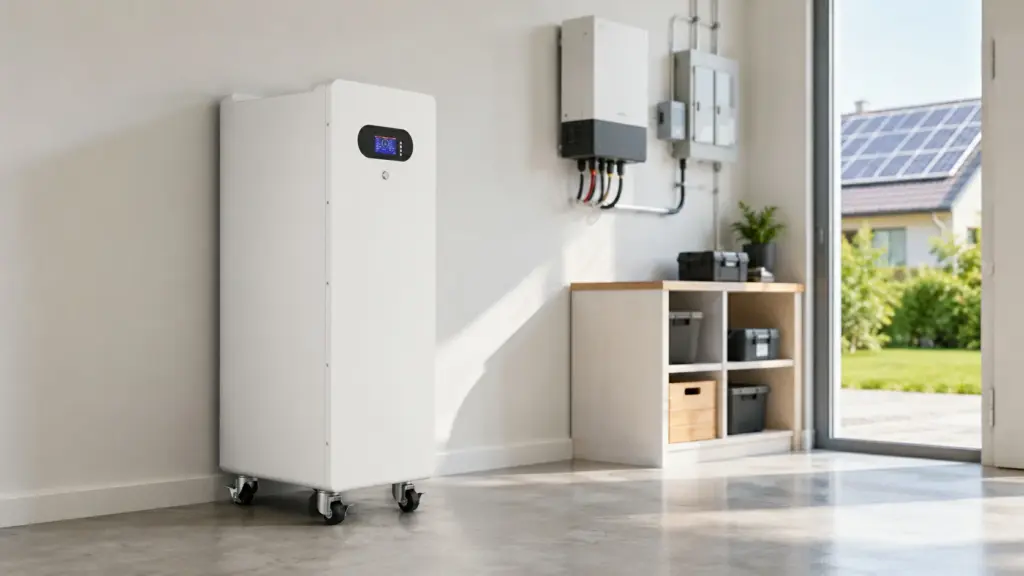
Need a Reliable Battery for Home Solar Storage?
Looking for a practical 17 kWh-class battery solution? Avepower provides scalable LiFePO4 home energy storage systems for solar storage, backup power, and residential energy projects.
What Can a 17 kWh Battery Power?
A 17 kWh battery can usually support essential home appliances such as:
- Refrigerator and freezer
- Lights
- Wi-Fi router
- Security system
- Laptop and phone charging
- TV
- Fans
- Small kitchen appliances
- Water pump
- Selected outlets
- Some air conditioning loads, depending on inverter size
It may also support larger appliances, but only if the inverter output and surge capacity are properly designed. Battery capacity tells you how much energy is stored. Inverter power tells you how many appliances can run at the same time.
For example, a 17 kWh battery paired with a 5 kW inverter is different from a 17 kWh battery paired with a 10 kW inverter. The first may be suitable for essential backup. The second may support more whole-home loads, depending on local electrical design.
Is a 17 kWh Battery Enough to Run a Whole House?
A 17 kWh battery can run many homes overnight or during a short outage, but it may not run a whole house comfortably if the home has high heating, cooling, cooking, water heating or EV charging loads.
The U.S. Energy Information Administration reported that average U.S. residential electricity consumption was about 899 kWh per month in 2022, or roughly 30 kWh per day: EIA electricity use FAQ. Based on that average, a 17 kWh battery could cover a large part of one day’s electricity use, but not necessarily all loads for a full day.
A 17 kWh battery is more realistic for:
- Overnight solar storage
- Essential-load backup
- Time-of-use energy shifting
- Small off-grid systems with controlled loads
- Homes with moderate electricity use
- Villas or large homes that need partial backup
It is less suitable as a stand-alone whole-home backup system if you want to run central air conditioning, electric heating, large pumps, EV charging and cooking loads at the same time.
17 kWh Battery vs 10 kWh, 13.5 kWh and 20 kWh Battery
A 17 kWh battery sits between common residential battery sizes. It offers more storage than many standard home batteries, but it is still smaller than large 20–40 kWh systems.
| Battery Size | Best For |
|---|---|
| 5 kWh | Small backup loads, apartments, light solar storage |
| 10 kWh | Average homes, basic backup, evening solar use |
| 13.5 kWh | Larger backup needs, common premium home battery size |
| 17 kWh | Larger homes, longer backup, higher evening loads |
| 20 kWh+ | Whole-home backup, villas, off-grid, light commercial use |
Tesla’s Powerwall 3, for example, lists 13.5 kWh of energy capacity: Tesla Powerwall. A 17 kWh battery gives more storage headroom than a 13.5 kWh unit, which can be useful for homes with higher night-time consumption or longer outage requirements.
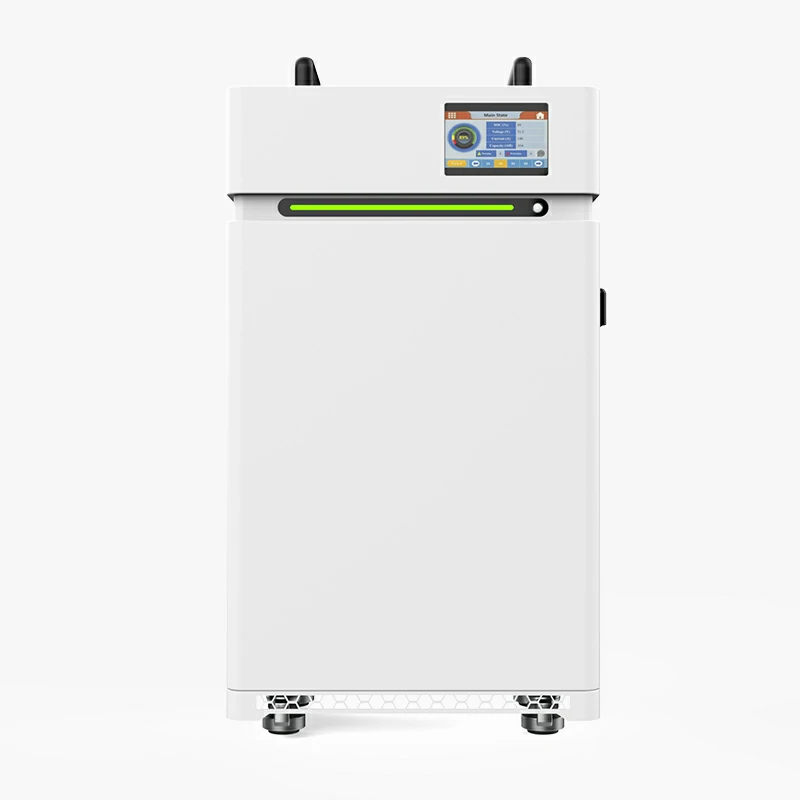
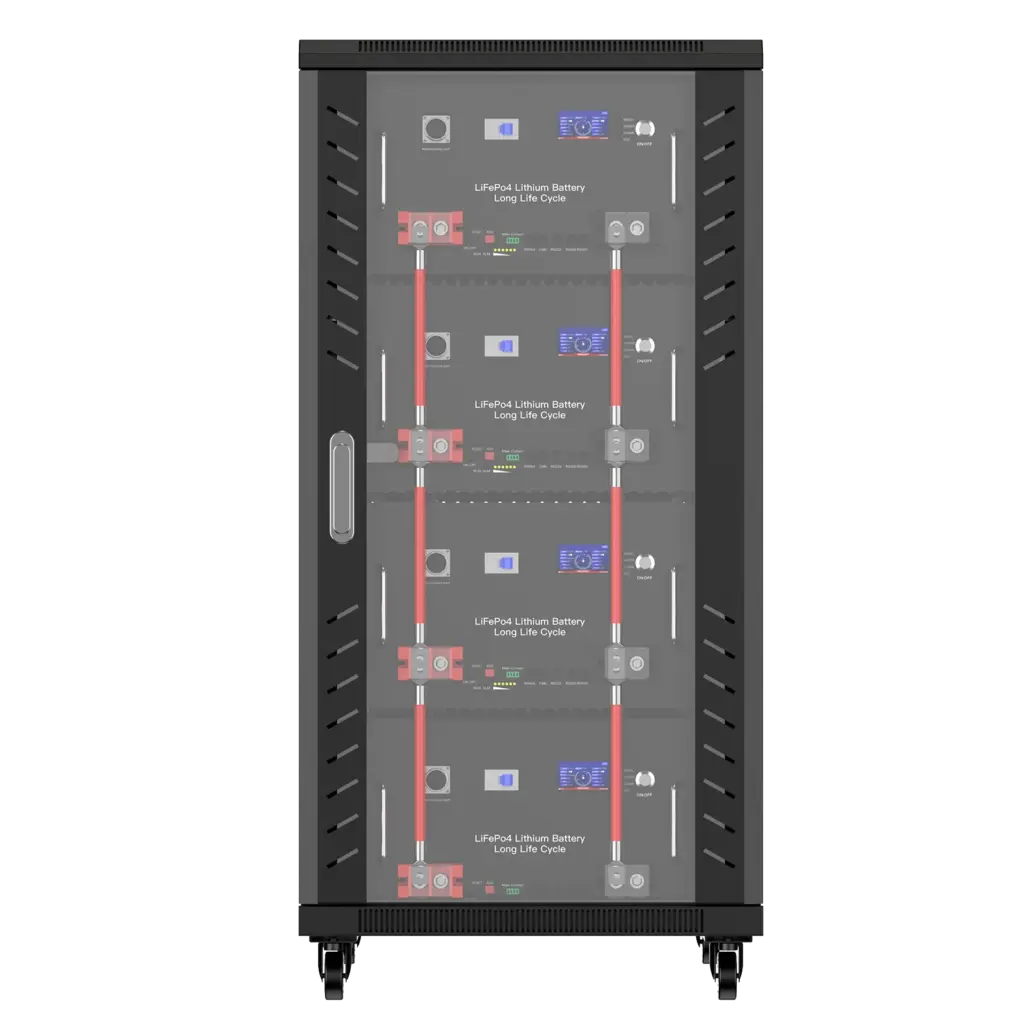
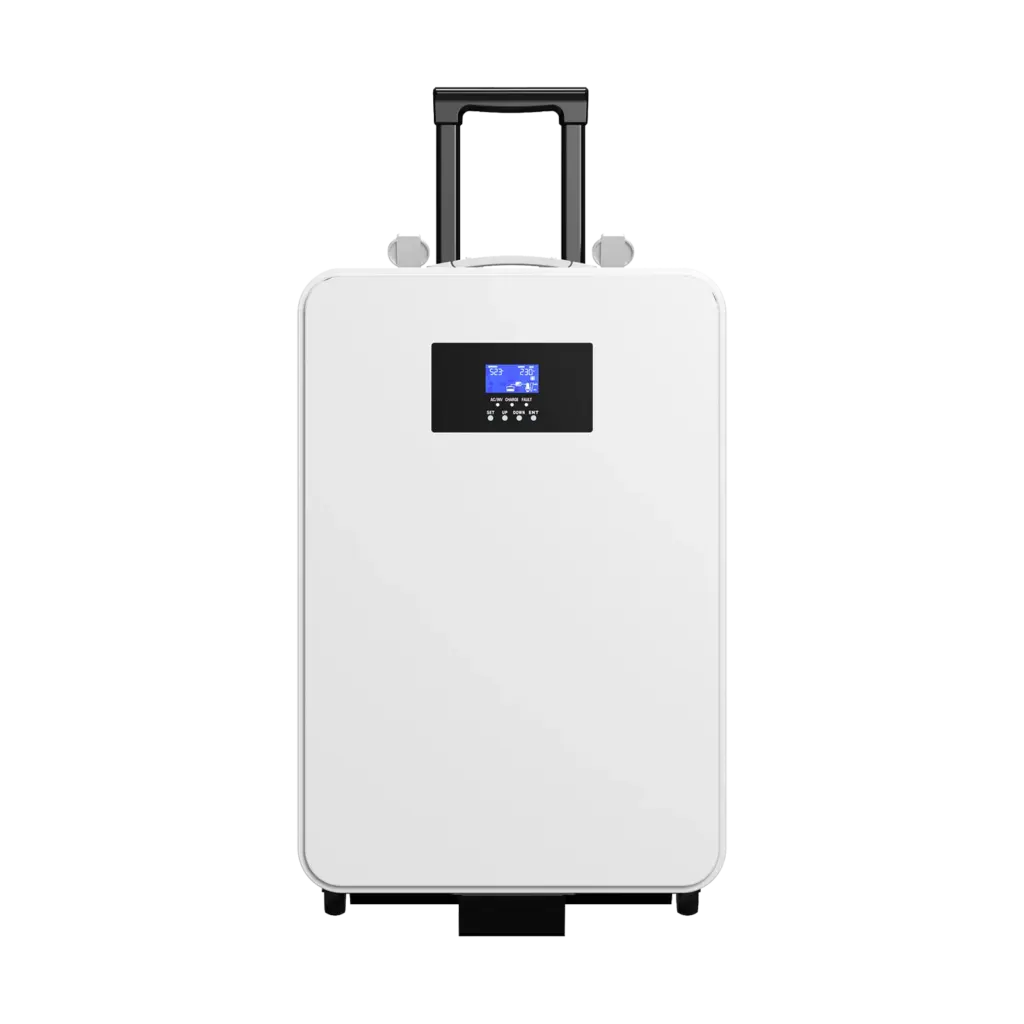
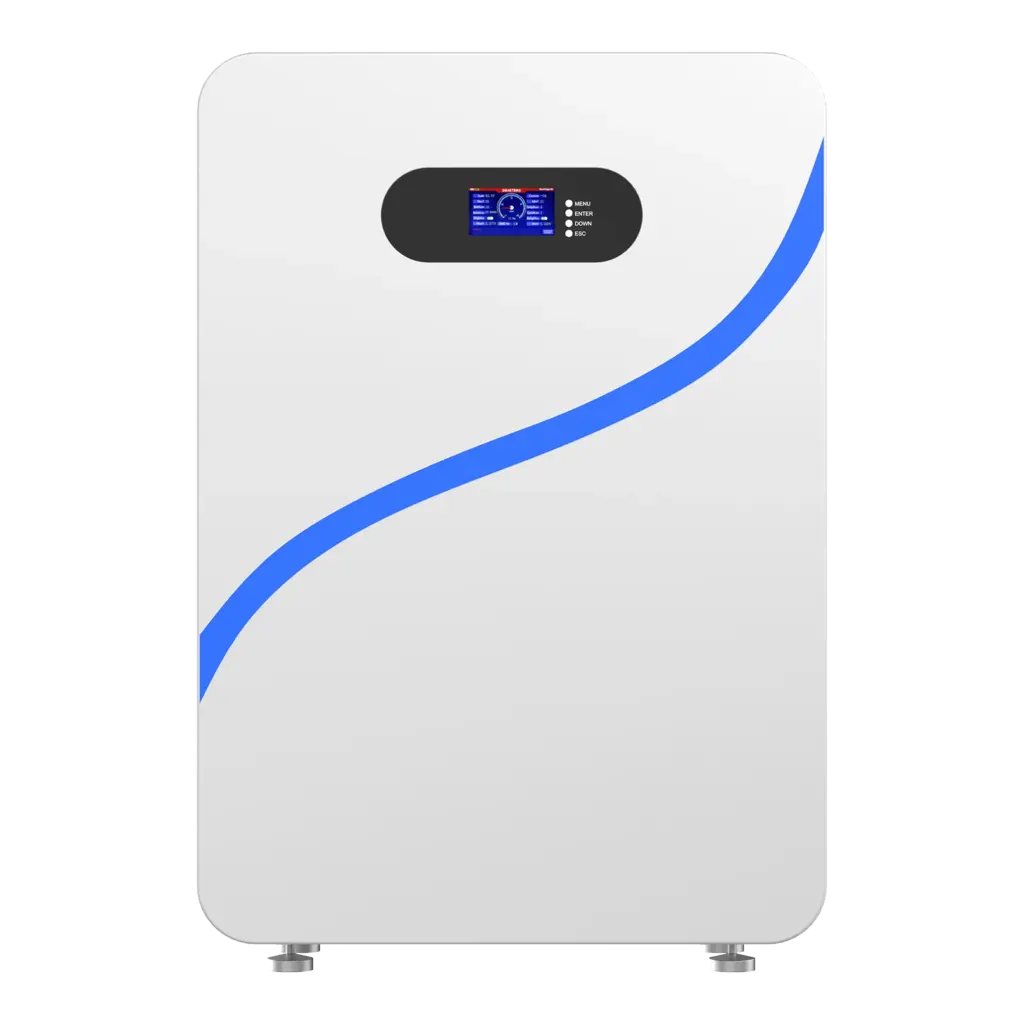
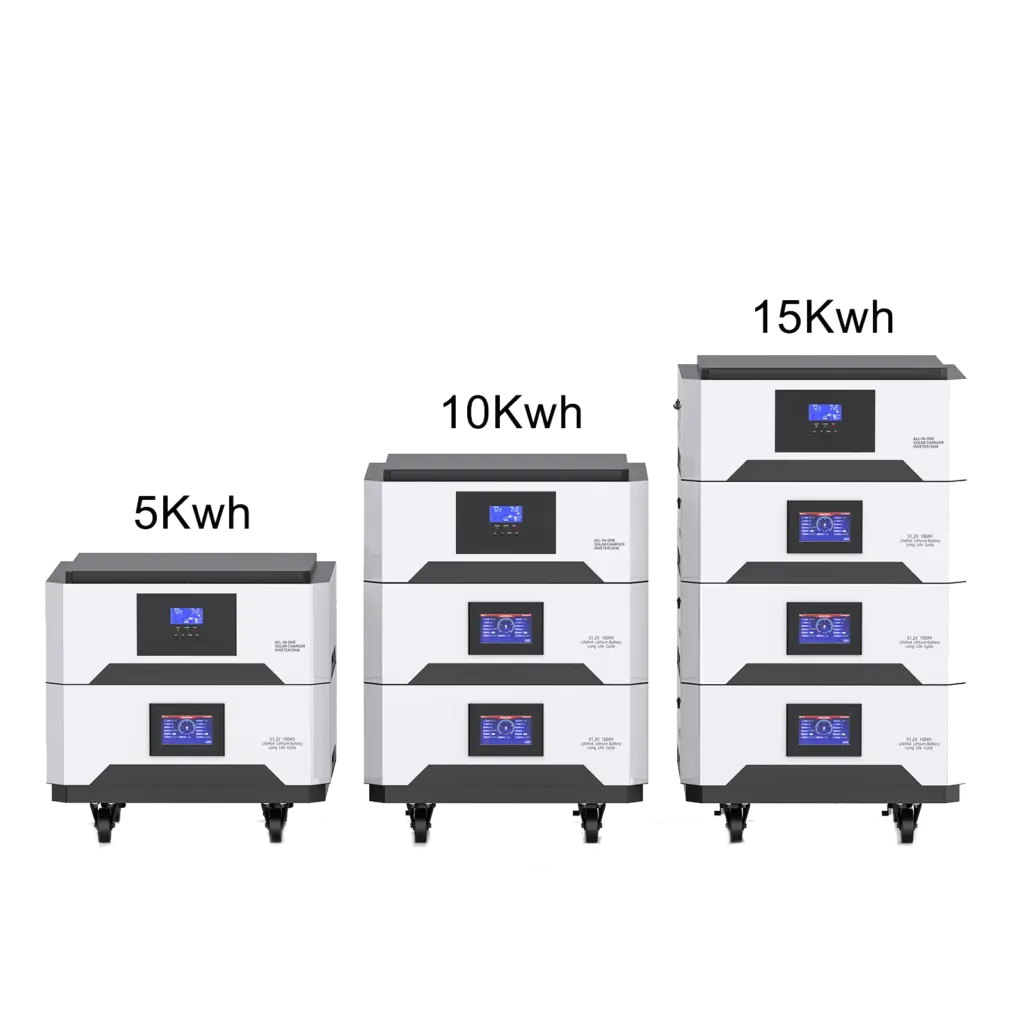
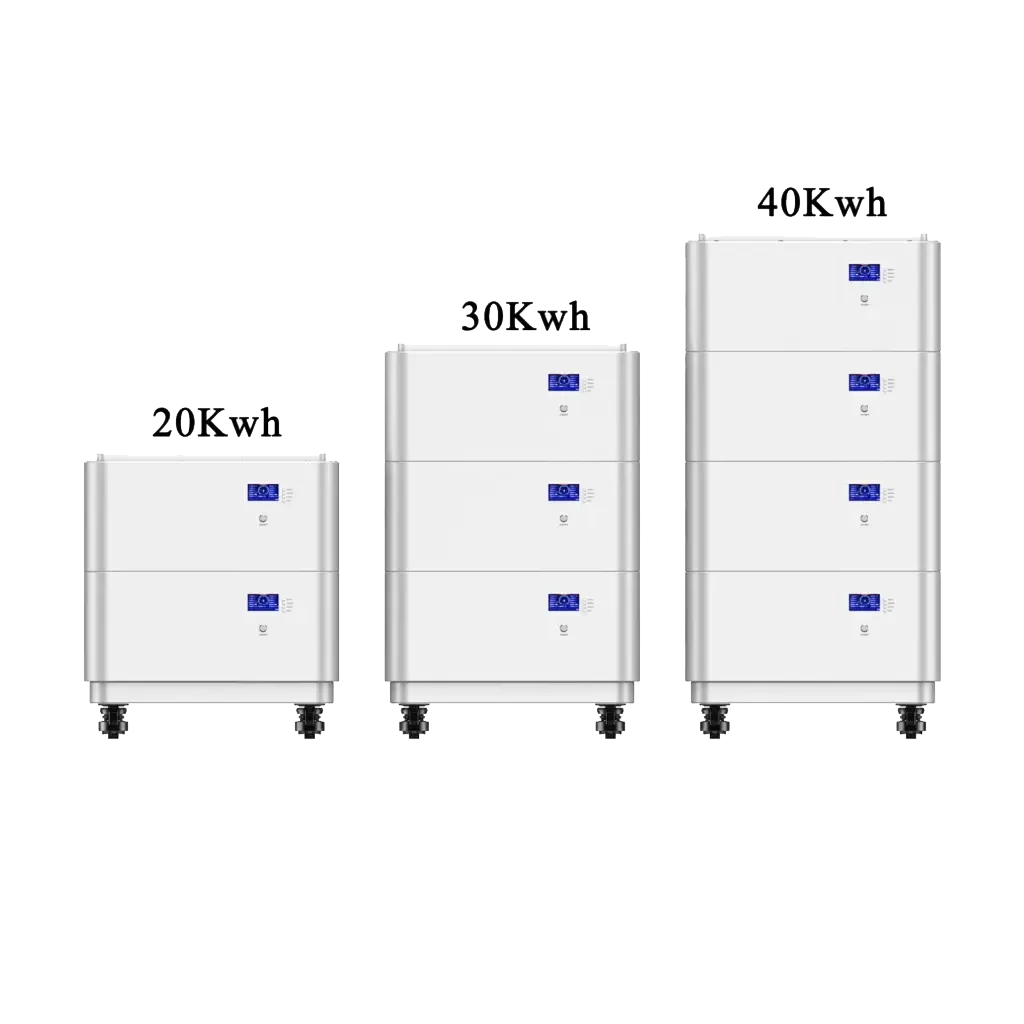
For buyers who want flexible capacity expansion rather than one fixed battery size, Avepower offers modular home energy storage system options that can be configured around wall-mounted, stackable, vertical or all-in-one battery formats.
How Much Does a 17 kWh Battery Cost?
A 17 kWh battery typically costs more than a standard 10–13.5 kWh home battery because it provides higher storage capacity and often requires a larger inverter, stronger installation design, and more electrical protection equipment.
As a general market estimate, a fully installed 17 kWh home battery system may cost around $17,000 to $27,000+ in the U.S., depending on the battery brand, inverter, backup panel, labor, permits, and whether it is installed with solar. In Australia, The average installed cost for a 17 kWh battery-only system at about AUD $14,215, or about AUD $16,085 when battery + inverter are included.
For B2B buyers such as installers, distributors and OEM partners, the price structure is different from retail homeowner pricing. Bulk orders, battery format, enclosure design, BMS configuration, branding, communication protocol and logistics can all affect final cost.
Source Solar Batteries from Avepower
Avepower supports battery systems with OEM/ODM options for residential and light commercial energy storage projects.
How Much Does a 17kW Solar System Cost?
A 17kW solar system in the U.S. typically costs about $43,000 to $51,000 before incentives, based on current residential installation averages of roughly $2.58–$3.00 per watt.
Quick Cost Estimate
| Price per Watt | 17kW System Cost |
|---|---|
| $2.50/W | $42,500 |
| $2.58/W | $43,860 |
| $2.82/W | $47,940 |
| $3.00/W | $51,000 |
| $3.50/W | $59,500 |
So a realistic estimate is:
17kW solar system cost: $43,000–$51,000 before battery storage and major electrical upgrades.
If adding battery storage, the total can increase significantly. A home battery system alone can often add $9,000–$18,000+, depending on capacity and backup design.
Cost depends on:
- Solar panel brand and efficiency
- Inverter type
- Roof complexity
- Local labor cost
- Permits and inspection
- Electrical panel upgrades
- Battery storage or backup power needs
- Ground-mount vs rooftop installation
Important note: as of the latest IRS guidance, the U.S. Residential Clean Energy Credit is listed as 30% for qualified property installed from 2022 through Dec. 31, 2025, and not available for property placed in service after that date.
What Type of Battery Is Best for 17 kWh Storage?
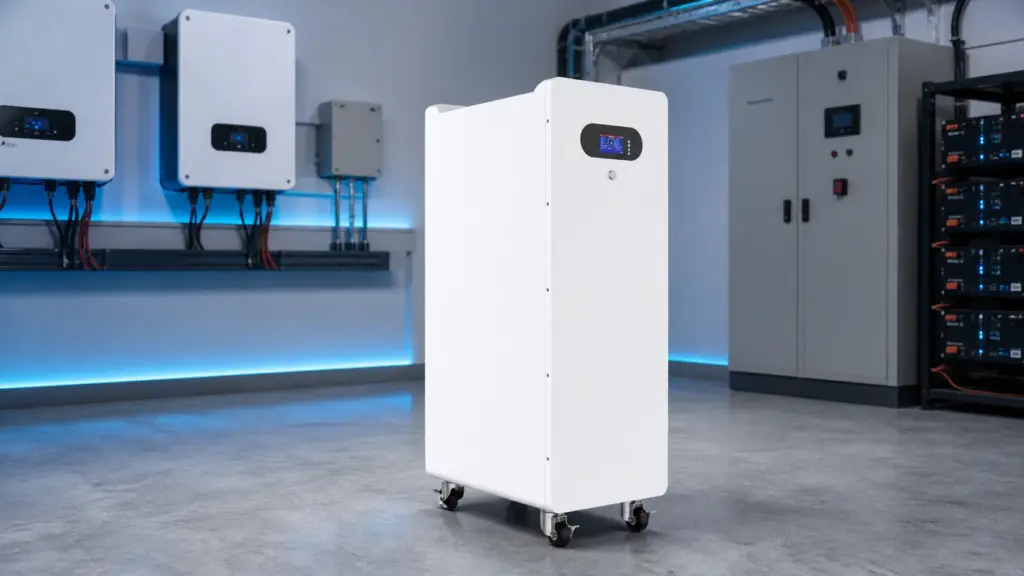
For most modern home solar storage systems, LiFePO4 battery technology is one of the most practical choices. LiFePO4 batteries are widely used because they offer strong thermal stability, long cycle life, good safety performance and lower maintenance compared with lead-acid batteries.
Common battery options include:
| Battery Type | Pros | Cons |
|---|---|---|
| Lead-acid | Lower initial cost | Lower usable capacity, shorter cycle life, heavier |
| Lithium-ion NMC | High energy density | Higher thermal management requirements |
| LiFePO4 | Long cycle life, strong safety, good for solar storage | Higher upfront cost than lead-acid |
Avepower explains that depth of discharge is important because it determines how much of a battery’s stored energy can be safely used: Depth of Discharge guide. For solar storage, usable capacity is often more important than nameplate capacity.
For example, a 17 kWh battery with 90% usable capacity gives about 15.3 kWh usable energy. A lower-quality battery with less usable capacity may deliver less energy even if the nameplate number looks similar.
Who Should Consider a 17 kWh Battery?
A 17 kWh battery is suitable for several user groups.
Homeowners
A homeowner may choose a 17 kWh battery to store more solar energy, reduce peak-rate electricity purchases and keep essential loads running during outages.
Installers
Installers may recommend 17 kWh-class storage for larger residential projects where 10 kWh is too small but 20 kWh+ may be unnecessary.
Distributors
Distributors may prefer modular battery platforms because they can serve different market needs with fewer SKUs.
OEM/ODM Buyers
OEM customers may need customized capacity, enclosure design, branding, BMS settings, communication protocols or packaging for specific markets.
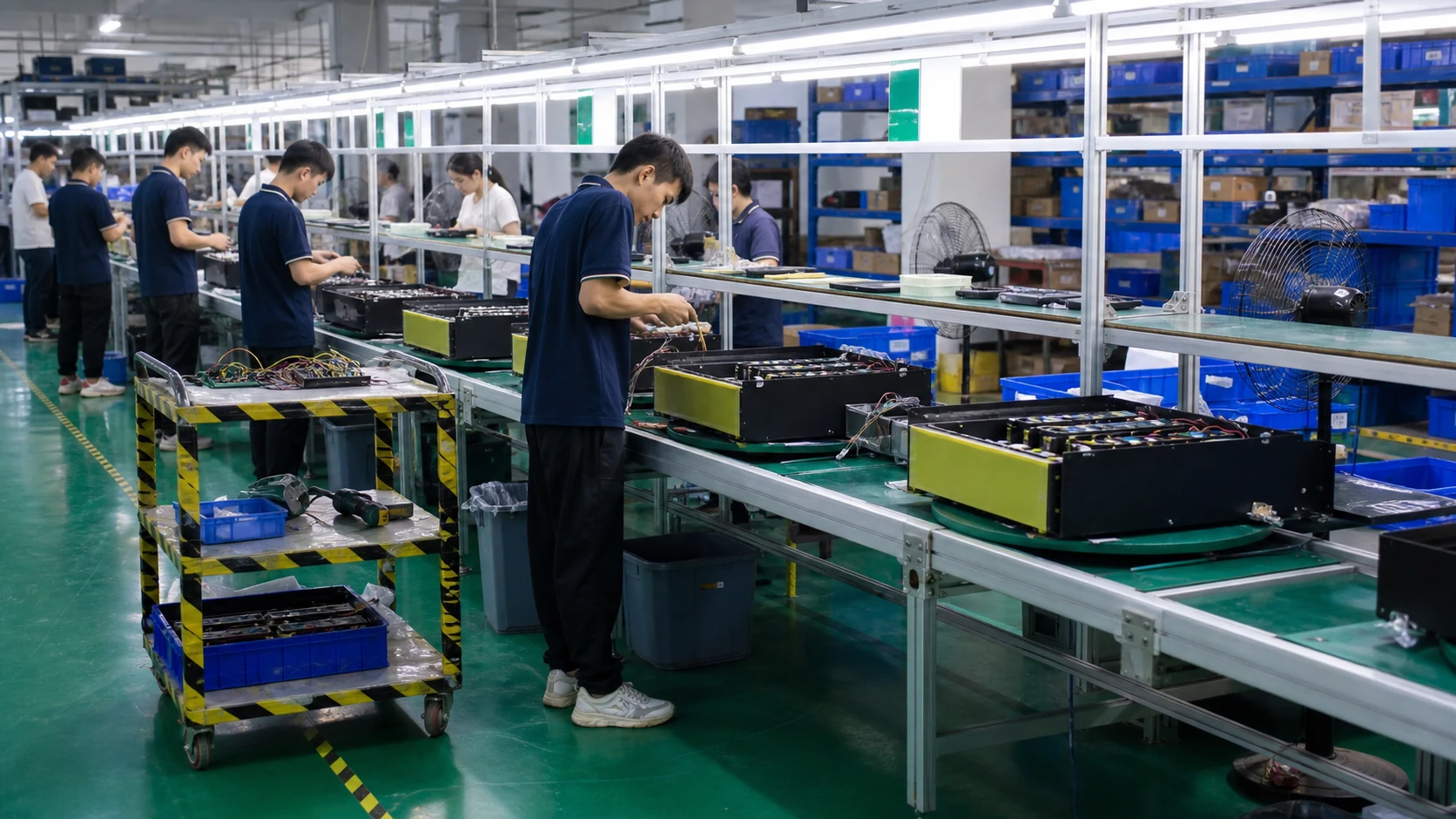
Avepower focuses on LiFePO4 energy storage solutions for installers, distributors, wholesalers and OEM/ODM partners, including vertical LiFePO4 battery systems and scalable residential battery platforms.
How to Choose the Right 17 kWh Battery System
1. Start With Your Daily Energy Use
Look at your electricity bill and identify how much electricity you use per day. Then estimate how much of that use happens in the evening or during outage periods.
If your evening and overnight use is around 10–15 kWh, a 17 kWh battery may be a good fit.
2. Decide Between Essential Backup and Whole-Home Backup
Essential backup is usually more cost-effective. It powers only the most important loads, such as refrigeration, lighting, internet, security, and selected outlets.
Whole-home backup requires a larger inverter, more battery capacity, stronger electrical design, and often higher installation cost.
3. Check Inverter Power
A 17 kWh battery must be paired with the right inverter. If the inverter is too small, you may have enough stored energy but not enough power output to run multiple appliances at the same time.
For general guidance:
| Inverter Size | Typical Use |
|---|---|
| 3–5 kW | Essential backup and moderate loads |
| 6–8 kW | Larger household loads |
| 10 kW+ | More whole-home capability, depending on design |
4. Check Battery Communication
For solar storage, the battery should communicate properly with the inverter. Common communication protocols include CAN, RS485, and RS232.
This is especially important for installers and distributors because inverter compatibility affects commissioning, monitoring, battery protection, and after-sales support.
5. Choose a Scalable Battery Platform
If your energy needs may increase later, choose a modular battery system. Future energy demand may grow if you add an EV charger, heat pump, larger solar array, home office, or additional backup circuits.
Avepower offers scalable home energy storage battery systems for residential solar storage, backup power, and project-based energy applications.
For wall-mounted projects, Avepower’s wall mounted battery series uses LiFePO4 technology and supports modular expansion for different home storage requirements.
For flexible system design, the stackable LiFePO4 battery pack can support modular capacity planning for installers, distributors, and residential energy storage projects.
Avepower Battery Options for 17 kWh-Class Projects
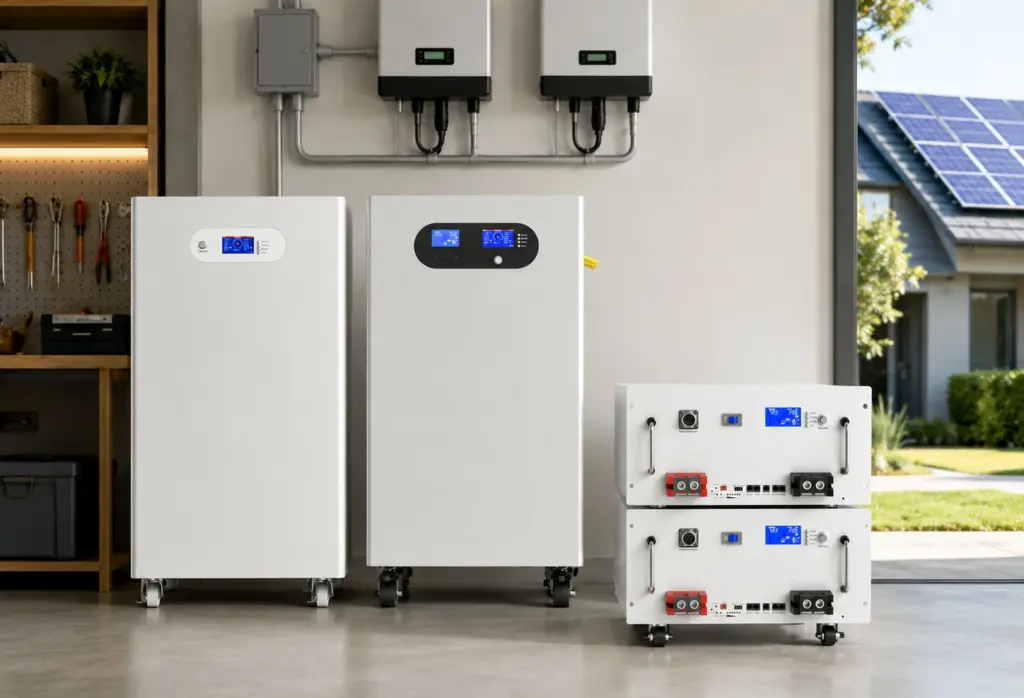
Avepower does not only serve one fixed battery size. Instead, it provides different LiFePO4 battery formats for residential and light commercial energy storage projects, including wall-mounted, rack-mounted, vertical, stackable, and all-in-one battery systems.
For buyers comparing a 17 kWh battery, Avepower can support nearby system configurations such as 15 kWh, 20 kWh, and modular expandable solutions depending on project requirements.
Relevant Avepower options include:
- Home energy storage system for residential solar and backup applications
- Wall mounted battery for compact home storage
- Stackable LiFePO4 battery pack for modular capacity expansion
- Vertical LiFePO4 battery for high-capacity residential backup
- Residential battery energy storage systems for project-based home energy solutions
For installers, distributors, and OEM/ODM partners, Avepower can support battery customization, BMS configuration, communication protocol matching, logo customization, packaging, and project-based capacity planning.
Take Control of Your Energy with Avepower!
Reliable home solar battery solutions with OEM/ODM customization and in-house manufacturing, tailored to the needs of distributors, installers, and energy partners.
Conclusion
A 17 kWh battery is a practical storage size for larger homes, solar energy storage, and longer backup power. It offers more capacity than standard 10–13.5 kWh systems while remaining more manageable than large 20 kWh+ home battery banks.
For homeowners, the key is to match the battery to your real loads, solar production, and backup expectations. For installers, distributors, and OEM buyers, the key is to evaluate battery chemistry, BMS quality, communication protocol, scalability, warranty, and supplier support.
If you need a flexible LiFePO4 battery platform for residential solar storage or project-based sourcing, Avepower’s home energy storage battery systems provide scalable options for different installation and market needs.
FAQ
A 17 kWh battery may last around 15 hours at a 1 kW average load, around 7.5 hours at 2 kW, or around 5 hours at 3 kW after normal system losses.
Yes, it can run many household loads, especially essential appliances. Whether it can run the whole house depends on your appliance load and inverter size.
Yes, if your solar system produces enough excess electricity during the day. It is especially useful for homes with higher evening or night-time electricity use.
A fully installed 17 kWh battery system may cost around $17,000 to $27,000+ in the U.S., depending on battery brand, inverter, backup design, labor, permits, and electrical upgrades.
LiFePO4 is often preferred for home solar storage because it offers strong safety, long cycle life, stable performance, and low maintenance.