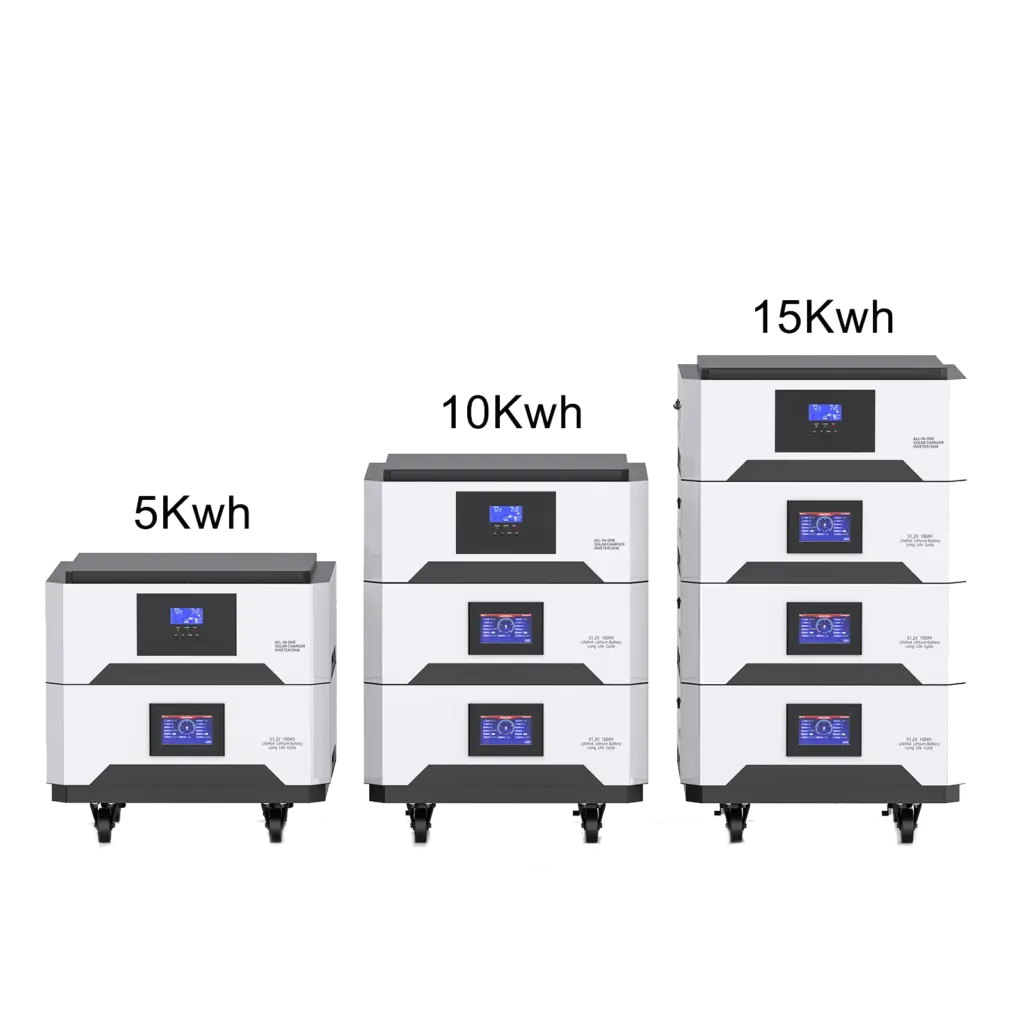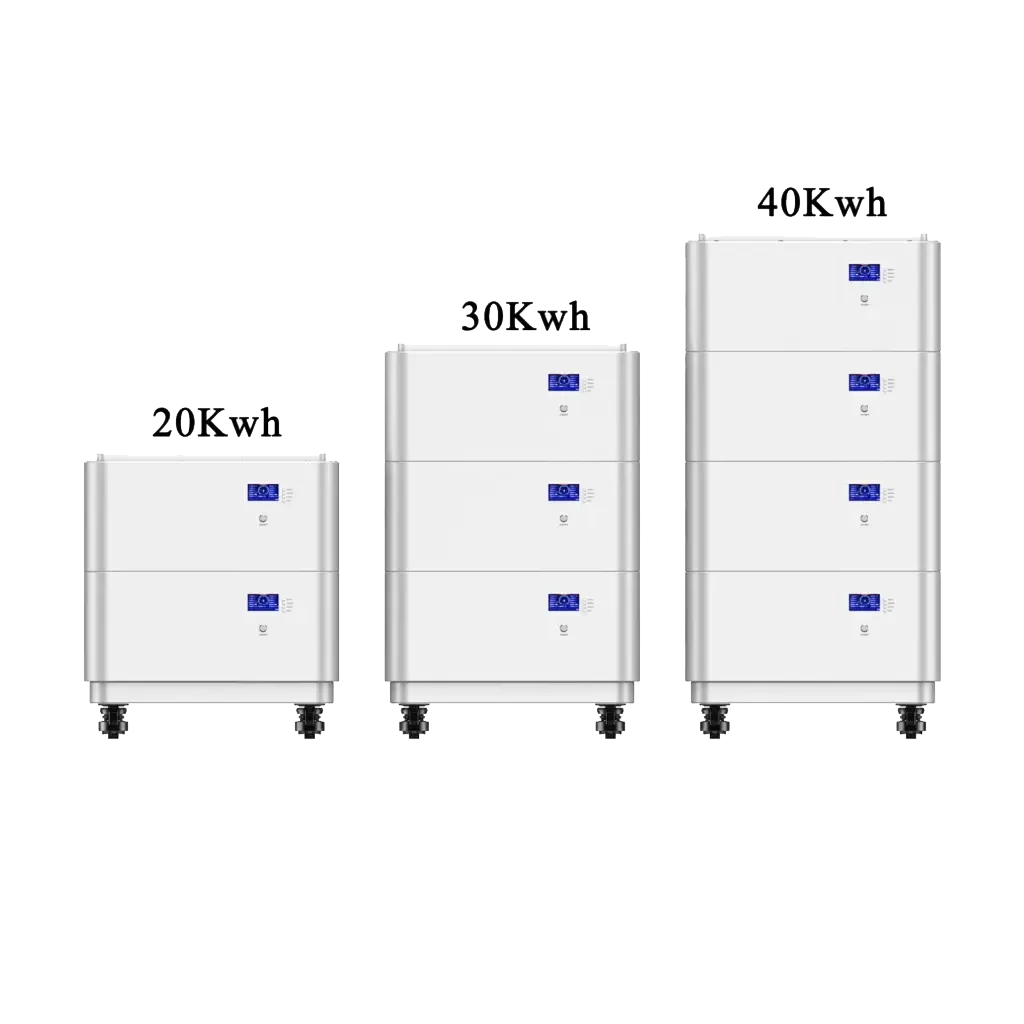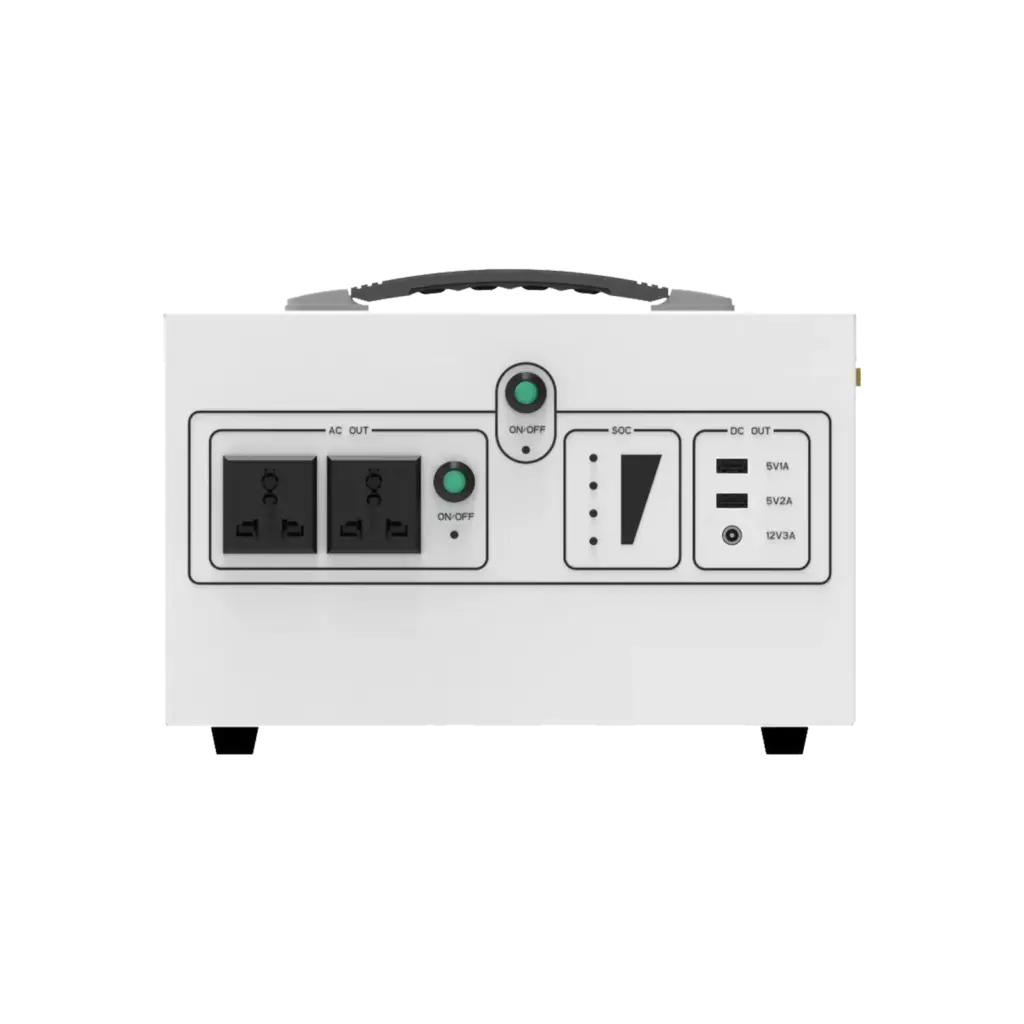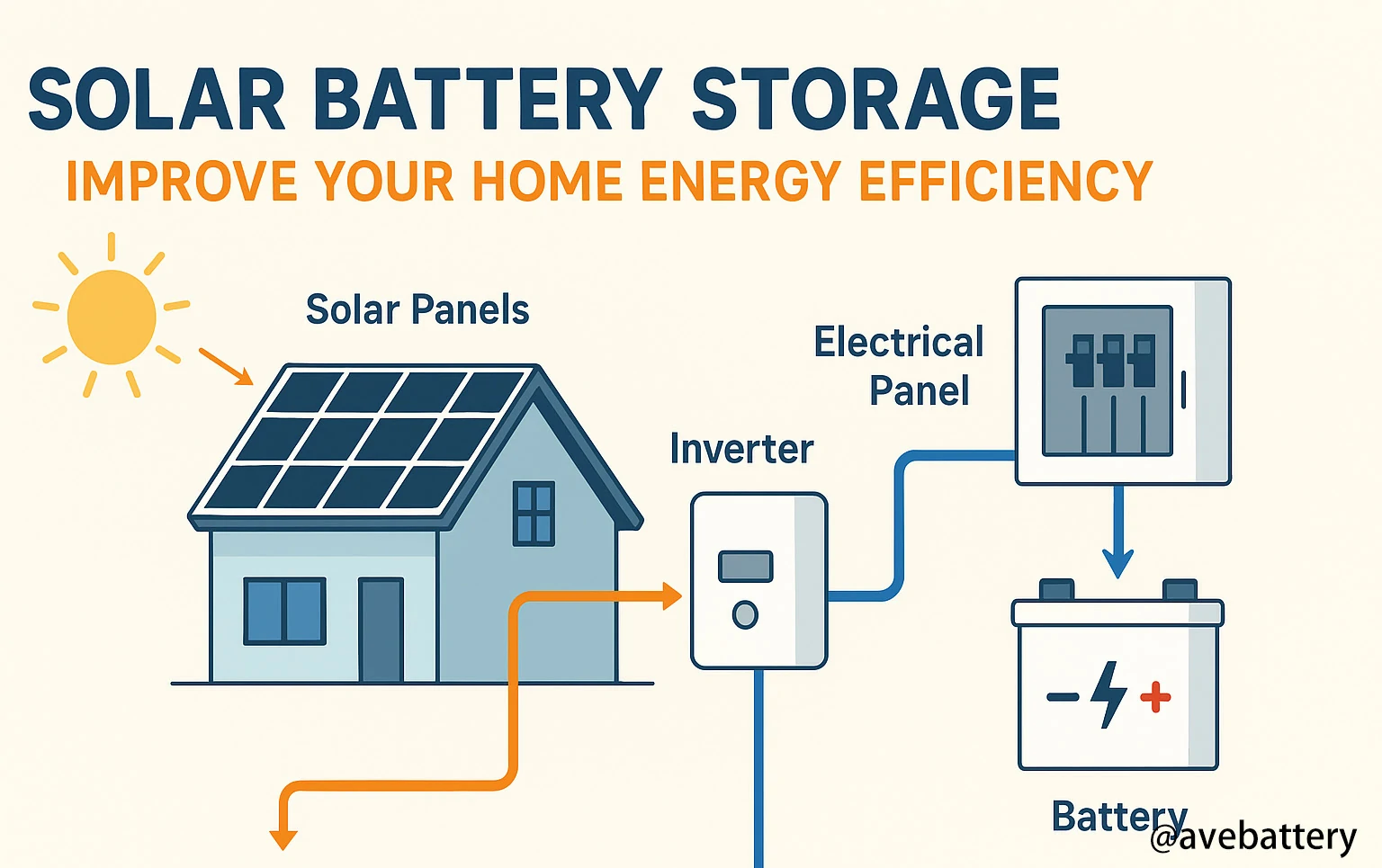

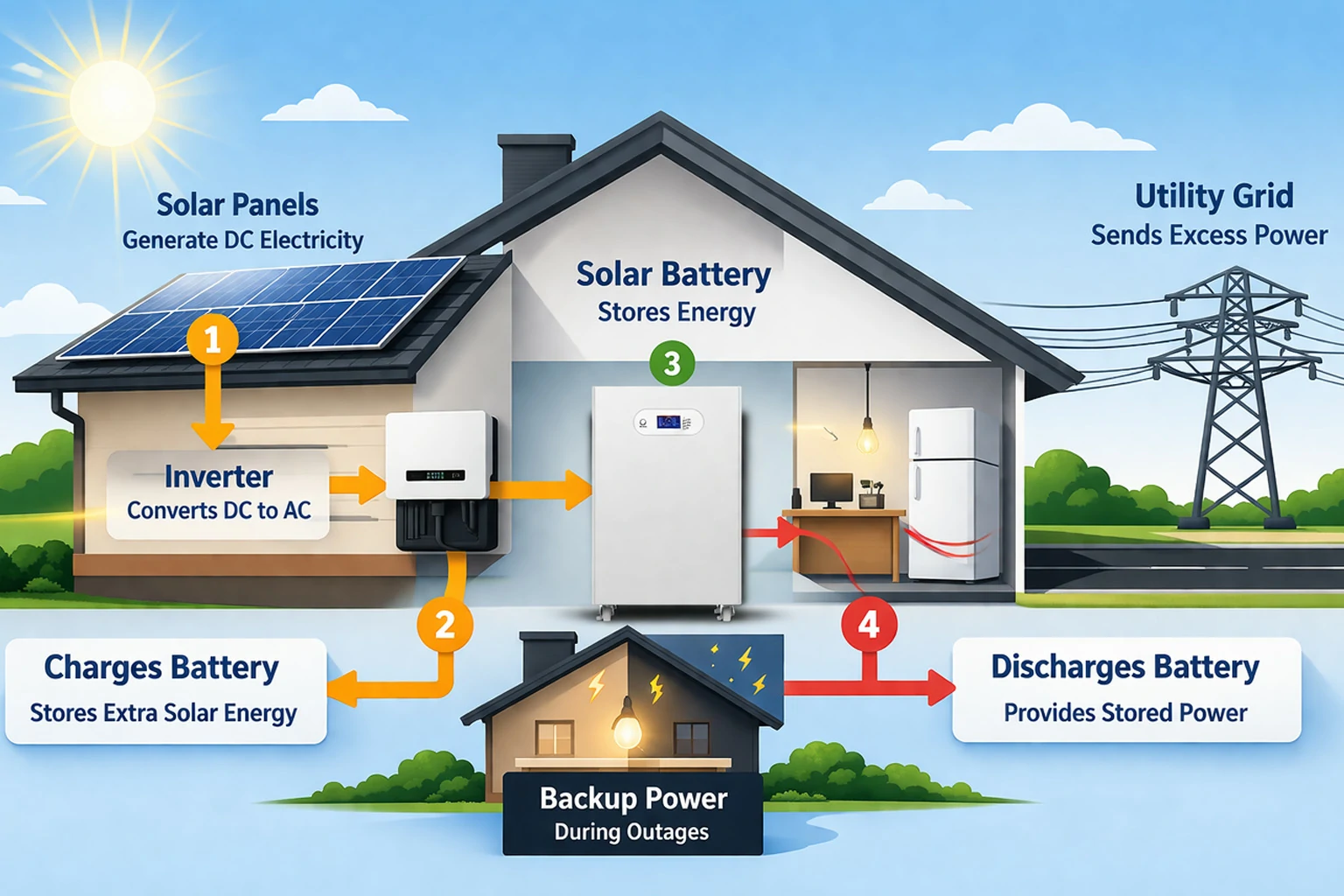
Solar batteries work by storing electricity when solar production is higher than household demand and releasing it when demand exceeds available solar power. The battery does not work alone: the inverter converts electricity, the BMS protects the cells, and the energy management controls decide whether power should go to the home, battery, grid or backup circuits.
In a typical home, solar panels supply active loads first. Surplus generation then charges the battery. After sunset, during a demand spike or during an approved peak-price period, the system discharges stored energy to reduce grid imports.
What Is a Solar Battery, and What Does It Actually Store?
A solar battery is an electrochemical energy storage device that stores electricity produced by solar panels or supplied by the grid; it does not store sunlight directly. Inside the battery, electrical energy is converted into chemical potential during charging and converted back into electricity when the battery discharges.
Most modern home systems contain more than battery cells. A complete solar battery system normally includes:
| Component | Main Function |
|---|---|
| Battery cells and modules | Store energy electrochemically |
| Battery Management System | Protect cells and calculate operating limits |
| Solar or hybrid inverter | Convert DC and AC electricity |
| Energy management controls | Decide when to charge, discharge or reserve energy |
| Meter or CT sensors | Measure grid import, export and household load |
| Protection equipment | Provide isolation, overcurrent and fault protection |
| Backup gateway or EPS equipment | Isolate the home from the grid during an outage |
| Monitoring platform | Show SOC, power flow, alarms and energy history |
How Do Solar Batteries Work Step by Step?
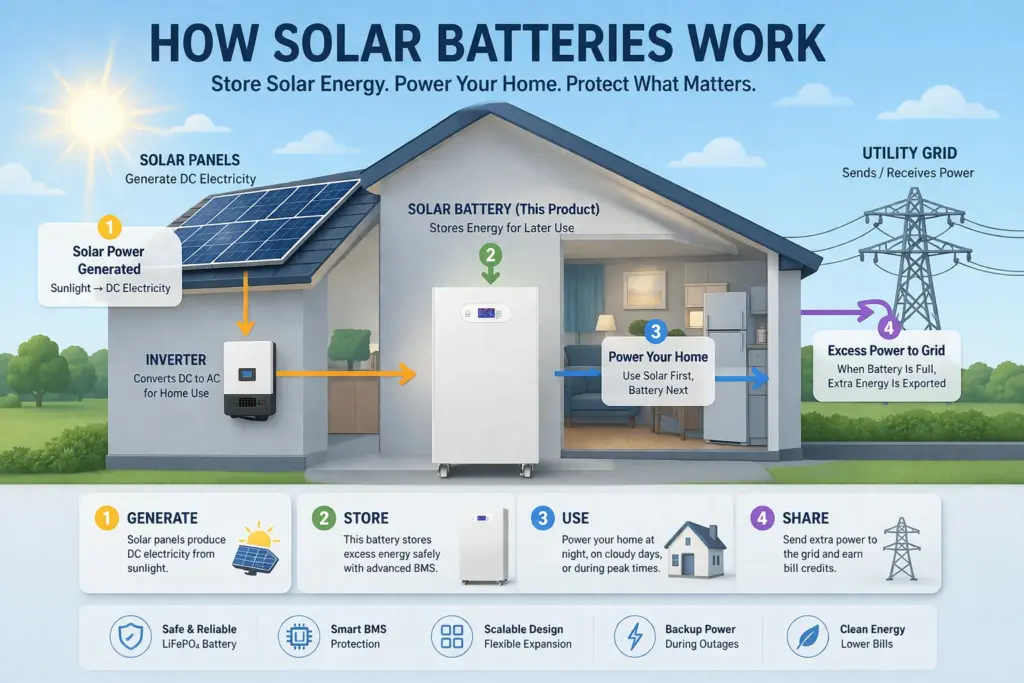
How do solar batteries work in daily use? The system continuously compares solar generation, household demand, battery state of charge and grid conditions. It uses live solar power first, stores an allowed surplus, discharges when needed and then relies on the grid or another source when the battery reaches its configured operating limit.
Step 1: Solar Panels Produce DC Electricity
Solar panels begin the process by converting sunlight into direct-current electricity, but the amount produced changes throughout the day with irradiance, shading, panel temperature, season and system design.
The panels do not send a fixed amount of power to the battery. At any moment, the available energy depends on how much the array is producing and how much of that production the home is already consuming.
Step 2: The System Measures Household Demand
The energy meter or current sensors determine whether the property is importing electricity, exporting electricity or using all available solar generation onsite. This measurement gives the inverter or energy management system the information needed to direct power without unintentionally importing and exporting at the same time.
For example, suppose the solar array is generating 5kW while the home is using 2kW. The system may have approximately 3kW available for battery charging, subject to the battery’s charge limit and the inverter’s available charging capacity.
Step 3: Solar Power Supplies Active Loads
The home normally uses available solar power before charging the battery because direct consumption avoids an additional storage cycle and its associated conversion losses. However, the exact priority can be changed by tariff schedules, backup-reserve rules, export controls or specialised energy-management settings.
A heat pump, pool pump or EV charger running at midday may consume much of the available solar generation. In that situation, the battery may charge slowly even though the sky is clear.
Step 4: Surplus Power Charges the Battery
Excess solar electricity charges the battery only when the BMS and inverter both permit charging. The actual battery charge power is limited by available solar generation, inverter capability, cell temperature, state of charge, battery voltage and the maximum charge-current instruction supplied by the BMS.
This is why a battery advertised as supporting 5kW charging will not always charge at 5kW. A 3kW solar surplus cannot produce a 5kW solar charge rate unless the system is also allowed to import power from the grid.
For a deeper explanation of battery-side limits, see Avepower’s guide to battery charge current.
Step 5: The BMS Protects the Cells
The BMS does not normally decide the homeowner’s tariff strategy; it decides whether the battery can safely follow the requested strategy. It monitors cell voltage, current, temperature and state of charge, then communicates permitted charge and discharge limits or disconnects the battery when a protection condition occurs.
In a closed-loop system, the inverter should respond to changing BMS limits rather than relying only on fixed voltage settings. Avepower’s guide to what a Battery Management System does explains this protection layer in more detail.
Step 6: The Battery Discharges When Solar Is Insufficient
The battery begins discharging when household demand exceeds current solar production and the selected operating mode allows stored energy to be used. The inverter converts the battery’s DC electricity into AC electricity and supplies the supported household circuits up to the system’s continuous and surge-power limits.
At night, a home using 1.5kW may receive that power entirely from the battery. If a 7kW appliance then starts but the battery inverter can supply only 5kW, the grid may provide the difference in a grid-connected system, or the inverter may overload in an islanded system.
Step 7: The Grid, Export Control or Generator Handles the Balance
The grid supplies any remaining load when solar and battery power are insufficient, while excess solar is exported or curtailed after the battery reaches its charging limit. In an off-grid system, a generator or controlled load reduction may perform the role that the utility grid normally provides.
The power path changes through the day:
| Operating Condition | Typical System Response |
|---|---|
| Solar exceeds home load | Supply loads, then charge battery |
| Battery is full | Supply loads, then export or curtail surplus |
| Solar is below home load | Solar and battery supply loads together |
| Battery reaches minimum SOC | Grid or generator supplies the remaining load |
| Peak tariff begins | Battery may discharge according to schedule |
| Grid fails | Backup equipment isolates the site before battery supply begins |
| Battery or inverter limit is reached | Grid supports the excess load, or loads must be reduced |
What Happens Inside a LiFePO4 Solar Battery?
What happens inside a LiFePO4 solar battery is a reversible movement of lithium ions between electrode materials while electrons travel through the external electrical circuit. During charging, energy is stored chemically; during discharge, the process reverses and the resulting electron flow becomes usable electrical current.
A residential battery normally contains many cells connected into modules and packs. The BMS measures individual cell groups because a pack can be limited by its highest-voltage cell during charging or its lowest-voltage cell during discharge.
Cell balancing helps reduce differences between cells, but it does not repair a damaged or severely degraded cell. Good pack design therefore depends on cell consistency, correct sensing, thermal management and suitable operating limits—not only on the nominal battery capacity.
LiFePO4, or lithium iron phosphate, is widely used in stationary storage because it is well suited to repeated charging and discharging. However, chemistry alone does not guarantee a safe system. Enclosure design, protection devices, installation quality, inverter controls and operating temperature remain important.
AC Coupled vs DC Coupled Solar Batteries
In residential solar, the two most common architectures are DC-coupled and AC-coupled systems.
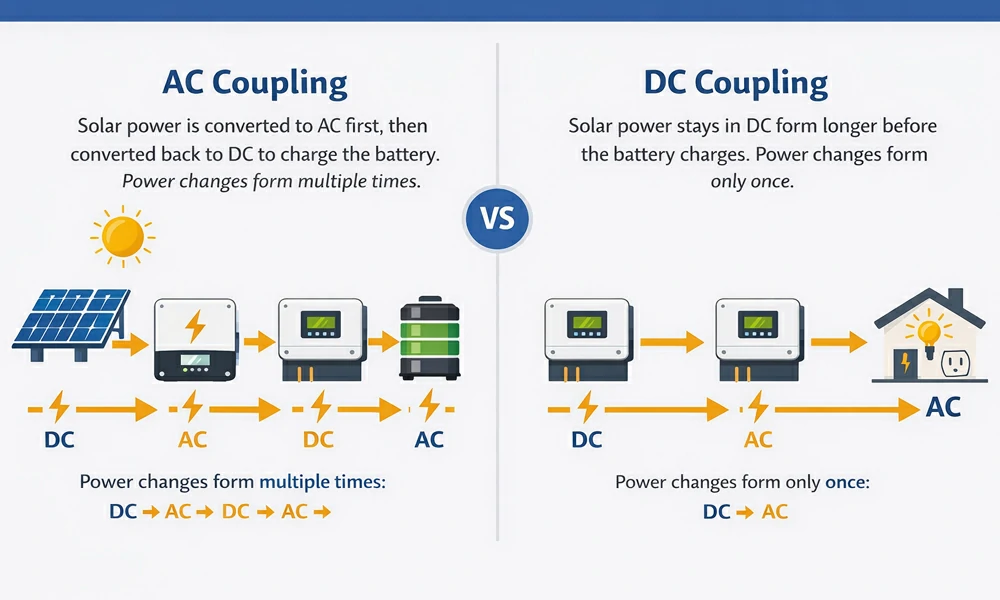
In a DC-coupled system, the electricity from the solar panels stays in DC form when it moves into the battery. It is converted to AC only when it is sent out to power the home or export to the grid. Because there are fewer conversion steps, DC-coupled systems are generally more efficient.
In an AC-coupled system, solar DC electricity is first converted to AC for home use, then excess power is converted back into a storable form for the battery, and later converted again when discharged for household use. That means more conversion steps and a bit more energy loss. However, AC-coupled batteries are often easier to add to an existing solar system, which is why they are popular for retrofits.
There is no universal “best” option. DC coupling can be more efficient and elegant in a newly designed solar-plus-storage system. AC coupling can be more practical when you already have solar installed and want to add battery storage later without redesigning everything.
Which Components Decide Where the Solar Energy Goes?
The energy management system chooses the operating objective, the inverter controls power conversion, and the BMS decides whether the battery can safely accept the requested current. A meter or CT sensor supplies live import and export data, while a backup gateway changes the electrical connection when the utility grid fails.
The control hierarchy can be understood this way:
| Control Layer | Question it Answers |
|---|---|
| EMS or inverter operating mode | Should the system charge, discharge, export or hold reserve? |
| Meter or CT | Is the property importing or exporting power? |
| BMS | Is the battery safe to charge or discharge, and at what limit? |
| Inverter or PCS | How much power should be converted between DC and AC? |
| Backup gateway | Is the property safely disconnected from the utility grid? |
| Protection devices | Should a faulted circuit be isolated? |
Consider a home configured to retain 30% SOC for outages. At 6:00pm, the EMS may request discharge to avoid expensive electricity. The BMS confirms the permitted current, and the inverter supplies the loads. Once SOC reaches 30%, the energy strategy stops normal discharge even though usable chemical energy may remain.
This is also why communication compatibility matters. A compatible CAN or RS485 connection can transmit SOC, voltage, alarms and dynamic current limits. Installers working with Avepower batteries can use the inverter compatibility list as an initial reference, but the exact inverter model, firmware, wiring and protocol version should still be confirmed before installation.
Plan a Solar Battery System Around Real Loads, Not Headline Capacity
Avepower supports installers, distributors, project developers and OEM/ODM partners with LiFePO4 home battery systems, inverter-compatibility verification and scalable storage configurations. Share the existing inverter model, solar-array size, electrical phase, evening energy use and required backup circuits to receive a project-matched battery recommendation.
Request a Solar Battery Solution
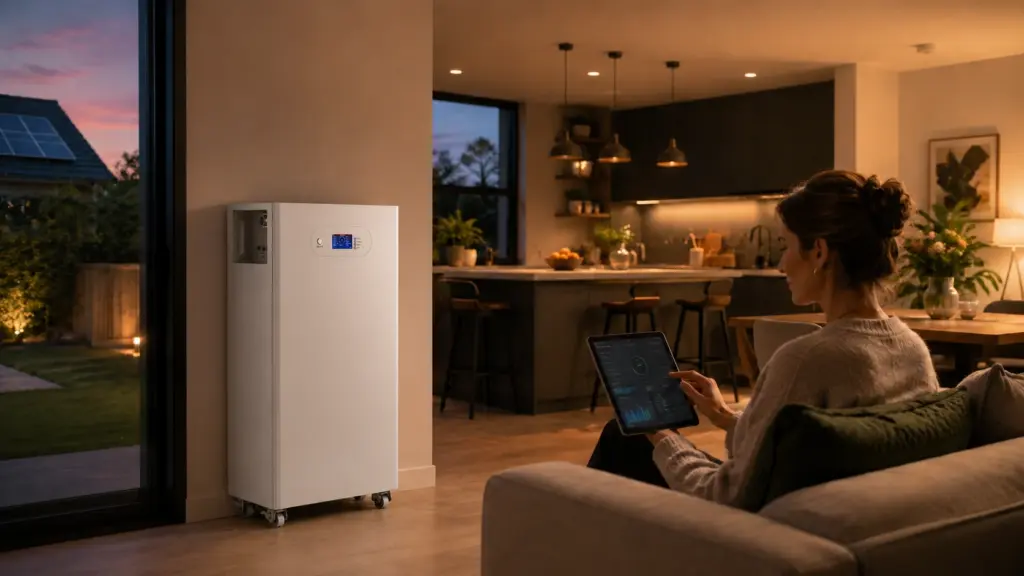
How Does a Retrofit Solar Battery Work With Existing Solar Panels?
A retrofit solar battery works by adding a storage path to an existing PV system, either through a new AC-coupled battery inverter or by replacing the current solar inverter with a compatible hybrid inverter. The better option depends on the existing inverter, panel configuration, phase connection, export limits and backup requirements.
A retrofit should begin with an equipment audit rather than a battery quote.
| Existing Solar Configuration | Common Retrofit Direction | Main Issue to Verify |
|---|---|---|
| Modern battery-ready hybrid inverter | Add an approved compatible battery | Battery voltage and communication protocol |
| Standard string inverter in good condition | Add an AC-coupled battery | Network inverter limits and backup design |
| Old or unsupported string inverter | Compare AC coupling with inverter replacement | Remaining inverter life and total project cost |
| Panel-level microinverters | AC-coupled battery with its own inverter | Backup behaviour and system control |
| Three-phase property | Single-phase or three-phase battery architecture | Which phases can be supported in normal and backup operation |
| Export-limited solar system | Site-specific control configuration | Metering, dynamic export and inverter approval |
| Existing generator or off-grid system | Engineered hybrid integration | Source coordination and neutral/earthing design |
When AC Coupling Usually Makes Sense
AC coupling usually makes sense when the existing PV inverter is reliable, compliant and worth retaining, or when the roof uses microinverters that do not provide a shared DC connection for a hybrid battery inverter.
It is not automatically the cheapest option. A separate battery inverter, switchboard work, backup equipment and network requirements can materially change the installed cost.
When Replacing the Existing Inverter May Be Better
Replacing the existing solar inverter may be better when it is nearing the end of its service life, lacks required control features, conflicts with inverter-capacity rules or would make the AC-coupled design unnecessarily complex.
A replacement hybrid inverter can create a cleaner integrated design, but the installer must confirm PV string voltage, MPPT ranges, panel layout, battery protocol and grid approval.
What Three-Phase Homes Need to Check
A three-phase home does not automatically need a physically different battery, but the inverter architecture determines whether the battery can offset loads across phases and which circuits remain powered during an outage.
A single-phase battery may work well for a property with a suitable phase arrangement, but it should not be marketed as whole-property three-phase backup unless the system genuinely supports that operation.
For a dedicated retrofit checklist, see Avepower’s retrofit solar battery guide.
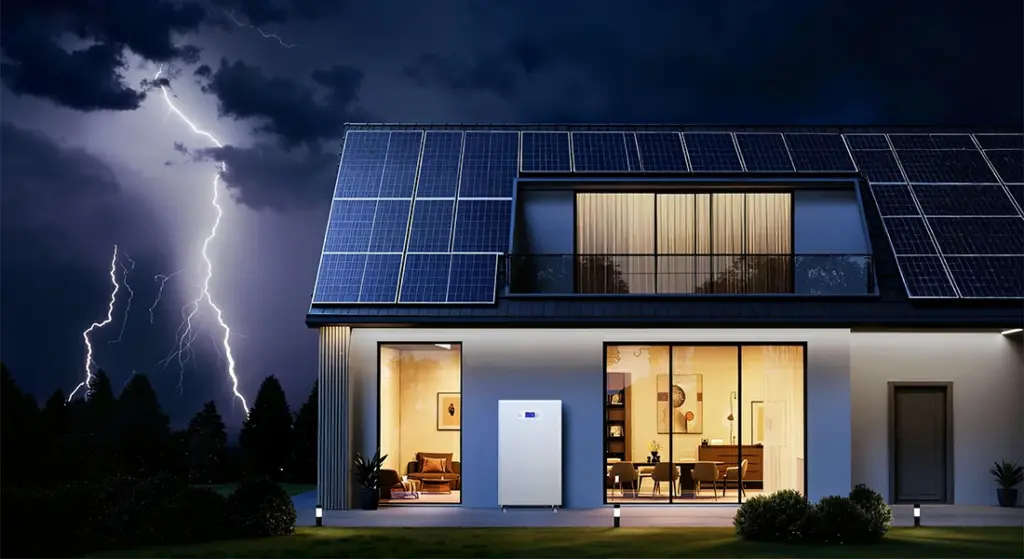
Do Solar Batteries Work During a Blackout?
Solar batteries work during a blackout only when the installation includes approved islanding and backup functions. The system must detect the outage, disconnect the property from the utility network and establish a stable local electrical supply before the battery or solar inverter can energise the selected backup circuits.
A grid-connected solar array normally shuts down when the grid fails because energising utility lines could endanger workers. A backup-capable battery system solves this by creating an electrically isolated local network.
The required equipment may include:
- A backup gateway, transfer device or EPS output
- A critical-loads switchboard
- A grid-forming or multimode inverter
- Suitable neutral and earthing arrangements
- Overcurrent and isolation protection
- Correctly configured solar restart behaviour
Essential-Load Backup vs Whole-Home Backup
Essential-load backup normally provides better runtime and easier system control, while whole-home backup requires enough inverter power and battery capacity to handle large simultaneous loads and appliance startup surges.
| Backup Design | Typical Supported Circuits | Main Advantage | Main Limitation |
|---|---|---|---|
| Essential loads | Lighting, refrigeration, router, security, selected outlets | Longer runtime from a smaller battery | High-power appliances remain unavailable |
| Partial-home backup | Several selected household circuits | More comfort without full system cost | Load management is still required |
| Whole-home backup | Main household circuits | Minimal interruption to normal use | Higher inverter power, storage and installation cost |
| Off-grid supply | Entire independent electrical system | Can operate without utility connection | Requires seasonal generation planning and often generator support |
Can Solar Panels Recharge the Battery During an Outage?
Solar panels can recharge the battery during an outage only when the inverter architecture supports PV operation in island mode and can control solar output as battery SOC and household demand change.
Some backup systems use solar during the day and the battery at night. Others supply battery power during an outage but cannot restart or regulate the PV array without the grid. This feature must be confirmed, not assumed.
Avepower’s whole-home battery backup guide explains why power rating, backup circuits and load planning must be considered separately from battery capacity.
What Happens When a Solar Battery Is Full?
When a solar battery is full, the system stops or reduces battery charging and redirects the remaining solar generation to active household loads, grid export or PV curtailment. The exact response depends on export permission, inverter settings, electricity tariffs, grid constraints and whether another controllable load can use the surplus.
A full battery does not create an electrical dead end. The inverter continuously balances generation and demand.
Possible outcomes include:
- Household loads continue using live solar power.
- Surplus power is exported to the grid.
- The inverter limits PV output when export is prohibited.
- An EV charger, hot-water controller or other flexible load absorbs the surplus.
- A VPP or energy platform dispatches the battery according to its program rules.
Export payment is not guaranteed and varies by market, retailer and tariff. Financial modelling should use the customer’s actual import and export rates rather than a national average.
What Happens When a Solar Battery Is Empty?
When a solar battery reaches its configured minimum SOC, the system stops normal discharge and transfers the remaining load to the grid, generator or another available source. The displayed value may be 0%, 10% or 20%, but the BMS normally retains a protected cell-level margin below the user-accessible range.
The minimum setting may serve two different purposes:
- Cell protection reserve: Hidden or manufacturer-controlled energy that prevents harmful over-discharge.
- Backup reserve: User-configurable energy held for a possible grid outage.
A homeowner who sets a 30% backup reserve will have less capacity available for daily tariff shifting. That is not lost energy; it is energy allocated to a different objective.
How Much Stored Solar Energy Do You Actually Get Back?
The energy returned by a solar battery is lower than the energy originally used to charge it because conversion, cell resistance, controls and standby consumption create losses. Real usable output therefore depends on usable capacity, reserve SOC, round-trip efficiency and the specific AC- or DC-coupled energy path.
Round-trip efficiency measures the ratio between usable energy returned and energy supplied during a complete charge-and-discharge cycle.
A simple planning model is:
Delivered energy = usable capacity × available SOC window × assumed system efficiency
Illustrative 10kWh Battery Calculation
Assume:
| Item | Planning Value |
|---|---|
| Nominal battery capacity | 10.0kWh |
| Manufacturer-stated usable capacity | 9.0kWh |
| Backup reserve | 20% of usable capacity |
| Capacity available for daily cycling | 7.2kWh |
| Assumed round-trip efficiency | 90% |
| Estimated energy delivered after the cycle | 6.48kWh |
Calculation:
9.0kWh × 80% × 90% = 6.48kWh
This does not mean every 10kWh battery delivers exactly 6.48kWh. The example is a planning model. Actual results change with power level, temperature, inverter efficiency curve, standby consumption, battery age and whether the published usable capacity or efficiency figure already includes part of the conversion loss.
For deeper explanations, see Avepower’s guides to round-trip efficiency and kW vs kWh.
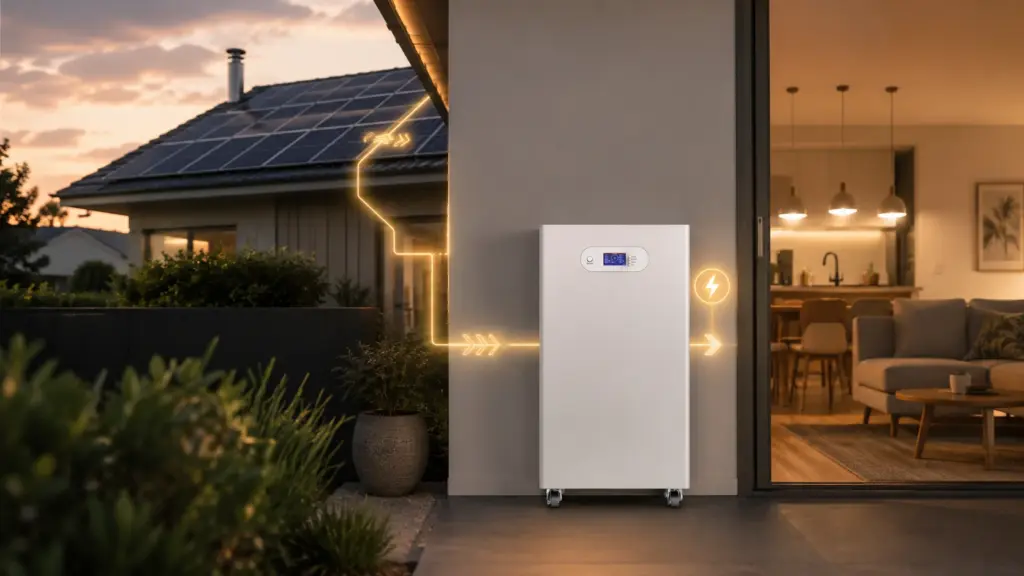
What Operating Modes Can a Solar Battery Use?
Solar batteries can operate in self-consumption, backup-reserve, time-of-use, export-control, VPP or off-grid modes, and many systems combine several modes. The correct configuration depends on whether the user prioritises bill reduction, outage resilience, grid services or independence from the utility network.
| Operating Mode | Main Objective | Typical Behaviour |
|---|---|---|
| Self-consumption | Use more onsite solar | Charge from surplus solar and discharge after solar falls |
| Backup reserve | Retain outage energy | Stop normal discharge at a selected SOC |
| Time-of-use | Avoid expensive grid periods | Charge cheaply and discharge during peak rates |
| Export optimisation | Control grid export | Export, curtail or dispatch according to price and limits |
| VPP mode | Participate in an aggregated program | Allow approved remote charge/discharge events |
| Off-grid mode | Maintain an independent power system | Coordinate solar, battery, loads and generator |
| Storm or resilience mode | Prepare for an expected outage | Temporarily raise the reserve target |
These modes can conflict. A battery cannot use the same stored kWh for evening bill savings and still hold that energy for a later outage. The operating strategy must therefore prioritise one objective or divide capacity between them.
How Avepower Solutions Meet Real-World Solar Battery Applications
For brands, installers, and project developers seeking solutions beyond standard consumer batteries, the optimal system choice depends on installation type, load profile, and scalability requirements.
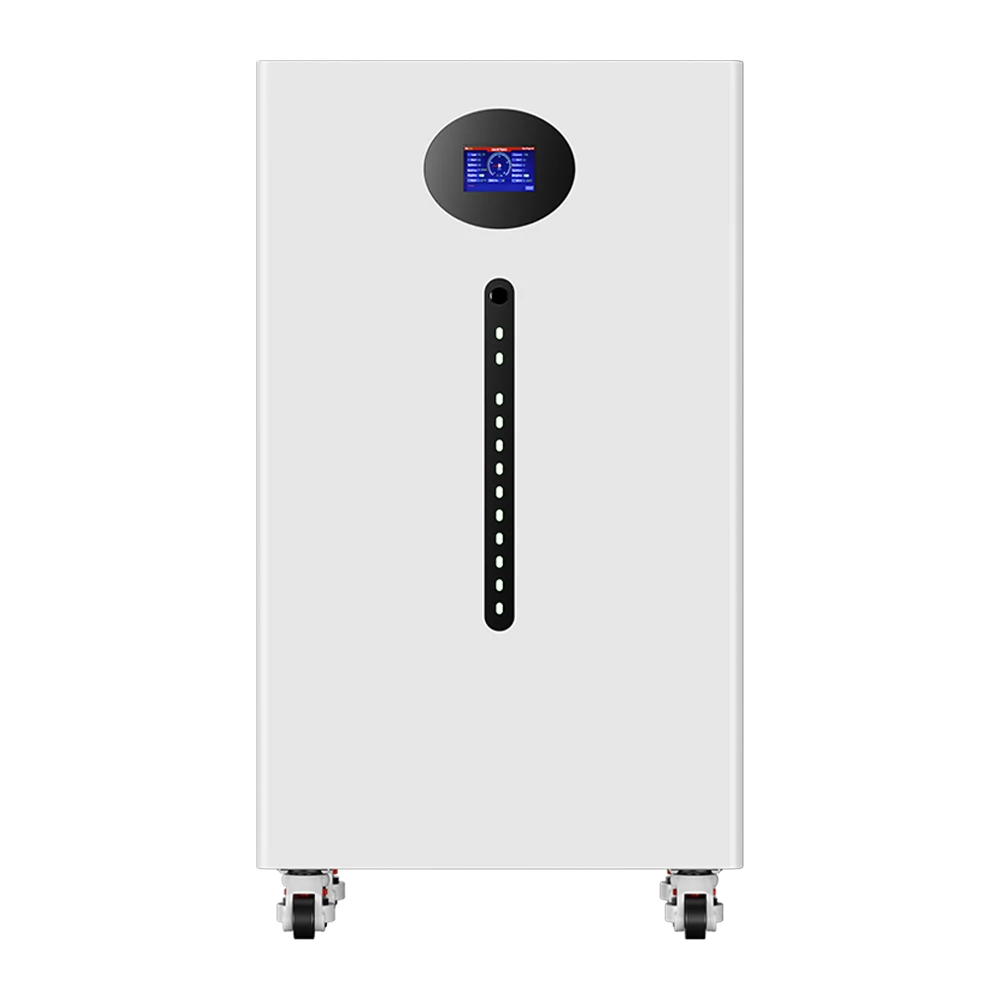
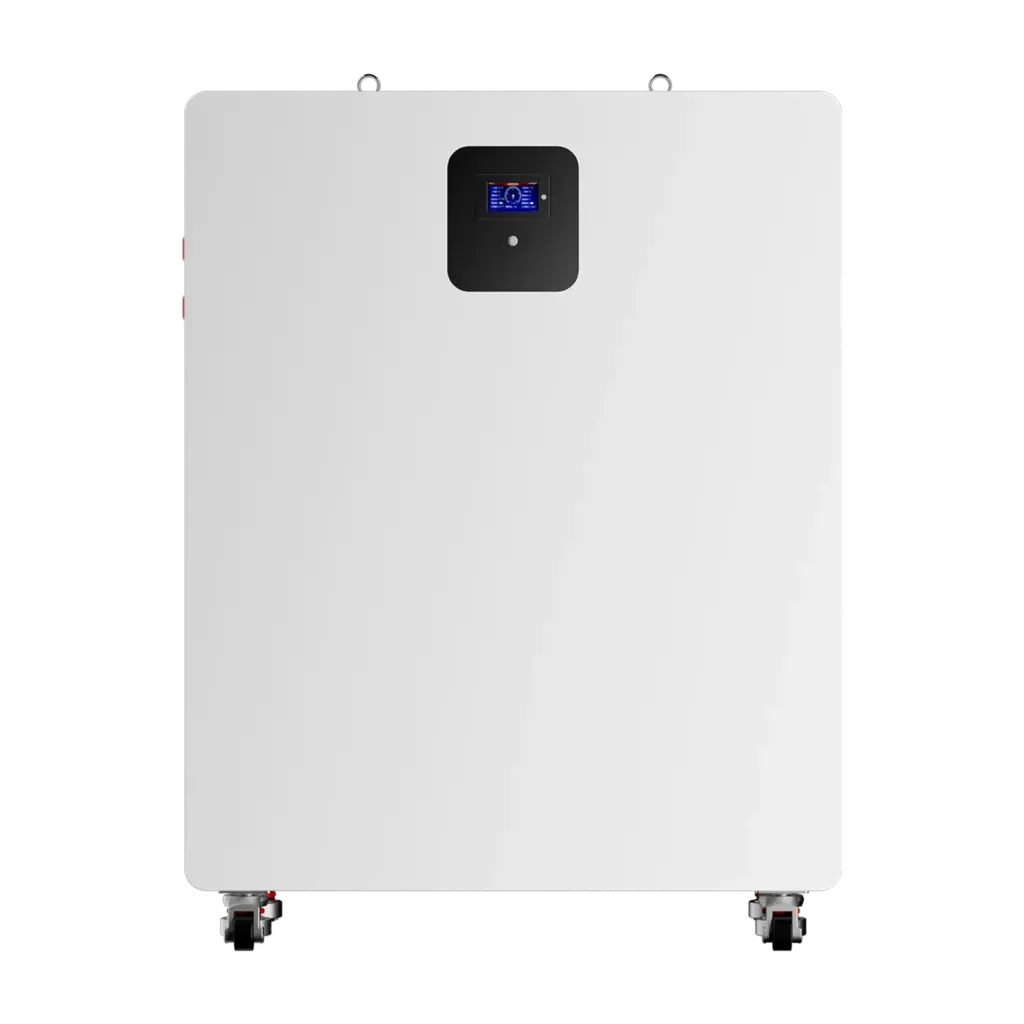
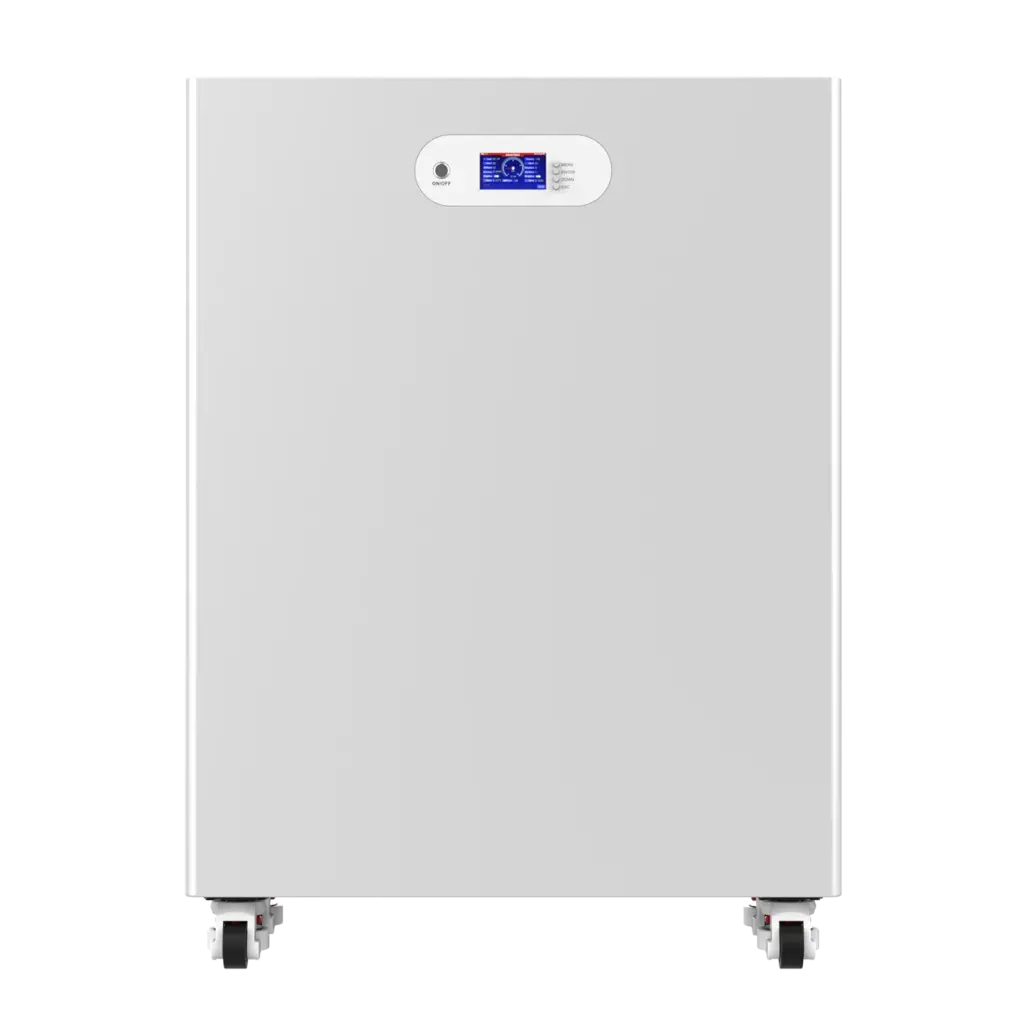
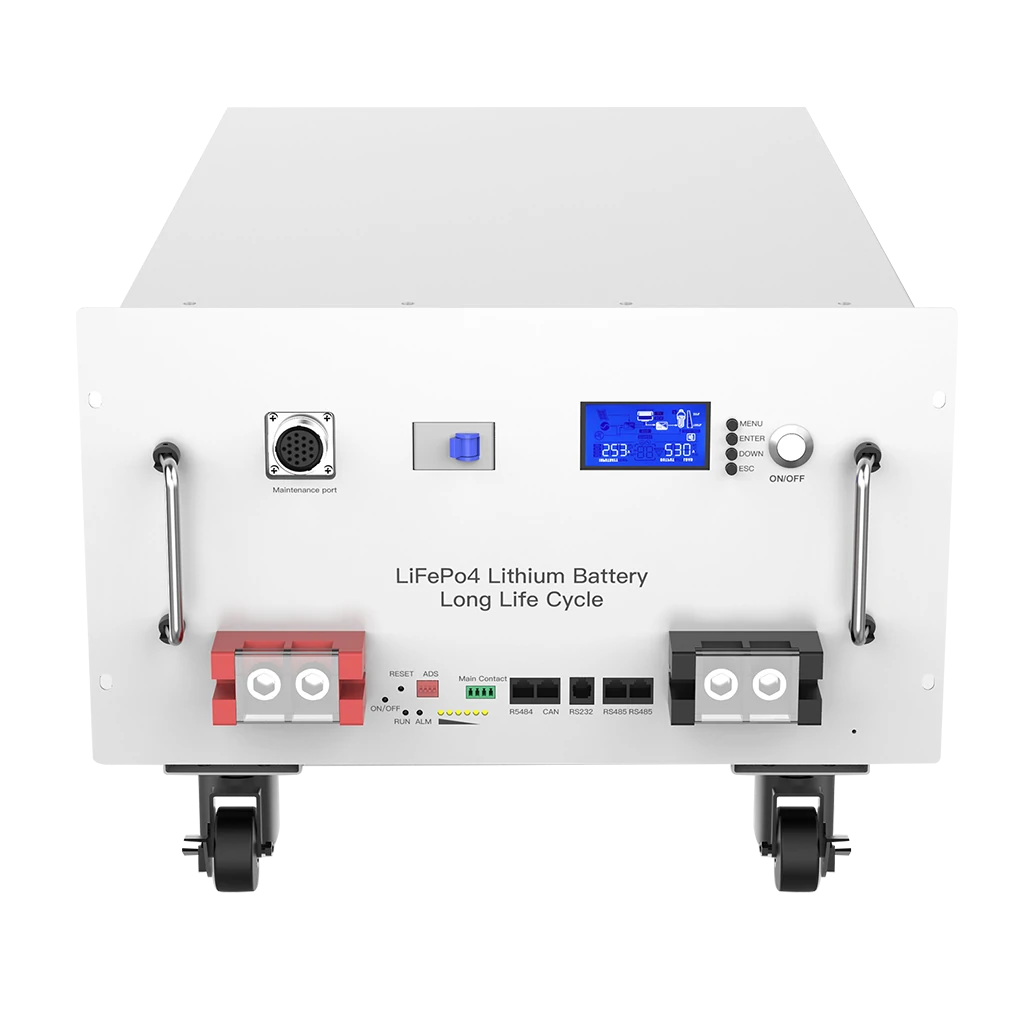
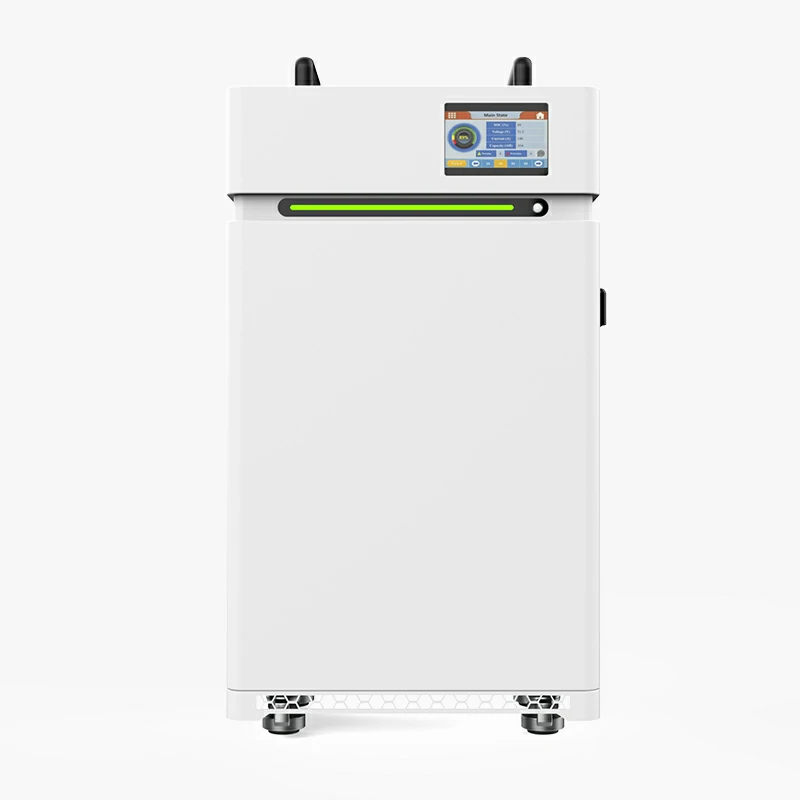
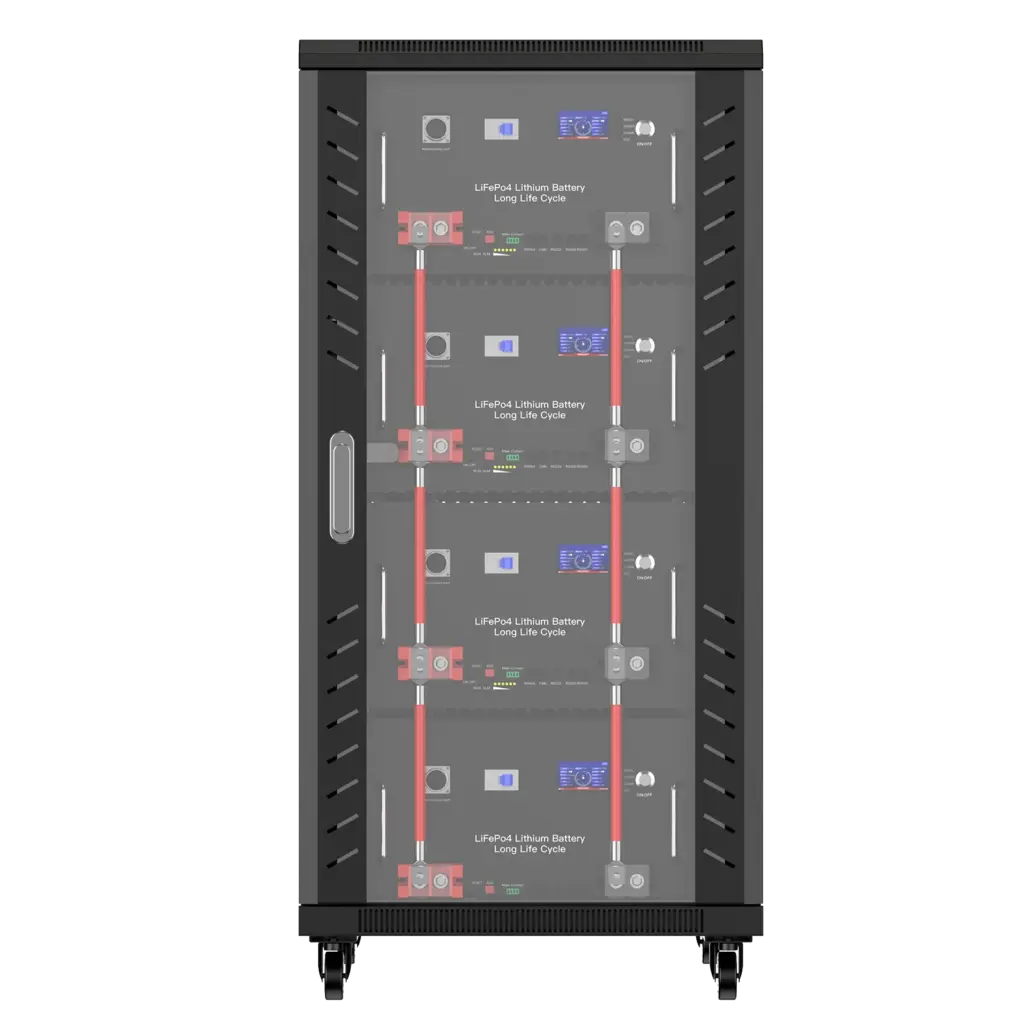
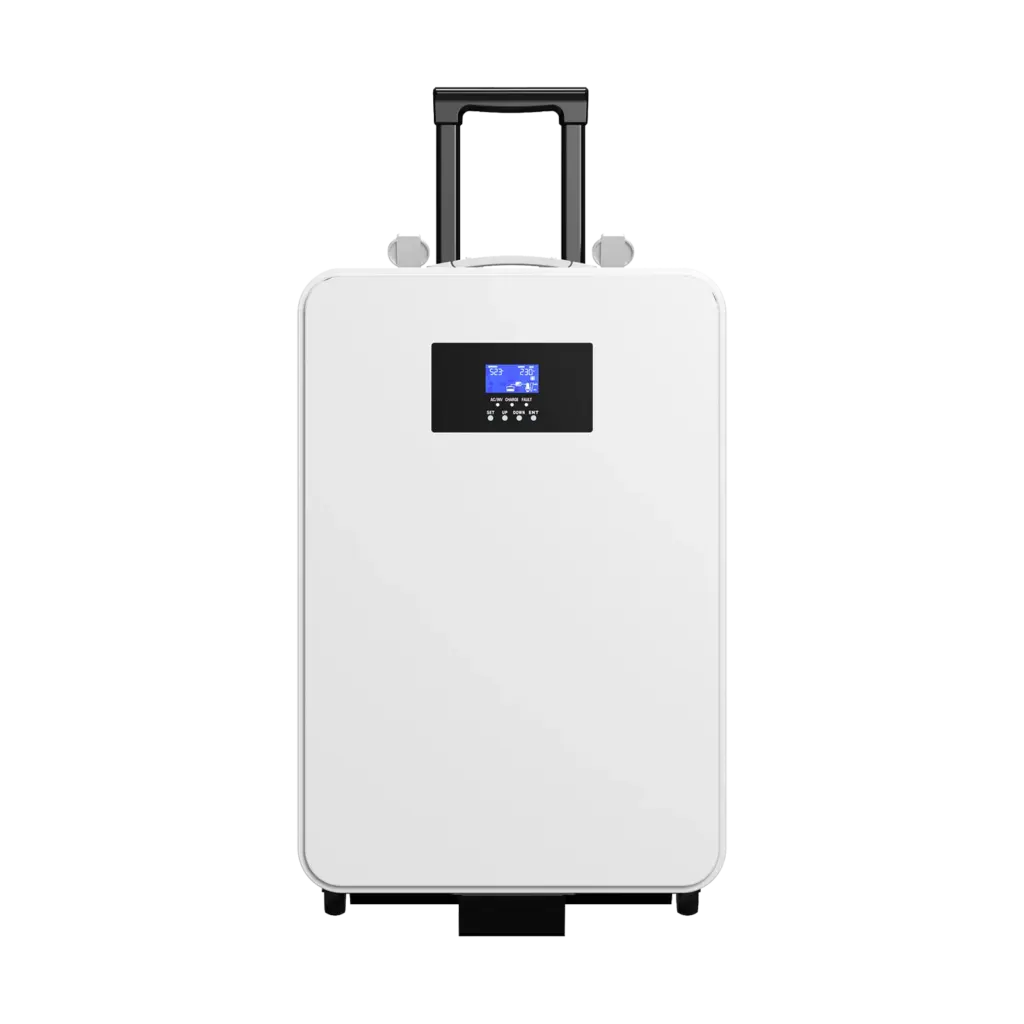
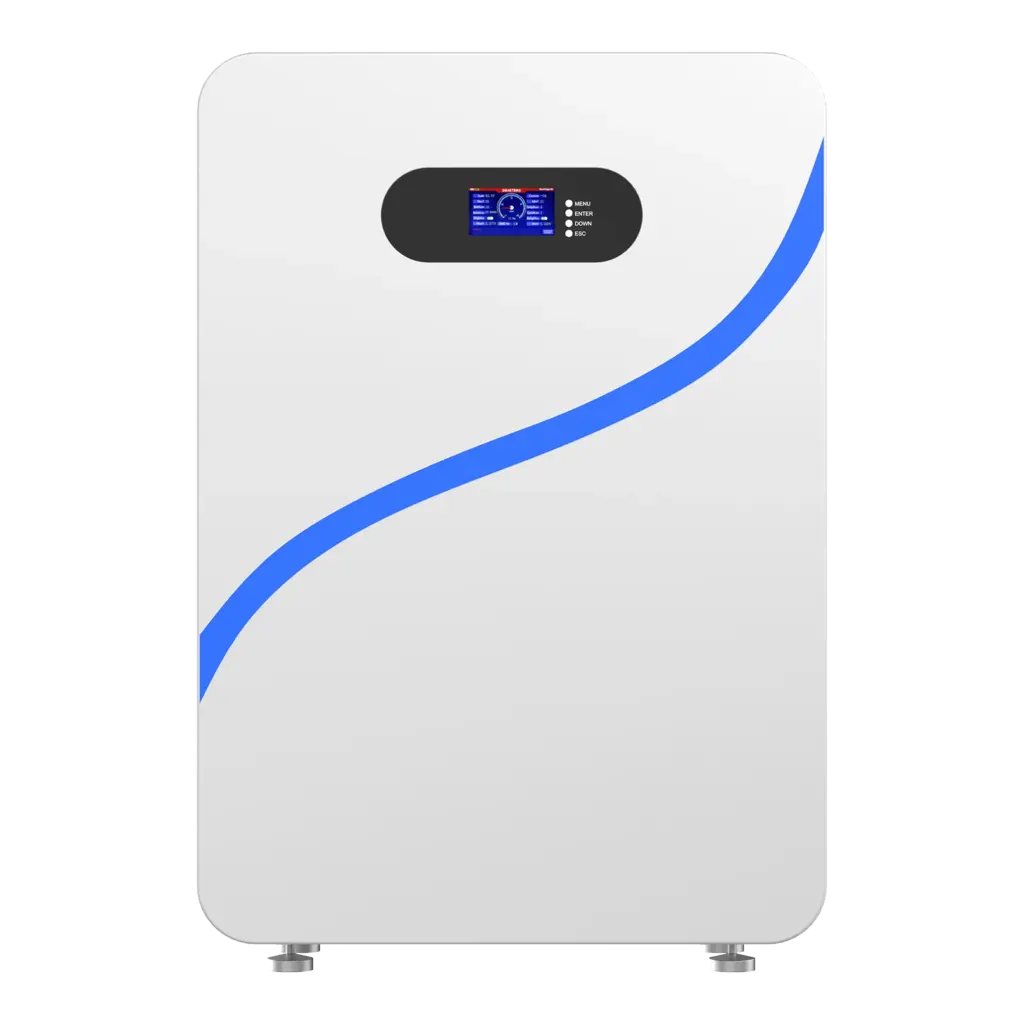
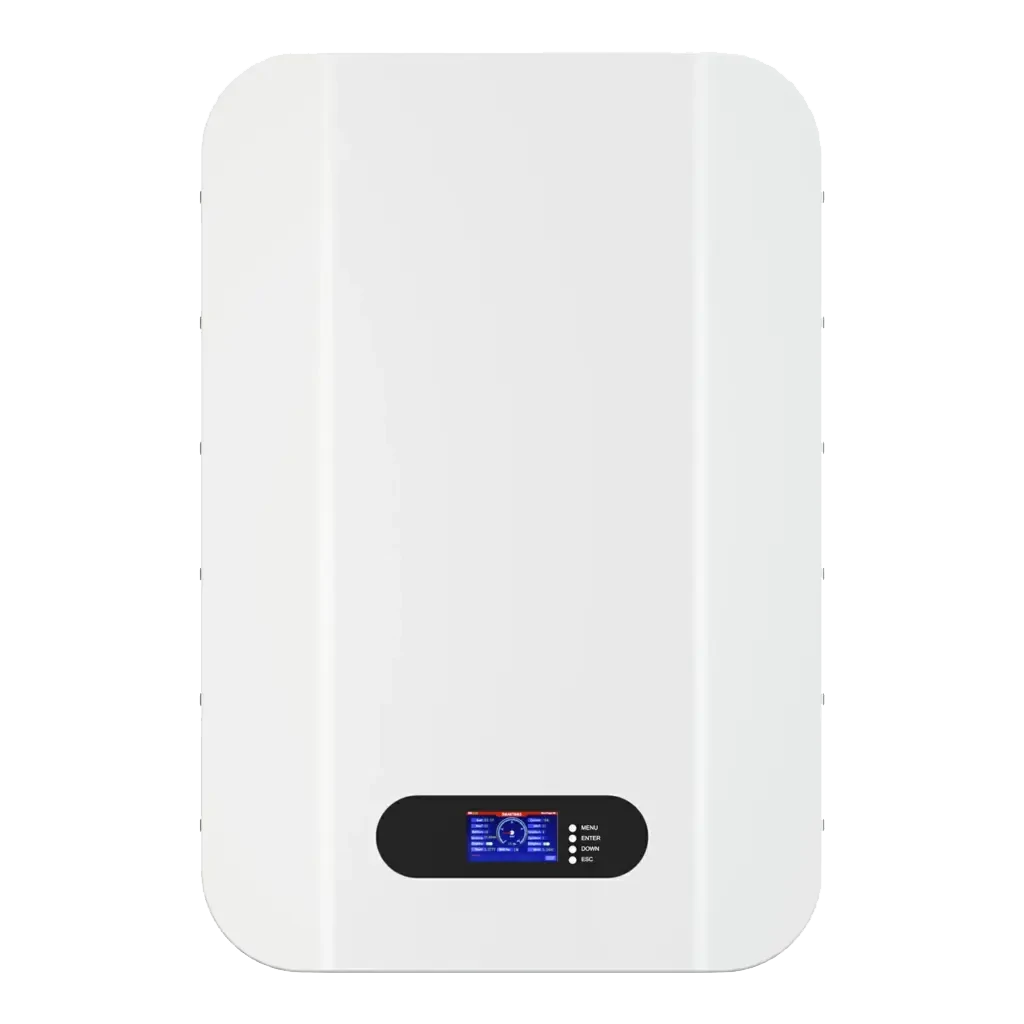
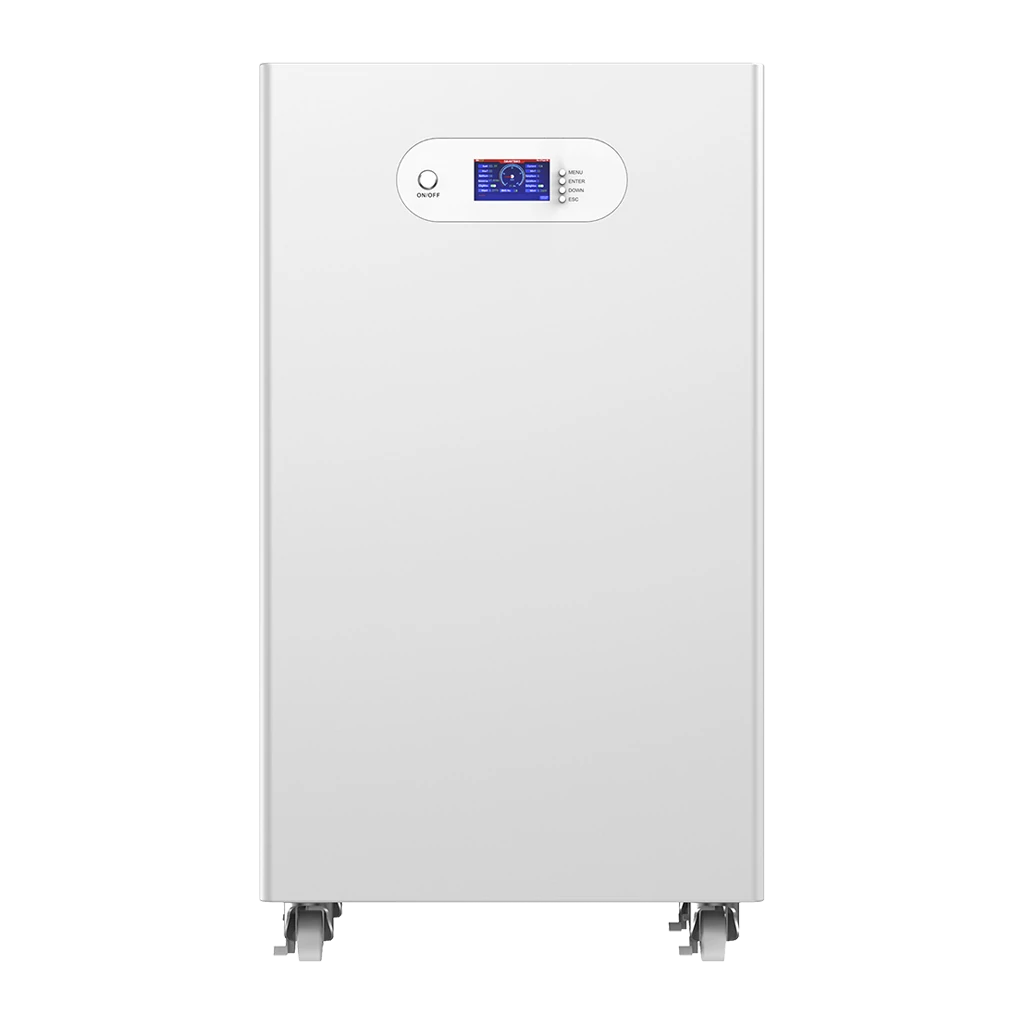
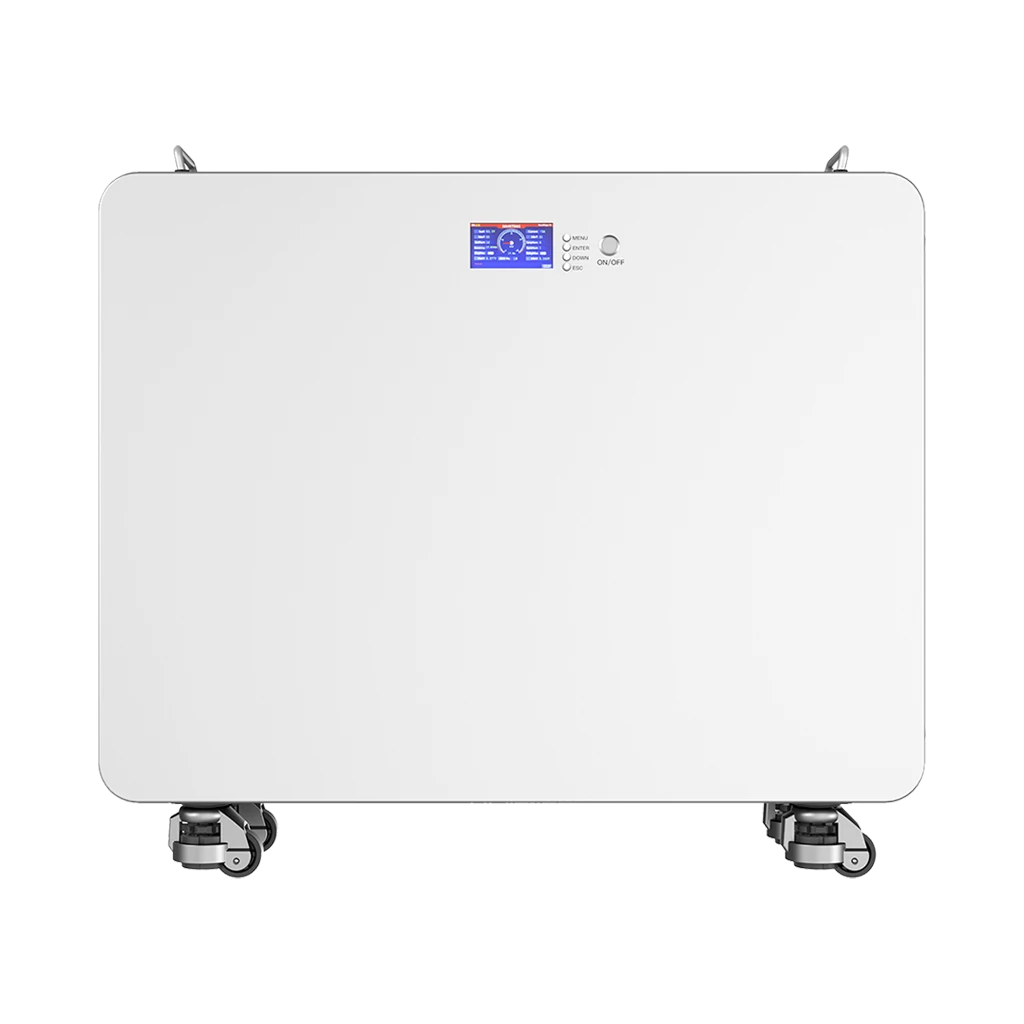
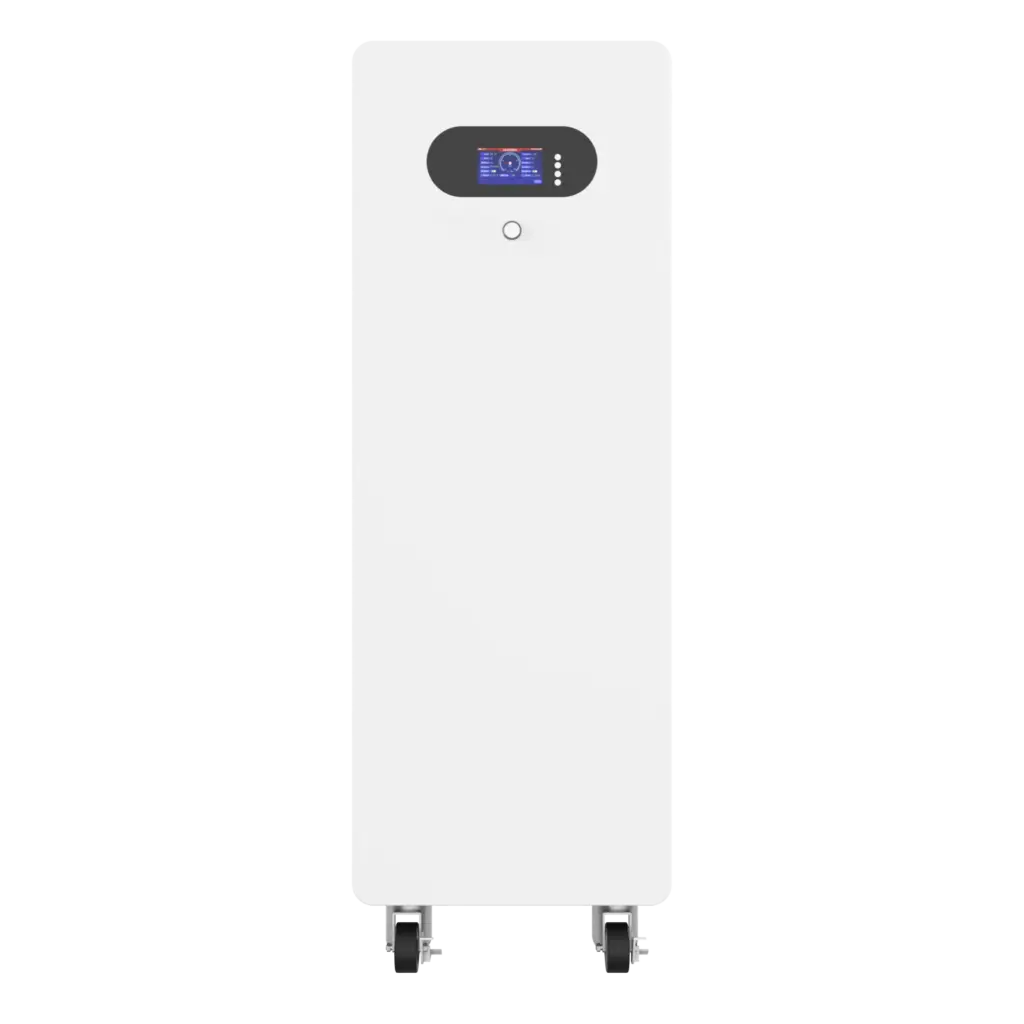
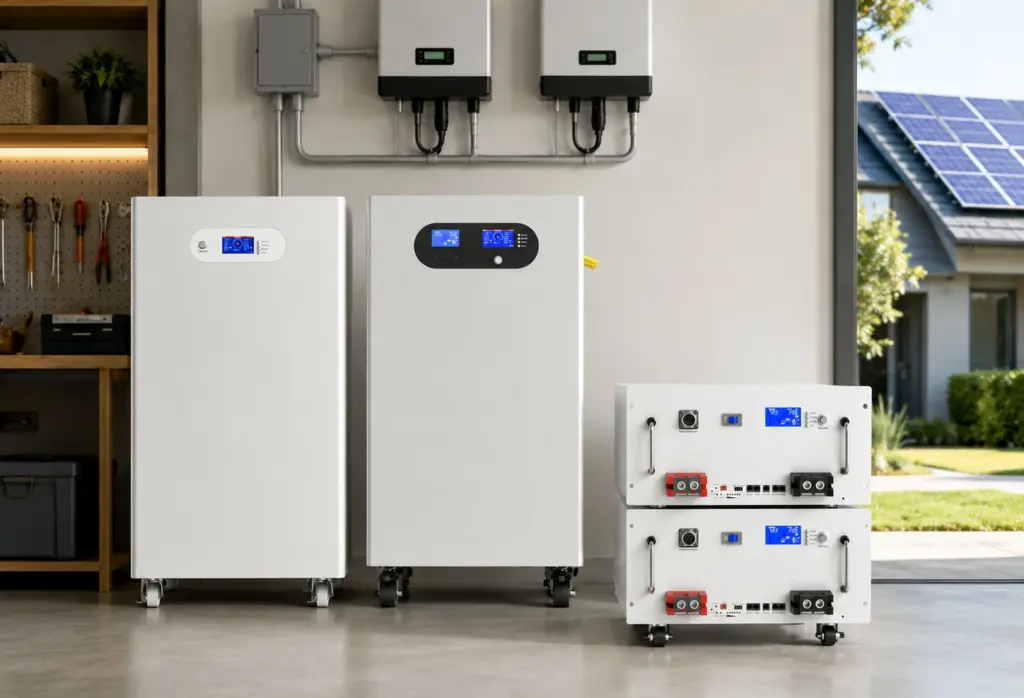
For example, wall-mounted batteries are a practical option for clean residential installations where space efficiency and aesthetics matter. Rack-mounted batteries are better suited for organized equipment rooms and structured energy storage layouts. Stackable battery are ideal for users who require future modular expansion, while all-in-one battery integrate the battery, inverter, and control system into a single unit to simplify installation.
Avepower focuses on LiFePO4-based residential energy storage solutions, offering intelligent Battery Management System (BMS) protection, flexible product specifications, and OEM/ODM customization for appearance, capacity, and functionality.
For buyers who prioritize long-term system safety, communication compatibility, and scalable design, these are not minor details. They directly impact inverter compatibility, charging and discharging stability, and deployment efficiency across different market environments.
For retrofit projects, Avepower all-in-one systems help reduce installation complexity. For installers and distributors building broader product portfolios, stackable, wall-mounted, and rack-mounted configurations provide greater flexibility to meet diverse residential and regional preferences. For brands seeking private-label or customized storage solutions, Avepower’s manufacturing and customization capabilities offer a practical advantage beyond branding alone.
Take Control of Your Energy with Avepower!
Reliable home solar battery solutions with OEM/ODM customization and in-house manufacturing, tailored to the needs of distributors, installers, and energy partners.
Conclusion
So, how do solar batteries work? They store excess electricity generated by solar panels in the form of chemical energy and release it when the household needs power. The inverter handles the conversion between DC and AC electricity, while the control system determines whether solar energy should be sent to the home, the battery, or the grid.
With the right system configuration, solar batteries can increase self-consumption, reduce dependence on the grid, and provide backup power during outages.
FAQ
Solar batteries work at night by discharging the electricity stored during the day. When solar panels stop producing enough energy, the battery supplies stored power to your home until it runs low, after which the grid usually takes over.
They can, but only if the system is designed for backup power. Standard solar PV systems usually switch off during outages unless the battery and inverter support backup or islanding operation.
No. Solar panels need sunlight to generate electricity, but the battery stores electricity that has already been produced. The battery itself does not need direct sunlight to operate.
In most grid-tied systems, once the battery is fully charged, excess solar electricity is exported to the grid. Depending on local rules, the homeowner may receive bill credits or other compensation.
Sometimes, but not always. Many systems are designed to back up only selected circuits through a critical loads panel. Whole-home backup usually requires more storage capacity and careful load planning.
kW measures power output, while kWh measures how much total energy the battery can store. A battery’s runtime depends on both numbers and on how much electricity your home is using.
Yes. Lithium-ion batteries are the most common type used in residential energy storage today because they are rechargeable, widely understood, and well-suited to home battery applications.
DC-coupled systems store solar electricity before it is converted to AC, which usually means fewer conversion losses. AC-coupled systems involve more conversions but are often easier to add to an existing solar system.
Some can. Certain battery systems allow grid charging during off-peak periods or time-of-use windows when electricity is cheaper.
Not always. They are often most attractive where evening electricity is expensive, export credits are lower, outages are common, or backup power is important. The economics depend on local tariffs, usage patterns, and system cost.