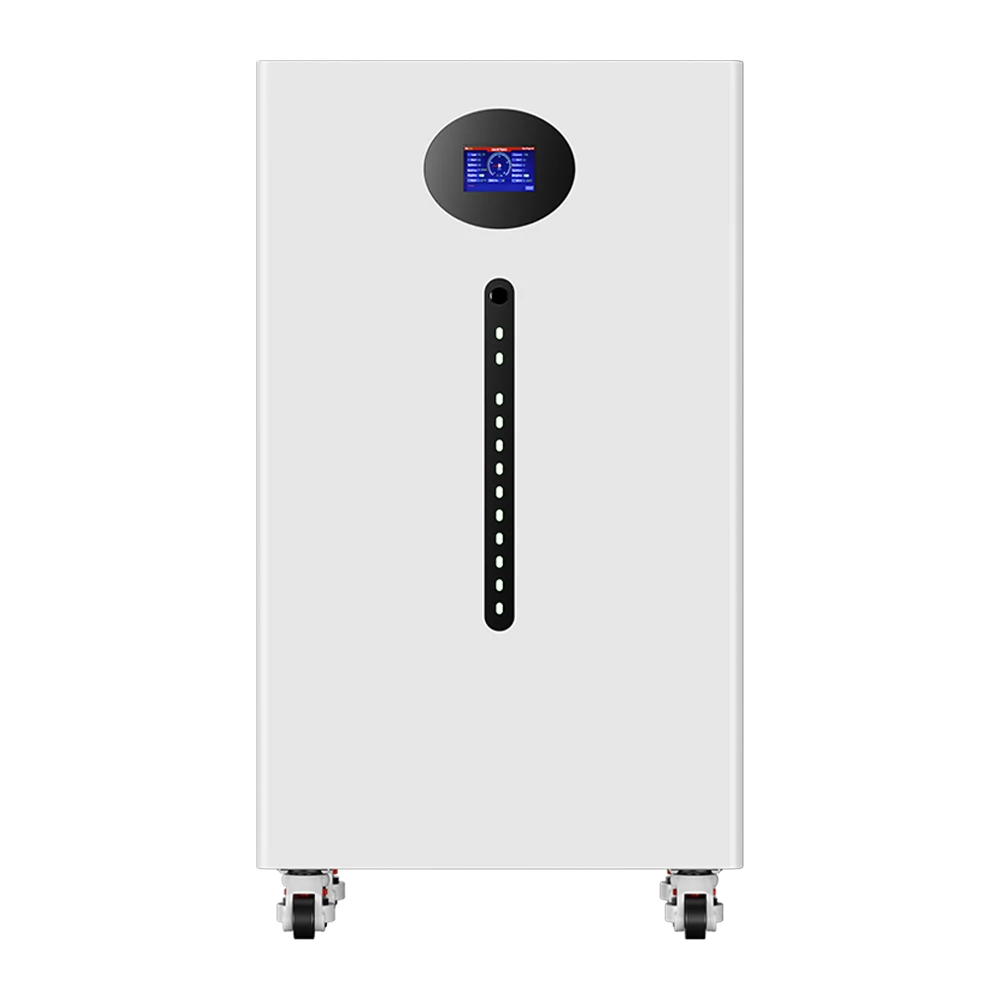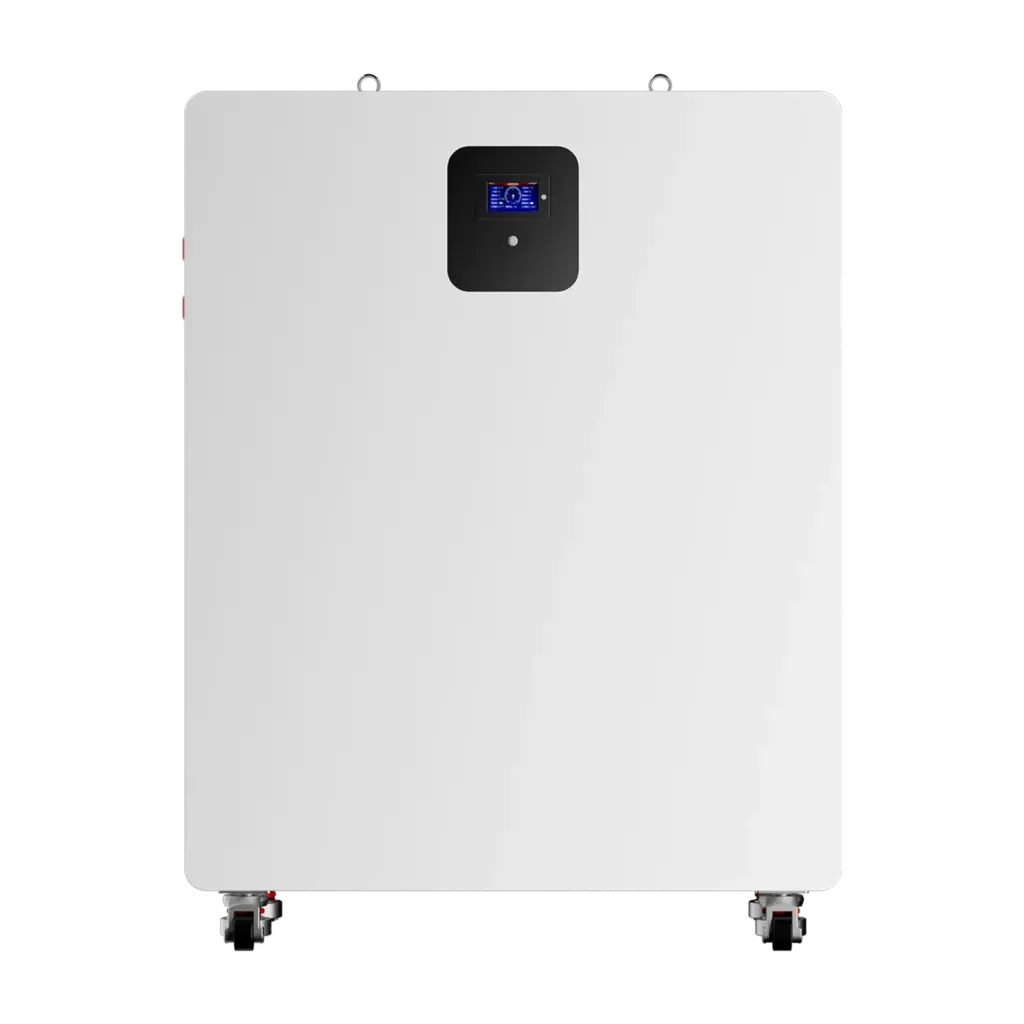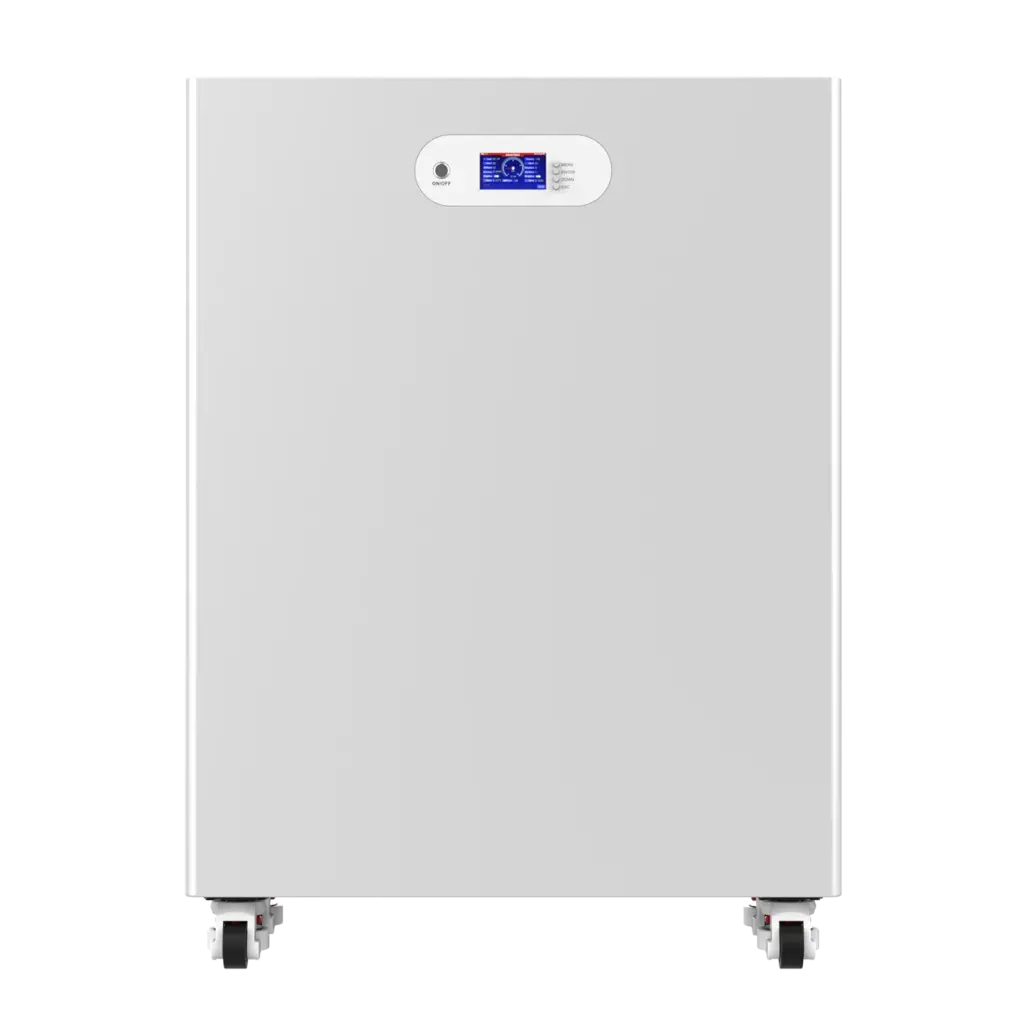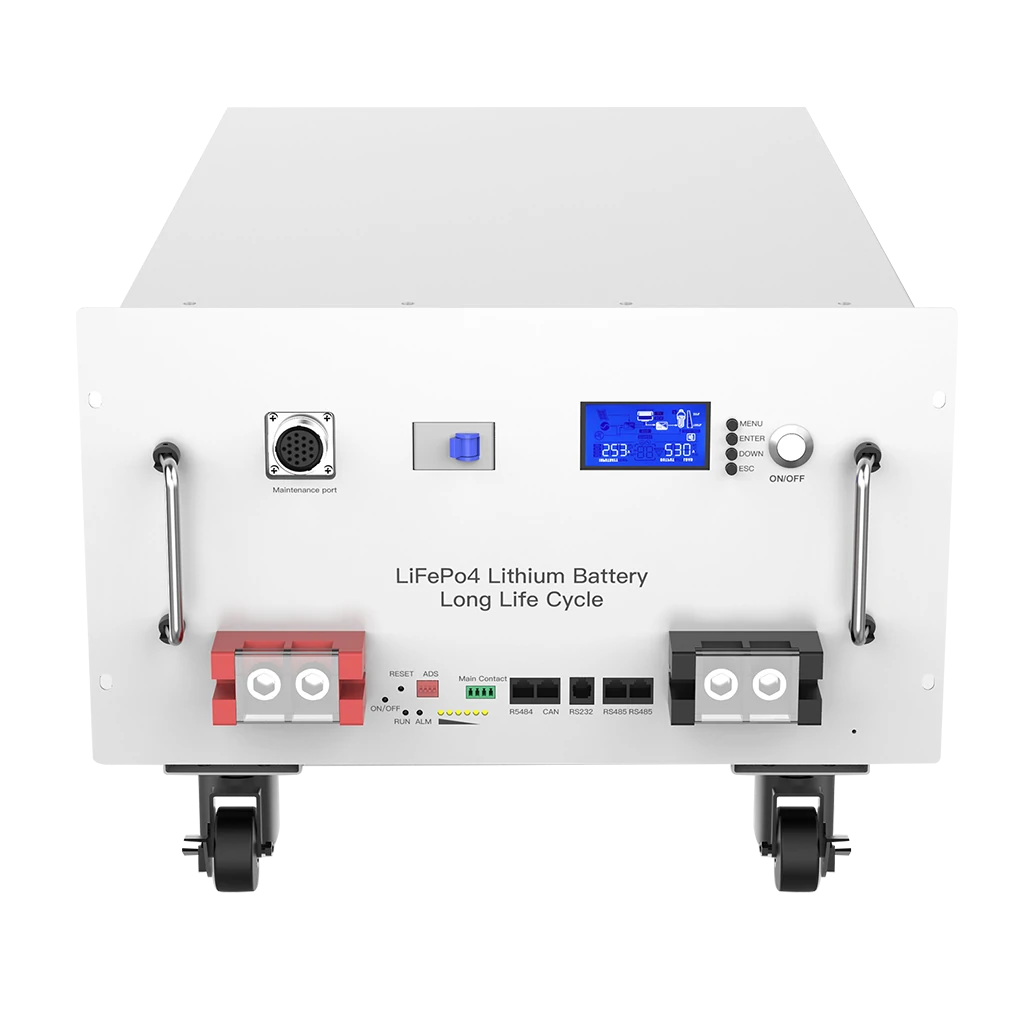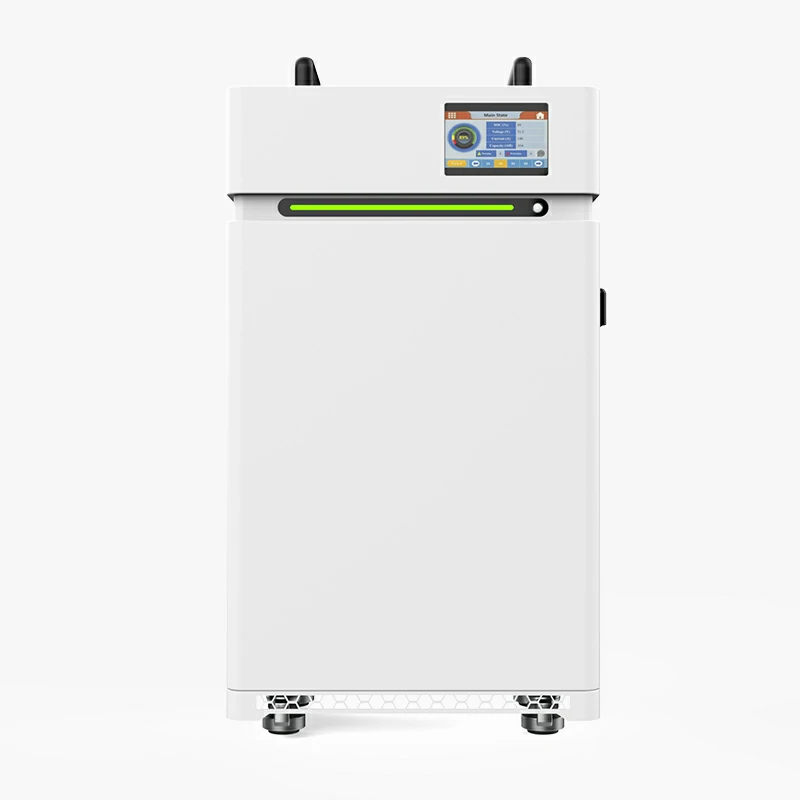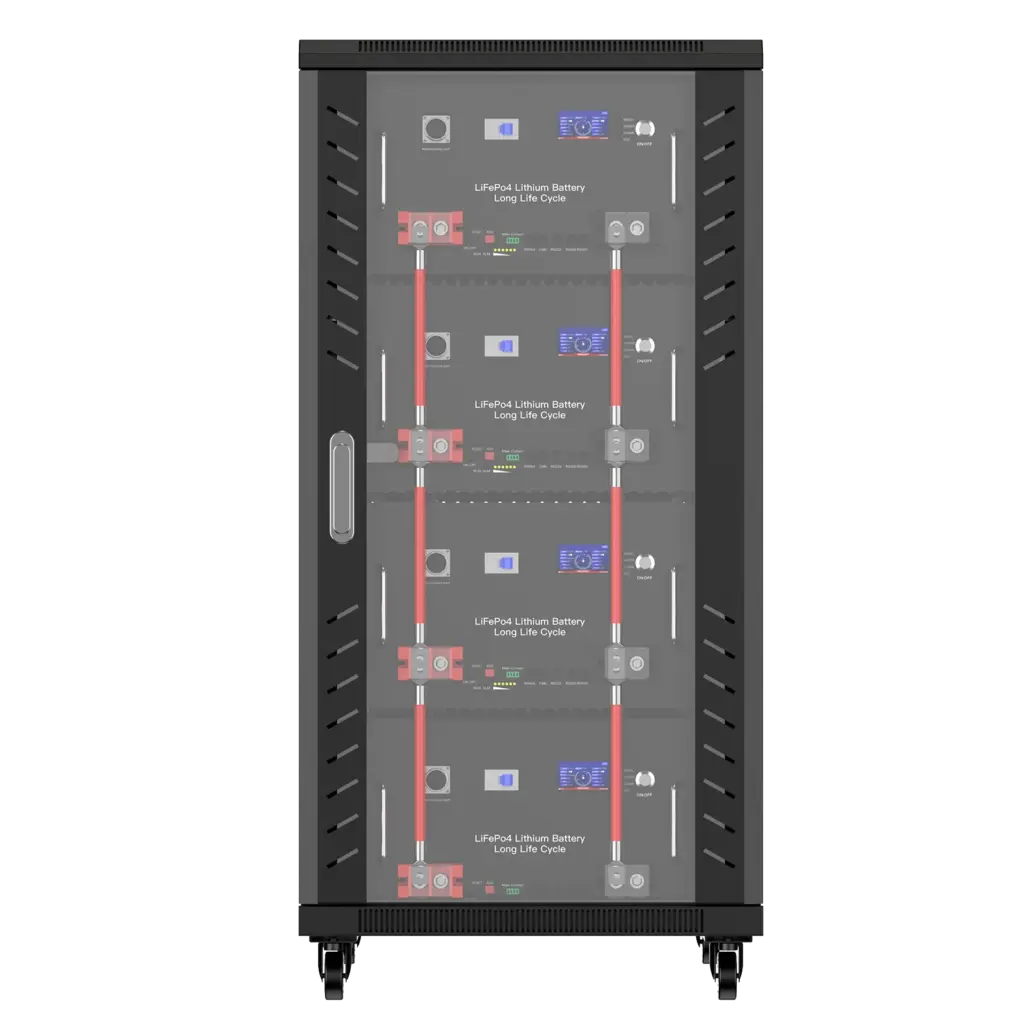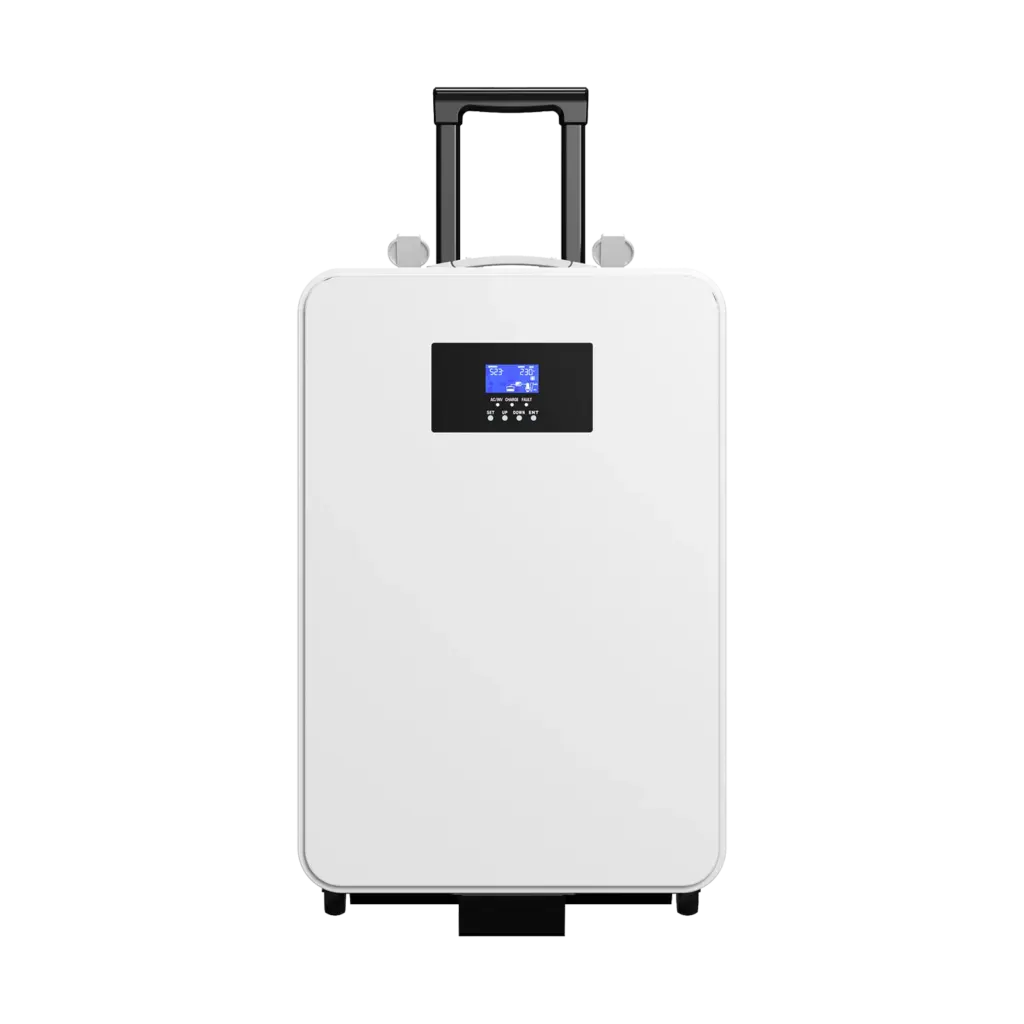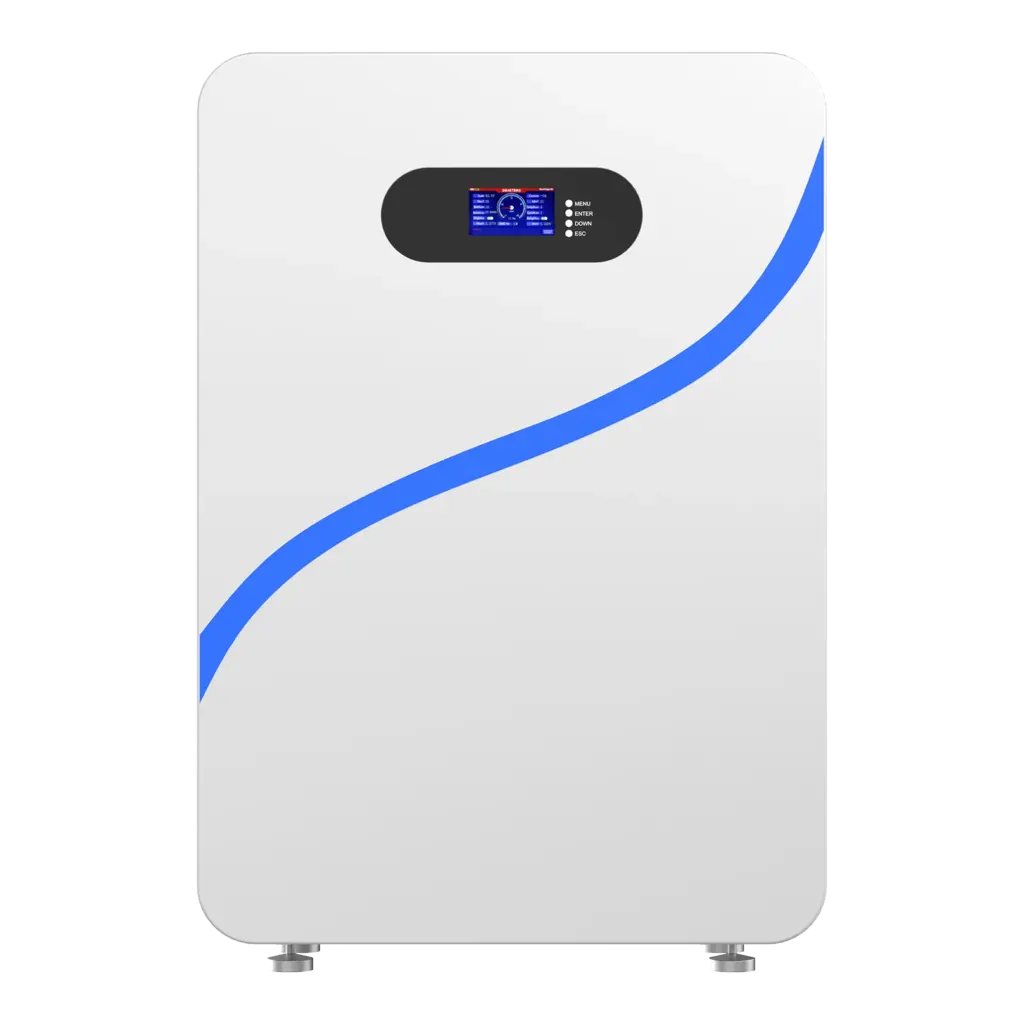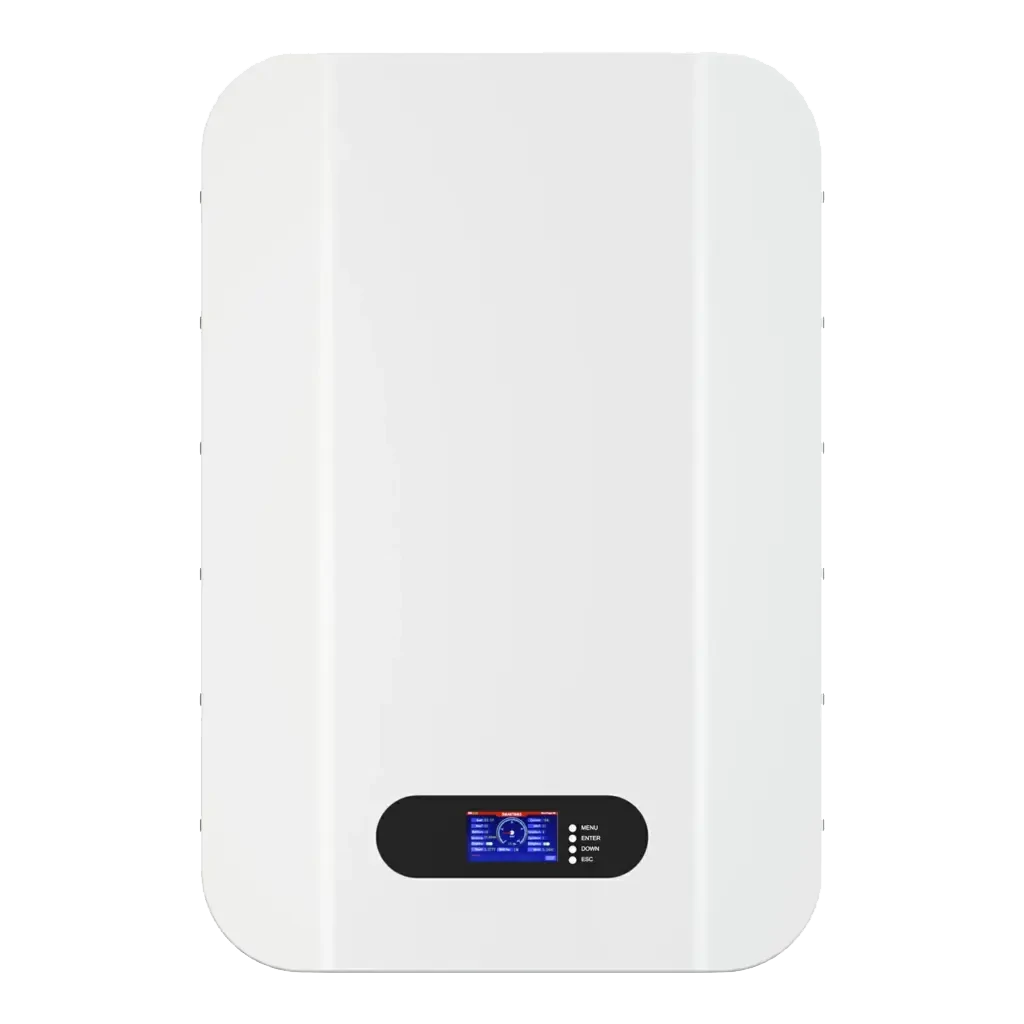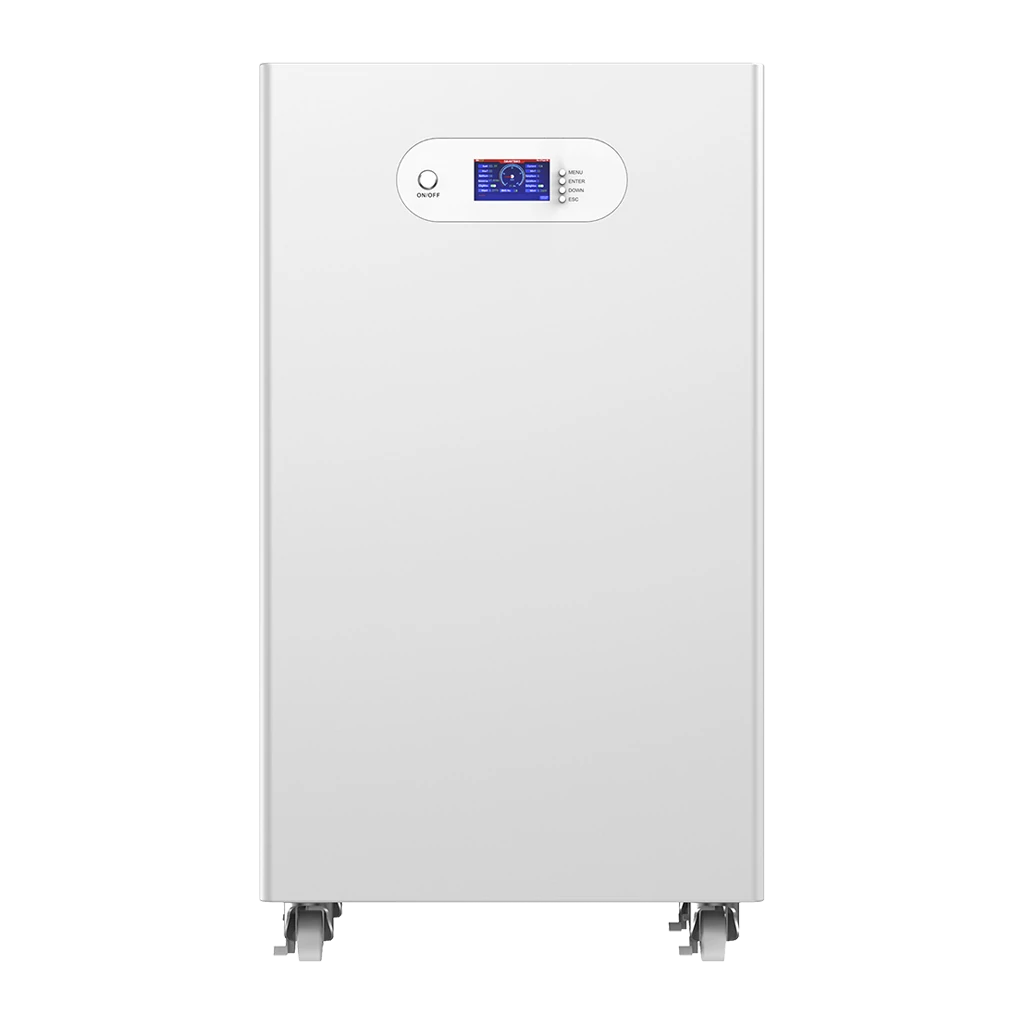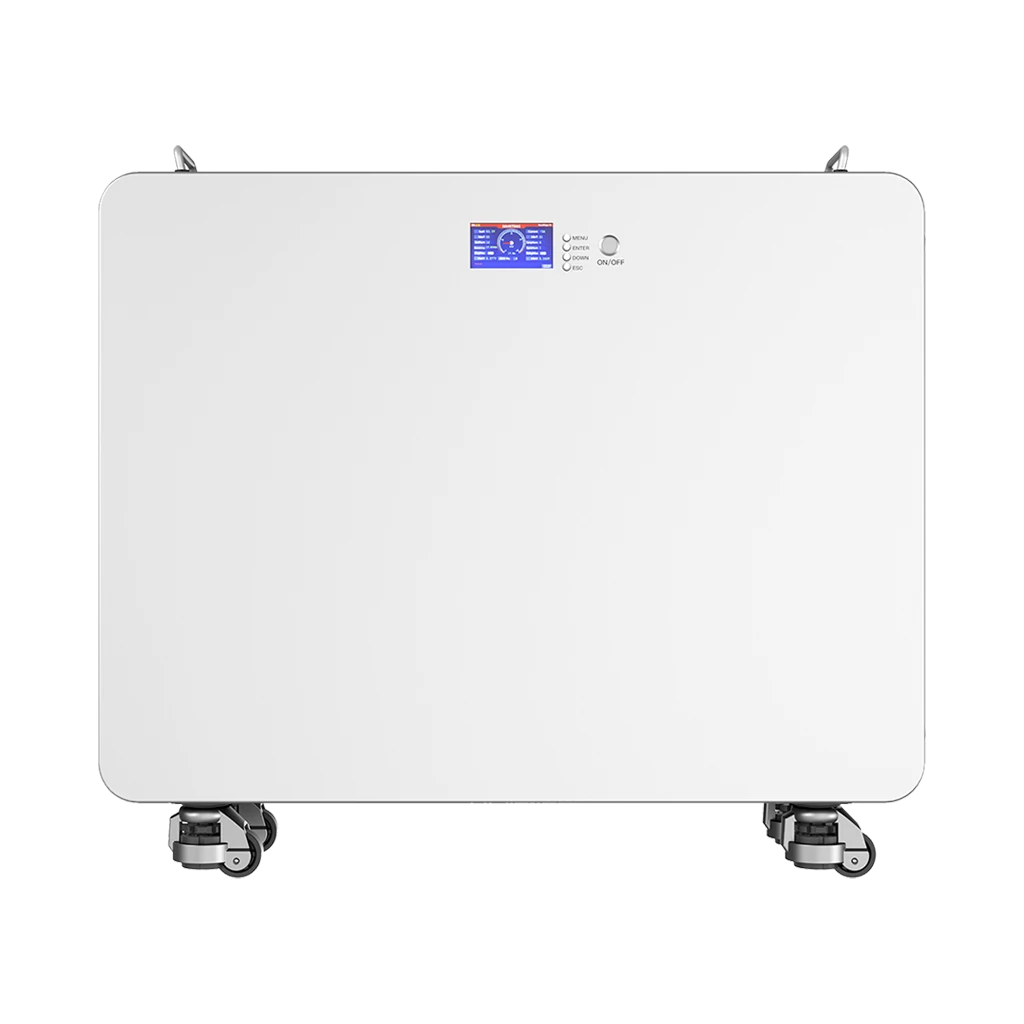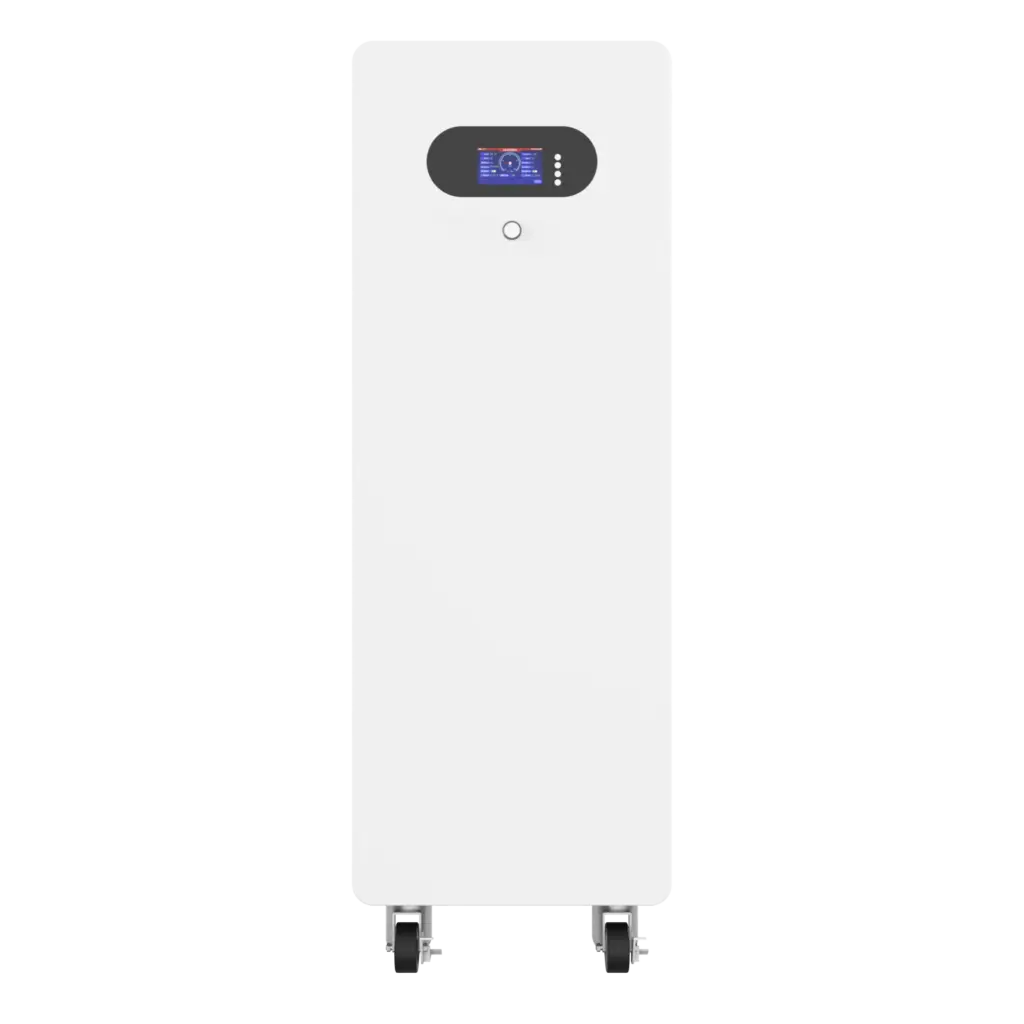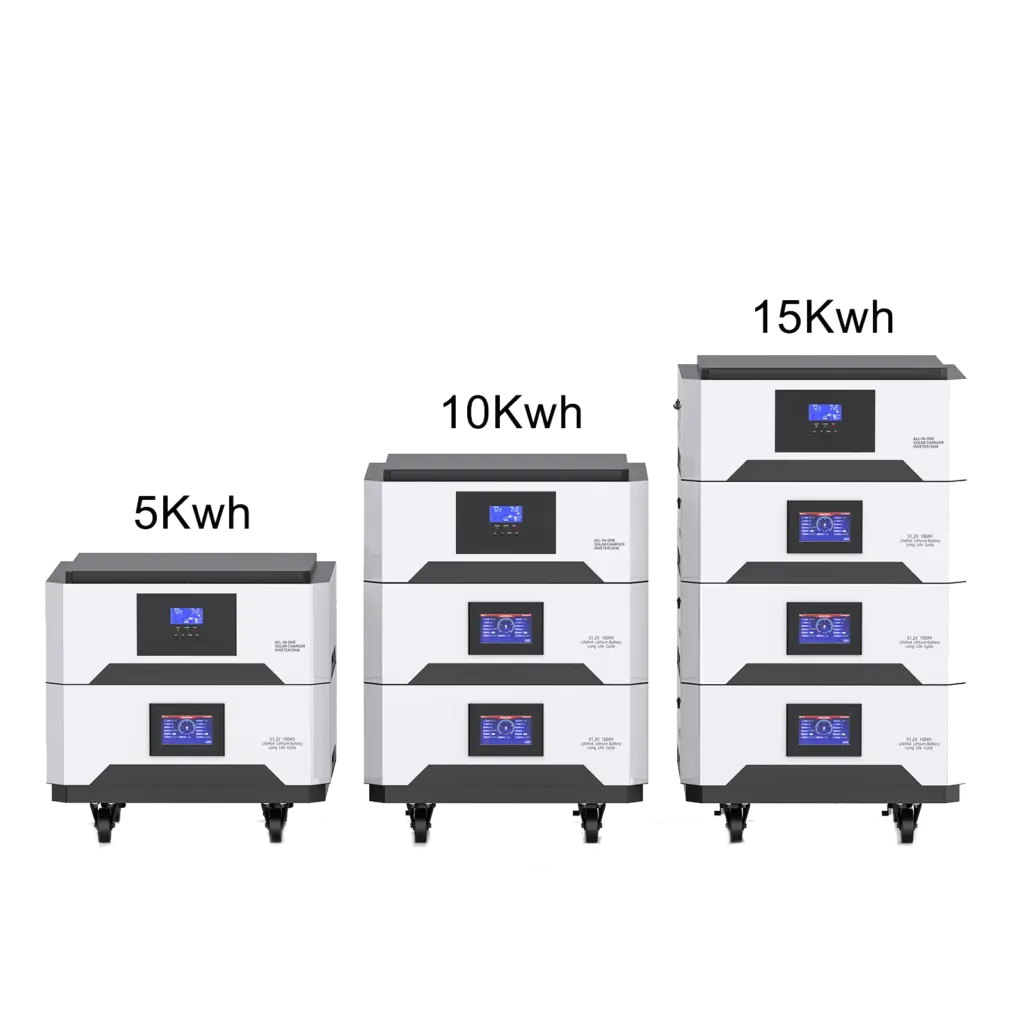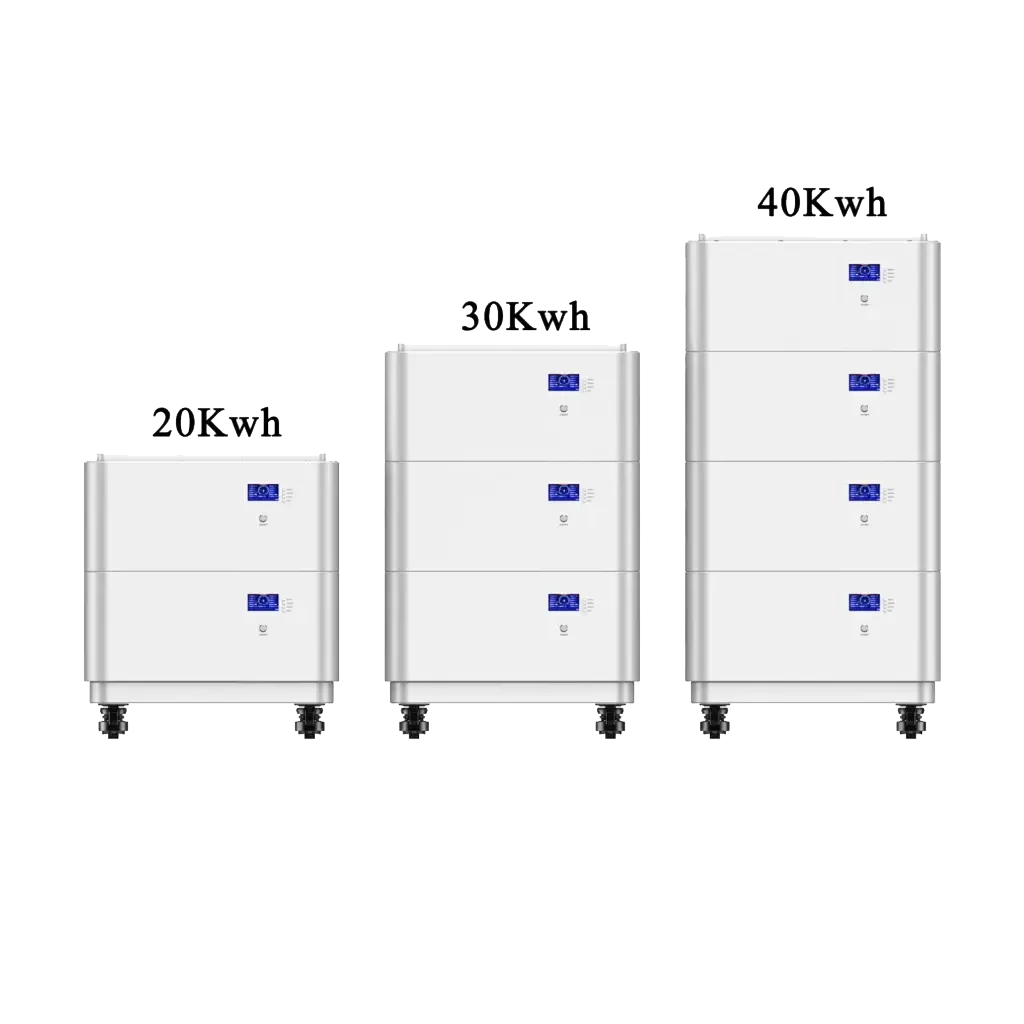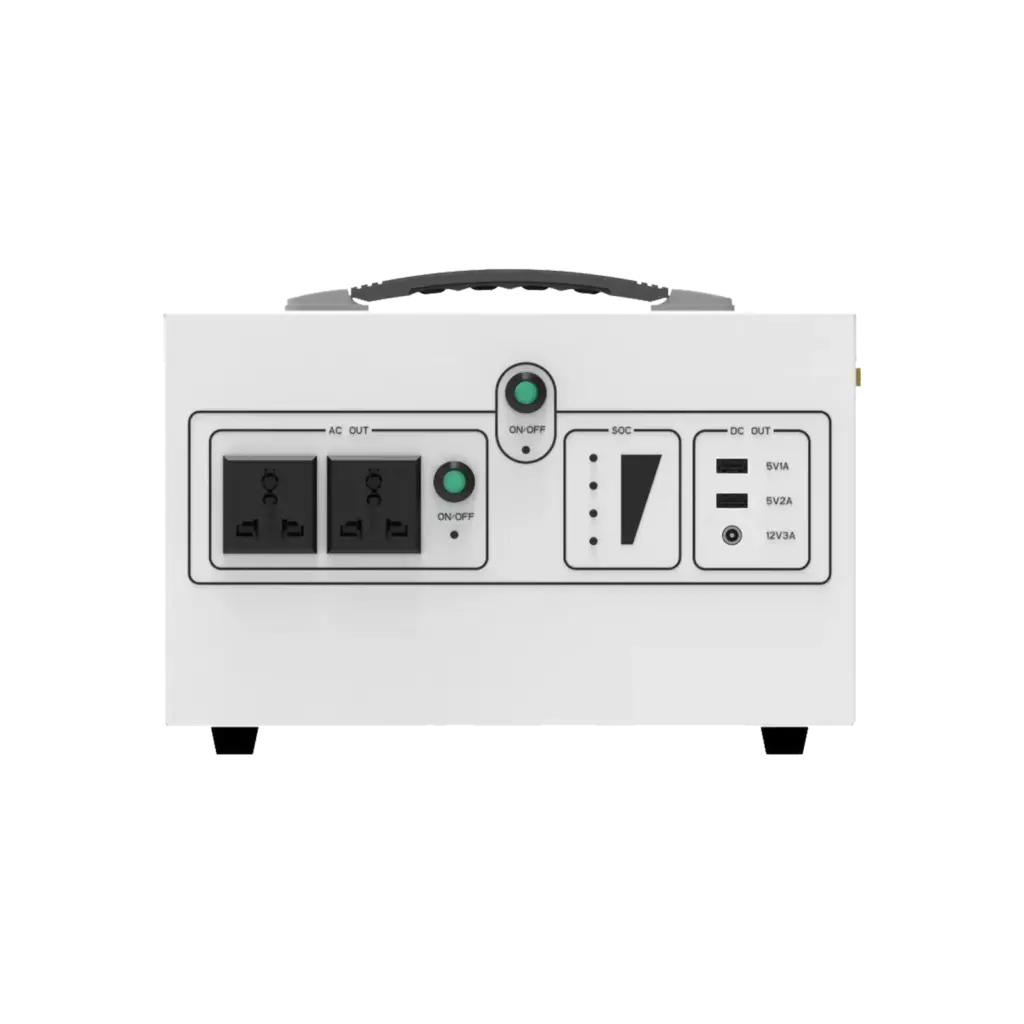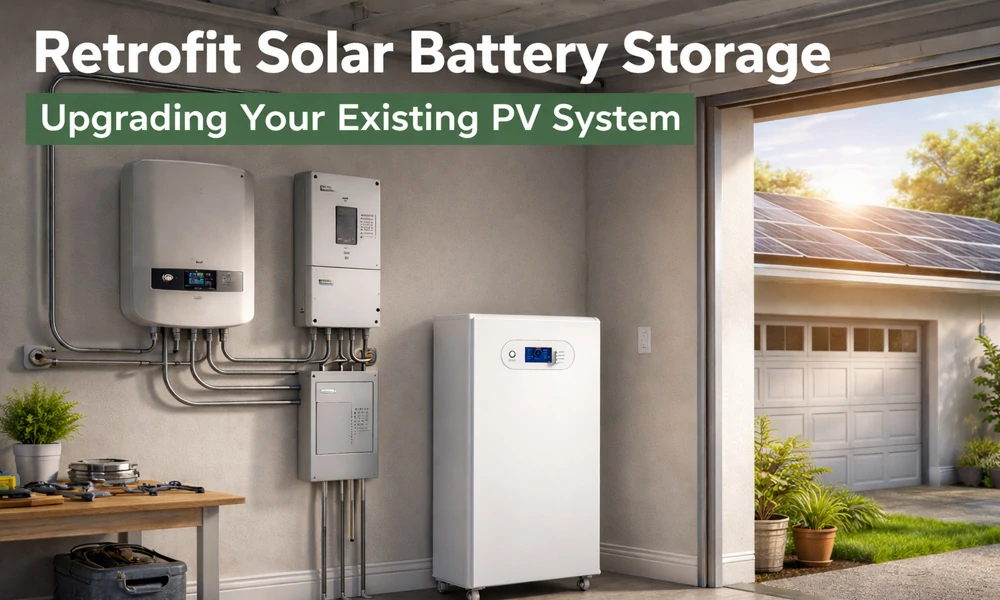

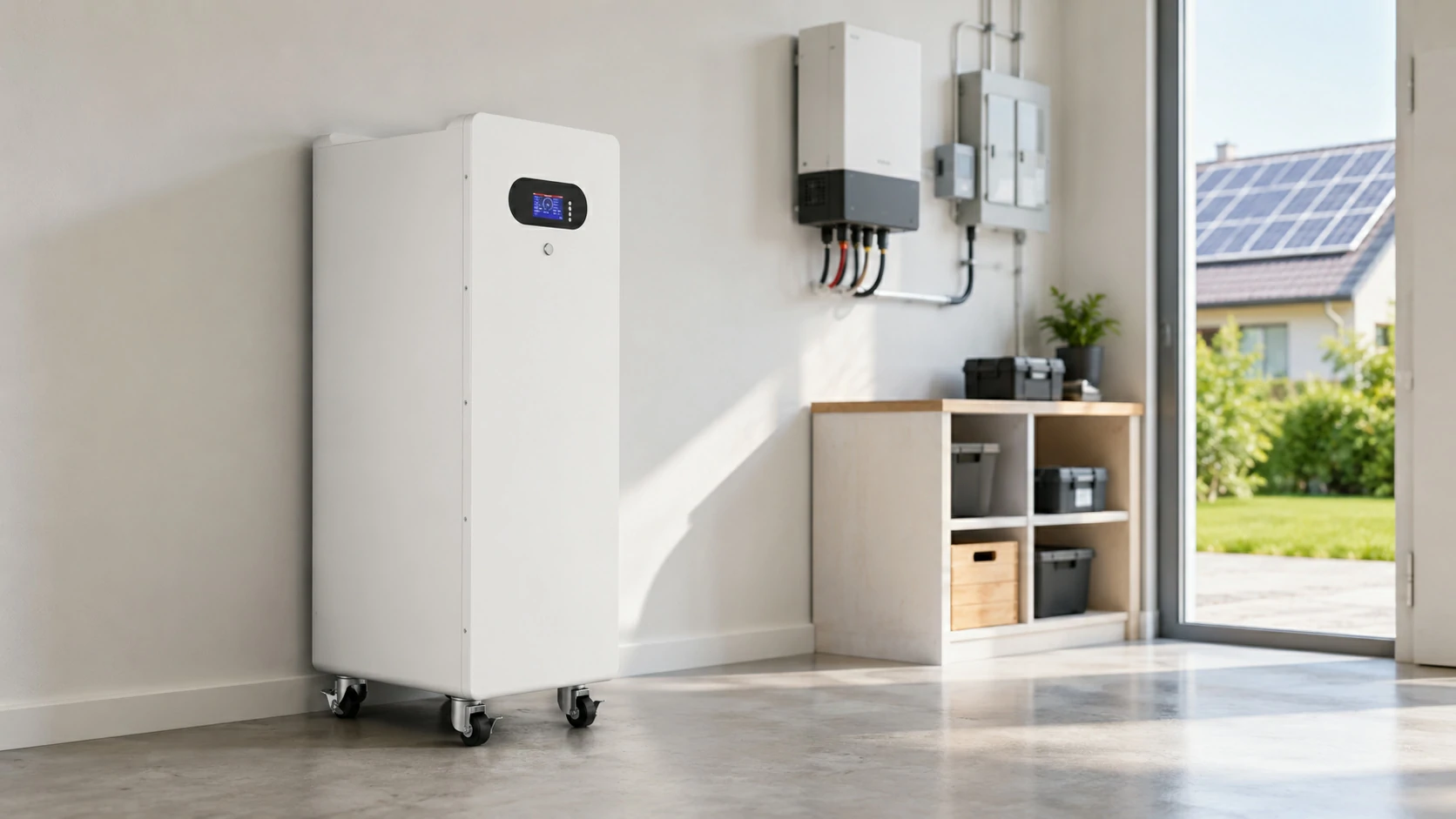
A 16 kWh home battery is enough to cover the normal overnight electricity needs of many households. With proper load management, it can also provide basic backup power for an entire day in many homes. In addition, a 16 kWh battery pairs very well with a solar power system, as it can store a significant portion of excess solar energy generated during the day for use at night.
If your household’s average power consumption is 1 kWh, a 16 kWh battery can last for approximately 16 hours. If your average consumption increases to 2 kWh, the same battery will provide power for around 8 hours.
Quick Runtime Table for a 16 kWh Battery
The table below gives a practical estimate. It assumes the battery can deliver around 14 kWh of usable AC energy after usable capacity and inverter losses. If your system provides the full 16 kWh as usable energy, the runtime will be slightly longer.
| Average Load | Typical Use Case | Approx Runtime |
|---|---|---|
| 0.5 kW | Refrigerator, Wi-Fi, LED lights, phone charging, small fan | About 28 hours |
| 1.0 kW | Essential circuits plus TV, laptops, small appliances | About 14 hours |
| 1.5 kW | More normal evening use without heavy heating or cooling | About 9 hours |
| 2.0 kW | Larger home loads, more sockets, intermittent appliances | About 7 hours |
| 3.0 kW | Partial whole-home use with some heavy appliances | About 4.5 hours |
| 5.0 kW | Air conditioning, pumps, cooking or other heavy loads | About 2.5 to 3 hours |
These are planning estimates, not guaranteed runtimes. Actual performance depends on appliance cycling, inverter efficiency, surge loads, battery settings and solar recharge.
How Long Does a 16 kWh Battery Last?
Many homeowners hope that a battery system can support a full day of normal electricity use. However, household energy consumption is often higher than expected. According to the U.S. Energy Information Administration (EIA), the average American home uses about 10,500 kWh of electricity per year, which equals roughly 28–29 kWh per day.
This data shows that a 16 kWh battery is usually not enough to power an entire home for a full day, especially if the household uses electric heating or high-power air conditioning systems.
Scenario A: Essential Load Backup
An essential load setup typically powers refrigerators, lighting, Wi-Fi, TVs, wall outlets, and small appliances such as a microwave, while excluding central air conditioners and electric water heaters.
In most cases, essential loads consume an average of 0.5–1.5 kW.
Under this setup, a 16 kWh battery can last approximately 10 to 30 hours, depending on which devices are running and how efficiently power is managed.
Scenario B: Whole-Home Backup
A whole-home backup system supports HVAC systems, large appliances, and multiple rooms operating at the same time. During normal activity, total household power demand can easily reach 2–5 kW on average.
In this scenario, a 16 kWh battery may only last 3 to 8 hours if high-power appliances are frequently used. Homeowners who prioritize critical loads during outages can significantly extend battery runtime and achieve better backup performance.
If you’d like personalized advice, please share your location (country or state), whether you need critical load backup or whole-home backup, and which major loads matter most to you (such as HVAC, pumps, cooking appliances, or electric vehicles). Avepower can recommend the best home energy storage battery tailored to your household’s unique load profile and backup needs.
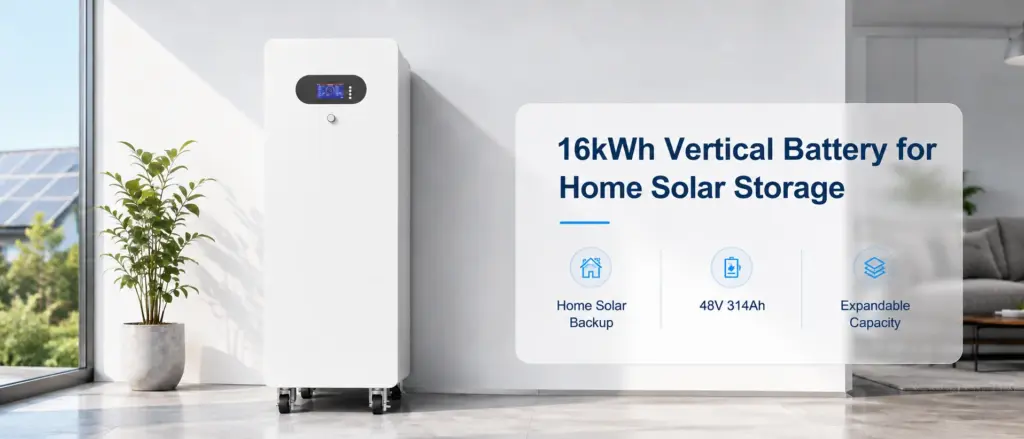
Not Sure If a 16 kWh Battery Is Enough?
Your real backup time depends on your home load, inverter size, solar recharge and selected backup circuits. Avepower can help installers and project buyers estimate the right battery capacity based on actual usage needs.
What Can a 16 kWh Battery Power?
A 16 kWh battery can power many everyday household devices, but runtime changes quickly when high-heat or motor-driven appliances are used. If your battery provides 14.5 kWh of usable energy, your home can run any combination of devices below, as long as the total energy consumption stays within that limit.
The values below are typical ranges. Actual results vary by appliance model, usage pattern, and efficiency.
| Device | Typical Power Draw | Estimated Runtime on 16 kWh Battery |
|---|---|---|
| LED Lighting (10 bulbs) | 100 W | 160 hours |
| LED Lighting (10 bulbs) | 80–120 W | 120–180 hours |
| Modern Refrigerator | 150 – 200 W | 80–100 hours |
| Television | 80–200 W | 70–180 hours |
| Laptop Computer | 30–90 W | 160–480 hours |
| Microwave Oven | 1,000–1,500 W | 9–14 hours (total use) |
| Coffee Maker / Electric Kettle | 1,000–1,800 W | 8–12 hours (total use) |
| Central AC / Heat Pump | 2,000–5,000+ W | 3–8 hours |
| Electric Vehicle (Charging) | 7000 (Level 2 charger) | 2.3 hours (at full load) |
Can a 16 kWh Battery Run an Entire House?
A 16 kWh battery can power an entire house for a limited time. The battery can support full-home loads if the homeowner manages usage carefully.
A full home often uses:
- 20–30 kWh per day
A single 16 kWh battery usually covers:
- Half to two-thirds of daily use
Solar panels extend runtime significantly. A grid connection also improves flexibility. Companies like Avepower provide modular, scalable battery solutions that can be customized for a home’s specific needs, sometimes offering more competitive pricing or better value through integrated systems.
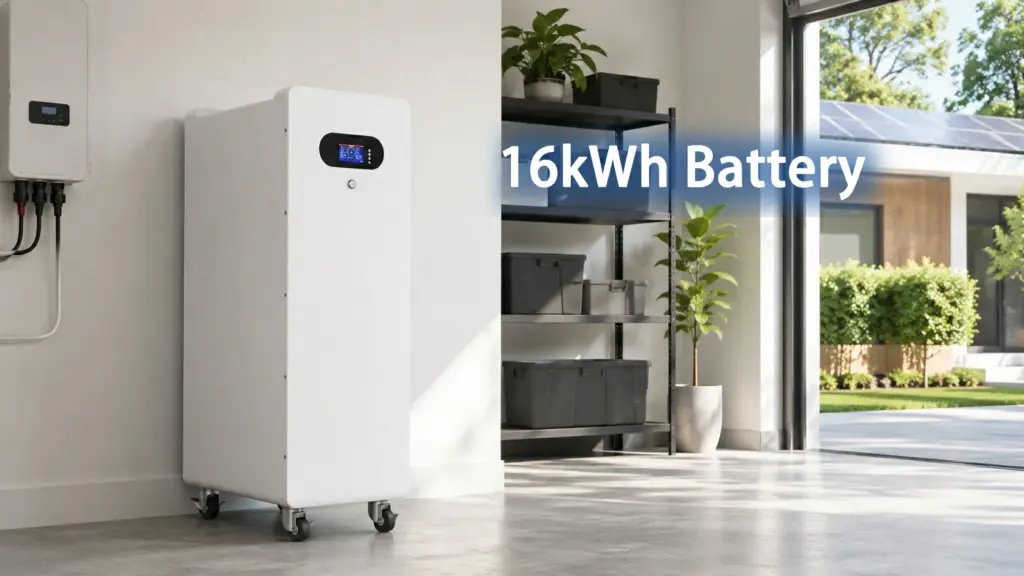
How Much Does a 16 kWh Battery Cost?
The price of a 16 kWh battery can vary widely because the total cost includes much more than just the battery itself.
A typical installed battery system usually includes:
- Battery hardware
- Inverter (or a battery with a built-in inverter, depending on system design)
- Backup switch or energy gateway
- Electrical labor and permits
- Possible main panel upgrades or critical load subpanel work
- System setup, testing, and commissioning
Because of these variables, installation costs can differ significantly from one home to another.
Typical Installed Cost Range (United States)
Before incentives or tax credits, the installed cost per kilowatt-hour is usually between $1,000 and $1,300 per kWh, depending on the brand, system design, and installation complexity. Based on this range, a 16 kWh battery system typically costs around $16,000 to $21,000 installed in the U.S.
Typical Installed Cost Range (Australia)
Australia frequently publishes battery cost benchmarks showing how pricing changes with battery capacity.
A 16 kWh battery typically costs around $11,190. When an inverter/charger is included, the total installed cost is approximately $13,140 Actual pricing may vary depending on installer rates and site conditions.
Cost Over the Battery Lifetime
A 16 kWh battery usually comes with a warranty of 10 years or more. Many models support over 6,000 or even 8,000 cycles. This cycle life translates to daily use for many years.
When homeowners divide the total system cost by the energy delivered over its lifetime, the cost per kilowatt-hour becomes much lower. This long-term view helps explain why many people see batteries as a stable energy investment.
How Solar Panels Change the Value of a 16 kWh Battery
A 16 kWh battery delivers the most value when paired with solar panels. Solar charging significantly extends battery runtime, improves energy independence, and reduces reliance on the utility grid.
Increased Solar Self-Consumption
Solar panels often generate more electricity than a household needs during the day. Without a battery, this excess energy is usually exported back to the grid at a low feed-in rate.
A 16 kWh battery stores this surplus solar energy and releases it in the evening or at night. This increases solar self-consumption, reduces grid imports, and helps homeowners get more value from their solar system.
Backup Power Enhanced by Solar
With solar panels connected, a battery is not limited to a single discharge cycle during a power outage.
During daytime outages, solar panels can continue producing electricity and recharge the battery, allowing the home to maintain power for multiple days. Actual backup duration depends on sunlight availability, system size, and household energy usage.
This setup provides far greater resilience than a battery-only backup system.
System Sizing With Solar Panels
For many households, a balanced and commonly used configuration includes:
- 6 kW solar system to 10 kW solar system
- One 16 kWh home battery
This pairing aligns daytime solar generation with evening and overnight energy needs, making it suitable for a wide range of homes with moderate to high electricity consumption.
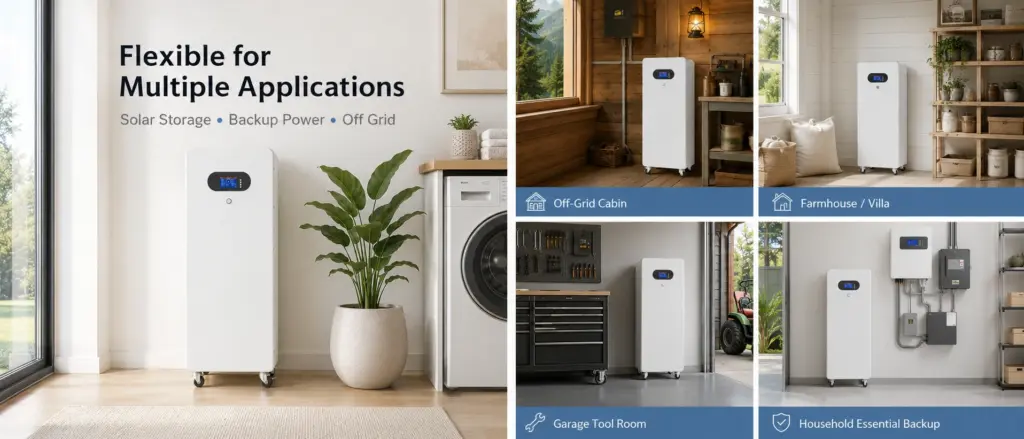
Build a Reliable 16 kWh Solar Battery System
Avepower provides 16 kWh battery solutions with BMS protection, inverter communication and scalable system options.
Does a 16 kWh Battery Need a Special Inverter?
Yes. The battery must be matched with a compatible inverter or charger.
The inverter determines how much power can be delivered at one time. The battery capacity determines how long the system can keep delivering energy. These are related but not the same.
For example, a 16 kWh battery paired with a 5 kW inverter may be able to run several household loads at once, but it cannot supply unlimited power. If the home tries to run an oven, air conditioner, kettle and water heater together, the inverter or battery protection system may limit output or shut down.
Communication also matters. Many lithium batteries use CAN, RS485 or RS232 communication to exchange information with compatible inverters, including state of charge, voltage, current limits, temperature and protection status.
Avepower’s 48V 300Ah LiFePO4 16 kWh battery is designed for home solar storage and supports CAN, RS485 and RS232 communication, Bluetooth/Wi-Fi monitoring, and scalable connection for larger energy storage systems.
Is a 16 kWh Battery Good for Off-Grid Use?
A 16 kWh battery can work well for an efficient off-grid cabin, small home, telecom room, farm building or backup system. But for a fully off-grid home, battery sizing should be based on daily load, weather risk and autonomy days.
A simple off-grid sizing formula is:
Required battery capacity = daily kWh use × backup days ÷ usable battery percentage
For example, if an off-grid home uses 12 kWh per day and needs two days of backup without solar:
12 kWh × 2 ÷ 90% = about 26.7 kWh of battery capacity
In that case, one 16 kWh battery may not be enough. You may need two batteries, a larger battery bank, a backup generator or a more aggressive load-management plan.
For scalable projects, Avepower offers home energy storage batteries and expandable battery options that can be configured for residential, installer, distributor and OEM/ODM needs.
How Long Will a 16 kWh LiFePO4 Battery Last Over Its Lifetime?
Runtime during one outage is different from battery lifespan.
A high-quality LiFePO4 battery can provide many years of service when it is installed and operated correctly. Battery life depends on depth of discharge, charge and discharge current, operating temperature, cell quality, BMS protection, installation environment and maintenance.
LiFePO4 chemistry is widely used in home energy storage because it offers strong thermal stability, long cycle potential and good daily cycling performance. For example, the Avepower 16kWh solar battery is built for residential solar storage and backup applications, with LiFePO4 cells, smart BMS protection, communication support and expandability.
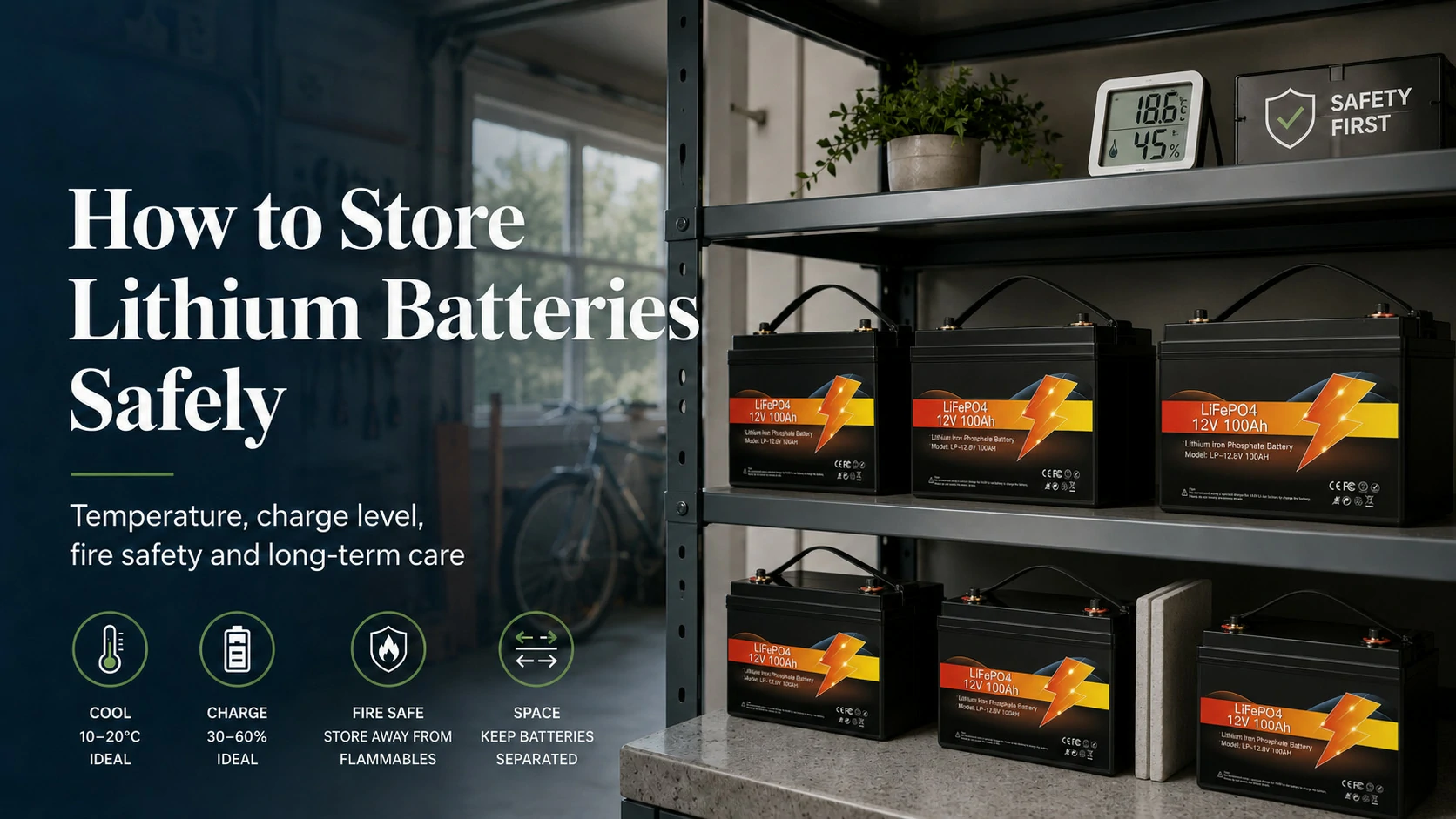
For the best long-term performance, avoid placing the battery in extreme heat, avoid repeated deep discharge beyond the manufacturer’s recommendation, keep firmware and inverter settings correct, and make sure the battery communicates properly with the inverter.
16 kWh Battery Runtime Formula
Use this formula for a fast estimate:
Runtime hours = usable battery capacity ÷ average load
For a more realistic calculation:
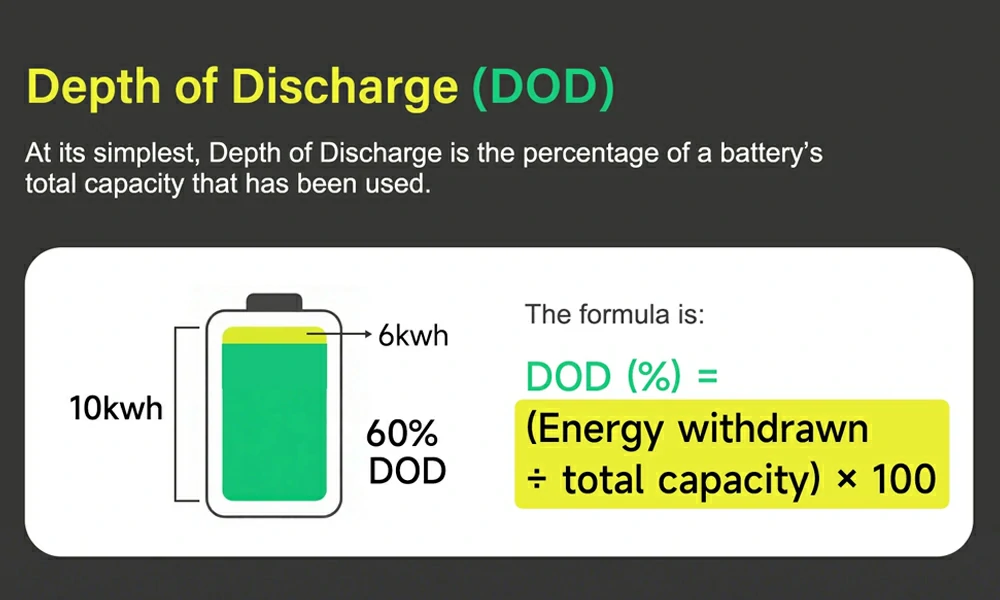
Runtime hours = nominal battery capacity × DoD × inverter efficiency ÷ average load
Example:
- 16 kWh × 90% DoD × 92% efficiency ÷ 1 kW = 13.2 hours
- 16 kWh × 90% DoD × 92% efficiency ÷ 2 kW = 6.6 hours
- 16 kWh × 90% DoD × 92% efficiency ÷ 0.6 kW = 22 hours
This formula is simple, but it gives a much better answer than asking only, “How long will a 16 kWh battery last?”
Avepower Solar + Storage Solutions
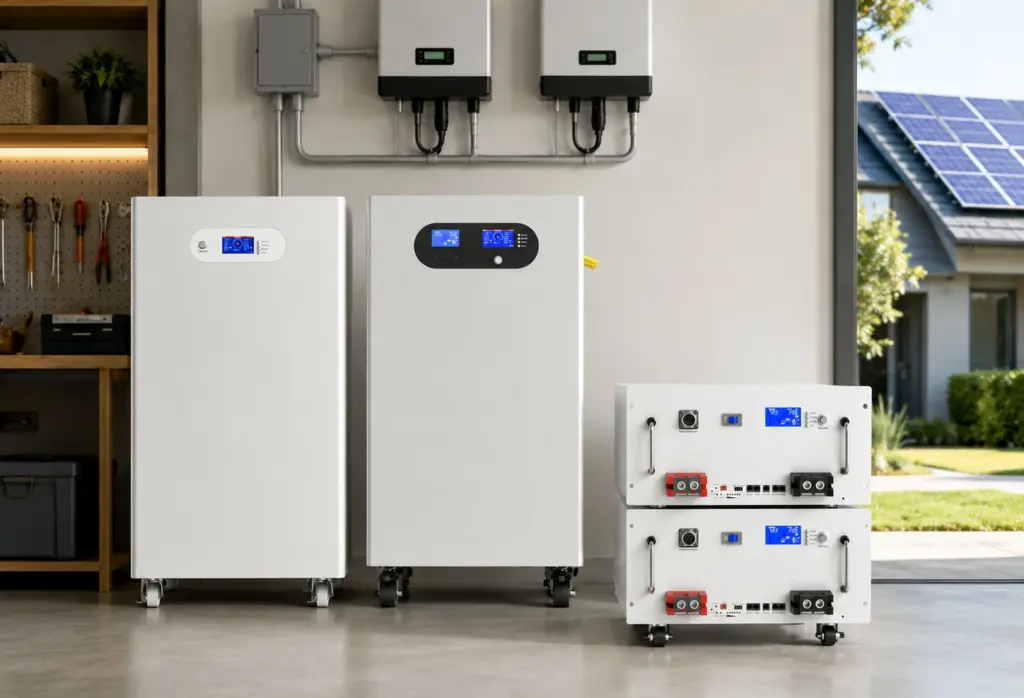
Avepower specializes in providing integrated solar plus energy storage systems that combine high-quality solar panels with reliable 48v 15kwh battery or 16 kWh (and other capacity) battery packs. Avepower’s customizable solutions ensure optimal system design tailored to your home’s energy needs, helping you maximize solar self-consumption and enjoy seamless backup power.
Don’t let power interruptions or rising electricity costs control your life — get in touch today to find the perfect 16 kWh (or larger) battery system designed to fit your energy needs and enjoy greater energy
Take Control of Your Energy with Avepower!
Reliable home solar battery solutions with OEM/ODM customization and in-house manufacturing, tailored to the needs of distributors, installers, and energy partners.
FAQ
A 16 kWh battery can supply 16 kilowatts of power for one hour or smaller loads for longer periods, representing the total energy it can store and deliver before needing a recharge.
Yes, it can deliver roughly 16 kWh of energy, which may provide around 50-60 miles of driving range for a mid-sized EV before needing recharge.
It can power refrigerators, LED lighting, Wi-Fi routers, TVs, small appliances like microwaves, and other basic loads for 10 to 30 hours depending on usage.
Avepower offers customizable solar-plus-storage solutions tailored to your home’s unique load profile, ensuring optimized performance, better backup power, and maximum solar self-consumption.
As a rough estimate, a 6 kW solar array may recharge around 16 kWh in a good 4 peak-sun-hour day after system losses. Actual results depend on weather, roof angle, shading, temperature, inverter limits and local sunlight conditions.
Yes, if the battery model, BMS and inverter support parallel expansion. For larger homes, off-grid projects and small commercial systems, multiple batteries can increase total storage capacity and extend backup time.