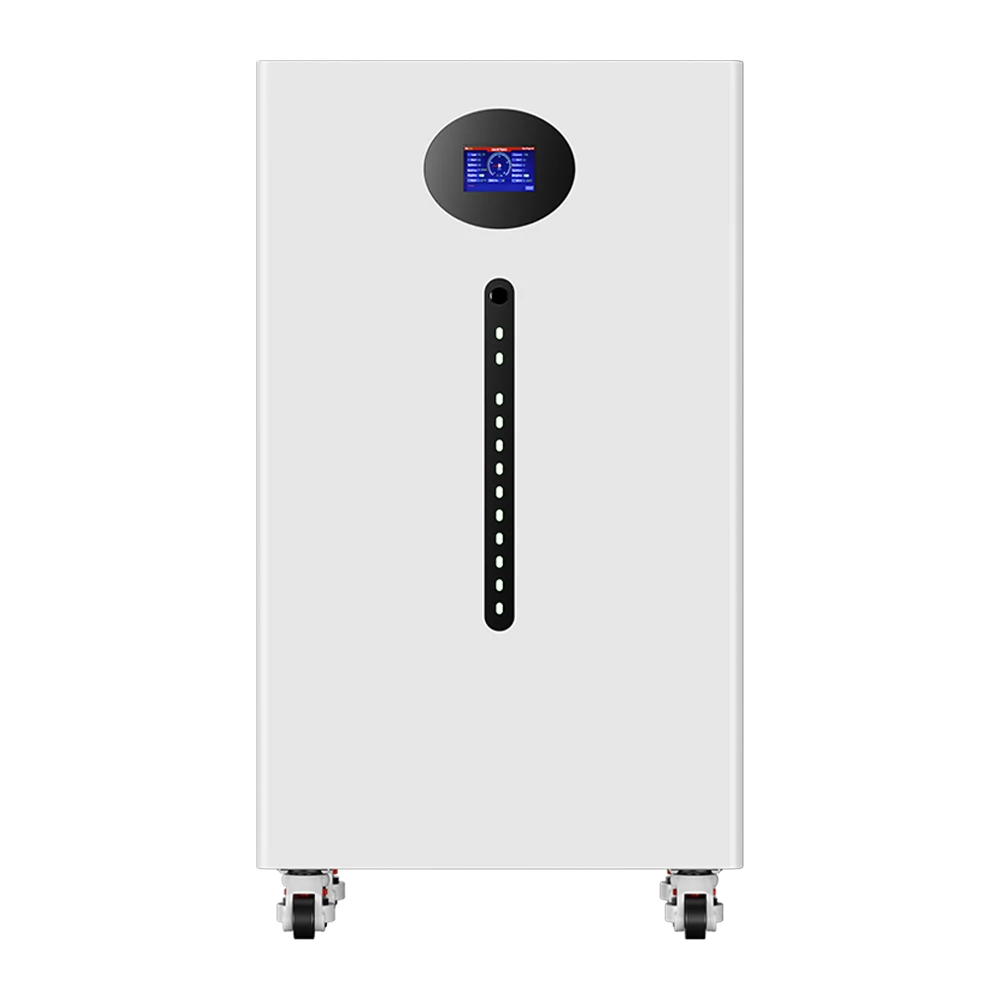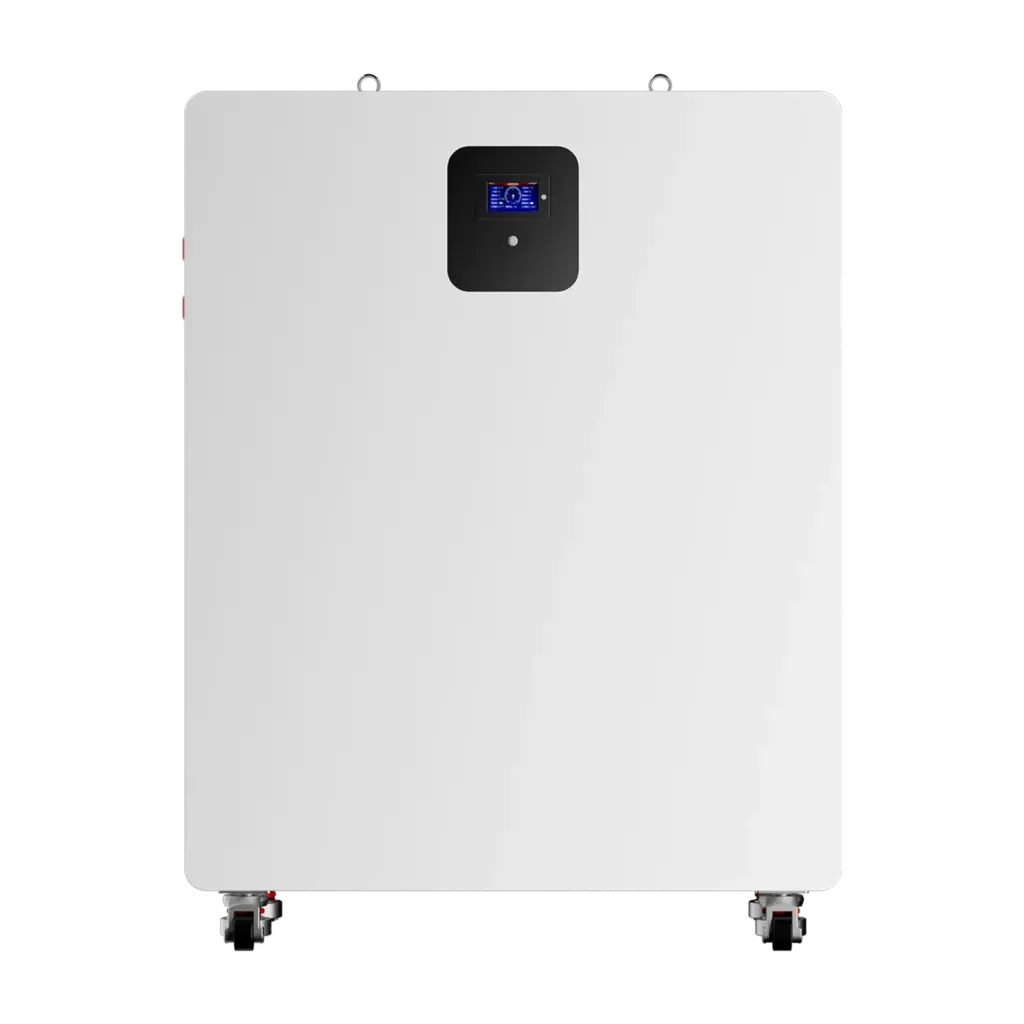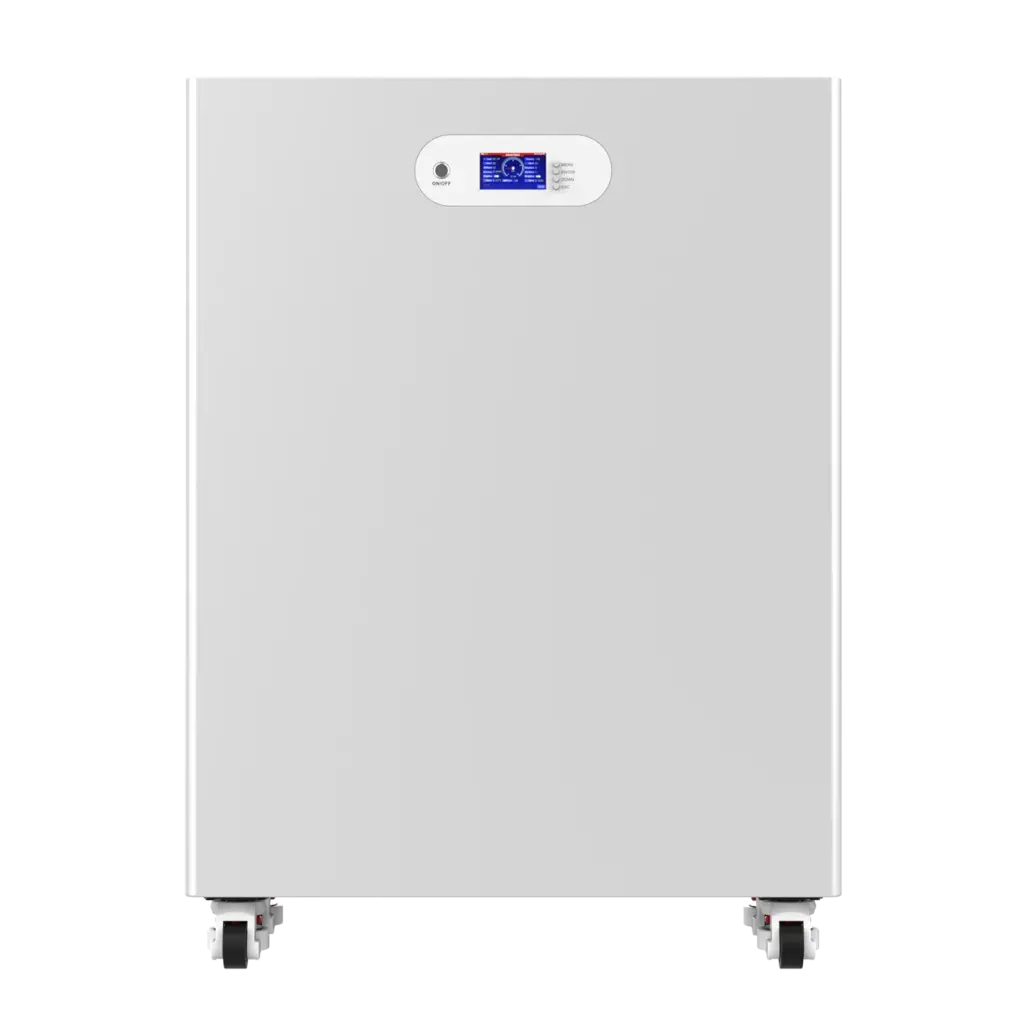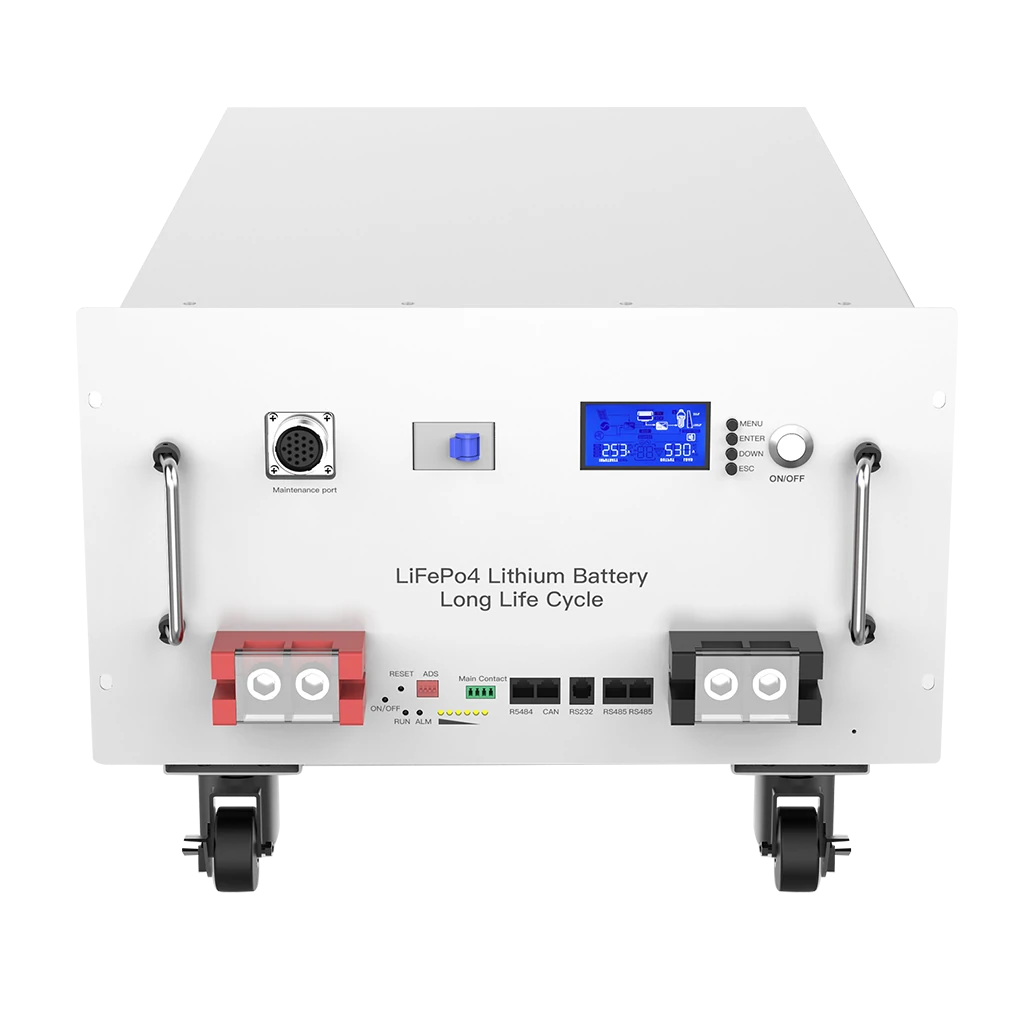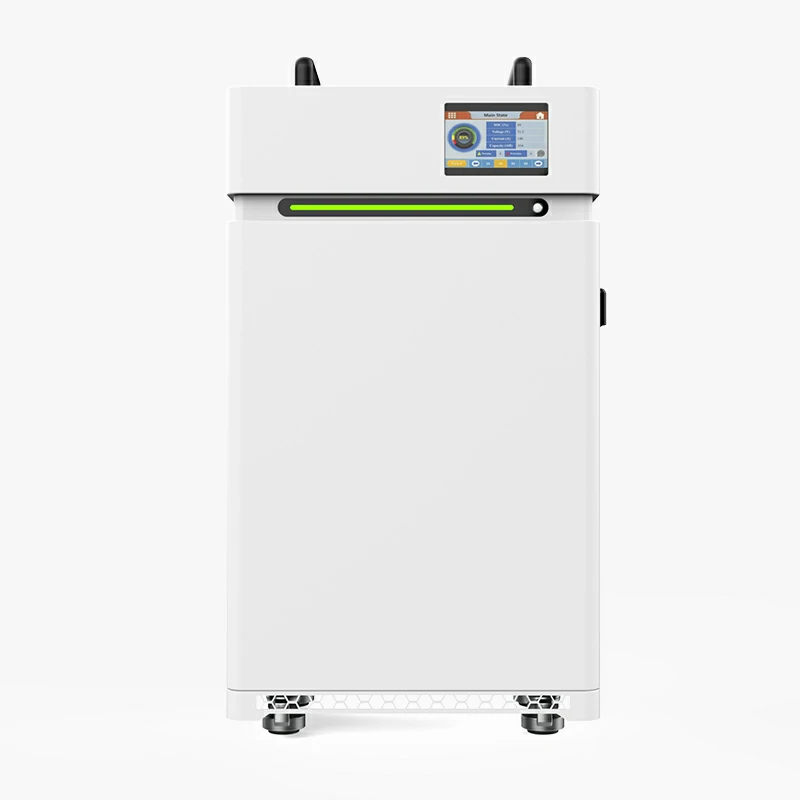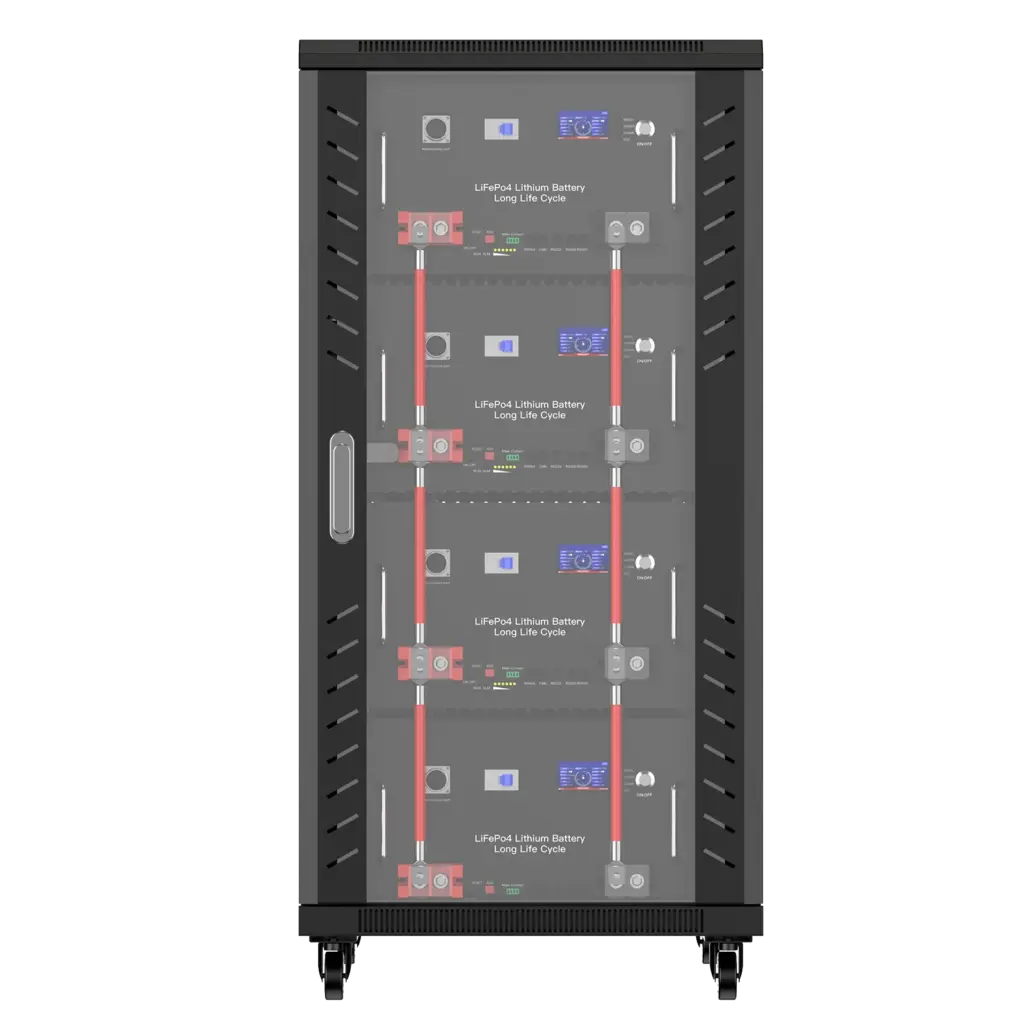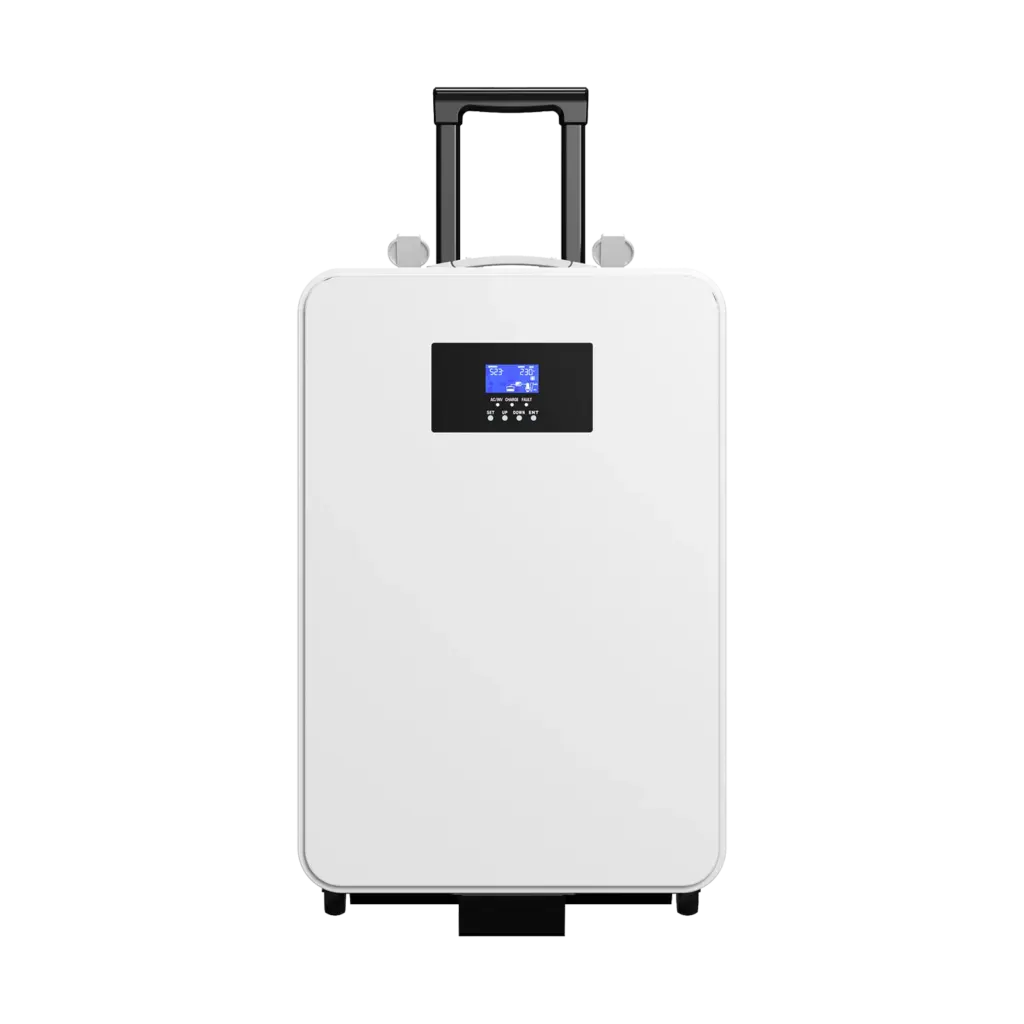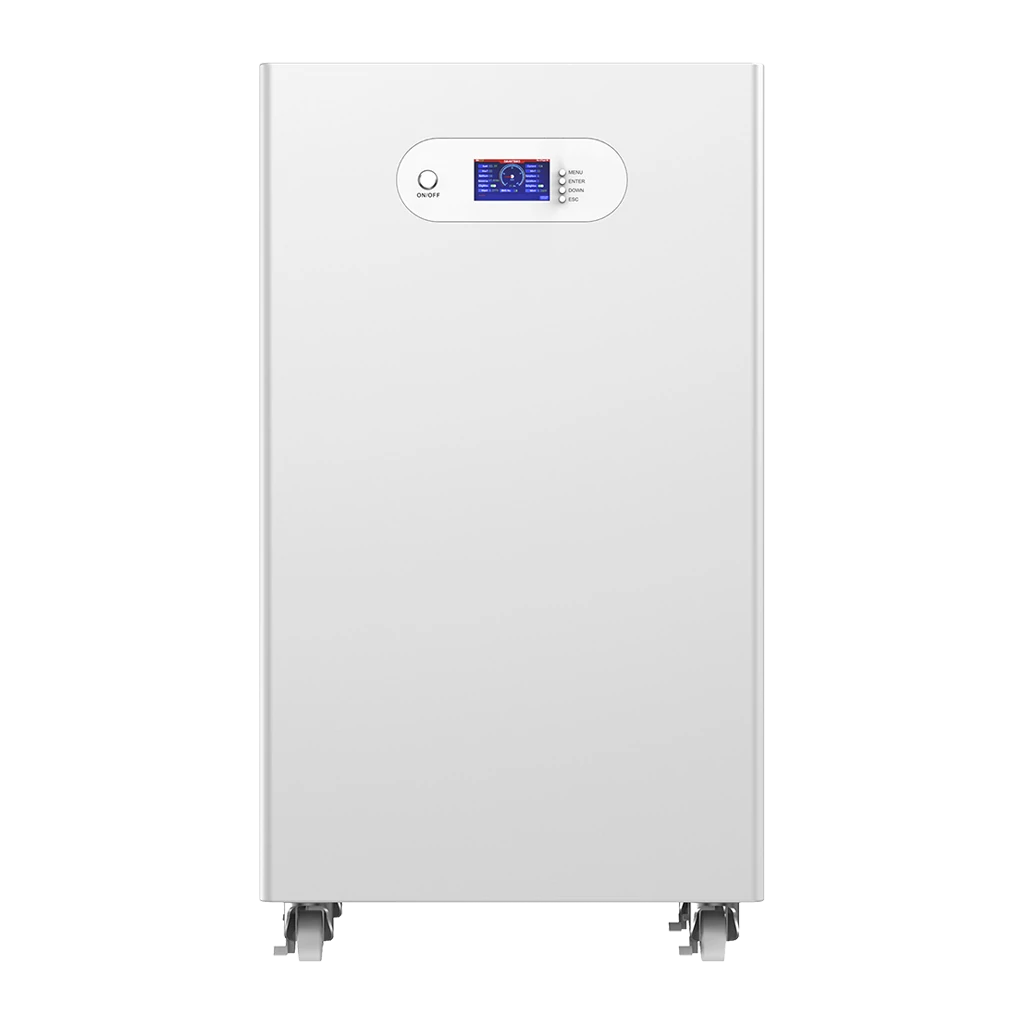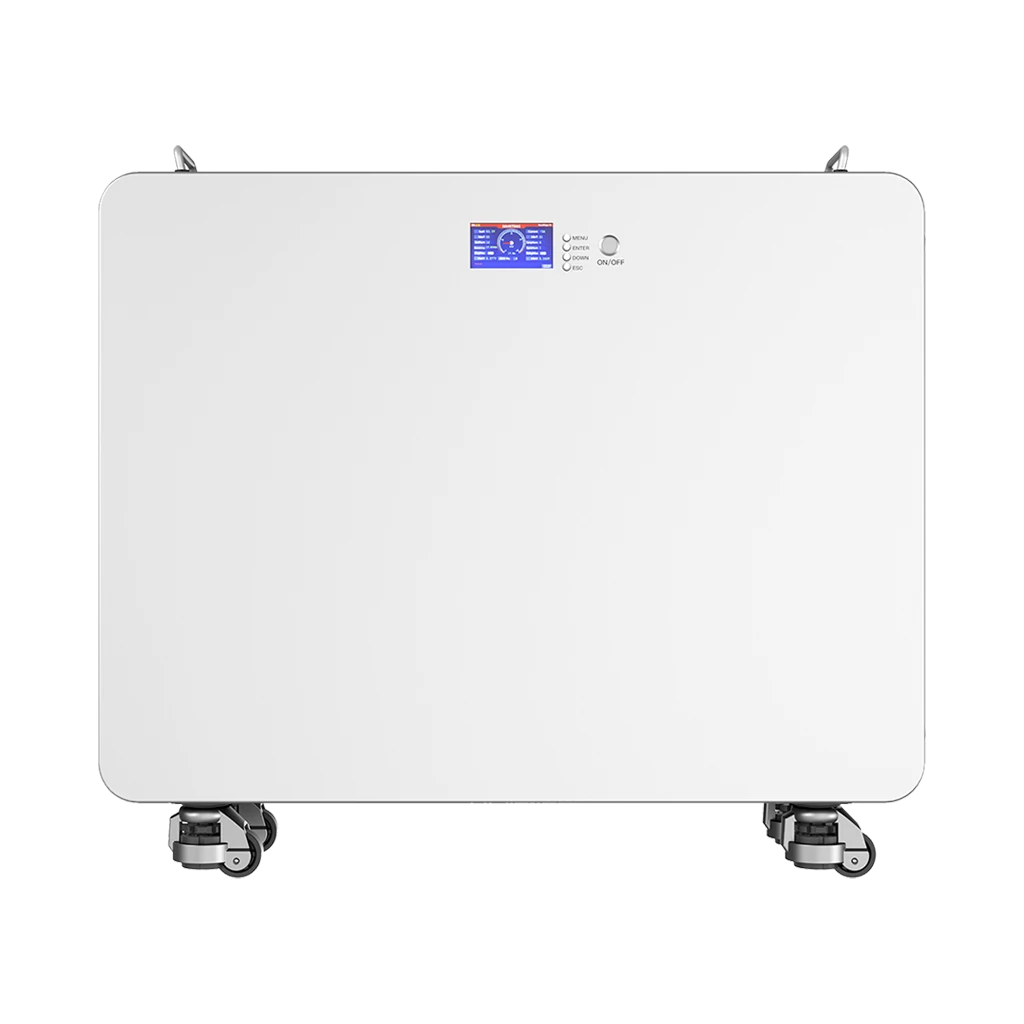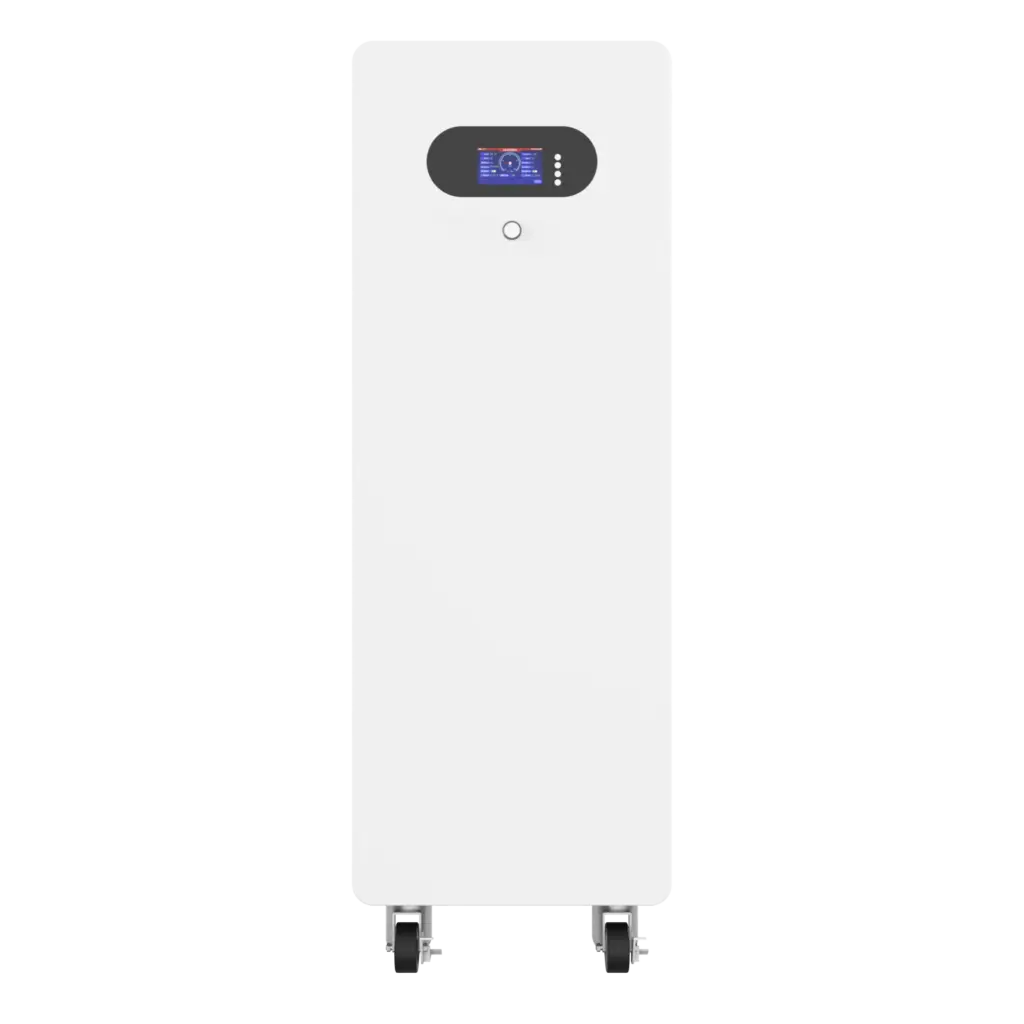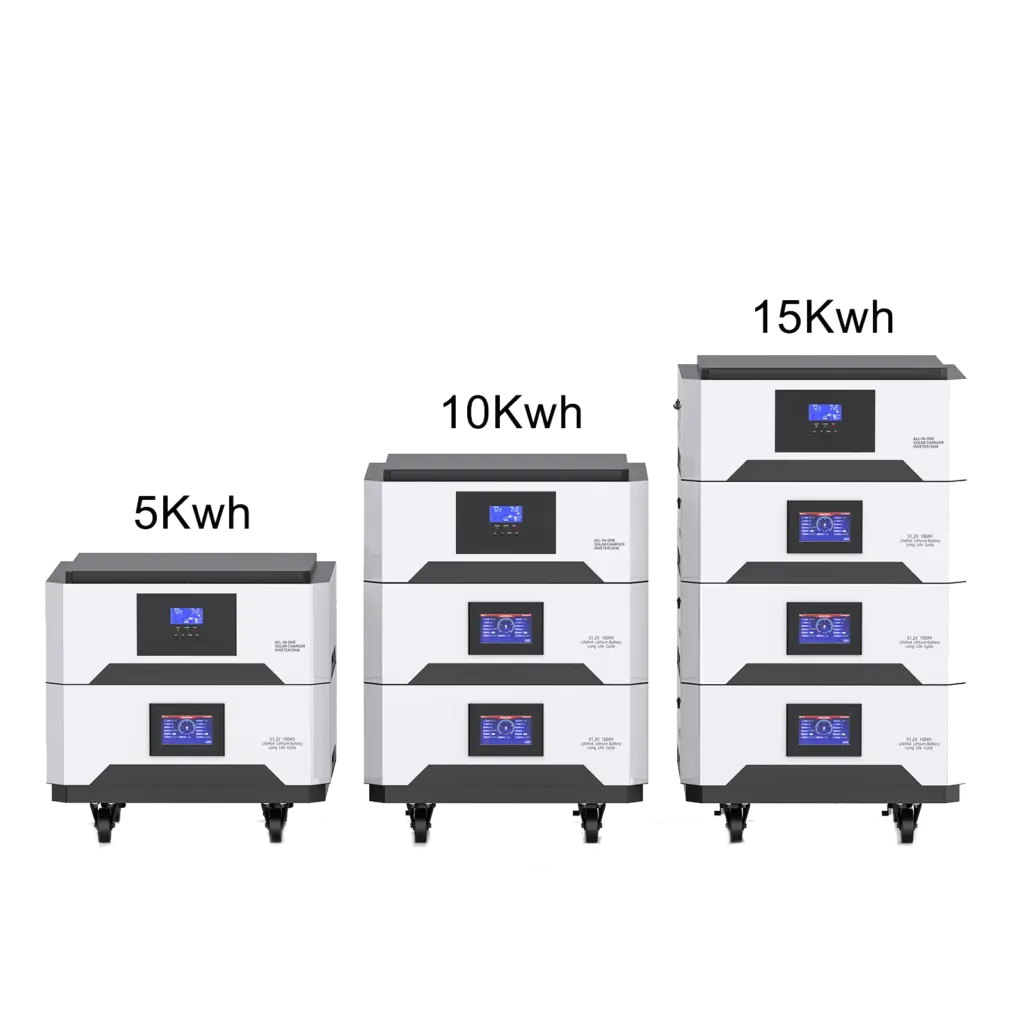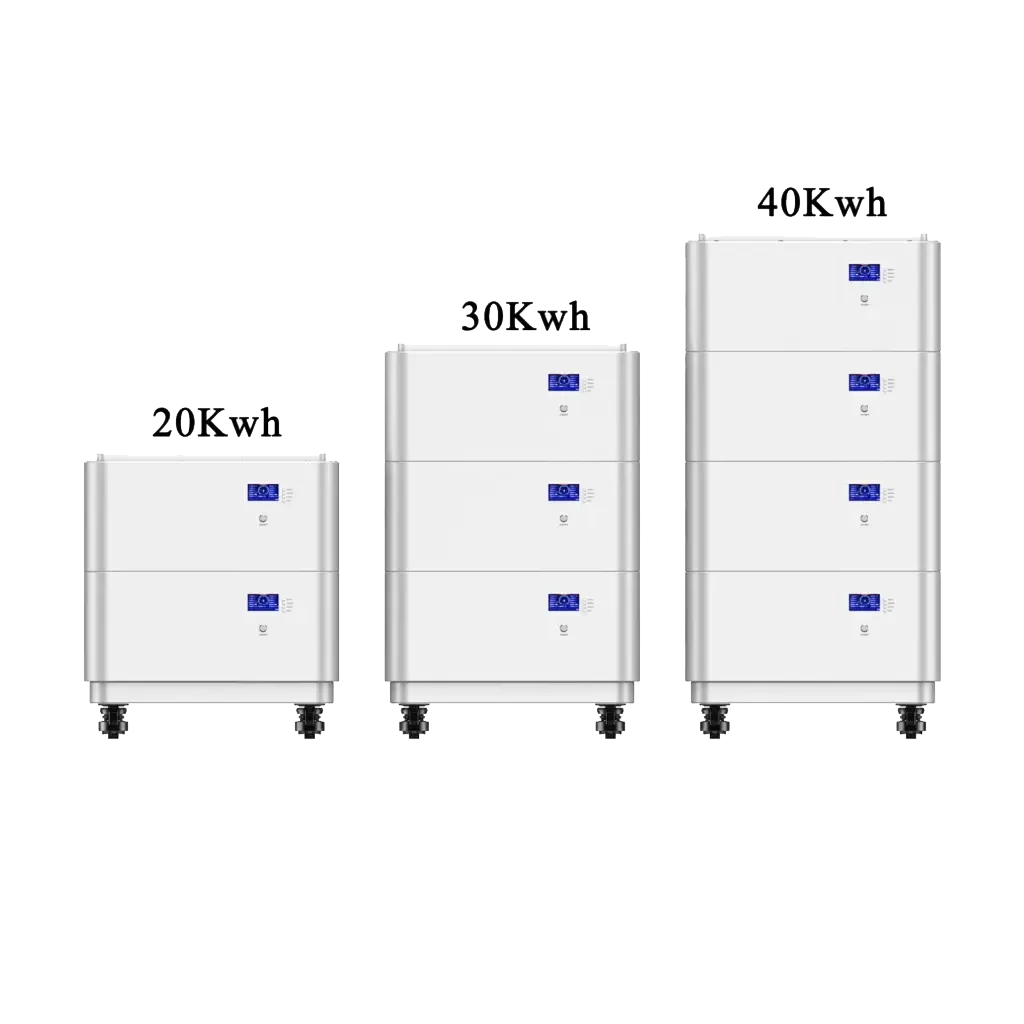

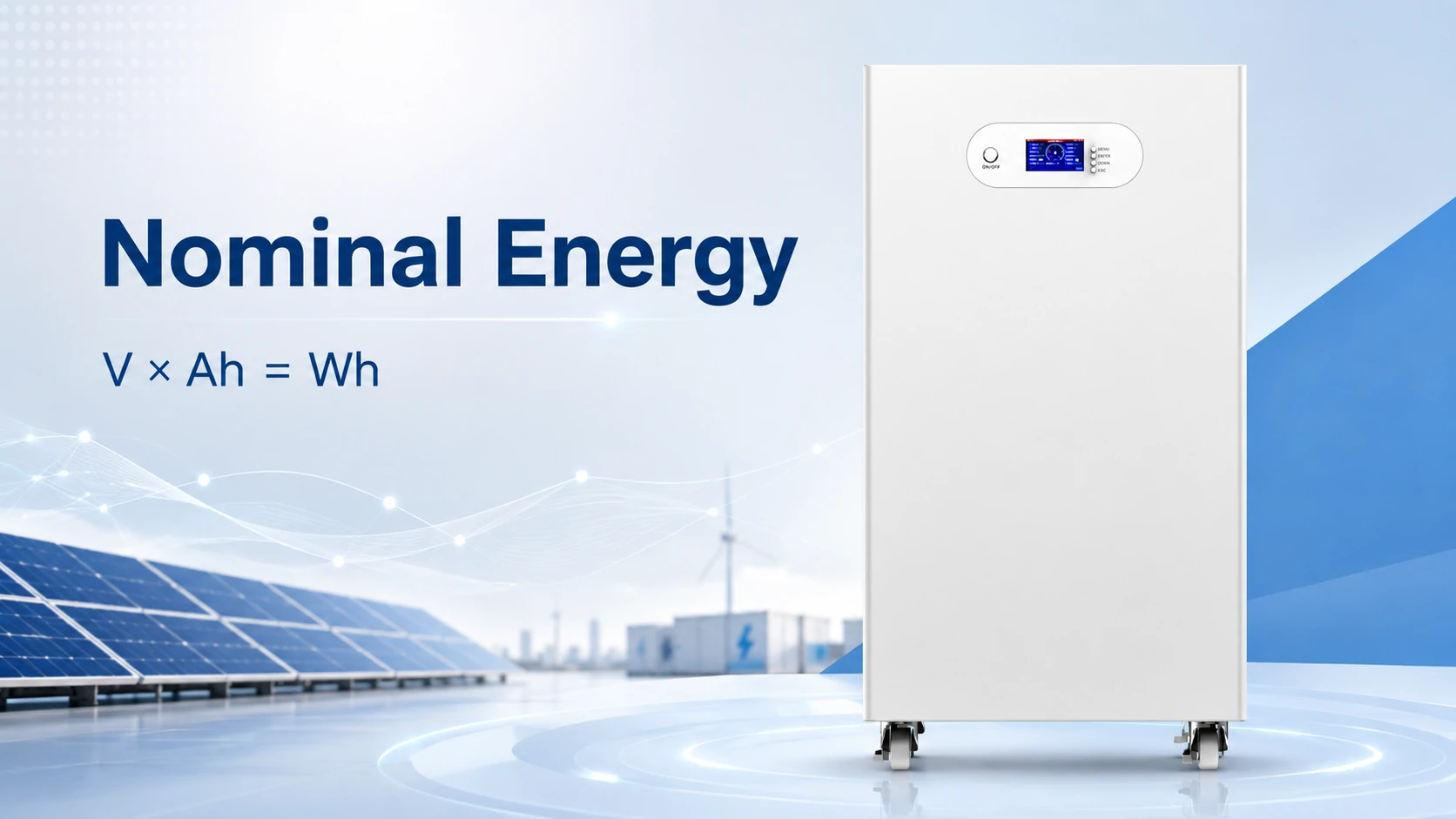
Nominal energy is the reference amount of electrical energy a battery is designed or specified to store under defined nominal conditions, normally expressed in watt-hours (Wh) or kilowatt-hours (kWh). For practical battery comparisons, it is commonly estimated by multiplying nominal voltage by nominal capacity in amp-hours, although actual usable energy is usually different.
The basic calculation is:
Nominal Energy (Wh) ≈ Nominal Voltage (V) × Nominal Capacity (Ah)
For example:
51.2V × 100Ah = 5,120Wh = 5.12kWh
This tells you the battery’s nominal energy—not necessarily how many kilowatt-hours will actually reach your appliances.
What Does Nominal Energy Mean in a Battery?
Nominal energy is the battery’s reference energy content under specified nominal conditions and is normally reported in Wh, kWh or MWh. It is useful for comparing battery sizes and designing systems, but it should not automatically be treated as the amount of energy available to the load during real operation.
For most battery datasheets, nominal energy can be approximated using:
Eₙ = Vₙ × Cₙ
Where:
- Eₙ = nominal energy in Wh;
- Vₙ = nominal battery voltage in V;
- Cₙ = nominal battery capacity in Ah.
For larger systems:
Nominal Energy (kWh) = Nominal Voltage × Nominal Capacity ÷ 1,000
For example:
51.2V × 200Ah ÷ 1,000 = 10.24kWh
At the cell-engineering level, however, this multiplication is an approximation. Battery voltage changes during discharge, so more precise energy measurement integrates voltage and current across the complete discharge period rather than assuming one constant voltage.
How Do You Calculate Nominal Energy in Wh and kWh?
Calculate nominal energy by multiplying the battery’s nominal voltage by its nominal amp-hour capacity. Divide watt-hours by 1,000 to obtain kilowatt-hours.
Nominal Energy Formula
Wh = V × Ah
and:
kWh = V × Ah ÷ 1,000
Examples
| Battery | Nominal Voltage | Capacity | Calculated Nominal Energy |
|---|---|---|---|
| 12.8V 100Ah | 12.8V | 100Ah | 1.28kWh |
| 25.6V 100Ah | 25.6V | 100Ah | 2.56kWh |
| 48V 100Ah | 48V | 100Ah | 4.80kWh |
| 51.2V 100Ah | 51.2V | 100Ah | 5.12kWh |
| 51.2V 200Ah | 51.2V | 200Ah | 10.24kWh |
| 51.2V 314Ah | 51.2V | 314Ah | 16.0768kWh |
| 345.6V 314Ah | 345.6V | 314Ah | 108.5184kWh |
The last calculation is:
51.2 × 314 = 16,076.8Wh
16,076.8 ÷ 1,000 = 16.0768kWh
Avepower uses the same relationship in its 51.2V 314Ah LiFePO4 battery, whose product specification lists 51.2V nominal voltage, 314Ah nominal capacity and approximately 16kWh nominal energy.
If you frequently convert these values, Avepower also provides dedicated guides for amp-hours to watt-hours and watt-hours to amp-hours.
Need a Battery System Sized by Real Usable Energy?
Avepower supports solar installers, distributors, EPC teams and OEM/ODM partners with LiFePO4 battery systems ranging from residential low-voltage platforms to customized high-voltage ESS projects.
Instead of selecting a battery from nominal kWh alone, Avepower’s engineering team can review your required usable energy, inverter or PCS model, load profile, backup duration, voltage platform, SOC strategy and expansion requirements before recommending a configuration.
Explore Avepower energy-storage products, review completed ESS projects, or send your target usable kWh and inverter/PCS model to receive a project-specific battery configuration.
Is Nominal Energy the Same as Usable Energy?
No. Nominal energy describes the battery’s reference or theoretical energy capacity under specified conditions, while usable energy describes how much of that capacity is permitted or practically available within the operating SOC window. For system sizing, backup runtime and financial modeling, usable energy is normally the more important value.
A simplified relationship is:
Usable Energy ≈ Nominal Energy × Usable SOC Window
Suppose a battery has:
- nominal energy = 10kWh;
- maximum SOC = 95%;
- minimum SOC = 20%.
The usable SOC window is:
95% − 20% = 75%
Therefore:
10kWh × 75% = 7.5kWh
If an energy-storage system operates only between 20% and 100% of nominal energy capacity, the energy value should be derated to 80% when a model requires usable energy.
Nominal Energy vs Usable Energy
| Specification | What It Tells You | Best Used For |
|---|---|---|
| Nominal Energy | Reference battery energy | Product comparison |
| Total Energy | Physical/total battery energy as defined by manufacturer | System architecture |
| Usable Energy | Energy permitted within operating limits | System sizing |
| AC Usable Energy | Energy available after DC/AC conversion under defined conditions | Backup/runtime estimation |
| Rated Energy | Manufacturer-defined rated energy; terminology varies | Datasheet comparison |
What Is the Difference Between Nominal Energy, Capacity and Power?
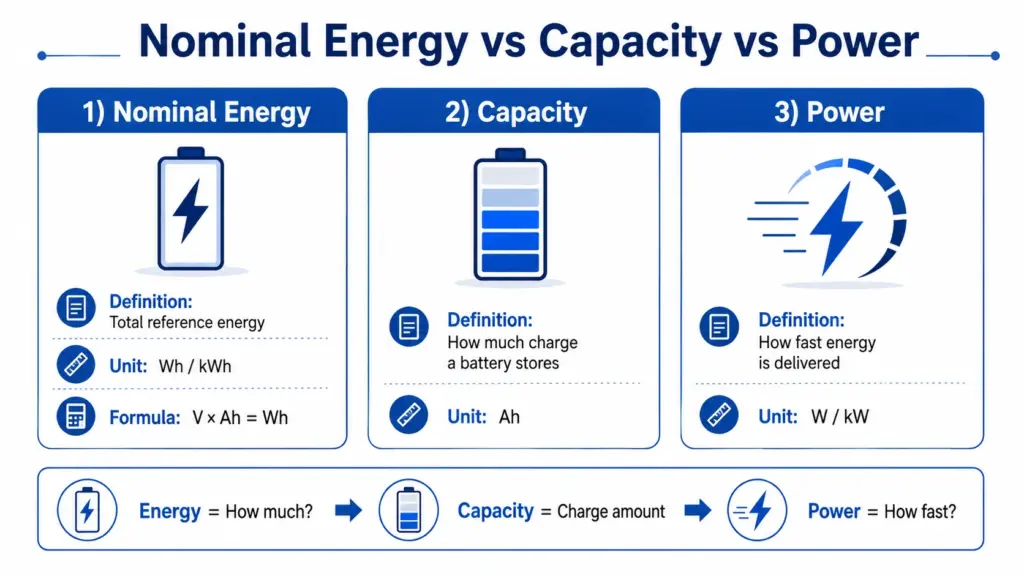
Nominal energy tells you how much electrical energy a battery represents, capacity in Ah describes electrical charge, and power in kW describes how quickly energy can be delivered. A battery can therefore have high nominal energy but still be unsuitable for a high-power load if its BMS or current limit is too low.
| Specification | Unit | Main Question |
|---|---|---|
| Voltage | V | What electrical potential does the battery operate at? |
| Capacity | Ah | How much electrical charge is stored? |
| Nominal Energy | Wh / kWh | How much reference energy does it store? |
| Power | W / kW | How fast can it deliver energy? |
| Current | A | How much electrical current can it supply? |
| SOC | % | How much charge remains now? |
| SOH | % | How healthy is the battery relative to its reference condition? |
For example, compare:
Battery A: 51.2V × 100Ah = 5.12kWh
Battery B: 51.2V × 314Ah = 16.08kWh
Battery B contains more nominal energy.
But that alone does not tell you whether it can supply a larger inverter.
You must also check:
- maximum continuous discharge current;
- peak discharge current;
- BMS limit;
- minimum operating voltage;
- inverter efficiency;
- communication limits.
What Does Nominal Energy Look Like in a Real 51.2V LiFePO4 Battery?
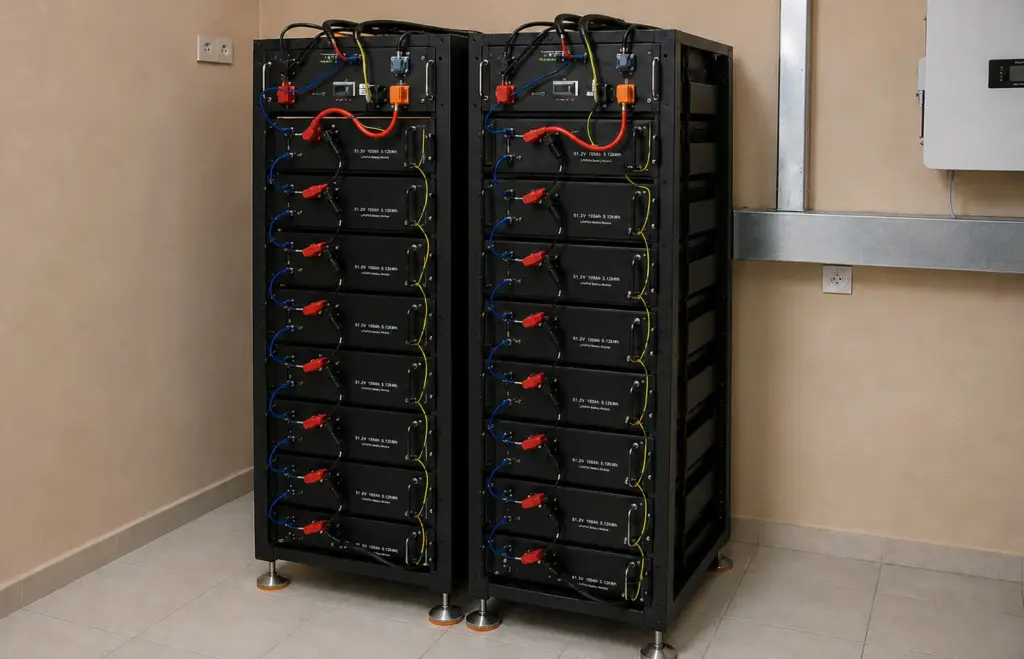
Avepower’s 51.2V 314Ah 16kWh vertical LiFePO4 battery is specified with:
- nominal voltage: 51.2V;
- nominal capacity: 314Ah;
- nominal energy class: 16kWh;
- LiFePO4 chemistry;
- CAN / RS485 / RS232 communication;
- up to 16 units in parallel.
Its calculated nominal energy is:
51.2V × 314Ah
= 16,076.8Wh
= 16.0768kWh
How Is Nominal Energy Calculated in a High-Voltage BESS?
Multiply nominal DC voltage by amp-hour capacity.
A real example is Avepower’s 108.5kWh high-voltage ESS project in the Netherlands.
The system uses:
- 345.6V nominal DC voltage;
- 314Ah nominal capacity;
- 1P108S architecture;
- six 57.6V / 314Ah battery packs;
- CAN communication;
- BCU monitoring.
Calculate the system energy:
345.6V × 314Ah
= 108,518.4Wh
= 108.5184kWh
The pack-level calculation also confirms the result.
Each pack:
57.6V × 314Ah = 18.0864kWh
Six packs:
18.0864 × 6 = 108.5184kWh
Avepower’s broader commercial and industrial energy storage solutions also publish nominal voltage, capacity and energy together so project developers can verify system architecture before integration.
Is Higher Nominal Energy Always Better?
No. A higher nominal-energy battery can provide longer potential runtime, but it is not automatically the better system. The correct battery must also meet inverter power, discharge-current, voltage, communication, temperature, installation, certification and usable-energy requirements for the actual project.
Consider two batteries:
| Specification | Battery A | Battery B |
|---|---|---|
| Nominal Energy | 10kWh | 16kWh |
| Usable Energy | 9kWh | 13kWh |
| Continuous Power | 10kW | 5kW |
| Application | High-power backup | Longer low-power backup |
What Should You Check When Comparing Nominal Energy on Battery Datasheets?
A professional comparison should identify whether the value represents nominal, rated, total, DC usable or AC usable energy and then verify the test temperature, discharge rate, SOC limits, voltage range and end-of-life conditions behind that number.
For procurement, request the following:
- Nominal voltage
- Nominal capacity in Ah
- Nominal energy in Wh/kWh
- Usable energy
- Cell configuration — S/P
- Working voltage range
- Maximum SOC and minimum SOC
- Recommended DoD
- Test temperature
- Charge/discharge C-rate
- Continuous discharge current
- Peak discharge current and duration
- BMS protection limits
- Round-trip efficiency
- DC or AC measurement point
- Beginning-of-life and end-of-life capacity
- Cycle-life test condition
- Inverter compatibility
- Certification documentation
- Warranty energy-retention terms
For professional buyers, Avepower publishes supporting information through its battery quality-control process, manufacturing facility and certification documentation.
Real Project Example: From a 16.0768kWh Pack to a 321.5kWh ESS
A real high-voltage project demonstrates how nominal energy scales from cells to battery packs and then to the complete system. Avepower’s UK 321.5kWh ESS uses 314Ah LiFePO4 cells, 16-cell battery packs and a multi-pack high-voltage configuration, allowing every energy figure to be traced back to cell-level specifications.
In Avepower’s 321.5kWh UK high-voltage ESS project, each battery pack uses:
- 3.2V LiFePO4 cells
- 314Ah cell capacity
- 1P16S configuration
- 51.2V nominal pack voltage
- 16.0768kWh nominal pack energy
The pack calculation is:
3.2V × 16 = 51.2V
Then:
51.2V × 314Ah = 16.0768kWh
Twenty battery packs provide:
16.0768 × 20 = 321.536kWh
rounded in the project description to approximately:
321.5kWh
The complete project uses a 2P160S configuration with DC512V nominal system voltage, demonstrating how nominal energy remains traceable from cell to pack to full BESS.
This traceability is valuable for EPCs and project developers because an ESS specification should be mathematically consistent across:
cell voltage → cell Ah → S/P configuration → pack voltage → pack energy → system energy
Need Help Sizing the Right Battery Energy for Your Project?
Avepower develops LiFePO4 energy-storage systems for solar installers, distributors, EPC contractors, project developers and OEM/ODM partners.
You can review Avepower’s energy storage products, verify real installations through its battery case studies, review certification support, learn about the 20,000 m² manufacturing facility or check common technical questions in the energy storage battery FAQ. Avepower’s company information and engineering capabilities are also available on the About Avepower page.
Send us your inverter model, load profile, required backup time and target kWh. Our engineering team can help calculate nominal energy, usable energy, battery voltage and the appropriate system configuration before your project moves to production.
Take Control of Your Energy with Avepower!
Reliable home solar battery solutions with OEM/ODM customization and in-house manufacturing, tailored to the needs of distributors, installers, and energy partners.
FAQ
Nominal energy is the reference amount of electrical energy associated with a battery under specified nominal conditions. It is normally expressed in Wh or kWh.
No. Usable energy normally accounts for the permitted SOC range or other operating restrictions, so it can be lower than nominal energy.
The nameplate nominal-energy value generally remains the product’s reference rating, but the battery’s actual available energy decreases as its usable capacity degrades.
It provides an initial estimate, but realistic runtime calculations should use usable energy and account for inverter losses, load variation, temperature and battery condition.