
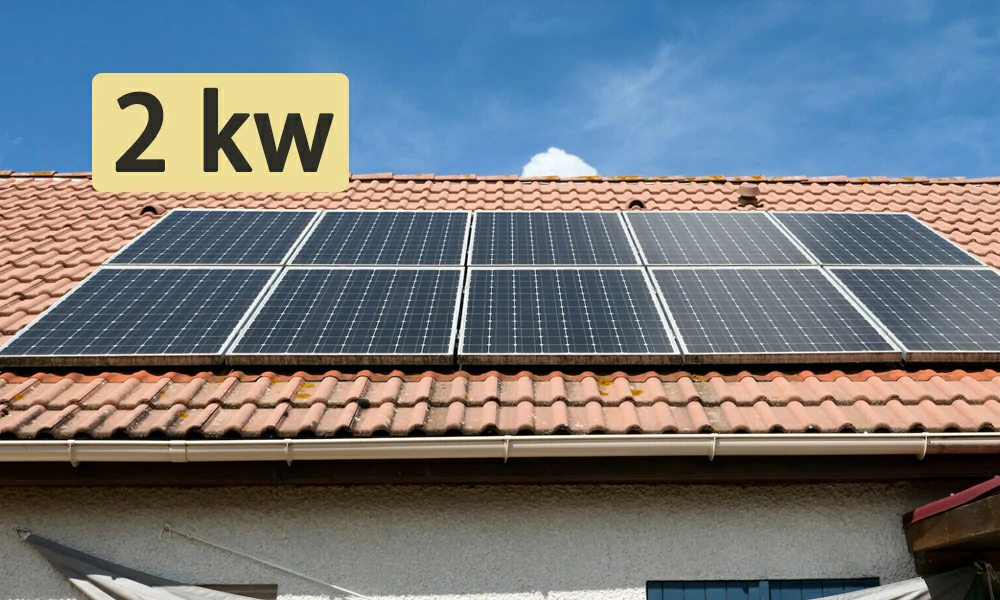
A 2 kilowatt (kW) solar system is a photovoltaic (PV) setup capable of producing up to 2,000 watts of power under standard test conditions. In favorable sunlight conditions, 2 kW solar panel system can generate an average of around 7–9 kWh of electricity per day.
This level of energy production is sufficient to cover many common, continuous household needs such as cooling, lighting, Wi-Fi, and device charging, while also helping reduce reliance on the utility grid.
Most 2 kW solar systems are installed as grid-tied rooftop solar systems. This configuration allows your home to prioritize solar energy during the day and automatically draw power from the grid when solar generation is insufficient. Some homeowners also choose to add a small battery storage system to increase solar self-consumption and keep essential appliances running during power outages.
This guide will walk you through the components included in a 2 kW solar system, typical costs, installation methods, expected energy production, and when it makes sense to add battery storage.
What’s Included in a Typical 2 kW Solar System?
Most 2 kW grid-tied systems include:
- Solar panels (the generation source).
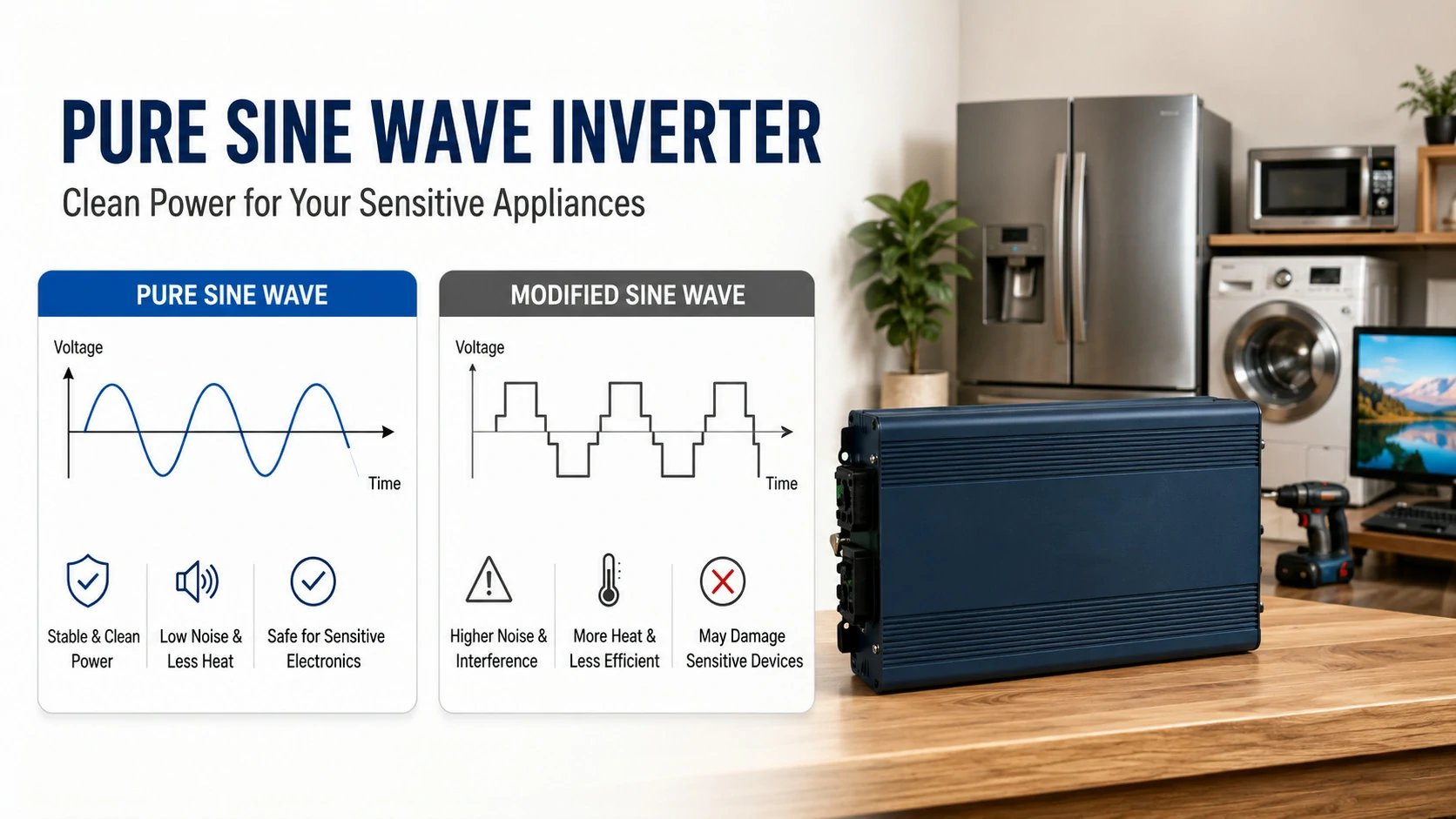
- Inverter (string inverter, hybrid inverter, or microinverters).
- Mounting/racking (roof or ground mount).
- Electrical gear (isolators, breakers, wiring, earthing, monitoring).
- Permits/inspection and grid connection (varies by region).
Optional add-ons include:
- Battery storage (for evening use and backup).
- Consumption monitoring (to track how much solar you self-use vs export).
- Optimizers/microinverters (often used on shaded or complex roofs).
How Much Does a 2 kW Solar System Cost?
The price of a 2 kW solar system varies depending on several factors, including the brand and efficiency of the solar panels, inverter quality, installation complexity, and the availability of local incentives or rebates.
Australia: 2 kW Solar System Pricing
In Australia, a fully installed 2 kW solar system typically costs between $3,664 and $4,630. This price range generally includes installation, GST, and federal solar rebates such as STCs. In contrast, a 6kW solar system in Australia costs around $4,600 to $6,000 – its capacity is more than three times that of the former, but the price is less than twice as much.
The average installation price for major cities is approximately:
- Sydney, NSW: $3,909
- Brisbane, QLD: $3,732
- Perth, WA: $4,630
- Hobart, TAS: $3,924
- Adelaide, SA: $3,664
- Melbourne, VIC: $4,063
- Canberra, ACT: $3,814
United States: 2 kW Solar System Pricing
In the United States, the average cost of a 2 kW solar panel system is about $4,040-$6,100 before incentives. However, pricing differs widely by state due to labor costs, permitting requirements, and state-level solar programs.
Average installed prices by state include:
- New York: $5,840
- Florida: $4,340
- Colorado: $5,720
- Washington: $5,200
- California: $4,520
- New Jersey: $5,240
- Maryland: $5,560
- Arizona: $4,040
- Texas: $4,240
- Massachusetts: $6,100
U.S. Federal Solar Tax Credit Timeline
Under current IRS guidance related to Public Law 119-21, the Residential Clean Energy Credit (Section 25D) does not apply to eligible expenses made after December 31, 2025. As a result, U.S. homeowners planning to claim the federal solar tax credit should treat December 31, 2025, as a firm deadline when evaluating installation timelines.
2 kW Solar System With Batteries: Battery Size and Cost
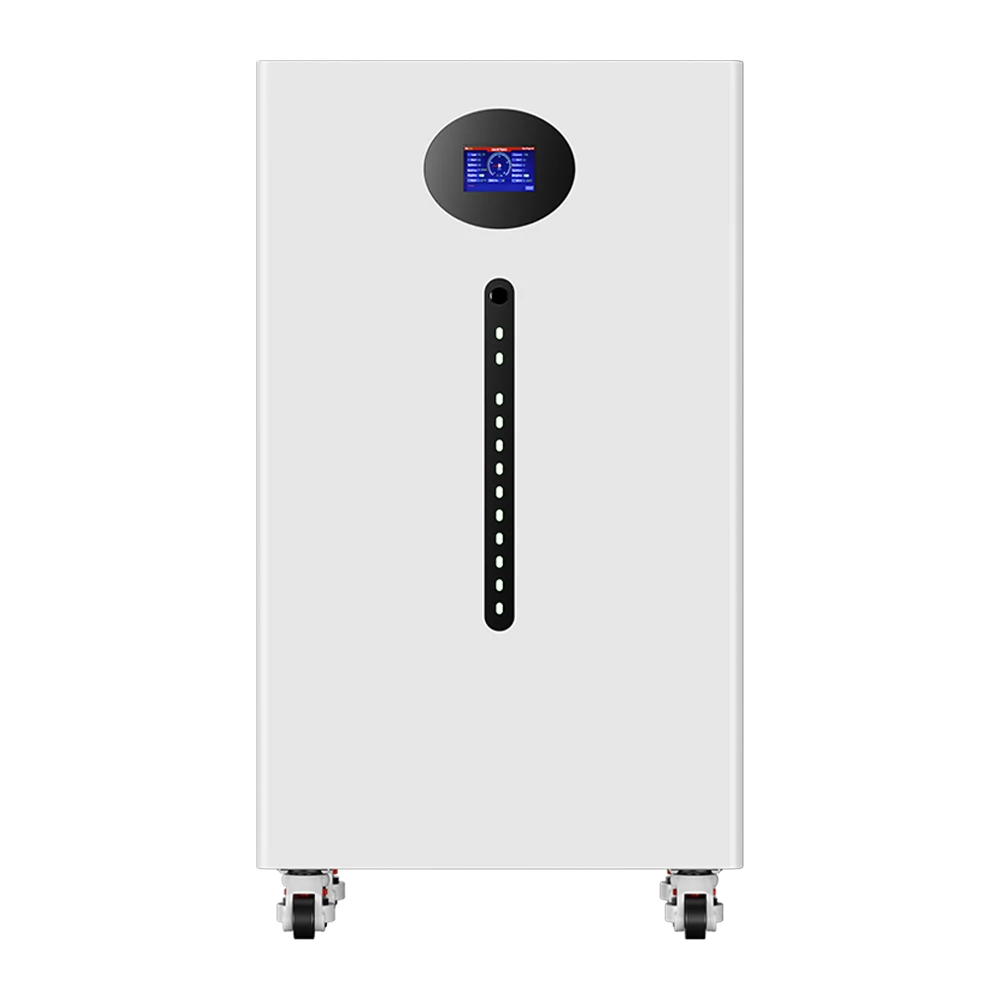
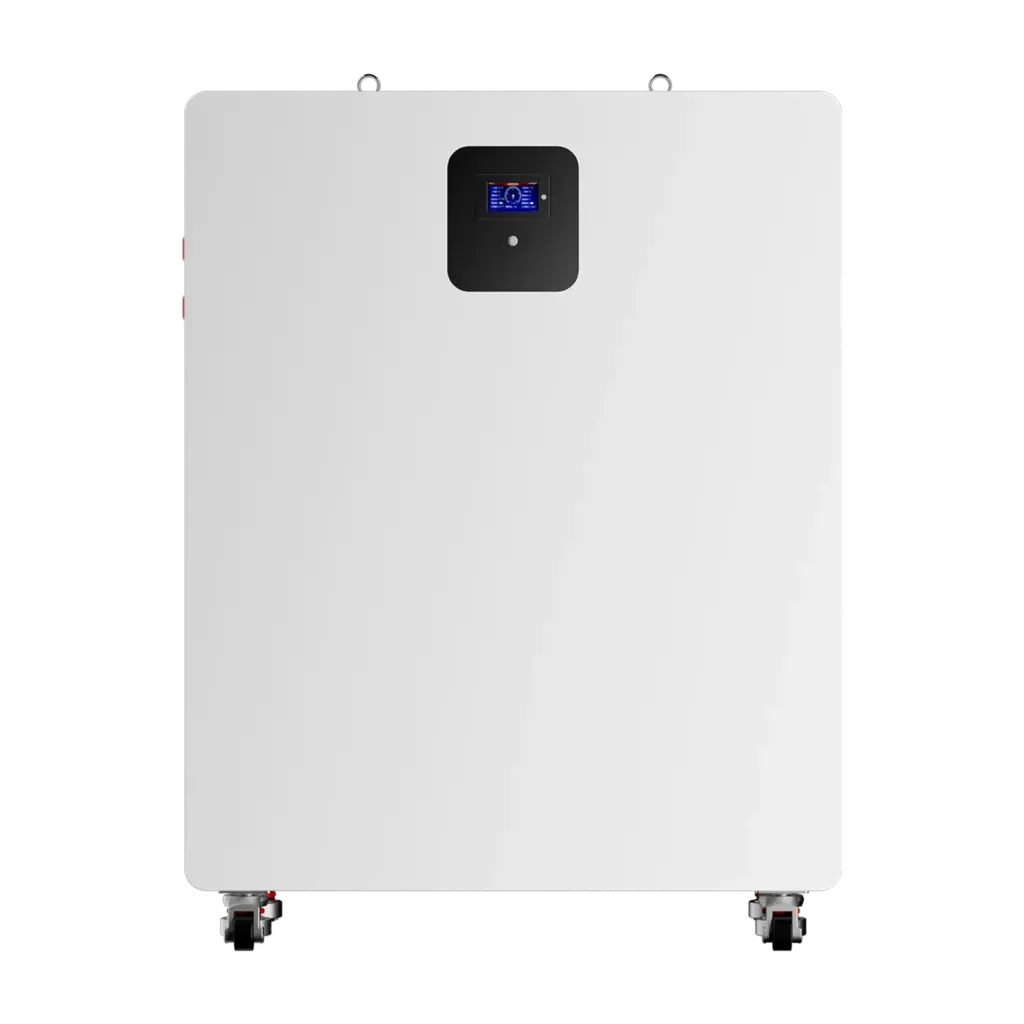
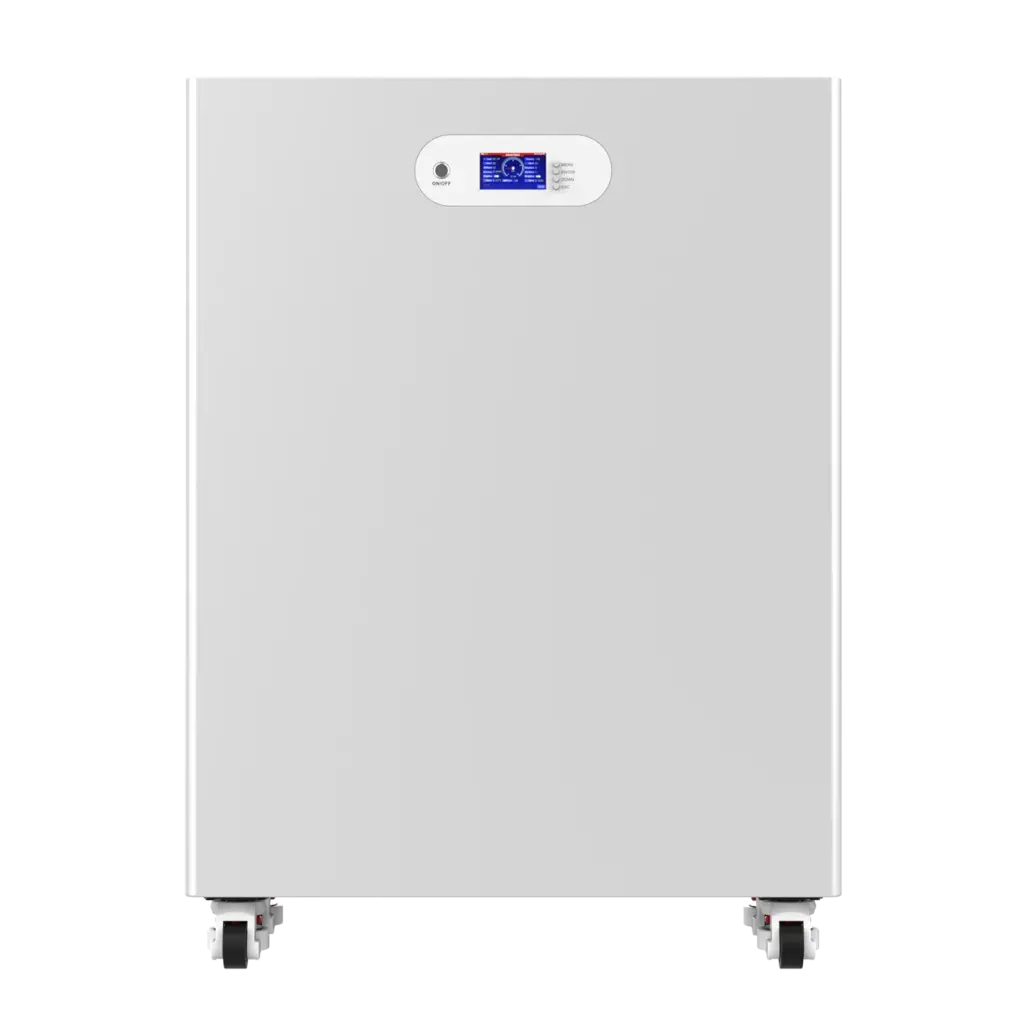
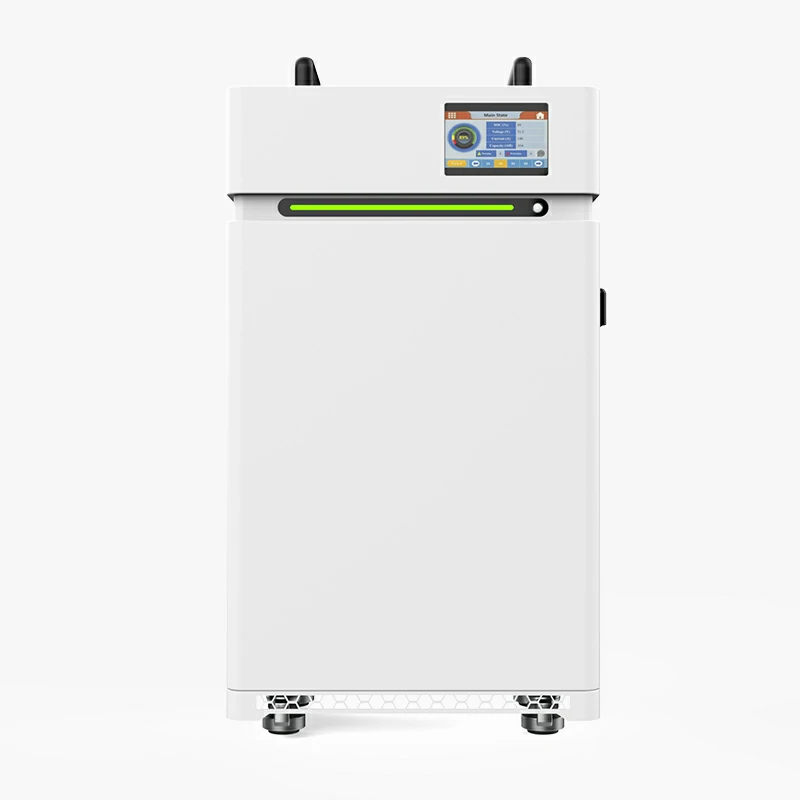
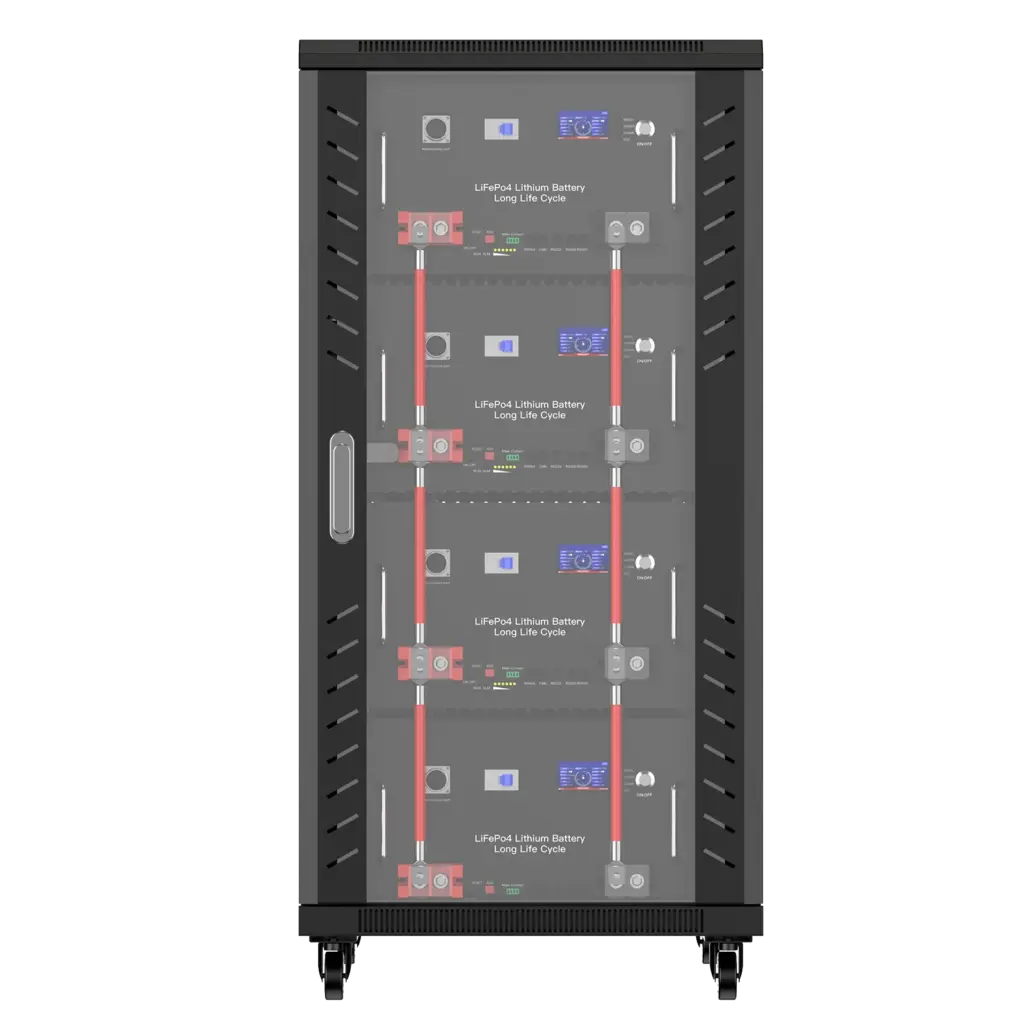
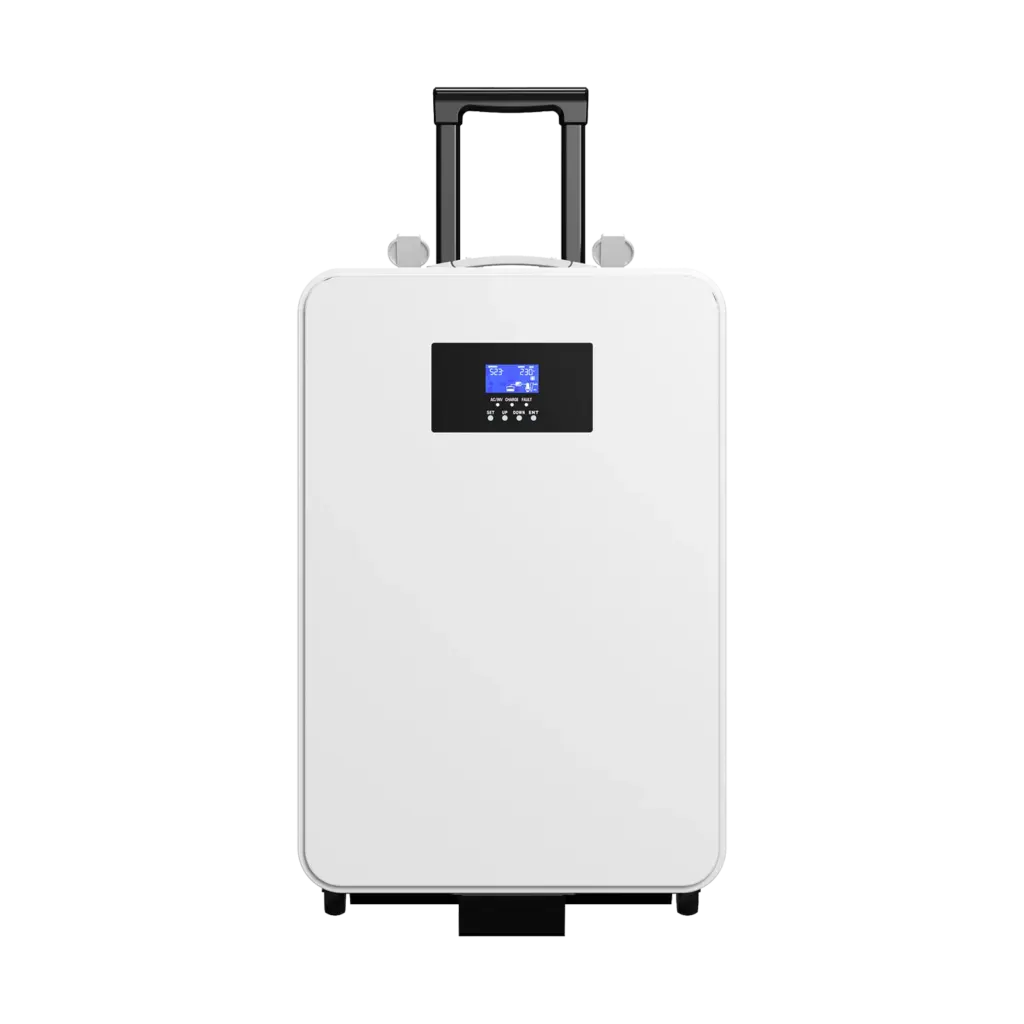
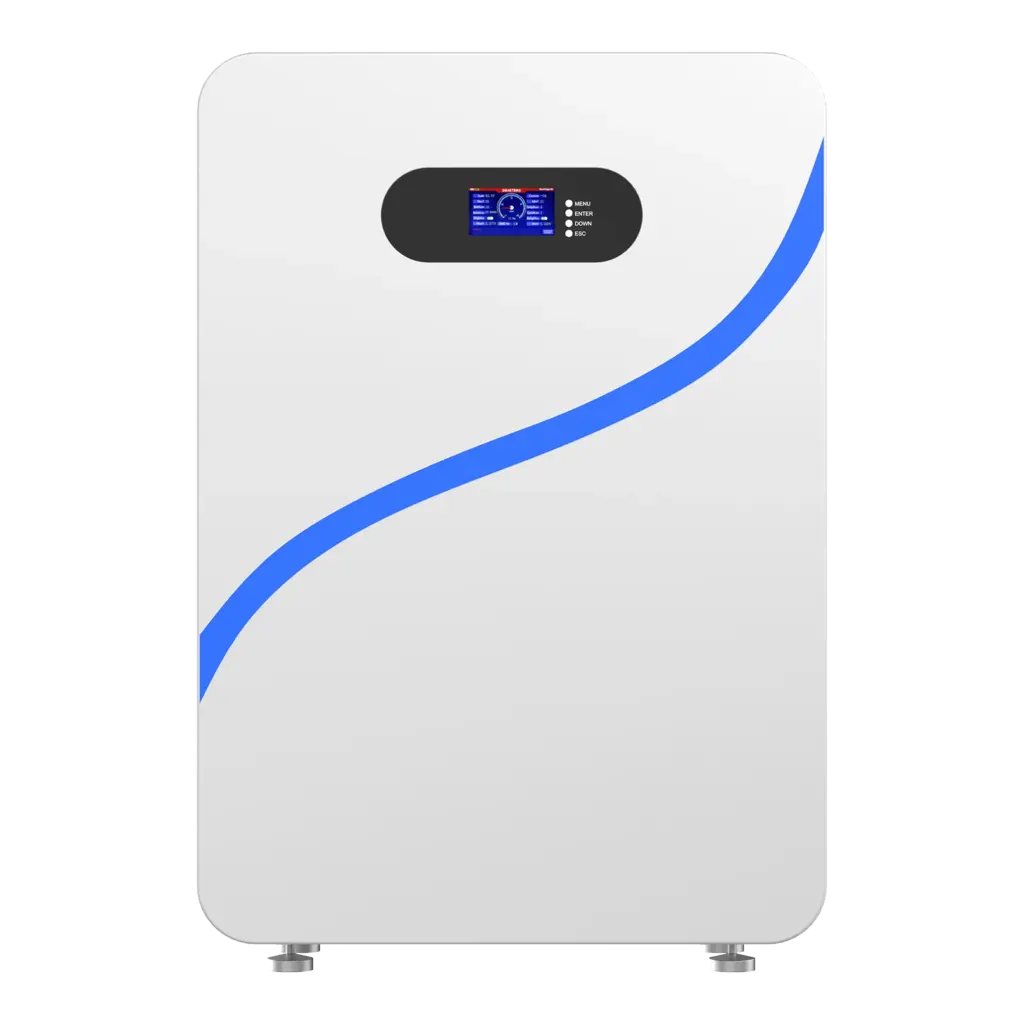
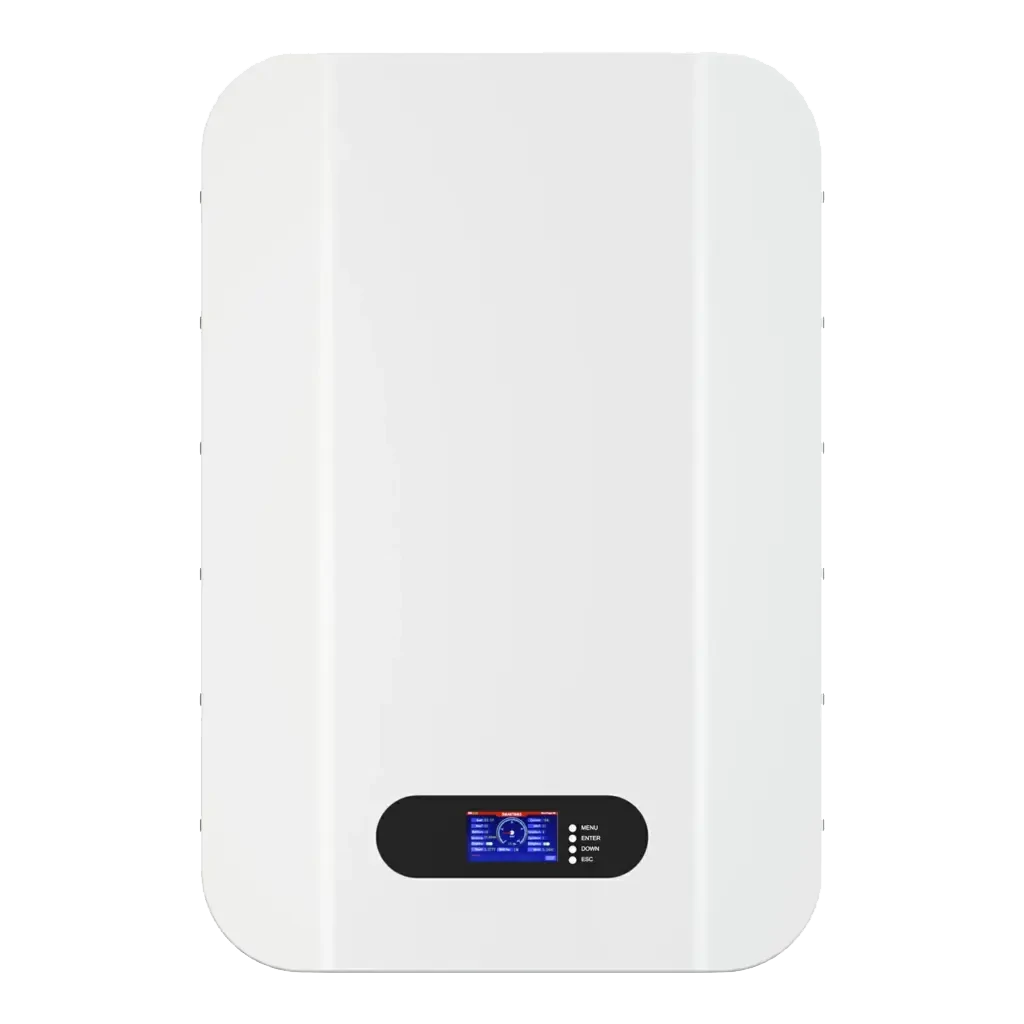
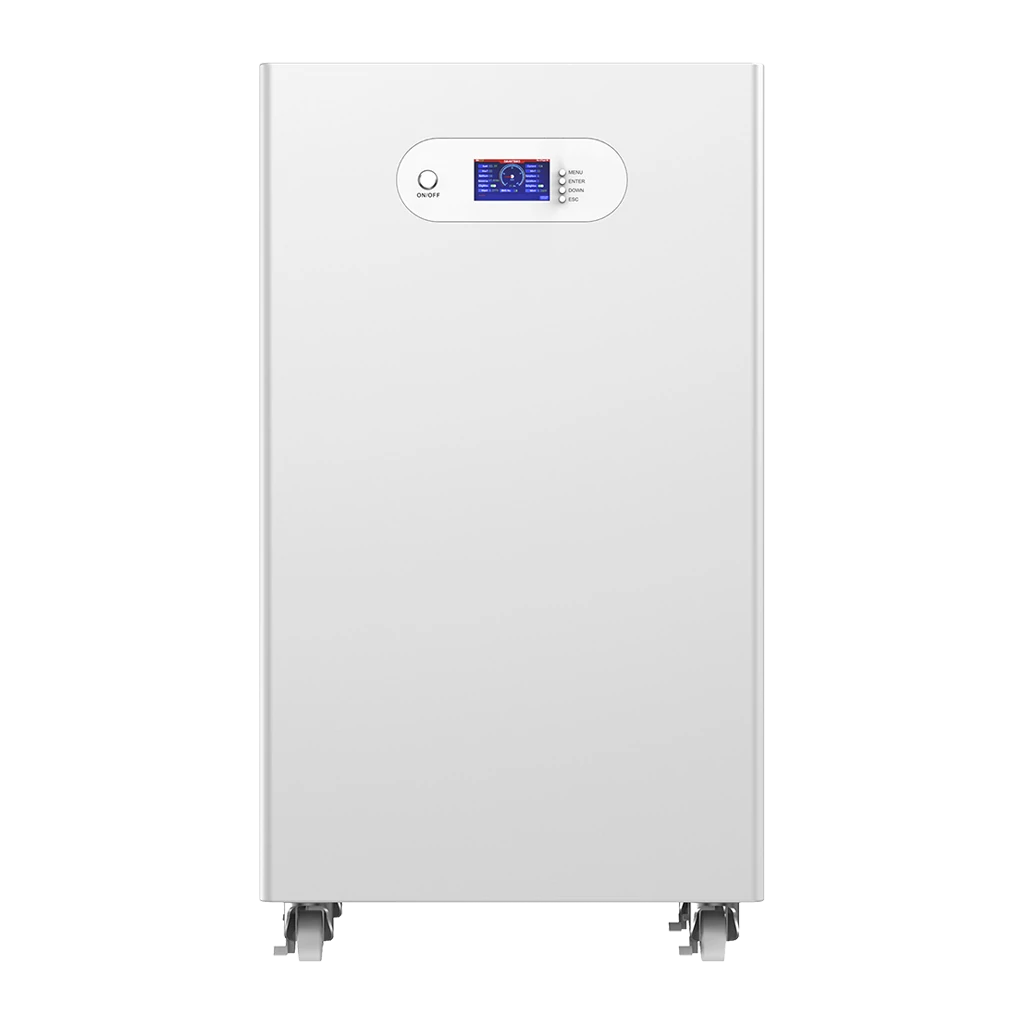
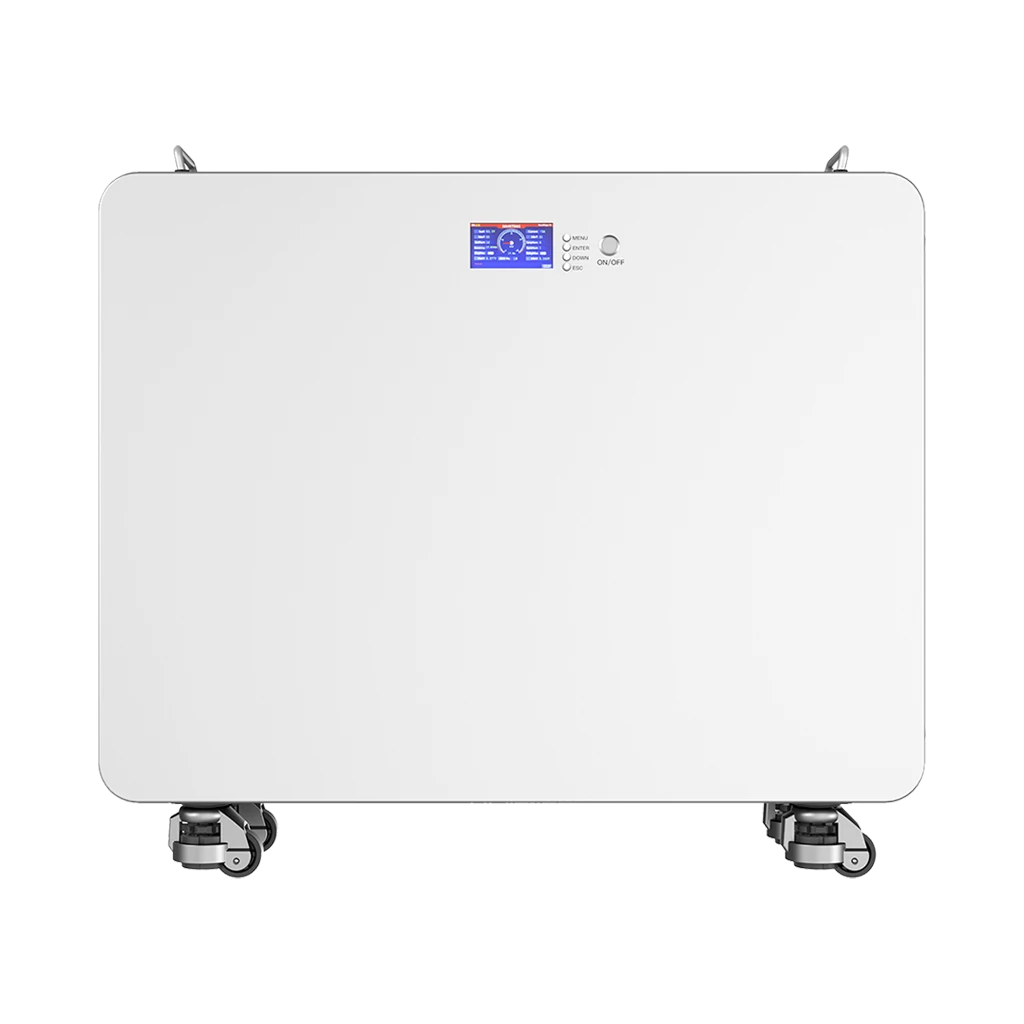
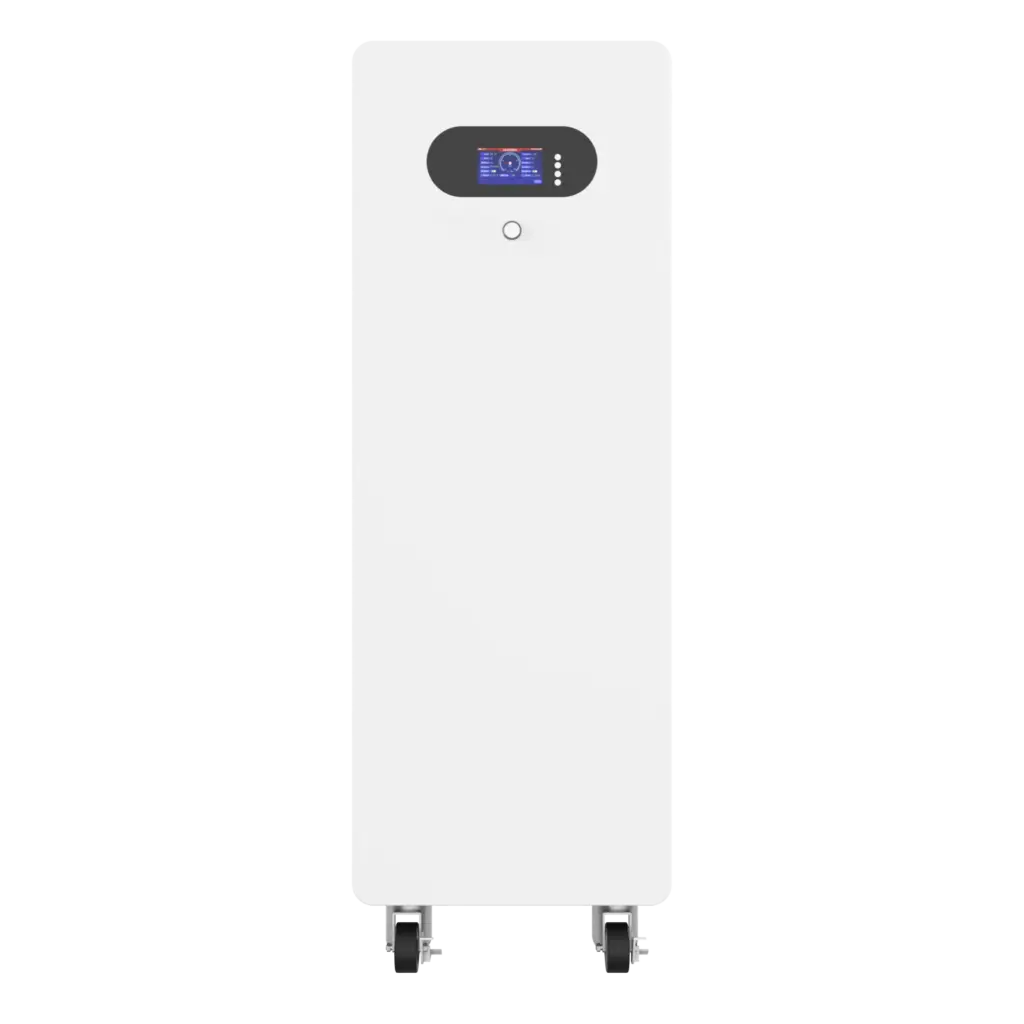
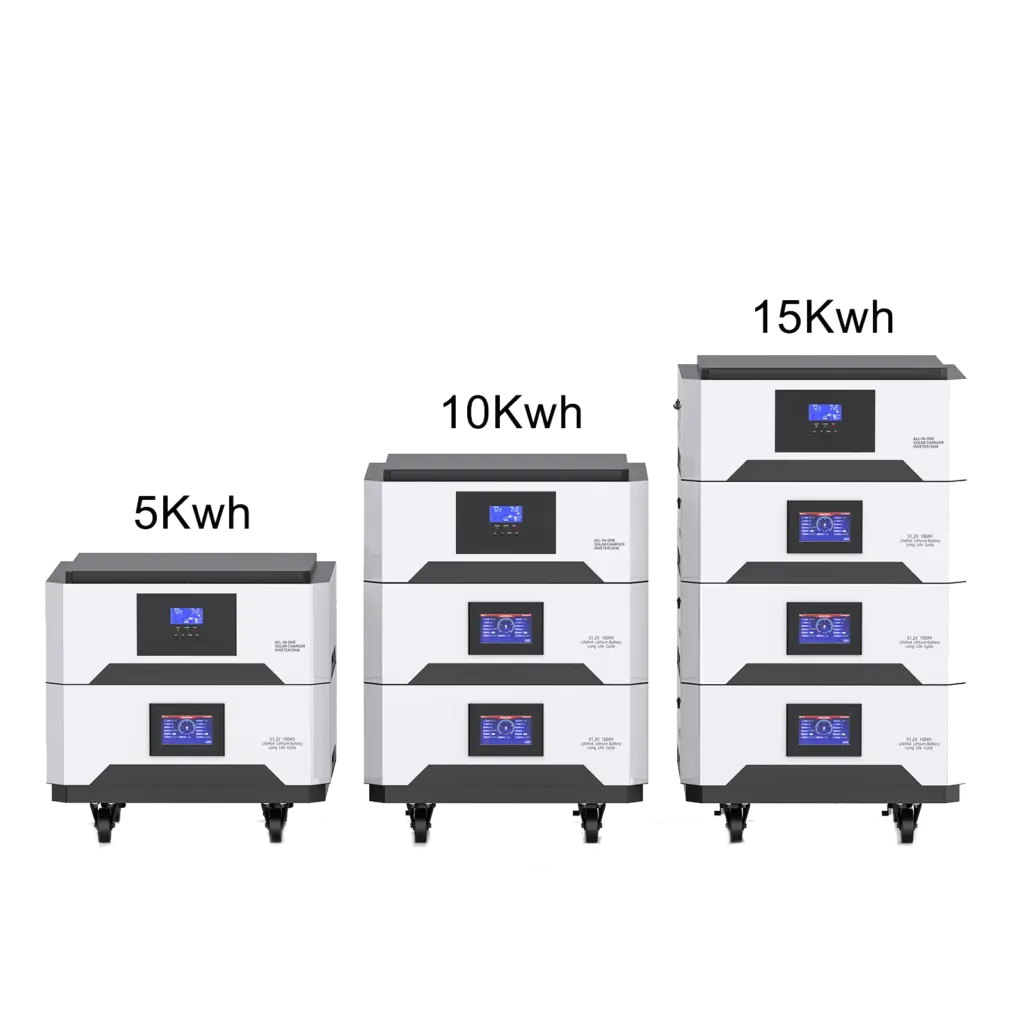
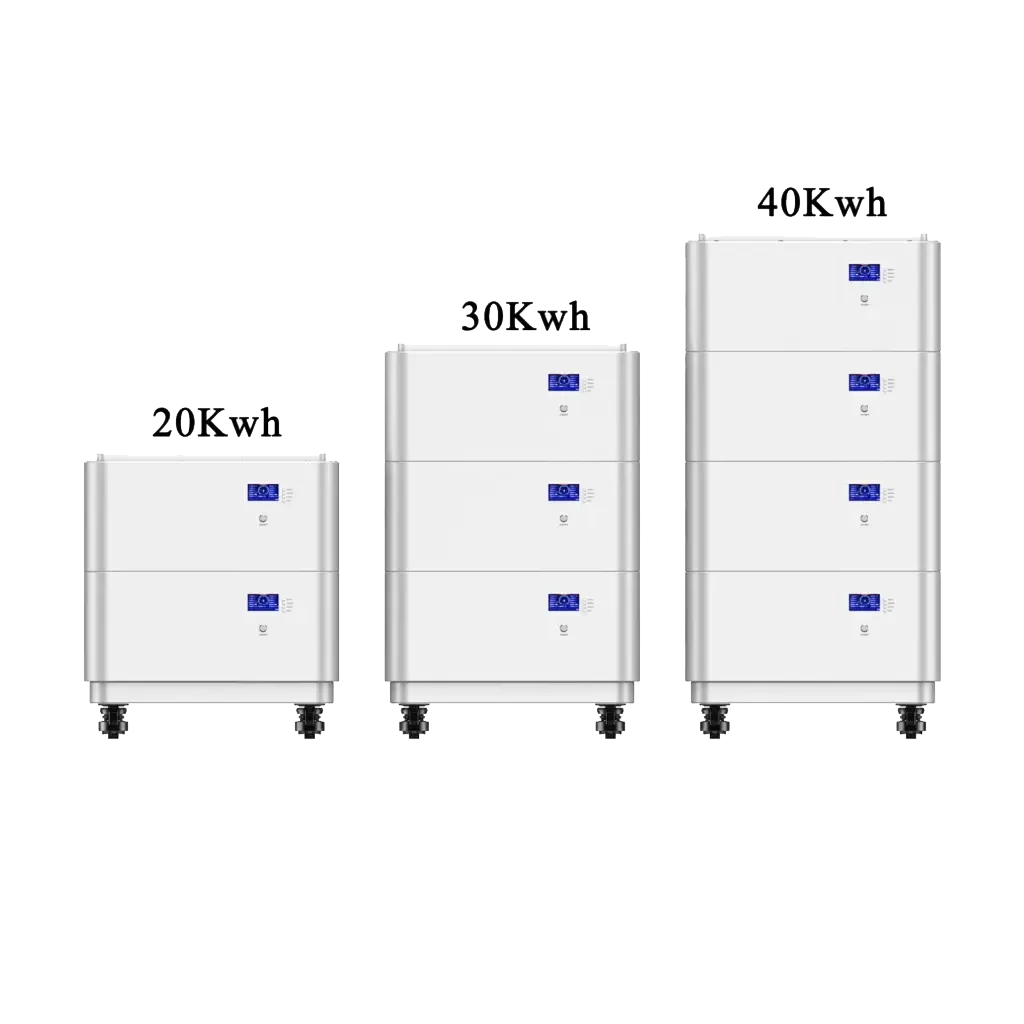
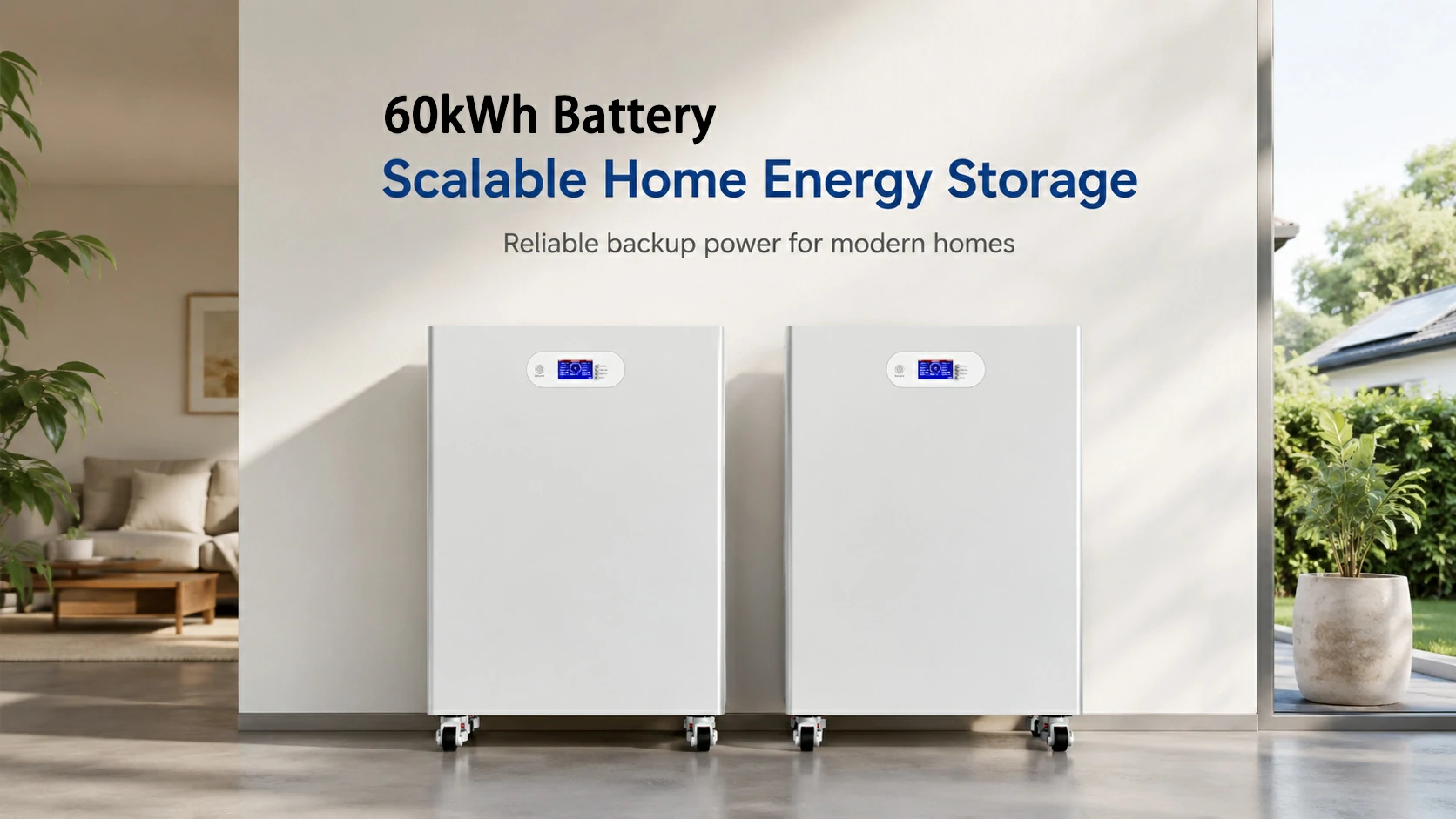
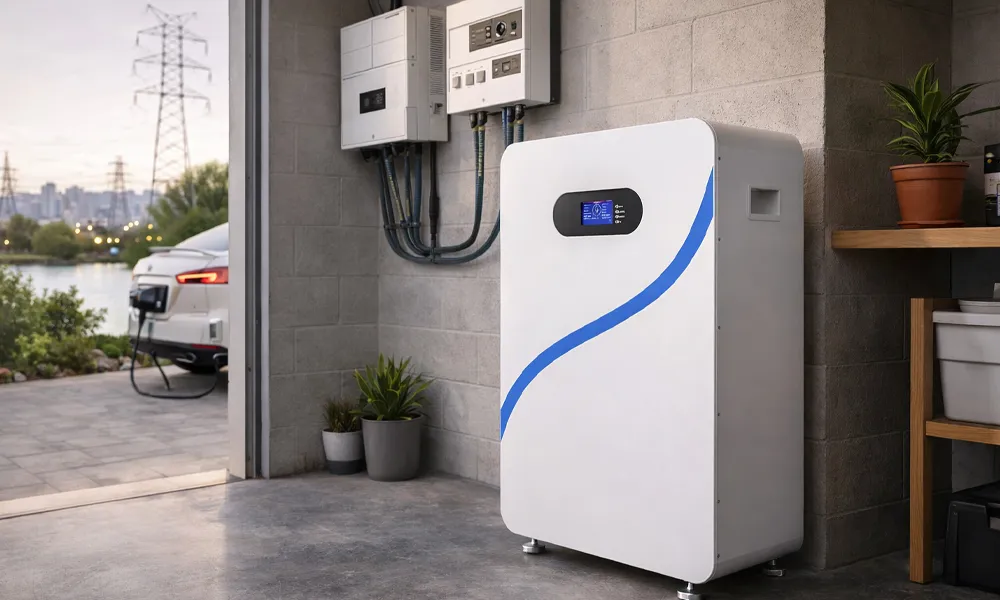
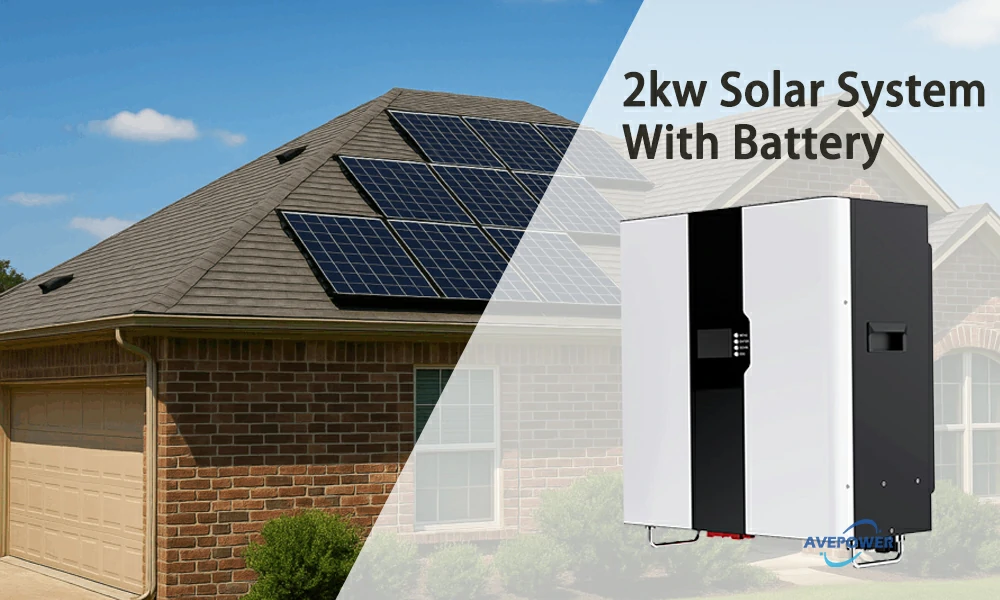
A 2 kW solar system is commonly paired with a battery capacity of around 5 kWh (For example: Avepower 5.12kwh wall-mounted battery) to maximize energy use. The price of such a battery typically ranges between $4,480 and $11,200, which translates to roughly $800 to $2,000 per kilowatt-hour, depending on the battery type and quality.
That kind of battery can push a combined 2 kW solar + battery project into something like ~$7,980–$14,700 depending on the system design. Installing a battery allows you to store excess solar energy generated during the day, providing power during cloudy periods or at night when the panels are not producing electricity.
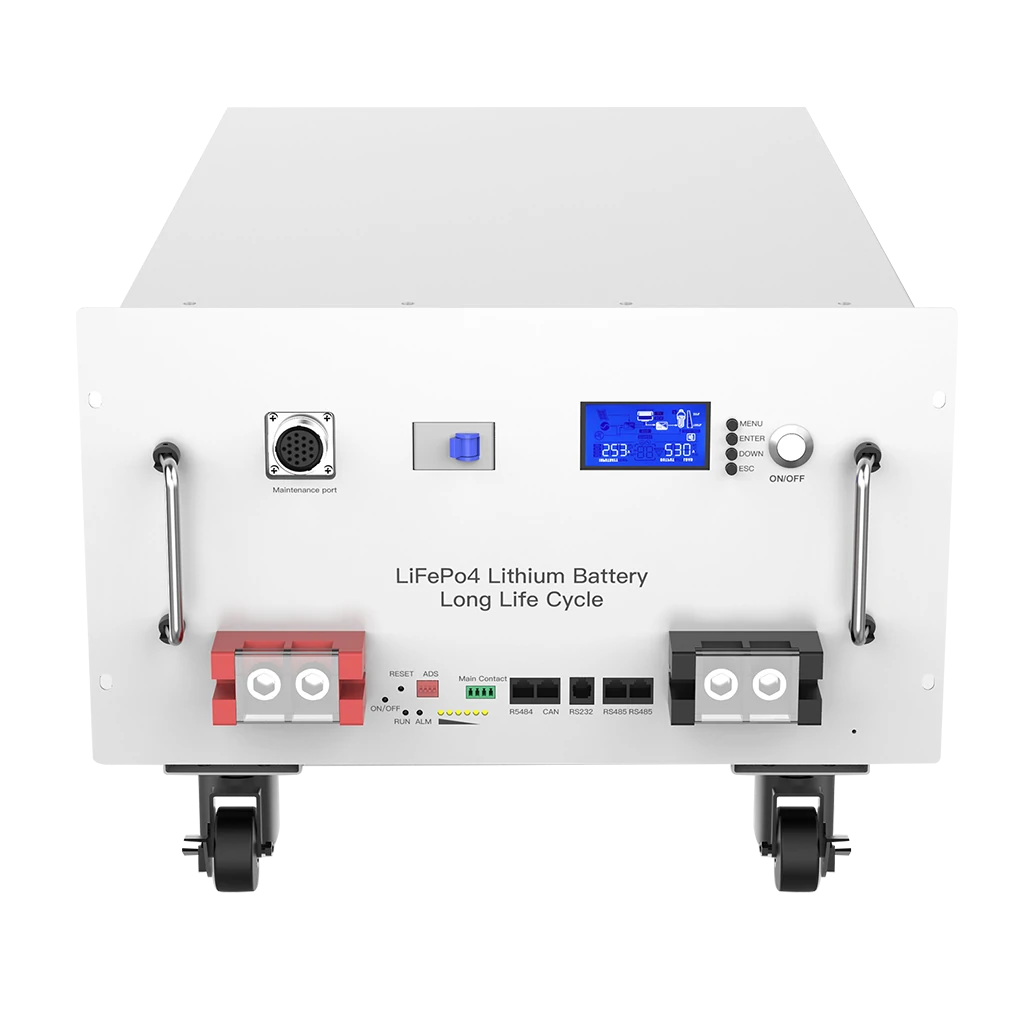
If you’re looking for a reliable 2 kW solar system built to last, prioritizing safety and long-term support is essential. Avepower offers comprehensive solar and storage solutions featuring LiFePO4 batteries with advanced BMS protection and internationally recognized certifications. We provide OEM/ODM customization to tailor appearance, capacity, and functionality to your specific needs.
For a quote-ready design customized to your roof and energy usage profile, contact us for a personalized system proposal based on your goals. Email: info@avepower.com
What Are the Cost Advantages of a 2 kW System Compared to a 1 kW System?
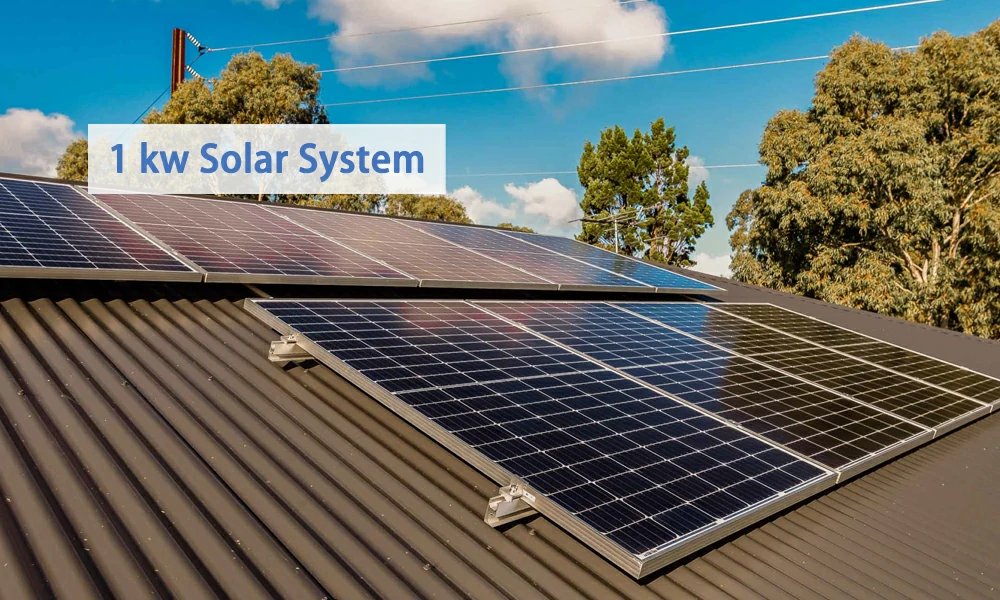
A 2 kW solar system offers double the capacity of a 1 kW solar system, yet it comes with notable cost benefits. Typically, a complete 1 kW off-grid solar system (including batteries) costs between $2,800 and $5,800 or more, while a 2 kW system provides more than twice the power for a proportionally smaller increase in price.
How Much Energy Does a 2 kW Solar System Produce?
Under typical conditions, a 2 kW solar system produces approximately 7–9 kWh of electricity per day, which is roughly half of the daily electricity consumption of an average household.
Several variables influence how much energy a solar system can generate:
- Location and solar irradiance
- Panel orientation and tilt angle
- Shading from trees, buildings, or other obstacles
- System efficiency, including panel quality, inverter performance, and wiring losses
Even with the same system size, energy output can vary significantly from one city to another.
Average Daily Output in Major Australian Cities (2 kW System)
In Australia, solar production varies by city due to climate and sunlight hours. Average daily generation is approximately:
- Hobart: ~6.0 kWh/day
- Perth: ~8.8 kWh/day
- Melbourne: ~7.2 kWh/day
- Adelaide: ~8.2 kWh/day
- Sydney: ~7.8 kWh/day
- Brisbane: ~8.4 kWh/day
Solar Energy Production in U.S. Cities (2 kW System)
In the United States, solar output varies significantly by region. Below are average generation estimates for a 2 kW solar panel system:
- Seattle, WA: ~6.0 kWh/day
- Las Vegas, NV: ~9.6 kWh/day
- Boston, MA: ~7.2 kWh/day
- Phoenix, AZ: ~9.7 kWh/day
- New York City, NY: ~7.1 kWh/day
- Denver, CO: ~8.8 kWh/day
- Miami, FL: ~8.5 kWh/day
- Cleveland, OH: ~7.0 kWh/day
- Los Angeles, CA: ~9.2 kWh/day
- Philadelphia, PA: ~7.4 kWh/day
- Austin, TX: ~8.1 kWh/day
- Hartford, CT: ~6.9 kWh/day
- U.S. average: ~8.0 kWh/day
A 2 kW solar system can deliver meaningful energy savings, especially in sunny regions. While it may not cover 100% of household electricity use, it is an efficient and cost-effective option for reducing grid dependence and lowering energy bills.
What Can a 2 kW Solar System Run?
A 2kW solar system can cover a lot of everyday essentials, especially in smaller homes. People often get the best results when they shift usage into the sunny window (roughly late morning through mid-afternoon).
A 2kW system can commonly support:
- lighting
- a refrigerator
- TVs and routers
- laptops and small electronics
- occasional microwave use
- short washing machine cycles (timed correctly)
A 2kW system usually does not cover heavy loads comfortably without careful scheduling, such as:
- large air conditioning
- electric dryers
- dishwashers used daily at peak hours
- EV charging as a major load
A Realistic Daily Appliance Example (Around 8 kWh/day)
| Appliance | Power (W) | Daily Use | Energy (Wh/day) |
|---|---|---|---|
| Refrigerator | 120 | 24 h | 2,880 |
| Hot water (small electric) | 1,200 | 1 h | 1,200 |
| Washing machine | 500 | 1 h | 500 |
| Two TVs | 60 | 5 h | 300 |
| Laptop | 100 | 3 h | 300 |
| Lights (small home) | 35 | 6 h | 210 |
| Wi-Fi router | 6 | 24 h | 144 |
| Microwave (short use) | 1,500 | 0.25 h | 375 |
| Dishwasher (if used) | 1,800 | 1 h | 1,800 |
| Total (example day) | 7,709 Wh ≈ 7.7 kWh |
Is a 2 kW Solar System Enough for a Household?
For an average household of 1 to 3 people, daily electricity consumption typically ranges between 16 to 18 kWh. A 2 kW solar system can generate about 7-9 kWh per day, which in many cases covers roughly half of the household’s daily energy needs. This means a 2 kW system can significantly reduce your electricity bills.
However, a 2 kW system usually cannot fully replace grid power. If your household regularly uses multiple high-power appliances simultaneously, a 2 kW system may not provide sufficient energy to meet all your demands.
How Many Solar Panels Are Needed for a 2 kW Solar System?
The number of panels depends on the wattage of each panel. For example, if you use 250W solar panels, you will need 8 panels to reach 2 kW. If you opt for 400W solar panels, only 5 panels are required.
Required Roof Space
The roof space needed varies based on the panel size. A typical 250W solar panel measures approximately 1.6 meters by 1.0 meter. Therefore, eight panels will occupy around 13 square meters, not including additional space needed for mounting and proper airflow.
Financial Benefits of a 2 kW Solar System
Under favorable conditions—such as attractive incentives, a high rate of self-consumption, and elevated electricity prices—a small 2 kW solar system that saves up to $800 annually and has a net cost (after incentives) between $3,200 and $4,200 can typically pay for itself within 4 to 5 years.
However, if your household is unoccupied during the day and most of the generated energy is exported at lower rates, the payback period for other homeowners may be considerably longer.
Assessing If Your Home Is Ideal for Solar Panels
Solar panels generate electricity by capturing sunlight, making them most efficient for homes that consume the majority of their power between 10 a.m. and 3 p.m. Energy use during these peak sunlight hours translates directly into increased savings.
To determine if solar power is a suitable option for your residence, it’s best to have a qualified solar installer perform a detailed site evaluation. You can also preliminarily assess your home’s compatibility with solar by considering factors such as:
- Roof orientation and tilt
- Shading from trees or buildings
- Available roof space
- Local climate and sunlight availability
- Your household’s daytime electricity consumption patterns
Considering a 2 kW Solar System for Your Home?
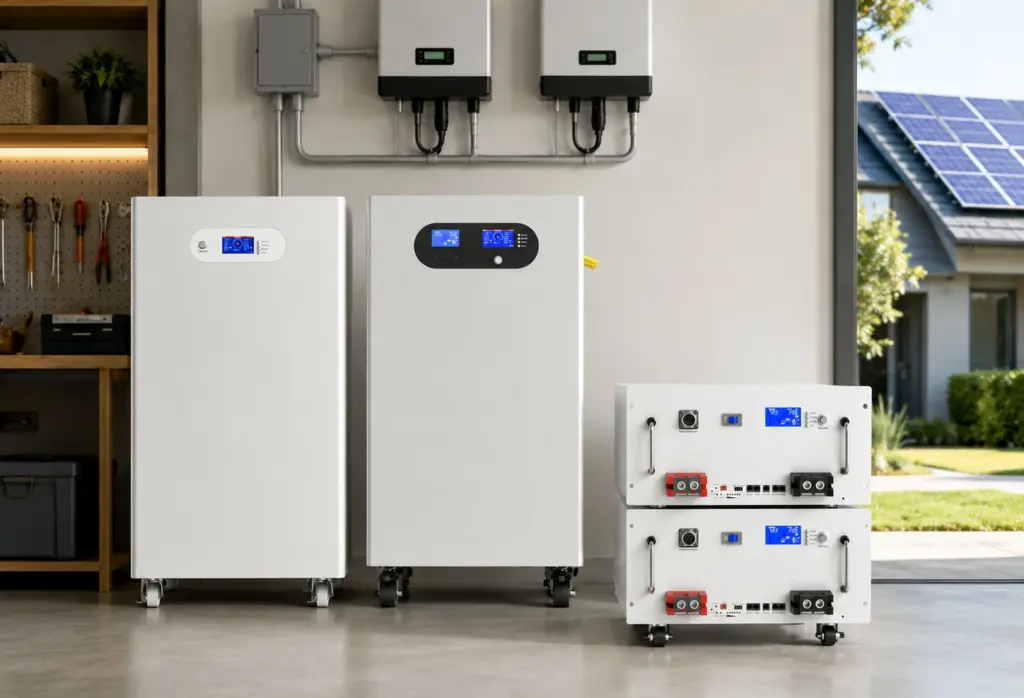
Avepower offers complete solar solutions, including solar panels, inverters, and battery options, helping you maximize clean energy use during the day while confidently reducing your electricity bills. Our LiFePO4 battery systems feature built-in BMS protection for safety and reliability, and they are highly compatible with mainstream inverters to ensure stable system performance.
Designed with modularity in mind, our systems range from as low as 5 kWh up to 260 kWh, allowing easy expansion tailored to your household’s energy needs.
Share your city, roof size, and daily energy consumption with us, and we’ll help you select the ideal 2 kW solar system and battery capacity based on your budget and goals. Receive a customized quote along with a clear estimate of your return on investment — a smart investment for lasting benefits.
Take Control of Your Energy with Avepower!
Reliable home solar battery solutions with OEM/ODM customization and in-house manufacturing, tailored to the needs of distributors, installers, and energy partners.
FAQ
Many well-sited 2 kW systems produce around 7–9 kWh per day, but real output depends on sunlight, roof direction, tilt, shading, and equipment efficiency.
Payback can be around 4–5 years in strong scenarios (good incentives + high self-consumption + high electricity prices). If you export most energy at a low credit rate, payback can take longer.
Many homeowners consider a battery around 5 kWh for a small solar array, but the best size depends on your evening loads, backup goals, and how much surplus solar you expect.
A common estimate is around 13 square meters, depending on panel size, layout, and required roof setbacks. Your installer should confirm the usable roof area.
It can usually cover essentials like lights, Wi-Fi, TV, laptops, and a refrigerator, plus short daytime use of appliances like a microwave or washing machine. It is less suitable for heavy loads like full-time air conditioning unless usage is low and well-timed.