
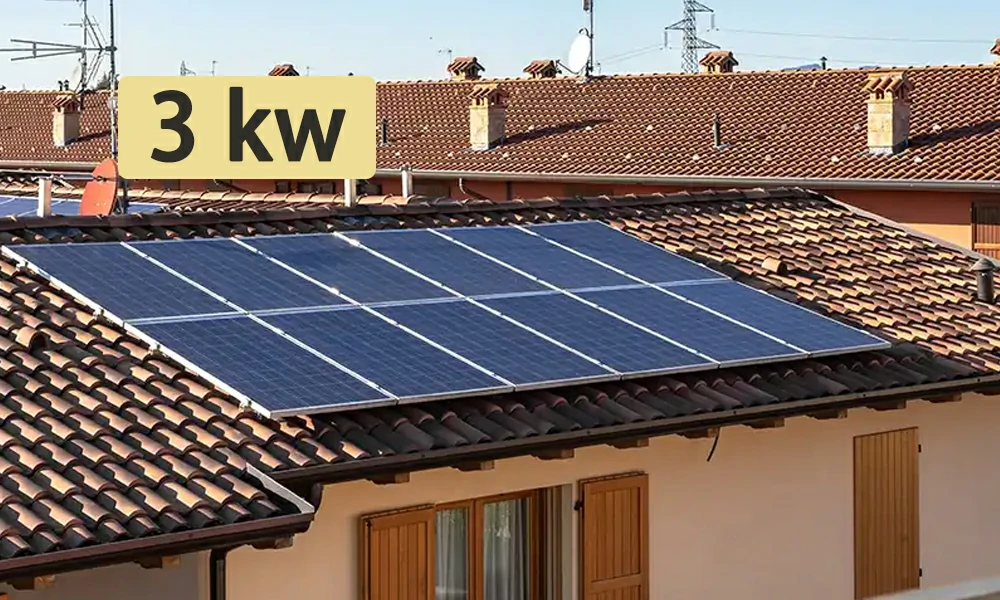
A 3 kW system usually fits best when a household has lower daily electricity use and a roof area that is limited. A 3 kW system can also suit an investment property, a small townhouse, or a unit where the owner wants a smaller up-front cost.
This article explores the typical costs of a 3 kW solar system, how much energy it can generate, the number of solar panels required, and important considerations when adding battery storage.
Key Points Summary
- Cost: In the US, a 3 kW solar system typically costs between $6,000 and $9,000 before incentives. In Australia, the price usually ranges from $3,200 to $4,600.
- Add Battery Cost: Adding a 5 kWh battery pack to a 3 kW system costs around $9,000 to $12,000. For an 8 kWh battery, prices range from $12,000 to $15,000.
- Energy Output: In the US, a 3 kW system generates about 9 to 14.5 kWh per day (or 3,282 to 5,294 kWh annually). In Australia, daily output ranges from 9.2 to 14.2 kWh, with an estimated annual output of 3,258 to 5,183 kWh.
- Number of Panels: A 3 kW system typically requires 8 to 12 panels, depending on the wattage of each panel.
How Much Does a 3 kW Solar System Cost?
A 3 kW solar system is considered a small residential system, making it significantly more affordable than larger installations. However, the total cost can vary widely depending on the country, region, local incentives, labor costs, and permitting requirements. Below is a detailed cost breakdown for the United States and Australia, two of the most common residential solar markets.
United States
In the U.S., the typical upfront cost of a 3 kW solar system ranges from $6,000 to $9,000 before incentives. Differences in state labor rates, permitting requirements, and installer competition can cause noticeable price variation.
With the federal 30% Residential Clean Energy Tax Credit, homeowners can reduce their total investment to approximately $4,200–$6,300, depending on location and system design.
Average U.S. Prices by State (3 kW System)
- Texas: $8,310 ($6,150 after 30% tax credit)
- Georgia: $6,990 ($4,893 after 30% tax credit)
- California: $8,040 ($5,628 after 30% tax credit)
- New York: $8,580 ($6,006 after 30% tax credit)
- Arizona: $7,920 ($5,861 after 30% tax credit)
- North Carolina: $7,470 ($5,528 after 30% tax credit)
- Massachusetts: $8,610 ($6,027 after 30% tax credit)
- Florida: $7,740 ($5,728 after 30% tax credit)
- New Jersey: $8,340 ($5,828 after 30% tax credit)
Federal 30% Solar Tax Credit (USA)
Previously, the 30% federal solar tax credit was expected to continue into the early 2030s. However, due to legislation under the One Big Beautiful Bill (OBBB), the Residential Clean Energy Credit (Section 25D) will no longer apply to expenses incurred after December 31, 2025.
- Homeowners who complete installation in 2025 may still qualify, depending on how “qualified expenses” are defined in their specific case.
- Installations completed in 2026 or later may not be eligible for the federal tax credit.
- Because tax timing rules can be complex, homeowners should consult a tax professional to confirm eligibility.
Australia
Australia has one of the most competitive rooftop solar markets in the world, which often results in lower system prices than in many U.S. regions. In Australia, a 3 kW solar system typically costs between $3,200 and $4,600, including GST and STC rebates.
A 3 kW solar system, including battery storage, generally costs more than smaller systems but offers greater capacity and savings potential. For comparison, a 1 kW solar system with batteries typically ranges from $2,800 to $5,800, while a 2 kW solar system usually costs between $3,500 and $4,500. Although the upfront investment for a 3 kW system is higher, it can deliver significantly more energy and better meet the needs of households with moderate electricity consumption.
Prices vary by location, as solar incentives are influenced by regional sunlight levels.
Average 3 kW Solar System Prices by City
- Perth, WA: $3,260
- Sydney, NSW: $3,570
- Adelaide, SA: $3,680
- Canberra, ACT: $3,890
- Brisbane, QLD: $3,910
- Melbourne, VIC: $4,070
- Darwin, NT: $4,530
- Hobart, TAS: $4,600
What Are STCs and How Do They Reduce Solar Costs?
The main federal rooftop solar discount in Australia comes from the Small-scale Renewable Energy Scheme (SRES), which issues Small-scale Technology Certificates (STCs). One STC represents 1 megawatt-hour (MWh) of eligible renewable electricity generated or displaced by the system.
STCs act as upfront rebates, reducing the initial cost of installing qualifying solar panels and inverters. To benefit, your system components must be listed on the Clean Energy Council’s approved product list. This ensures eligibility for federal discounts and incentives.
A Realistic Cost Breakdown for a 3 kW Solar System
A homeowner pays for both the hardware and the skilled labor. A homeowner also pays for the “invisible” work that makes the system safe and legal, such as design, permitting, and inspection.
Here is a practical cost breakdown that many quotes resemble:
| Cost Item | Typical Range (USD) |
|---|---|
| Solar panels | $2,500 – $3,500 |
| Inverter | $500 – $1,000 |
| Mounting hardware (racking, clamps) | $500 – $1,000 |
| Installation labor | $1,500 – $2,500 |
| Permits and inspections | $200 – $500 |
| Other electrical work (wiring, monitoring, protection) | $800 – $1,500 |
A homeowner should expect changes when the roof is tile or concrete, because the installer needs different mounting parts and more labor time. A homeowner should also expect changes when the home has two stories, because the crew needs extra safety gear and handling time.
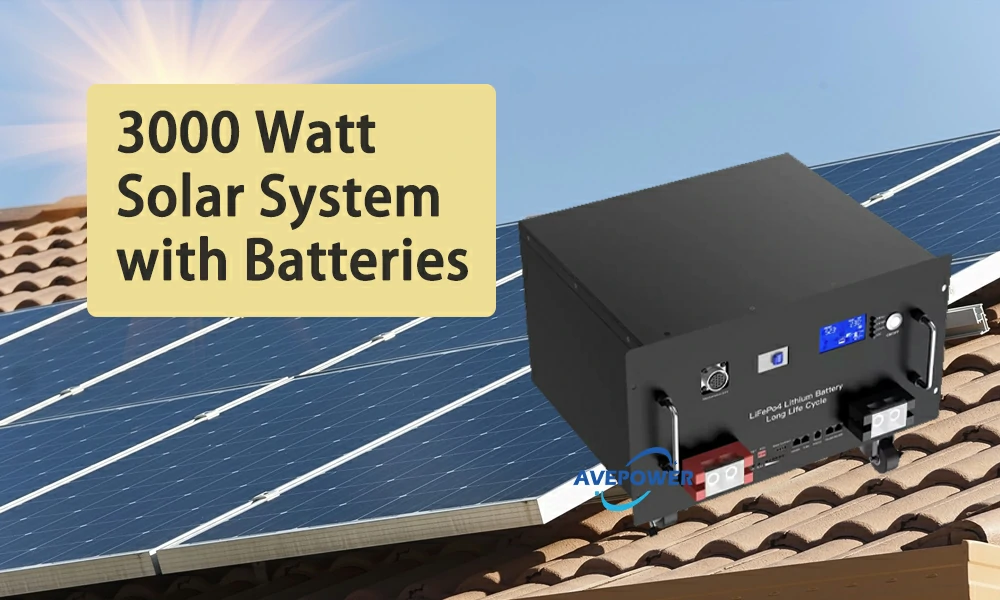
3kW Solar System with Battery Price
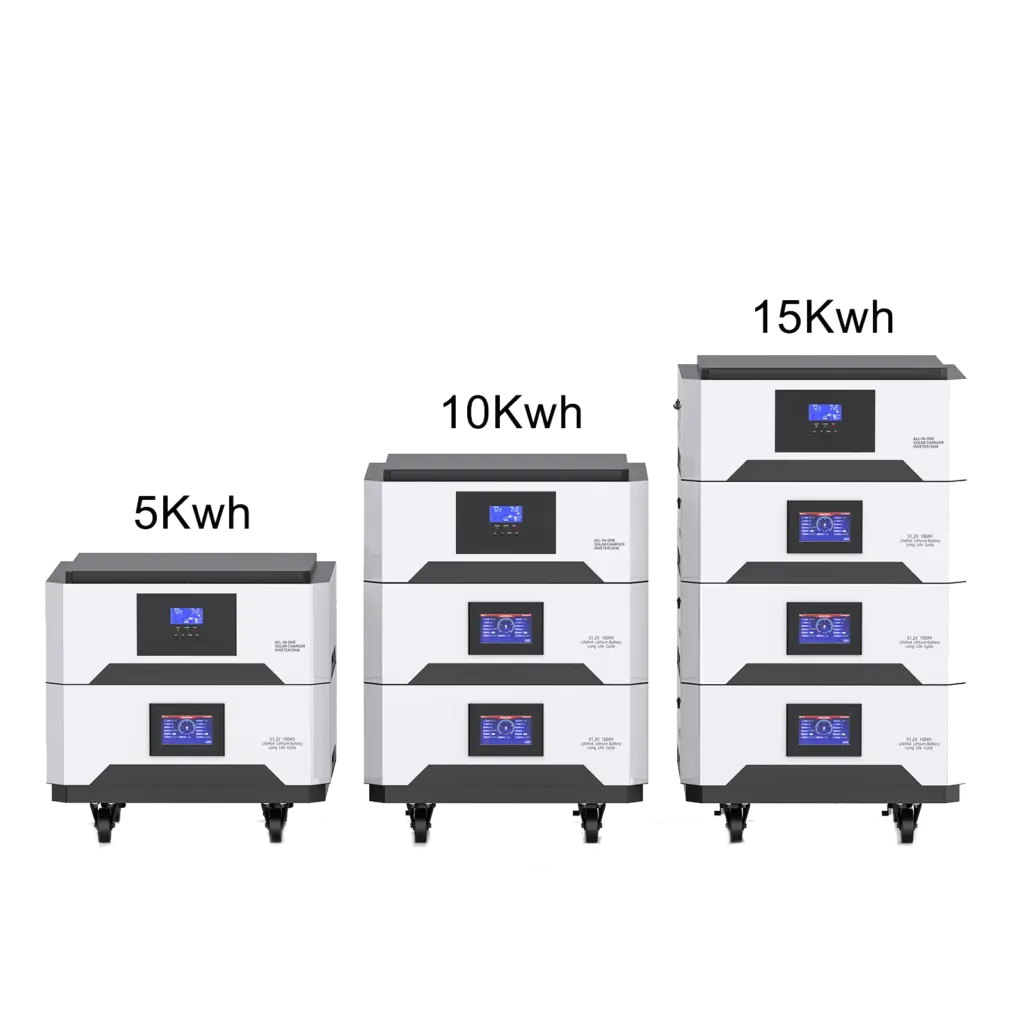
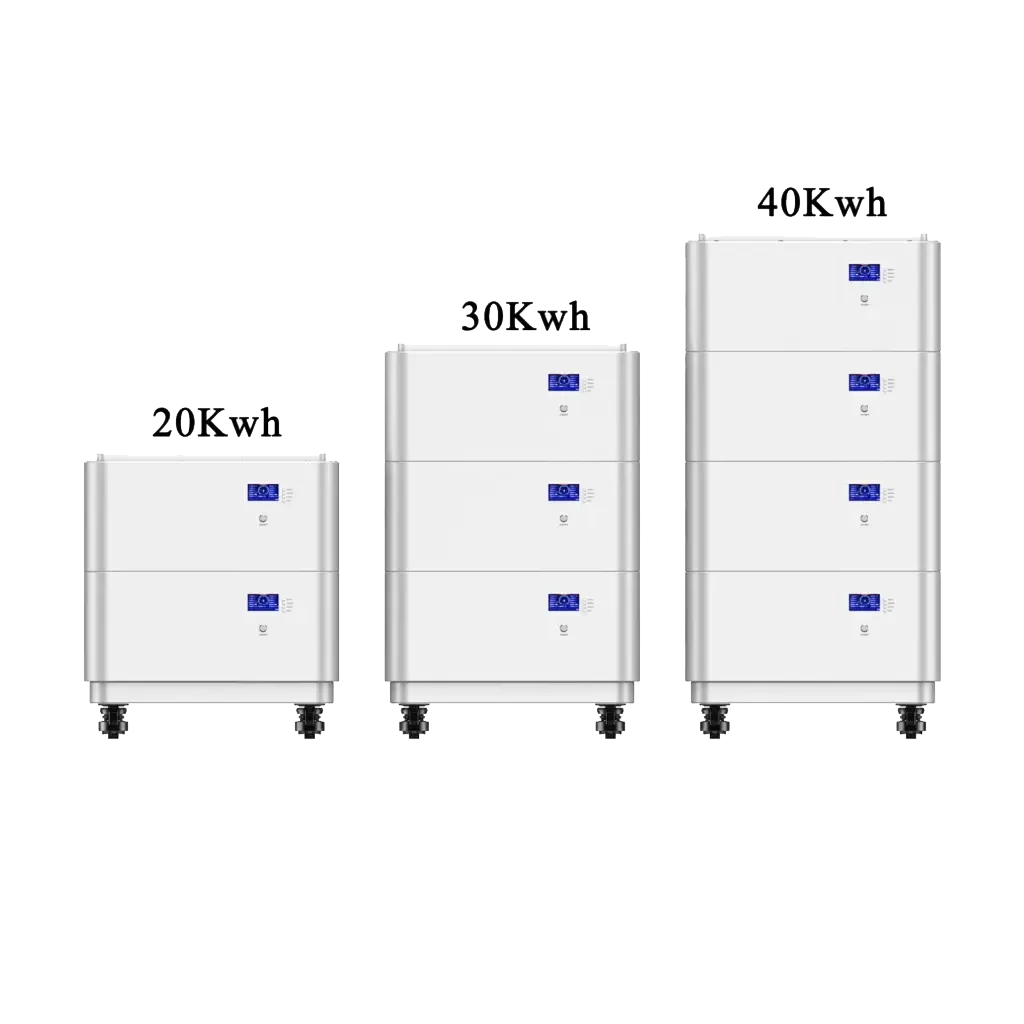
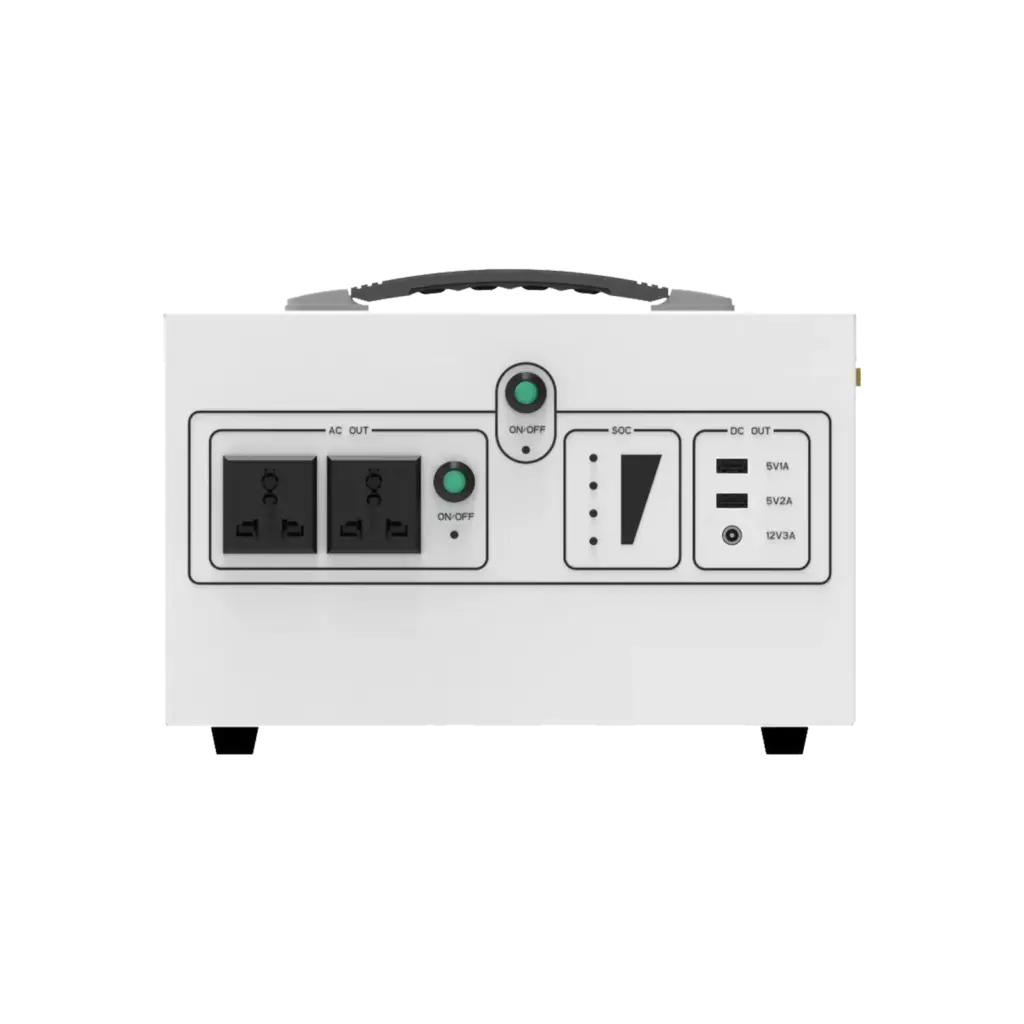
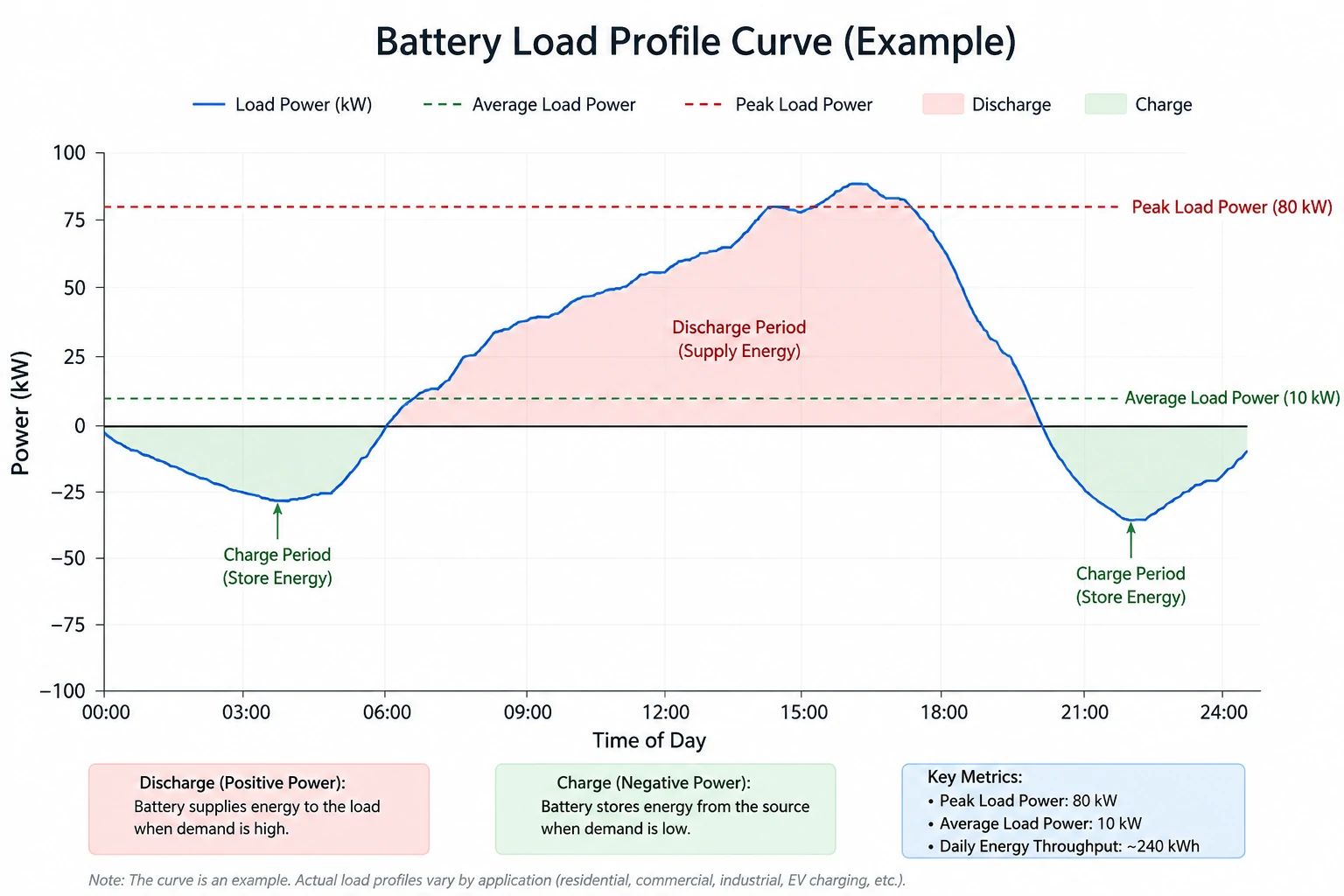
Adding a battery to your solar setup can significantly increase your energy self-sufficiency by storing excess solar power generated during the day for use at night. Batteries also provide backup power during outages; however, backup power solutions usually require additional components such as backup gateways, critical load panels, or isolation devices.
The cost for a 3 kW solar system combined with a 5 kWh battery typically ranges between $9,000 and $12,000. If you opt for a larger 8 kWh battery pack, the price usually falls between $12,000 and $15,000.
Before purchasing, it’s important to assess whether your 3 kW solar array can effectively charge the battery during winter months. While smaller solar arrays can charge batteries, shorter daylight hours and cloudy conditions in winter can reduce charging efficiency.
For households with daily electricity consumption around 10–12 kWh or less, a 3 kW hybrid solar and battery system is usually well-suited. This setup can cover most daily energy needs without requiring an excessively large battery bank.
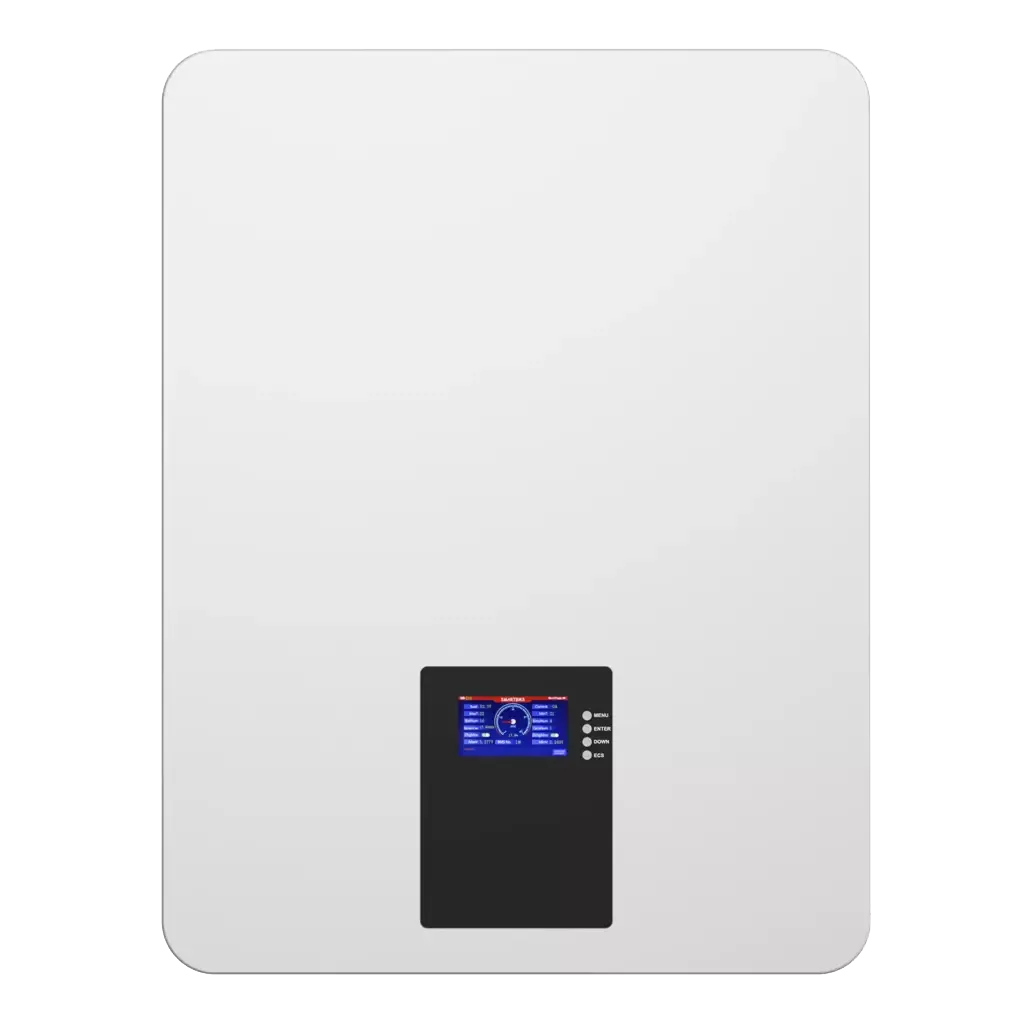
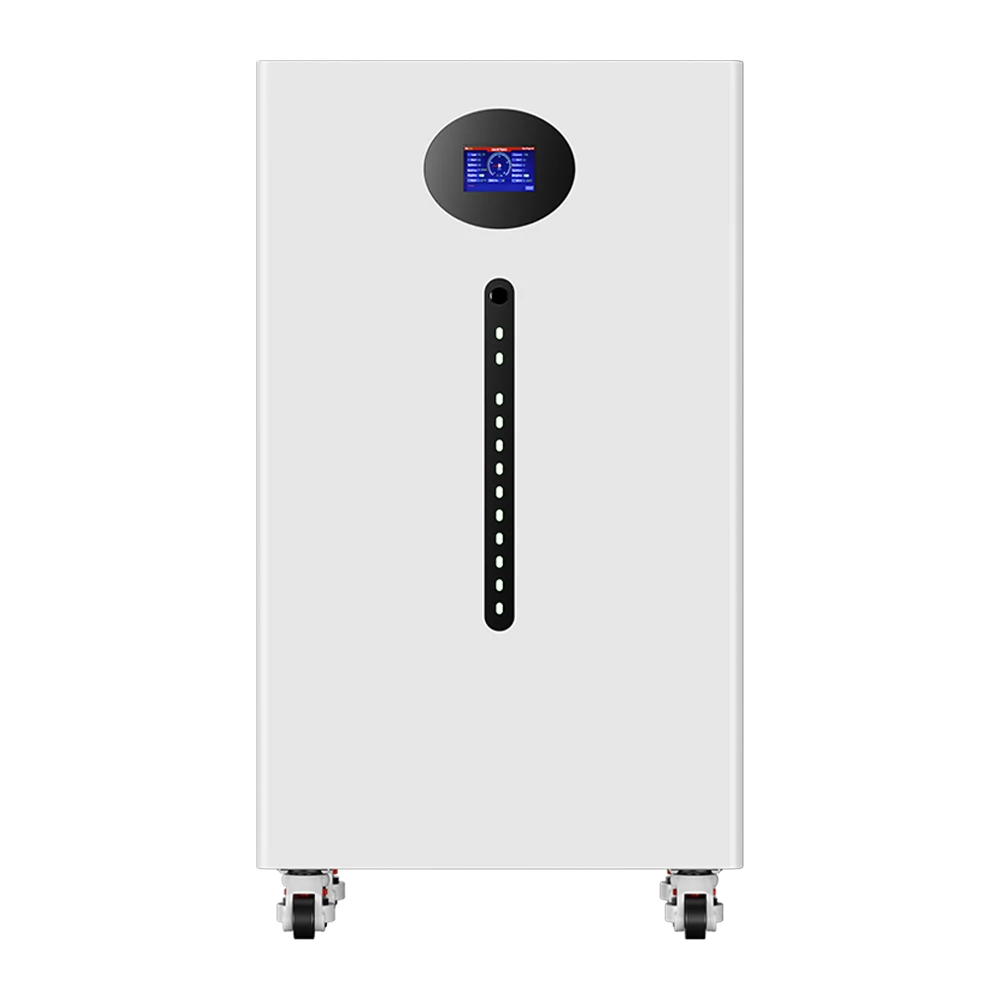
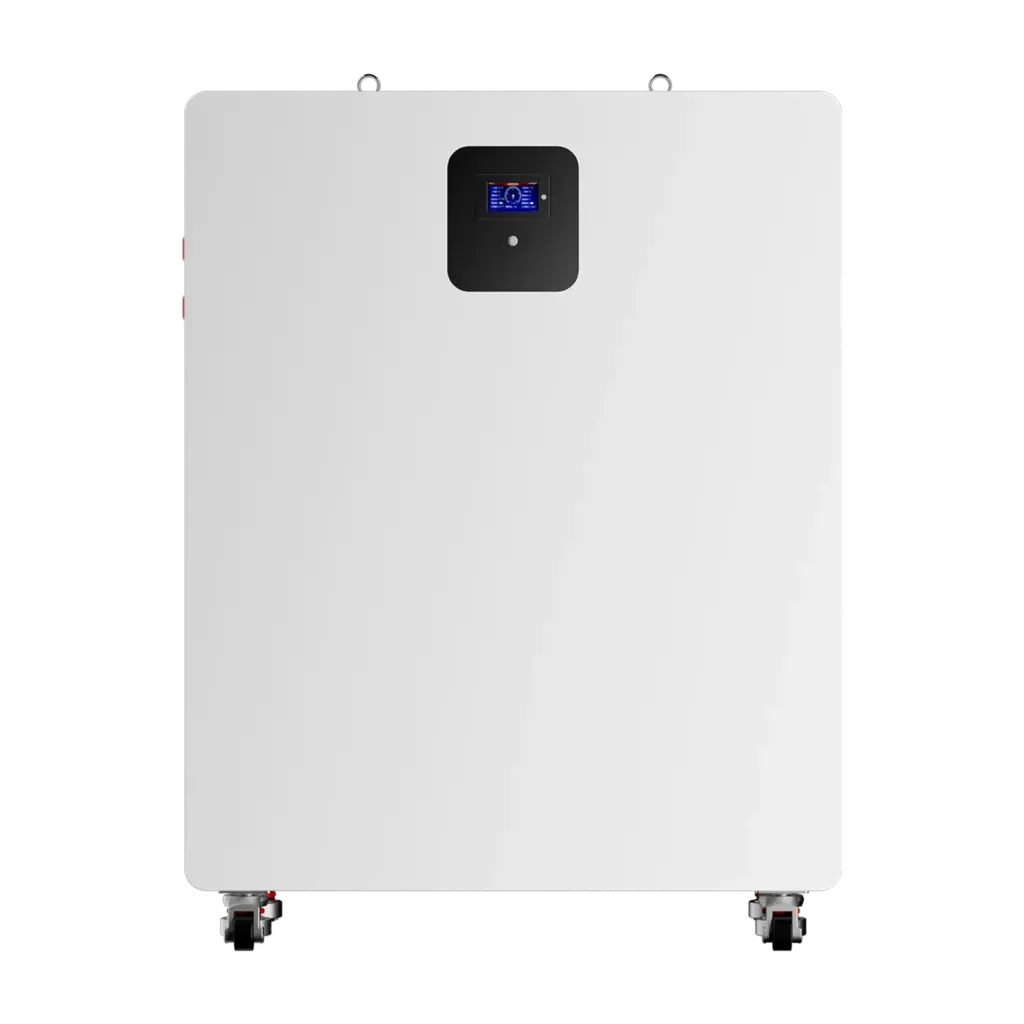
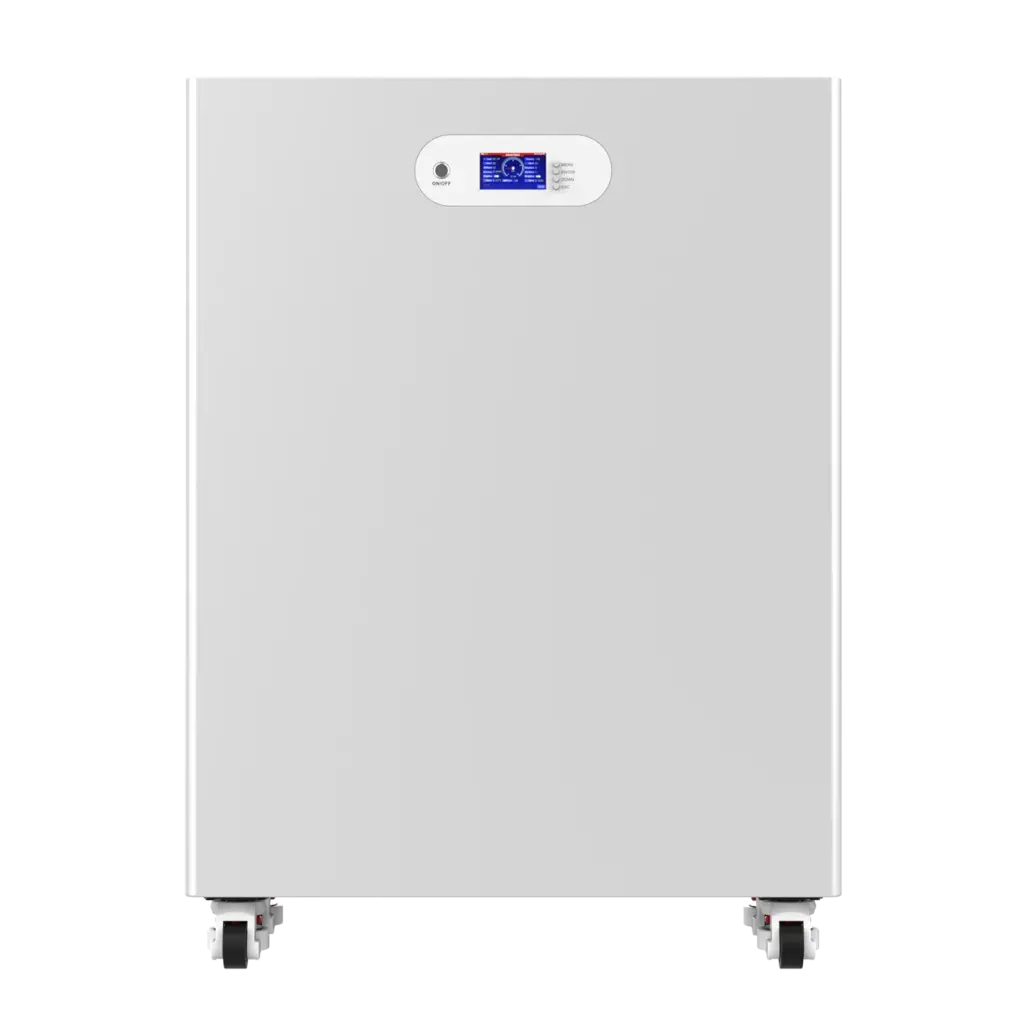
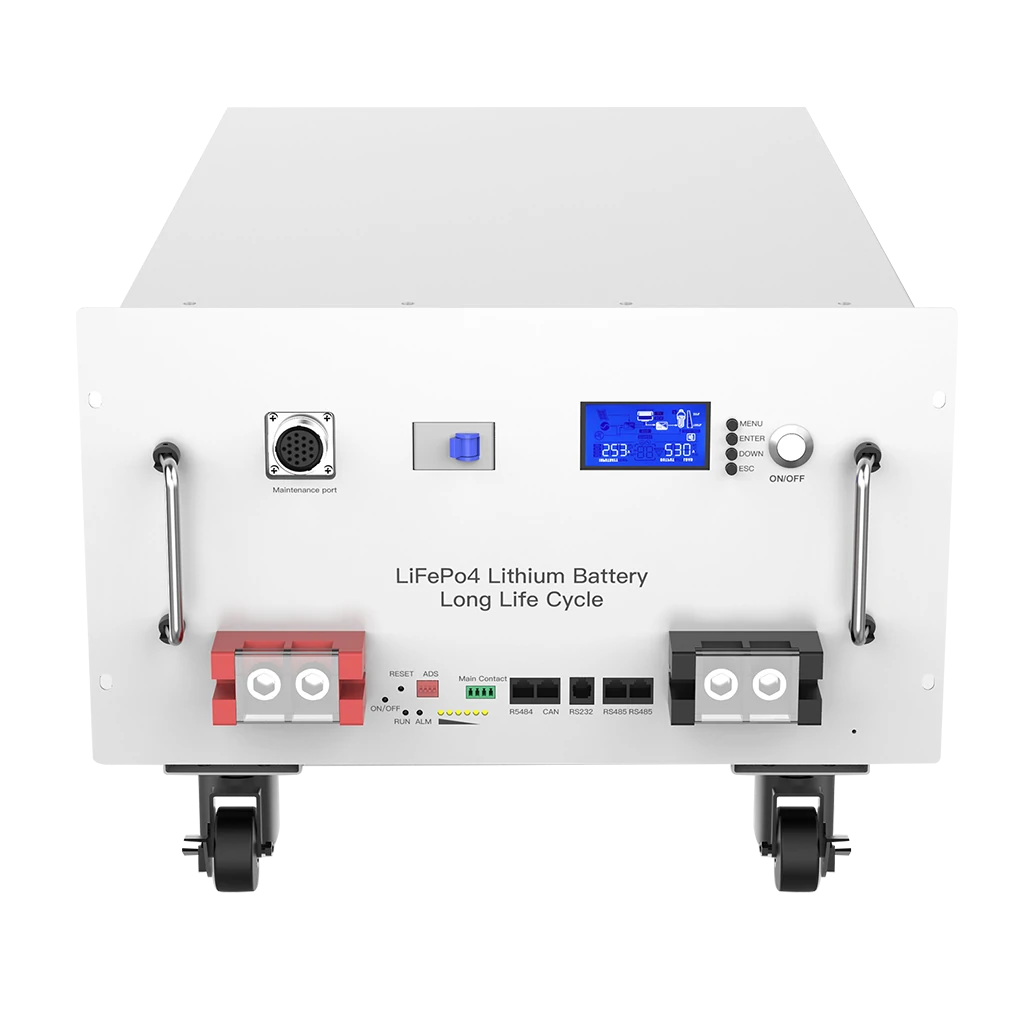
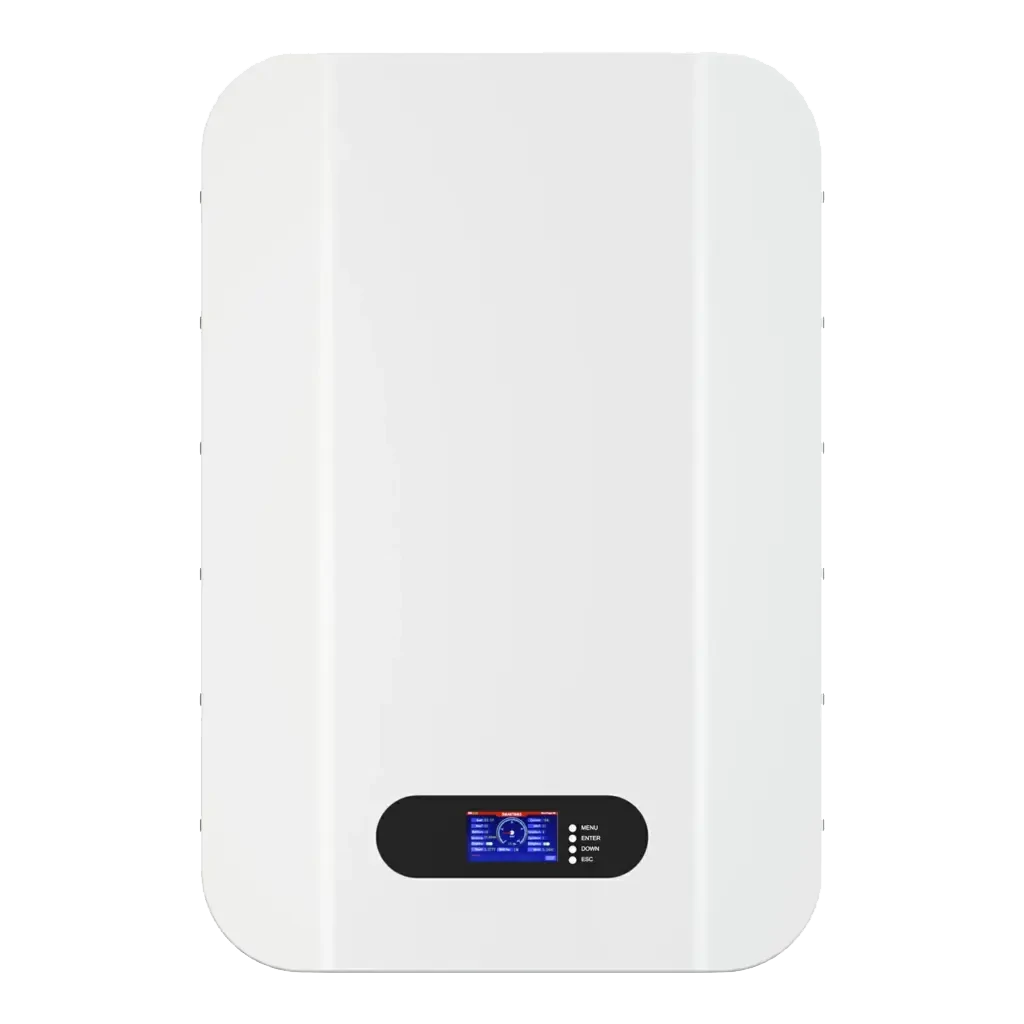
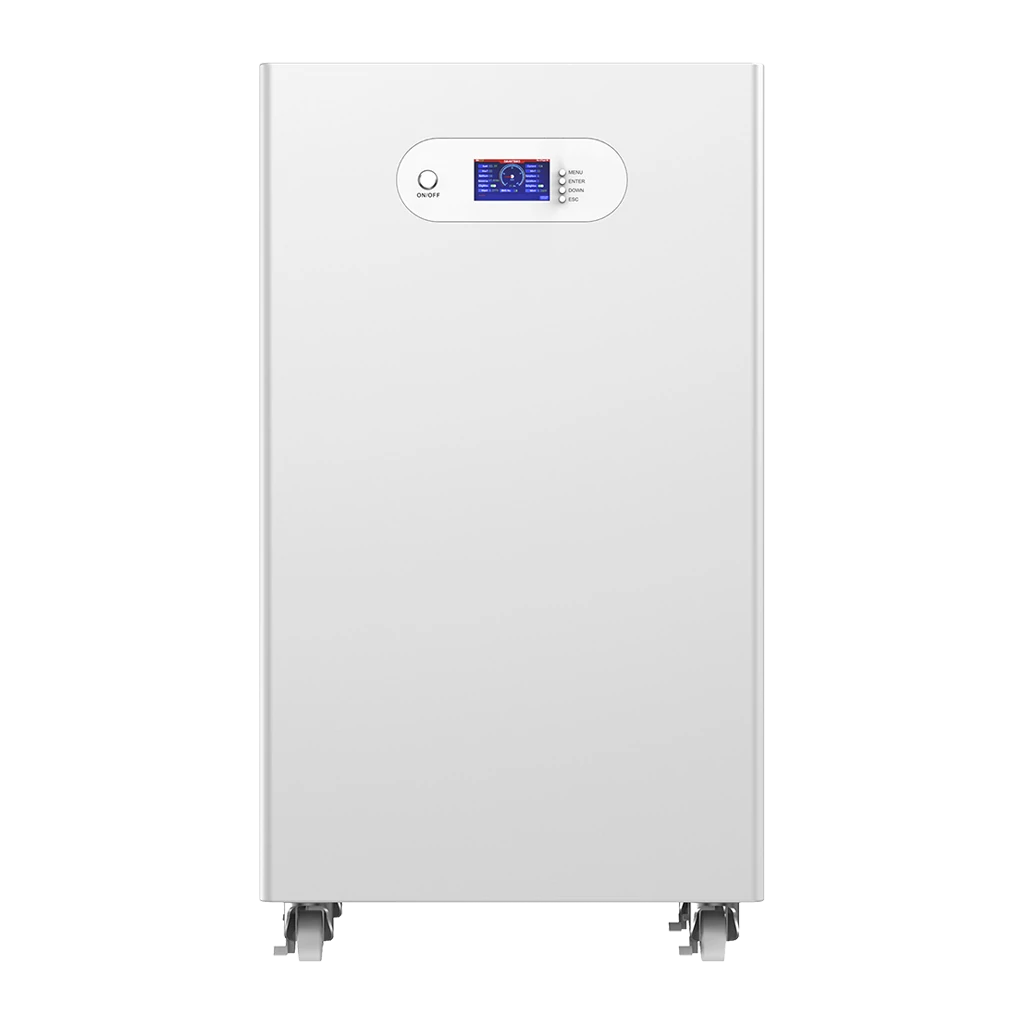
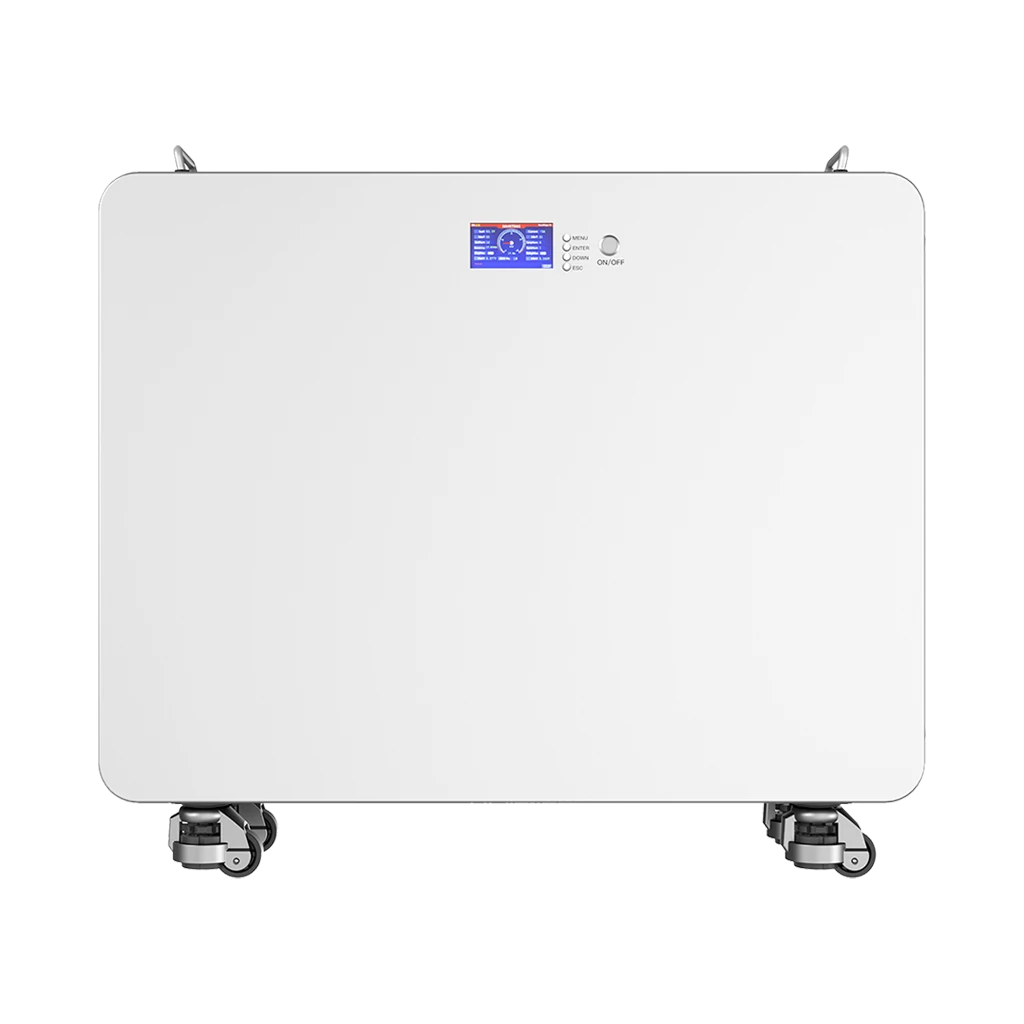
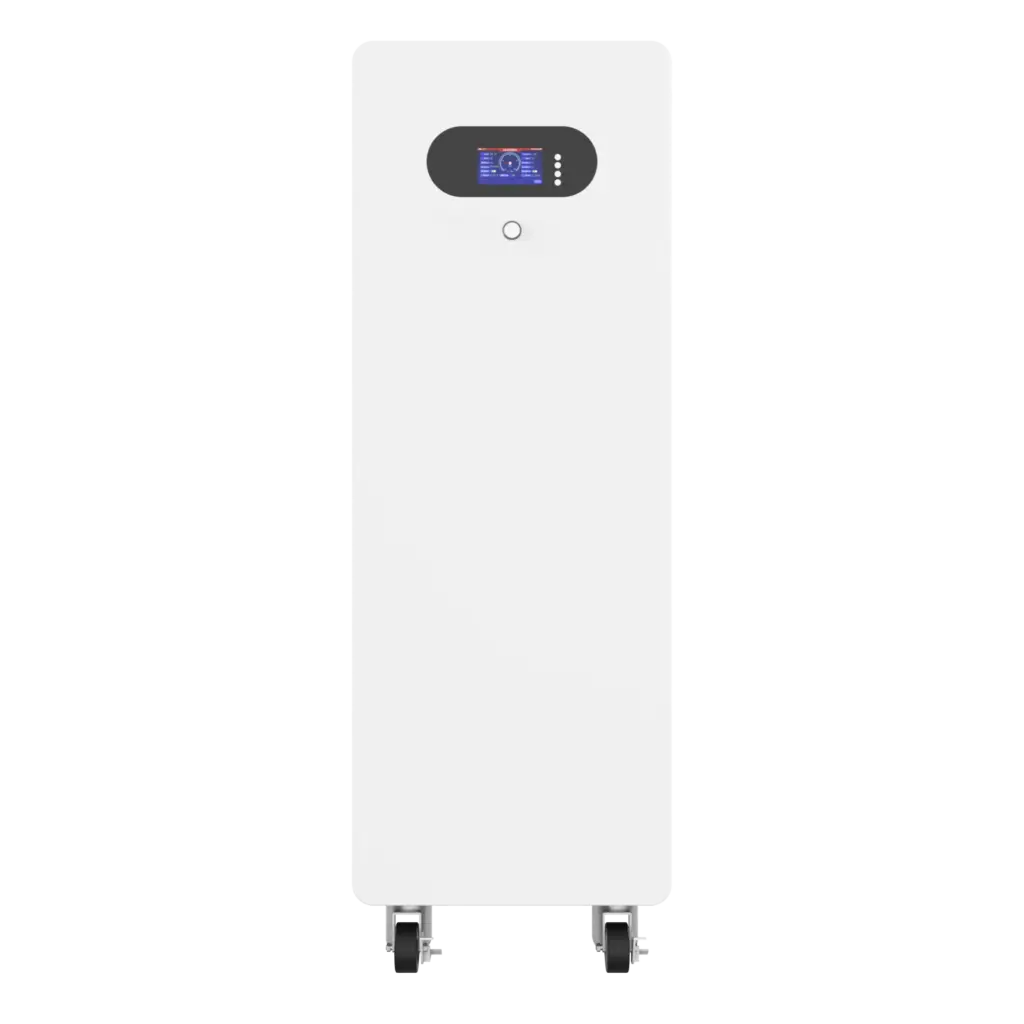
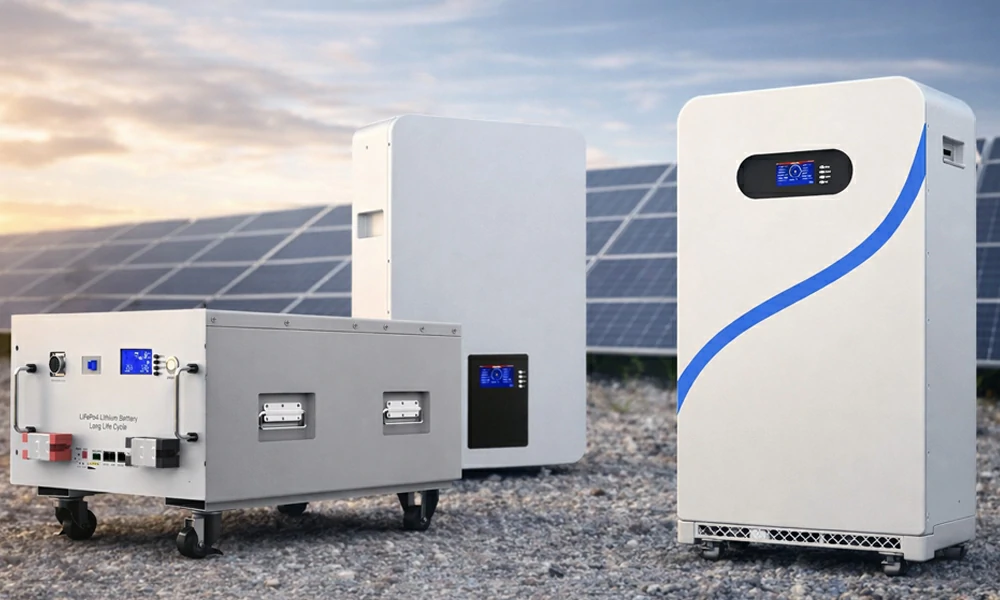
Avepower 5kWh Home Solar Battery
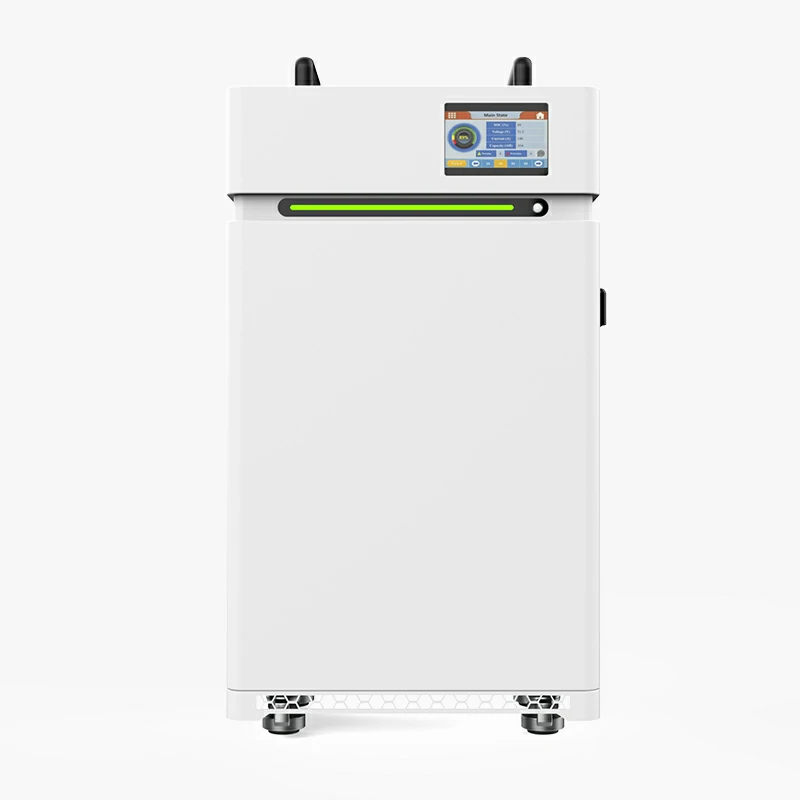
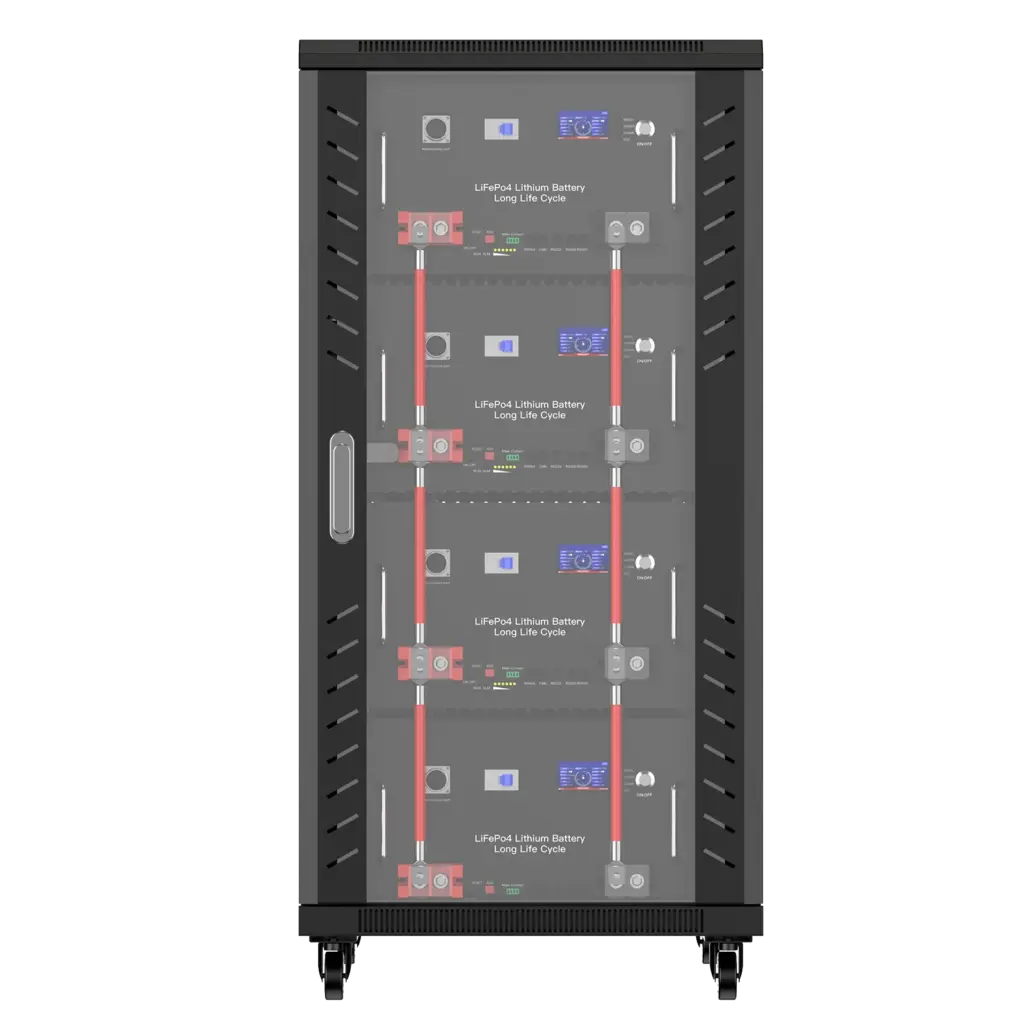
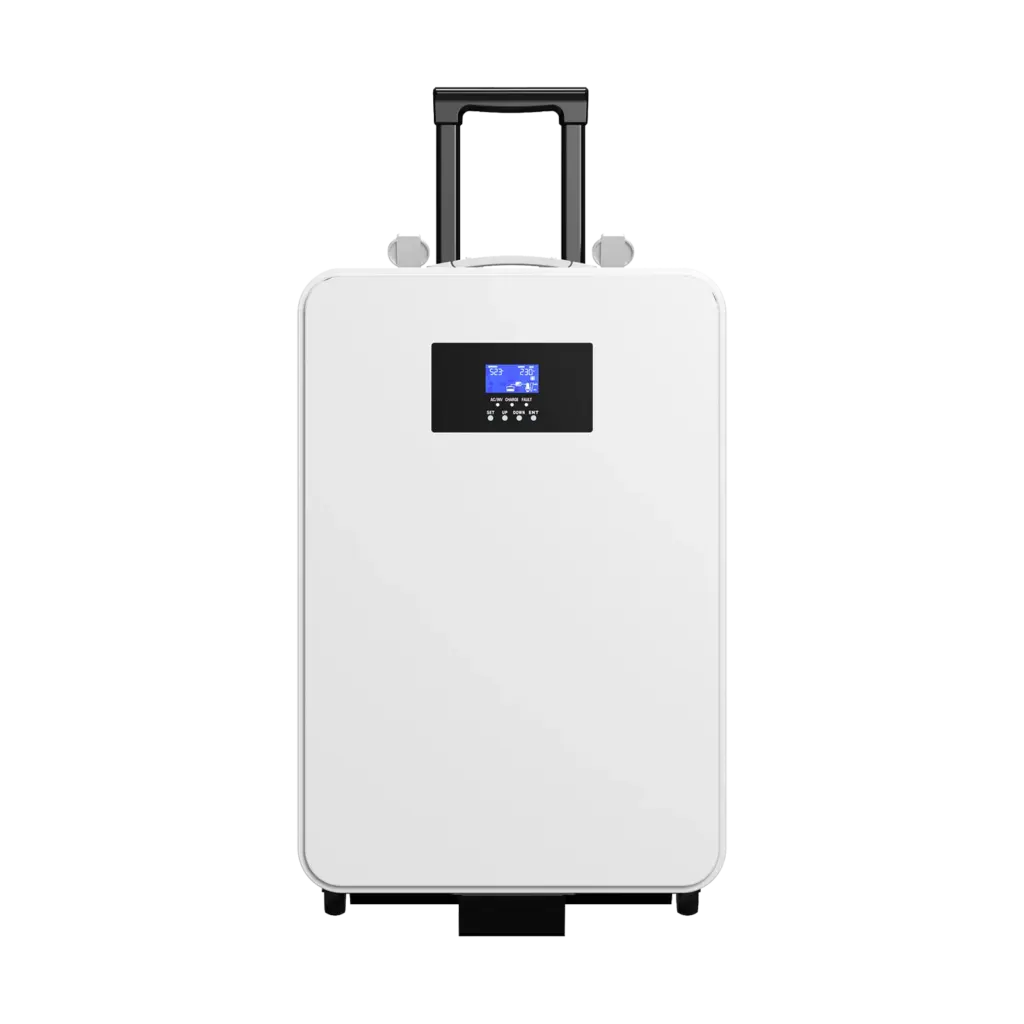
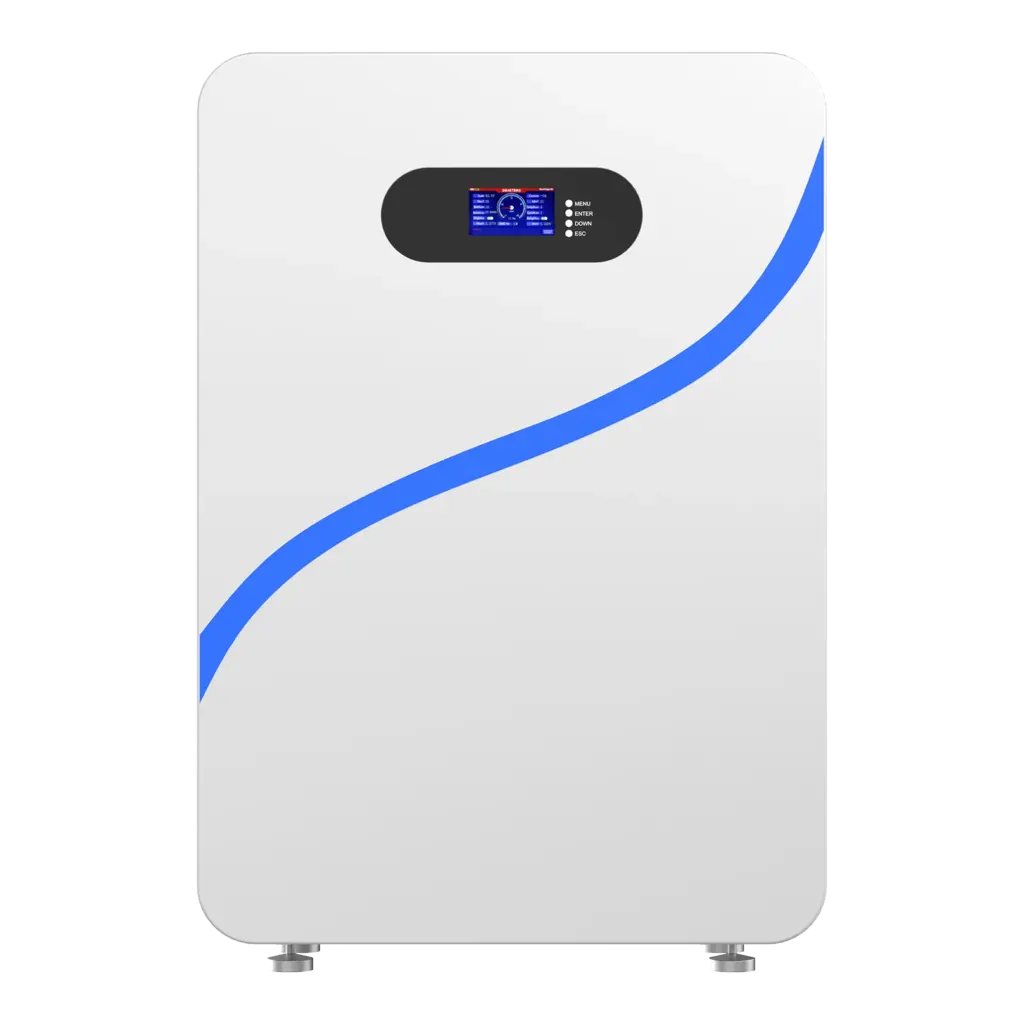
This wall-mounted 5 kWh solar battery offers a reliable and efficient energy storage solution with a 100Ah capacity, helping users maximize their use of renewable energy. Designed for excellent scalability, the battery can be easily expanded to 8 kWh, 16 kWh, or 20 kWh systems, providing flexible solutions to meet growing energy demands.
How Is the Payback Period for a 3 kW Solar System Calculated?
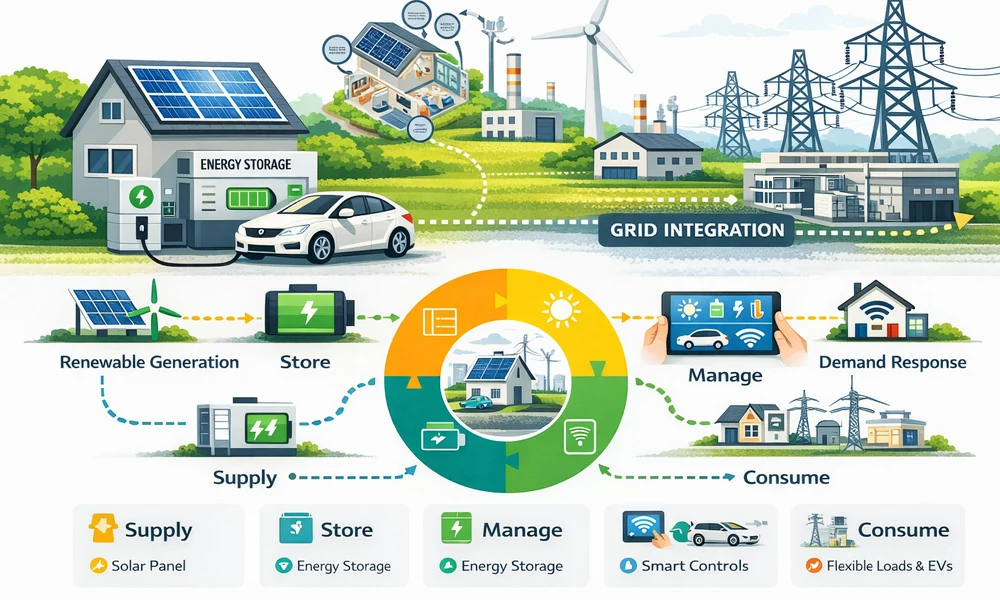
The return on investment (ROI) for a 3 kW solar system mainly depends on one key principle: maximizing daytime self-consumption of solar energy saves the most money. If a large portion of your solar power is exported to the grid at a lower feed-in tariff, your savings will be less.
Homeowners can estimate annual savings using a simple formula: Annual Savings ≈ (Self-Consumed Energy × Retail Electricity Rate) + (Exported Energy × Feed-in Tariff)
Households that use most of their electricity during the day tend to have higher self-consumption rates. Conversely, homes with heavy nighttime usage will export more solar energy back to the grid unless paired with home battery storage.
Example of a Simple Payback Calculation
- Annual solar production: 3,900 kWh
- Average value per kWh: $0.13
- Estimated yearly bill savings: 3,900 × 0.13 = $507
- Estimated system cost after incentives: $5,550
That homeowner would estimate payback as: Payback = 5,550 ÷ 507 ≈ 11 years
Factors Influencing Payback Period
- Sunlight availability: More sunlight means higher energy generation and faster payback.
- Electricity prices: Higher retail rates increase savings and reduce payback time.
- Daytime energy usage: Greater daytime consumption of solar power improves ROI.
- Feed-in tariff rates: Lower export tariffs reduce financial benefits from surplus energy sent to the grid.
In regions with abundant sunshine, high electricity costs, and high daytime consumption, homeowners may see payback periods as short as 4 to 5 years (such as in some parts of Australia). In less sunny areas or where daytime consumption is low, payback can extend to 5 to 7 years or more.
Key Factors Affecting 3kW Solar System Cost
Several key factors influence both the upfront cost and the long-term value of a solar installation:
1. Equipment Selection
Choosing high-efficiency, premium solar panels usually means higher upfront costs. Quality panels typically deliver more power per square meter and come with longer warranties, ensuring better durability and performance over time. Additionally, some well-known brands price their products higher to reflect their service networks, reliability, and marketing investments.
2. Roof Design and Installation Complexity
The design and structure of your roof significantly affect installation difficulty and cost. Complex roofs — such as those with multiple faces, valleys, skylights, or chimneys — require more time and specialized labor. Homes in shaded or peak sun exposure areas might also need advanced equipment like power optimizers or microinverters to maximize energy harvest, adding to the cost.
3. Permits, Inspections, and Grid Connection Requirements
Local regulations vary widely and can impact costs. Some municipalities require specific permits, safety devices, or additional inspections. These fees are usually bundled into the installation quote rather than listed separately but can add substantially to the total price.
4. Labor Costs and Market Conditions
Labor expenses depend on regional market rates and living costs. In cities with higher wages or during peak installation seasons, labor prices tend to increase. Skilled electricians and certified installers demand competitive compensation, which is reflected in the overall project cost.
5. Beware of Extremely Low Quotes
If a price sounds “too good to be true,” it often is. Very low bids may come with hidden risks such as inferior components, limited or no warranty, rushed installation, or missing critical safety features. Homeowners should be cautious and thoroughly vet their solar provider to avoid costly issues later.
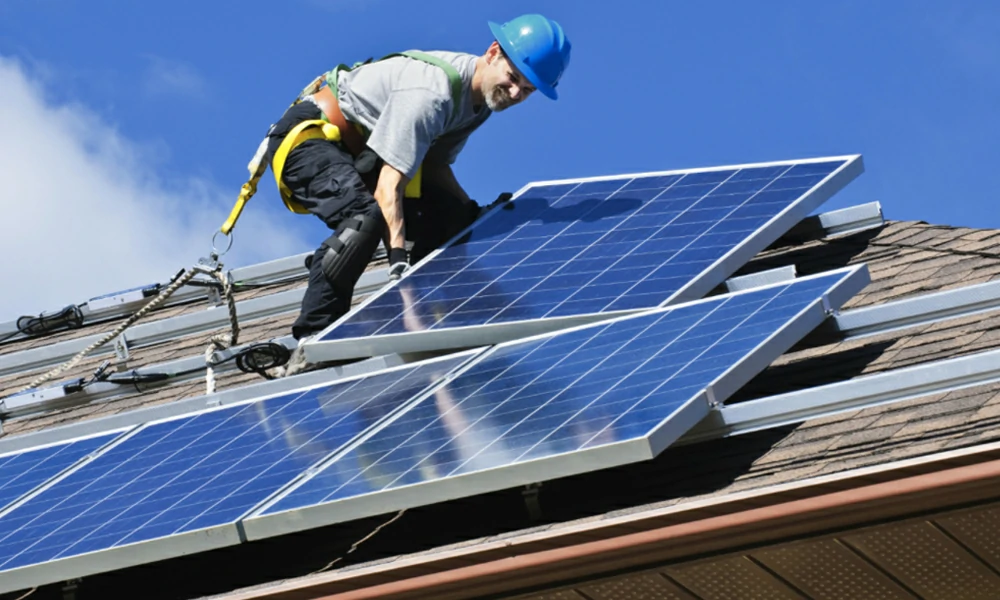
How Much Energy Can a 3 kW Solar System Generate?
The energy output of a 3 kW solar system depends on location, roof orientation, shading, and seasonal variations. Panels facing east or west instead of optimal directions, or those partially shaded during peak sun hours, will produce less energy.
Typical 3 kW Solar Output in the United States
In the US, a typical 3 kW solar system generates about 9 to 14.5 kWh per day, or 3,282 to 5,294 kWh annually. Locations with more sun and ideal panel placement produce closer to the higher end, while shaded or less sunny areas yield less.
| City | Avg. Daily Energy (kWh) | Avg. Annual Energy (kWh) |
|---|---|---|
| Miami, FL | 12.8 | 4,658 |
| Boston, MA | 10.8 | 3,931 |
| Denver, CO | 13.1 | 4,795 |
| Philadelphia, PA | 11.2 | 4,072 |
| Seattle, WA | 9.0 | 3,282 |
| Phoenix, AZ | 14.5 | 5,294 |
| Austin, TX | 12.1 | 4,432 |
| New York, NY | 10.6 | 3,872 |
| Las Vegas, NV | 14.5 | 5,279 |
| Cleveland, OH | 10.5 | 3,817 |
| Los Angeles, CA | 13.9 | 5,056 |
| Hartford, CT | 10.4 | 3,784 |
A homeowner in a sunny place like Phoenix or Las Vegas often sees higher daily production than a homeowner in a cloudier place like Seattle. A homeowner should still expect seasonal swings, because winter days are shorter and summer days are longer.
Typical 3 kW Solar Output in Australia
In Australia, a typical 3 kW solar system produces an average of 9.2 to 14.2 kilowatt-hours (kWh) per day, with an estimated annual output of approximately 3,258 to 5,183 kWh.
| City | Avg. Daily Energy (kWh) | Avg. Annual Energy (kWh) |
|---|---|---|
| Perth | 12.8 | 4,672 |
| Hobart | 9.2 | 3,358 |
| Brisbane | 11.6 | 4,234 |
| Sydney | 10.9 | 3,979 |
| Darwin | 14.2 | 5,183 |
| Melbourne | 10.0 | 3,650 |
| Canberra | 11.5 | 4,198 |
| Adelaide | 10.9 | 3,979 |
How Many Solar Panels Does a 3 kW Solar System Require?
A 3 kW system typically requires 8 to 12 solar panels, but the exact number depends on the wattage of each panel.
For example, a system using 300-watt panels generally needs about 12 panels to reach approximately 3,600 watts, while a system with 400-watt panels requires around 8 panels to achieve the same capacity.
What Roof Area Is Needed for a 3 kW Solar System?
A 3 kW system usually requires less than 300 square feet of roof space, although the exact area depends on the size and wattage rating of the panels.
Homeowners installing high-efficiency solar panels can fit the system into a smaller area, whereas those using lower-wattage panels will need more roof space to accommodate an equally sized system.
Who is a 3 kW Solar System Best For?
A 3 kW system often works best when a household has moderate energy needs and a clear plan for daytime usage. A 3 kW system also works well when the roof area is limited.
A 3 kW system can be a good match for rental properties, because solar can reduce tenant bills and can improve property appeal. A 3 kW system can also help a homeowner who has an older, smaller system and wants to add capacity without changing the entire setup.
A homeowner should think carefully when the home has heavy loads like a pool pump, ducted air conditioning, or large evening demand, because a small system cannot cover those needs without help from the grid or a battery.
Conclusion
A 3 kW solar system can cut bills and build energy independence when the system matches your roof and your daily use. Your best next step is a site-specific quote that includes a production estimate, a clear parts list, and a clear warranty plan.
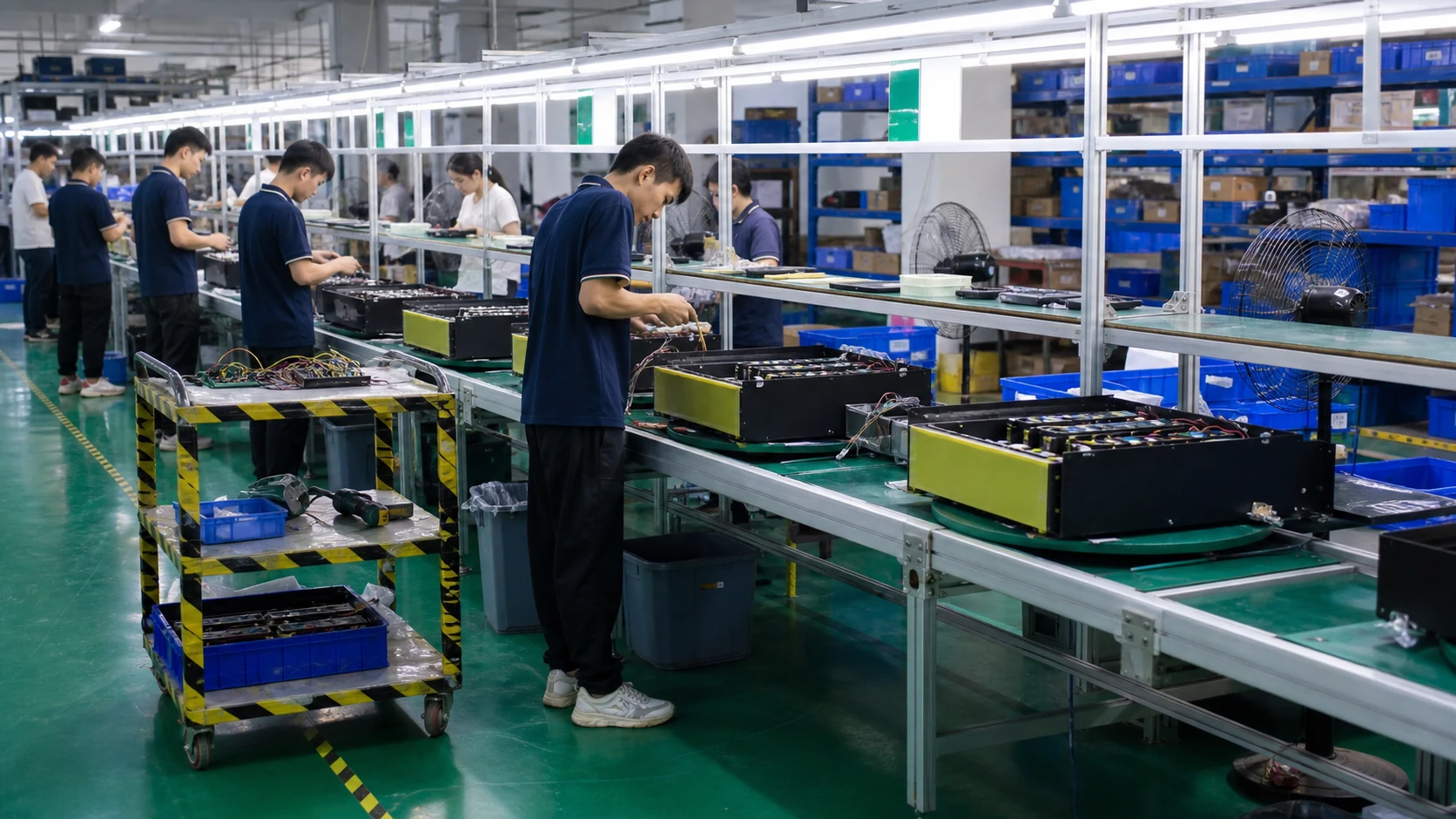
If you want a simple path to a complete residence solar-and-storage solution, Avepower can support solar projects with matched solar panels, hybrid inverters, and LiFePO4 home batteries. Our battery systems use built-in BMS protection, and our products support international certifications such as CE, UL, and RoHS, with ISO9001 quality management. Our team also supports OEM/ODM options for partners who want custom appearance, capacity, or functions.
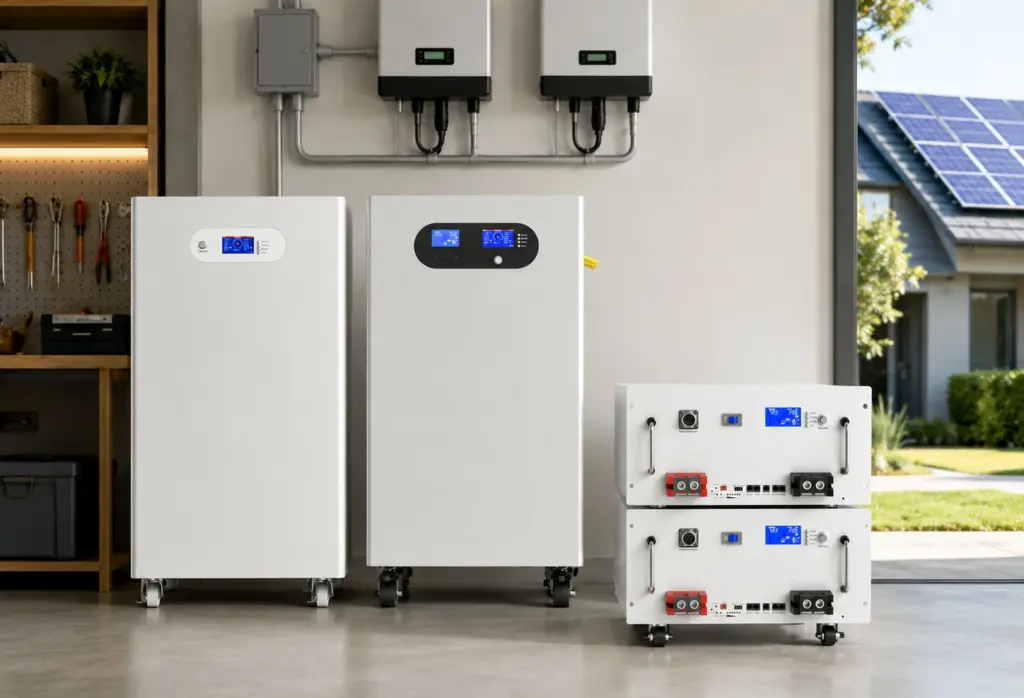
Take Control of Your Energy with Avepower!
Reliable home solar battery solutions with OEM/ODM customization and in-house manufacturing, tailored to the needs of distributors, installers, and energy partners.
FAQ
Many homeowners see $6,000–$9,000 before incentives, and many homeowners estimate $4,200–$6,300 after a 30% federal credit.
Many homeowners see about $3,200–$4,600 for a standard system after STCs, and the final price depends on city and roof conditions.
A 3 kW system can run many everyday daytime loads, like lights, a fridge, computers, and fans. Your inverter and your home wiring decide what can run at the same time.