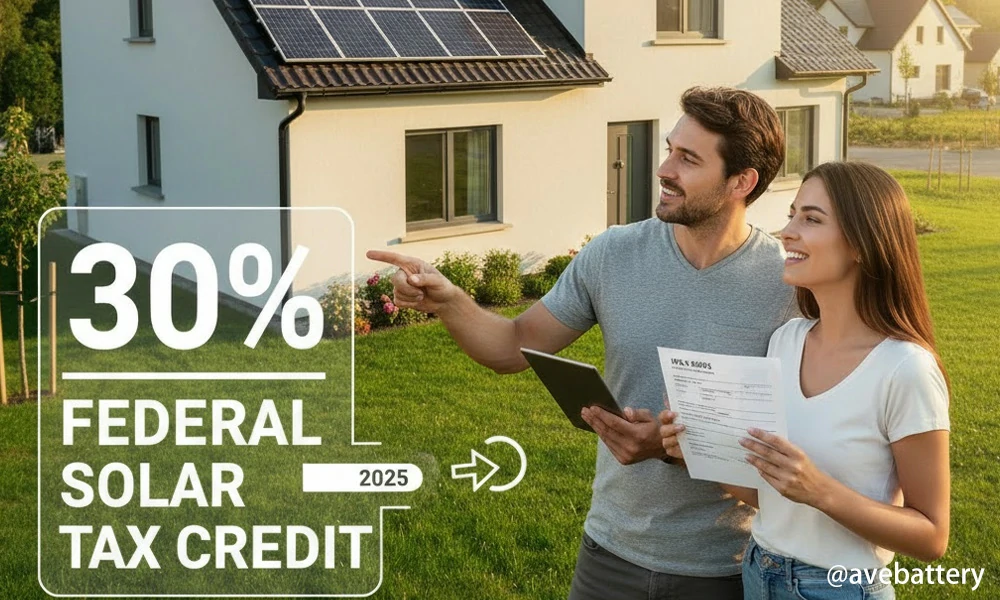
If you’re thinking about installing a solar energy storage system for your home, you have an outstanding opportunity to save a significant amount of money. The Federal Solar Investment Tax Credit (ITC)—allows U.S. taxpayers to reduce their federal income tax bill by 30% of the total cost to purchase and install an eligible clean energy system.
The credit goes away for new residential installations placed in service on or after January 1, 2026, based on the legislation that President Trump signed on July 4, 2025. Earlier policy under the Inflation Reduction Act planned a 30% credit through 2032 with a gradual step-down, but Congress ended the residential credit almost a decade early and without a phase-down.
What is the Federal Solar Tax Credit?
The official name for this program is the Residential Clean Energy Credit (also known as the Federal Solar Tax Credit or the ITC). The Residential Clean Energy Credit (Internal Revenue Code §25D) is a non-refundable federal income tax credit equal to 30% of qualified costs for certain clean-energy systems installed at a U.S. home you use as a residence.
Historically, this credit was scheduled to last longer under the Inflation Reduction Act. However, Congress passed the One Big Beautiful Bill Act in July 2025, which terminates §25D after 2025. For homeowners, that means installations completed on or after January 1, 2026 won’t qualify for this credit.
Your solar generators and/or whole-home battery energy storage systems must be placed in service (installed and ready to use) by December 31, 2025 to claim the 30% credit. Paying in 2025 isn’t enough by itself—the installation must be finished in 2025. Systems installed before 2023 may be eligible for a lower rate, typically $0.26$ on the dollar (or 26%).
It Should Be Noted That
If part of your home is used for business, the credit depends on how much:
- Business use 20% or less: You can claim the full credit.
- Business use over 20%: You can only claim the credit for the personal-use portion of your home.
If you don’t owe enough in taxes to use the full credit in the installation year, you can roll over the remaining amount to apply against your tax bill in the following years, as long as the credit remains available.
How Much Money the Credit Can Save You
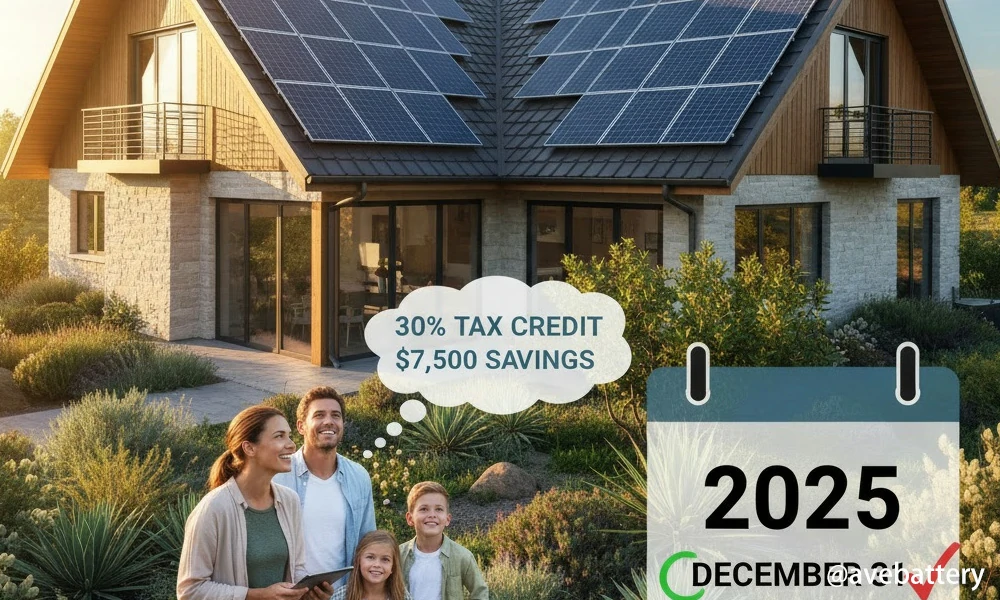
The math works the same for every technology: the credit equals 30% of your eligible costs in the year the system is installed. If your solar-plus-battery project costs $25,000 and the crew finishes in 2025, your credit is $7,500 (30% × $25,000). If your federal tax bill is $4,000 for 2025, the credit can wipe that to $0 and you can carry the extra $3,500 into 2026. That carryforward rule appears in the IRS draft instructions for 2025.
Fuel cells carry their own dollar cap. For most households focused on solar, batteries, wind, or geothermal, the only “cap” is the size of your tax bill in 2025 (and what you can carry forward).
How the Federal Solar Tax Credit Works
The most important thing to know is that this is a credit, not a deduction.
The federal solar tax credit provides a dollar-for-dollar reduction of your federal income tax bill. It is not a rebate or a deduction, but a tax credit, which is far more valuable because it directly lowers the amount of tax you owe.
If your solar panel system costs $25,000 to install, the 30% tax credit is $7,500 ($25,000 $\times$ 0.30). You would then subtract this $7,500 directly from your federal tax liability for the year you install the system.
For a typical system installation, which might cost around $30,000 before incentives, the ITC could save a homeowner approximately $9,000, reducing the net cost to about $21,000.
Who Is Eligible for the 30% Federal Solar Tax Credit
Not every home improvement project qualifies for this federal aid. You must meet a set of specific guidelines to be eligible for the credit. These rules cover the location of the project, the ownership of the system, and the timing of the installation.
1. The Project Must Be in a U.S. Home
The project must be installed at a home in the United States. The IRS defines a home broadly. It can include various types of residences, such as:
- A house.
- A houseboat.
- A mobile home.
- A cooperative apartment.
- A condominium.
- A manufactured home.
For solar, wind, and geothermal projects, the property does not even have to be your main place of residence. This means you can claim the credit for a vacation home or a second property, as long as you own the system installed there. You must have lived in the home at some point during the year for which you are claiming the credit.
2. You Must Own the System
This is a critical rule for eligibility. The costs of a system that is leased or rented for your home are not part of the credit program. To qualify for the tax break, you must be the owner of the solar power system. This generally means you either paid for the system outright or you financed its purchase with a loan.
3. Installation Timing: Placed in Service
As mentioned, the system must have been placed in service between January 1, 2022, and December 31, 2025. The date the system is placed in service is generally the date the installation is complete and the system is ready to start generating power, often signified by the final inspection or utility connection.
Find more on who can claim the credit.
Is the Credit Refundable?
The credit is non-refundable. This means that if the 30% credit amount is more than the federal income tax you owe for that year, the IRS will not send you a check for the difference.
However, a huge benefit is that you can carry the unused credit amount over to future tax years until you have recovered the full 30%. Even if you owe no taxes in the year your system is installed, you can still claim the credit against future tax bills.
No Limit on Cost
There is no dollar limit on the Residential Clean Energy Tax Credit. You can also apply for the credit multiple times if you purchase and install new qualified systems in different tax years.
Keep in mind that you will only get a tax refund check if you had taxes withheld from your pay and have paid more than you ultimately owe the government.
What the Tax Credit Covers
The 30% credit applies to the total cost of the solar installation, including both equipment and labor.
| What IS Eligible | What IS NOT Eligible |
|---|---|
| Solar panels and all necessary equipment (inverters, wiring, mounting hardware) | Roof repairs or replacements (unless part of solar installation) |
| Labor costs for installation (including permitting, inspection, and developer fees) | Tree trimming or removal |
| Energy storage systems (home batteries) rated 3 kWh or more | Any other non-solar-specific costs |
| Sales taxes on eligible equipment and expenses |
What Costs Qualify for the Credit?
The 30% credit covers the total cost of new, owner-purchased equipment and its installation. Used, rented, or leased systems do not qualify.
Eligible Property Includes:
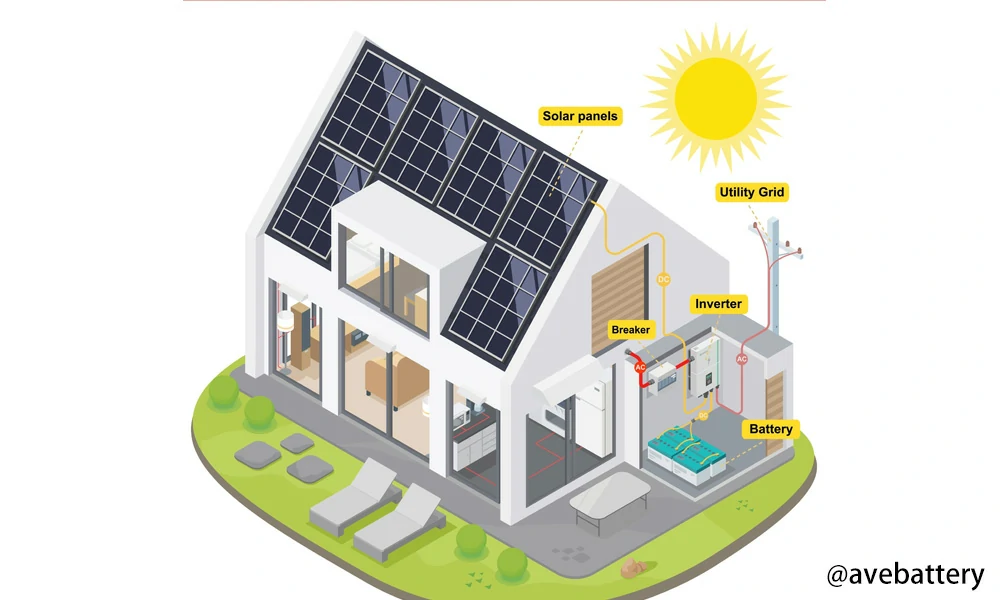
- Solar electric properties: This includes the solar panels (photovoltaic modules) and the rest of the necessary system components.
- Battery storage technology: The battery must have a capacity of 3 kilowatt-hours (kWh) or more.
- Small wind energy systems (wind turbines).
- Geothermal heat pumps.
- Solar water heaters.
- Fuel cells.
Key Requirements for Equipment:
- All equipment must be new.
- You must own the system; used, rented, or leased systems do not qualify.
- Qualified expenses include the cost of the equipment, labor for onsite assembly or original installation, and wiring/piping to connect the system to your home.
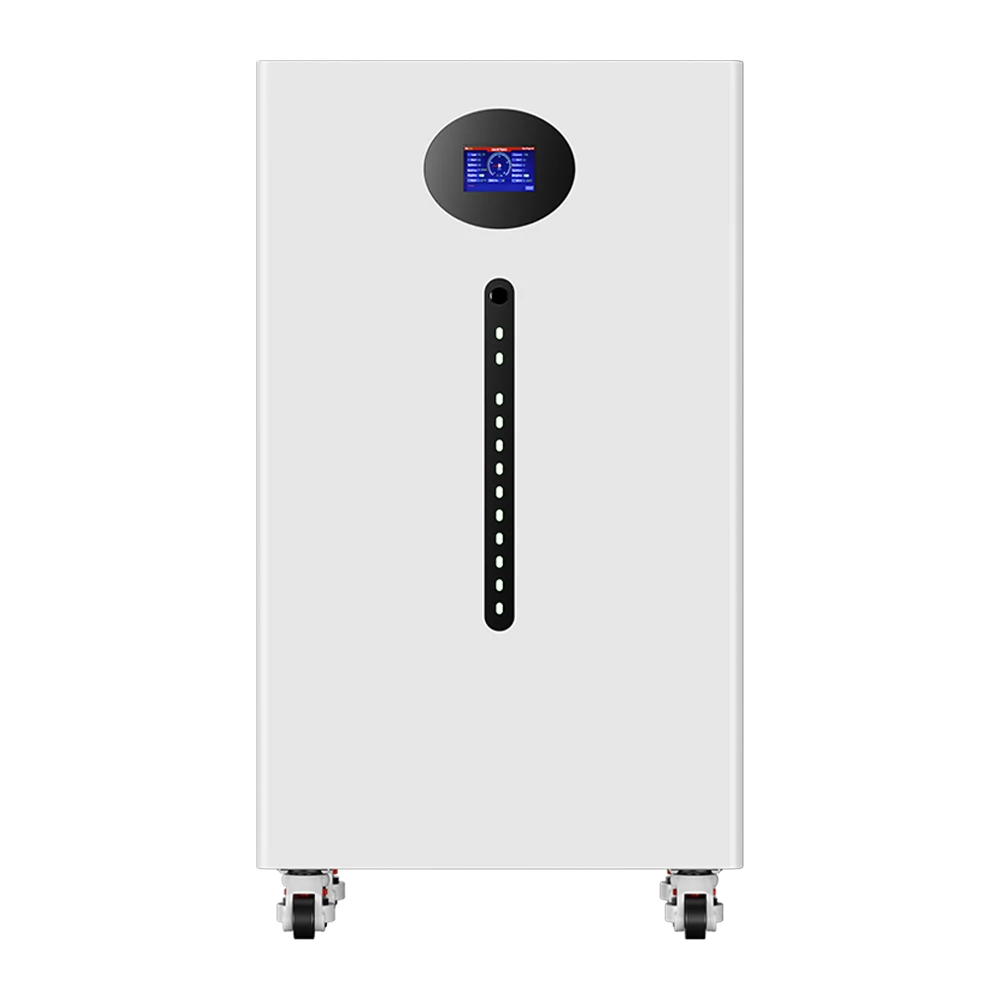
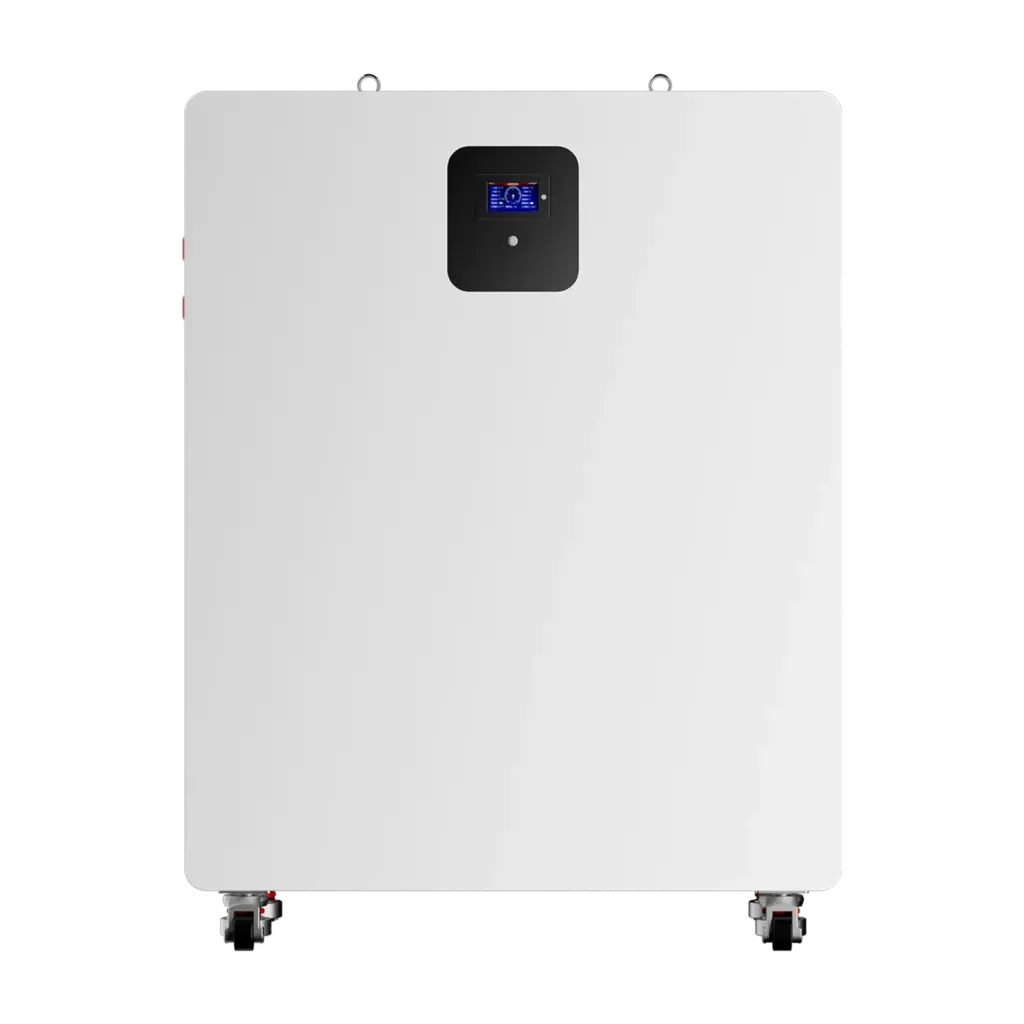
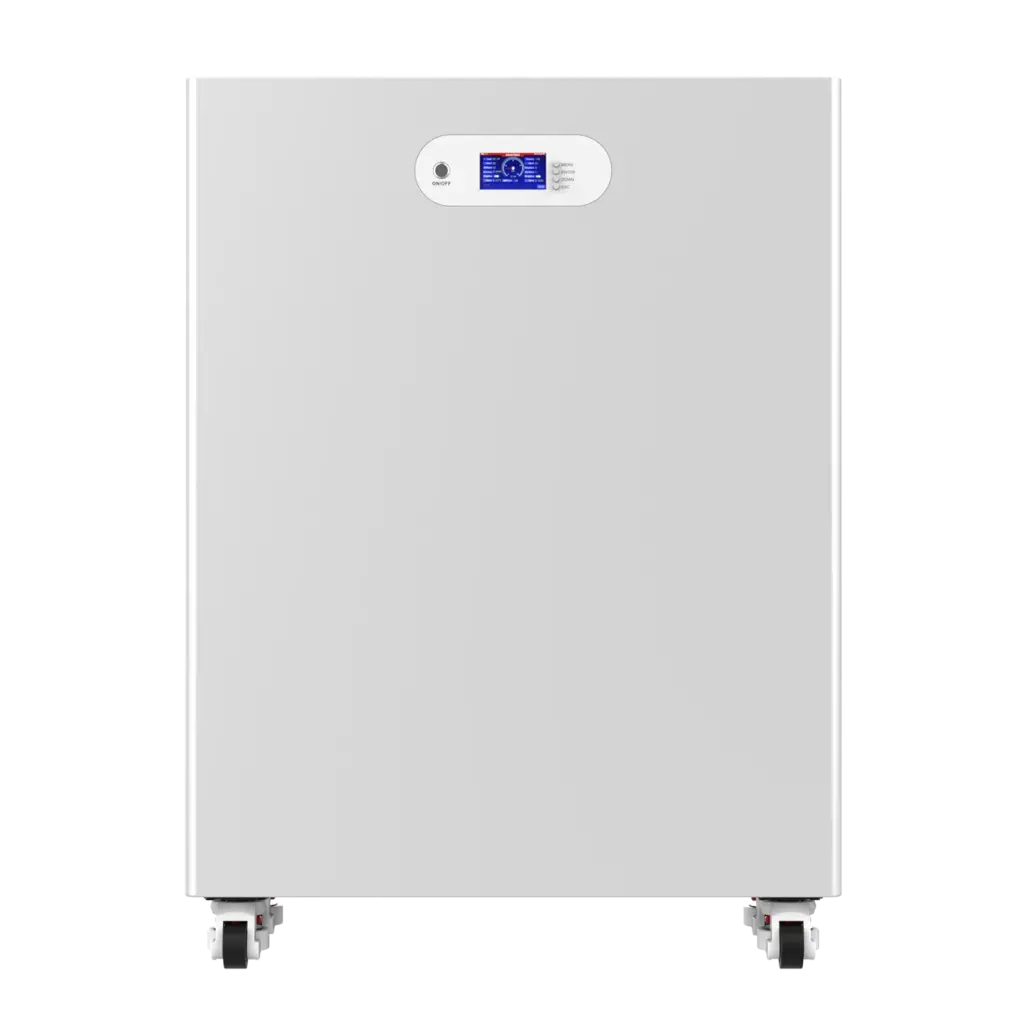
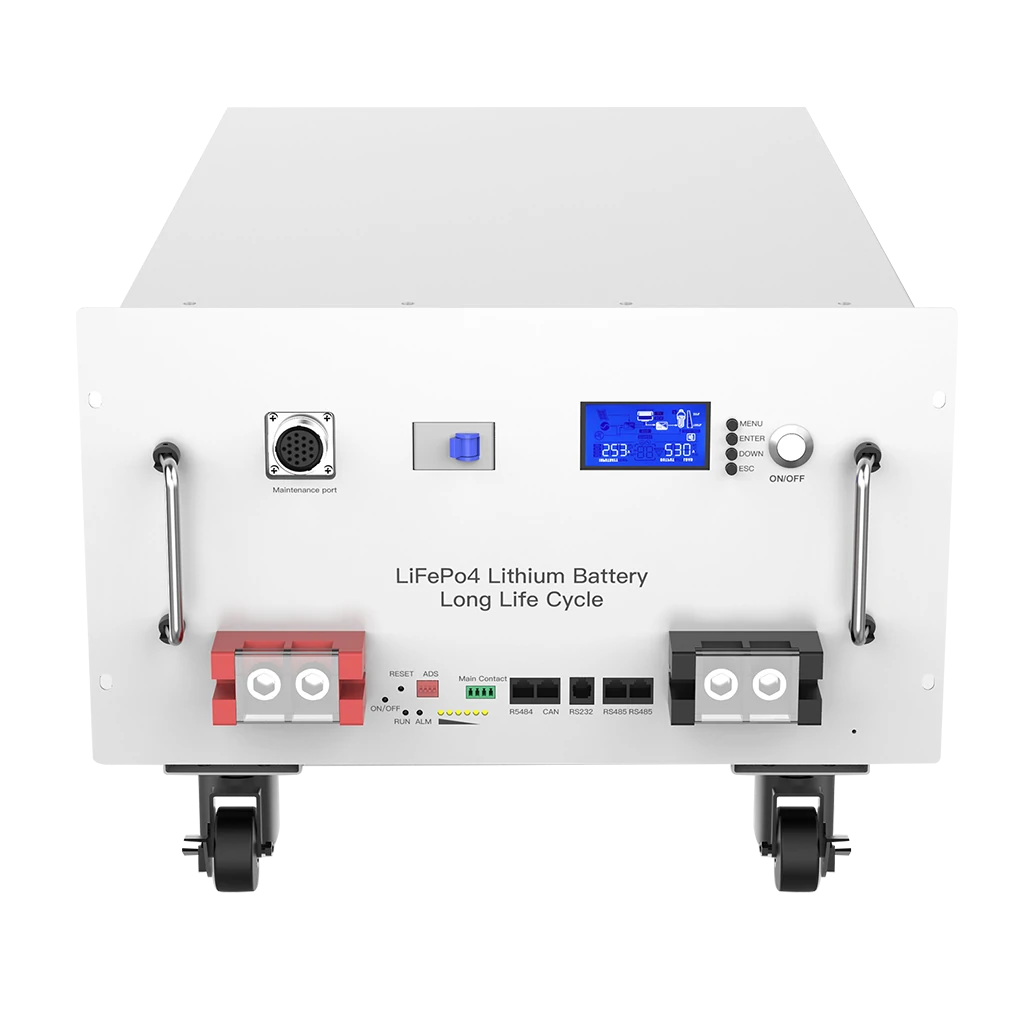
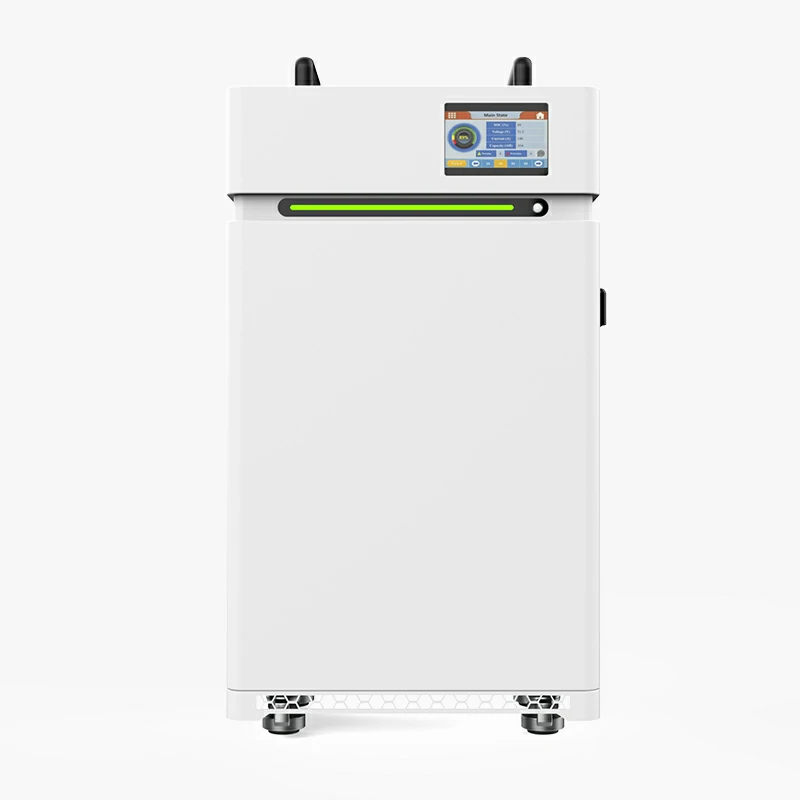
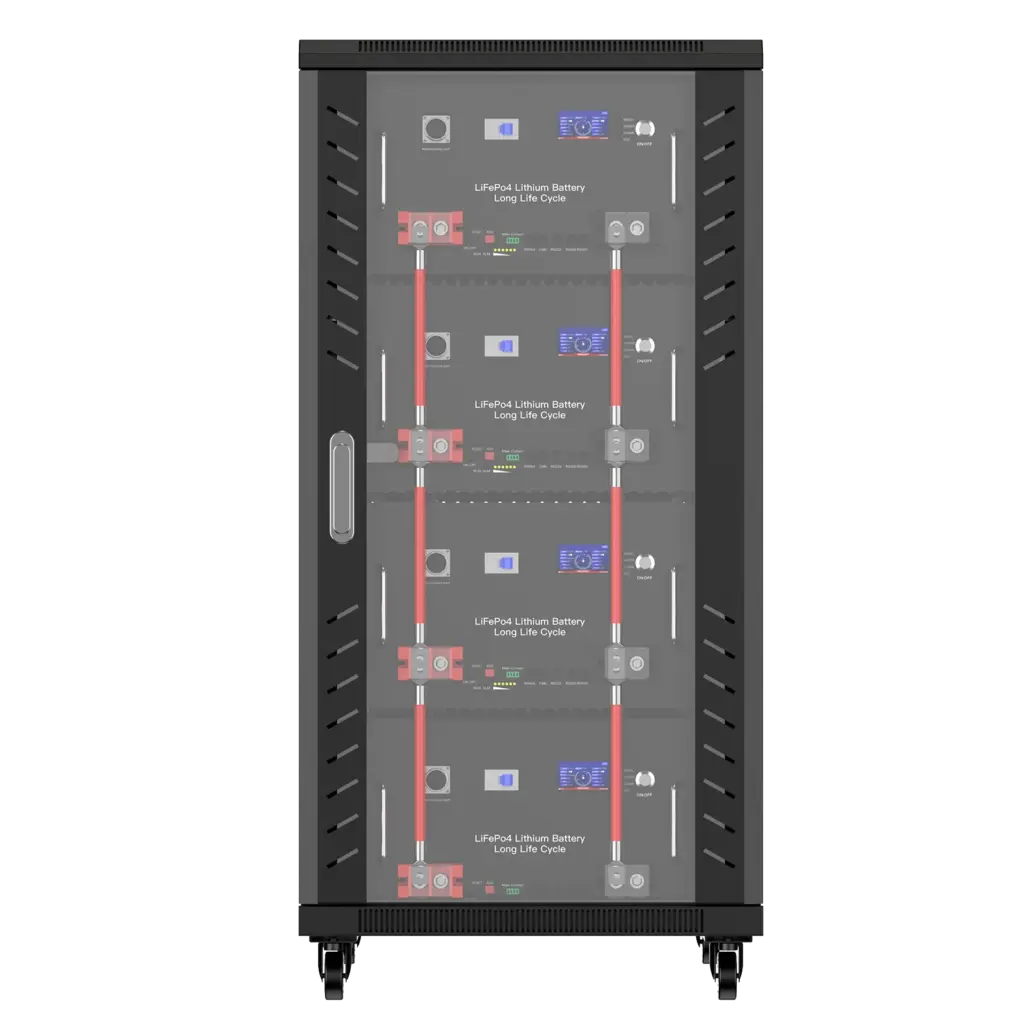
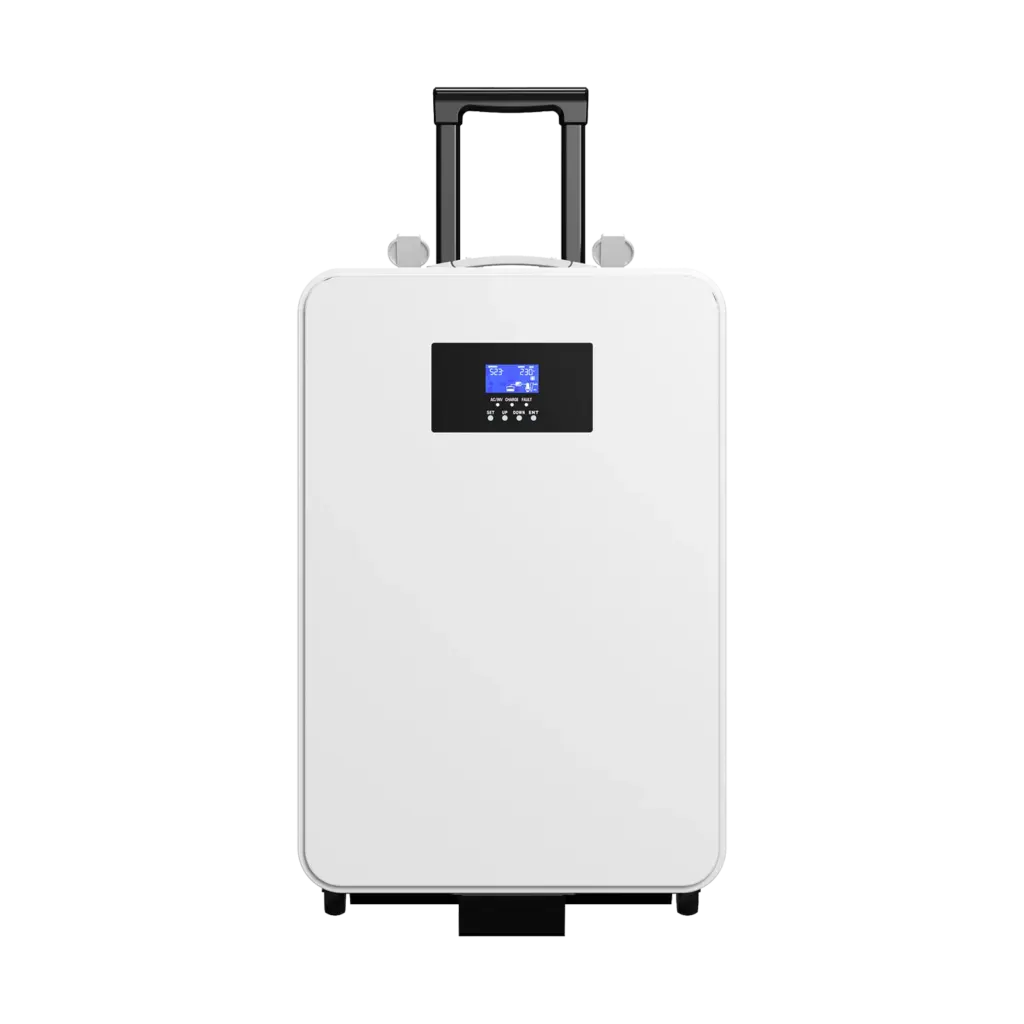
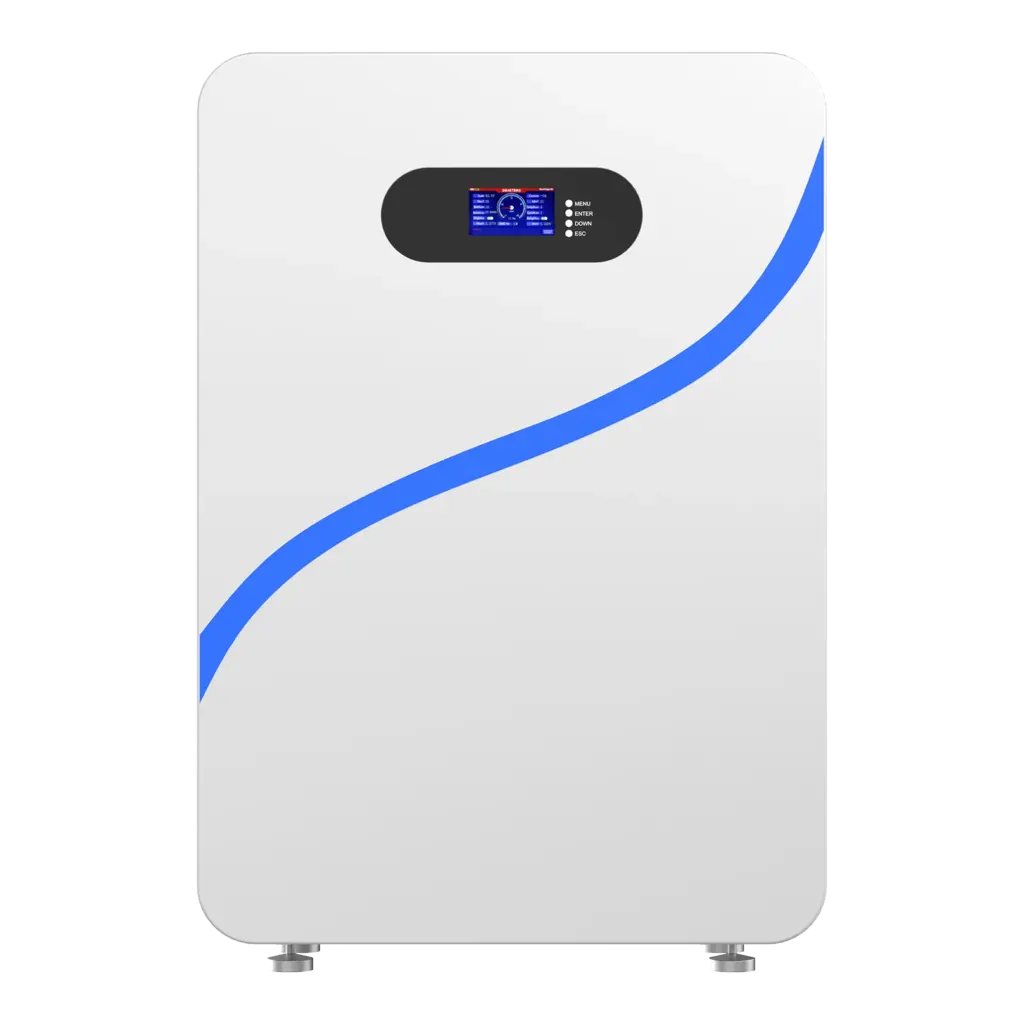
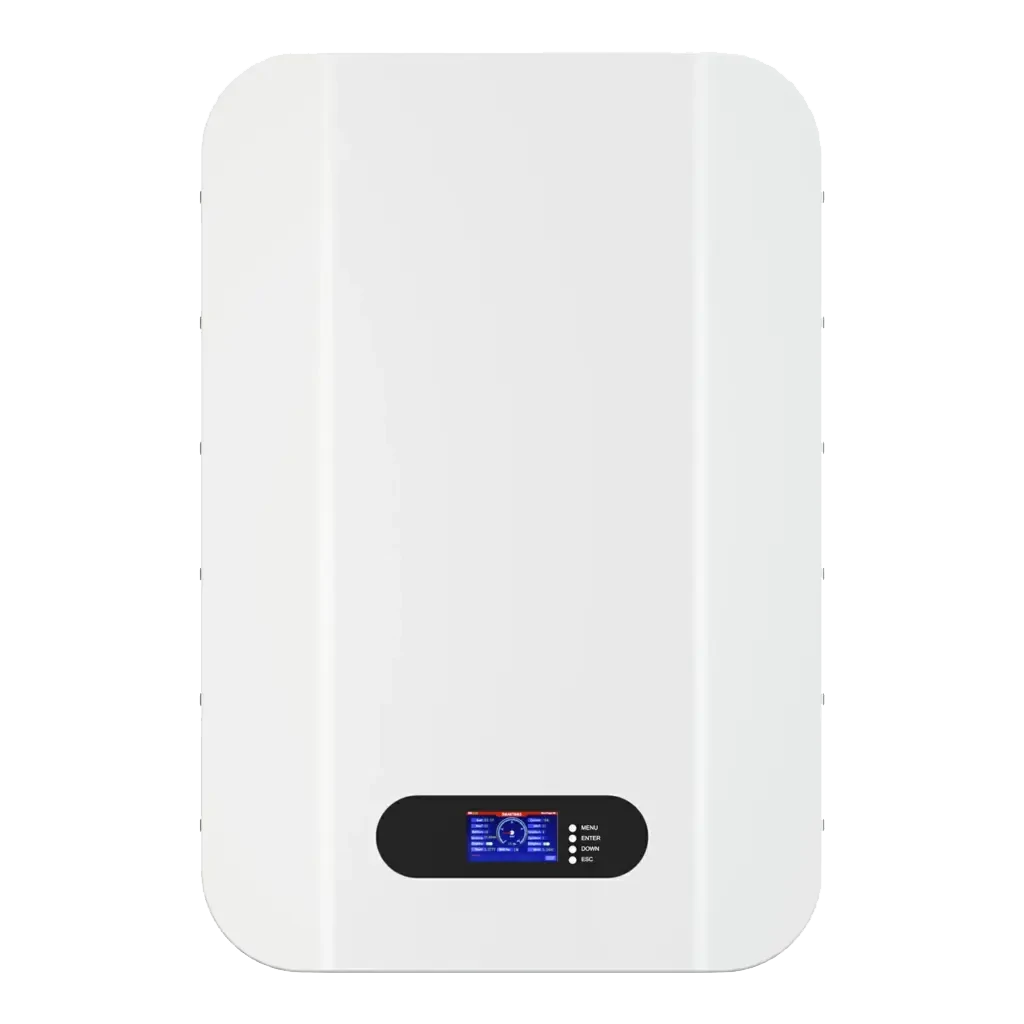
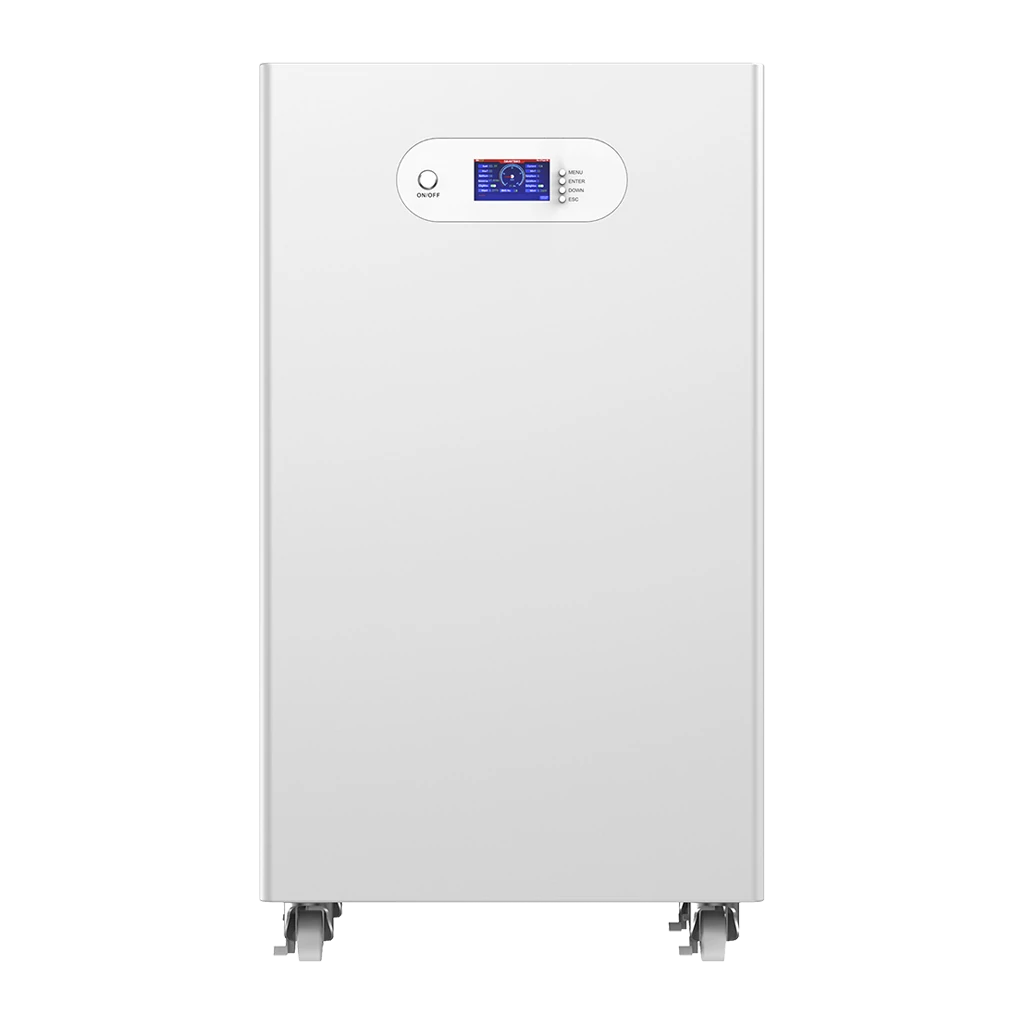
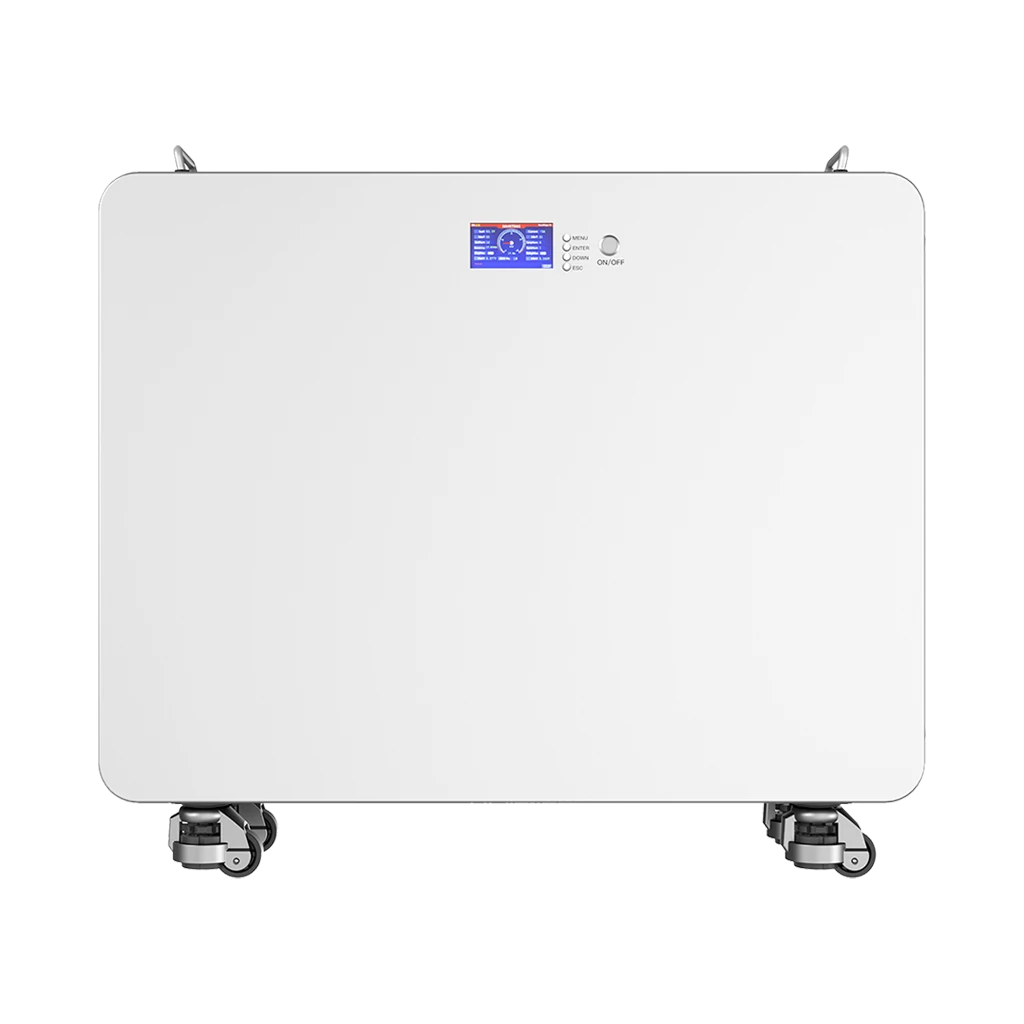
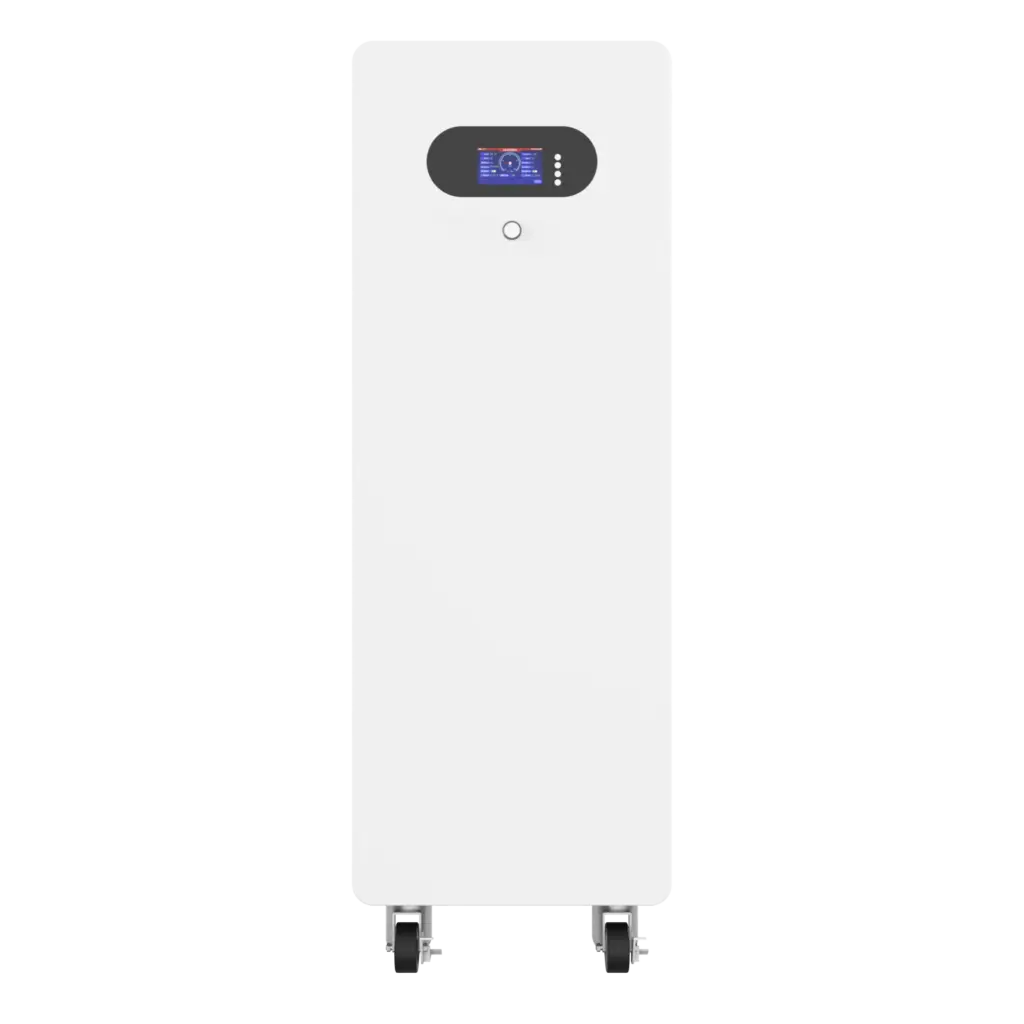
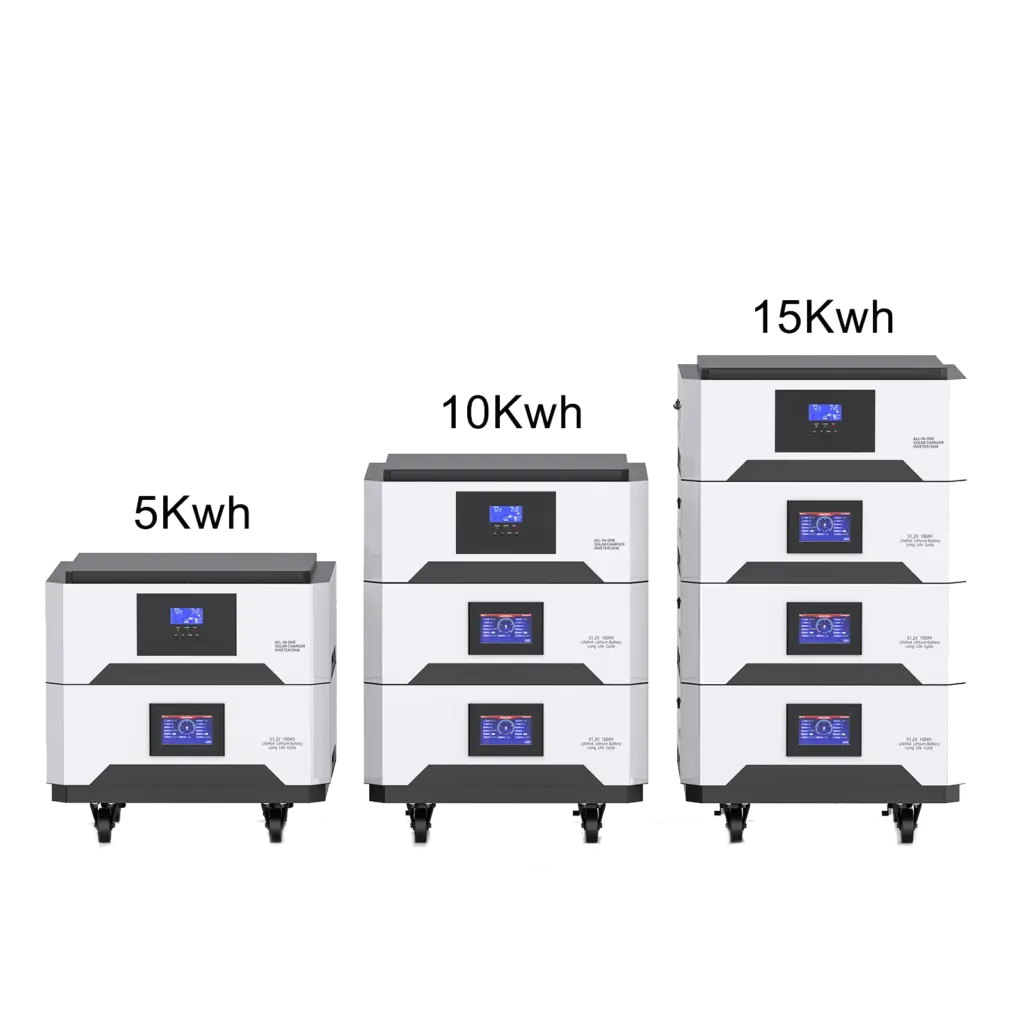
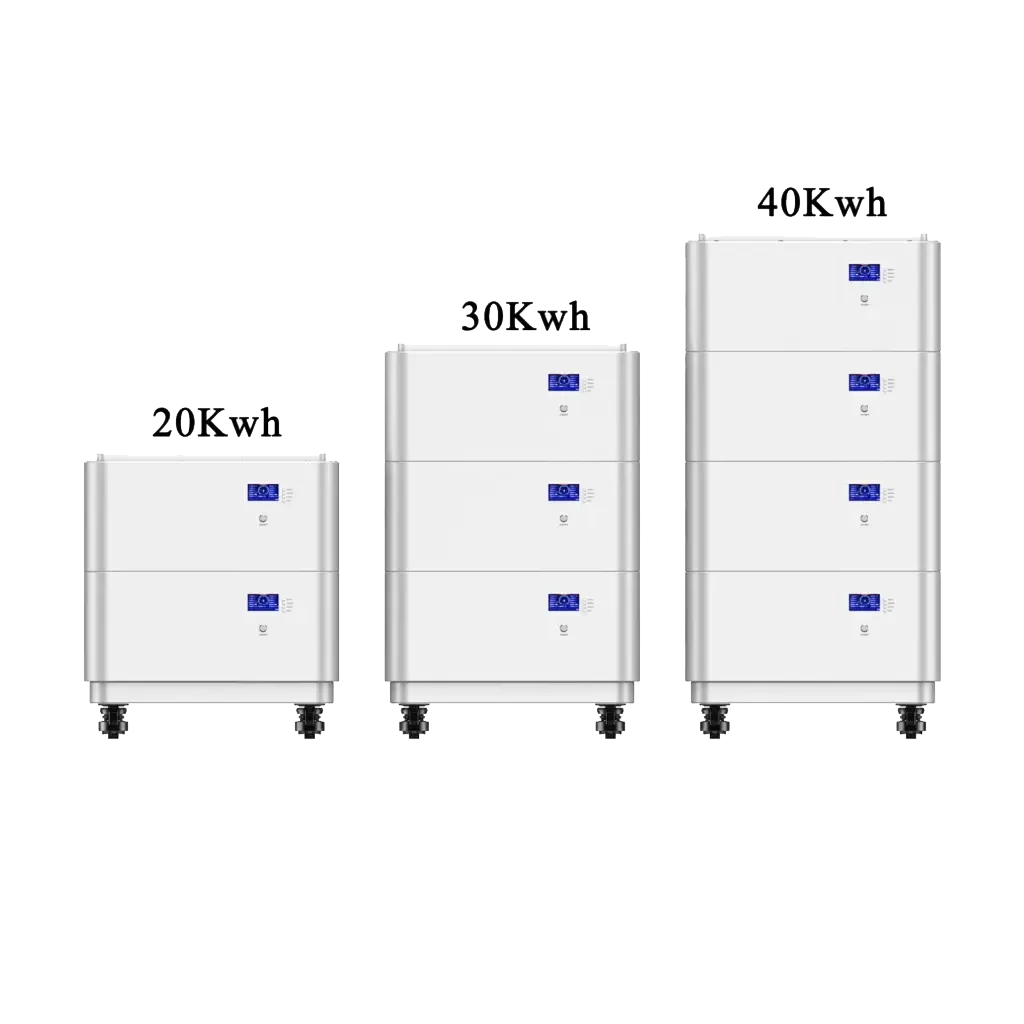
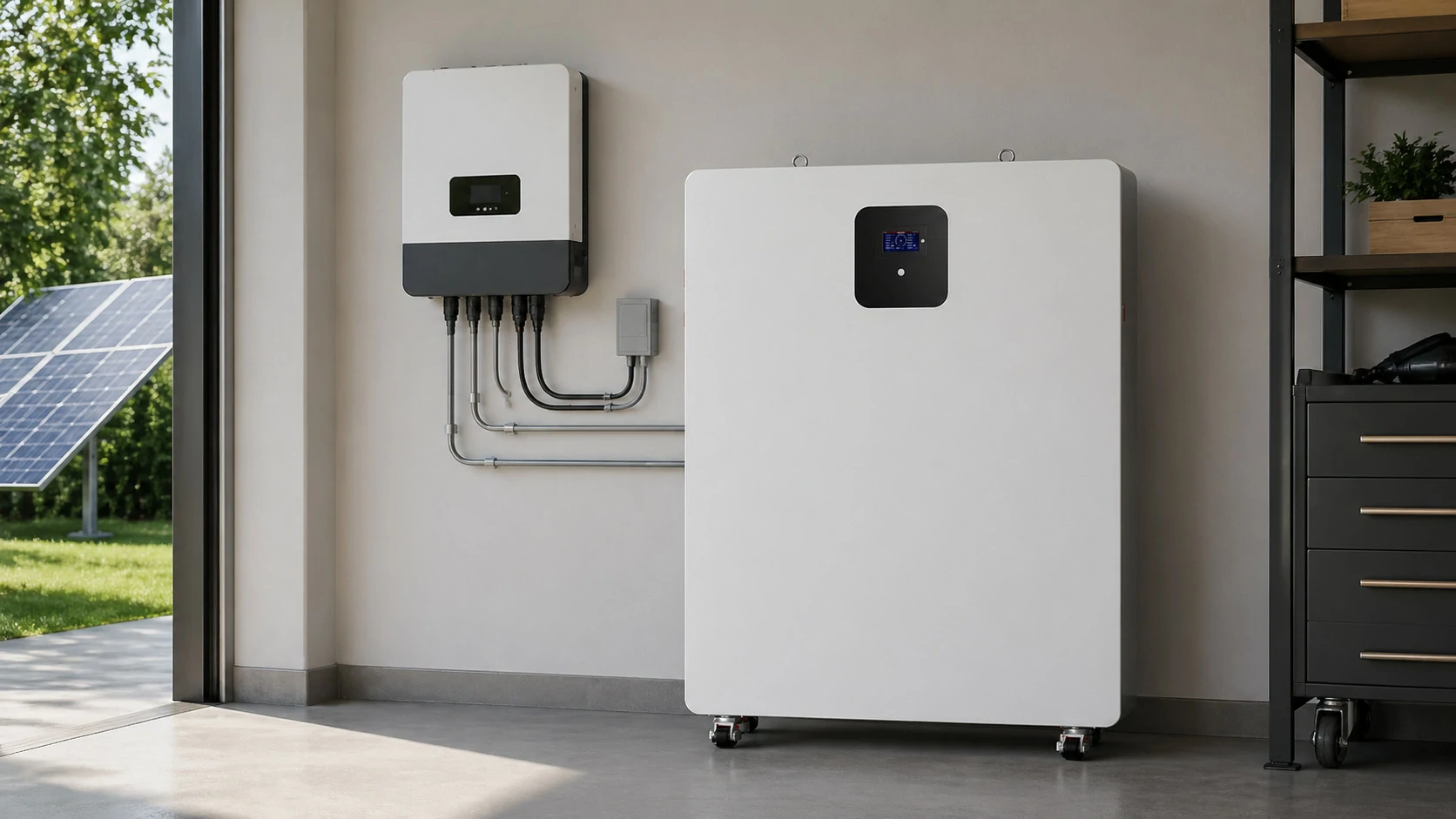
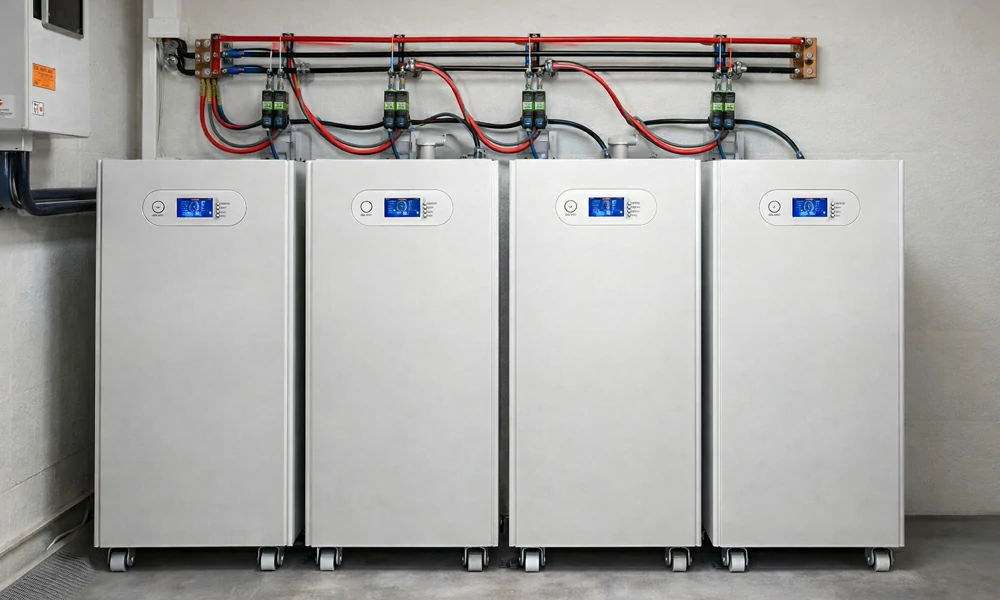
If you’re thinking about adding energy storage to your solar system, the Avepower 48V 200Ah powerwall battery is the perfect choice. With a base capacity of 10 kWh that can be expanded up to 82 kWh, it offers modular and scalable energy storage to meet your home’s needs. Plus, it qualifies for the 30% Solar Investment Tax Credit, making it a smart investment for both energy security and cost savings.
How to Claim the Solar Tax Credit
To claim the Federal Solar Tax Credit, you will need to file IRS Form 5695 (Please refer to: Instructions for Form 5695), Residential Clean Energy Credit, along with your personal income tax return (Form 1040).
To complete this form, you will need to gather:
- Tax Information: Details about your overall tax situation, which you can find on documents like Form 1040.
- Project Details: Documentation of the total eligible cost of your energy project, including equipment and installation.
- Certification: A certification from the equipment manufacturer confirming that the products you installed qualify for the credit.
The IRS does not require special verification when you file, but you must keep your receipts and documentation. If you are ever audited, you will need to prove that your system and costs qualify.
A word of caution: You should confirm that your system is eligible before you buy it. Falsifying a tax return can lead to serious legal problems and penalties. If you make a mistake and claim a credit for an unqualified system, you may face penalties and have the credit denied. If you have any concerns, you should consult with a tax professional.
How Batteries Fit
Home batteries qualify for the 25D credit if they are installed at your U.S. residence and have at least 3 kWh usable capacity. The 25D language no longer requires a battery to be charged only by solar; standalone systems with ≥3 kWh at a qualifying residence are eligible in 2025.
Combining the Credit with Other Incentives
You can usually claim the Federal Solar Tax Credit while still participating in other incentive programs. However, you need to be mindful of how some rebates might affect the amount you claim.
Rebates and Subsidies
When calculating your 30% credit, you may need to subtract rebates, subsidies, or other financial incentives from your total qualified expenses if they are considered a “purchase-price adjustment.”
- Utility Subsidies and Rebates: If a public utility, manufacturer, or installer gives you a payment that reduces your purchase or installation price, you must claim the net cost on Form 5695 (the cost after the rebate is applied).
- Net Metering Payments: Payments you receive from the utility for selling excess power back to the grid (called net metering) do not affect your qualified expenses for the tax credit.
In addition to the 30% solar credit, you may also be eligible for:
| Incentive Program | Description | Details |
|---|---|---|
| Energy Efficiency Home Improvement Credit | A separate credit for energy-efficient home improvements (e.g., windows, doors, insulation). | This has a dollar cap and different rules (renters can be eligible). |
| Electric Vehicle (EV) Charger Tax Credit | The Alternative Fuel Refueling Property Tax Credit is also 30% and is often used for installing EV charging stations at your residence. | This is a separate credit with its own eligibility rules and timeline. |
| State Solar Tax Incentives | Credits, rebates, property tax exemptions, or grants offered by state governments. | Varies widely by state; check your state’s energy department for details. |
| Local Government Incentives | Incentives offered by city or county governments (e.g., rebates, property tax credits). | Varies widely by location; check your local government’s website. |
| Utility/Power Company Incentives | Various incentives from your electricity provider, such as rebates and preferential time-of-use rates. | Check your electricity provider’s website for current offers. |
In most states, if your solar power system is connected to the grid, it will be eligible for some form of net metering.
- Only grid-connected, two-way solar power systems can use net metering.
- Grid-tied systems are meant to add to—not replace—the electricity you get from your utility.
- Any grid-tied system with battery storage must automatically shut down during a power outage for safety reasons and stay off until the power returns.
- Since you still use electricity from the power company, any money you earn from sending power back to the grid will usually be applied as a credit against your bill, often at a lower rate per kWh than what you pay for electricity. It is very rare for homeowners to get a check for the power their system produces.
Power Your Home with Confidence
If you’re considering a residential solar energy storage battery system, Avepower is the partner you can trust. We specialize in the design, R&D, manufacturing, and sales of energy storage systems, guided by a simple, powerful mission: to make clean, reliable energy accessible to everyone. We provide smart, eco-friendly, all-in-one home energy solutions. With advanced BMS protection and international certifications including CE, UL, RoHS, and ISO9001, we help you achieve higher safety, longer cycle life, and a more stable power experience.
Whether it’s appearance, capacity, or functionality, we support flexible customization to help you and your family live more sustainably and independently. Contact us now, share your use case and goals, and let’s tailor a high-efficiency, reliable storage solution for your home together.
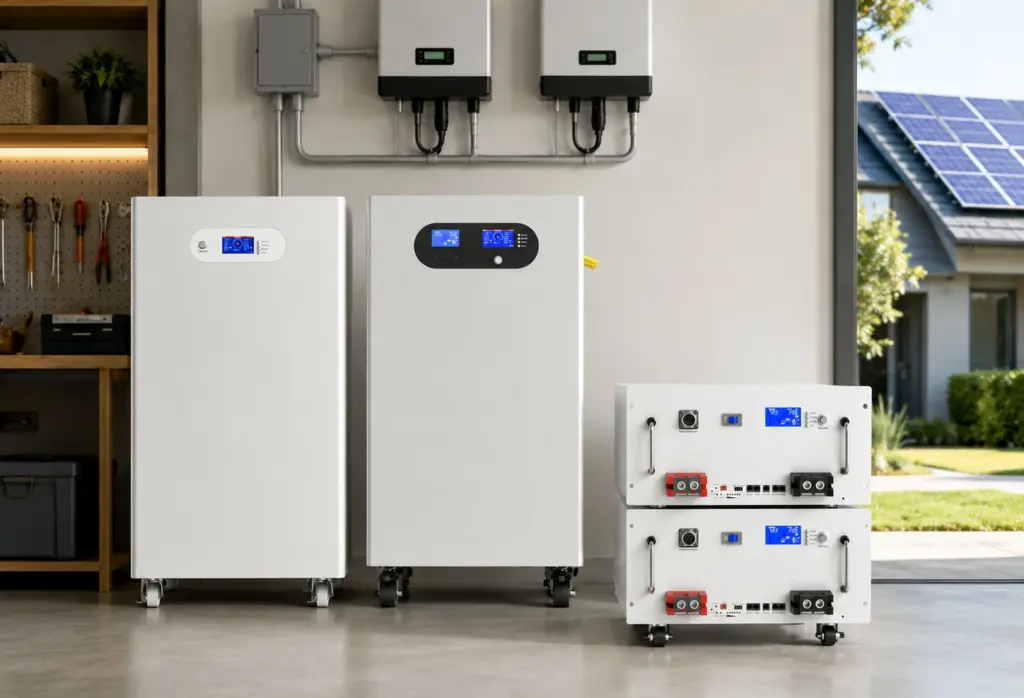
Take Control of Your Energy with Avepower!
Reliable home solar battery solutions with OEM/ODM customization and in-house manufacturing, tailored to the needs of distributors, installers, and energy partners.
Conclusion
The Federal Solar Tax Credit, or Residential Clean Energy Credit, is an exceptional opportunity for homeowners to make a long-term investment in their property and the environment while receiving a significant financial return. The 30% credit rate, the ability to carry forward unused credit amounts, and the inclusion of various clean energy projects make it highly valuable.
References you can trust
- IRS: Residential Clean Energy Credit overview and eligibility.
- IRS Residential Clean Energy Credit overview (eligible costs, treatment of rebates and utility subsidies, and interaction with net-metering bill credits).
- IRS Form 5695 and instructions (how to claim, records to keep, carryforwards).
- SEIA: Policy summary of the “One Big Beautiful Bill” and impacts on solar incentives.
- ENERGY STAR and Rewiring America summaries on battery storage ≥ 3 kWh qualification.
- DSIRE and utility resources for state and local programs and net-metering details.
FAQ
A signed contract or deposit does not secure the homeowner credit under §25D. The IRS says the expenditure is made when installation is complete. Your project must be installed by December 31, 2025.
You must reduce your eligible costs by certain rebates and utility subsidies before calculating the 30%. Net-metering bill credits do not reduce your basis. The IRS gives examples of which payments reduce the basis and which do not.
You can carry forward unused credit to future years, subject to IRS rules. The credit is non-refundable, so you do not receive a payment for any excess beyond your tax liability for the year.
No. The IRS FAQ is explicit: the expenditure is treated as made when installation is completed. Paying early or signing a binding contract does not preserve eligibility for residential clean energy after 2025.
If the subsidy wasn’t included in your gross income, you must reduce your project cost by that amount before calculating the credit.