
A 10kW home solar system with battery backup is one of the most practical choices for homeowners who want lower electricity bills, better solar self-consumption, and reliable power during grid outages. It is large enough to support many medium-to-large homes, yet still small enough to fit on many residential roofs when designed correctly.
A 10kW solar panel system in the U.S. costs around $25,400 to $25,500 before incentives based on marketplace data, while actual pricing varies by state, equipment, roof complexity, and installer costs.
Quick Answer: Is a 10kW Solar System with Battery Backup Enough for a Home?
For many homes, yes. A 10kW solar system can often generate about 30–50 kWh per day, depending on location, roof orientation, shading, temperature, season, and system losses.
For battery backup, a practical setup often looks like this:
| Backup Goal | Suggested Battery Size | What It Can Usually Support |
|---|---|---|
| Essential loads backup | 10–15 kWh | Fridge, lights, WiFi, outlets, small appliances |
| Longer overnight backup | 15–25 kWh | Essentials plus more evening energy use |
| Whole-home backup with load control | 25–40 kWh+ | Larger home loads, limited HVAC, longer outages |
| Off-grid or unstable-grid home | 30–60 kWh+ | Requires deeper engineering, generator or oversized PV may help |
The average U.S. household uses about 10,500 kWh per year, or roughly 29 kWh per day, but real usage changes widely by region, home size, heating, cooling, and appliances. This means a 10kW solar system may offset much of a typical home’s annual electricity use, but the battery must be sized separately based on what you want to run when the grid is down.
What Does a 10kW Home Solar System Include?
A complete 10kW home solar system usually includes:
- Solar panels
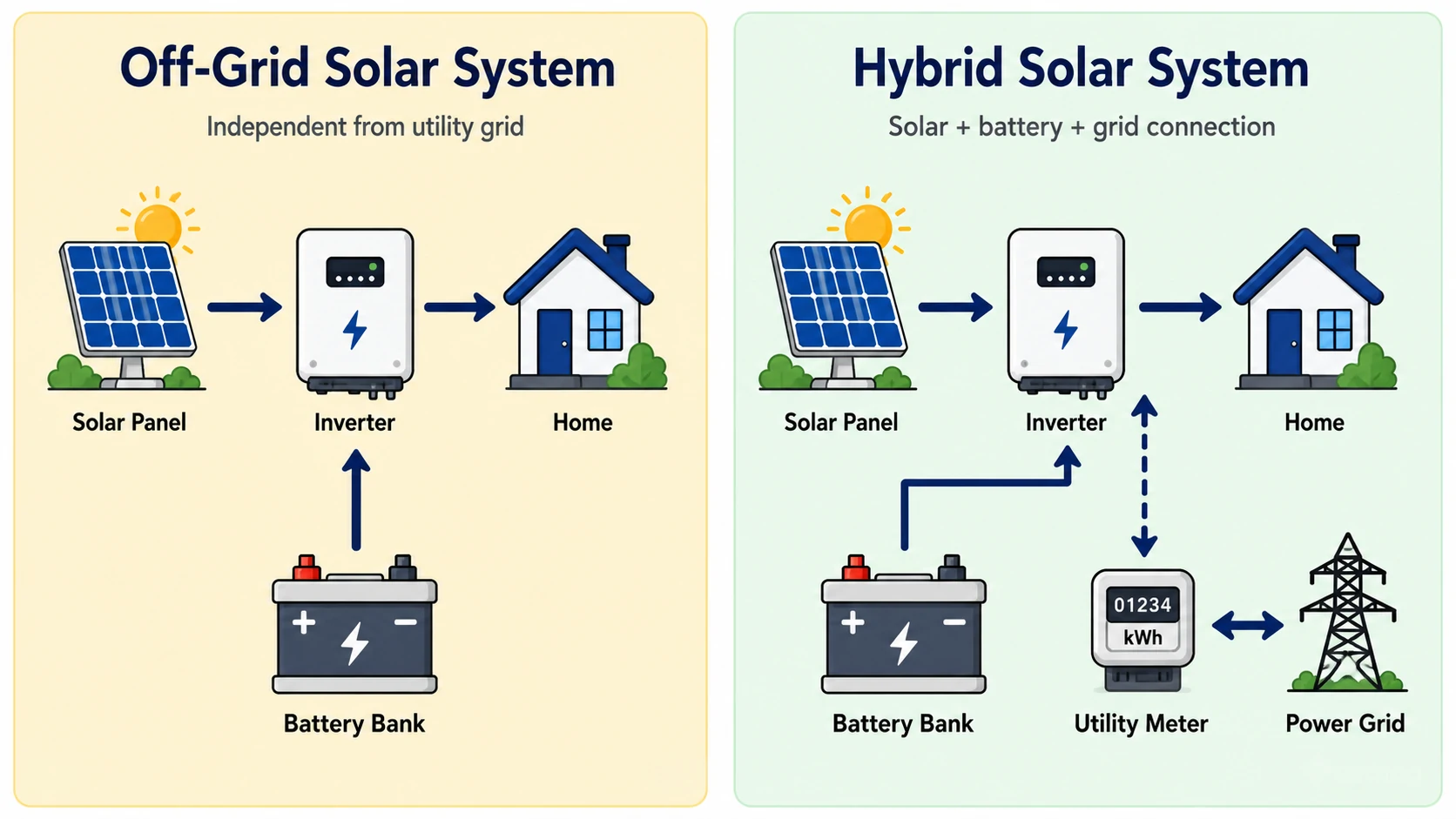
- Grid-tied or hybrid inverter
- Mounting and racking
- DC and AC wiring
- Breakers, disconnects, combiner boxes, protection devices
- Monitoring system
- Optional battery backup
- Backup load panel or whole-home backup panel
- Permits, inspections, and interconnection approval
The inverter is especially important. Solar panels generate DC electricity, while homes and the grid use AC electricity, so the inverter converts DC power into usable AC power. For solar-plus-battery systems, advanced inverters are also needed if the system is expected to operate during outages.
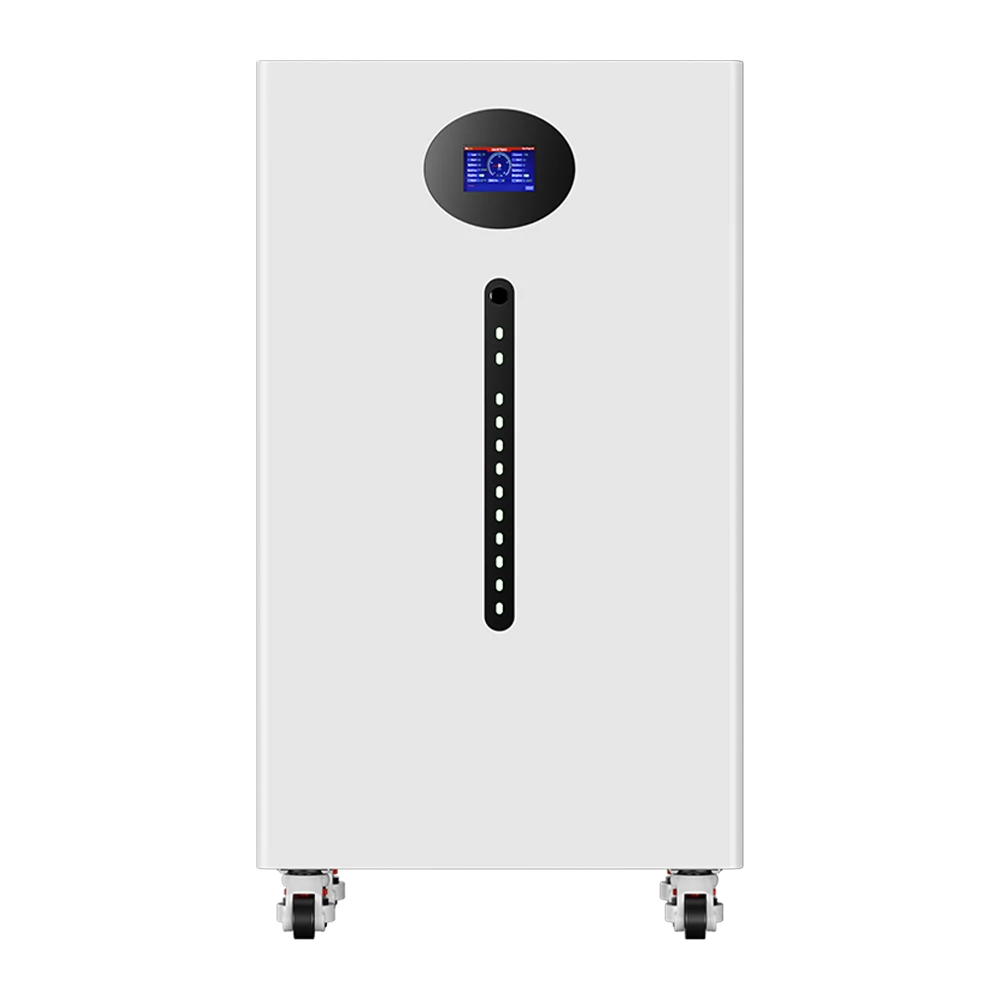
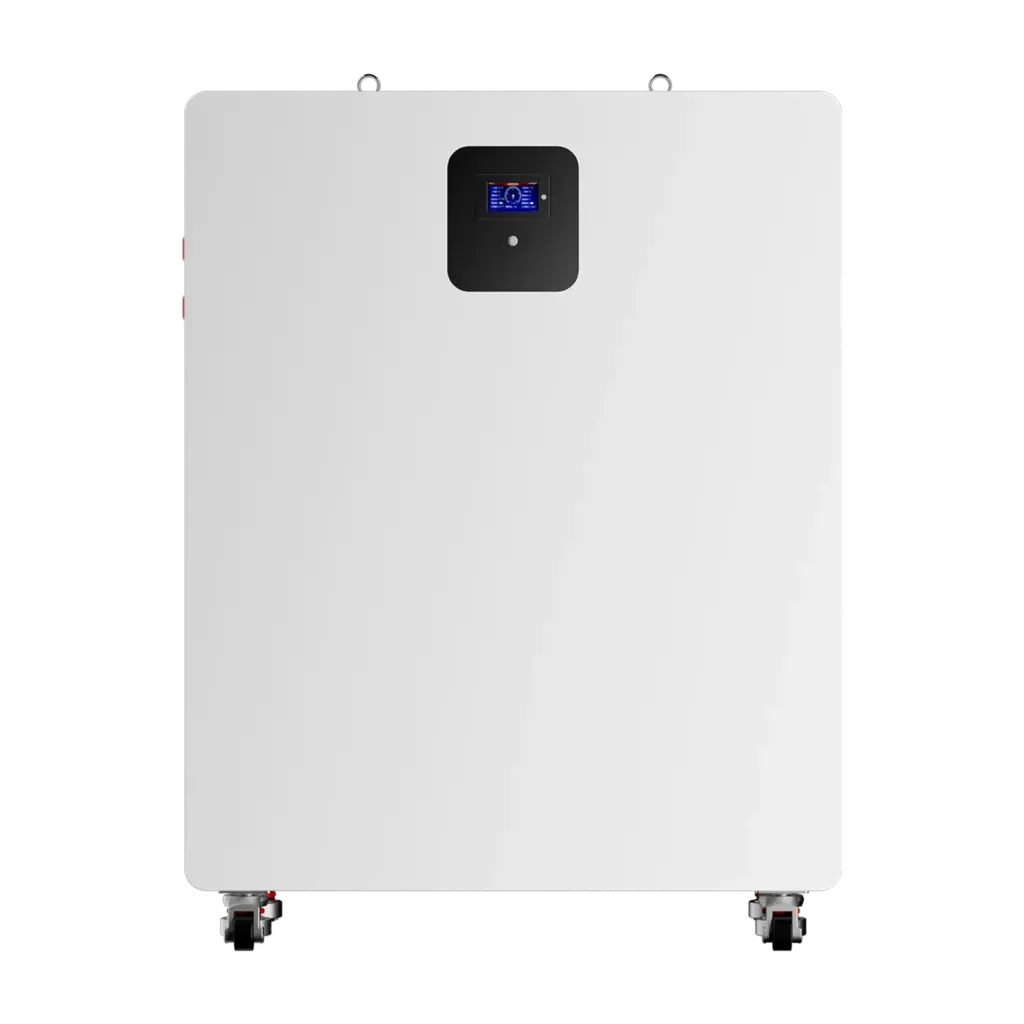
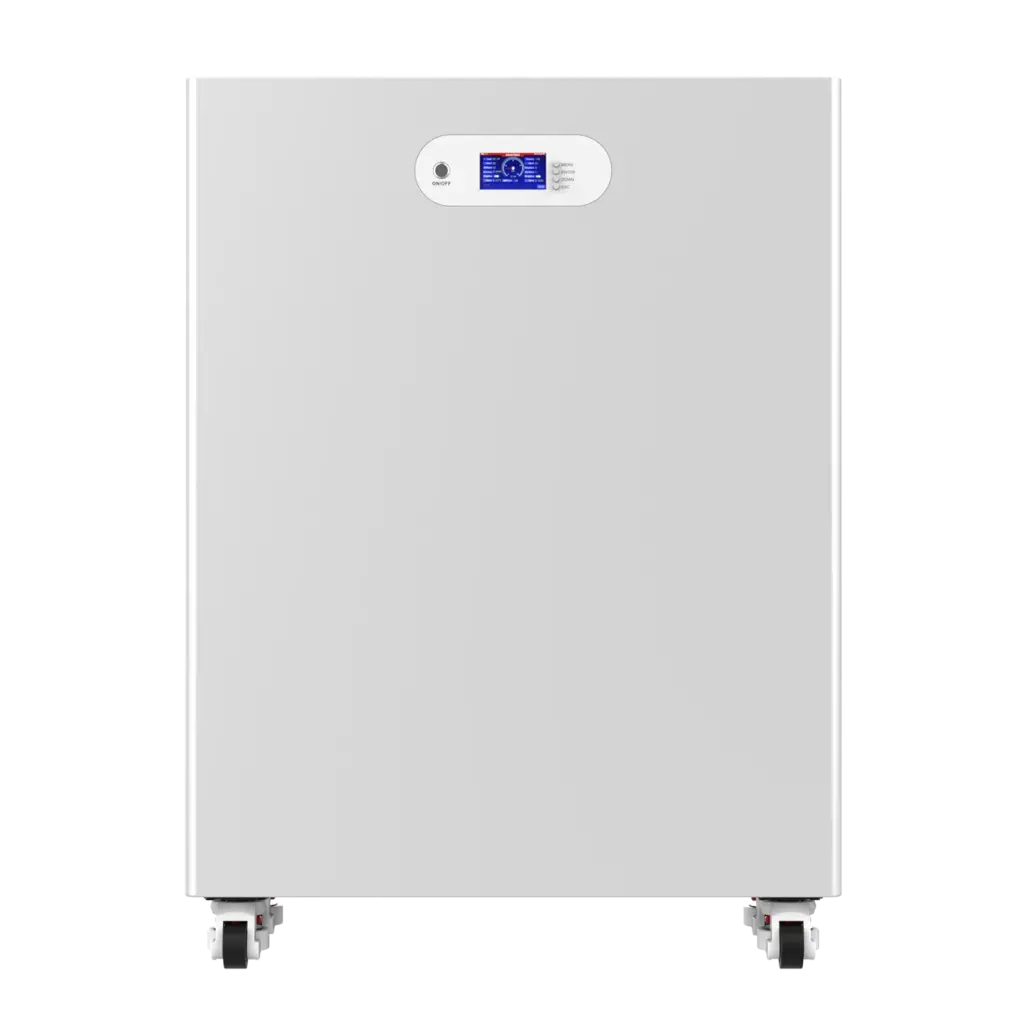
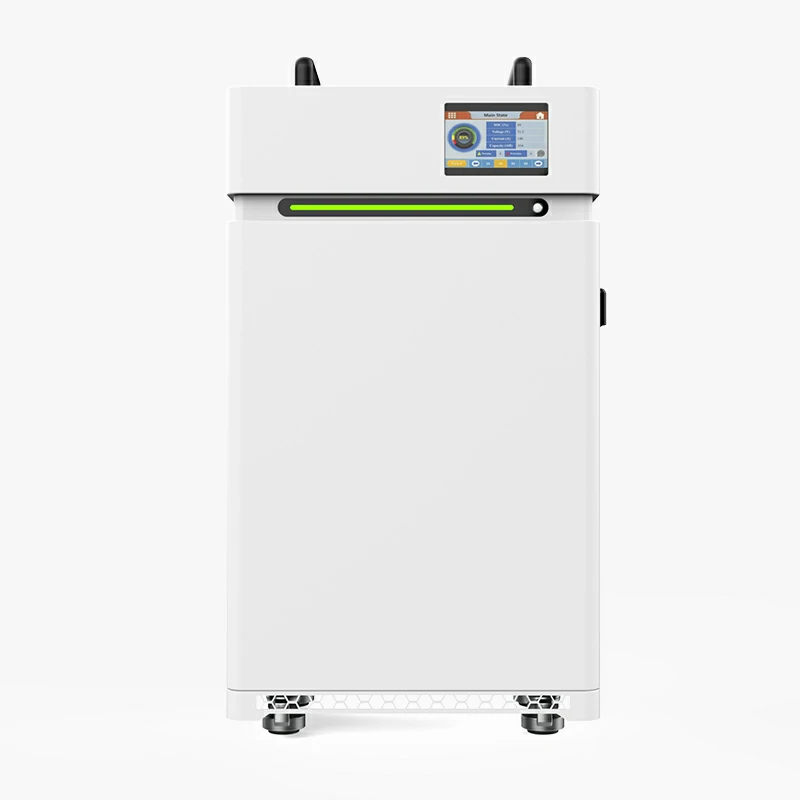
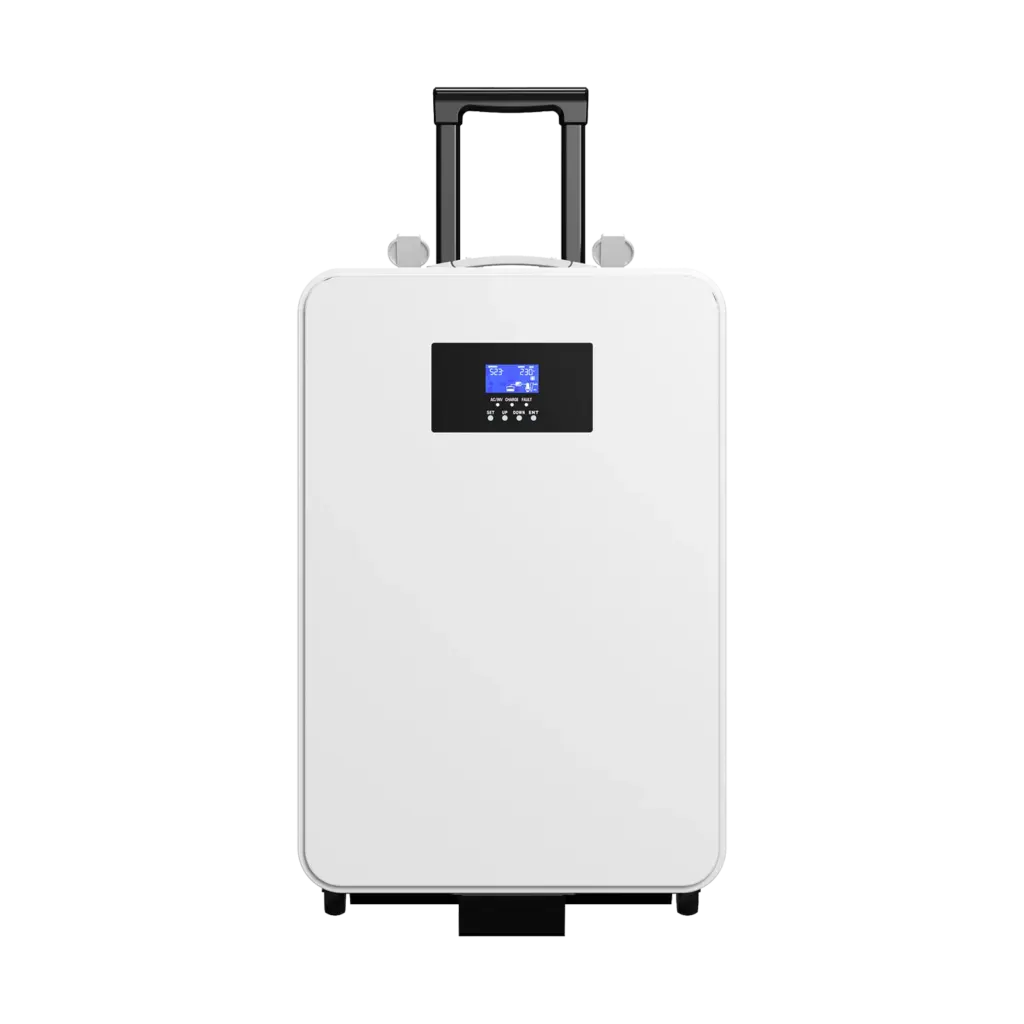
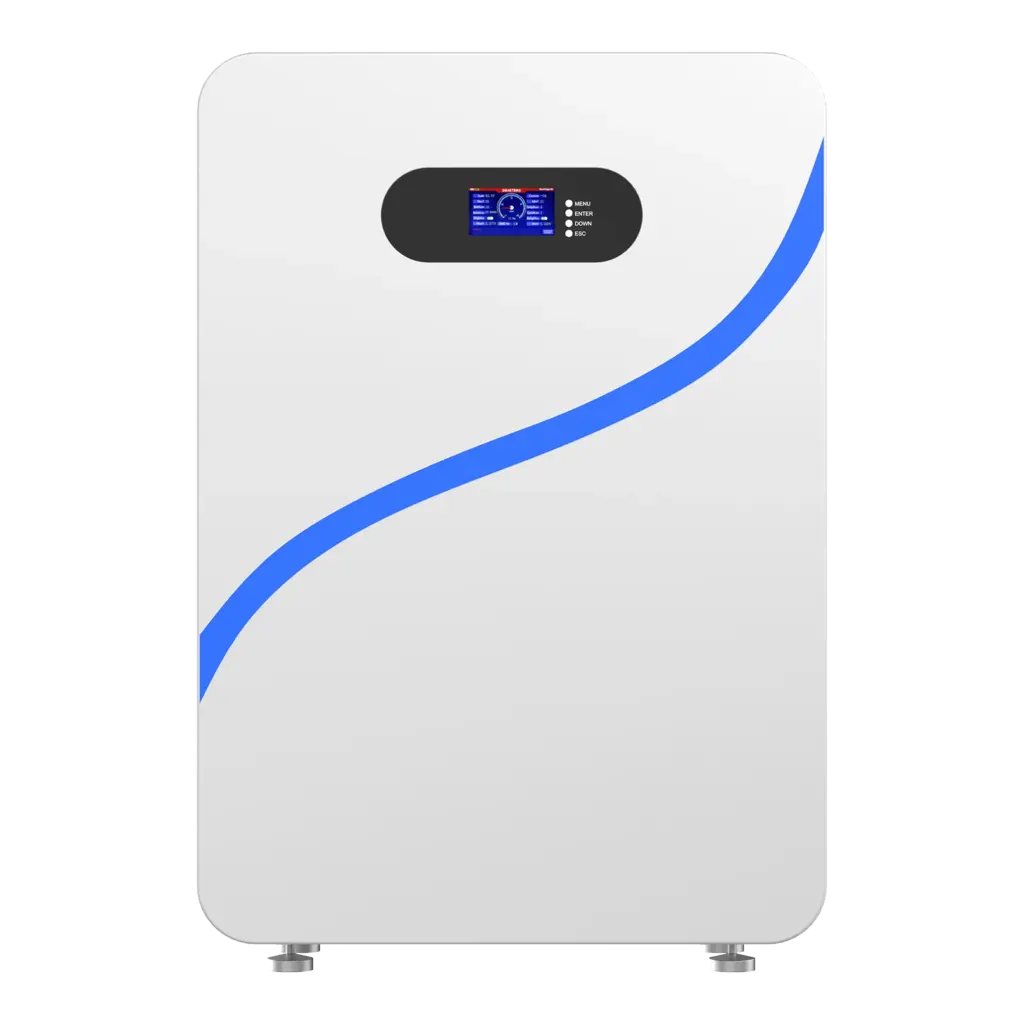
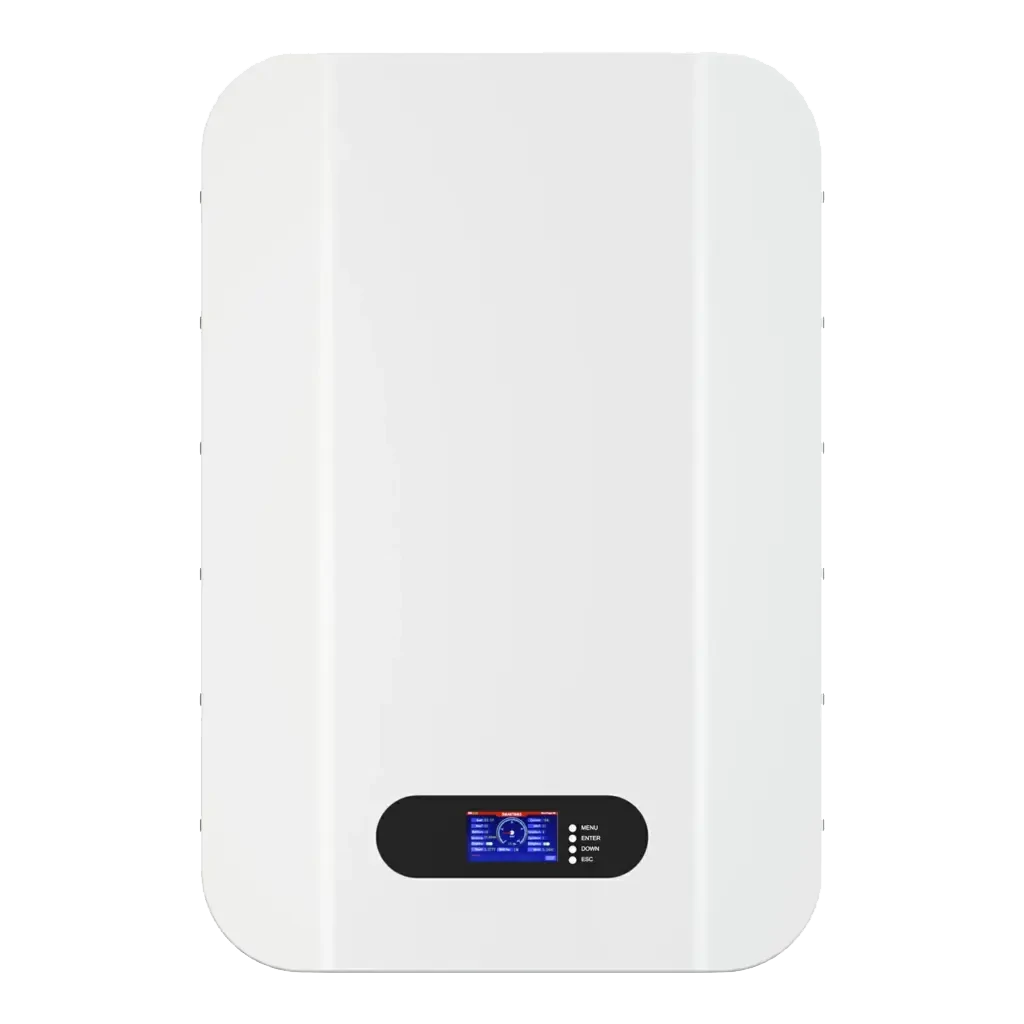
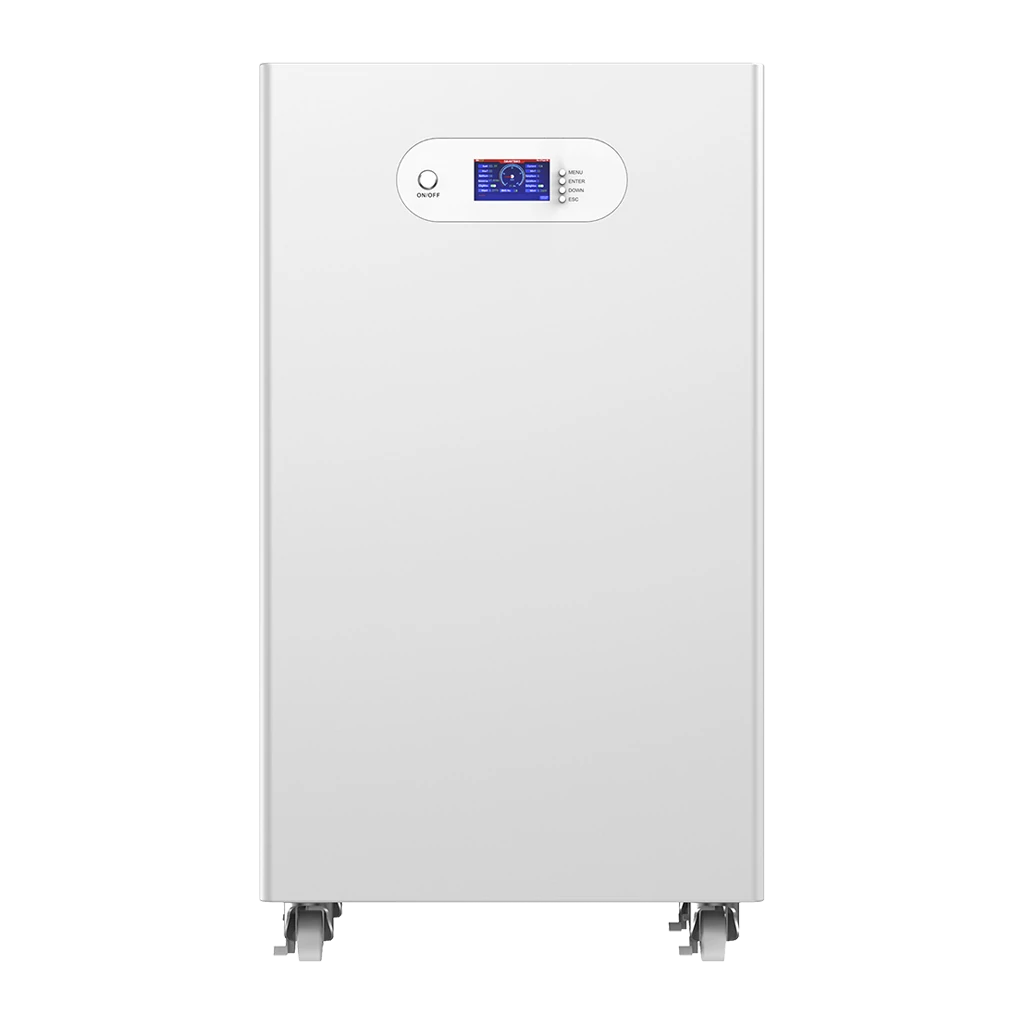
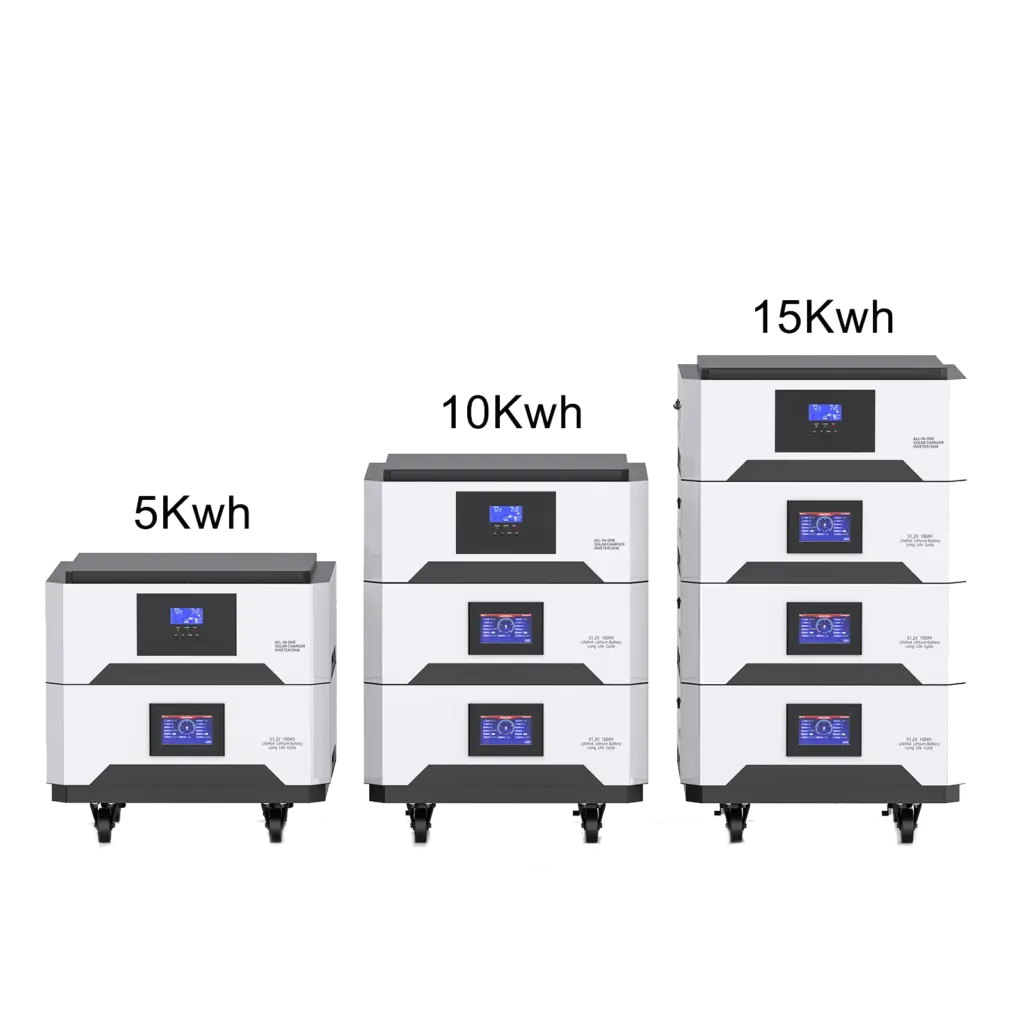
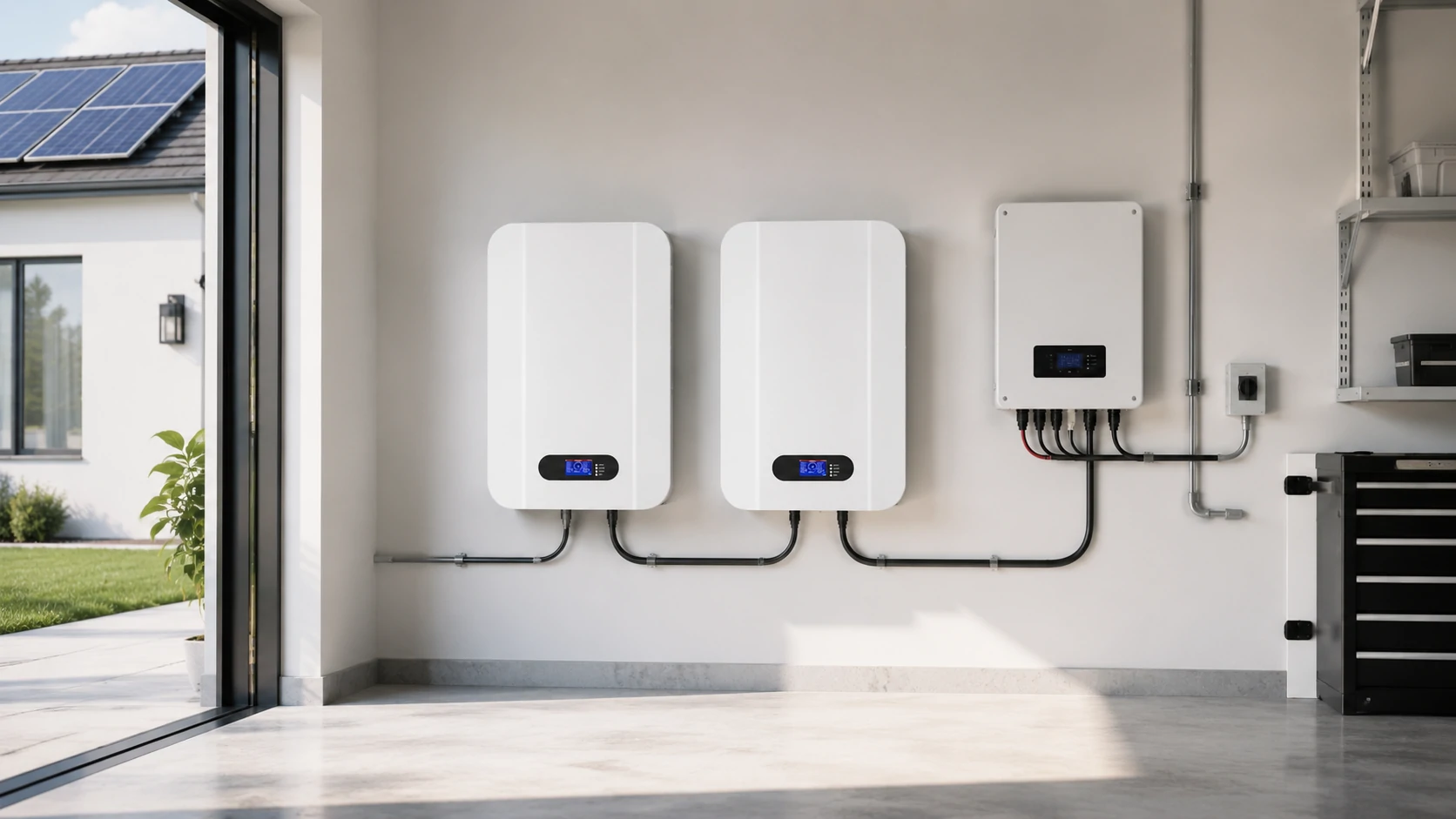
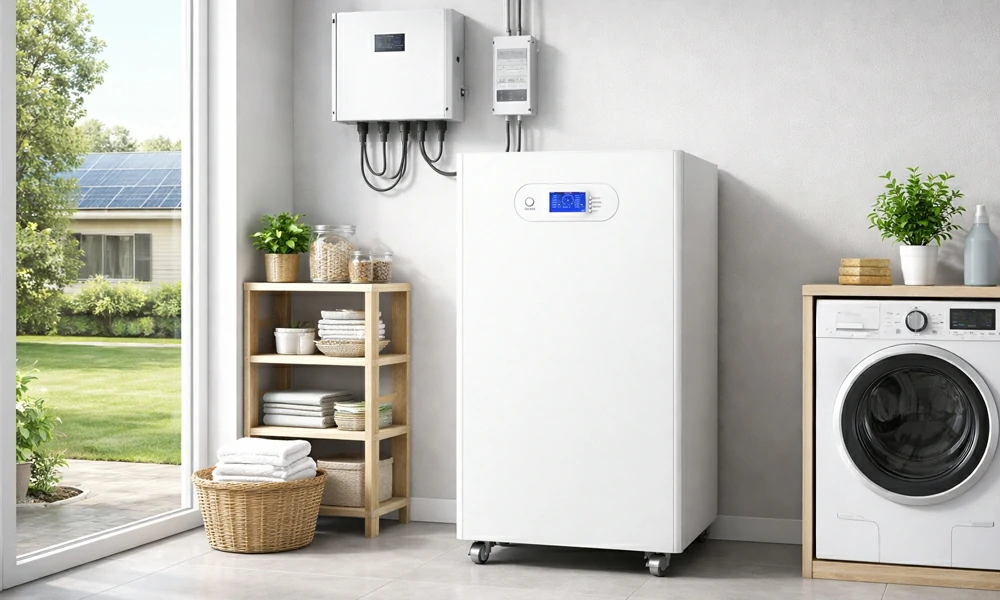
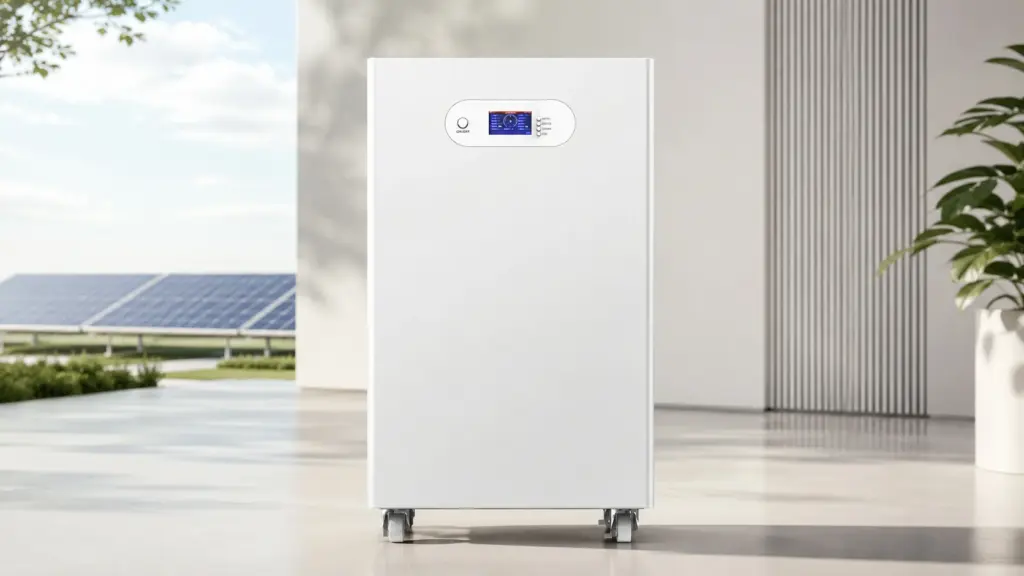
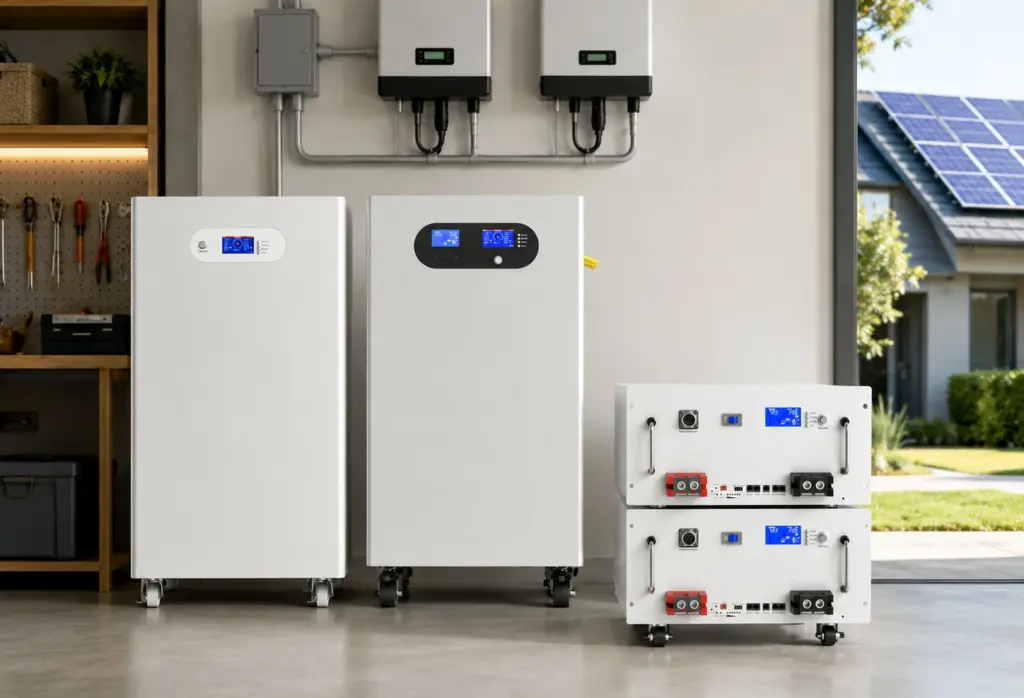
For homeowners who want fewer separate components, an all-in-one battery system can simplify project design by integrating battery storage, inverter functions, MPPT solar charging, monitoring, and protection into a compact system. Avepower’s 15kWh home battery with 6kW inverter is one example of an integrated LiFePO4 solution designed for home backup and solar self-consumption.
Build a Smarter 10kW Solar Backup System
Need a battery solution that matches your 10kW home solar system? Avepower helps homeowners, installers and distributors choose safe, scalable LiFePO4 battery storage for backup power and daily solar self-consumption.
How Much Power Does a 10kW Solar System Produce?
A 10kW solar system does not produce 10kW all day. The 10kW rating is measured under standard test conditions. In real homes, output changes every hour.
A realistic daily production range is often:
| Sunlight Condition | Estimated Daily Output |
|---|---|
| Low-sun or winter conditions | 25–35 kWh/day |
| Average conditions | 35–45 kWh/day |
| Sunny locations with good roof angle | 45–55 kWh/day |
| Excellent solar resource areas | 55 kWh/day or more possible |
A 10kW solar system can produce about 14,517 kWh per year on average, but production differs by location. Its examples show cities such as Las Vegas, Phoenix, Los Angeles, Miami, Austin, New York, Boston, and Cleveland producing different daily and annual outputs from the same nominal system size.
For a more accurate estimate, you should use the NREL PVWatts Calculator or a local installer’s simulation that considers roof direction, tilt, local weather data, shading, inverter losses, and module type.
Why Battery Backup Changes the Value of a 10kW Solar System
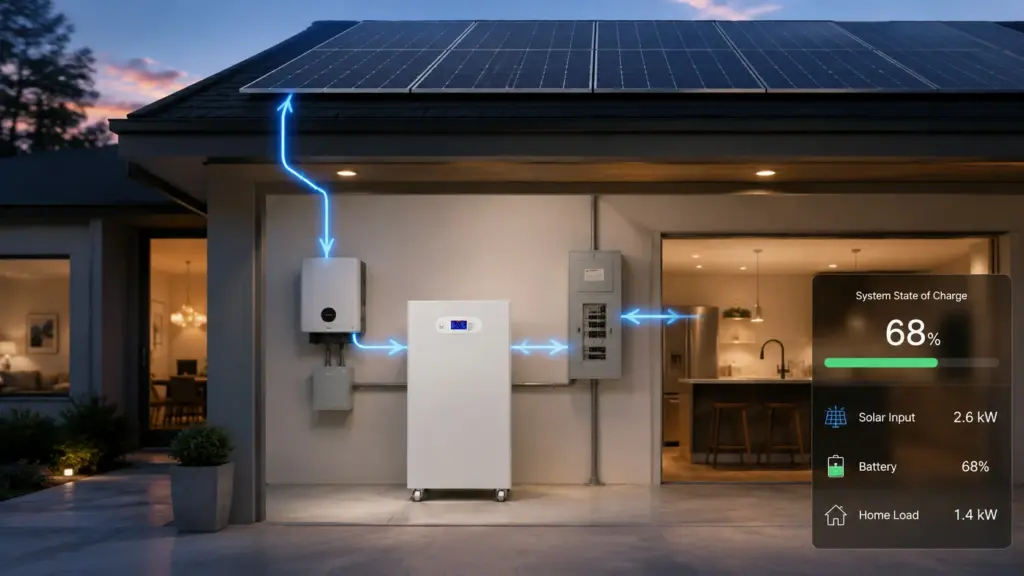
Solar panels alone usually shut down during a grid outage for safety unless the system is designed to operate in island mode. The Department of Energy notes that residential PV systems with battery storage can detect grid loss and switch into an islanded mode when properly configured.
That is why a 10kW solar system with battery backup is different from a normal grid-tied solar system. It can help you:
- Store excess solar energy instead of exporting all of it to the grid
- Use solar power at night
- Reduce peak-rate electricity purchases
- Keep essential loads running during outages
- Improve energy independence in unstable-grid areas
- Support self-consumption where net metering is weak or unavailable
Storage helps solar supply electricity when the sun is not shining and can smooth out solar variability caused by clouds, seasons, time of day, dust, and shading.
For installers, distributors, and project buyers, Avepower provides home energy storage batteries and battery solutions for installers with LiFePO4 chemistry, BMS protection, inverter compatibility support, and scalable configurations for residential solar projects.
How Much Battery Storage Do You Need for a 10kW Solar System?
The right battery size depends on three questions:
- How much electricity does the home use at night?
- Which loads must run during an outage?
- How long should the backup last?
A simple sizing formula is:
Required battery capacity = daily backup load kWh ÷ usable depth of discharge ÷ system efficiency
For example, if a home needs 12 kWh of backup energy overnight, and the battery system has 90% usable depth of discharge and 90% round-trip efficiency:
12 ÷ 0.9 ÷ 0.9 = about 14.8 kWh of nominal battery capacity
This is why a 15kWh battery is often a practical starting point for essential-load backup. For larger homes or longer outages, 20–40 kWh may be more realistic.
Essential Backup Example
A homeowner wants to run:
- Refrigerator: 1.5 kWh/day
- WiFi and small electronics: 0.5 kWh/day
- LED lights: 1 kWh/day
- Outlets and small appliances: 2–3 kWh/day
- Well pump or garage equipment occasionally: 1–2 kWh/day
A 10–15 kWh battery may be enough for essential circuits if large loads such as central air conditioning, electric heating, electric oven, EV charging, and clothes dryer are excluded.
Whole-Home Backup Example
A larger home may use 30–50 kWh per day, especially with air conditioning, pool pumps, electric water heating, EV charging, or electric heating. In this case, a 10–15 kWh battery may only cover a short outage. A more realistic design may require 25–40 kWh or more, plus smart load control.
Power Your Home Beyond Daylight
Store excess solar energy during the day and use it at night or during grid outages. Explore Avepower home energy storage batteries designed for reliable backup, long cycle life and flexible system expansion.
How Many Solar Panels Are Needed for a 10kW System?
The number of panels depends on panel wattage.
| Panel Wattage | Approximate Number of Panels |
|---|---|
| 350W | 29 panels |
| 400W | 25 panels |
| 450W | 23 panels |
| 500W | 20 panels |
Most modern residential systems use panels between 400W and 500W, so a 10kW system commonly needs about 20–25 panels.
Roof space also matters. A 10kW rooftop system may need roughly 450–750 square feet depending on panel efficiency, layout, fire setbacks, tilt, spacing, and roof obstacles.
How Much Does a 10kW Home Solar System with Battery Backup Cost?
A realistic installed price depends heavily on country, region, installer, product type, electrical work, and backup design.
| System Type | Typical Configuration | Estimated Cost Before Local Incentives |
|---|---|---|
| 10kW solar only | Panels + grid-tied inverter | About $25,000–$26,000 |
| 10kW solar + small battery | 10–15 kWh storage | About $38,000–$46,000 |
| 10kW solar + larger backup | 20–30 kWh storage | About $50,000–$65,000+ |
| 10kW solar + whole-home backup | 30–40 kWh+ storage + load panel | Project-specific |
For U.S. homeowners, it is also important to check current tax rules. IRS guidance states that the Residential Clean Energy Credit under Section 25D is not allowed for expenditures made after December 31, 2025, and installations completed after that date generally do not qualify. Always confirm federal, state, and utility incentives before finalizing a quote.
For global B2B buyers, wholesalers, and installers, landed battery cost may differ significantly from U.S. retail installation pricing. Avepower supports solar battery wholesale supply for distributors, EPCs, and project buyers who need factory-direct battery systems, OEM/ODM customization, export documentation, and stable long-term supply.
Best Battery Type for a 10kW Solar System
For modern home solar storage, LiFePO4 lithium batteries are widely preferred because they offer strong safety, long cycle life, and stable daily cycling performance. Compared with older lead-acid batteries, LiFePO4 batteries are usually lighter, more efficient, require less maintenance, and allow deeper usable capacity.
When comparing batteries, check:
- Usable capacity, not just nominal capacity
- Continuous output power
- Peak surge power
- Cycle life
- Round-trip efficiency
- Battery chemistry
- BMS protection functions
- Communication protocol such as CAN or RS485
- Inverter compatibility
- Warranty and documentation
- Certification support
- Indoor or outdoor installation rating
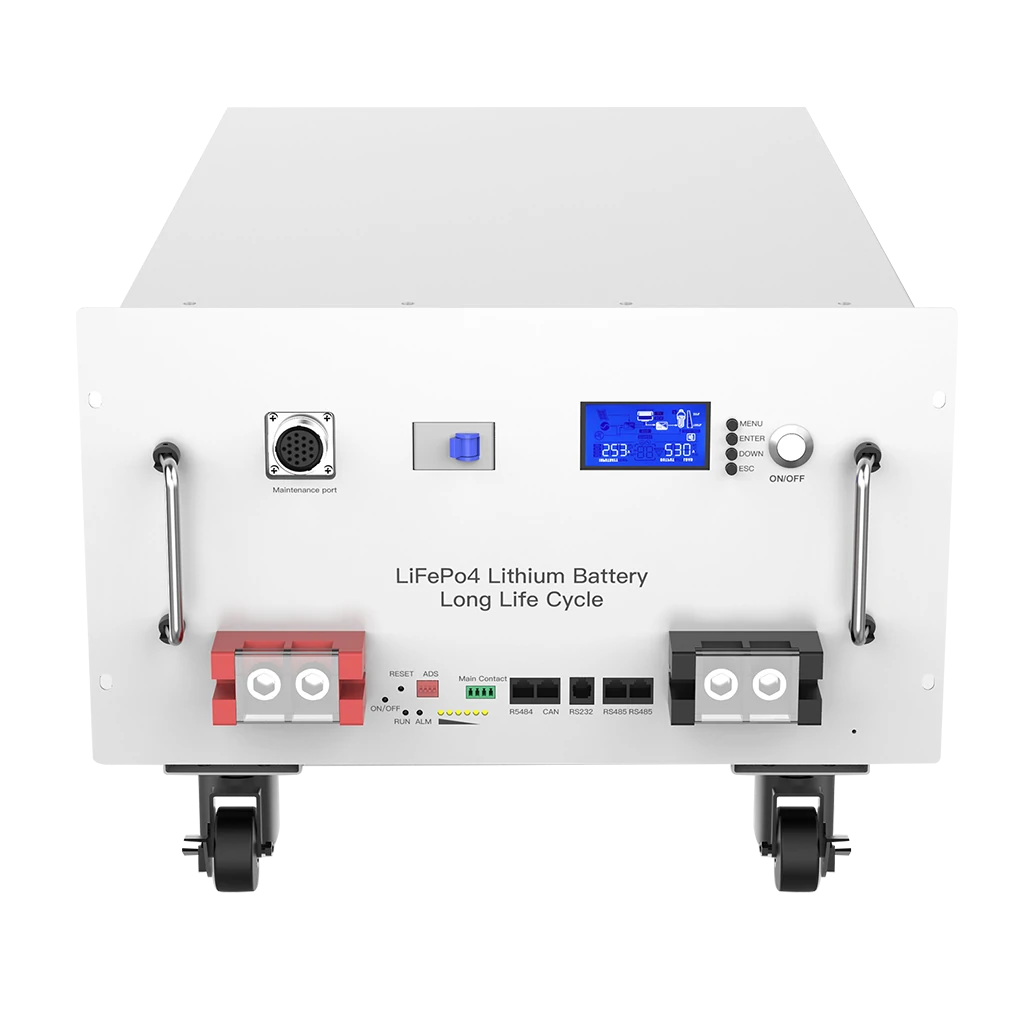
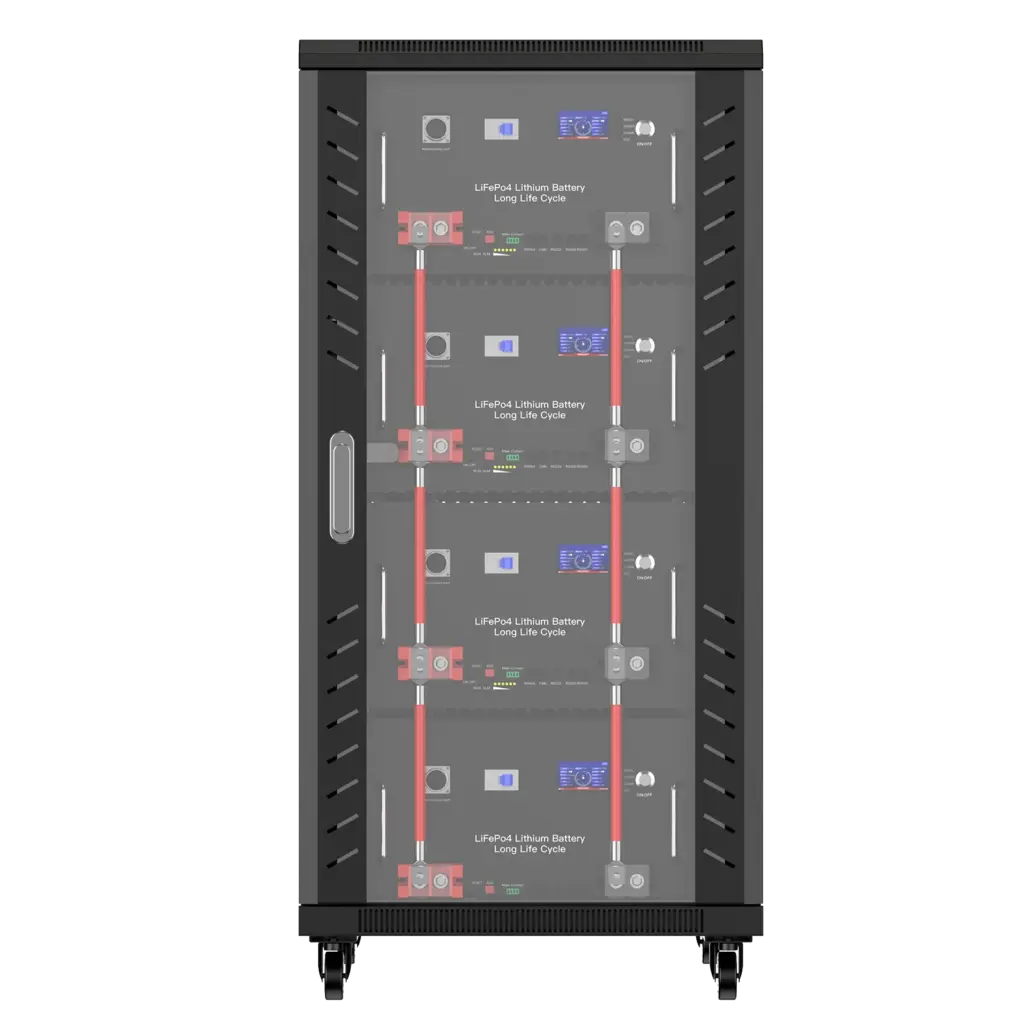
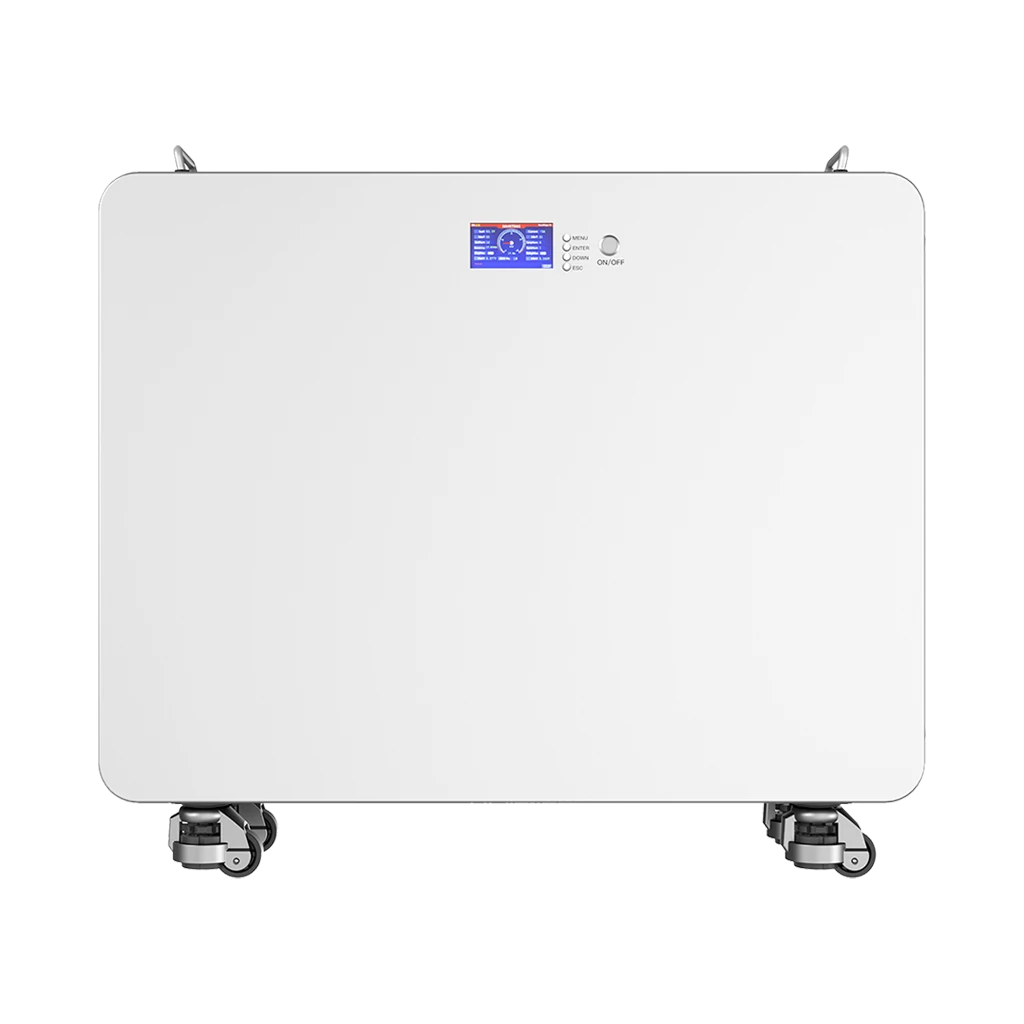
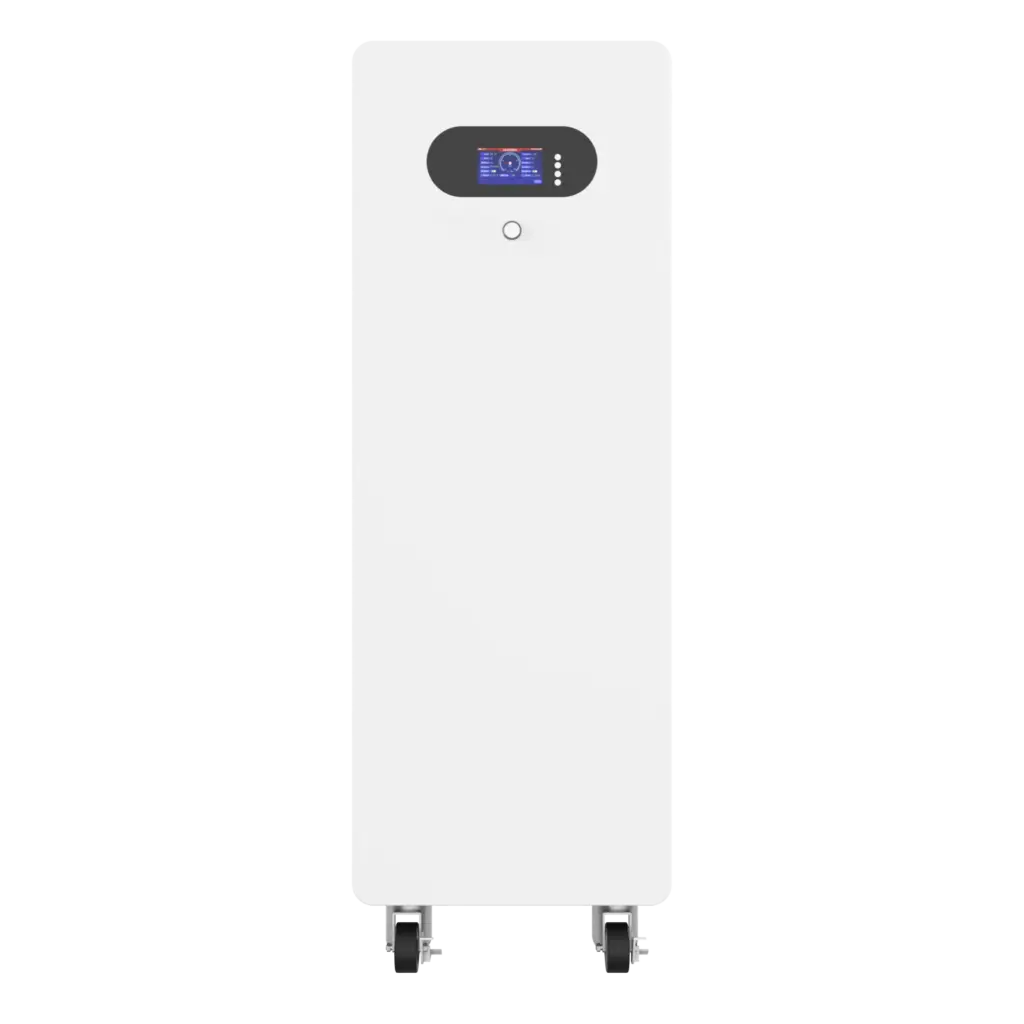
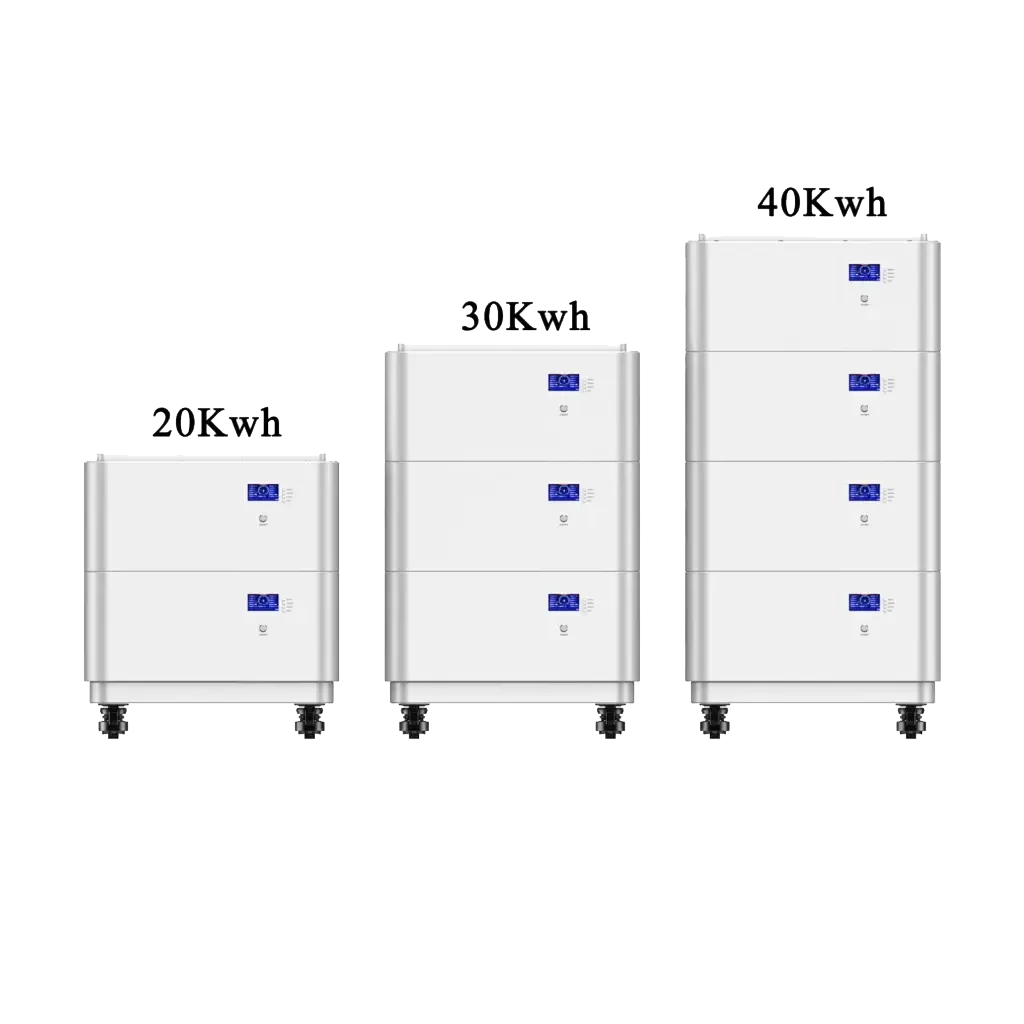
For modular projects, a stackable LiFePO4 battery can help installers scale capacity over time. For compact home backup, vertical or all-in-one LiFePO4 systems may reduce wiring complexity and save installation space.
Conclusion
A 10kW home solar system with battery backup can be a powerful solution for reducing electricity bills, increasing solar self-consumption, and keeping essential loads running during outages. In many locations, a 10kW solar array can generate roughly 30–50 kWh per day, but real output depends on roof conditions, sunlight, climate, and system design.
The battery should be sized separately. A 10–15 kWh battery may be enough for essential backup. A 20–30 kWh system offers more usable overnight capacity. A 30–40 kWh or larger battery bank may be needed for whole-home backup or weak-grid applications.
For homeowners, the key is to compare real consumption data, backup priorities, and local electricity rules. For installers, distributors, and EPC buyers, the key is to choose safe, compatible, scalable battery systems with clear documentation and reliable technical support.
Avepower provides LiFePO4-based residential energy storage solutions for solar self-consumption, backup power, installer projects, wholesale supply, and OEM/ODM customization. If you are planning a 10kW solar-plus-storage project, Avepower can help match battery capacity, inverter communication, BMS protection, and system configuration to your project requirements.
Take Control of Your Energy with Avepower!
Reliable home solar battery solutions with OEM/ODM customization and in-house manufacturing, tailored to the needs of distributors, installers, and energy partners.
FAQ
It depends on the battery capacity and backup goal. For essential backup, many homes use 10–15 kWh of storage. For longer backup or larger homes, 20–40 kWh may be more suitable.
A 10kW solar system often produces about 30–50 kWh per day, depending on location, roof direction, shading, weather, season, and system losses. Sunny regions may produce more, while winter or shaded sites may produce less.
Yes, a 10kW solar system can power many homes over the course of a year. However, whether it can power all loads during an outage depends on battery capacity, inverter output, surge power, and load management.
For most homes, 15–20 kWh is a practical starting point for solar self-consumption and essential backup. Larger homes or whole-home backup may require 25–40 kWh or more.
Not necessarily. It may be ideal for larger homes, homes with high electricity bills, EV charging, heat pumps, pool pumps, or future electrification plans. For smaller homes, a smaller solar system may be more cost-effective.
Possibly, but going off-grid requires more than a 10kW solar array. You need enough battery storage, a properly sized inverter, backup generation for low-sun periods, and careful load planning.
A 10kW system commonly needs about 20–25 modern high-wattage panels. Roof space may range from roughly 450 to 750 square feet depending on panel wattage, efficiency, spacing, and roof layout.
A standard grid-tied solar system usually shuts down during an outage for safety. To keep power during an outage, the system needs a compatible inverter, battery storage, and proper backup configuration.
Yes. LiFePO4 batteries are widely used for home solar storage because they offer long cycle life, stable chemistry, strong safety performance, and good daily cycling capability.