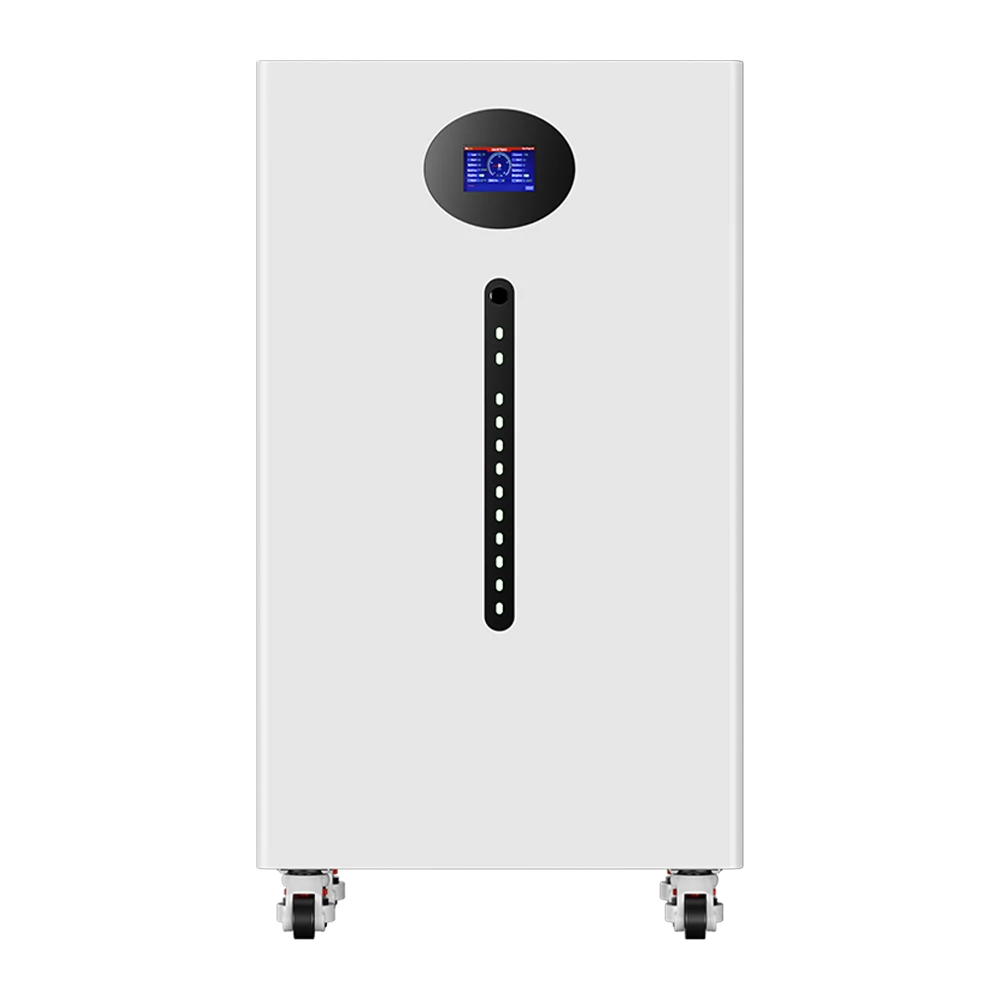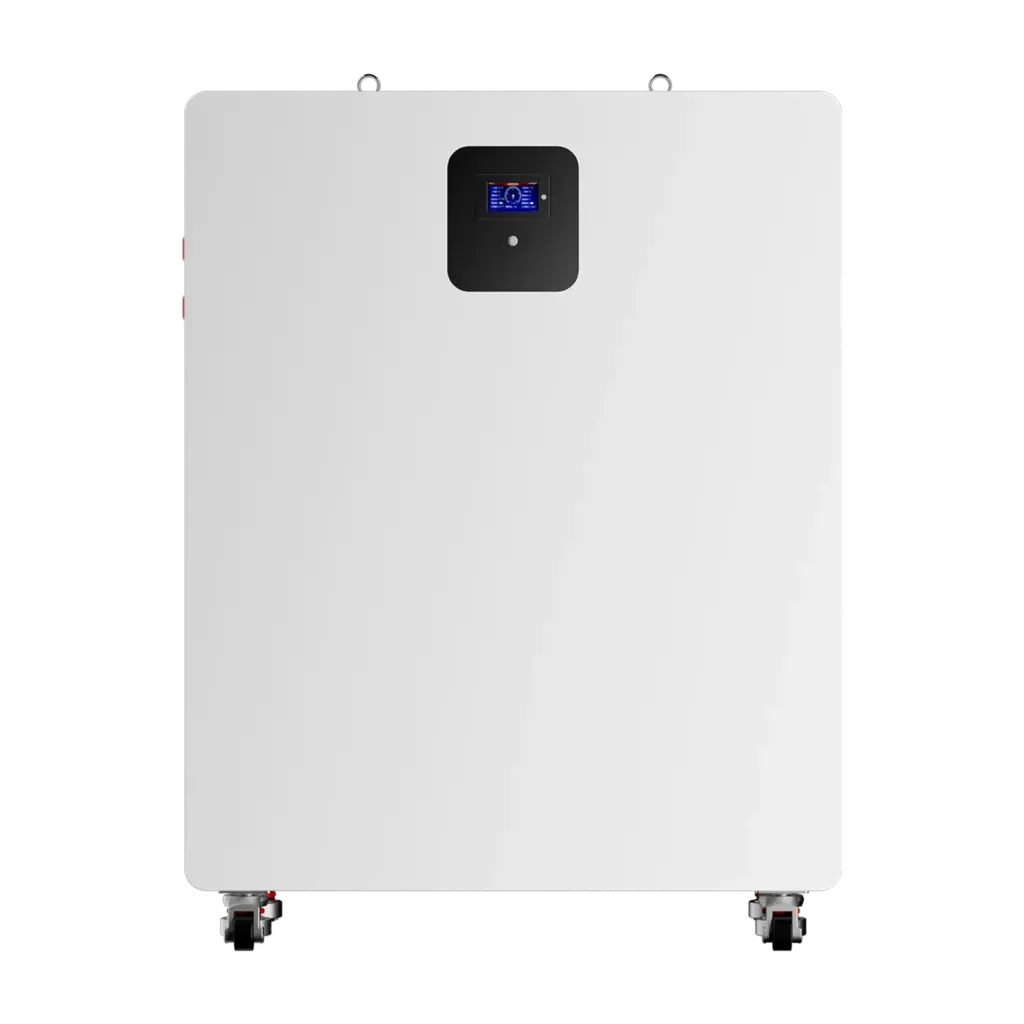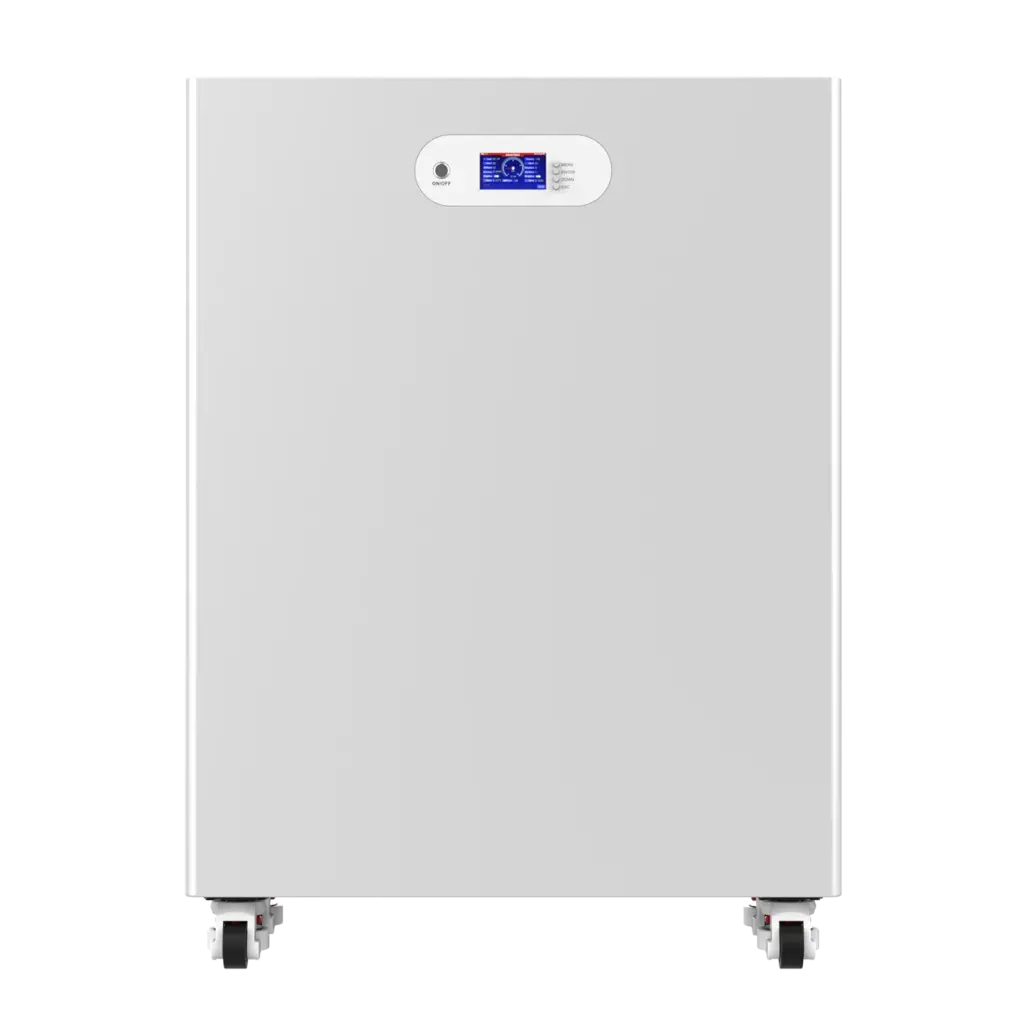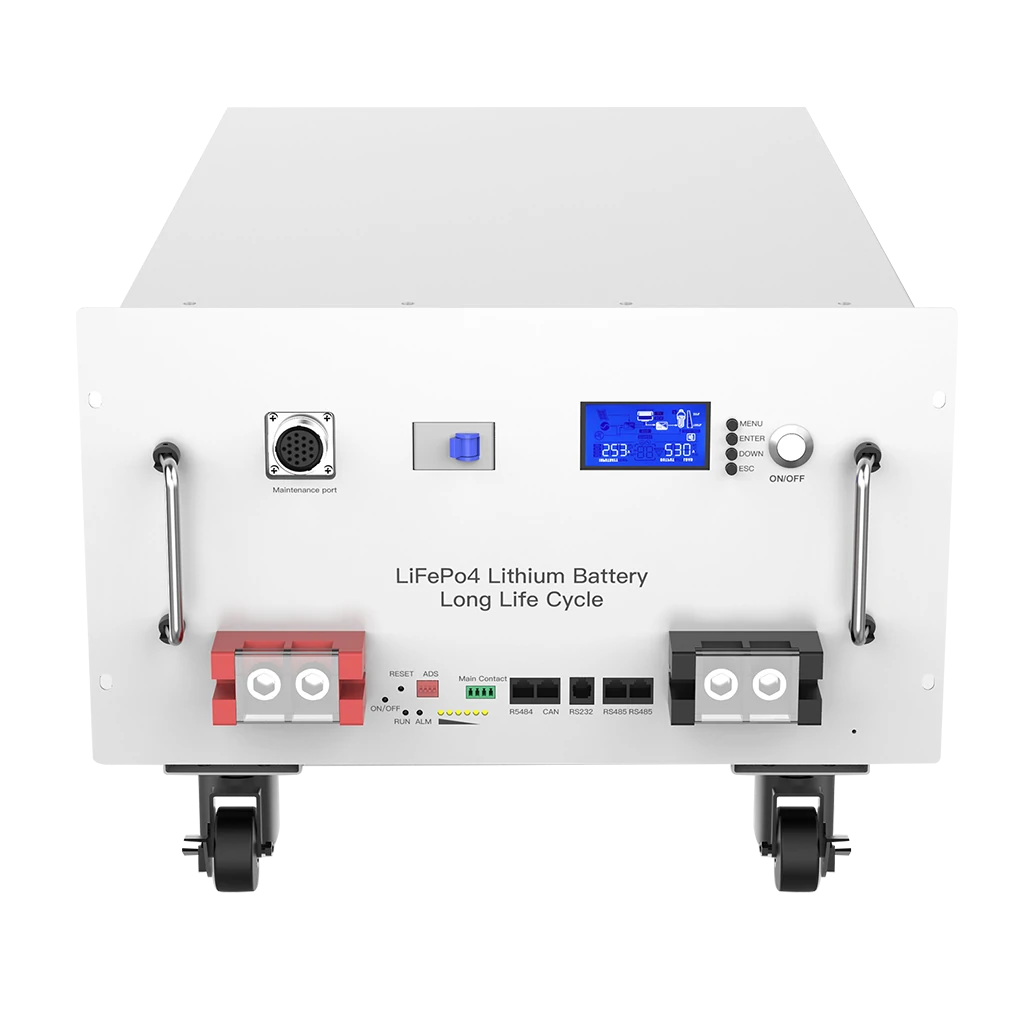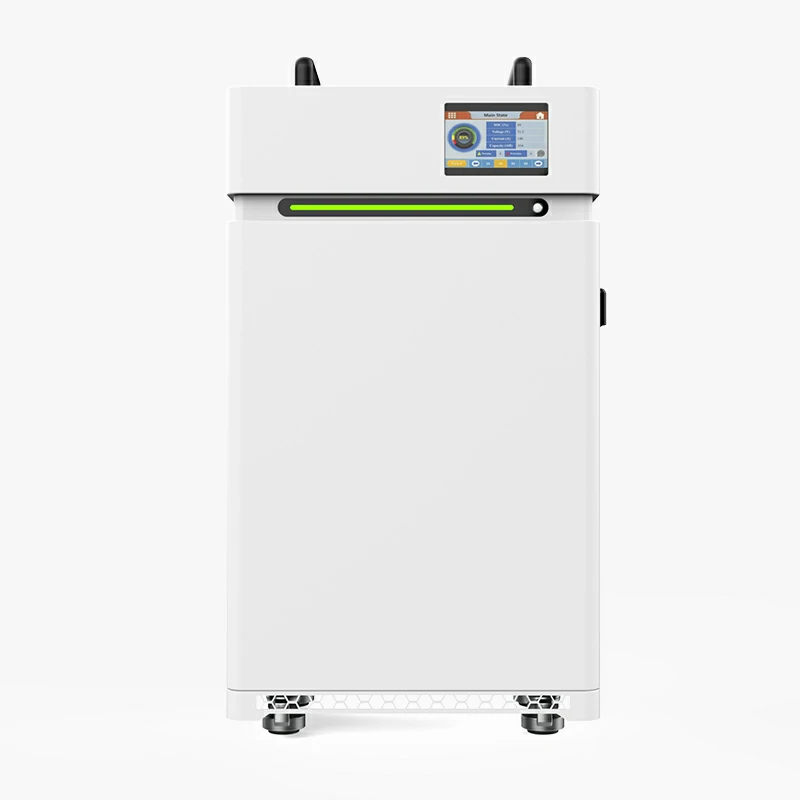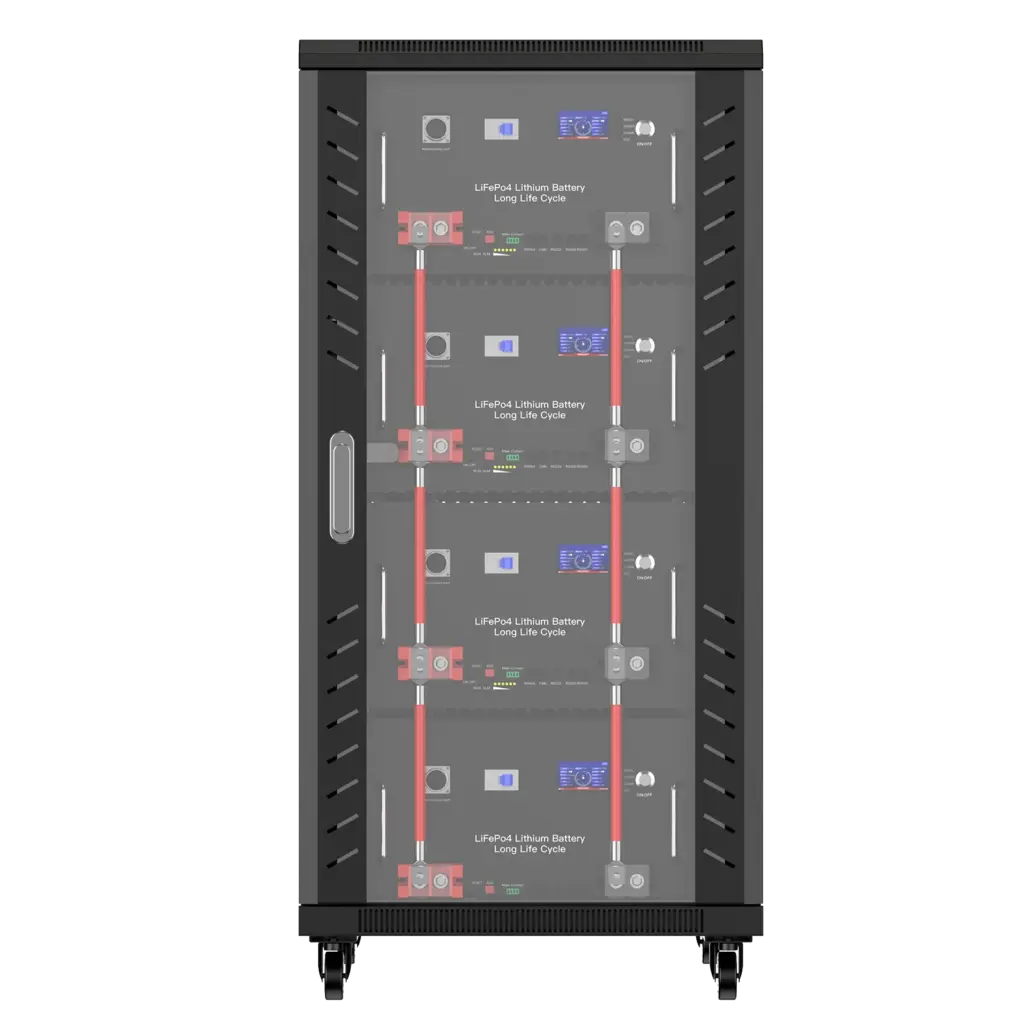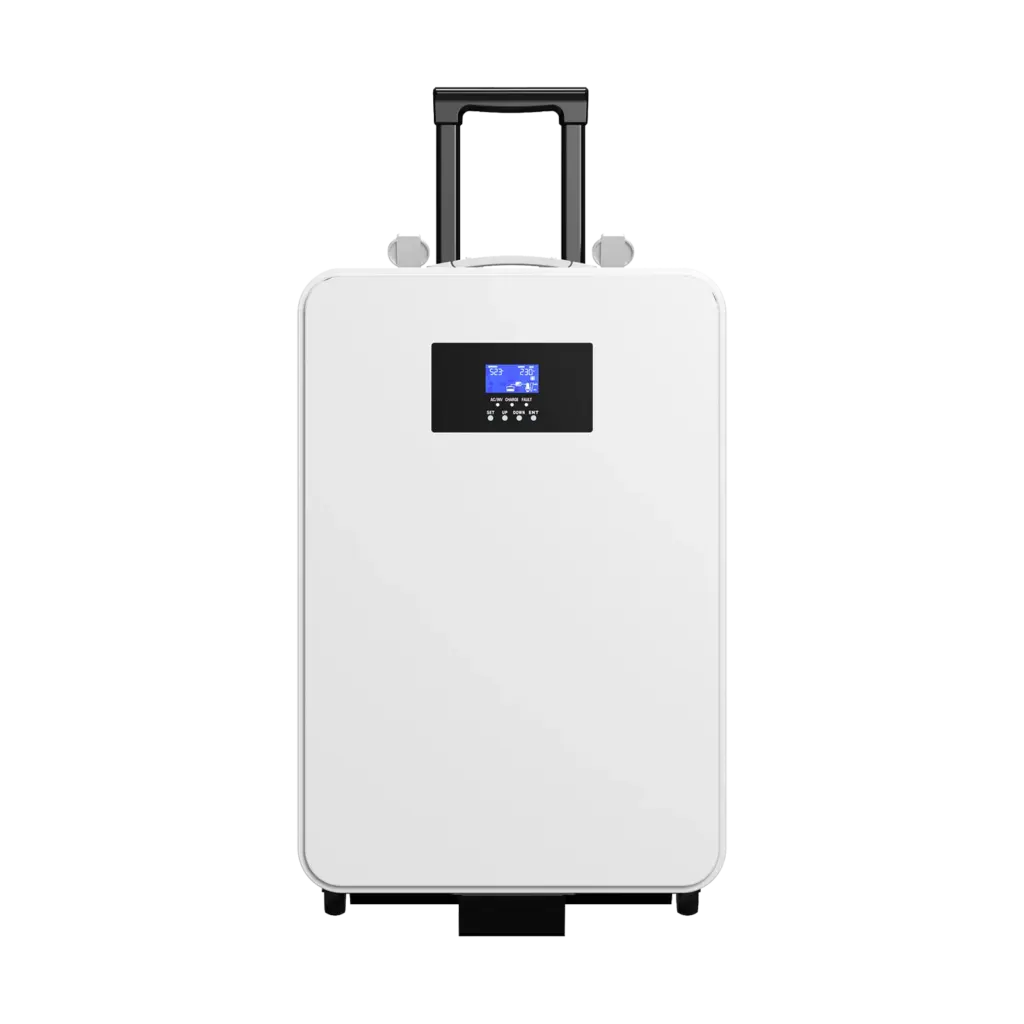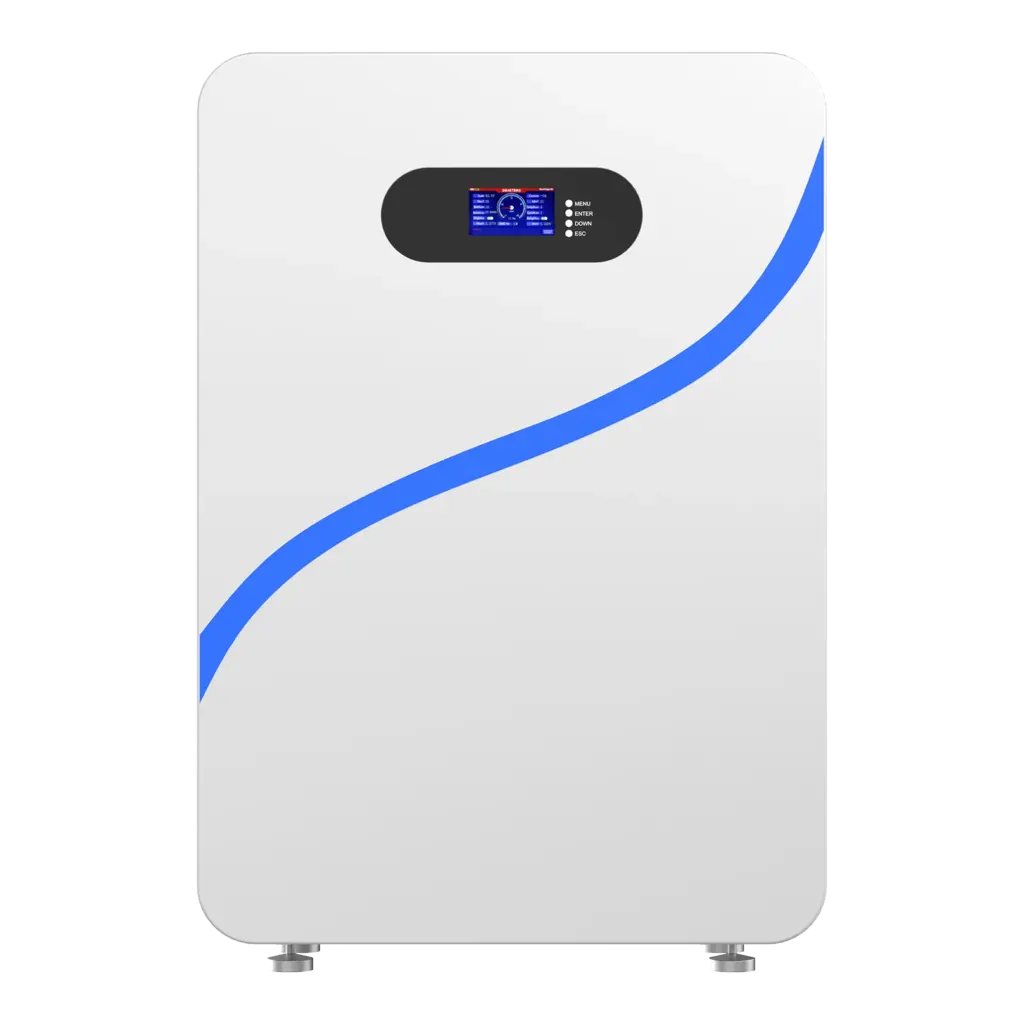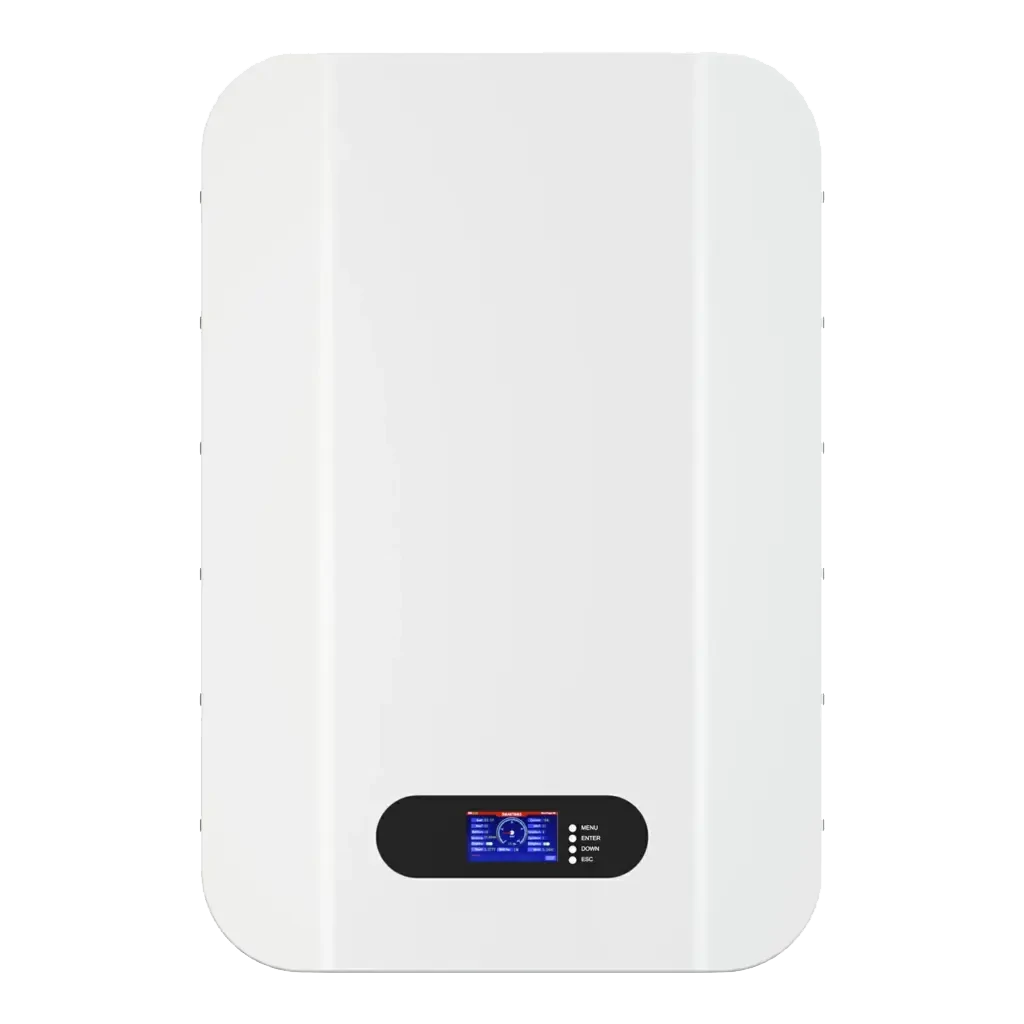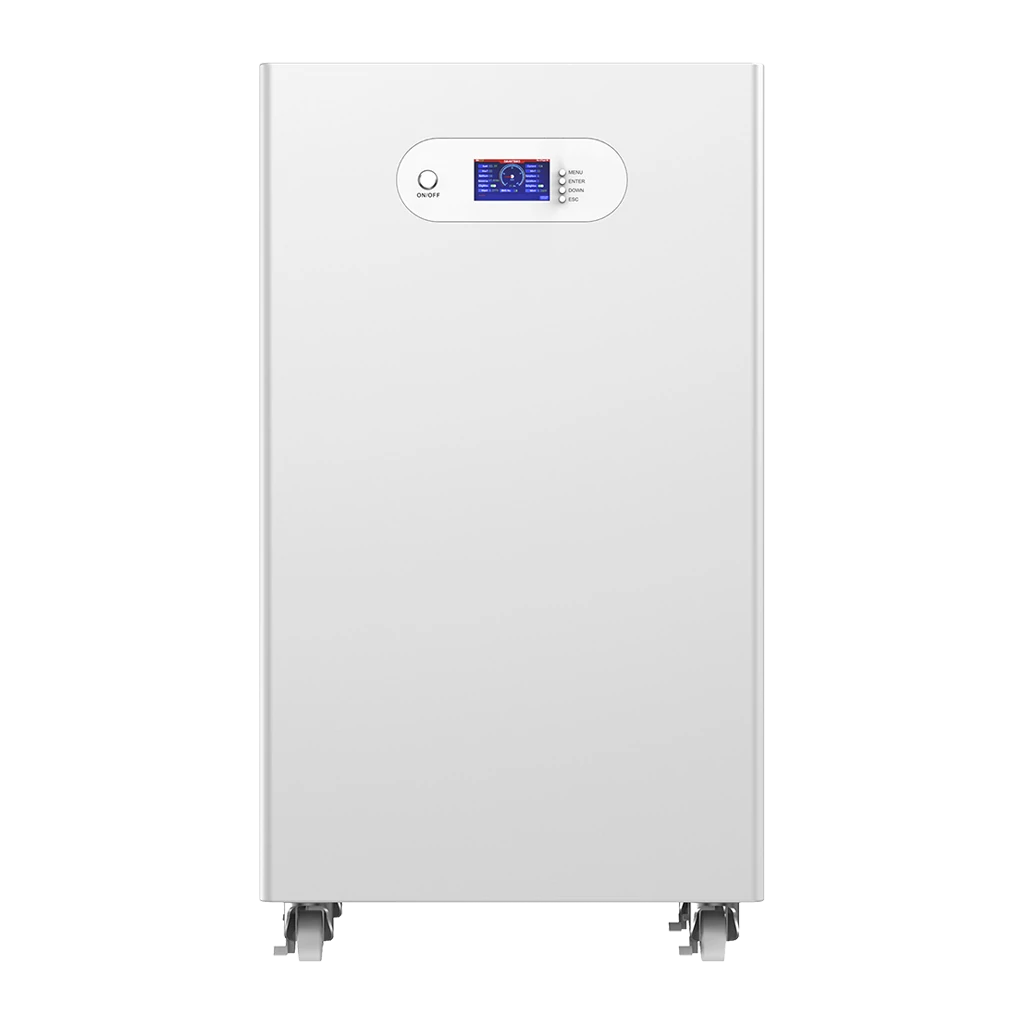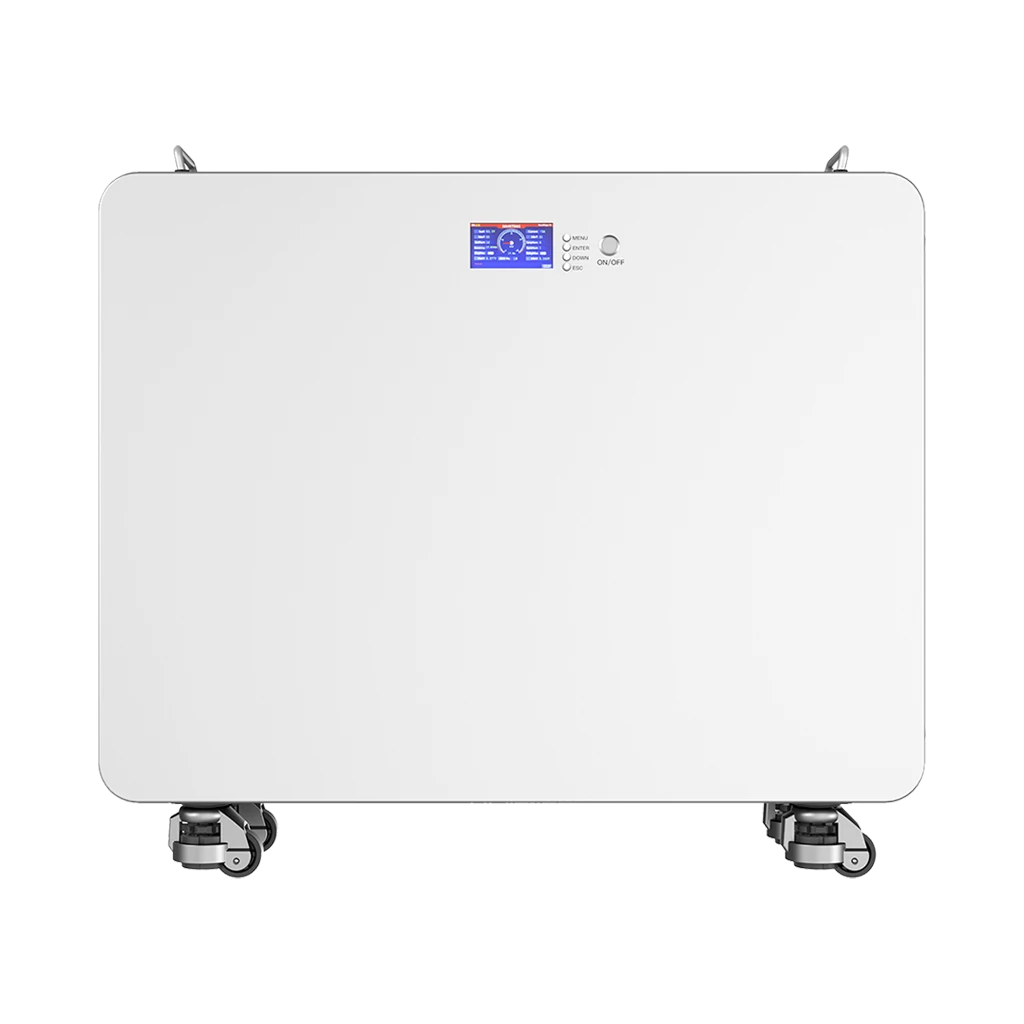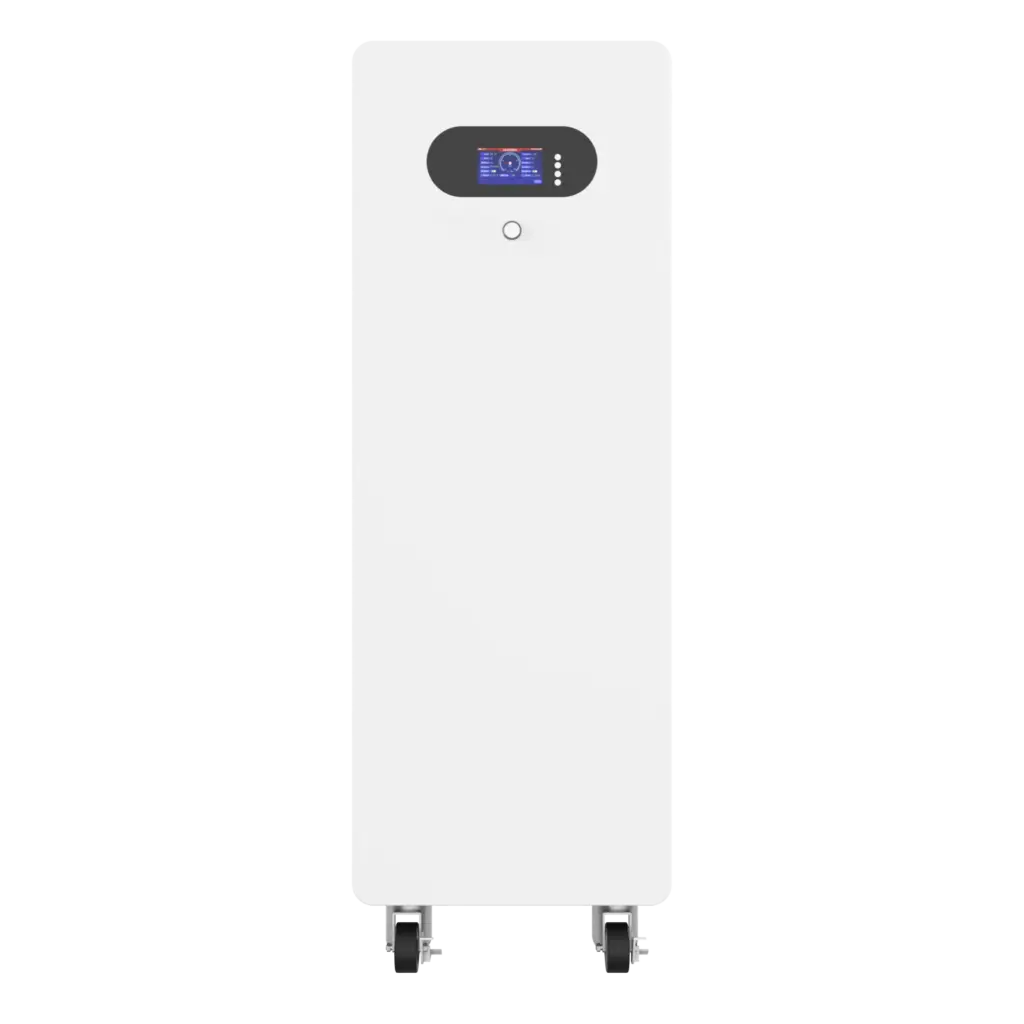

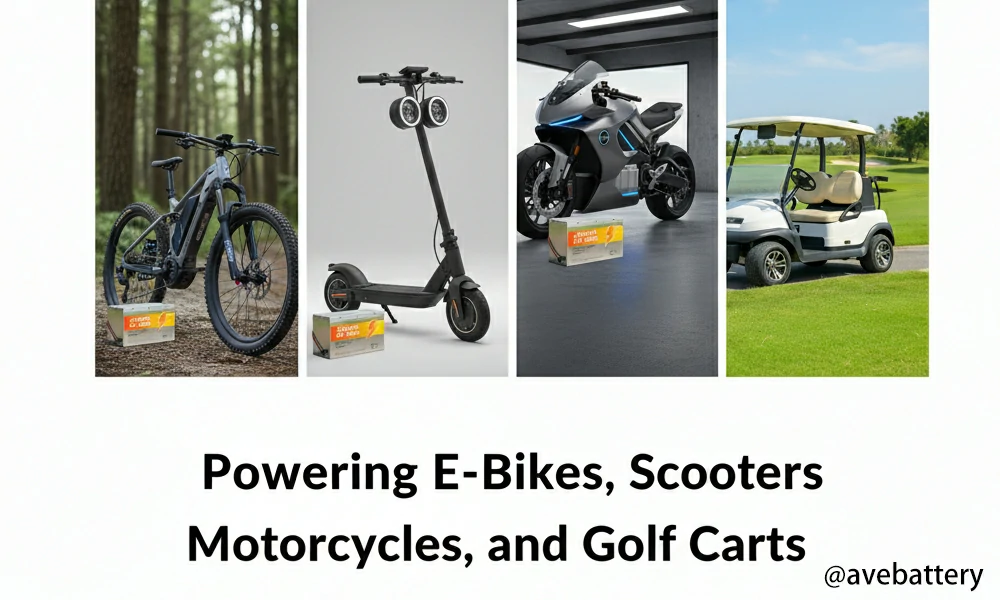
The “72 volts” in a battery system refers to its nominal voltage, which is a measure of the electrical potential that drives the system. They provide more power than lower-voltage batteries and can support high-demand applications. In practice, 72V packs are chosen once 48V or 60V setups stop delivering enough speed, hill-climbing, or payload capability for electric bikes, golf carts, UTVs, and low-speed EVs.
This article explains the uses, types, benefits, and maintenance tips for 72 volt batteries.
What Is a 72 Volt Battery?
A 72 volt battery is a type of battery system where the total voltage adds up to 72 volts. Most commonly, these batteries are made by connecting six 12 volt batteries in series. Each battery contributes 12 volts, and when combined, they provide 72 volts of total electrical potential. So when you see “72V system” in small EVs, it often just means six matched 12V batteries in series — simple to assemble, easy to service, and compatible with many existing 12V modules.
The main purpose of a 72 volt battery is to provide enough power for high-performance applications. For example, larger electric vehicles and heavy-duty golf carts require more voltage to operate efficiently. A 72 volt system can deliver higher torque and longer runtime compared to 36 volt or 48 volt systems.
This is also why 72V lithium batteries are commonly used in golf carts, electric motorcycles, performance scooters, and utility vehicles — they deliver more power without pushing huge current through the system.
Renewable Energy Storage
They are often used in solar power installations and off-grid power systems. For homes or businesses that are not connected to the main electricity grid, 72V battery banks provide a robust way to store excess power generated during the day. This reliable storage ensures that the property has a steady, clean supply of electricity at night or on cloudy days.
72-Volt Battery Chemistries and Their Trade-Offs
Manufacturers make 72V batteries from several chemistries. Each chemistry gives different strengths and weaknesses.
- Lead-acid: Lead-acid cells are familiar and often cheaper up front. They provide reliable performance in mild conditions. The user can expect lower cycle life compared with newer chemistries. The manufacturer will usually require more maintenance and careful charging. Lead-acid packs weigh more than lithium packs for the same energy.
- AGM (Absorbent Glass Mat): AGM is a sealed lead-acid variant that reduces maintenance. The manufacturer claims better vibration resistance and safer installation. The user will still deal with lower energy density and shorter service life compared with lithium.
- Lithium-ion (Li-ion): Lithium-ion packs give higher energy density and longer cycle life. The manufacturer often includes a battery management system (BMS) to protect cells from overcharge, overdischarge, and imbalance. The user sees a higher upfront cost for lithium but lower total cost of ownership in many use cases. Lithium packs weigh less and allow more flexible packaging.
- Lithium iron phosphate (LiFePO4 or LFP): LFP is a lithium chemistry that offers longer life and better thermal stability than many other lithium types. The manufacturer may rate LFP cells for thousands of cycles under proper conditions. The user will find LFP especially attractive for stationary storage and electric vehicles where safety and longevity matter.
Each battery chemistry requires a matching charging profile and protection strategy. The system designer must pair the charger, controller, and BMS to the selected chemistry.
Safety and Management: The Role of the BMS
While 72-volt lithium batteries offer great benefits, they must be managed carefully for safety and longevity. This is where the Battery Management System (BMS) comes into play. The BMS is essentially the brain of the battery pack, and it is an essential component.
The main job of the BMS is to constantly monitor and control the battery’s operation. It performs several key protective functions:
- Over-Charge and Over-Discharge Protection: The BMS prevents the battery from being charged past its maximum safe voltage or discharged below its minimum safe voltage, either of which could damage the cells.
- Over-Current and Short-Circuit Protection: It cuts off power if an excessive current draw or a short circuit is detected, preventing overheating and fire.
- Temperature Management: The BMS monitors the temperature of the cells and will stop charging or discharging if the temperature gets too high or too low, ensuring the battery operates within a safe range.
- Cell Balancing: It ensures all the individual cells within the large 72-volt pack stay at roughly the same state of charge. This is essential because balanced cells maximize the battery’s overall capacity and extend its working life.
The inclusion of a high-quality BMS is non-negotiable for any 72-volt lithium battery system. It transforms a powerful collection of cells into a safe, reliable, and durable power source. Buyers should always check for the quality and features of the BMS when selecting a 72-volt battery, as it is key to realizing the long-term benefits of the technology.
Avepower 72V batteries have a built-in BMS for safe charging and discharging. They protect against overcharge, over-discharge, temperature, and overcurrent. The hardware protection board is simple and reliable, with a 50A pin plug for stable connections. Safe, reliable, and long-lasting — get your Avepower 72V battery today!
Advantages of a 72 Volt Battery System
Using a 72 volt battery system has several clear benefits.
1. Higher Power Output
Higher voltage provides more power to motors. This allows vehicles and equipment to operate faster and handle heavier loads. Users will notice better acceleration and more consistent performance. A 72V system also delivers higher torque without overworking the motor, so vehicles climbing hills or carrying passengers in resort or residential communities feel more responsive and drain the battery less.
2. Longer Runtime
A 72 volt battery system can store more energy than lower-voltage systems. This translates into longer operating time between charges. For golf carts and EVs, this means fewer interruptions during daily use.
3. Efficient Energy Transfer
Higher voltage systems experience less energy loss during transmission. This means more of the stored energy is available to run your device. For large battery banks, efficiency improvements can significantly reduce energy costs.
4. Compatibility with Modern Electronics
Many modern controllers, chargers, and motors are designed to work with higher voltage systems. Using a 72 volt battery allows users to take advantage of newer technologies that improve safety, performance, and efficiency.
Key Applications for 72-Volt Batteries
Typical use cases include: high-power e-bikes and scooters that need 40–60 mph capability, 72V golf carts that must move faster or climb better than 48V carts, electric motorcycles for city commuting, and light utility/maintenance vehicles in campuses, resorts, or industrial sites.
High-Performance Electric Scooters and Motorcycles
Electric two-wheelers are a prime market for 72V batteries. For scooters and motorcycles, manufacturers require a system that can deliver rapid acceleration and maintain higher speeds necessary for city and highway riding. A 48V system often limits the top speed and climbing ability too much.
A 72V battery allows for a much more powerful motor controller, enabling the vehicle to sustain speeds of 45 mph (about 72 km/h) and much higher, while still achieving a respectable driving range. The increase in voltage directly translates to better torque and speed, which improves the overall riding experience. People who ride these vehicles often demand high performance.
This is why you’ll frequently see 72V 3000W–5000W kits marketed to riders who want motorcycle-like acceleration without going to a full high-voltage EV platform.
Advanced Golf Carts and Utility Vehicles (UTVs)
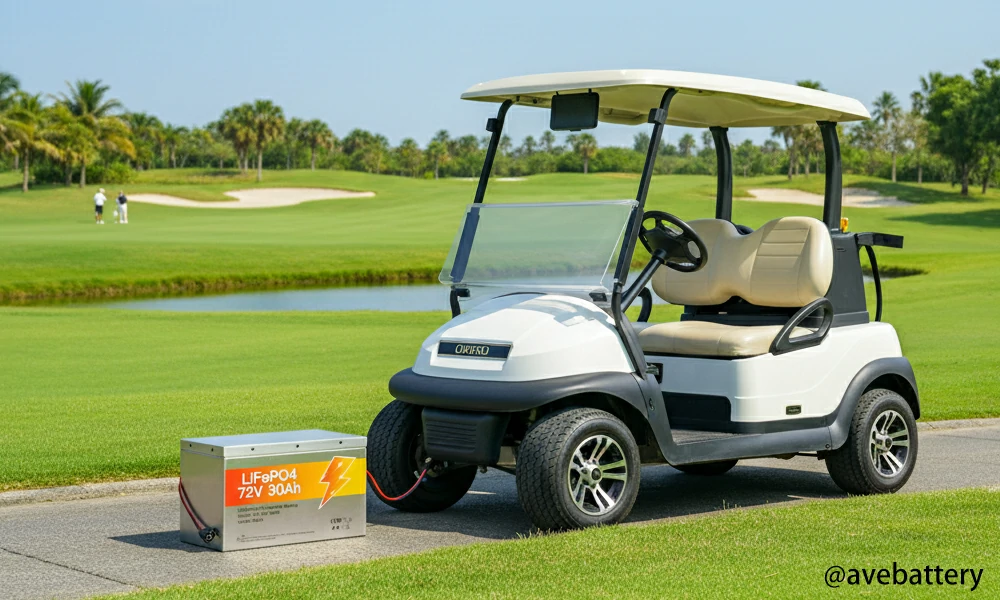
While many standard golf carts run on 36V or 48V golf cart batteries systems, the trend is moving toward 72V systems for high-end, custom, and utility models. These vehicles often carry heavy loads, navigate challenging terrains, or need to cover long distances in commercial or resort settings.
The 72V system provides the torque needed for steep hills and the sustained power required to operate for a full day without needing a midday charge. Furthermore, these carts often have upgraded amenities like lights, power steering, and advanced braking systems, all of which benefit from the stable, higher-voltage power source. Businesses and individual owners value the added capability. You may want to check out: How Long Do Golf Cart Batteries Last
How Fast Does a 72 Volt Battery Go
Speed is determined by the whole system — voltage, motor wattage, controller current, vehicle weight, and even rider posture — not by voltage alone. Here are typical speed ranges for different 72V electric vehicles:
| Vehicle Type | Typical Motor Power | 72V Battery Top Speed | Typical Range per Charge | Notes |
|---|---|---|---|---|
| Golf Cart | 3–6 kW | 25–35 mph (40–56 km/h) | 30–50 miles (48–80 km) | Commercial & recreational carts; speed limited for safety |
| Electric Bike / Scooter | 2–5 kW | 40–60 mph (64–97 km/h) | 30–60 miles (48–97 km) | Lighter vehicles reach higher speed; load affects performance |
| Utility Vehicle / ATV / UTV | 5–12 kW | 45–65 mph (72–105 km/h) | 40–80 miles (64–129 km) | Off-road terrain reduces max speed; heavy loads reduce range |
| Electric Motorcycle | 10–20 kW | 50–70 mph (80–113 km/h) | 50–100 miles (80–161 km) | Depends on motor and rider weight; high-performance models available |
| Off-Road Work Vehicle / Buggy | 4–10 kW | 30–55 mph (48–88 km/h) | 25–60 miles (40–97 km) | Terrain, inclines, and payload significantly affect speed and range |
As a reference point, many users report that a 72V 5000W e-bike build can reach about 40–60 mph (64–97 km/h) in good conditions. A 72V 3000W setup typically lands in the 43–68 mph (70–110 km/h) window if the controller allows enough current and the bike is not too heavy. A 72V 4000W kit can touch about 55 mph (≈88 km/h) on a properly tuned bike, which matches real-world rider feedback.
Some 72V 2000W conversion kits are advertised for 70–80 km/h on private/off-road trails, but this assumes a light bike, efficient drivetrain, and favorable gearing — heavier riders or knobby tires will see less. For golf carts, most 72V models are intentionally limited to ~30 mph (48 km/h) for safety, even though the pack could deliver more.
Other Factors Influencing Speed
- Motor Wattage: This is the most critical factor. Higher wattage (kW) motors, in combination with the 72V battery, result in higher speeds. For example, a 72V battery paired with a 12,000W motor will be significantly faster than one with a 3,000W motor.
- Controller Amperage: The controller dictates how much current (amps) the motor can draw from the battery. A higher-amp controller will allow for more power and, therefore, a higher top speed.
- Motor Winding (kV): The motor’s internal winding design (often expressed as a kV rating) determines its RPM per volt. A higher kV motor will spin faster for the same voltage, leading to a higher top speed but potentially lower torque.
- Vehicle Design and Weight: Factors like the rider’s weight, the vehicle’s aerodynamics, tire type, and overall design (e.g., a lightweight electric bike vs. a heavy electric motorcycle) will affect the final speed.
- Legal Limits: Keep in mind that many electric bikes and scooters have their speed legally limited in certain regions (e.g., 20 mph or 28 mph in the U.S. for different classifications) unless they are designated for off-road use or are registered as motorcycles/mopeds.
How Much is a 72 Volt Battery
The price of a 72-volt lithium-ion battery can vary dramatically based on its capacity (Ah), the quality of the cells, the maximum discharge current (BMS rating), and its intended application.
For personal electric vehicles (like high-power e-bikes or electric scooters), the general price range is typically:
| Battery Capacity (Ah) | Approximate Price Range (USD) | What This Gets You |
|---|---|---|
| 72V 10–20Ah | $350–$650+ | Suitable for moderate performance and range; often used in mid-level or custom e-bikes. |
| 72V 25–30Ah | $600–$900+ | Common for higher-performance e-bikes and some electric motorcycles, offering better power and range. |
| 72V 40–50Ah+ | $900–$1,500+ | High-capacity packs for maximum range, extreme power builds, or larger vehicles. |
Industrial/Large EV (e.g., Golf Carts, Forklifts): Batteries designed for these applications often have much higher capacities (e.g., 72V 100Ah or more) and can cost $2,000 to over $4,000.
Avepower, a leading energy storage battery manufacturer in China, can tailor battery capacities to your exact needs—20Ah, 30Ah, 50Ah, or any other specification. Contact us today for a personalized solution that powers your project efficiently and reliably.
How Long Does a 72 Volt Battery Last?
The lifespan of a 72 volt battery depends on its chemistry, usage, and maintenance.
- Lead-Acid Batteries: Typically last 4–6 years with proper maintenance. Heavy use or poor maintenance can shorten the life to 2–3 years.
- Lithium-Ion Batteries: Usually last 8–15 years, depending on usage and charging practices.
- AGM Batteries: Can last 5–7 years if properly maintained.
For golf carts specifically, some 72V lithium brands (such as Avepower) quote up to about 10 years of design life and 4,000+ cycles when operated and charged correctly — a useful benchmark for fleet, resort, or rental operators. Battery lifespan can be extended by avoiding deep discharges, using compatible chargers, and keeping batteries at optimal temperatures.
Battery Runtime Calculator
As a quick field example, a 72V 20Ah pack (≈1.44 kWh) on an efficient e-scooter or e-moto often delivers around 60–90 km of real-world range, depending on speed, rider weight, wind, and terrain — riding fast will pull that number down.
How to Charge a 72 Volt Battery
Charging a 72 volt battery correctly is essential for performance and safety.
- Use the Correct Charger: Always use a charger designed for 72 volt batteries. Using a lower-voltage charger can undercharge the battery, while using a higher-voltage charger can damage it.
- Charge Fully: Fully charge the battery after each use. Partial charges are acceptable for lithium batteries but not for lead-acid batteries.
- Monitor Temperature: Avoid charging at extreme temperatures. Batteries charge slower in cold conditions and may overheat in high temperatures.
- Use Smart Chargers: Smart chargers can stop charging when the battery reaches full capacity, preventing overcharging and prolonging battery life.
Battery Charging Time Calculator
Comparing 72V Battery to Other Voltages
The decision to choose a 72V system often comes down to performance requirements. Here is a simple comparison of what the jump in voltage means for a user:
| Feature | 48-Volt Battery | 60-Volt Battery | 72-Volt Battery |
|---|---|---|---|
| Common Application | Basic e-bikes, small scooters | Mid-range e-bikes, light golf carts | Performance vehicles, industrial equipment |
| Max Power Output | Lower | Medium | Highest |
| Acceleration | Slower, adequate for basic use | Noticeably better | Quick and powerful |
| Current Draw (for the same power) | Highest | Higher | Lowest (more efficient) |
| Heat Generated | Highest | High | Lowest (best for component life) |
Versus 48V: moving to 72V gives you faster acceleration, better hill-climbing, and more headroom before components overheat. Versus 60V: a 72V e-bike or golf cart will generally feel stronger and sustain higher speeds because it can deliver the same power at lower current, which keeps wiring, controllers, and motors cooler and extends their life.
The clear takeaway is that when you need maximum power, optimal efficiency, and the best performance from a fixed-size battery pack, the 72-volt battery is the superior technological solution. It reduces the stress on the electrical components while providing the user with a more thrilling and reliable experience.
Lead-Acid vs. Lithium-Ion 72V Batteries
Lead-acid batteries have been used for decades in high-voltage applications. They are heavy and require regular maintenance, including checking water levels and cleaning terminals. These batteries are cost-effective and can last several years if properly maintained. They perform well in moderate temperature conditions but may lose efficiency in very cold or hot environments.
Lithium-ion 72V batteries, in contrast, are lighter and more compact. They deliver energy more efficiently and can tolerate a wider range of temperatures. Lithium batteries have a longer life cycle compared to lead-acid batteries, which means users will replace them less frequently. Additionally, lithium batteries charge faster and do not require routine maintenance, making them more convenient for long-term use. However, the upfront cost of lithium-ion batteries is higher, which may be a consideration for budget-conscious users.
Where to Buy High-Quality 72V Batteries
Avepower is a leading supplier of premium 72V lithium batteries, providing reliable solutions for both individual customers and businesses. Our batteries deliver exceptional performance, efficiency, and longevity, making them the ideal choice for electric vehicles, renewable energy systems, and a wide range of industrial applications.
Key Features of Avepower 72V Batteries:
- Customizable Capacities: Available in 20Ah, 30Ah, 50Ah, or tailored to your exact requirements.
- Advanced Battery Management System (BMS): Protects against overcharge, over-discharge, short circuits, and overheating.
- Long Lifespan: Designed for 8–15 years of reliable operation with minimal maintenance.
- Lightweight and High Energy Density: Improves vehicle performance and extends runtime.
- High Efficiency: Reduced energy loss and faster charging for maximum productivity.
- Durable and Safe: Built to withstand harsh conditions and maintain consistent performance.
By choosing Avepower, you gain more than just a battery. We are committed to complete customer satisfaction and uphold strict quality control standards to ensure every battery meets or exceeds industry benchmarks. Our experienced and certified team offers expert guidance, helping you select the perfect battery for your specific needs. Whether you are an EV enthusiast upgrading your battery pack or a business seeking dependable energy solutions, Avepower provides a seamless, one-stop service for all your 72V battery requirements.
When searching for a high-quality 72V battery supplier, trust Avepower as your reliable partner for all your energy needs.
FAQ
A 72V battery is used in high-power applications where more voltage is needed than standard 12V, 24V, or 48V systems. Common uses include:
1. Electric vehicles (EVs)
2. High-speed golf carts and utility carts
3. Electric bikes and scooters
4. Renewable energy storage (solar or wind)
5. Industrial equipment like forklifts, ATVs, and off-road machinery
Use the correct charger and avoid overcharging. Avoid deep discharges; recharge before battery gets too low. Store batteries at moderate temperatures. Follow the manufacturer’s recommended maintenance schedule.
Lead-acid: 84–87V (depending on charge method); Lithium-ion: 81–86V fully charged; The exact voltage varies slightly with battery chemistry and temperature.
The size depends on capacity and type: 20–30Ah lithium batteries: typically compact and lightweight (~15–25 kg); 40–50Ah packs: larger and heavier (~30–40 kg); Lead-acid or AGM 72V packs are bulkier due to heavier cells.