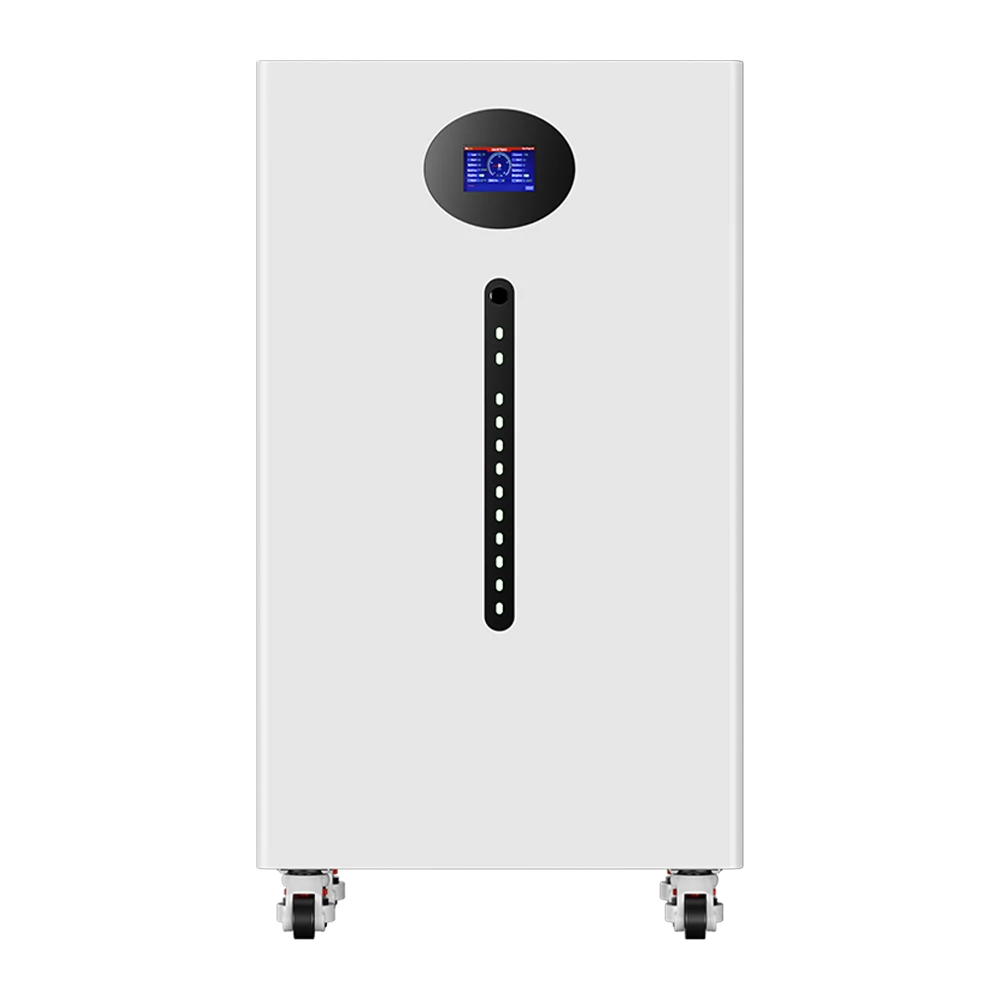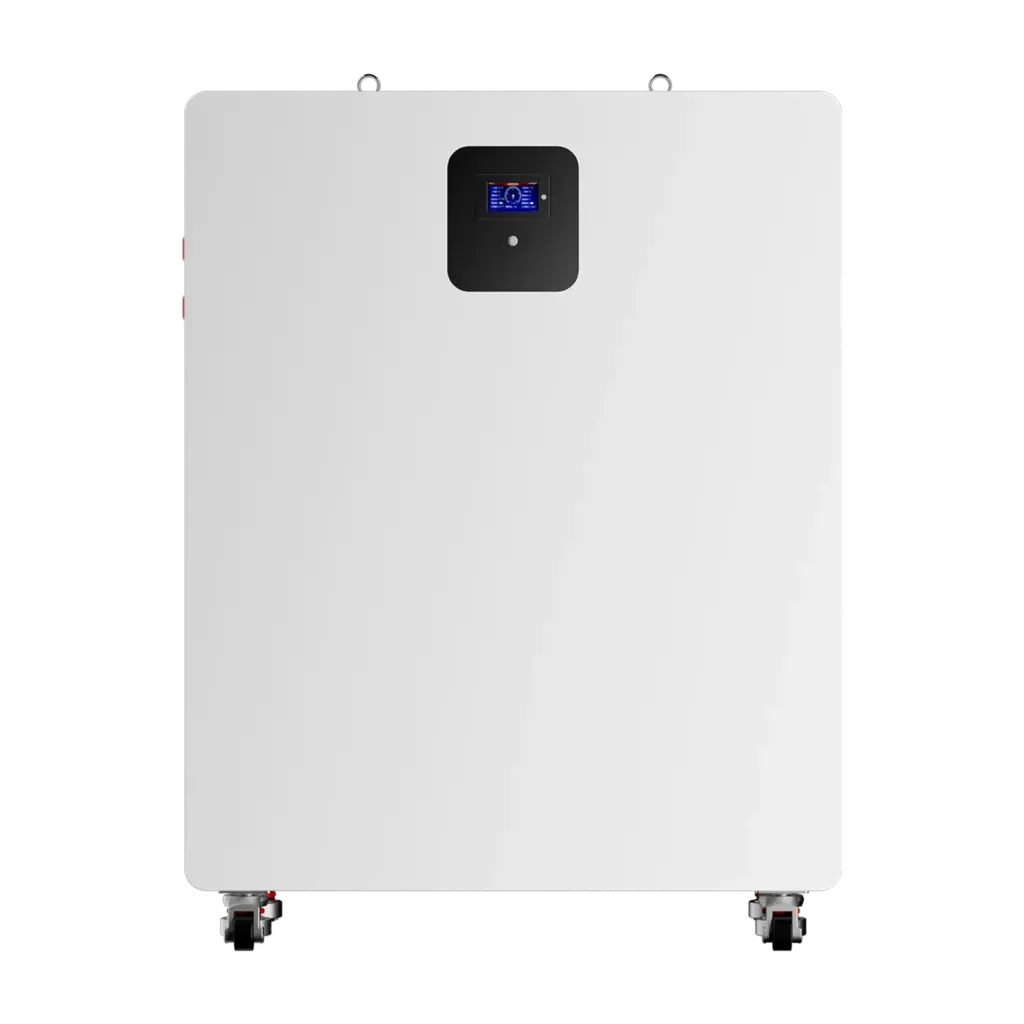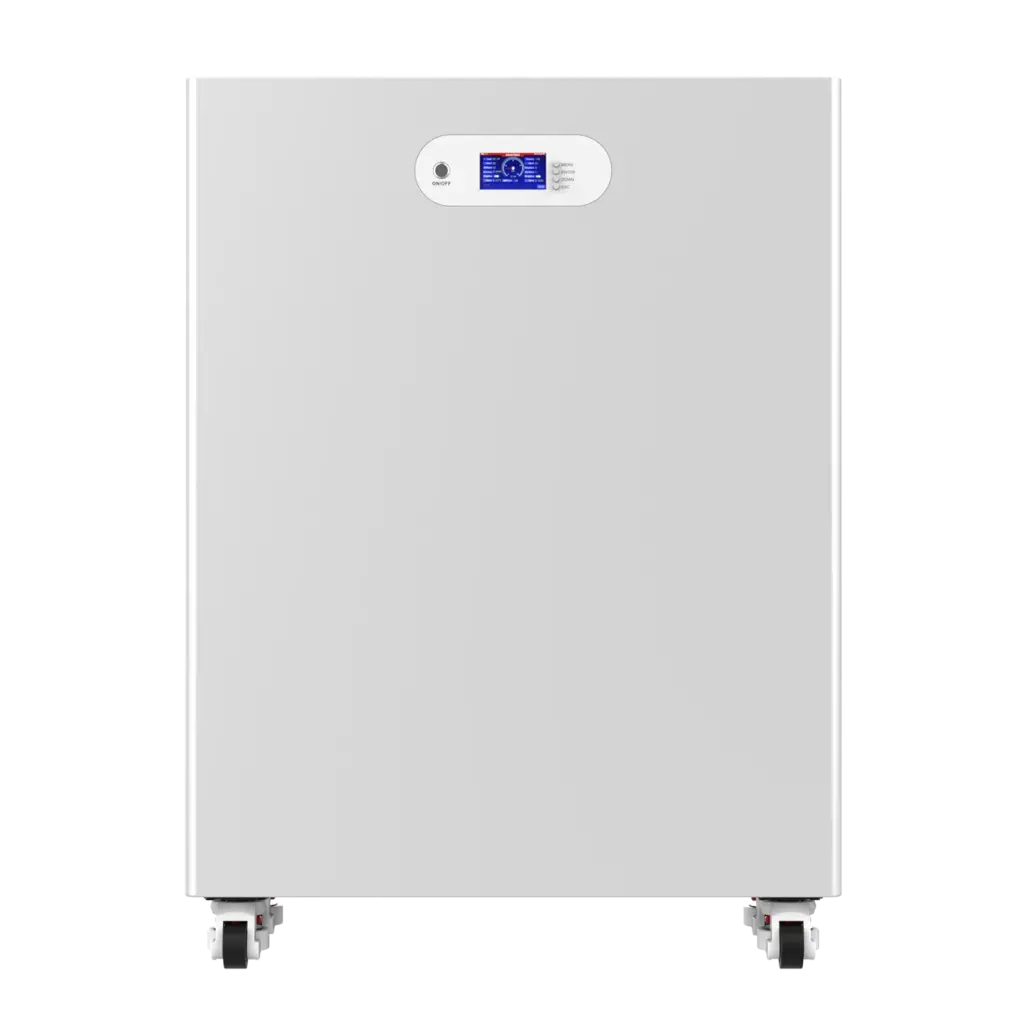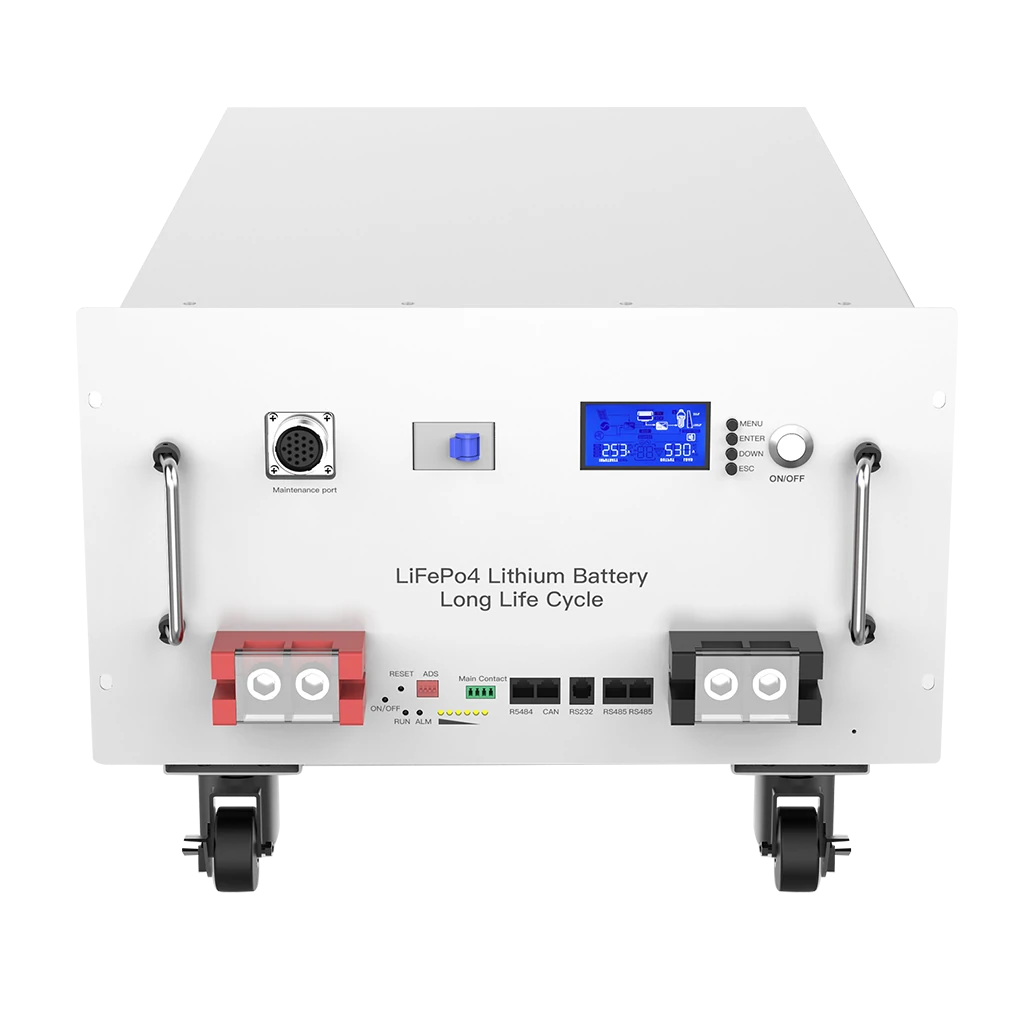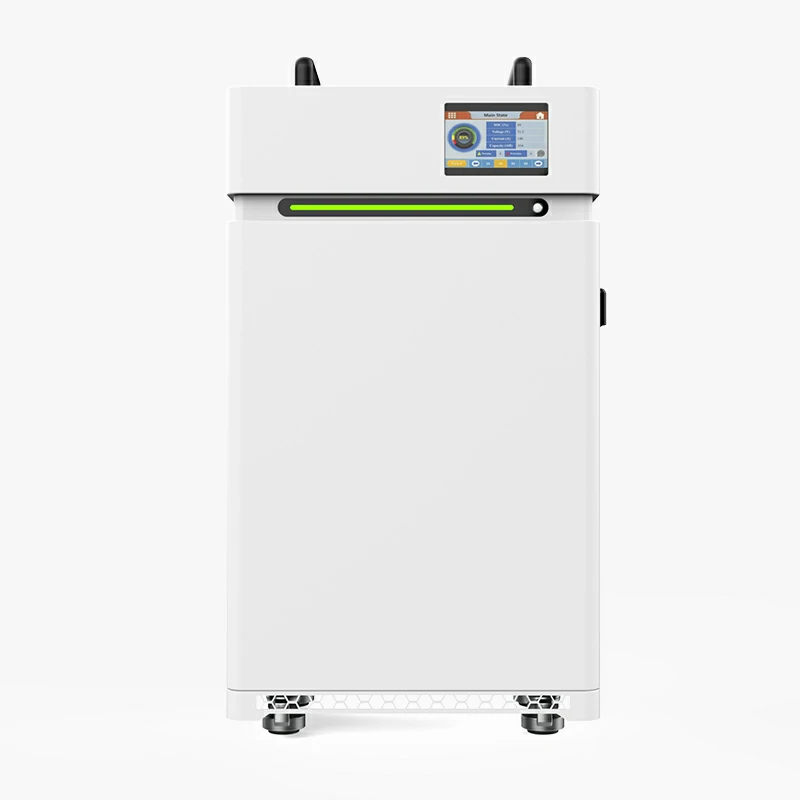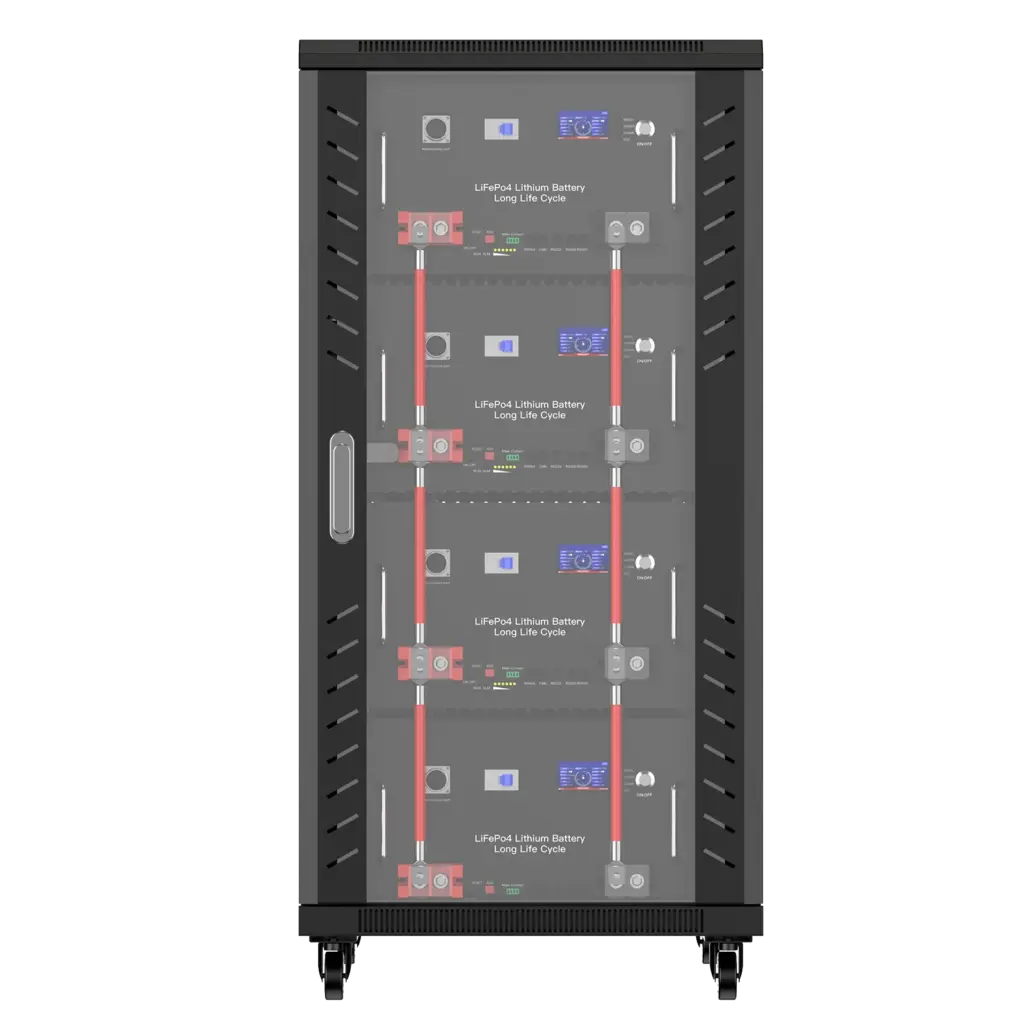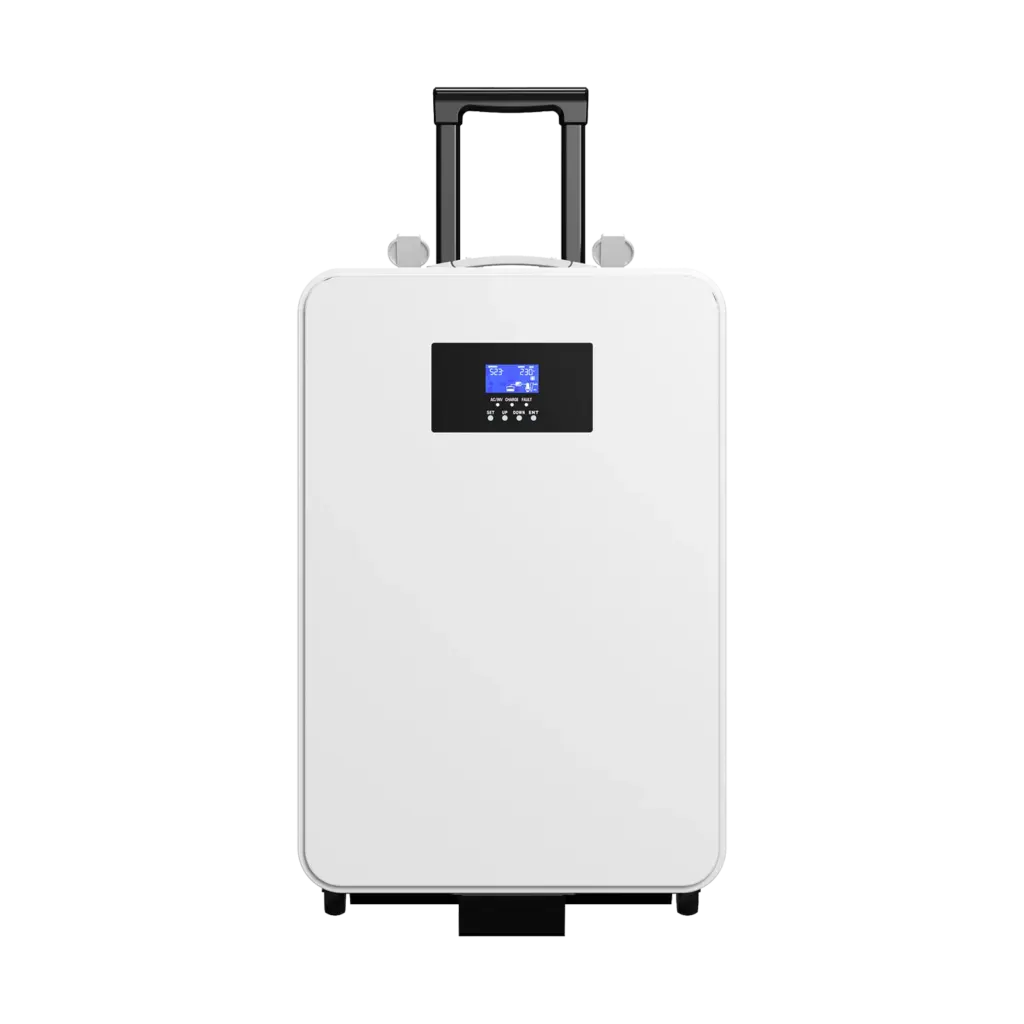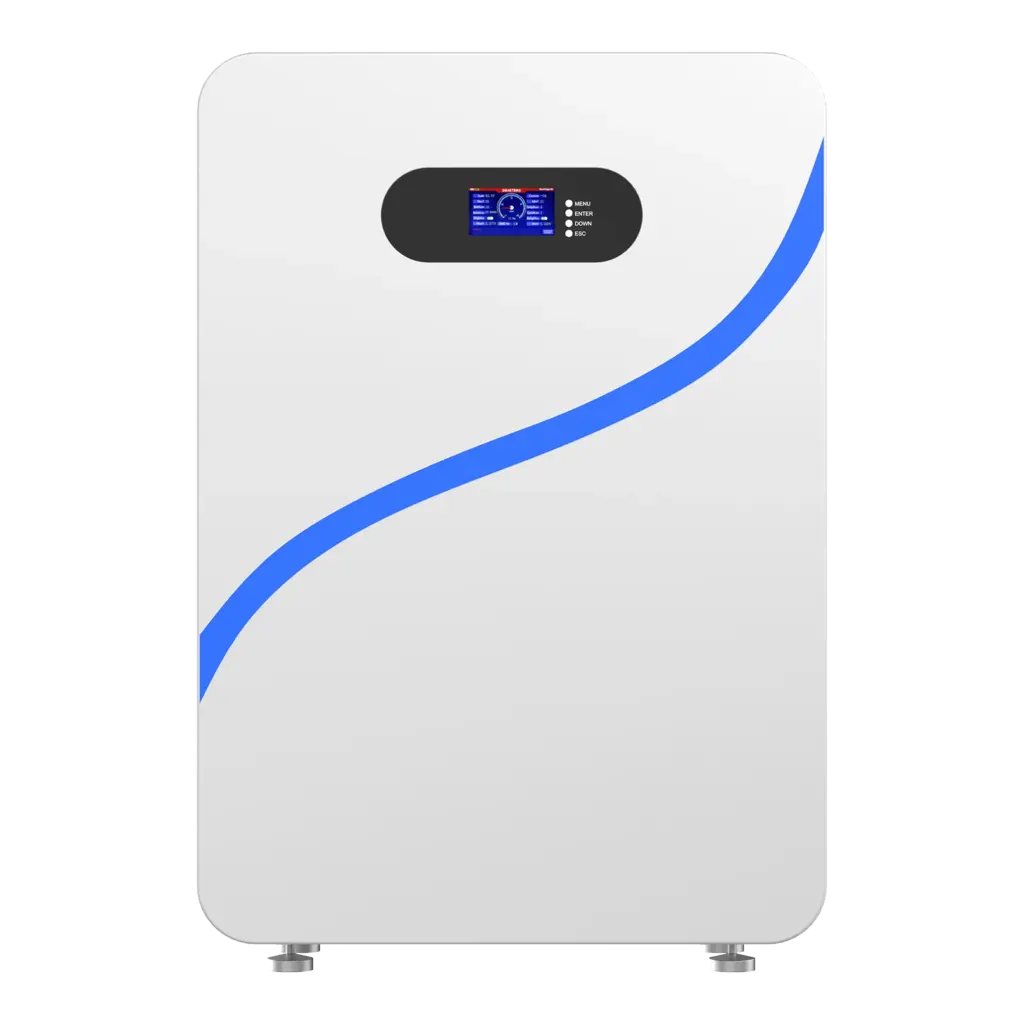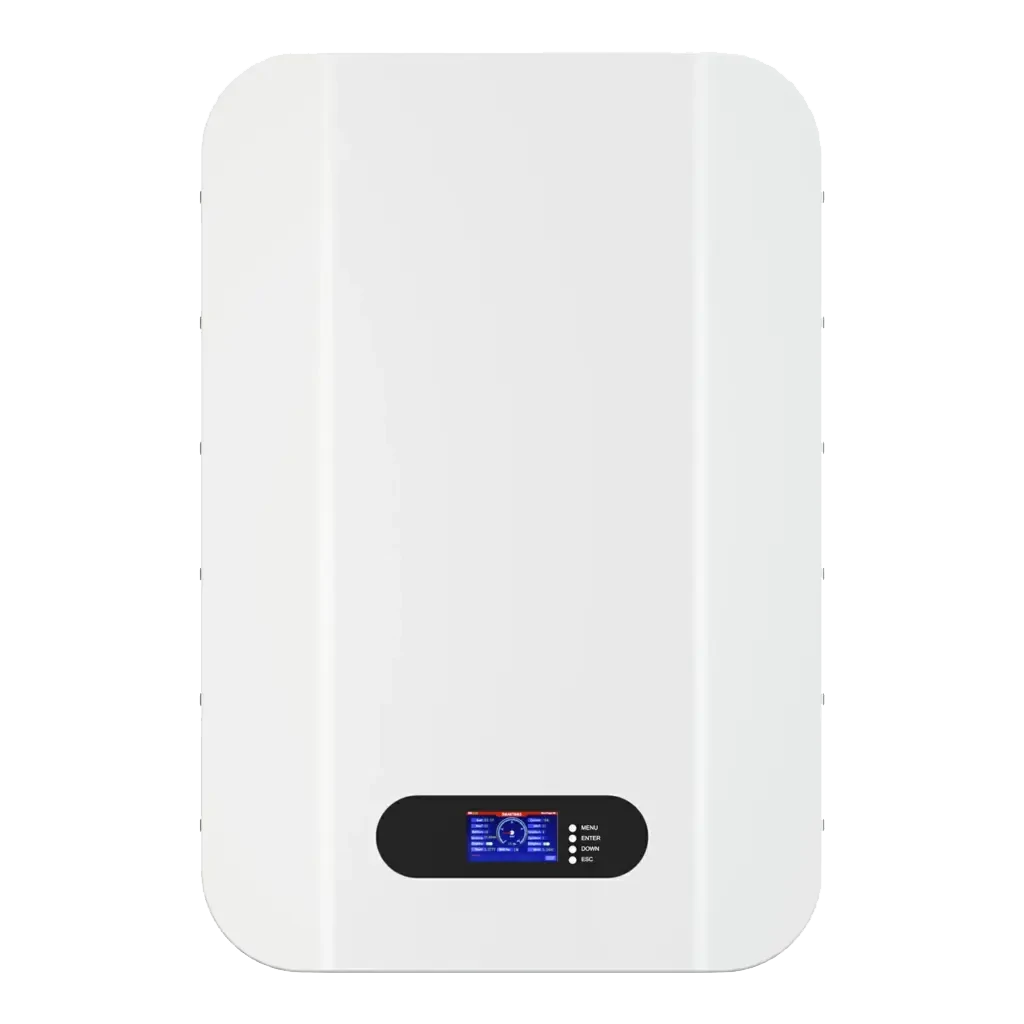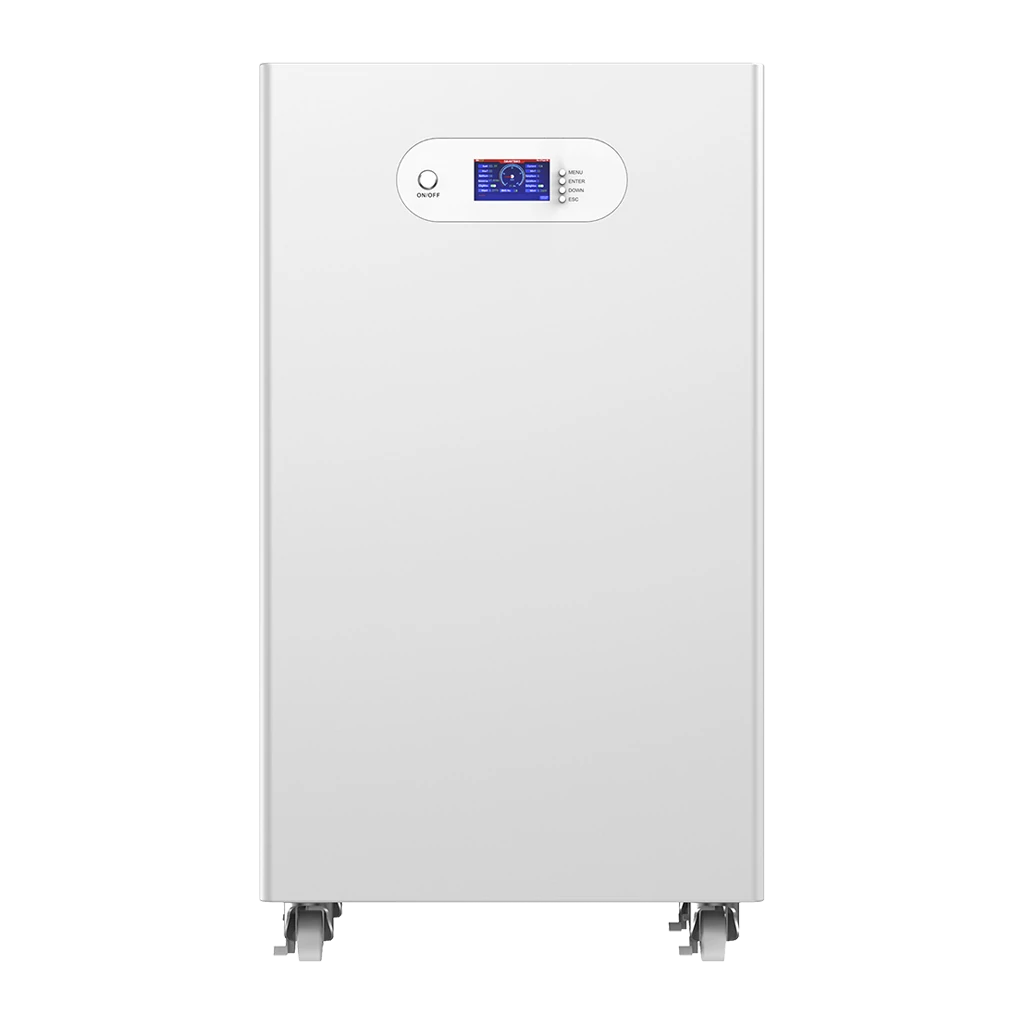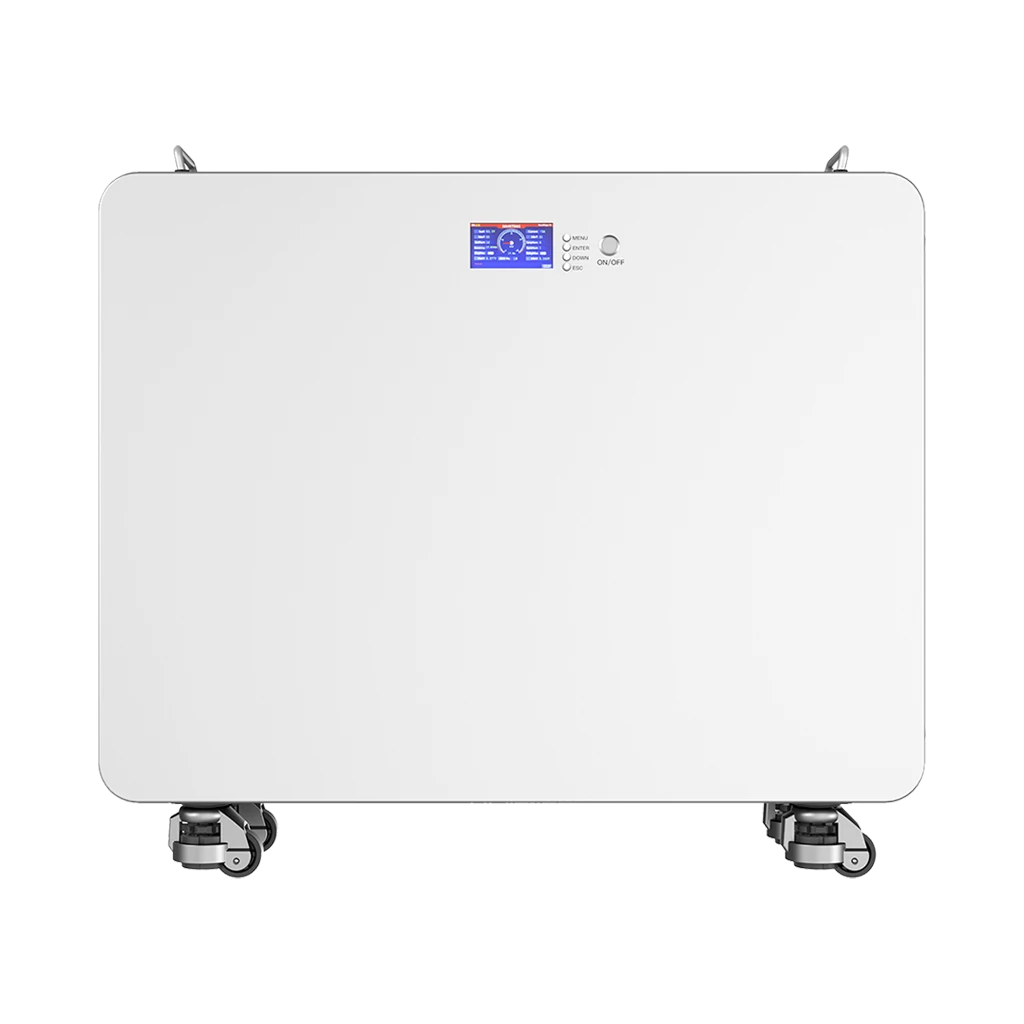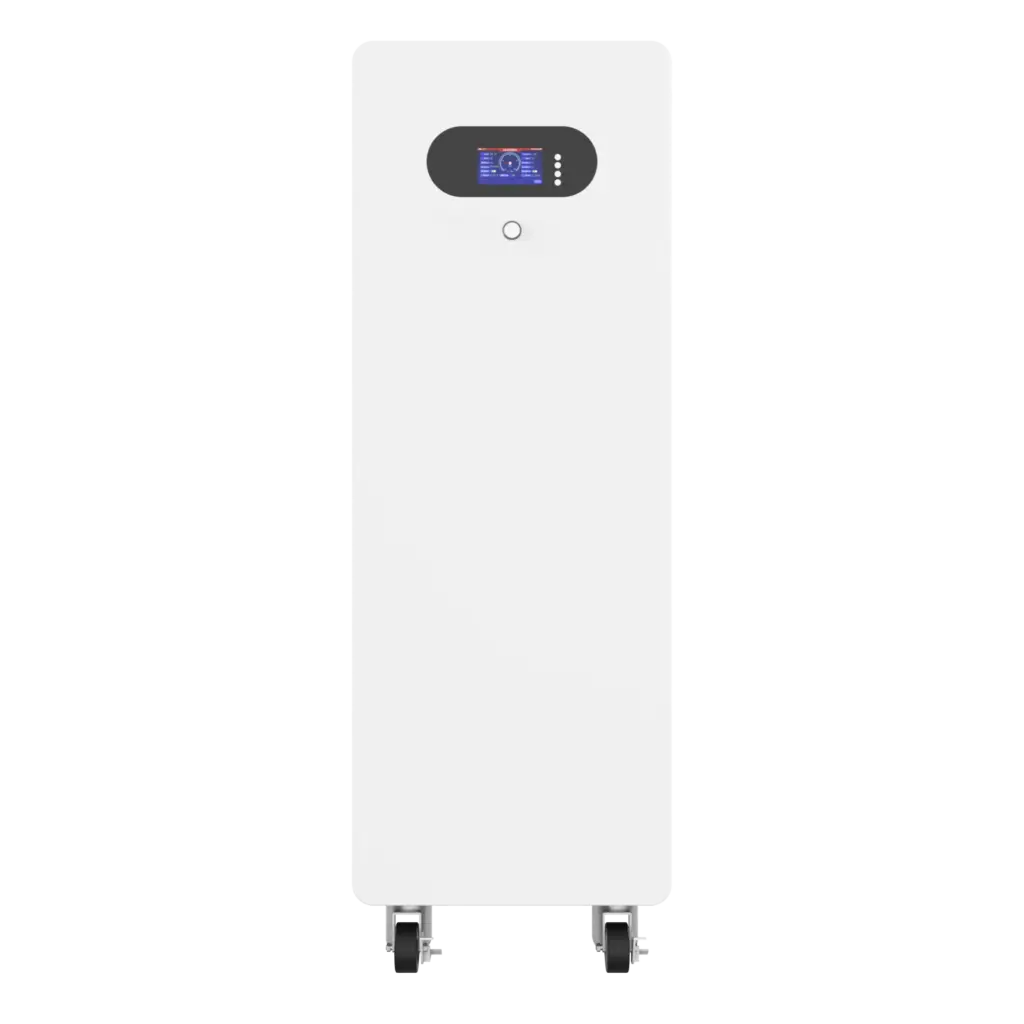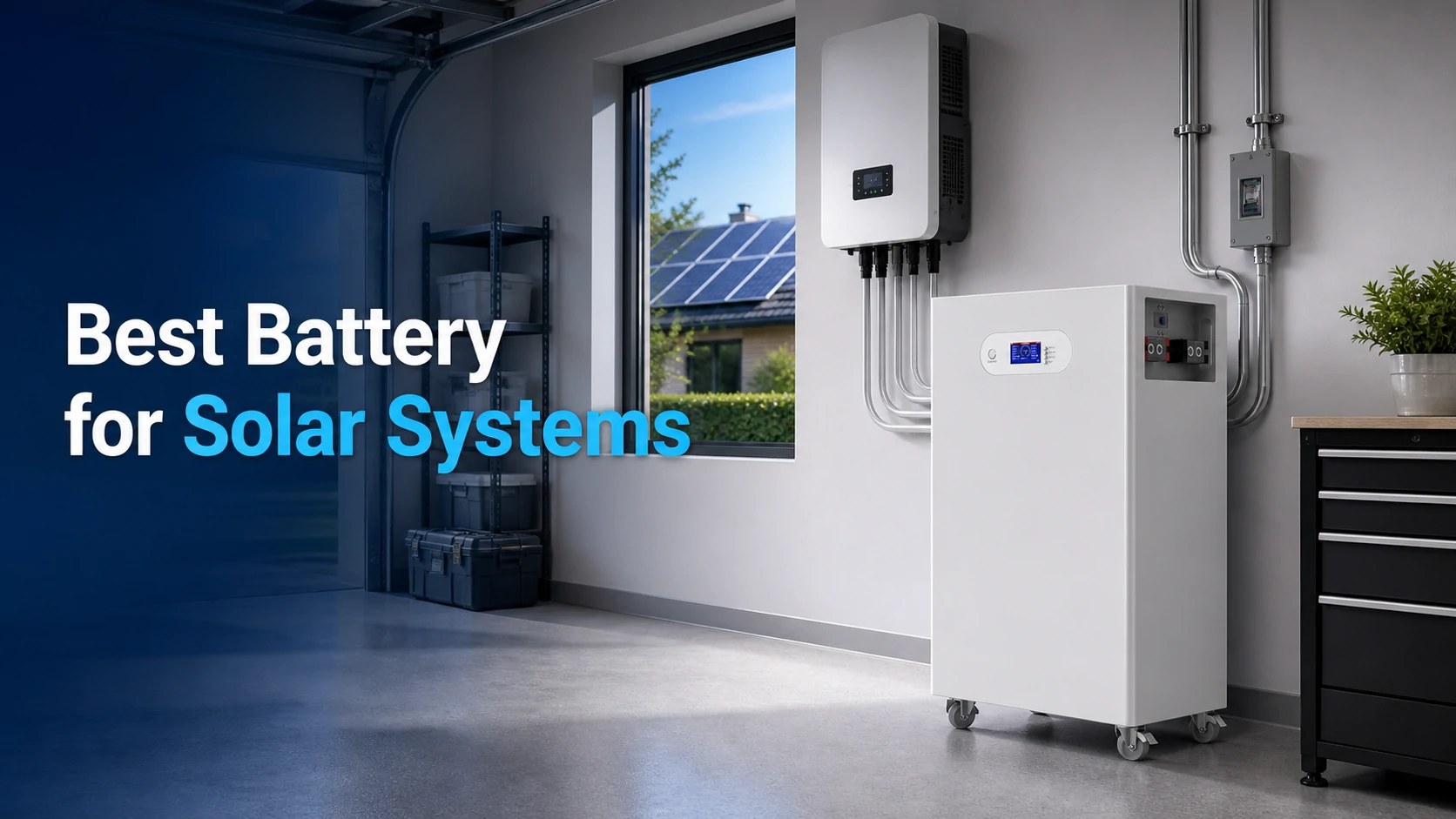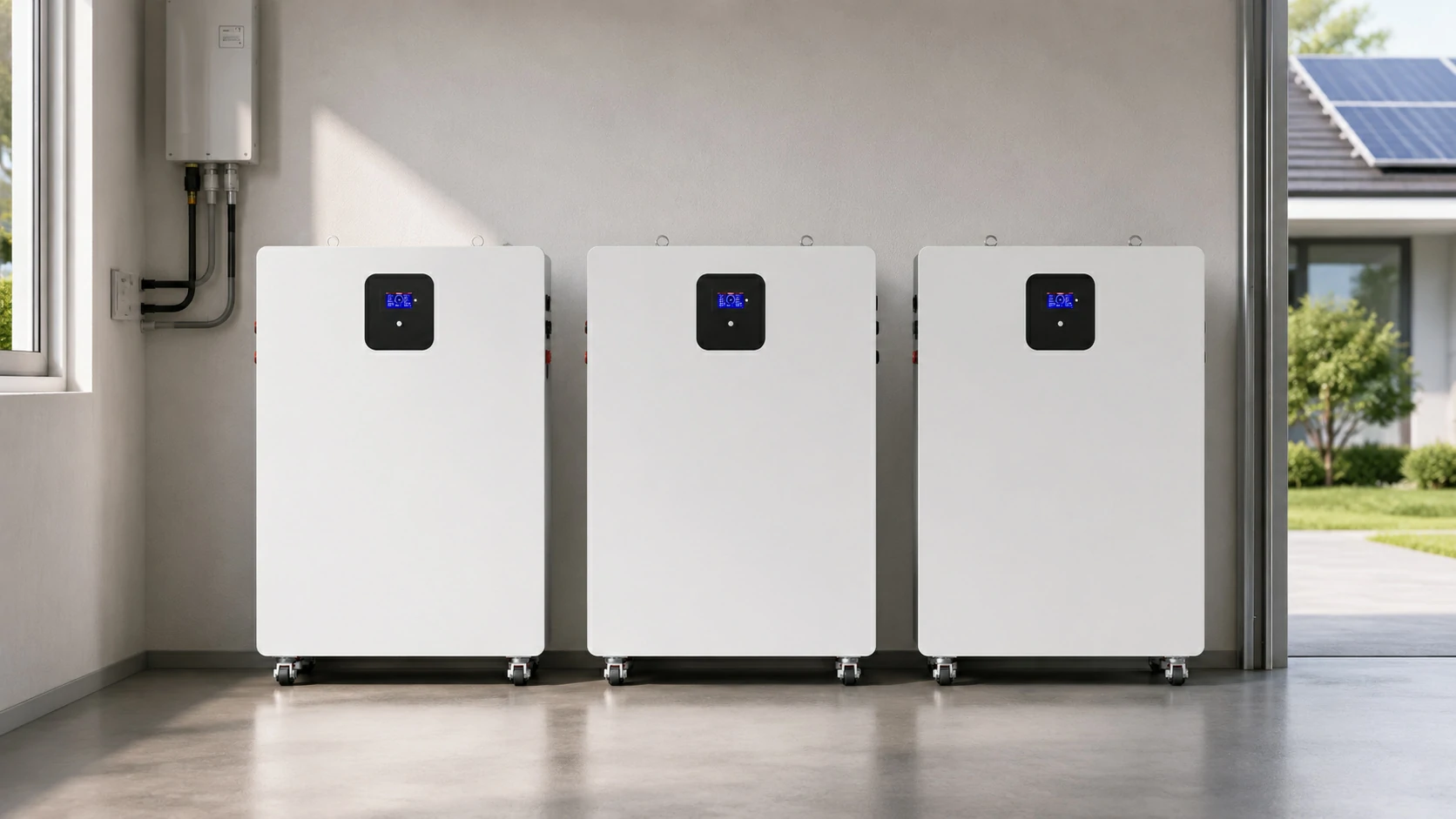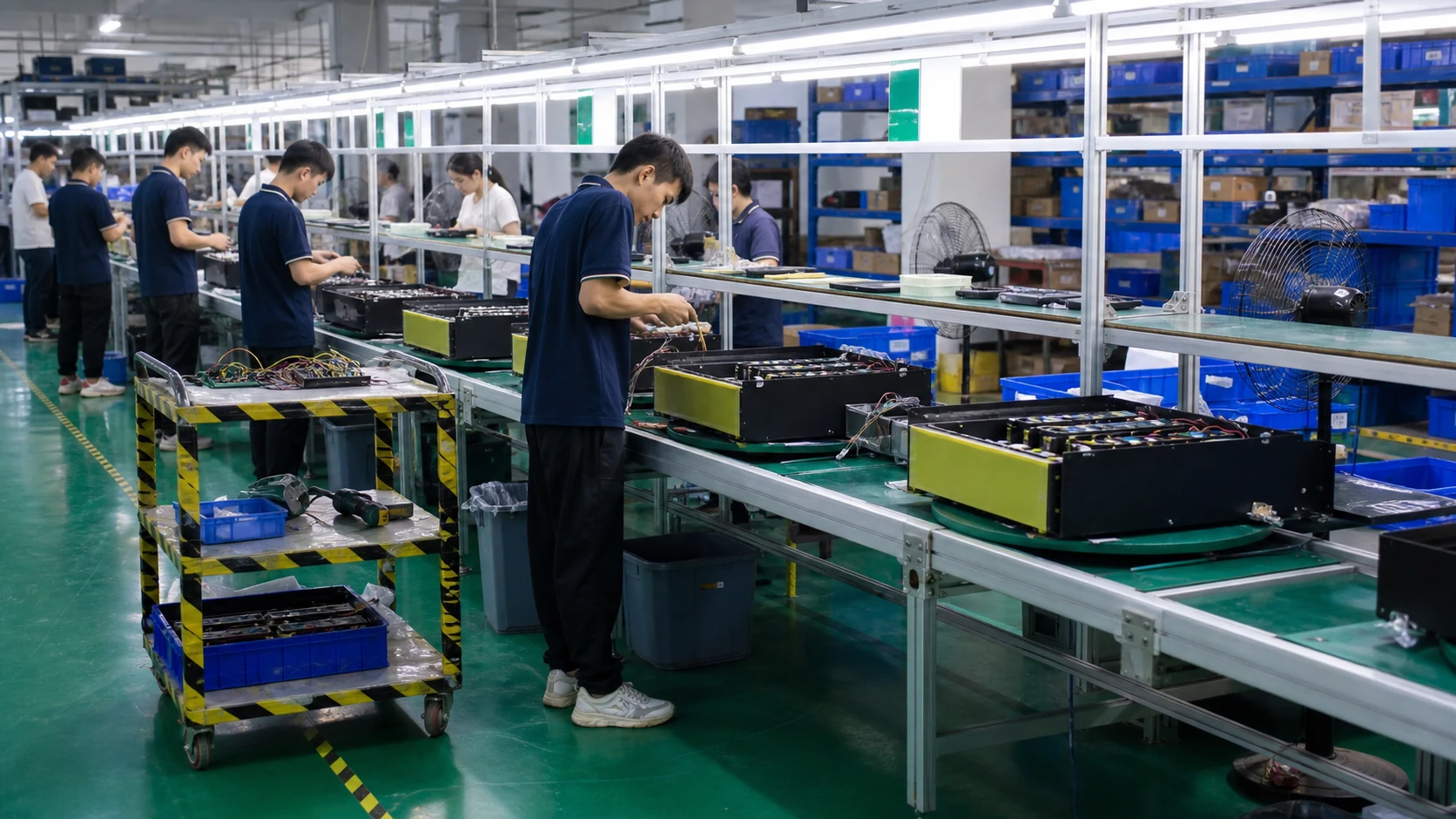

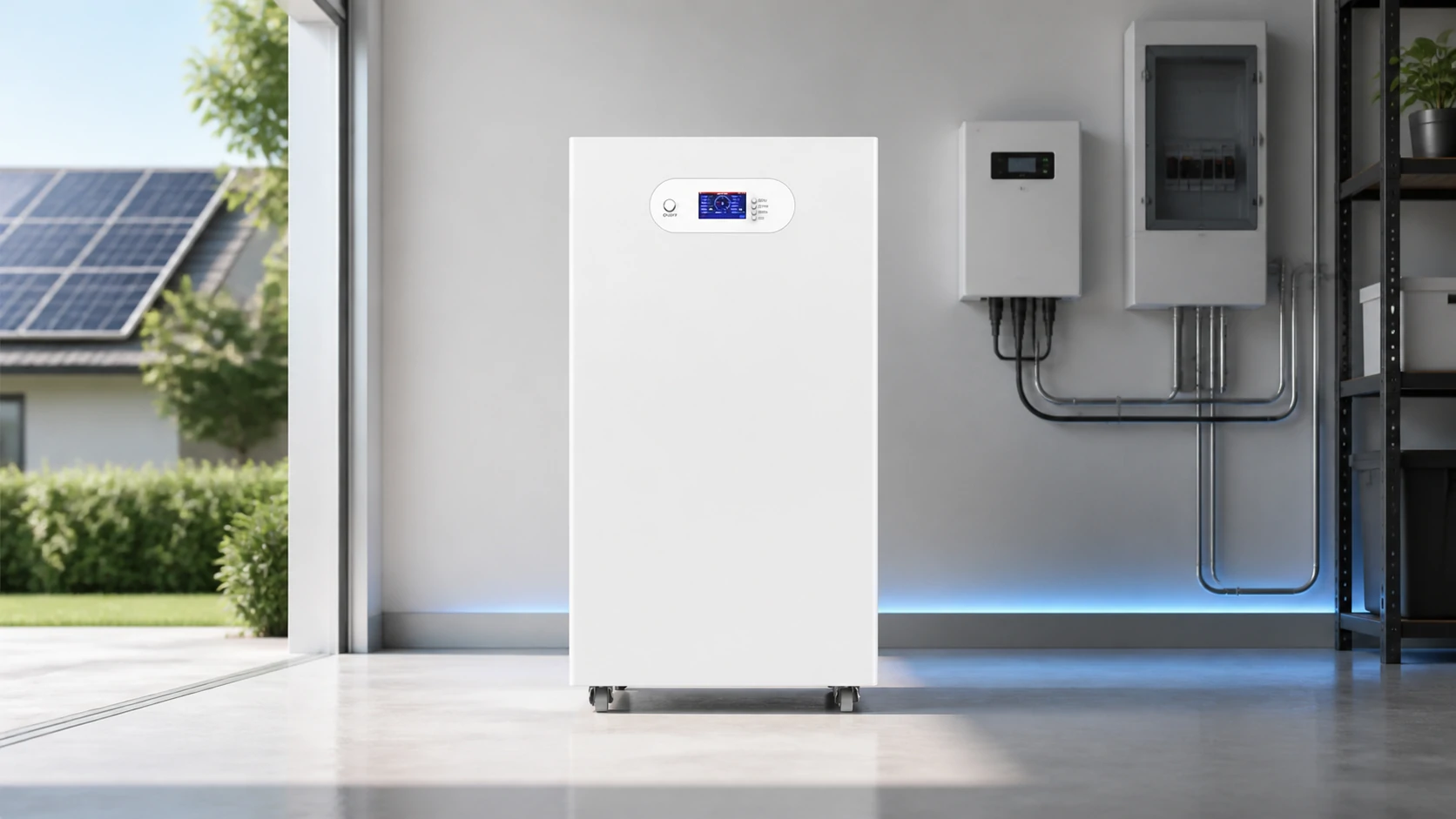
A 13 kWh battery can usually power essential home loads for about 8 to 24 hours, depending on the appliances you use. It is a practical size for overnight solar energy use, backup power, and daily self-consumption, but it may not be enough for long whole-home backup if you want to run air conditioning, electric heating, ovens, dryers, EV charging or large pumps.
For many homes, a 13 kWh battery sits between a basic 10 kWh backup battery and a larger 15 kWh home energy storage system. For installers, distributors and OEM buyers, it is also a useful reference size because many popular residential battery systems fall around the 10–15 kWh range.
What Is a 13 kWh Battery?
A 13 kWh battery is an energy storage battery that can store about 13 kilowatt-hours of electricity. In simple terms, it can theoretically supply 1 kW of power for about 13 hours, or 2 kW of power for about 6.5 hours.
However, the actual usable energy may be slightly lower because of inverter losses, depth of discharge limits, temperature, battery age and system protection settings.
A 13 kWh battery is commonly used for:
- Essential load backup
- Home solar energy storage
- Backup power during outages
- Nighttime electricity use
- Time-of-use energy savings
- Off-grid or hybrid solar systems
13 kWh Battery vs 13 kW: What Is the Difference?
A common mistake is confusing kWh with kW.
kWh means energy capacity. It tells you how much electricity the battery can store.
kW means power output. It tells you how much electricity the battery or inverter can deliver at one moment.
For example, a 13 kWh battery may store enough energy for several hours of backup, but it still needs a compatible inverter and BMS to run high-power loads. A battery with 13 kWh capacity does not automatically mean it can output 13 kW continuously.
If you are researching solar system size instead of battery capacity, Avepower also has a related guide on a 13kW solar system with battery. That topic is different from a 13 kWh battery because one refers to solar power size and the other refers to stored energy capacity.
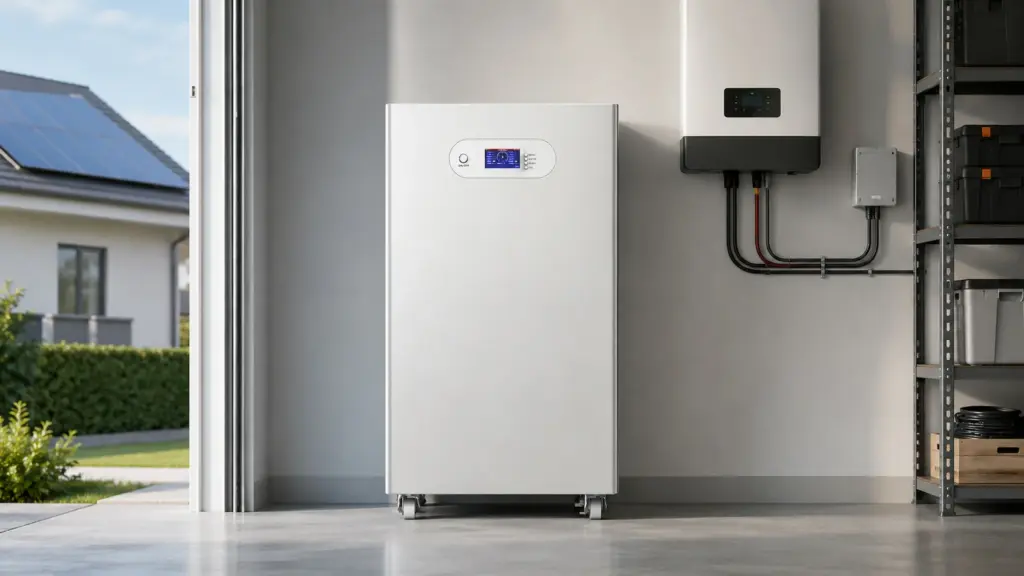
Need a Reliable Solar Battery for Home Storage?
Avepower provides LiFePO4 home energy storage batteries for solar backup, self-consumption and installer-led residential projects. Choose flexible 10kWh, 15kWh and expandable battery options for different home energy needs.
How Long Will a 13 kWh Battery Last?
A simple formula is:
Runtime = usable battery capacity ÷ total load
If a battery has 13 kWh nominal capacity, the usable capacity may be closer to 10.5–12 kWh after considering DoD and inverter efficiency. If a manufacturer lists 13.5 kWh usable capacity, use that usable figure for your calculation.
| Load Scenario | Typical Load | Estimated Runtime |
|---|---|---|
| Essential backup only: fridge, Wi-Fi, lights, phone charging | 0.5 kW | 20–24 hours |
| Basic home evening use | 1.0 kW | 10–12 hours |
| Refrigerator, lights, TV and sockets | 1.5 kW | 7–8 hours |
| More active household load | 2.5 kW | 4–5 hours |
| Heavy appliance use | 5.0 kW | 2–2.5 hours |
These figures are estimates. Real homes are dynamic. Refrigerators, pumps and air conditioners cycle on and off, while kettles, ovens and dryers draw high power for short periods.
Can a 13 kWh Battery Run a Whole House?
A 13 kWh battery can run a whole house for a short time, but it is usually better suited for essential-load backup rather than long whole-home backup.
If your home only runs basic loads such as lights, refrigerator, Wi-Fi, TV, phone charging and selected sockets, a 13 kWh battery may support the home for several hours or even overnight.
However, if you run high-power appliances, the battery will drain much faster. These include:
- Air conditioning
- Electric heating
- Electric oven
- Clothes dryer
- EV charger
- Well pump
- Large water heater
- Multiple appliances at the same time
For example:
| Home Load | Estimated Runtime with 13 kWh Battery |
|---|---|
| 0.5 kW essential loads | 20–24 hours |
| 1 kW basic household load | 10–13 hours |
| 2 kW active household load | 5–6 hours |
| 5 kW heavy load | 2–3 hours |
So, the answer depends on your load profile. A 13 kWh battery may run a whole house briefly, but for longer backup, larger homes, HVAC use or off-grid operation, you may need 15 kWh, 20 kWh, 30 kWh or more of battery storage.
Is a 13 kWh Battery Good for Solar Storage?
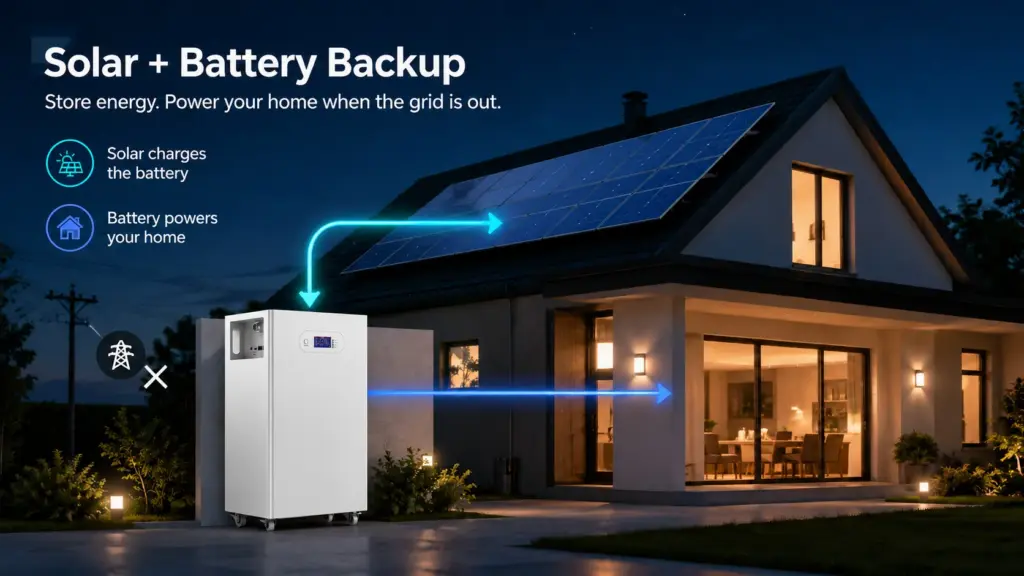
Yes, a 13 kWh battery is a good size for solar storage in many homes. It can store excess solar energy produced during the day and release it at night, during peak electricity rates, or when the grid goes down.
A 13 kWh solar battery is especially useful if you want to:
- Use more of your own solar power
- Reduce evening grid electricity use
- Store daytime solar energy for night use
- Keep essential appliances running during outages
- Improve energy independence
- Support a hybrid or off-grid solar system
For many households, 13 kWh is enough to cover evening and overnight essential loads, such as lights, refrigerator, Wi-Fi, TV, phone charging and selected sockets. However, if your home has high energy demand, EV charging, electric heating, air conditioning or long outage needs, you may need a larger battery bank.
13 kWh vs 10 kWh vs 15 kWh Battery
A 13 kWh battery is not always the perfect size. In real projects, installers often compare 10 kWh, 13 kWh and 15 kWh systems.
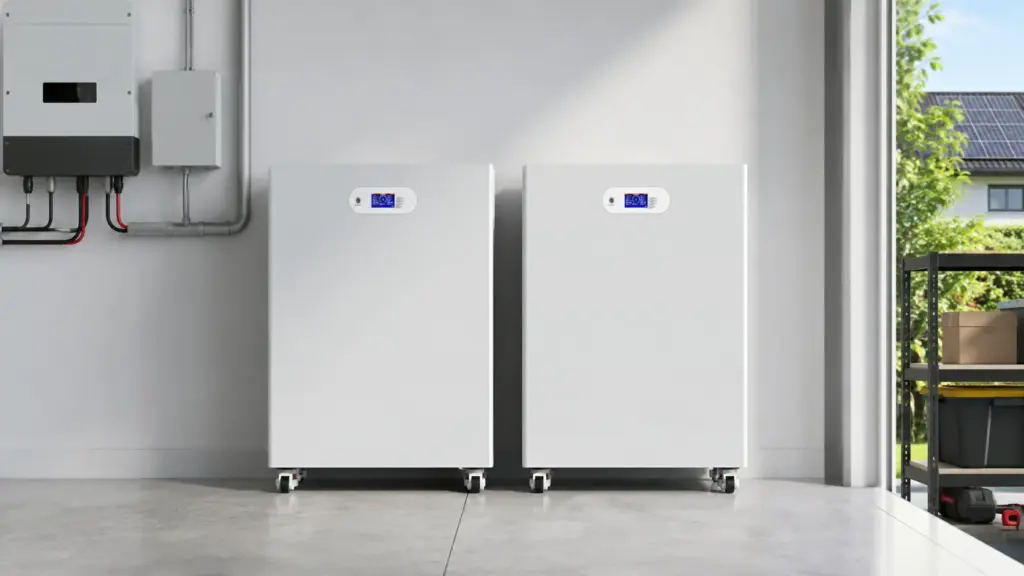
A 10 kWh battery is often suitable for basic backup and evening solar use. Avepower’s 48V 200Ah 10kWh wall mounted LiFePO4 battery is designed for residential backup loads, wall-mounted installation, Bluetooth/Wi-Fi monitoring and CAN/RS485/RS232 communication.
A 13 kWh battery gives more overnight coverage and is close to the capacity of many mainstream home battery products.
A 15 kWh battery gives a stronger margin for larger homes, longer backup time and higher evening consumption. Avepower’s 15kWh vertical LiFePO4 home energy storage battery provides 15kWh nominal energy, 48V class design, 200A maximum discharge current, Bluetooth/Wi-Fi monitoring and parallel expansion support.
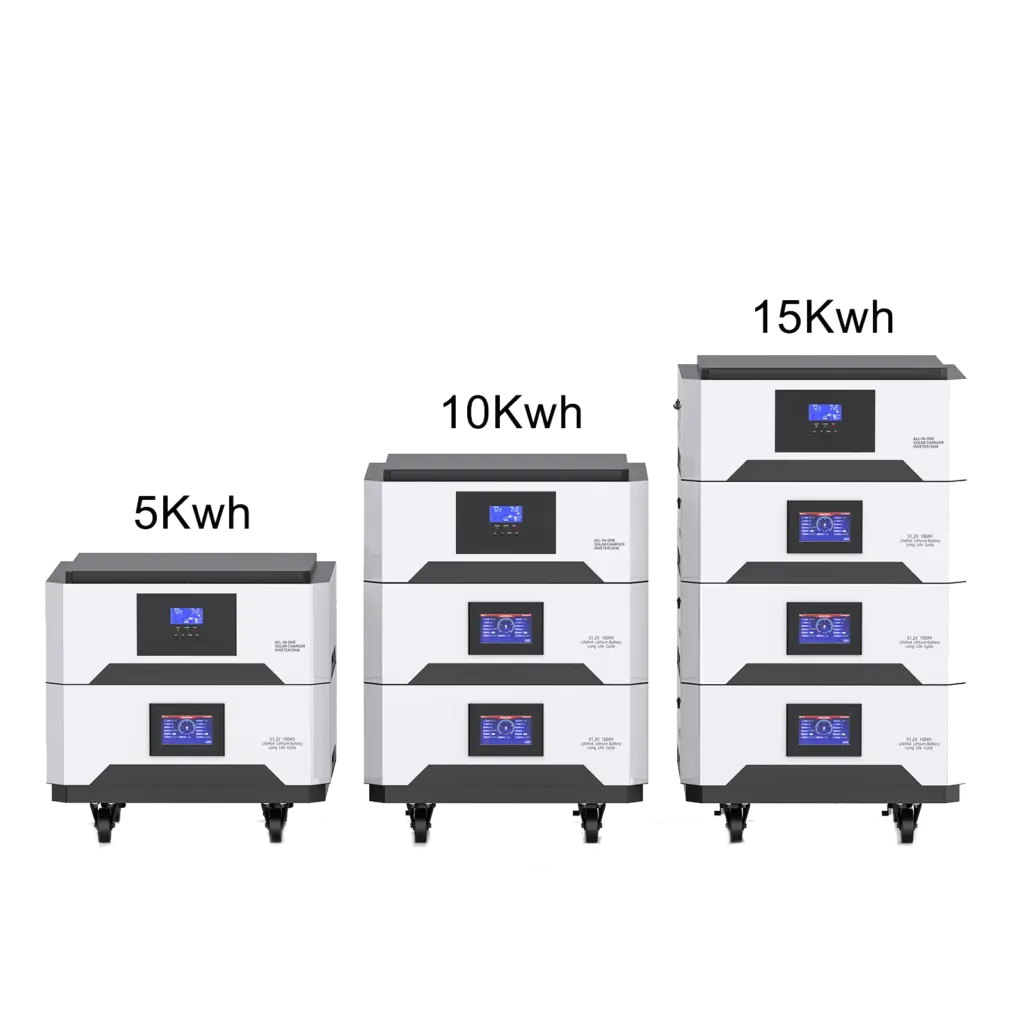
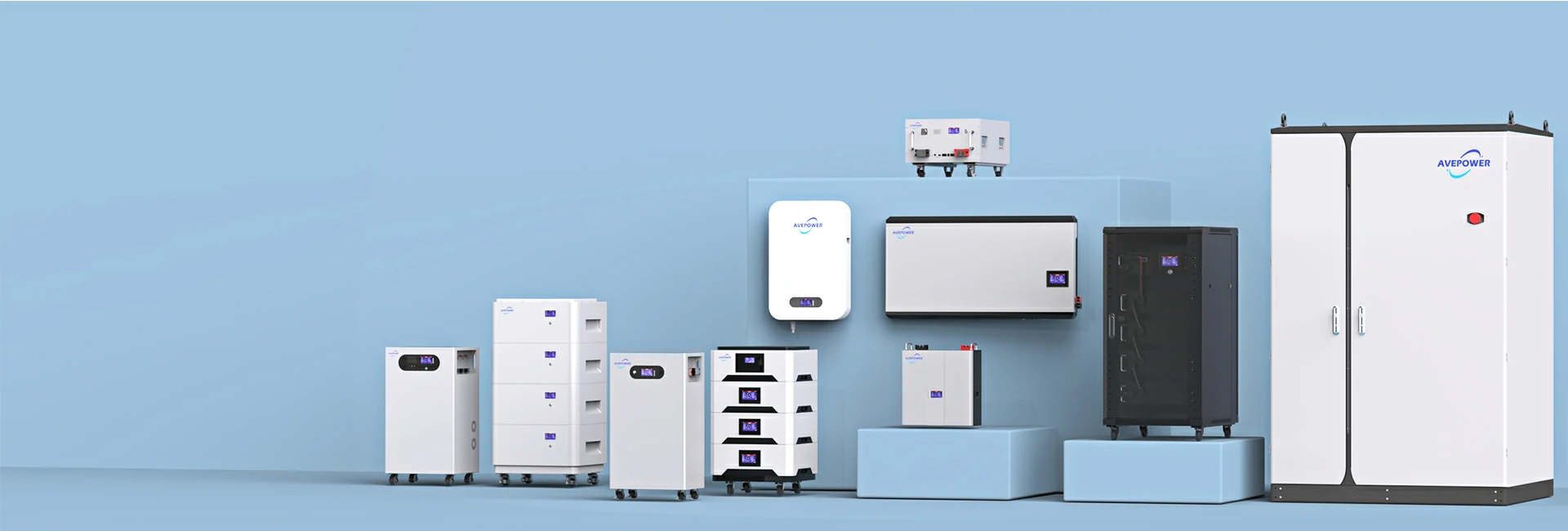
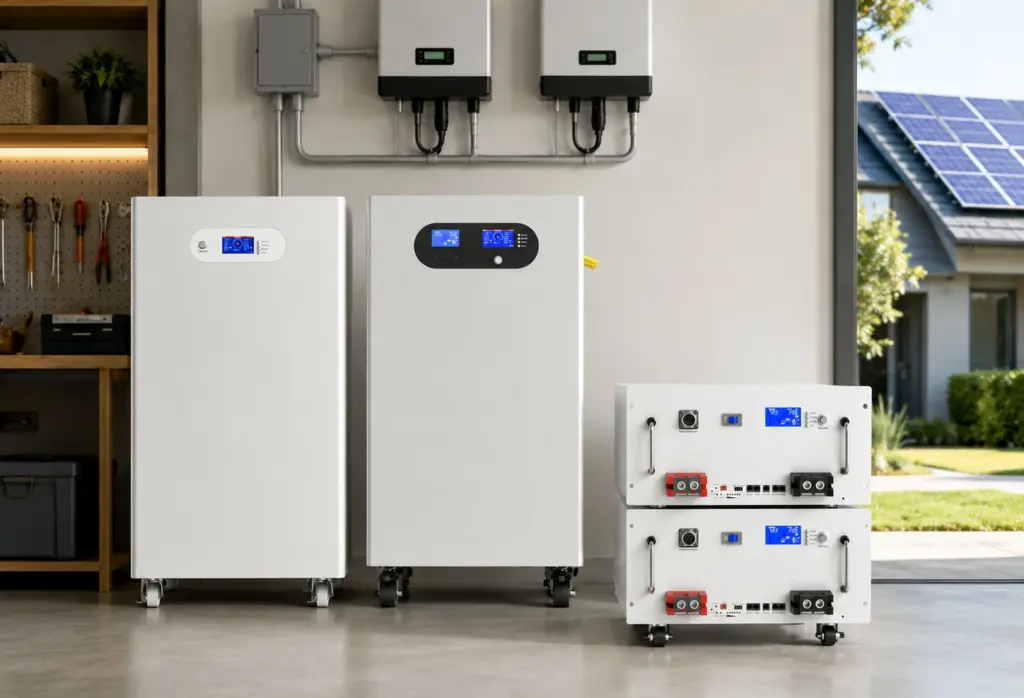
For flexible project design, Avepower also offers 5kWh, 10kWh and 15kWh stackable solar batteries, allowing installers to configure capacity by stacking modules.
Not Sure Which Battery Size Fits Your Project?
Avepower supports installers, distributors and OEM/ODM partners with LiFePO4 battery solutions, inverter communication support, flexible capacity configuration and project-based customization.
How Much Does a 13 kWh Battery Cost?
A 13 kWh battery typically costs about $9,000 to $18,000 installed, depending on the brand, inverter type, backup hardware, labor, electrical work, and local incentives. In many residential solar markets, the installed cost is often calculated by price per kWh rather than battery capacity alone.
As a rough guide:
| Cost Item | Typical Range |
|---|---|
| Battery unit only | $6,000–$12,000 |
| Installed battery system | $9,000–$18,000 |
| Premium whole-home backup setup | $15,000–$20,000+ |
The final price can increase if the project needs a backup gateway, critical-load panel, main panel upgrade, longer cable runs, permits, or additional commissioning work. For installers, distributors, and OEM buyers, it is better to compare not only the battery price, but also cycle life, warranty, BMS quality, inverter compatibility, communication protocols, certifications, and after-sales support.
Why LiFePO4 Is Common in Home Batteries
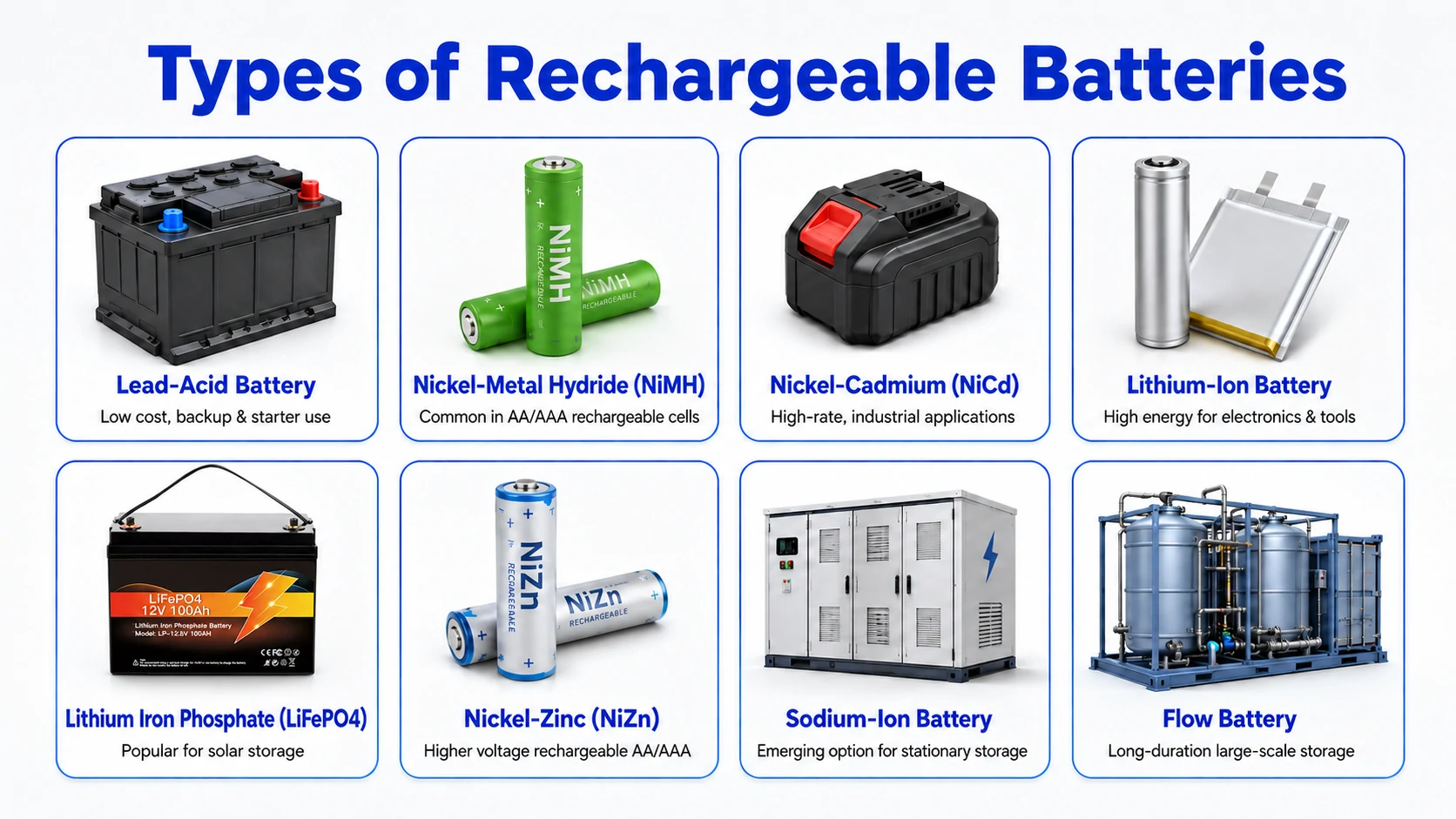
Most modern home battery systems use lithium-ion technology, and LiFePO4, also called LFP, is especially common in residential and stationary storage.
LiFePO4 batteries are widely used because they offer:
- Strong thermal stability
- Long cycle life
- High usable capacity
- Low maintenance
- Good suitability for daily charge and discharge
- Better safety profile than many older lithium chemistries
Avepower focuses on LiFePO4-based home energy storage solutions for residential solar storage, backup power and installer-led energy projects.
Safety Standards Matter
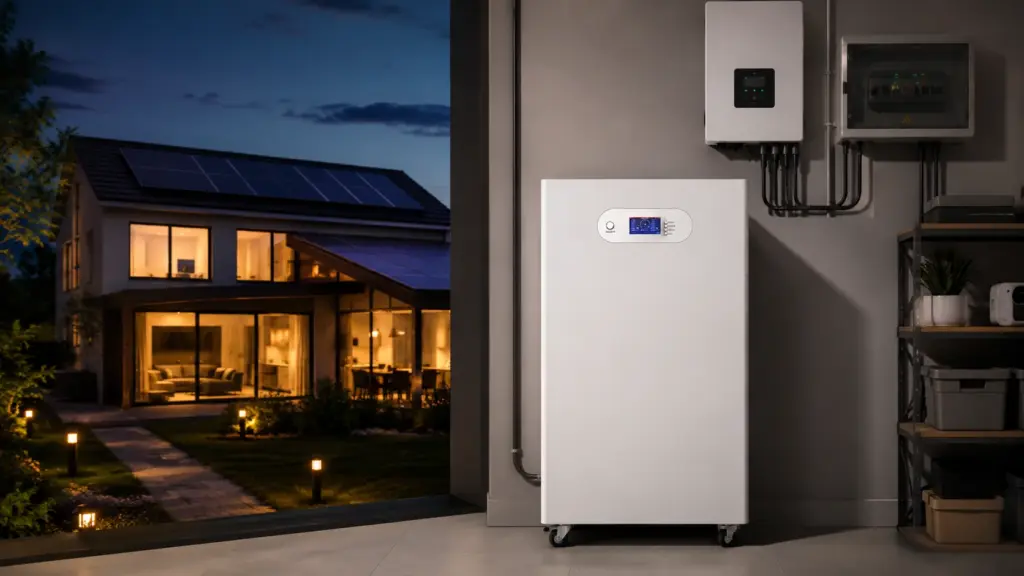
A 13 kWh battery should be installed by qualified professionals according to local electrical and fire codes. Important installation topics include cable sizing, breaker selection, disconnects, grounding, battery placement, ventilation, emergency shutdown and inverter communication.
For North America, NFPA 855 is an important standard for stationary energy storage system installation. UL also explains that UL 9540 covers safety for energy storage systems and equipment.
For international markets, distributors and installers should request product certificates, test reports, datasheets, installation manuals and inverter compatibility documents before bulk purchase.
How to Choose the Right 13 kWh Battery System
Choosing the right 13 kWh battery system is not just about capacity. You should check your backup needs, usable energy, inverter compatibility, safety features and future expansion plan step by step.
Step 1: Define Your Backup Goal
First, decide what you want the battery to do.
If you only need to power essential loads such as lights, Wi-Fi, refrigerator, phone charging, TV and selected sockets, a 13 kWh battery may be enough for overnight backup or short outages.
If you want to run air conditioning, electric heating, EV charging, ovens, dryers or well pumps, you may need a larger battery bank or a higher-output inverter.
Step 2: Calculate Your Essential Loads
List the appliances you want to run and estimate their power consumption.
For example:
| Appliance | Approx. Power Use |
|---|---|
| Refrigerator | 100–300W while running |
| Wi-Fi router | 10–30W |
| LED lights | 50–200W total |
| TV | 80–200W |
| Laptop / phone charging | 50–150W |
| Small kitchen appliance | 500–1,500W |
Then estimate runtime:
Runtime = usable battery capacity ÷ total load
This helps you understand whether a 13 kWh battery can meet your real backup needs.
Step 3: Check Usable Capacity, Not Only Nominal Capacity
Some batteries are advertised by nominal capacity, while the actual usable energy may be lower.
For example, a 13 kWh nominal battery may not deliver the full 13 kWh after depth of discharge limits, inverter losses and battery protection settings. Always ask the supplier whether the listed capacity is nominal capacity or usable capacity.
Step 4: Compare Output Power and Surge Capability
A battery may store 13 kWh of energy, but it also needs enough power output to run your appliances.
Check:
- Continuous discharge power
- Peak or surge power
- Maximum discharge current
- Inverter output rating
- Whether the system can start motors, pumps or HVAC loads
This step is especially important if the system will support whole-home backup.
Step 5: Confirm Inverter Compatibility
For solar storage systems, inverter compatibility is critical.
Before purchase, confirm:
- Inverter brand and model
- Battery communication protocol
- CAN / RS485 / RS232 support
- Voltage range
- Charge and discharge settings
- Approved compatibility list if available
For installers and distributors, this step can reduce commissioning problems and after-sales issues.
Step 6: Choose Safe Battery Chemistry
For home energy storage, LiFePO4 battery systems are commonly preferred because they offer stable performance, long cycle life, low maintenance and strong safety characteristics.
Also check whether the battery includes:
- Smart BMS protection
- Overcharge protection
- Over-discharge protection
- Over-current protection
- Short-circuit protection
- Temperature monitoring
Step 7: Check Certifications and Warranty
A reliable 13 kWh battery system should come with clear technical documents and safety certifications.
Check for:
- Datasheet
- User manual
- Warranty terms
- Cycle life data
- CE / UL / RoHS / UN38.3 or other market-required certifications
- Installation and maintenance guidance
Do not choose a battery only by price if documentation and support are weak.
Step 8: Consider Expansion Options
Your energy demand may increase later, especially if you add solar panels, EV charging, heat pumps or more backup loads.
Choose a battery system that supports modular expansion or parallel connection if future growth is likely. In many real projects, a flexible 10–15 kWh LiFePO4 battery system may be more practical than a fixed 13 kWh battery.
Step 9: Evaluate Supplier Support
For homeowners, installer support matters. For installers, distributors and OEM buyers, supplier support is even more important.
Check whether the supplier can provide:
- Inverter matching support
- Technical documents
- Installation guidance
- After-sales support
- OEM/ODM customization
- Stable bulk supply
- Packaging and shipping support
Step 10: Match the Battery to the Real Project
Finally, choose the battery based on the complete project conditions, not just the headline capacity.
A good 13 kWh battery system should match your load profile, inverter, installation site, safety requirements, local market standards and future expansion plan.
When Should You Choose a Larger Battery?
Choose more than 13 kWh if the home has:
- High evening electricity use
- Frequent long outages
- Electric heating
- Central air conditioning
- EV charging
- Well pumps
- Off-grid operation
- Large villas or light commercial loads
In these cases, a 15 kWh, 20 kWh, 30 kWh or modular battery bank may be more suitable. Avepower’s guide on how long a 15kWh battery will last can help compare runtime for a larger capacity system.
Build a Flexible Home Battery Solution with Avepower
Need a reliable home energy storage battery for residential solar projects, installer programs, wholesale distribution or OEM/ODM supply? Avepower provides LiFePO4 wall-mounted, stackable and vertical battery solutions with flexible 10kWh, 15kWh and expandable configurations. Contact Avepower to discuss inverter compatibility, project capacity, certification needs and customized battery solutions for your market.
Take Control of Your Energy with Avepower!
Reliable home solar battery solutions with OEM/ODM customization and in-house manufacturing, tailored to the needs of distributors, installers, and energy partners.
Conclusion
A 13 kWh battery is a practical size for solar self-consumption, essential backup and evening energy use. It can keep important loads running for many hours, but it should not be treated as unlimited whole-home backup.
The best choice depends on your load profile, inverter, solar system size, safety requirements, expansion needs and local installation rules. For many homes, a 10–15 kWh LiFePO4 battery system offers a better balance of cost, backup time and flexibility than choosing by capacity alone.
FAQ
It can be enough for essential loads and overnight solar use, but it may not be enough for full-home backup with HVAC, electric heating, EV charging or multiple heavy appliances.
A refrigerator may use around 1–2 kWh per day depending on size, age and ambient temperature. A 13 kWh battery can usually run a refrigerator for several days if it is the main load, but real runtime depends on other appliances running at the same time.
It can run some air conditioners if the inverter supports the starting surge and continuous load. However, air conditioning can drain a 13 kWh battery quickly, especially in hot climates.
It depends on sunlight hours, panel wattage, system losses and household daytime consumption. A 5 kW solar array may recharge a 13 kWh battery on a good sunny day, but winter, shading and high daytime loads can reduce available charging energy.
No. A 13.5 kWh battery stores slightly more energy than a 13 kWh battery. The difference is small, but you should always check whether the listed number is nominal capacity or usable capacity.
Some systems support expansion, while others are limited by inverter compatibility, battery model, firmware or installation rules. Modular LiFePO4 systems can make future expansion easier.