
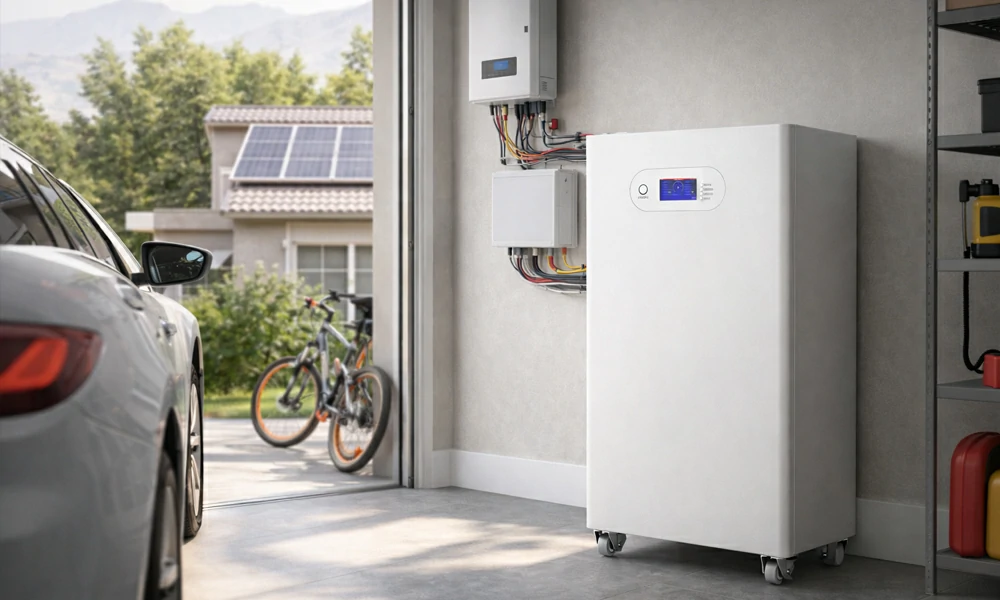
South Africa’s energy landscape has changed dramatically over the past few years. Frequent load shedding, rising electricity prices, and a growing demand for energy independence have pushed homeowners and businesses to invest in solar energy systems. While solar panels generate electricity during the day, solar batteries make that energy reliable by storing it for later use.
Solar Battery Market Overview in South Africa
South Africa has become one of the fastest-growing residential energy storage markets in Africa. The growth is driven primarily by:
- Persistent load shedding
- Rising grid electricity tariffs
- Increased adoption of rooftop solar systems
- Improved battery technology affordability
According to the International Renewable Energy Agency (IRENA), global lithium battery costs have fallen by more than 85% since 2010, making home battery storage significantly more accessible. As a result, solar batteries are no longer considered luxury backup systems. They are now viewed as essential energy infrastructure for many households.
Solar Battery Prices in South Africa (2026)
The price of solar batteries varies depending on capacity, chemistry, brand, and installation requirements.
Battery-Only Prices (Excluding Installation)
In 2026, typical lithium-ion home battery prices in South Africa fall within the following ranges:
| Battery Capacity | Estimated Price (ZAR) | Typical Use Case |
|---|---|---|
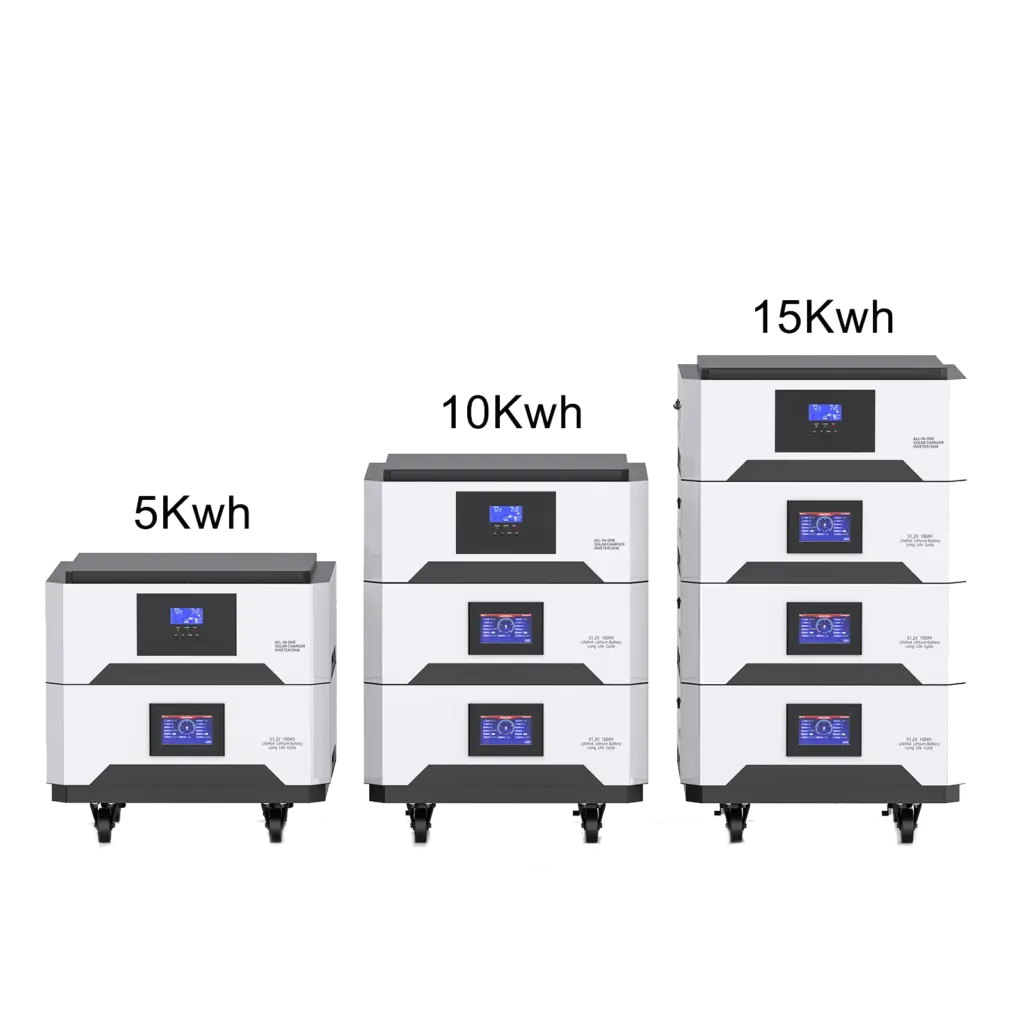
| 5 kWh | R35,000 – R55,000 | Small apartments, essential loads |
| 10 kWh | R65,000 – R110,000 | Medium homes |
| 15 kWh | R100,000 – R160,000 | Larger households |
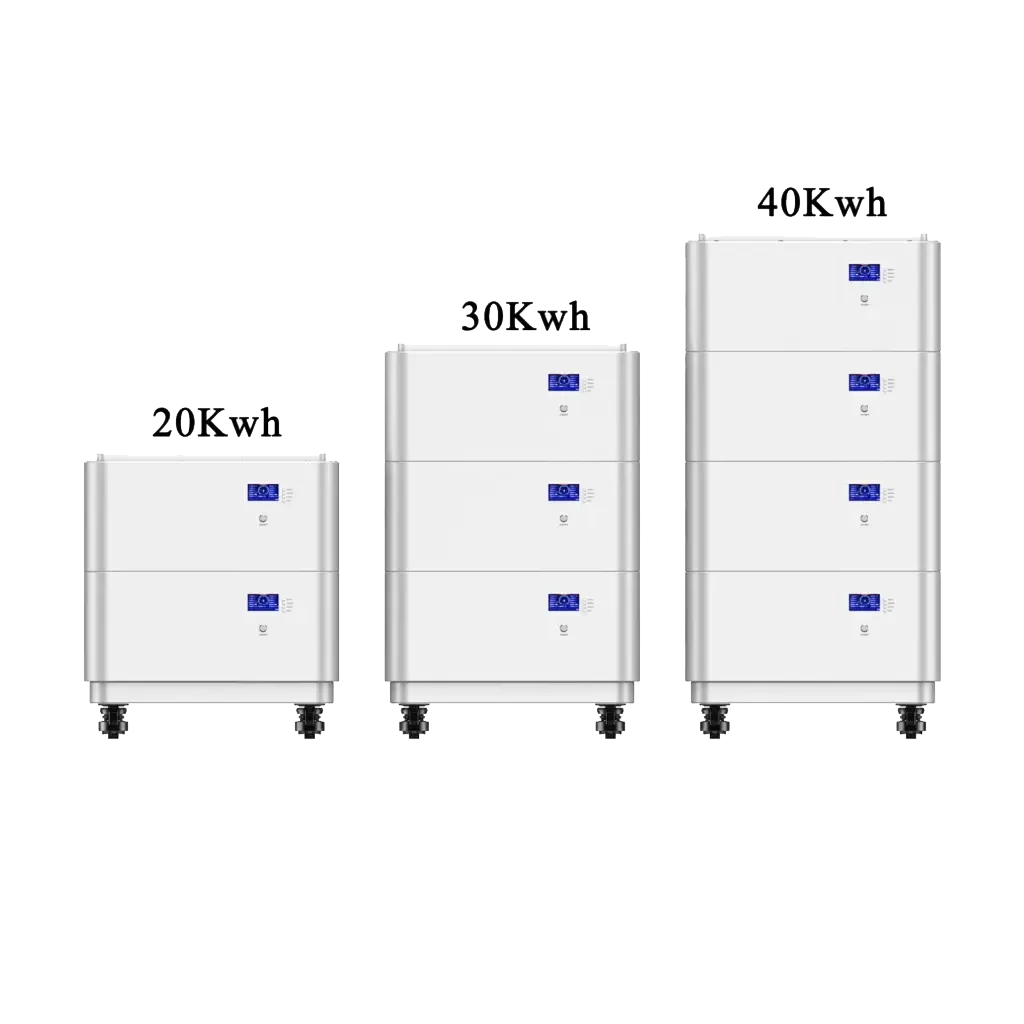
| 20 kWh+ | R150,000 – R250,000+ | High-consumption homes |
Fully Installed System (Battery + Inverter + Installation)
Installed systems typically cost 20–40% more than battery-only prices. A complete home solar battery system (battery + inverter + installation) usually costs: R70,000 – R400,000+. When including inverter, installation, wiring, protection devices, and compliance certificates:
| System Size | Estimated Total Cost (ZAR) |
|---|---|
| 5 kWh system | R70,000 – R120,000 |
| 10 kWh system | R120,000 – R200,000 |
| 15 kWh system | R180,000 – R300,000 |
| 20 kWh+ system | R250,000 – R400,000+ |
Prices vary depending on location (Johannesburg, Cape Town, Durban), installer expertise, mounting requirements, and electrical upgrades.
What Influences Solar Battery Prices in South Africa?
Understanding the cost structure increases transparency and helps homeowners make informed decisions.
1. Battery Chemistry
The type of battery technology plays a major role in pricing and long-term value.
Most residential systems use:
- Lithium Iron Phosphate (LiFePO4) – Long lifespan, excellent safety, and ideal for daily cycling during load shedding.
- Lithium Nickel Manganese Cobalt (NMC) – Higher energy density but slightly shorter lifespan.
- Lead-Acid (AGM/Gel) – Lower upfront cost but significantly shorter lifespan and lower usable capacity.
Although lithium batteries cost more initially, they typically deliver a lower lifetime cost due to:
- 6,000–8,000+ cycle life
- 80–100% usable capacity
- Higher round-trip efficiency (up to 95–98%)
- Minimal maintenance requirements
For most South African households facing frequent load shedding, LiFePO4 batteries offer the best balance between durability and long-term savings.
2. Battery Capacity (kWh)
Battery size directly impacts price. Larger batteries require a higher upfront investment, but the cost per kWh often decreases as capacity increases. While larger systems cost more overall, they can power more appliances for longer periods and provide better value per unit of stored energy.
3. Depth of Discharge (DoD)
Depth of Discharge determines how much of the battery’s capacity you can actually use.
- A 10 kWh battery with 90% DoD provides 9 kWh usable energy
- A 10 kWh battery with 70% DoD provides only 7 kWh usable energy
Higher DoD increases usable energy without increasing nominal capacity, improving overall value.
4. Inverter Compatibility
Your inverter choice significantly affects total system cost.
Hybrid inverters increase the initial investment but offer greater flexibility, including:
- Solar charging integration
- Grid charging during off-peak hours (time-of-use savings)
- Seamless backup during load shedding
- Smart energy management features
If resilience and energy independence are priorities, a hybrid inverter system often justifies the additional cost.
5. Installation Complexity
Installation requirements can also influence the final price.
Costs may increase if:
- DB board upgrades are required
- Long cable runs are necessary
- Additional solar panels are installed
- Compliance certificates (CoC) are needed
- Structural modifications are required
Every home is different, so a site assessment is essential for accurate pricing.
Electricity Savings and ROI
Electricity cost savings determine whether a battery system makes financial sense. Eskom residential electricity prices continue to rise, and many households now pay approximately R3.80–R4.75 per kWh.
A 10 kWh battery used daily can offset roughly 3,600 kWh per year.
Annual savings estimate:
3,600 kWh × R4.20 = R15,120 per year
Research from the Council for Scientific and Industrial Research (CSIR) in South Africa indicates that solar-plus-storage systems can reduce grid electricity consumption by 40–70%, depending on usage patterns. If the battery portion of the system costs R123,500, the payback period is approximately 8–10 years, depending on electricity price increases.
Battery ROI improves significantly during load-shedding periods because homeowners avoid generator fuel costs.
Cost of Charging a Solar Battery
Charging a battery using solar energy is essentially free after installation.
Charging from the grid depends on electricity rates.
For example:
- Charging a 10 kWh battery may cost R25–R40 depending on tariffs.
- Solar charging eliminates this cost.
Over time, solar charging significantly improves ROI.
Is a Solar Battery Worth It in South Africa?
For many households, the answer is yes.
Solar batteries provide three major benefits:
- Backup power during outages
- Reduced electricity bills
- Greater energy independence
In regions with frequent power interruptions, the value of reliability alone can justify the investment.
Avepower Solar Battery Solutions
As the solar battery market grows in South Africa, many installers and distributors look for reliable manufacturing partners.
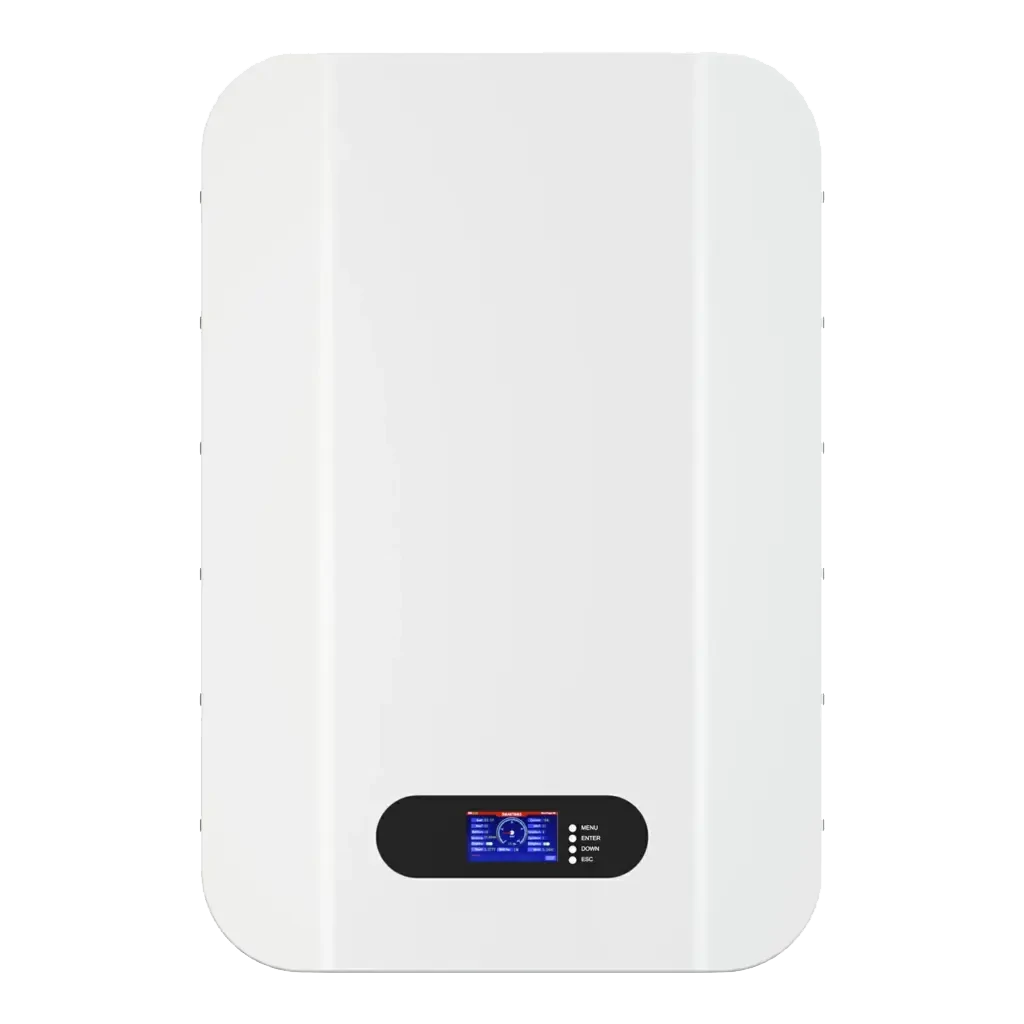
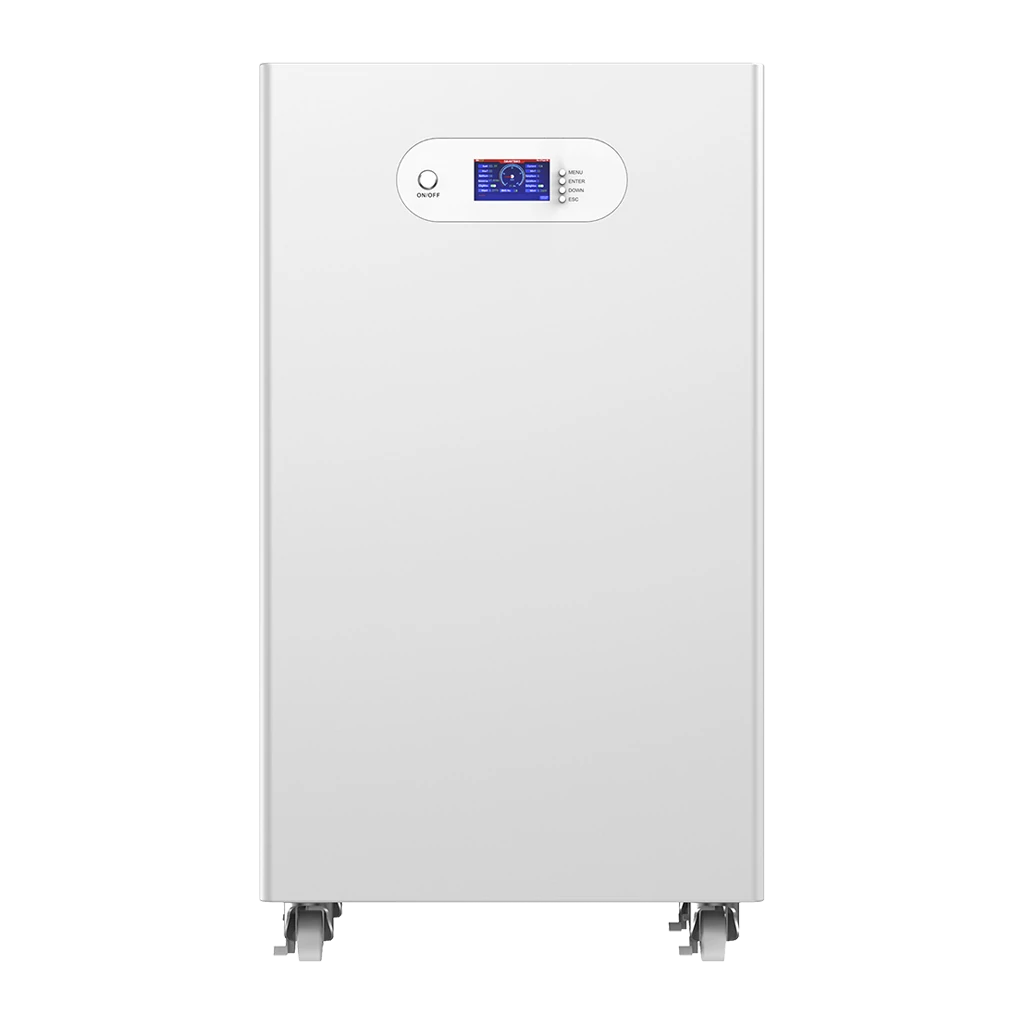
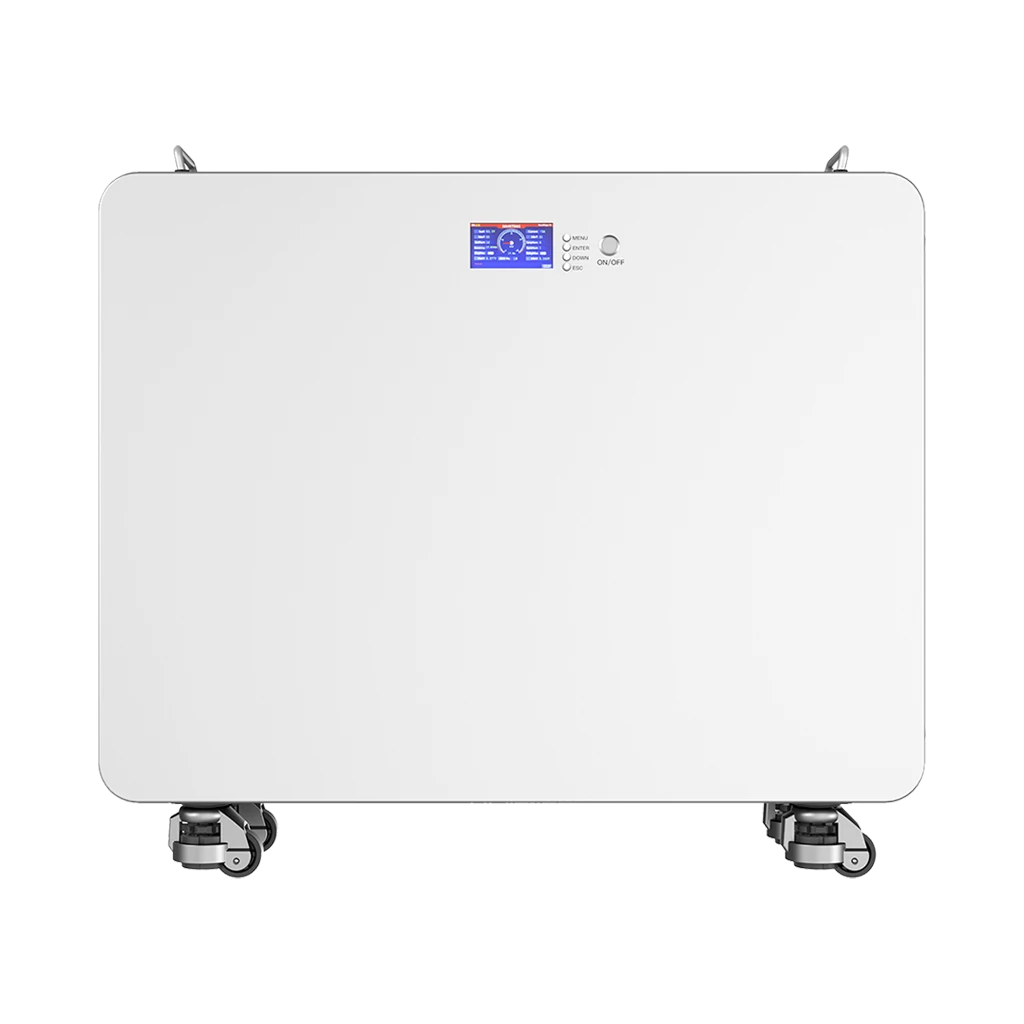
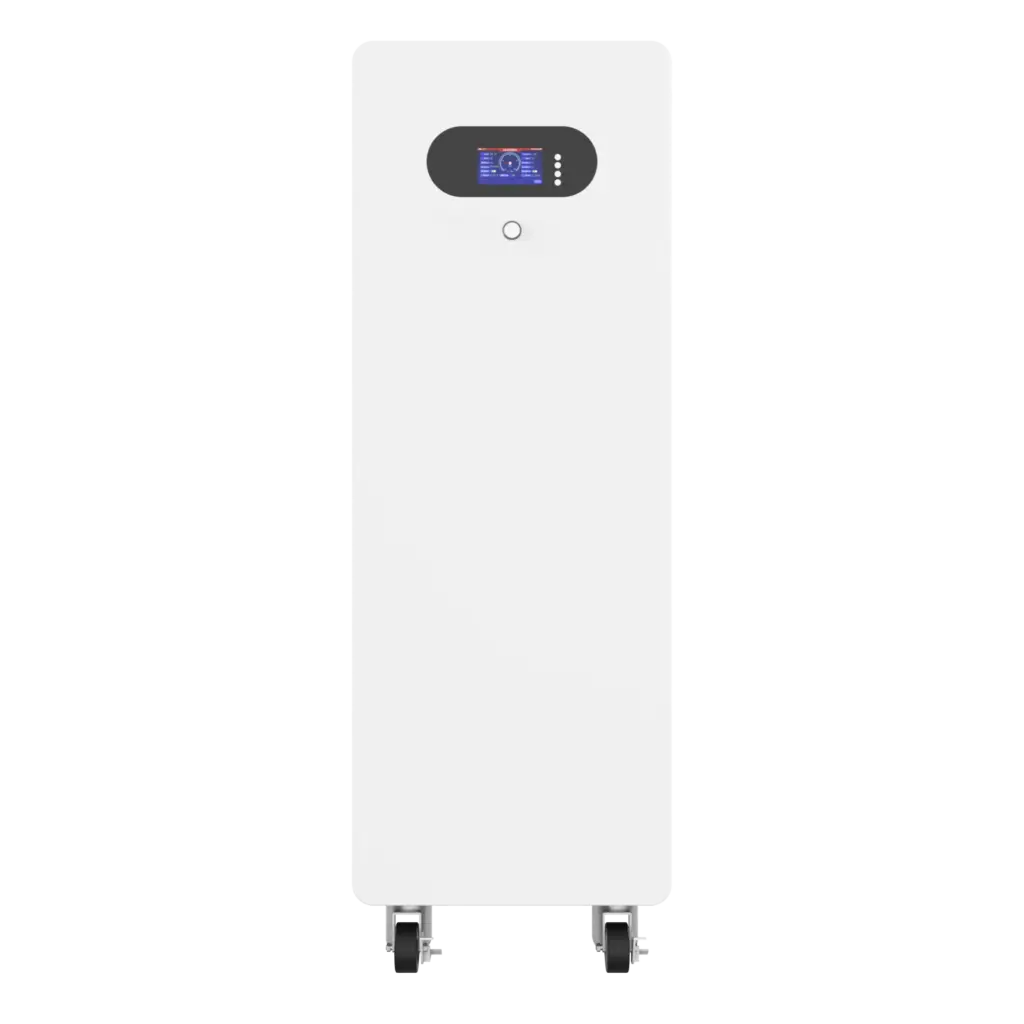
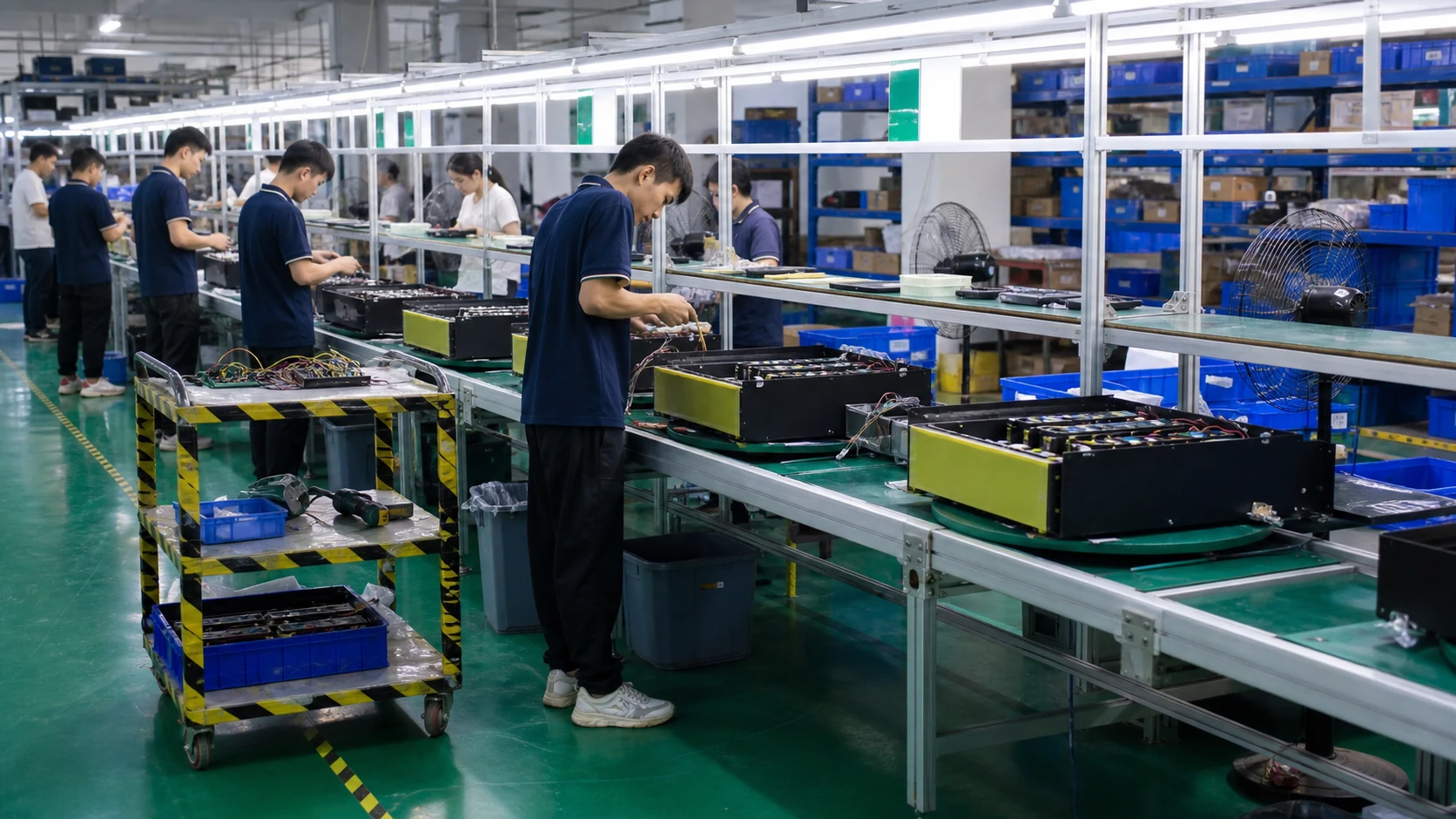
Avepower is a lithium battery manufacturer with over a decade of experience in energy storage design and production. Avepower focuses on high-safety solar batteries for residential applications.
Avepower products are known for:
- Advanced BMS protection
- Modular stackable battery design
- 8,000+ cycle life
- OEM/ODM customization support
- Compatibility with major inverter brands
Avepower operates a 20,000-square-meter manufacturing facility and maintains a strong R&D team dedicated to battery innovation. Avepower batteries meet international standards such as CE, UL, RoHS, ISO9001, and UN38.3, which ensures safety and reliability for global markets, including Africa.
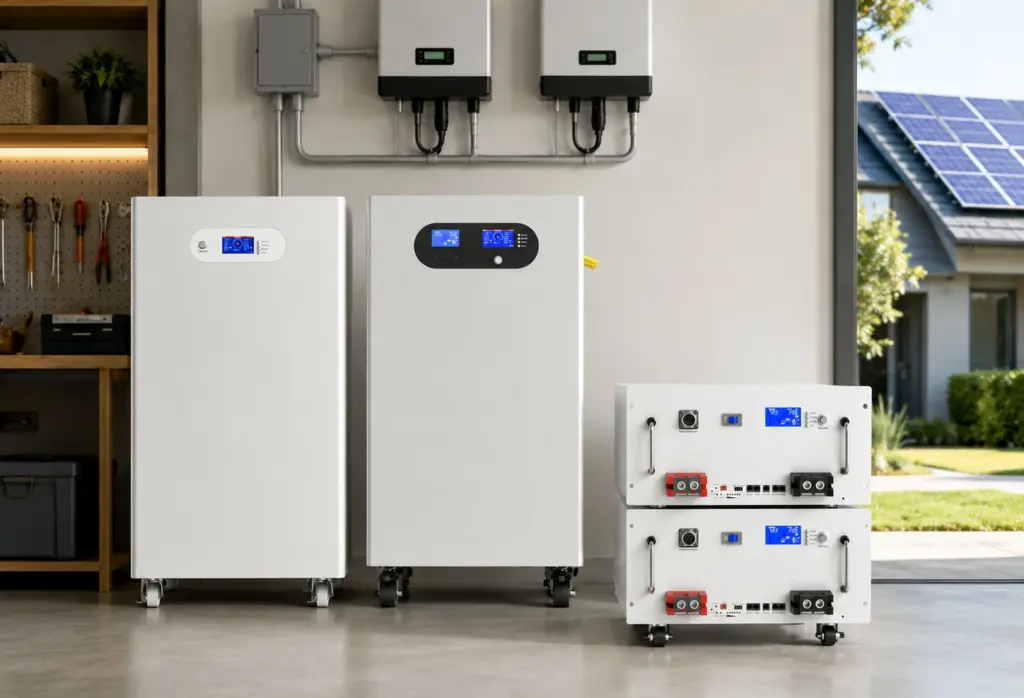
Take Control of Your Energy with Avepower!
Reliable home solar battery solutions with OEM/ODM customization and in-house manufacturing, tailored to the needs of distributors, installers, and energy partners.
FAQ
Prices range from R35,000 for a small 5kWh system to over R250,000 for larger 20kWh+ systems. Fully installed systems, including inverters and installation, typically cost between R70,000 and R400,000 depending on size and complexity.
Backup duration depends on your household consumption. A 10kWh lithium battery can power essential loads (~1.5kW average) for around 6 hours, while smaller 5kWh systems may provide 3–4 hours.
Battery capacity, chemistry (lithium vs lead-acid), brand, certifications, hybrid inverter integration, and installation complexity all influence costs. Import fees and exchange rate fluctuations also impact prices.
Avepower batteries offer LiFePO4 chemistry, 80–100% usable capacity, integrated BMS, long cycle life (8,000+ cycles), and compliance with IEC, CE, and UN38.3 standards. Homeowners report stable backup, lower bills, and flexible installation options.