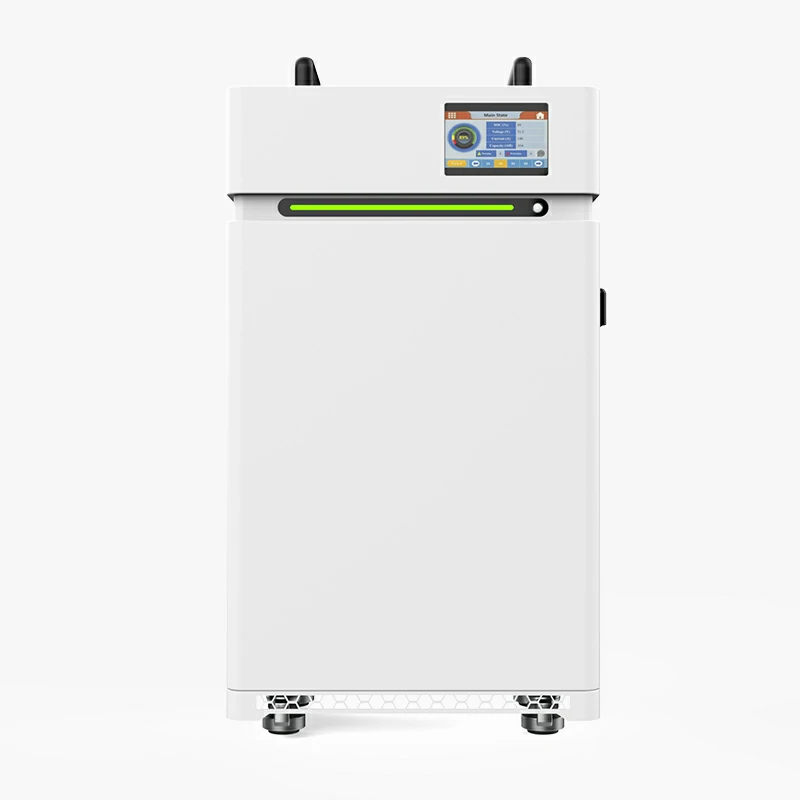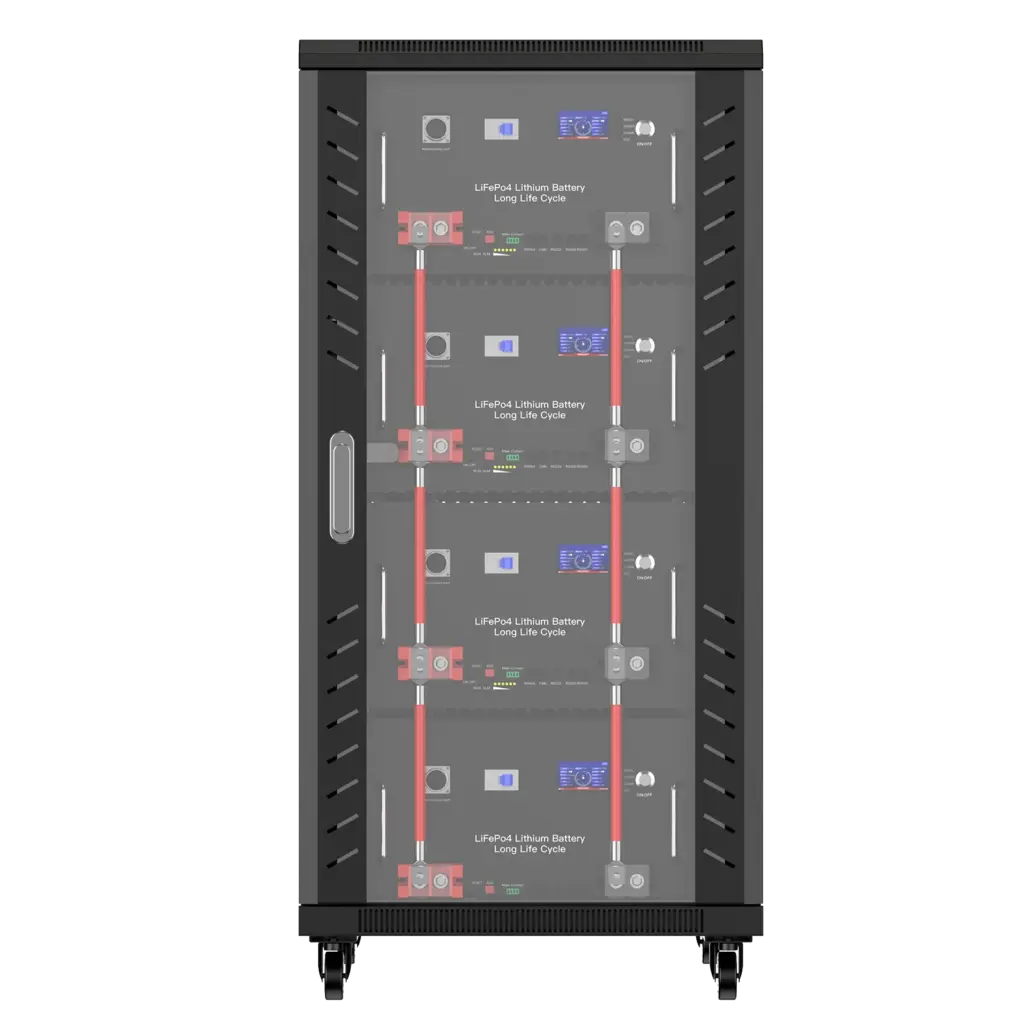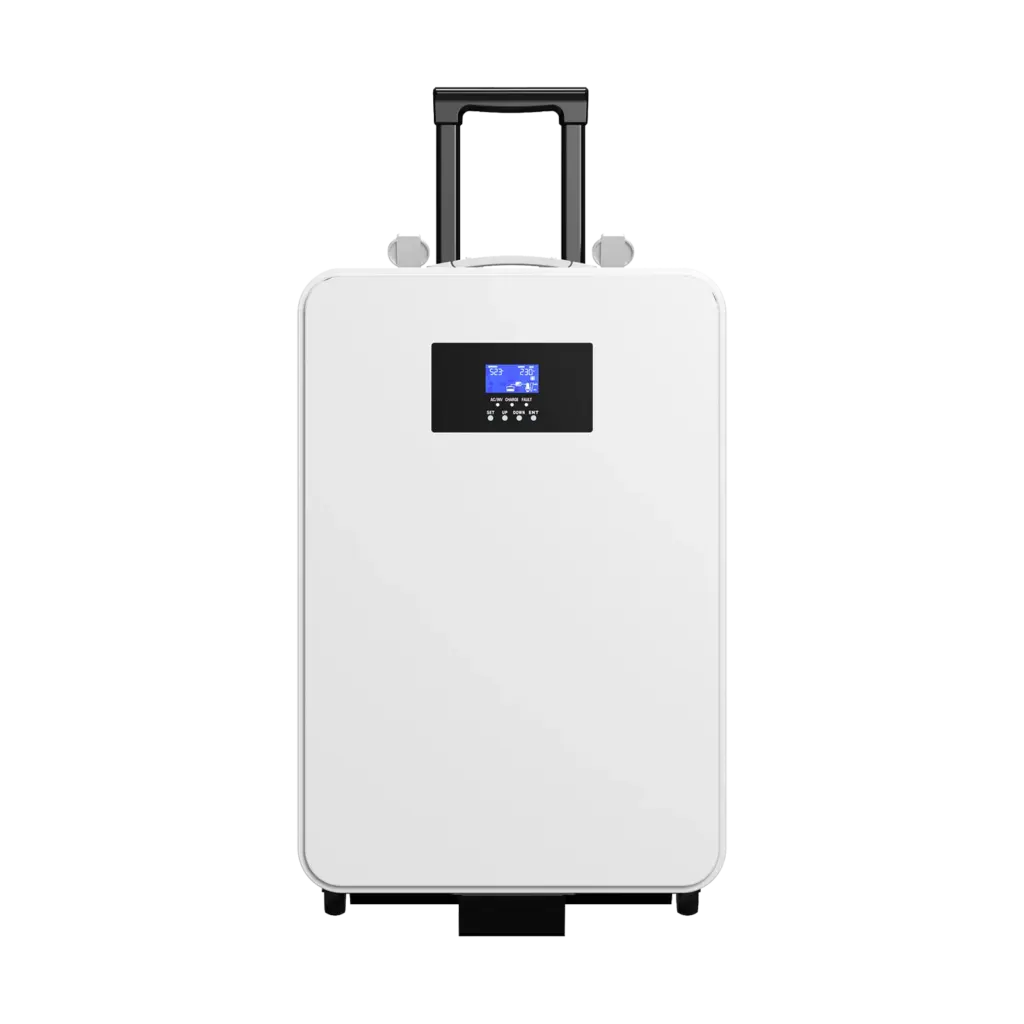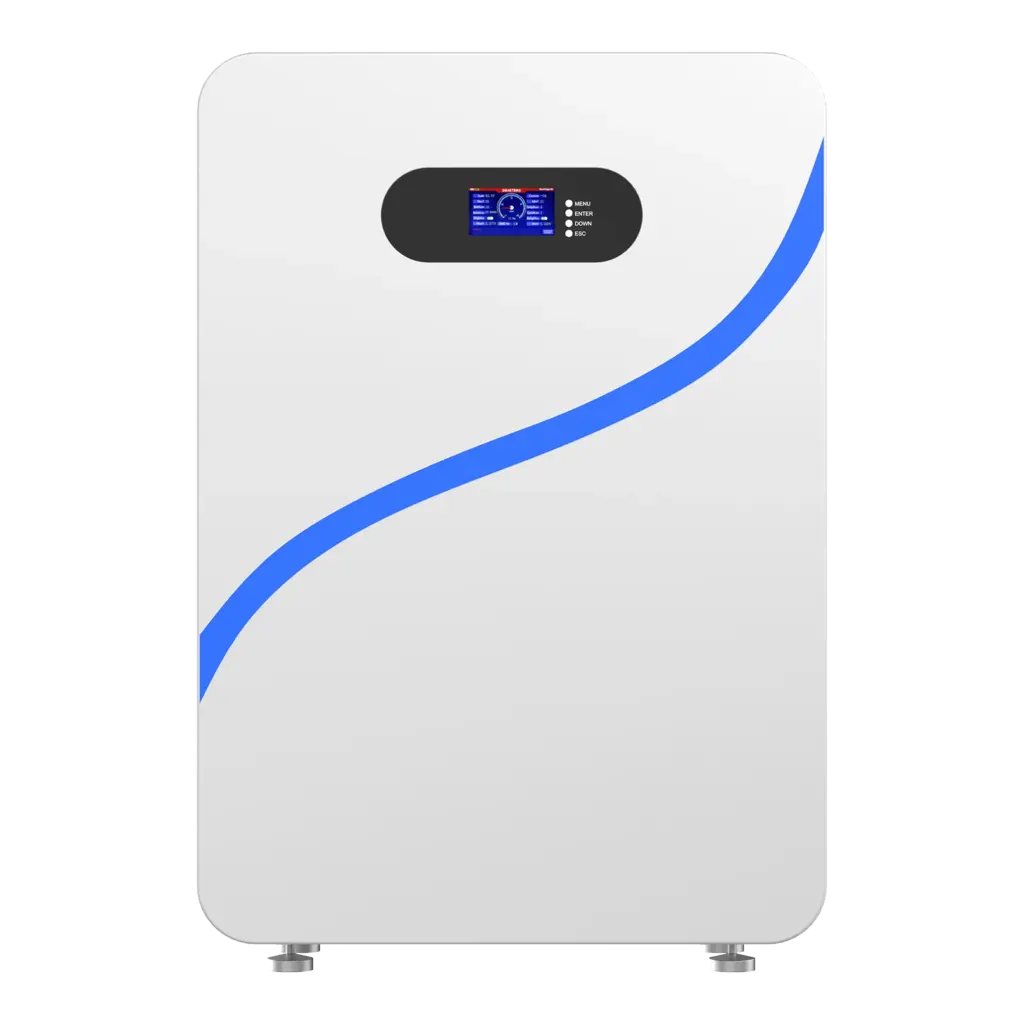

For anyone who spends time on the water, a reliable power source is a necessity, not a luxury. Whether you’re running a trolling motor, keeping your electronics powered, or simply keeping the lights on, your battery is the heart of your boat’s electrical system. Among the available options, 12V marine batteries have emerged as a leading choice for serious boaters. This guide will explain what these batteries are, why they are preferred, how to maintain them, and how to choose the right one for your needs.
What is a 12V Marine Battery?
A 12V marine battery is a power storage device designed specifically for marine environments. Boats require a steady and reliable energy source to power lights, navigation systems, bilge pumps, radios, and sometimes even onboard appliances. Unlike car batteries, which provide short bursts of high current to start engines, marine batteries are designed to provide a steady flow of energy over a long period.
Marine batteries use stronger internal construction and more vibration-resistant designs than automotive batteries, so using a car battery on a boat is not recommended because it may leak, suffer plate damage, and won’t tolerate wave shock for long.
In addition, marine batteries are often built to handle both starting and house loads, while automotive batteries are optimized only for short, high-current cranking.
There are two main types of marine batteries: starter batteries and deep cycle batteries. Starter batteries deliver high current for short periods to start engines, while deep cycle batteries are engineered to discharge energy slowly and consistently. Deep cycle batteries are ideal for boats that rely on electrical systems for extended periods, such as sailboats, RV-style boats, and yachts.
A third option you’ll see is a “dual-purpose” marine battery, which is a compromise between cranking and deep cycle; it can start the engine and still power accessories, but it won’t cycle as many times as a true deep-cycle battery.
What is a Deep-Cycle Battery?
Unlike a starter battery, which provides a short, powerful burst of energy to start an engine, a deep-cycle battery is designed to provide a steady flow of power over a long period. A deep cycle battery can be discharged to a greater degree without damaging its lifespan. Standard lead-acid batteries can only handle 50% discharge before their performance degrades. In contrast, deep cycle batteries, especially lithium iron phosphate (LiFePO4) types, can safely discharge up to 90% of their capacity.
One of the easiest ways to tell if a marine battery is deep cycle is to look at how it’s built: deep-cycle batteries use thicker, heavier plates so they can survive repeated deep discharges, while high-rate or starting batteries use thinner plates to deliver fast cranking bursts.
Deep-cycle batteries are also usually labelled as “deep cycle,” “DC,” or “house” on the casing; if it only says “starting,” it’s not designed for regular deep discharges.
However, deep-cycle batteries are not meant to sit for long periods at a low state of charge; doing so causes sulphation on the plates and shortens their cycle life, so they should be recharged promptly after use.
How a 12V Marine Lithium Battery Works
A 12V lithium battery consists of multiple lithium cells connected in series. Each cell stores chemical energy that converts to electrical energy when in use. These batteries typically use Lithium Iron Phosphate (LiFePO4) chemistry, which is stable, safe, and long-lasting.
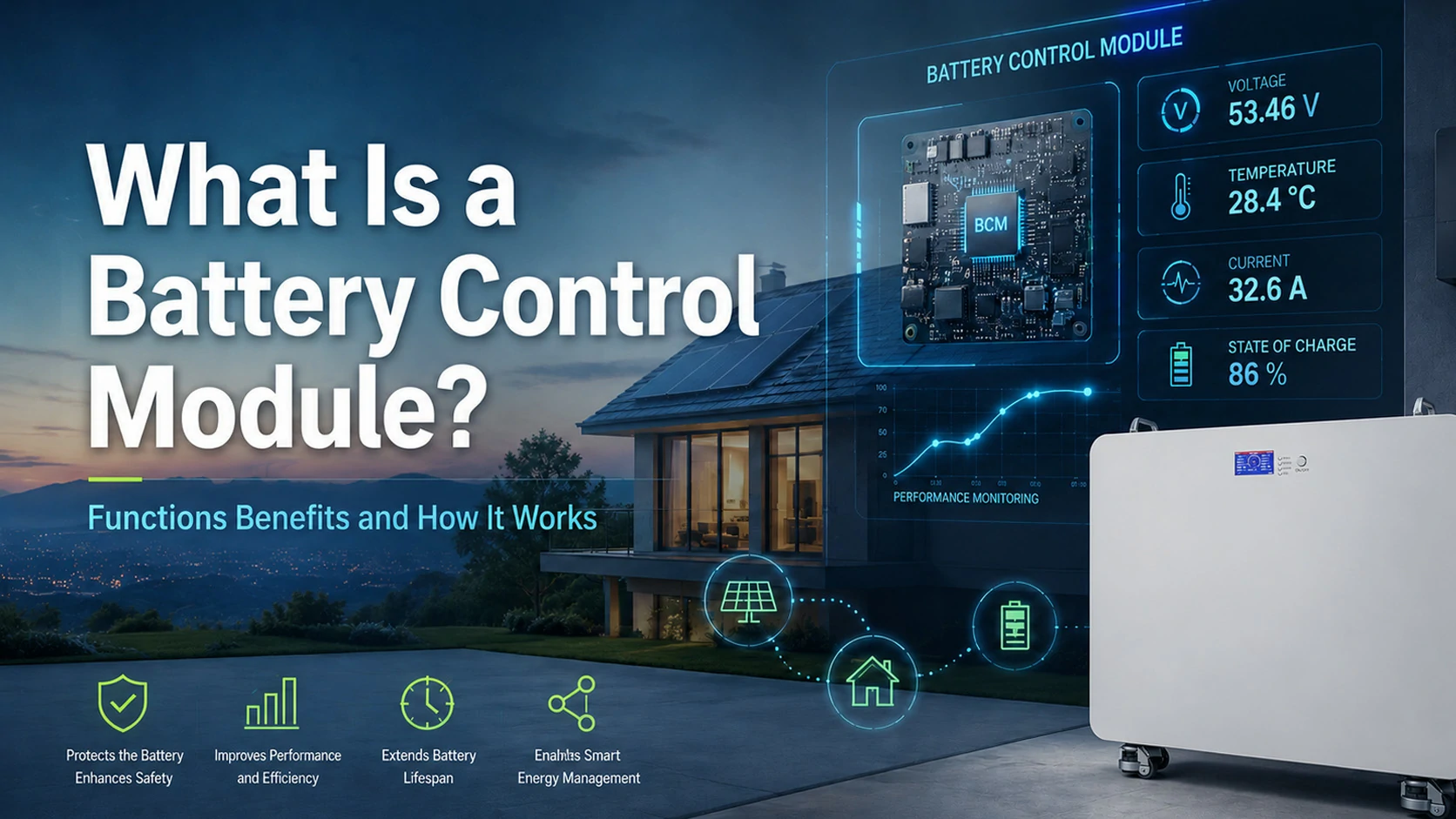
A battery management system (BMS) is included in most lithium batteries. The BMS monitors voltage, temperature, and current, ensuring safe operation and preventing overcharging, overheating, or short-circuiting. This technology protects both the battery and your boat’s electrical system.
A quality BMS is especially important on boats that also charge from an alternator, because alternators designed only to protect themselves may not provide an ideal multi-stage charge profile for deep-cycle or lithium batteries.
Key Advantages of 12V Marine Batteries
Boaters who make the switch to lithium often notice a huge difference. Here are some of the main reasons why:
Lighter Weight
This is one of the most significant benefits. A lithium battery of the same capacity as a lead-acid one can weigh 50% less or even more. This weight reduction can improve a boat’s performance, fuel efficiency, and overall handling. It’s a noticeable change, especially on smaller boats where every pound matters.
Longer Lifespan
When you talk about how long a battery lasts, you need to think about its cycle life. A cycle is one full use of the battery, from being full to being empty and then being recharged again.
A typical lead-acid deep-cycle battery can handle around 300 to 500 charge cycles before it starts to lose its ability to hold a charge. A quality lithium battery, on the other hand, can handle 4,000 to 5,000 charge cycles or more.
What does this mean for you? It means a single lithium battery can last you for 10 years or even longer. You might need to buy a new lead-acid battery every two to three years. Over time, you will spend less money by buying one lithium battery instead of many lead-acid ones.
Deep-cycle marine batteries that are kept fully charged, stored in a cool dry place, and not overloaded will always outlast batteries that are left discharged in a hot or freezing environment—heat and deep discharge are two of the biggest battery killers.
Consistent Power
When a lead-acid battery runs low on power, you will notice a drop in voltage, which can make your electronics run slower. A lithium battery, however, holds its voltage almost perfectly steady, even when it is nearly empty. This means your trolling motor and other devices will keep working at full power until the battery is completely out of juice.
Faster Charging
Lithium batteries can be charged much faster than lead-acid batteries. While a lead-acid battery might take a full day to charge, a lithium battery can be topped off in just a few hours. This is especially helpful if you need to quickly get back on the water after a short break.
That said, charging a deep-cycle battery with a basic “car-style” charger or with an alternator that only protects itself (not the battery) can cause excess heat and won’t fully recharge the battery, which shortens its life. A proper marine or deep-cycle charger with the right charge profile is always the better option.
Little to No Maintenance
Lead-acid batteries need to be checked and filled with distilled water to keep them working properly. Lithium batteries are sealed and require no maintenance at all. They also do not produce harmful gases, so you can install them in more places on your boat without worrying about ventilation.
Better Usable Capacity
A lead-acid battery should only be discharged to about 50% of its capacity to avoid damage and extend its life. This means that a 100Ah lead-acid battery only provides about 50Ah of usable power. A lithium battery, on the other hand, can be safely discharged to 80% or even 100% of its capacity. A 100Ah lithium battery gives you close to 100Ah of usable power.
Applications for 12V Marine Lithium Batteries
Lithium batteries are great for any boat, but they are especially useful for certain applications:
Trolling Motors
This is perhaps the most popular use. The consistent voltage of a lithium battery means your trolling motor will run at full power until the very end of the charge, giving you more time on the water without a drop in performance. The lighter weight also helps the boat sit higher in the water and improves handling.
For 12V trolling motors specifically, high-quality LiFePO4 batteries are the current best choice because they are lighter, safer, and provide longer runtime; if budget is tight, a good AGM deep-cycle from a reputable brand is still acceptable.
Fishing Electronics
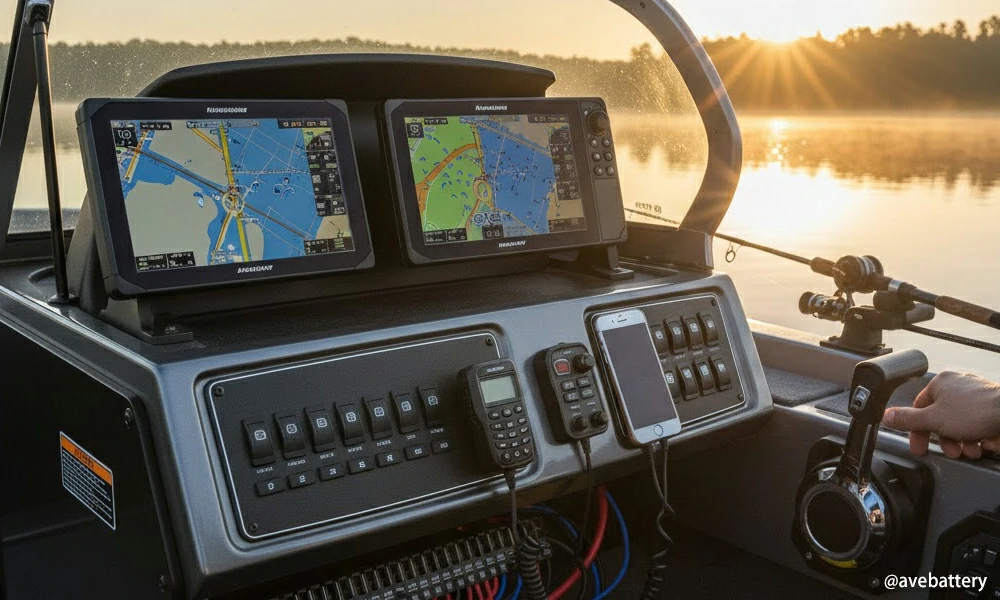
Modern fish finders, GPS units, and live-view sonar systems draw a lot of power. A lithium battery can keep them running all day without any issues.

House Bank Batteries
On larger boats, a “house bank” powers all the non-engine electronics, like lights, fridges, and entertainment systems. Using a lithium battery for this purpose gives you more usable power and a lighter setup.
Click here to learn about home battery storage products: Home Energy Storage System
If you plan to use one battery for both starting and house loads, choose a dual-purpose or a system that isolates the starting battery—deep-cycle batteries are not designed to provide the instant high burst of current that an outboard or inboard engine needs to crank.
Small Watercraft
Kayaks, paddleboards, and small fishing boats benefit greatly from the weight savings of a lithium battery. It makes them easier to transport and move on the water.
Charging and Maintenance Tips for Marine Deep-Cycle Batteries
- Avoid storing a deep-cycle marine battery at a low state of charge; recharge it after every trip to prevent sulphation.
- Store batteries in a cool, dry place; extreme heat and freezing temperatures accelerate internal degradation.
- If you are charging from a car-style alternator, know that many alternators are regulated mainly to protect themselves from overheating, not to fully charge a deep-cycle bank; a dedicated marine regulator or smart charger will give much healthier, fuller charges.
- Never substitute an automotive battery for a marine battery on a boat—automotive units are not built for vibration, can leak, and are not ideal for deep cycling.
How to Choose the Right Battery for Your Boat
Choosing the right battery is a very important step. You need to pick a battery that fits your needs and your boat. Here are the key things you should think about:
1. Figure Out Your Power Needs (Amp-Hours)
The most important thing you need to do is figure out how much power you actually use. This is measured in amp-hours (Ah). To do this, you need to list all the electrical devices you plan to run on your boat and for how long.
For example:
- Trolling motor: Let’s say it draws 20 amps and you use it for 5 hours. (20 amps x 5 hours = 100 Ah)
- Fish finder: Let’s say it draws 2 amps and you use it for 8 hours. (2 amps x 8 hours = 16 Ah)
- Lights, radio, and other small things: Let’s say these draw 3 amps combined and you use them for 6 hours. (3 amps x 6 hours = 18 Ah)
Total power needed: 100 Ah + 16 Ah + 18 Ah = 134 Ah
Since it is a good idea to have some extra power just in case, you should add a bit more to your total. A good rule of thumb is to add a 20% safety margin. So, 134 Ah x 1.20 = 160.8 Ah.
In this example, you would need a battery with at least 160 Ah of capacity. You can choose a single large battery or use two smaller batteries in parallel to get the total capacity you need.
If you’re deciding between 2×100Ah and 1×200Ah, remember: one 200Ah pack is simpler to wire and can be slightly more efficient for large systems, but two 100Ah batteries give you redundancy and layout flexibility—useful on smaller boats or where weight needs to be distributed.
Battery Runtime Calculator
Click here to learn: How long will a 100Ah battery last
2. Check the Voltage
Almost all marine systems use a 12V setup. For most people, a single 12V lithium battery will work perfectly. If you have a larger boat with a 24V or 36V system, you would need to connect multiple 12V batteries together in a series to get the right voltage. Make sure you know what your boat needs before you buy a battery.
3. Consider Size, Weight, and Physical Fit
Remember that lithium batteries are lighter, but they might be a different size than your old lead-acid battery. Always measure the space where your battery will go before you buy one. Make sure it will fit and that you have a secure place to mount it. Even though they are lighter, you still need to make sure they are installed securely so they don’t move around while you are out on the water.
When comparing group sizes, a Group 27 marine battery is generally bigger and offers more amp-hours than a Group 24, so if your battery compartment allows, moving from 24 to 27 can give you longer runtime.
4. Look for a Good BMS
A good lithium battery will have a Battery Management System (BMS) built right in. The BMS is like the brain of the battery. It protects the battery from common problems like overcharging, getting too hot, or being drained too much. A quality BMS will also help balance the individual cells inside the battery to make sure they all stay healthy and last a long time. Some even have a low-temperature cutoff, so the battery won’t try to charge when it’s too cold, which can cause damage.
If your boat charges from shore power, alternator, and solar, make sure the BMS and chargers are all compatible with LiFePO4 profiles to avoid undercharging or thermal issues.
12V Marine Lithium Battery vs Lead Acid: Which Wins?
To help you visualize the difference, here is a simple comparison between the two main types of marine batteries. While the initial cost of a lithium battery is higher, it is important to look at the long-term value.
| Feature | Lithium (LiFePO4) | Lead-Acid (AGM/Gel) |
|---|---|---|
| Initial Cost | Much higher | Lower |
| Weight | Very light | Very heavy |
| Lifespan (Cycles) | 4,000+ | 300 – 500 |
| Power Output | Very consistent | Voltage drops over time |
| Charging Speed | Very fast | Very slow |
| Maintenance | None | Requires watering (flooded types) |
| Usable Capacity | 90% | 50% (to prevent damage) |
| Safety | Built-in BMS protection | Less protection, can release gases |
hile the initial price might make you hesitate, the fact that you will likely buy four to five lead-acid batteries in the time it takes for one lithium battery to reach the end of its life makes the long-term cost much more appealing. Read this article to learn more about AGM Battery vs. Lithium.
Remember that AGM is not a different “marine” battery chemistry—it is a sealed lead-acid technology (Absorbent Glass Mat) that is very popular in marine use because it is spill-resistant and handles vibration better than flooded batteries.
Upgrade Your Marine Power Today
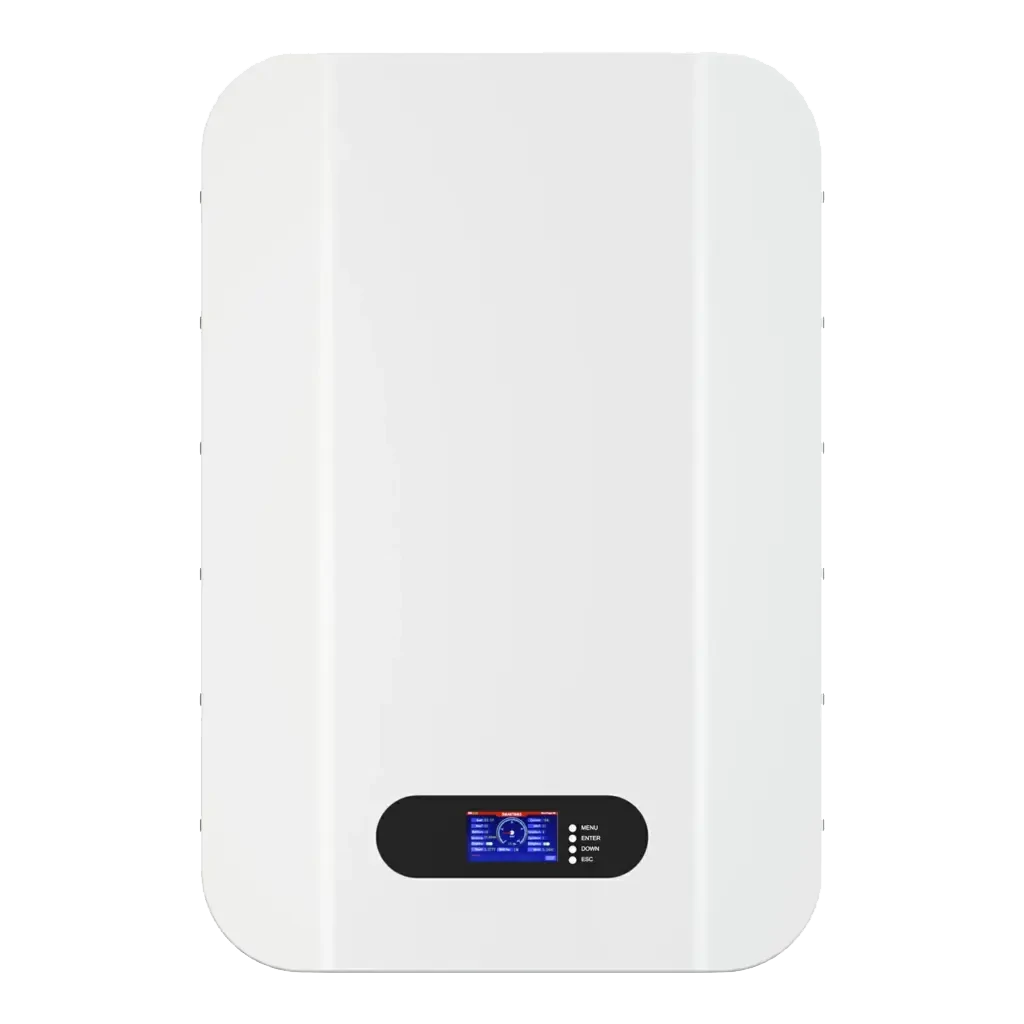
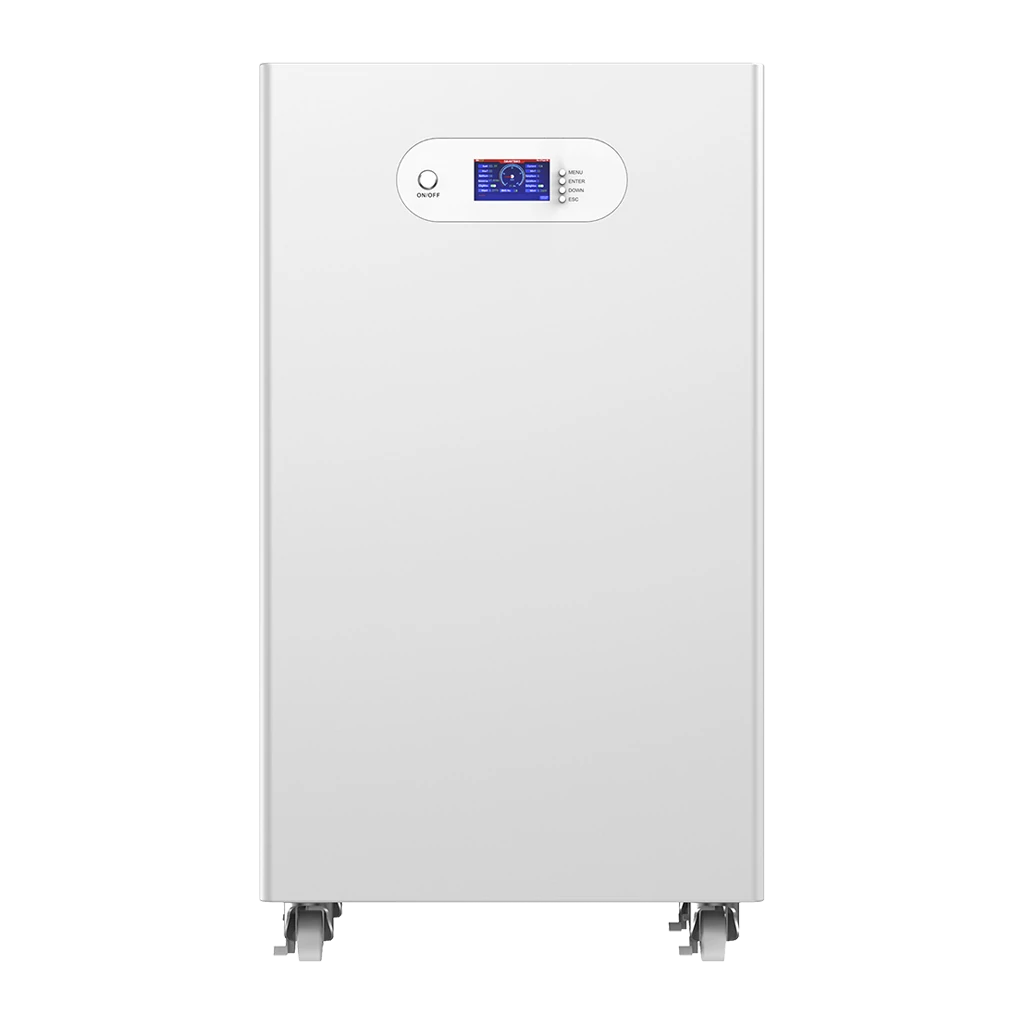
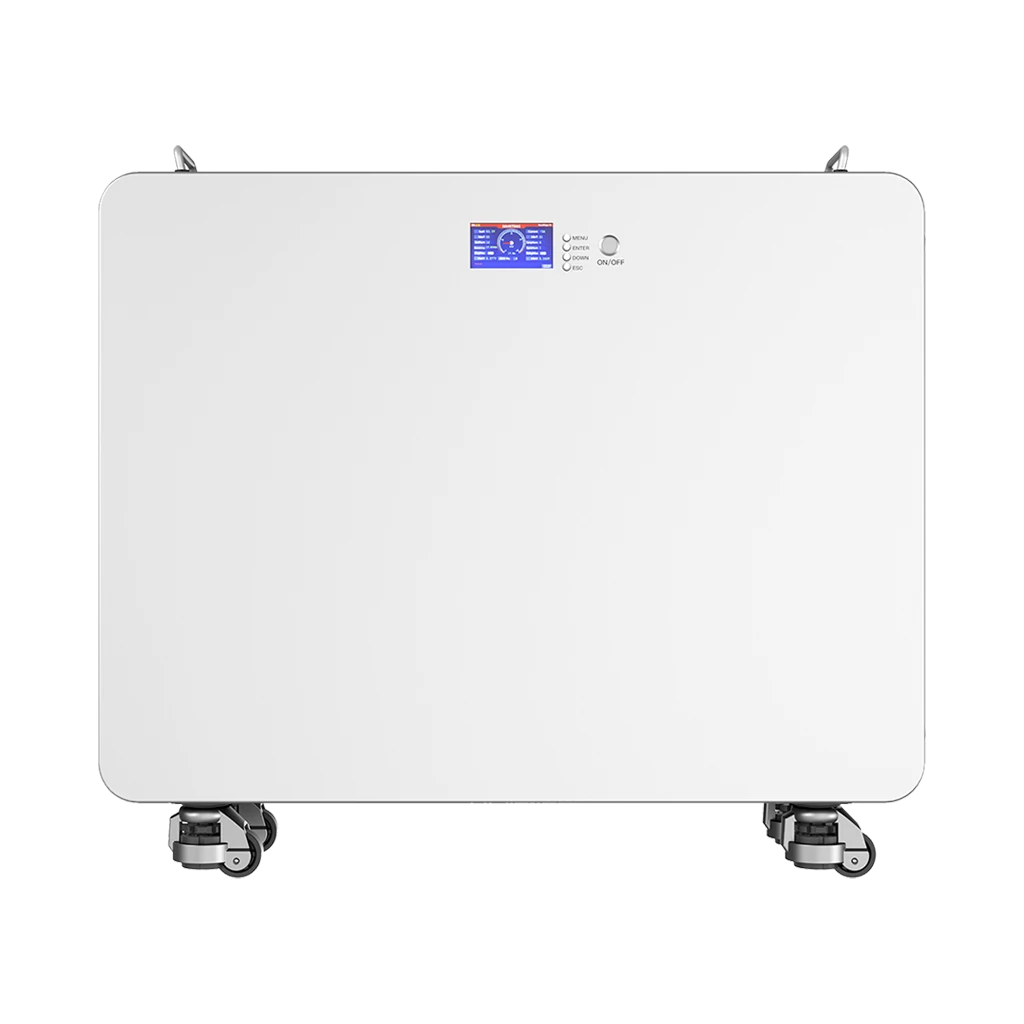
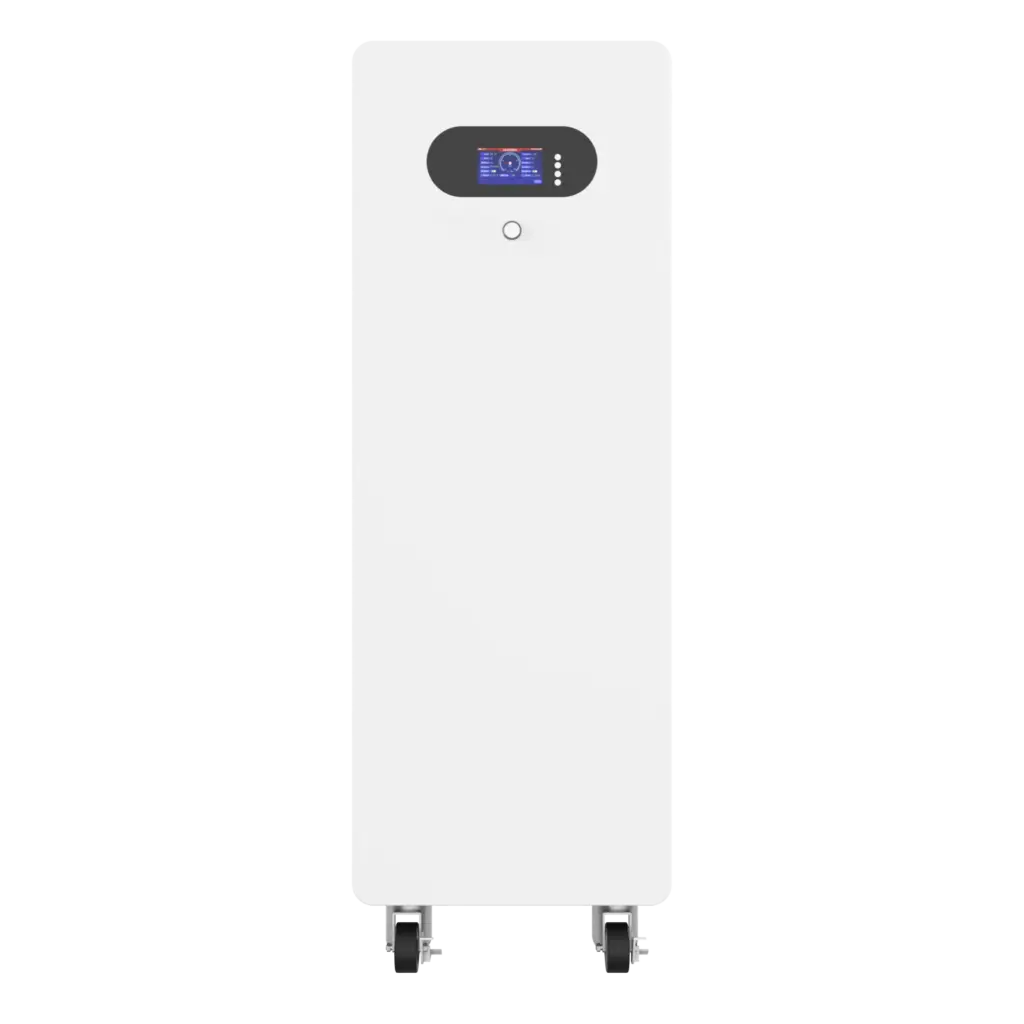
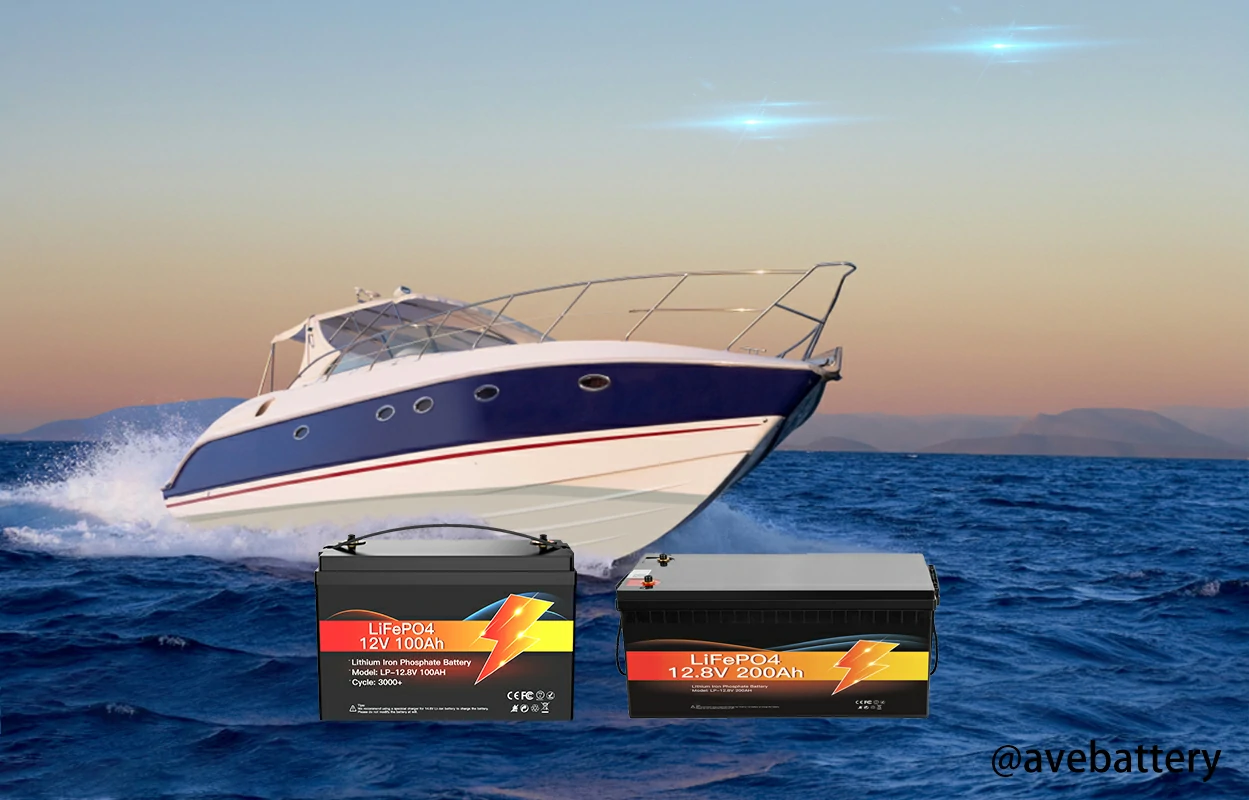
Avepower offers high-performance LiFePO4 marine batteries, including 12V 100Ah, 12V 200Ah, 24V 100Ah, and 24V 200Ah models. All batteries are IP65 water-resistant, deliver 4,000+ cycles at 100% depth of discharge, and provide 10× faster charging efficiency than traditional batteries.
Don’t wait—contact us now to request a quote and ensure your boat stays powered, reliable, and ready for every adventure.
FAQ
AGM marine batteries can often reach 4–7 years because they resist vibration better and are sealed. Runtime per charge depends on load; a 100Ah battery powering 10A can last about ten hours. While lithium batteries can last eight to ten years.
Lead-acid batteries usually take eight to twelve hours, while lithium batteries can charge in two to four hours with a compatible charger. Charge time also depends on charger amperage—bigger chargers shorten the time but must match the battery’s recommended charge rate.
A fully depleted 100Ah lead-acid battery may take about ten hours to charge, while a lithium battery of the same capacity typically charges in around three hours, depending on the charger and conditions.
They don’t like being stored or left at a low state of charge—sulphation will form on the plates and shorten life. They also usually cost more than simple starting batteries and need the right charger profile.
Weight depends on type. A 100Ah lead-acid battery weighs 60–70 lbs, while a lithium battery of the same capacity weighs 25–30 lbs, making it lighter and easier to handle.
Deep-cycle marine batteries use thicker, heavier plates to survive repeated discharges, are clearly labelled “deep cycle” or “DC,” and are rated for many more cycles than a starter battery, which uses thin plates for fast cranking.
A basic or fast automotive charger may push too much current or may not complete the proper absorption phase, creating excess heat and leaving the battery only partially charged. Over time this reduces capacity. A charger with a deep-cycle or LiFePO4 profile is recommended.
Yes—use it for trolling motors, house loads, and electronics. But no, a pure deep-cycle battery is not ideal for starting the engine because it can’t deliver the very high cranking burst; for starting, use a cranking or dual-purpose marine battery.
Generally no. Deep-cycle batteries are built for long, steady power, not instant bursts. Choose a marine starting battery or a dual-purpose battery for cranking.
One 200Ah battery is simpler to manage, can be slightly more efficient, and takes less wiring. Two 100Ah batteries give better redundancy (if one fails you still have power) and more flexible placement around the boat. Pick based on space and how critical uptime is.
Heat, freezing storage, vibration without proper mounting, leaving it discharged, and using the wrong charger are the main causes. Store it indoors in a cool, dry place and keep it topped up.
Group 27 batteries are physically larger and usually have higher amp-hour capacity than Group 24 batteries. If your battery tray can take Group 27, you typically get longer runtime.
A standard marine starter battery is designed to crank the engine and may only tolerate a few dozen cycles. A true deep-cycle marine battery is designed to be discharged and recharged hundreds or even thousands of times to power trolling motors, pumps, lights, and electronics.
No. Car batteries are not built for marine vibration, may leak acid, and are not intended for deep cycling. Always use a marine-rated battery.
It can put power into the battery, but most internal-regulated alternators are designed mainly to protect the alternator, not to fully and gently recharge deep-cycle or lithium batteries. For frequent deep cycling, use a proper marine or smart charger.
No. AGM (Absorbent Glass Mat) is a type of sealed lead-acid battery. Many AGM batteries are built for marine use because they resist vibration and don’t spill, but “AGM” describes the construction, not the application.