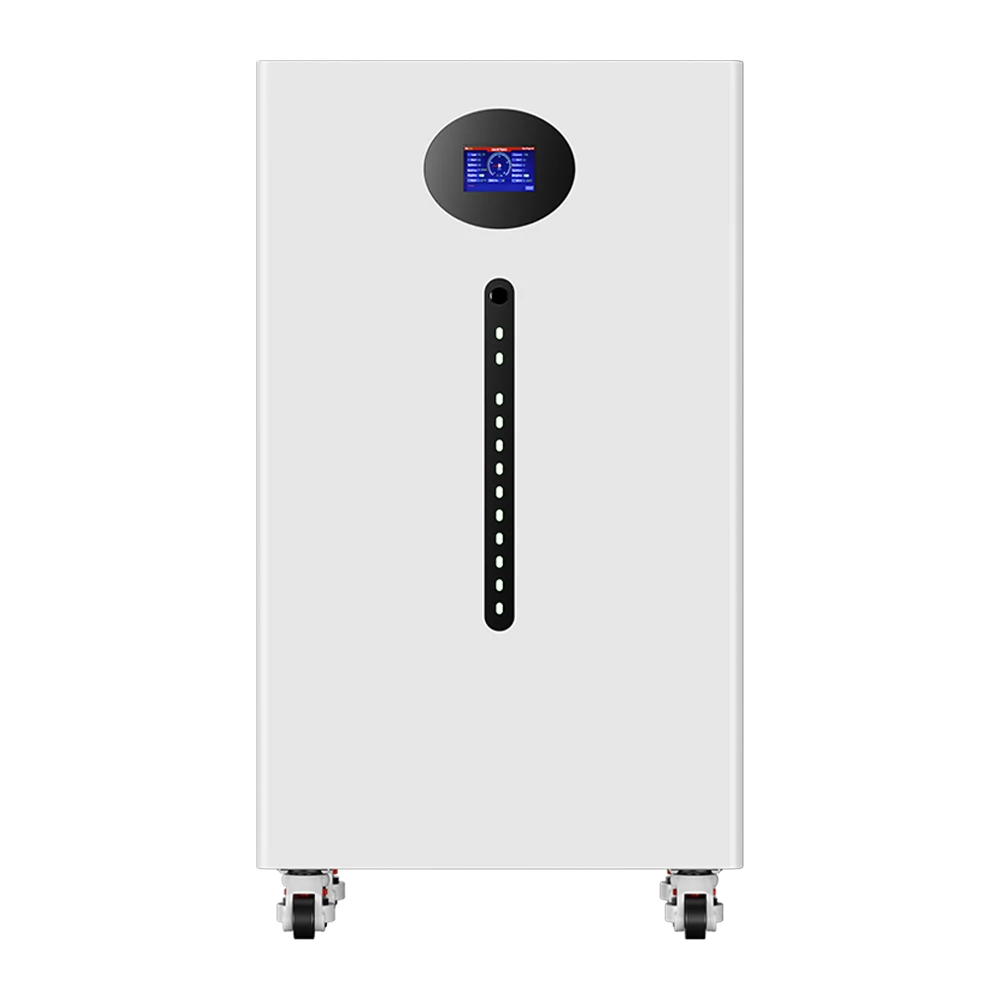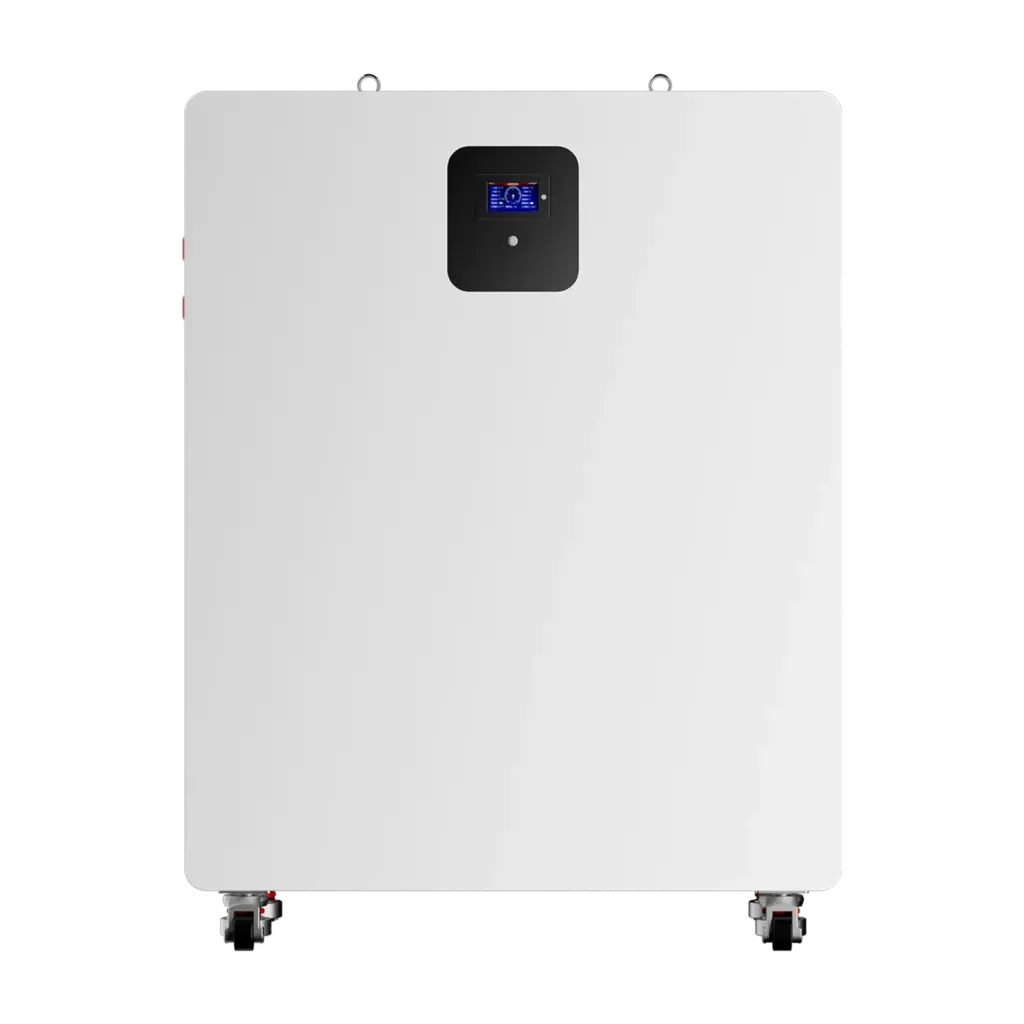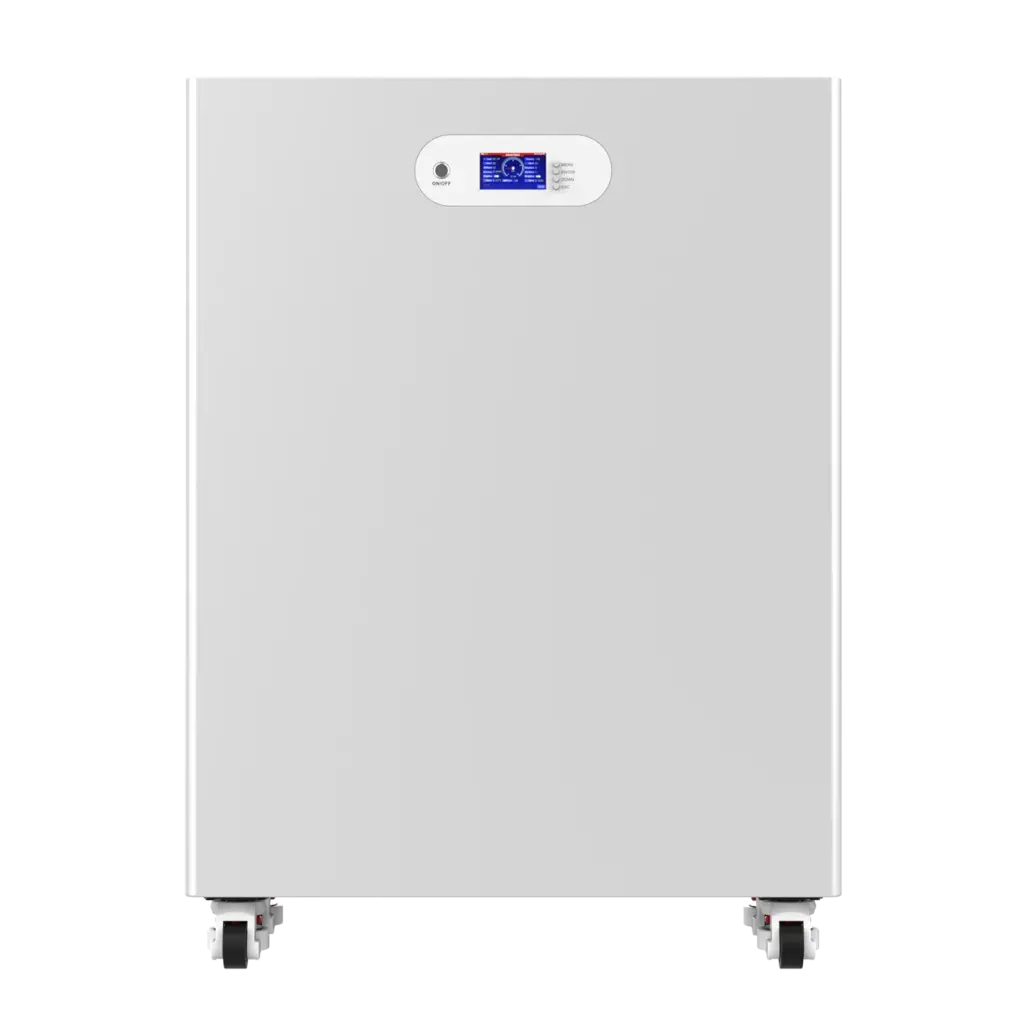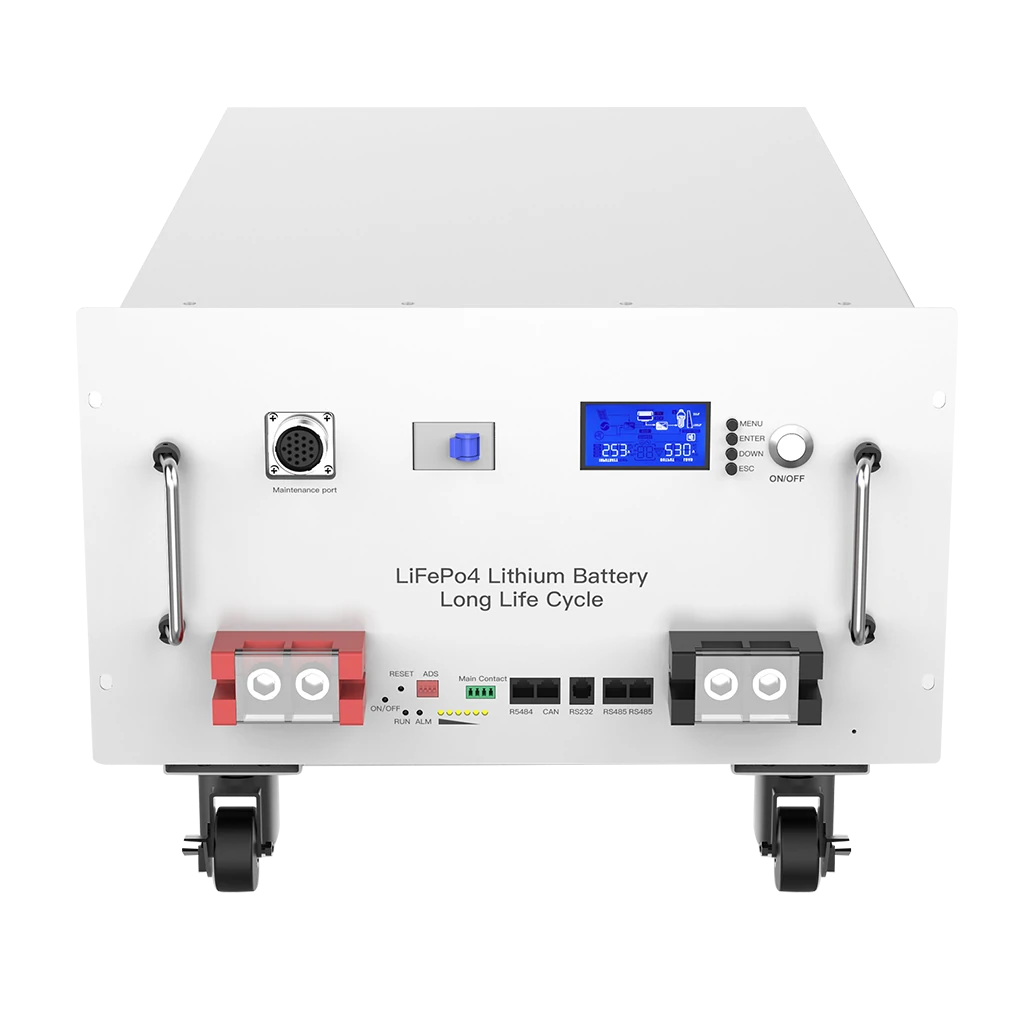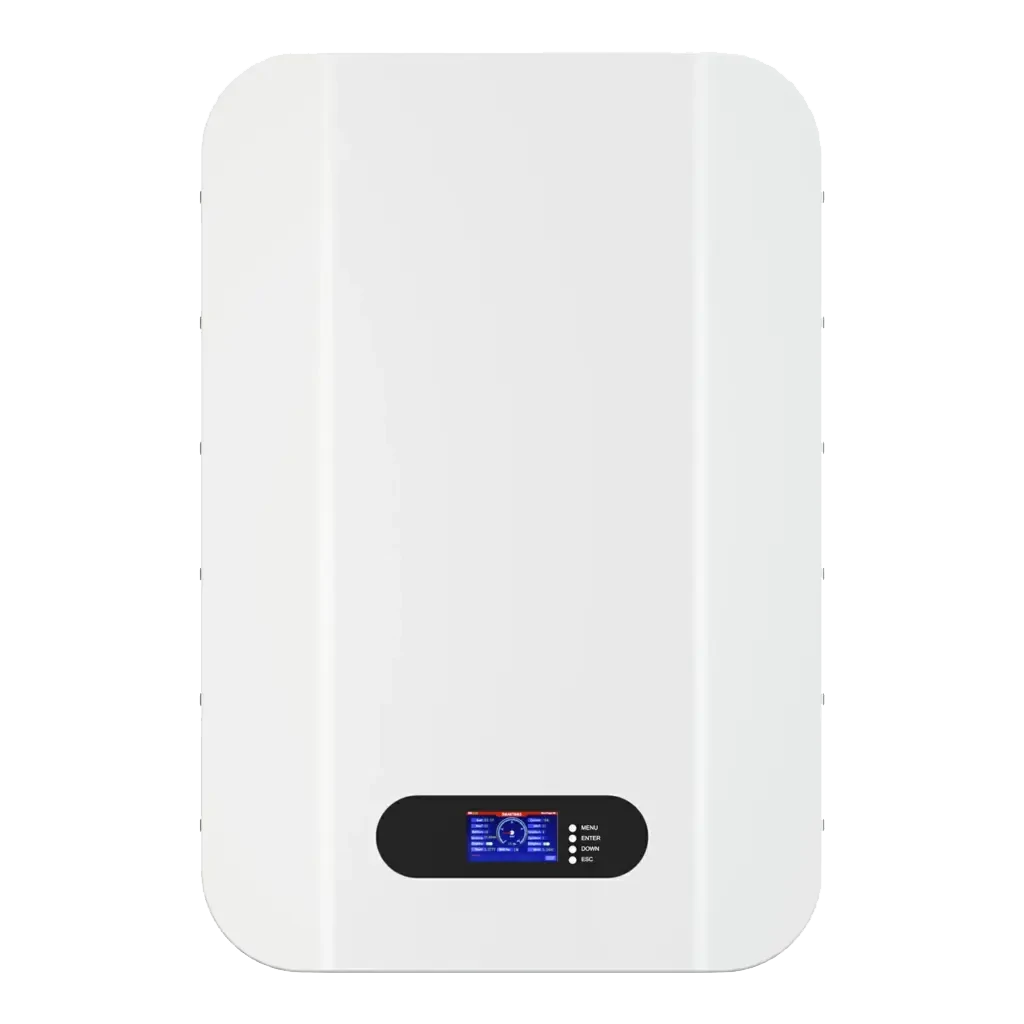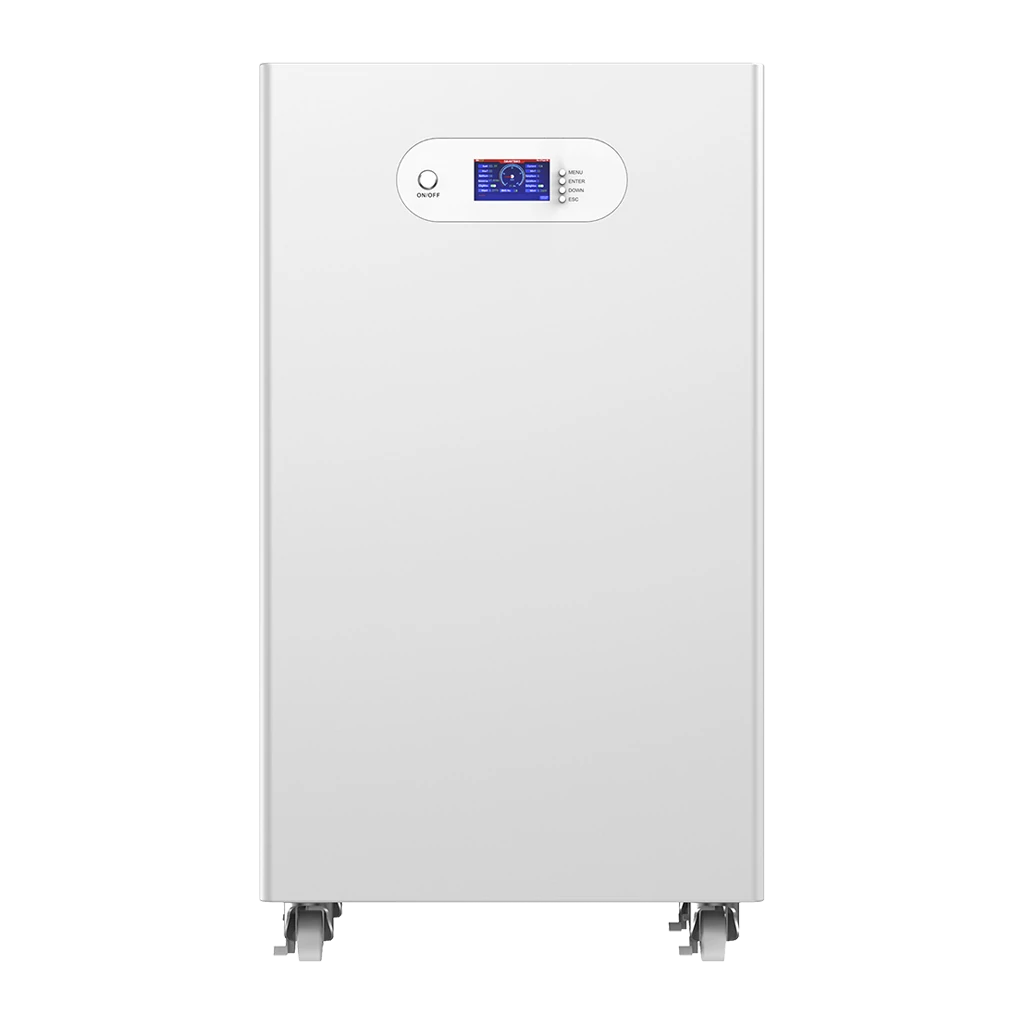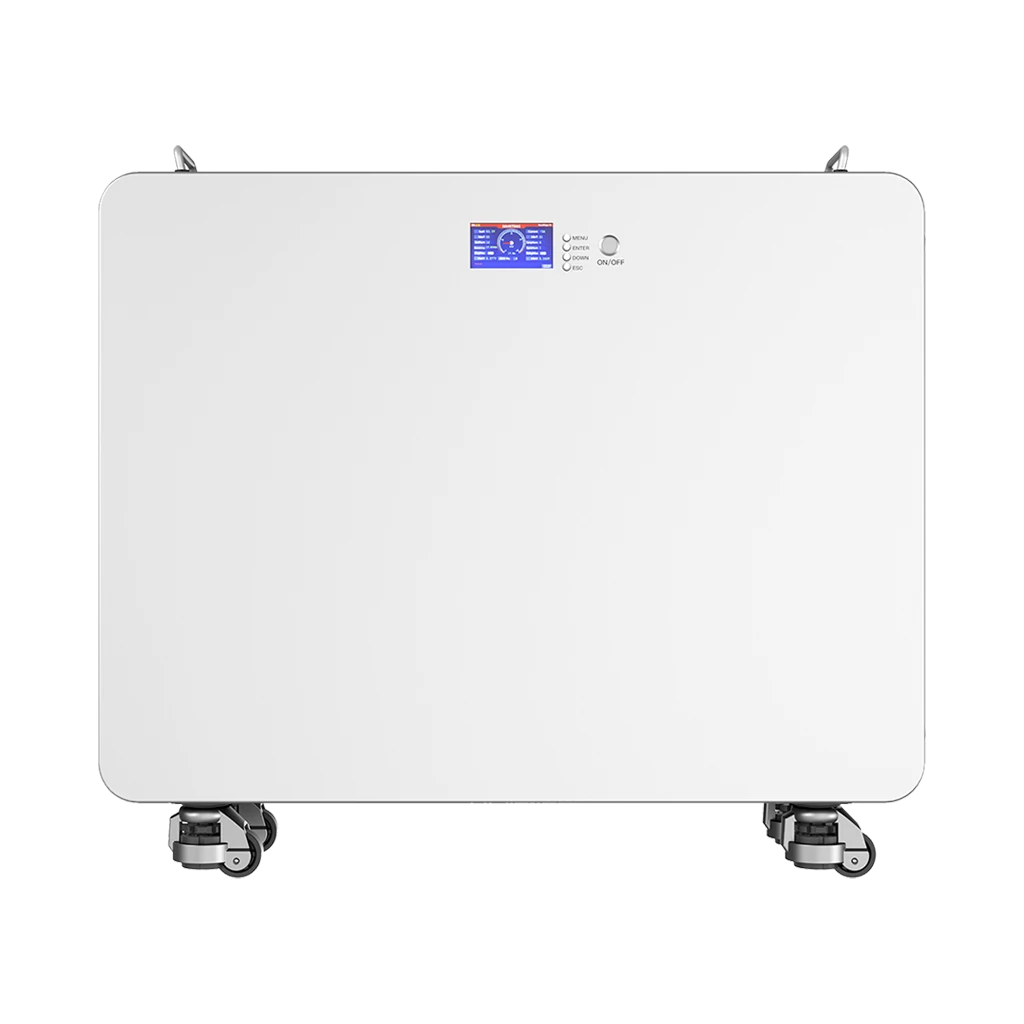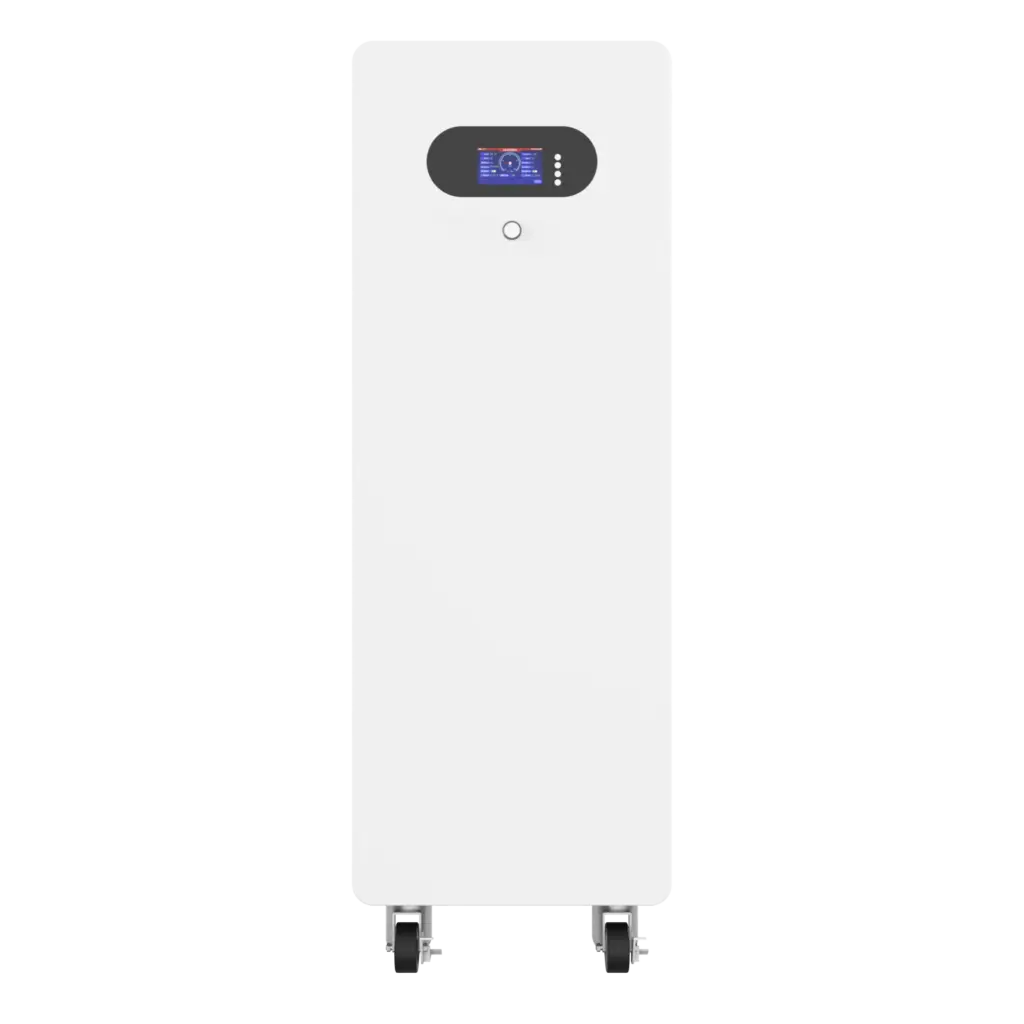

Can you install a home battery in the UK without solar panels?
Yes — and for many UK households, it’s becoming a smart and increasingly common energy strategy.
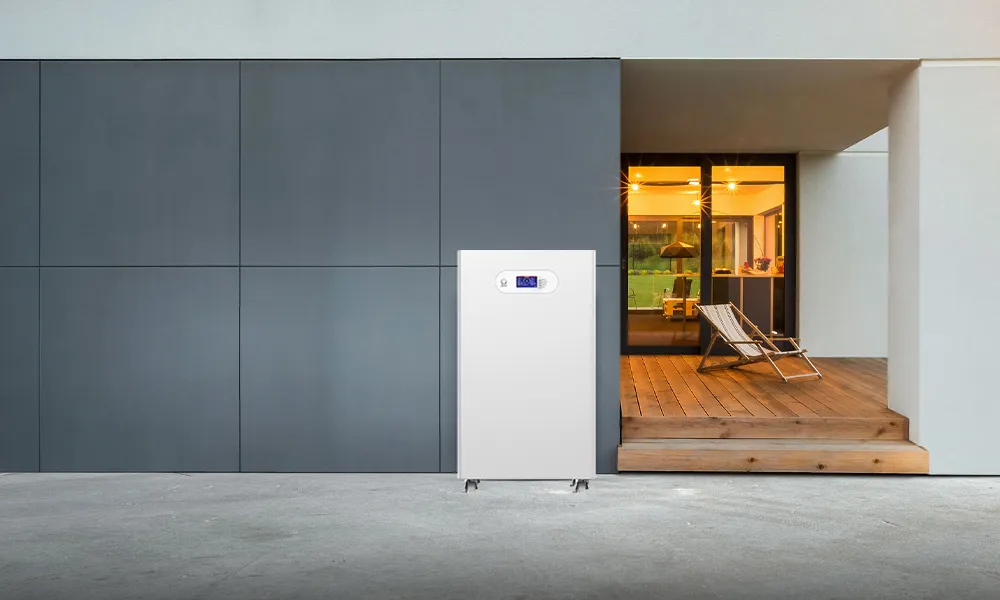
While battery storage is often associated with rooftop solar, stand-alone home battery systems can operate perfectly well without panels. These systems store electricity directly from the National Grid or other renewable sources such as wind and hydro, which already make up a significant share of the UK’s energy mix.
Can You Run a Home Battery Without Solar Panels?
A home battery storage system without solar panels works by charging from the electricity grid and intelligently managing energy use to save money and provide backup power. This method is often called grid-based energy shifting, load shifting, or peak shaving.
1. Time-Shifting (Load Shifting)
You charge your battery when electricity prices are low—usually at night or during off-peak hours—and discharge it during peak periods when electricity costs more. This helps reduce your energy bills by using stored cheaper electricity during expensive times.
2. Backup Power (Optional)
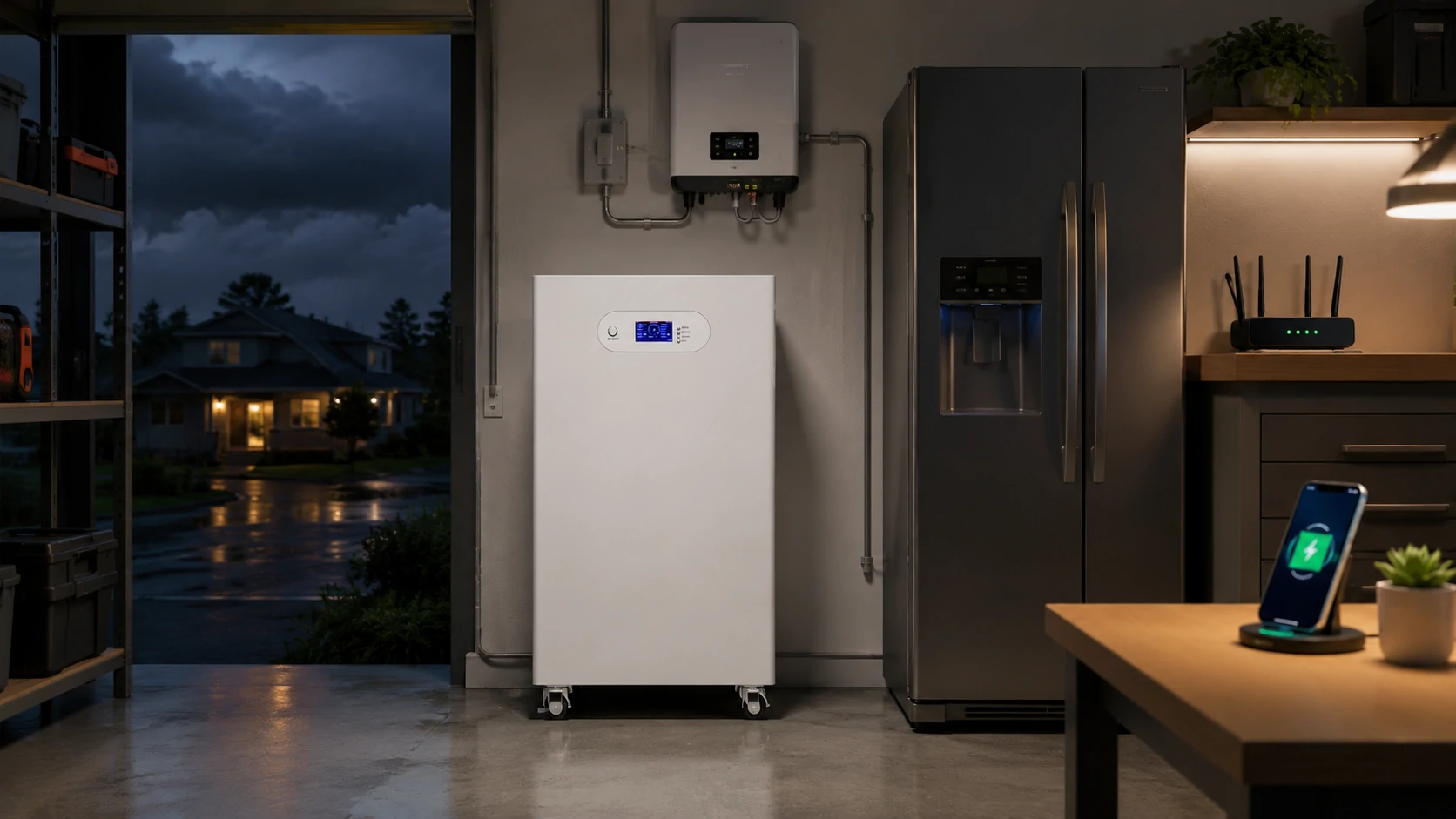
Many battery systems include an Emergency Power Supply (EPS) function. In the event of a power outage, the battery can automatically switch to backup mode and keep essential appliances and circuits running, such as lighting, Wi-Fi, and refrigerators.
3. Future Solar-Ready Setup
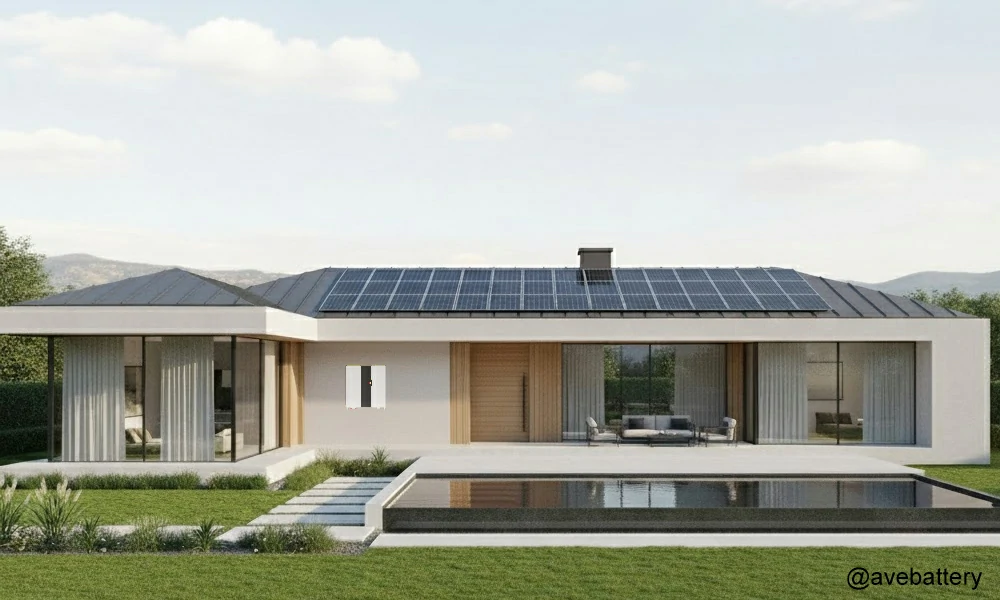
You can install a battery system now and add solar panels later, provided your hardware supports this upgrade. This flexible approach lets you start saving immediately and expand your renewable energy setup when you’re ready.
How Does a Battery-Only System Work in a UK Home?
The typical operation follows this cycle:
- Charging: The battery charges from the grid during cheaper, off-peak hours.
- Storing: Energy is stored as direct current (DC) within the battery cells. The inverter/charger manages safe charging and maintains battery health through cell balancing.
- Discharging: During peak hours, the battery powers your home circuits, reducing reliance on costly grid electricity.
- Backup (If Included): The EPS automatically activates during a grid outage, powering selected essential circuits without interruption.
Additionally, your battery can charge when the grid’s energy mix is greener. The UK’s grid increasingly incorporates renewable sources, meaning your battery can store cleaner energy during these periods, further reducing your carbon footprint.
Cost of Home Battery Storage Systems in the UK
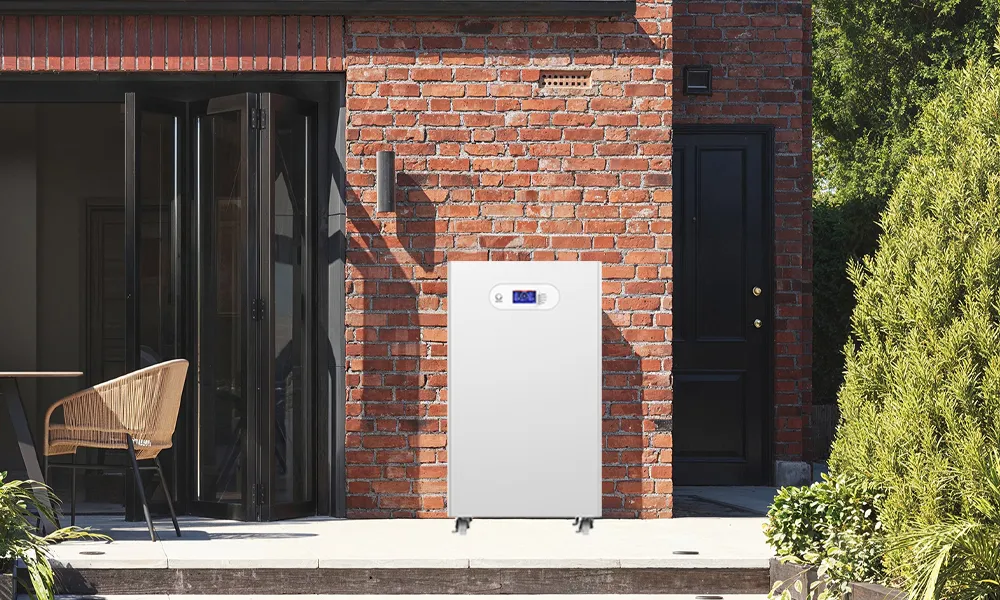
In the UK, the typical cost for a standalone home battery storage system ranges from approximately £3,000 for a 4kWh unit to around £10,000 for a 10kWh system. This estimate includes both the equipment and professional installation.
| Battery Capacity | Typical Cost Range (Including Installation) | Ideal For |
|---|---|---|
| 4 kWh | Around £3,000 | Small homes or primarily backup power |
| 10 kWh | £8,000 to £10,000 | Larger homes or extended daily usage |
While the upfront investment may appear considerable, many homeowners find the long-term energy savings and increased energy independence to be highly valuable—especially when taking advantage of government incentives like the Smart Export Guarantee (SEG). This scheme enables users to earn income by exporting surplus electricity back to the grid, enhancing the overall return on investment.
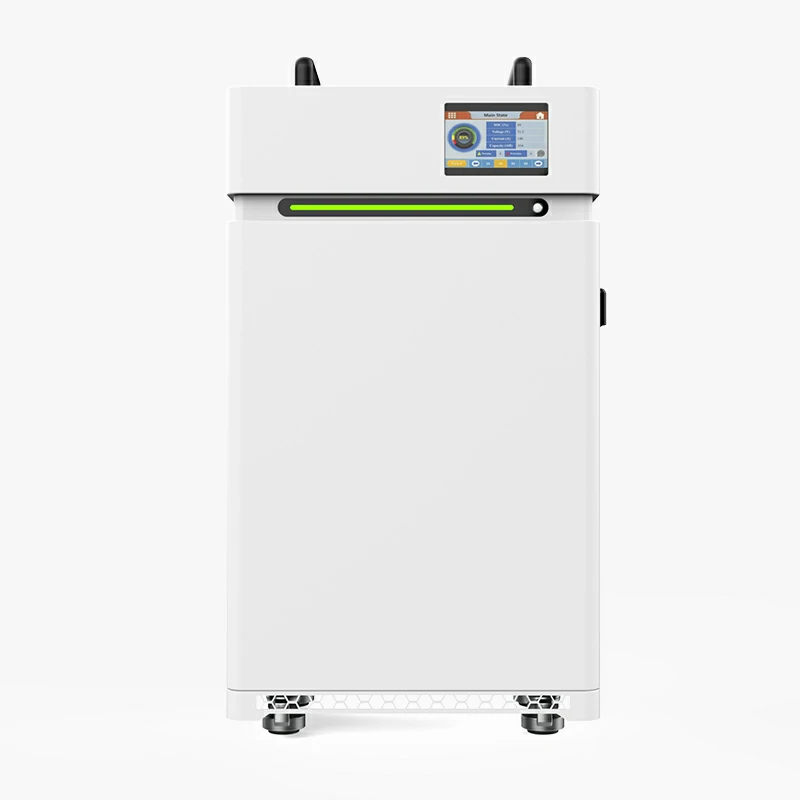
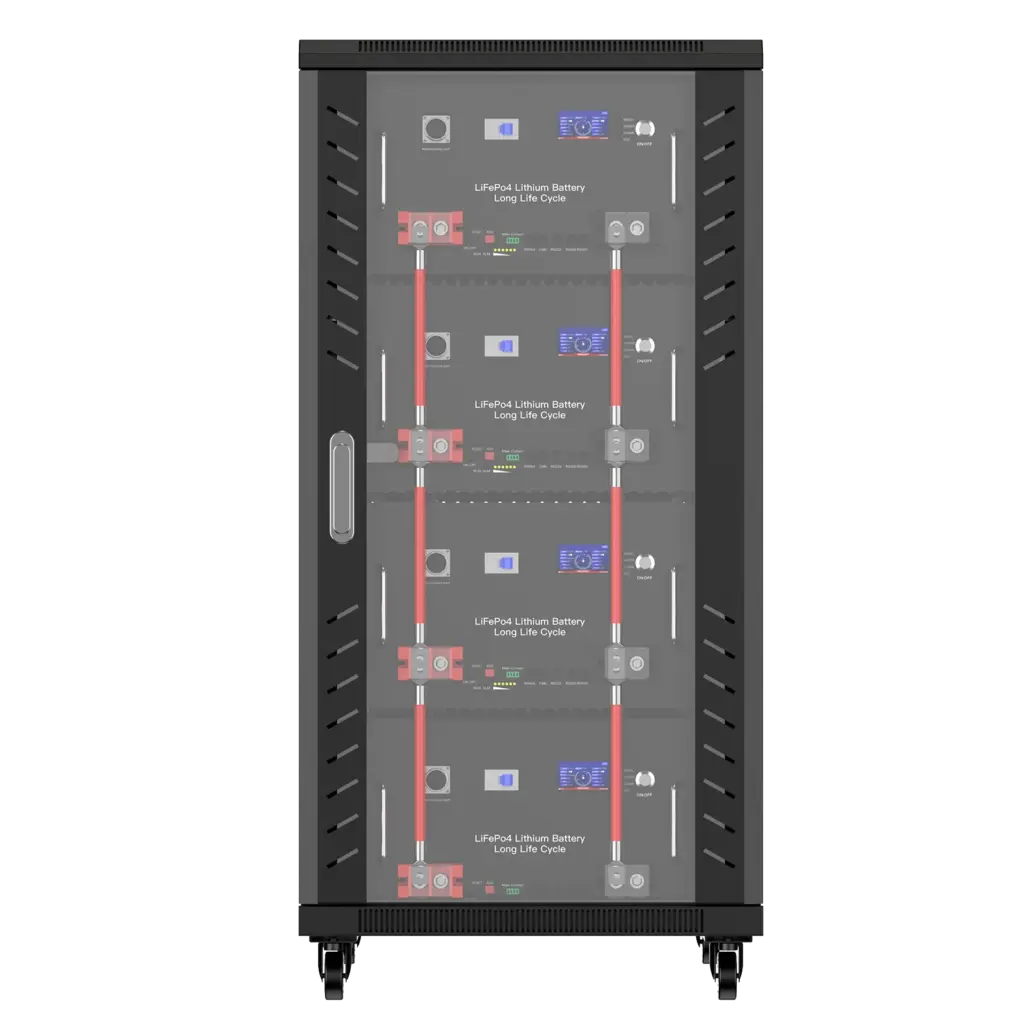
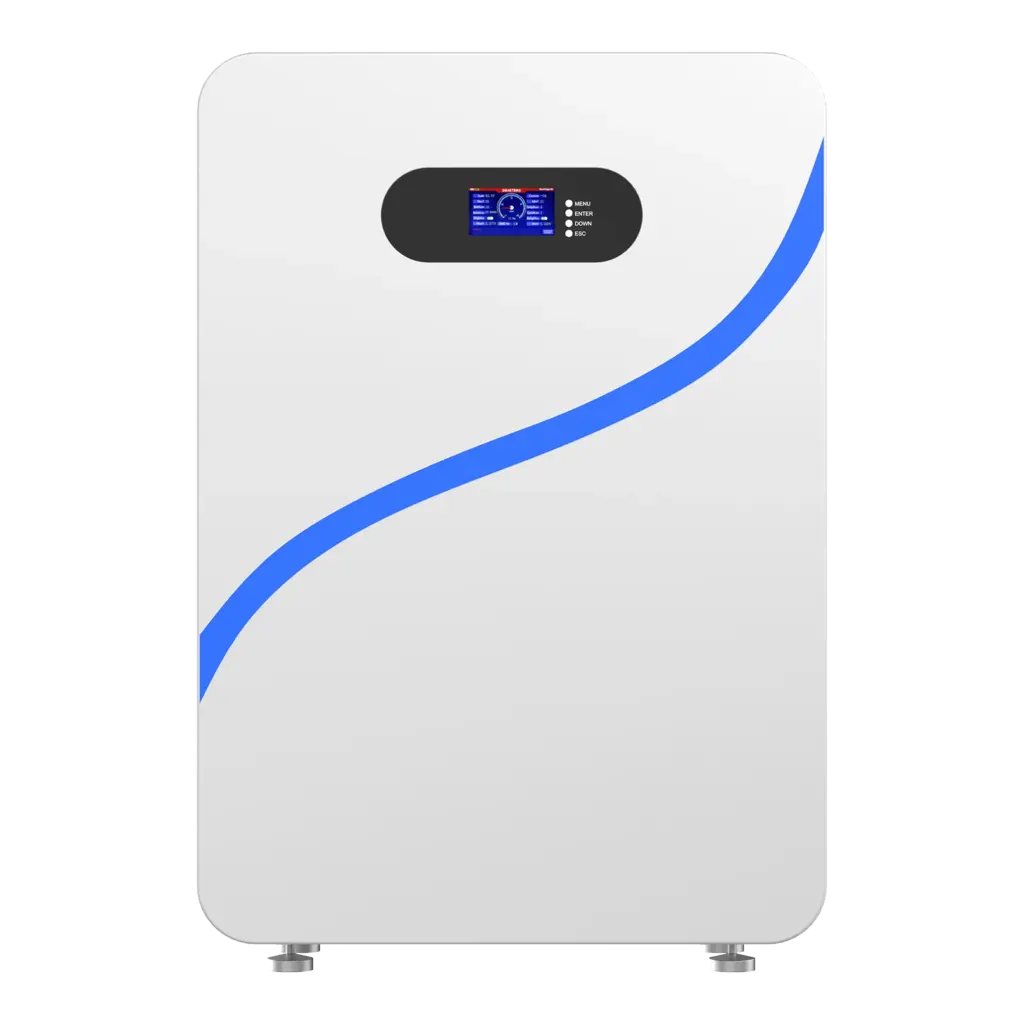
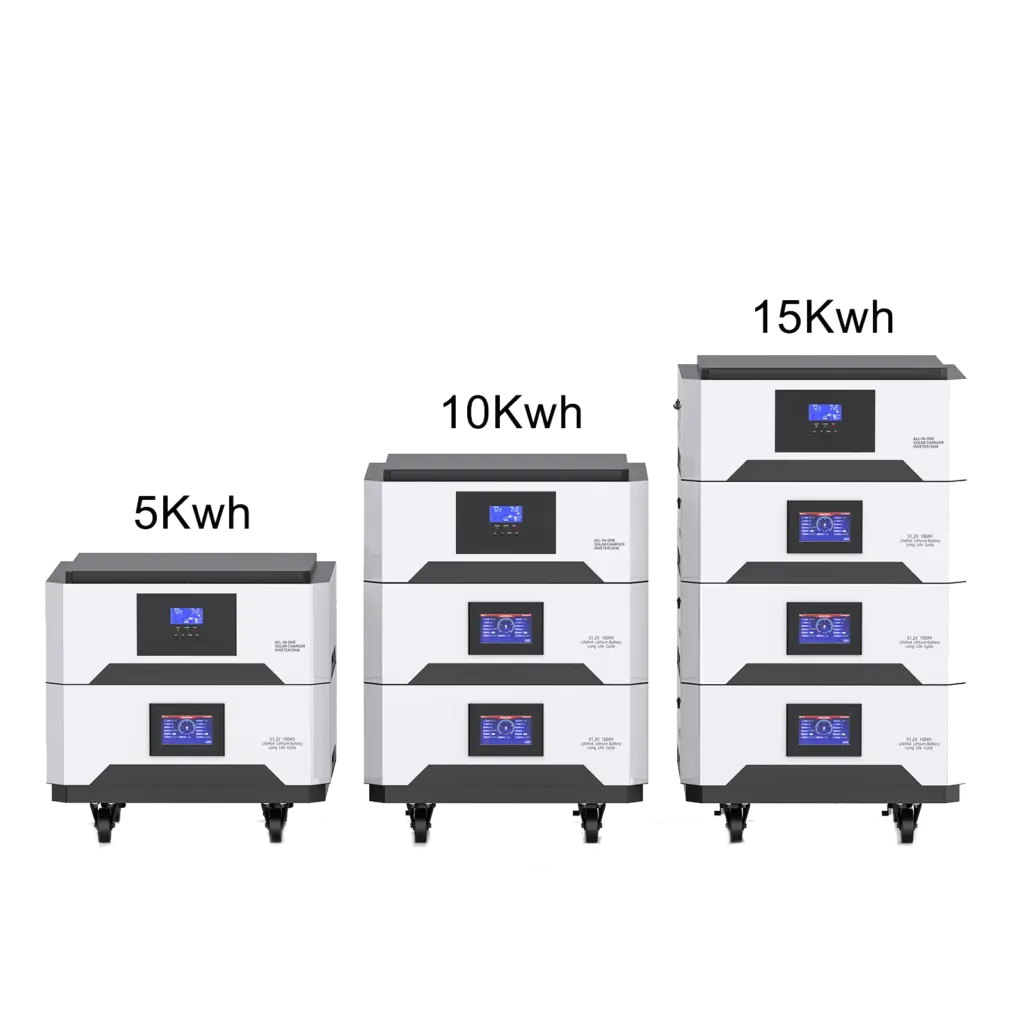
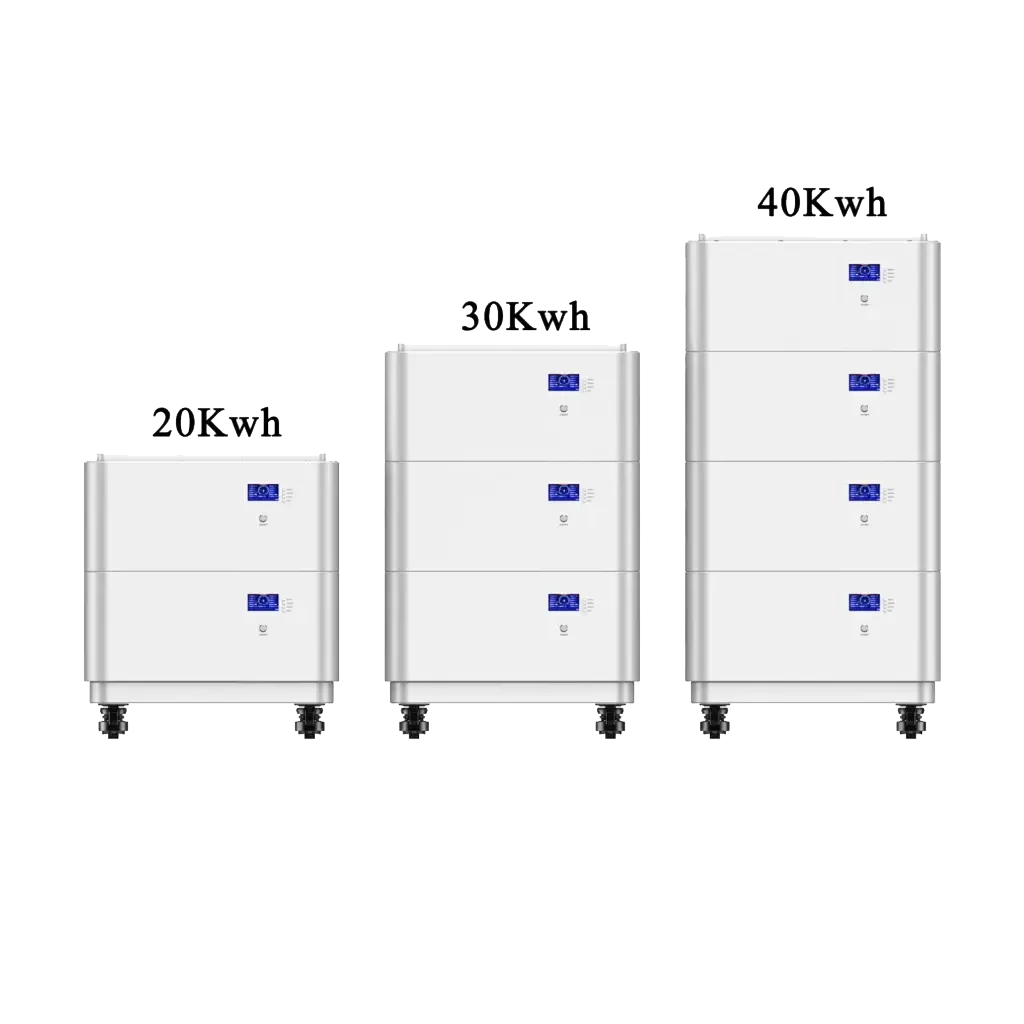
Avepower’s battery systems are engineered for modularity and scalability, allowing customers to select capacities ranging from 5kWh up to 260kWh, tailored to their unique needs and budget. Their use of LiFePO4 cells ensures superior safety and lifespan, with protection against dust and moisture, ideal for UK conditions.
What Factors Influence Home Battery Storage Costs?
The cost of home battery storage in the UK depends on several crucial factors. Understanding these can help homeowners make informed choices aligned with their energy needs and budget.
1. Battery Capacity
Battery capacity, measured in kilowatt-hours (kWh), is the biggest cost driver. Typical home battery sizes range from 4kWh to 10kWh, with prices roughly scaling from £3,000 to £10,000 including installation. Larger capacity batteries store more energy, provide longer backup power, and increase savings potential, but come with higher upfront costs.
2. Battery Chemistry
Most residential battery systems now use Lithium Iron Phosphate (LiFePO4) technology, favored for:
- Thermal stability allowing safe operation up to 60°C
- Cycle life of 3,000–6,000 full charge cycles (about 10–15 years lifespan)
- Enhanced fire safety compared to traditional lithium-ion batteries
Avepower uses LiFePO4 cells, engineered to perform reliably across the UK’s varied climates, ensuring longevity and safety.
3. Backup (EPS) Design
Including backup power capabilities adds complexity and cost. Backup requires extra hardware such as critical loads boards and changeover switches, plus specialized electrical design and protection settings. This shifts the system’s role from just saving on bills to enhancing resilience, often increasing price accordingly.
4. Installation Complexity
Installation costs in the UK generally range between £500 and £1,000, influenced by factors such as:
- Need for consumer unit upgrades
- Adding dedicated backup circuits
- Special mounting or environmental requirements
Simpler installations in modern homes typically incur lower costs, while older properties may require more extensive electrical work.
5. AC-Coupled vs DC-Coupled Architecture
AC-Coupled systems are often easier and cheaper to retrofit into existing homes without solar panels. DC-Coupled (Hybrid) systems are ideal if you plan to add solar panels later, providing more efficient energy flow but potentially higher upfront cost.
6. Standards, Certification, and Paperwork
Many UK homeowners prefer installers certified under schemes like MCS (Microgeneration Certification Scheme). Following standards such as MIS 3012 ensures safety, quality, and eligibility for grants or incentives—but certified installations may come at a premium.
Advantages of Standalone Home Battery Storage in the UK
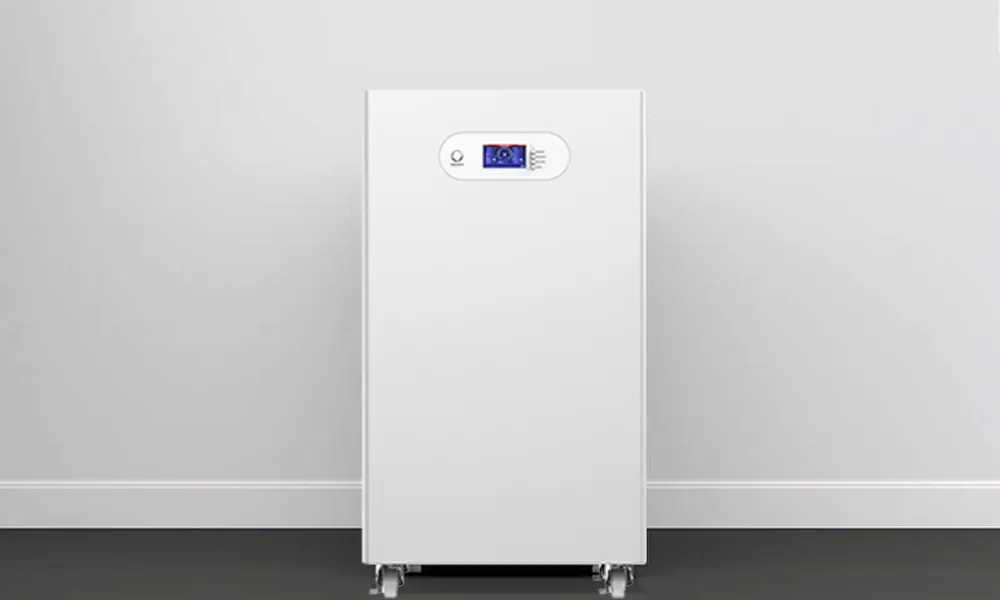
Installing a battery storage system without solar panels offers unique benefits:
- Ensures reliable backup power during outages, keeping essential appliances running, especially in rural or older grid areas.
- Helps reduce electricity costs by charging during cheaper off-peak hours and discharging during peak demand times.
- Supports grid stability by quickly responding to frequency changes and easing peak load pressures in major cities.
- Enables storage of surplus renewable energy like wind and hydro, reducing dependence on fossil fuels.
- Designed for easy future solar panel integration, aligning with the UK’s net-zero targets for 2035.
- Offers flexible installation options indoors or outdoors, suitable for various UK home types with proper protection.
- Provides scalable battery capacities ranging from 5kWh to 260kWh to match different household energy needs.
- Uses automotive-grade lithium iron phosphate (LiFePO4) cells, ensuring enhanced safety, durability, and fire resistance.
- Features plug-and-play design for straightforward, quiet, and reliable installation.
How Much Can You Save Using Battery Storage Without Solar?
Investing in battery storage can yield significant savings by optimizing electricity consumption and reducing reliance on expensive grid power.
- Average Installation Cost: Approximately £5,000 for a mid-range battery system.
- Annual Savings: Around £1,050 on electricity bills through smart charging during off-peak hours and discharging during peak periods.
- Carbon Emission Reduction: Avoids roughly 365 kg of CO₂ emissions annually by leveraging cleaner, stored grid energy.
- Payback Period: Typically about 5 years, depending on your energy usage patterns and tariff plans.
How Much Battery Capacity Does a UK Home Need Without Solar?
Choosing the right battery capacity mainly depends on your household’s energy consumption patterns, priorities, and budget.
| Home Type | Recommended Capacity (kWh) | Typical Use Cases | Benefits | Considerations |
|---|---|---|---|---|
| Small Home (1-2 bedrooms) | 4–5 | Basic lighting, small appliances, backup | Low cost, ideal for low energy users or emergency backup | Low daily consumption; oversized batteries may lead to underutilization |
| Medium Home (3-4 bedrooms) | 5–8 | Average daily consumption (~9.3 kWh/day) | Balanced cost and storage; supports extended appliance use | Peak demand and backup needs may influence capacity choice |
| Large or High-Demand Home | 10–13.5 | EV charging, heavy appliances, long backup duration | Supports EV charging and longer outage resilience; enhances energy independence | Higher upfront cost; careful evaluation of usage and budget needed |
At Avepower, we provide tailor-made residential energy storage solutions. Our professional installers conduct a thorough assessment of your specific electricity usage and needs to recommend the ideal battery capacity. This ensures a balanced approach between cost-effectiveness and energy independence.
Keep in mind, an oversized battery may reduce your return on investment, while an undersized system could limit your savings and backup capabilities.
Can You Add Solar Panels to an Existing Battery-Only System Later?
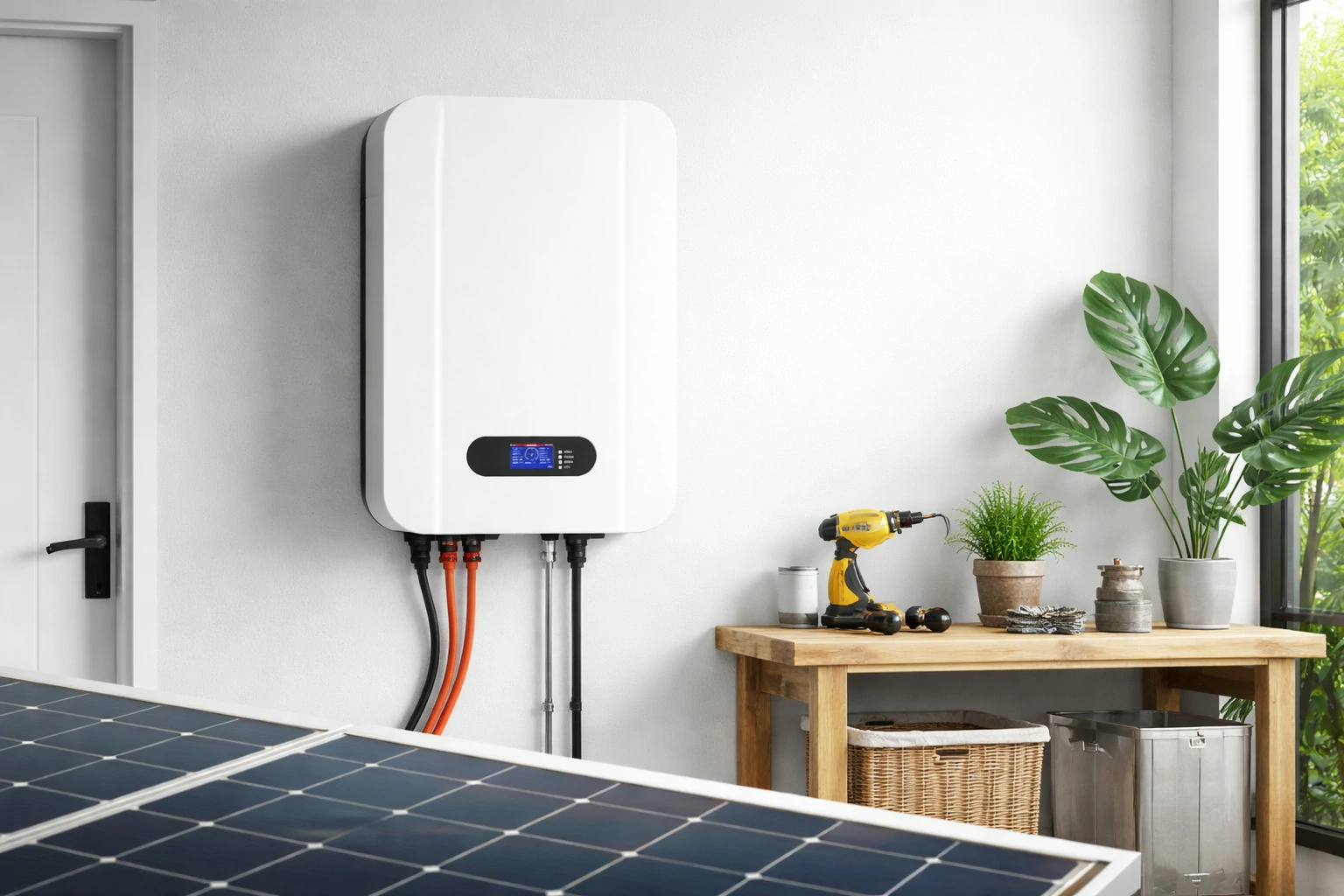
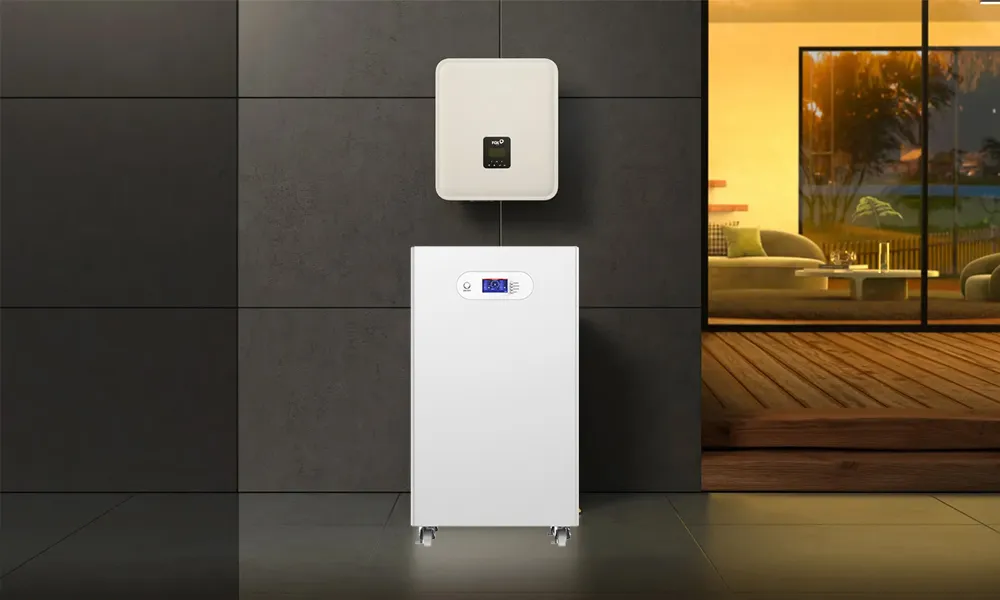
Many solar batteries UK—including Avepower’s solutions—are designed to be upgradeable to integrate solar panels in the future.
However, it’s important to conduct a compatibility assessment with a qualified technician to confirm whether your current battery system can handle solar input. If it cannot, they may recommend installing a hybrid inverter or microinverters to enable smooth integration.
Additionally, solar panels need to be properly installed on your roof or another suitable location and seamlessly connected to the battery system to ensure efficient energy storage and usage.
Government Incentives and Support in the UK
The UK government encourages battery adoption through various schemes:
- VAT Exemption: Since 2022, home energy storage installations are exempt from VAT, saving homeowners 20% on total costs.
- Smart Export Guarantee (SEG): Homeowners earn payments for exporting unused electricity to the grid, incentivizing efficient energy management.
- Local Grants and Loans: Some councils offer subsidies or zero-interest loans for energy efficiency upgrades, including battery storage.
Homeowners should consult local authorities and energy providers for current incentives.
Avepower Home Battery Storage
Home battery storage in the UK without solar panels is not just a theoretical option—it’s a practical, increasingly popular solution for energy cost management, backup power, and environmental responsibility.
By opting for a trusted provider like Avepower, UK households gain access to cutting-edge technology, flexible capacity, and strong support networks—making energy independence a reality, even without solar panels.
Key Features of Avepower Battery Systems:
- Scalable capacity options from 5 kWh to 260 kWh, suitable for any home
- Advanced lithium iron phosphate (LiFePO4) chemistry ensuring safety and longevity
- Multi-mode charging: grid, solar-ready, or hybrid configurations
- Plug-and-play installation with minimal disruption
- Robust protection against water, dust, and fire hazards
- Smart integration with home energy management systems and dynamic tariffs
Discover how Avepower’s home battery storage systems can transform your UK home—no solar panels needed.
Get a free consultation today!
Take Control of Your Energy with Avepower!
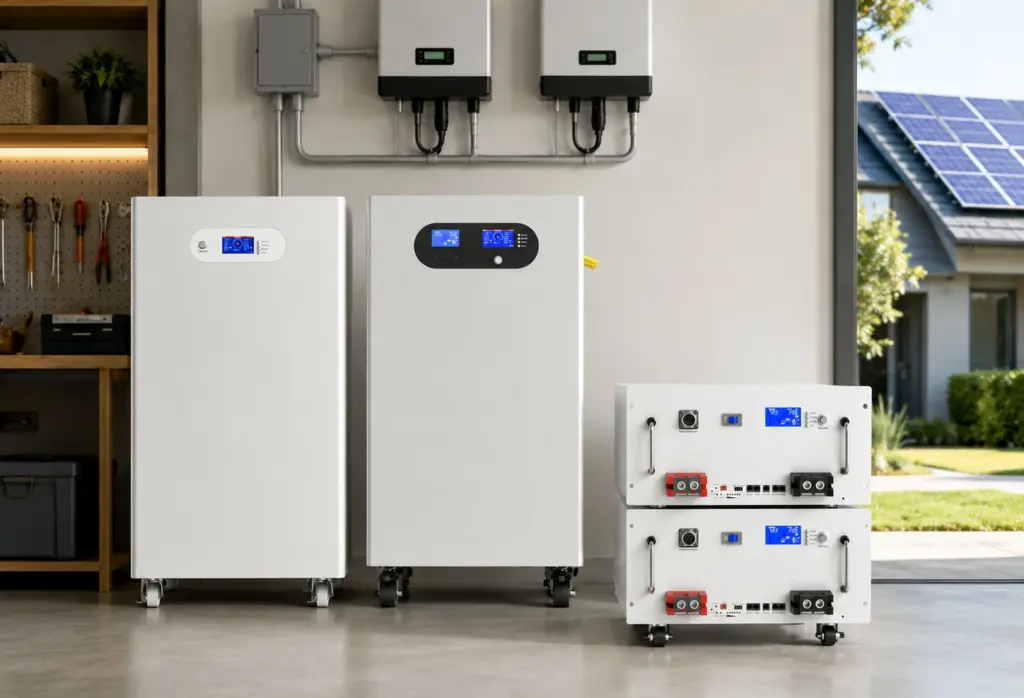
Reliable home solar battery solutions with OEM/ODM customization and in-house manufacturing, tailored to the needs of distributors, installers, and energy partners.
FAQ
A battery can save money because it can charge during off-peak periods and discharge during peak-rate periods. This “load shifting” can reduce how much expensive electricity you buy in the evening.
Many UK installs use an EPS (backup) circuit that powers only essential loads like lights, Wi-Fi, and the fridge.
Installation costs typically range from around £3,000 for a 4kWh system up to £10,000 for a 10kWh system, including the battery and professional installation.
Small homes typically require 4–5 kWh, medium homes 5–8 kWh, and larger or high-consumption homes may need between 10 and 13.5 kWh.
Key factors include battery capacity, chemistry type, installation complexity, brand reputation, and any additional equipment such as inverters or smart meters.