
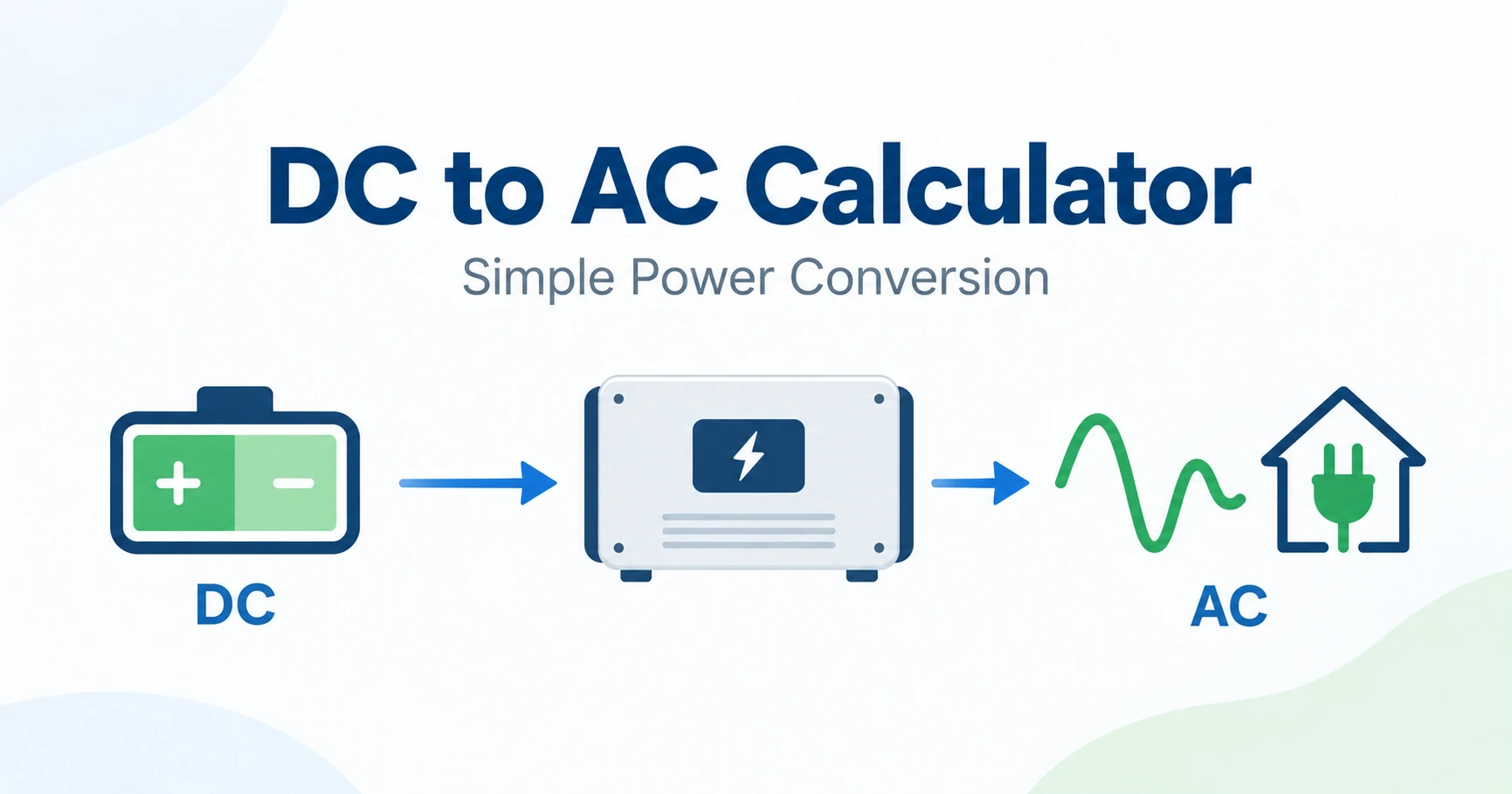
A DC to AC calculator helps you estimate how much usable AC power an inverter can produce from a battery, solar array or other DC source. The key rule is simple: calculate DC input power first, then multiply it by the inverter’s actual efficiency. For reverse sizing, divide the required AC load by inverter efficiency.
For example, a 48V battery supplying 100A provides 4,800W of DC power. At 92% inverter efficiency, the estimated usable output is about 4,416W AC.
You can use our free online DC to AC calculator to calculate the conversion. For deeper system sizing, Avepower also provides a solar panel, battery and inverter sizing guide.
DC to AC Calculator
Convert DC power to AC power, or calculate the DC input required for an AC load.
AC Power = DC Power × Efficiency
DC Current = DC Power ÷ DC Voltage
What Is the Formula for Converting DC Power to AC Power?
The basic conversion is AC output power = DC input power × inverter efficiency, but this is an energy-conversion estimate rather than a guarantee of inverter capacity. Always compare the calculated result with the inverter’s continuous output rating, battery discharge limits and operating conditions before treating it as available load power.
First calculate DC input power:
DC Power (W) = DC Voltage (V) × DC Current (A)
Then apply inverter efficiency:
AC Power (W) = DC Power (W) × Inverter Efficiency
If efficiency is given as a percentage, divide it by 100 first.
Example: 48V Battery at 50A
DC input:
48V × 50A = 2,400W DC
Assume 94% inverter efficiency:
2,400W × 0.94 = 2,256W AC
Approximate conversion loss:
2,400W − 2,256W = 144W
How Do You Calculate the DC Current Needed for an AC Load?
To find battery-side current, divide the required AC load by DC voltage and inverter efficiency. This calculation is often more useful than simply converting available DC watts because it tells you whether the battery, BMS, terminals and inverter input can actually supply the required current.
Use:
DC Current = AC Load ÷ (DC Voltage × Inverter Efficiency)
Suppose you need 1,000W AC and the inverter is 90% efficient:
| Battery Voltage | Approx. DC Current for 1,000W AC |
|---|---|
| 12V | 92.6A |
| 24V | 46.3A |
| 48V | 23.1A |
| 51.2V | 21.7A |
This relationship is also covered in Avepower’s inverter size chart and battery-current guide.
How Much AC Power Can a 12V, 24V or 48V Battery Produce?
Battery voltage alone cannot tell you AC output; you also need available current, inverter efficiency and the battery’s discharge limits. A 48V battery is not automatically “more powerful” than a 12V battery, but higher voltage dramatically reduces the current required to deliver the same wattage.
Assuming 90% inverter efficiency:
| DC Source | DC Input | Estimated AC Output |
|---|---|---|
| 12V × 50A | 600W | 540W |
| 24V × 50A | 1,200W | 1,080W |
| 48V × 50A | 2,400W | 2,160W |
| 48V × 100A | 4,800W | 4,320W |
| 51.2V × 140A | 7,168W | 6,451W* |
This distinction matters because battery-side power capability and inverter-side rated output are separate limits. Avepower explains the difference between rated, continuous, peak and real inverter power in its Inverter Output Power guide.
How Do You Convert DC Amps to AC Amps?
For a single-phase system:
AC Current = AC Real Power ÷ (AC Voltage × Power Factor)
Assume:
DC source = 48V × 20A
Inverter efficiency = 90%
AC output voltage = 230V
Power factor = 0.90
DC power:
48 × 20 = 960W
AC real power:
960 × 0.90 = 864W
AC apparent power:
864 ÷ 0.90 = 960VA
AC current:
960VA ÷ 230V ≈ 4.17A
Does Power Factor Reduce the DC-to-AC Watt Conversion?
Inverter efficiency determines how much DC real power becomes AC real power, while power factor determines the relationship between real power in watts and apparent power in VA.
For example, if an inverter produces 900W of real AC power:
| Power Factor | Real Power | Apparent Power |
|---|---|---|
| 1.00 | 900W | 900VA |
| 0.95 | 900W | 947VA |
| 0.90 | 900W | 1,000VA |
| 0.80 | 900W | 1,125VA |
At the same real power, lower PF can require greater AC current and VA capacity.
How Does Battery BMS Current Limit AC Output?
The BMS current limit can cap usable inverter power even when the battery has plenty of stored kWh.
Consider a 51.2V system supplying a 6,000W AC load through a 92% efficient inverter:
DC Current = 6,000 ÷ (51.2 × 0.92)
≈ 127.4A
That means the battery side must supply roughly 127A at the assumed 51.2V operating voltage.
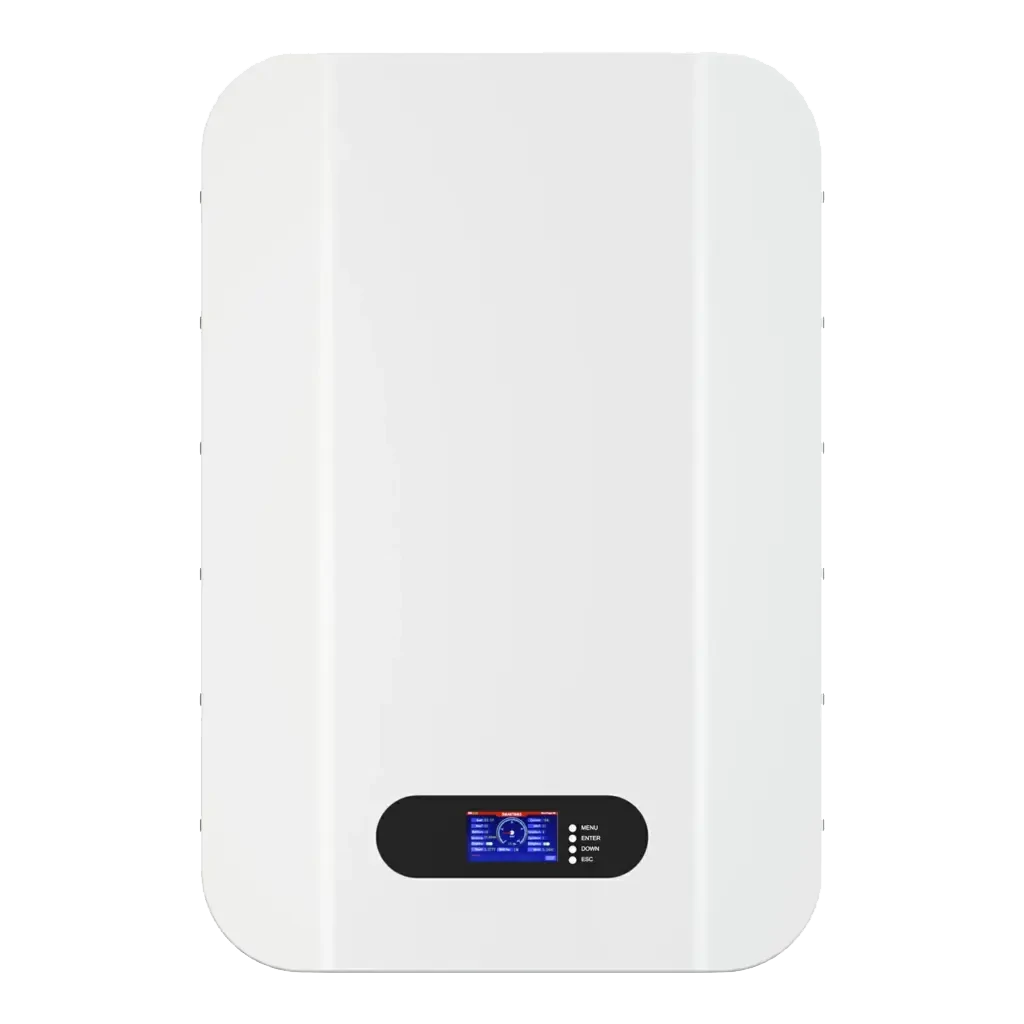
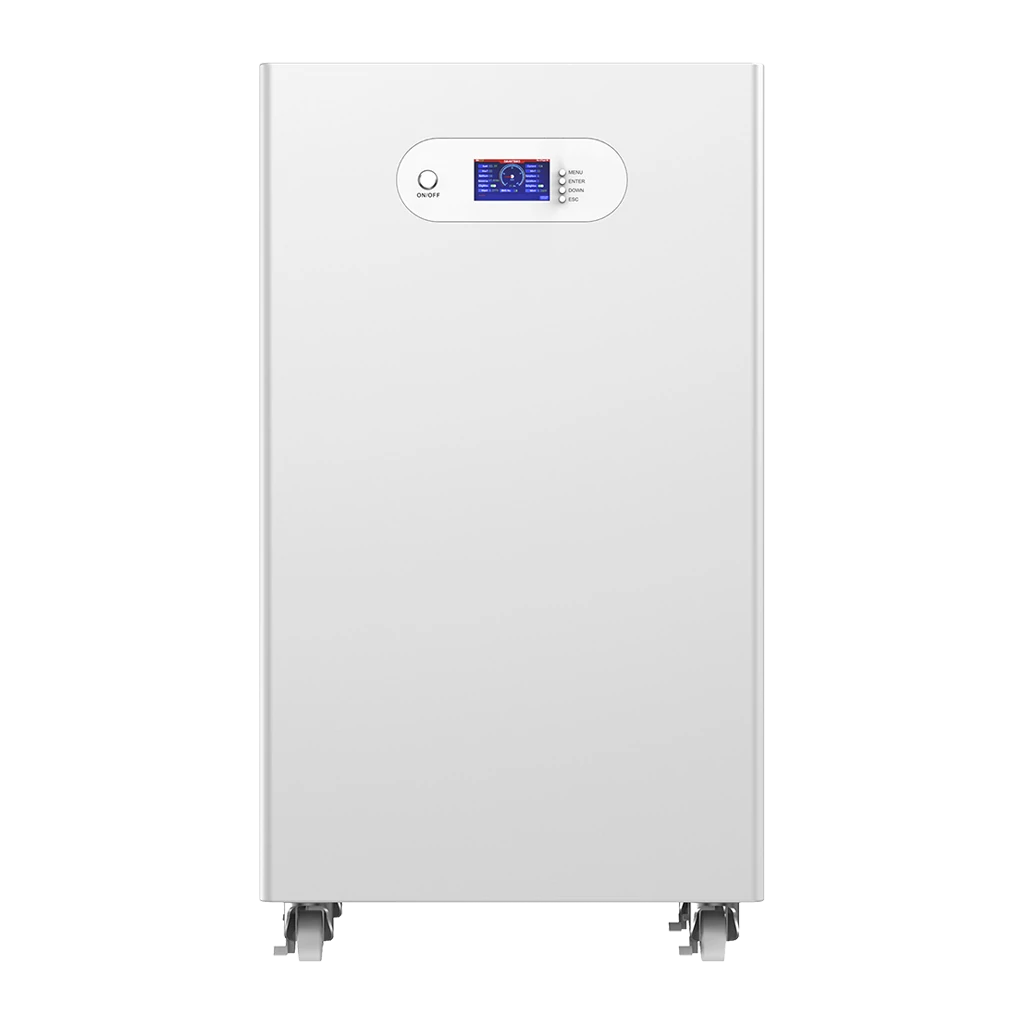
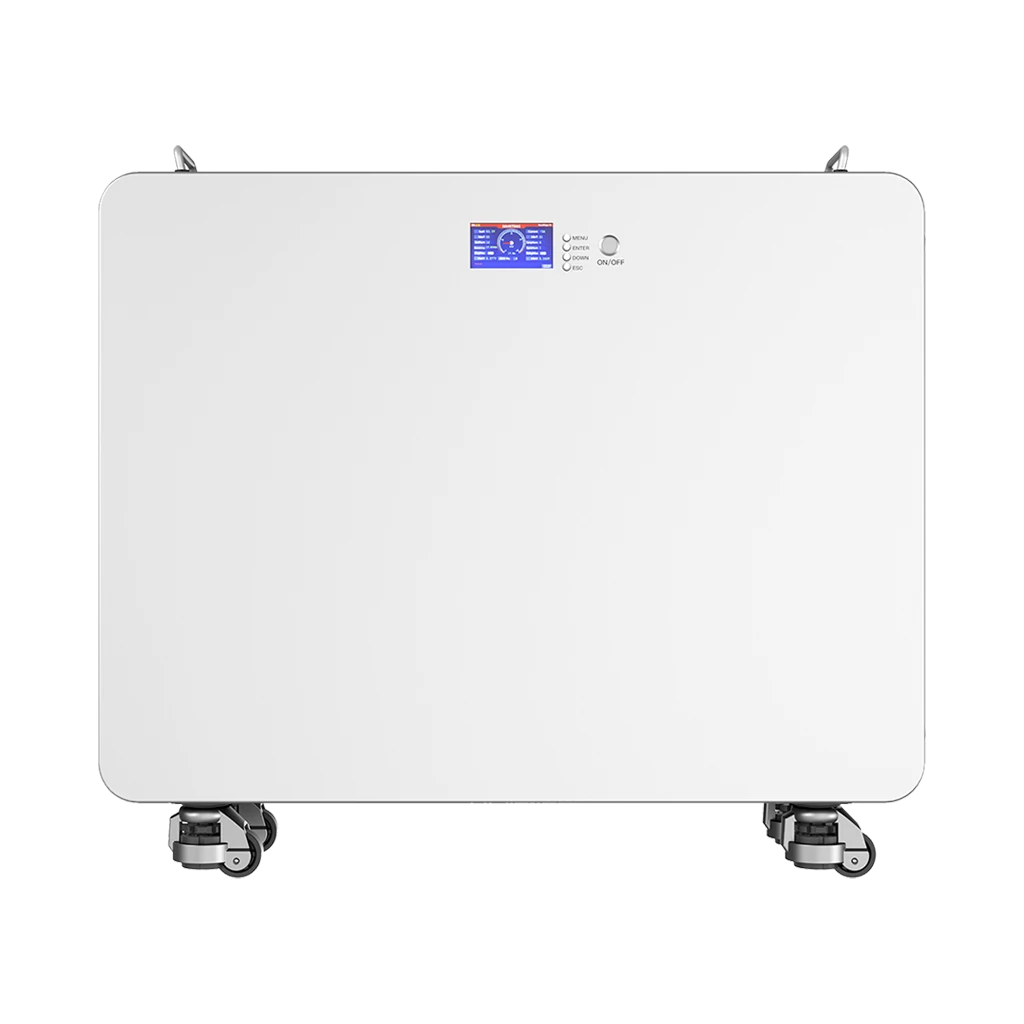
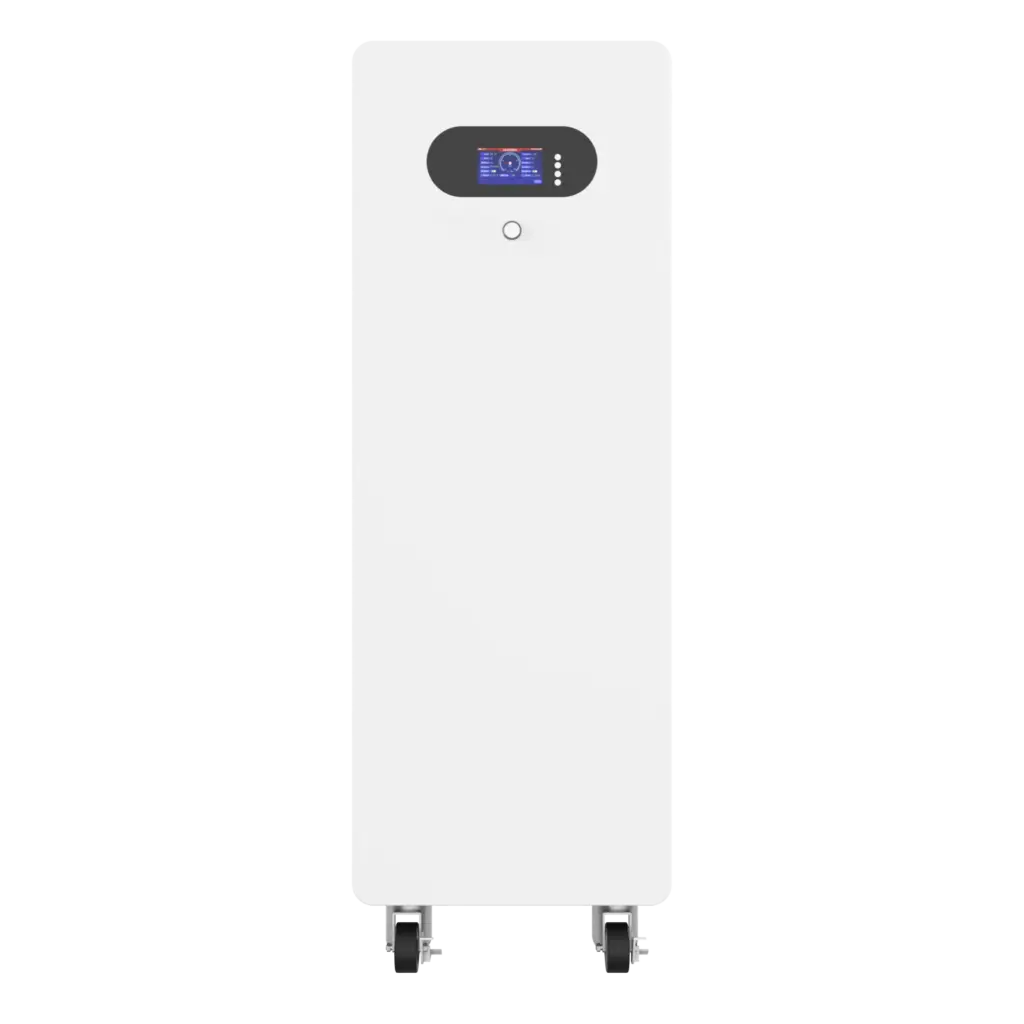
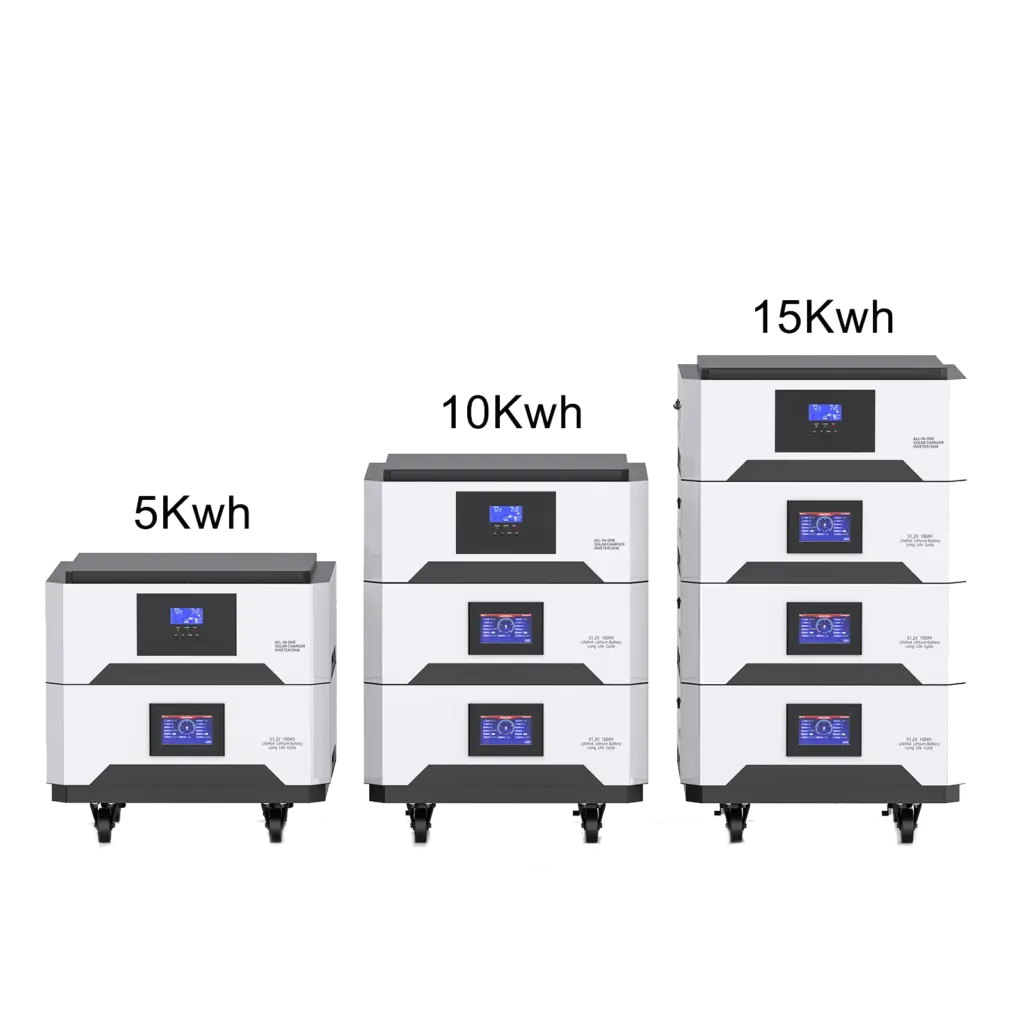
A practical Avepower example is its 15kWh all-in-one solar battery with 6kW inverter. Configuration uses a 51.2V battery, integrated 6kW-class pure sine wave inverter, a 200A BMS and a listed 140A discharge current.
Under the simplified 51.2V/92% assumption, the calculated 127A is below the listed 140A discharge figure.
How Do You Calculate Battery Runtime After DC-to-AC Conversion?
Estimated runtime equals usable battery energy multiplied by inverter efficiency and divided by the average AC load.
For a battery rated in Ah:
Battery Energy (Wh) = Voltage × Ah
Then:
Estimated Runtime = Battery Wh × Usable Fraction × Inverter Efficiency ÷ AC Load
Example:
51.2V × 100Ah = 5,120Wh nominal
Assume:
Usable fraction = 90%
Inverter efficiency = 92%
Average AC load = 1,000W
Runtime:
5,120 × 0.90 × 0.92 ÷ 1,000
≈ 4.24 hours
Real runtime may be lower if the inverter itself consumes power or if the load has frequent high-power starts.
For a dedicated reverse calculation, use Avepower’s 12V, 24V and 48V battery runtime calculator or the home solar battery size calculator.
How Much DC Current Does a 2,000W Inverter Need?
A 2,000W AC load requires dramatically different battery current at 12V, 24V and 48V. At 90% efficiency, a 12V system needs about four times the current required by a 48V system for the same AC power.
For a 2,000W load at 90% inverter efficiency:
| Battery Voltage | Approx. Required DC Current |
|---|---|
| 12V | 185.2A |
| 24V | 92.6A |
| 48V | 46.3A |
Conclusion
In practical solar and battery systems, inverter efficiency, voltage, current and equipment operating limits—not a one-to-one conversion between DC watts and AC watts.
Use PDC = VDC × IDC and PAC = PDC × η for the first estimate. For reverse sizing, use IDC = PAC ÷ (VDC × η). Then verify the result against continuous inverter output, surge capability, battery/BMS current limits, AC power factor and applicable installation requirements.
If you are configuring a residential or commercial storage project, start with the exact inverter model, required AC kW, battery voltage, required kWh, backup time and peak-load profile. These values make it possible to match the battery and inverter as one system rather than sizing each component independently.
FAQ
Multiply DC watts by inverter efficiency. For example, 1,000W DC at 90% efficiency gives an estimated 900W AC. The inverter’s rated output and operating limits must still be checked.
No. A real inverter has conversion losses. At 92% efficiency, 1,000W DC would theoretically provide about 920W of AC real power before considering other system losses.
At a 1,000W AC load and 90% efficiency, the approximate battery current is 92.6A at 12V, 46.3A at 24V and 23.1A at 48V.
The Ah rating alone is not enough. You must know battery voltage, BMS discharge-current limit, usable capacity and inverter efficiency. The battery may have sufficient stored energy but insufficient instantaneous current.
For the same power level, yes on the DC side. A higher DC voltage requires less current, which can reduce conductor-current requirements and voltage drop.
It is the PV array’s DC nameplate capacity divided by the inverter’s AC rated capacity. It is not the same calculation as converting battery DC power into AC output power.