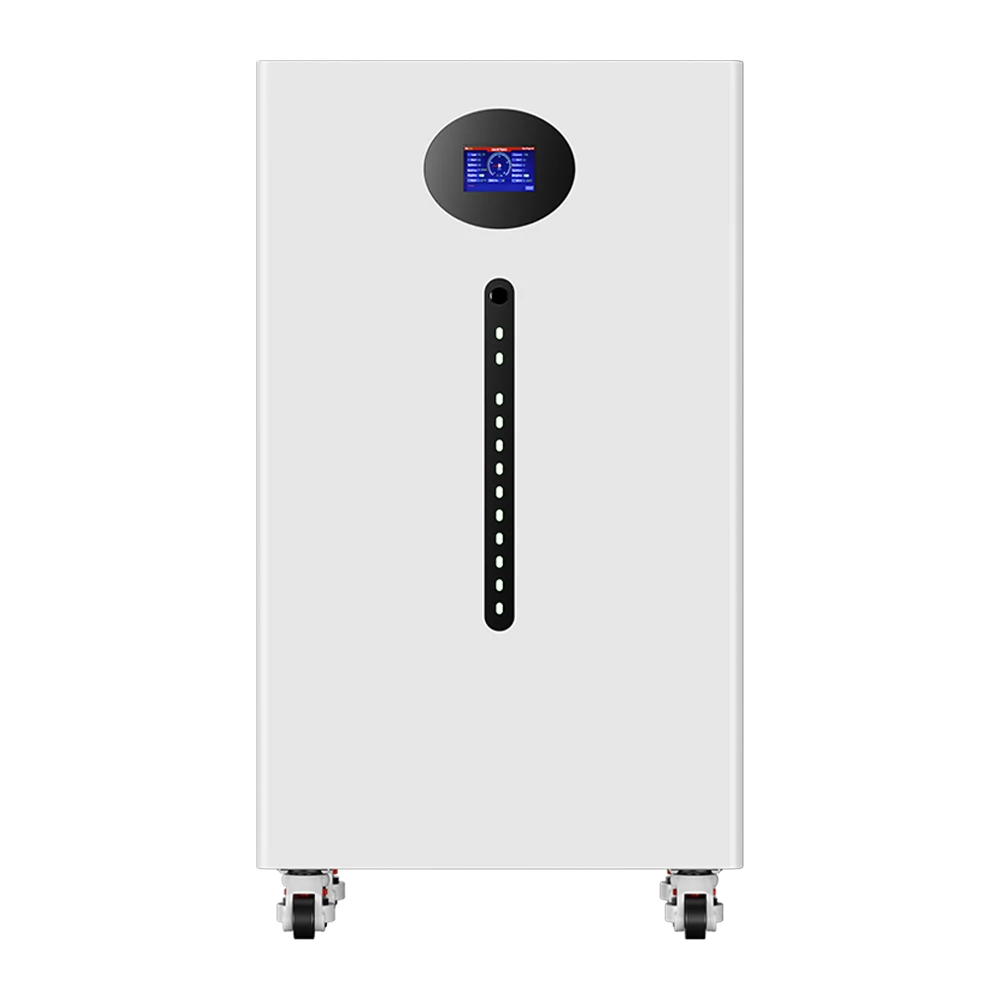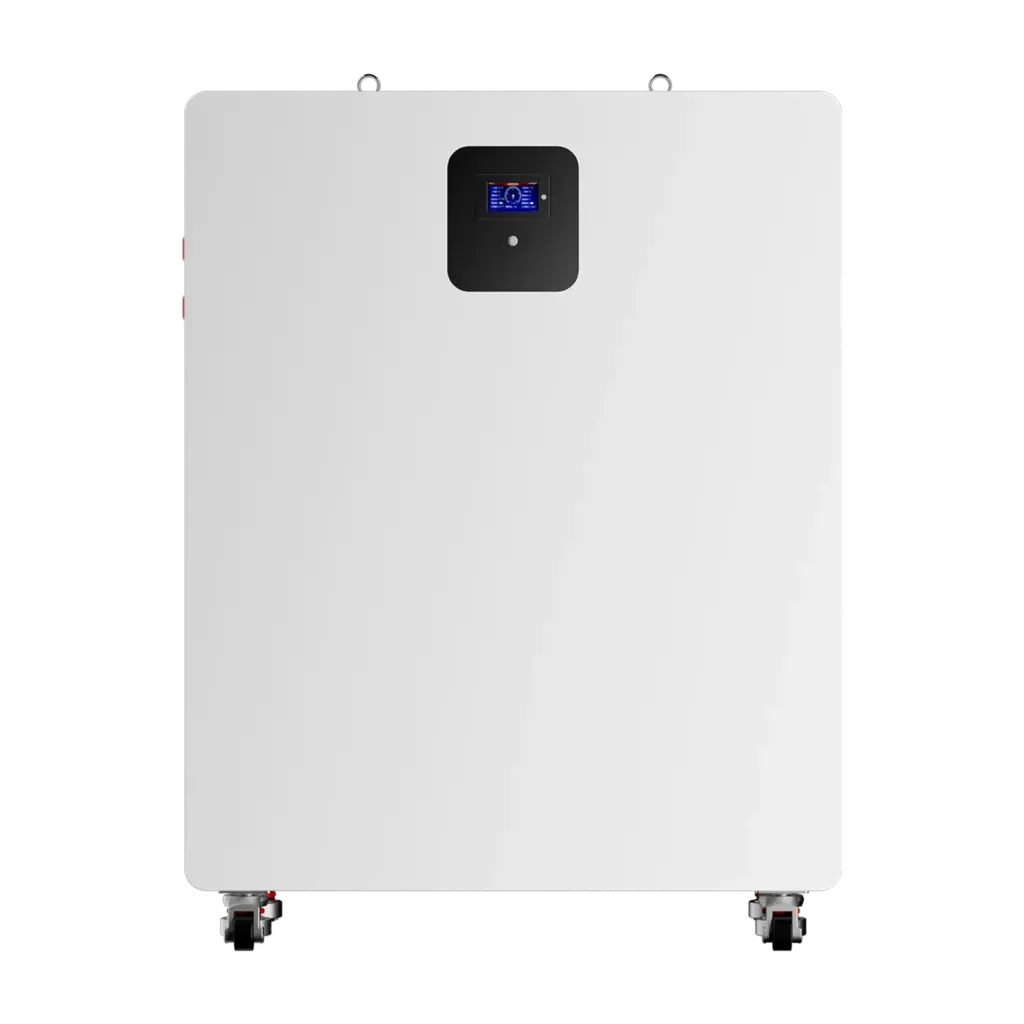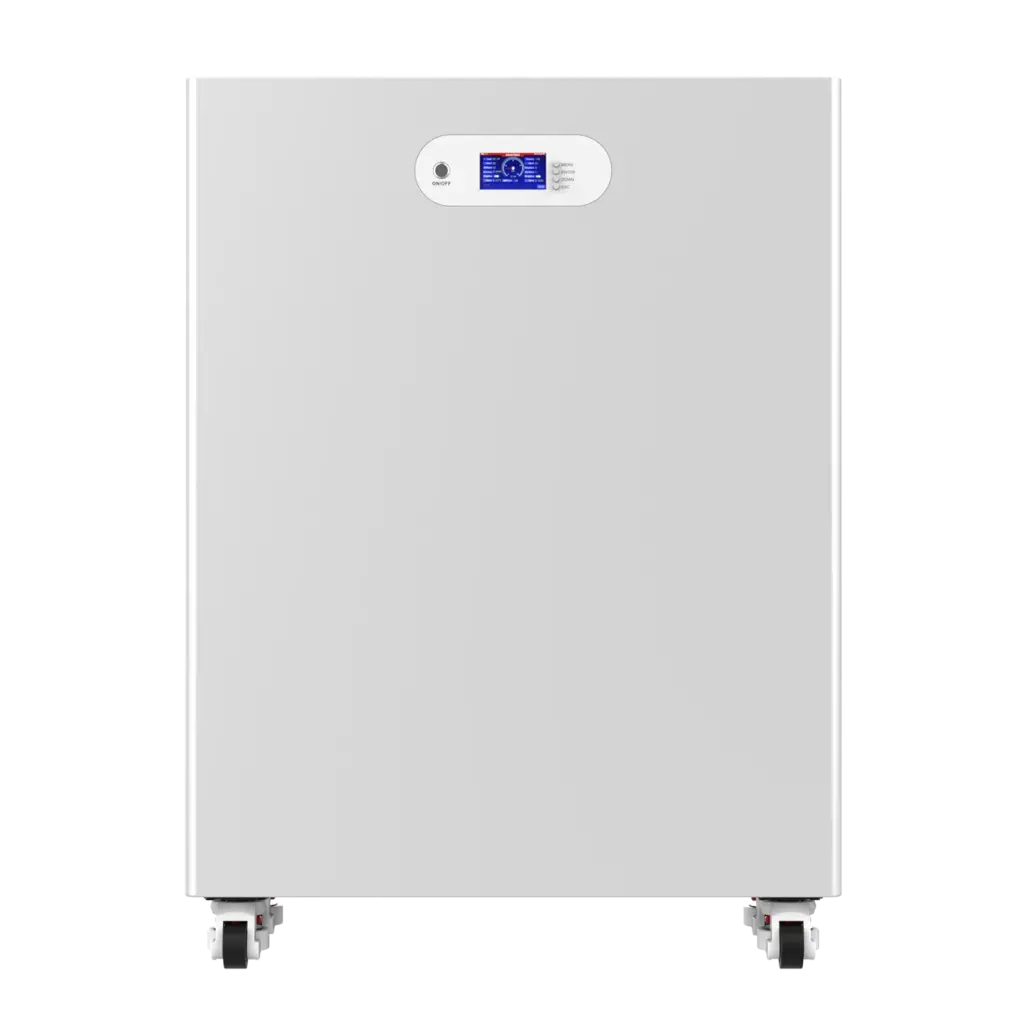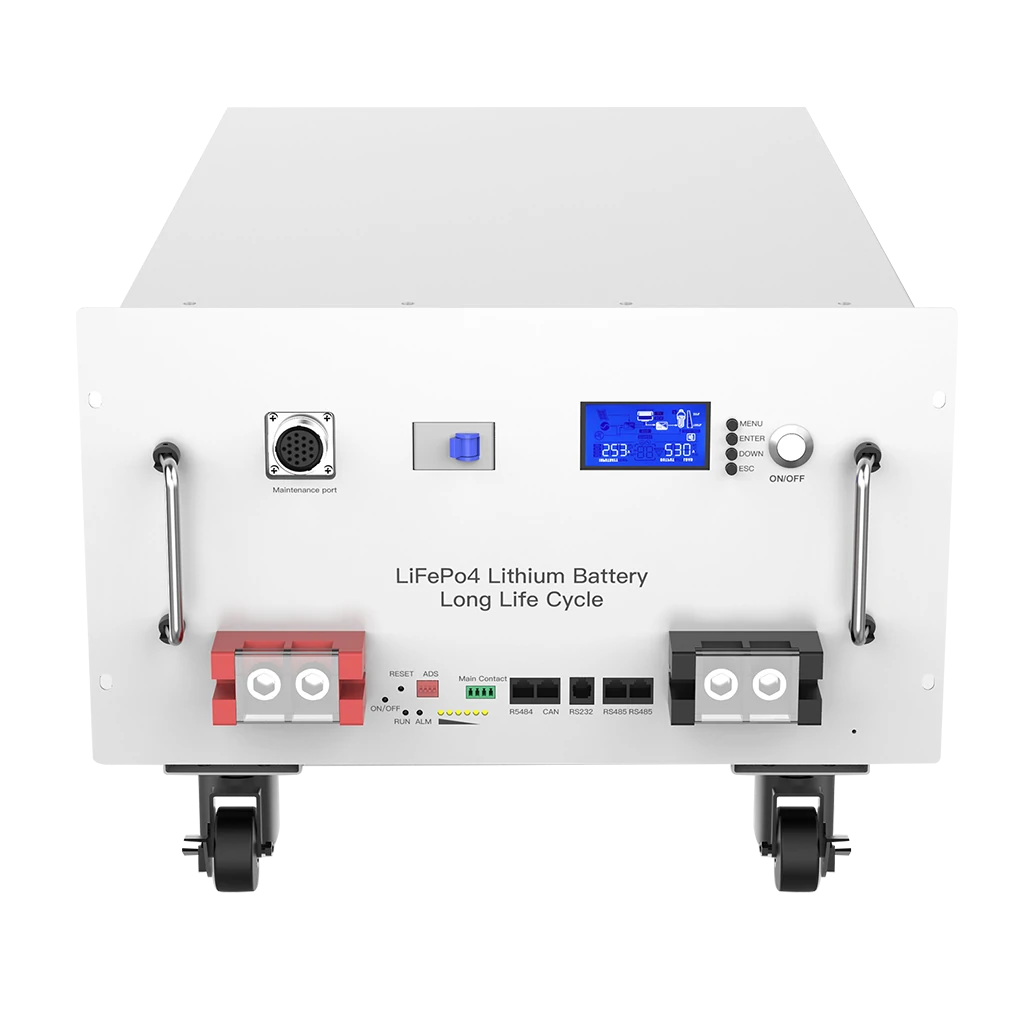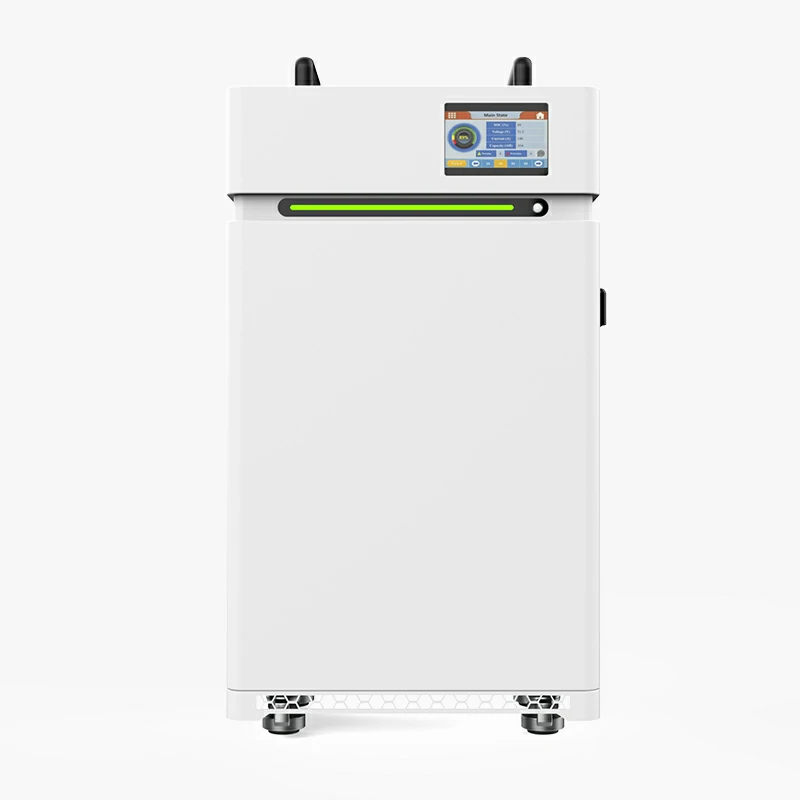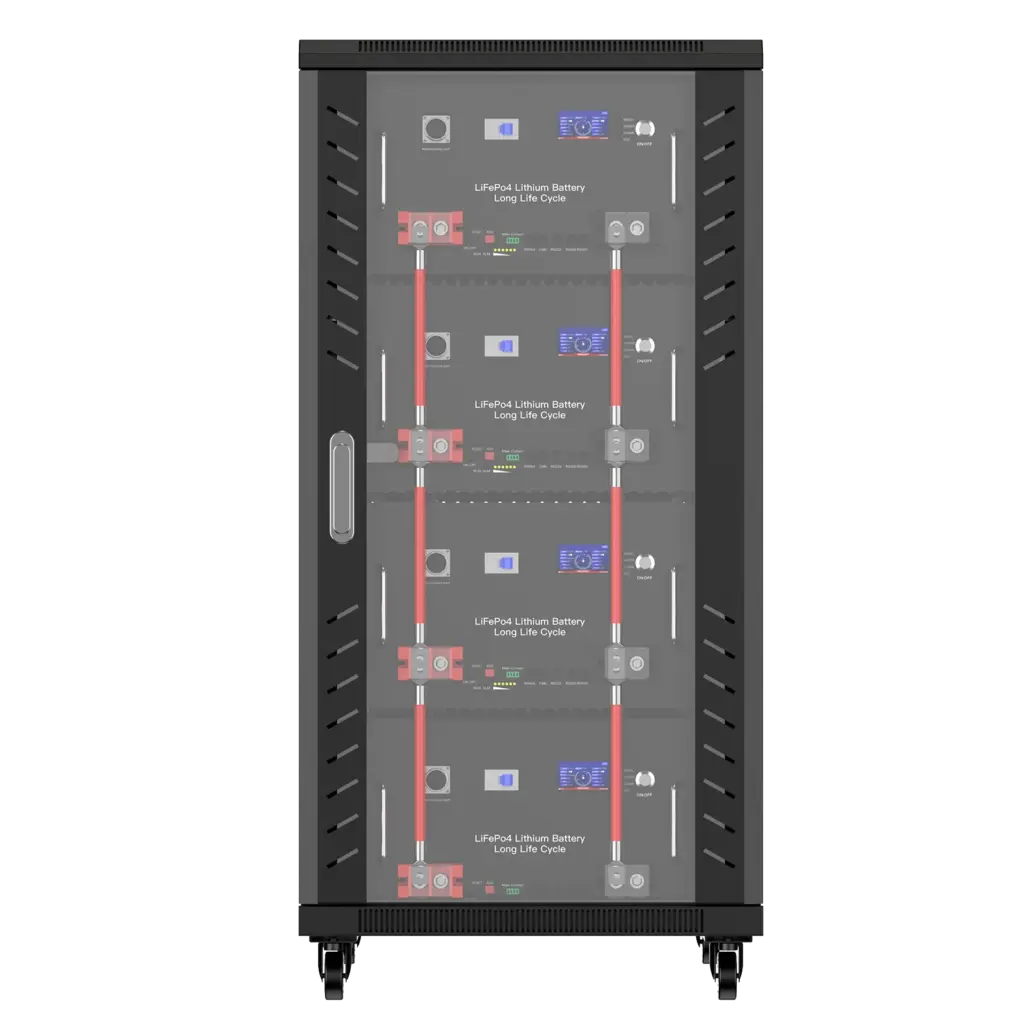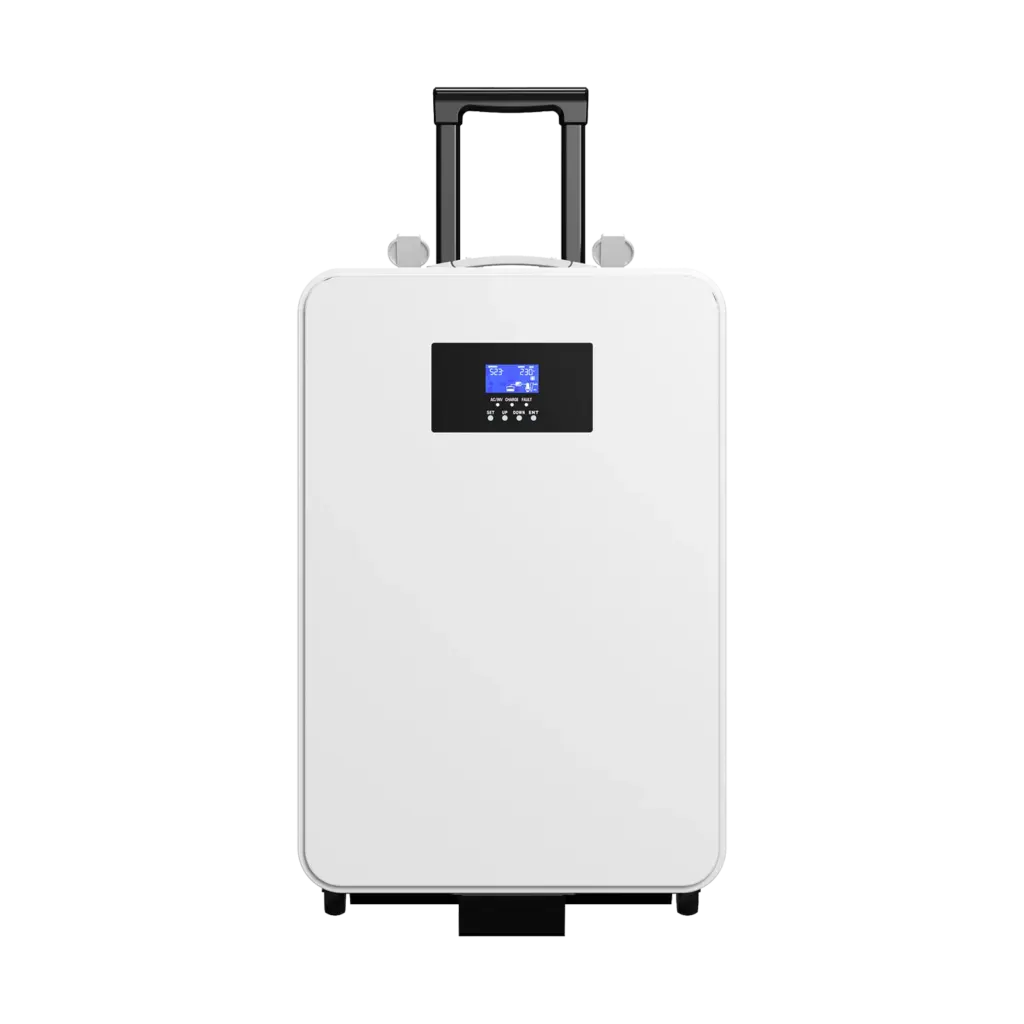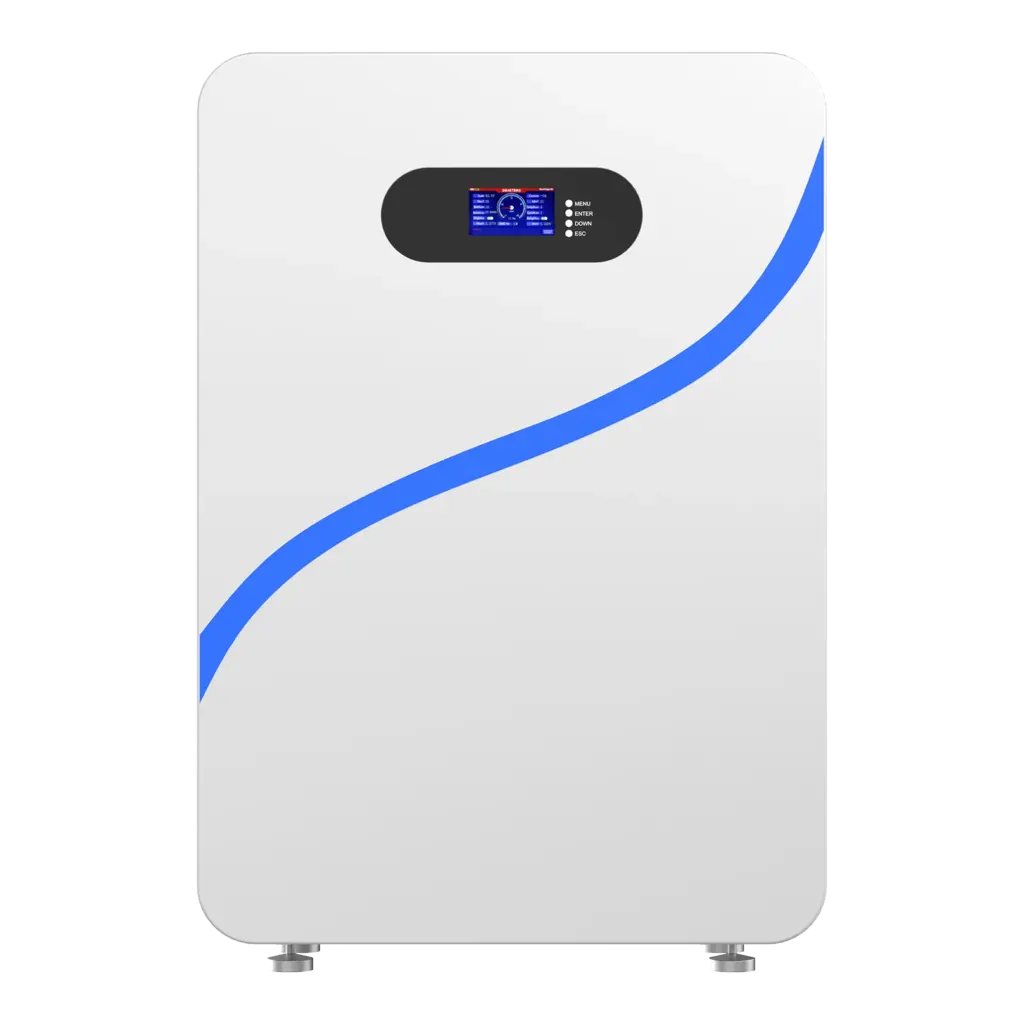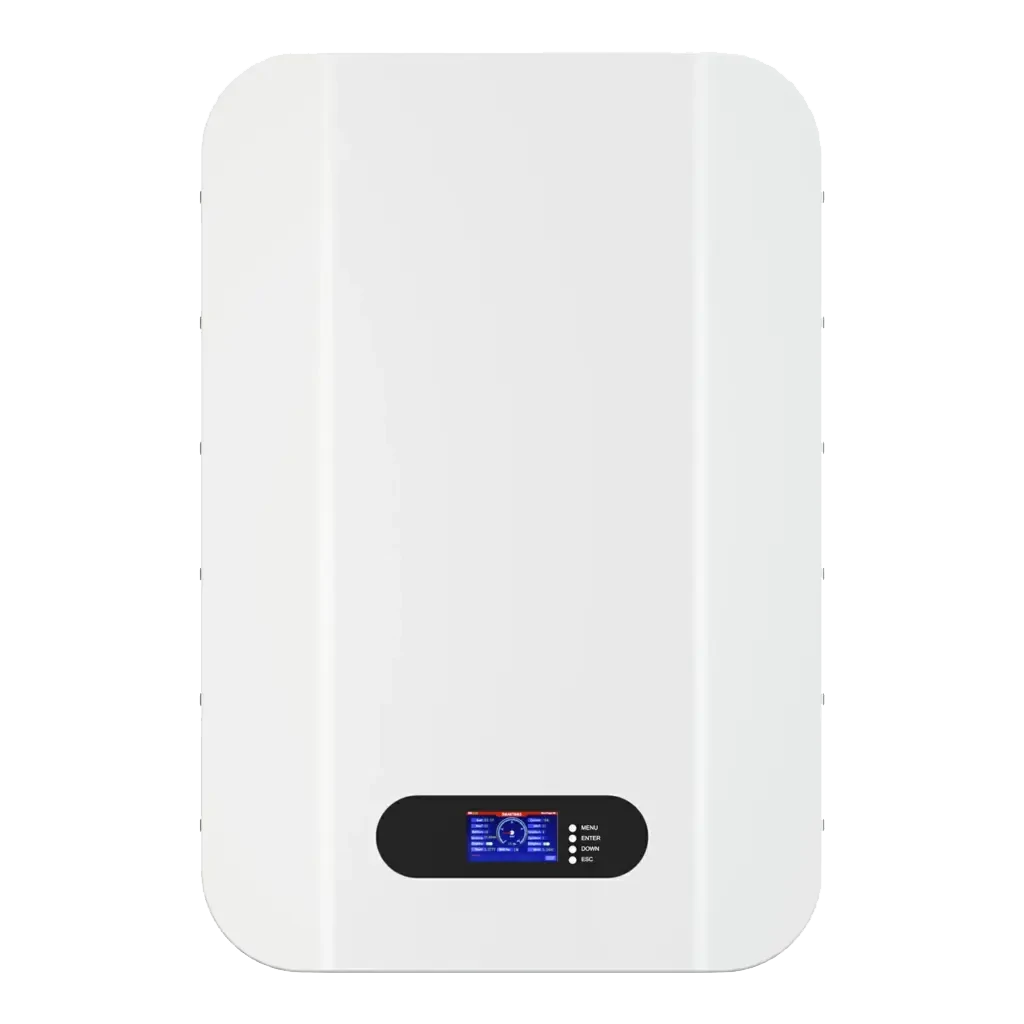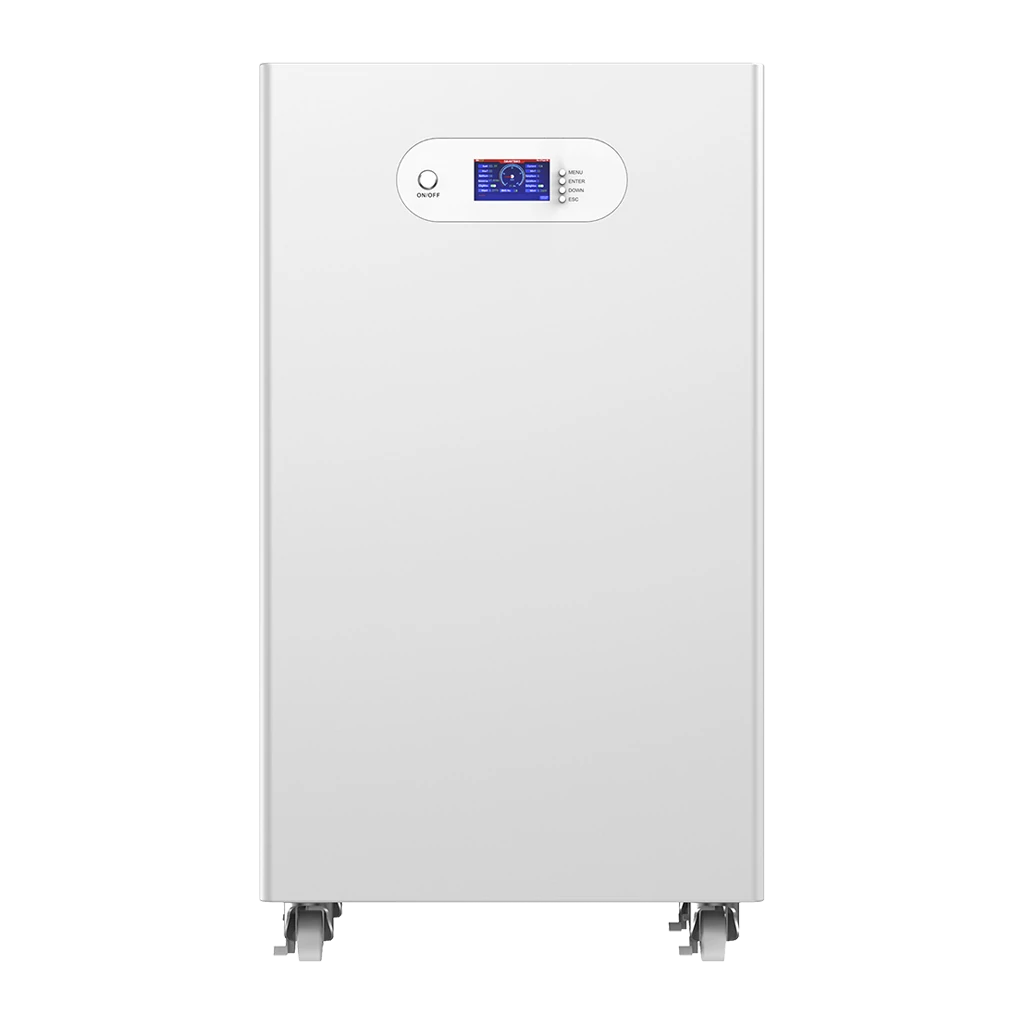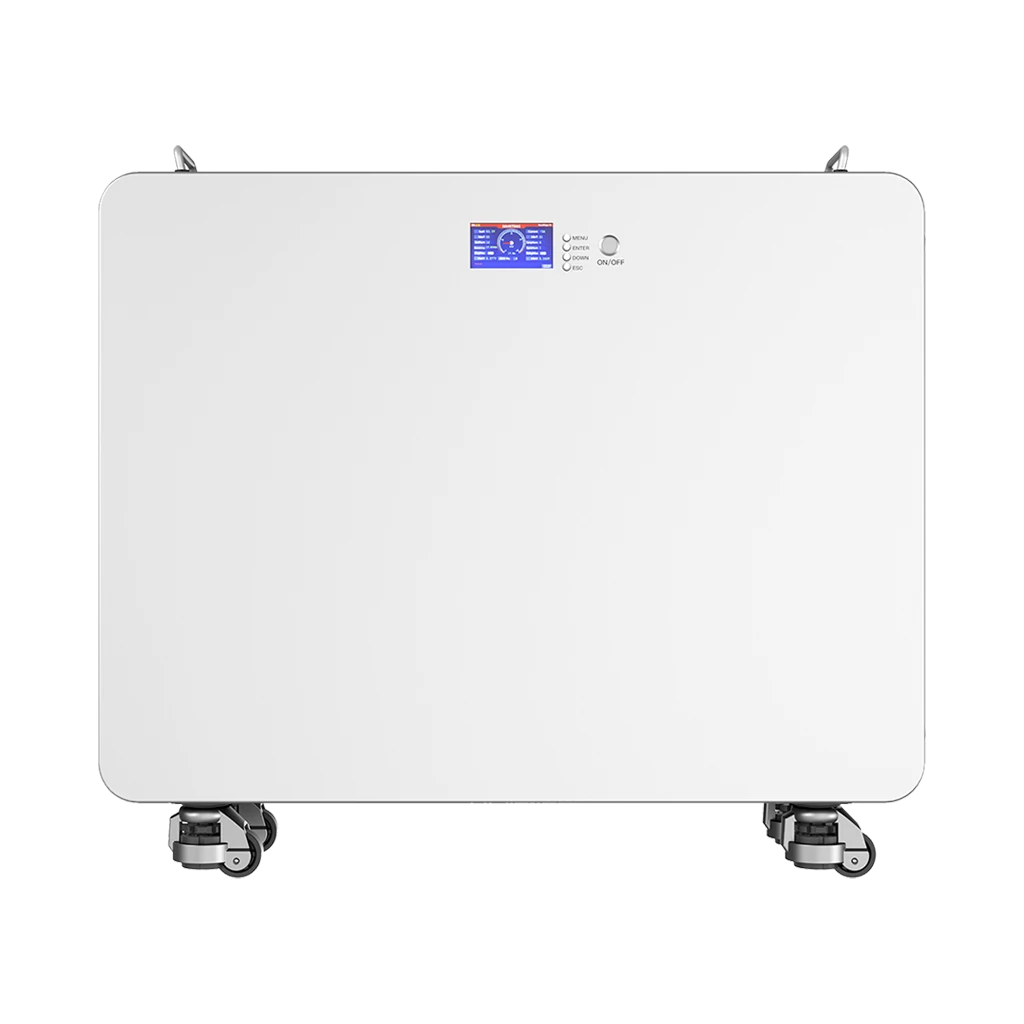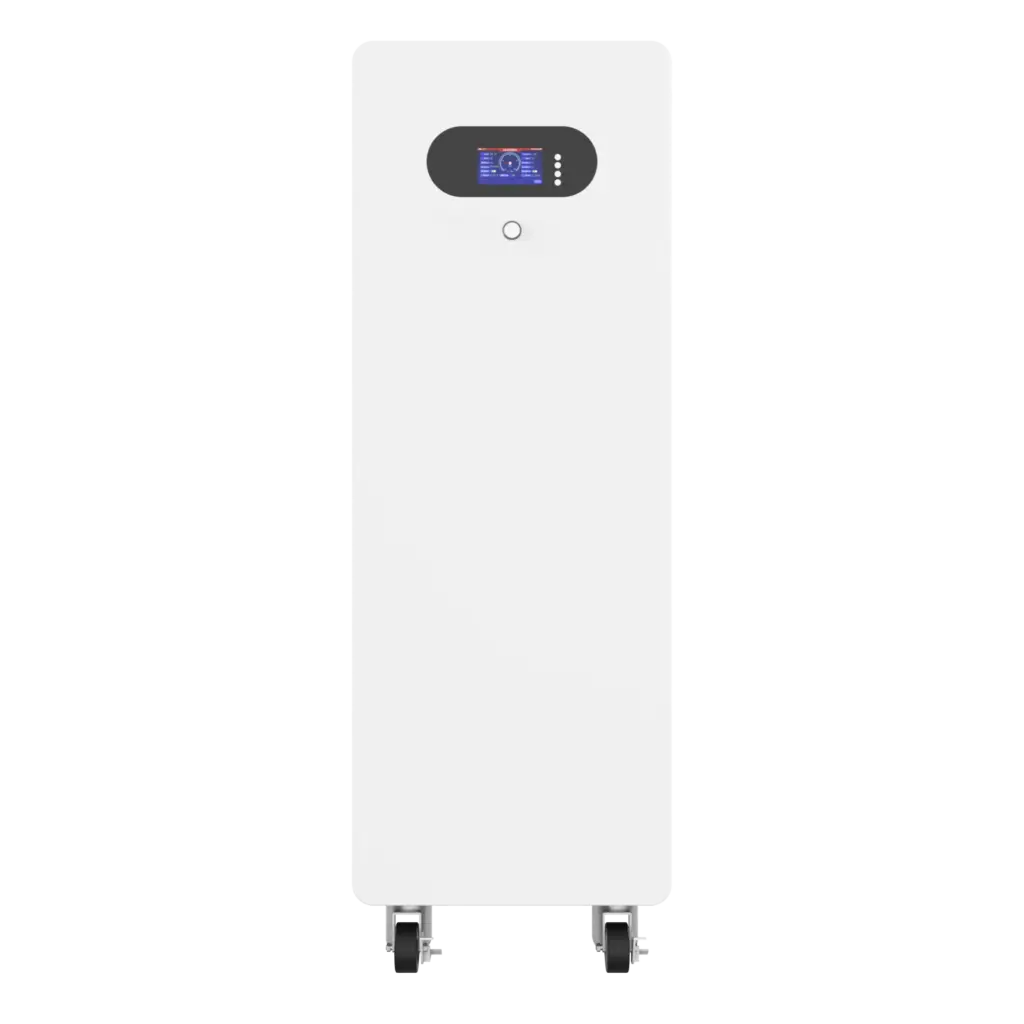

Solar battery solutions store excess electricity generated by solar panels so it can be used later at night, during peak electricity-price periods, during grid outages, or when solar production is low. The best battery for solar storage is not simply the battery with the largest capacity—it should match your daily energy use, solar-array output, inverter, backup loads, installation conditions, and future expansion requirements.
For most modern residential and small commercial solar storage projects, LiFePO4 batteries provide one of the strongest combinations of long cycle life, high usable capacity, thermal stability, low maintenance, and modular expansion.
However, the right solar battery solution depends on the application. A homeowner needing evening solar self-consumption may need a 10–15 kWh battery, while a large villa, off-grid property, installer project, or commercial facility can require a much larger modular energy storage system.
Quick Answer: Which Solar Battery Solution Is Best?
The best solar battery solution is one that matches the energy-storage objective rather than simply providing the highest possible kWh. LiFePO4 is generally the strongest battery chemistry for daily residential solar storage, while battery format and capacity should be selected according to load, inverter power, backup duration and future expansion.
| Application | Recommended Solar Battery Solution | Typical Starting Capacity | Main Priority |
|---|---|---|---|
| Small home | LiFePO4 home battery | 5–10 kWh | Evening solar use |
| Family home | Wall-mounted or stackable LFP battery | 10–20 kWh | Solar self-consumption + backup |
| Large home / villa | Modular LiFePO4 system | 20–60 kWh | Longer backup and higher loads |
| Off-grid home | Expandable LiFePO4 battery bank | 30–100+ kWh | Autonomy and solar recharge |
| Installer projects | Modular inverter-compatible battery | Project dependent | Repeatable installation |
| Distributor / OEM | Customizable LFP battery platform | Project dependent | Supply, branding and compatibility |
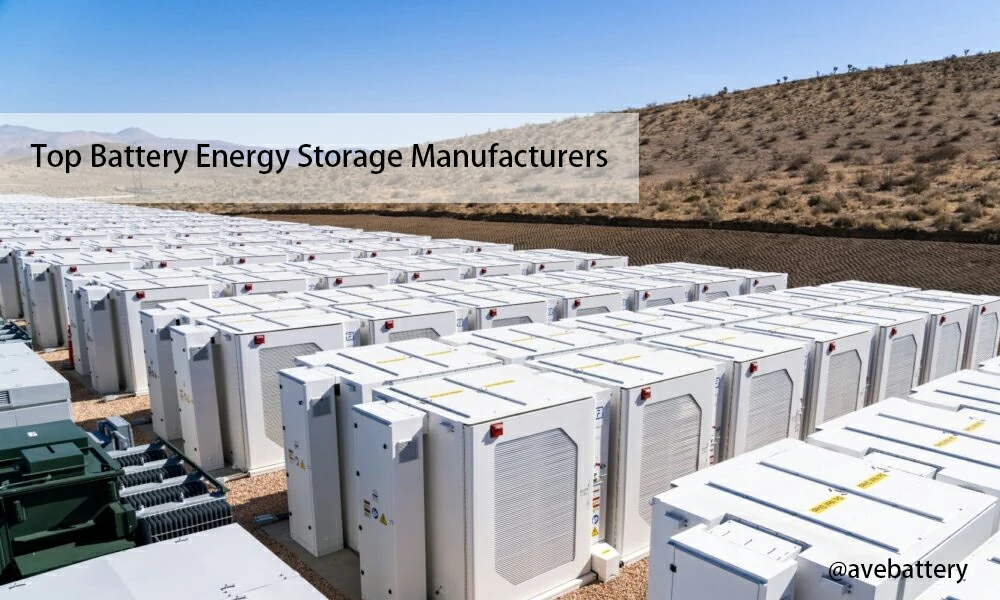
| Commercial solar | High-voltage BESS | 100 kWh–MWh scale | Energy management and peak shaving |
Find the Right Solar Battery Solution for Your Project
Avepower can help match the right LiFePO4 battery solution based on your solar system, backup loads, inverter model and project requirements.
What Are Solar Battery Solutions?
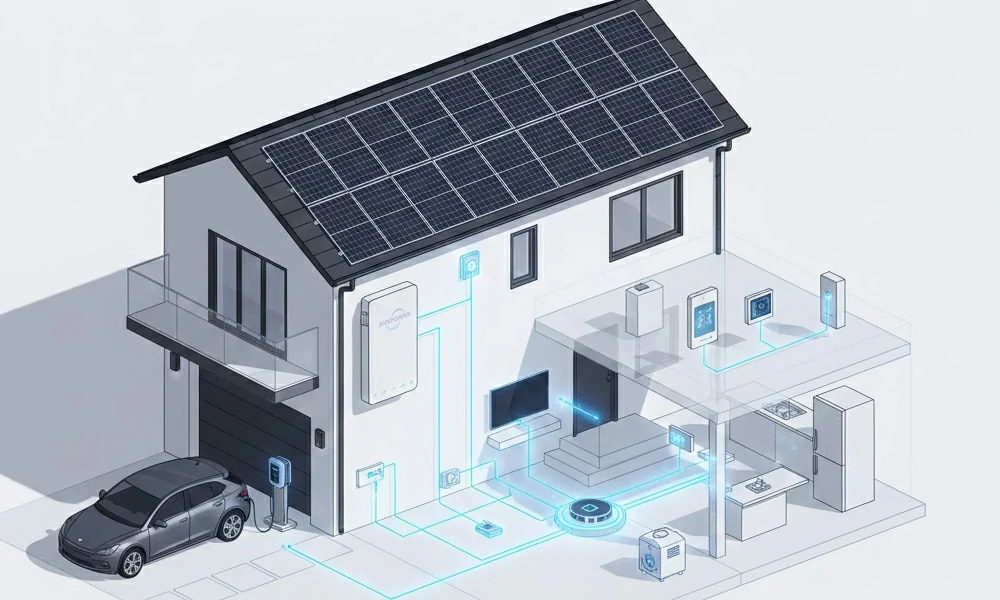
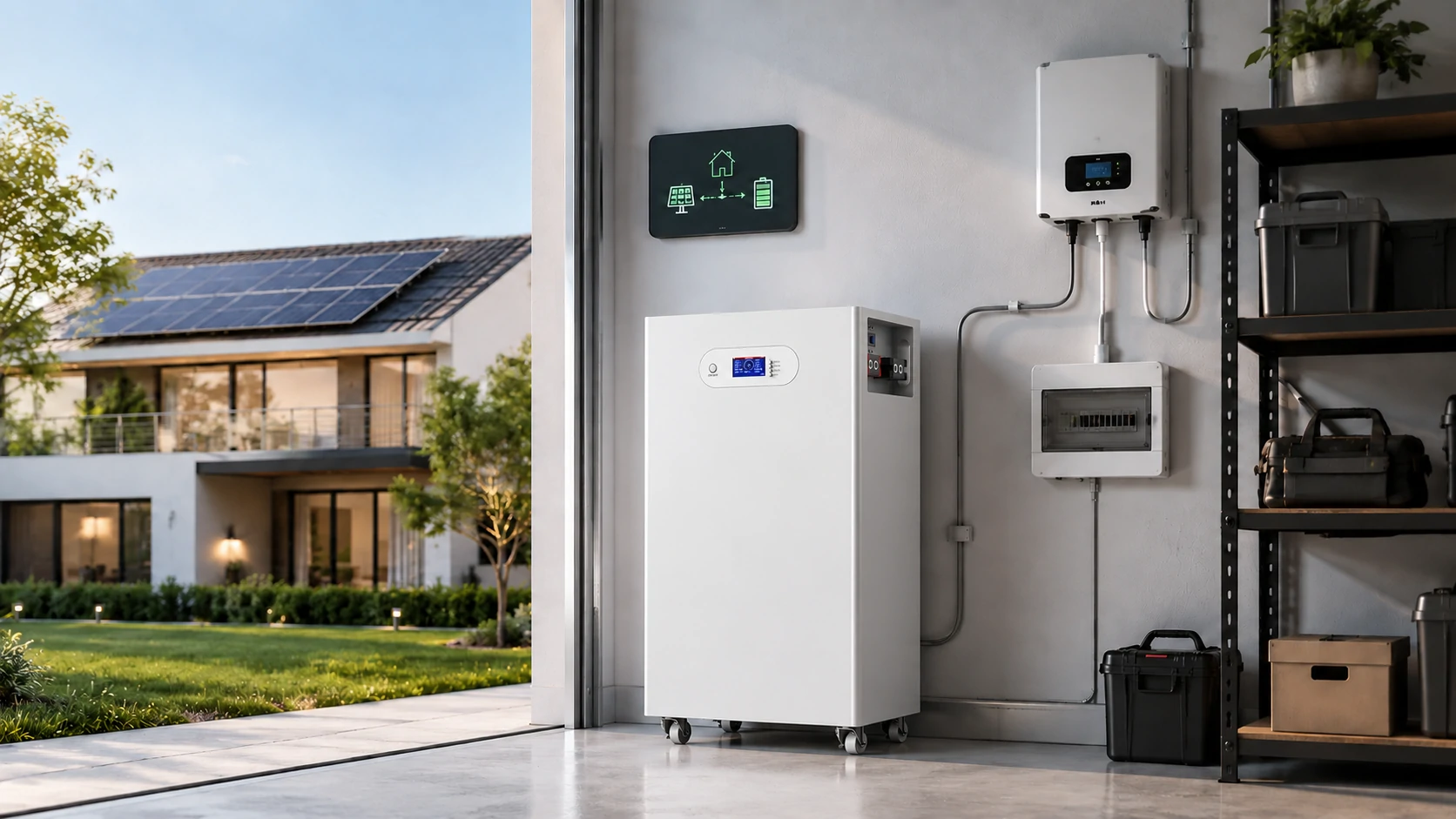
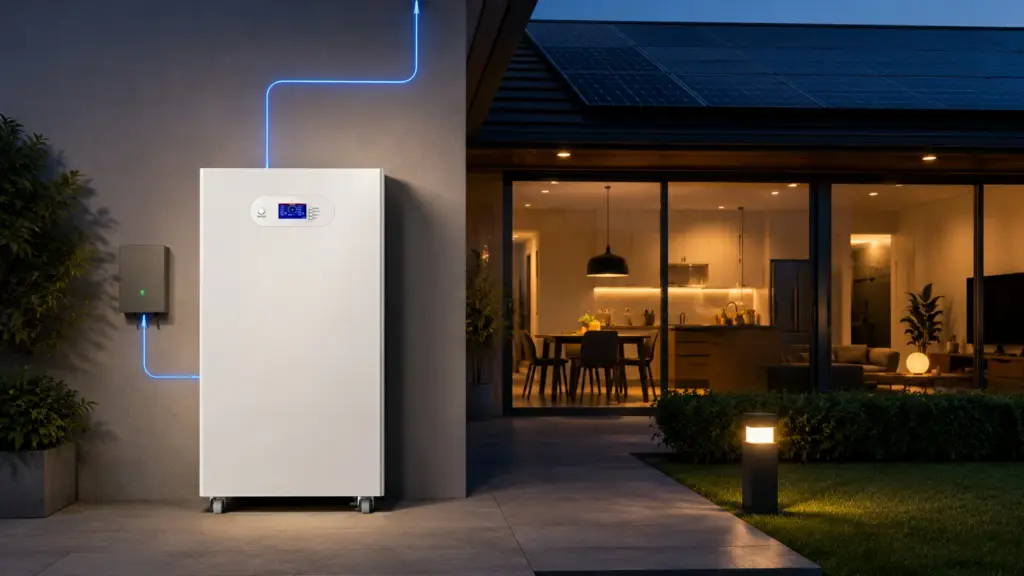
Solar battery solutions combine battery storage with the equipment required to safely store, manage and deliver solar-generated electricity. A complete solution normally includes the battery modules, BMS, inverter or PCS, monitoring system, protection equipment and system-control logic.
The basic energy flow is:
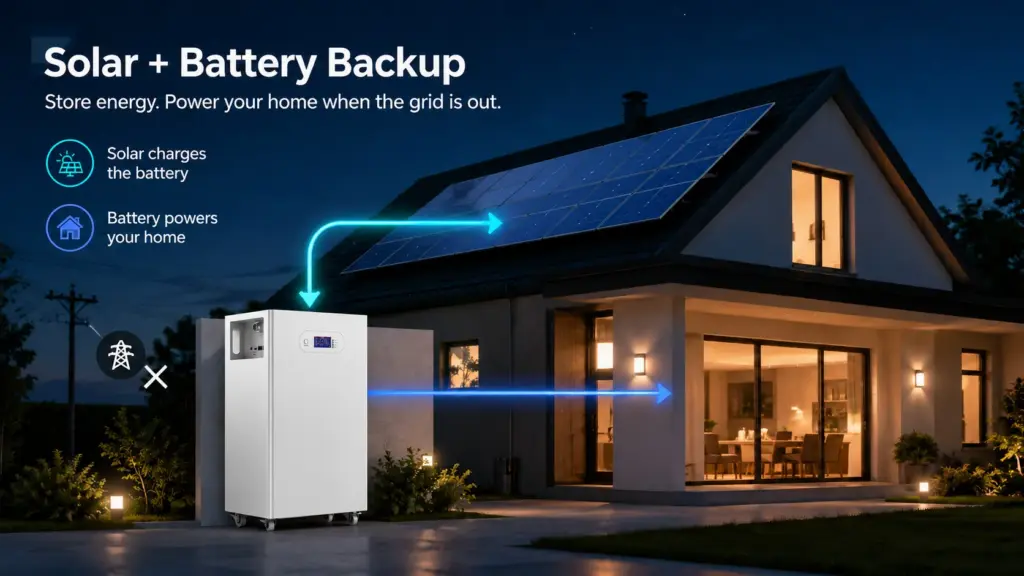
Solar panels → inverter/charger → battery → inverter → electrical loads
When solar production exceeds current electricity consumption, surplus electricity can charge the battery.
When solar output falls, the battery can discharge to:
- supply evening loads;
- reduce grid electricity purchases;
- avoid peak electricity rates;
- maintain selected loads during an outage;
- support off-grid operation.
This is why choosing a solar battery involves more than selecting a battery pack. Battery capacity, power output, inverter compatibility and control strategy must work together.
Best Battery for Solar Storage: Which Battery Type Should You Choose?
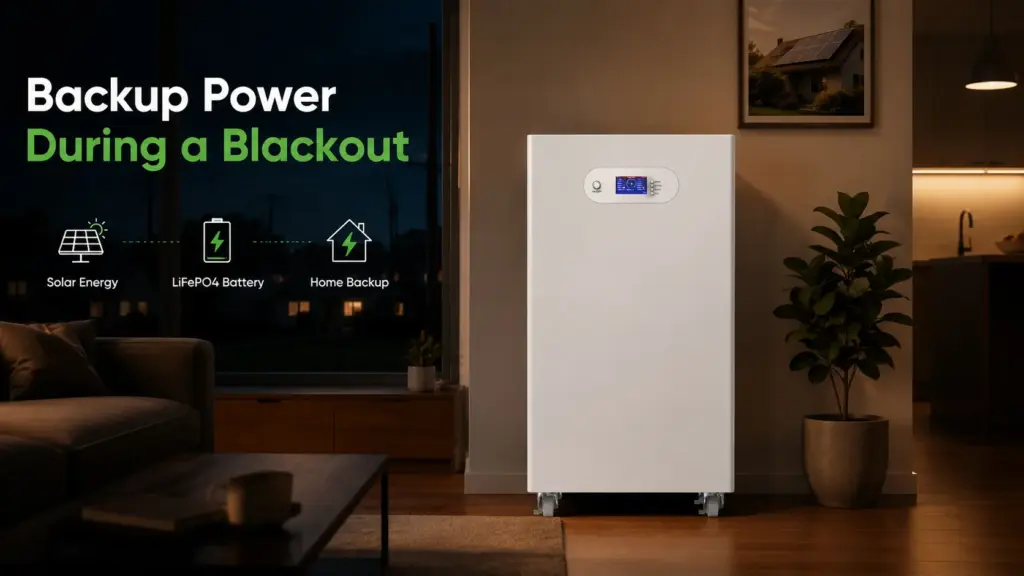
For most modern residential solar-storage systems, LiFePO4 is one of the best battery technologies because it combines long cycle life, relatively high usable capacity, good thermal stability and low routine maintenance. Lead-acid batteries can still make sense for inexpensive or occasional-use systems, while other chemistries may suit specialized applications.
Solar Storage Battery Comparison
| Battery Type | Cycle Performance | Usable Capacity | Maintenance | Safety / Thermal Stability | Best Application |
|---|---|---|---|---|---|
| LiFePO4 / LFP | High | High | Very low | High | Daily home solar storage |
| NMC lithium-ion | High | High | Low | Requires stronger thermal management | Space-constrained systems |
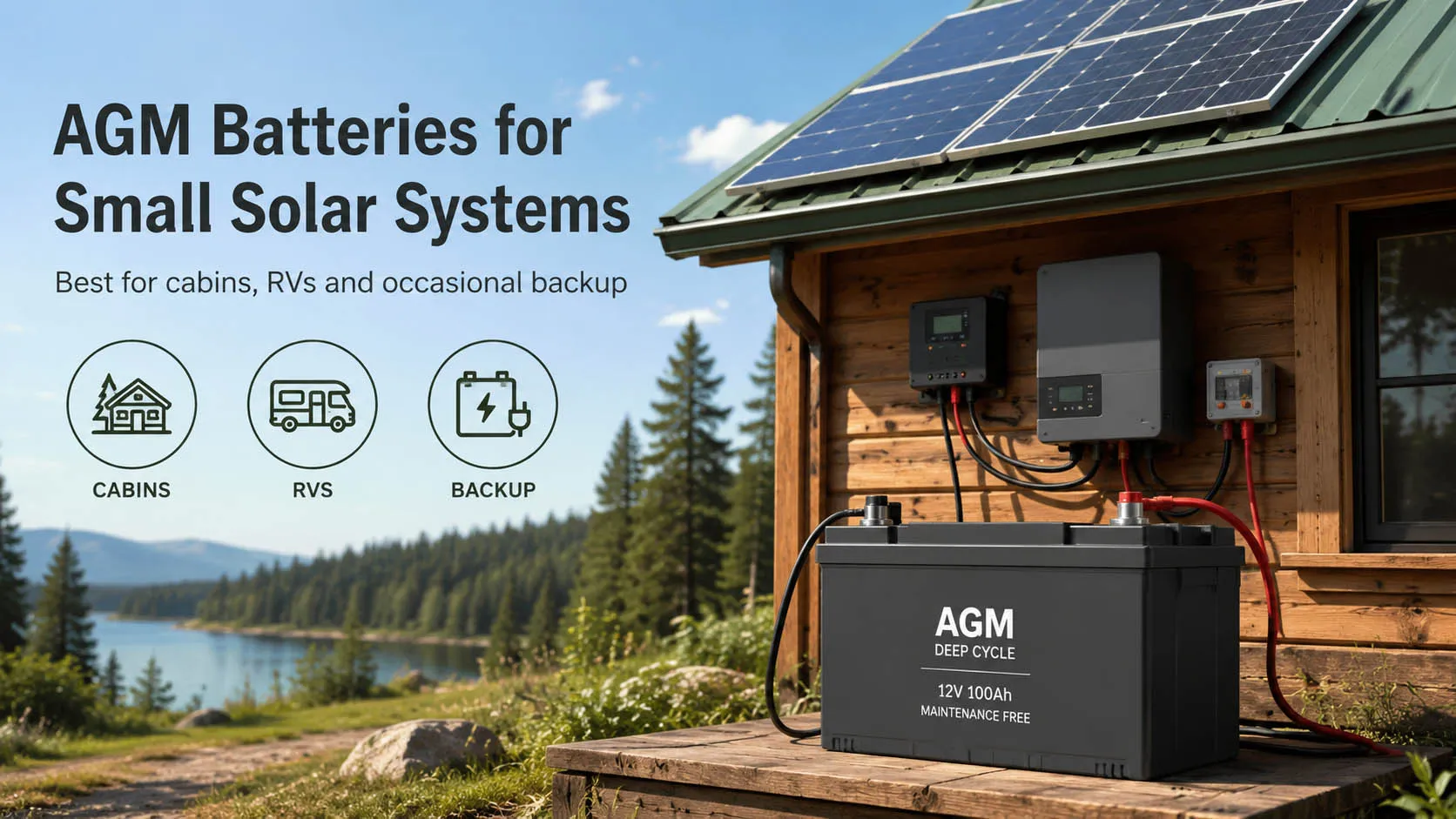
| AGM | Moderate | Moderate | Low | Mature technology | Small backup systems |
| Flooded lead-acid | Lower | Lower | High | Mature but ventilation may be required | Low-cost occasional use |
| Flow battery | Very high potential | High | Specialized | Chemistry dependent | Large long-duration projects |
For most buyers searching for the best battery for solar storage, LiFePO4 should normally be the first technology evaluated rather than the only technology automatically selected.
The final decision should also consider:
- Usable kWh rather than nameplate capacity alone
- Continuous and peak discharge power
- Expected daily cycling
- Battery operating temperature
- Inverter communication
- Warranty and retained capacity
- Required certifications
- Replacement and expansion strategy
For a deeper chemistry comparison, see Avepower’s Which Type of Battery Is Best for Solar System? guide.
Solar Battery Solutions for Installers and Distributors
For installers and distributors, a successful solar battery solution needs to be technically repeatable as well as commercially competitive. Inverter compatibility, documentation, stable supply and after-sales support can be just as important as battery specifications.
Installers should evaluate:
- inverter compatibility;
- communication protocols;
- wiring documentation;
- BMS settings;
- commissioning procedures;
- battery expansion;
- technical support;
- certification.
Distributors and OEM buyers should additionally evaluate:
- MOQ;
- manufacturing capacity;
- lead time;
- product consistency;
- branding options;
- packaging customization;
- regional certification;
- warranty process;
- replacement-part supply.
A battery platform that works reliably across multiple inverter brands and capacity configurations can reduce the cost of training, inventory and after-sales support.
Source Reliable LiFePO4 Batteries for Solar Projects
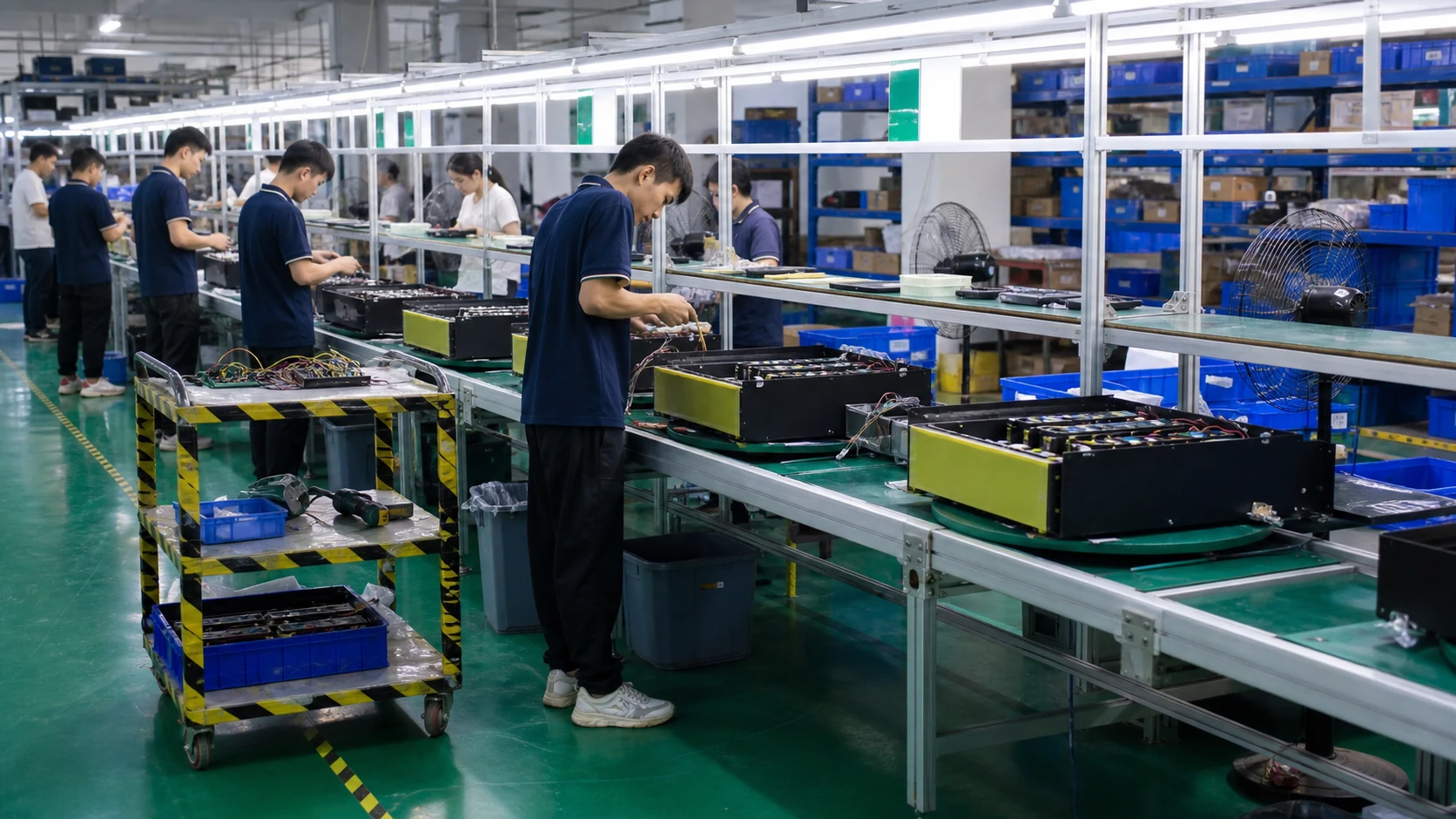
Avepower supports installers, distributors and OEM partners with scalable home battery systems, inverter compatibility support, certification documents, bulk supply and OEM/ODM customization.
How Should You Compare Solar Battery Solutions?
Compare solar battery solutions using usable energy, output power, battery chemistry, efficiency, warranty, compatibility and expansion rather than purchase price or nominal capacity alone.
Use this checklist:
| Specification | Why It Matters |
|---|---|
| Usable capacity | Determines how much energy is practically available |
| Continuous power | Determines sustained load capability |
| Peak power | Determines ability to start high-demand equipment |
| Battery chemistry | Influences lifespan, safety and operating behavior |
| Depth of discharge | Affects usable capacity |
| Round-trip efficiency | Indicates storage losses |
| Cycle life | Helps estimate long-term use |
| Warranty | Defines manufacturer-backed performance |
| Inverter compatibility | Determines system integration |
| BMS communication | Supports safe coordinated operation |
| Scalability | Allows capacity expansion |
| Certification | Supports safety and market compliance |
| Technical support | Reduces installation and commissioning risk |
Avepower Solar Battery Solutions
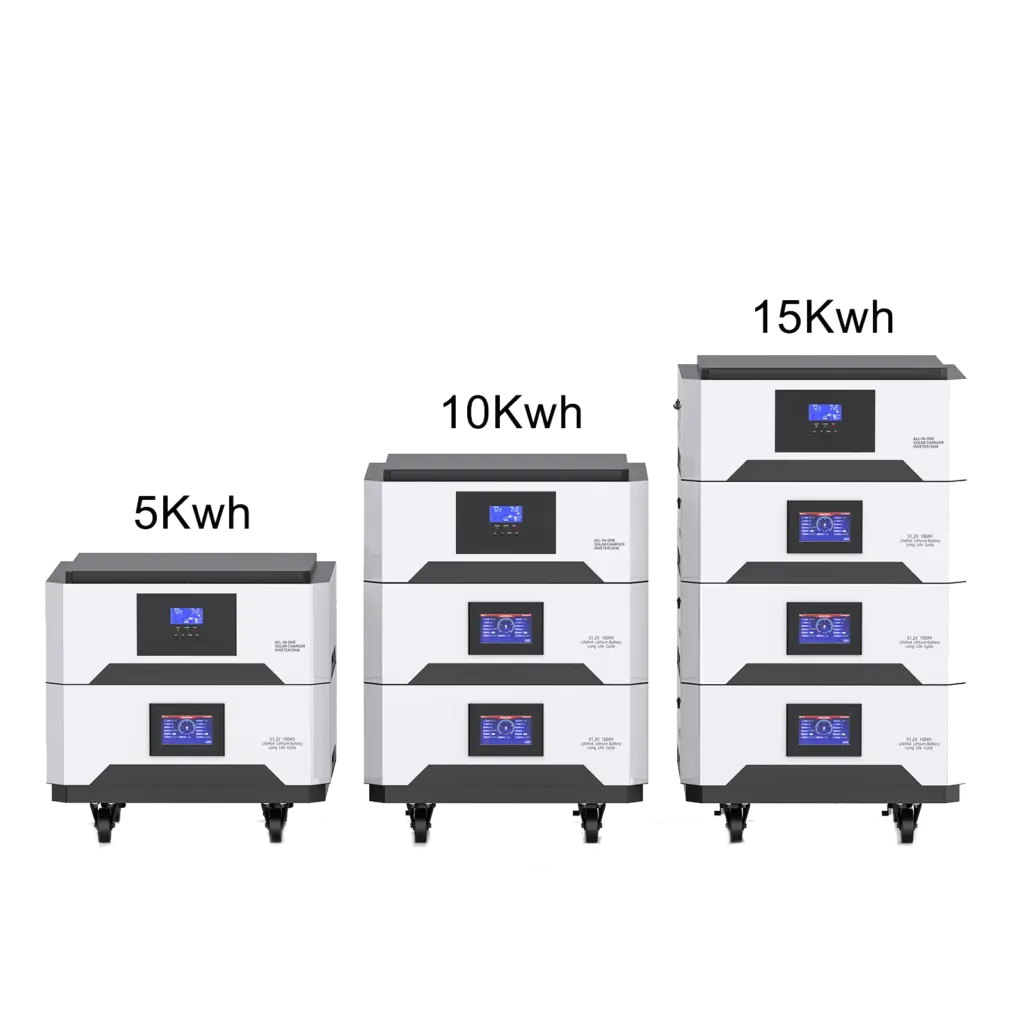
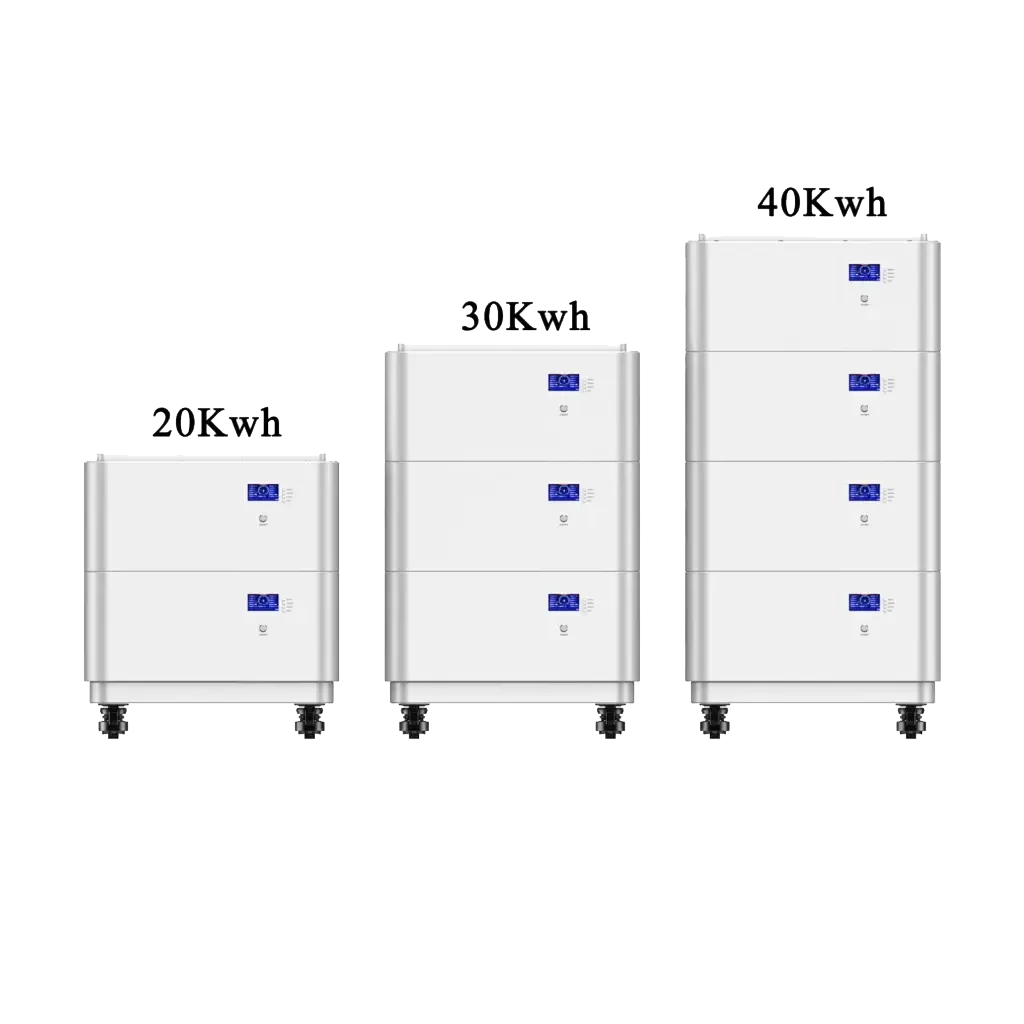
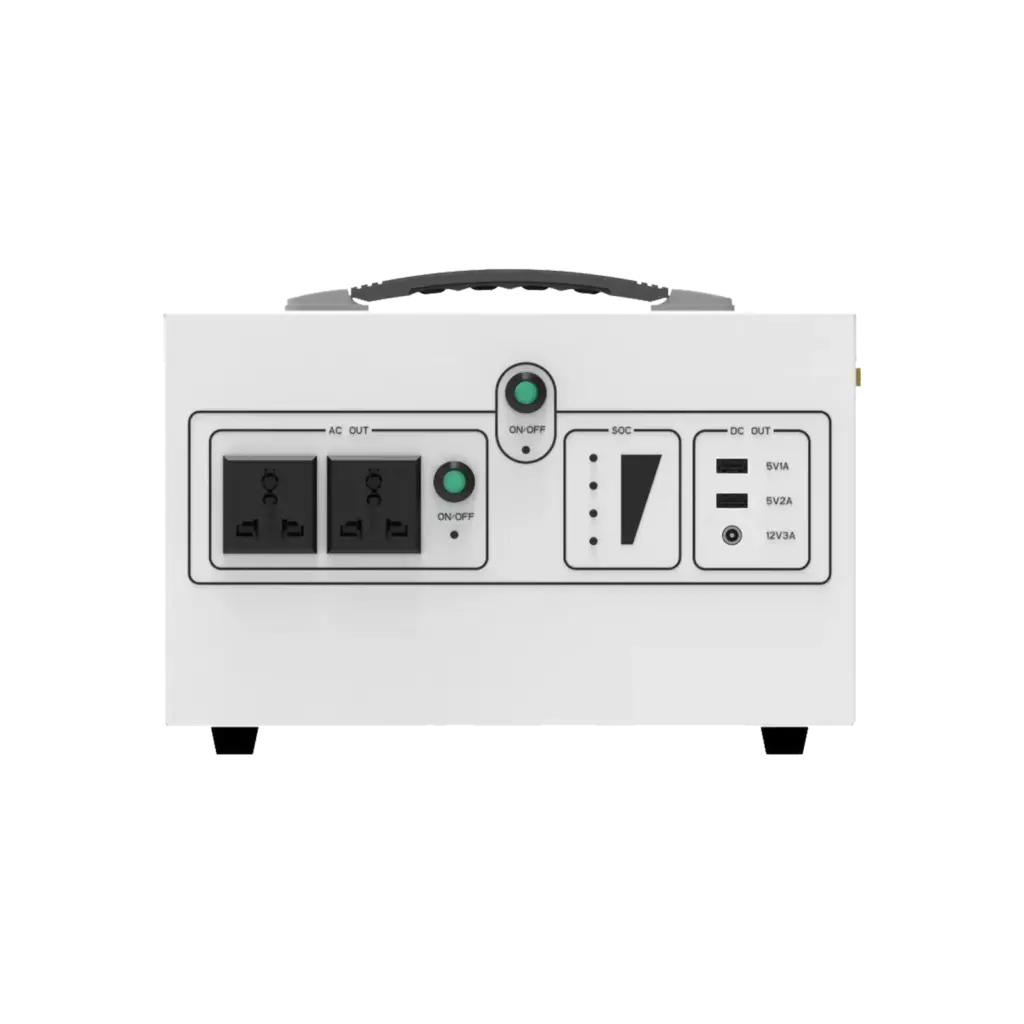
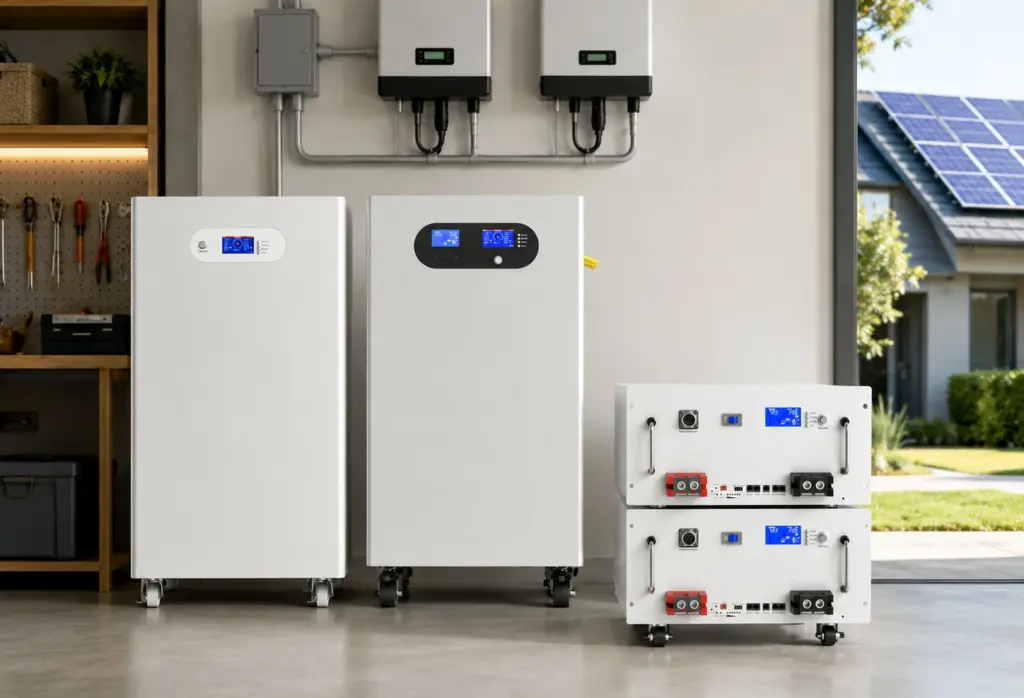
Avepower provides LiFePO4 solar battery solutions for residential, installer, distributor, OEM/ODM and commercial energy-storage projects. Battery formats include wall-mounted, stackable, rack-mounted, vertical, all-in-one and high-voltage energy storage systems.
Avepower’s residential energy storage platform includes 5 kWh, 10 kWh, 15 kWh and larger battery options, with selected models supporting modular parallel expansion.
Solar battery projects can be configured according to:
- Required capacity
- Battery voltage
- Inverter model
- Communication protocol
- Backup requirements
- Installation format
- Branding
- Packaging
- Target-market documentation
Rather than choosing a battery only by nominal capacity, project buyers should provide the load profile, PV capacity, inverter model, destination market and required backup duration before finalizing the system.
Take Control of Your Energy with Avepower!
Reliable home solar battery solutions with OEM/ODM customization and in-house manufacturing, tailored to the needs of distributors, installers, and energy partners.
Conclusion
For most homes, the best solar battery solution is a 10kWh to 20kWh LiFePO4 battery system with a compatible hybrid inverter, smart BMS protection, remote monitoring and safe installation.
For larger homes, villas and off-grid projects, the best solution is a modular 30kWh to 100kWh+ LiFePO4 battery system that can expand as energy demand grows.
For installers, distributors and OEM buyers, the best solar battery solution is a scalable and customizable battery platform with reliable supply, certification support, inverter compatibility and clear technical documentation.
If you need a battery system for residential solar storage, backup power, off-grid use or B2B energy storage projects, Avepower can help match the right LiFePO4 battery format, capacity, inverter communication and customization plan.
FAQ
For most homes, a 10kWh to 20kWh LiFePO4 battery system is a practical choice. It can store solar power for evening use, support essential backup loads and reduce peak electricity purchases.
Yes, in most modern solar storage applications. LiFePO4 batteries usually offer longer cycle life, higher usable capacity, better efficiency and lower maintenance than lead-acid batteries.
It depends on your daily energy use and backup goal. A small home may need one 5kWh to 10kWh battery. A larger home may need 20kWh to 40kWh or more.
Installers should check inverter compatibility, communication protocol, battery expansion limits, BMS protection, certifications, wiring guidance and after-sales support.
Yes. Avepower supports OEM/ODM customization for battery appearance, capacity, function, label, packaging, communication settings and project documentation.
For installers, the best solution is a battery lineup that is easy to size, compatible with mainstream inverters, supported by technical documents, scalable across project sizes and backed by responsive supplier support. Avepower provides installer-focused battery support, inverter compatibility assistance and OEM/private label options.