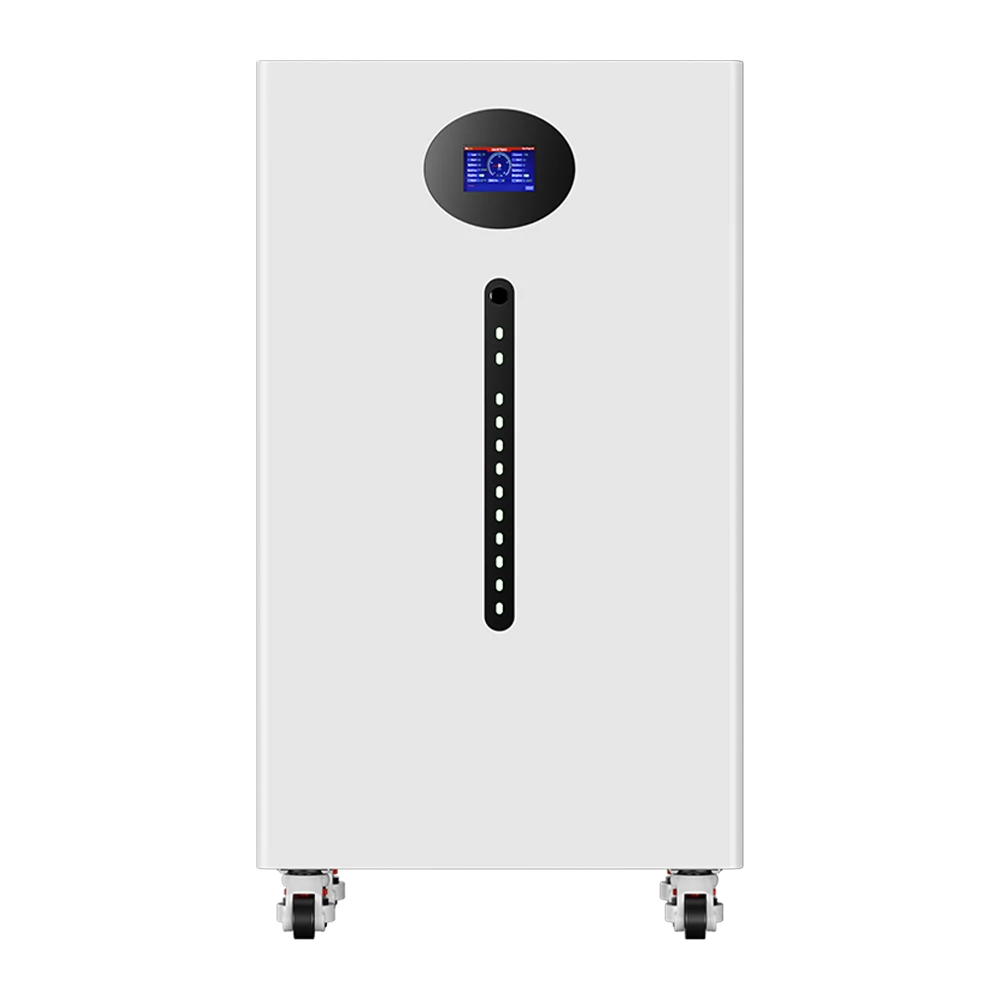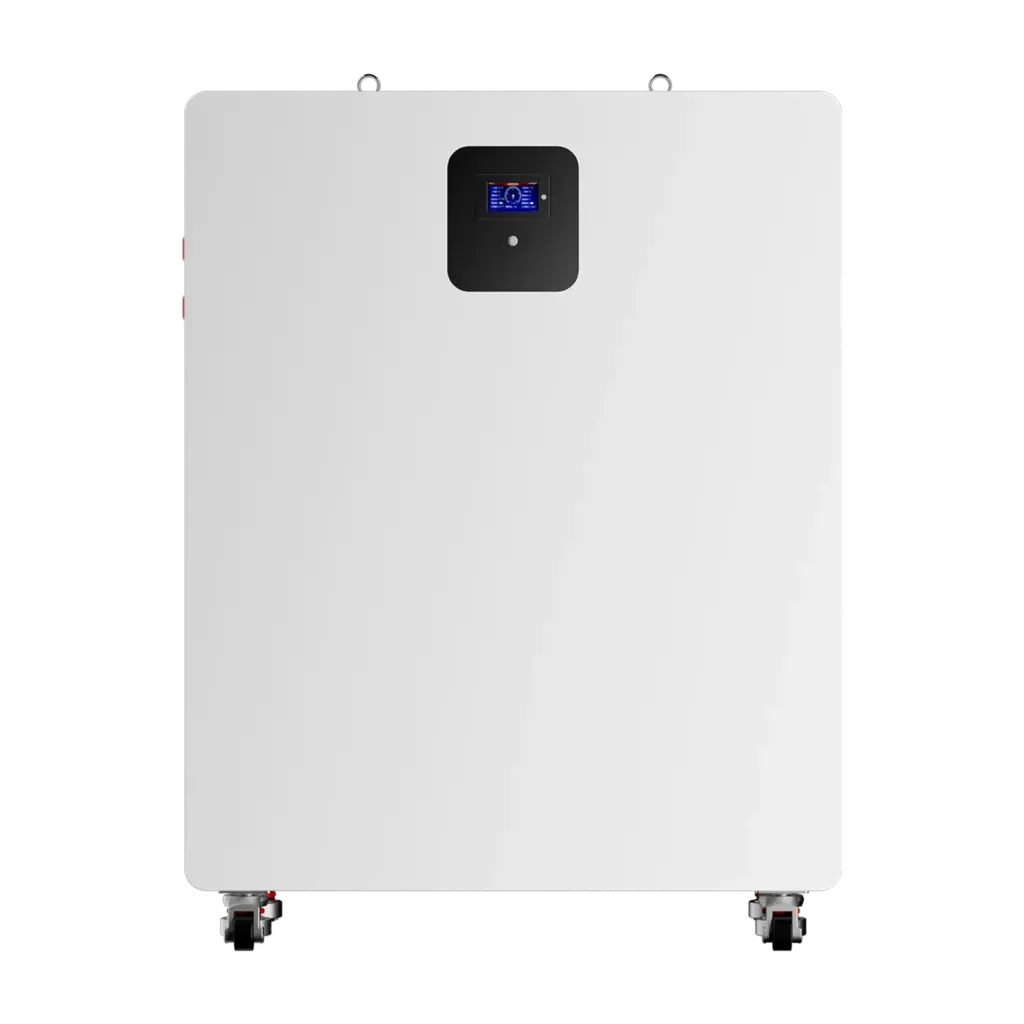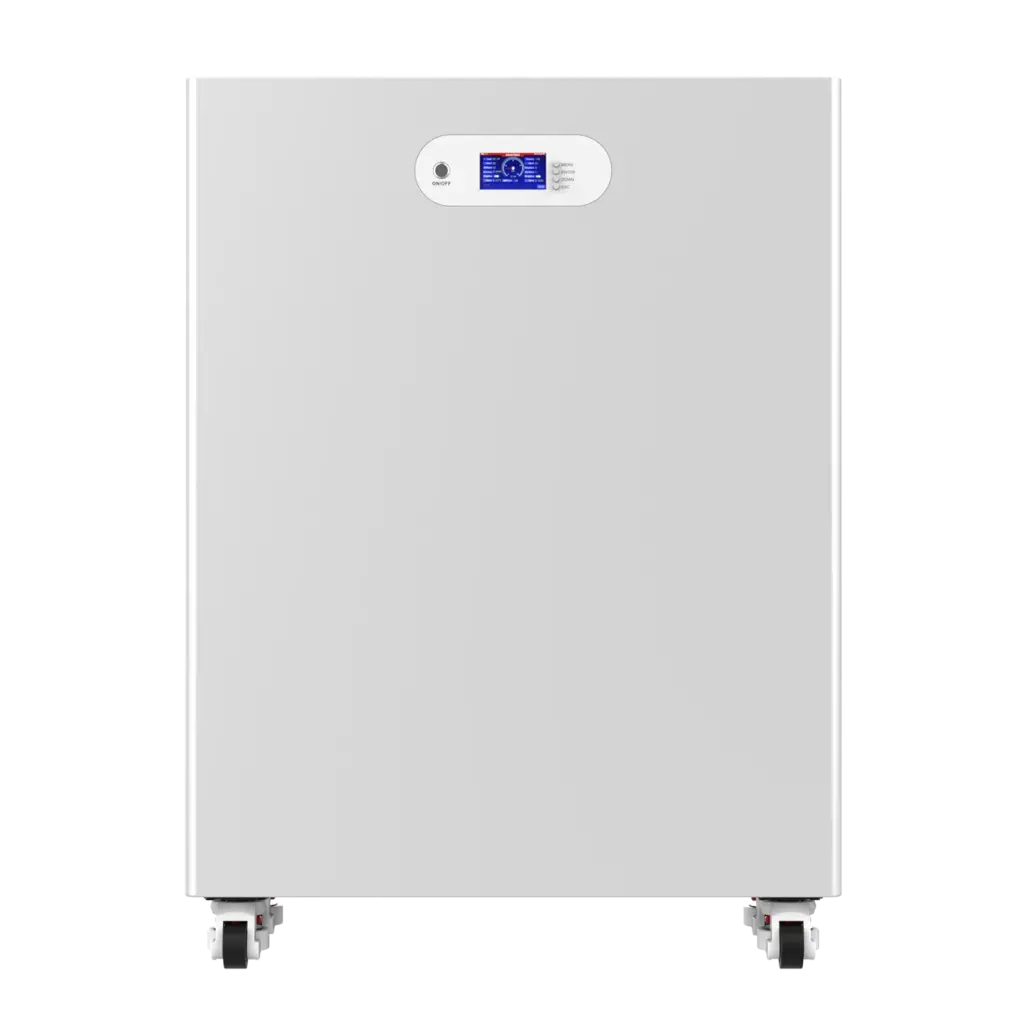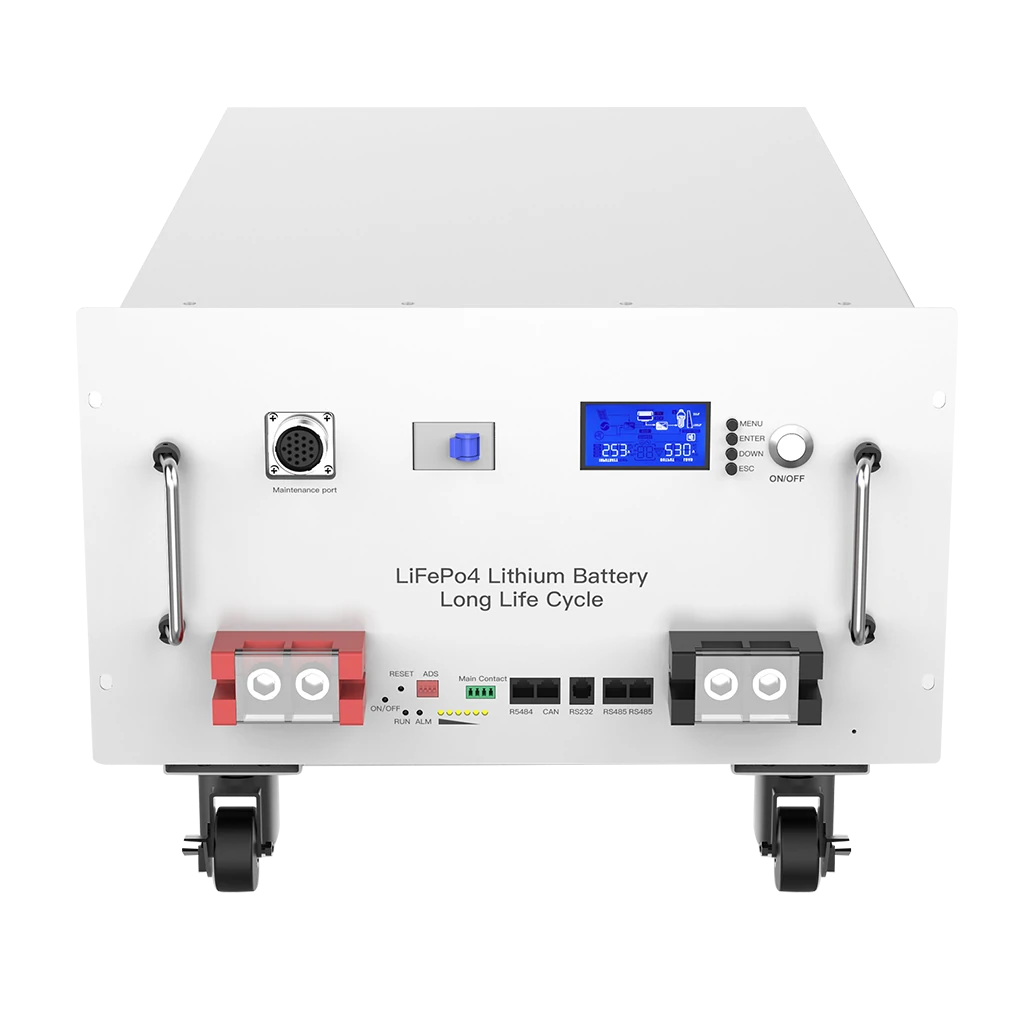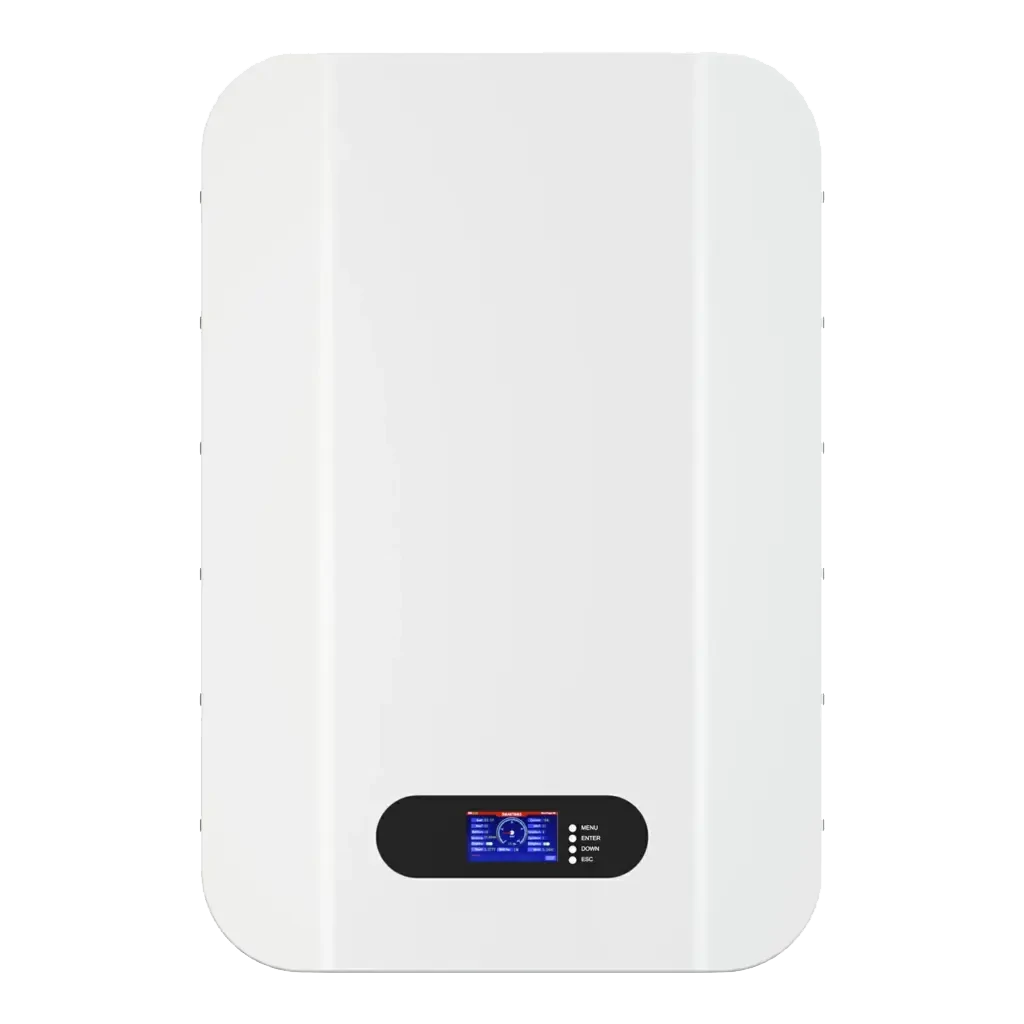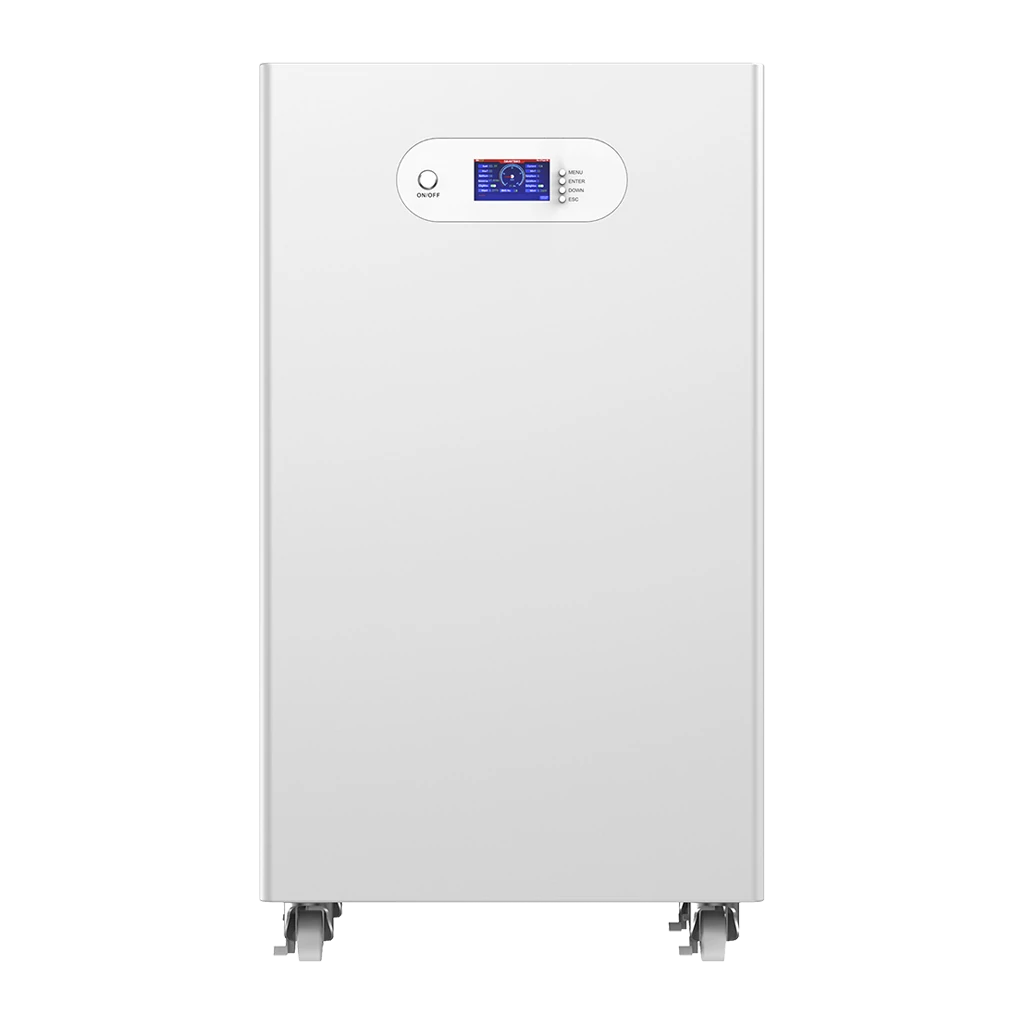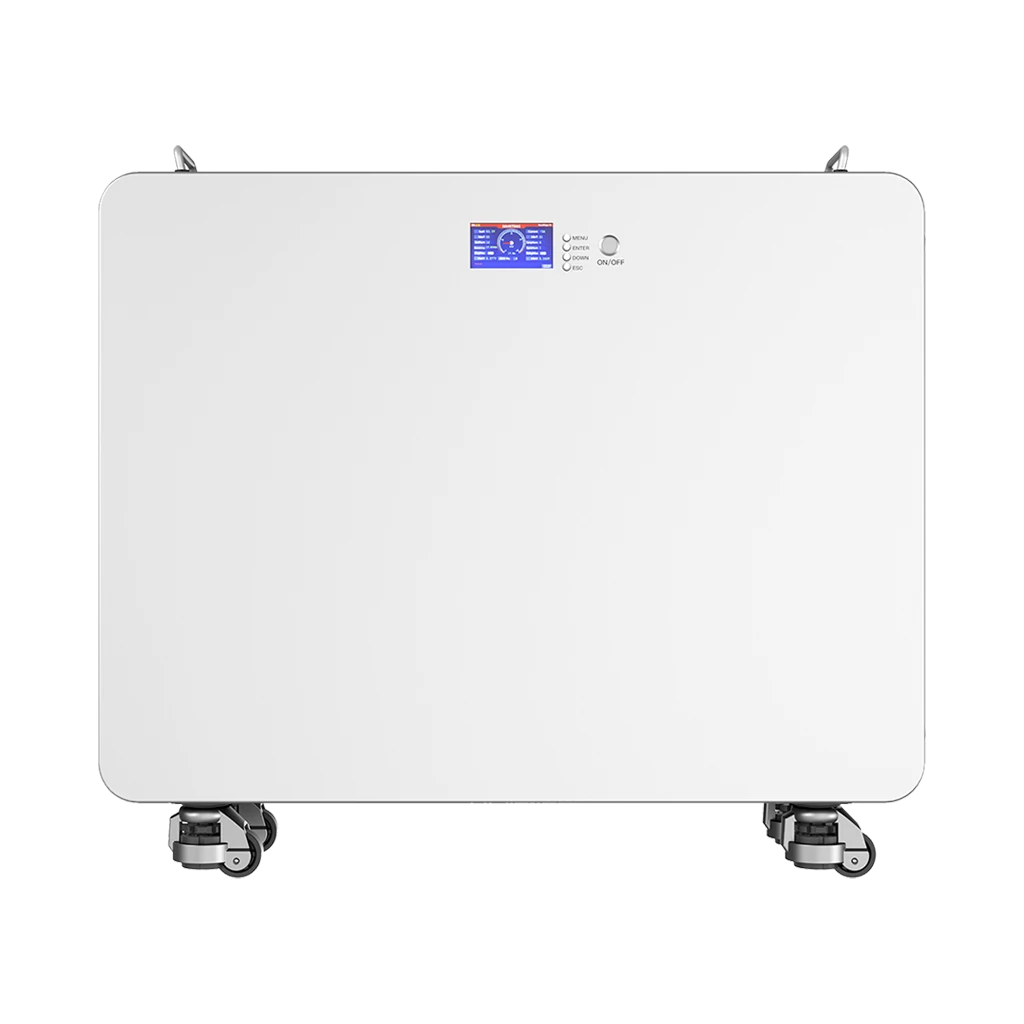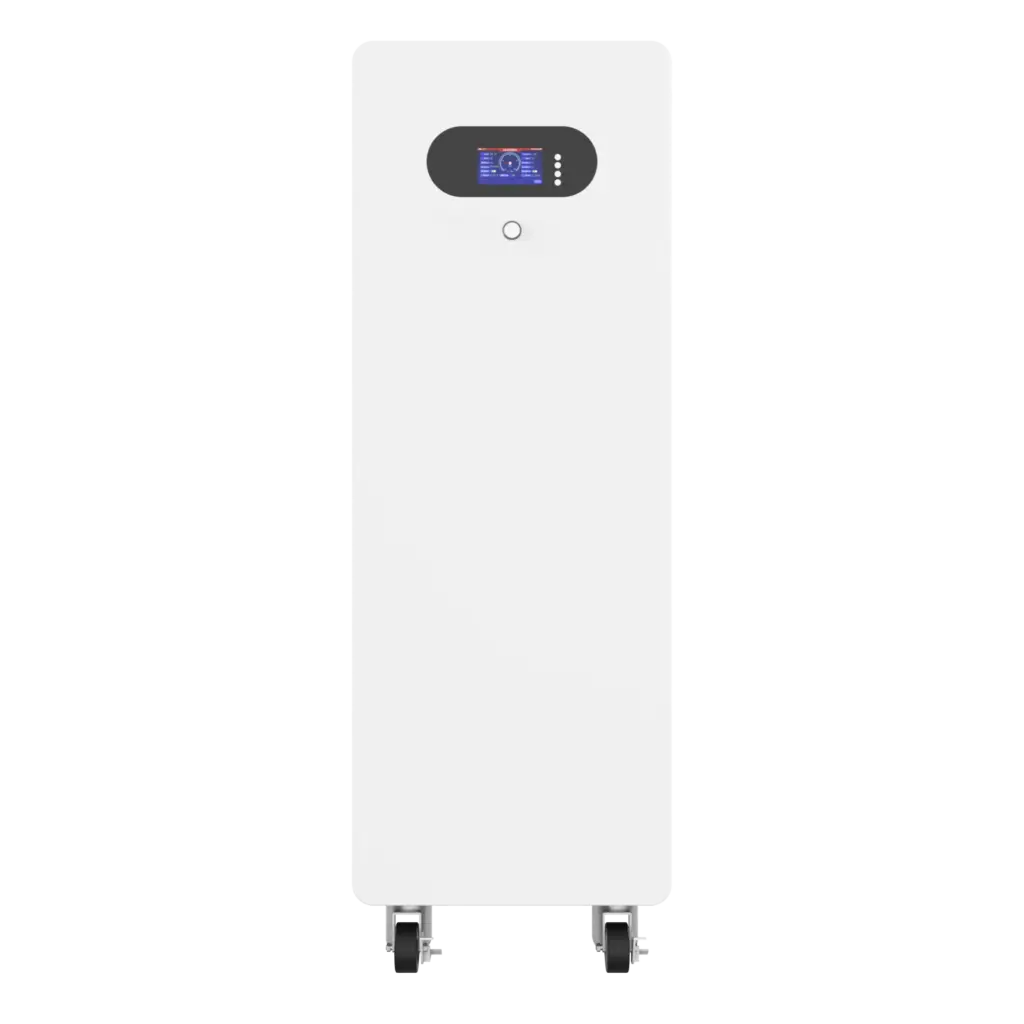

Battery capacity tells you how much electrical energy a battery can store and deliver under specified conditions. In simple terms, it helps you estimate how long a battery can power a device, home load, solar system, or backup application before it needs to be recharged.
For small batteries, capacity is often shown in mAh or Ah. For solar batteries, home energy storage systems, power stations, and commercial battery systems, capacity is usually shown in Wh or kWh because these units include voltage and make comparison easier.
If you are comparing batteries for solar storage, backup power, off-grid systems or energy storage projects, do not judge capacity by Ah alone. A complete comparison should include voltage, nominal energy, usable capacity, depth of discharge, inverter efficiency, discharge current, BMS protection and expected cycle life.
What Is Battery Capacity?
Battery capacity is the amount of electric charge or energy a battery can deliver under defined operating conditions, usually expressed in Ah, Wh or kWh.
In simple terms, battery capacity answers one question: how long can this battery support my load before it needs charging again?
For example, a phone battery may be listed as 5,000mAh, a portable power station may be listed as 1,024Wh, and a home solar battery may be listed as 10kWh or 15kWh.
| Battery Type | Common Capacity Unit | Example |
|---|---|---|
| Phone battery | mAh | 5,000mAh |
| Small lithium cell | Ah / mAh | 3.2V 100Ah |
| Portable power station | Wh | 1,024Wh |
| Home solar battery | kWh | 10kWh or 15kWh |
| Commercial BESS | kWh / MWh | 100kWh or 1MWh+ |
What Is the Difference Between Ah, Wh and kWh?
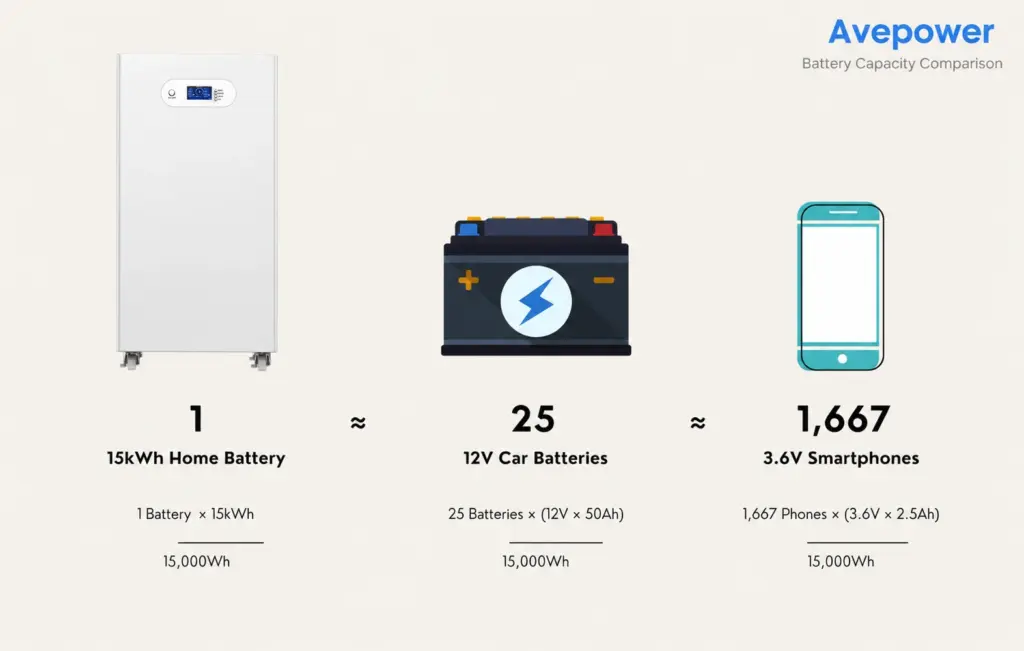
Ah measures current over time, while Wh and kWh measure stored energy after voltage is included.
Ah, or amp-hour, tells you how much current a battery can theoretically deliver for a period of time. A 100Ah battery can theoretically deliver 100A for 1 hour, 10A for 10 hours, or 5A for 20 hours.
But Ah alone is incomplete because it does not include voltage.
A 12V 100Ah battery and a 48V 100Ah battery both say “100Ah,” but they do not store the same energy.
| Battery | Formula | Energy |
|---|---|---|
| 12V 100Ah | 12V × 100Ah | 1,200Wh / 1.2kWh |
| 24V 100Ah | 24V × 100Ah | 2,400Wh / 2.4kWh |
| 48V 100Ah | 48V × 100Ah | 4,800Wh / 4.8kWh |
| 51.2V 100Ah | 51.2V × 100Ah | 5,120Wh / 5.12kWh |
Need Help Choosing the Right Battery Capacity?
Not sure whether you need 5kWh, 10kWh, 15kWh or a larger storage system? Avepower can help match battery capacity to your solar system, backup loads and project requirements.
How Do You Calculate Battery Capacity?
Battery capacity is calculated by multiplying voltage by amp-hours when you need energy in watt-hours, then dividing by 1,000 when you want kilowatt-hours.
The basic formulas are:
Wh = Voltage (V) × Capacity (Ah)

kWh = Wh ÷ 1,000

Ah = Wh ÷ Voltage (V)
Example:
A 51.2V 314Ah LiFePO4 battery has:
51.2V × 314Ah = 16,076.8Wh

16,076.8Wh ÷ 1,000 = 16.08kWh
So the nominal capacity is about 16kWh.
This is useful for home solar battery sizing because most household electricity use is measured in kWh. Your electricity bill, solar production, and battery storage capacity can then be compared using the same unit.
What Is Usable Battery Capacity?
Usable battery capacity is the part of the nominal capacity that can actually be used after considering depth of discharge, inverter losses, battery settings, temperature, and reserve capacity.
A battery may be sold as 10kWh, but that does not always mean you can use the full 10kWh in daily operation. Real usable energy depends on several factors:
| Factor | What It Means |
|---|---|
| Nominal capacity | Rated stored energy |
| Depth of discharge | How much battery can be discharged |
| Round-trip efficiency | Energy returned vs energy charged |
| Inverter efficiency | DC-to-AC conversion efficiency |
| Temperature | Operating condition |
| BMS limits | Protection and current rules |
How Long Will a Battery Last?
Battery runtime depends on usable capacity divided by load power, so a larger kWh battery lasts longer only if the load power stays within the system’s output limit.
The basic runtime formula is:
Runtime hours = Usable battery energy (kWh) ÷ Load power (kW)Example:
If a home has a 10kWh battery and the usable energy after DoD and losses is 8.5kWh:
| Load | Estimated Runtime |
|---|---|
| 0.5kW essential loads | 17 hours |
| 1kW average load | 8.5 hours |
| 2kW mixed home load | 4.25 hours |
| 5kW heavy load | 1.7 hours |
But runtime is not only about capacity. A battery also needs enough power output.
In simple terms:
| Term | Unit | Meaning |
|---|---|---|
| Capacity | kWh | How much energy is stored |
| Power | kW | How fast energy can be delivered |
| Duration | hours | How long the battery can support the load |
A 15kWh battery with a low-power inverter may run small loads for a long time, but it may not start large appliances unless inverter power, surge capacity, discharge current, and wiring are properly matched.
Is Ah or kWh More Important When Choosing a Solar Battery?
For solar battery storage, kWh is usually more important than Ah because it includes voltage and shows how much energy the battery can store for home use.
Ah is still useful for engineers, installers, and battery pack design. It helps describe cell capacity, discharge current, C-rate, and pack configuration. But for homeowners, distributors, and solar project buyers, kWh is easier to compare.
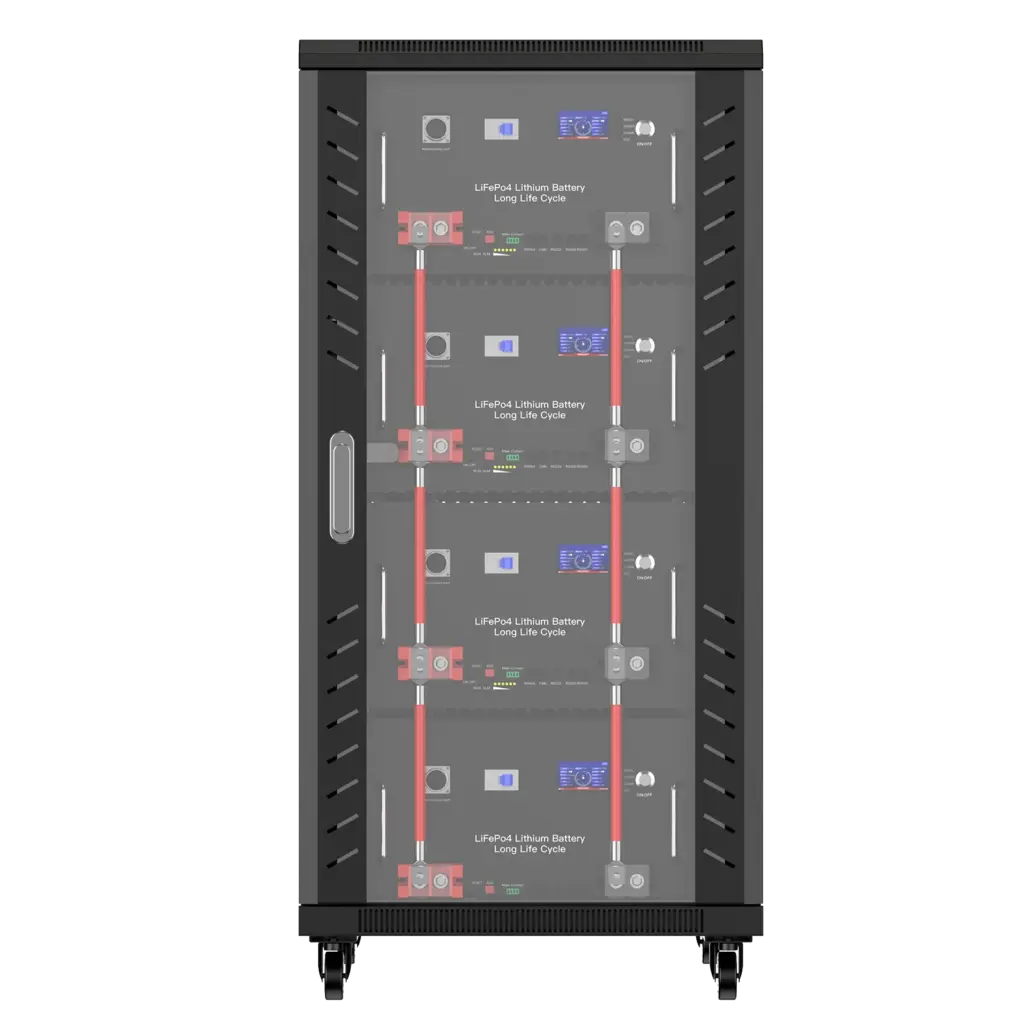
For example, Avepower offers different battery platforms across 24V, 48V, and 51.2V systems. A 24V 280Ah rack mount LiFePO4 battery is about 7kWh class, while a 48V 280Ah rack mount battery is about 15kWh class. The Ah value looks the same, but the energy changes because the voltage changes.
That is why battery buyers should compare:
| Buying Question | Better Unit |
|---|---|
| How much energy can I store? | kWh |
| How long can it run my loads? | kWh + load kW |
| How much current can the battery deliver? | A |
| Is it suitable for my inverter voltage? | V |
| Can it expand later? | kWh + parallel support |
| Is it safe for daily cycling? | Chemistry + BMS + cycle life |
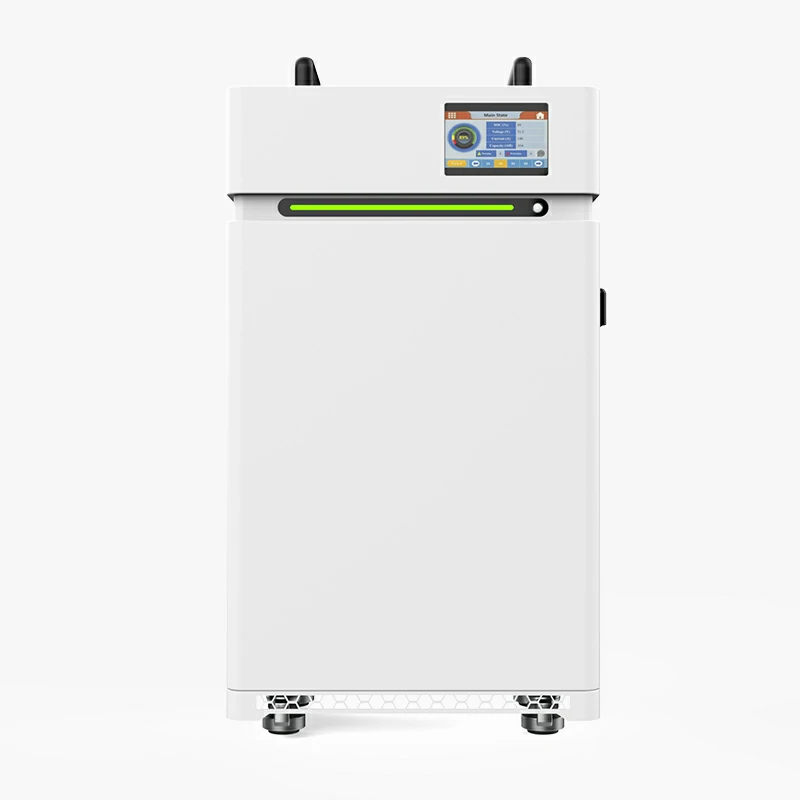
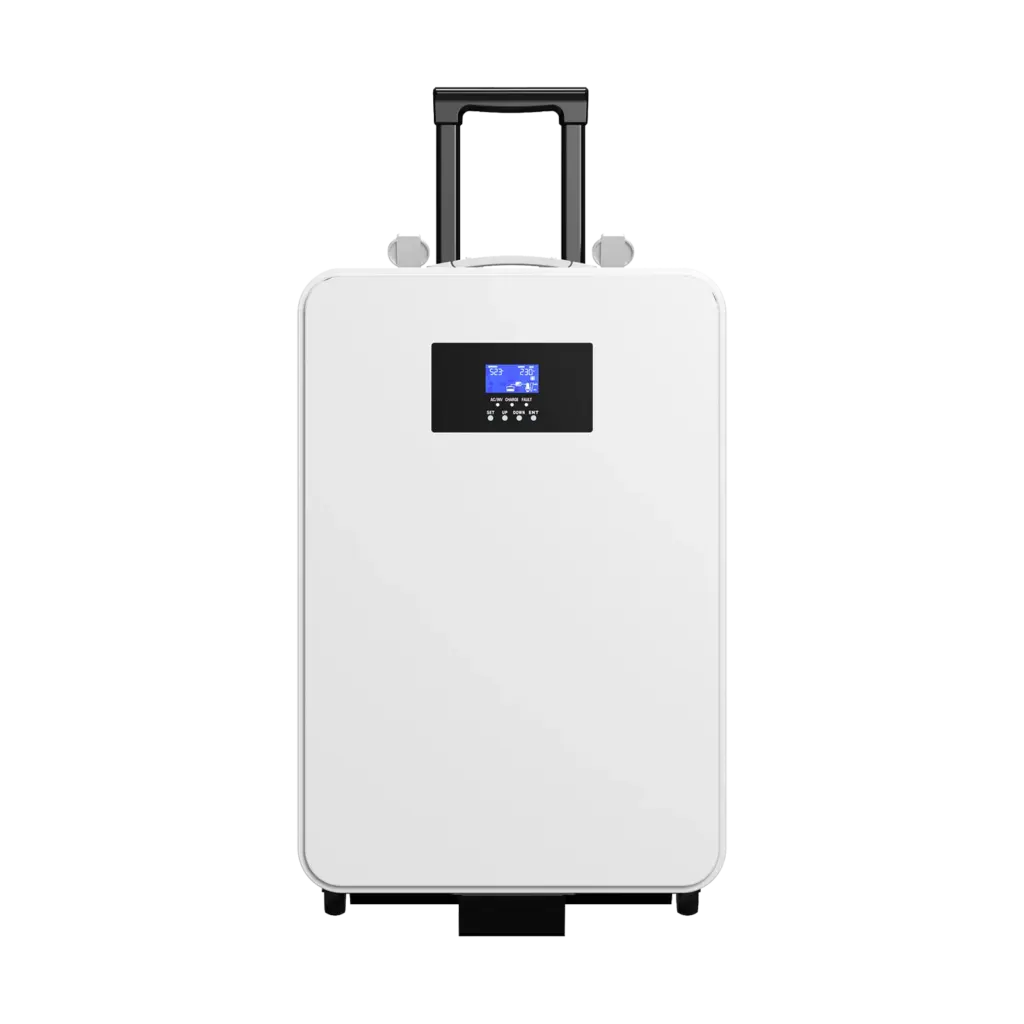
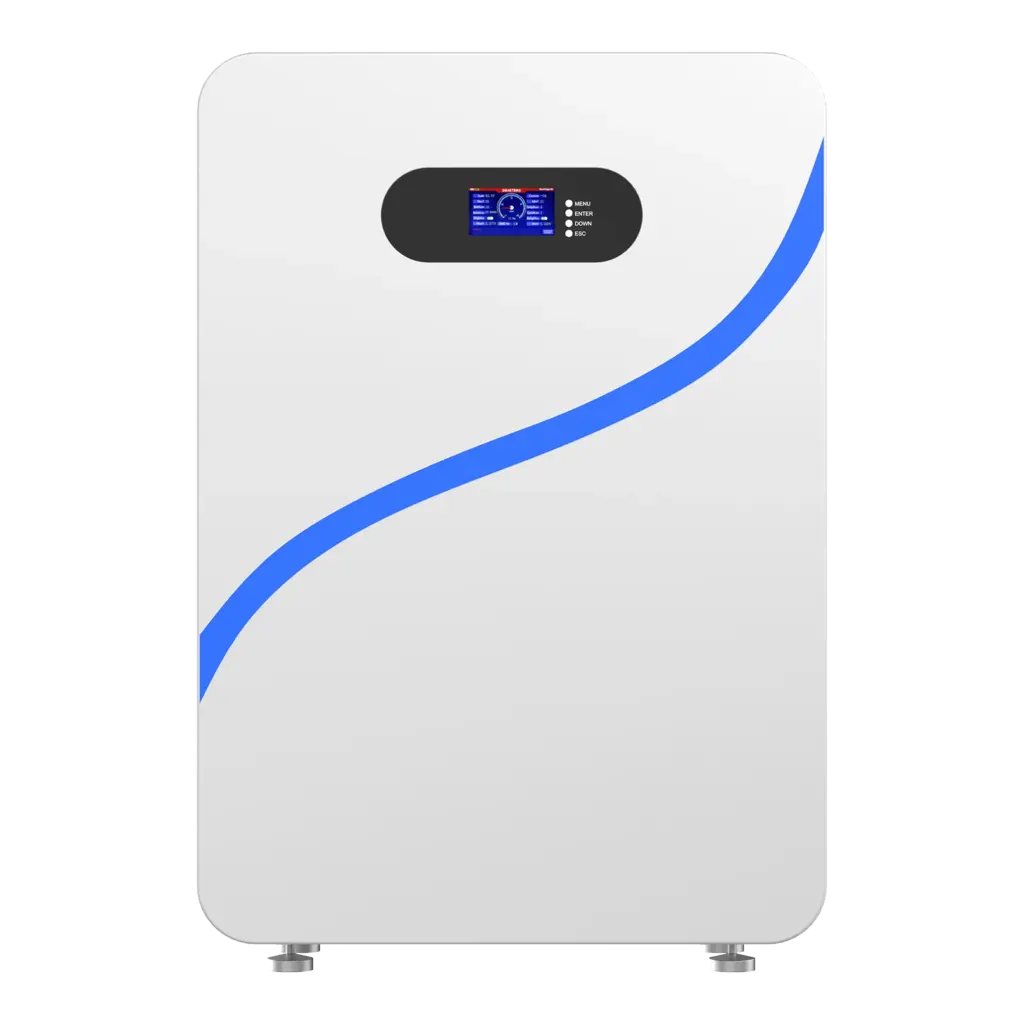
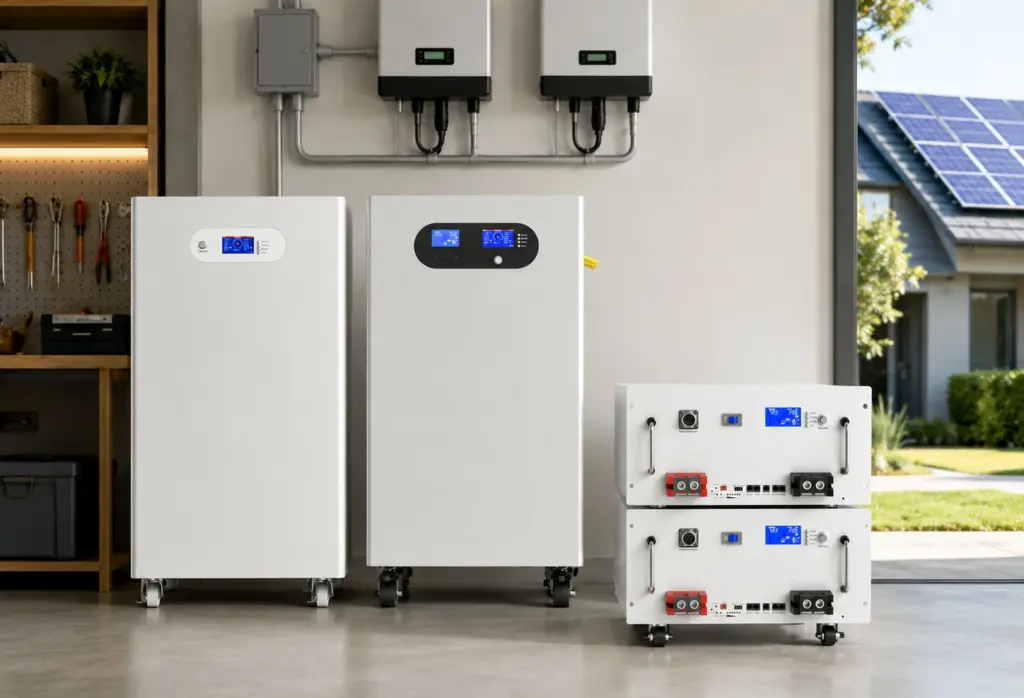
For home solar storage, Avepower’s home energy storage solutions include wall-mounted, rack-mounted, stackable, vertical, and all-in-one LiFePO4 battery systems for different capacity requirements.
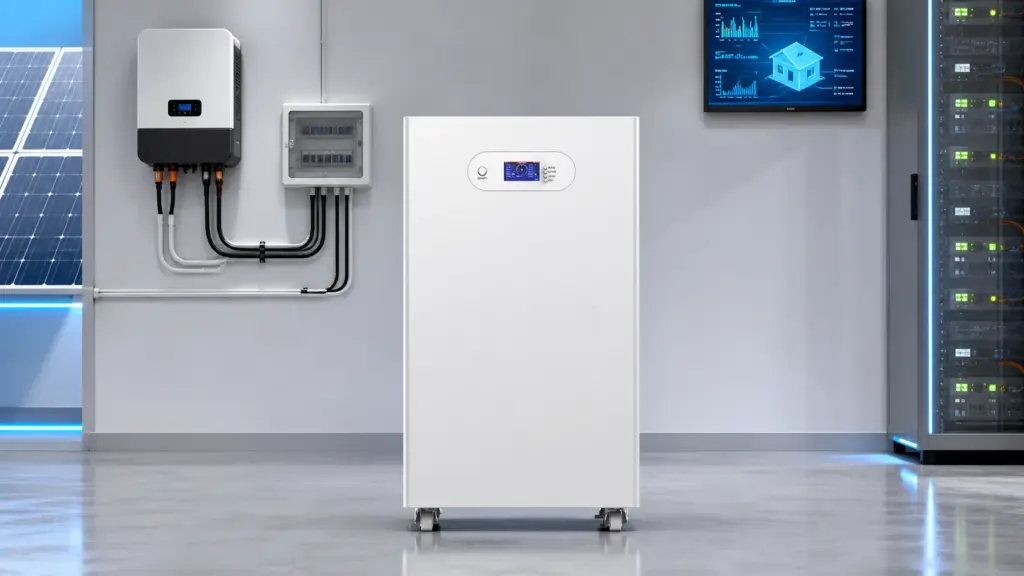
Build a Scalable Solar Battery System
Start with the capacity you need today and expand later. Avepower LiFePO4 batteries support flexible configurations for homes, villas, installers and energy storage projects.
Battery Capacity Example: Sizing a Home Backup System
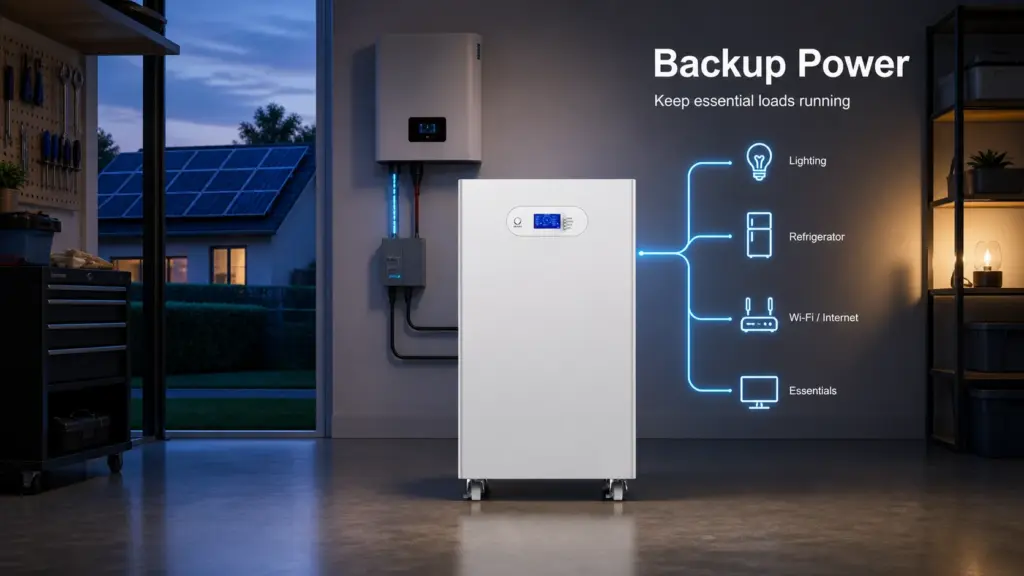
Battery capacity should be sized from actual load demand, not from the biggest number on a product page, because backup time depends on daily energy use and the loads you choose to protect.
Example home backup load:
| Load | Power | Use Time | Energy |
|---|---|---|---|
| Refrigerator | 150W average | 12h | 1.8kWh |
| Lights | 100W | 6h | 0.6kWh |
| WiFi/router | 20W | 12h | 0.24kWh |
| TV/laptop | 200W | 4h | 0.8kWh |
| Small kitchen loads | 800W | 1h | 0.8kWh |
| Total | 4.24kWh |
If you want one day of essential backup:
Required usable energy = 4.24kWh
Assume 90% usable DoD and 95% inverter efficiency

Nominal battery size = 4.24 ÷ 0.90 ÷ 0.95 = 4.96kWh
A 5kWh battery may be enough for essential backup, but a 10kWh to 15kWh system gives more margin for cloudy weather, higher loads, future appliances, or deeper overnight use.
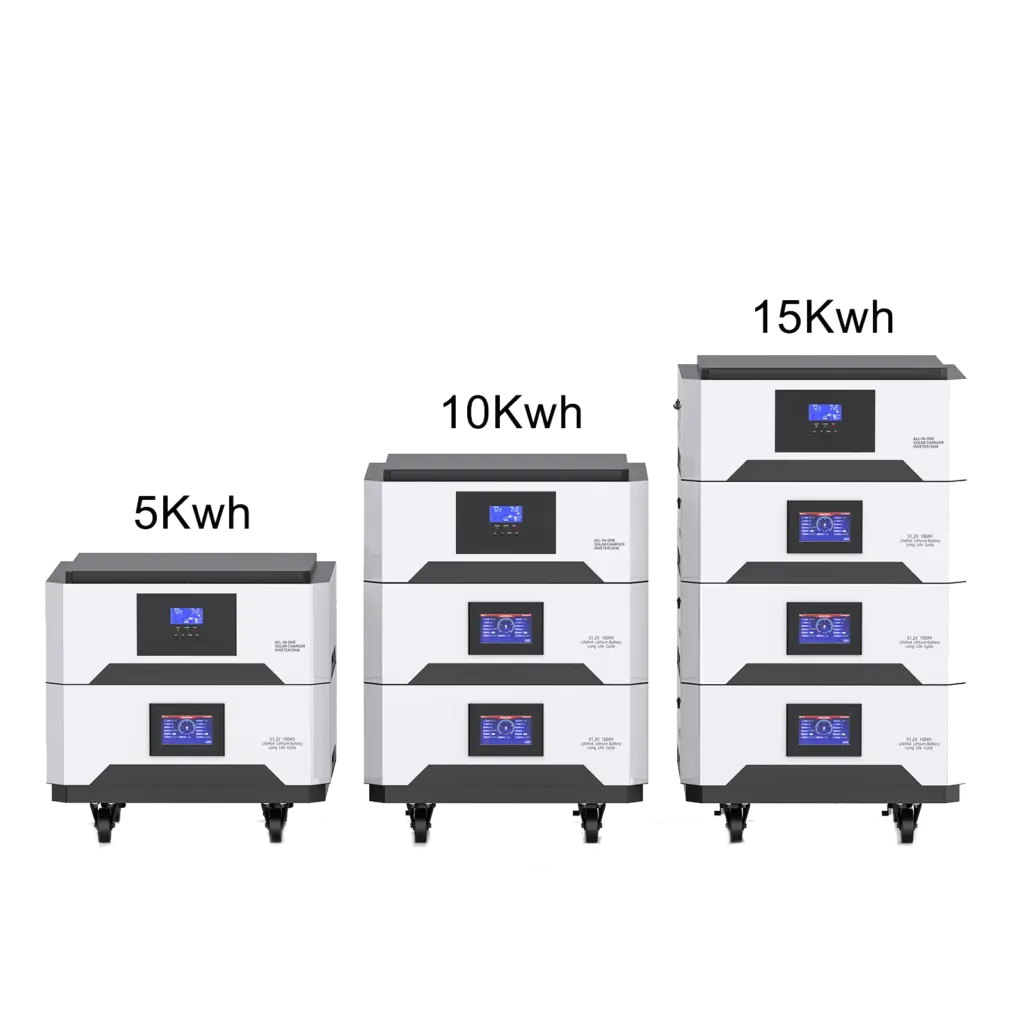
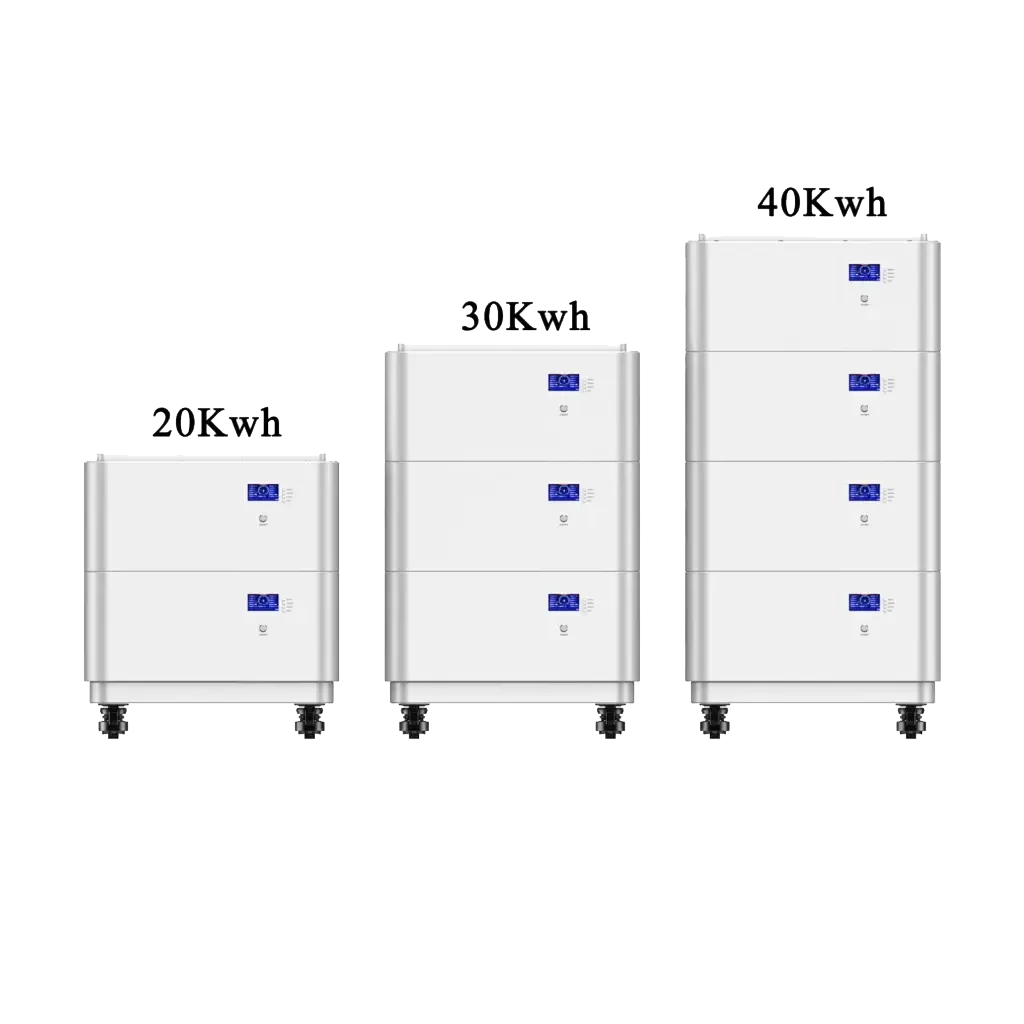
For scalable projects, Avepower’s 5kWh, 10kWh and 15kWh stackable solar batteries allow installers to configure capacity by stacking modules. For larger homes, villas, farms, or small commercial sites, a 50kWh solar battery can provide a higher-capacity storage platform.
How Much Battery Capacity Do You Need?
The right battery capacity depends on daily electricity use, solar generation, backup load priority, outage duration, inverter power, and whether you want future expansion.
A simple sizing method is:
Battery size = Daily backup energy × Backup days ÷ Usable DoD ÷ System efficiencyGeneral reference:
| Use Case | Typical Battery Capacity |
|---|---|
| Router, lights, small backup loads | 2kWh to 5kWh |
| Essential home backup | 5kWh to 10kWh |
| Evening solar self-consumption | 10kWh to 15kWh |
| Family home backup | 10kWh to 20kWh |
| Large home or villa | 20kWh to 50kWh |
| Off-grid home or farm | 30kWh to 100kWh+ |
| Small commercial storage | 50kWh to 200kWh+ |
If your goal is only short outage protection, a smaller battery may work. If your goal is solar self-consumption, time-of-use savings, or off-grid resilience, you usually need more capacity and a stronger inverter match.
For more solar-specific sizing context, Avepower’s guide to solar electricity battery storage explains how batteries work with solar panels, inverters, backup loads, and energy management.
Real Project Perspective: Why Capacity Must Match Application
Battery capacity should always be evaluated together with system design, because a real energy storage project needs the right voltage, inverter, BMS, protection, communication, and installation plan.
For residential projects, 5kWh to 20kWh may be enough for essential backup or solar self-consumption. For larger energy storage projects, capacity quickly moves into hundreds of kWh.
Avepower’s case studies show this difference clearly. Residential products focus on modular kWh-level storage, while commercial and industrial projects may use high-voltage battery systems with much larger capacity for peak shaving, backup, and energy management.
That is the real decision value: capacity is not just a number. It must match the user’s load profile, backup expectation, solar generation, inverter power, installation space, and budget.
Conclusion
Battery capacity tells you how much energy a battery can store, but the best battery choice depends on more than the headline Ah or kWh number. For real-world solar storage and backup power, compare nominal capacity, usable capacity, battery chemistry, inverter power, BMS protection, communication compatibility, cycle life, and future expansion.
Avepower provides LiFePO4 battery storage systems for residential, off-grid, installer-led, distributor, and small commercial projects. If you are choosing a battery capacity for home solar storage, backup power, or an OEM/ODM energy storage project, Avepower can help match the right kWh size, voltage platform, BMS configuration, and scalable product solution for your application.
Take Control of Your Energy with Avepower!
Reliable home solar battery solutions with OEM/ODM customization and in-house manufacturing, tailored to the needs of distributors, installers, and energy partners.
FAQ
Battery capacity means how much energy a battery can store now, while battery life describes how long the battery can continue performing before aging reduces its useful capacity.
Battery capacity is the amount of energy a battery can store and provide before it needs recharging. For small devices it is often shown in mAh or Ah, while solar batteries and home storage systems are usually shown in Wh or kWh.
Higher battery capacity is better only when you actually need longer runtime or more stored solar energy. Oversizing can increase cost, weight, space requirements, and charging time without improving real performance.
A 100Ah battery can theoretically deliver 100 amps for 1 hour, 10 amps for 10 hours, or 5 amps for 20 hours under defined test conditions. To know its energy, multiply Ah by voltage.
A 48V 100Ah battery stores about 4.8kWh of nominal energy.
A 51.2V 314Ah battery stores about 16.08kWh of nominal energy.