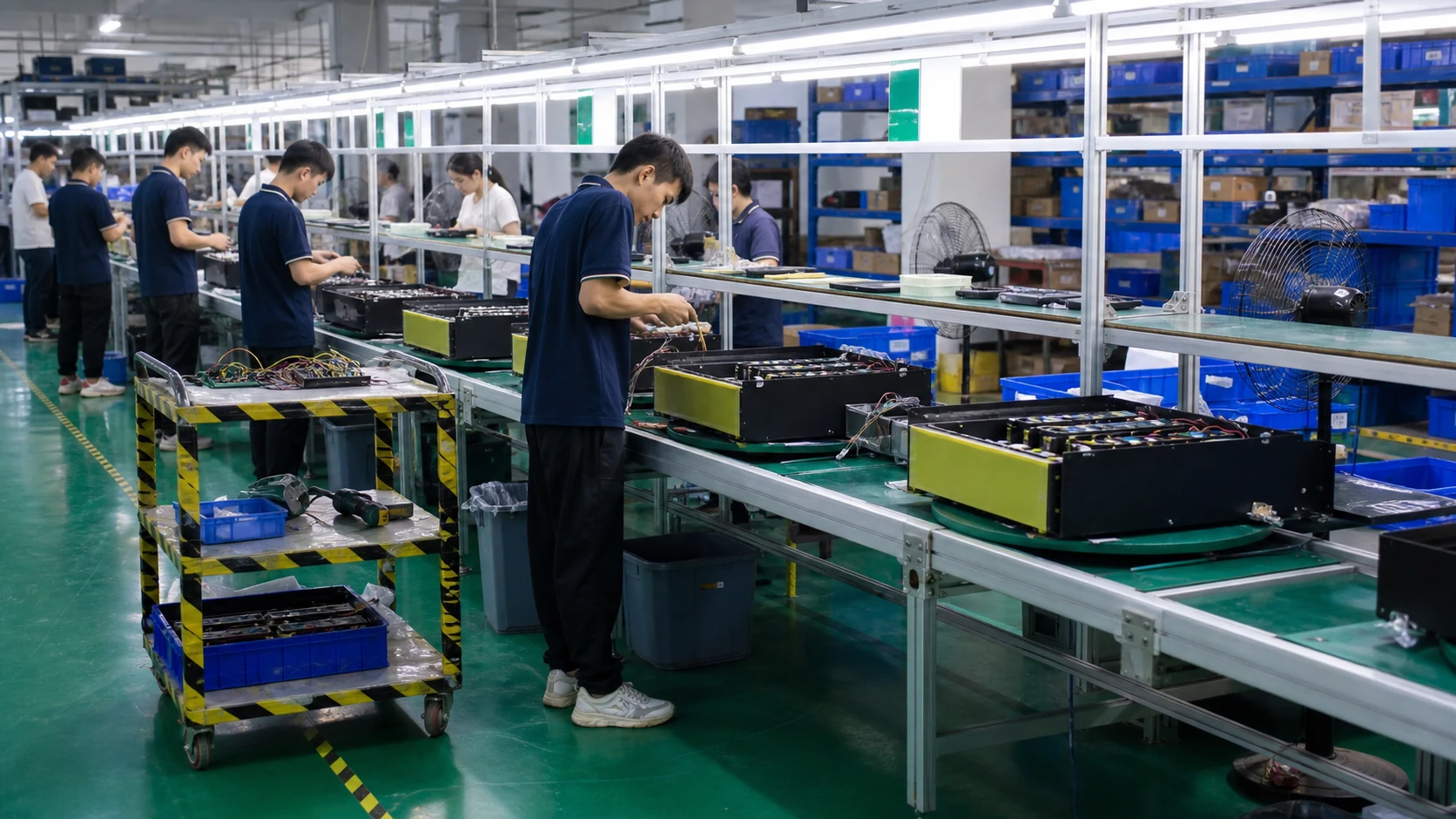

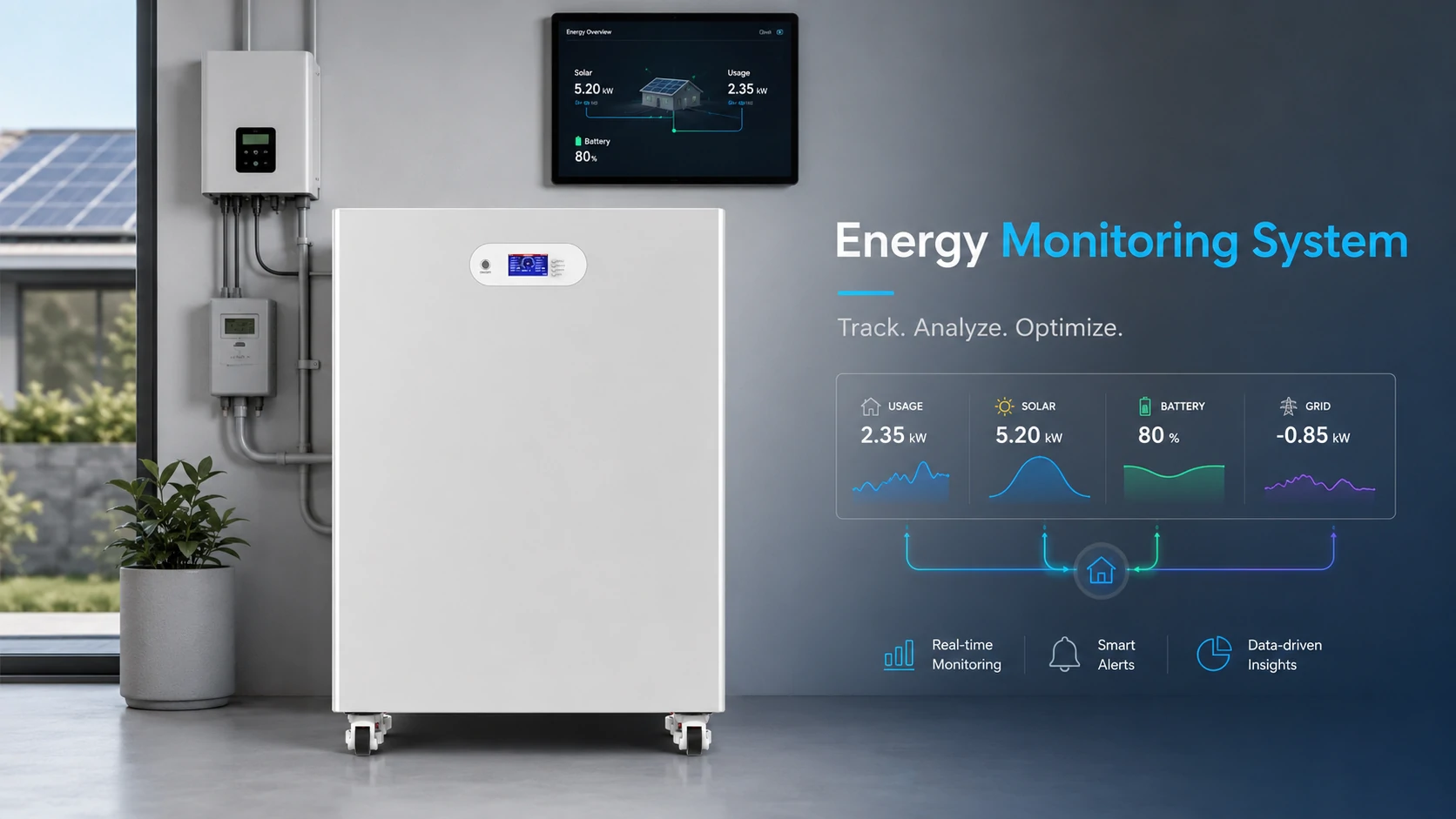
Energy monitoring system means a hardware-and-software setup that tracks electricity use in real time, shows where power is consumed, and helps users reduce waste, control peak demand, verify savings and size solar battery storage more accurately.
An energy monitoring system normally uses smart meters, current transformers, submeters, inverter data, battery BMS data, sensors and cloud or local dashboards.
How Does an Energy Monitoring System Work?
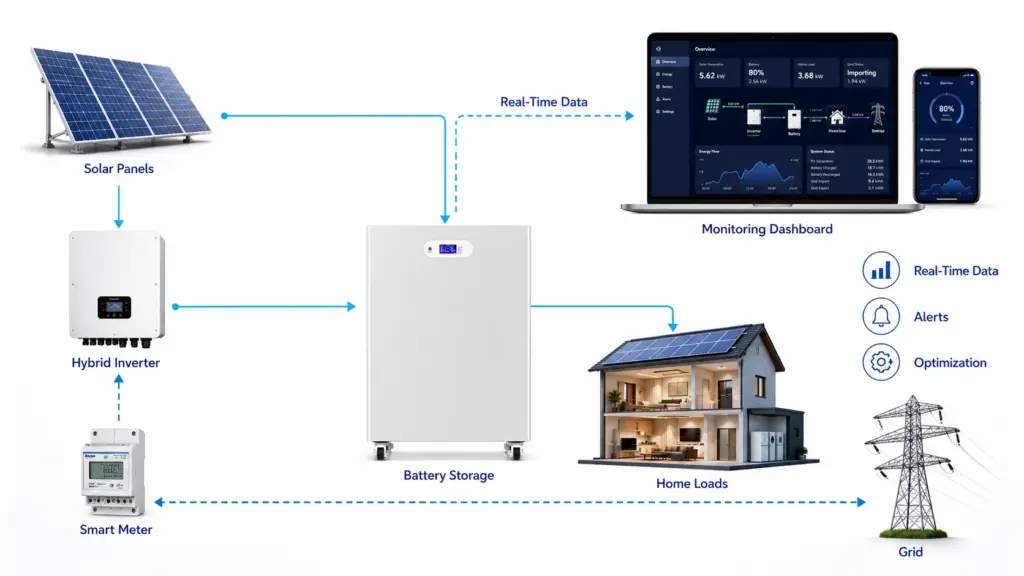
Energy monitoring system operation starts with meters or sensors collecting power data, then software converts that data into dashboards, alerts, benchmarks and control decisions for homes, solar systems, buildings or industrial facilities.
A typical system includes:
- Measurement hardware: smart meter, CT clamp, submeter, inverter, battery BMS or IoT sensor.
- Communication layer: WiFi, Ethernet, RS485, CAN, Modbus or cloud API.
- Data platform: app, local gateway, EMS dashboard or building energy management system.
- Analytics: kWh trends, peak demand, tariff timing, fault detection and energy performance indicators.
- Action: change schedules, reduce standby loads, charge batteries off-peak or optimize equipment.
For companies following ISO 50001, monitoring is not optional. The U.S. Department of Energy says effective energy management depends on ongoing collection and analysis of past and present energy consumption, significant energy uses, EnPIs and actual versus expected consumption in its ISO 50001 eGuide.
Energy Monitoring System vs Energy Management System
Energy monitoring system focuses on measuring and displaying energy use, while an energy management system goes further by setting targets, controlling loads, verifying improvements and supporting long-term energy performance.
| System Type | Main Function | Best For | Limitation |
|---|---|---|---|
| Energy monitoring system | Measures and visualizes energy use | Homes, solar users, small businesses | Requires user action |
| Energy management system | Tracks, controls and optimizes energy performance | Commercial buildings, factories, campuses | Higher setup complexity |
| Smart meter portal | Shows utility meter data | Basic billing visibility | Often limited detail and delay |
| Solar inverter app | Shows PV output and grid import/export | Solar system owners | May not show all home loads |
| Battery BMS monitoring | Shows battery SOC, voltage, current, alarms | Solar battery systems | Battery-focused, not whole-building |
What Types of Energy Monitoring Systems Are Available?
Energy monitoring system selection depends on the site: a home may need circuit-level monitoring, a solar project may need inverter and battery data, while a factory may need submeters, production context and ISO-ready reports.
| Type | Best Use Case | Data Detail | Typical Buyer |
|---|---|---|---|
| Whole-home monitor | Household electricity visibility | Total home load, sometimes device detection | Homeowners |
| Circuit-level monitor | Identify high-use circuits | Breaker-level usage | Homeowners, installers |
| Smart meter portal | Billing and tariff awareness | Utility interval data | Residential and business users |
| Solar monitoring app | PV generation and grid flow | Solar, import/export, inverter status | Solar system owners |
| Battery monitoring / BMS | Storage performance and protection | SOC, voltage, current, alarms, cycles | Solar battery users |
| Commercial submetering | Building and tenant energy tracking | Area, floor, equipment or process loads | Facility managers |
| Industrial EMS | Energy intensity and production KPIs | kWh/unit, peak demand, power factor | Factories and C&I projects |
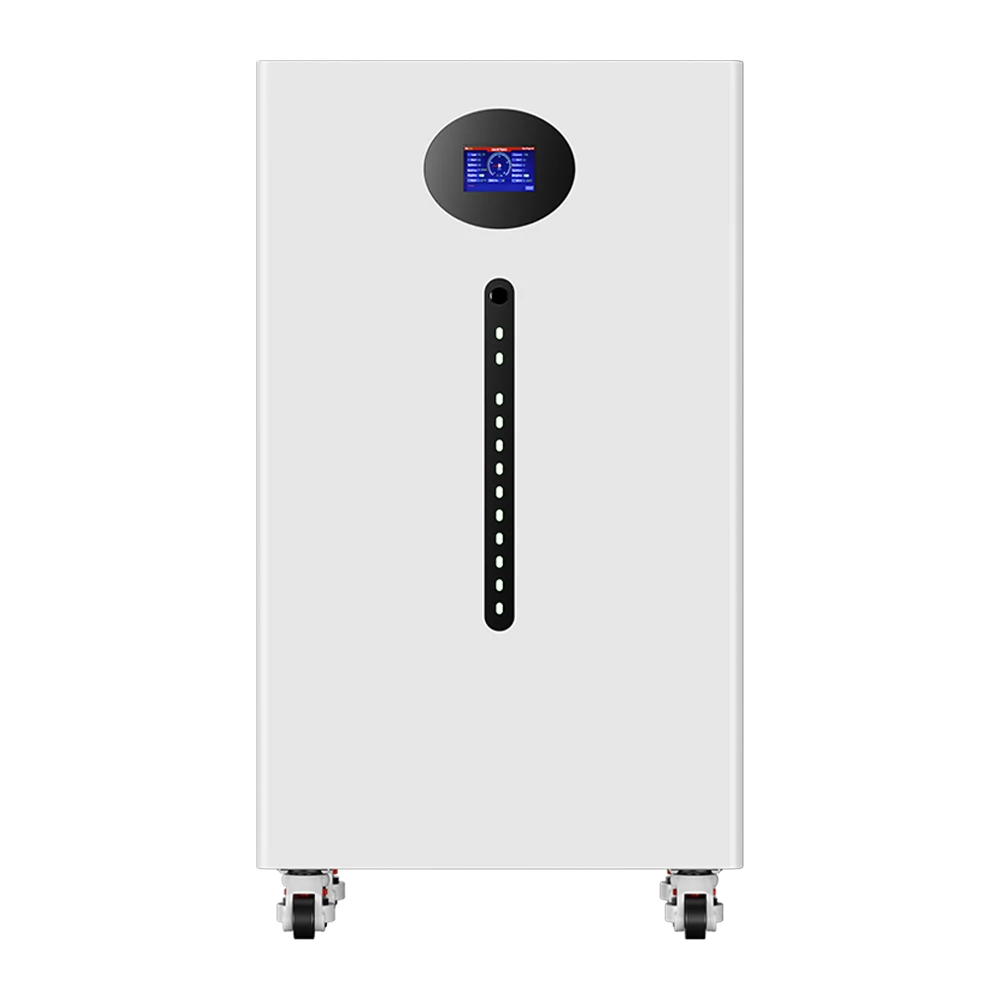
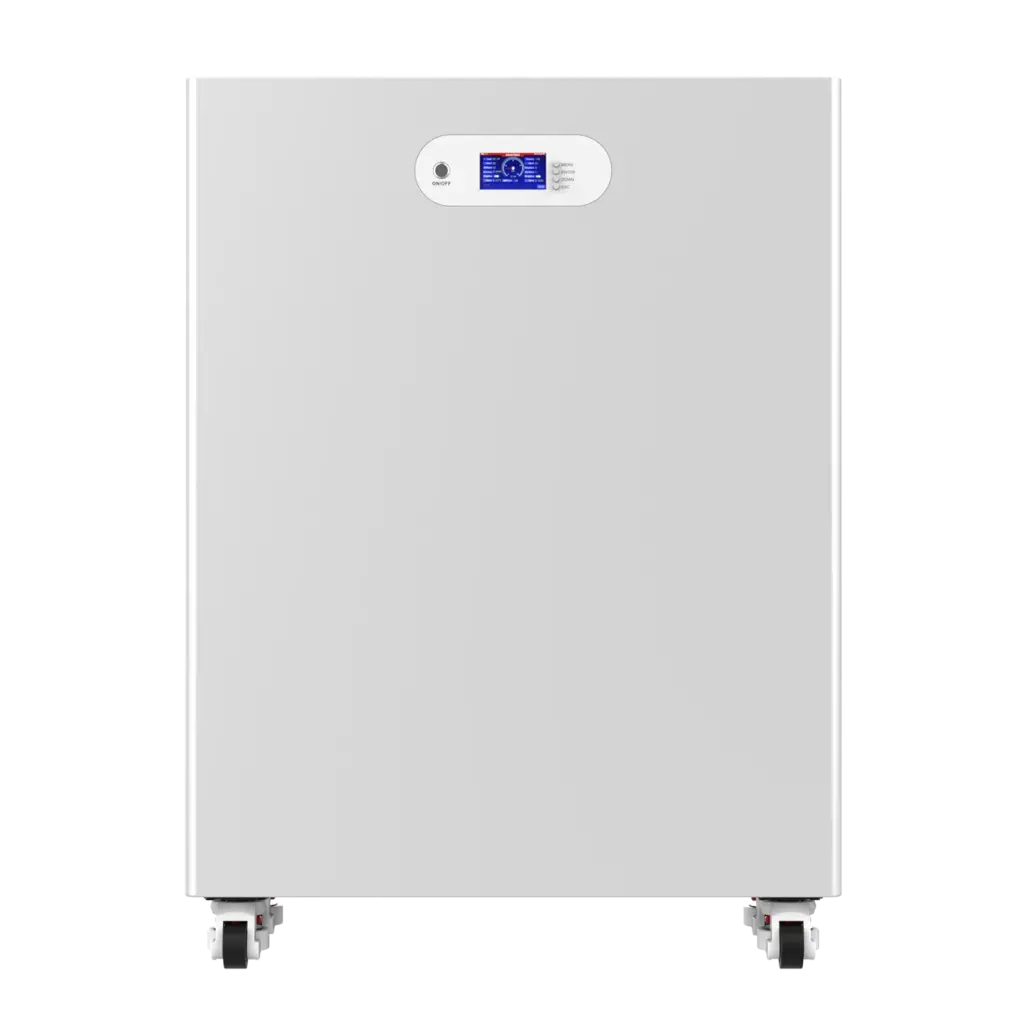
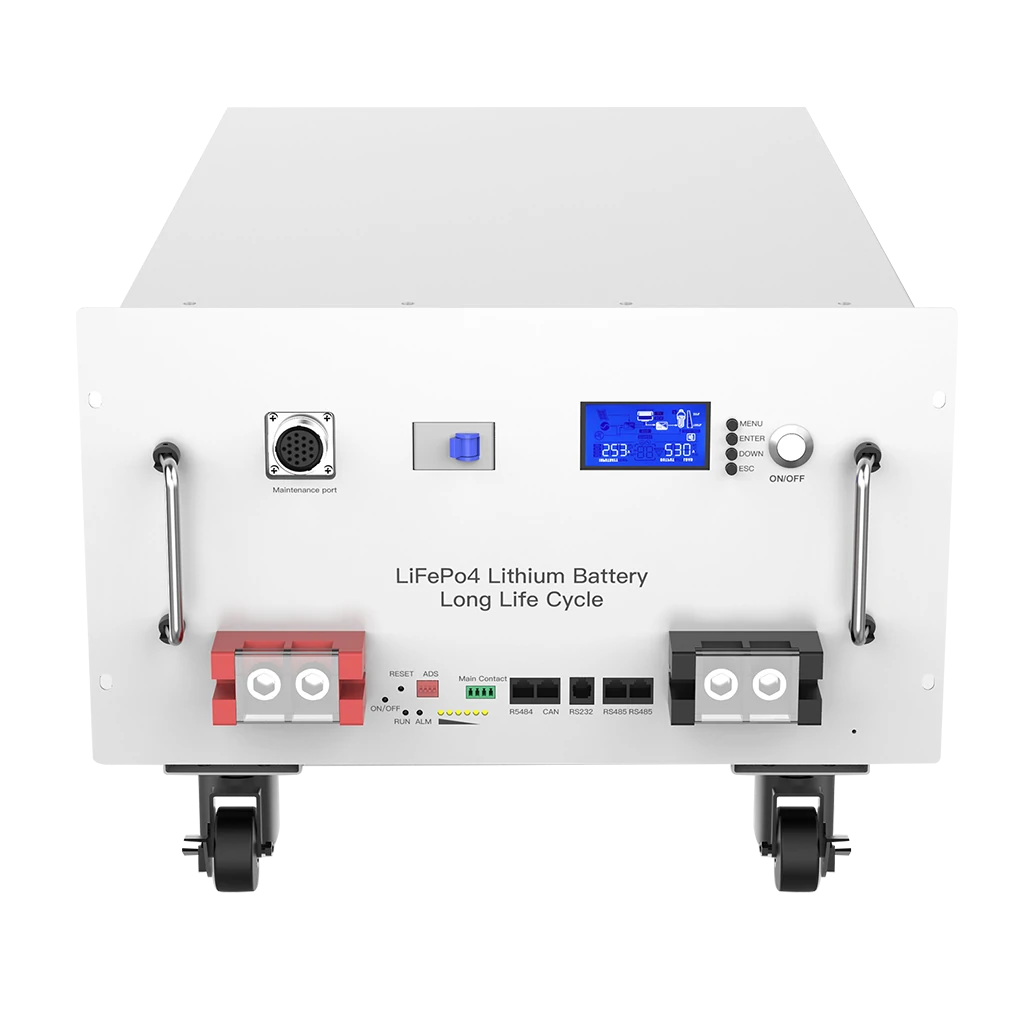
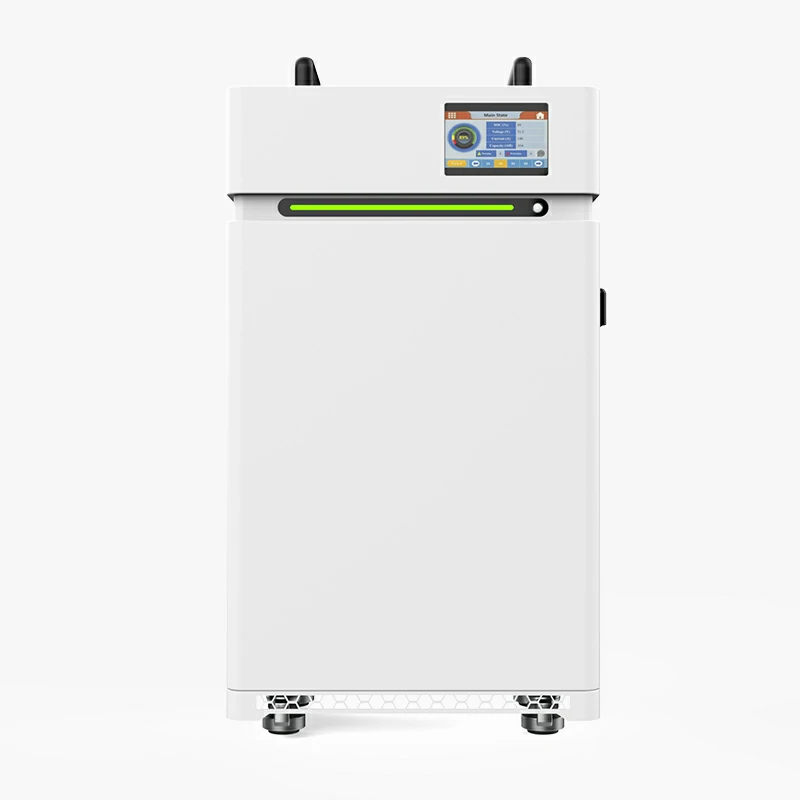
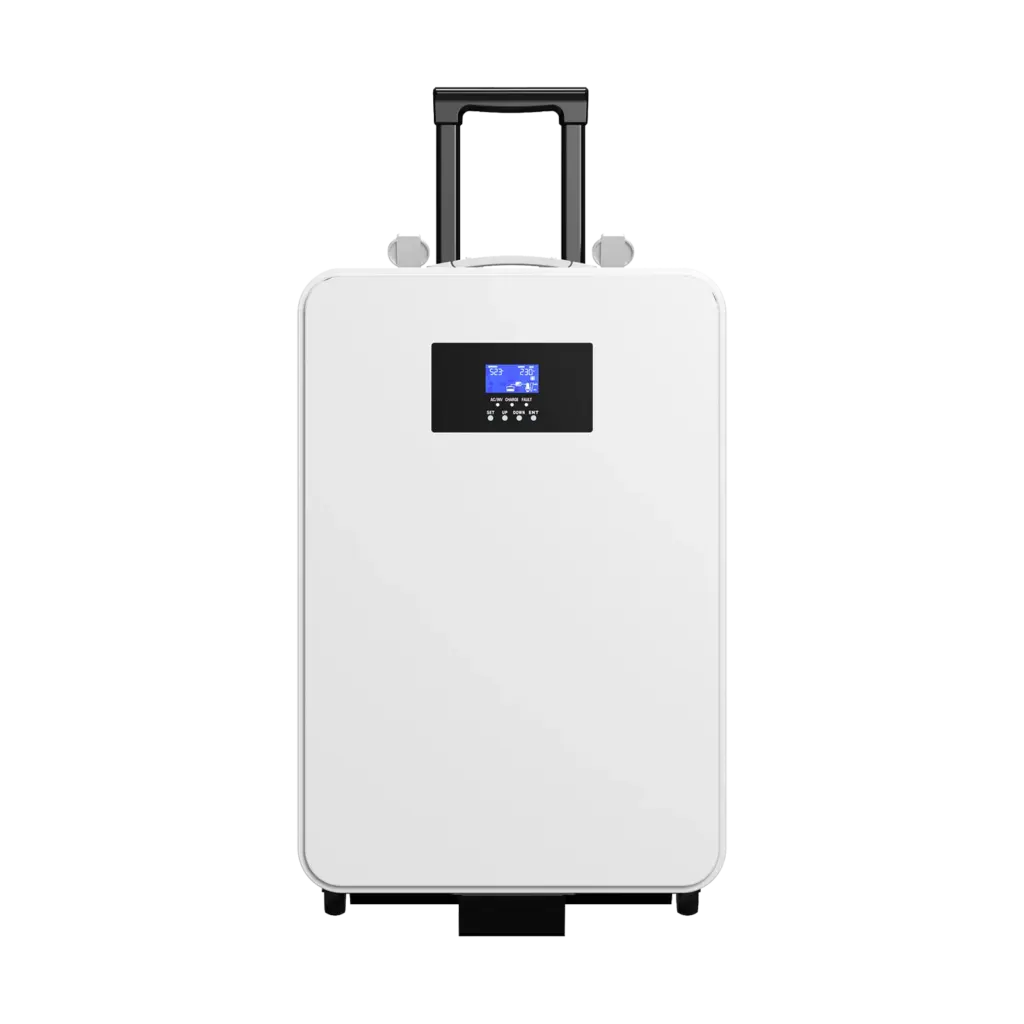
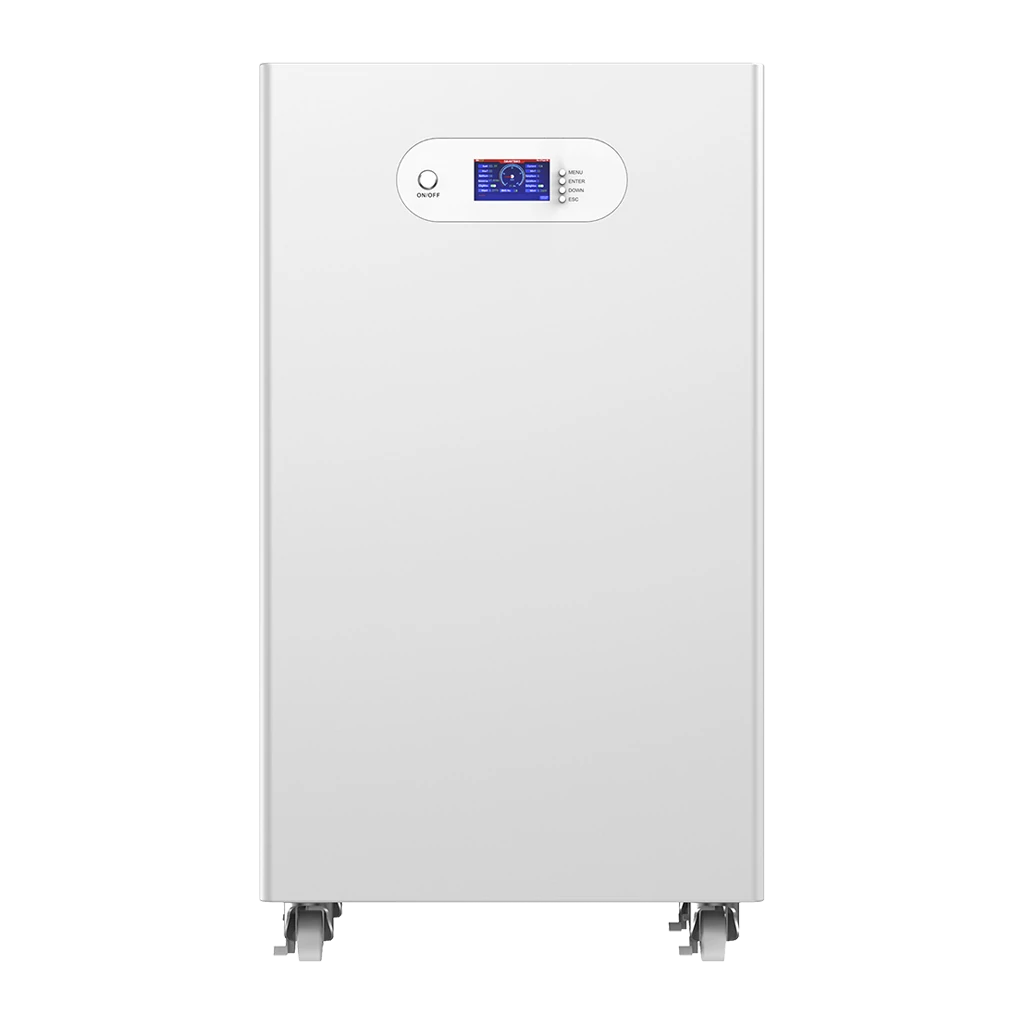
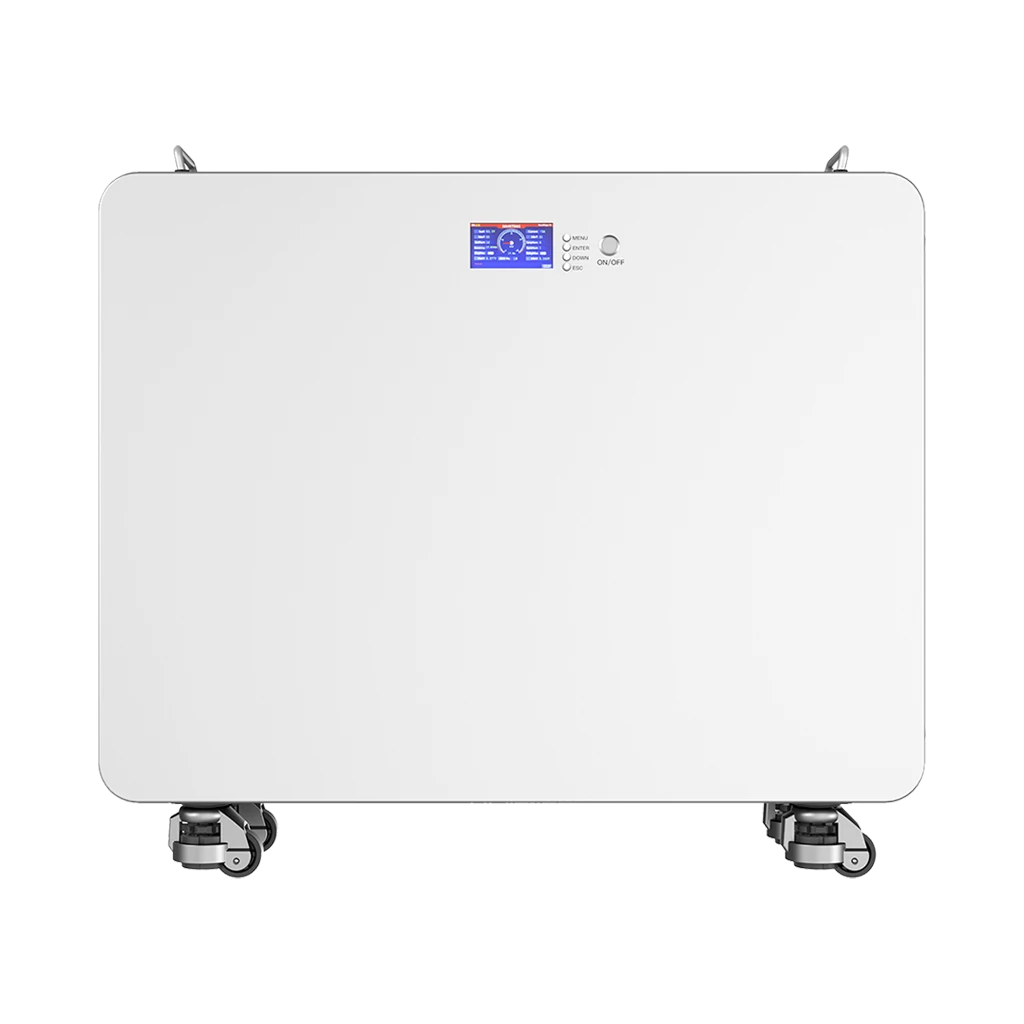
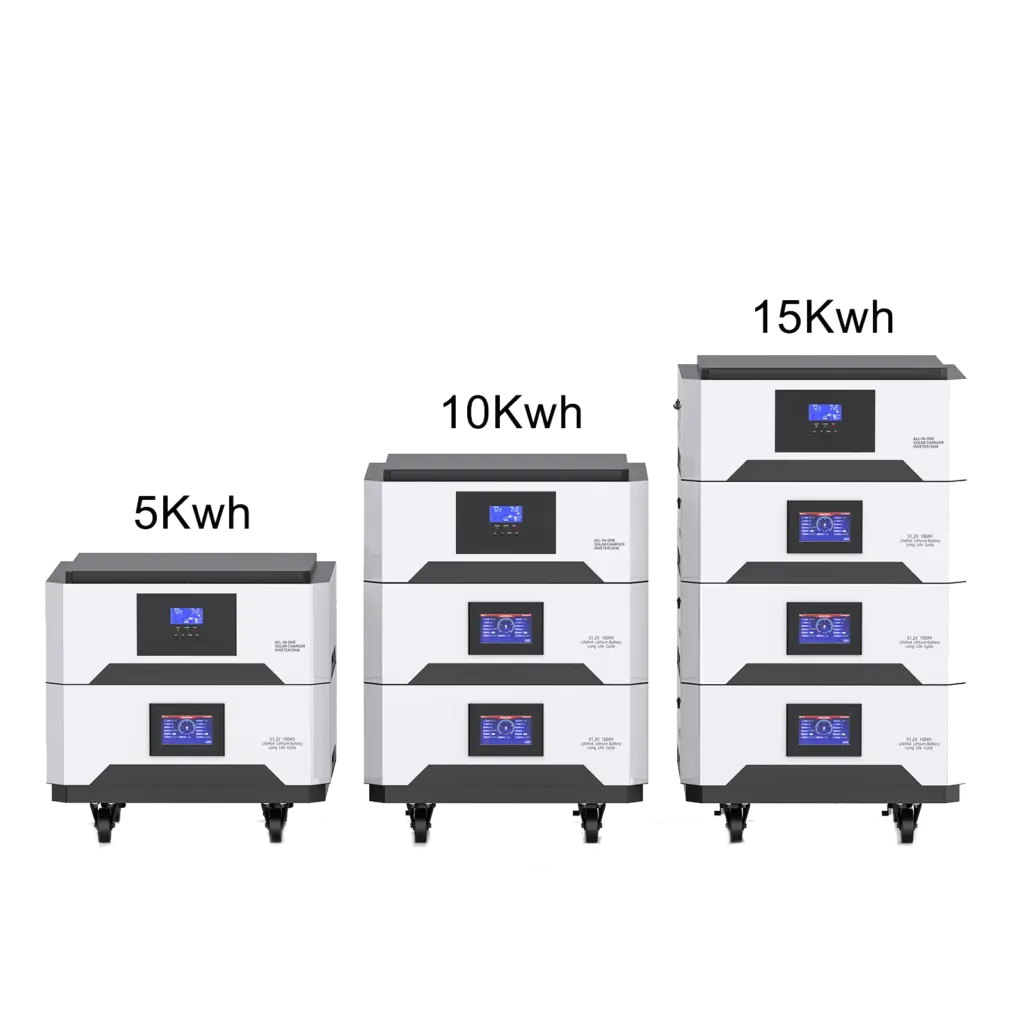
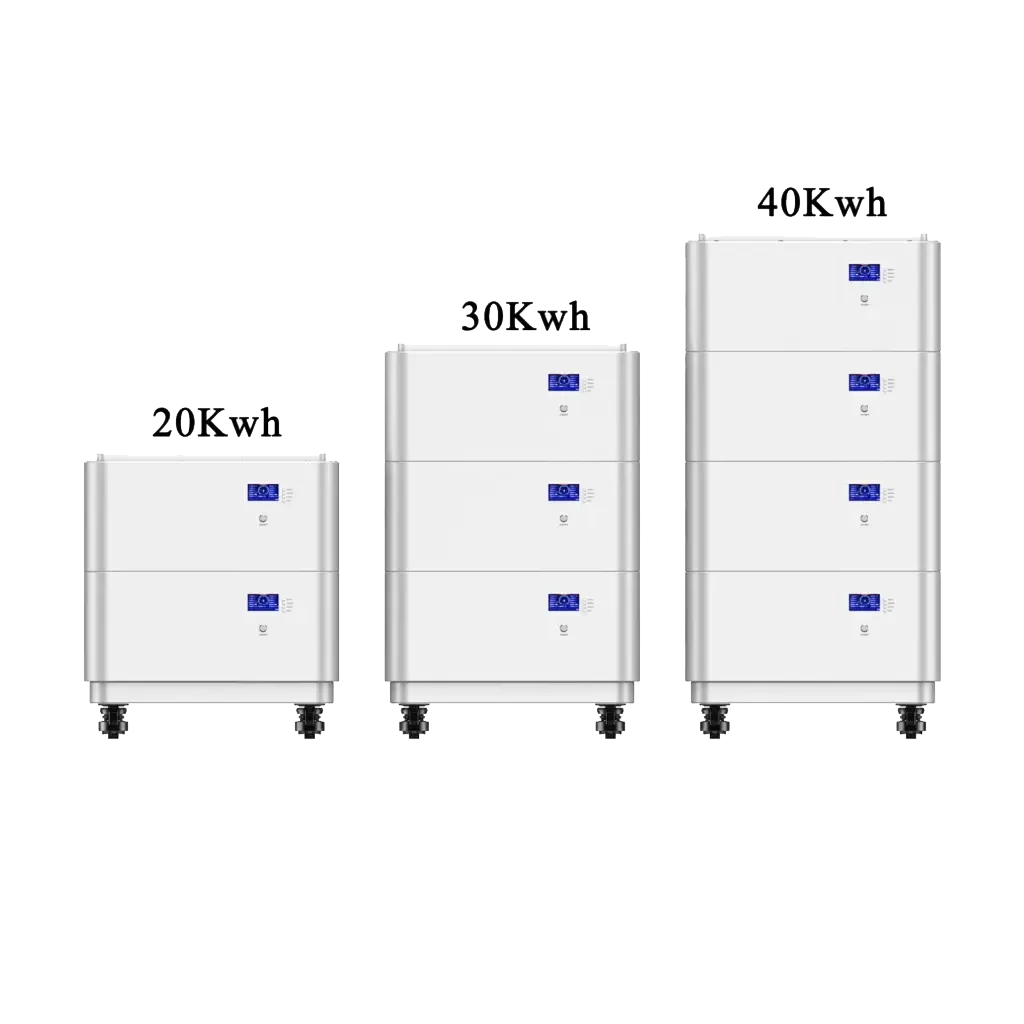
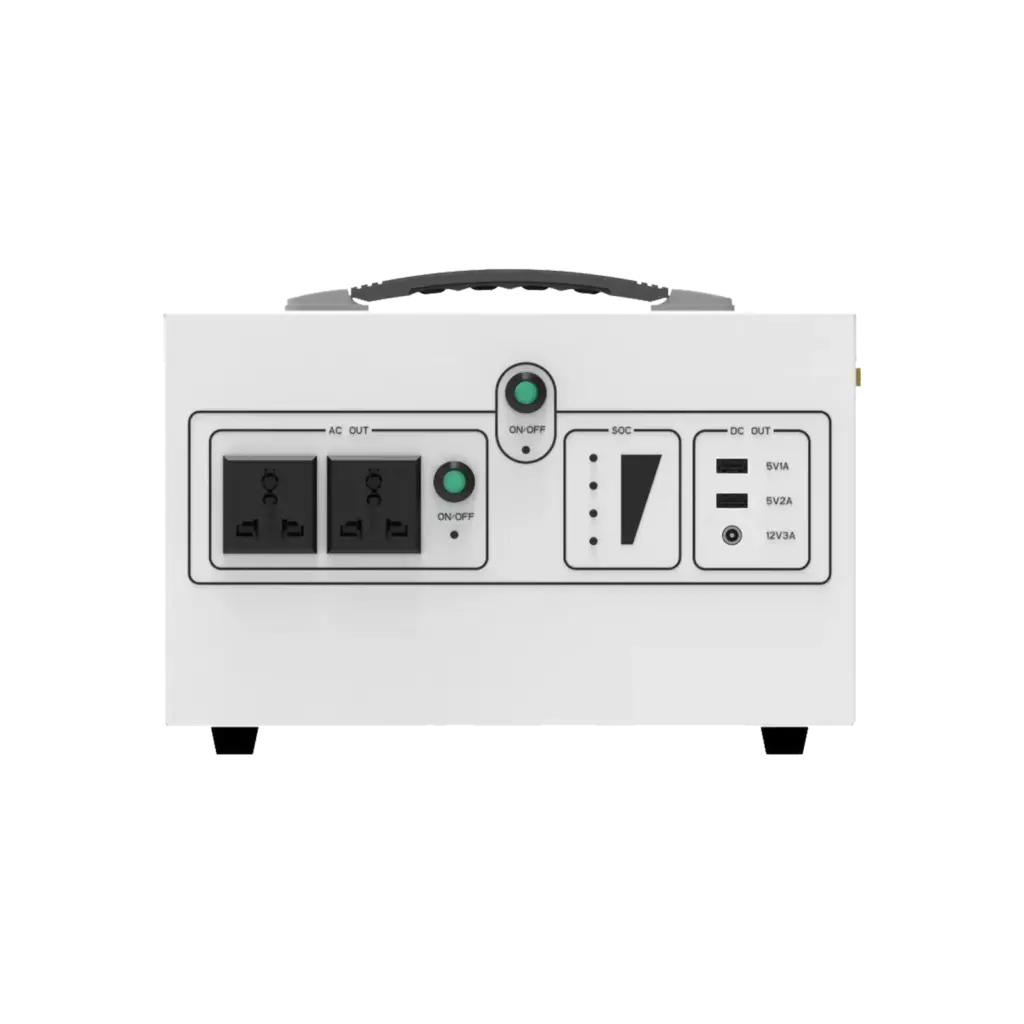
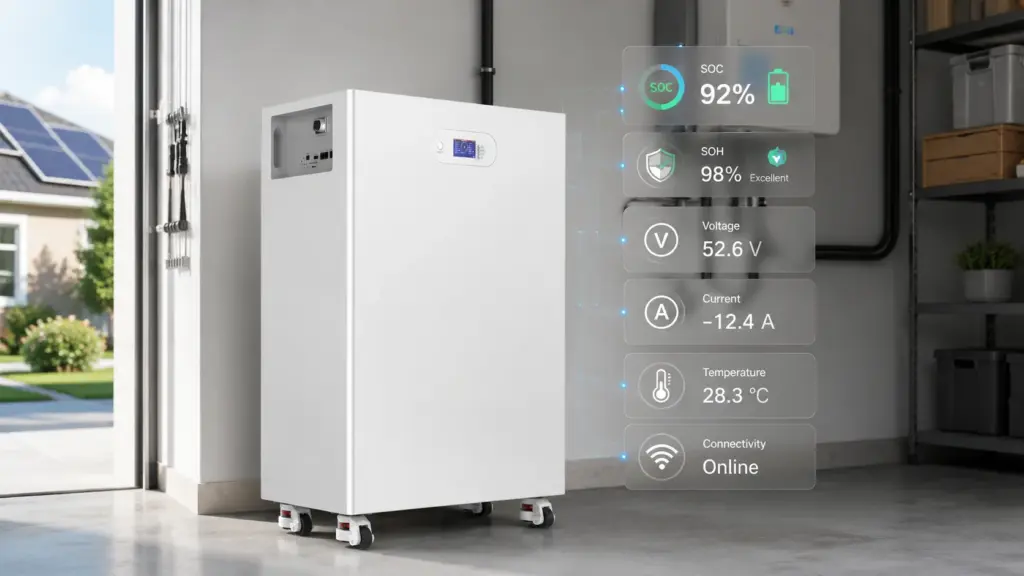
For solar-plus-storage systems, monitoring should not stop at the inverter. A reliable energy storage setup should also track battery SOC, charge/discharge current, temperature, alarms and communication status. Avepower’s home energy storage systems are designed around smart battery monitoring, inverter communication and scalable storage for solar self-consumption, load shifting and backup power.
Plan a Smarter Energy Storage System
If you are planning a solar battery or energy storage project, Avepower can help review your load profile, backup goals, inverter requirements and monitoring needs, then recommend a suitable LiFePO4 battery system for residential, commercial or custom ESS applications.
How Can an Energy Monitoring System Help Size a Solar Battery?
Energy monitoring system data helps size a solar battery by showing actual evening loads, backup loads, solar surplus, peak tariff periods and the daily energy gap that storage needs to cover.
Without monitoring data, battery sizing often becomes guesswork. A homeowner may buy too small a battery and still import peak-rate electricity, or buy too much capacity and extend payback unnecessarily.
A practical sizing process looks like this:
- Measure daily electricity use for at least 2–4 weeks.
- Identify evening and night loads after solar generation drops.
- Separate essential backup loads from non-essential loads.
- Compare solar export or surplus energy with usable battery capacity.
- Add a reserve margin for cloudy days, aging and future load growth.
Example calculation:
| Item | Example Value |
|---|---|
| Daily home consumption | 18 kWh/day |
| Evening peak load, 6 pm–10 pm | 8 kWh |
| Always-on load | 0.25 kW × 24h = 6 kWh/day |
| Average solar surplus | 10 kWh/day |
| Target shifted energy | 8 kWh/day |
| Suggested usable battery capacity | 8–10 kWh |
| Practical nominal battery size | 10–15 kWh depending on reserve need |
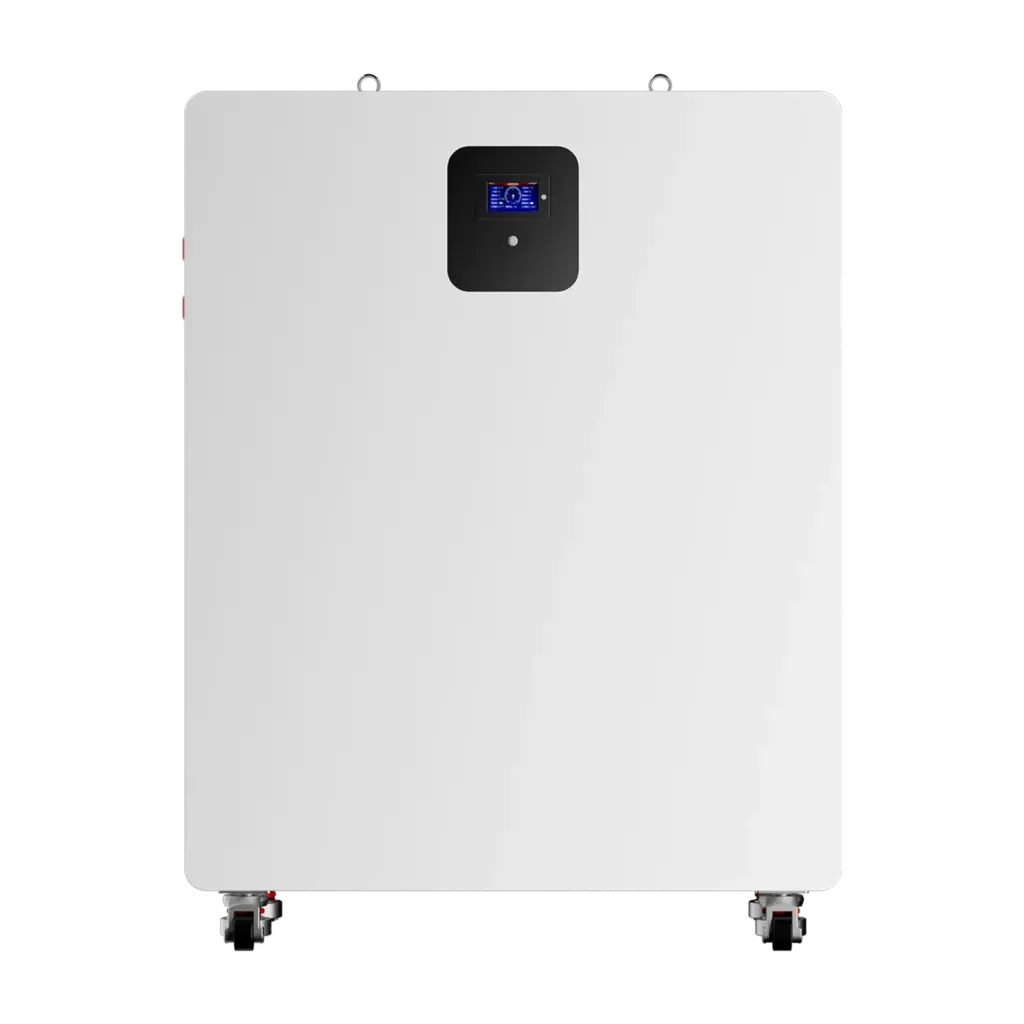
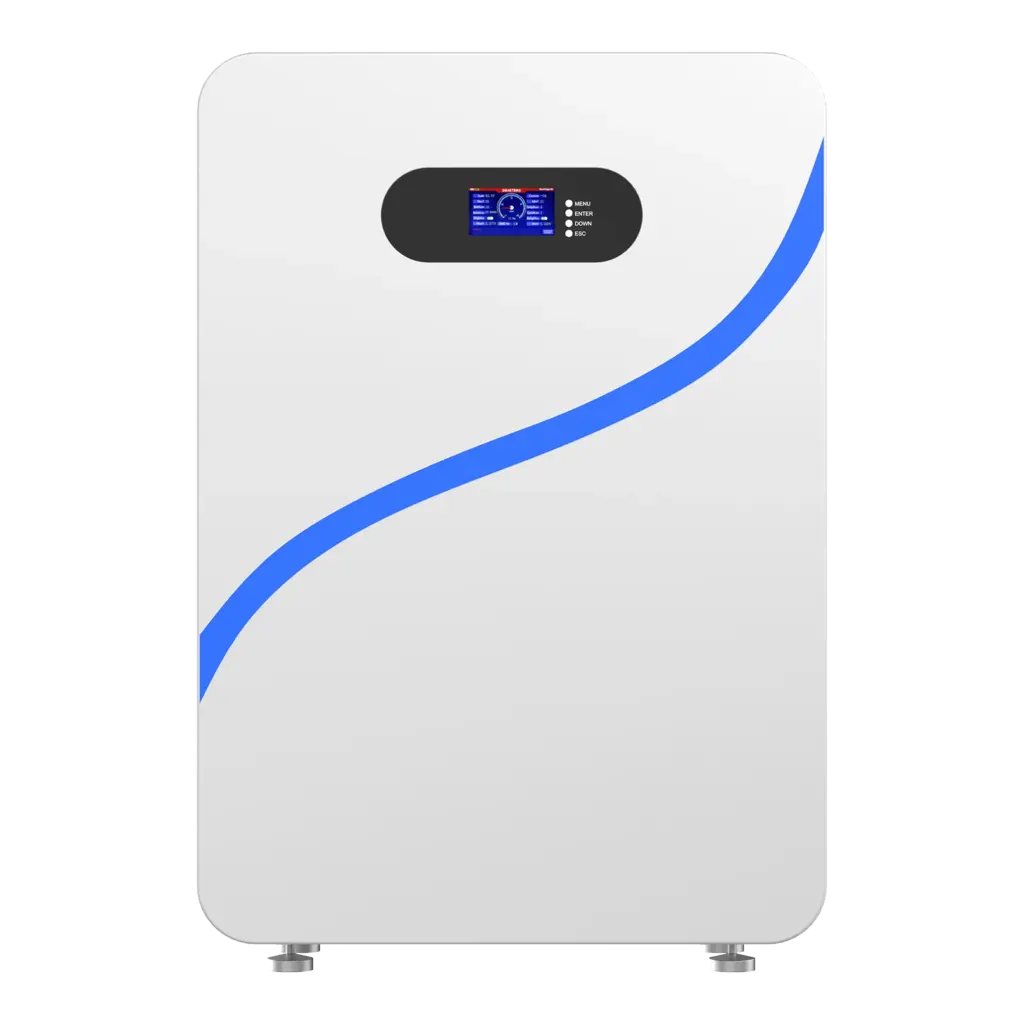
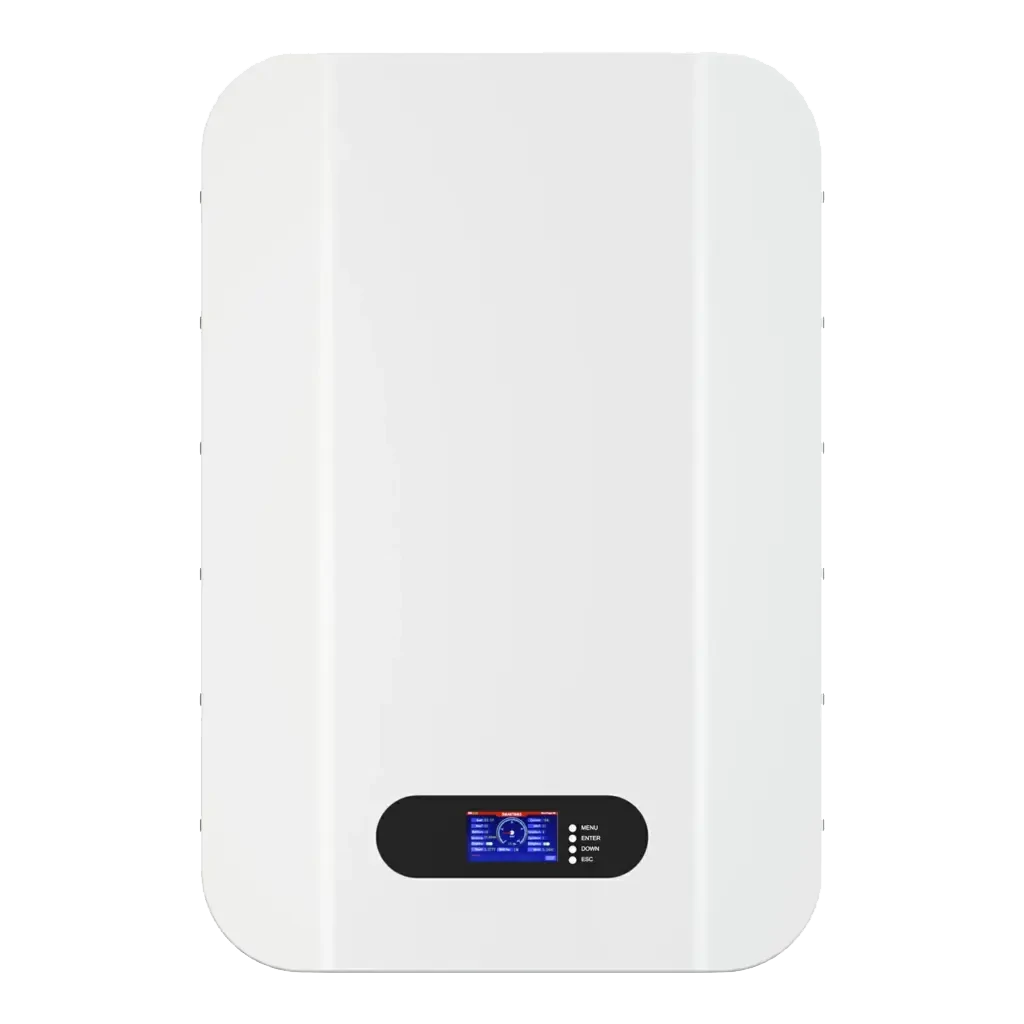
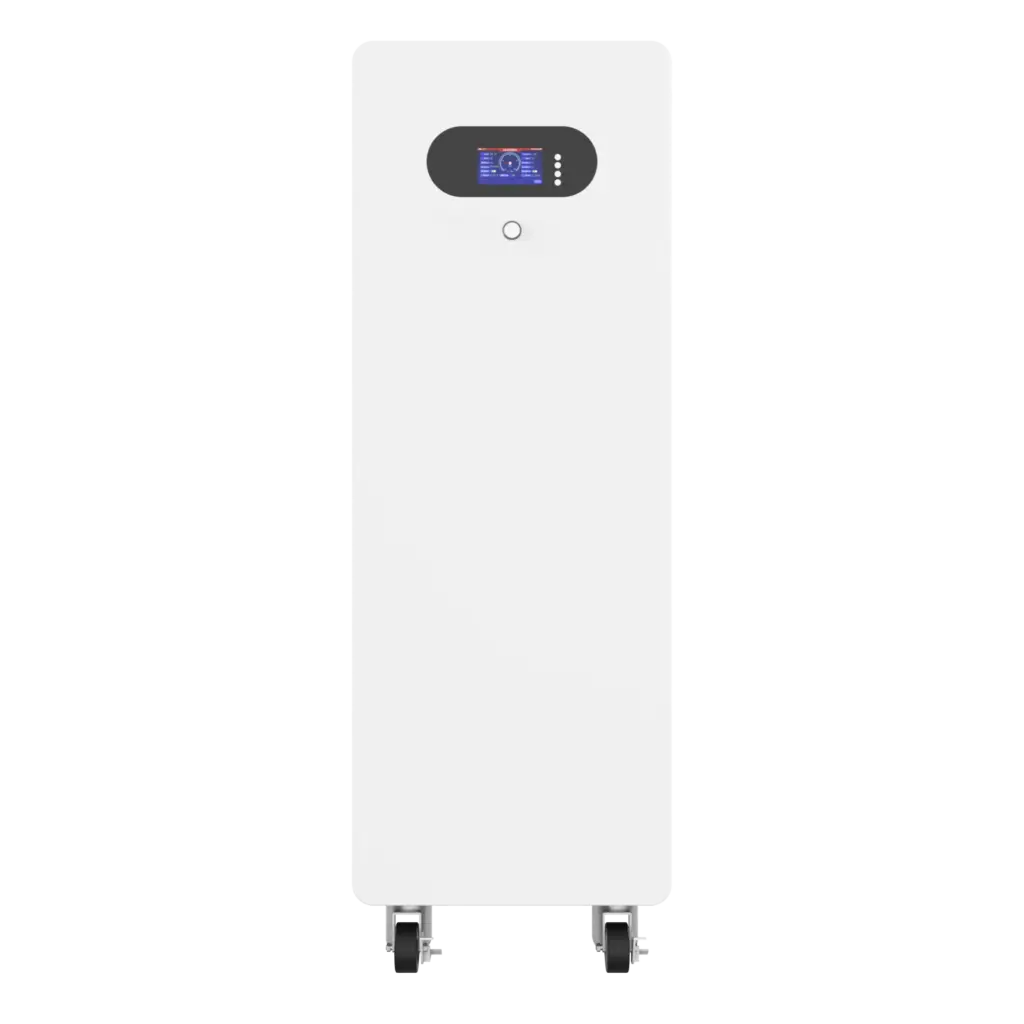
If the home wants to shift about 8 kWh/day from solar or off-peak charging to peak hours, a 10 kWh battery may be suitable for a lean setup, while a 15 kWh battery gives more backup margin. Avepower’s 48V 200Ah 10kWh wall-mounted LiFePO4 battery fits smaller to medium residential storage projects, while the 15kWh vertical LiFePO4 battery is more suitable when monitoring data shows higher evening demand or longer backup needs.
How Much Can an Energy Monitoring System Save?
Energy monitoring system savings vary by user behavior, tariff structure, load type and system design; realistic savings often come from reducing waste, shifting loads, improving solar self-consumption and avoiding peak demand charges.
A simple home example:
| Item | Before Monitoring | After Action |
|---|---|---|
| Monthly electricity use | 900 kWh | 840 kWh |
| Reduction | – | 60 kWh |
| Electricity price | $0.25/kWh | $0.25/kWh |
| Monthly saving | – | $15 |
| Annual saving | – | $180 |
This example only reflects behavior and load changes. If monitoring also shows that a home imports 8–10 kWh during expensive evening periods while exporting solar at midday, a battery may create additional value by shifting stored solar energy into peak hours.
For commercial buildings, savings may come from a different source: peak demand reduction, HVAC optimization, equipment scheduling and benchmarking.
When Is an Energy Monitoring System Not Enough?
Energy monitoring system data is not enough when the site has poor wiring, incompatible inverter communication, no action plan, limited user engagement, missing submeters or unclear battery operating strategy.
Monitoring tells you what is happening. It does not automatically fix oversized HVAC, poor insulation, wrong inverter settings, weak battery communication, overloaded circuits or bad tariff selection.
For solar battery projects, monitoring should be paired with:
- Correct inverter and battery matching.
- Qualified installation and protection design.
- Clear backup load selection.
- Proper charge/discharge settings.
- Communication protocol confirmation.
- Periodic review of battery SOC and alarms.
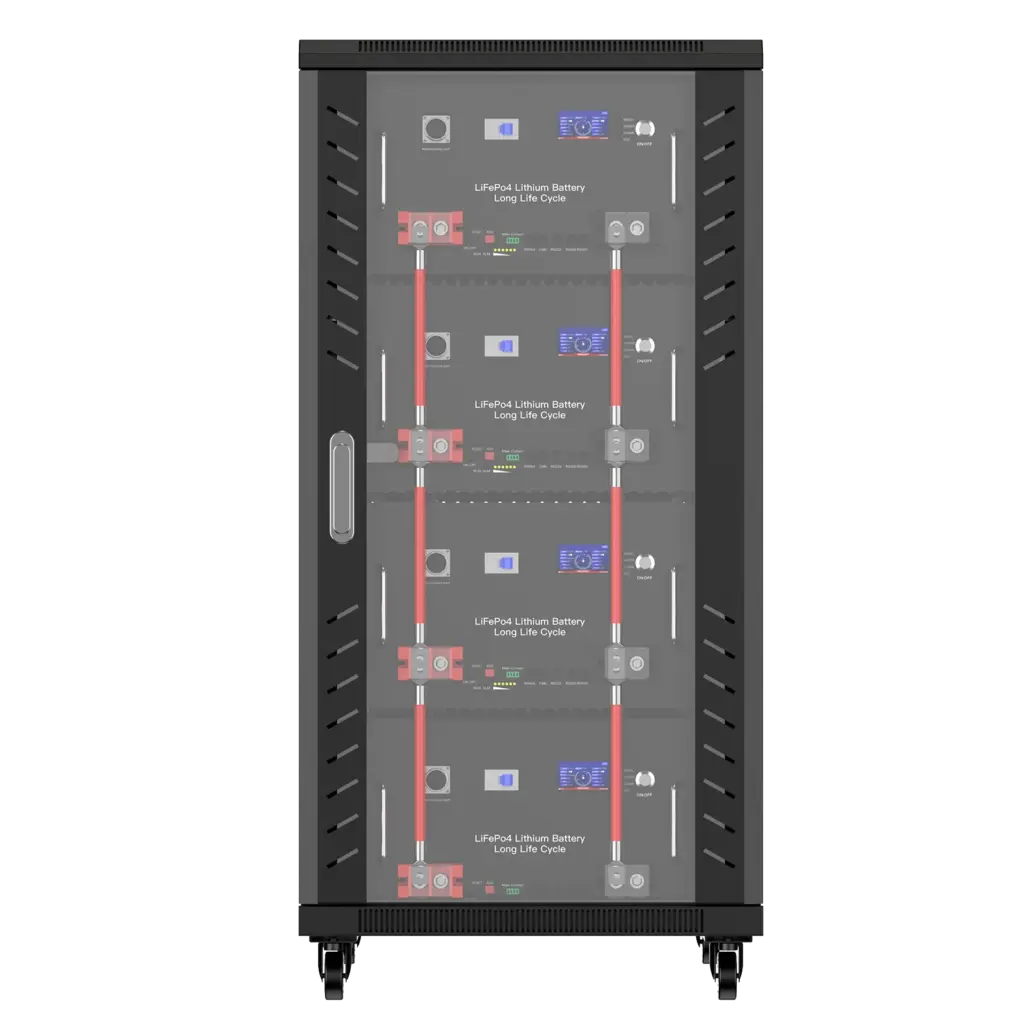
Avepower’s custom high-voltage battery storage system is a good example for commercial and industrial projects because system configuration depends on voltage platform, inverter or PCS requirements, cabinet layout, communication protocol and load profile. Its Lithuania project example used a 522.496kWh high-voltage ESS configuration, showing why large projects require engineering review instead of simple app-based monitoring.
Turn Energy Data Into Savings
Avepower helps installers and project buyers build solar battery systems for self-consumption, peak shaving, and backup power.
How Should Homeowners, Installers and Businesses Choose the Right System?
Energy monitoring system selection should start with the problem you need to solve: bill visibility, solar self-consumption, battery sizing, peak demand control, equipment fault detection or ISO-style energy performance tracking.
| User Type | Best Choice | Key Decision Standard |
|---|---|---|
| Homeowner | Whole-home + circuit monitoring | Can it show major loads clearly? |
| Solar homeowner | Solar + battery monitoring | Can it show PV, grid, load and SOC? |
| Installer | Battery/inverter-compatible monitoring | Does it support CAN/RS485/RS232 or required protocol? |
| Small business | Submetering + alerts | Can it identify peak demand and abnormal loads? |
| Factory | Industrial EMS | Can it track kWh/unit and significant energy uses? |
| Building owner | BEMS + benchmarking | Can it support reports and baselines? |
| C&I storage project | Load profile + ESS monitoring | Can it guide battery and PCS sizing? |
If your goal is solar storage, it is useful to read Avepower’s guide to batteries for home solar storage and lithium battery storage before finalizing capacity. If your goal is a smarter home energy setup, Avepower’s guide to smart home energy management gives more context on how solar, batteries and household loads work together.
Conclusion: Is an Energy Monitoring System Worth It?
Energy monitoring system is worth it when you need clear energy data for reducing waste, improving solar self-consumption, sizing battery storage, managing peak demand or verifying energy-saving results.
For homes, it helps reveal where electricity goes. For solar users, it shows whether a battery will actually be used. For installers, it supports better system design. For businesses, it creates a data foundation for energy management, ISO 50001-style performance tracking and C&I storage planning.
FAQ
No. A smart meter usually records utility billing data, while an energy monitoring system may provide real-time usage, circuit-level data, solar production, battery status, alerts and dashboards.
Yes, especially if you want to improve self-consumption or add a battery. Solar inverter apps may show generation, but they may not fully show household loads, evening demand or backup requirements.
Yes, but only when users act on the data. Savings usually come from changing usage schedules, reducing standby loads, improving solar self-consumption, avoiding peak rates or fixing inefficient equipment.
State of charge, charge/discharge power, daily cycling, voltage, current, temperature and alarms are important. For sizing, evening load and solar surplus are usually the most useful metrics.
Yes. Businesses can use energy monitoring to identify peak demand, abnormal loads, inefficient equipment, high-energy processes and opportunities for operational savings.
EMS usually means Energy Management System, which manages energy flows and decisions. BMS usually means Battery Management System, which protects and monitors battery cells, voltage, current, temperature and safety status.
Yes. Monitoring shows when peak demand occurs, which loads create it, and whether batteries or load scheduling can reduce the peak.
At least 2–4 weeks is useful for a first estimate, but 3–12 months is better when seasonal heating, cooling or business production cycles strongly affect energy use.