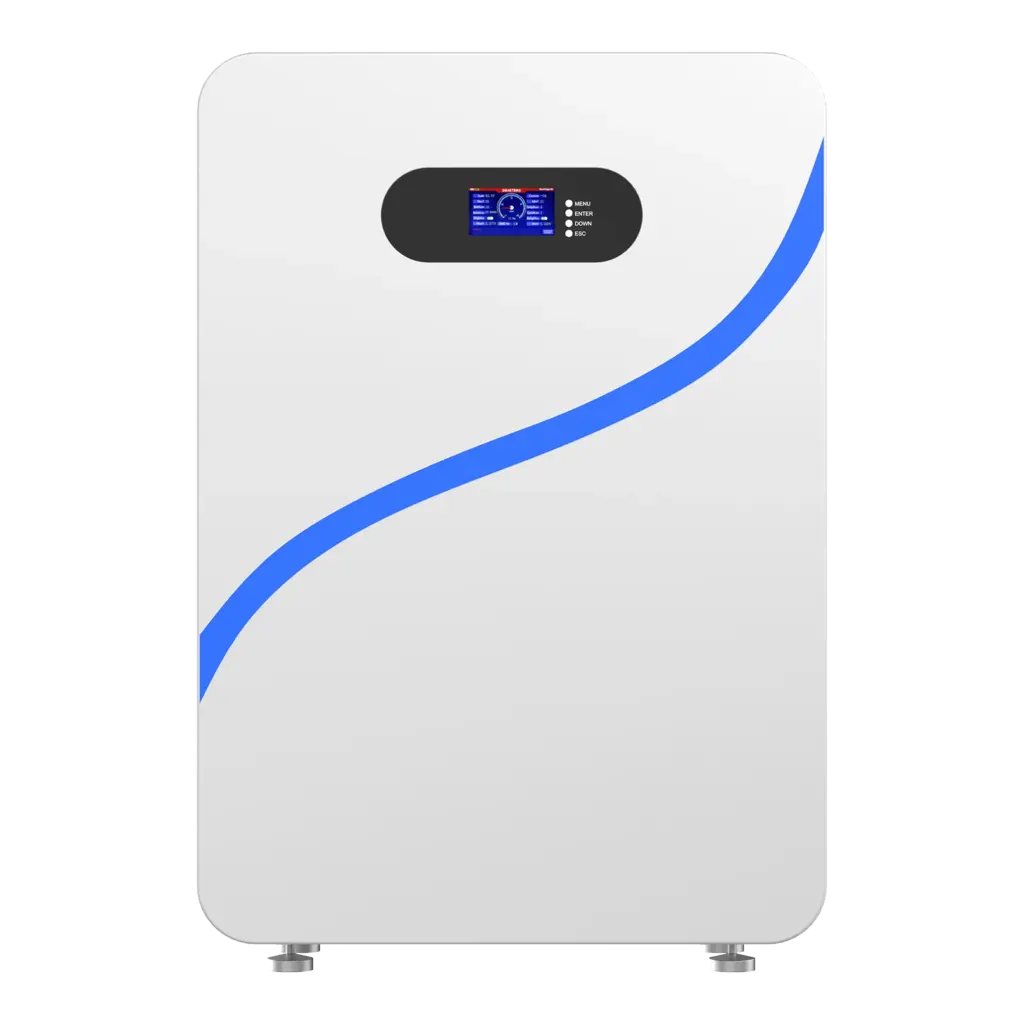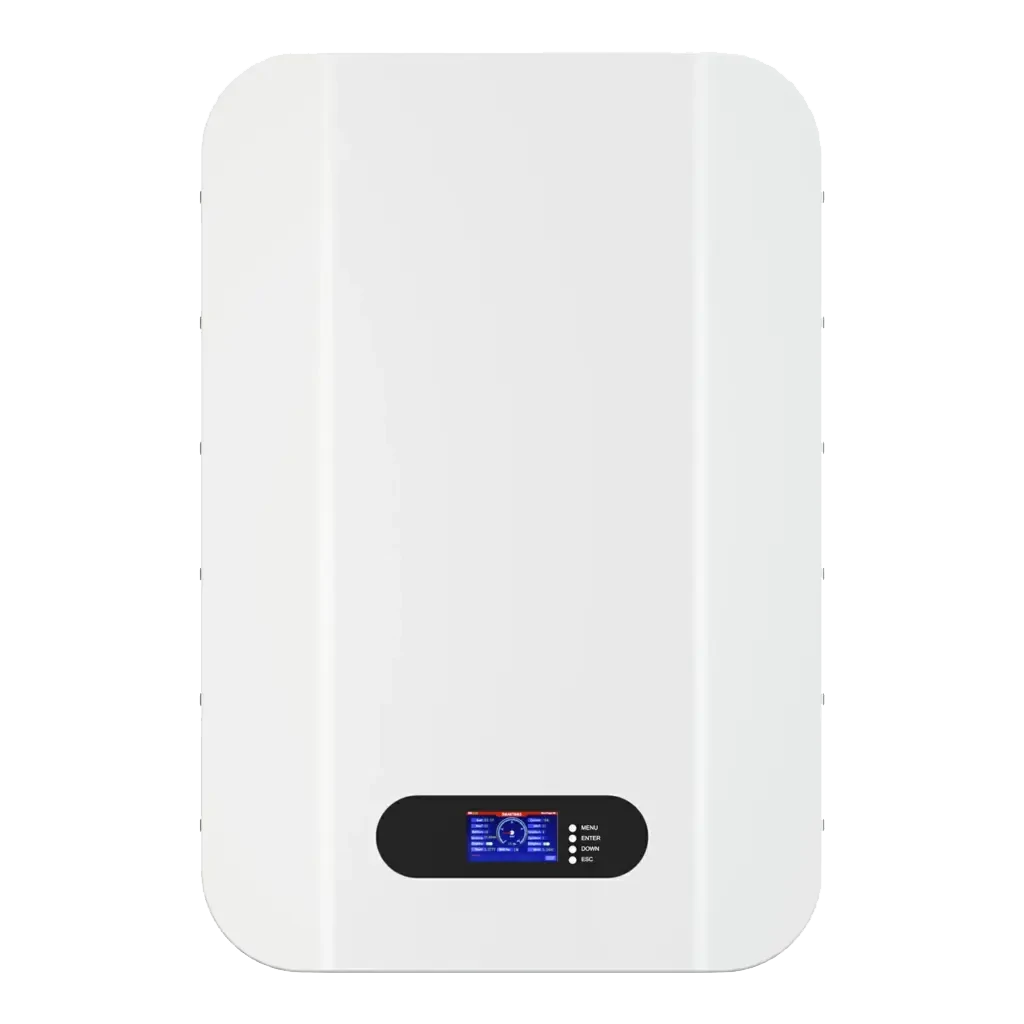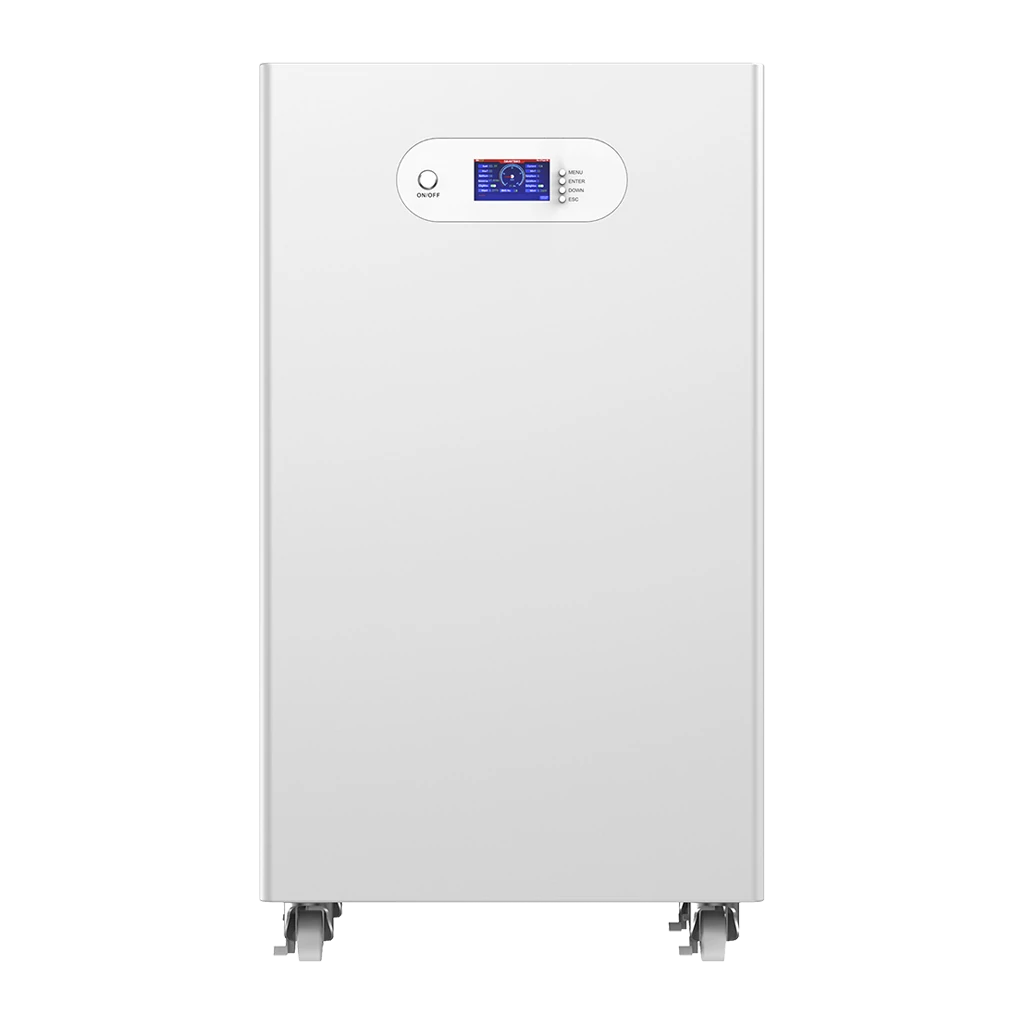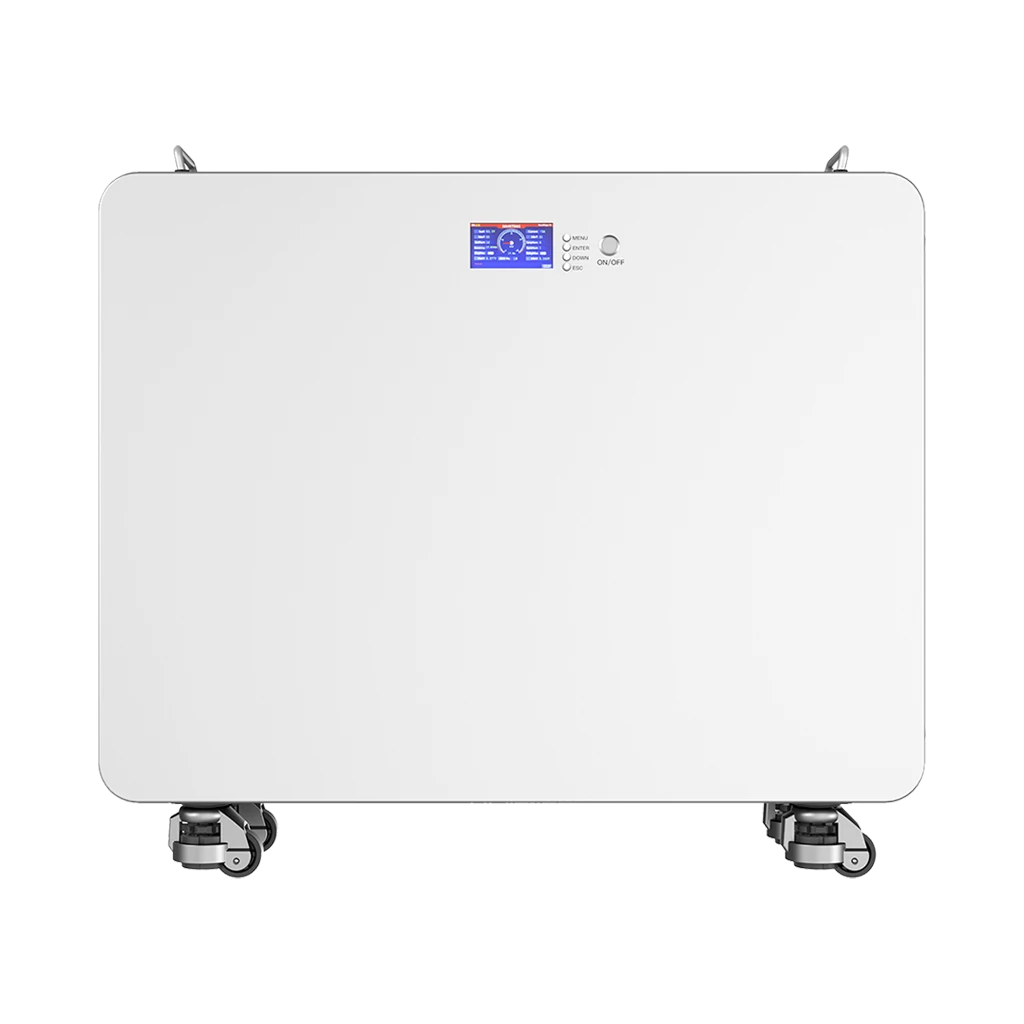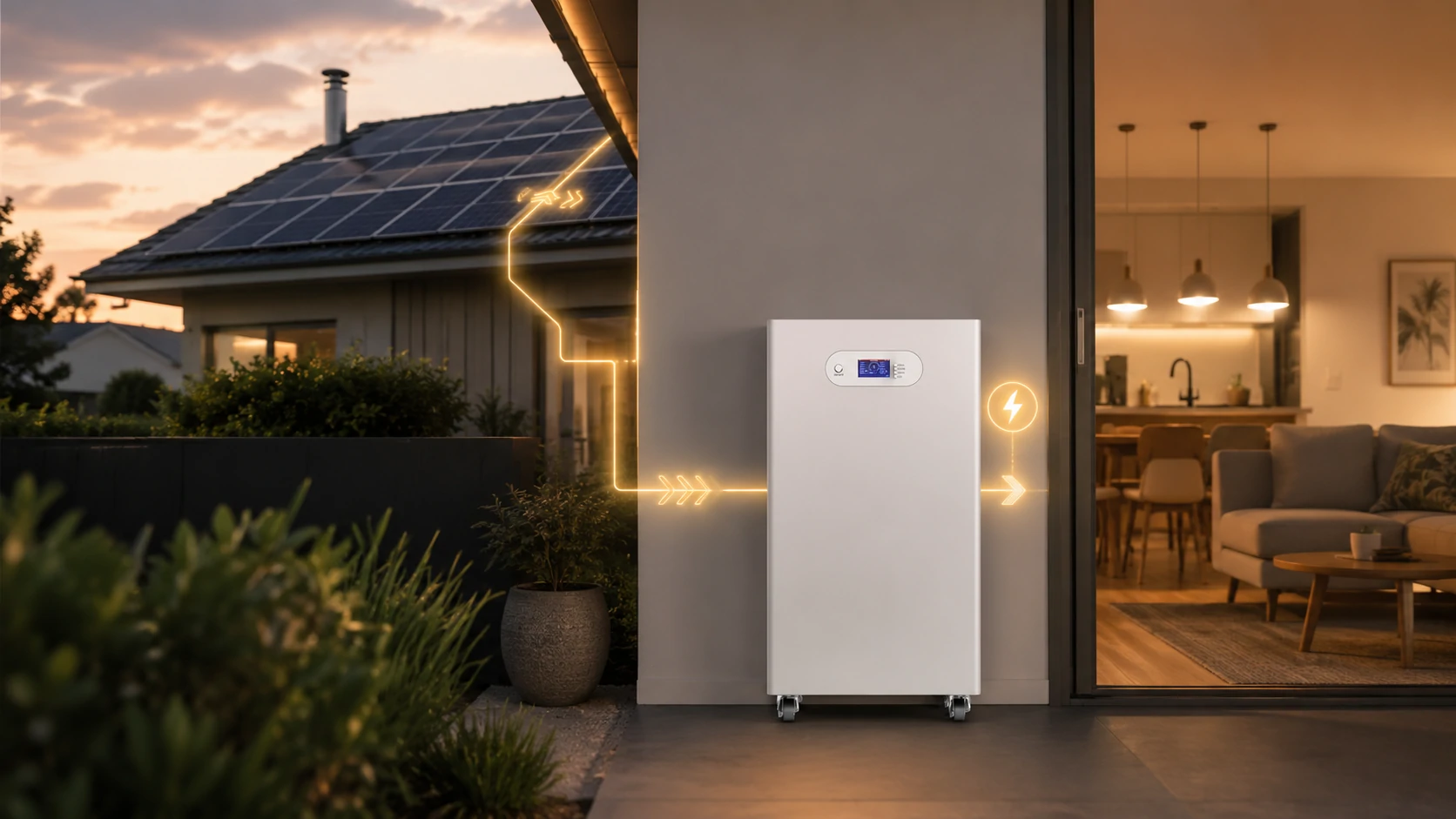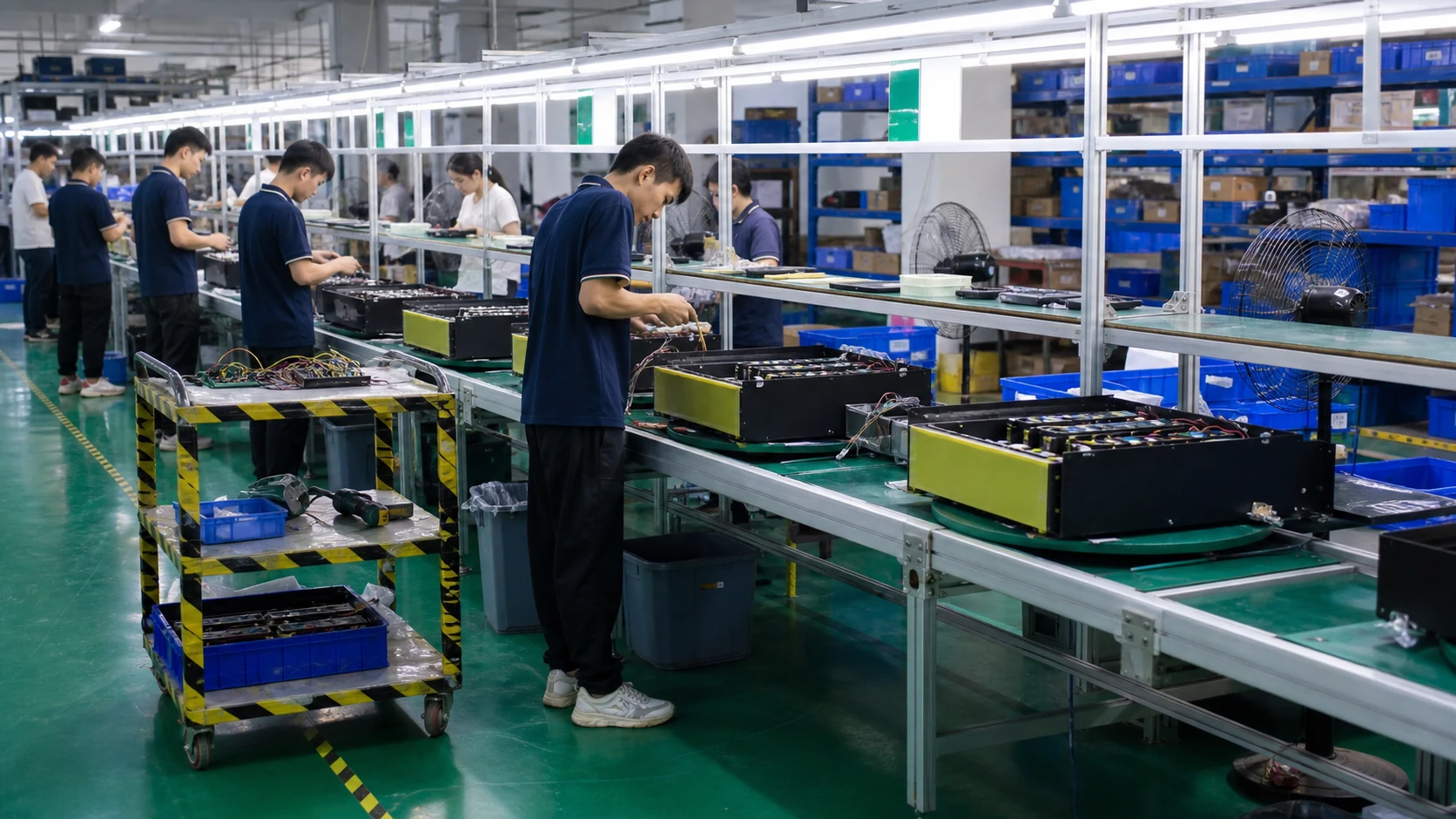

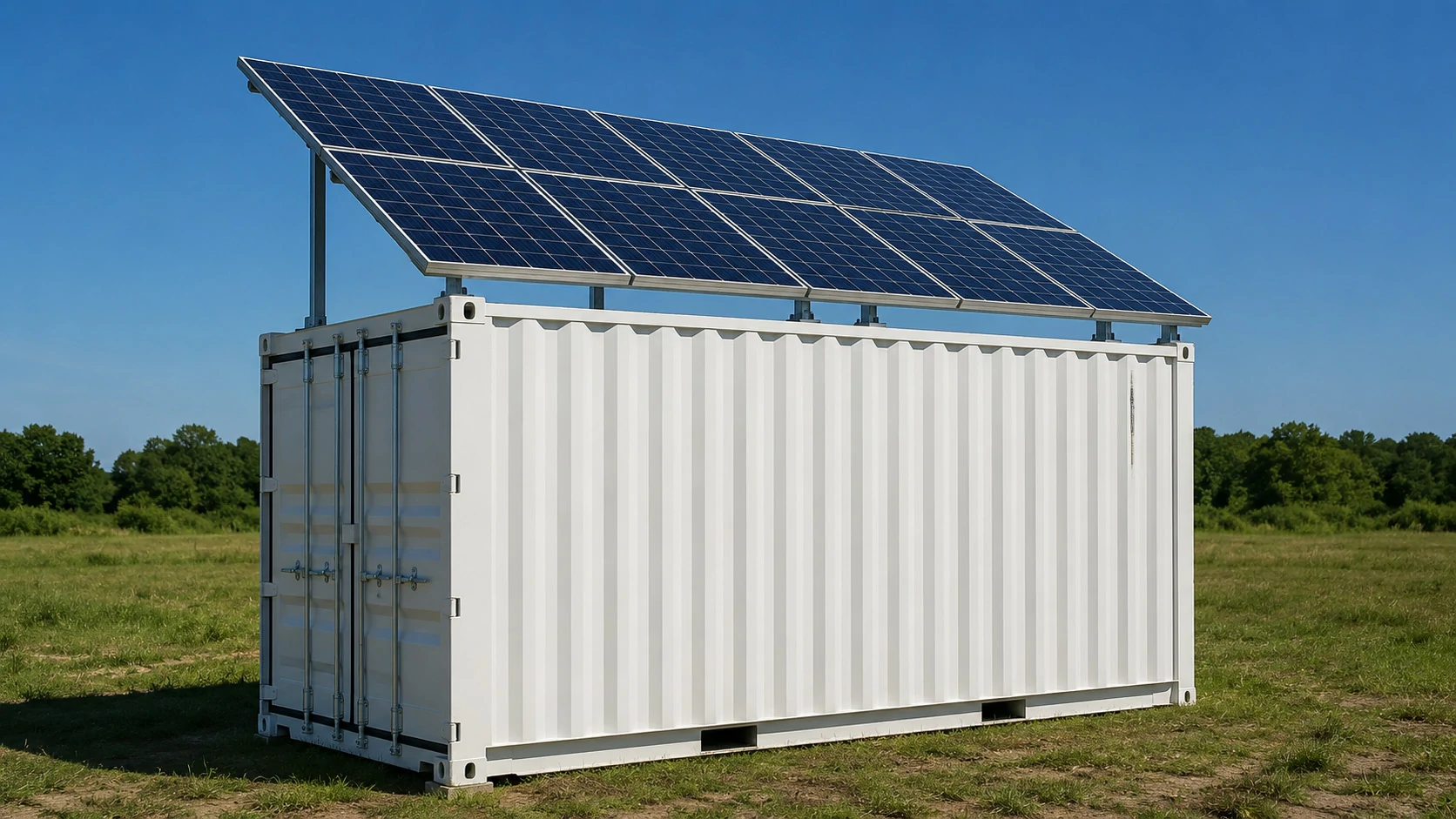
A solar power station shipping container is a modular, transportable energy system built inside or around a standard shipping container. It usually combines solar panels, battery storage, inverters, electrical protection, monitoring, ventilation, and sometimes a backup generator connection. The main purpose is to provide reliable power in places where grid access is unavailable, expensive, unstable, or temporary.
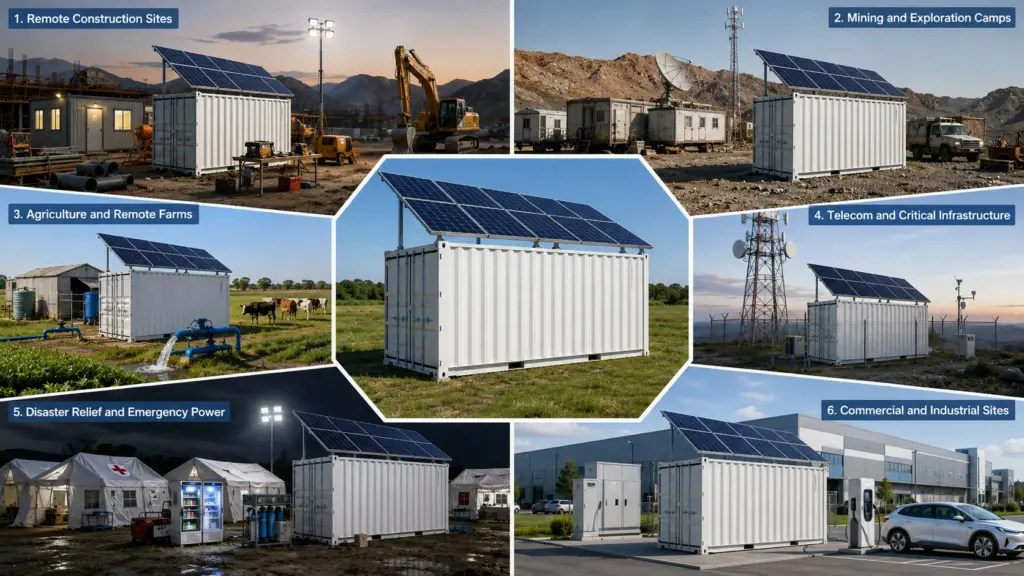
Common applications include remote construction sites, mining operations, farms, telecom stations, emergency relief, island projects, mobile clinics, events, and off-grid commercial sites. Many systems are pre-wired and factory-tested before delivery, which can reduce on-site installation time and make deployment easier.
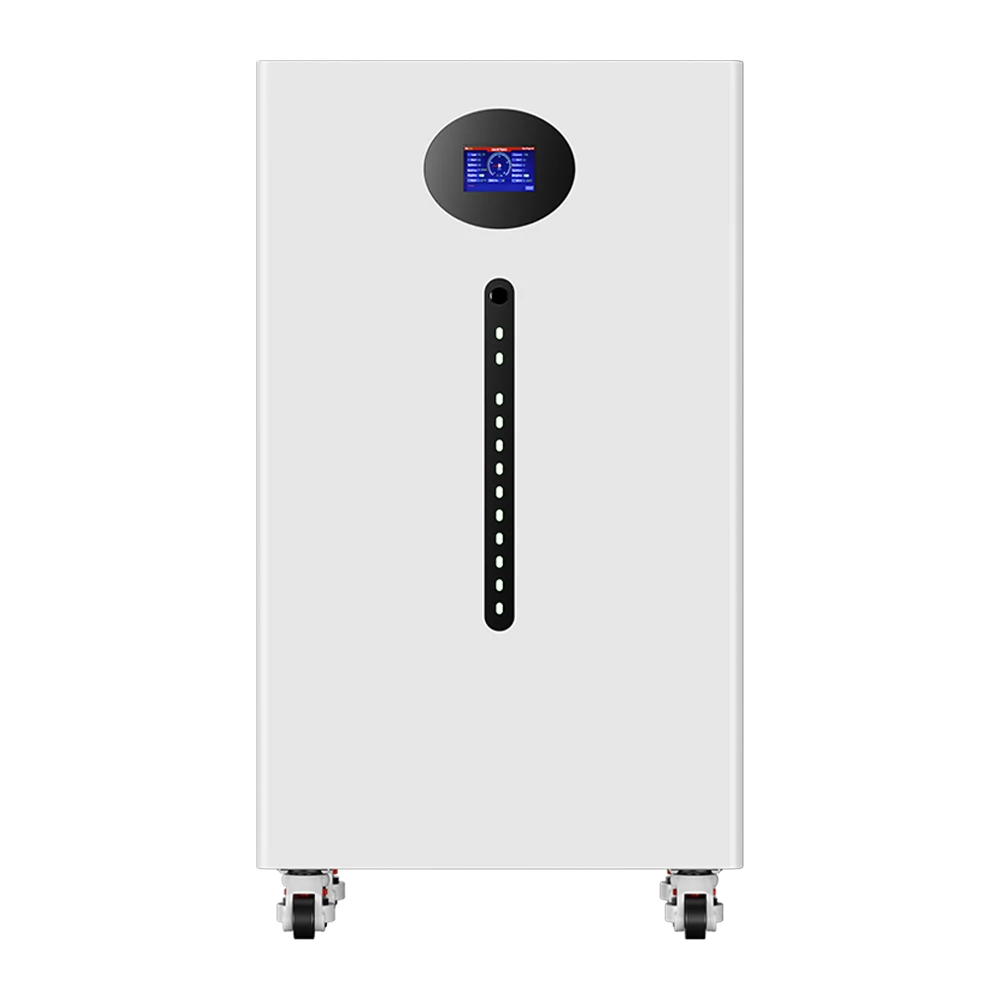
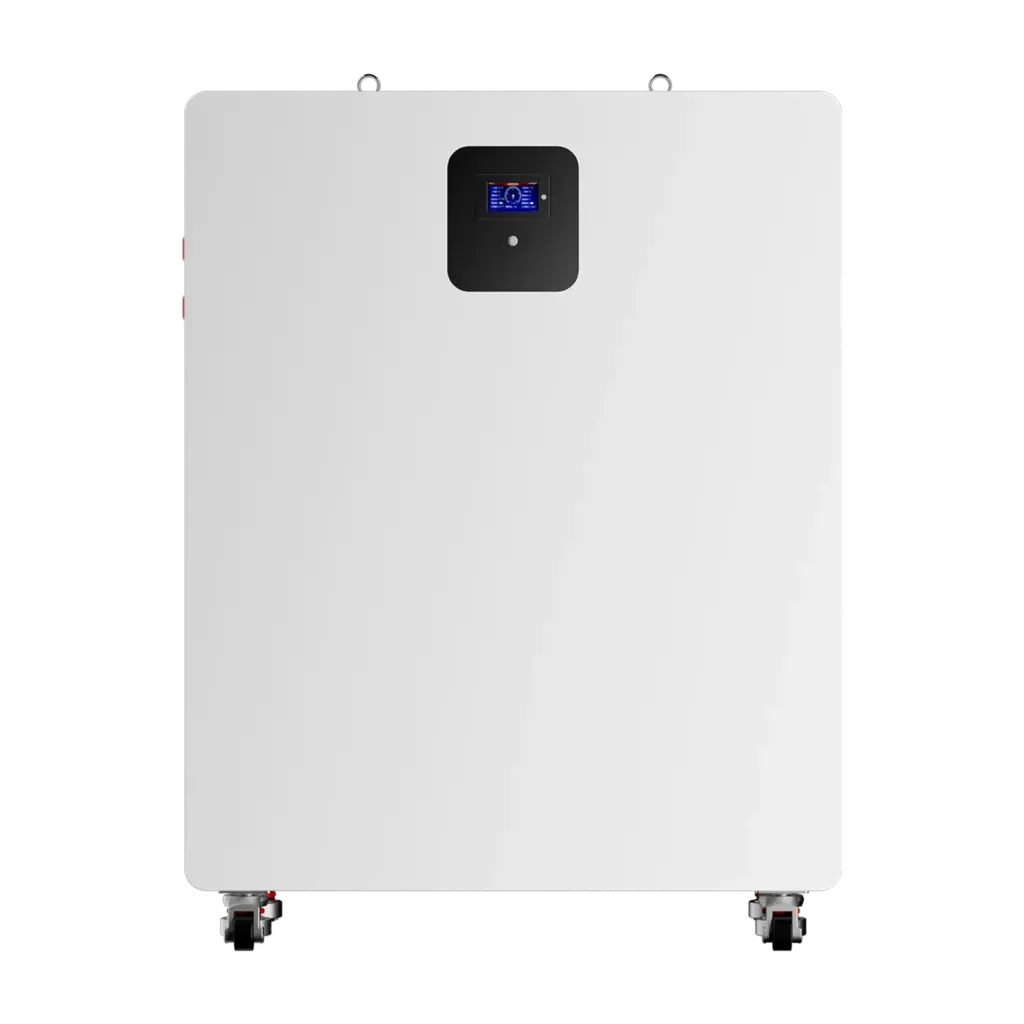
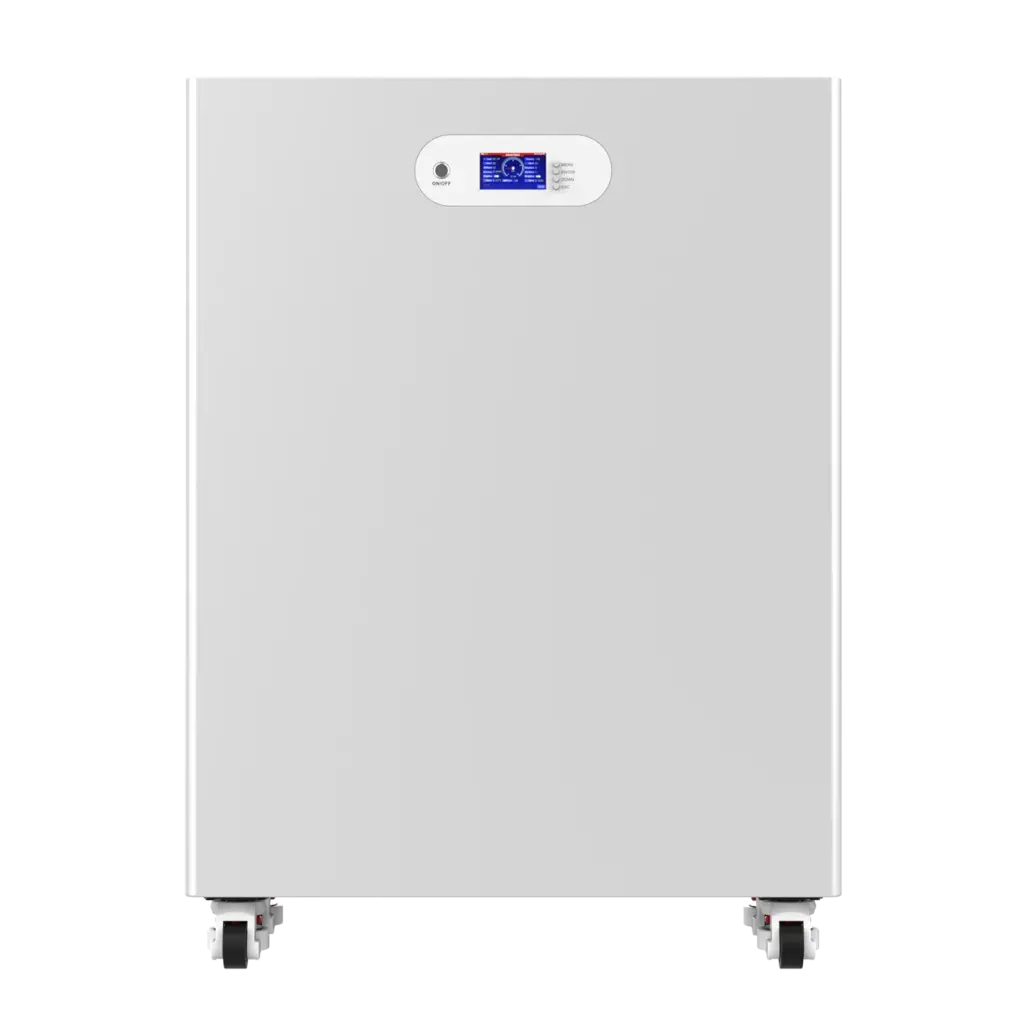
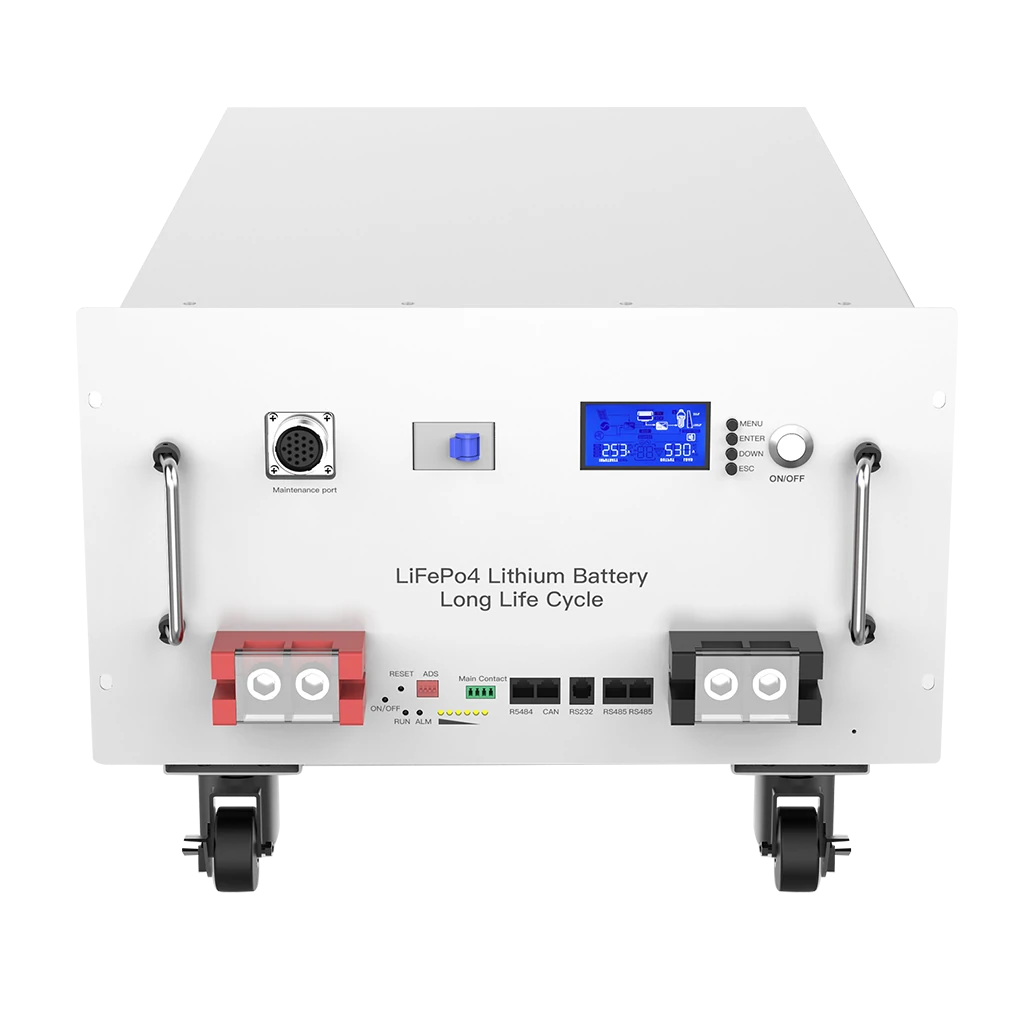
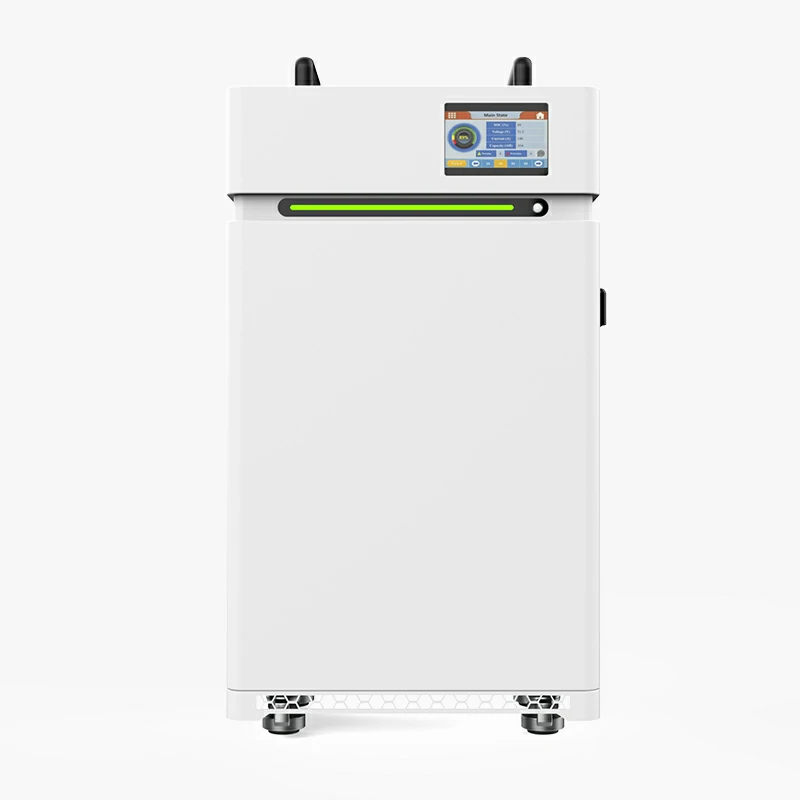
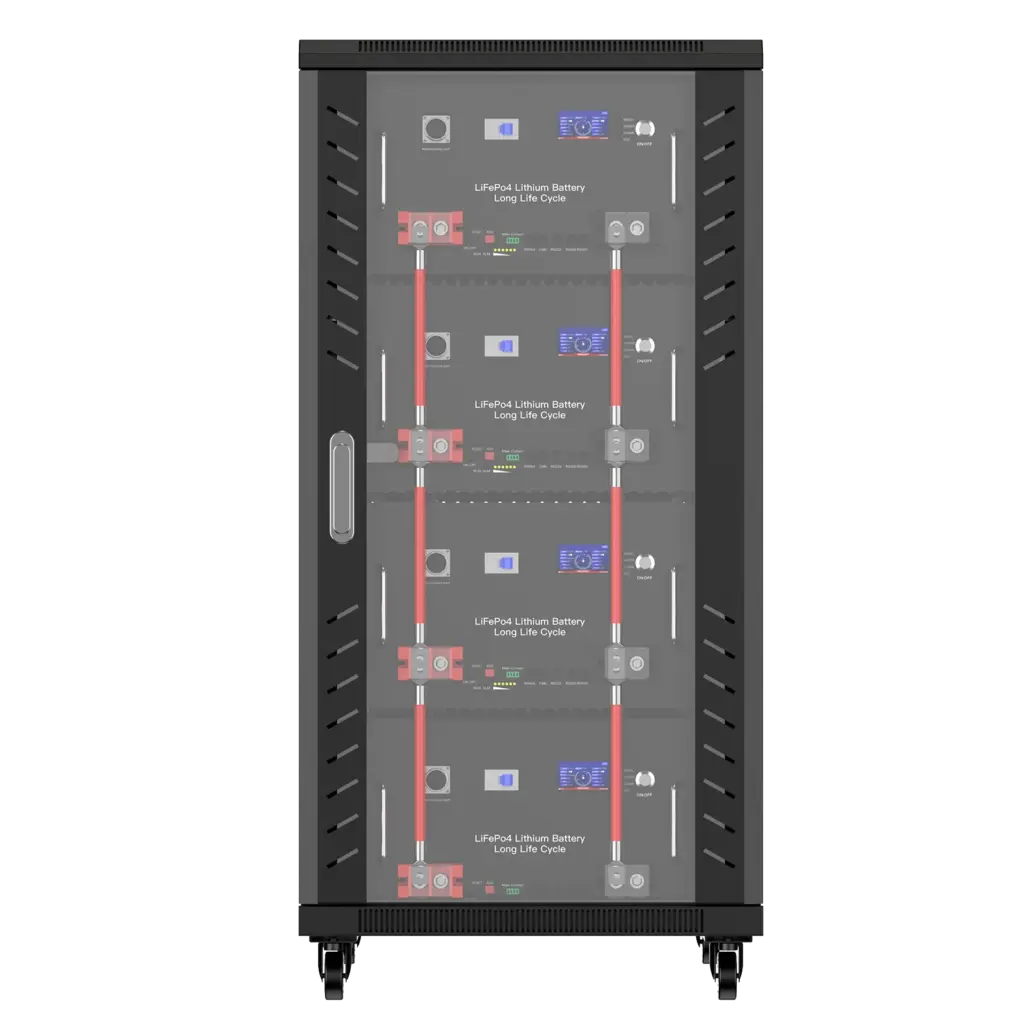
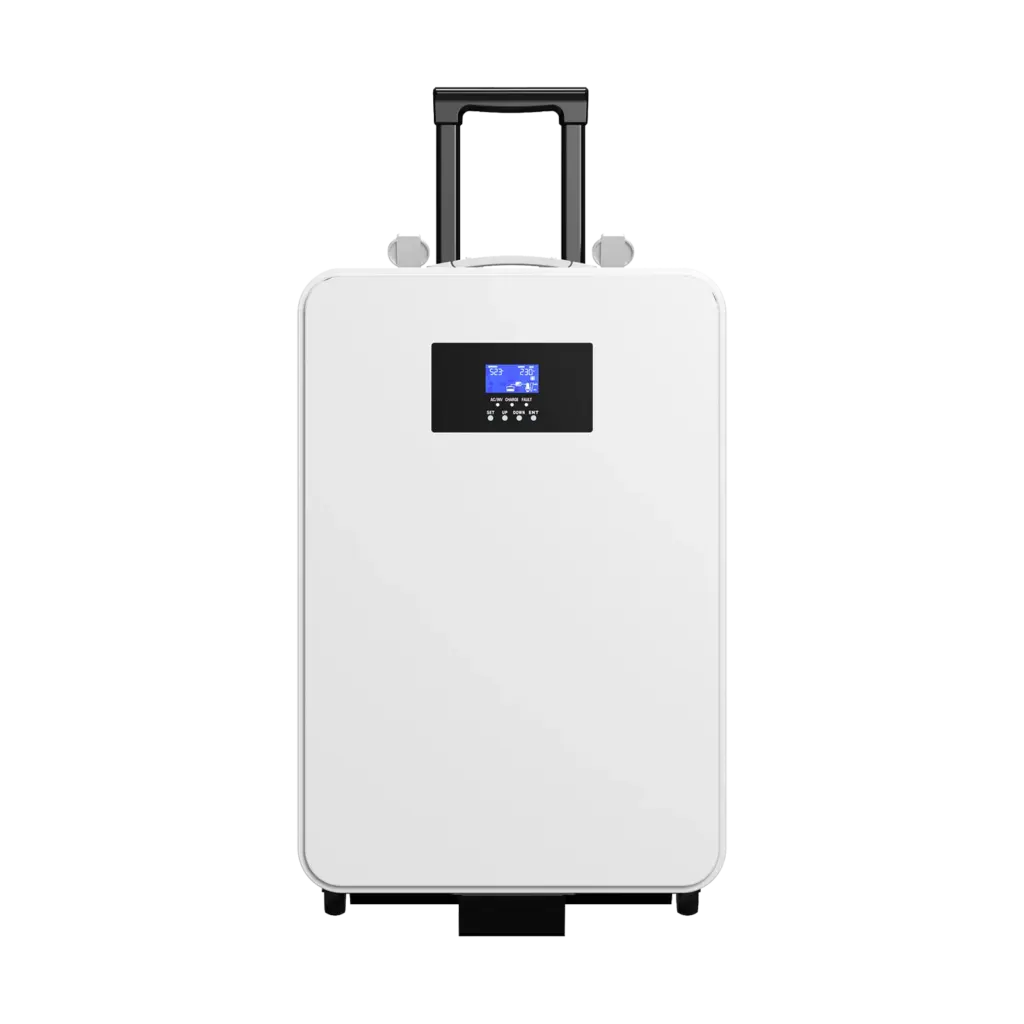
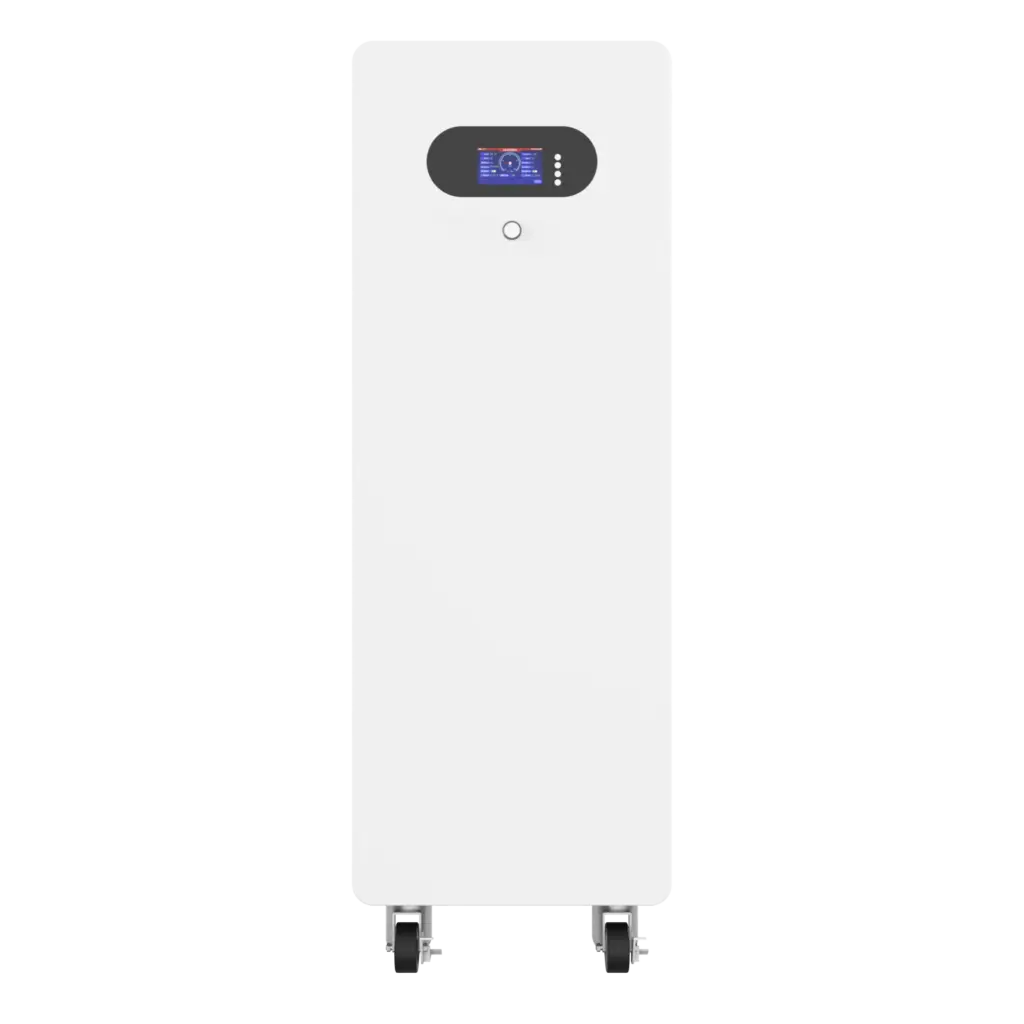
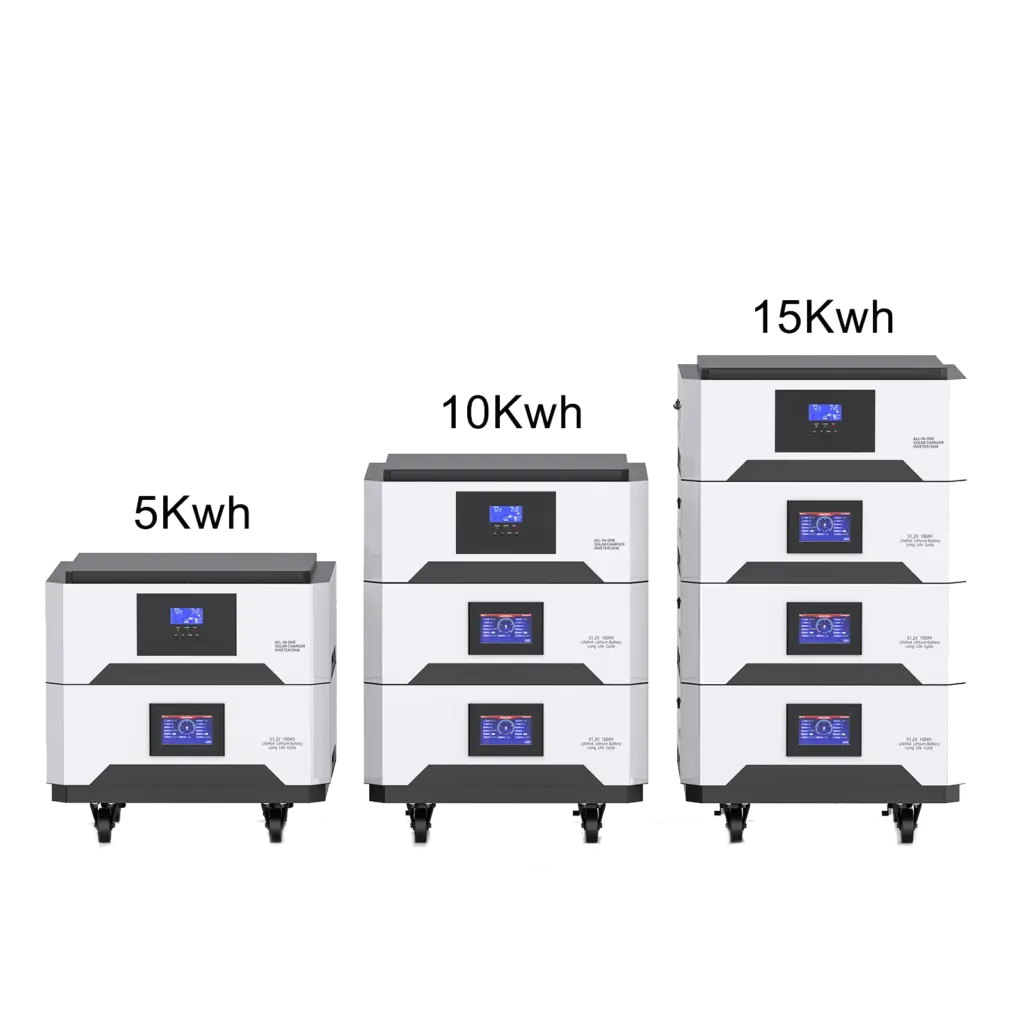
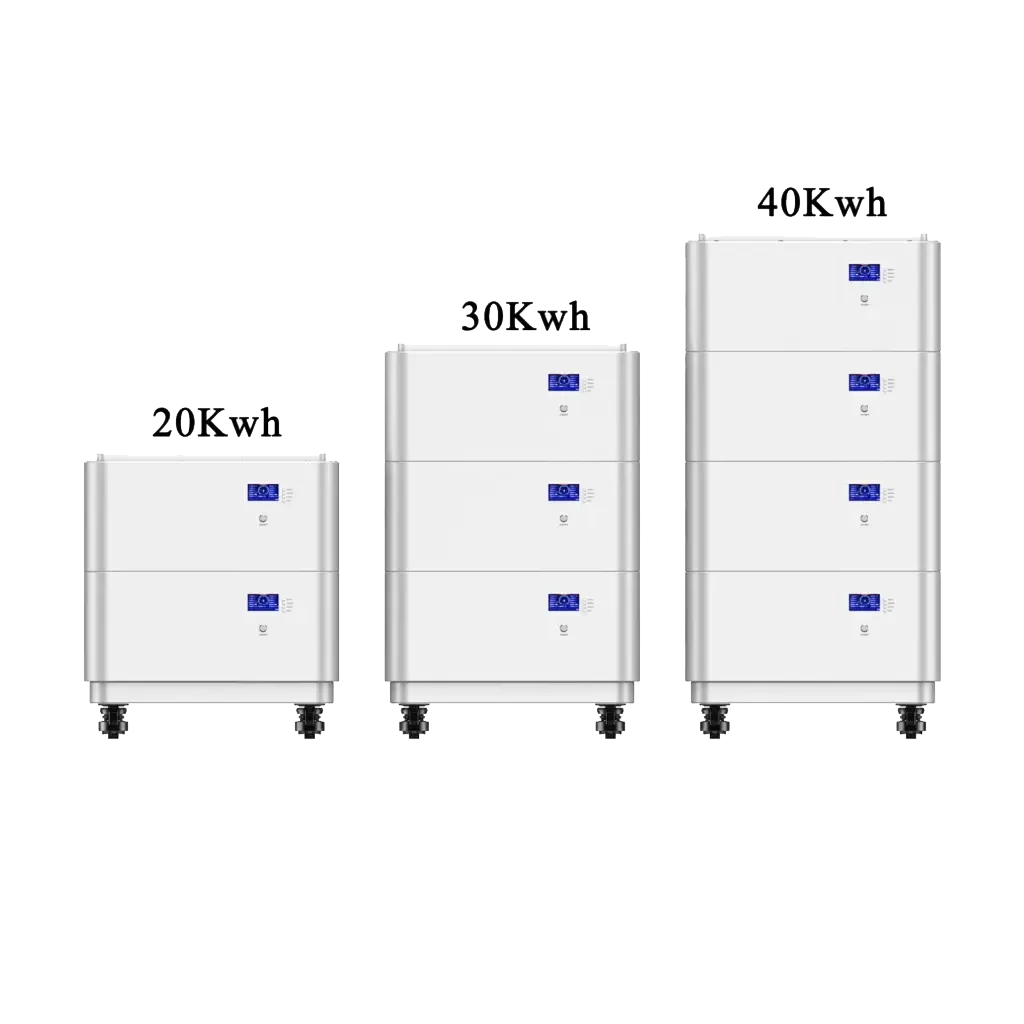
For projects that require larger battery capacity or longer autonomy, the container is often used as a protective enclosure for a complete battery energy storage system. In that case, products such as commercial and industrial energy storage solutions, or high voltage battery storage systems can be integrated into a containerized design by EPCs, system integrators, or project developers.
What Is a Solar Power Station Shipping Container?
A solar power station shipping container is not just a container with panels on the roof. A properly designed system is a mobile energy plant. It can generate solar electricity during the day, store surplus energy in batteries, and supply stable AC power to electrical loads whenever needed.
A typical system may include:
- PV solar panels mounted on the container roof, fold-out frames, nearby ground mounts, or a separate solar array
- MPPT charge controllers or PV inverters
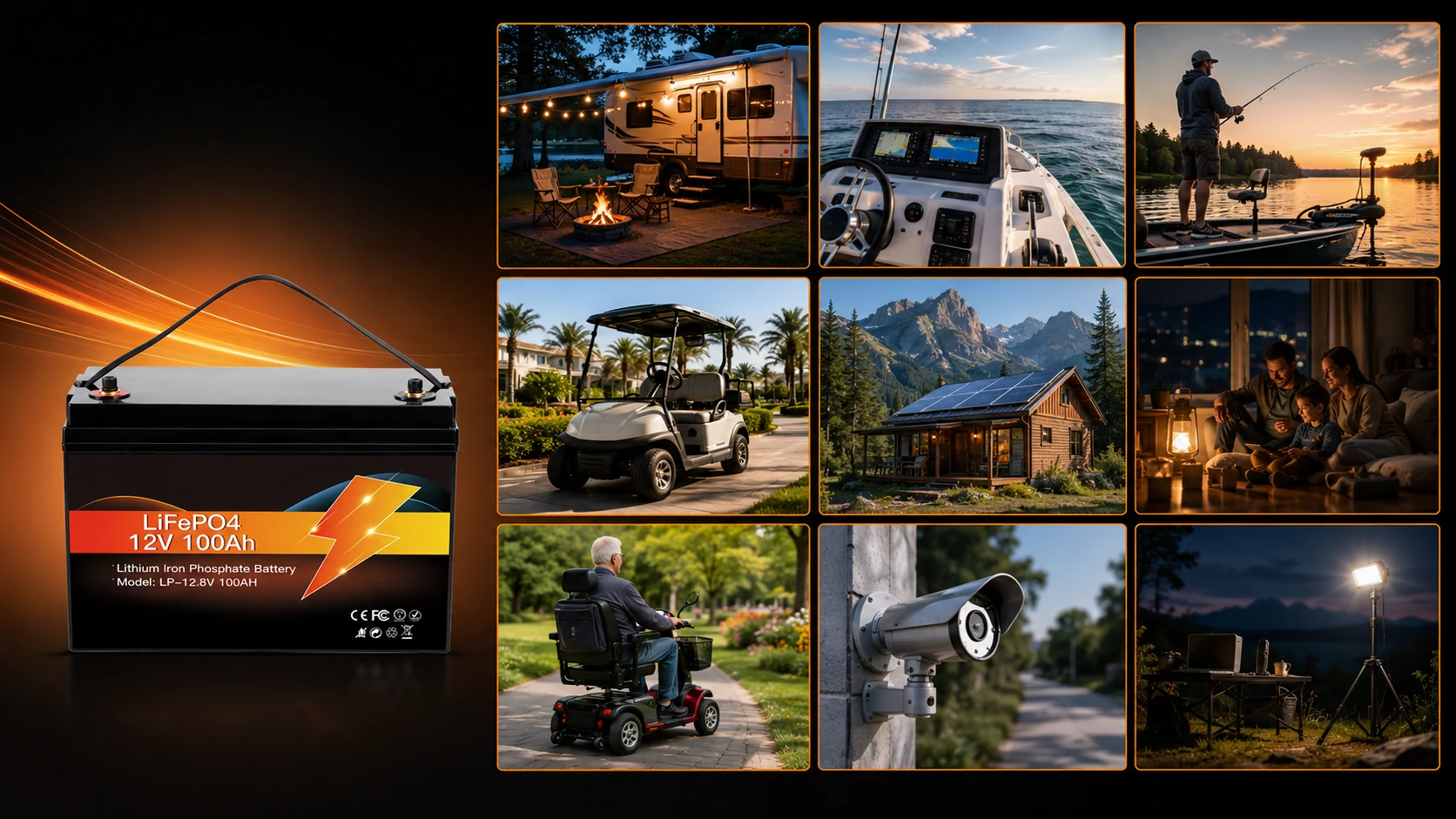
- Lithium battery storage, often LiFePO4 for safety and cycle life
- Hybrid inverter or PCS
- Battery Management System
- Energy Management System
- AC and DC distribution boards
- Protection devices, fuses, breakers, isolators, and grounding
- HVAC, ventilation, insulation, and thermal control
- Fire detection and safety design
- Remote monitoring and communication interfaces
- Optional diesel generator input or grid connection
Storage helps solar contribute to power supply when sunlight is not available and can smooth the natural variation in solar generation caused by time of day, season, clouds, dust, rain, shade, or other conditions. This is why battery storage is the core of a practical containerized solar power station.
How Does a Solar Power Station Shipping Container Work?
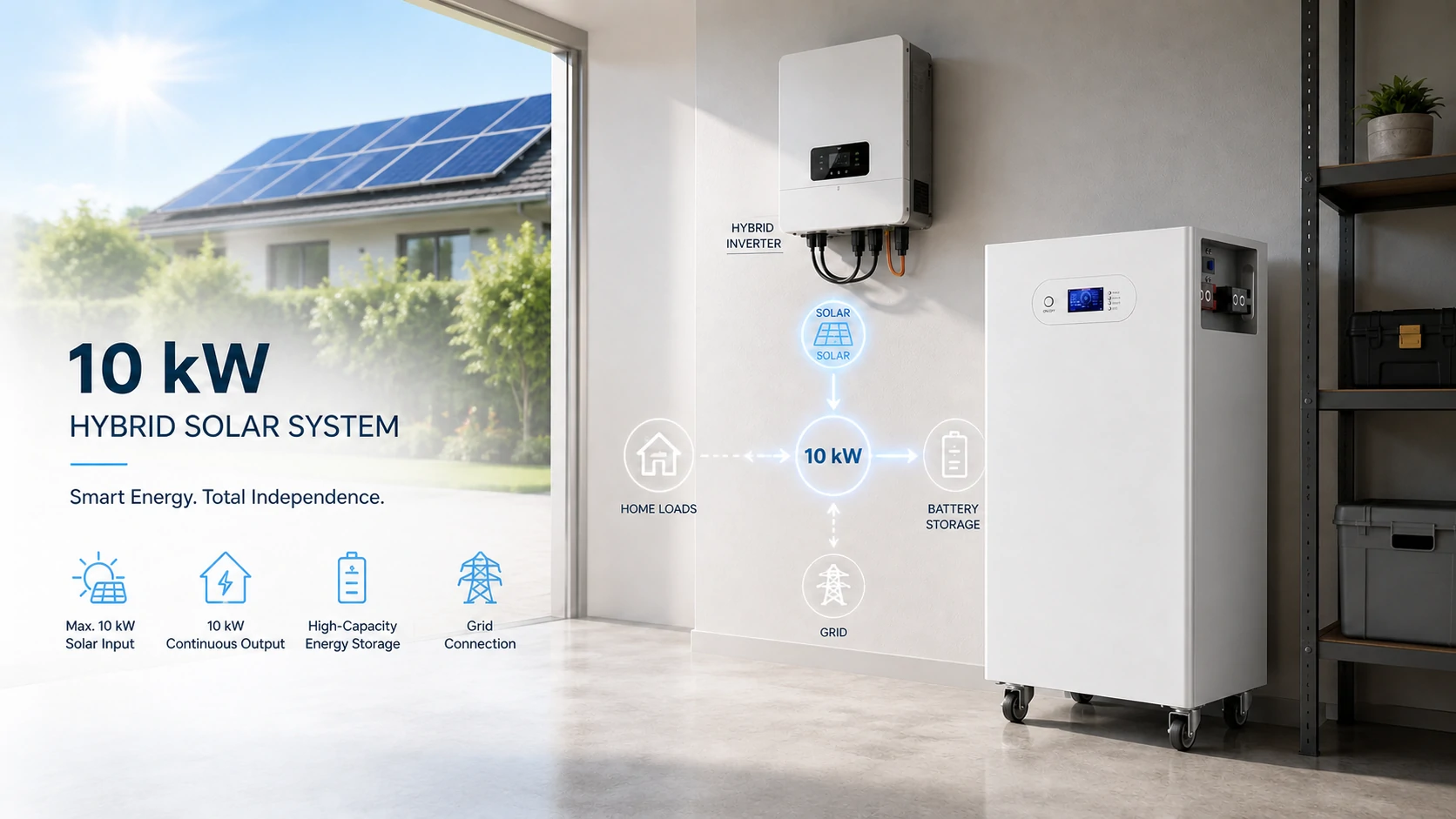
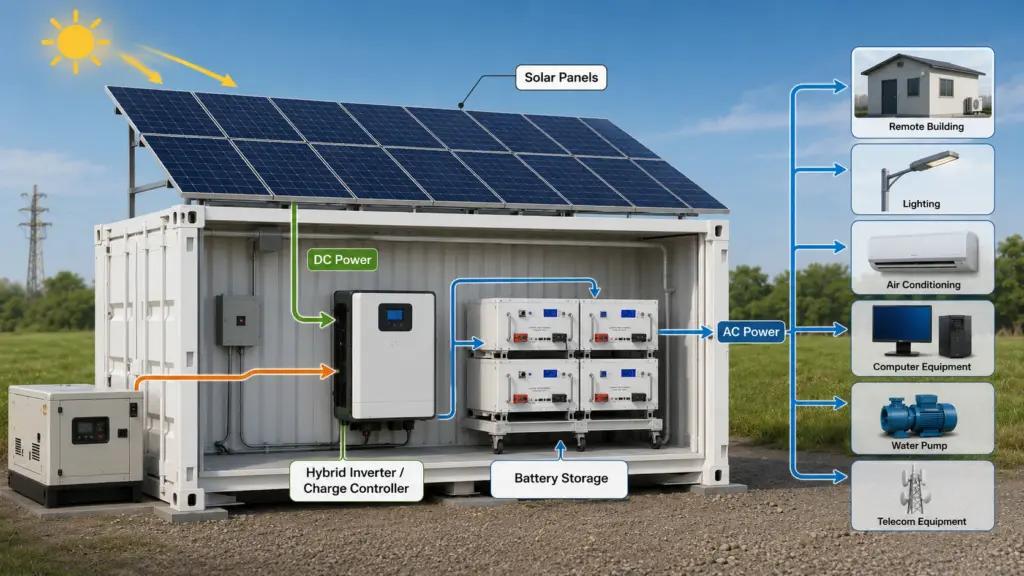
During the day, solar panels generate electricity. Part of that electricity powers site loads directly, while excess energy charges the battery bank. At night or during low-sun periods, the battery discharges through the inverter to supply AC power.
If battery state of charge becomes too low, the system can start a backup generator or draw from the grid if a connection is available. The EMS manages these decisions based on load demand, solar production, battery reserve settings, and operating priorities.
A simplified operating sequence looks like this:
- Solar panels generate DC power.
- Charge controllers or hybrid inverters regulate solar input.
- Batteries store unused solar energy.
- Inverters convert stored DC power into AC electricity.
- Switchboards distribute power to equipment, buildings, pumps, refrigeration, lighting, telecom equipment, or EV chargers.
- Monitoring software tracks performance and alerts operators to faults.
This operating logic is similar to a small microgrid.
Main Types of Solar Power Station Shipping Container Systems
Not every containerized solar system is designed the same way. The right design depends on the load, mobility requirement, available space, runtime target, and budget.
| Type | Best For | Main Advantage | Limitation |
|---|---|---|---|
| Roof-mounted container solar system | Small loads, site offices, lighting, sensors | Uses container roof space | Limited PV capacity |
| Fold-out or roll-out solar container | Temporary sites, disaster relief, events | Fast deployment and relocation | Mechanical structure adds cost |
| Containerized solar plus battery microgrid | Remote commercial sites, farms, telecom, mining | Stable 24/7 power with storage | Requires engineering and thermal design |
| Hybrid solar diesel container | Sites needing guaranteed uptime | Reduces fuel use while keeping backup | Still needs generator maintenance |
| Battery container with external solar array | Larger C&I or utility-style projects | Higher PV and battery capacity | Needs more land and installation planning |
Key Components Inside a Containerized Solar Power Station
Solar Array
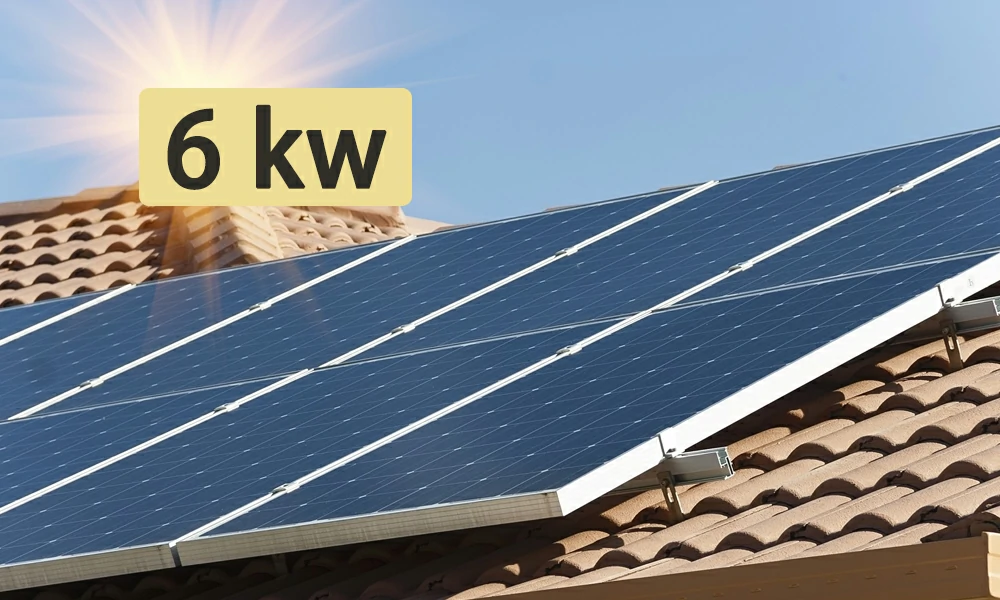
The solar array can be mounted on the container roof, fold-out racks, adjacent ground mounts, or nearby structures. Roof-only systems are compact but limited by space. Larger systems usually need ground-mounted panels or expandable frames.
For project planning, tools such as the PVWatts Calculator can help estimate solar production based on location, system size, tilt, azimuth, and system losses.
Battery Storage
Battery storage determines how long the system can run without sunlight. For containerized solar power stations, LiFePO4 batteries are widely used because they are stable, scalable, and suitable for repeated charge and discharge cycles.
For smaller systems, rack batteries may be enough. For larger commercial systems, a high voltage battery storage system can reduce current, improve system efficiency, and support higher power output when paired with compatible inverters.
Inverter and Power Conversion
The inverter is responsible for converting DC power from the solar array or batteries into AC power for site loads. In hybrid systems, the inverter also manages generator input, grid input, battery charging, and load priority.
Before choosing batteries, integrators should confirm communication compatibility. Avepower’s inverter compatibility page is useful for projects that need CAN, RS485, or RS232 communication matching between battery systems and inverter platforms.
BMS and EMS
The Battery Management System protects the battery at cell, module, and rack level. It monitors voltage, current, temperature, state of charge, and fault conditions.
The Energy Management System controls power flow across solar, battery, generator, grid, and load. A well-designed EMS can improve fuel savings, prevent battery over-discharge, and reduce unnecessary generator starts.
Thermal Management
Containers can become very hot in direct sunlight. Battery performance and lifespan can suffer if the container lacks insulation, HVAC, airflow design, or thermal monitoring.
For hot, dusty, coastal, or mining environments, the container should be engineered with:
- Insulated walls and roof
- Air conditioning or forced ventilation
- Dust filtration
- Condensation control
- Cable sealing
- Corrosion-resistant coating
- Temperature alarms
- Maintenance access space
Fire Safety and Protection
Battery safety should not be treated as an accessory. It must be part of the system design from the beginning.
Modern energy storage safety design usually considers battery chemistry, spacing, detection, ventilation, emergency shutdown, fire containment, gas management, and local code requirements. Industry guidance around NFPA 855 has increasingly emphasized explosion prevention, fire containment, and careful emergency response planning for energy storage systems.
For any commercial solar power station shipping container, project teams should work with qualified engineers and local authorities to confirm applicable electrical, fire, transport, and site safety rules.
How to Size a Solar Power Station Shipping Container
Step 1: Calculate Daily Energy Use
List all loads and estimate their operating hours.
Example:
| Load | Power | Hours Per Day | Daily Energy |
|---|---|---|---|
| Site office | 3 kW | 8 h | 24 kWh |
| Lighting | 1.5 kW | 10 h | 15 kWh |
| Tools and chargers | 4 kW | 4 h | 16 kWh |
| Communications | 0.5 kW | 24 h | 12 kWh |
| Refrigeration | 1 kW | 12 h | 12 kWh |
| Total | 79 kWh/day |
In this case, the project needs about 80 kWh per day.
Step 2: Estimate Battery Capacity
A simple starting formula is:
Required battery capacity = daily energy use × autonomy days ÷ usable depth of discharge ÷ system efficiency
For an 80 kWh/day site needing one day of autonomy:
80 kWh ÷ 0.9 ÷ 0.9 ≈ 99 kWh
So the project may need around 100 kWh of battery capacity as a starting point. If two days of autonomy are required, the battery capacity may need to be closer to 200 kWh.
Step 3: Estimate Solar Array Size
A simple starting formula is:
PV size = daily energy use ÷ peak sun hours ÷ system performance factor
If the site needs 80 kWh/day, receives 4.5 peak sun hours, and uses a 0.75 performance factor:
80 ÷ 4.5 ÷ 0.75 ≈ 23.7 kW
So the project may need around 24 kW of solar PV before detailed engineering.
Step 4: Check Peak Load
Battery capacity is measured in kWh, but inverter output is measured in kW. A site with 80 kWh/day energy use may still need a large inverter if many machines start at the same time.
Check:
- Maximum continuous load
- Motor starting current
- Surge power
- Single-phase or three-phase requirement
- Critical load priority
- Generator backup requirement
This is where an experienced system integrator matters. For large systems, Avepower’s commercial and industrial battery storage options can support project-specific battery architecture, but final sizing should always be based on a proper load profile.
Solar-Only vs Hybrid Containerized Power Stations
Not every solar power station shipping container should be solar-only. The right architecture depends on reliability needs.
| System Type | Best For | Advantages | Limitations |
|---|---|---|---|
| Solar + battery only | Small loads, good solar resource, low criticality | No fuel, quiet operation, low emissions | Needs larger battery for cloudy periods |
| Solar + battery + diesel | Remote worksites, mining, agriculture | High reliability, reduced diesel runtime | Still requires fuel and generator maintenance |
| Solar + battery + grid | Commercial sites, backup power, peak shaving | Flexible operation, better resilience | Requires grid interconnection approval |
| Solar + battery + EV charging | Fleet depots, remote charging, events | Supports mobile electrification | Requires careful peak load control |
For most commercial buyers, a hybrid system is more practical than a solar-only system. Solar reduces fuel consumption, batteries smooth the load, and the generator or grid provides backup during extended low-sun periods.
Key Advantages of a Solar Power Station Shipping Container
- Faster deployment: Because much of the system is assembled and tested before delivery, on-site work can be reduced. This is especially valuable for remote projects or locations with limited skilled labor availability.
- Lower diesel dependence: Solar panels and battery storage can reduce generator runtime, fuel transportation, oil changes, noise, and emissions. In remote areas, this also reduces fuel delivery frequency and operational risk.
- Mobility and relocation flexibility: Containerized systems can be moved when a project ends or energy demand changes. This is useful for construction sites, mining exploration, disaster response, temporary camps, and seasonal operations.
- Better equipment protection: The container helps protect batteries and electrical equipment from theft, dust, rain, wind, and accidental damage. Proper HVAC and filtration systems can also help maintain stable operating temperatures.
- Scalable system design: Systems can be designed for future expansion, including additional battery capacity, more solar input, larger inverter capacity, or integration with generators and other distributed energy resources.
- Improved factory quality control: Pre-wiring, factory testing, labeling, and integrated system assembly can reduce installation mistakes and commissioning problems compared with fully field-built systems.
Limitations and Design Risks to Consider
A containerized solar power station is practical, but it is not automatically the best fit for every project.
- Limited roof space for solar panels: A standard 20ft or 40ft container roof cannot support enough solar panels for many medium or large energy loads. Larger systems may require ground-mounted arrays, solar carports, or separate solar fields.
- Heat management is critical: Batteries and inverters generate heat. In hot climates, inadequate ventilation or undersized cooling systems can reduce component lifespan and trigger thermal derating or shutdowns.
- Heavy transport weight: Large battery systems can be extremely heavy, requiring structural review, lifting points, forklift access, transport permits, and proper foundation planning.
- Compliance requirements still apply: Containerized systems must still comply with electrical, fire safety, grounding, battery, transport, and installation regulations. Standards such as UL 9540, UL 1973, UL 1741, and UL 9540A are commonly referenced for energy storage safety and thermal runaway testing.
- The system must match the actual load profile: Purchasing a “standard” containerized system without detailed load analysis may result in undersized batteries, overloaded inverters, excessive generator usage, or poor solar utilization efficiency.
Safety and Compliance Checklist
Before ordering a solar power station shipping container, buyers should ask for clear technical documentation. At minimum, review:
- Battery chemistry and cell certification
- BMS protection functions
- Inverter and PCS certification
- EMS control logic
- Single-line diagram
- Earthing and grounding plan
- DC and AC protection design
- Fire detection and suppression strategy
- HVAC and ventilation design
- Cable routing and labeling
- Emergency stop and isolation points
- Remote monitoring functions
- Transport and lifting documentation
- Commissioning procedure
- Maintenance schedule
- Warranty terms and service responsibility
For stationary energy storage installations, NFPA 855 is an important reference in markets that use NFPA-based codes. NFPA describes the 2026 edition as providing minimum requirements for mitigating hazards associated with energy storage systems.
For international procurement, buyers should also check whether the project requires IEC, CE, UL, UN38.3, grid connection approval, local fire approval, or utility-specific documentation. As a battery energy storage manufacturer, Avepower typically recommends confirming battery communication, system voltage, installation environment, and inverter protocol requirements before finalizing a containerized ESS design.
Best Use Cases: When a Containerized Solar Power Station Makes Sense
A solar power station shipping container is a strong fit when:
- The site is remote or off-grid.
- Grid extension is expensive or slow.
- Diesel fuel delivery is costly or risky.
- The project is temporary or relocatable.
- The equipment needs protection from harsh environments.
- Fast deployment is important.
- Loads need power day and night.
- The buyer wants an integrated solar + battery + inverter package.
- Remote monitoring is required.
- Future expansion is likely.
It may not be the best fit when:
- The buyer cannot support maintenance, inspections, or safe operation.
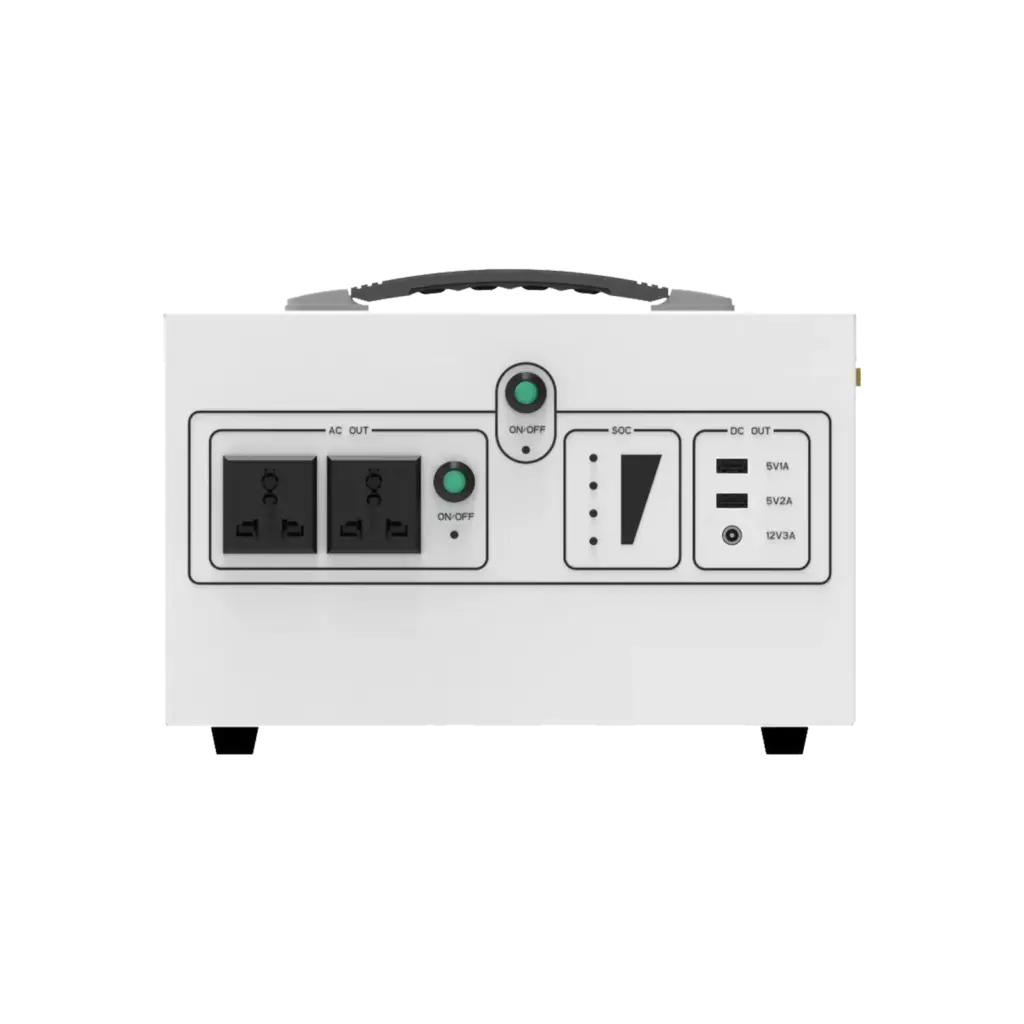
- The site has very small loads that can use a portable solar generator.
- The project has easy grid access and no backup requirement.
- There is no space for sufficient solar PV deployment.
- Local regulations make container placement difficult.
Avepower’s 522.5 kWh high-voltage ESS project is a useful example of how engineered battery storage capacity can support larger solar-plus-storage applications beyond small portable systems.
Solar Container vs Diesel Generator
A diesel generator is simple and familiar, but fuel delivery, servicing, noise, emissions, and runtime costs can become major problems in remote sites. A solar power station shipping container can reduce generator use and improve energy independence, especially when the load profile includes daytime consumption and moderate overnight demand.
| Factor | Solar Power Station Shipping Container | Diesel Generator |
|---|---|---|
| Fuel cost | Low after installation | Continuous fuel cost |
| Noise | Low | High |
| Maintenance | Lower moving parts | Engine servicing required |
| Emissions | Low during operation | Direct emissions |
| Runtime | Depends on solar and battery sizing | Depends on fuel supply |
| Best use | Long-term or recurring remote power | Short-term backup or high peak loads |
| Reliability | High if engineered correctly | High if fuel and maintenance are reliable |
In many real projects, the best answer is not “solar only” or “diesel only.” It is a hybrid system where solar and batteries handle most daily demand, while a generator remains available for long cloudy periods or unusually high loads.
When Does Avepower Fit Into a Containerized Solar Project?
Avepower does not need to replace the EPC, installer, or container fabricator. Its role is more suitable as a battery system manufacturing partner for projects that require scalable LiFePO4 storage, and customization.
For example:
- A small solar container may use rack mount LiFePO4 batteries for compact, serviceable storage.
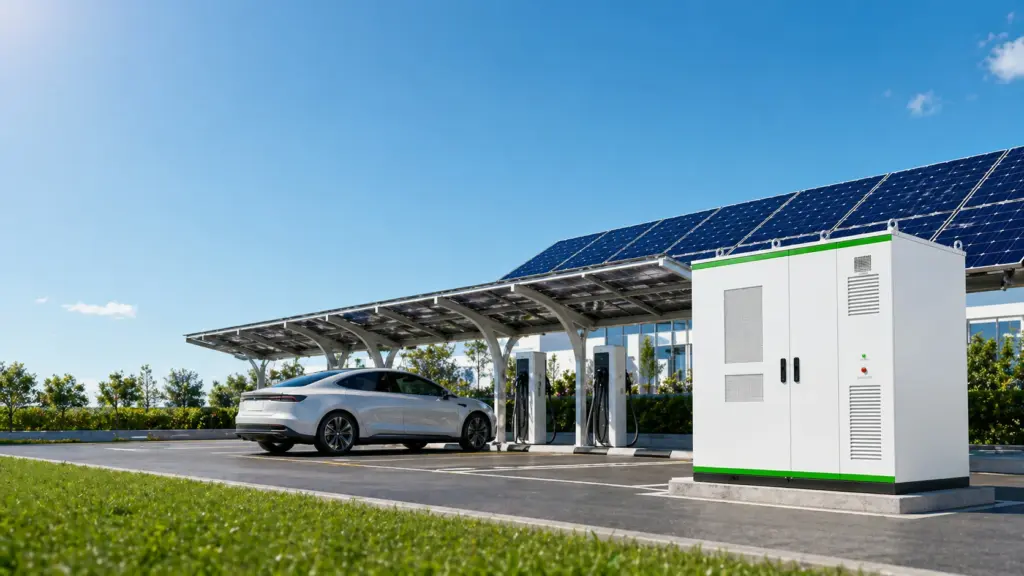
- A larger commercial container may use high voltage battery storage to support higher power and better efficiency.
- An EPC building a remote microgrid may combine Avepower batteries with PV, PCS, EMS, HVAC, and site-specific protection.
- A distributor or project developer may request customized capacity, appearance, communication protocol, or cabinet configuration.
The key is to design the complete system around the load profile, inverter platform, installation environment, and safety requirements.
Containerized Solar Battery Storage Systems
If your project needs scalable LiFePO4 battery storage for a containerized solar system, Avepower can support EPCs, installers, distributors, and project developers with custom energy storage solutions.
Conclusion
A solar power station shipping container is one of the most practical ways to deliver renewable power to remote, temporary, or off-grid sites. It combines the mobility of a standard container with the functionality of a solar-plus-storage system.
The best systems are not chosen by container length or panel count alone. They are designed around daily energy use, peak load, solar resource, battery autonomy, inverter compatibility, safety requirements, and long-term maintenance.
FAQ
It is a mobile or semi-mobile solar power system built inside or around a shipping container. It usually includes solar panels, battery storage, inverters, protection devices, monitoring, and sometimes generator input.
Roof-mounted solar capacity is limited by container size. A 20 ft or 40 ft container can support only a certain number of panels on the roof, so larger systems often use fold-out panels, ground mounts, or nearby structures.
A site using 80 kWh per day may need around 100 kWh of battery capacity for one day of autonomy, depending on depth of discharge and system efficiency.
It is best for remote sites, construction projects, farms, mining operations, telecom stations, island projects, emergency response, events, and commercial users that need reliable power without depending fully on the grid.
It can be safe when properly engineered, installed, ventilated, protected, and maintained. Buyers should check electrical protection, BMS functions, fire safety design, grounding, HVAC, emergency stops, and relevant standards such as UL 9540, UL 9540A, IEC requirements, and NFPA 855 where applicable.