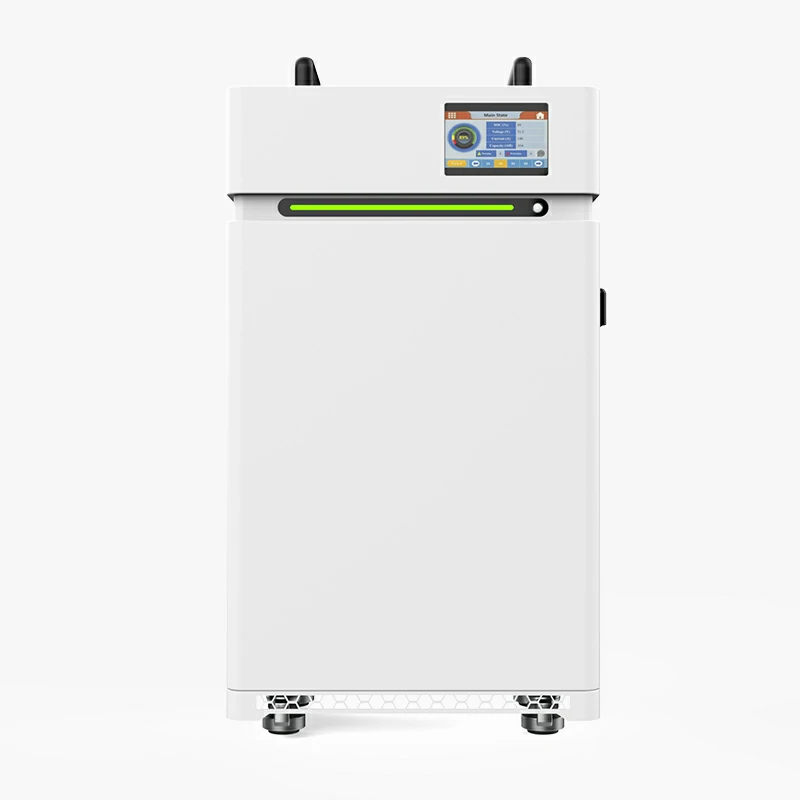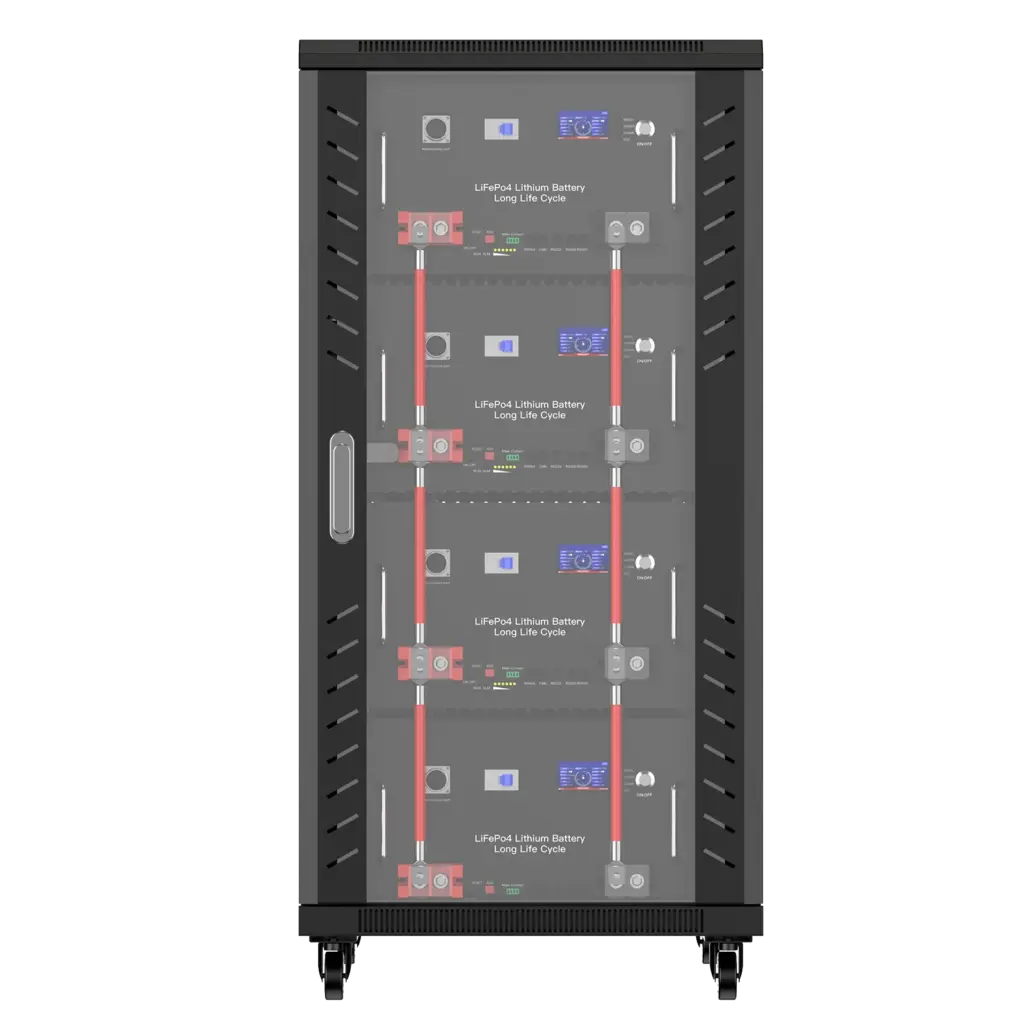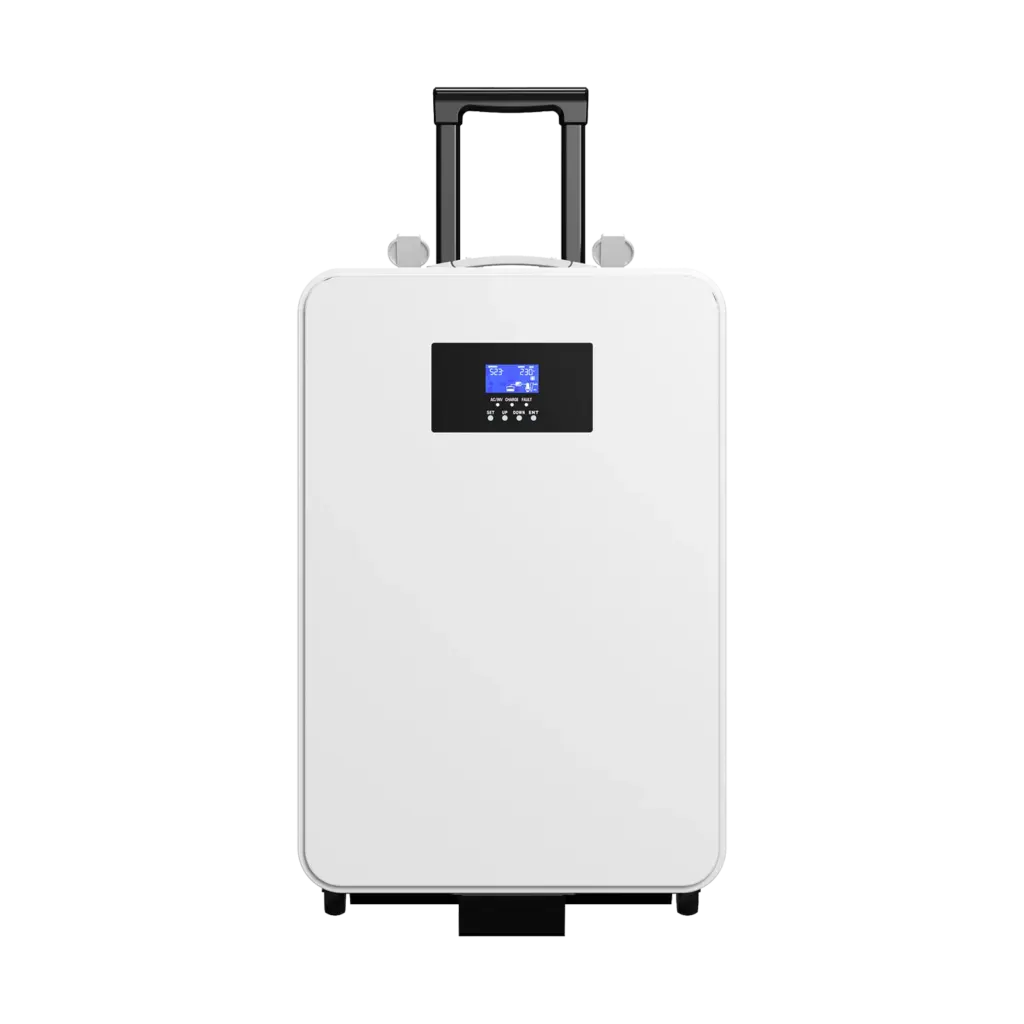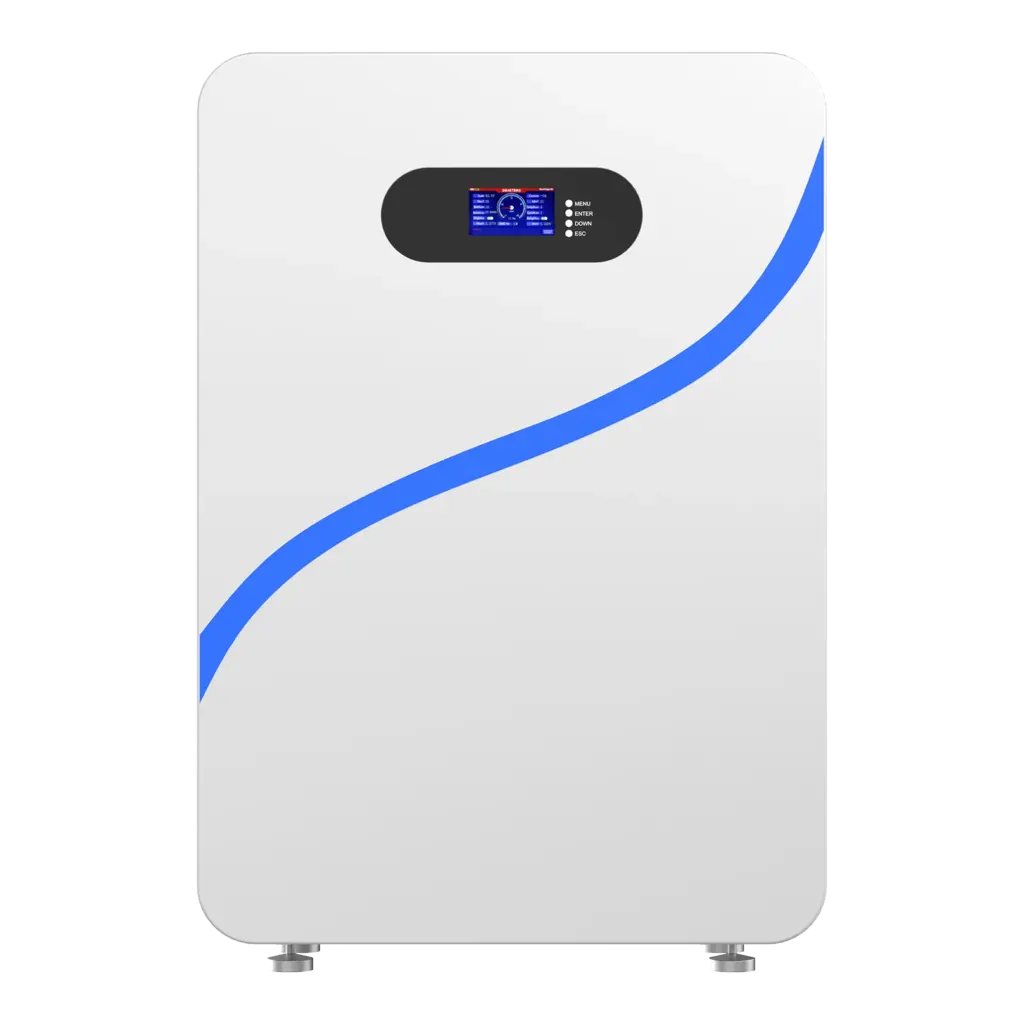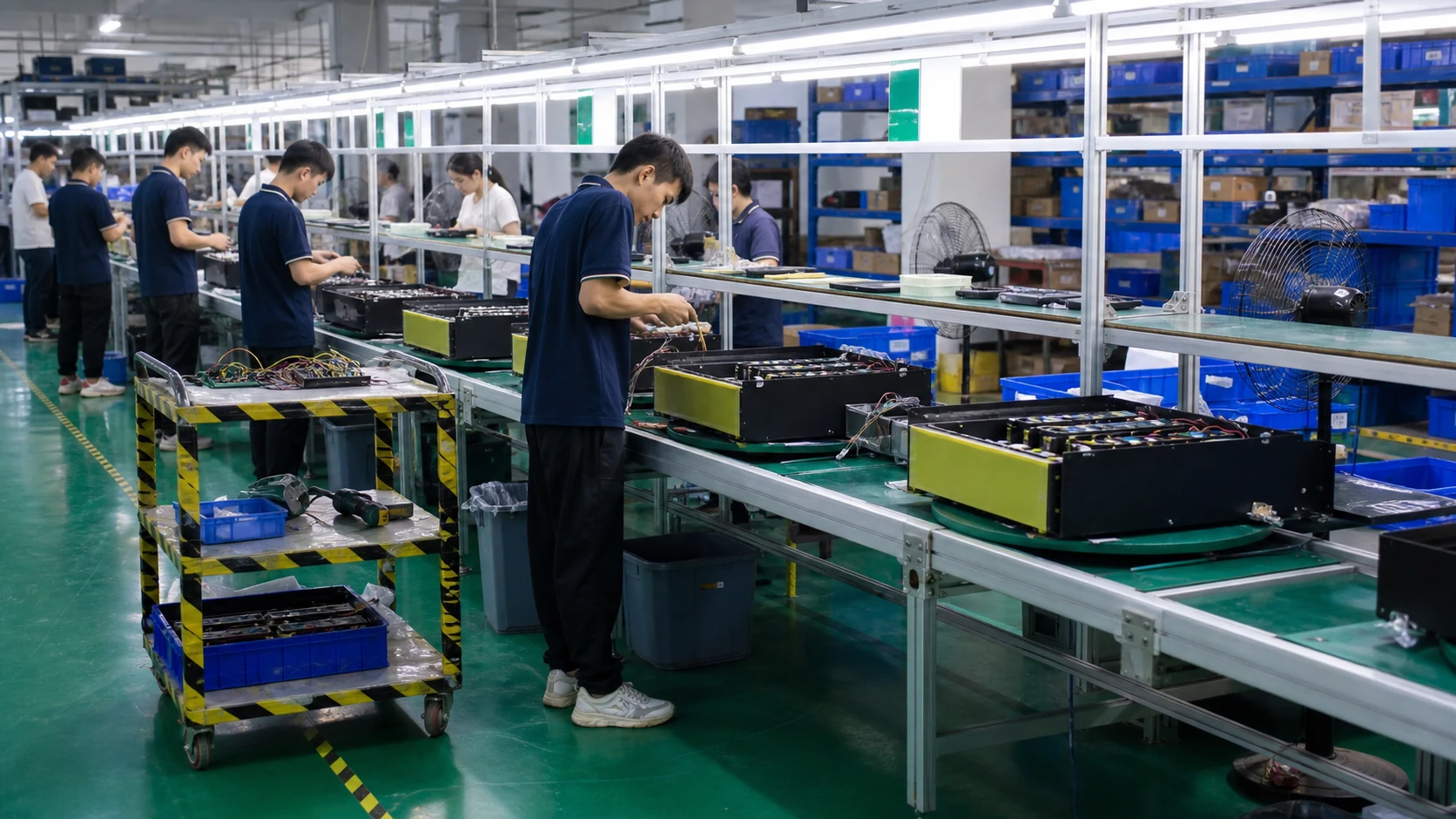

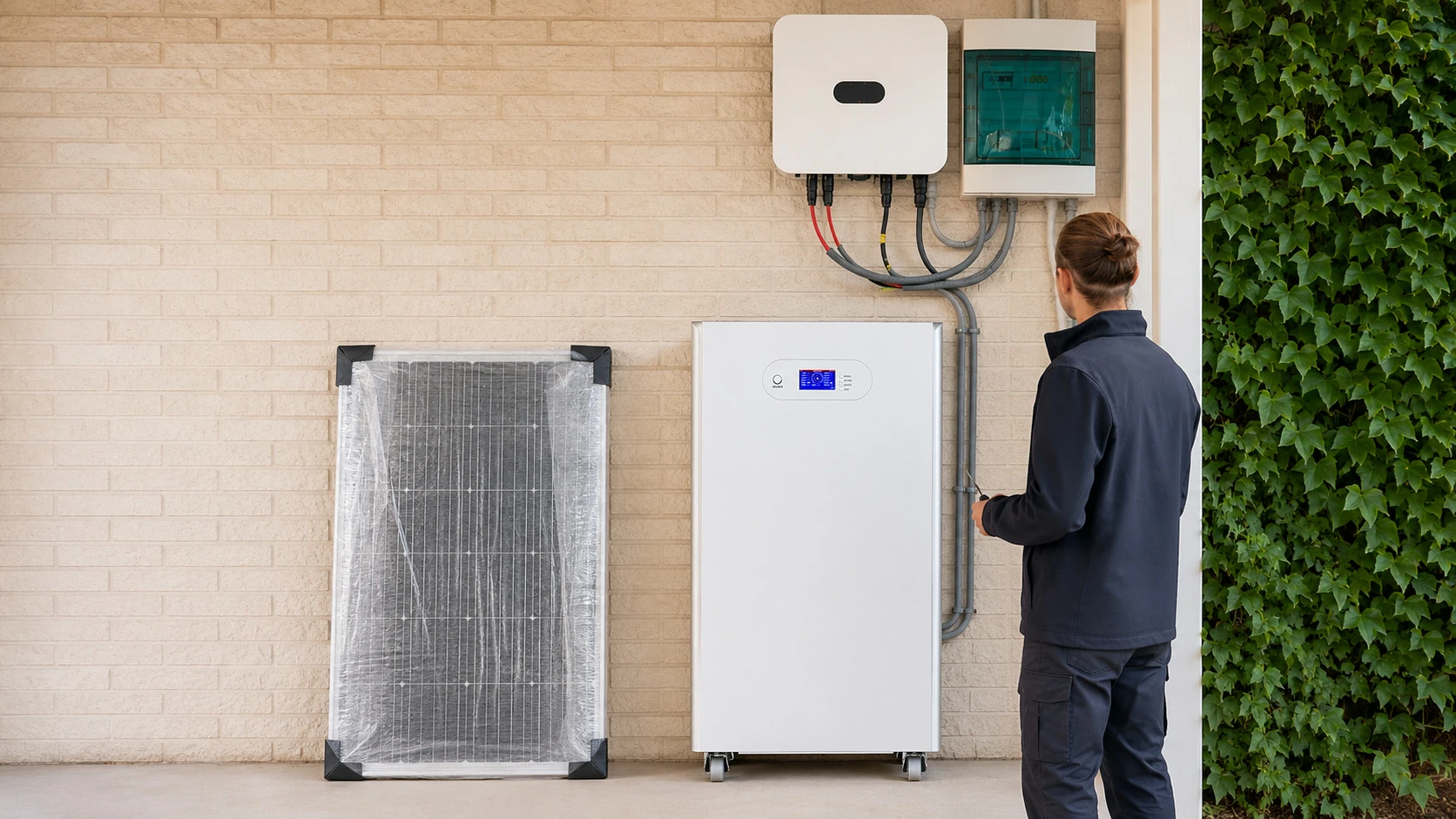
Battery installation at home is becoming one of the most practical upgrades for households that already have rooftop solar or plan to install solar soon. A well-designed home battery system can store excess solar energy during the day, supply power in the evening, reduce grid dependence and provide selected backup during outages.
But a home battery is not a simple appliance that can be placed anywhere and switched on. It connects directly to the home’s electrical system, so the installation must be designed around solar PV capacity, inverter compatibility, battery size, backup loads, safety clearances, local regulations and long-term service access.
In Australia, interest in home batteries has increased quickly because the Cheaper Home Batteries Program now helps eligible households, businesses and community organisations reduce the upfront cost of small-scale battery systems. The program applies to batteries connected to new or existing solar PV systems, and the discount is based on usable battery capacity and Small-scale Technology Certificates.
This guide explains how home battery installation works in 2026, what to check before buying, where batteries should be installed, how rebates affect system sizing, and how to choose the right battery system for different home energy needs.
What Does Battery Installation at Home Mean?
Battery installation at home means connecting a battery energy storage system to a residential electrical system. In most homes, the battery works with rooftop solar panels. Solar power runs household loads first, and excess energy charges the battery. Later, when solar production drops, the stored energy can be used by the home.
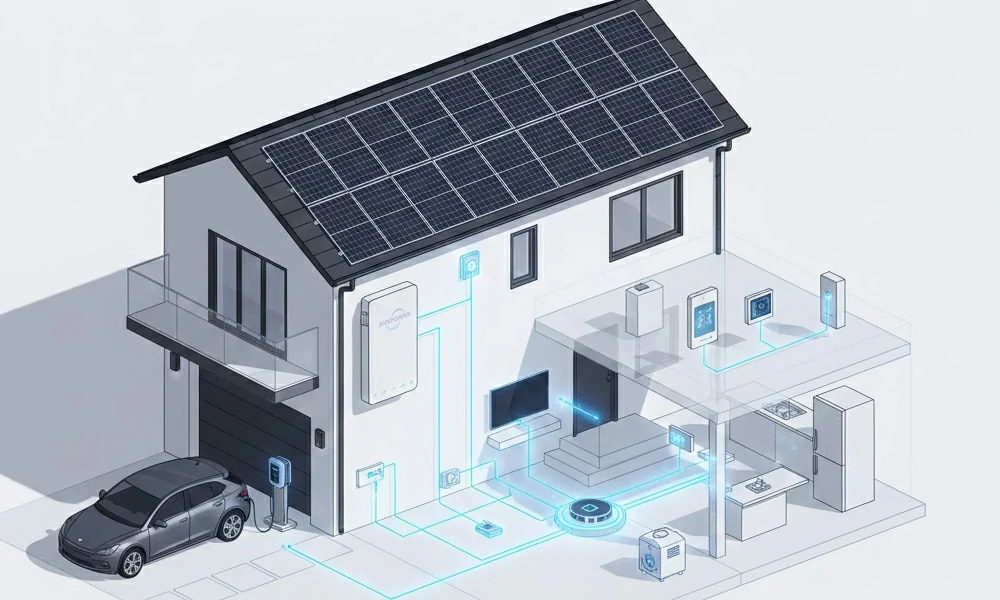
A typical system may include:
- Solar panels
- Solar inverter or hybrid inverter
- Battery unit
- Battery inverter or hybrid inverter
- Backup circuit or gateway
- Monitoring app
- Safety isolation devices
Some systems are designed only for energy savings. These batteries store solar energy and discharge it later, but they may not power the home during a blackout.
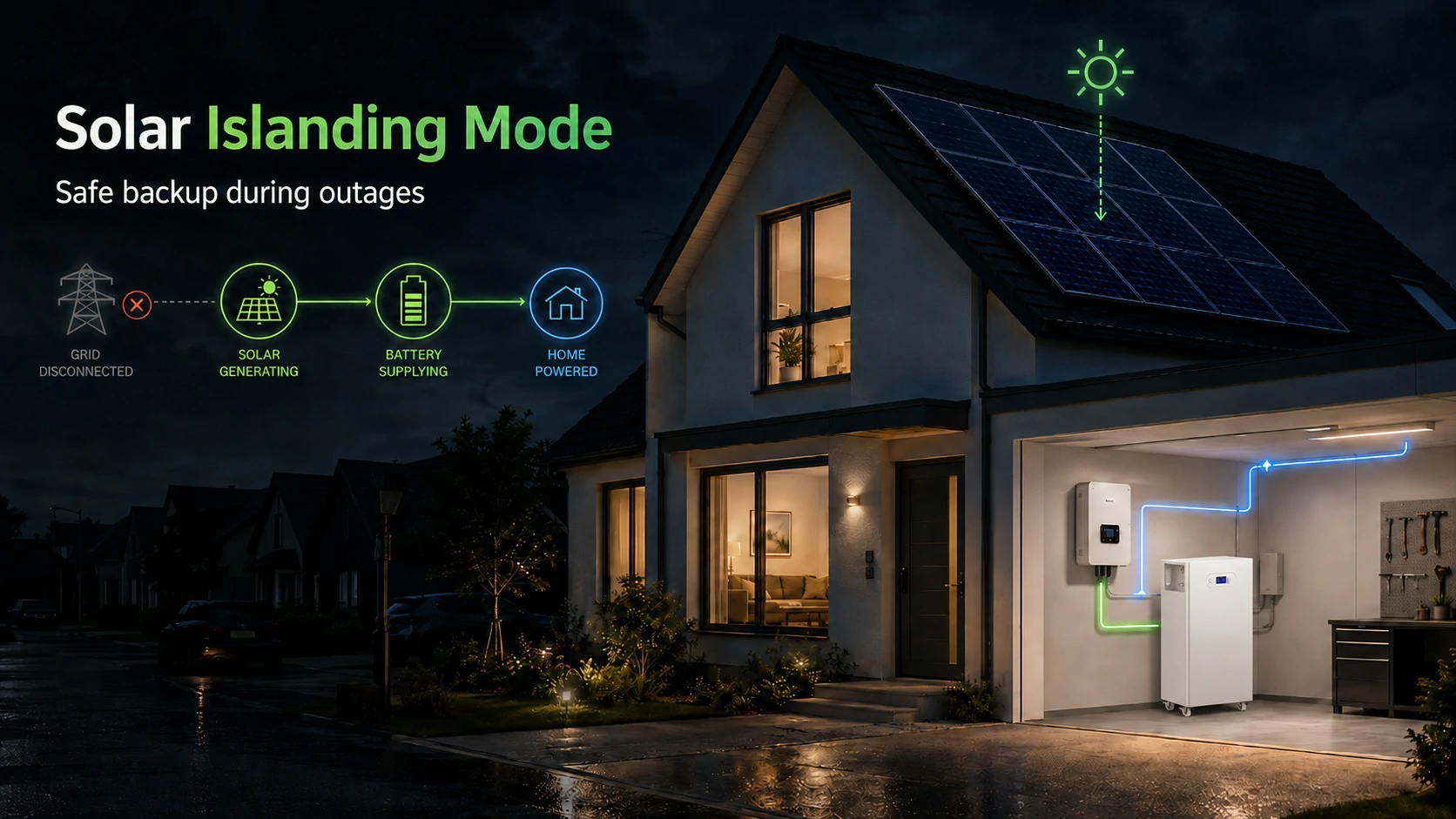
Other systems include backup capability. These can keep selected circuits running during a grid outage, such as lights, refrigerator, internet router and essential power outlets. For trade buyers and installers, this difference matters. When selecting home energy storage systems, the battery should not only look good on a datasheet.
Is Battery Installation at Home Worth It?
Battery installation at home is usually more attractive when the household has a clear reason to store energy.
A battery may be worth considering if:
| Situation | Why a Battery May Help |
|---|---|
| You already have rooftop solar | The battery can store unused daytime solar |
| You use more power in the evening | Stored solar can replace grid electricity |
| You are on time-of-use tariffs | Battery discharge can reduce peak-period imports |
| Feed-in tariffs are low | Storing solar may be better than exporting it cheaply |
| You want backup power | A properly designed system can support essential loads |
| You plan to add EV charging or heat pumps | Future electricity demand may increase |
| You want better energy control | Monitoring helps track household energy flows |
A battery may be less attractive if the home already consumes most solar power during the day, has very low night-time use, or expects a very short financial payback without considering backup and energy resilience. You can read guide here: are solar batteries worth it.
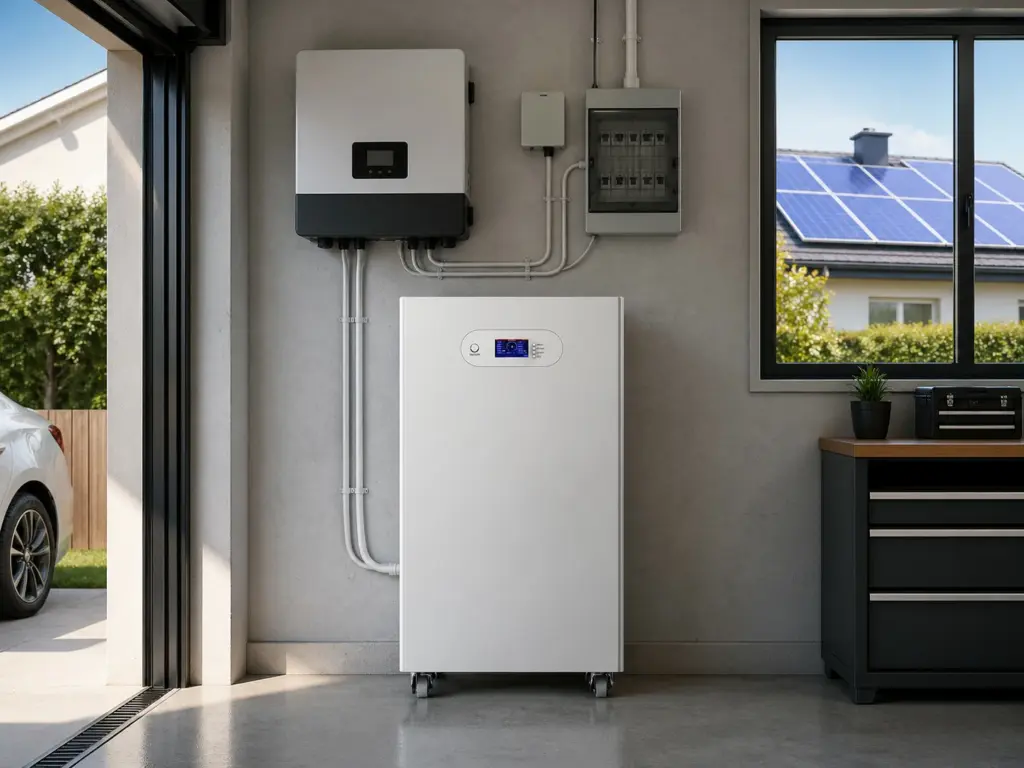
Planning a Residential Solar Battery Project?
Explore Avepower’s home energy storage solutions or contact Avepower to discuss capacity, inverter compatibility, OEM/ODM customization and project supply support.
How Home Battery Systems Work
A home battery system works by controlling the flow of electricity between solar panels, the home, the battery and the grid.
A simple energy flow looks like this:
Solar panels → Inverter → Battery → Home loads → Grid
During the day, solar power usually serves the home first. If the solar system produces more power than the home needs, the extra energy charges the battery. When the battery is full, additional solar may be exported to the grid.
In the evening, when solar production falls, the battery can discharge to supply household loads. If the battery becomes empty, the home imports power from the grid.
For homes with backup power, the system also needs a way to disconnect from the grid safely during an outage. This may require a backup gateway, changeover device or dedicated backup circuit.
This is why battery installation at home should always be treated as a system design task, not just a product purchase.
Main Types of Home Battery Installation
There are three common installation types homeowners should understand.
1. Grid-Connected Battery Without Backup
This is the simplest type of soalr battery installation. The battery stores solar energy and discharges later to reduce grid imports.
It is usually designed for bill savings, not blackout protection.
Best for:
- Homes focused mainly on solar self-consumption
- Lower-budget battery projects
- Sites where backup is not required
- Installations where electrical upgrades should be limited
Main limitation:
The battery may shut down during a grid outage if it does not include backup functionality.
2. Grid-Connected Battery With Essential Backup
This setup powers selected circuits during a blackout. The battery may support lights, fridge, WiFi, security system and a few outlets.
Best for:
- Homes that want practical blackout support
- Customers who do not need whole-home backup
- Installations where battery capacity is moderate
- Households that want a balance between cost and resilience
Main limitation:
Large loads such as ducted air conditioning, ovens, EV chargers and pool pumps may not be included.
3. Whole-Home Backup Battery System
Whole-home backup is more complex. It may require larger battery capacity, higher inverter output, careful load management and more switchboard work.
Best for:
- Larger homes with high backup expectations
- Rural or outage-prone areas
- Premium residential projects
- Homes with larger solar arrays and sufficient battery capacity
Main limitation:
It costs more and still may not support every appliance at the same time.
Western Power notes that not all battery storage systems provide backup power during an outage, and even when they do, the amount of power depends on system size and type. This is an important point to explain before installation, not after the customer experiences a blackout. You can read their consumer guide here: 8 key tips to consider before buying a battery.
AC-Coupled vs DC-Coupled Battery Installation
A major design choice is whether to use an AC-coupled or DC-coupled system.
| System Type | How It Works | Best For |
|---|---|---|
| AC-coupled battery | Battery connects on the AC side through its own battery inverter | Retrofitting to existing solar |
| DC-coupled battery | Battery connects through a hybrid inverter on the DC side | New solar plus battery systems |
For existing solar homes, AC-coupled battery installation can be flexible because it may not require replacing the existing solar inverter. For new solar projects, DC-coupled or hybrid systems may reduce conversion steps and simplify system architecture.
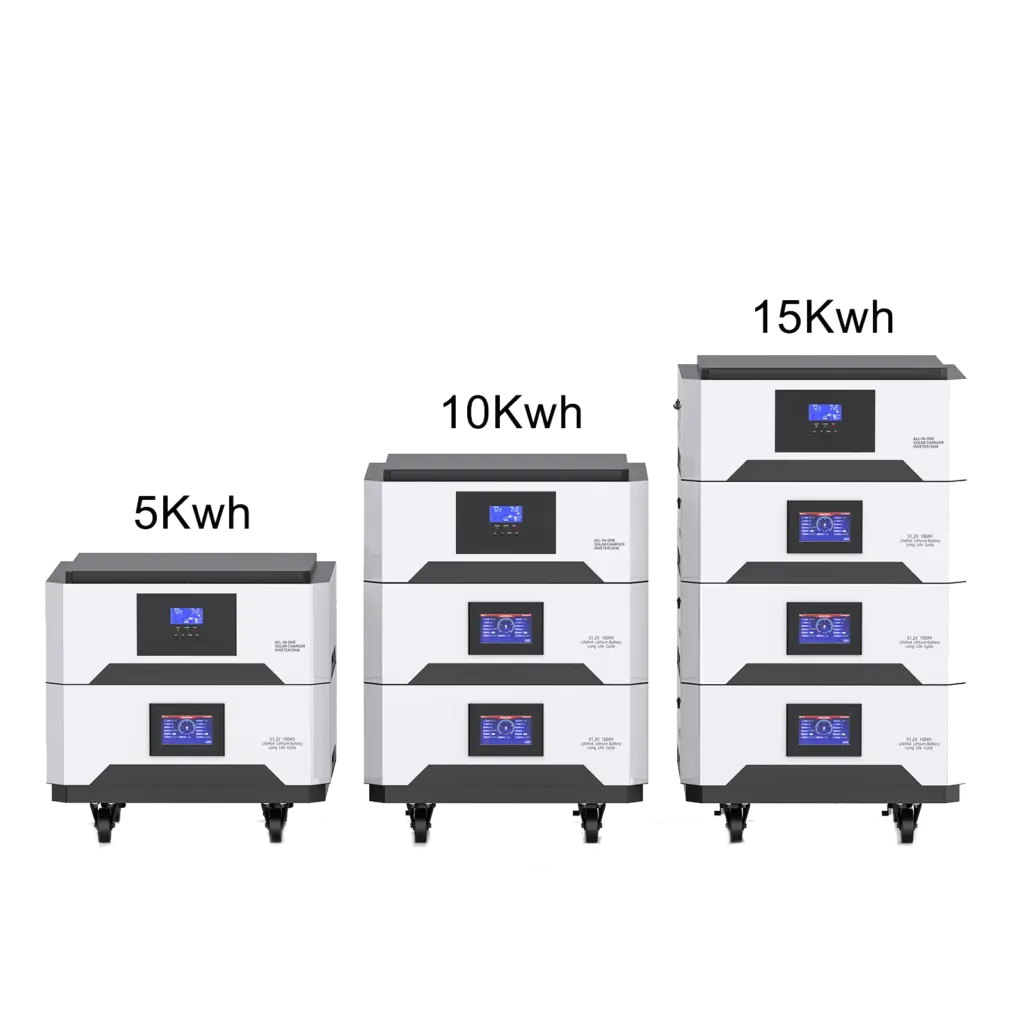
All-in-One Battery
An all-in-one battery integrates battery storage, inverter functions and system controls into a more compact package. This can help reduce equipment complexity and improve installation efficiency.
Avepower’s all-in-one battery systems are suitable for projects where installers want a more integrated solar plus storage solution, especially when installation space and wiring simplicity are important.

Ready to Plan a Home Battery Project?
Explore Avepower’s home energy storage solutions or contact Avepower to discuss capacity, inverter compatibility, OEM/ODM customization and project supply support.
How Big Should a Home Battery Be?
Battery size should be based on actual household energy use, not only on the rebate amount or the largest battery available.
The most important number is usable capacity. Usable capacity is the amount of stored energy the home can actually use. Nominal capacity is the labelled battery capacity, but the full amount may not always be available for discharge.
A practical sizing guide:
| Home Type | Typical Battery Size | Suitable Use Case |
|---|---|---|
| Small home with basic loads | 5–8 kWh | Evening lights, fridge, WiFi and small appliances |
| Standard solar home | 10–15 kWh | Daily solar shifting and partial backup |
| Larger family home | 15–25 kWh | Higher evening demand and more backup flexibility |
| Home with EV or heat pump | 20–40 kWh | Future load growth and larger solar systems |
| Large residential or light commercial site | 40–100 kWh | Custom design and professional load study |
In Australia, the Clean Energy Regulator solar battery guidance states that eligible batteries under the current program must be installed with a new or existing solar PV system, meet relevant requirements and fall within the required capacity rules.
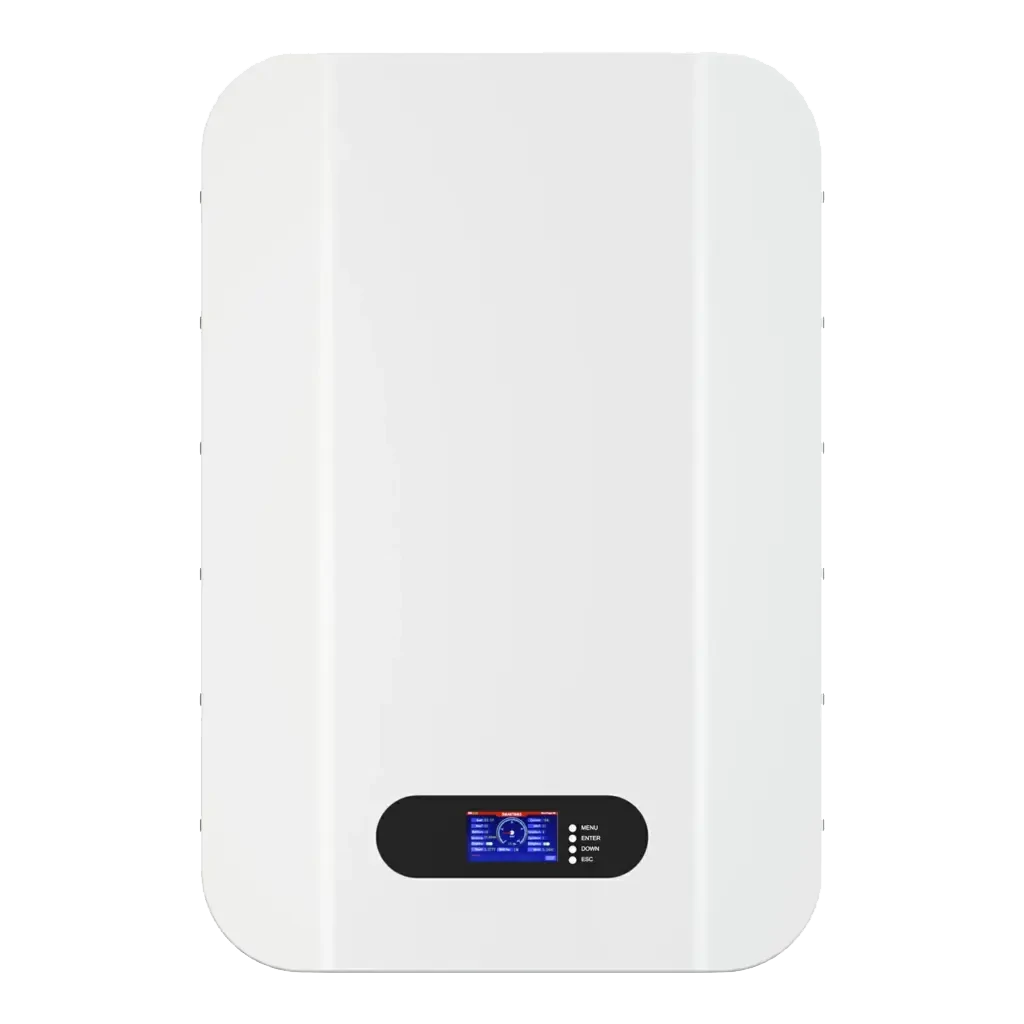
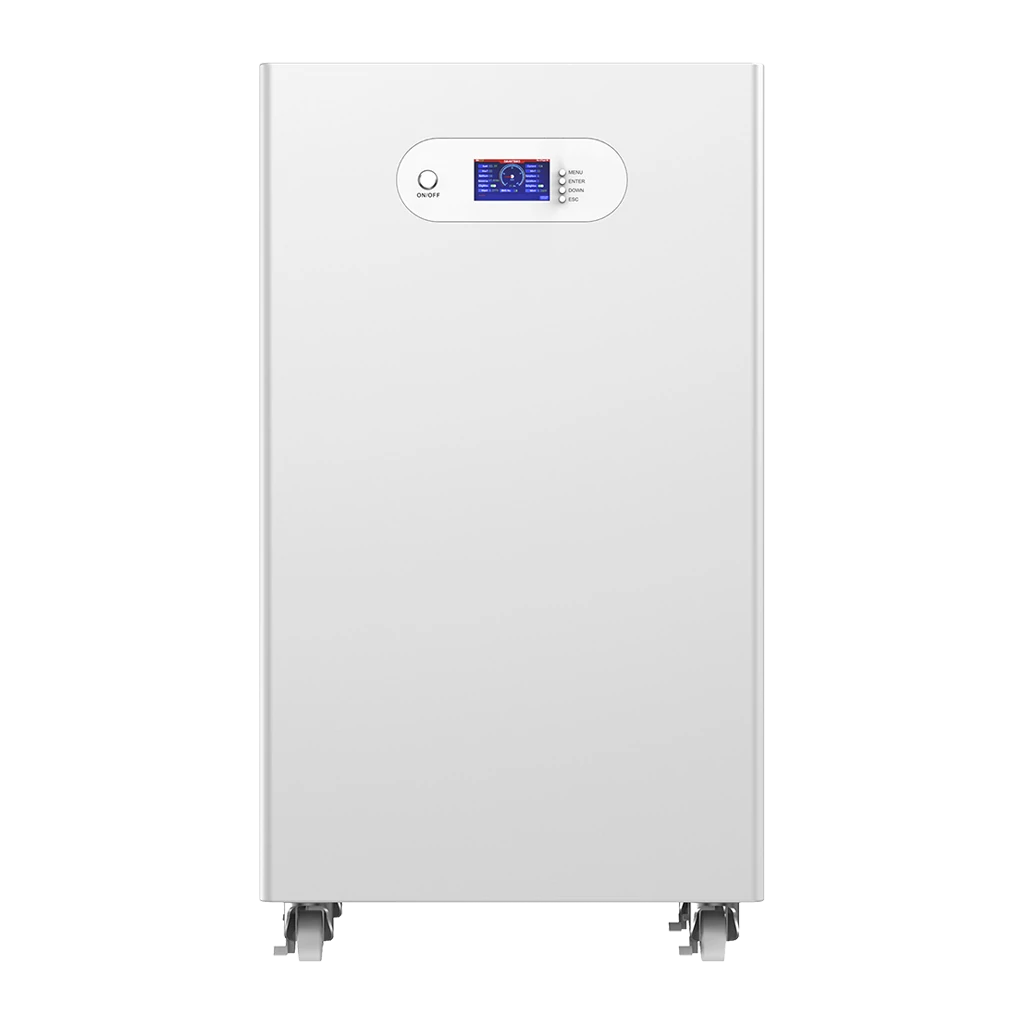
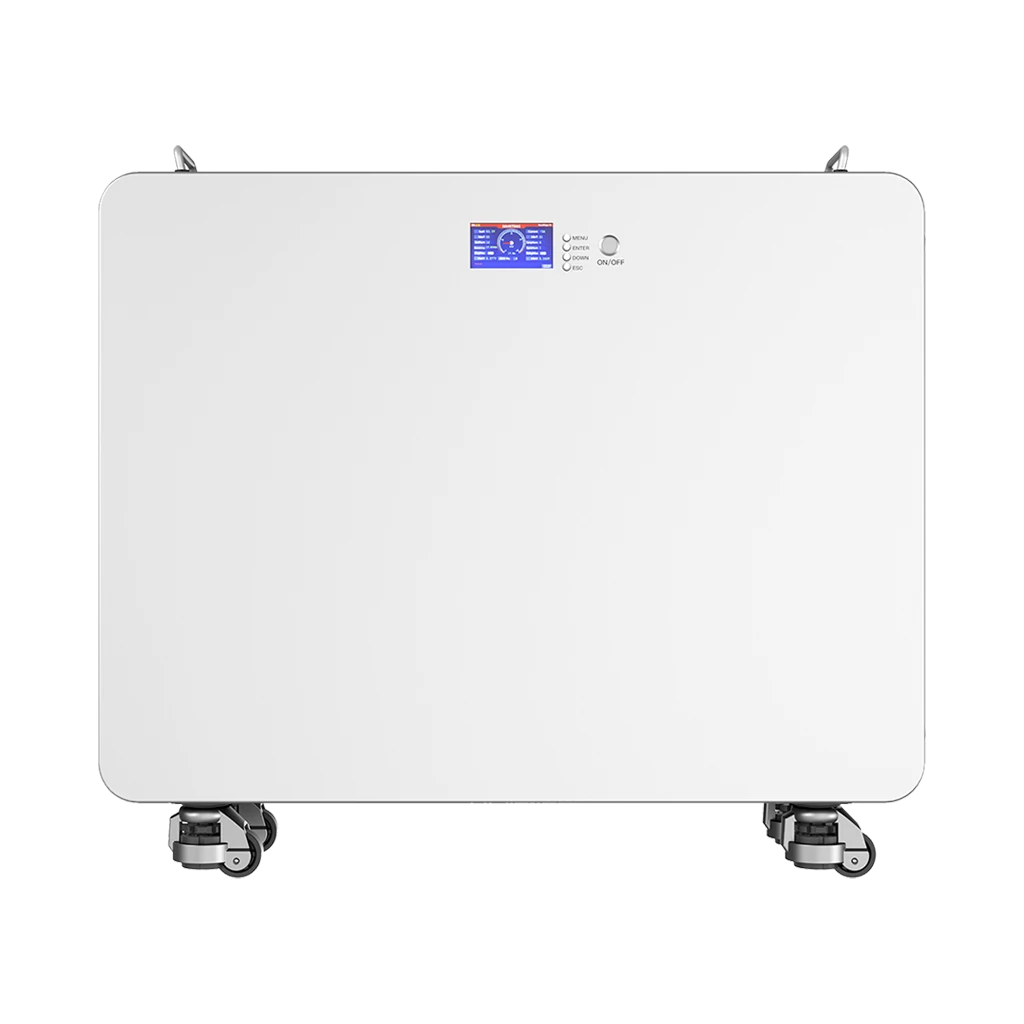
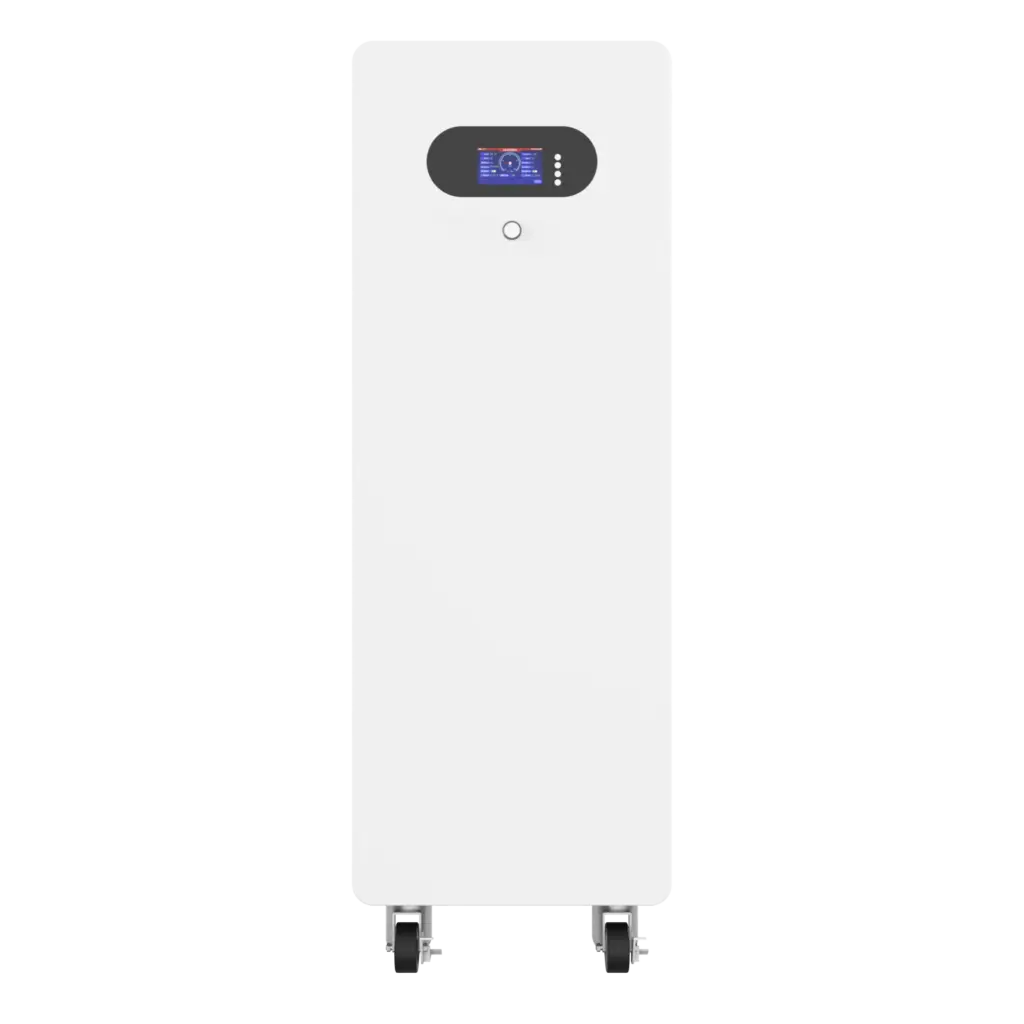
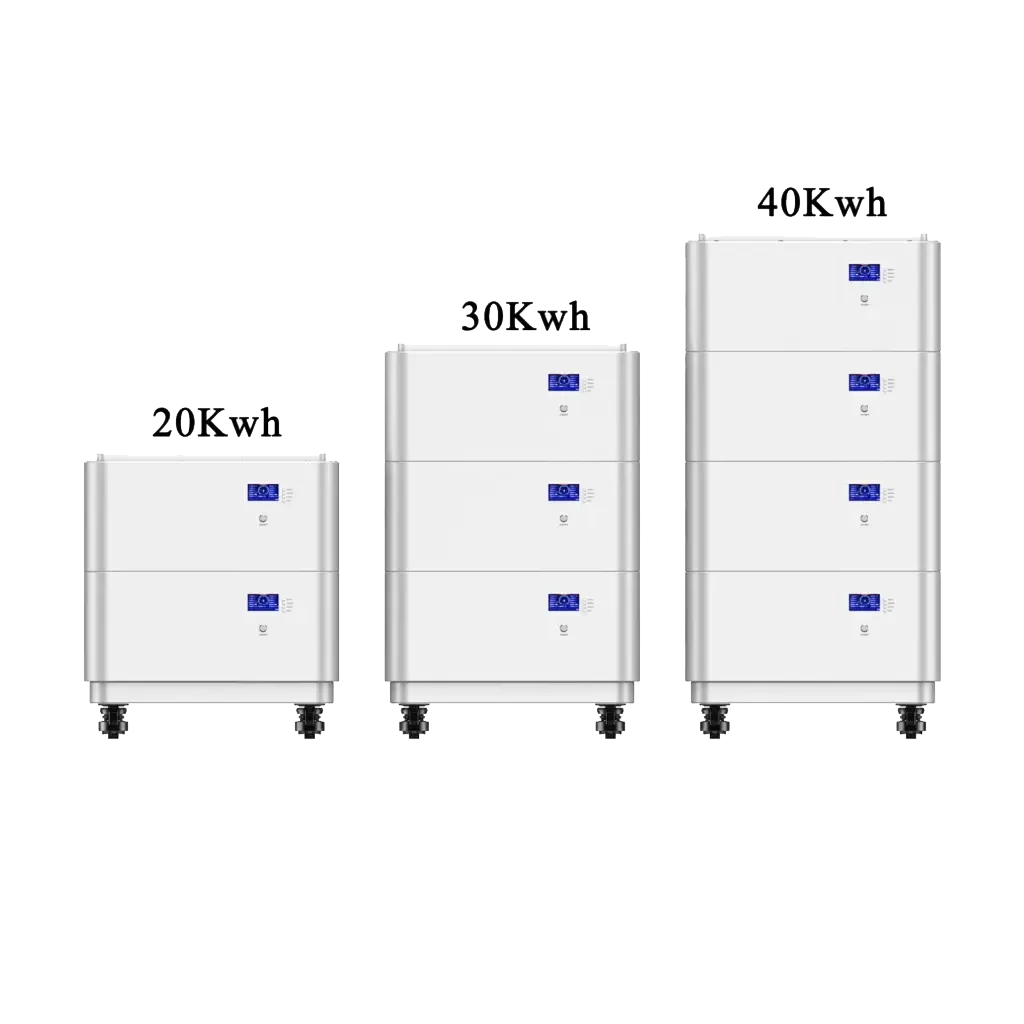
For many homes, a 10–15 kWh battery is often a practical starting point. However, larger homes, small commercial sites or households planning EV charging may need a more expandable design. Avepower’s stackable battery systems are useful where capacity may need to grow over time. For compact spaces, wall mounted batteries can save floor area.
Battery Installation at Home and 2026 Rebates
Rebates can reduce upfront cost, but they should not decide the entire system design.
The Australian Cheaper Home Batteries Program provides support for eligible small-scale battery systems connected to new or existing solar PV. Consumers typically access the discount through accredited installers or retailers rather than applying directly to the government.
From 1 May 2026, Australia’s home battery rebate structure became more tapered. The incentive is stronger for the first part of the battery capacity and reduces for larger systems. ABC’s coverage of the rebate change explains the tiered structure as:
| Usable Battery Capacity | Rebate Treatment |
|---|---|
| 0–14 kWh | 100% of the rebate factor |
| Above 14–28 kWh | 60% of the rebate factor |
| Above 28–50 kWh | 15% of the rebate factor |
| Above 50 kWh | No additional STC support |
You can read more from ABC here: The home battery rebate is changing.
This change matters because oversizing a battery only to chase a bigger headline discount may no longer make financial sense. A properly sized battery that cycles daily can be more valuable than a large battery that remains partly unused.
For installers and distributors, this is also an important sales point. Battery selection should start with load analysis, solar export data and customer goals, not only rebate calculation.
What Batteries Are Eligible for Rebate Support?
Eligibility rules can change, so homeowners should always check current official guidance before signing a contract.
| Requirement | Why It Matters |
|---|---|
| Battery must be connected to solar PV | Grid-only battery charging is not eligible under the federal program |
| Battery must be new | Used batteries reinstalled at another premises are not eligible |
| Components must be approved where required | Product approval affects rebate and network acceptance |
| Battery must meet safety standards | AS/NZS 5139:2019 is a key installation standard |
| Installation must be completed properly | Accreditation and paperwork affect compliance |
| System must support VPP capability where required | Participation may not be mandatory, but capability can be required |
Before purchasing, homeowners should ask the installer to confirm:
- Is the battery on the approved list?
- Is the inverter compatible?
- Is the system VPP capable if required?
- Is the installer accredited for battery work?
- Is the rebate shown clearly in the quote?
- Is the quoted capacity nominal or usable?
- Is backup included or excluded?
These checks help avoid one of the biggest problems in home battery installation: buying a battery that looks attractive on price but does not meet the site’s technical or rebate requirements. Before choosing a product, check the Clean Energy Council approved batteries list and confirm inverter compatibility with the installer.
Where Should a Home Battery Be Installed?
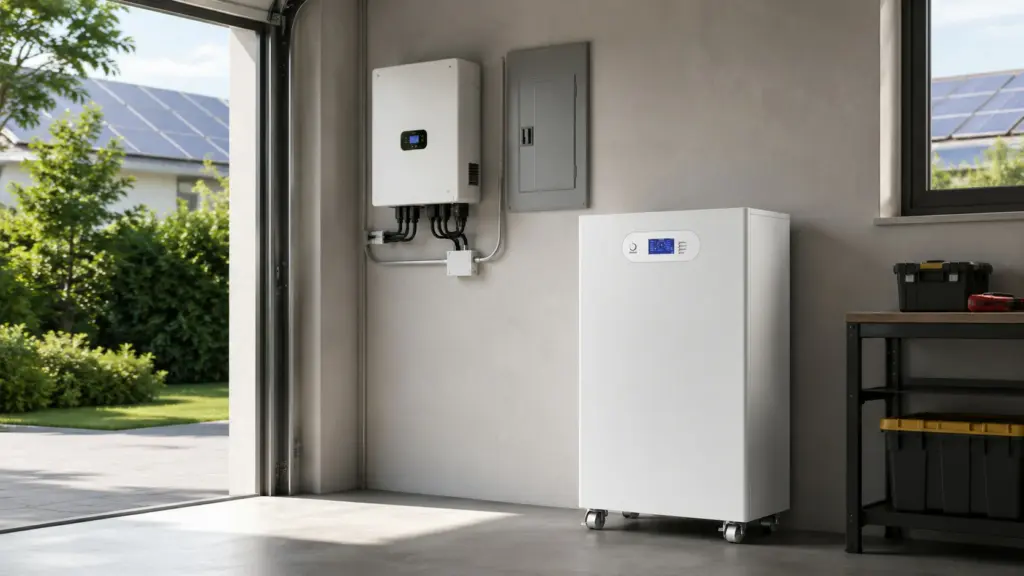
Battery location is one of the most important parts of battery installation at home. It affects safety, performance, service access, thermal control, cable length, warranty compliance and inspection outcomes.
Common locations include:
| Location | Advantages | Considerations |
|---|---|---|
| Garage | Protected, accessible, close to switchboard in many homes | May need bollards or clearance |
| External wall | Good ventilation, saves indoor space | Needs weather rating and compliant placement |
| Utility room | Clean and accessible | Must meet fire and ventilation rules |
| Equipment room | Good for larger or rack systems | Requires professional design |
| Loft or roof cavity | Usually not recommended | Heat, access and compliance concerns |
Safe Work Australia says battery installations must be carried out by qualified electricians, follow local regulations and manufacturer instructions, comply with Australian standards and be compatible with the associated rooftop solar system. Read Safe Work Australia’s updated guidance.
As a practical rule, do not choose the battery location only because it looks neat. Choose it because it is compliant, cool enough, accessible for maintenance and suitable for emergency isolation.
Indoor vs Outdoor Battery Installation
Both indoor and outdoor installation can work, but the product and site must support the location.
Indoor Installation May Be Suitable When:
- The space is non-habitable and compliant
- Ventilation and clearance requirements are met
- The battery is protected from direct heat and moisture
- Service access is clear
- The location is approved by the installer and local rules
Outdoor Installation May Be Suitable When:
- The installation follows manufacturer instructions
- The battery has an appropriate IP rating
- The unit is protected from flooding, impact and extreme heat
- Cable runs remain practical
- The wall or mounting structure is strong enough
Before choosing an installation location, it’s important to understand how weather, temperature, moisture and safety requirements can affect battery performance and lifespan. To learn more, read our complete guide: “Can solar batteries be installed outside” or “can solar batteries be installed in loft”
What Documents Should You Receive After Installation?
A quality battery installation should not end with the installer leaving the site. Homeowners should receive documentation that proves the system was installed correctly and can be maintained safely.
Ask for:
- Certificate of electrical compliance or local equivalent
- Battery datasheet
- Inverter datasheet
- Warranty documents
- Single-line diagram
- Shutdown procedure
- Monitoring app setup
- Rebate or STC documentation
- Installer accreditation details
- User manual
- Maintenance guidance
The Department’s eligibility guidance states that a battery is considered installed for program purposes from the date the certificate of electrical compliance, or state or territory equivalent, is issued.
LiFePO4 Batteries for Home Installation
LiFePO4, also called lithium iron phosphate or LFP, is widely used in residential energy storage because it offers strong thermal stability, long cycle life and good safety characteristics.
Key advantages include:
- Stable chemistry
- Long service life
- Strong cycle performance
- Good suitability for daily charge and discharge
- Lower maintenance than lead-acid systems
- Suitable for modular residential battery designs
Avepower focuses on LiFePO4 battery energy storage systems for residential, commercial and customized applications. For home battery installation projects, intelligent BMS protection is especially important because the system must monitor voltage, current, temperature, state of charge and fault conditions during daily operation.
Avepower Recommendation for Home Battery Installation Projects
Avepower recommends treating battery installation at home as a complete energy system project. The best result comes from matching battery chemistry, BMS protection, inverter communication, installation location, backup needs and future capacity planning.
For homeowners, that means asking better questions before buying.
For installers, distributors and project developers, it means choosing battery products that are safe, scalable and easy to integrate.
Avepower supports residential and light commercial energy storage projects with:
- LiFePO4 battery technology
- Intelligent BMS protection
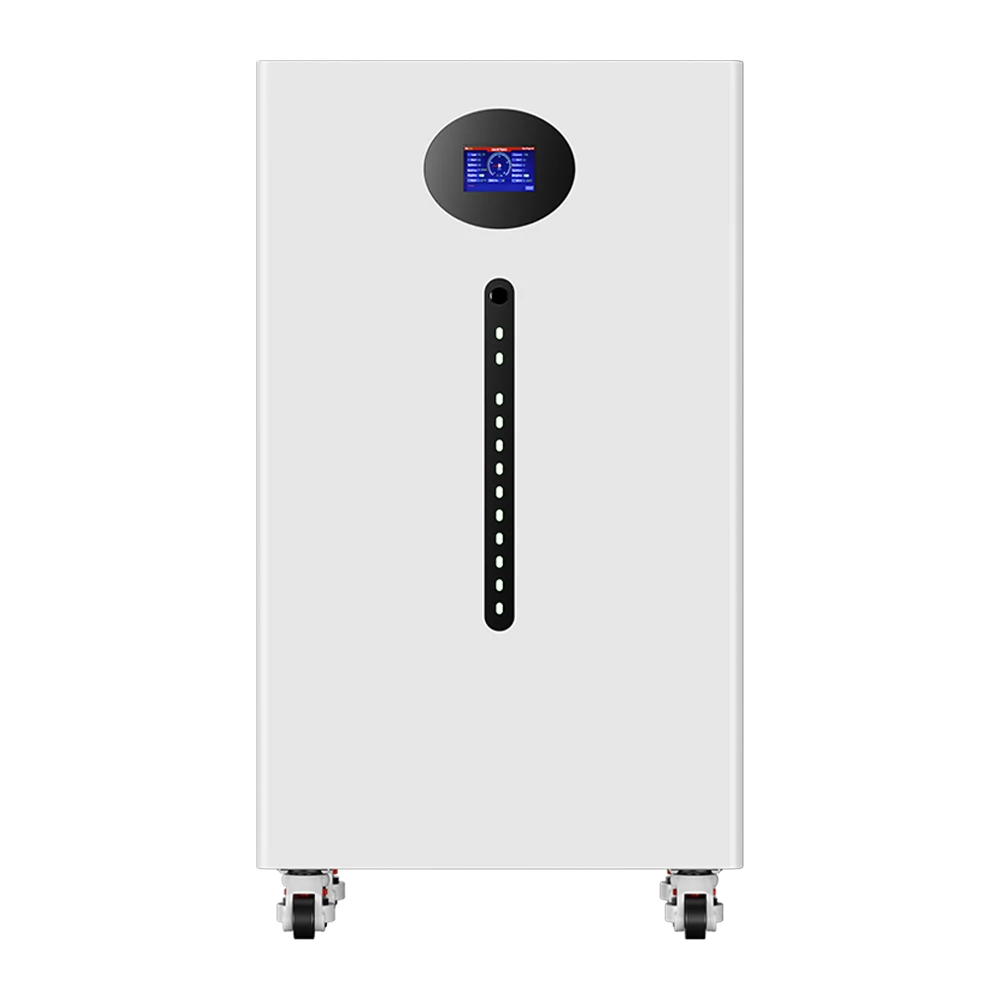
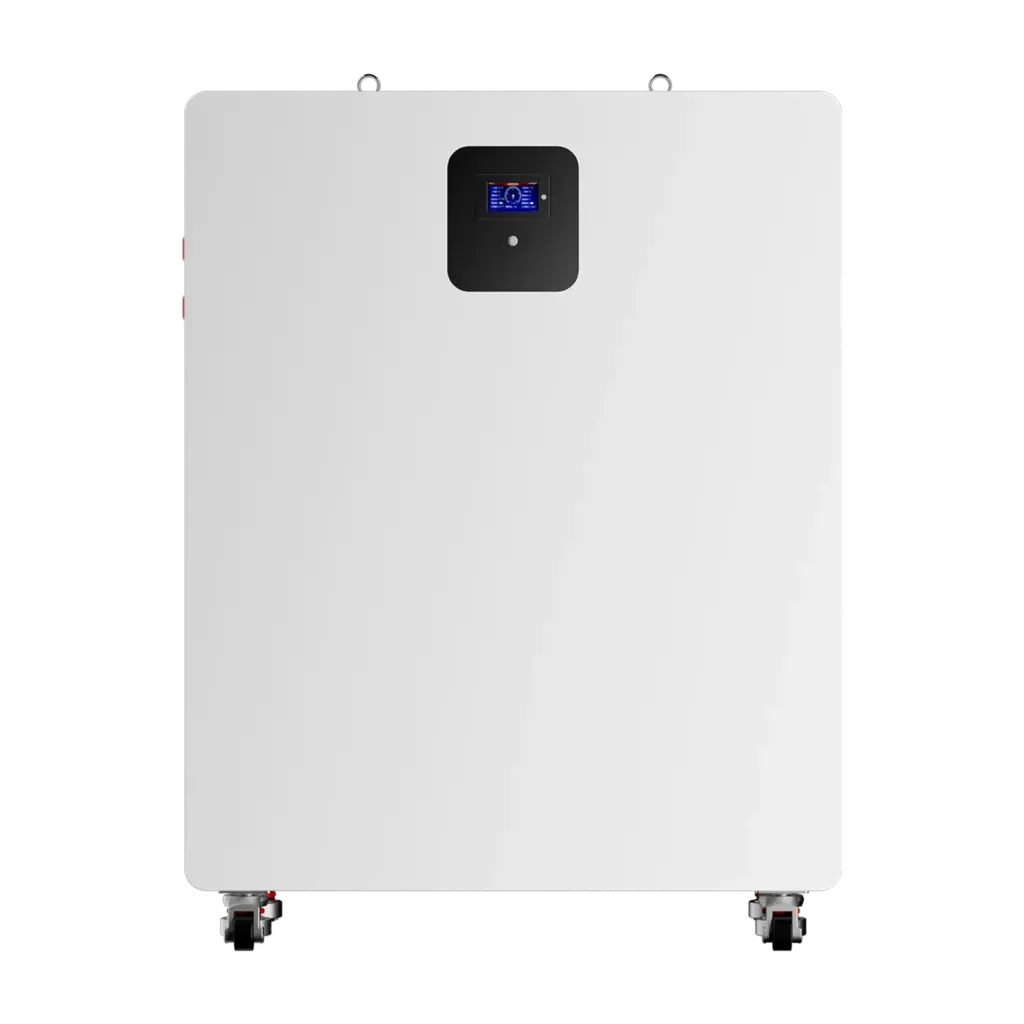
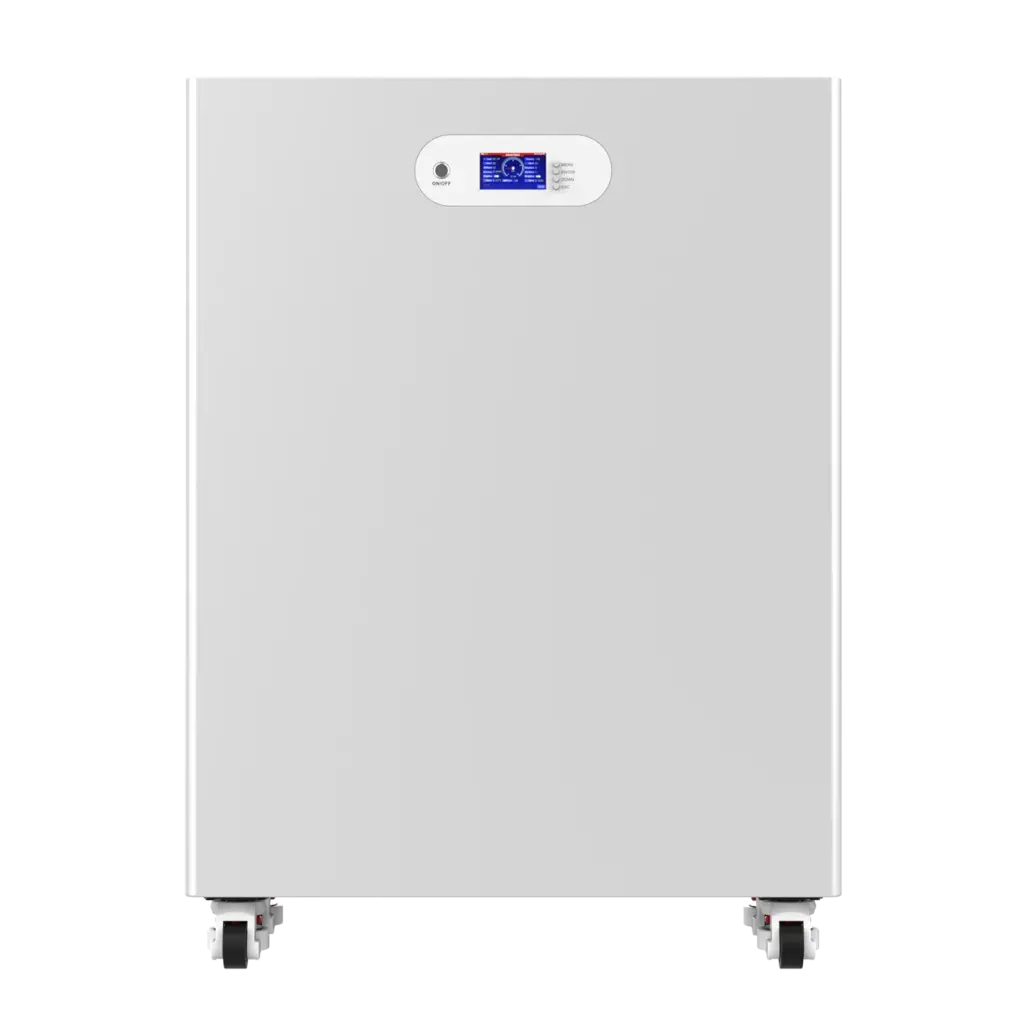
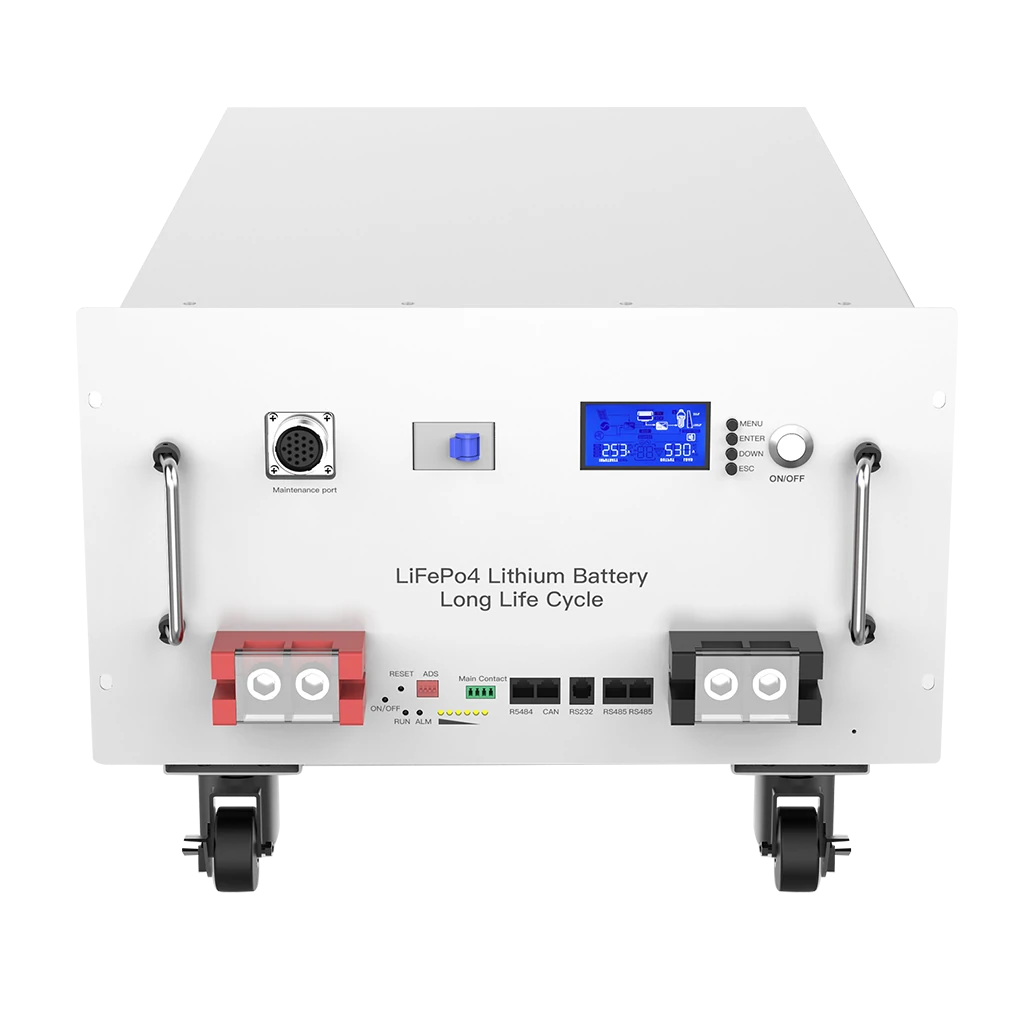
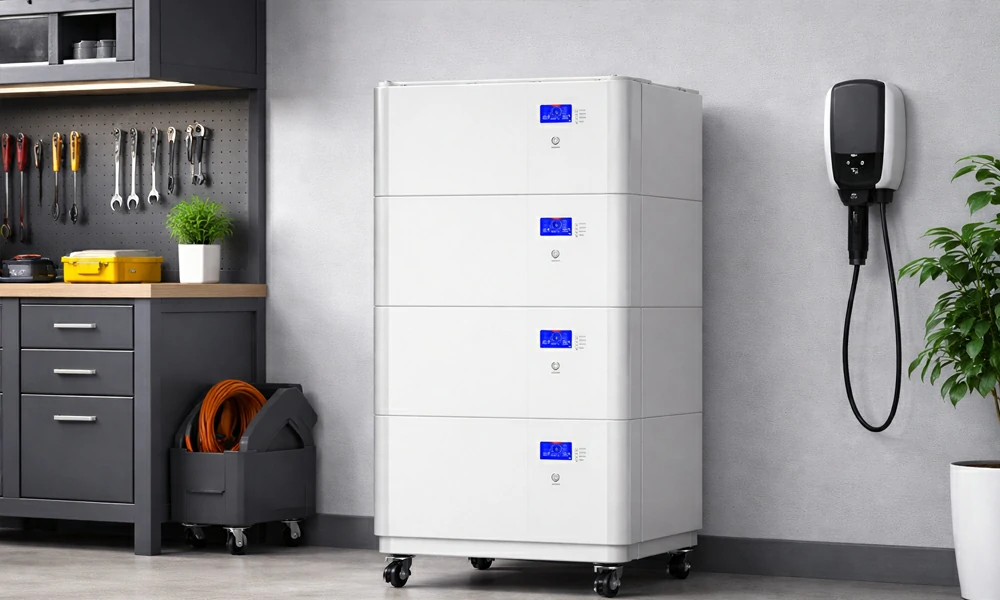
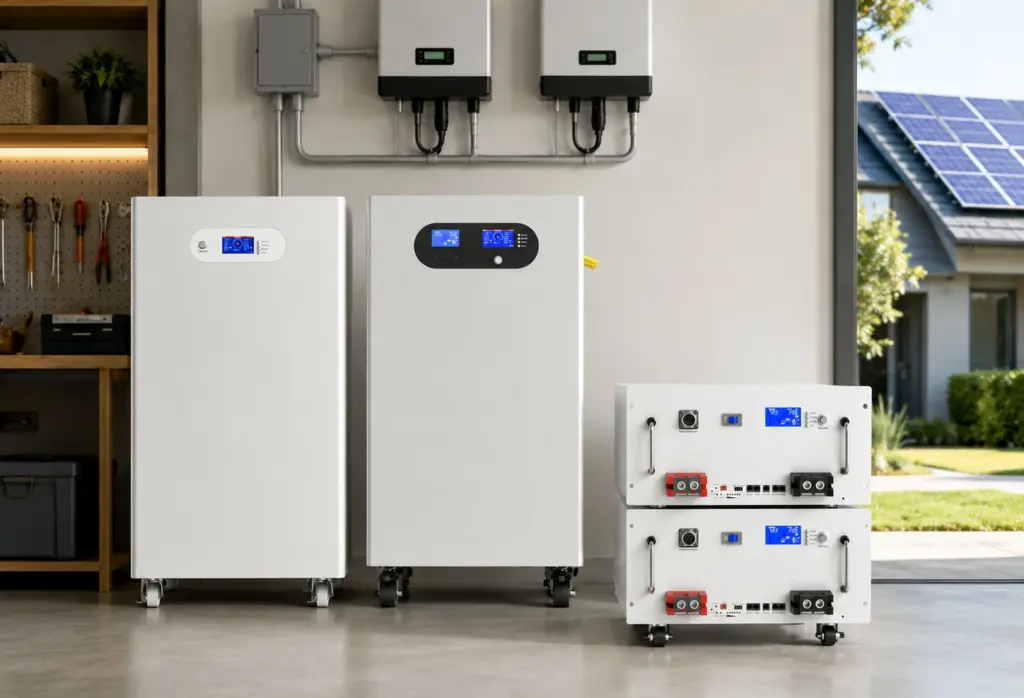
- Wall-mounted, rack-mounted, stackable, vertical and all-in-one battery options
- CAN, RS485 and other communication options across selected models
- Inverter compatibility support
- OEM/ODM customization for appearance, capacity, function, label and packaging
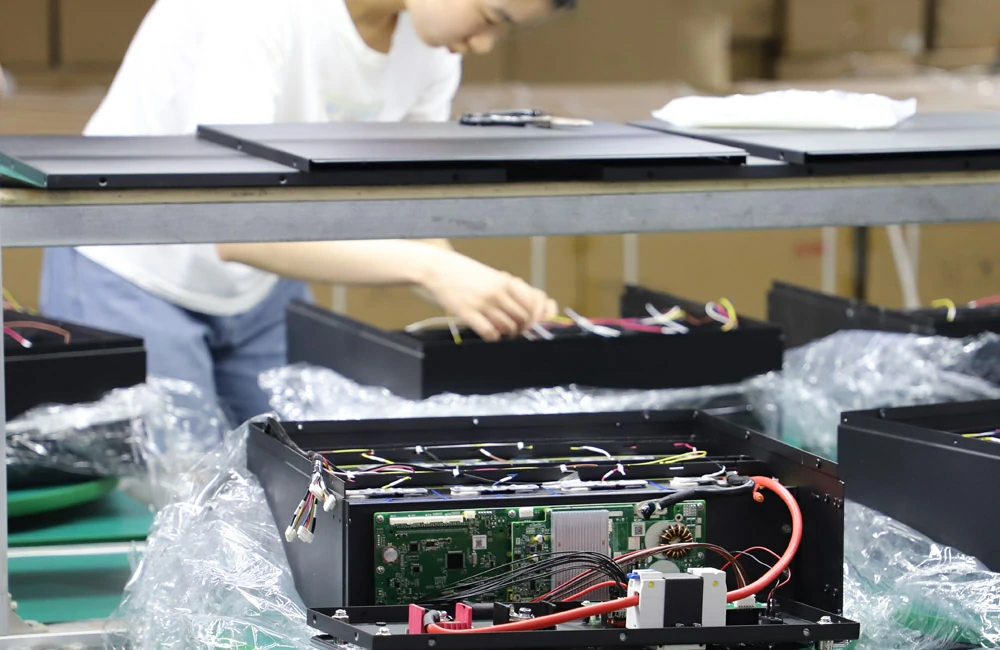
- Manufacturing experience in battery R&D, design and production
- International certifications such as CE, UL, RoHS and ISO9001-related manufacturing capability
For trade buyers, installers and distributors, Avepower’s for installers solution provides a better fit than one-size-fits-all consumer battery products because project requirements often vary by inverter brand, installation environment, capacity target and local compliance needs.
Take Control of Your Energy with Avepower!
Reliable home solar battery solutions with OEM/ODM customization and in-house manufacturing, tailored to the needs of distributors, installers, and energy partners.
Conclusion
Battery installation at home can be a smart upgrade in 2026, especially for households with rooftop solar, high evening electricity use, low feed-in tariffs or backup power needs. However, the quality of the result depends on much more than battery capacity.
A good installation should answer four questions clearly:
- How much energy does the home need to store?
- Where can the battery be installed safely?
- What will happen during a blackout?
- Is the system compliant, compatible and future-ready?
Rebates can improve affordability, but they should not replace good system design. A well-sized, well-installed battery can increase solar self-consumption, improve energy resilience and support smarter home energy management for years.
For installers, distributors and project buyers looking for scalable LiFePO4 home battery solutions, Avepower offers multiple product formats for different residential installation needs.
FAQ
Battery installation at home means connecting a battery energy storage system to a household electrical system. Most systems work with rooftop solar panels to store excess solar energy for use later in the day.
No. A home battery connects to the electrical system and must be installed by a qualified professional. In many markets, rebate eligibility also depends on using accredited installers and approved equipment.
A garage wall, external wall, utility area or equipment room may be suitable, depending on safety rules, clearances, temperature, weather exposure and access for maintenance.
Ask about usable capacity, inverter compatibility, backup circuits, approved product status, installer accreditation, installation location, rebate value, monitoring access and warranty terms.
A straightforward home battery installation may take one to three days, depending on system complexity, switchboard work, backup setup and site conditions. Approvals, metering or inspections may take longer.
Only if the system is designed for whole-home backup. Many installations only support essential circuits, and some batteries provide no backup at all.
Avepower provides LiFePO4 home battery systems for installers, distributors and project buyers, with multiple product formats, BMS protection, inverter communication support and OEM/ODM customization options.