

If you already have solar panels installed—or are considering them—one of the biggest questions is simple: Are solar batteries worth it? For some households, the answer is yes—absolutely. For others, not yet.
Solar batteries allow you to store excess energy generated during the day and use it when your panels are not producing power, such as in the evening, at night, or during outages. This can increase your energy independence, reduce reliance on the grid, and improve the overall value of your solar investment.
However, batteries are not the best choice for every home. Whether they are worth it depends on your electricity rates, export tariffs, nighttime energy usage, backup power needs, and the incentives available in your region.
In this guide, Avepower will break down when solar batteries make financial sense, when they do not, typical payback periods, and how to decide whether a home battery is the right next step for your energy system.
Are Solar Batteries Worth It in 2026?
Are solar batteries worth it in 2026? A battery is more likely to be worthwhile when its net installed cost can be recovered comfortably within the expected ownership period or warranty, using realistic savings from avoided grid purchases, tariff shifting, incentives and programme revenue rather than optimistic assumptions about perfect daily charging.
Quick Solar Battery Decision Table
| Household Situation | Likely Value | Why |
|---|---|---|
| Low export tariff and high evening usage | Stronger | Stored solar replaces expensive grid electricity |
| Time-of-use tariff with a large peak/off-peak difference | Stronger | Battery can shift energy into high-price periods |
| Frequent outages affecting essential equipment | Stronger | Backup provides value beyond bill savings |
| Existing large solar system with regular exports | Stronger | More energy is available for battery charging |
| High export tariff or retail-rate net metering | Weaker | Charging the battery sacrifices valuable export income |
| Low electricity consumption after sunset | Weaker | The stored energy may remain unused |
| Oversized battery | Weaker | Poor utilisation increases the cost per useful cycle |
| Short-term property ownership | Weaker | The owner may leave before recovering the investment |
Request a Battery Recommendation Based on Your Actual Project
Avepower supports solar installers, distributors, project developers and OEM/ODM partners with LiFePO4 battery configurations for residential energy storage and backup applications.
Provide the solar-array size, inverter model, electricity phase, interval consumption, typical solar exports and required backup loads. Avepower can then help evaluate the appropriate usable capacity, inverter power, BMS communication and system architecture rather than recommending battery capacity in isolation.
Discuss Your Residential Battery Project With Avepower
How Do You Calculate Whether a Solar Battery Is Worth It?
How do you calculate whether a solar battery is worth it? Start with the net installed cost, then calculate how many kilowatt-hours the battery can realistically shift each year and the value of each shifted kilowatt-hour after export losses, charging costs, efficiency losses, service fees and expected operating limitations.
Solar-Charging Value Formula
When surplus solar charges the battery:
Value per kWh charged = round-trip efficiency × import price − export price forgone
For example:
- Retail import price: $0.32/kWh
- Export payment: $0.07/kWh
- Round-trip efficiency: 90%
The value of each kilowatt-hour sent into the battery is:
0.90 × $0.32 − $0.07 = $0.218
This is only 21.8 cents, not the full 32-cent retail tariff, because the calculation allows for conversion loss and the export income that the homeowner gives up.
Grid-Charging Value Formula
When off-peak grid electricity charges the battery:
Value per kWh charged = round-trip efficiency × peak price − off-peak price
For example:
- Off-peak charge price: $0.15/kWh
- Peak electricity price: $0.45/kWh
- Round-trip efficiency: 90%
The value is:
0.90 × $0.45 − $0.15 = $0.255 per kWh charged
This calculation does not yet include programme fees, battery wear or demand charges.
Annual Battery Value
A simplified annual model is:
Annual battery value = annual charged energy × value per charged kWh + programme revenue − annual fees
The corresponding simple payback is:
Simple payback = net installed battery cost ÷ annual battery value
Simple payback is useful for an initial comparison, but it does not account for:
- Battery capacity degradation
- Financing interest
- Inflation
- Discount rate or opportunity cost
- Equipment replacement
- Changes to tariffs
- Changing household consumption
- Residual value at the end of ownership
A final investment decision should therefore also consider discounted cash flow or net present value.

How Much Do Solar Batteries Cost in 2026?
How much do solar batteries cost in 2026? Installed prices vary substantially by country, capacity, inverter architecture, backup equipment, labour, switchboard condition and available incentives. Buyers should compare the net installed cost for the complete operating system rather than comparing battery hardware prices or cost per nominal kilowatt-hour alone.
United States
EnergySage reported an average quoted US battery installation price of approximately $15,647 before incentives for a 13.5kWh-class system in July 2026, although local pricing and system design vary considerably.
A major 2026 change is that the US federal Residential Clean Energy Credit is not available for qualifying residential property placed in service after December 31, 2025. Buyers should therefore not rely on older articles that continue to apply a 30% federal credit to a new 2026 installation. The current rules are explained by the Internal Revenue Service.
State, utility and local programmes may still be available, but they need to be verified for the installation address.
United Kingdom
Energy Saving Trust indicates that domestic battery prices can range broadly, with approximately £4,600 cited for a 5kWh battery as a general guide. It also warns that the financial case can be weak when a customer receives a favourable export tariff or cannot use the battery regularly.
Qualifying residential battery installations remain eligible for temporary zero-rate VAT until March 31, 2027, after which the rate is scheduled to return to 5% under current policy. The current measure is described in the UK government’s Warm Homes Plan.
Australia
Solar Choice’s 2026 price index shows how architecture affects installed cost. Its representative national figures place a 10kWh battery at approximately AUD8,450 when a suitable inverter or charging arrangement is already available, compared with approximately AUD10,150 when a battery inverter or charger is required. These figures include the federal incentive assumptions used by Solar Choice but exclude additional state rebates.
Australia’s Cheaper Home Batteries Program can support eligible new batteries connected to new or existing solar systems. The official rules cover systems from 5kWh to 100kWh nominal capacity, with certificates applying to the first 50kWh of usable capacity and tapered support for larger systems. Eligibility also depends on approved equipment, installation requirements and VPP capability. Current requirements should be checked through the Clean Energy Regulator.
For market-specific details, see Avepower’s guide to whether a solar battery is worth getting in Australia.
All prices and policies in this section are snapshots reviewed on August 3, 2026. A current local quotation and official eligibility check should replace them in a final purchasing decision.

Which Factors Have the Biggest Effect on Solar Battery Payback?
Which factors have the biggest effect on solar battery payback? The import-export price difference, annual battery throughput, net installed cost and available solar surplus normally have the strongest influence. Capacity, efficiency and warranty matter, but a technically efficient battery can still deliver poor returns if it rarely charges or discharges.
1. The Import and Export Price Difference
The import-export price difference determines how much each stored kilowatt-hour is worth, because charging from solar usually means giving up export income.
A household paying $0.40/kWh while receiving $0.04/kWh for exports has a much stronger storage opportunity than a household paying $0.30/kWh while receiving $0.25/kWh.
High net-metering credits can make a battery less financially attractive because the grid already acts like a highly efficient financial offset.
2. Evening and Overnight Consumption
Evening and overnight consumption determines whether the household has enough high-value demand to use the stored energy before the next solar-charging period.
A home occupied during the evening, using electric cooking, cooling, heating or overnight appliances, may use a battery more consistently than a property with most consumption concentrated at midday.
The most reliable assessment uses at least 12 months of interval meter data rather than a single monthly bill.
3. Available Solar Surplus
Available solar surplus determines how often the battery can charge without buying energy from the grid, and it should be evaluated by season rather than from one sunny-day production graph.
A 15kWh battery cannot deliver strong solar-shifting returns if the system normally exports only 3kWh per day.
Adding more battery capacity does not create more solar energy.
4. Battery Utilisation
Battery utilisation measures how much of the available capacity is productively charged and discharged over the year, and a smaller battery used frequently may generate a better return than a large battery left partly full.
A useful indicator is annual equivalent full cycles:
Equivalent full cycles = annual discharged energy ÷ usable battery capacity
A 10kWh battery discharging 2,000kWh per year completes approximately 200 equivalent full cycles, even if its daily cycles are partial.
5. Round-Trip Efficiency and Standby Consumption
Round-trip efficiency and standby consumption determine how much charged energy becomes useful AC electricity, particularly in systems with low daily throughput where fixed inverter consumption represents a larger percentage of stored energy.
Published efficiency figures may refer to the battery, inverter, DC path or complete AC system. Buyers should compare figures measured at the same system boundary.
Avepower’s guide to battery round-trip efficiency explains why AC and DC efficiency figures should not be compared without checking the measurement method.
6. Backup Reserve
Backup reserve reduces the capacity available for daily bill savings because energy held for an outage cannot simultaneously be used for evening tariff shifting.
A 10kWh usable battery with a 30% reserve provides only about 7kWh for routine cycling before allowing for further system losses.
The reserve may still be valuable, but it belongs in the resilience calculation.
7. Degradation and Warranty Limits
Degradation and warranty limits affect how much energy the battery can shift in later years and whether heavy cycling remains covered by the manufacturer.
A warranty should be reviewed for:
- Warranty period
- Energy-throughput limit
- Maximum cycles
- Required operating temperature
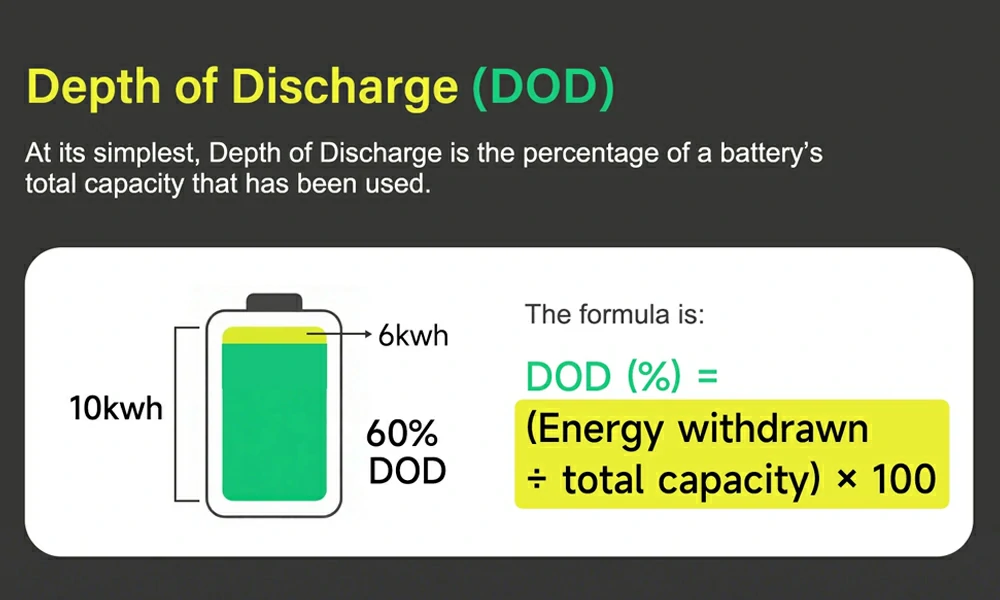
- Permitted depth of discharge
- Retained-capacity guarantee
- Approved inverter and communication requirements
- Exclusions for off-grid or high-power use
A ten-year label does not necessarily mean unrestricted cycling for ten years.
8. Financing Cost
Financing cost can turn an acceptable cash-purchase payback into a weak investment because interest increases the effective battery cost while the equipment gradually loses capacity.
Compare the total repayment amount rather than only the monthly finance payment.
9. Time at the Property
Time at the property determines whether the current owner will receive the future savings, and a battery with a nine-year payback may be unsuitable for someone planning to move in three years.
A battery may add buyer appeal, but its full remaining cost should not automatically be assumed to increase the sale price dollar for dollar.
When Are Solar Batteries Usually Worth It?
When are solar batteries usually worth it? They are strongest where the household can cycle an appropriately sized battery often, avoid high evening rates, receive little for exported solar and benefit from an incentive or meaningful backup function. The battery should solve a measured energy problem rather than simply maximise the equipment installed.
A battery is more likely to make sense when:
- Solar exports occur on most suitable days
- The home purchases significant electricity after sunset
- The export rate is much lower than the import rate
- The battery can charge and discharge through a useful SOC range
- Peak electricity prices are substantially higher than off-peak prices
- The installed cost is reduced by a verified incentive
- Essential equipment must remain available during outages
- The user understands and accepts the likely payback period
- The inverter and battery can be integrated without major unplanned upgrades
When Are Solar Batteries Not Worth It?
When are solar batteries not worth it? They are less likely to justify their cost when the battery has little high-value work to perform, the property already receives generous export compensation, available solar production is insufficient or the installation requires costly electrical upgrades that were excluded from the original savings estimate.
A battery may offer weak financial value when:
- The solar export tariff is close to the retail import tariff
- The home has minimal evening demand
- Most solar energy is already consumed directly
- The battery is too large to cycle consistently
- The battery must be financed at a high interest rate
- The quotation assumes full daily cycling throughout the year
- The property is likely to be sold soon
- The system cannot provide the expected backup function
- A legacy feed-in tariff would be reduced or lost
- Switchboard, cabling or inverter replacement costs are substantial
- Seasonal solar output is too low to recharge the proposed capacity
Is a Solar Battery Worth It for Backup Power?
A solar battery can be worth buying for backup power when the avoided consequences of outages justify the extra cost of reserved capacity, transfer equipment and suitable inverter power. However, backup value should be assessed from the circuits that genuinely need electricity, rather than assuming a small battery can operate an unrestricted whole home.
A backup-capable installation may require:
- A backup gateway or transfer switch
- A critical-loads switchboard
- A grid-forming or multimode inverter
- Additional protection devices
- Correct neutral and earthing arrangements
- Load-control equipment
- A higher battery reserve
- Sufficient continuous and surge power
Backup Value Example
Suppose outages interrupt a home office and a refrigeration circuit.
| Potential Ooutage Consequence | Illustrative Cost |
|---|---|
| Lost working time | $250 |
| Spoiled food | $150 |
| Emergency accommodation or generator use | $200 |
| Total value avoided in one significant outage | $600 |
If such an outage is rare, it would be misleading to treat $600 as an annual guaranteed saving. It can instead be considered a risk-avoidance benefit weighted by the expected frequency and consequence of outages.
Avepower’s whole-home battery backup cost guide explains the difference between battery capacity, inverter power and supported backup circuits.
Is a Solar Battery Worth It Without Solar Panels?
A solar battery can be worthwhile without solar panels when a property has a large time-of-use tariff spread, needs backup power or can participate in a suitable grid-services programme. It is less attractive when off-peak and peak prices are similar, because every stored kilowatt-hour must first be purchased from the grid and is reduced by conversion losses.
The grid-arbitrage calculation is:
Battery value per charged kWh = efficiency × avoided peak price − off-peak charge price
A battery-only system may make sense for:
- Homes on highly variable tariffs
- Properties with outage-sensitive loads
- Apartments or buildings without a suitable roof
- Customers expecting to add solar later
- Approved VPP or demand-response participation
It may not make sense when:
- Tariff differences are small
- Daily throughput is low
- Grid charging is restricted
- Programme revenue is uncertain
- The battery is purchased primarily on an unverified future-price assumption
Energy Saving Trust notes that storage can be used with solar panels, a smart time-of-use tariff or both, but also warns that the financial result depends heavily on the selected tariff and actual energy use.
See Avepower’s guide to home battery backup without solar for additional system considerations.
Does Joining a VPP Make a Solar Battery More Worthwhile?
Joining a VPP can improve battery economics through participation payments, bill credits or energy-market dispatch, but the value depends on the contract, dispatch frequency, customer override rights and additional battery cycling. VPP income should be modelled conservatively and should not be treated as permanent unless the agreement guarantees it.
Before joining a virtual power plant, check:
- Sign-up payment
- Ongoing fixed payment
- Energy export compensation
- Number and duration of dispatch events
- Minimum reserve maintained for the homeowner
- Ability to opt out
- Effect on the battery warranty
- Retailer lock-in
- Contract duration and termination fees
- Data and remote-control permissions
A VPP may shorten payback, but it can also reduce the energy available for private backup or increase battery throughput.
Australia’s federal battery programme requires eligible equipment to be VPP-capable, although participation itself is not necessarily mandatory in every case. Current technical eligibility should be confirmed through the Clean Energy Regulator.
Avepower’s guide to virtual power plants explains how aggregated batteries can support the grid.
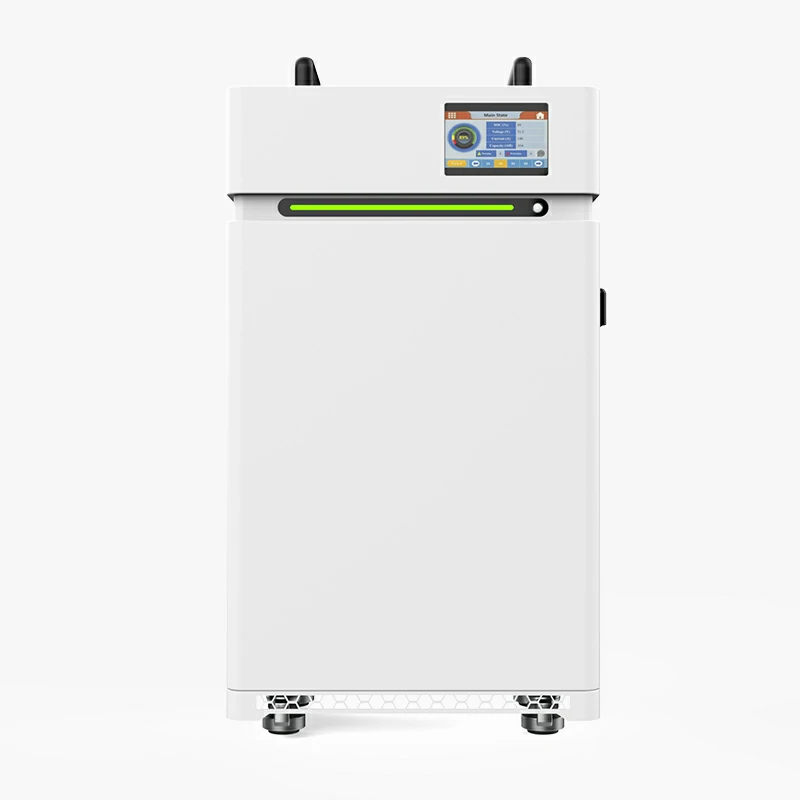
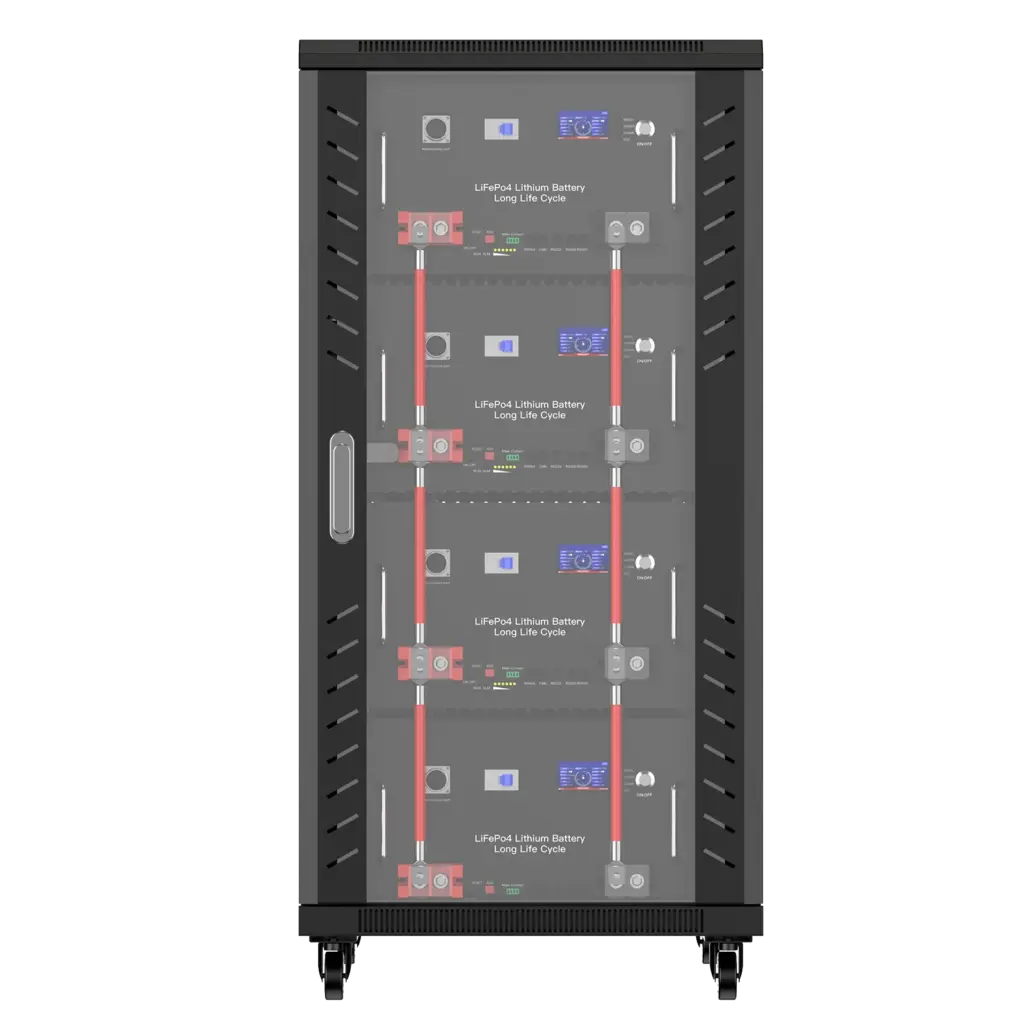
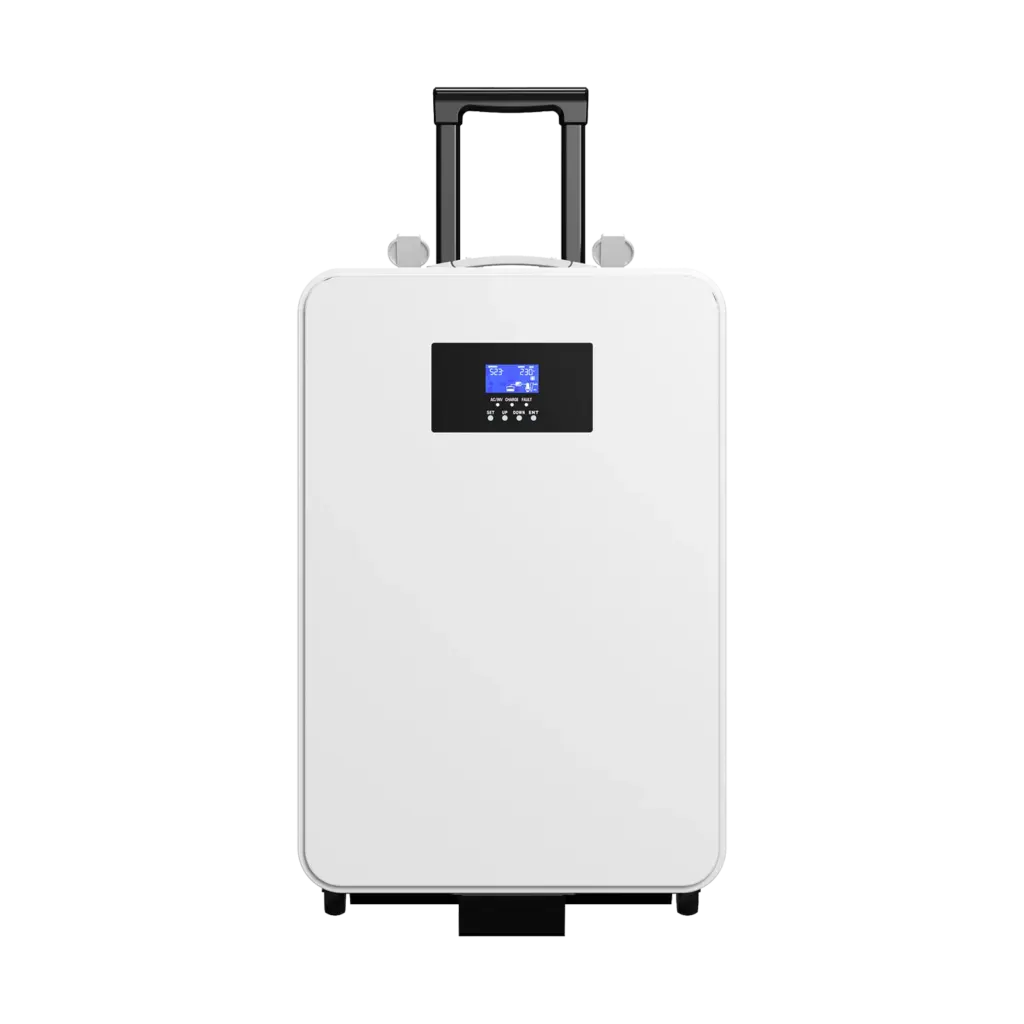
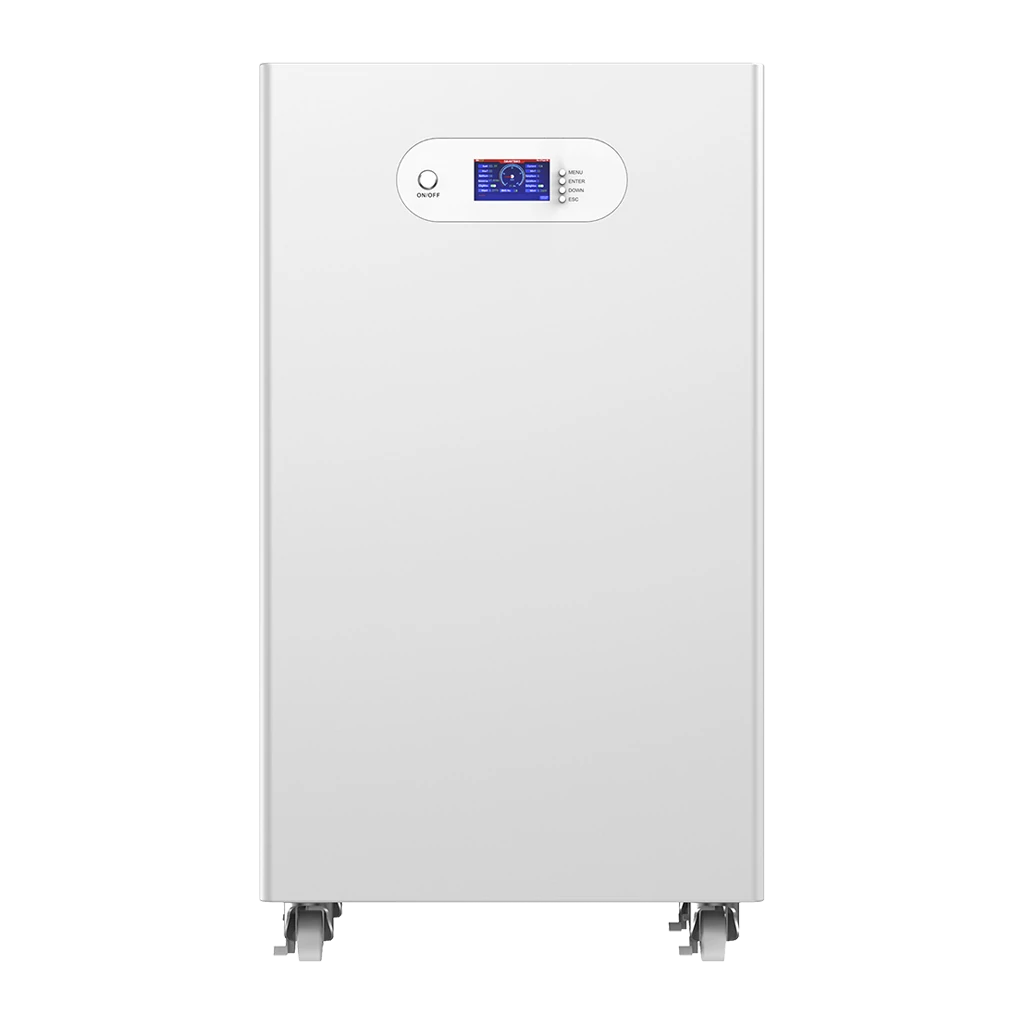
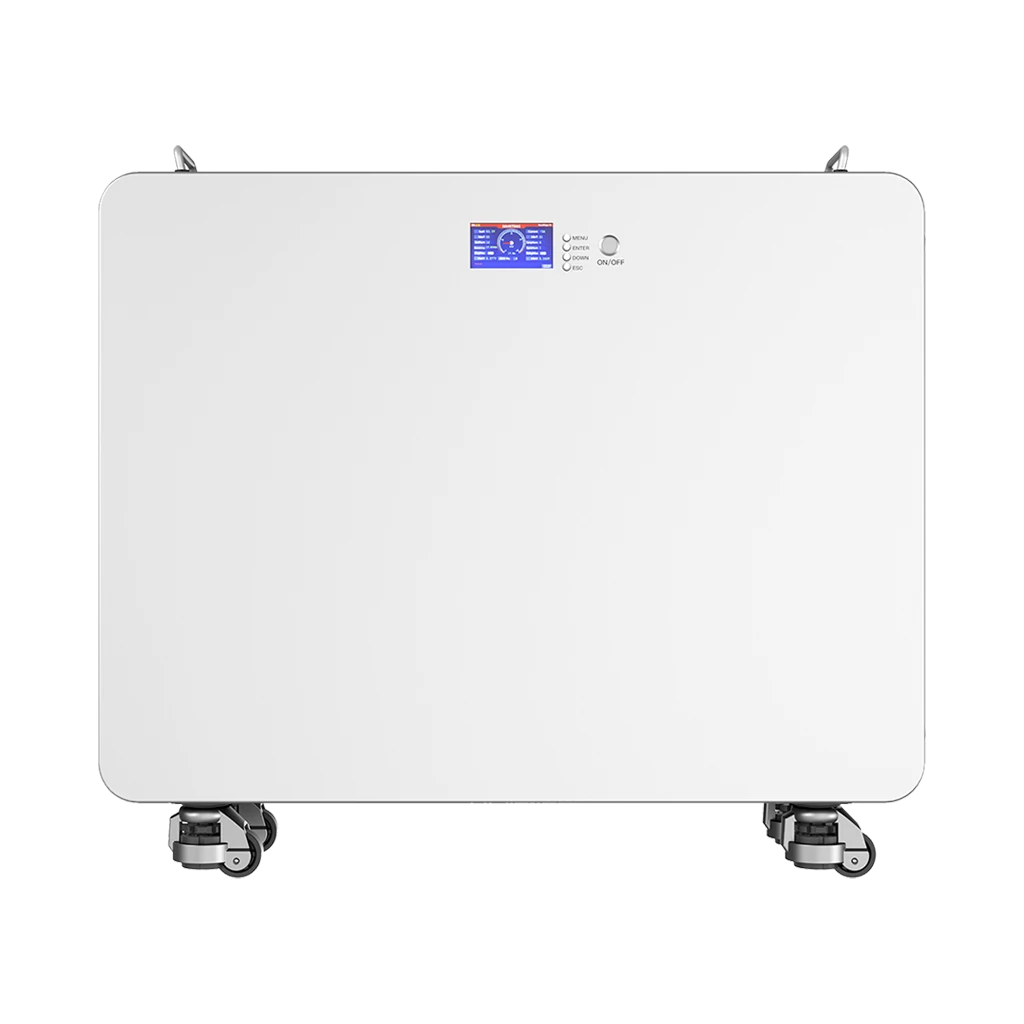
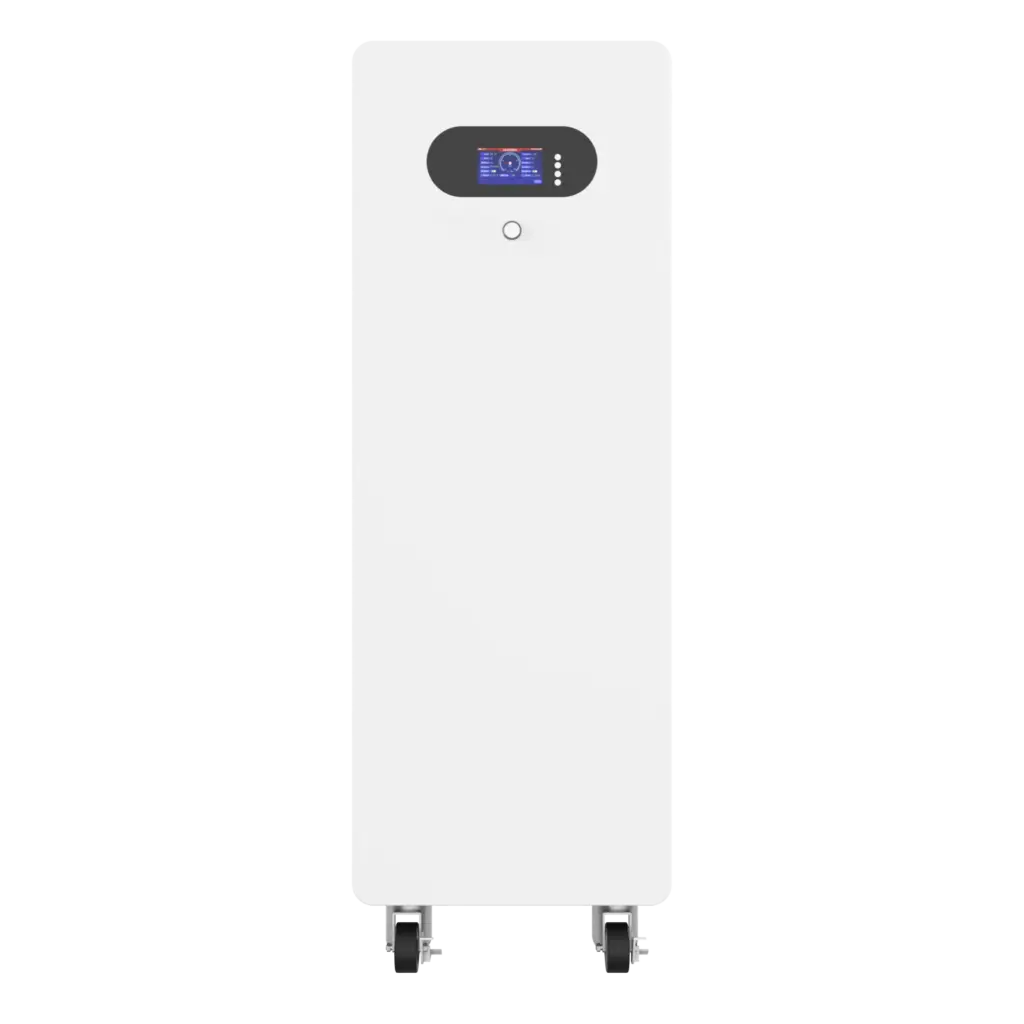
Avepower Home Solar Battery Solutions
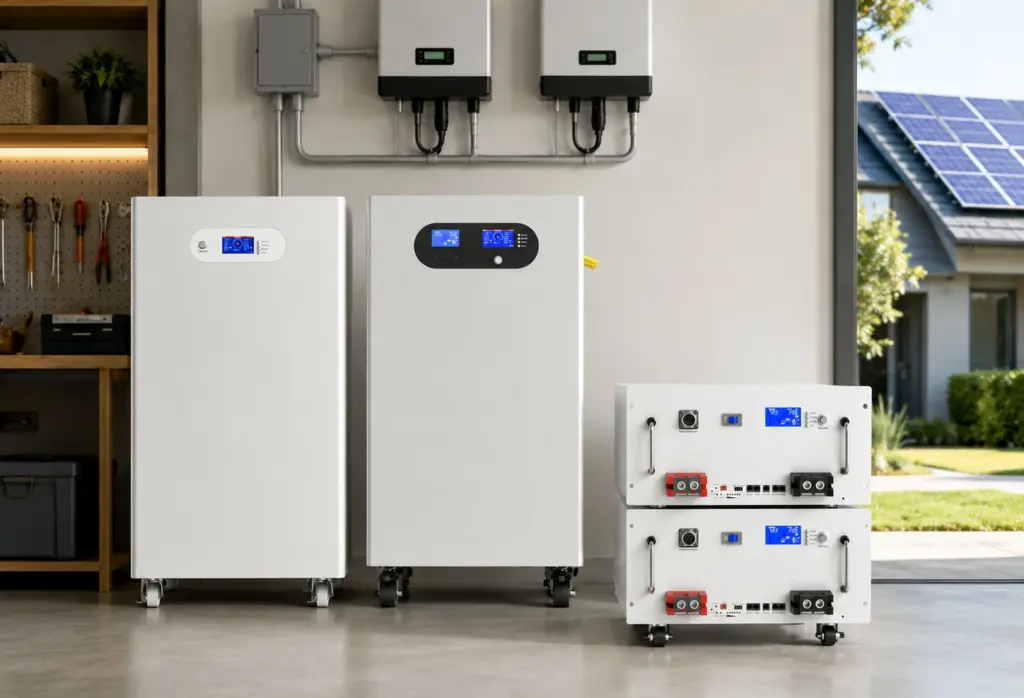
For homeowners, installers, and distributors looking for practical battery solutions, Avepower offers a range of residential energy storage products designed around different installation scenarios and capacity needs.
Its product lineup includes:
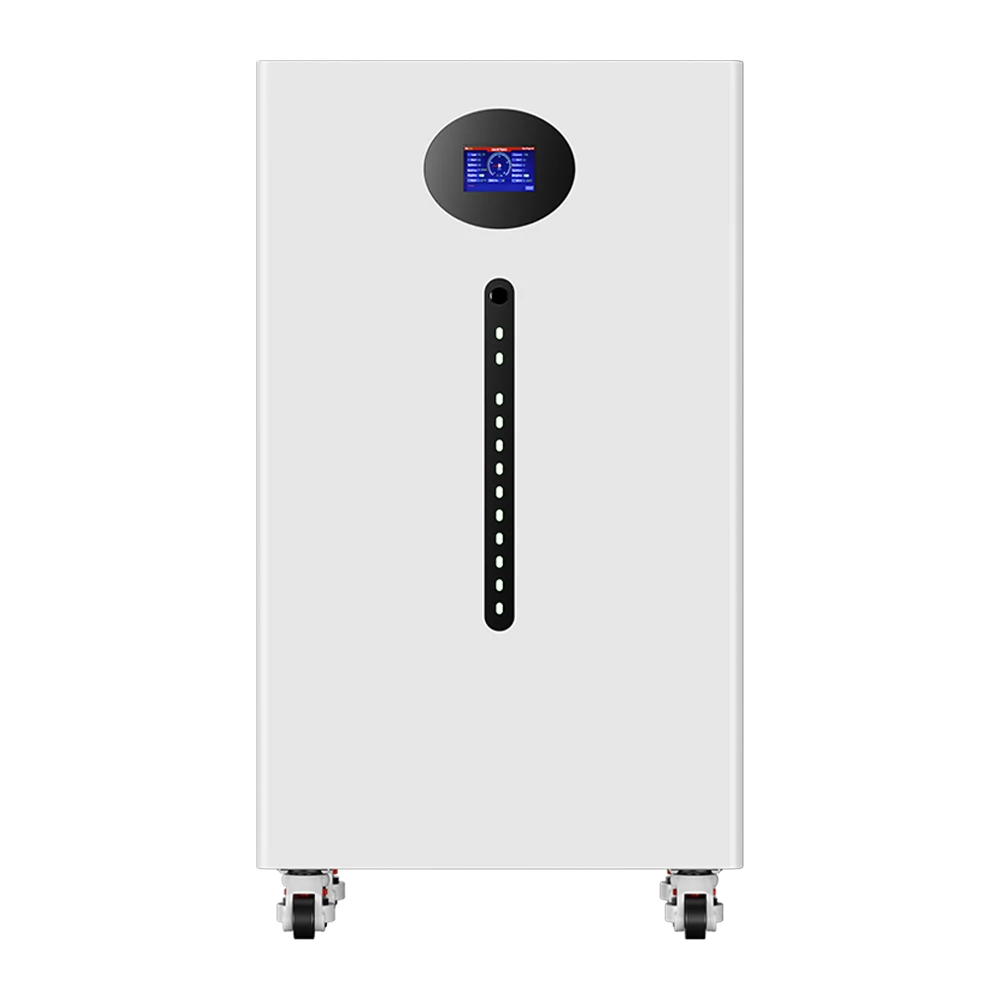
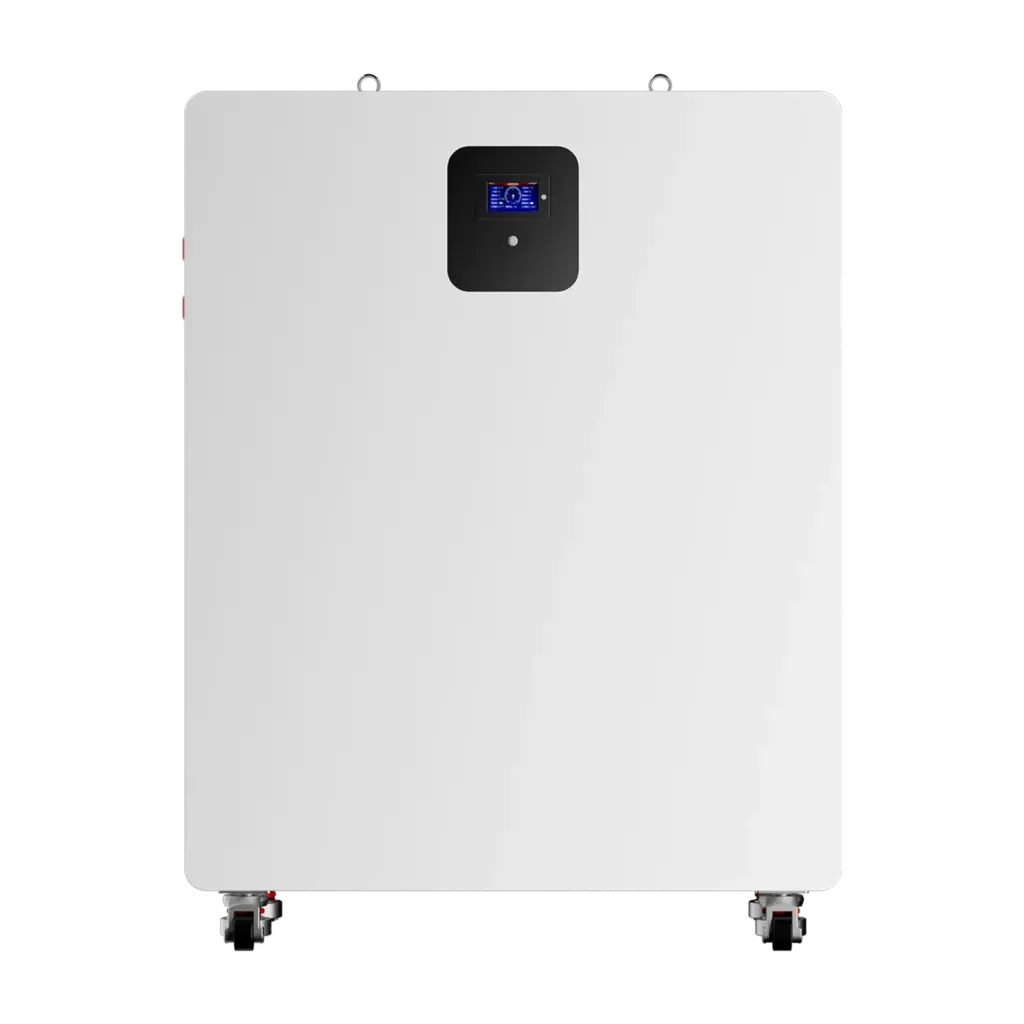
- Wall-mounted batteries for space-saving residential installations
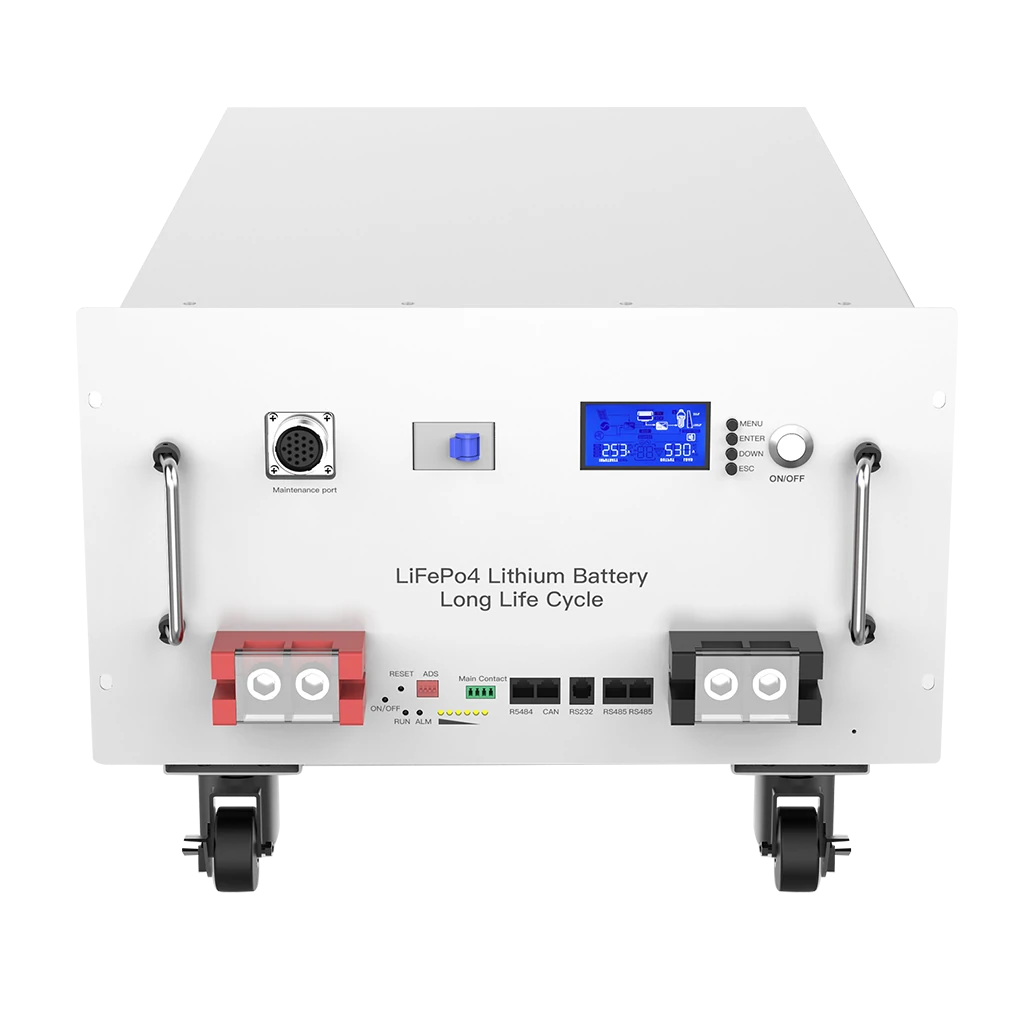
- Rack-mounted batteries for structured indoor energy storage systems
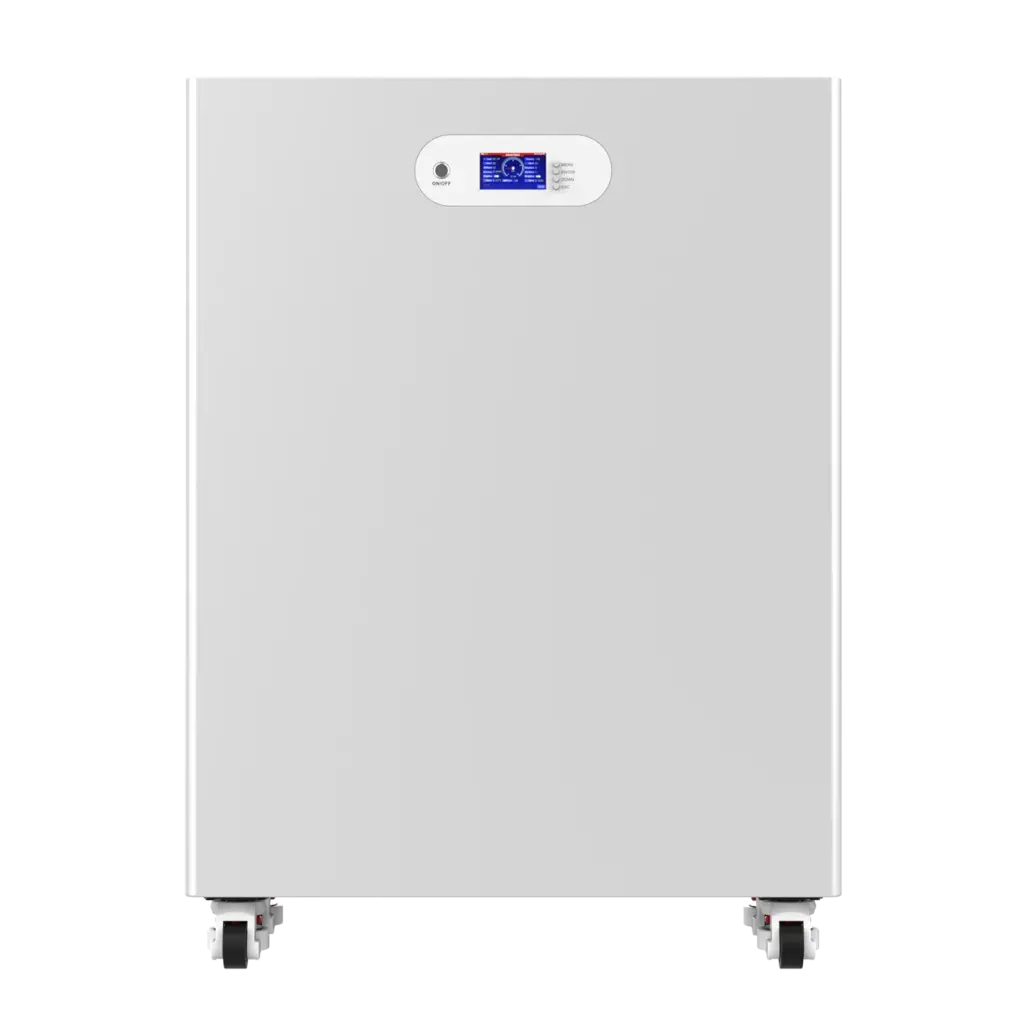
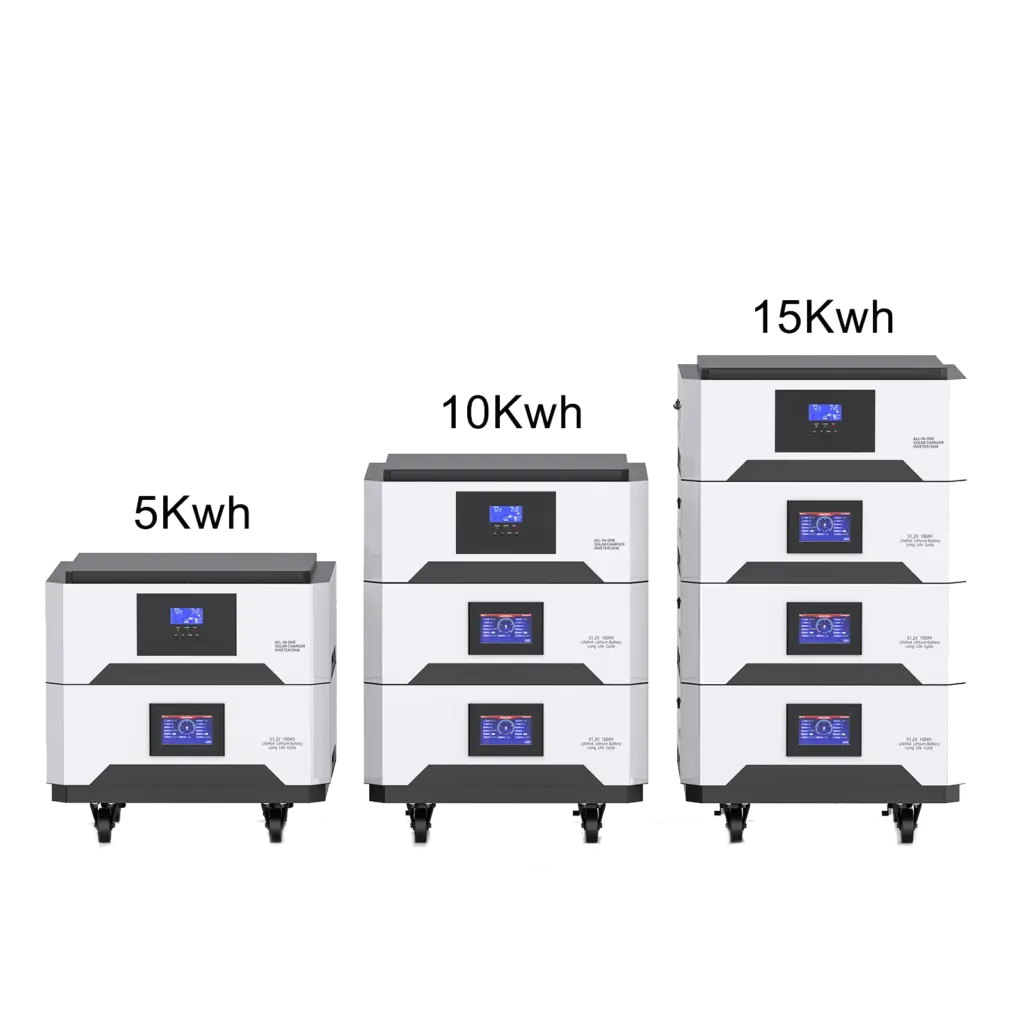
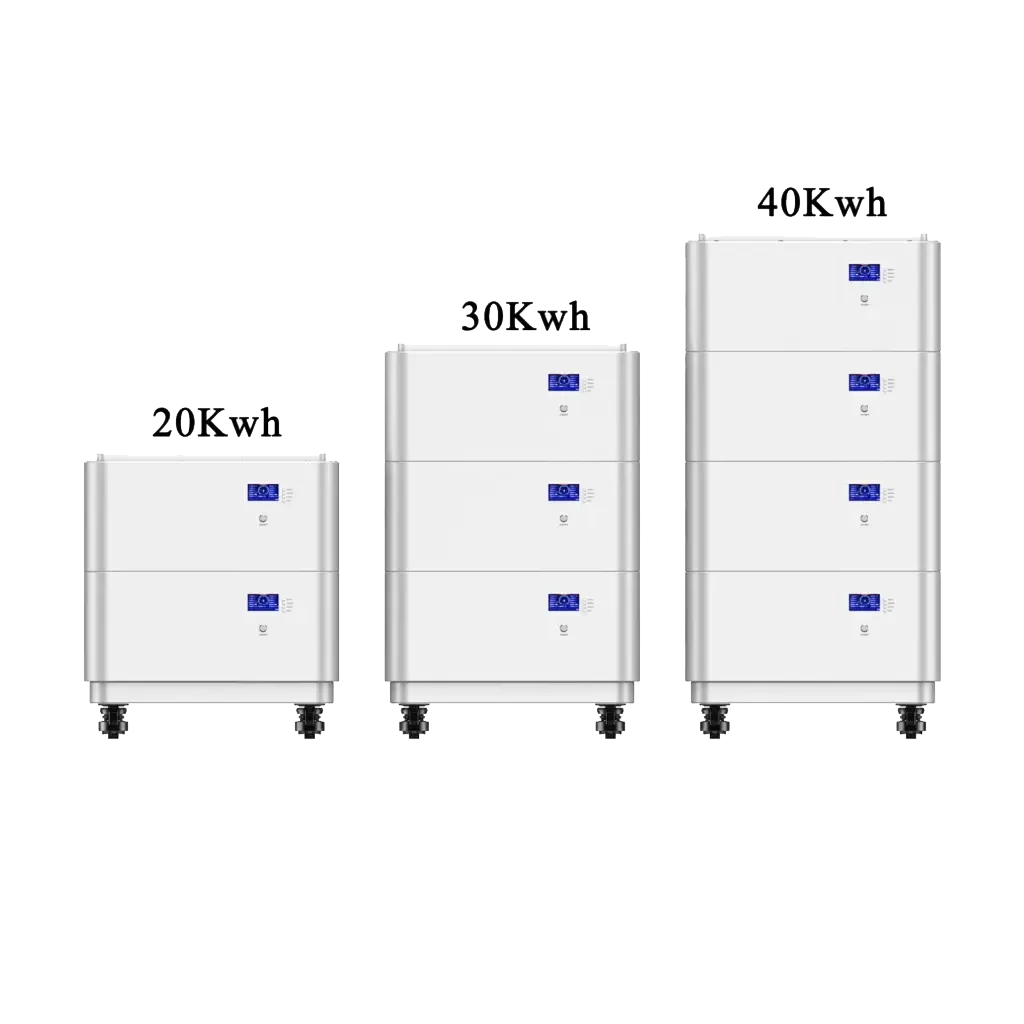
- Vertically stackable lithium iron phosphate (LiFePO4) batteries for modular expansion
- All-in-one battery systems for users who want integrated battery and inverter solutions
Avepower home battery solutions use lithium iron phosphate (LiFePO4) technology, widely recognized for its high safety, long lifespan, and stable performance—making it especially suitable for residential energy storage. For users seeking flexibility, modular and stackable designs offer a clear advantage over fixed-capacity batteries, which may not meet future energy needs.
This makes such product offerings particularly important for households evaluating whether solar batteries are worth it, because the answer often depends not only on whether to install a battery, but also on choosing the right type of system.
For example:
- Homeowners focused on daily solar self-consumption may prefer compact battery solutions
- Users concerned about outages may require larger, scalable configurations
- Projects prioritizing ease of installation may favor all-in-one battery systems
- Installers and distributors may focus more on inverter compatibility, certifications, and OEM/ODM flexibility
In other words, once the economics make sense, the next step is choosing a battery solution that truly fits the specific application.
Take Control of Your Energy with Avepower!
Reliable home solar battery solutions with OEM/ODM customization and in-house manufacturing, tailored to the needs of distributors, installers, and energy partners.
Conclusion
For many homeowners, solar batteries are indeed worth it by 2026—they can help you avoid expensive grid electricity, increase self-consumption, improve energy resilience, and take advantage of available incentives. This is especially true for households with high evening energy usage, low solar export rates, time-of-use pricing, or frequent power outages.
However, for households with low electricity prices, generous export tariffs, minimal nighttime usage, or limited access to incentives, the answer may be “not yet.” In such cases, it may be more practical to wait for further price reductions or start with a solar-only system before adding battery storage later.
FAQ
A home battery can still be useful for backup power or time-of-use energy shifting, but the value is usually stronger when paired with solar because the battery can store low-cost self-generated electricity instead of only storing grid electricity.
It depends on your location, battery cost, electricity tariff, incentives, and evening energy use
If your export payment is low and your grid electricity price is high, storing power for self-use is often better. If export payments are generous, exporting may sometimes be more attractive.
Many modern residential batteries use lithium-based chemistry, and LiFePO4 is widely favored in the market for its safety profile and long cycle life. Avepower’s residential product lines are positioned around LiFePO4 across several formats.
Look at usable capacity, warranty, cycle life, inverter compatibility, backup capability, expandability, certifications, installation requirements, and total installed cost, not just the battery sticker price. Those are the practical factors that most strongly shape real value.