
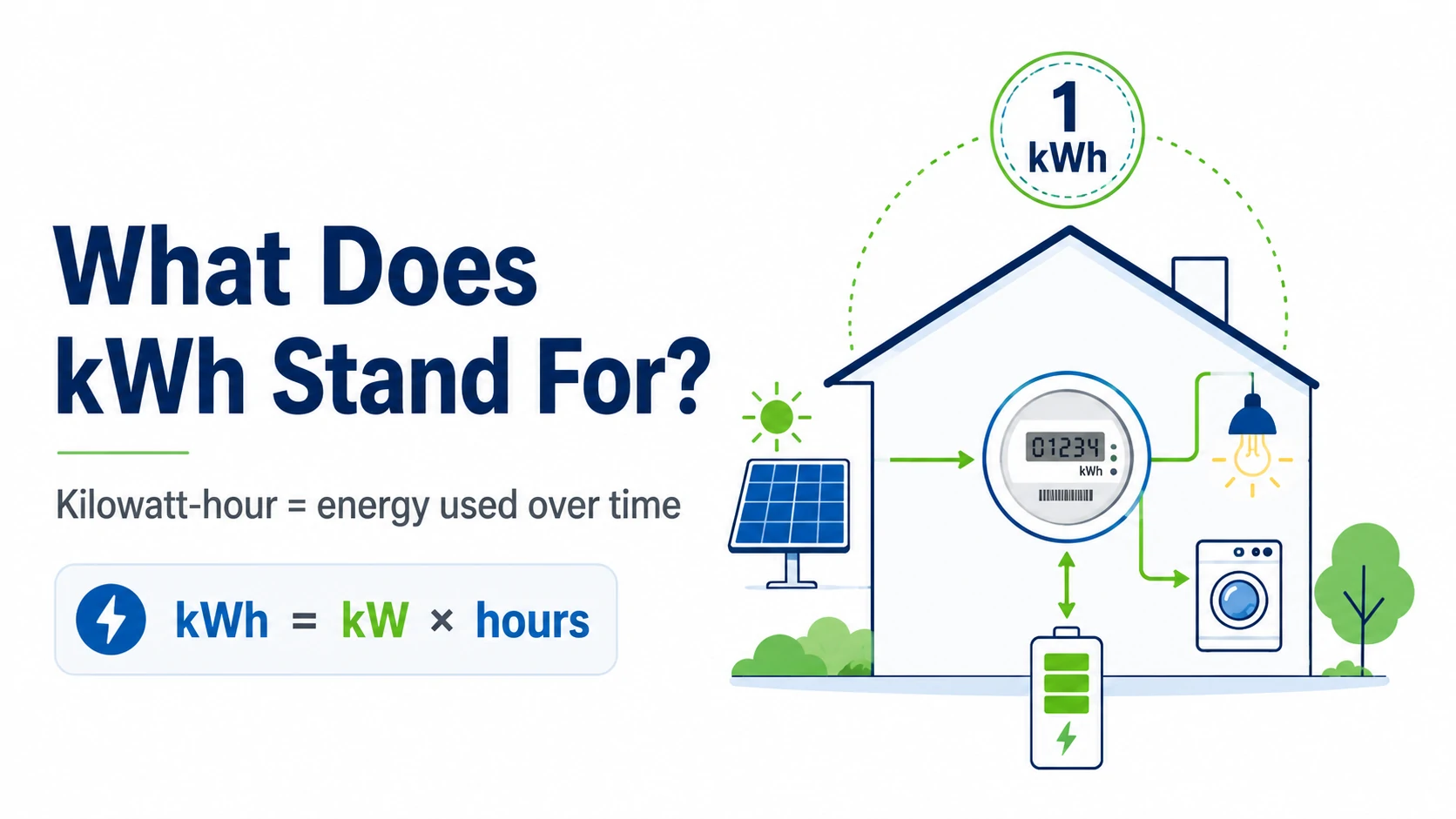
kWh stands for kilowatt-hour, a unit of energy that measures how much electricity is used, generated or stored over time. One kWh equals using 1,000 watts of power for one hour. Utilities use kWh to bill electricity, while solar systems and home batteries also use it to describe energy production and storage.
What Does kWh Stand For?
kWh stands for “kilowatt-hour.” The “k” means kilo or one thousand, “W” means watt, a unit of power, and “h” means hour. Together, kilowatt-hour measures total electrical energy—not instantaneous power—used, produced or stored during a period of time.
Breaking down the abbreviation:
| Symbol | Meaning | What It Tells You |
|---|---|---|
| k | kilo | 1,000 |
| W | watt | Unit of power |
| h | hour | Unit of time |
| kWh | kilowatt-hour | Unit of energy |
One kilowatt is exactly:
1 kW = 1,000 W
One kilowatt-hour is:
1 kWh = 1,000 Wh
A kilowatt-hour is power multiplied by time, not power divided by time.
The technically correct abbreviation is:
kWh
not:
kW/h
Those represent different mathematical concepts.
What Does 1 kWh Actually Mean?
One kWh means that a total of one kilowatt-hour of energy has been consumed, generated or stored. It could come from a 1,000-watt appliance running for one hour, a 500-watt appliance running for two hours, or a 100-watt device operating for ten hours.
The following examples all equal 1 kWh:
| Power | Operating Time | Energy |
|---|---|---|
| 2,000 W | 0.5 hour | 1 kWh |
| 1,000 W | 1 hour | 1 kWh |
| 500 W | 2 hours | 1 kWh |
| 250 W | 4 hours | 1 kWh |
| 100 W | 10 hours | 1 kWh |
| 10 W | 100 hours | 1 kWh |
What Is the Difference Between kW and kWh?
kW measures power—the rate at which electricity is being used or delivered at a particular moment—while kWh measures the total energy accumulated over time. In practical terms, kW tells you “how fast,” while kWh tells you “how much.”
| Metric | kW | kWh |
|---|---|---|
| Full name | Kilowatt | Kilowatt-hour |
| Measures | Power | Energy |
| Includes time? | No | Yes |
| Appliance example | 1.5 kW heater | 3 kWh used in 2 hours |
| Solar example | 8 kW PV array | 35 kWh generated today |
| Battery example | 5 kW output | 10 kWh stored energy |
| Electric bill | Usually not primary residential usage unit | Main energy-use unit |
For a deeper technical comparison, Avepower’s kW vs. kWh guide explains the distinction across appliances, solar panels, batteries, inverters and EV charging.
How Do You Calculate kWh?
Calculate kWh by multiplying electrical power in kilowatts by operating time in hours. If appliance power is listed in watts, multiply watts by hours and divide the result by 1,000. The calculation works best for loads whose average operating power and operating time are reasonably known.
The basic formulas are:
kWh = kW × hours
or:
kWh = Watts × hours ÷ 1,000
Example 1: Space Heater
Suppose a space heater is rated at:
1,500 W
and runs for:
2 hours.
Convert watts to kilowatts:
1,500 ÷ 1,000 = 1.5 kW
Then:
1.5 × 2 = 3 kWh
The heater uses approximately 3 kWh if it actually draws 1.5 kW continuously for the full two hours.
Example 2: Television
Suppose a TV consumes:
100 W
for:
5 hours.
100 × 5 ÷ 1,000 = 0.5 kWh
Example 3: Monthly Use
If the same TV uses 0.5 kWh per day:
0.5 × 30 = 15 kWh per month
Avepower also provides a dedicated kWh calculation guide and calculator for converting watts, operating hours, amps and volts into estimated household energy use.
What Can 1 kWh Power?
One kWh can operate different devices for very different lengths of time because runtime depends on power demand. As a simple calculation, a 10-watt LED could theoretically use 1 kWh over 100 hours, while a 2,000-watt heating appliance would use the same energy in about 30 minutes.
Illustrative examples:
| Example Load | Assumed Power | Approximate Time to Use 1 kWh |
|---|---|---|
| LED light | 10 W | 100 hours |
| Laptop | 60 W | 16.7 hours |
| Television | 100 W | 10 hours |
| Desktop computer | 250 W | 4 hours |
| Microwave | 1,000 W | 1 hour |
| Space heater | 1,500 W | 40 minutes |
| Electric heating element | 2,000 W | 30 minutes |
What Does kWh Mean on Your Electric Bill?
On a U.S. residential electric bill, kWh normally represents the amount of electrical energy recorded during the billing period. Your utility applies an electricity rate to this usage, but the final bill can also contain fixed service charges, delivery charges, riders, taxes or time-of-use adjustments.
A simplified energy-charge calculation is:
Electricity cost = kWh used × electricity rate
Suppose your home uses:
800 kWh
and the applicable effective rate is:
$0.18/kWh.
The simplified energy amount would be:
800 × $0.18 = $144
What Does kWh Mean for Solar Power?
In a solar system, kW describes the array or inverter’s power rating, while kWh describes the amount of energy actually generated over time. A 10 kW solar array does not automatically generate 10 kWh per day because production depends on sunlight, orientation, weather, temperature and system losses.
For example, if a solar system delivers an average of:
5 kW
for an equivalent period of:
4 hours,
the simplified energy calculation is:
5 × 4 = 20 kWh
Actual solar production changes throughout the day.
That is why solar proposals normally need both:
System size: kW
and:
Expected production: kWh/day or kWh/year
What Does kWh Mean on a Home Battery?
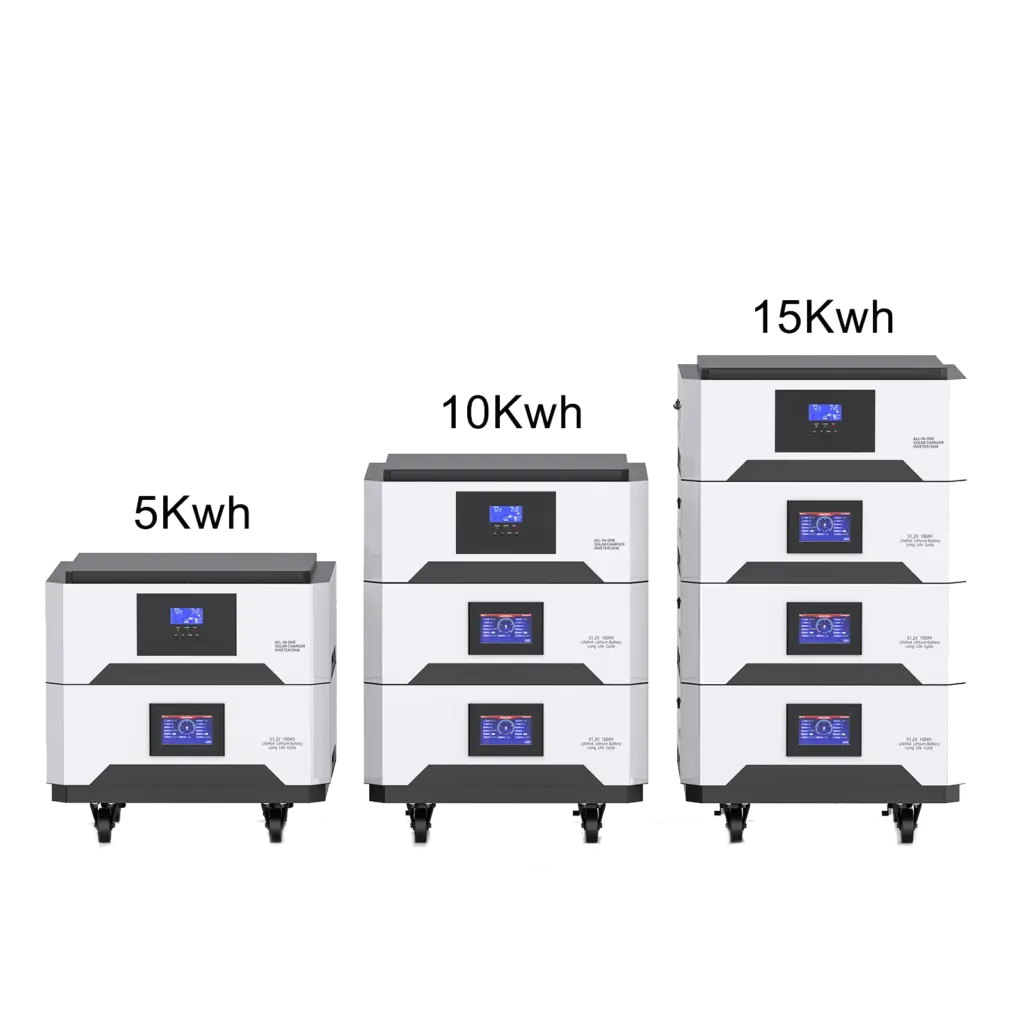
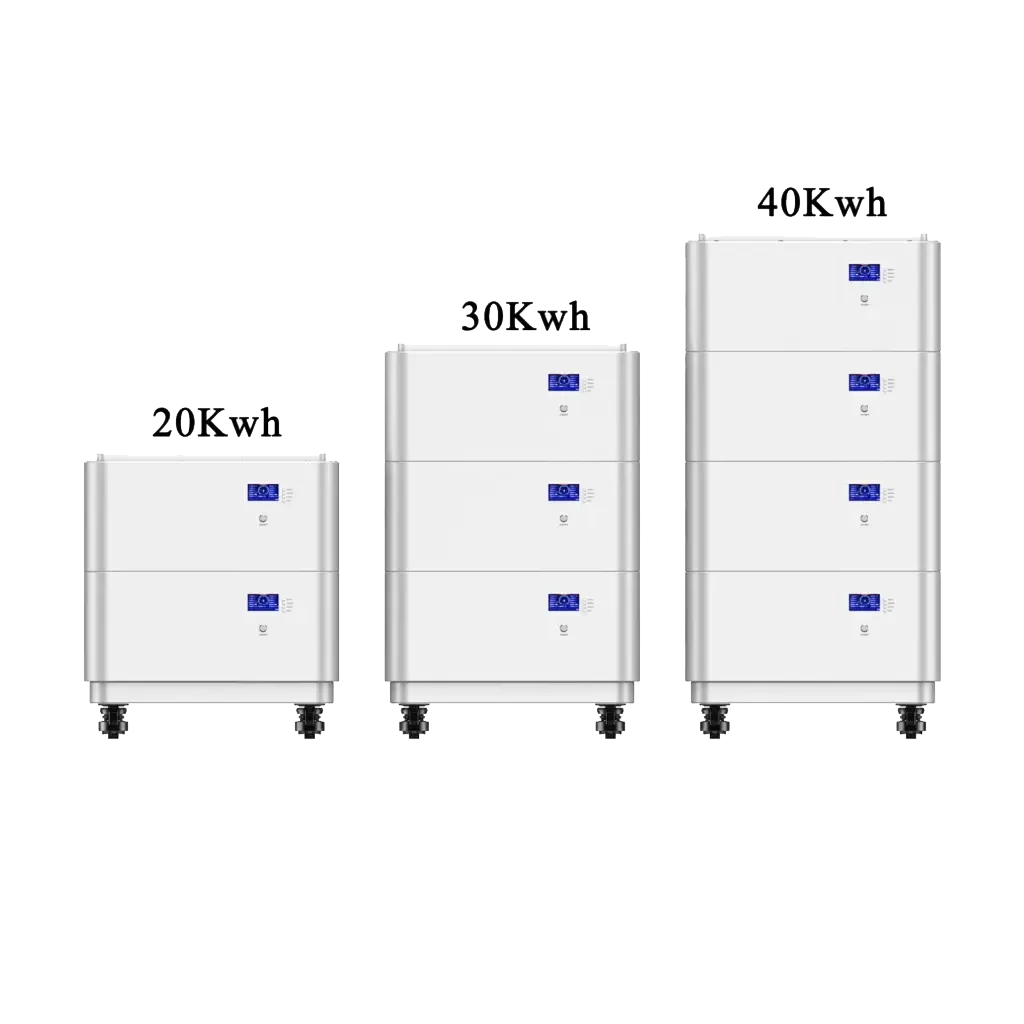
On a home battery, kWh describes stored-energy capacity, while kW describes how much power the battery or inverter can deliver at one time.
Consider a battery advertised as:
10 kWh
That figure may refer to nominal energy.
If the battery permits only 90% of that nominal energy to be used:
10 × 0.90 = 9 kWh usable
before additional system-level losses.
This is why battery comparisons should answer several separate questions:
| Question | Metric |
|---|---|
| How much energy can it store? | kWh |
| How much is actually usable? | Usable kWh |
| How much power can it deliver? | kW |
| How long can it support my load? | Usable kWh ÷ average kW |
| Can it start large appliances? | Peak/surge kW |
Avepower’s home battery storage capacity terminology guide explains nominal capacity, usable capacity, DoD, SOC, C-rate, efficiency and backup reserve.
The more focused nominal vs. usable solar battery capacity guide explains why a headline battery kWh rating should not automatically be treated as available AC energy.
Turn Your kWh Usage Into a Battery Storage Plan
If you are using your electricity-bill data to plan solar storage or home backup, start with 12 months of kWh consumption, your critical-load list, required backup duration, solar-system size and inverter model instead of choosing a battery from capacity alone.
Planning a residential solar or backup project? Send Avepower your monthly or daily kWh usage, inverter brand and model, peak loads, required backup duration, solar size and project location. The engineering team can use those real energy requirements to evaluate battery capacity, output power, BMS communication, expansion and system compatibility before a final configuration is selected.
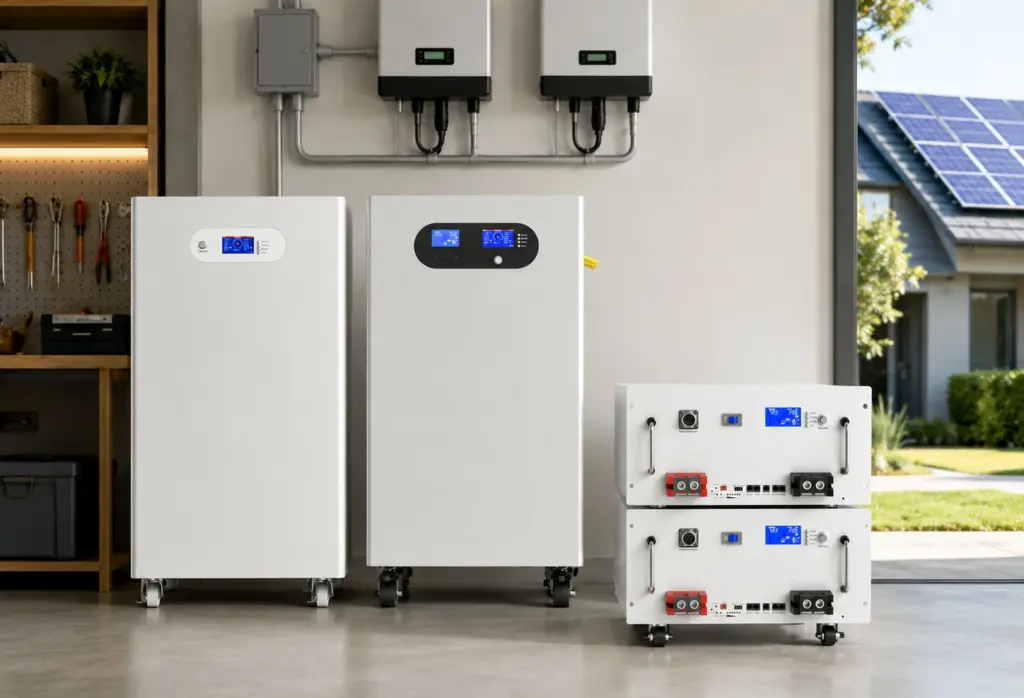
Take Control of Your Energy with Avepower!
Reliable home solar battery solutions with OEM/ODM customization and in-house manufacturing, tailored to the needs of distributors, installers, and energy partners.
FAQ
kWh stands for kilowatt-hour. It measures electrical energy used over time. One kilowatt-hour equals one kilowatt of power used continuously for one hour.
No. kW measures power at a moment in time, while kWh measures energy accumulated over time. A 2 kW appliance running for three hours uses 6 kWh.
Not exactly. Watts measure power and kWh measures energy. One kWh equals 1,000 watt-hours, so a 1,000-watt load running for one hour uses 1 kWh.
You cannot convert kWh directly to watts without specifying time. One kWh could represent 1,000 W for one hour, 500 W for two hours or 100 W for ten hours.
It indicates the battery’s energy-storage capacity. A 10 kWh battery is rated to store about 10 kWh at its specified measurement boundary, but usable energy can be different from nominal capacity.
There is no fixed runtime. If 9 kWh is actually available to loads and the home averages 1 kW during the outage, the simplified estimate is about nine hours. Higher loads shorten runtime.
Solar-panel systems are normally rated in kW, while their energy production is measured in kWh. For example, an array might be rated at 8 kW but generate a different number of kWh each day depending on solar conditions.
No. The correct unit for electrical energy is kWh, meaning kilowatt multiplied by hour. kW/h mathematically represents the rate at which power changes per hour and should not be used as a substitute for kWh.