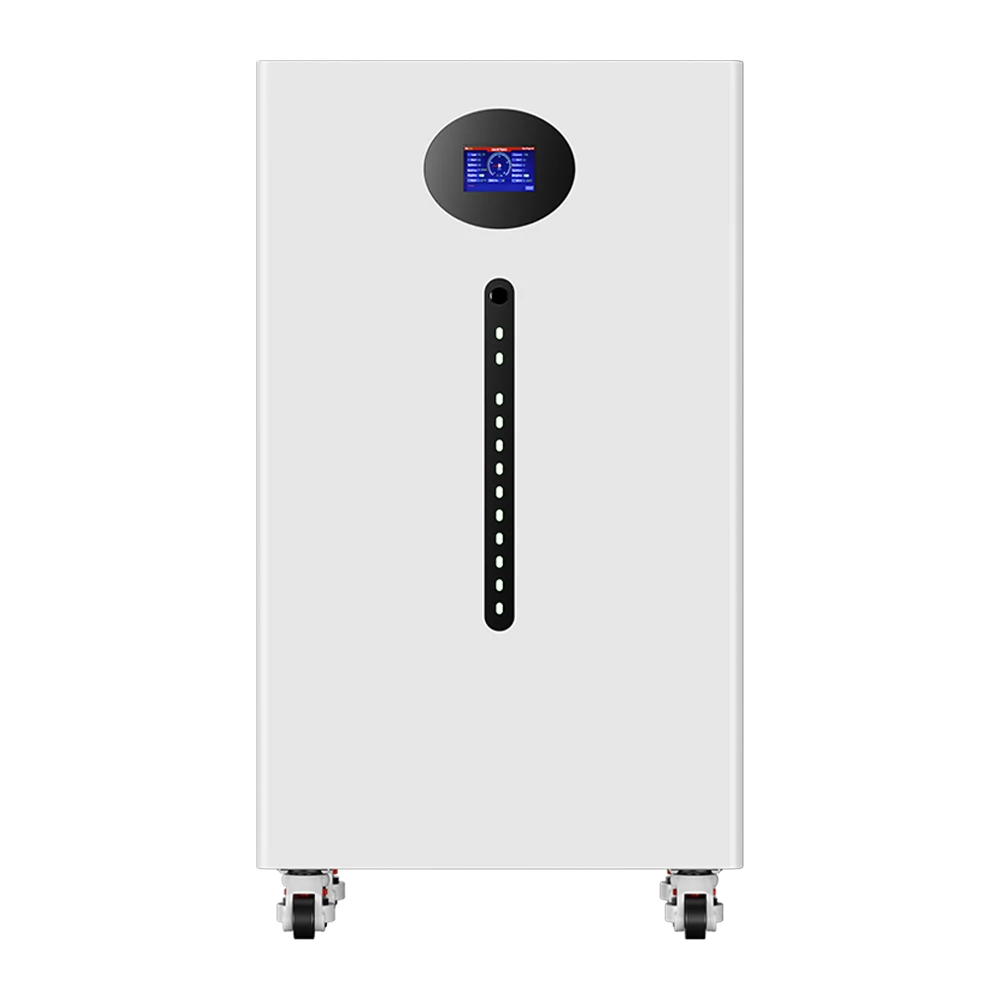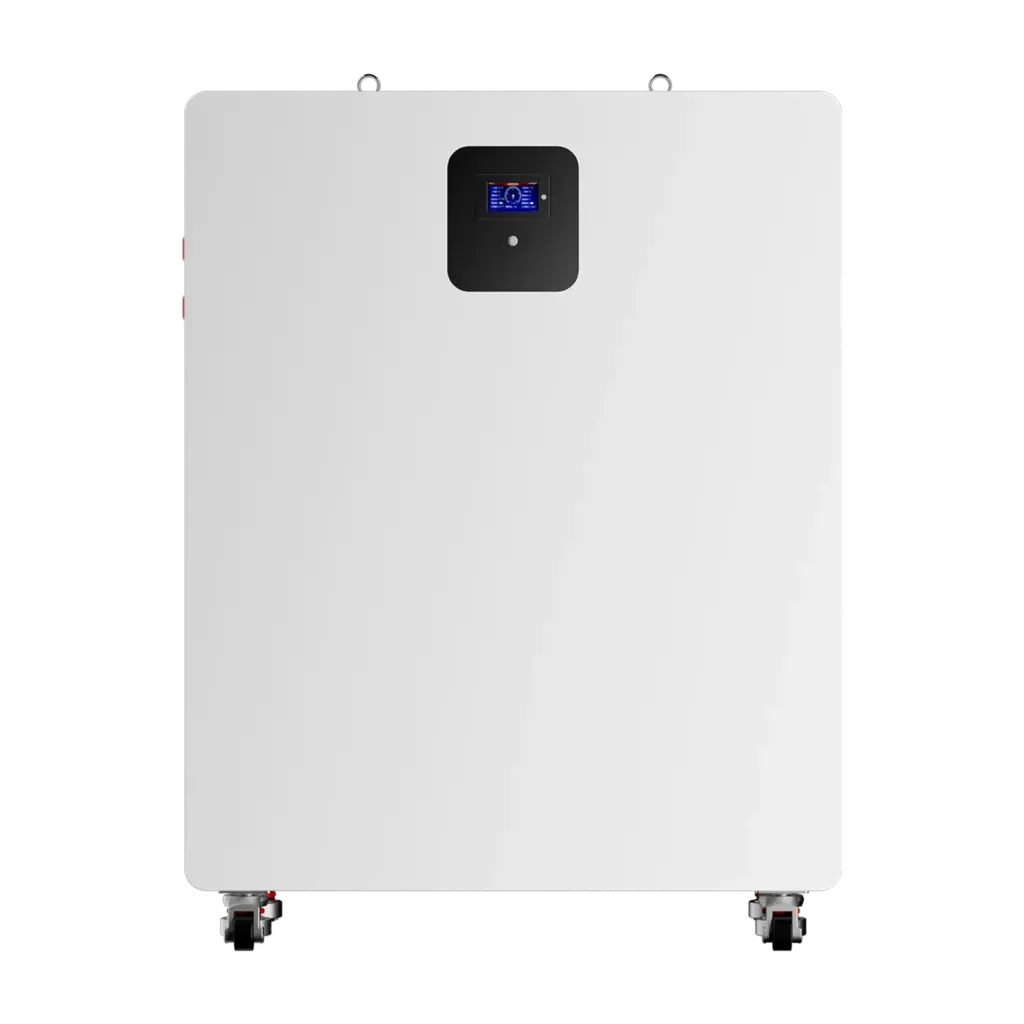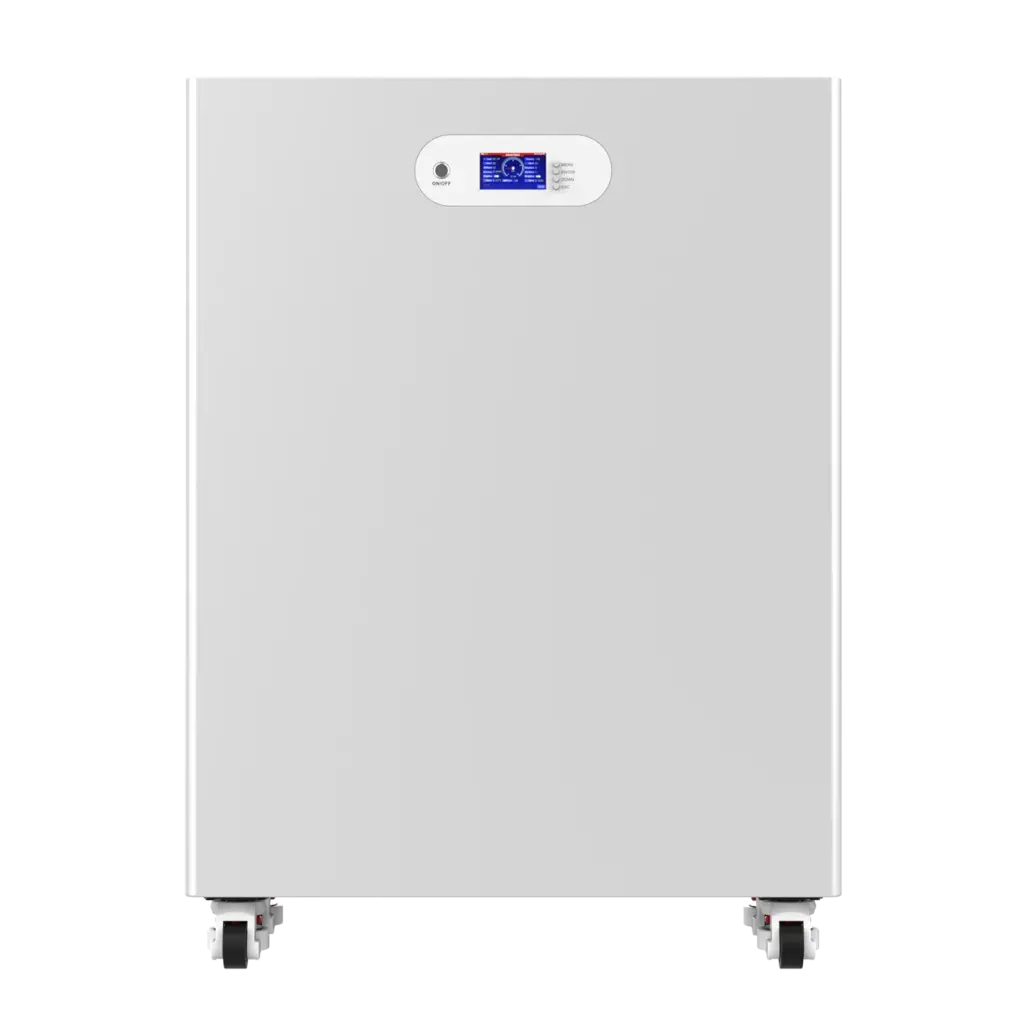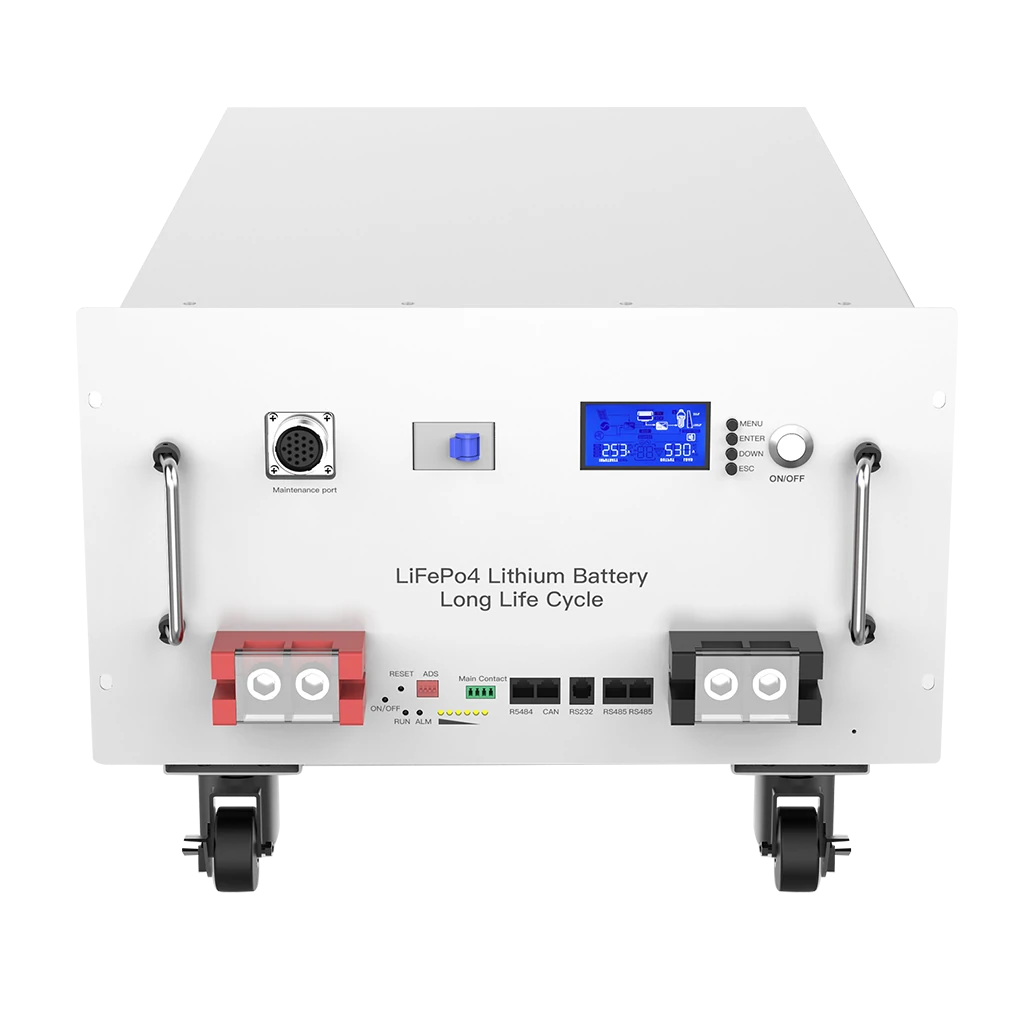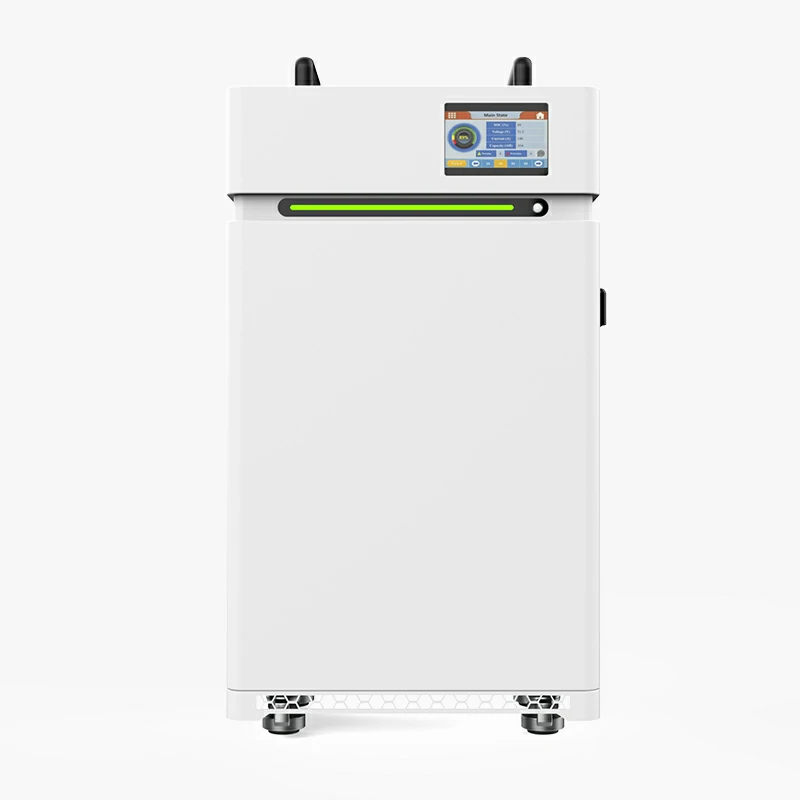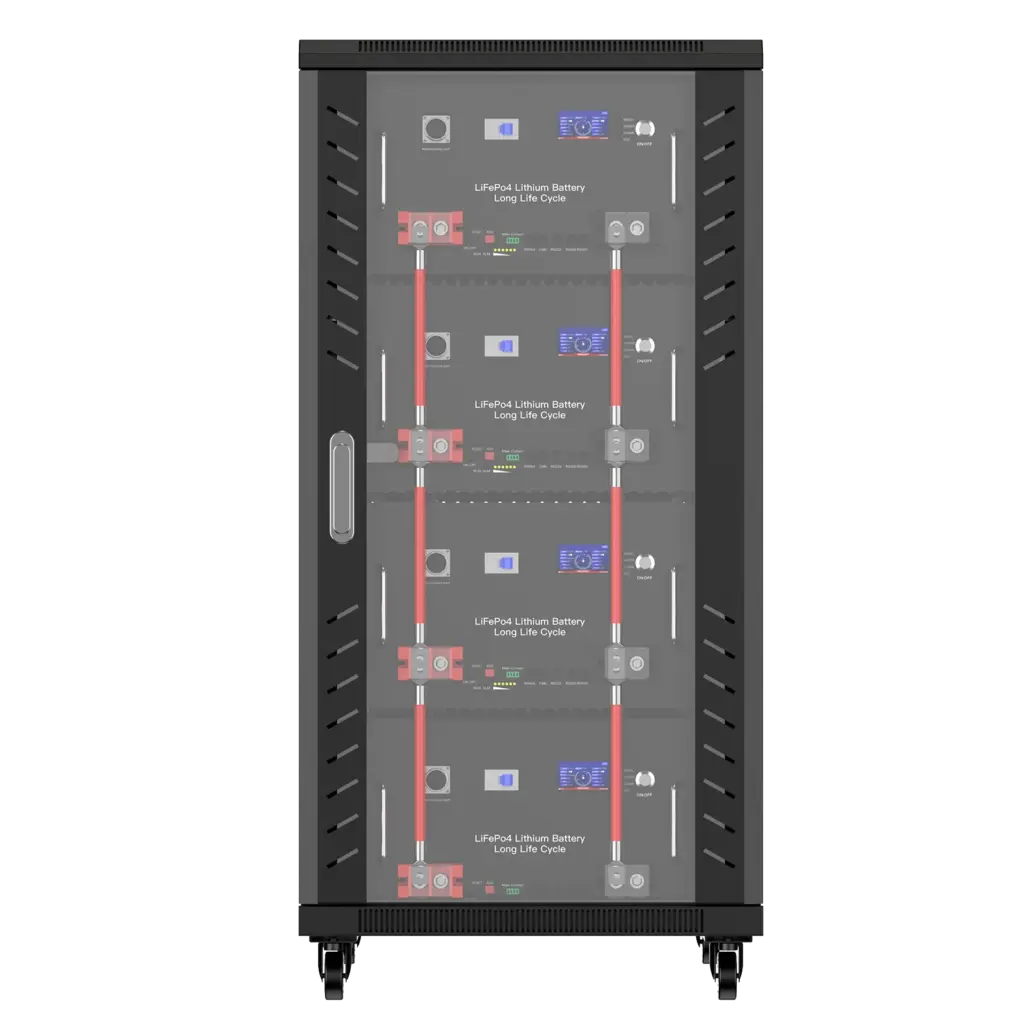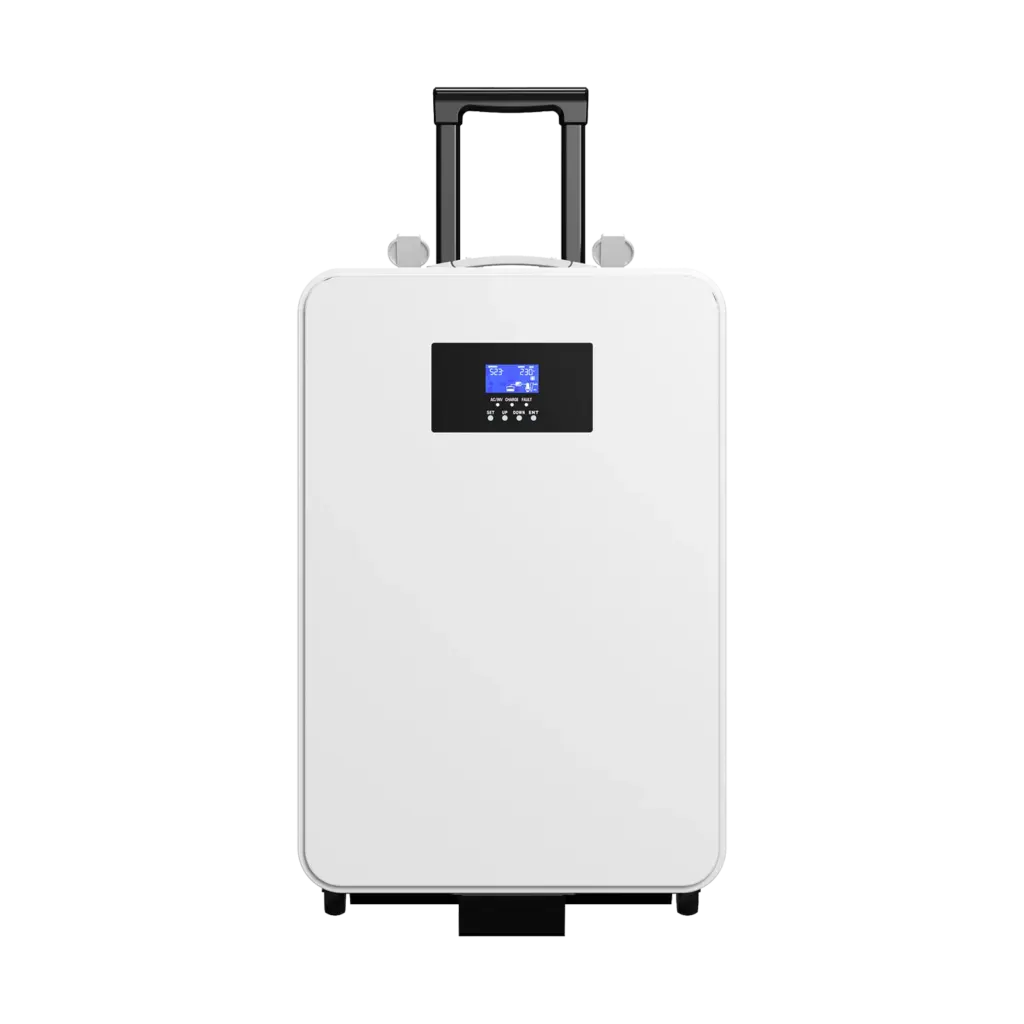

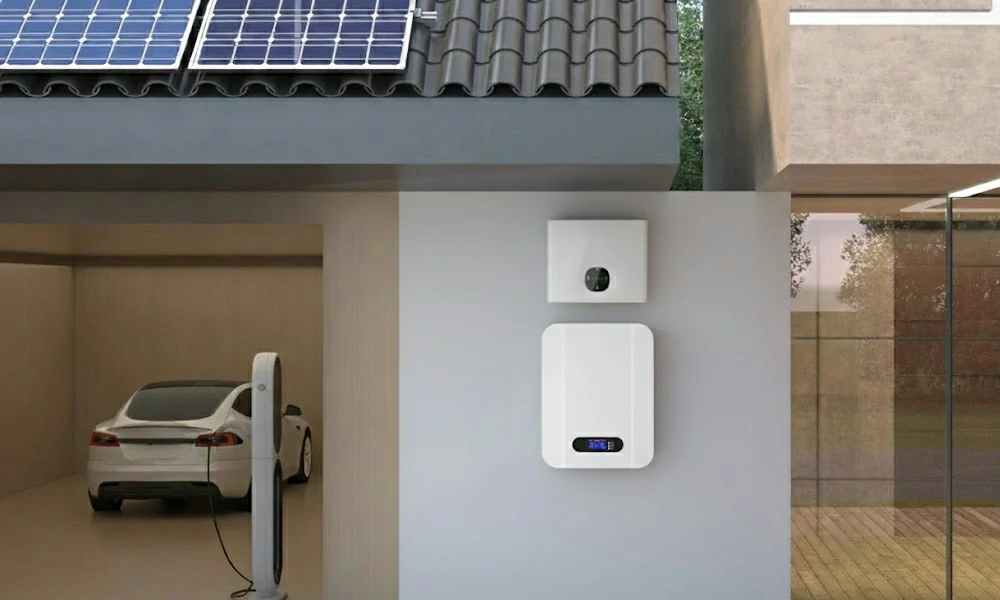
If you already have solar panels—or are planning to install them—the next big question is straightforward yet crucial: Which type of battery storage is best for your solar power system?
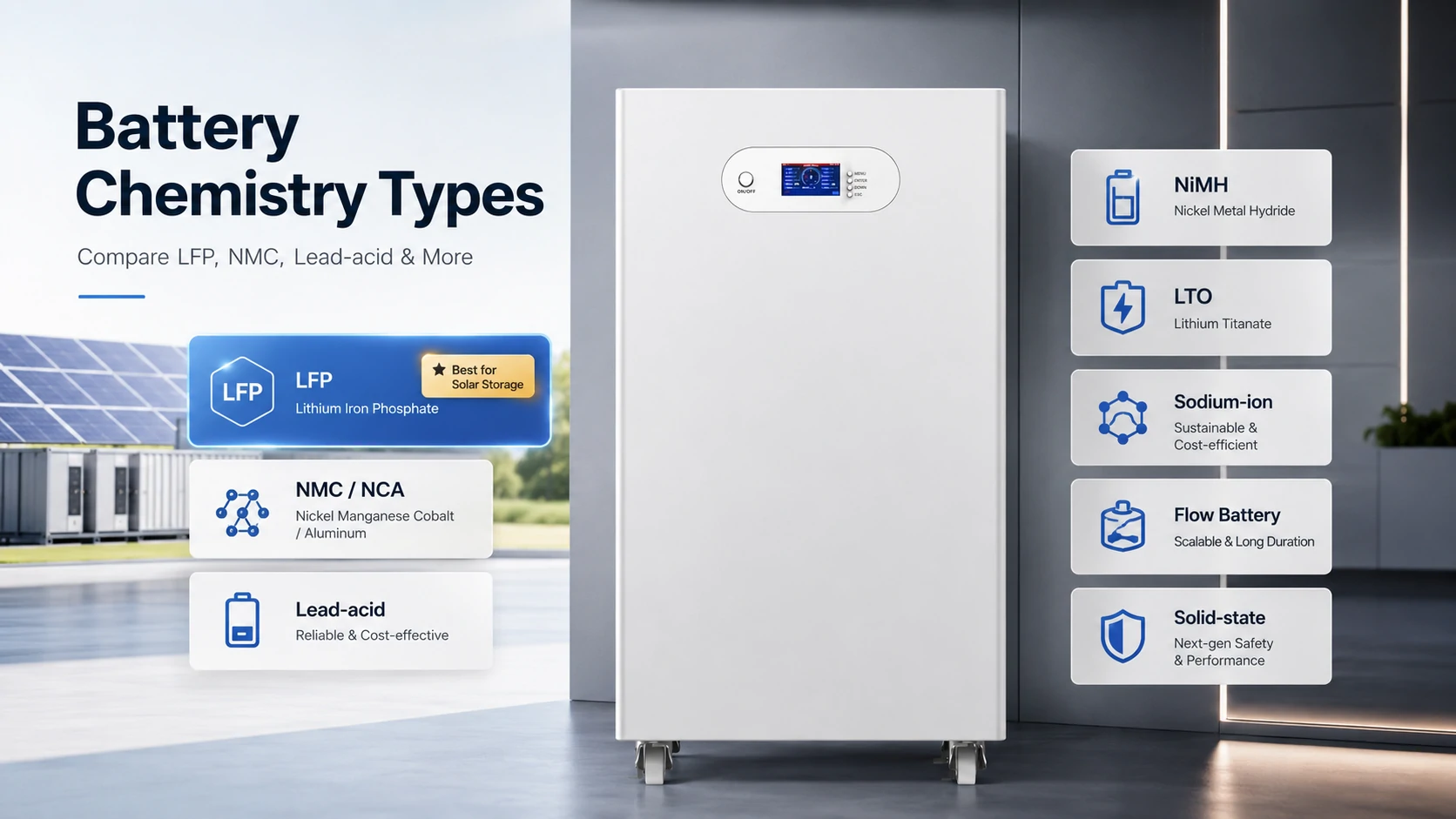
The top choice for solar battery storage today is lithium-ion, particularly lithium iron phosphate (LFP or LiFePO4). These batteries are known for their long lifespan, high efficiency, and strong safety record. Although they cost more upfront, LFP batteries deliver far better long-term value than lead-acid options thanks to their durability and lower maintenance needs.
So with so many battery options on the market, why is LiFePO4 considered the best choice for solar storage?
Keep reading—we’ll explain exactly why.
How Solar Battery Storage Works (and Why It Matters)
A solar battery doesn’t create energy — it stores excess solar from your panels so you can use it later:
- During the day, solar panels power your loads first; surplus energy charges the battery.
- In the evening or during an outage, your battery discharges to keep appliances and lights running.
- In many regions, the “value” of exported solar has dropped (weaker net metering), making self-consumption via batteries more attractive.
The “best” battery storage for solar power will therefore be the one that:
- Stores enough energy (kWh) to meet your goals
- Delivers enough power (kW) to run what you care about
- Lasts many years with minimal degradation
- Operates safely and efficiently, with a solid warranty and support
That’s exactly where lithium iron phosphate stands out.
Choose the Right Battery Storage for Your Solar System
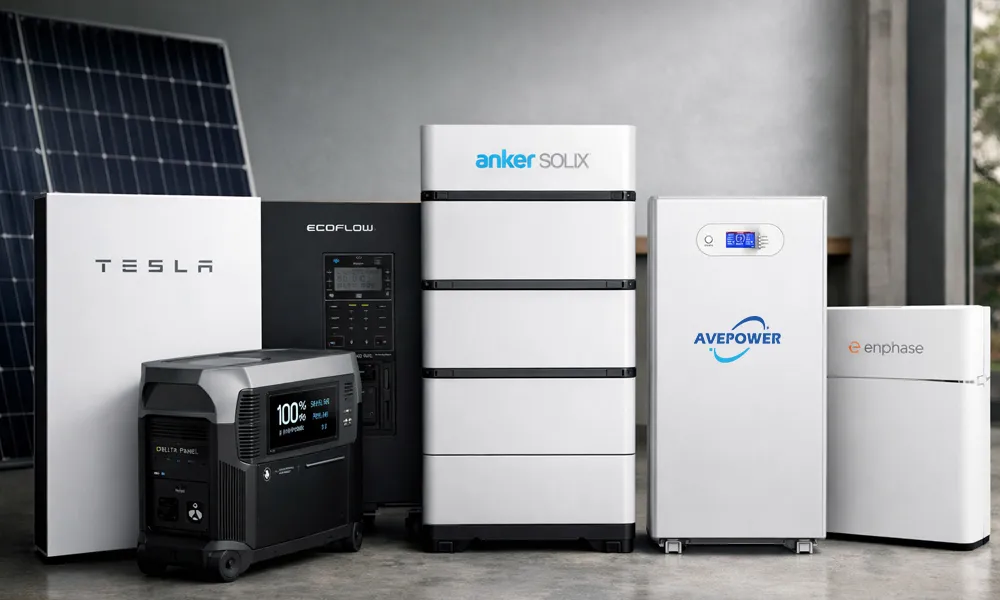
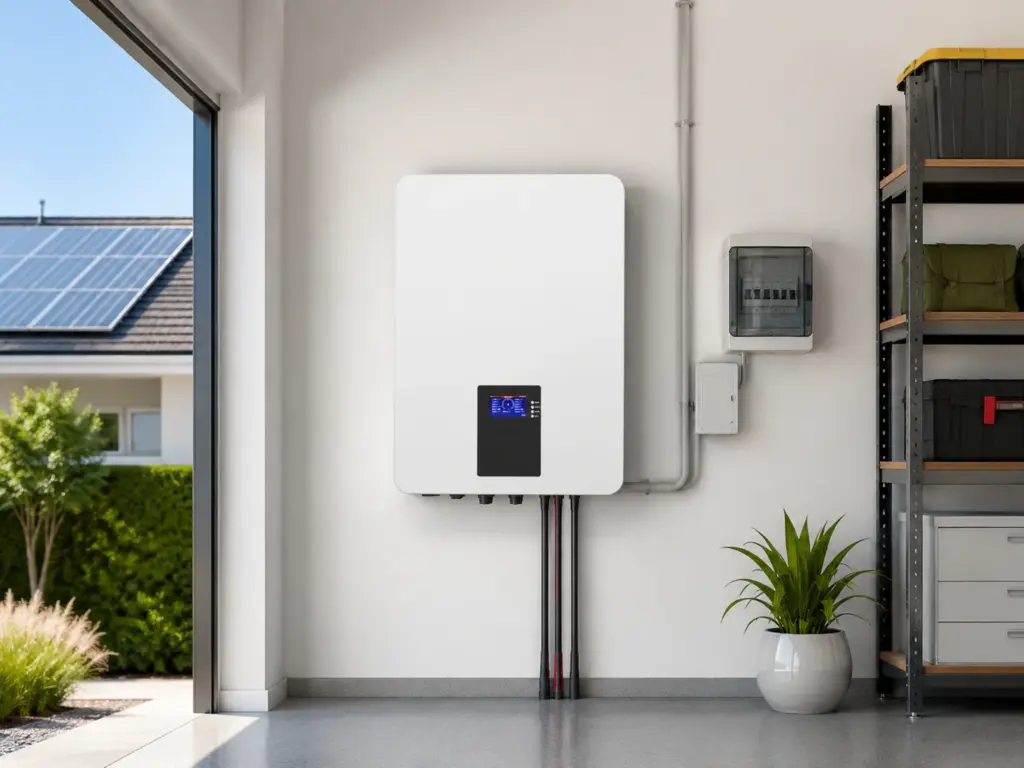
The best solar battery storage system should match your energy use, solar panel size, backup needs and installation environment. Avepower provides long-life LiFePO4 battery solutions for homes, businesses and off-grid projects that need safer operation, stable performance and flexible capacity options.
Why Lithium Iron Phosphate (LFP) Is Usually the Best Choice
Longevity and Cycle Life
Modern LiFePO4 solar batteries are typically rated for 6,000+ full charge–discharge cycles, often translating to 10–15+ years of daily use in solar storage applications.
By contrast, lead-acid batteries (flooded, AGM, gel) commonly offer a few hundred to around 1,000 cycles in real-world solar use, especially if they are regularly discharged deeply.
That means an LFP battery bank may last two to five times longer than a comparable lead-acid bank, even before you factor in performance and maintenance differences.
Depth of Discharge (DoD) and Usable Capacity
Battery life is strongly linked to how deeply you discharge it:
- Lead-acid batteries are typically limited to ~50% depth of discharge if you want decent lifespan. Using more regularly shortens their life dramatically.
- LFP batteries can usually be discharged to 80–90% DoD (sometimes even 100% in the spec sheet) while still maintaining long cycle life.
This means a “10 kWh” LFP battery may realistically give you 8–9 kWh of usable energy, whereas a “10 kWh” lead-acid bank might only be used for about 5 kWh if you want it to last.
From a cost per usable kWh perspective over the battery’s lifetime, LFP almost always wins, even if the upfront price is higher.
Efficiency and Performance
LFP batteries offer:
High round-trip efficiency (often around 90–95%), meaning less energy lost when charging and discharging. Stable voltage and consistent power delivery throughout most of the discharge curve, unlike lead-acid, which sags noticeably as it discharges.
Safety and Thermal Stability
Among lithium chemistries, LiFePO4 is one of the most thermally stable and is much less prone to runaway reactions than some NMC/NCA designs. That’s why so many reputable residential storage systems now use LFP chemistry.
In addition, quality LFP batteries are shipped with:
- Integrated battery management systems (BMS) to prevent over-charge, over-discharge, and over-current
- Multiple protection layers (fuses, contactors, temperature monitoring)
This significantly reduces fire and explosion risk compared with earlier generations of lithium battery tech and with poorly-managed DIY packs.
Low Maintenance and No Venting
LFP batteries:
- Are maintenance-free — no watering, equalization charging, or specific venting requirements (beyond standard electrical codes)
- Do not off-gas hydrogen like flooded lead-acid batteries, reducing ventilation and corrosion issues
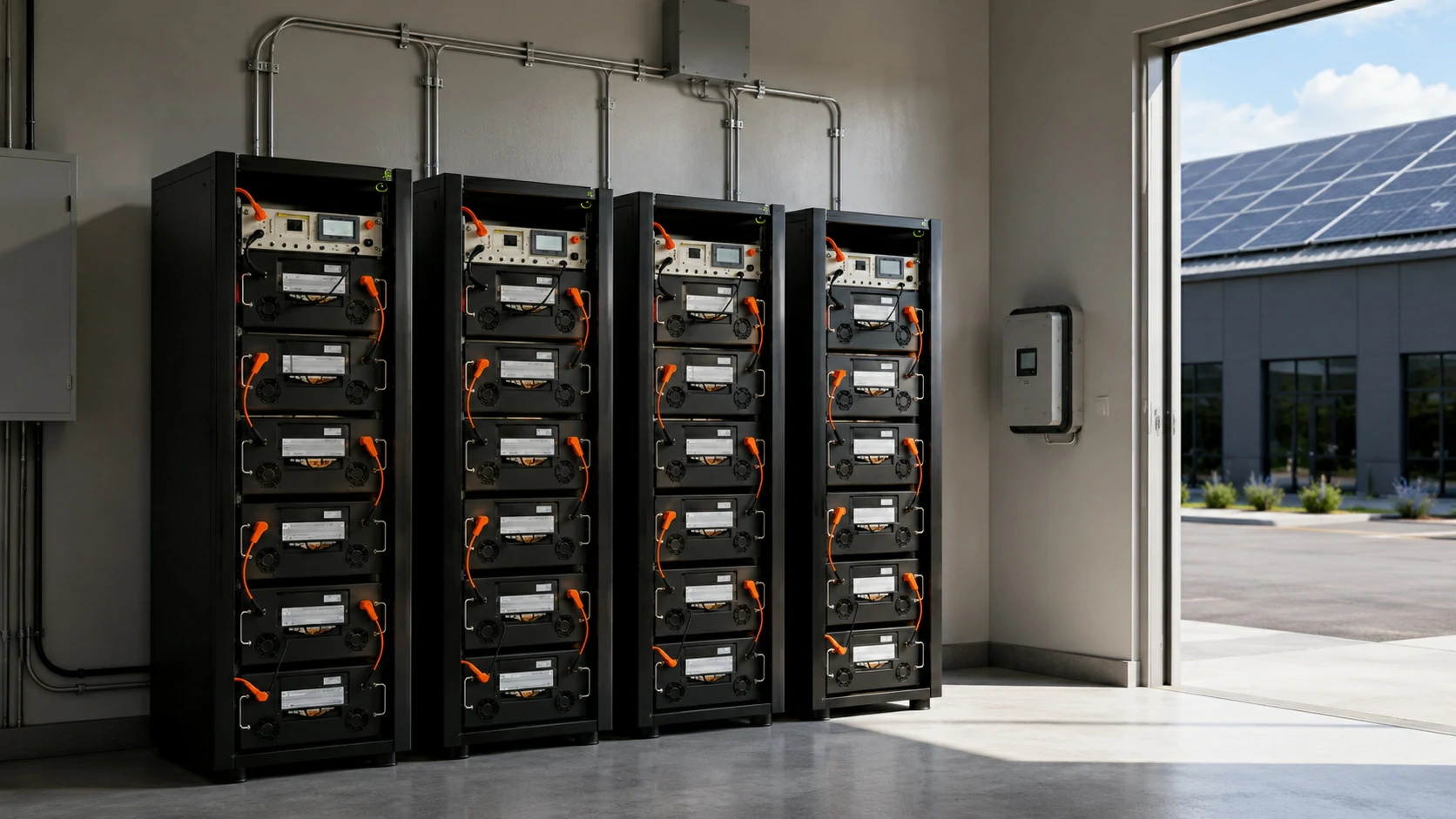
For grid-connected homes, this makes them much easier to tuck into a garage, utility room, or exterior enclosure (subject to local code and manufacturer guidelines).
Size and Weight
LFP offers higher energy density than lead-acid, though slightly less than some NMC battery chemistries. In practice:
- An LFP battery of a given capacity can be roughly half the weight of an equivalent lead-acid bank.
This simplifies installation, wall-mounting, and transport, particularly for residential retrofits.
How LFP Compares to Other Battery Types
| Battery Type | Key Advantages | Key Disadvantages | Summary |
|---|---|---|---|
| Lead-Acid (Flooded / AGM / Gel) | • Lowest upfront cost • Mature and widely available • Works for light or infrequent backup | • Short lifespan (≤1,000 cycles in real use) • Only ~50% usable capacity (DoD) • Low efficiency (75–85%) • Heavy and bulky• Flooded types need maintenance | Looks cheap day-one, but more expensive long-term for daily solar cycling. |
| Other Lithium-Ion (NMC / NCA) | • High energy density (small & light) • Proven in EV industry | • Lower thermal stability vs LFP • Requires stricter cooling • Faster degradation under heat or deep cycling | Good for EVs, but solar storage has largely shifted to LFP. |
| Saltwater Batteries | • Non-toxic electrolyte • Deep discharge capability | • Low power density • Very heavy• Limited commercial availability | Niche technology; not mainstream after Aquion’s bankruptcy. |
| LFP (LiFePO4) | • Very long cycle life (6,000+ cycles) • High safety & thermal stability • High efficiency (95%+)• Handles deep cycles well | • Higher upfront cost than lead-acid • Lower energy density than NMC/NCA | Best overall choice for home solar battery storage. |
Key Criteria When Choosing the Best Battery Storage for Solar Power
Chemistry is only one part of the decision. To choose the best battery storage for solar power in your home, evaluate these criteria:
Usable Capacity (kWh)
Capacity is how much energy the battery can store. Look at usable kWh, not just “nameplate” capacity:
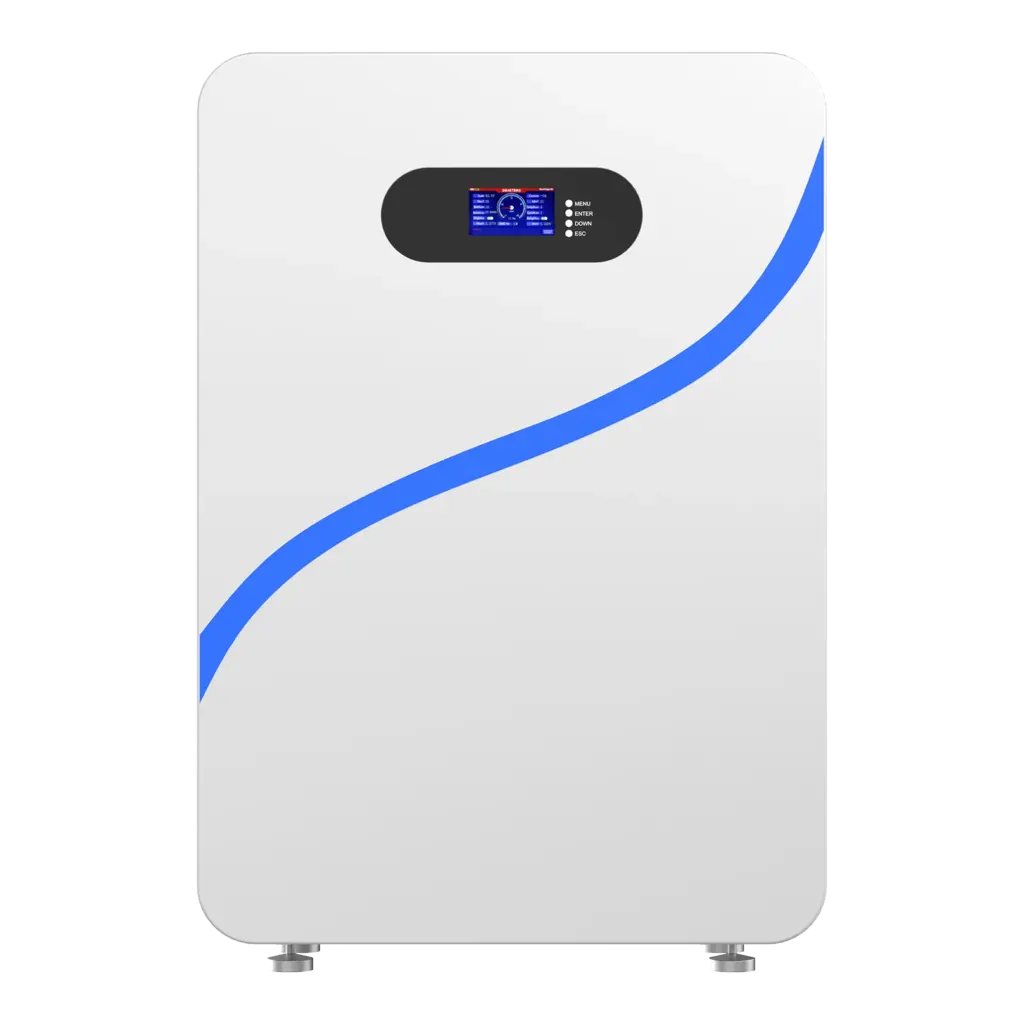
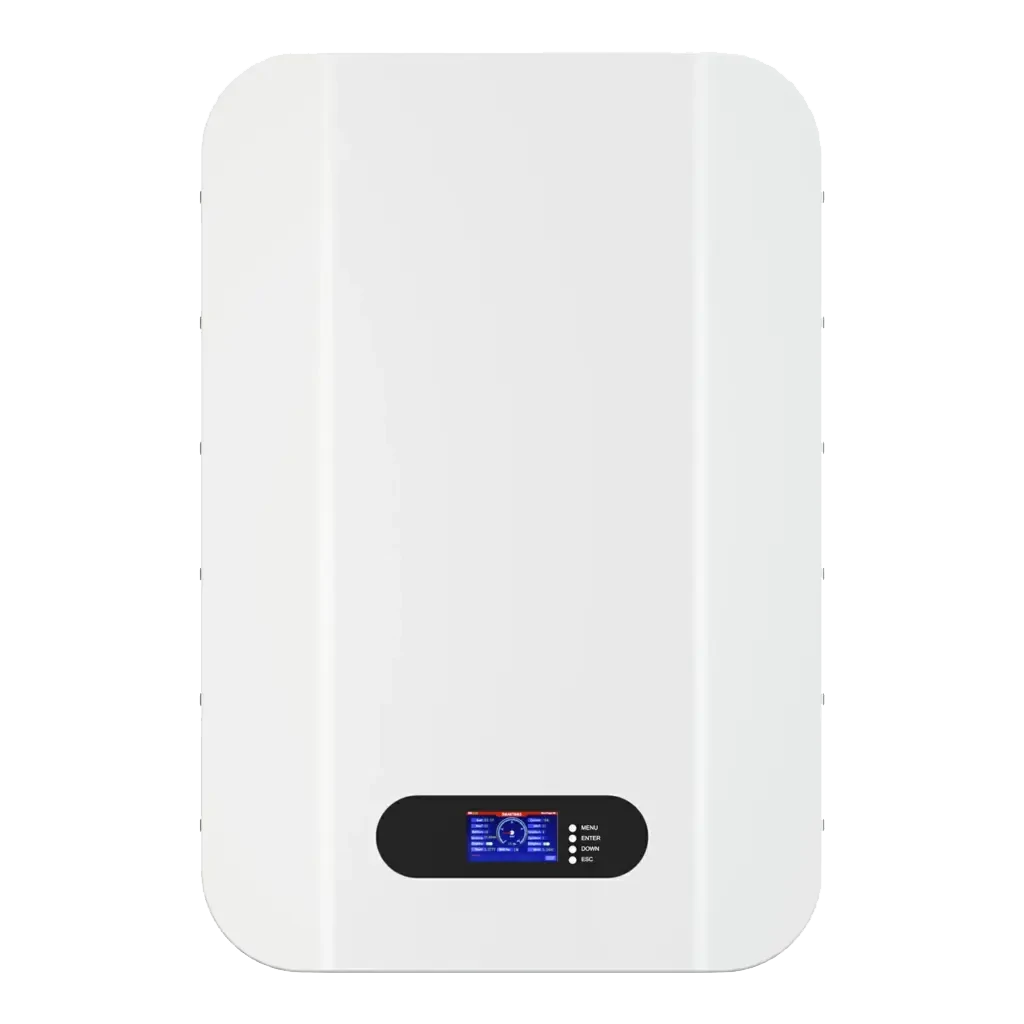
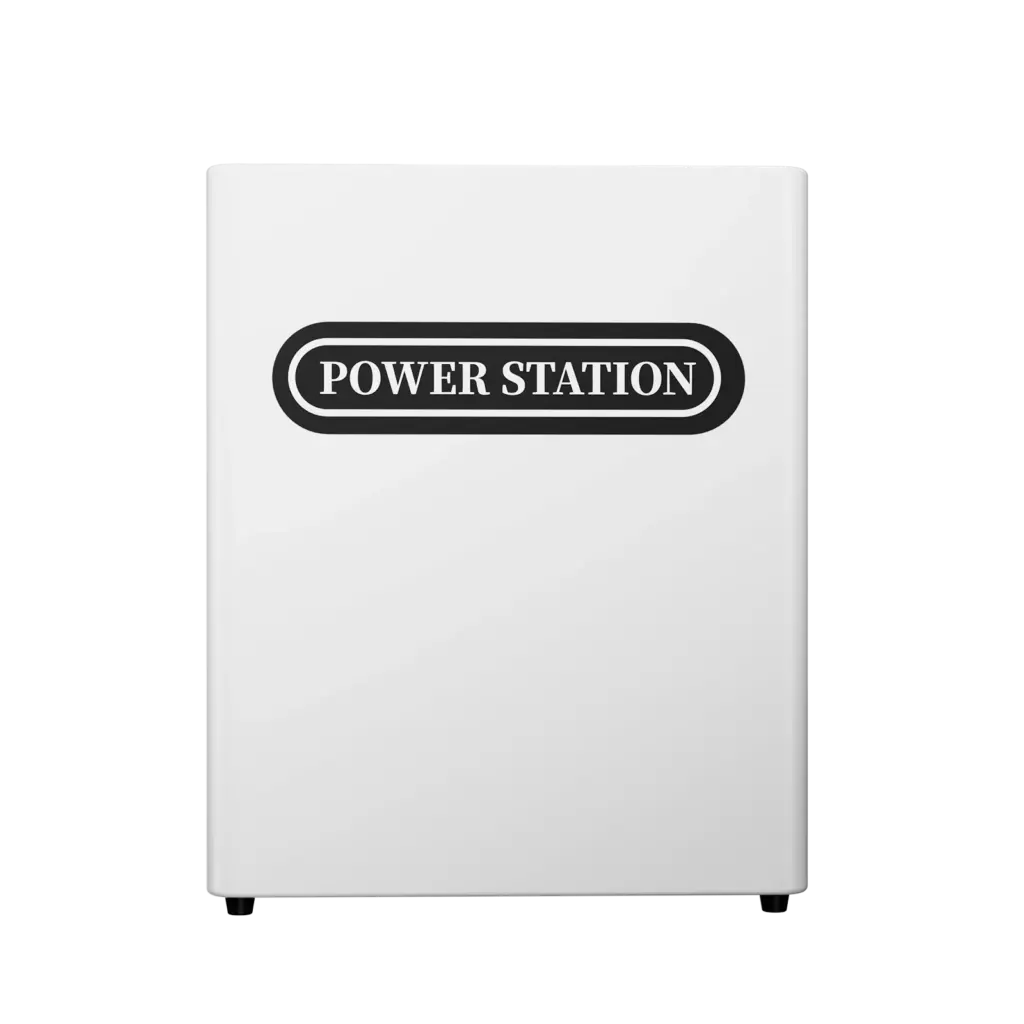
- A typical all-in-one unit like Avepower wall-mounted battery offers around 10 kWh of usable capacity.
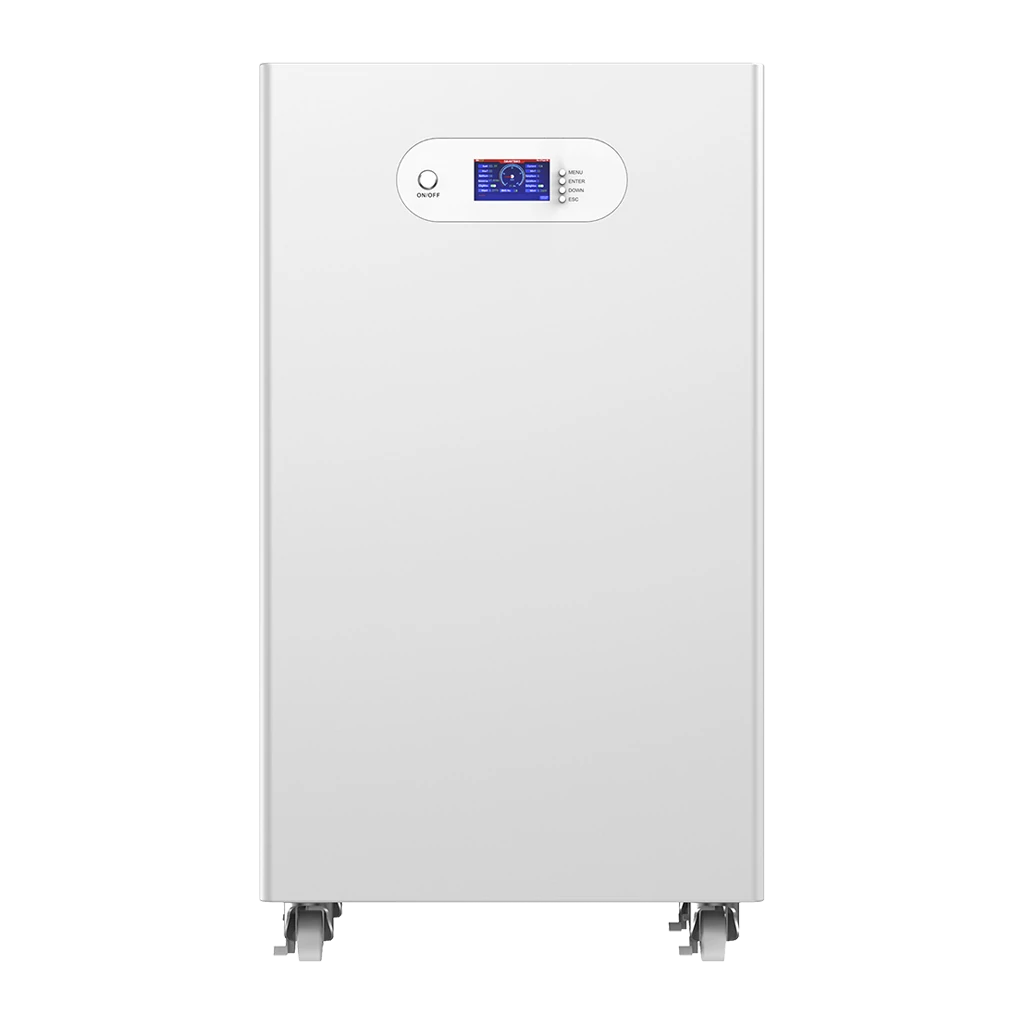
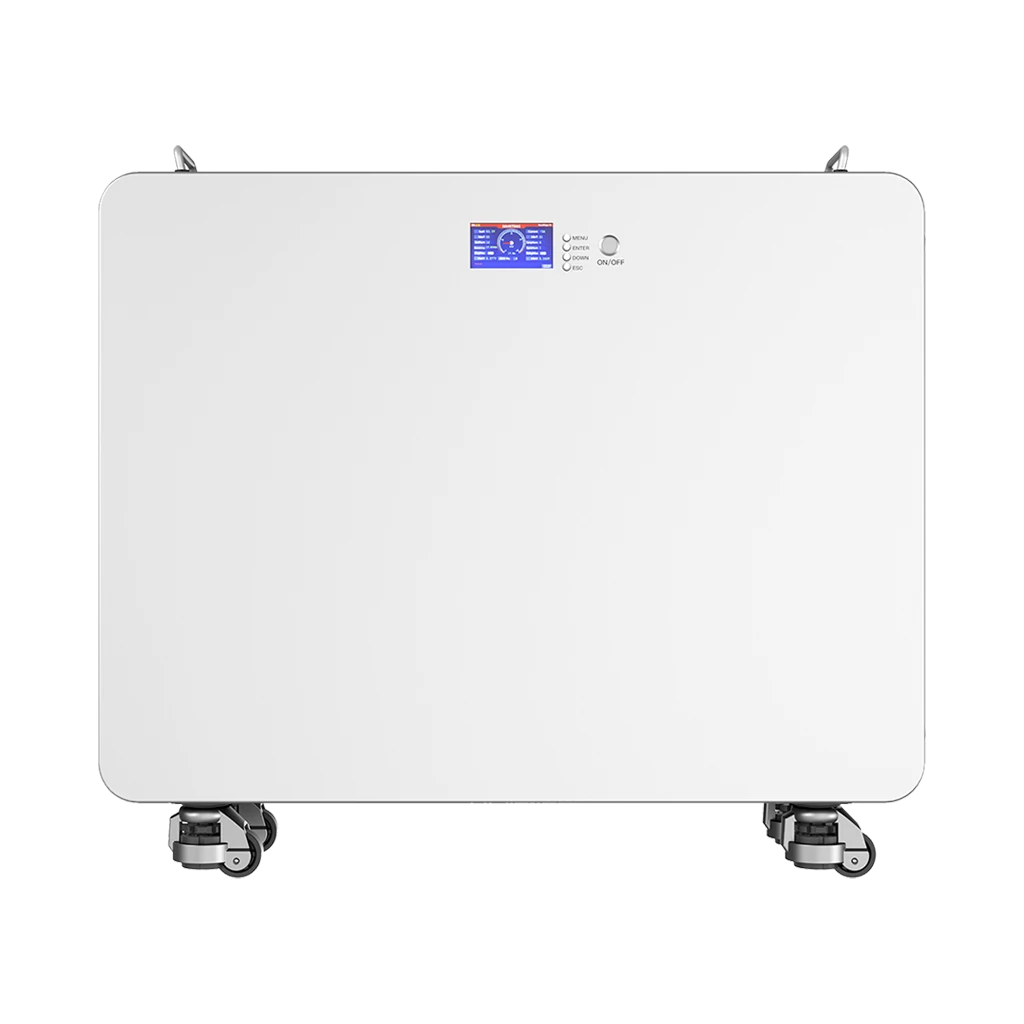
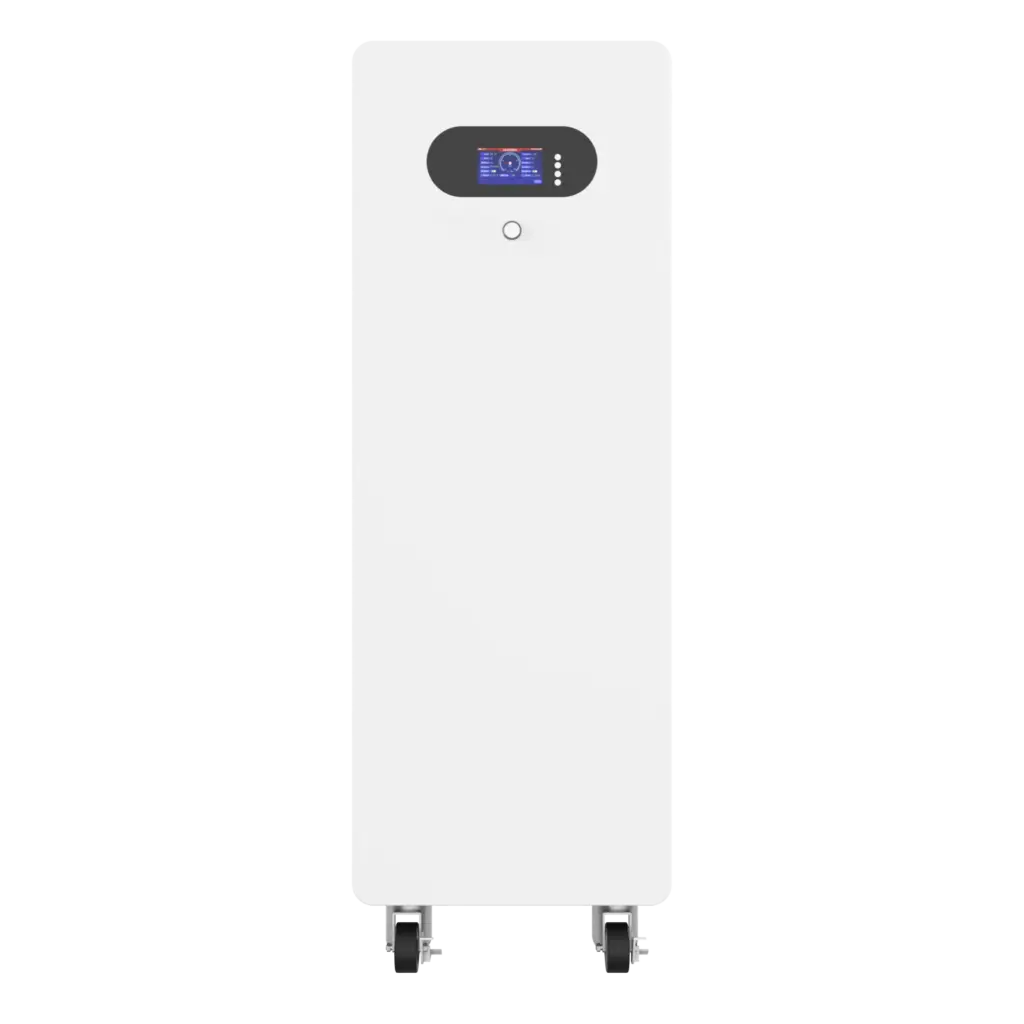
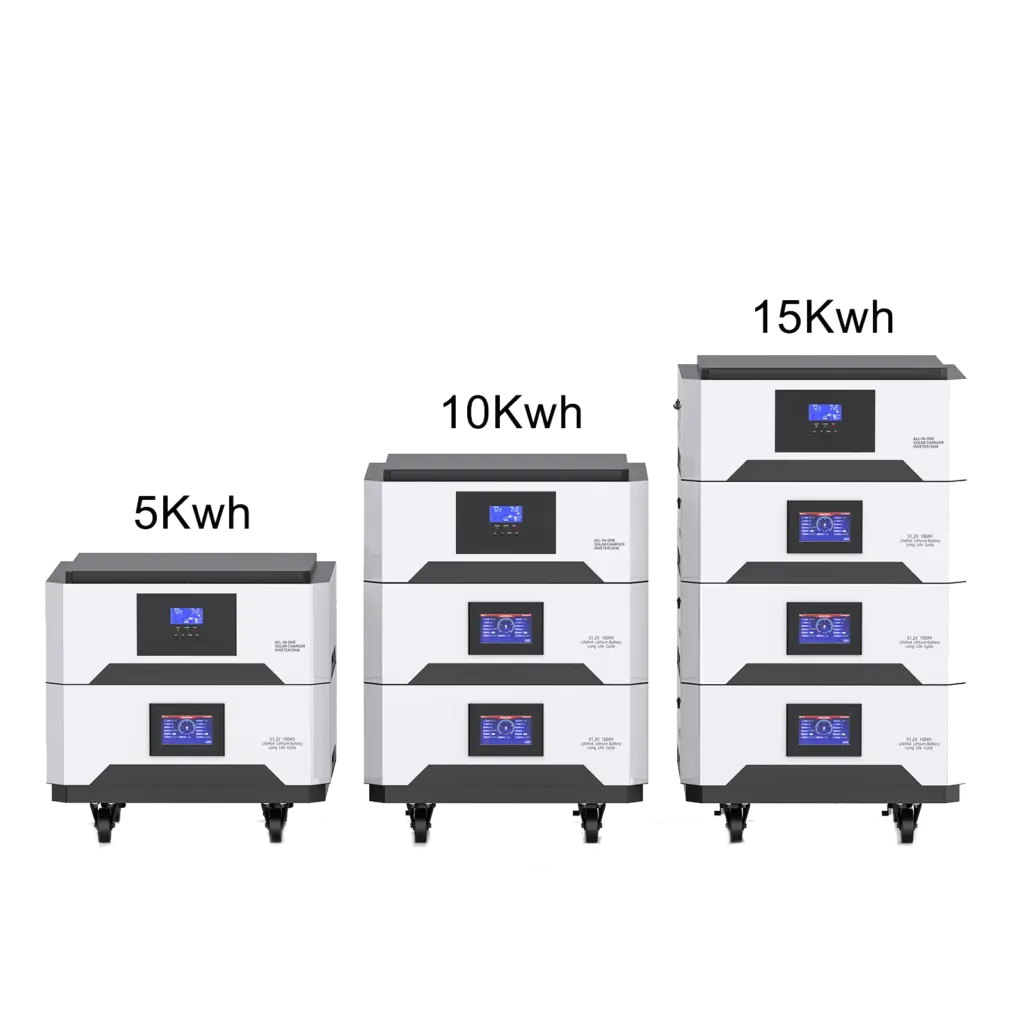
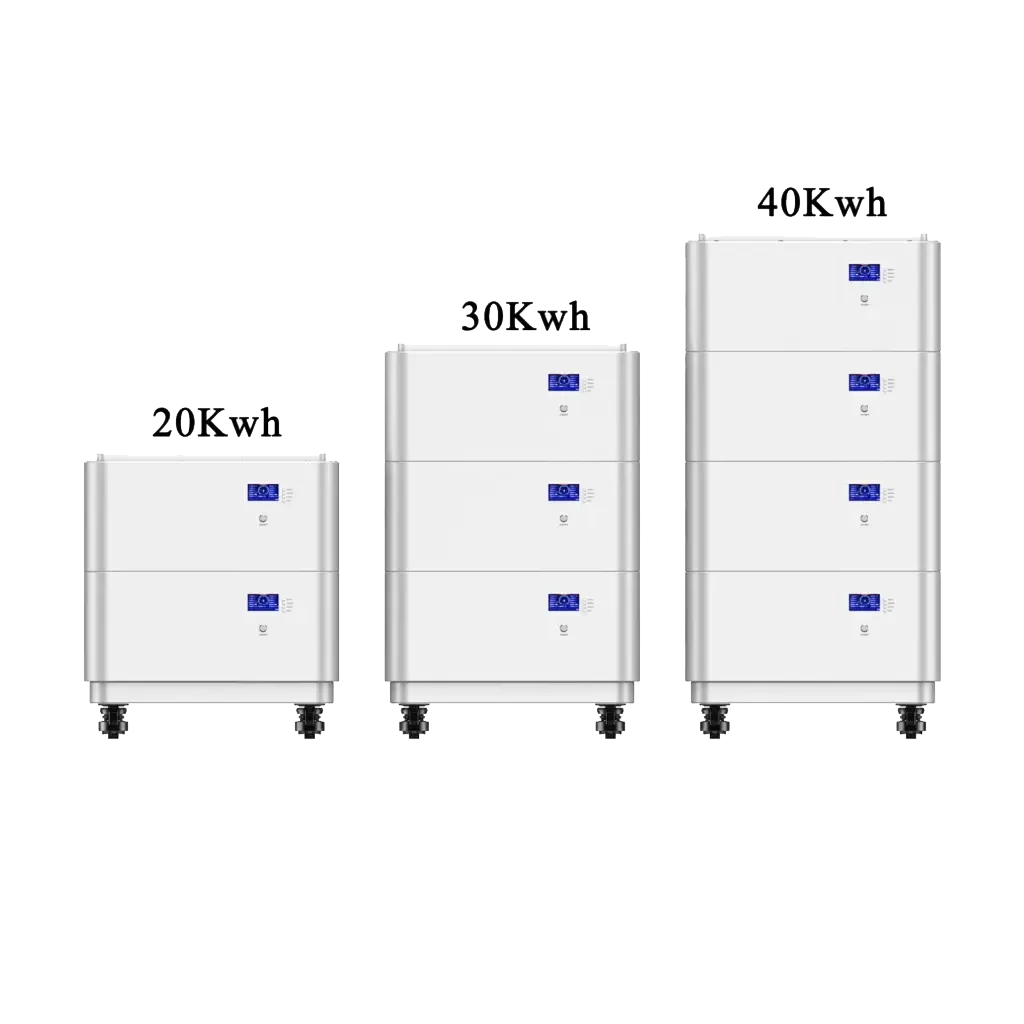
- Many modular LFP systems come in 5–15 kWh per unit and can be stacked for higher capacity.
Think in terms of:
- How many hours of typical evening use you want to cover
- Whether you want “whole-home” backup or just critical loads
Power Rating (kW)
Capacity (kWh) tells you how long the battery can run; power (kW) tells you how much you can run at once.
- Many home batteries provide 5–15 kW of continuous output, enough to run multiple major loads but not necessarily everything in the house at once.
- If you want to run large HVAC systems, electric ovens, or well pumps during outages, you may need higher power or multiple units in parallel.
Round-Trip Efficiency
Higher round-trip efficiency (charge → store → discharge) means more of your solar energy is actually used:
- LFP home batteries often reach ≥90% round-trip efficiency.
- Lead-acid is usually lower, meaning more energy wasted as heat.
Cycle Life and Warranty
Look for:
- Cycle life ratings at a realistic DoD (e.g., 6,000 cycles at 80% DoD)
- 10+ year warranties from reputable manufacturers
Read the fine print: check how much capacity the warranty guarantees after a certain number of years (e.g., 60–70% retained capacity after 10 years).
Integration with Your Solar System
The “best” battery on paper may not be the best for your system if it doesn’t integrate smoothly:
- AC-coupled systems are easier to retrofit to existing solar arrays.
- DC-coupled / hybrid inverter systems can be more efficient in new installations.
Check compatibility with:
- Your existing inverter or microinverters
- Local grid-export rules, backup requirements, and virtual power plant (VPP) programs
Safety Certifications and Compliance
At a minimum, look for:
- Regional safety and grid standards (e.g., UL, CE, IEC standards depending on your country)
- Manufacturer compliance with relevant installation codes
Reputable home batteries will list their certifications openly in datasheets and marketing materials.
Not Sure Which Solar Battery Type Fits Your Project?
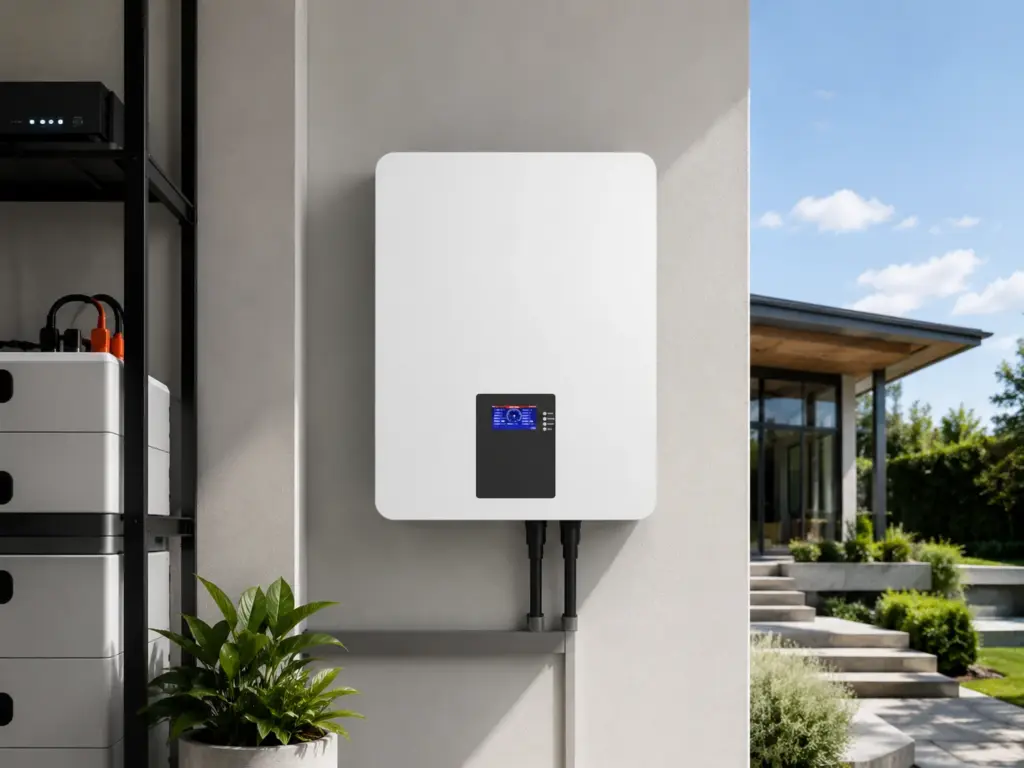
Battery chemistry, usable capacity, inverter compatibility, communication protocol and future expansion all affect system performance. Share your project details, and Avepower can help recommend a suitable battery storage configuration for your solar power system.
How to Size Battery Storage for Your Solar System
A simple framework to size the best battery storage for solar power in your home
Solar Battery Size Calculator — How Many kWh do I Need?
For self-consumption and evening use (grid-connected):
- Many homes start with around 5–10 kWh of usable storage, then scale up to 10–20 kWh if they have higher evening loads or want deeper backup capability.
For backup of essential loads only (fridge, lights, internet, a few outlets):
- 5–10 kWh of LiFePO4 storage can often cover 6–12 hours of outage for essentials, depending on usage.
For off-grid or long autonomy:
- You might size for 1–3 days of average consumption, then factor in DoD and efficiency. For example, if you use 15 kWh/day and want 2 days of autonomy:
- 15 × 2 = 30 kWh/day.
- Allow for 90% usable capacity and some buffer → around 33–36 kWh of LFP storage.
Ready to Turn Your Solar Into Real Energy Independence?
Choose the Avepower wall-mounted home battery with 10 kWh storage and up to 10 kW output power, backed by a built-in 200A smart BMS for safe, stable performance. With CAN / RS485 / RS232 communication plus Bluetooth & Wi-Fi app monitoring, it integrates smoothly with mainstream inverters and lets you check your system anytime from your phone.
Click “Get a Quote” now and let our engineers match the ideal wall-mounted battery solution to your loads, inverter, and budget.
Take Control of Your Energy with Avepower!
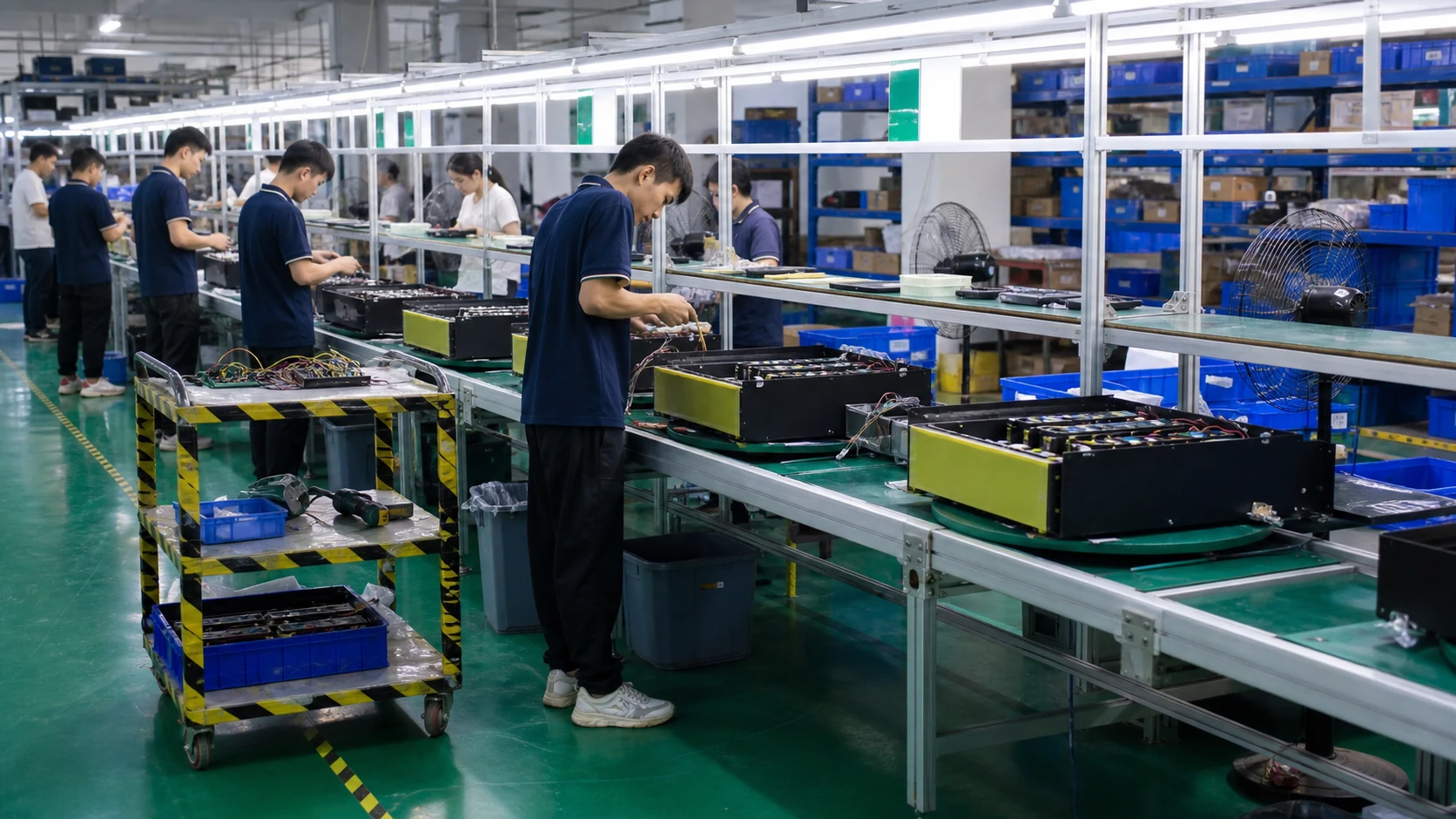
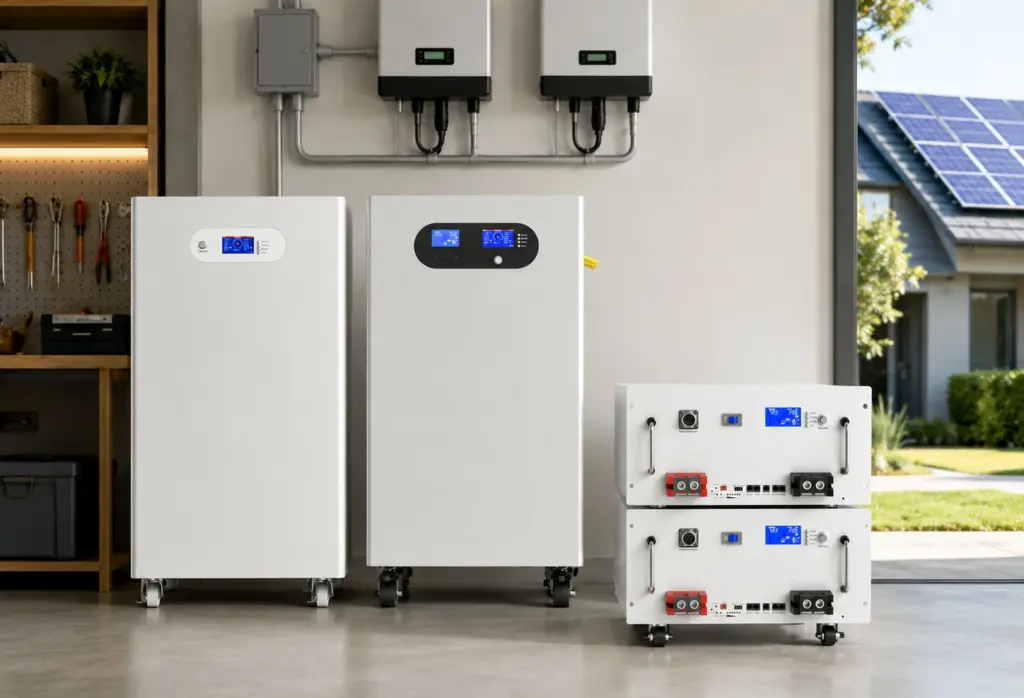
Reliable home solar battery solutions with OEM/ODM customization and in-house manufacturing, tailored to the needs of distributors, installers, and energy partners.
Conclusion
For most homeowners, LiFePO4 (LFP) batteries are currently the best storage option for solar power systems. They deliver 6,000+ efficient cycles and can last 10–20 years when properly sized and installed. Compared with many alternatives, LFP offers higher round-trip efficiency and exceptional safety.
By setting clear goals and reviewing your actual energy usage along with the criteria above, you can choose a solar battery that will reliably support your home or business for the long term—far beyond what a simple spec sheet can show.
FAQ
For most residential solar systems, the best battery storage option is a lithium iron phosphate (LFP or LiFePO4) battery. It offers long cycle life, high round-trip efficiency, strong safety performance, and very low maintenance.
Small apartment / very efficient home: typically 5–8 kWh. Average family home: often 10–15 kWh. Large home or high loads (EV, pool, electric heating): 15–25 kWh or more.
A well-designed LiFePO4 battery, used in a residential solar system, can typically deliver 6000+ cycles, often translating to 10–20 years of service.
kWh (kilowatt-hours) is the energy storage capacity – how much energy the battery can hold. kW (kilowatts) is the power rating – how fast the battery can deliver that energy at any given moment.
AC-coupled battery (e.g., many retrofit battery products) that connects on the AC side and works with your existing solar inverter. DC-coupled / hybrid inverter that may require replacing or upgrading your current inverter.