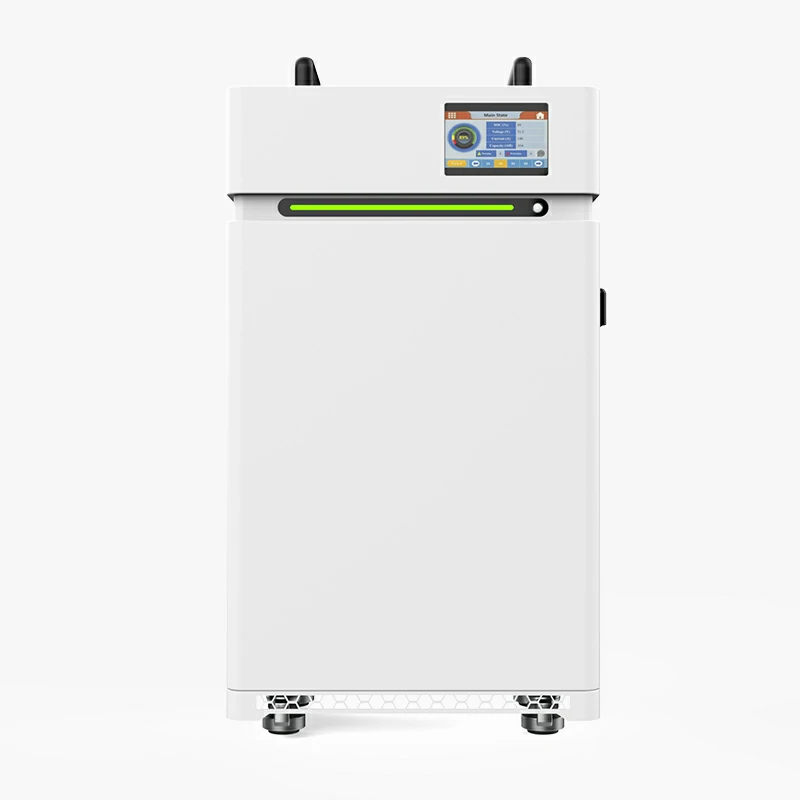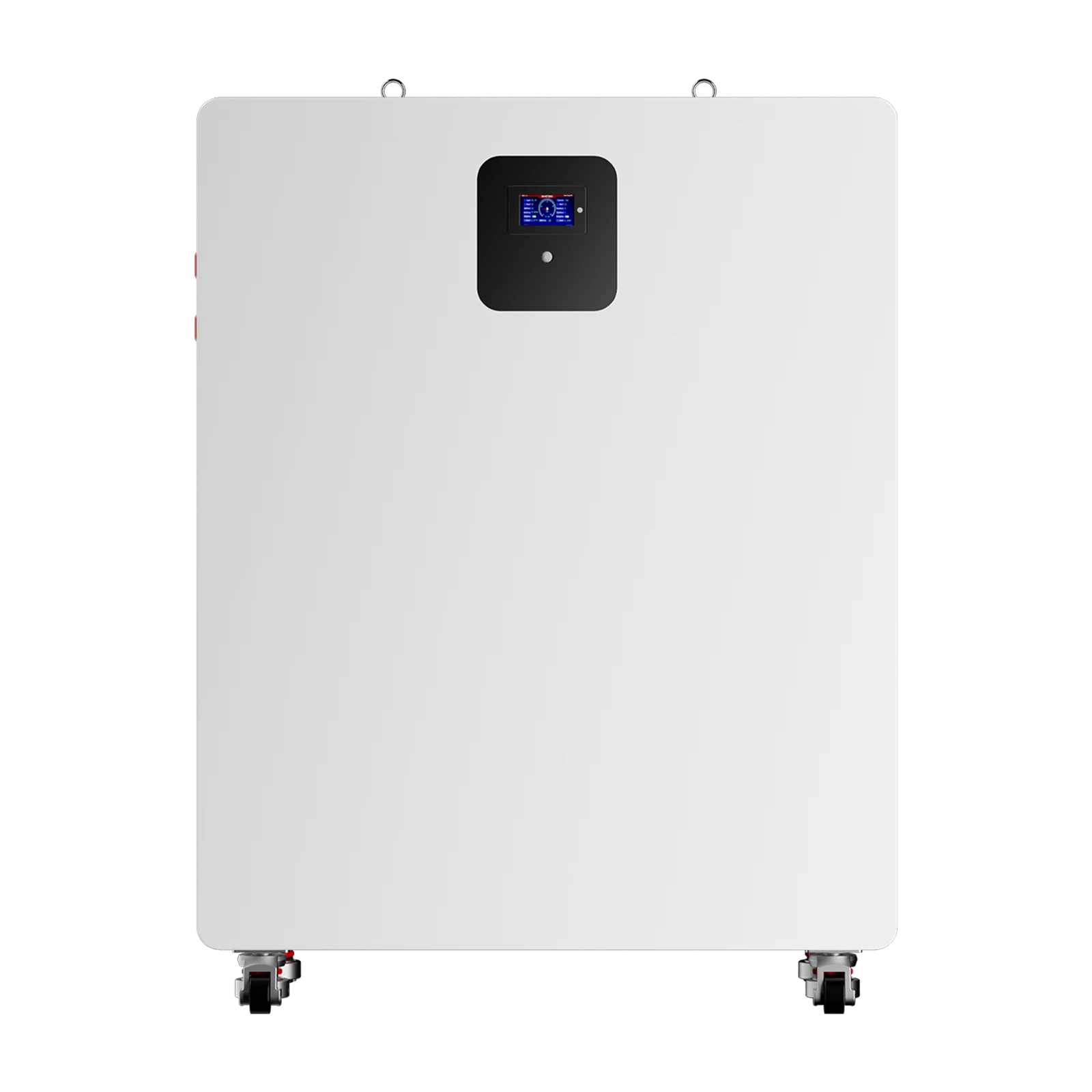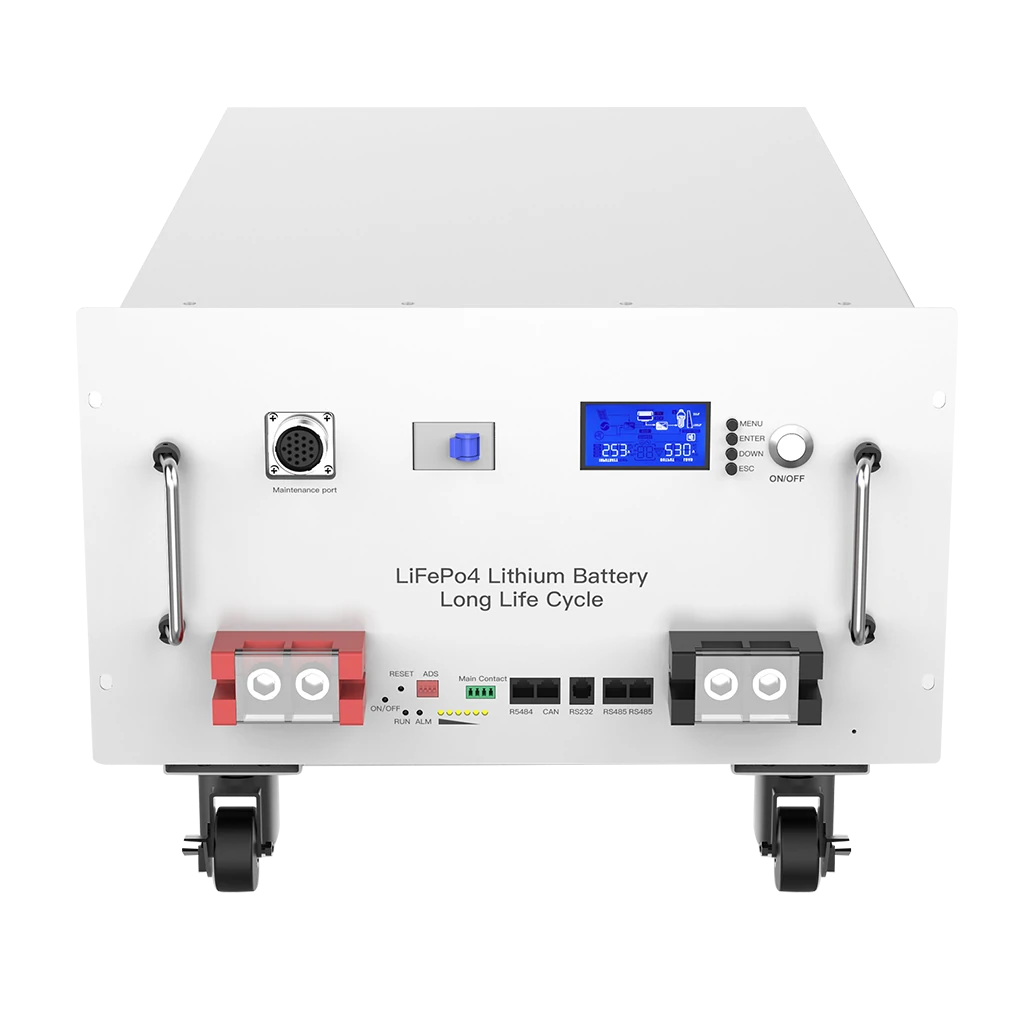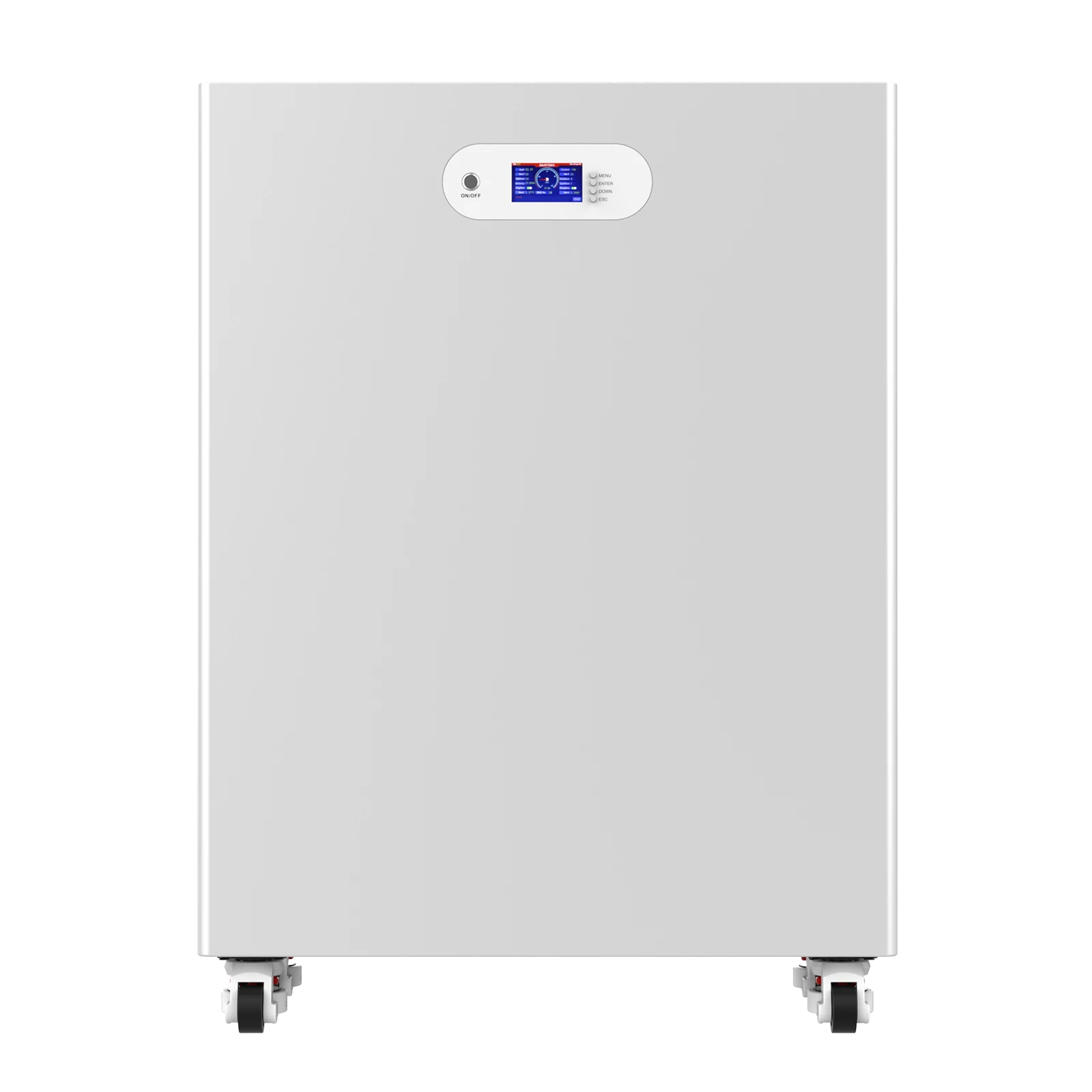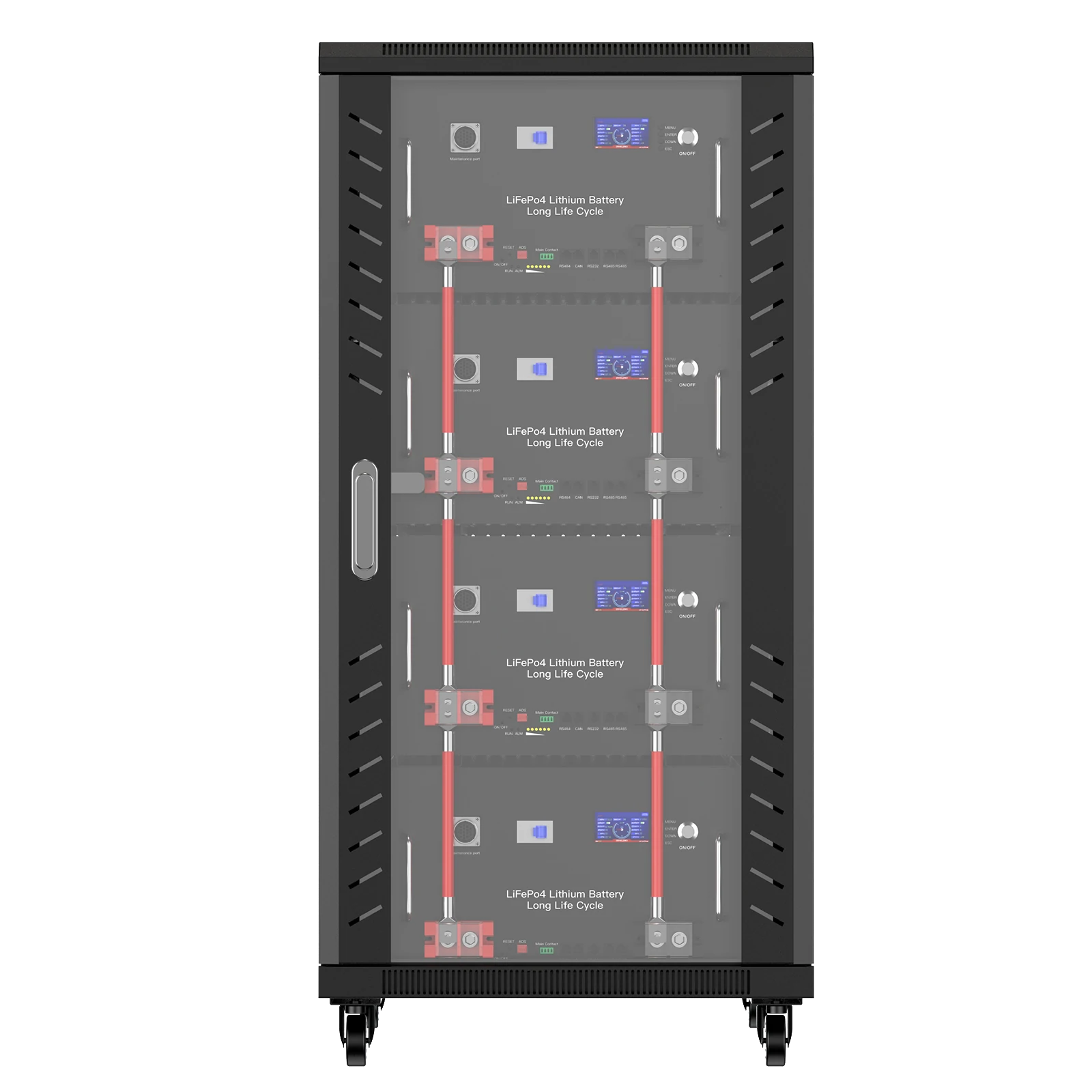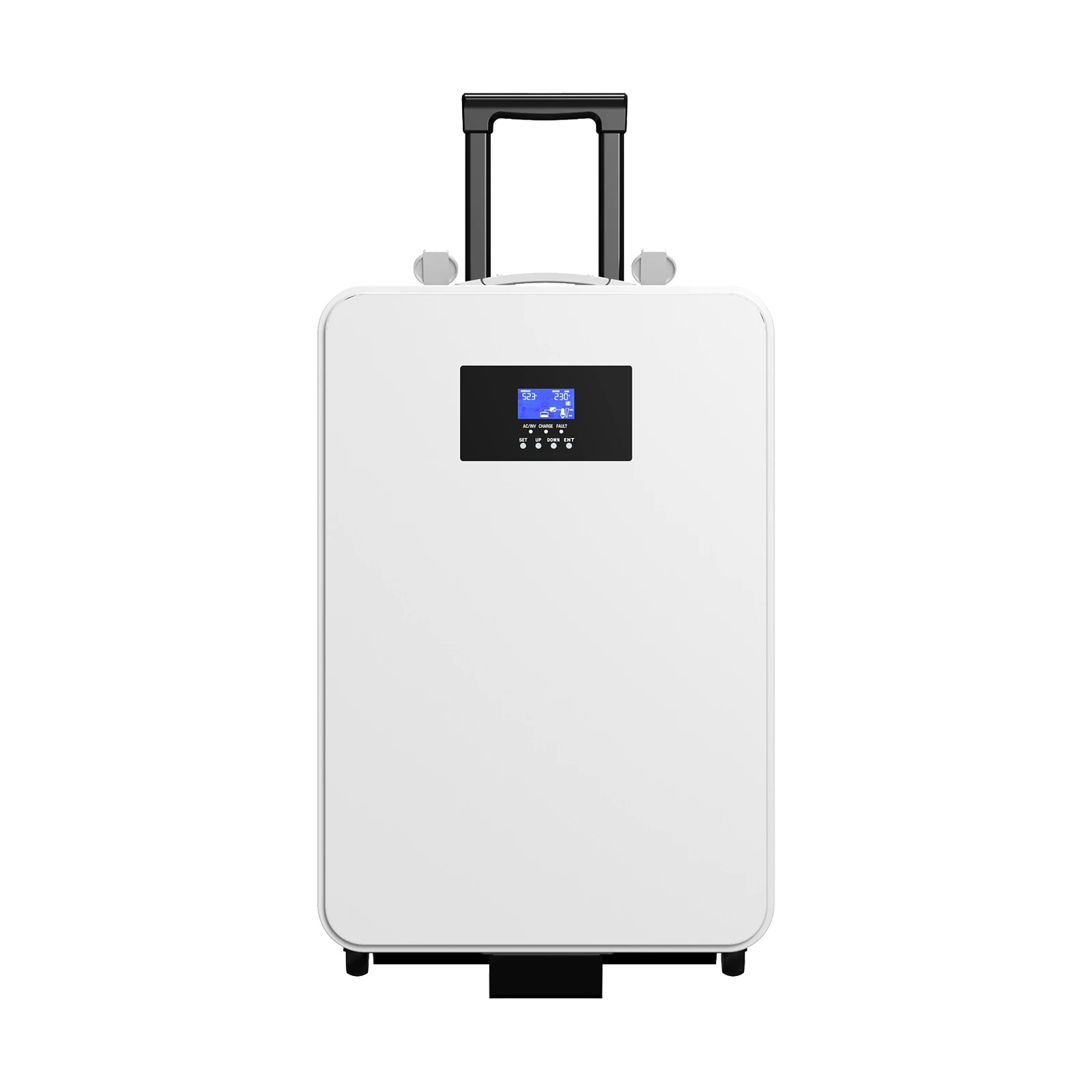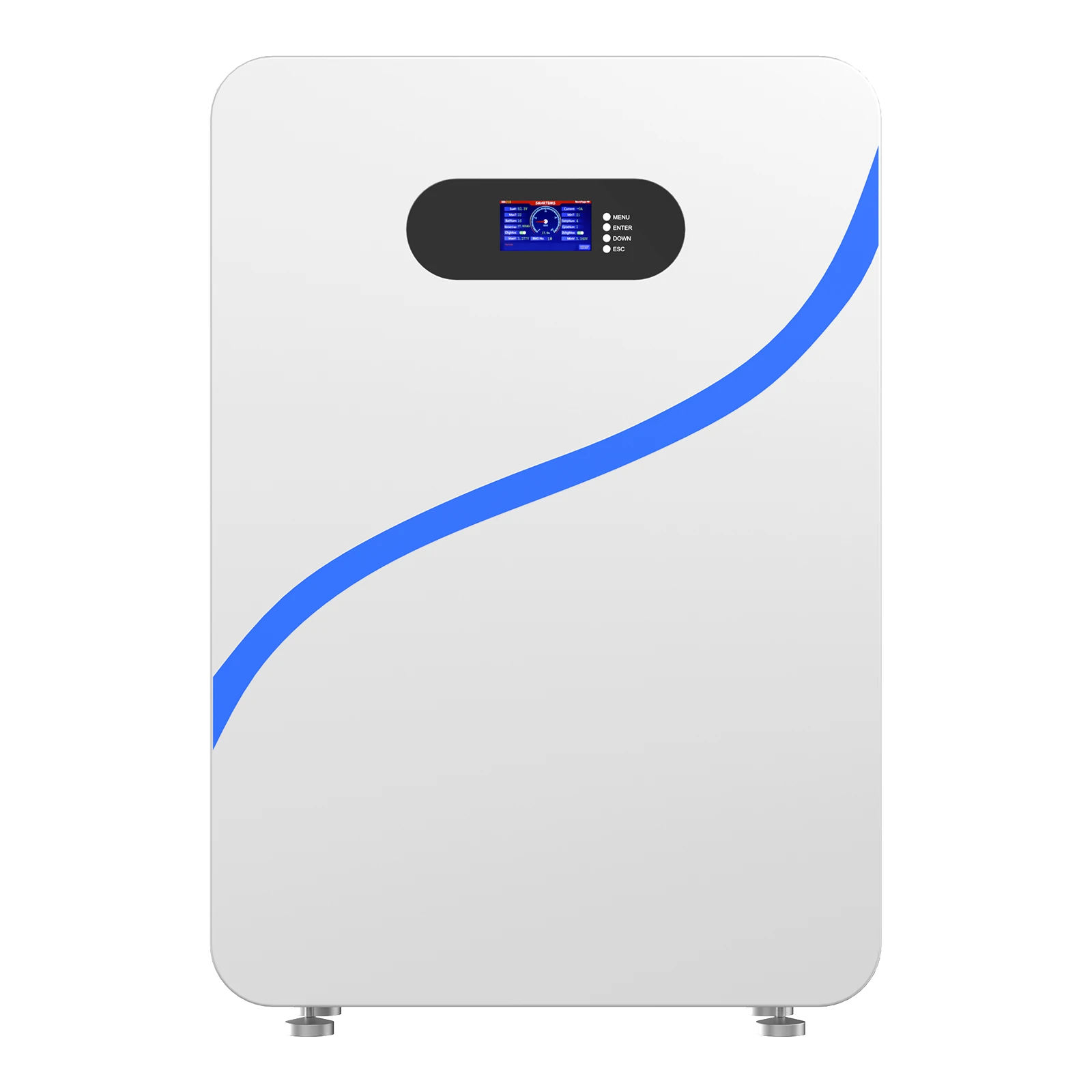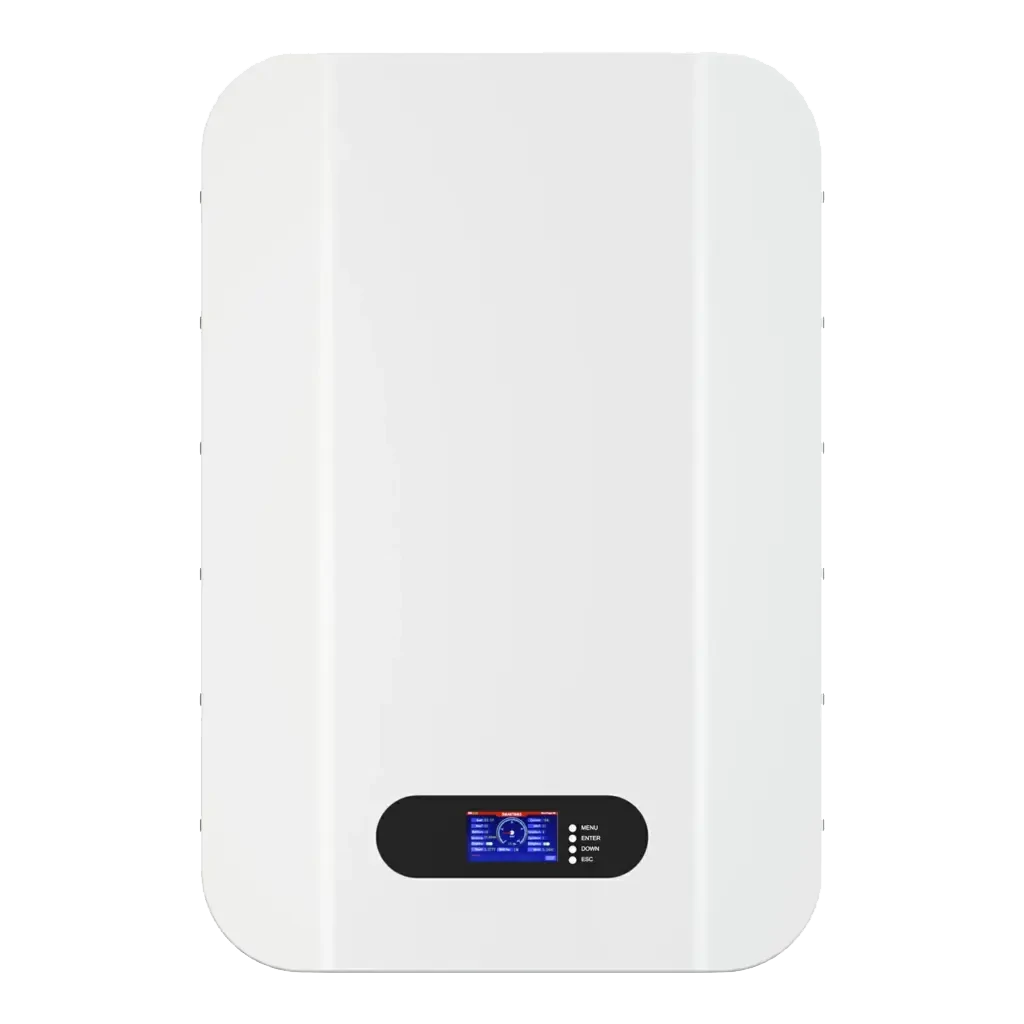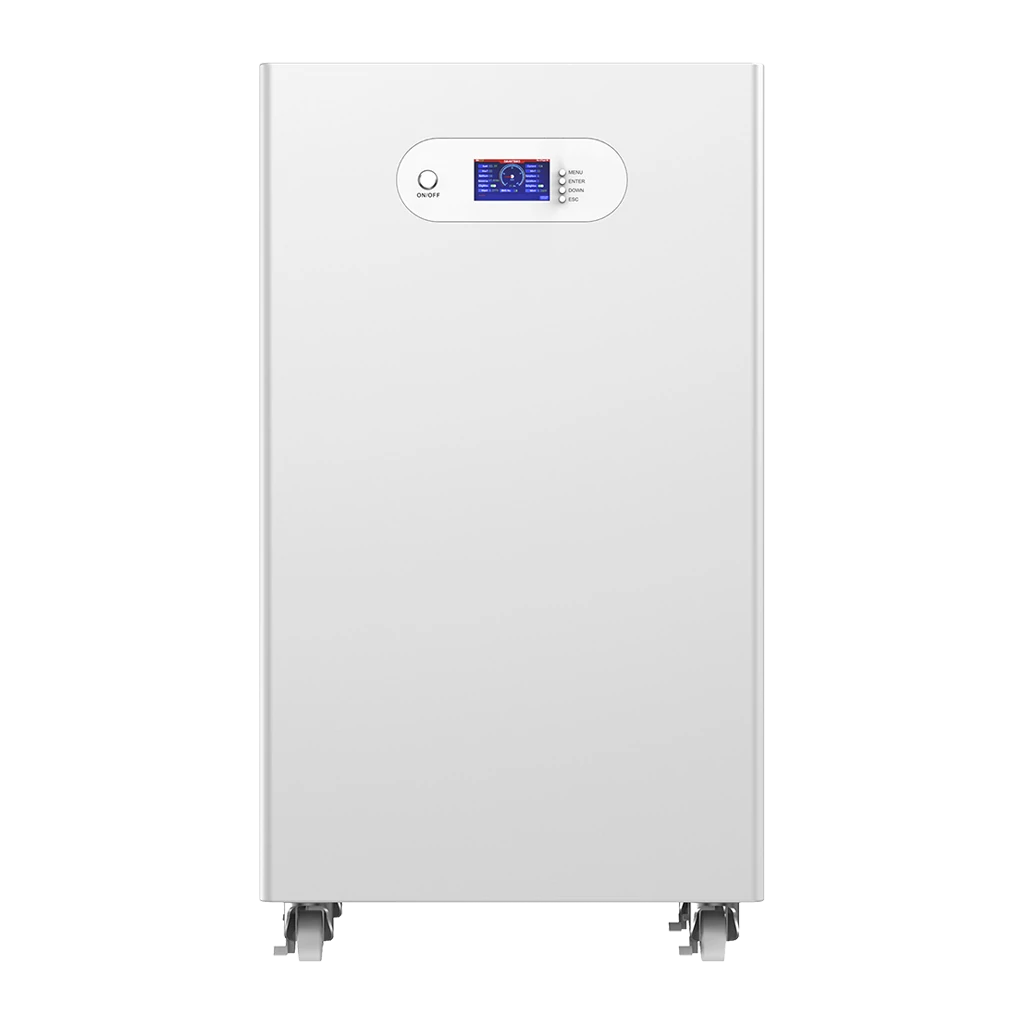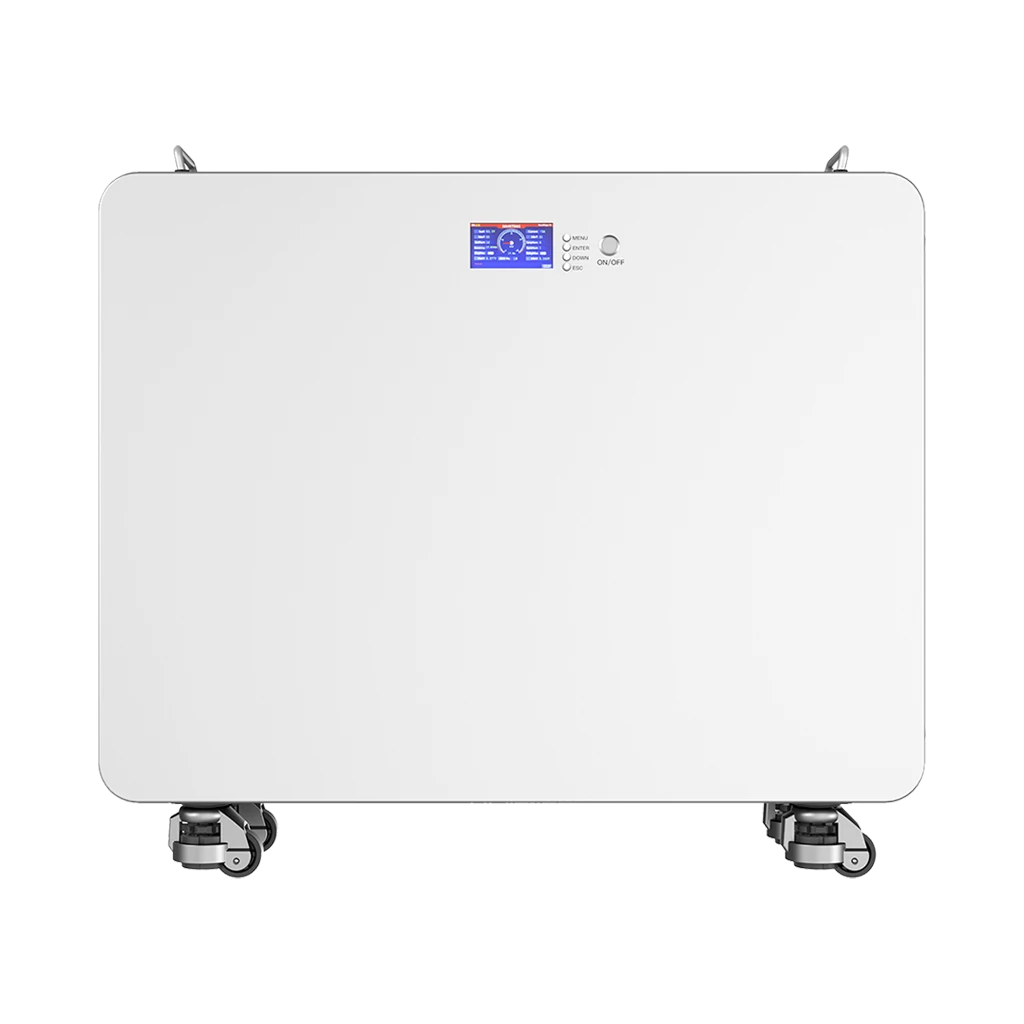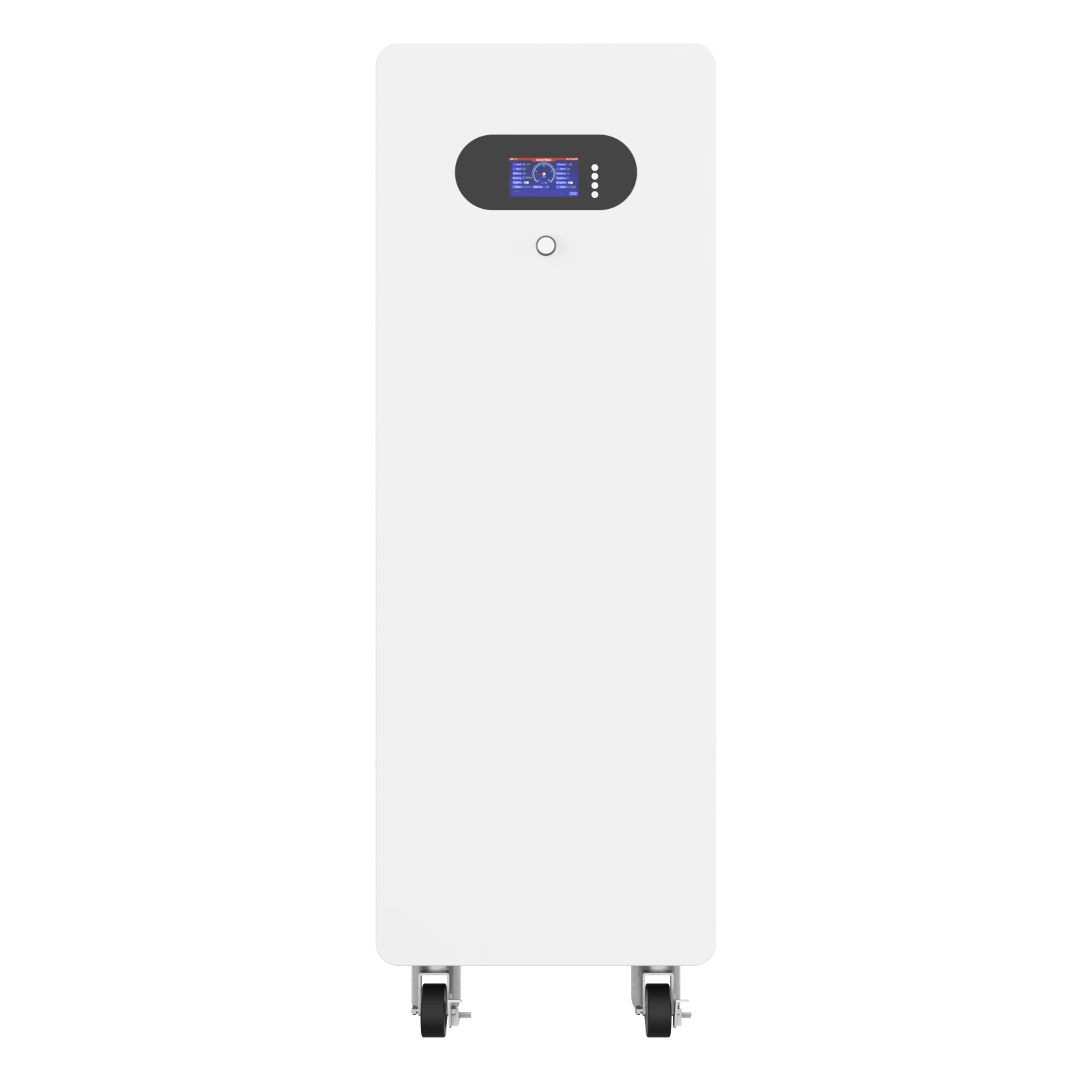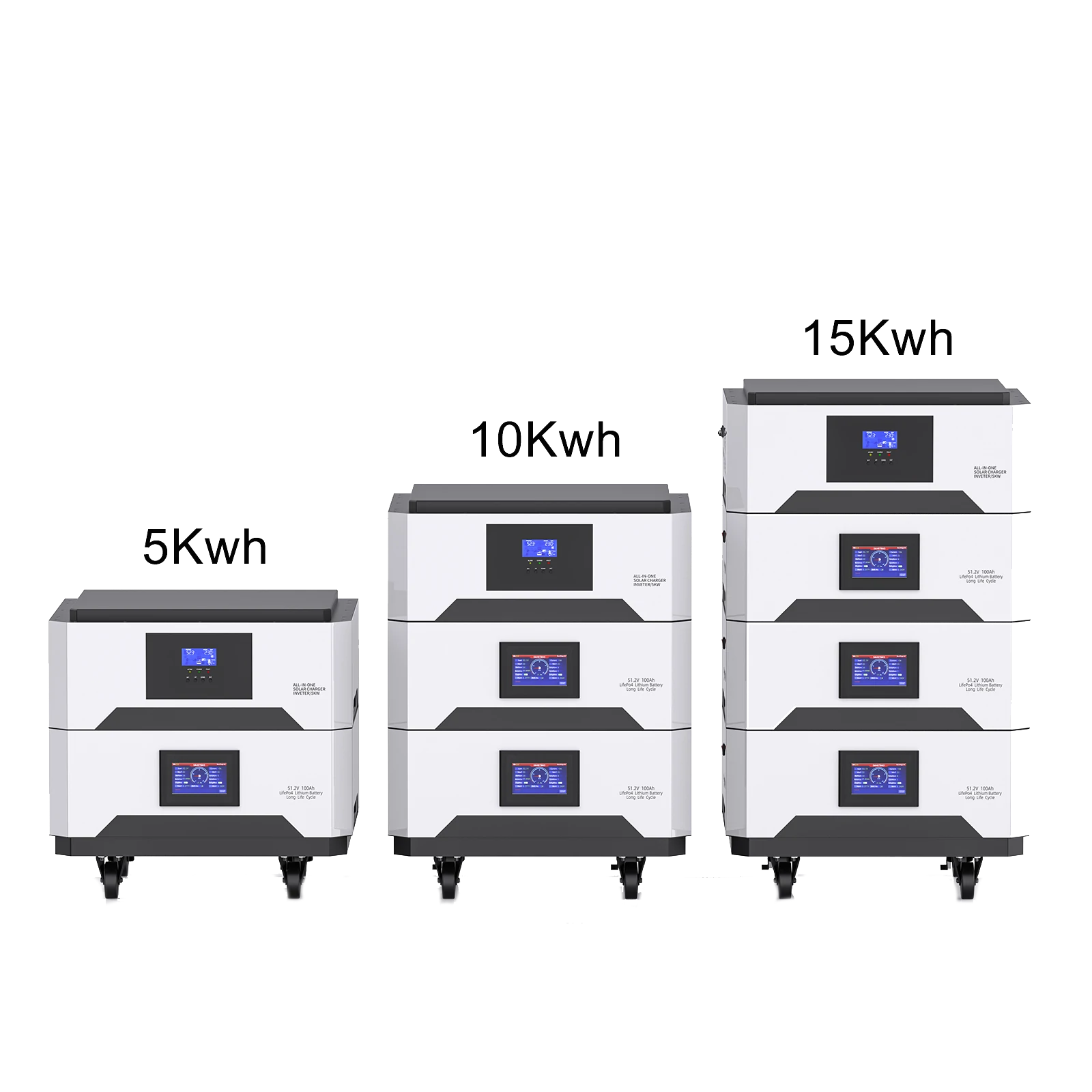

The 48 volt battery has a wide range of applications, from home solar systems, RVs, and marine power to golf carts, light electric vehicles, small backup systems, and telecom equipment. This guide explains what a 48V battery is, why many installers prefer it over 12V or 24V batteries, how to choose the right battery size and charging method, and what safety rules you should know.
What a 48 Volt Battery Really is
A 48-volt battery is a battery pack that delivers roughly 48–52 volts during normal use. Most modern 48-volt packs for solar and mobile power use lithium iron phosphate cells, also called LiFePO4 or LFP. A common layout uses 16 cells in series. Each LFP cell has a nominal voltage of about 3.2 volts, so 16 cells give a nominal 51.2 volts, and a full charge sits near 58.4 volts.
Some makers also sell “48-volt” packs built from 15 cells (15S) that sit closer to 48.0 volts nominal. You will see both 48.0V (15S) and 51.2V (16S) in product pages and setup menus. Communities and vendors who work with Victron and other gear often point out this naming overlap and note that many “48V LiFePO4” defaults actually match the 51.2V (16S) values.
What Is the Lifespan and Reliability of 48 Volt Batteries?
With proper care, a modern 48V lithium iron phosphate battery provides between 4000 and 6000 full charge–discharge cycles. That means 10 years of regular use. Lead-acid batteries, in contrast, offer only 300–500 cycles — about 2–3 years at best.
Factors that directly affect battery lifespan include:
- Charging habits: Using a matched charger, avoiding overcharging/discharging, and following manufacturer guidelines.
- Operating temperature: Keeping the battery between 10°C and 35°C increases lifespan.
- Depth of discharge: Shallower discharges (not going below 20–30%) increase longevity.
Most new lithium products include a battery management system (BMS) that keeps all cells balanced, restricts unsafe use, and records statistics for diagnostics.
If someone uses their 48V battery gently, it can last as long as a decade and represent a solid investment for energy independence.
How Far Can a 48 Volt Battery Pack Take You?
Driving range depends on battery capacity and what kind of motor is attached. For instance:
- Most 48V 100Ah lithium batteries can power a golf cart for 70–85km on a single charge.
- Boats and scooters see ranges from 50 to 200km depending on their motors and terrain.
- Solar/battery-only homes can run basic lighting and appliances for an entire night with a 4.8kWh 48V battery.
Choosing a higher amp-hour rating means more stored energy and further driving or running time.
48 Volt Battery Runtime Calculator
48V vs. 12V vs. 24V: Which Is Better?
When selecting a battery system, most people compare 12 volt battery, 24 volt battery, and 48 volt battery options. The key differences include:
| Feature | 12 Volt Battery | 24 Volt Battery | 48 Volt Battery |
|---|---|---|---|
| Wiring Size | Thick wires needed | Medium wires needed | Thin wires needed |
| Efficiency (for big loads) | Less efficient | Moderate efficiency | Highest efficiency |
| Appliance Support | Most universal | Somewhat common | Requires specialized parts |
| System Losses | High | Moderate | Low |
| Application | Cars, small setups | Medium installations | Large setups (solar, EVs) |
| Safety Risk | Low | Moderate | Higher — needs care |
| Cost-Effectiveness | Best for <1.5kW | Best for 2–5kW | Best for >5kW |
Lower current means smaller copper, smaller breakers, and less heat. This is why many pro installers switch to 48 V when loads grow past a few kilowatts. Vendor guides and builder communities point to this current cut as a key reason to step up the bus voltage.
If your target system is more than about 3–5 kW, a 48 V battery often makes the whole build cleaner and cheaper in cables and protection parts.
How Do You Charge a 48 Volt Battery Safely?
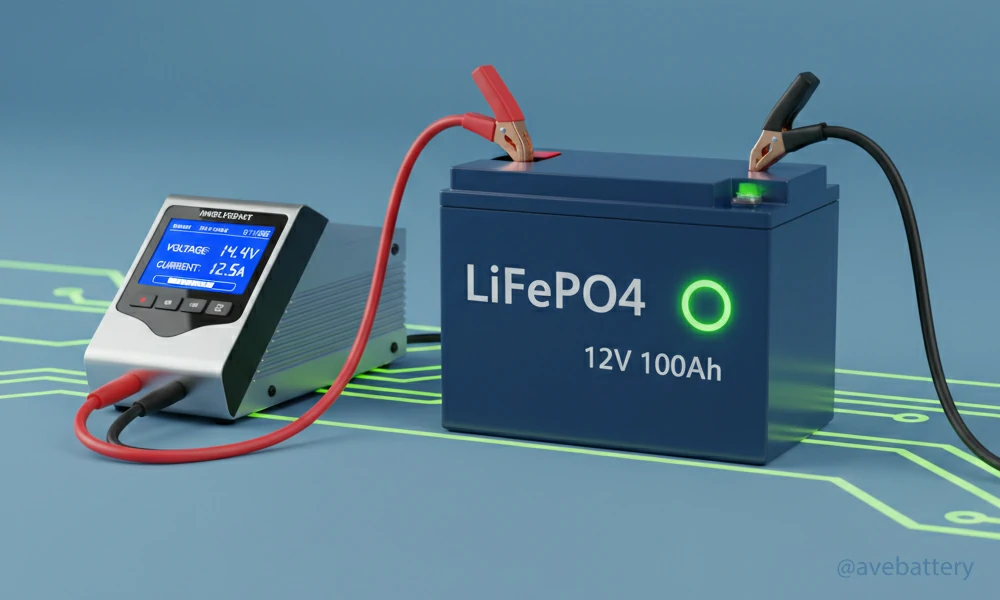
Charging a 48V battery well requires a matching 48V charger, ideally with support for lithium batteries and a BMS. Basic tips include:
- Use a charger designed for lithium or lead-acid depending on chemistry.
- Do not exceed recommended charging rates; most lithium batteries charge in 3–5 hours.
- Modern lithium chargers stop automatically at full charge, preventing overcharge.
- Safety is important: connect everything with care, make sure to use proper wiring, and avoid charging in extreme heat.
Well-known brands offer smart displays, mobile app monitoring, and user-friendly connectivity for real-time tracking.
48 Volt Battery Charging Time Calculator
How a 48-Volt LiFePO4 Battery Behaves From Empty to Full
Most 48-volt LiFePO4 packs use 16 cells (16S). Here is how the voltage moves:
- At rest around half full: The pack sits near 51.2 V (3.2 V per cell).
- Near full charge: The pack rises to about 58.4 V (3.65 V per cell).
- Charging set points: Many charts and guidance pages use bulk/absorb values in the 54–58 V range for 48 V LFP, with exact values based on the cells and the BMS.
You should always follow the maker’s charge profile and the BMS rules. You will see some builders stop below the absolute full voltage (for example, ~54.6 V for a 48 V LFP pack) to extend life, at the cost of a little capacity on each cycle. Community discussions and charts mention this tradeoff.
Important note for lead-acid users: If you keep a 48 V lead-acid bank on standby, you use a float charge near 2.25–2.30 V per cell, which gives about 54 V for a 48 V bank at 25 °C. Lead-acid needs very different charging rules than LiFePO4
What Is the Price Range of a 48V Battery in 2025?
Prices for 48V batteries vary by size, chemistry, and brand. Most common 48V 100Ah lithium batteries range from $600 to $1200 USD. Premium models with advanced features, fast charging, and app control sell for up to $2000.
For smaller applications (electric bikes, scooters), packs can start around $250. Lead-acid packs remain cheaper but cost more in the long run due to shorter lifespan and higher maintenance.
When budgeting, factor in the cost of chargers, wiring, installation, and monitoring tools.
How to Size a 48-Volt Battery for Your System
Battery Size Calculator
You can use a simple three-step flow to size a 48-volt battery.
Step 1: Add up your daily watt-hours.
You list your loads (for example: fridge 80 W × 8 h = 640 Wh, lights 40 W × 5 h = 200 Wh, router 10 W × 24 h = 240 Wh, laptop 60 W × 3 h = 180 Wh, and so on). You add them to get your daily energy need, say 3,000 Wh.
Step 2: Adjust for inverter and charge losses.
You divide by an overall system efficiency, for example 0.9, so 3,000 Wh / 0.9 ≈ 3,333 Wh.
Step 3: Convert to amp-hours at 48 V and pick a depth of discharge.
A 48 V bank with 1 Ah stores 48 Wh at nominal voltage, so you divide 3,333 Wh / 48 ≈ 69.4 Ah. If you plan to use 80% depth of discharge (DoD) for LFP (which many users do for long life), you divide by 0.8 to get about 87 Ah. You would round up to a common size like 48 V 100 Ah (≈ 5.12 kWh), which gives margin and room for cloudy days or short peaks. Charts and forum answers often use this same 51.2 V × Ah = kWh math for 16-cell LFP.
Tip: If you want two days of autonomy, you multiply your daily Wh by 2, then repeat the steps.
Where People Use 48V Packs in 2025
Home Energy Storage and Off-Grid Systems
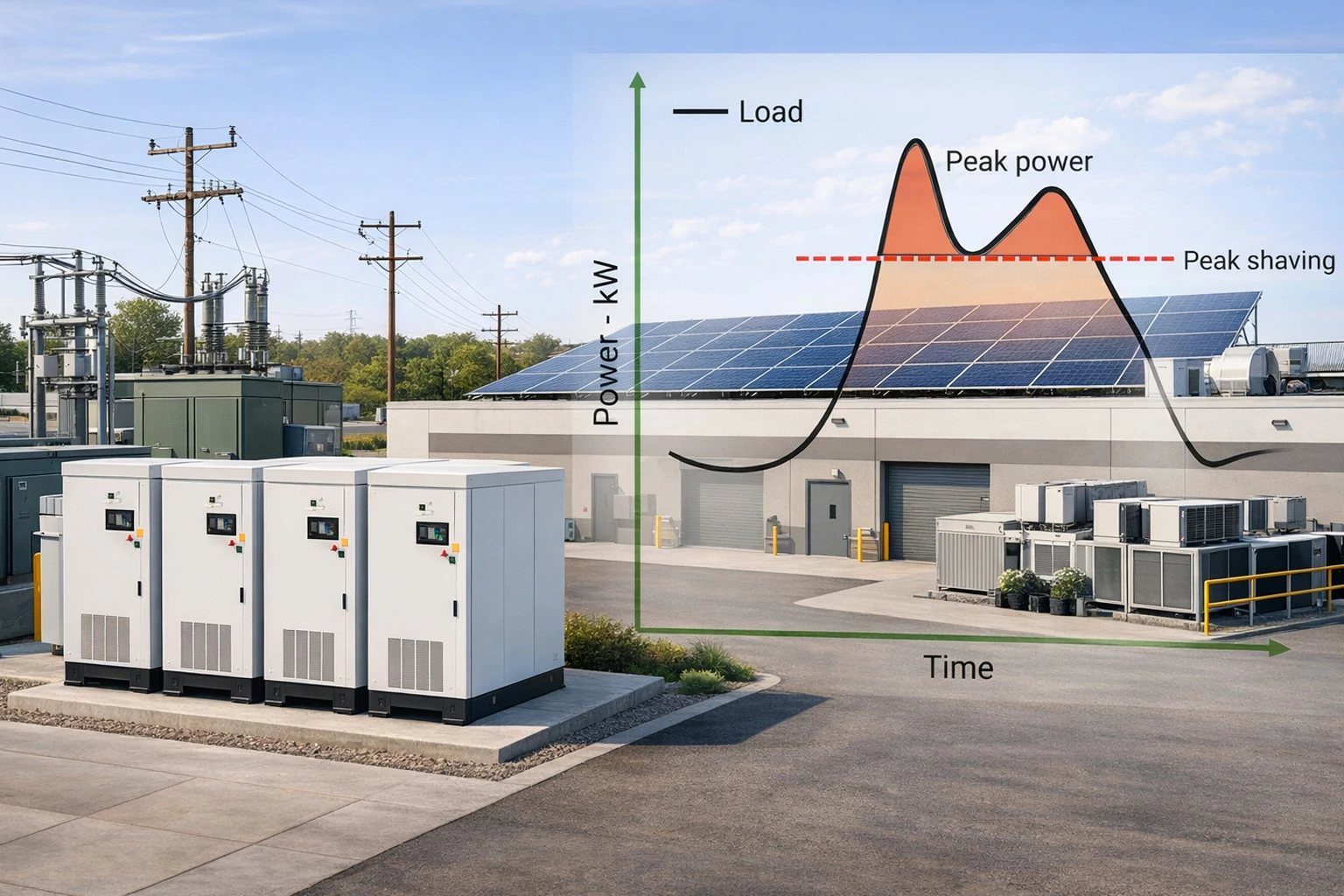
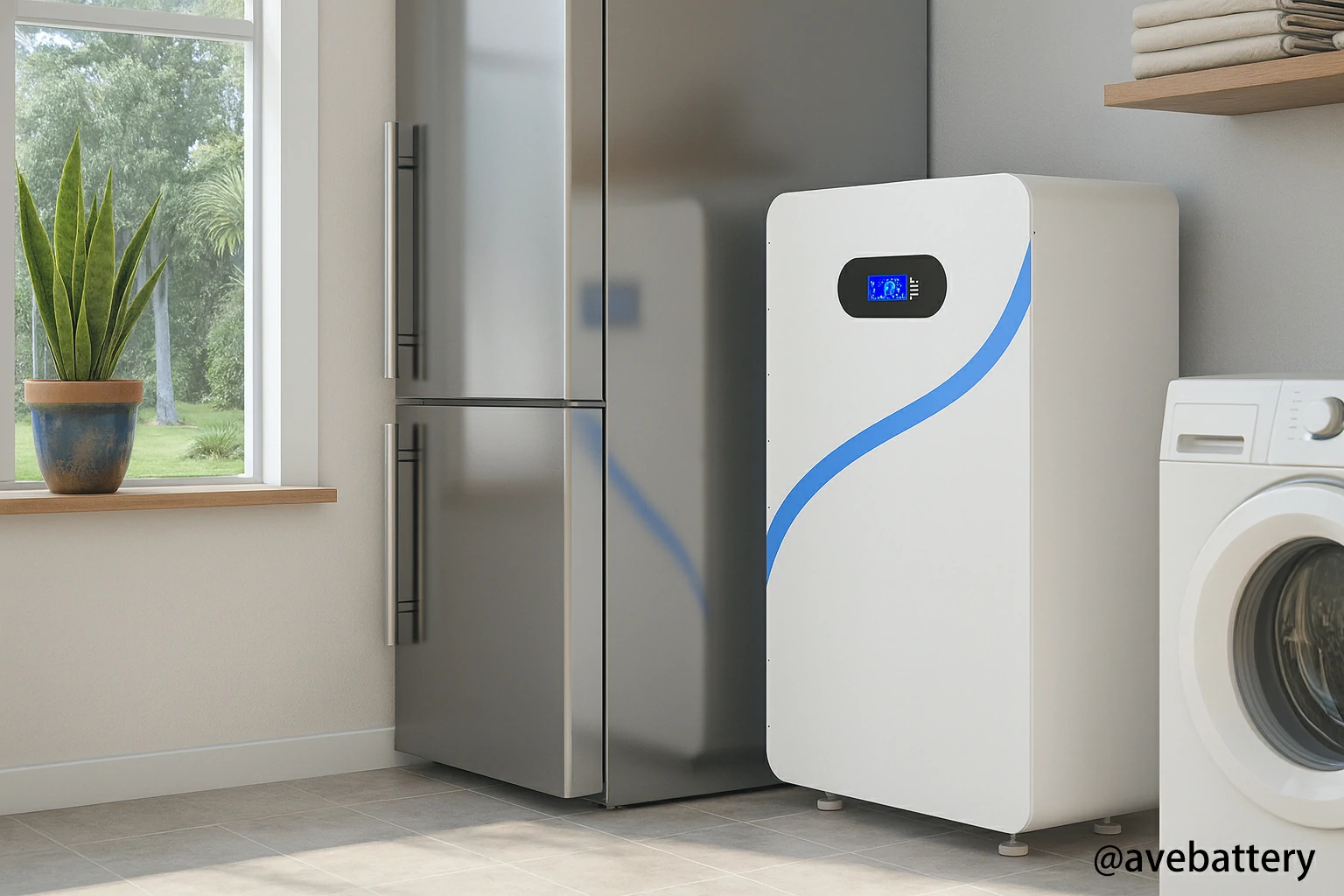
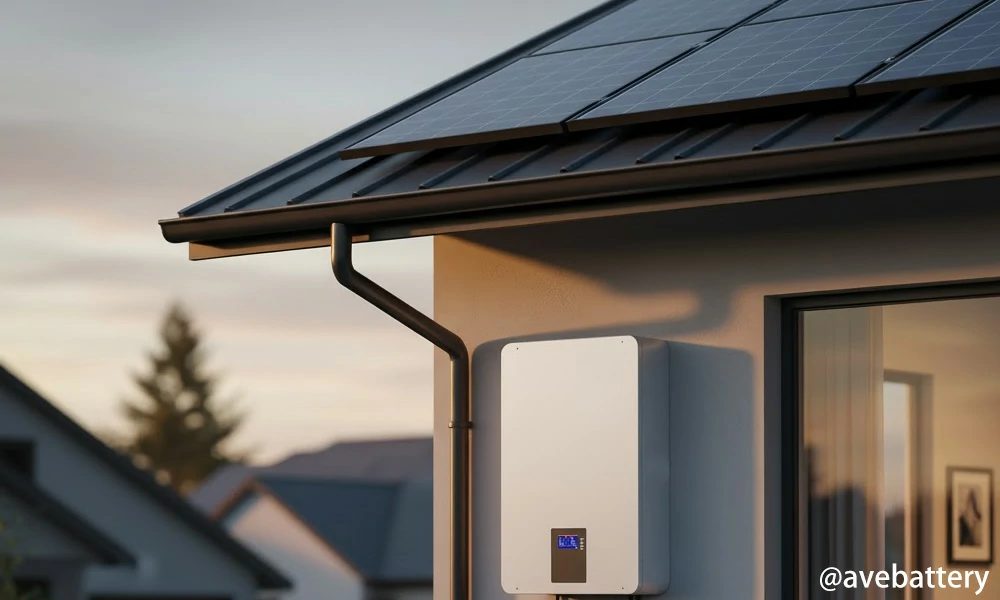
Many homeowners now use a 48V 10kWh powerwall battery bank as the core of a hybrid solar system with an inverter/charger. The setup stores solar energy during the day and powers the home when the sun is down or during grid outages. A 48V bus matches the power needs of modern households and supports common inverter sizes. Guides from solar and battery manufacturers, as well as installer blogs, call 48V “the standard” for larger residential builds.
Golf Carts and Small Utility Vehicles
Many golf carts are originally equipped with 48V lead-acid batteries, but an increasing number of owners are switching to 48V lithium packs for improved range, faster charging, lighter weight, and longer lifespan. Real-world tests show a typical 48V lithium battery stores around 5kWh and can boost driving range by 20–30% compared with lead-acid systems. This is why “48V lithium upgrades” are a hot topic in 2024–2025 golf cart buyer guides.

E-Bikes and Light Electric Mobility
Many e-bikes use “48V” packs, even though their actual voltage fluctuates during charging and discharging. A 48V system offers a strong balance of speed, torque, and efficiency for popular hub and mid-drive motors in 2025. Multiple e-bike battery buyer guides highlight 48V as the go-to configuration for performance and reliability.
Telecom and IT Backup Power
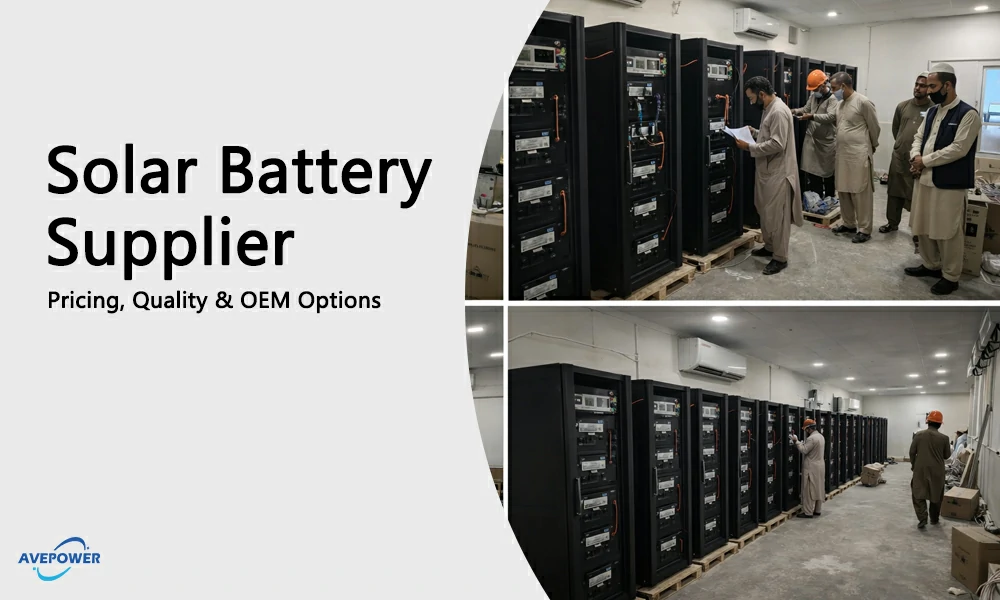
The 48V standard has long been used in telecom and IT power racks. In 2025, LiFePO₄ 48V batteries are replacing traditional lead-acid systems to reduce weight and maintenance while improving efficiency and cycle life. Many battery manufacturers now market these systems for telecom sites, solar hybrid systems, and data centers.
What Are the Best Brands for 48V Batteries in 2025?
Top brands found on include:
| Brand / Model | Capacity (Ah) | Approx. Energy (kWh) | Cycle Life (Claimed) | Key Features | Ideal Use Case |
|---|---|---|---|---|---|
| Avepower 48V 200Ah LiFePO₄ Battery Pack | 200 Ah | ≈ 10 kWh | 8,000 + cycles | Customizable design, BMS protection, CE / UL / RoHS / ISO9001 certified, modular expandability, CAN / RS-485 communication, OEM / ODM support | Home & commercial energy storage, B2B private-label projects, system integration OEM |
| EG4 48V 100Ah LiFePO₄ Battery | 100 Ah | ≈ 4.8 kWh | 6,000 + cycles | Rack-mount format, UL certified, smart BMS, high surge output | Residential and industrial energy storage systems |
| SunGold Power 48V 100Ah LiFePO₄ Battery | 100 Ah | ≈ 4.8 kWh | 6,000 + cycles | Modular server-rack design, integrated BMS, 10-year warranty | Mid-to-large home energy systems |
| Renogy 48V 50Ah Smart LiFePO₄ Battery | 50 Ah | ≈ 2.4 kWh | 6,000 + cycles | Self-heating tech, mobile app monitoring, compact size | Cold-climate off-grid or RV use |
| WEIZE 48V 100Ah LiFePO₄ Battery | 100 Ah | ≈ 4.8 kWh | 2,000 + @ 100 % DoD / 8,000 + @ 50 % DoD | Built-in smart BMS, mid-range cost | Home / light commercial applications |
| Dakota Lithium 48V 96Ah LiFePO₄ Battery | 96 Ah | ≈ 4.6 kWh | 5,000 + cycles | High-discharge rate, rugged case, premium support | Golf cart, marine & off-grid mobility |
| ECO-WORTHY 48V 50Ah Stackable LiFePO₄ Battery | 50 Ah | ≈ 2.4 kWh | 3,000 – 5,000 cycles | Stackable design, budget pricing | Entry-level solar backup or DIY systems |
| Redodo 48V 100Ah Bluetooth LiFePO₄ Battery | 100 Ah | ≈ 4.8 kWh | 4,000 + cycles | Bluetooth monitoring, compact size | Golf cart or small off-grid projects |
Why Avepower Leads in 2025
Avepower stands out not just as a product brand but as a full-solution manufacturer. Here’s how Avepower differentiates itself from the competition:
- Over 8,000 cycles thanks to grade-A LiFePO₄ cells and advanced BMS protection.
- CE, UL, RoHS, and ISO9001 approved for international markets.
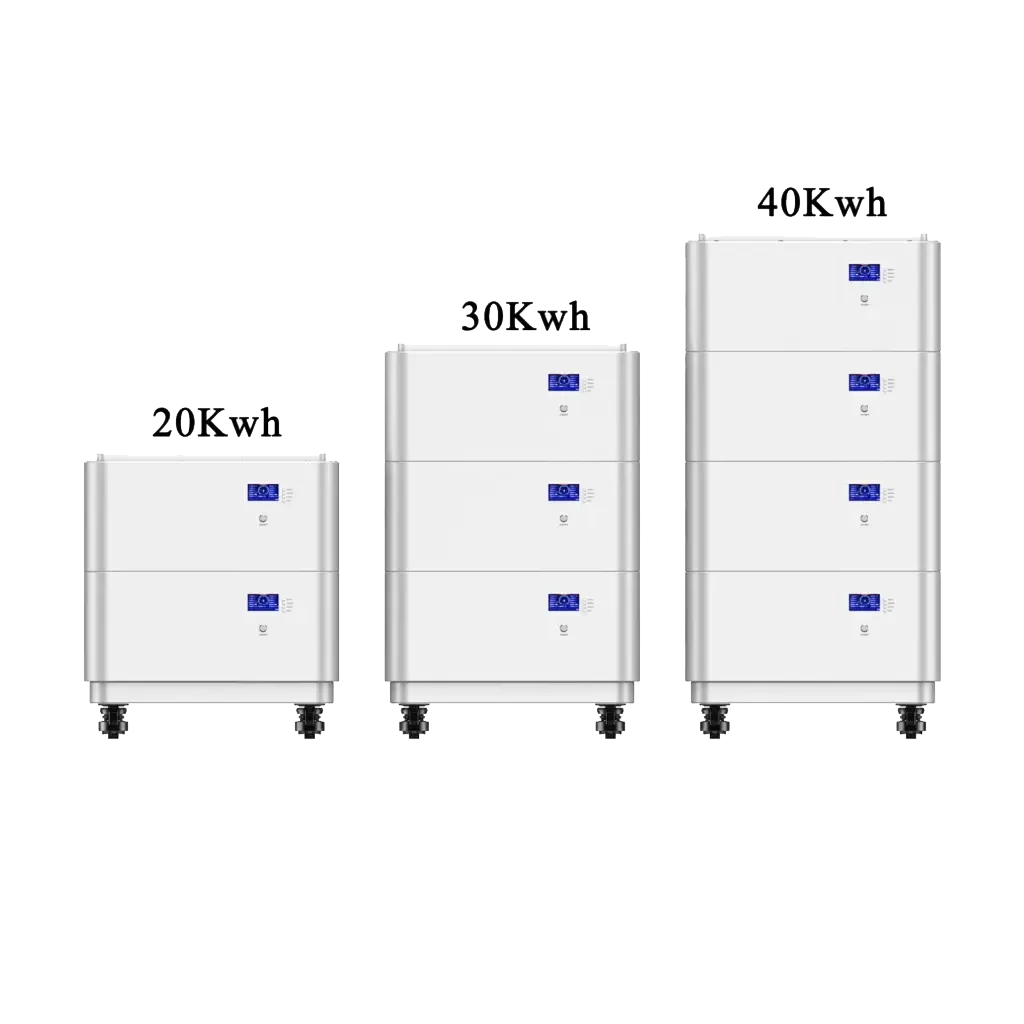
- Stackable 48 V modules from 5 kWh to > 260 kWh, ideal for scalable home and commercial systems.
- Customizable appearance, capacity, communication protocols (CAN / RS-485 / Modbus), and private-label branding options.
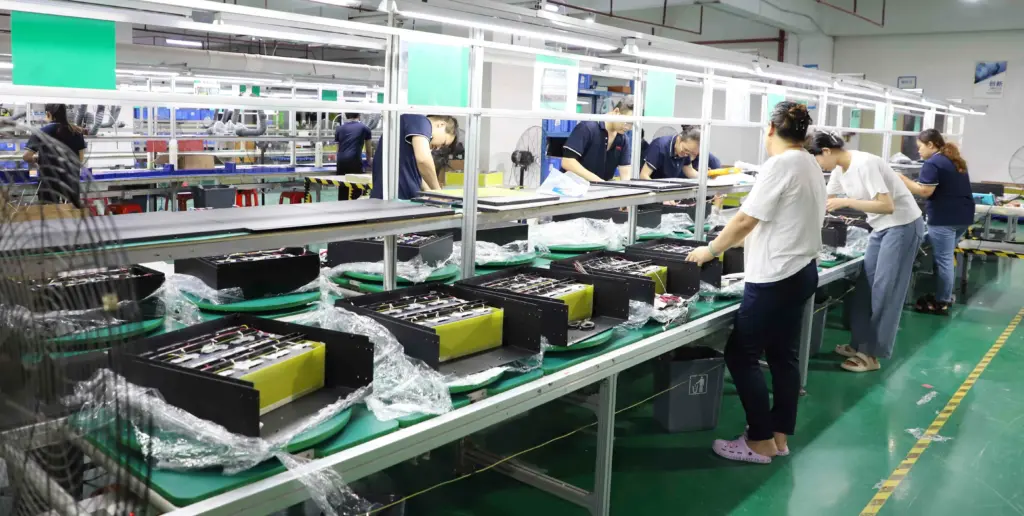
- 10 years of battery R&D and production experience, 18 + engineers, 20,000 m² factory.
- Designed for global distributors, system integrators, and project buyers who need reliable OEM battery sources.
Conclusion
A 48-volt battery system in 2025 is not just a number on a label. A 48-volt system is a whole set of choices that affect wire size, heat, charger settings, inverter performance, and safety. If you want clear steps, you can start by listing loads, choosing 48 V when power is high, and setting 58.4 V for a 16S LiFePO₄ pack with the right temperature rules. If you follow those basics, you will get a system that runs cooler, wastes less energy, and lasts longer.
FAQ
A 48-volt battery is used for home solar storage, telecom backup, golf carts, e-bikes and scooters, and high-power RV and marine builds. People pick it when they need more power with less current and lighter cables.
Most 48-volt LFP packs use 16 cells in series (16S) for 51.2 V nominal and about 58.4 V at full. Some packs use 15S and sit nearer to 48.0 V nominal.
Many sources show a full charge near 58.4 V (3.65 V per cell) for a 16-cell pack. Some users stop lower (for example around 54–56 V) to extend life.
“Better” depends on power level. For small systems, 12 V is simple and cheap. For bigger systems, 48 V reduces current, cable size, and losses, and it often unlocks bigger inverters and more solar input.
Some makers label “48 V” for both 15-cell and 16-cell packs. A 15S pack is ~48.0 V nominal. A 16S pack is 51.2 V nominal and gives about 5% more stored energy and a higher full-charge voltage.
You need a charger that supports LFP chemistry and the correct voltage window for your pack. If you have a 16S pack, you usually set absorb near 57–58.4 V and float near 54–56 V unless your maker gives other limits.
You can use the formula kWh = Ah × Volts ÷ 1000. With 51.2 V nominal, 100 Ah equals about 5.12 kWh. With 48.0 V, it equals 4.8 kWh. Solar sizing guides use the same math and show examples at 48 V.