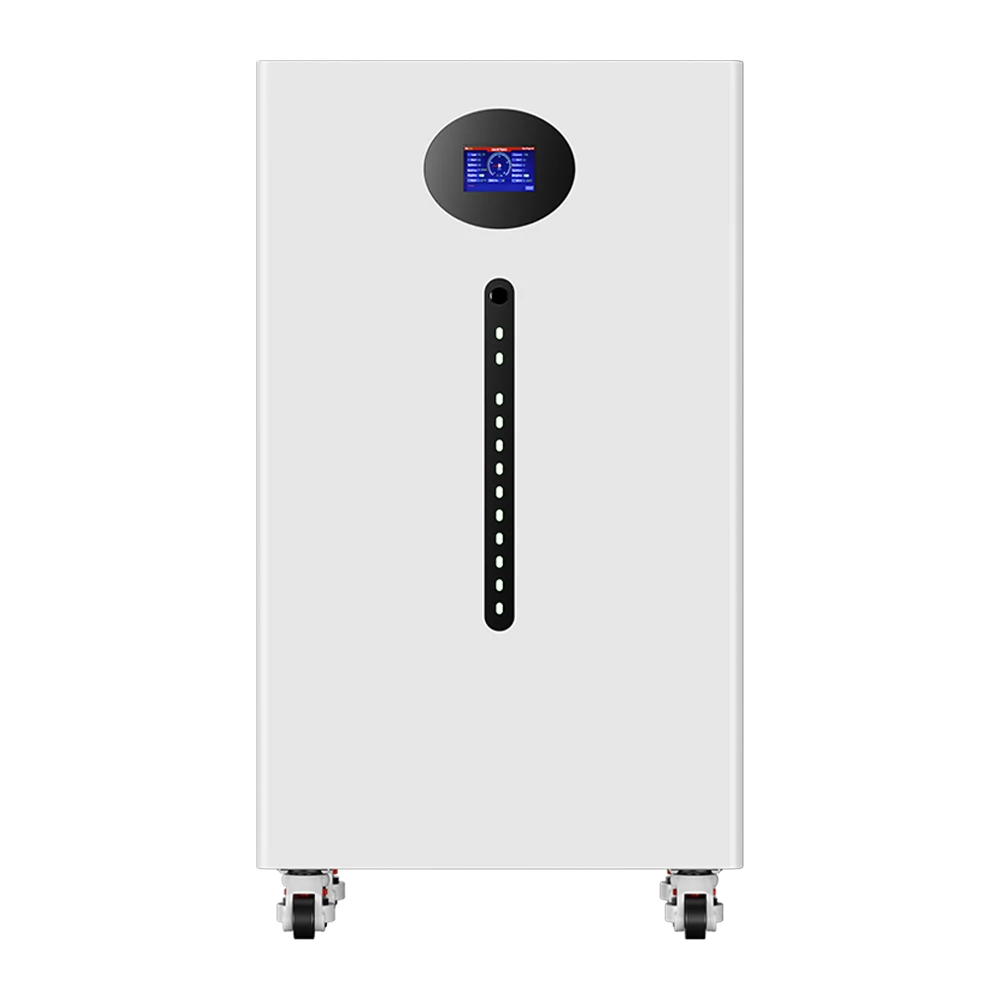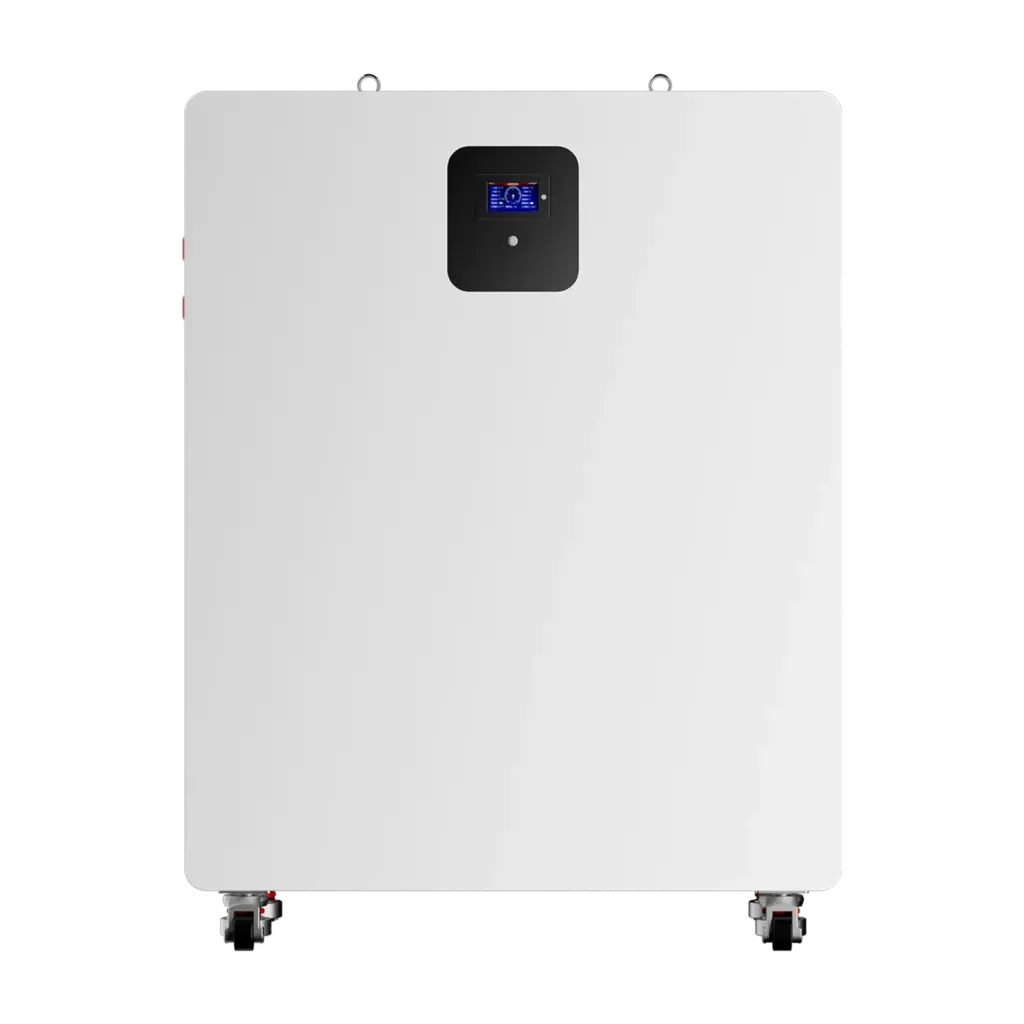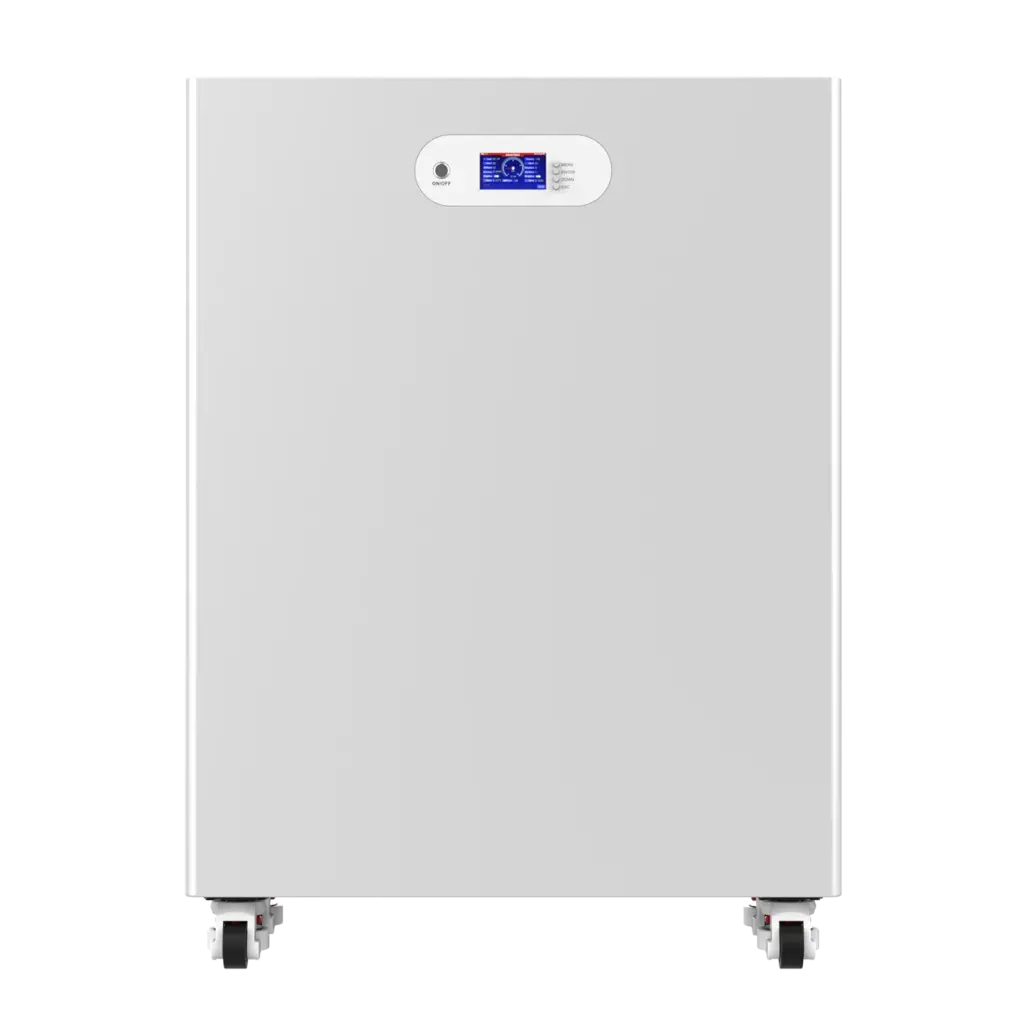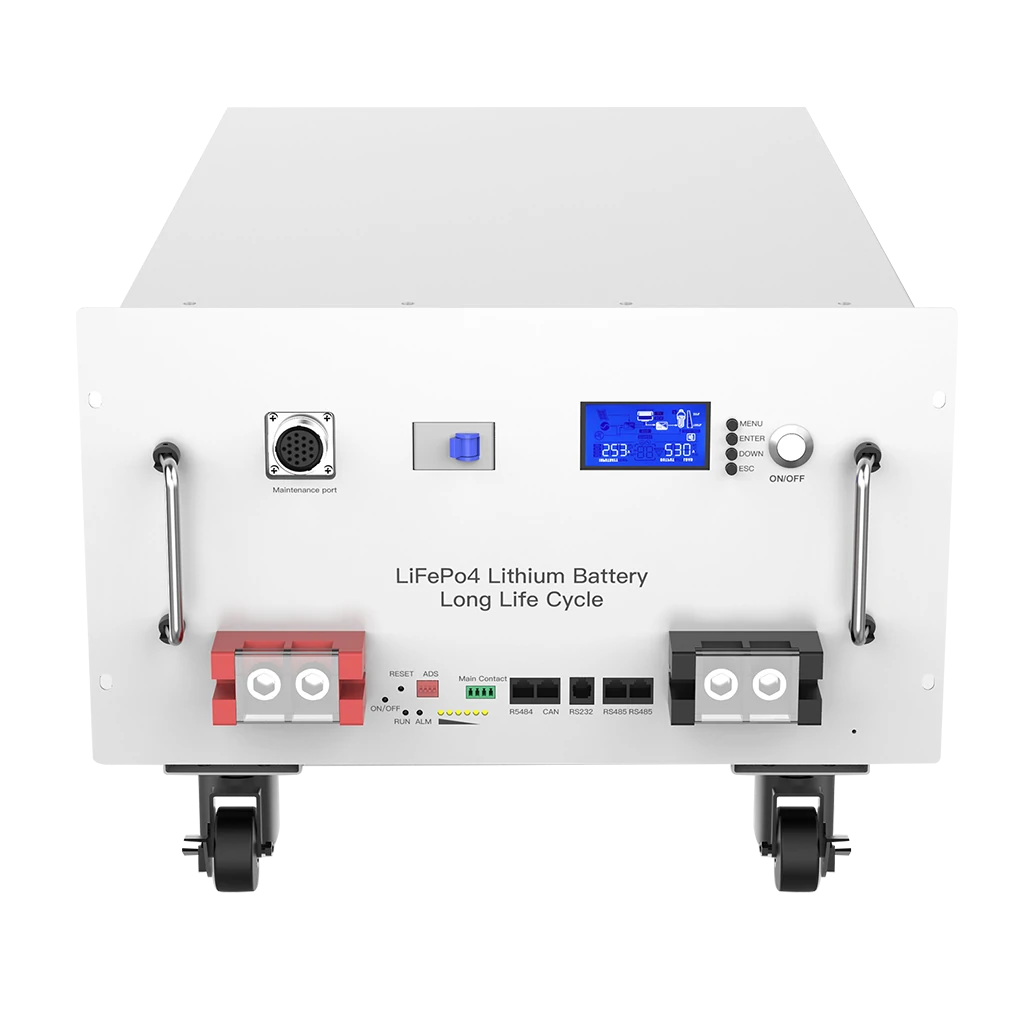

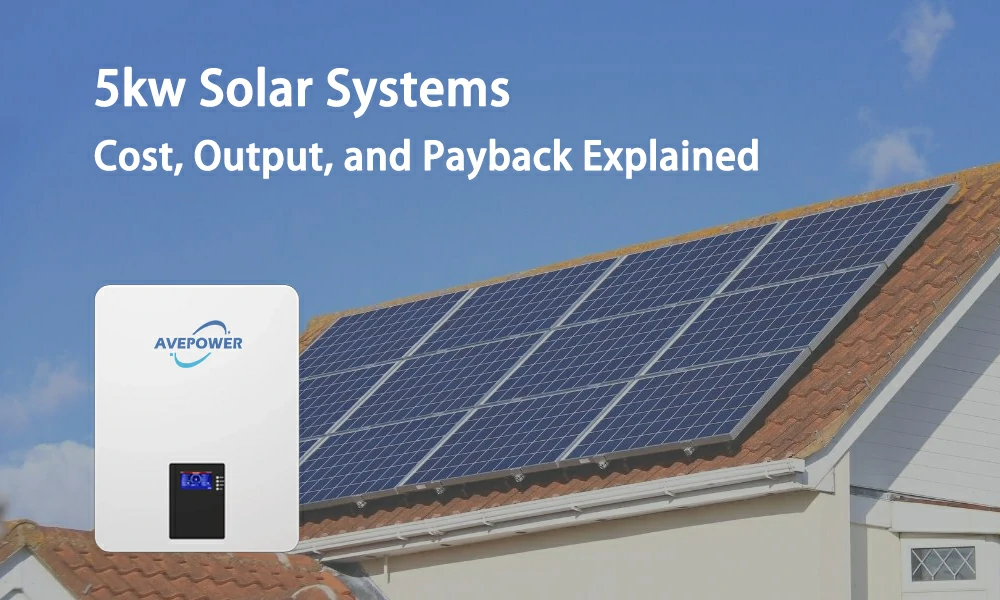
If you are considering solar, a 5 kW solar system can power part of your home and lower monthly bills. Based on installation data, it costs about $13,550 before incentives, but the final price depends on your roof, local labor, equipment, and available rebates.
Before buying, you also need to choose grid-tied vs off-grid. Off-grid offers more energy independence, while grid-tied still connects to the utility for flexibility and backup. The best option depends on your needs and budget.
5 kW Solar System Panels and Roof Space
A 5 kW solar system usually needs about 10–20 panels, depending on the wattage of each panel.
Most modern panels are 400–550 W. For example, if you use 500 W panels, you would need 10 panels to reach 5 kW (5,000 W ÷ 500 W = 10).
For roof space, a typical 5 kW setup needs around 25–35 m², depending on panel size and the layout of your roof. A common panel size is roughly 1.7 m × 1.0 m, but the final area also depends on spacing and installation design.
The best placement is usually a south-facing roof with a 30–45° tilt, because roof direction and angle affect how many panels you can fit and how much energy the system produces. Output also changes by location and climate, and installers can adjust tilt/orientation to improve performance.
How Much Electricity Does a 5 kW Solar System Produce?
A 5 kW solar system typically generates around 20 kWh of electricity per day, although the exact output varies with your location, season, roof orientation, shading, and panel efficiency.
This also does not automatically mean a $0 electricity bill. Many households use a large share of their power after sunset, when solar panels stop producing. Without a battery (or a strong net-metering plan), you may still rely on grid electricity at night even if your system performs well during the day.
Is a 5 kW Solar System Right for Your Home?
A 5 kW solar system can generate about 7,260 kWh of electricity per year on average. For households that use roughly 3,000–4,000 kWh per year, a 5 kW system may cover a large portion of their electricity needs.
Your actual results will depend on your real power usage, roof direction and shading, local climate and sunlight hours, and the rebates or incentives available in your area. Matching the system size to these factors is the best way to achieve the savings you expect.
How Much Does a 5 kW Solar System Cost?
In the U.S., a 5 kW solar panel system costs about $10,100-$14,600 in 2025 before incentives, based on real installation data. It typically produces around 7,260 kWh per year, but output depends on your location and sunlight.
| State | Price |
|---|---|
| Arizona | $10,100 |
| California | $11,300 |
| Colorado | $14,300 |
| Florida | $10,850 |
| Massachusetts | $15,250 |
| Maryland | $13,900 |
| New Jersey | $13,100 |
| New York | $14,600 |
| Texas | $10,600 |
| Washington | $13,000 |
In Australia, a good-quality 5 kW system in 2025 typically costs about $3,980–$7,740 out-of-pocket after the STC rebate (solar-only).
| City | Price |
|---|---|
| Adelaide SA | $4,420 |
| Brisbane QLD | $4,820 |
| Canberra ACT | $4,740 |
| Darwin NT | $7,480 |
| Hobart TAS | $6,090 |
| Melbourne VIC | $5,100 |
| Sydney NSW | $4,650 |
| Perth WA | $3,980 |
| Overall | $5,160 |
Typical India range (after subsidy) ~₹1.97–₹2.92 lakh for a 5 kW system, depending on city, equipment, and local incentives. Central subsidy is capped at ₹78,000 for systems above 3 kW (additional state subsidies may apply in some places, which is why “after subsidy” differs by city).
| Location (City, State) | Price |
|---|---|
| Pune, Maharashtra | ₹2,22,000 |
| Bhopal, Madhya Pradesh | ₹2,32,000 |
| Lucknow, Uttar Pradesh | ₹1,97,000 |
| Jaipur, Rajasthan | ₹2,42,000 |
| Ahmedabad, Gujarat | ₹2,17,000 |
| Bengaluru, Karnataka | ₹2,92,000 |
| Hyderabad, Telangana | ₹2,62,000 |
| Delhi (NCT) | ~₹1,92,000 |
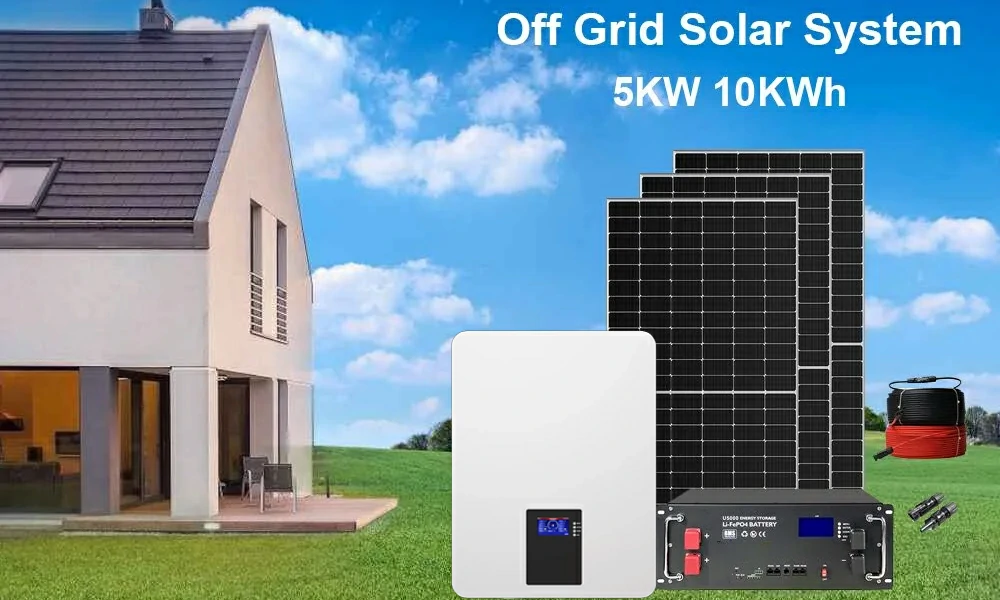
5kw Solar System with Battery Price
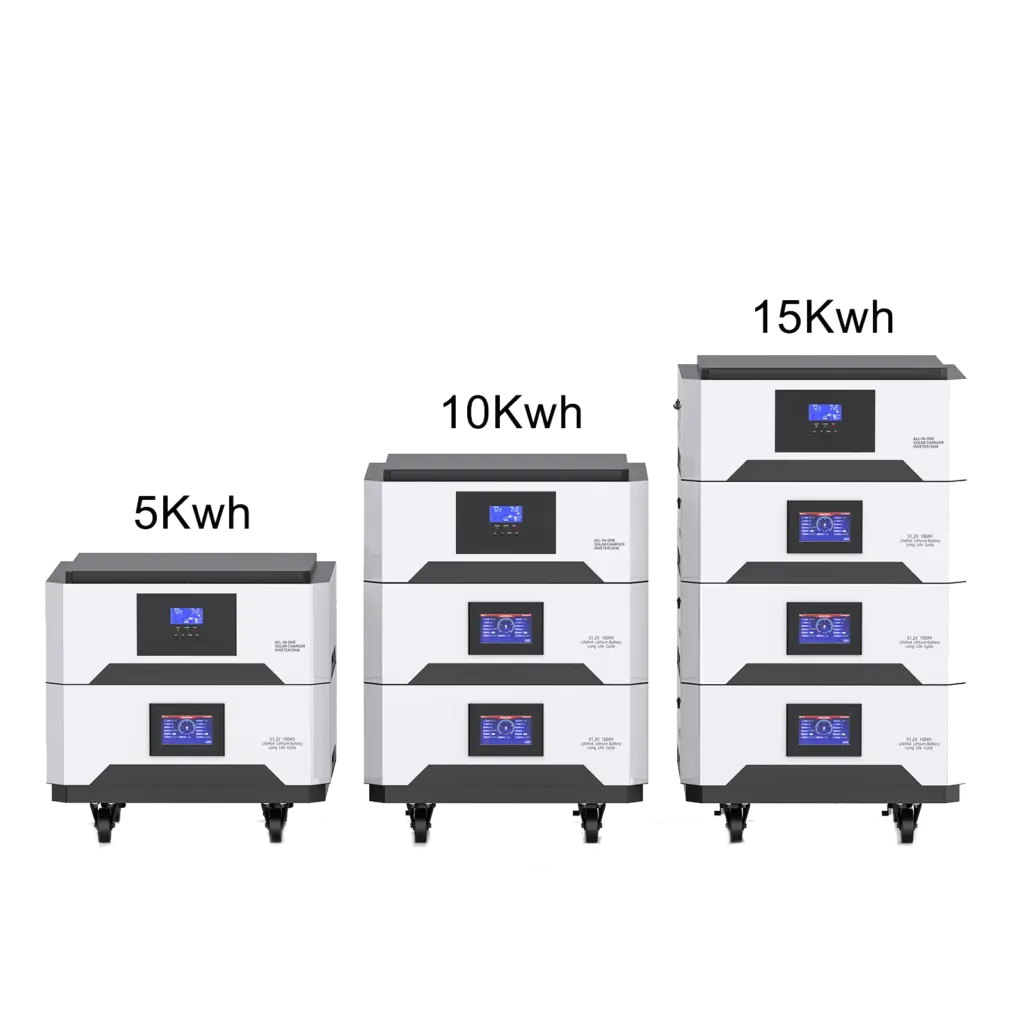
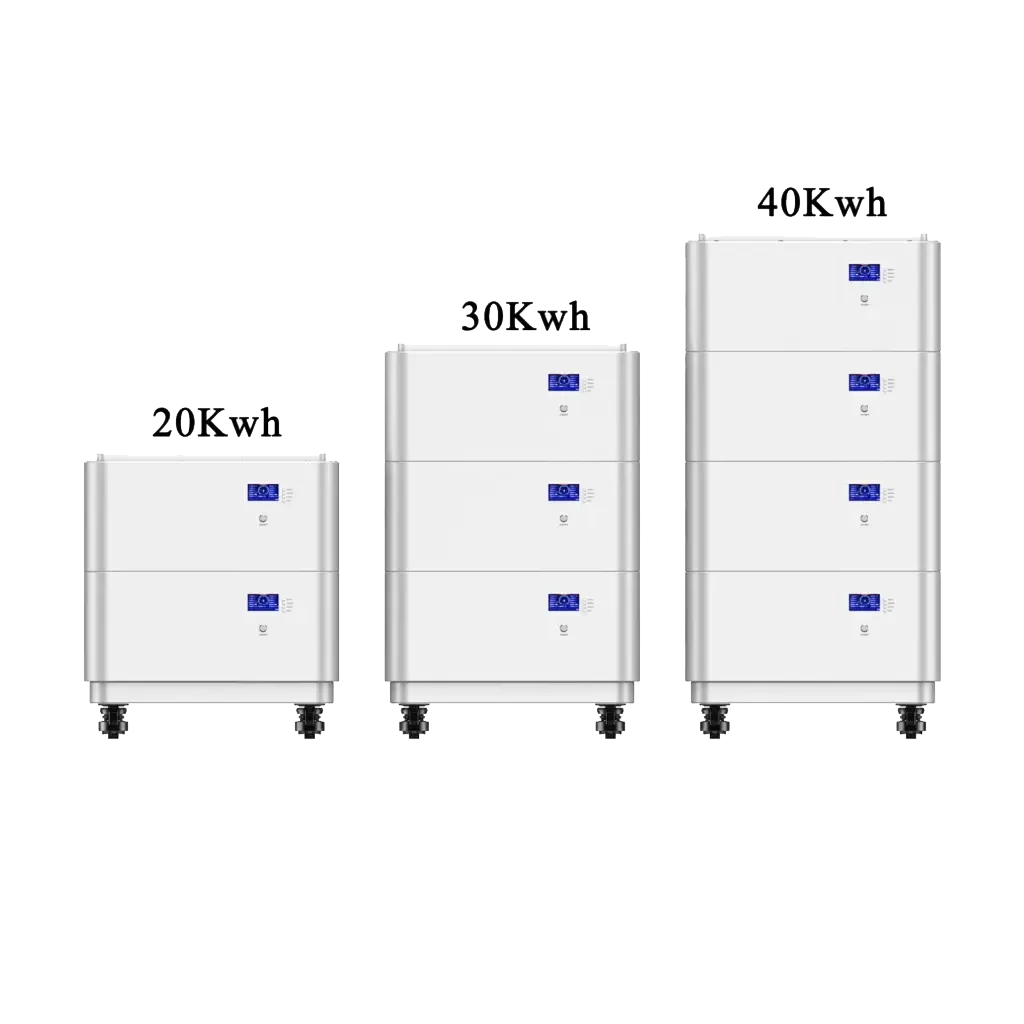
Prices mainly depend on battery size (kWh) and incentives. Here are realistic ranges for common 5kW + storage setups:
United States
| System | Typical total before incentives | Rough total after 30% ITC (if eligible, install by Dec 31, 2025) |
|---|---|---|
| 5kW solar + 10kWh battery | ≈ $25,100 | ≈ $17,500 |
| 5kW solar + 13.5kWh battery | ≈ $29,100 | ≈ $20,400 |
Australia
| System | Typical installed price range |
|---|---|
| 5kW + 10kWh battery | $12,000 – $17,00 |
| 5kW + 12kWh battery | A$13,000 – $19,000 |
| 5kW + 14kWh battery | $14,000 – $21,000 |
Australia also has the Cheaper Home Batteries Program providing around a 30% discount for eligible batteries installed from 1 July 2025, which can materially reduce the battery portion of your quote.
India
| System | Indicative price |
|---|---|
| 5kW solar (no battery) | ₹2.30–₹2.50 lakh |
| 5kW solar + battery (hybrid/off-grid package example) | ₹5.25 lakh |
How Long Does a 5 kW Solar System Take to Pay for Itself?
A 5 kW solar system can often pay for itself in under 3-5 years, as long as you keep a good share of the solar energy for your own use (instead of exporting most of it) and you purchase the system at a fair installed price. That is a relatively fast payback period for a home upgrade.
If you can access low-cost solar financing, you may even achieve positive cash flow from day one. In many cases, the monthly savings on electricity can be higher than the monthly loan payment, so you start benefiting immediately while the system pays itself off over time.
To shorten your payback further, work with a trusted installer or supplier who can deliver a high-quality 5 kW system at a reasonable price. For example, Avepower can provide a complete solar + battery quotation. You only need to share your home load and daily electricity usage, and we can recommend the most suitable configuration to help improve your return on investment.
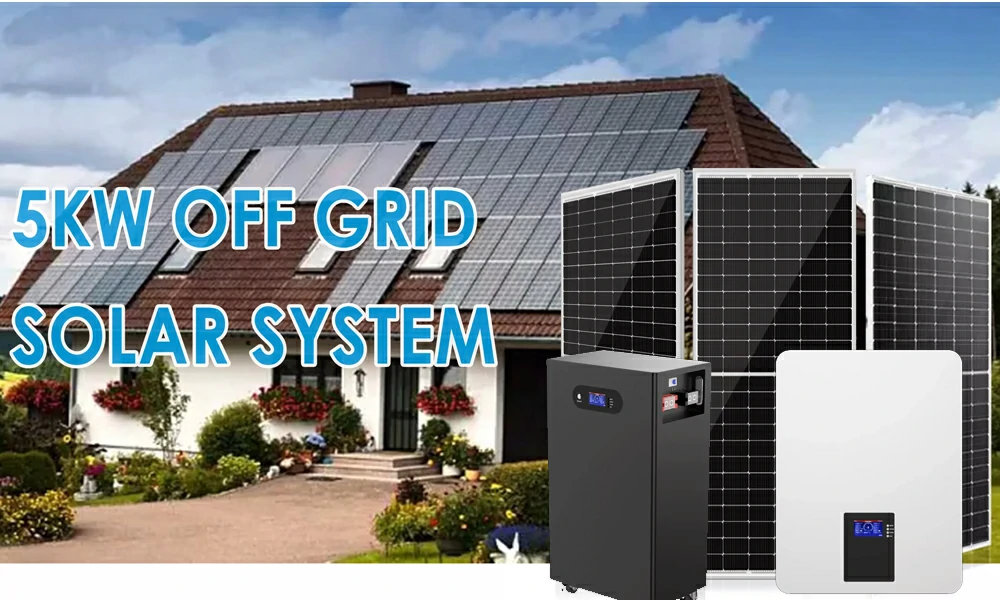
5kw Solar System Off Grid vs. Grid Tie
A 5kW solar system can be built in two main ways: grid-tied (on-grid) or off-grid. Both use solar panels to capture sunlight and other equipment to turn it into usable electricity, but they behave very differently once the sun goes down or the weather changes.
Key Difference
A grid-tied system connects to your local utility grid. When your panels are not producing enough power—at night or during heavy cloud—the grid automatically supplies the shortfall. If your system produces extra power during the day, you may be able to export it back to the grid, depending on local rules.
An off-grid system is not connected to the utility grid. That means your home relies entirely on solar production + battery storage (and often a backup generator) to stay powered 24/7.
What’s Needed for a 5kW Grid-Tied Solar System
Grid-tied systems use many of the same core parts as off-grid systems, plus grid-specific equipment and compliance requirements.
Common components include:
- Solar panels (PV modules)
- Mounting system (roof or ground mount)
- Cabling, connectors, and protection devices
- Grid-tie inverter (converts DC to grid-quality AC and synchronizes with the grid)
- Main distribution board integration (your electrical panel must support solar input)
- Smart meter / export meter (often required for monitoring and net export)
Most grid-tied systems shut down during a blackout for safety. If you want backup power during outages, you typically need a hybrid inverter + battery + backup (EPS) circuit.
What’s Needed for a 5kW Off-Grid Solar System
Off-grid systems include the same solar-panel basics, but they must also provide reliable power when solar is unavailable.
Common components include:
- Solar panels (PV modules)
- Mounting system
- Cabling and protection devices
- Off-grid (or hybrid) inverter (powers your home without relying on the grid)
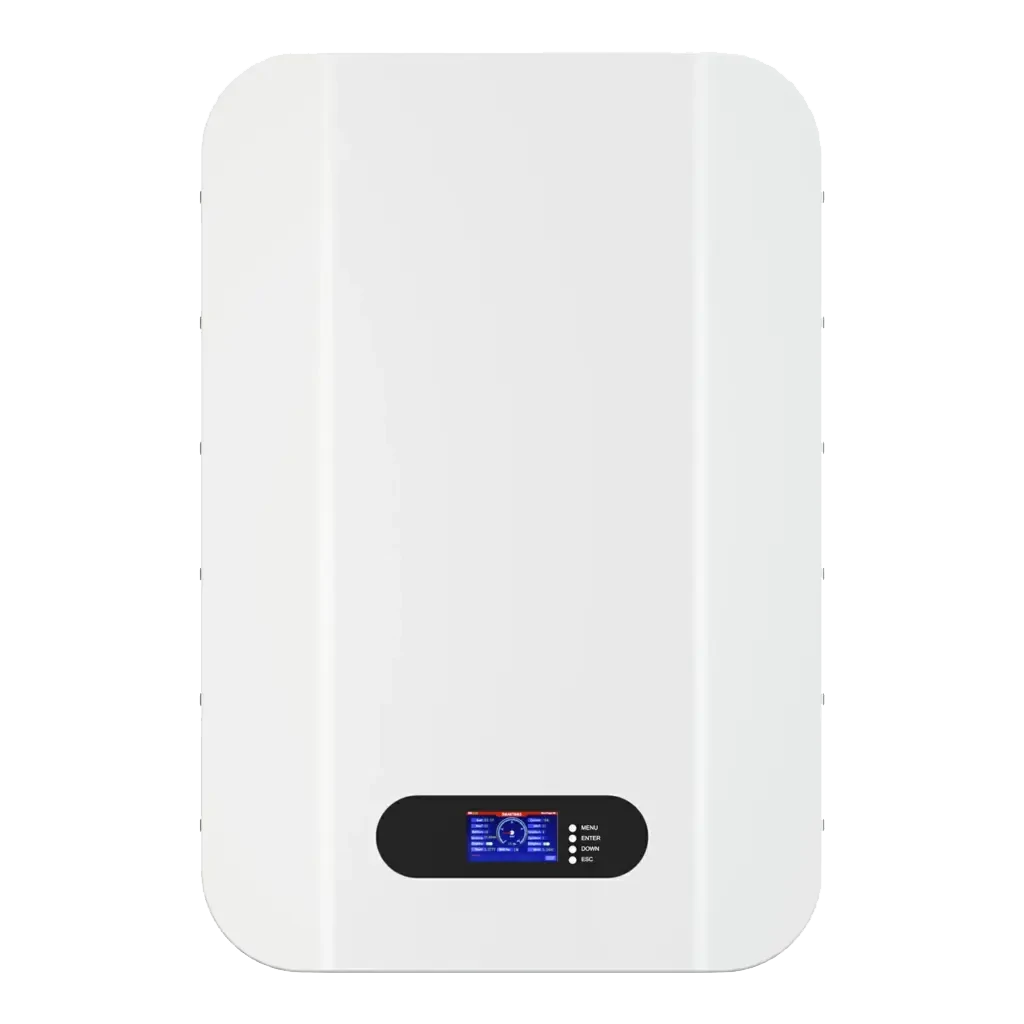
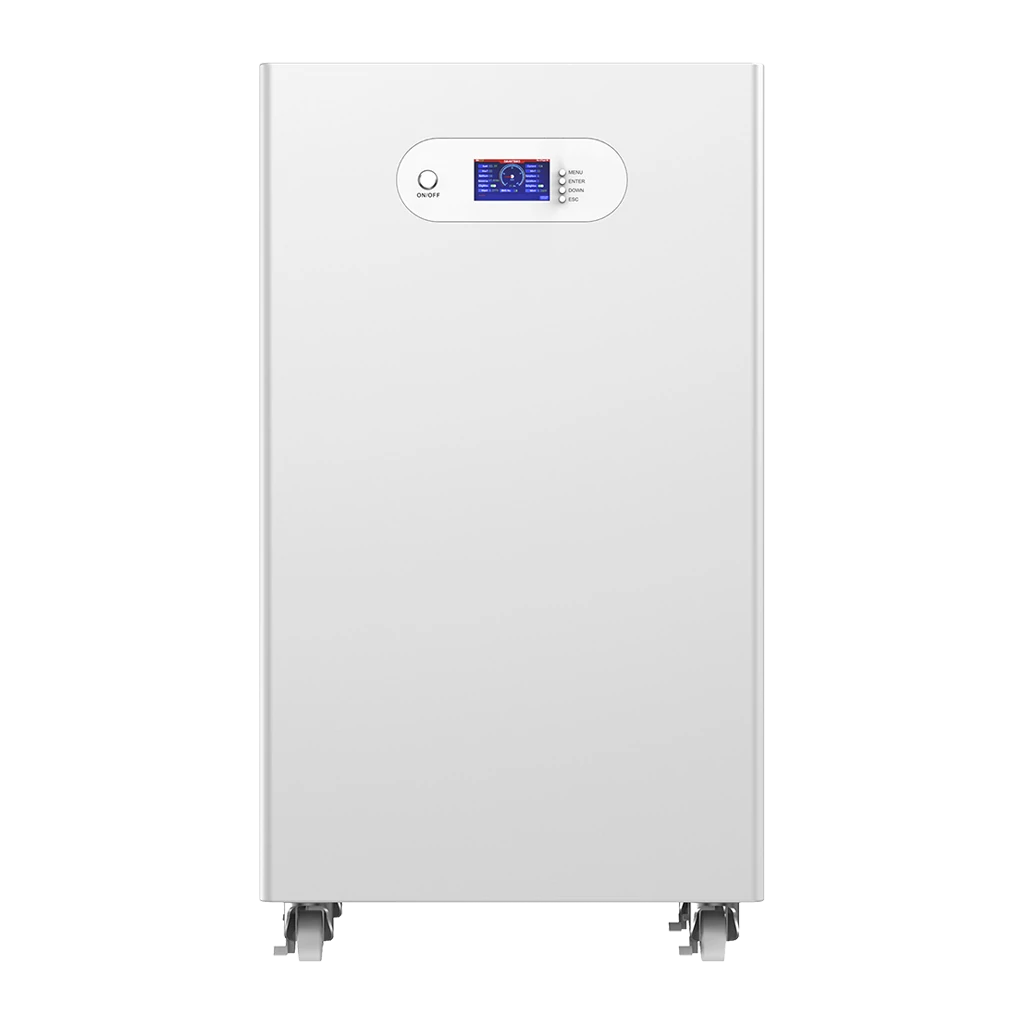
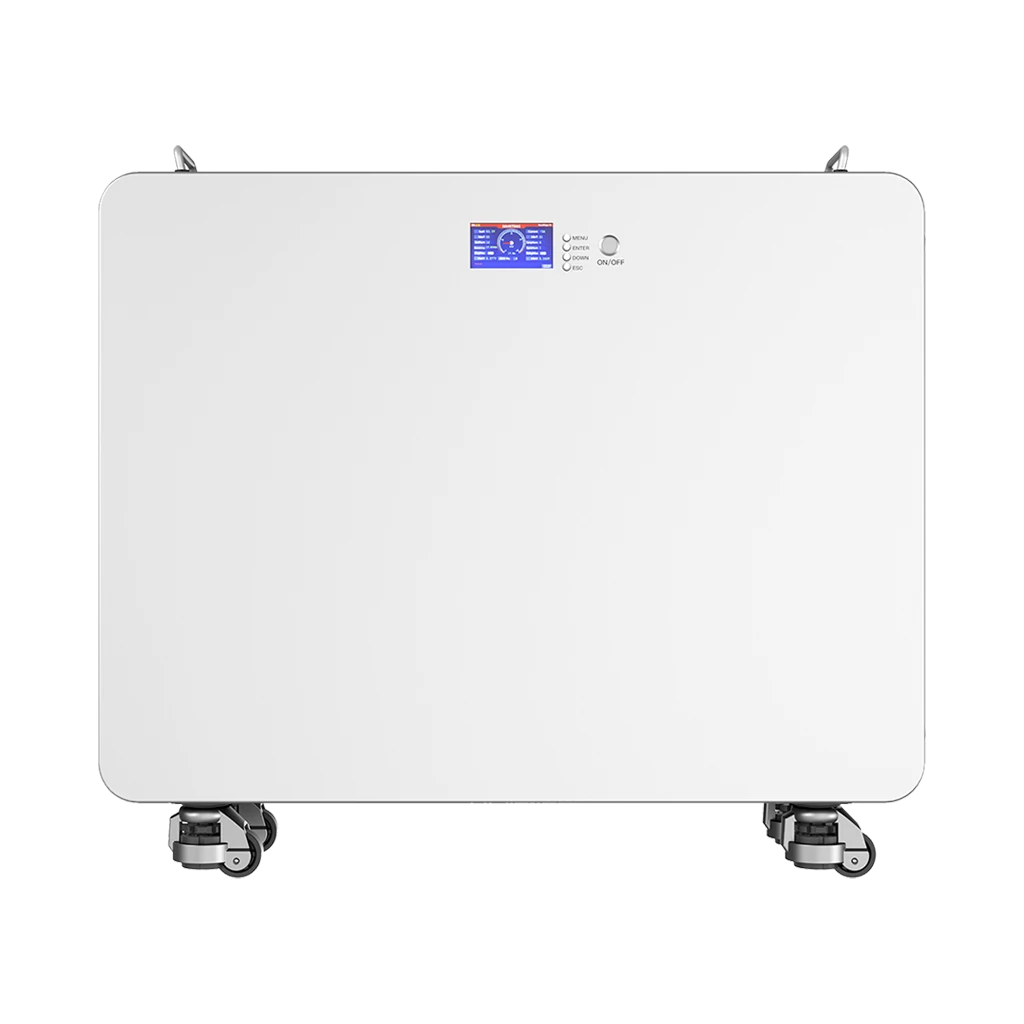
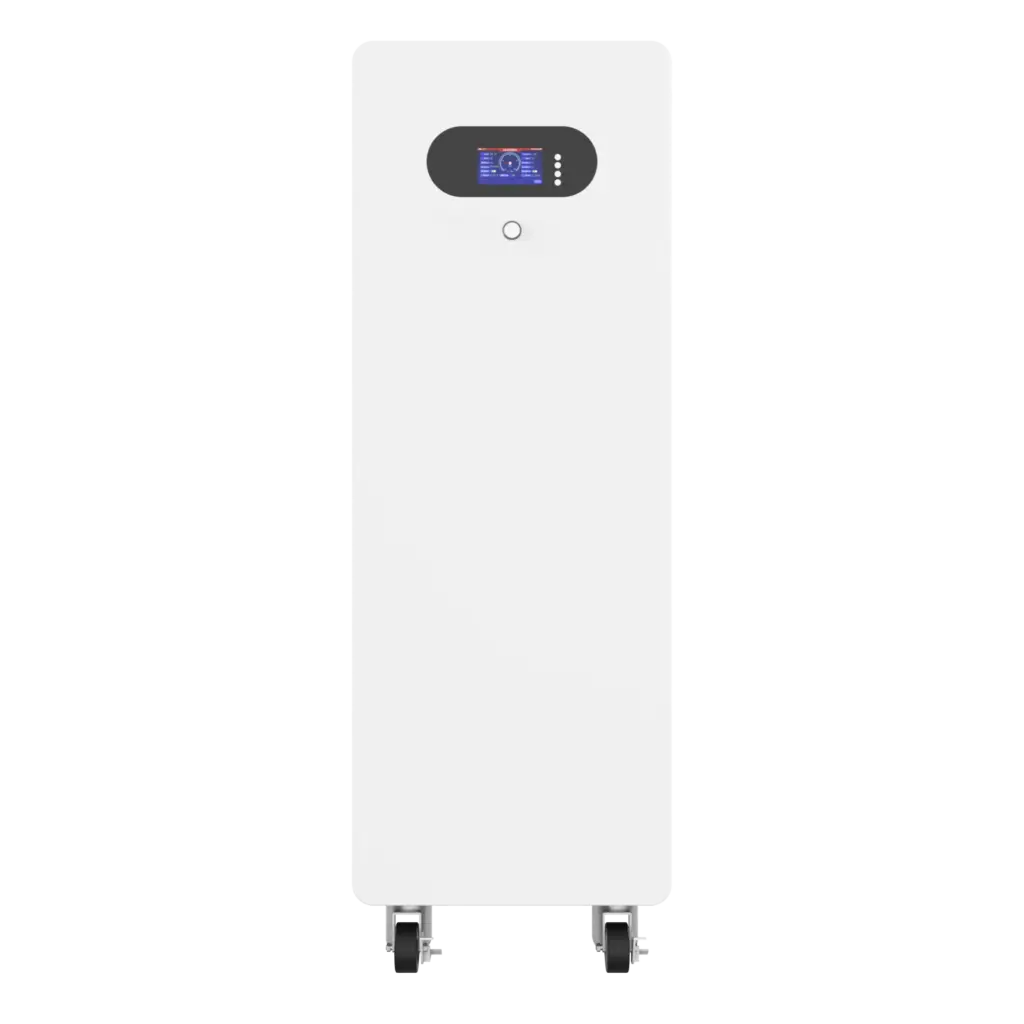
- Battery bank (required) to run loads at night and during low solar production
- Charge controller (often built into hybrid inverters; sometimes separate MPPT controllers)
- Backup generator (recommended) for extended bad weather or higher-than-usual usage
- Energy management and monitoring to control loads and protect battery life
Grid-tied systems cost less and are simpler because the grid covers nights and cloudy days (battery optional), while off-grid systems cost more and require batteries to deliver full independence but need careful sizing for peak and overnight use.
Get Your 5 kW Solar + Battery Quote
Ready to see what a 5 kW solar system can save in your home? Contact Avepower for a fast, tailored quote—tell us your daily kWh use, peak loads, and whether you want battery backup, and we’ll recommend the right solar + storage setup to maximize savings and shorten your payback time.
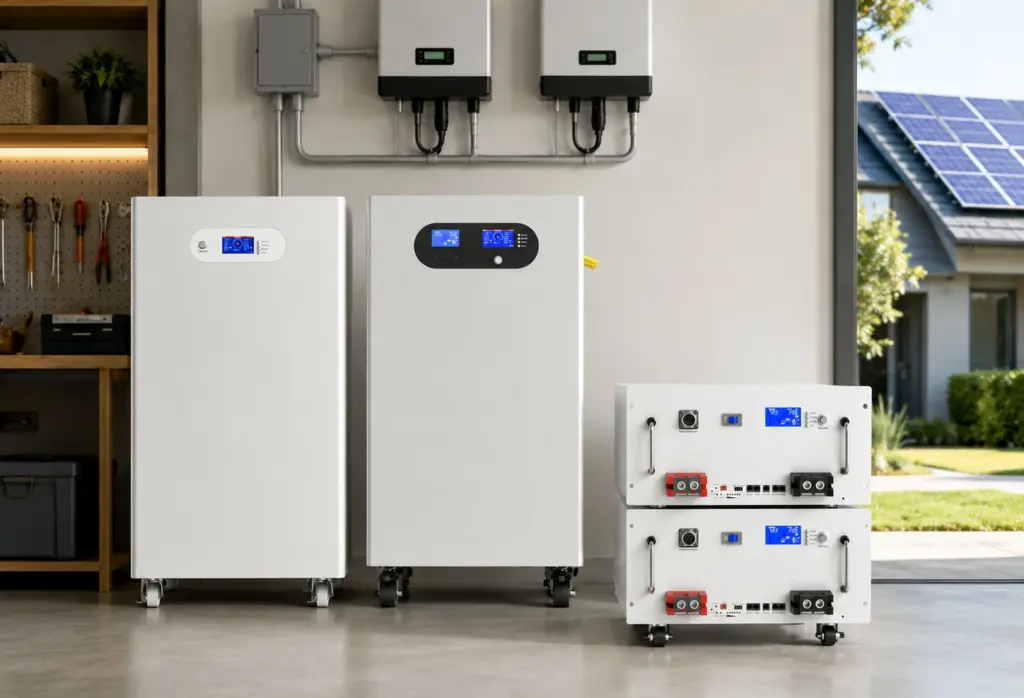
Take Control of Your Energy with Avepower!
Reliable home solar battery solutions with OEM/ODM customization and in-house manufacturing, tailored to the needs of distributors, installers, and energy partners.
FAQ
A well-installed 5kW system often produces about 20 kWh per day on average. Your output changes with your city, season, roof direction, shading, and weather.
A 5kW system often pays back in around 3–5 years if your system price is reasonable and your self-consumption is strong. Your payback becomes faster when you shift usage to daytime, because daytime solar power is worth more than exporting at a low feed-in rate.
A string inverter is often the lowest-cost option for simple roofs with consistent sun. A microinverter setup can help when shading or multiple roof faces reduce performance, and a hybrid inverter makes it easier to add a battery later.
A battery helps when you want night-time solar use, backup during outages, or better control under time-of-use rates. A battery can increase your upfront cost, so it makes sense when you value backup power or when you use a lot of electricity at night.