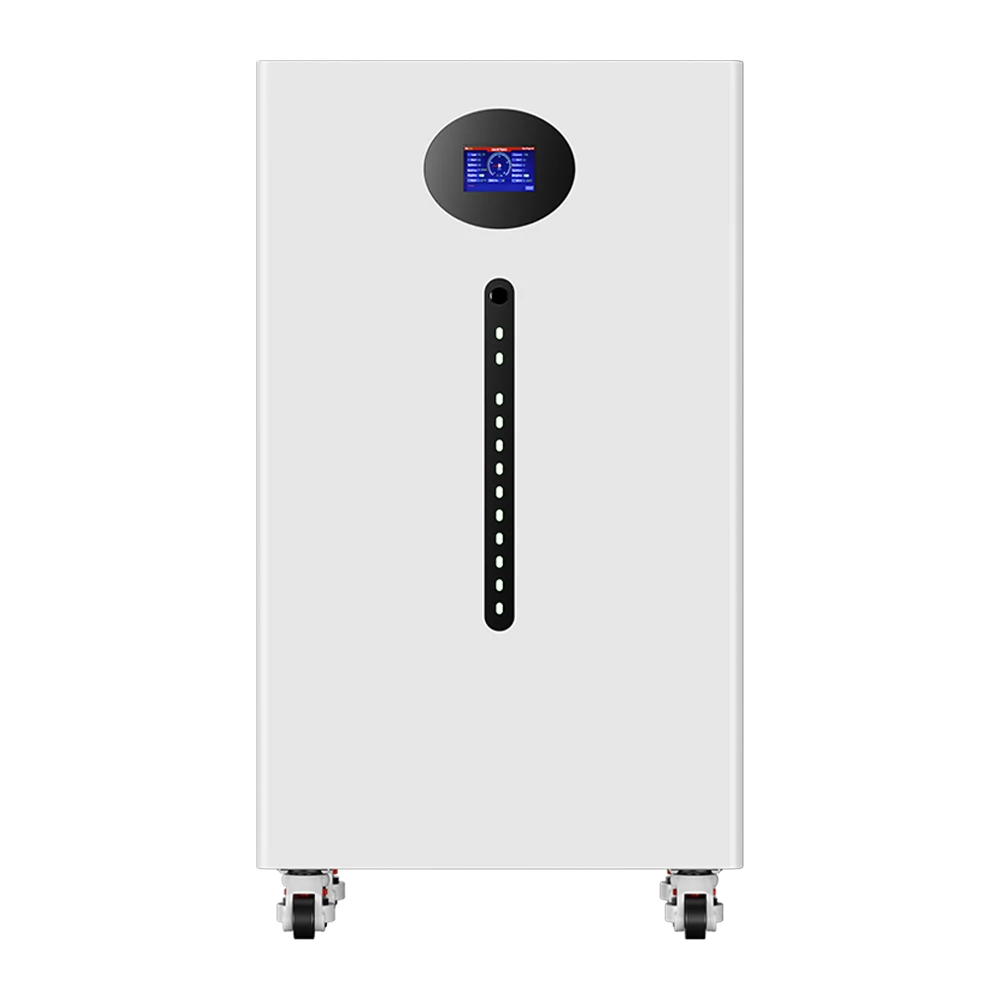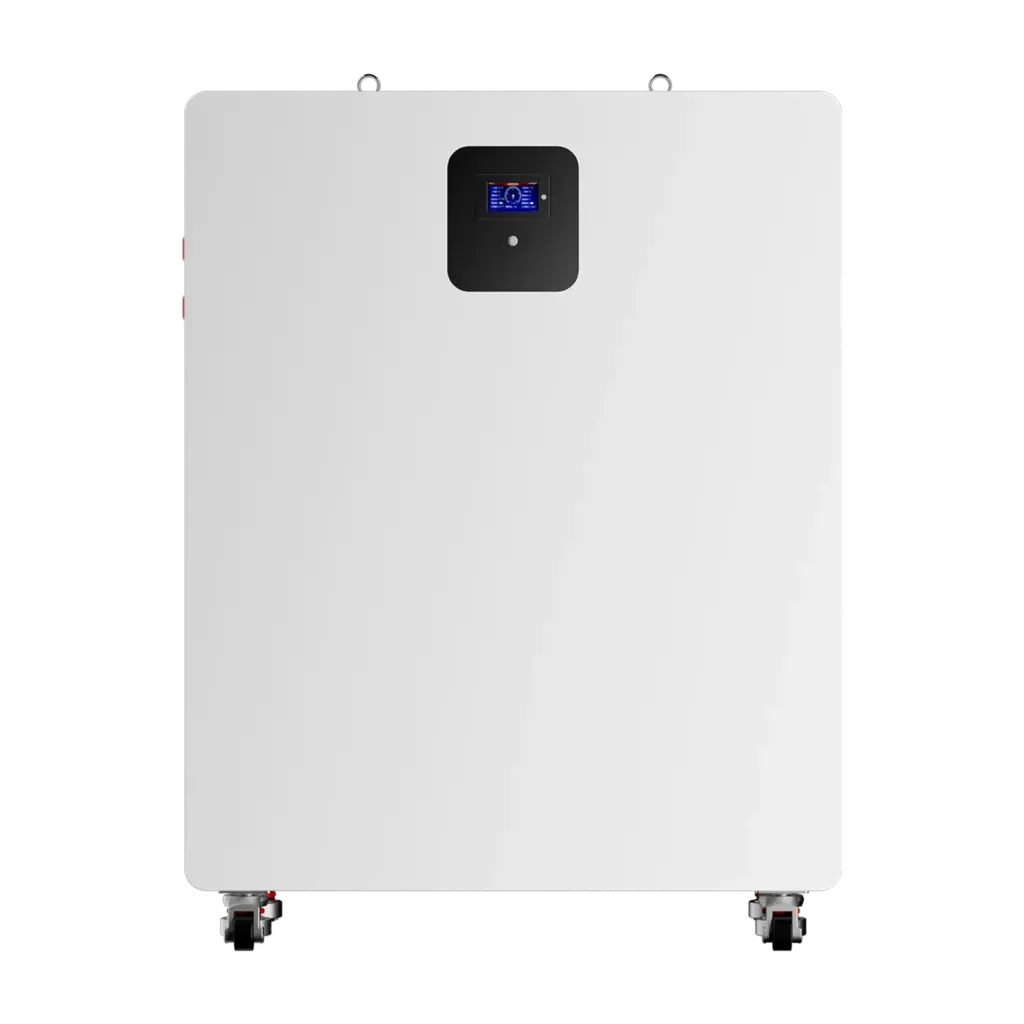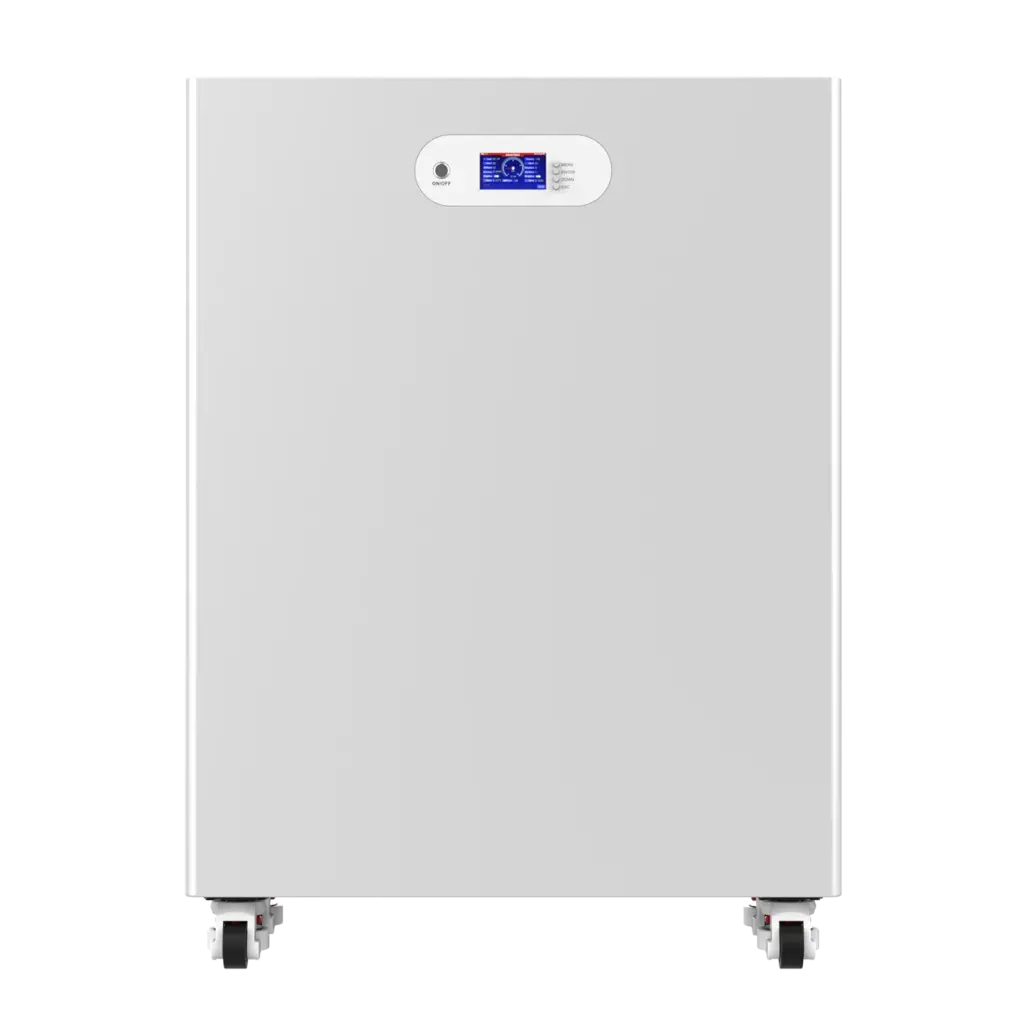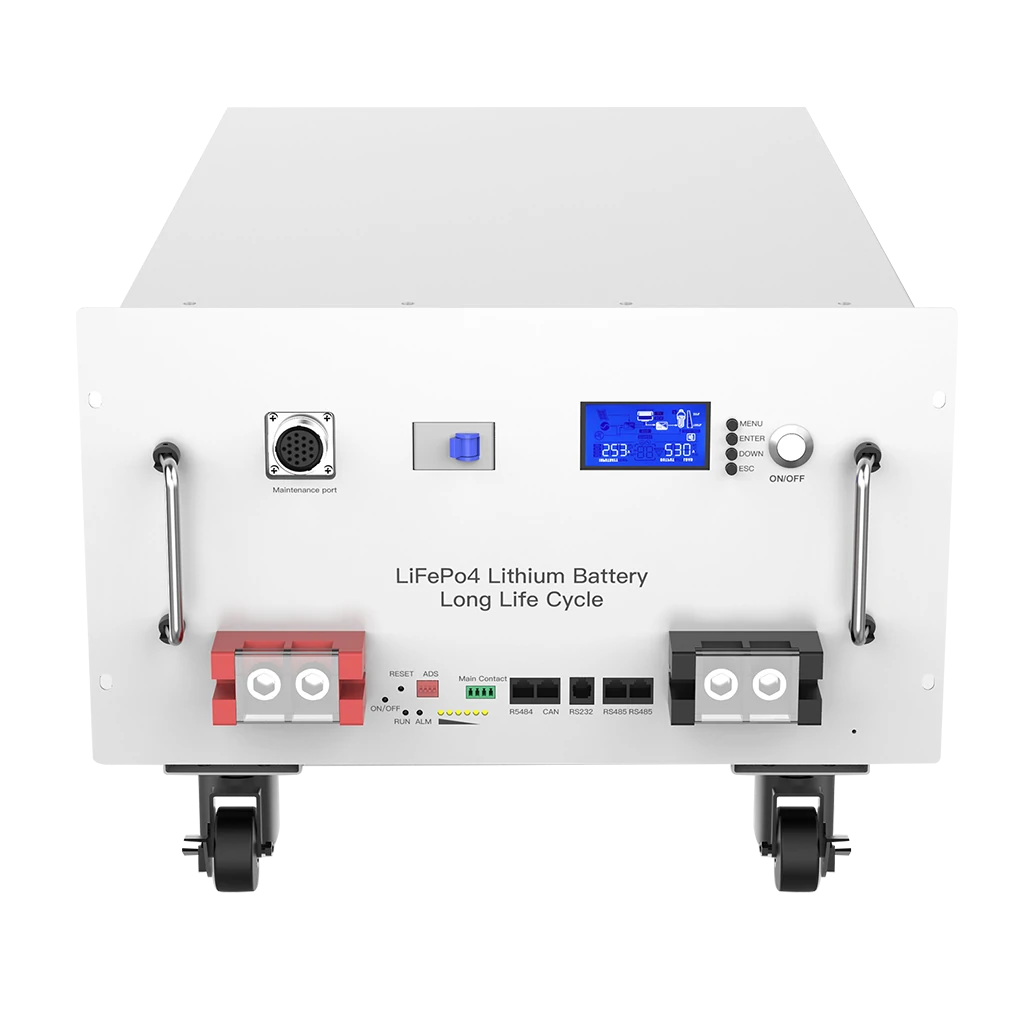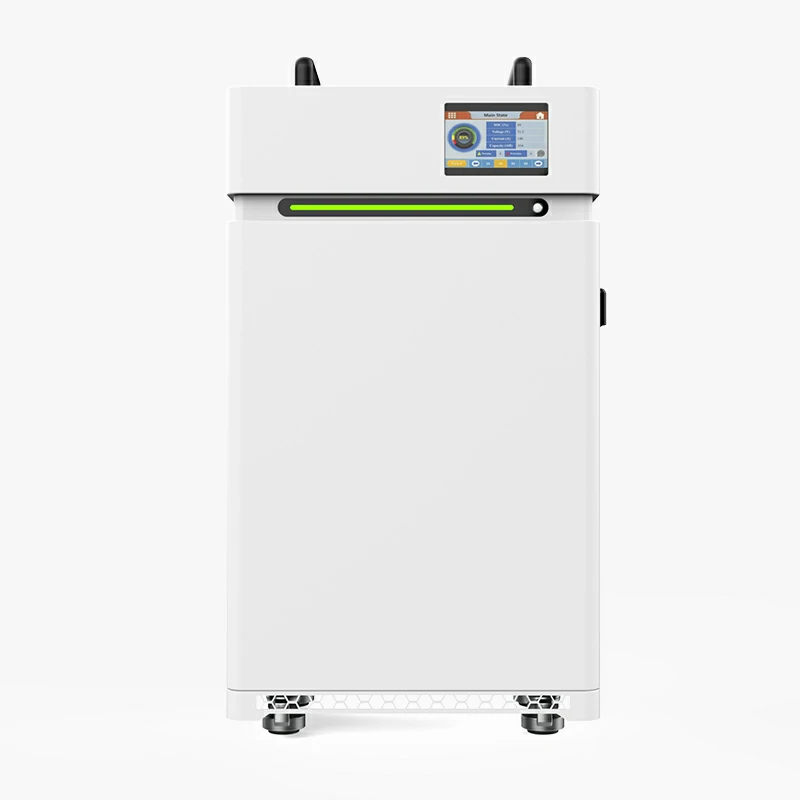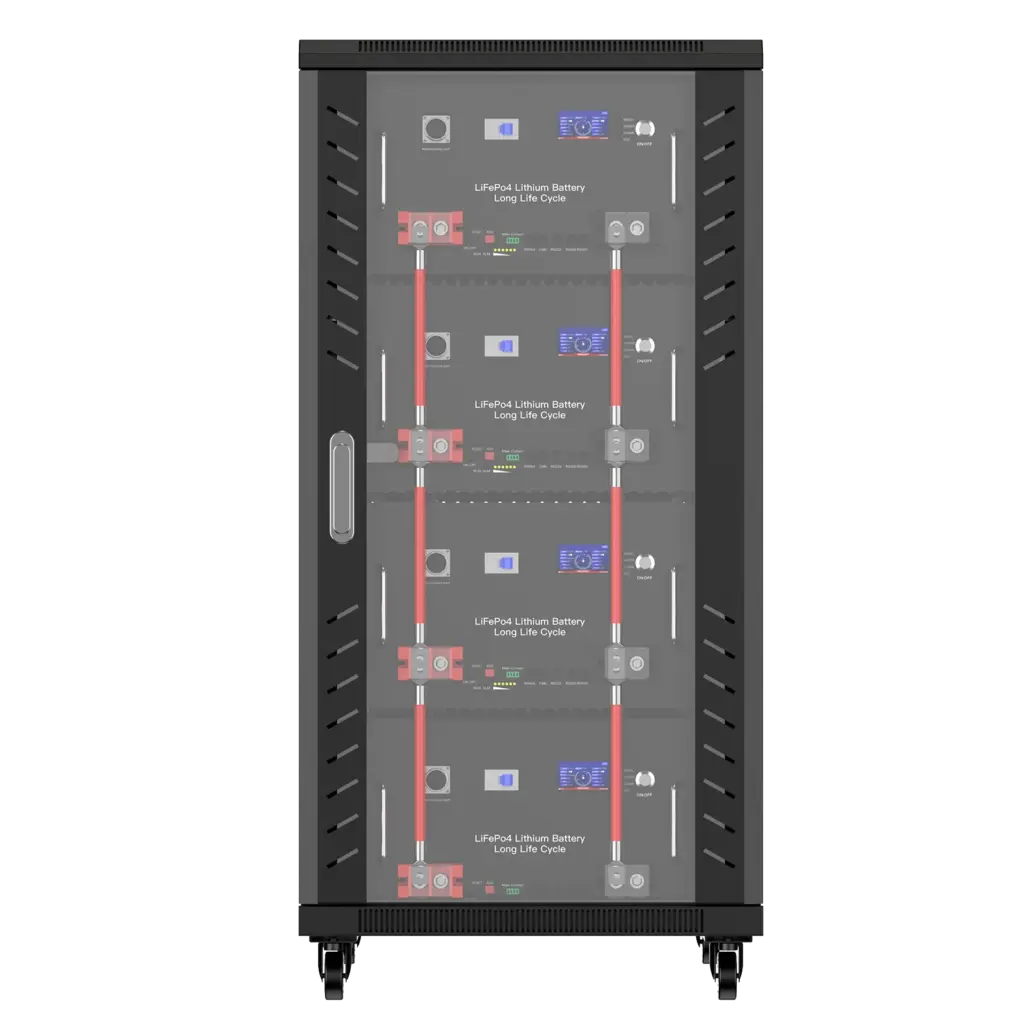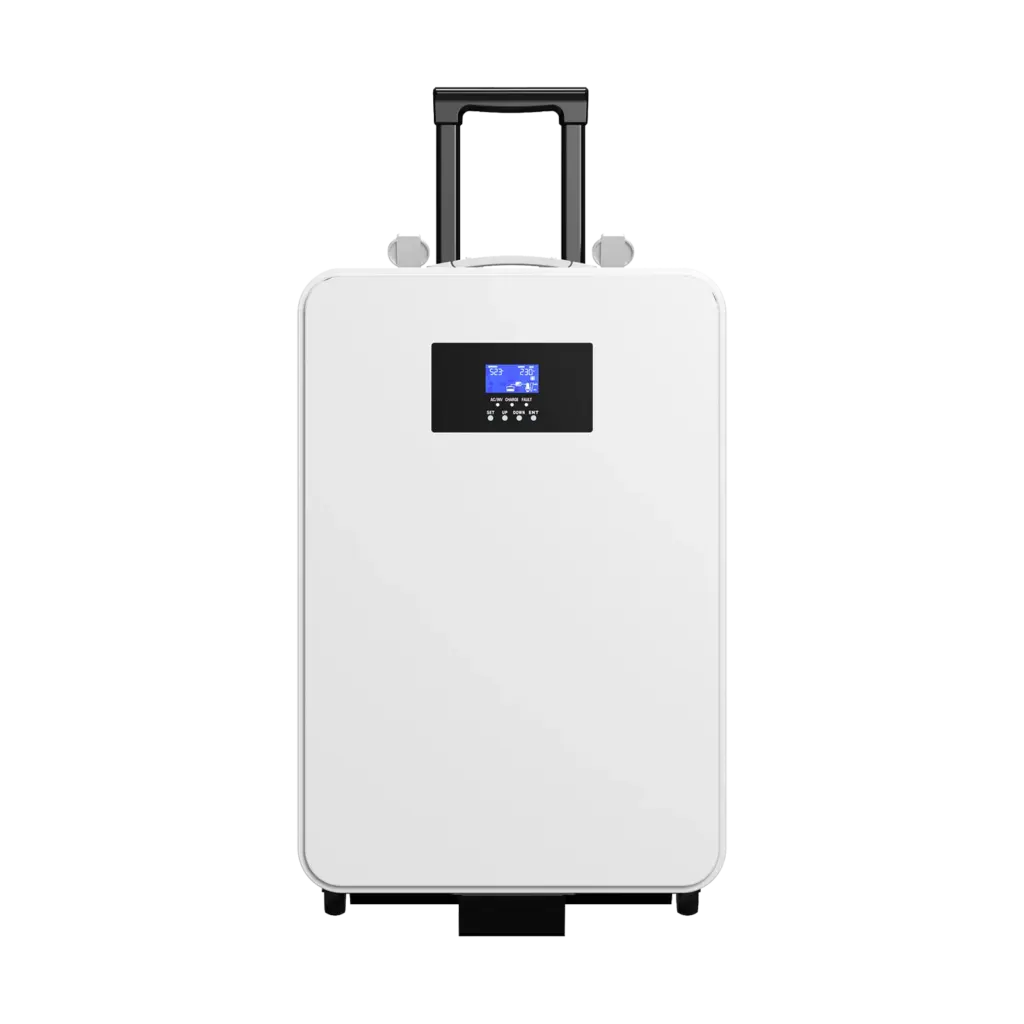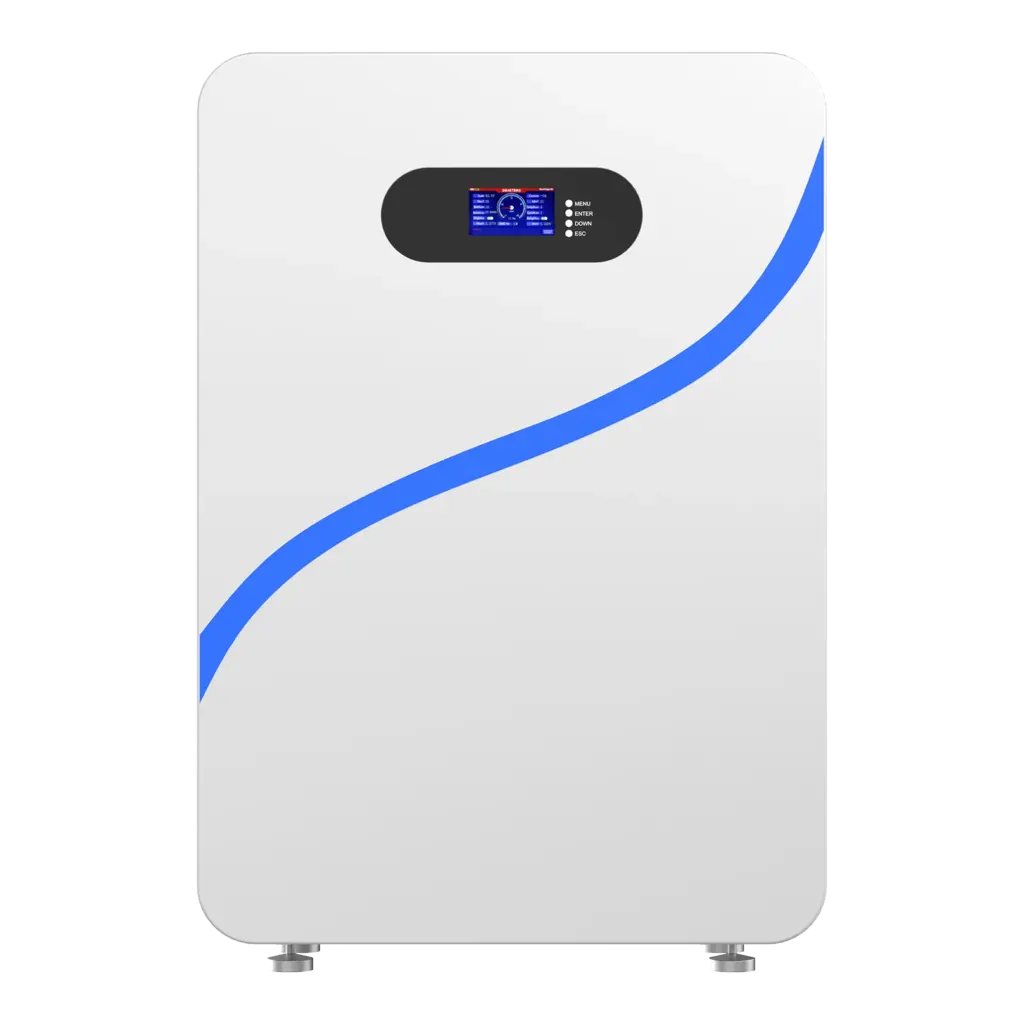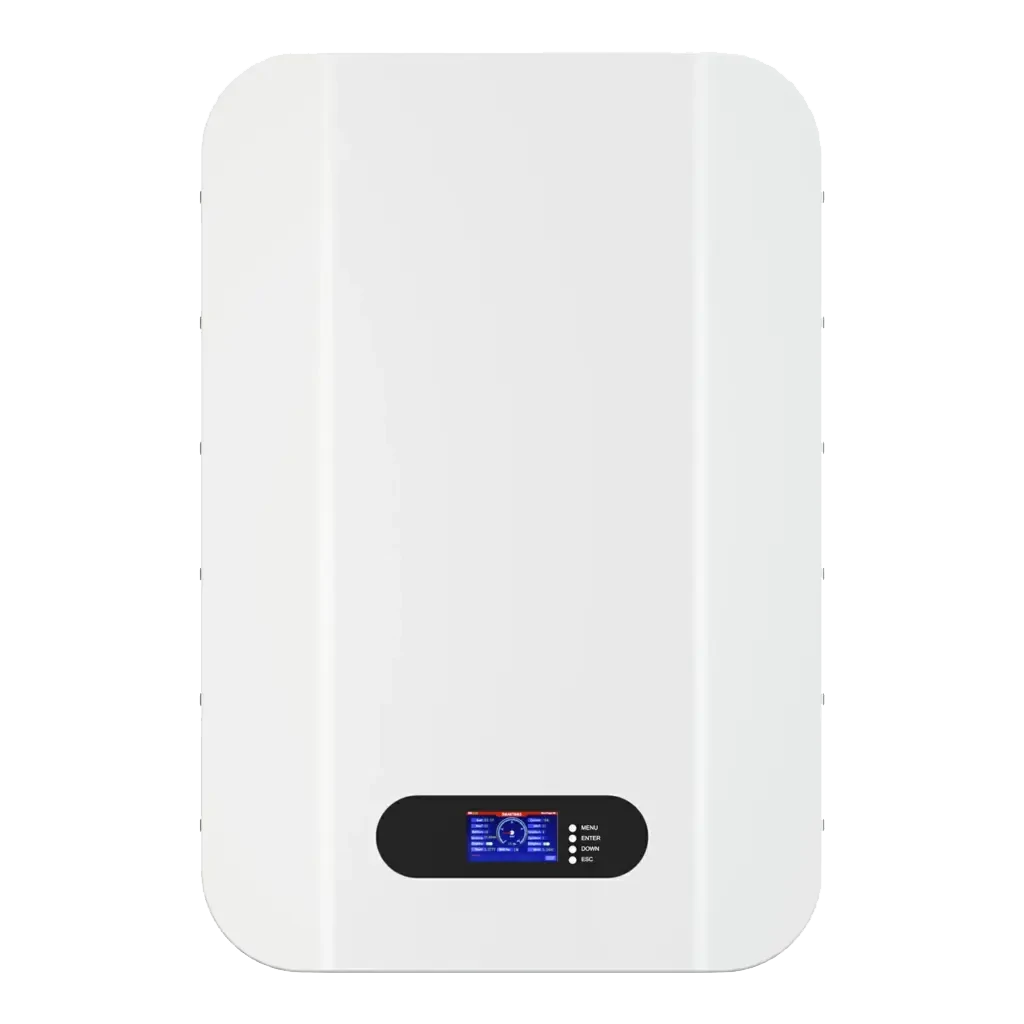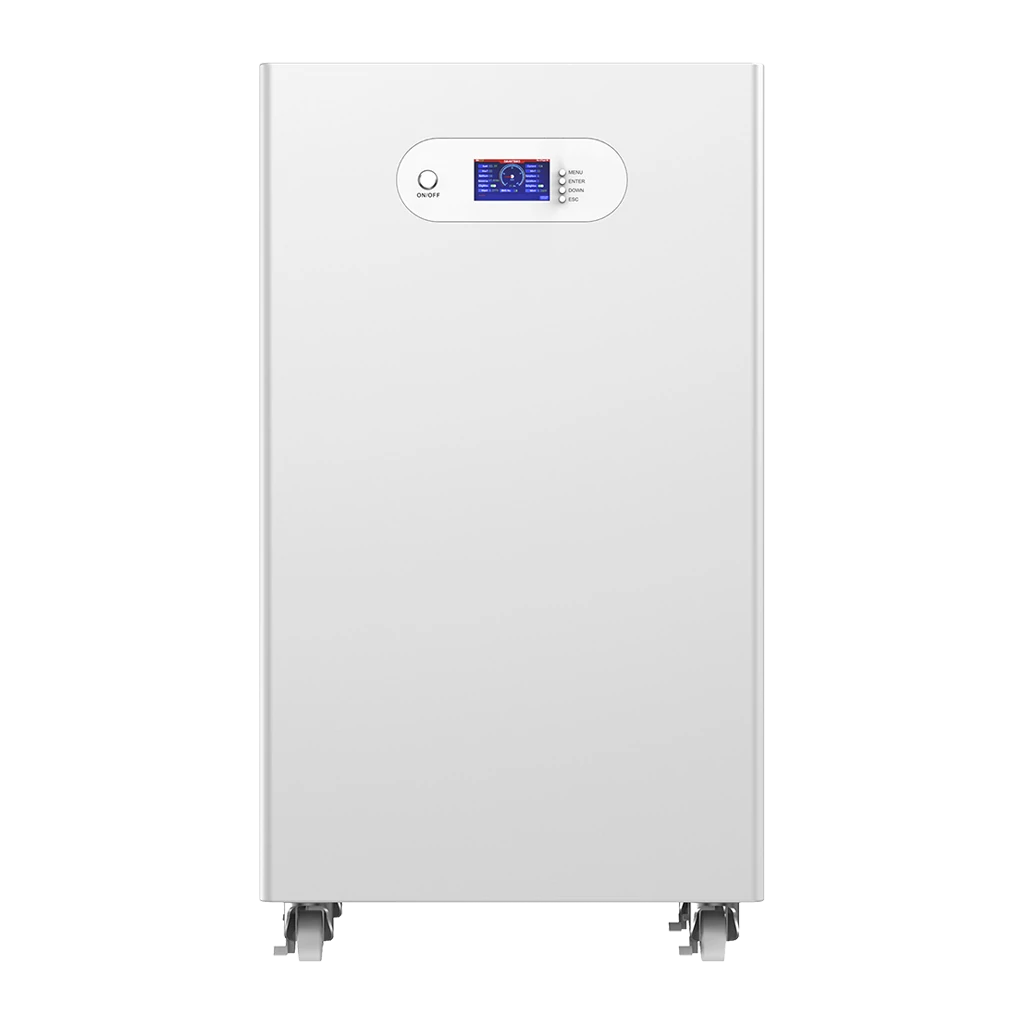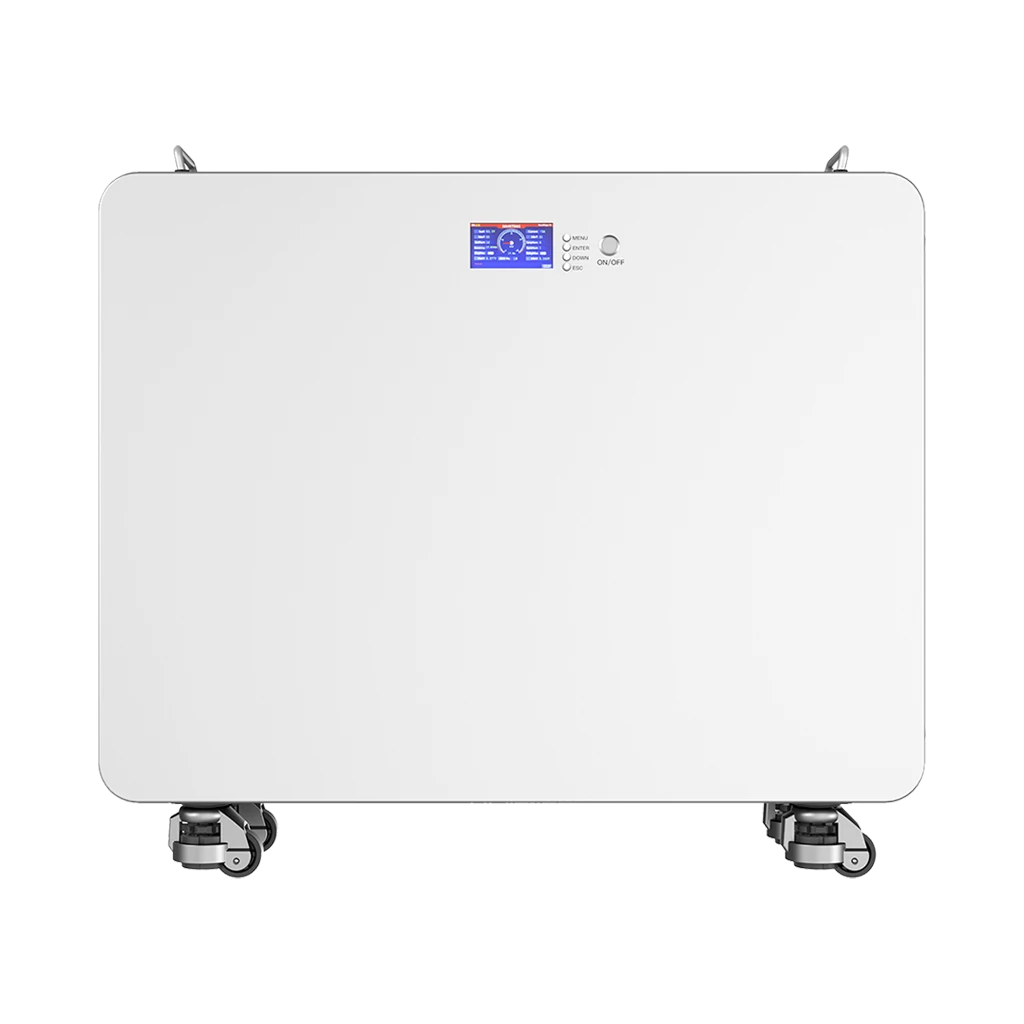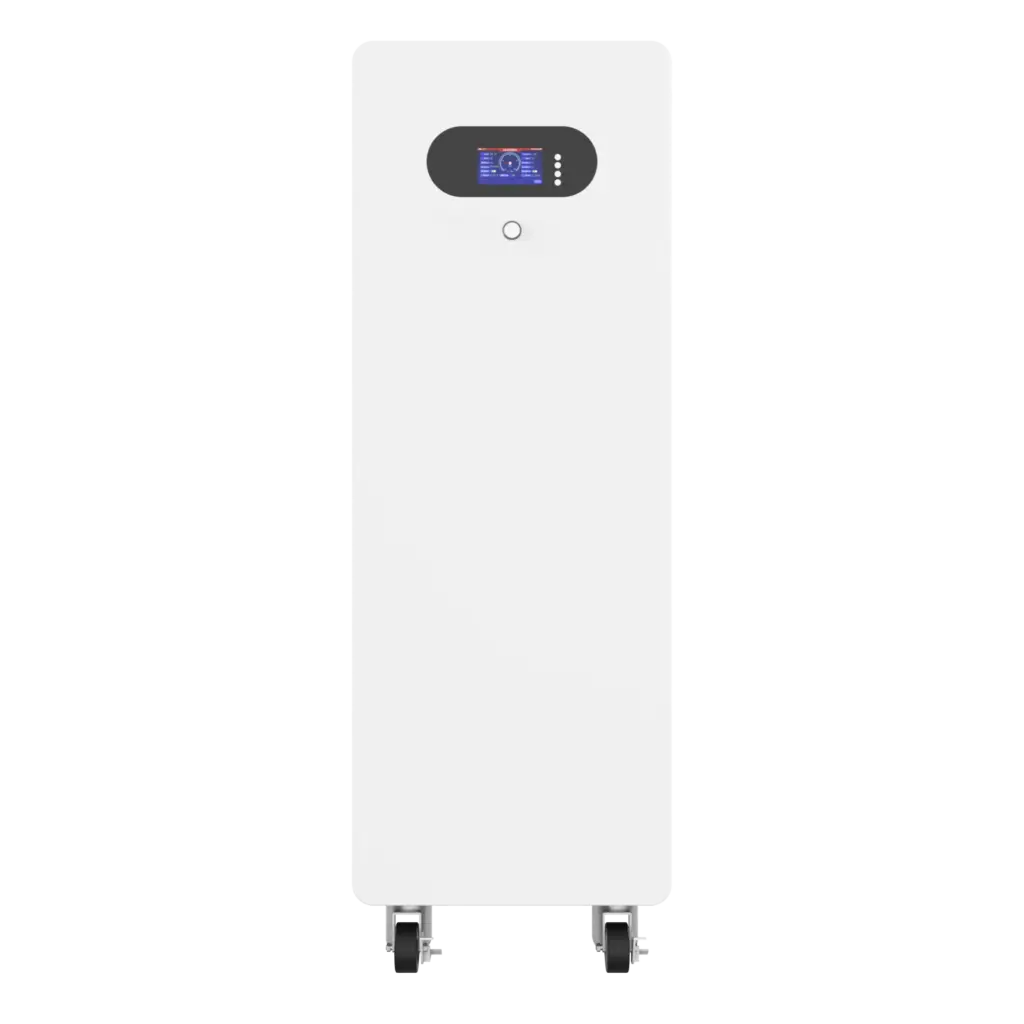

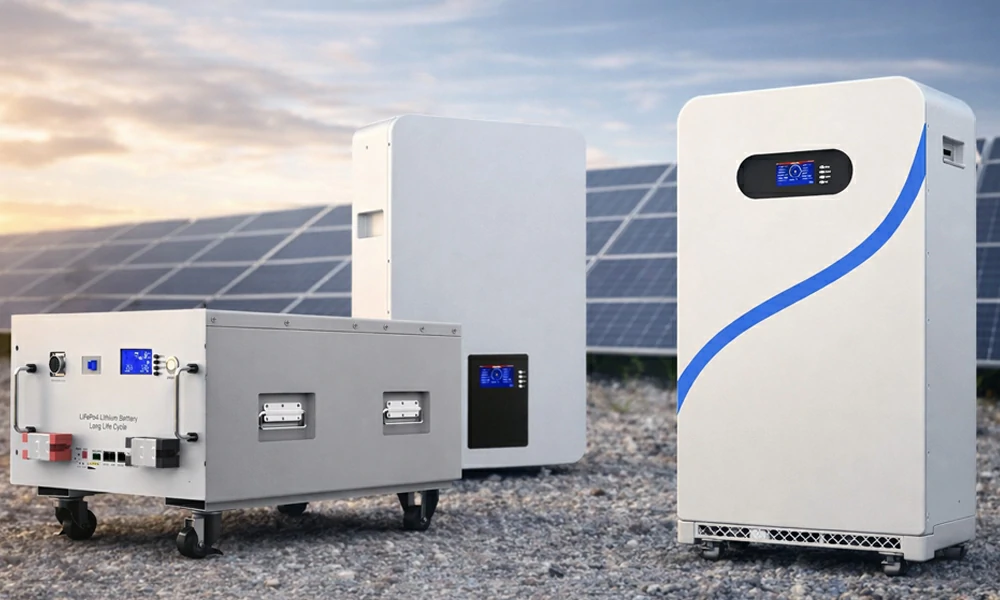
Choosing the right home battery storage size is one of the most important decisions in a solar or backup power project. Many homeowners assume that a bigger battery is always better. That assumption is not always true. The right battery size depends on your daily electricity use, how long you want backup power to last, whether you want whole-home coverage or just essential circuits, and how much you are willing to invest.
This guide explains how home battery storage sizes work, how to calculate your real needs, and how to avoid paying for capacity you will never use. The goal is simple: help you choose a battery system that matches your home, your lifestyle, and your long-term energy plans.
What Does Battery Size Mean?
Home battery capacity is measured in kilowatt-hours (kWh). A kilowatt-hour measures how much energy a battery can store.
- Capacity (kWh) tells you how long your battery can supply power.
- Power output (kW) tells you how much electricity your battery can deliver at one time.
For example, a 10 kWh battery can store 10 kilowatt-hours of energy. However, that same battery may only provide 5 kW of continuous power. If your appliances require more than 5 kW at once, the battery cannot run them simultaneously—even if it still has stored energy.
Both capacity and power rating matter when choosing the correct system size.
Related articles: kW vs kWh: Key Differences Explained for Home Energy
Understanding Your Household Usage
The most important step is understanding your actual electricity consumption.
Step 1: Track Your Daily Consumption
Start by reviewing your electricity bills or smart meter data over at least 12 months. This helps capture seasonal variations and identifies patterns in your energy use. Most households in Australia consume 15–20 kWh per day, but usage can vary widely depending on:
- Home size
- Number of occupants
- High-energy appliances such as heaters, air conditioners, or pool pumps
Step 2: Analyze Your Usage Patterns
Look closely at when and how electricity is used in your home:
- Identify peak hours when demand is highest
- Note nighttime usage, such as fridges or water heaters
- Pinpoint appliances with high energy consumption
Understanding these patterns helps you size a battery that meets your real needs while optimizing efficiency.
Step 3: Define Your Backup Goals
Decide whether you want a battery to:
- Power only essential appliances during short outages (lights, Wi-Fi, fridge)
- Run your entire home during extended outages
Your backup goal directly affects the required battery capacity.
Step 4: Calculate Your Battery Needs
Use a battery calculator or consult a professional installer to determine the most economical size for your home. Battery sizing depends on three main factors:
- Which appliances you want to power
- How long you want backup coverage
- Your typical daily electricity consumption
Example Calculation:
- Household daily usage: 20 kWh
- Desired backup: 2 day
- Required usable battery capacity: 40 kWh
Keep in mind that most systems allow only 80–90% depth of discharge to protect battery health.
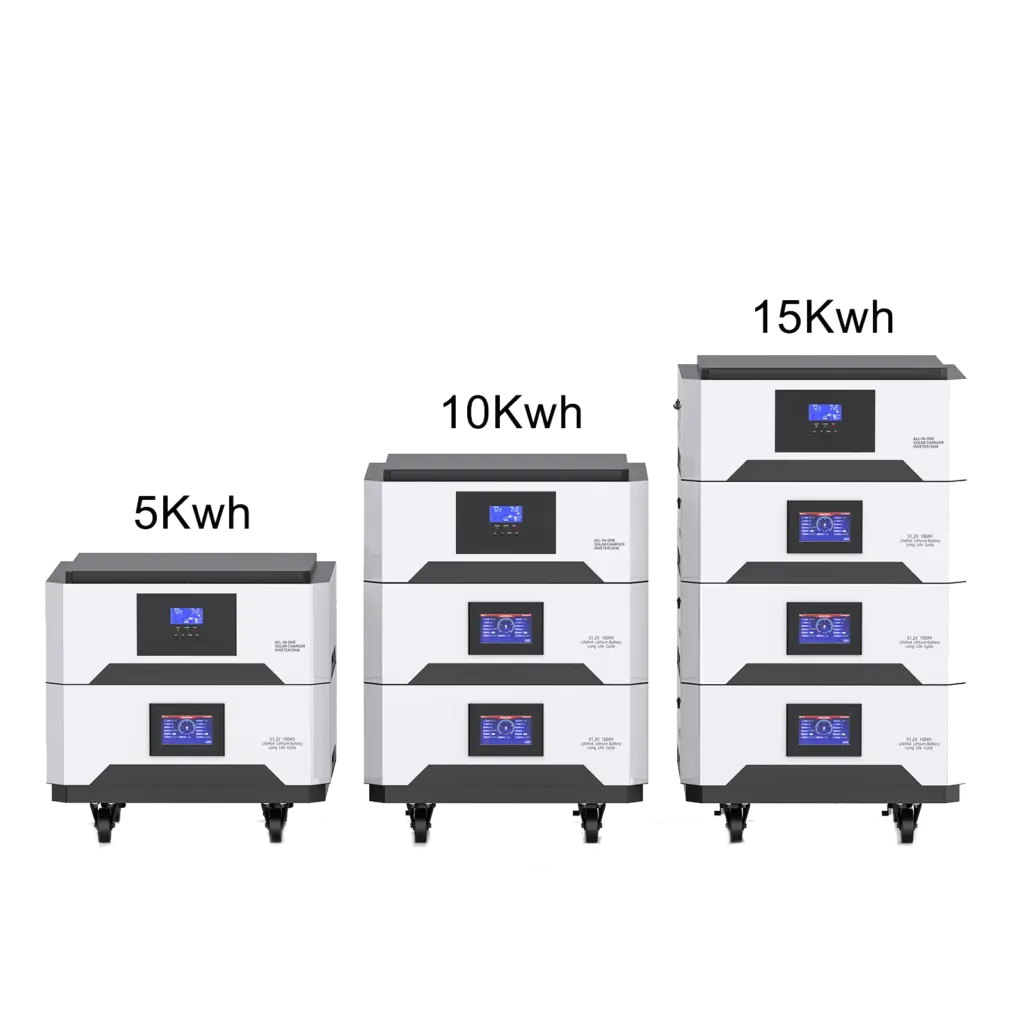
For instance, a 10 kWh battery like the Avepower 10 kWh system provides roughly 10 kWh of usable energy, enough to cover:
- Around 60% of an average household’s daily electricity use
- 100% of essential appliances, such as lights, refrigerators, and Wi-Fi
Step 5: Plan for the Future
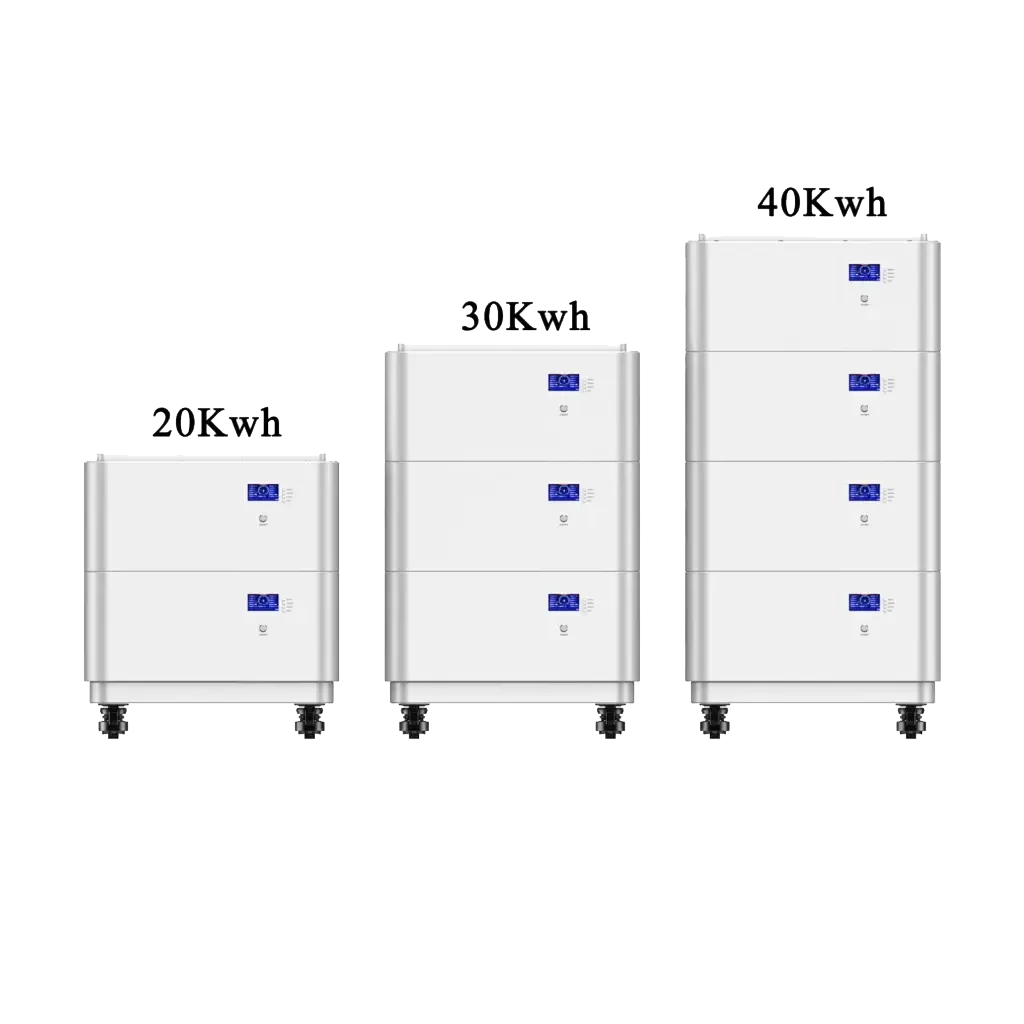
If you anticipate adding electric vehicles, home expansions, or rising energy use, consider slightly oversizing your battery. Modular systems, like Avepower stackable battery, allow you to start small and expand later, offering both flexibility and cost efficiency.
Common Home Battery Size Ranges
| Battery Size (kWh) | Best For | Typical Usage | Installation Cost |
|---|---|---|---|
| 5-7 kWh | Small homes, apartments, off-grid cabins | Basic lights, fridge, Wi-Fi; 6-10 hours | $5,000+ |
| 10-14 kWh | Standard 3-bedroom homes | All essentials + one large appliance; 8-16 hours | $10,000+ |
| 15-20 kWh | Larger homes, high energy use | Most appliances except pool pump or central AC | $18,000+ |
| 20-30+ kWh | Full-home backup, extended outages, off-grid | Includes AC, heating, EV charging | $20,000-$40,000+ |
Why a Smaller Battery Can Sometimes Make More Sense
A battery can save you money, but the extra kWh can have slower payback than the first few kWh.
In Australia, pricing often lands in a broad band per usable kWh installed, and the band depends on brand, size, and install complexity. Solar Choice reports installed battery costs commonly in the rough range of about $800–$1,300 per usable kWh (before some rebates).
A smaller battery often cycles more fully every day, so it earns value more often. A very large battery can sit partly empty or partly full for long periods if your solar system cannot fill it, or if your night-time use is not high enough.
Want to reduce costs? Read our blog [Cheaper Home Batteries Program Australia: What You Need to Know] to learn about more affordable home battery programs and available incentives.
Off-Grid Battery Sizing (When You Want to Leave the Grid)
Off-grid sizing follows different rules because you must cover:
- multiple days of low solar
- system losses
- conservative depth of discharge settings
- real backup safety margin
A practical off-grid formula
Required battery (kWh) = (Daily kWh × Days of autonomy) ÷ (Usable fraction × System efficiency)
Where:
- Days of autonomy is often 2–3 days (or more)
- Usable fraction might be 0.8 (80%)
- System efficiency might be 0.85 (85%)
Example:
- Daily use = 15 kWh/day
- Days = 3
- Usable fraction = 0.8
- Efficiency = 0.85
Battery = (15 × 3) ÷ (0.8 × 0.85)
Battery = 45 ÷ 0.68
Battery ≈ 66 kWh
This number is normal for off-grid households that want stable comfort, not just survival.
Off-grid systems usually need:
- enough solar generation to refill batteries reliably
- sometimes a backup generator
- strong system design and safety planning
How Solar Panels Affect Battery Size
Solar panels significantly influence how you size a home battery system. The role of the battery changes depending on whether you have solar installed.
Without Solar
If you don’t have solar panels, your battery functions mainly as emergency backup power.
- It supplies electricity only during grid outages.
- You size it based on how long you want essential appliances to run.
- For most homes, 10–15 kWh is sufficient to power critical loads (fridge, lighting, Wi-Fi, small appliances) for several hours.
In this case, the battery is not cycling daily — it’s simply standing by for outages.
With Solar
When paired with solar panels, the battery becomes a daily energy storage system.
- It stores excess daytime solar energy.
- It powers your home at night or during peak electricity pricing.
- It improves self-consumption and reduces grid dependence.
Here, battery size should match your evening or nighttime consumption, not just emergency needs.
A practical rule is:
Battery size = 40–60% of daily electricity use
Example:
- Daily use: 18 kWh
- Night use: 10 kWh
- Recommended battery: 10–13 kWh
You should also match battery size to solar production. If your solar system produces 20 kWh per day, installing a 30 kWh battery may not make sense because the battery may not fully charge.
An ideal system allows your battery capacity to equal 60–80% of your solar system’s daily output.
Planning for the Future: Choosing the Right Battery Size
When selecting a home battery, it’s important to consider both your current and future energy needs. Planning ahead ensures your system can handle lifestyle changes, rising electricity use, and emerging technologies, while maximizing savings and energy independence.
1. Consider Electric Vehicles (EVs)
Charging an EV typically requires 30–60 kWh per session. While a single battery may not fully charge a vehicle on its own, it can significantly reduce grid dependence. If you plan to buy an EV in the next few years, adding 10–15 kWh of extra battery capacity is recommended.
Example: A Tesla Model 3 requires approximately 40 kWh to charge from 20% to 80%. By planning ahead, your home battery can cover partial EV charging, helping to avoid high peak electricity costs.
2. Plan for Home Expansion
If you are considering adding a pool, workshop, or home office, your electricity demand could increase substantially. In these cases, it’s wise to increase battery capacity by 20–30% to ensure your energy system keeps up with new appliances and equipment.
3. Account for Rising Energy Use
Household electricity consumption often grows by 2–3% per year, due to more devices, smarter homes, or increased occupancy. By slightly oversizing your battery today, you can future-proof your system and avoid costly upgrades in the next five years.
4. Take Advantage of Modular Systems
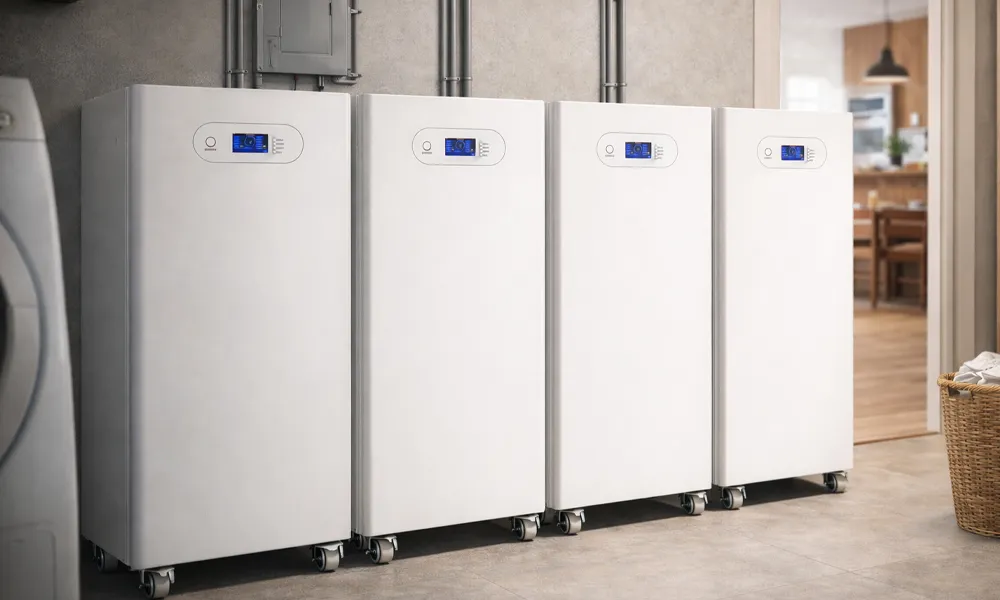
Some battery brands allow stacking or adding units later. The Tesla Powerwall supports expansion through multiple units. Similarly, manufacturers like Avepower design modular lithium iron phosphate systems that allow parallel expansion for higher total capacity.
Modular systems reduce risk because you can start small and grow later.
Common Home Battery Sizing Mistakes to Avoid
| Mistake | Key Point | Tip |
|---|---|---|
| Trusting advertised capacity | Rated ≠ usable energy | Check “usable capacity” and DoD |
| Ignoring min state of charge | Battery keeps 5–10% reserve | Some systems let you adjust safely |
| Not planning degradation | Batteries lose 10–30% in 10 yrs | Add 20–25% extra capacity upfront |
| Assuming solar always helps | Cloudy/winter days reduce output | Size for worst-case production |
| Sizing by daily use only | Only cover non-solar hours | Add buffer for season & degradation |
| Buying cheapest chemistry | NMC cheaper but shorter life | LFP lasts longer, safer, better heat tolerance |
| Poor installation location | Heat/cold accelerates wear | Use climate-controlled or shaded space |
| Ignoring expansion costs | Adding later is pricier | Install planned capacity upfront |
| Overlooking warranty limits | Warranties have cycles & throughput caps | Check fine print for heavy use |
Get Your Free Home Battery Sizing Plan Today
You can size a battery correctly only when the product can match your plan. A good system should give you safe chemistry, strong protection, and flexible expansion.
Avepower focuses on home energy storage systems that support real-world sizing needs:
- Built-in BMS protection that helps protect the pack during charge and discharge.
- International certifications such as CE, UL, and RoHS, plus quality management under ISO9001.
- Modular and scalable options that let you start with a practical size and expand later, including parallel expansion for larger total capacity.
- Communication options such as CAN, RS485, and RS232 for inverter and system integration.
- OEM/ODM customization that can match appearance, capacity, and functions for different home or installer needs.
- Manufacturing strength backed by a 20,000 m² factory, 10 years of battery R&D and production experience, and an experienced engineering team.
If you want a sizing plan that matches your home goals, you can treat the steps in this guide as your checklist, and you can ask your installer to verify the final kWh and kW targets with your meter data.
Take Control of Your Energy with Avepower!
Reliable home solar battery solutions with OEM/ODM customization and in-house manufacturing, tailored to the needs of distributors, installers, and energy partners.
Final Thoughts
The ideal home battery size is never one-size-fits-all. The correct capacity depends on your real usage patterns, your solar production, and your backup expectations.
For most grid-connected homes:
- Minimal backup: 5–7 kWh
- Balanced performance: 10–15 kWh
- High independence: 15–20 kWh
- Whole-home backup: 20–30+ kWh
- Off-grid living: 60 kWh+
If you remain unsure, you should analyze at least 12 months of smart meter data before purchasing.
A well-designed modular solution—such as the scalable LiFePO4 home battery systems offered by Avepower—allows you to begin with an optimal size today while preserving the flexibility to expand tomorrow.
The smartest battery purchase is not the biggest one. The smartest battery purchase is the one that matches your home.
FAQ
Many homes choose a system around 10–14 kWh because that size often balances night coverage and essential backup in one package, but your bill data should drive the final choice.
You often need 8–13 kWh for essential circuits if you want many hours of lights, fridge, and Wi-Fi, but your device list decides the number.
You often need 20–35+ kWh for whole-home backup because whole-home loads add up fast, and your plan also needs enough kW output.
An off-grid home often needs 60 kWh+ depending on daily use and desired autonomy days. An off-grid design also needs strong solar input and often a generator plan.