
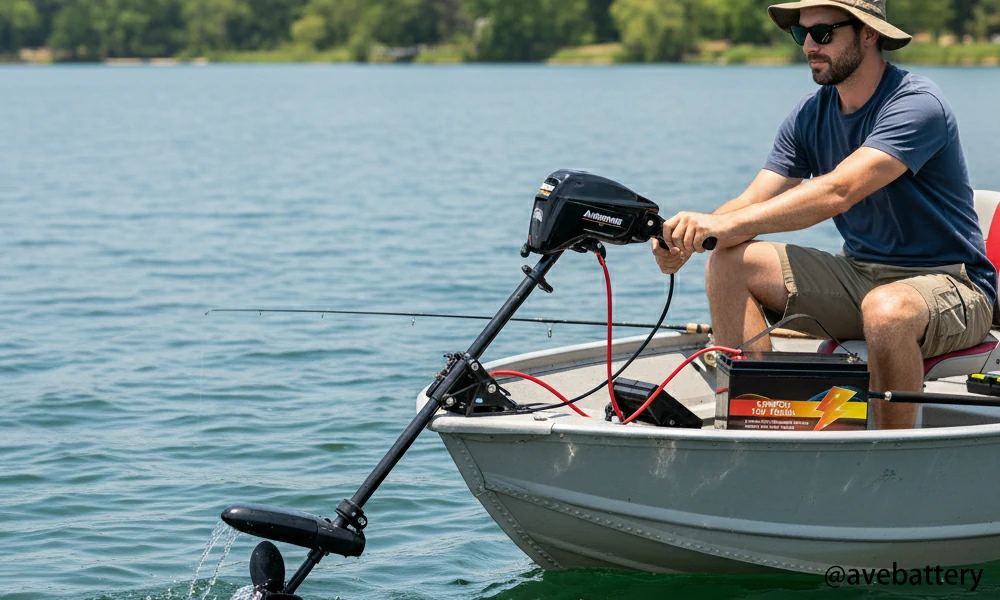
When you’re out on the water, the last thing you want is your trolling motor to die. Your trolling motor is only as good as the battery powering it. But choosing the right battery for your trolling motor can feel overwhelming. The variety of battery types, voltages, and capacities on the market can leave many anglers unsure where to start.
For most small to mid-size fishing boats, a 12V deep cycle marine battery in Group 27 or larger with around 100–110Ah is a reliable default choice because it balances runtime, size, and cost for typical 30–55 lb thrust motors.
This guide will walk you through everything you need to know about trolling motor batteries, from traditional lead-acid models to modern lithium options.
What Type of Battery Does a Trolling Motor Need?
Your trolling motor requires a deep cycle battery. Unlike a standard car battery, which is designed to deliver a short burst of high current to start an engine, deep cycle batteries are built to release a steady amount of power over a long period. Using a regular car battery to run your trolling motor is not recommended, as it can strain the battery and reduce its lifespan.
You can use a car/starting battery in an emergency or for very short, occasional trips, but it won’t tolerate repeated deep discharges and will age quickly, so it shouldn’t be your primary trolling motor battery.
Deep cycle batteries come in several types:
- Flooded Lead-Acid Batteries
- AGM (Absorbed Glass Mat) Batteries
- Lithium Iron Phosphate (LiFePO4) Batteries
Each type has unique advantages and drawbacks, which we will cover in detail below.
If you just want the simple answer without doing calculations: pick a 12V deep cycle marine battery rated at least 110Ah (Group 27 or bigger) and you’ll have enough capacity for most single-motor fishing setups.
Types of Trolling Motor Batteries
There are three common types of deep cycle 12-volt batteries suitable for trolling motors:
Flooded Lead-Acid Batteries
Flooded lead-acid batteries are the most common and affordable option for trolling motors. They usually last 2–3 years with proper care and cost less than $100 on average. These batteries contain cells submerged in an electrolyte solution made of water and sulfuric acid.
Flooded batteries require some maintenance. Overcharging or frequent use can lower the water level, potentially exposing the internal plates. If the plates are exposed, the battery can be permanently damaged. To prevent this, you need to check the water level regularly and top it off with distilled water when necessary.
Storing them in extreme heat or below-freezing conditions will also shorten their life—temperatures at either extreme are among the fastest ways to “kill” a deep cycle battery, so store them in a cool, dry place when not in use.
The main advantages of flooded batteries are their low cost and availability. However, they are heavier, more prone to spillage, and more sensitive to vibration compared to other battery types.
AGM Batteries
AGM batteries are a newer, maintenance-free alternative to flooded lead-acid batteries. AGM stands for Absorbed Glass Mat, and these batteries use fiberglass mats to hold the electrolyte, keeping it in place and preventing leaks. This design makes them resistant to vibration and spillage.
AGM batteries provide longer life and better performance than flooded batteries. A high-quality AGM battery can last up to four years. These batteries are sealed, meaning you never have to add water, and they generally hold their charge longer than flooded types. The trade-off is a higher initial cost, usually 20–40% more than a comparable flooded battery.
They also tend to have lower internal resistance than standard flooded batteries, so they deliver current to the trolling motor more efficiently and recover faster on the charger—this is why many anglers consider AGM “better” for trolling motors when budget allows.
LiFePO4 Batteries
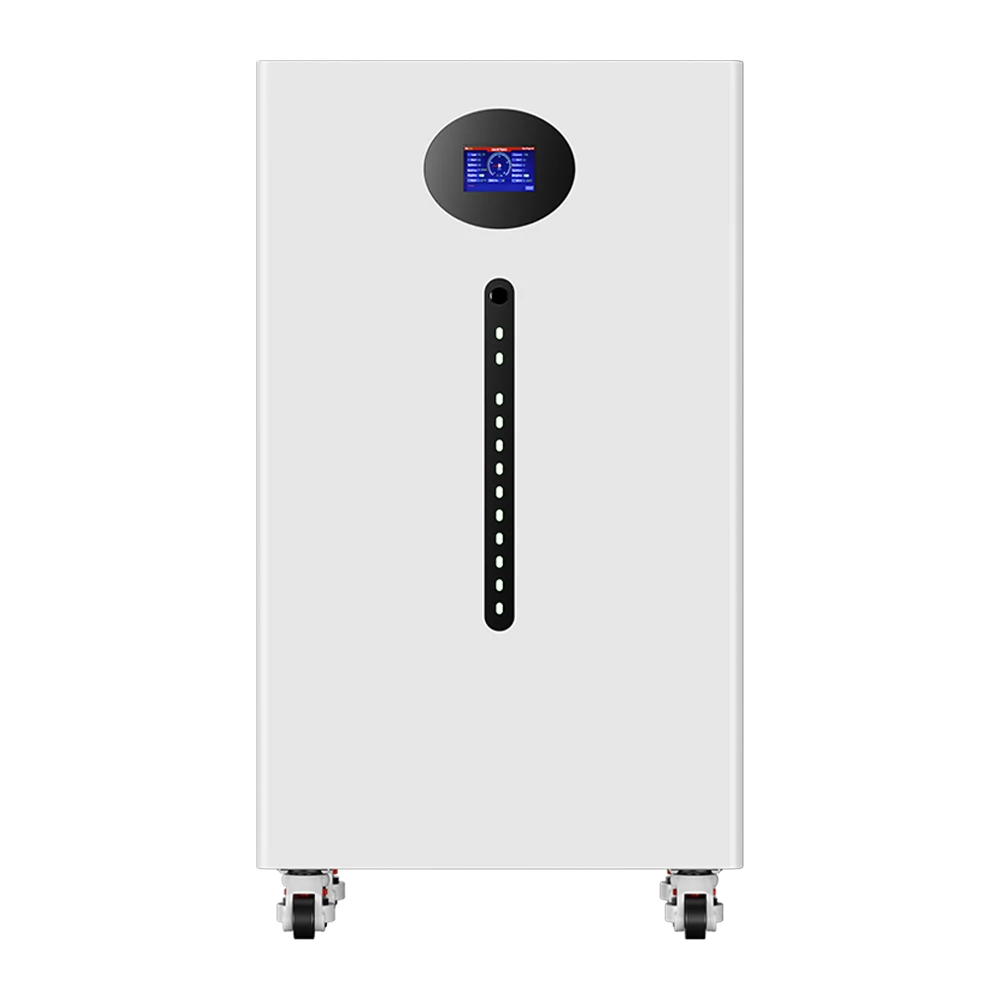
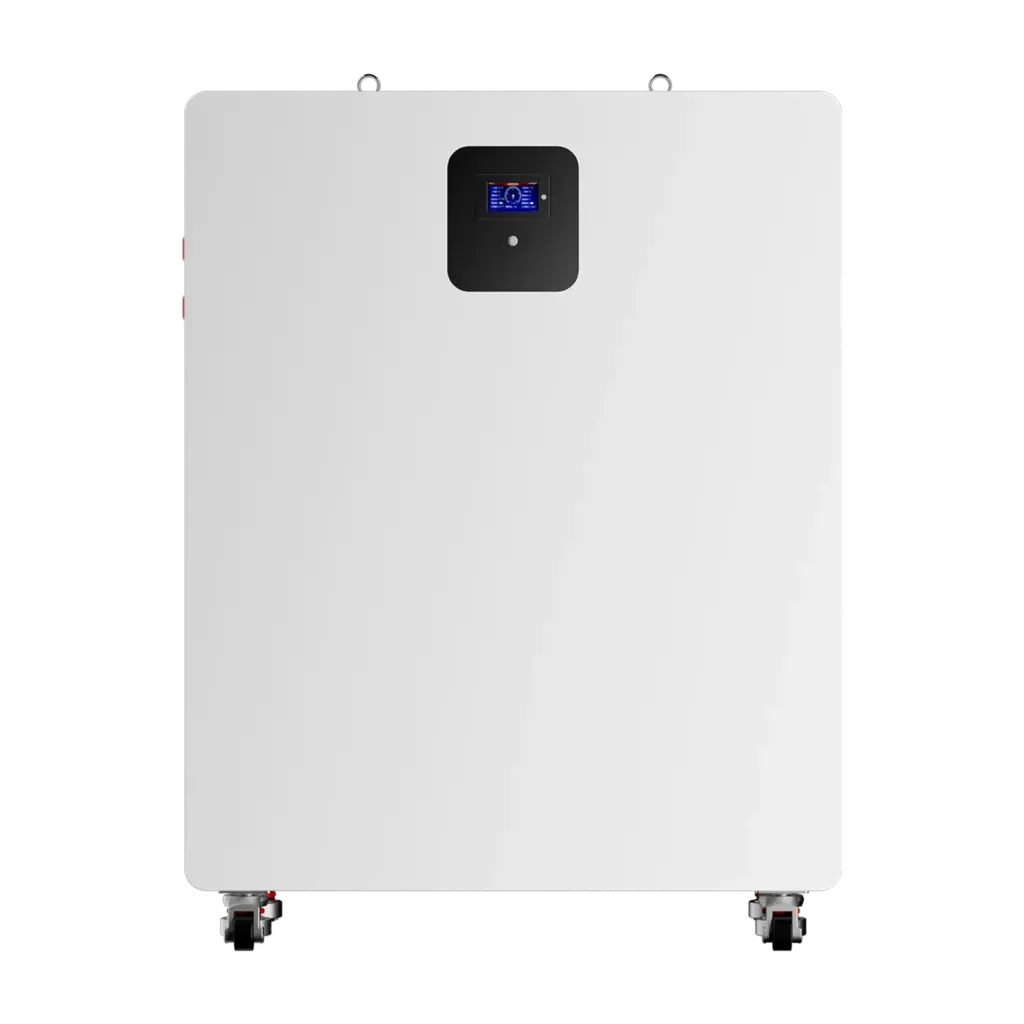
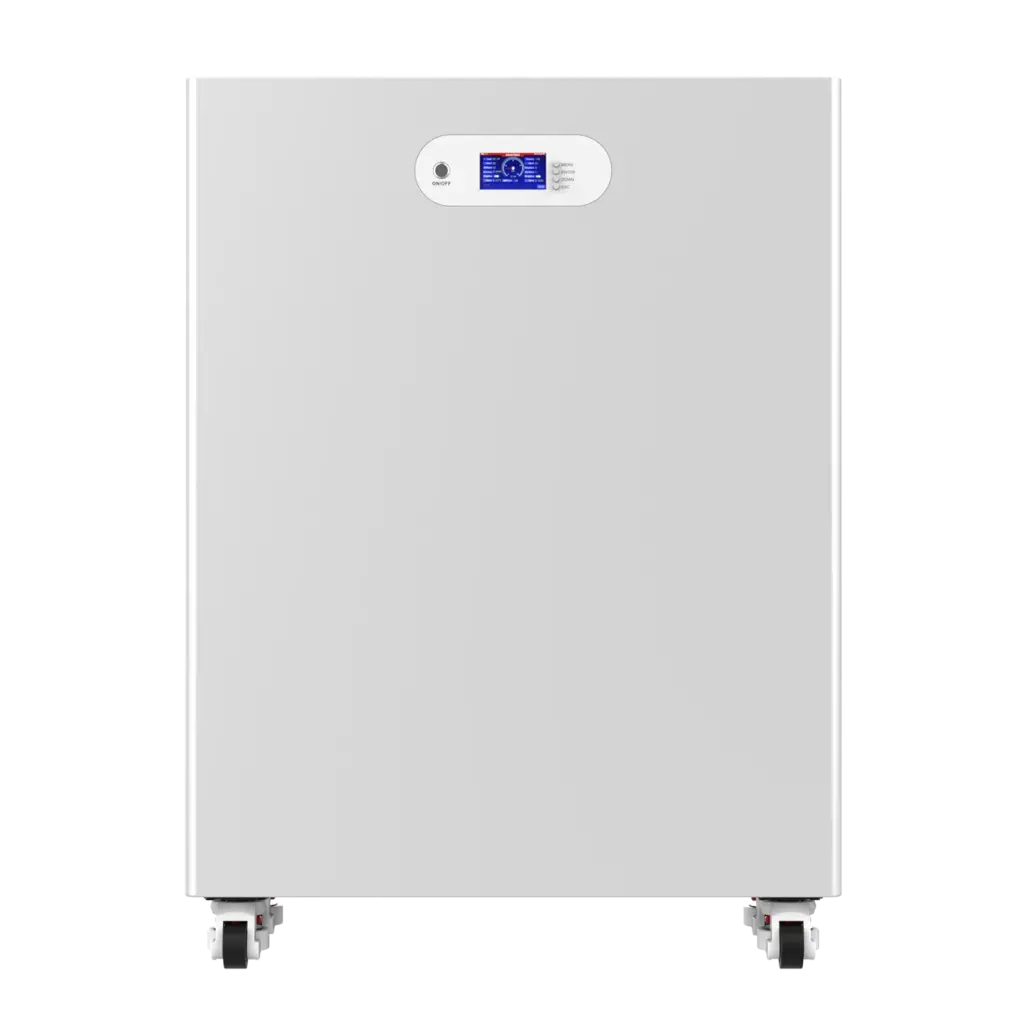
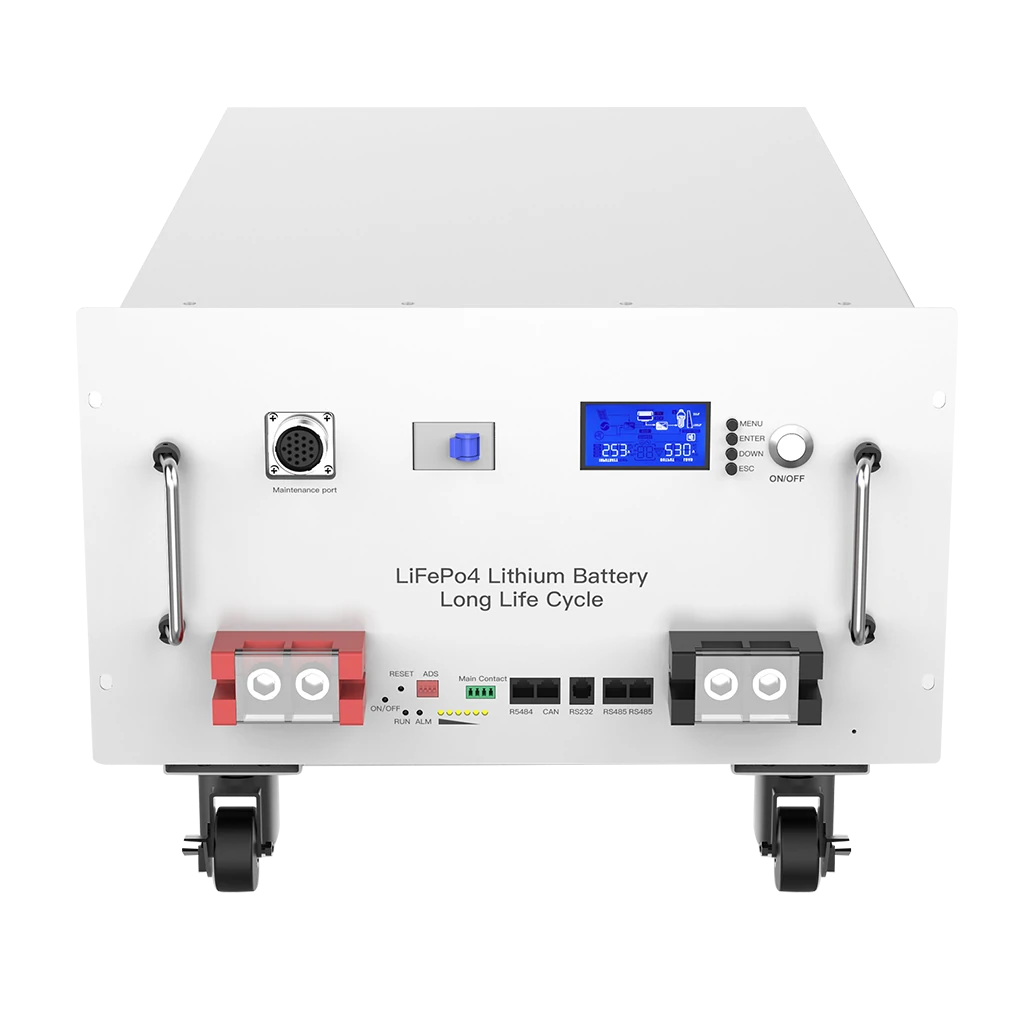
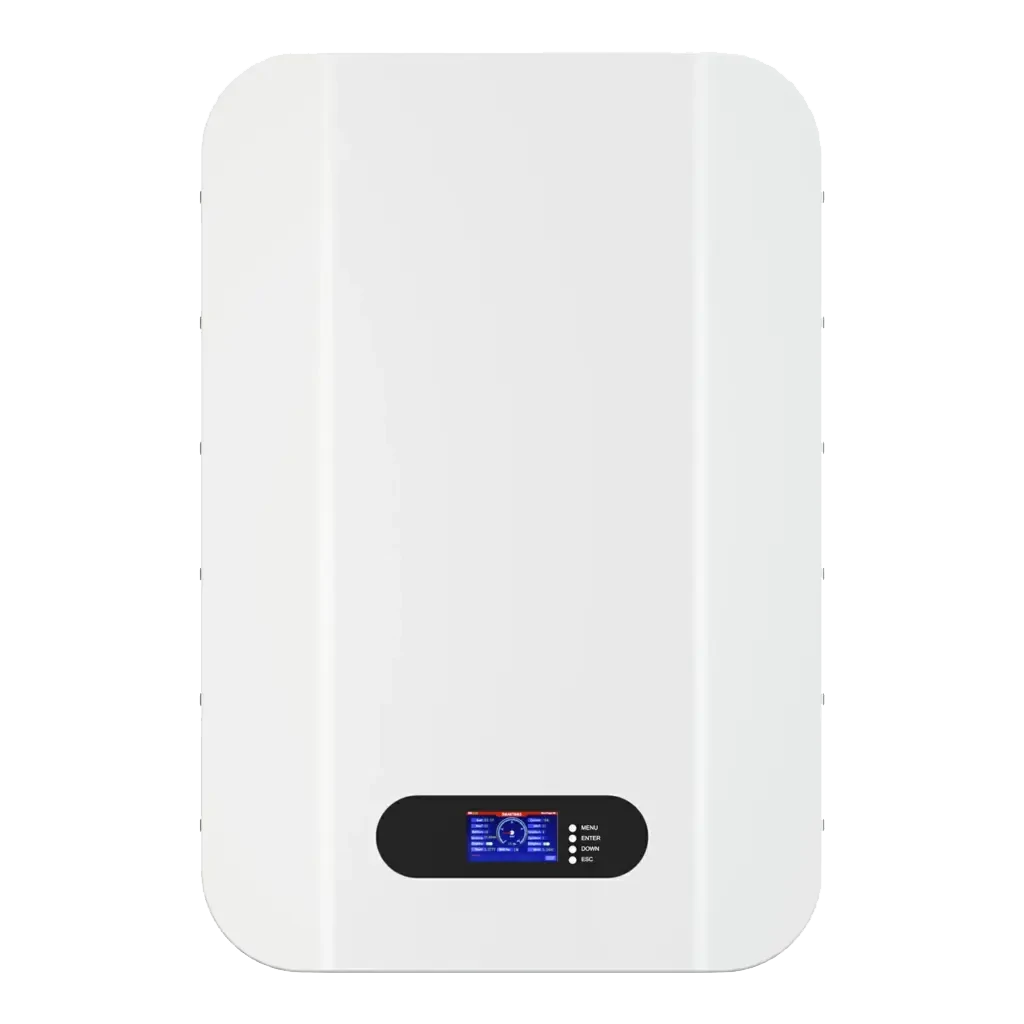
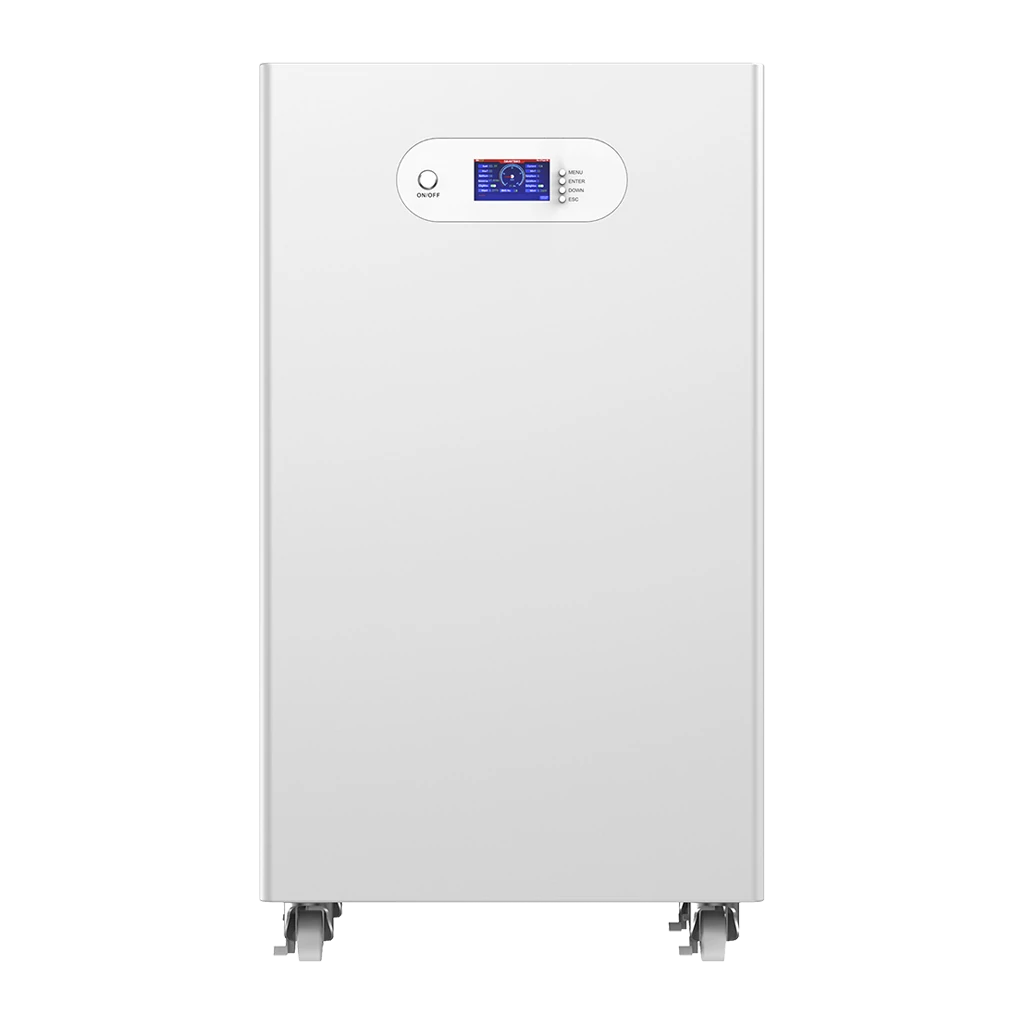
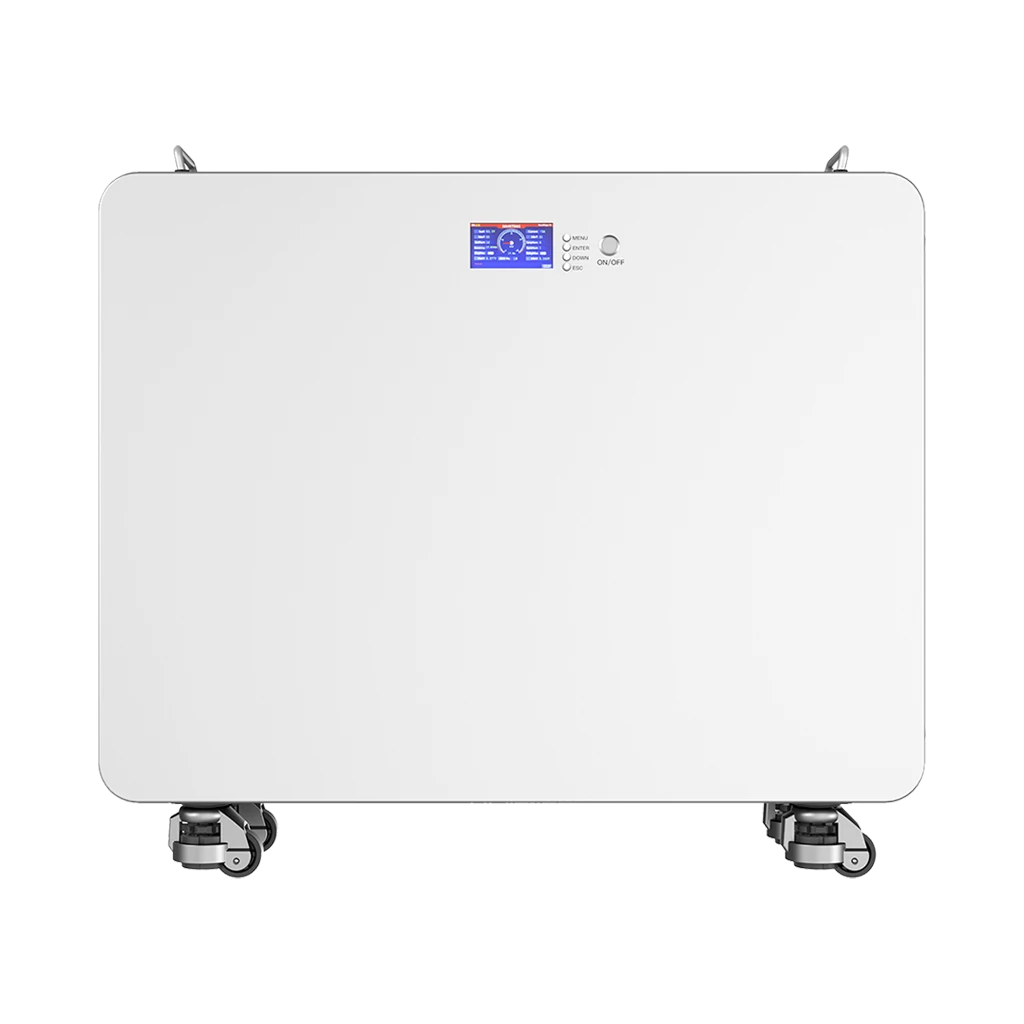
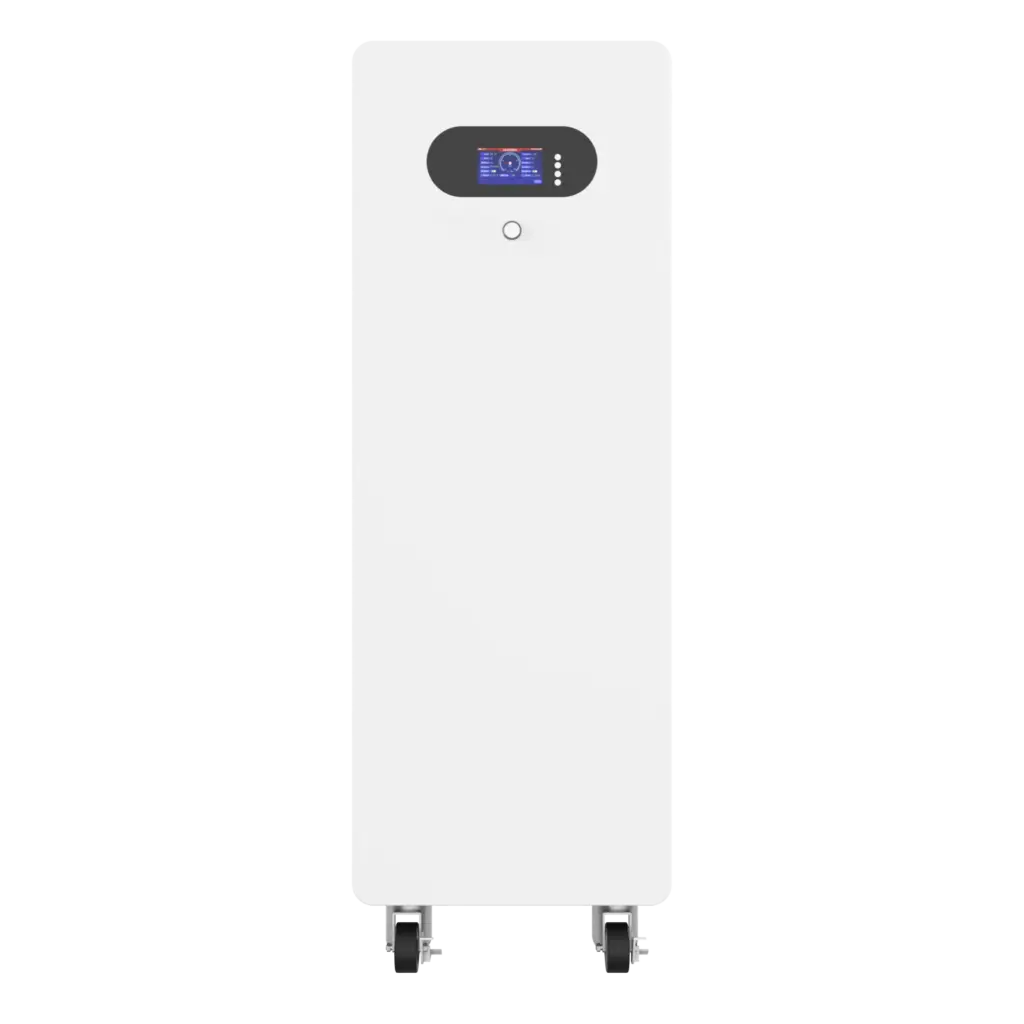
Lithium iron phosphate batteries are increasingly popular among anglers. They offer significant advantages over traditional lead-acid batteries, including lighter weight, longer lifespan, and more consistent voltage output. LiFePO4 batteries are an excellent choice for boats where weight and space are important factors.
Lithium batteries typically last 8–10 years and can come with long warranties. While their upfront cost is higher than lead-acid or AGM battery, the long-term value can be comparable, considering you won’t need to replace them as often. Lithium batteries can also discharge deeper without damage, meaning you can use more of the battery’s capacity safely.
That said, some trolling motor manufacturers still caution against generic lithium packs because lithium holds a higher voltage for longer, which can stress motors designed around flooded lead-acid profiles—always check your motor’s manual or use a LiFePO4 battery that’s specifically marketed as trolling-motor compatible.
These batteries come in 12V and 24V options and are suitable for most trolling motors. If you want your boat to be lighter, faster, and more responsive, a LiFePO4 battery is often the best choice.
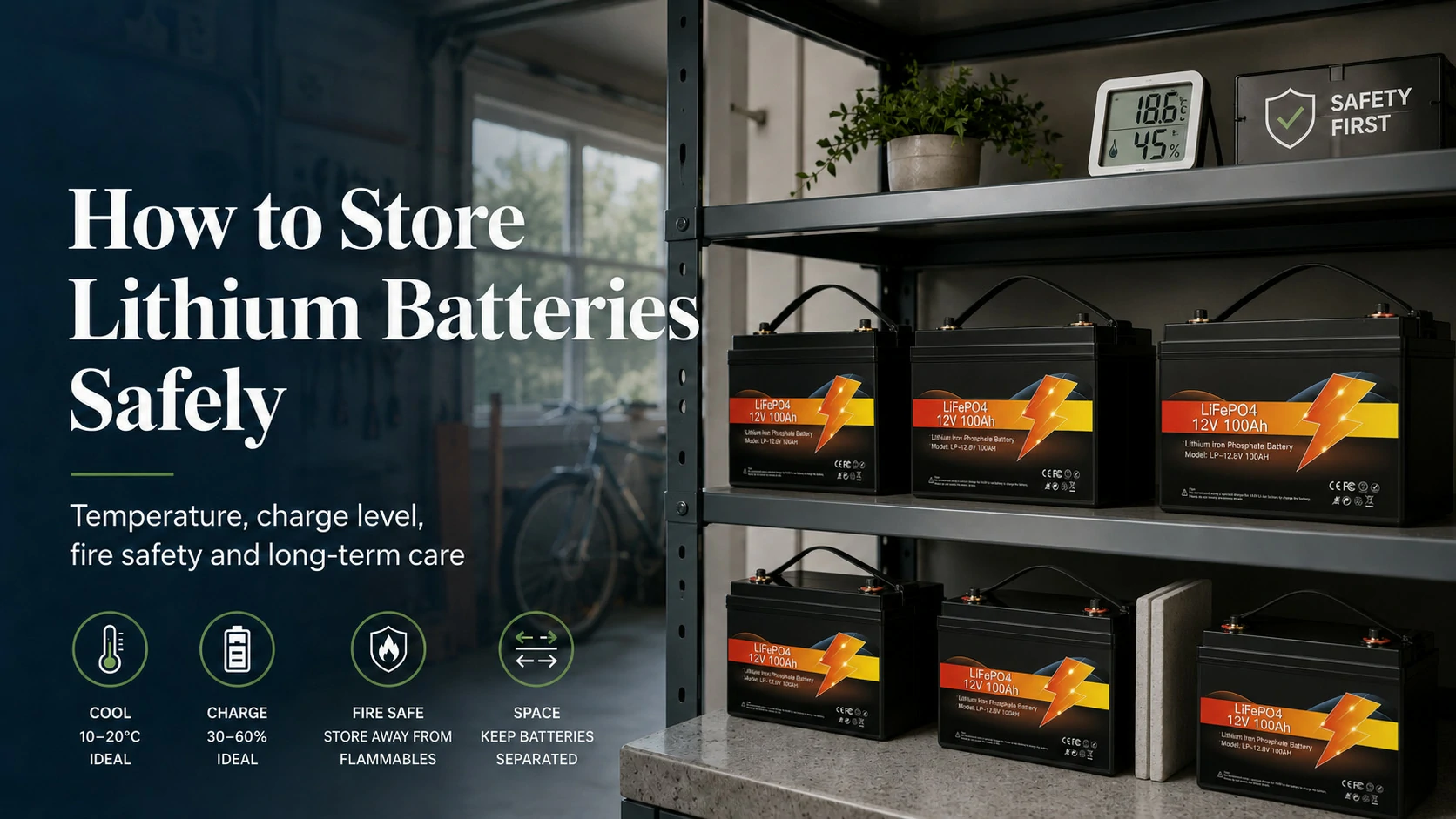
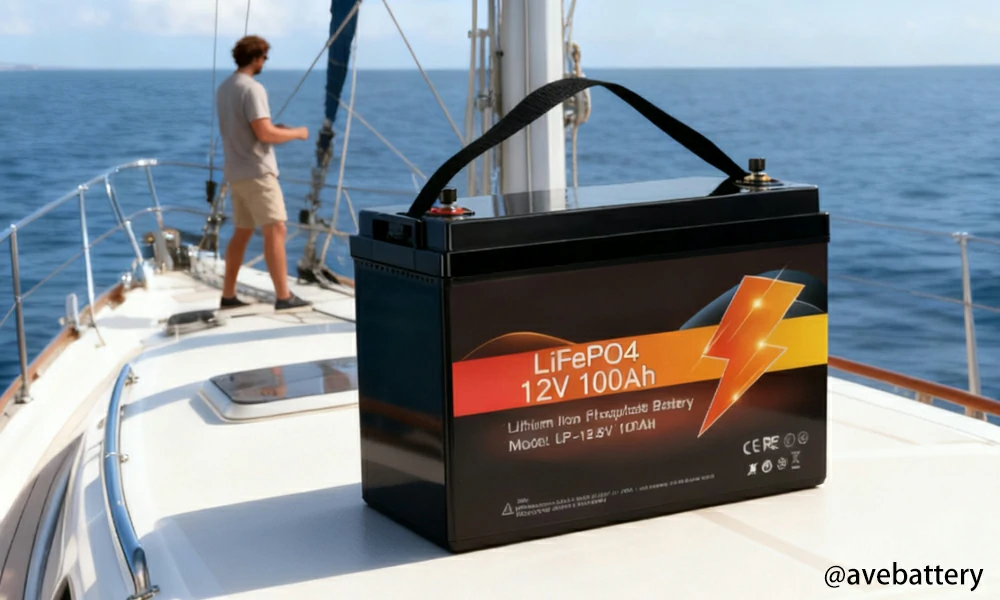
Consider the Avepower 12V 100Ah LiFePO4 battery for lightweight, maintenance-free, long-life performance on your trolling motor.
Understanding Amp-Hour Ratings
The amp-hour (Ah) rating of a battery determines how long your trolling motor can run before needing a recharge. In simple terms, it measures the amount of energy a battery can store and deliver over time. A higher amp-hour rating means longer running time.
For example, a 50 Ah battery running a trolling motor that draws 52 amps will last approximately 0.96 hours (50 Ah ÷ 52 A = 0.96 hours). A 100 Ah battery powering a 20-amp motor can last up to 5 hours (100 Ah ÷ 20 A = 5 hours).
In real-world fishing conditions, a 100Ah deep-cycle battery running a 55 lb thrust motor at about half power (≈15A draw) can give you roughly 6–6.5 hours of runtime, assuming calm water and a light boat—this is a good benchmark for day trips.
Choosing the correct amp-hour rating depends on how you plan to use your trolling motor. If you fish for long periods or run multiple electronics on your boat, a higher Ah battery will provide better performance and reliability.
If your motor is a typical 55 lb thrust unit (often draws 40–50A at full speed), pairing it with at least a 12V 50Ah–100Ah deep cycle battery is recommended; go to 100Ah if you want longer runtime or plan to run at higher speeds for longer.
Reserve Capacity and Performance
If amp-hour ratings are not available, look for the battery’s reserve capacity, which measures how long it can run at a constant load before dropping below a usable voltage. For trolling motors, a reserve capacity of at least 180 minutes is recommended. This ensures that the motor continues to run consistently without sudden power drops.
Key Takeaways for Choosing the Best Trolling Motor Battery
Here is a quick summary of what to consider when selecting a trolling motor battery:
- Battery Type:
- Flooded lead-acid: Affordable, requires maintenance, lasts 2–3 years.
- AGM: Maintenance-free, spill-proof, lasts up to 4 years.
- LiFePO4: Lightweight, long-lasting (up to 10 years), high performance.
- Some motors still specify lead-acid chemistry, so always check the manual before switching to lithium.
- Battery Capacity:
- Choose amp-hour ratings based on how long you want to run the motor.
- Consider reserve capacity if Ah is not provided.
- As a rule of thumb, aim for 100–110Ah if you want “all-day” capability on a 12V setup.
- Battery Group Size:
- Larger group sizes generally offer more power.
- Ensure the battery fits your boat.
- Between Group 24 and Group 27, Group 27 is the better choice for larger boats or higher-thrust motors because it usually offers more capacity and longer runtime.
- Budget and Long-Term Cost:
- Factor in replacement frequency and maintenance.
- Lithium batteries may be more cost-effective in the long run.
- Maintenance and Safety:
- Regular checks for flooded batteries.
- Avoid extreme temperatures for all battery types.
- Repeatedly storing batteries fully discharged, leaving them in very hot lockers, or letting them freeze are the most common non-use “battery killers.”
- Voltage Requirements:
- Use series connections for higher-voltage trolling motors.
- Replace or charge all batteries in a series at the same time.
- Six 12V batteries in series give you a 72V system, but that setup is for specialty/high-power applications and requires matching chargers and motor specs.
By considering these factors, you can confidently choose a battery that matches your boat, your trolling motor, and your fishing needs. A high-quality deep cycle battery ensures smooth, reliable, and long-lasting performance, making every trip on the water more enjoyable.
Dual-Purpose Batteries and Voltage Systems
Can I Use a Dual-Purpose Battery?
You may encounter hybrid starting/deep cycle batteries, often called “dual-purpose” or “dual-purpose deep cycle” batteries. Yes, you can use these for your trolling motor.
Dual-purpose batteries are versatile because they offer the reserve capacity needed for long-term accessory power and the necessary cranking amps to start an outboard engine. As long as the Amp-Hour rating meets the guidelines for your trolling motor’s run time, they are a suitable choice.
But remember: a pure deep cycle battery will generally tolerate repeated, deep discharges better than a dual-purpose battery and will last longer in a trolling-motor-only role.
Powering 24V or 36V Trolling Motors
If your trolling motor requires more than 12 volts, you will need to connect two or more 12-volt batteries in series to achieve the necessary voltage.
- Series Wiring: In a series connection, you connect the positive terminal of one battery to the negative terminal of the next battery. This increases the voltage while the current (Ah rating) remains the same.
- 24-Volt Motors: You will need two 12-volt batteries connected in series.
- 36-Volt Motors: You will need three 12-volt batteries connected in series.
Important Note: When running a 24-volt or 36-volt system, it’s not advisable to use one of the batteries in that series as your starting battery. This can cause uneven current draw from the system, which will damage the individual battery over time. You should use a separate, dedicated battery for starting your outboard engine. Read this article to learn more about Batteries in Series vs. Parallel.
Furthermore, remember that when batteries are connected in series, the performance of the entire bank is limited by the weakest battery. If you have three batteries connected and one fails, your trolling motor will stop working. For this reason, it’s best to replace or charge the entire set of batteries simultaneously rather than individual ones.
How to Size Batteries for Your Trolling Motor
You will size batteries by using the motor current draw and desired run time. You should always add a safety margin for battery aging and heavier loads.
Step-by-step sizing example:
- You will identify the motor’s current draw at the speed you plan to use. The motor manual will list amperage for low, medium, and high speeds.
- You will choose the desired run time in hours.
- You will multiply the motor draw (in amps) by the desired run time (in hours) to get the required amp-hours.
- You will add 20% to 30% to that number to allow for aging and reserve.
Example: You will run a motor that draws 25 A for 4 hours. You will multiply 25 A by 4 hours. The calculation will be 25 × 4 = 100. You will then add a 25% margin. The calculation will be 100 × 1.25 = 125. You will therefore select a battery bank that provides at least 125 Ah of usable capacity at the correct voltage.
If you only have a small 12V 20Ah lithium battery, you can think of it this way: it can deliver 20A for about 1 hour—or 10A for about 2 hours—so it’s fine for kayaks and light boats, but it’s not enough for a full-size 55 lb thrust motor at high speed.
Likewise, if you run a 55 lb thrust motor that draws about 15A at half throttle from a 100Ah battery, dividing 100Ah by 15A gives you roughly 6.6 hours of runtime in ideal conditions (calm water, 25°C, light hull).
Battery Runtime Calculator
You should remember that usable capacity will vary by battery type. You will treat a lead-acid battery as usable to about 50% depth of discharge for good life. You will treat a LiFePO4 battery as usable to about 80%–90% depth of discharge.
Running lead-acid below 50% DoD repeatedly, or storing it empty, is another common cause of premature battery failure.
Battery Group Sizes and Physical Fit
You should check the physical size of the battery because the battery must fit securely in your boat box or battery tray. The group number gives a rough size reference. For example, you should expect these common approximate dimensions:
- The Group 24 battery should measure about 10.25 inches long, 6.81 inches wide, and 8.87 inches high.
- The Group 27 battery should measure about 12.06 inches long, 6.81 inches wide, and 8.75 inches high.
- The Group 31 battery should measure about 13.00 inches long, 6.72 inches wide, and 9.44 inches high.
You should always measure your battery compartment and add a little clearance for cables and terminal access before you buy.
If you’re choosing between sizes, pick the larger Group 27 or Group 31 for trolling motors, especially on bigger or heavier boats, because the extra capacity translates directly into more time on the water.
Conclusion
Choosing the right trolling motor battery involves carefully balancing your needs against the technical specifications of the three main deep cycle types.
Prioritize Deep Cycle: You must select a deep cycle battery over a starting battery to ensure long-term, reliable performance. Determine Capacity: Calculate your required run time and select an Amp-Hour (Ah) rating to match your intended usage, aiming for at least 110 Ah for all-day use. Weigh Your Options: Decide whether the upfront cost and maintenance of flooded lead-acid are worth the savings, or if the convenience and durability of AGM, or the light weight and long-term value of LiFePO4 are better suited for your boating style.
By following these detailed guidelines, you can confidently select the perfect battery for your trolling motor, ensuring reliable, efficient performance every time you launch your boat.
FAQ
The runtime depends on the trolling motor’s current draw. To estimate, divide the battery’s amp-hour rating by the motor’s amp draw. For example, if your motor pulls 20 amps at cruising speed, a 50Ah battery will last about 2.5 hours (50Ah ÷ 20A = 2.5 hours). At full throttle, if the motor pulls 40 amps, the same battery will last only about 1.25 hours. Real-world conditions—like wind, current, and battery age—can shorten these times.
Battery lifespan depends on the type:
Flooded lead-acid: usually 2–3 years with proper care.
AGM (sealed lead-acid): often 3–4 years.
Lithium (LiFePO4): 8–10 years or more, sometimes with a 10-year warranty.
You should use a charger with a lithium or LiFePO4 setting or follow the lithium battery manufacturer’s charging profile. You should verify whether the battery contains an internal BMS and whether the charger must support a specific voltage limit.
You can wire identical batteries in parallel to increase amp-hour capacity at the same voltage. You should use batteries of the same type, age, and capacity to avoid imbalance problems.
Depth of discharge, charging habits, and storage conditions are the biggest factors. Lead-acid batteries last longer if you avoid draining them below 50% regularly. Lithium batteries can handle deeper discharges with less impact on lifespan. Always recharge promptly after use and store in a cool, dry place.
Yes. Use the correct charger for your battery type, avoid over-discharging, keep connections clean, and replace all batteries in a series at the same time.