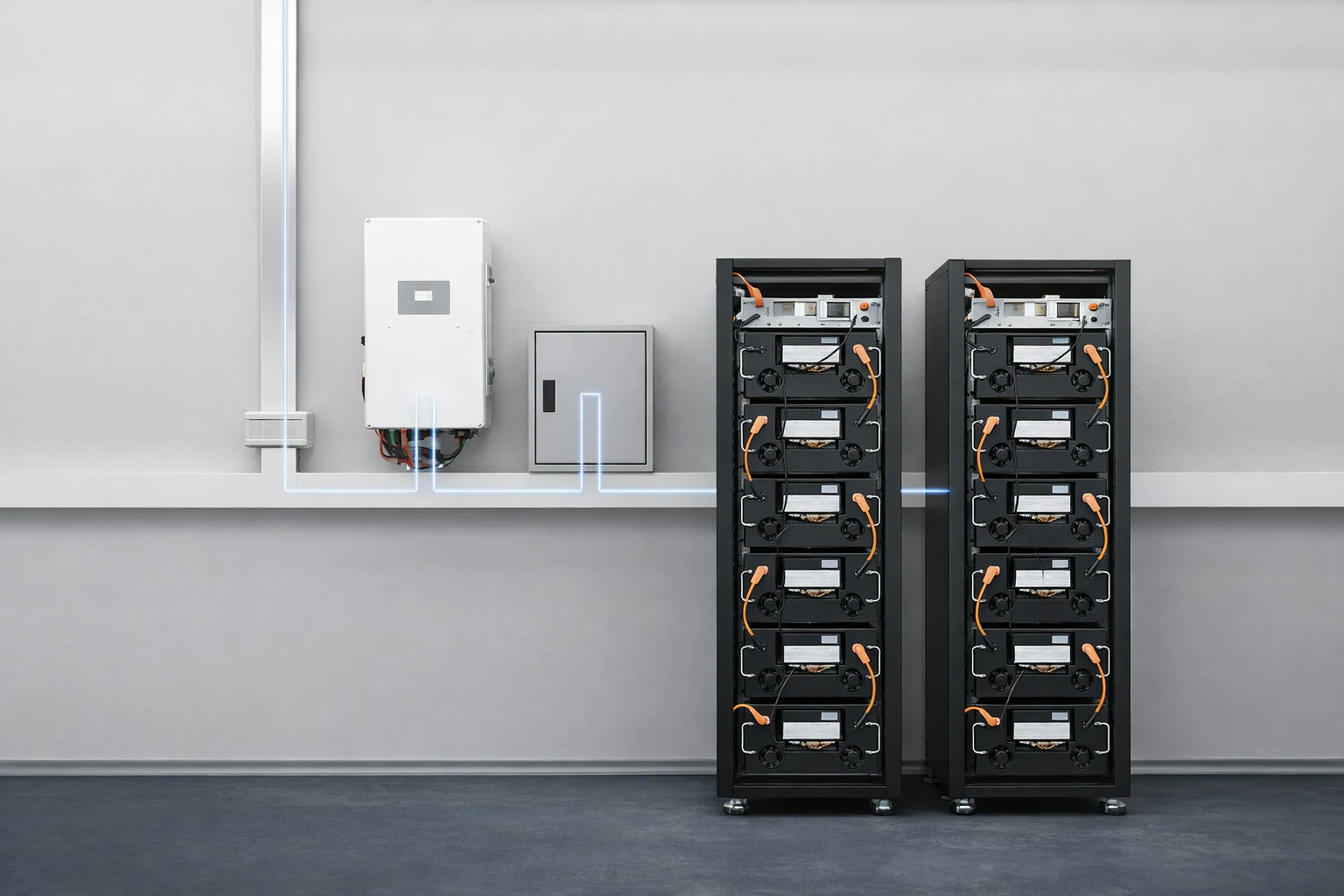
When you build a solar-plus-storage system, the inverter is not just another component in the electrical chain. It is the device that determines how efficiently DC power from solar panels or batteries is converted into usable AC electricity, how smoothly the system communicates with storage, and how well the entire installation performs over time.
They are widely used in advanced residential systems, commercial and industrial energy storage, renewable integration projects, and grid-support applications because they allow more power to be transferred at lower current. That usually means cleaner system design, lower cable losses, and better scalability.
In this guide, you will learn what a high-voltage inverter is, how it works, how it differs from a low-voltage inverter, and why it is often paired with a high-voltage battery storage system.
What Is a High-Voltage Inverter?
A high-voltage inverter is a power conversion device that transforms direct current (DC) from a high-voltage source into alternating current (AC) for use by electrical loads or for export to the grid.
In solar and storage applications, the DC source may come from:
- A series-connected solar PV string
- A high-voltage battery bank
- A hybrid solar-plus-storage system
- A DC bus in a commercial or industrial energy system
The inverter then converts that DC electricity into AC electricity at the voltage and frequency needed by the application. Depending on the market and installation type, the output may be used for:
- Residential power supply
- Commercial building loads
- Industrial motors and process equipment
- Microgrids
- Grid-connected export
- Backup or off-grid systems
In everyday industry language, people often call an inverter “high voltage” when it is designed for higher DC input ranges than conventional residential battery systems, especially when it is used with battery packs above 100V. In broader electrical engineering and utility contexts, truly high-voltage systems may refer to much higher ranges, especially above 1000V DC. That means the exact threshold can vary depending on whether you are discussing residential storage, commercial ESS, or utility-scale PV.
How a High-Voltage Inverter Works
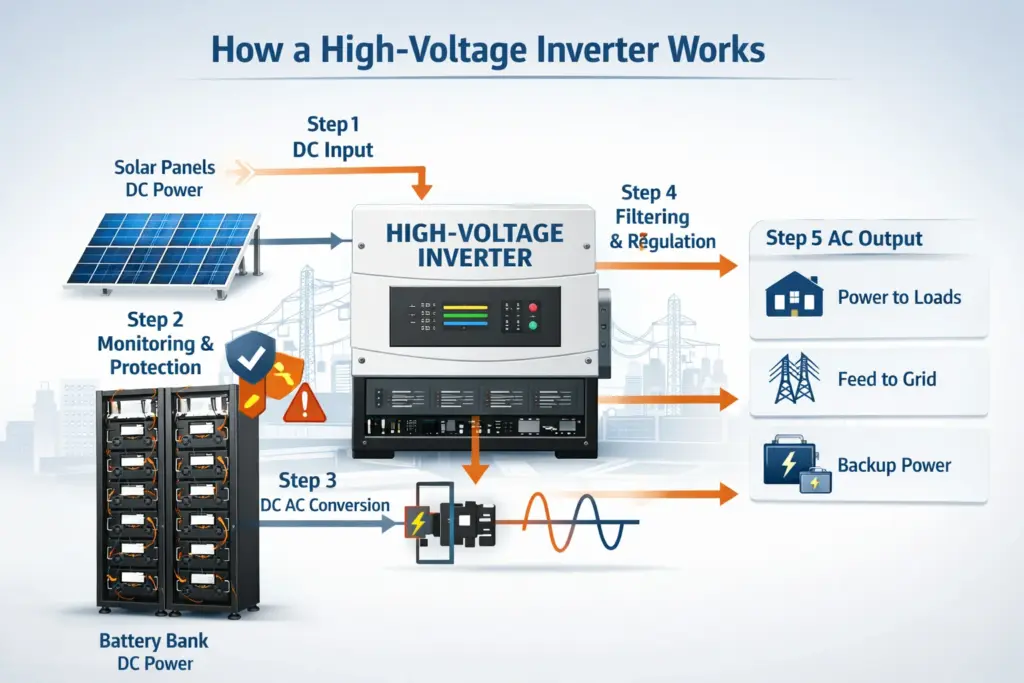
A high-voltage inverter converts high-voltage DC electricity from solar panels or batteries into usable AC electricity for homes, businesses, industrial loads, or the grid. It does this by using high-speed electronic switching devices to reshape DC power into a stable AC waveform.
First, the inverter receives DC input from the battery system or solar array. Then it processes that power through internal control circuits and semiconductor switches. After that, it filters and regulates the output so the electricity matches the voltage and frequency required by the load or the grid. During operation, it also monitors safety conditions such as voltage, current, temperature, and communication status.
Because the system works at a higher voltage, it can deliver the same power with lower current, which helps reduce energy loss and improves efficiency. In modern storage systems, the inverter also coordinates with the battery management system to control charging, discharging, and overall system protection.
High-Voltage vs Low-Voltage Inverters
The most obvious difference between high-voltage and low-voltage inverters is the DC operating range, but in real projects the difference goes much deeper.
A low-voltage inverter is usually paired with battery systems such as 12V, 24V, or 48V platforms. These systems are familiar, widely used, and often suitable for smaller residential or off-grid installations.
A high-voltage inverter, by contrast, is designed for higher DC input ranges and is better suited for applications where power demand, battery scale, and system complexity are greater.
| Feature | Low-Voltage Inverter | High-Voltage Inverter |
|---|---|---|
| Input Voltage Range | 12V / 24V / 48V DC | 300V – 800V DC (typical) |
| Typical System Scale | Small cabins, telecom backup, RV/marine, entry-level residential | Large residential ESS, commercial & industrial ESS, microgrids, utility-scale renewables |
| Current Requirement for Same Power | Higher | Lower |
| Cable & Losses | Thicker cables, higher resistive loss | Thinner cables, lower resistive loss |
| Power Density | Lower | Higher |
| Efficiency | 90–95% typical | 95–98% typical |
| Installation Complexity | Simple for small-scale projects | Requires advanced engineering: insulation, protection coordination, commissioning |
| Applications | Off-grid homes, small backup, RVs | Large residential storage, commercial/industrial ESS, solar-plus-storage, high-power backup |
Here are the practical differences:
1. Current Level
For the same output power, a low-voltage system needs more current. A high-voltage system needs less current. This is one of the biggest reasons high-voltage inverters are favored in larger ESS applications.
2. System Efficiency
Because current is lower, cable and conductor losses can often be reduced. In many real-world projects, this helps improve total system efficiency.
3. Scalability
Low-voltage systems work well in small applications, but when you move into higher-capacity solar storage, peak shaving, or C&I backup, high-voltage architectures are often easier to scale.
4. Installation Demands
High-voltage systems usually require stronger insulation design, tighter safety procedures, and more rigorous engineering. In return, they offer higher power density and better suitability for larger projects.
5. Typical Use Cases
Low-voltage inverters are common in small homes, cabins, telecom backup, and basic off-grid systems. High-voltage inverters are more common in advanced residential ESS, commercial and industrial storage, renewable integration, UPS support, and utility-adjacent energy projects.
What is a High-Voltage Battery System?
A high-voltage inverter can only deliver its full performance when paired with a compatible battery platform. This is where a high-voltage battery energy storage system comes into play.
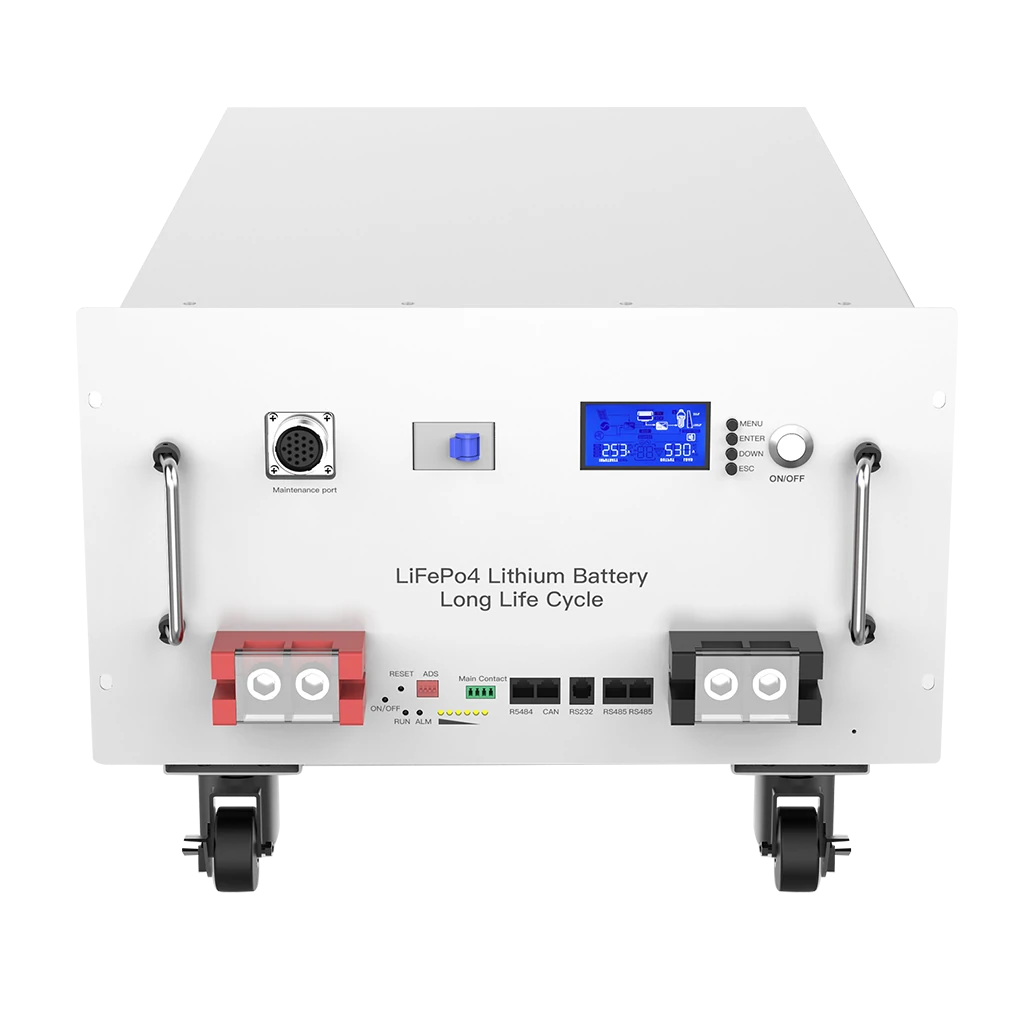
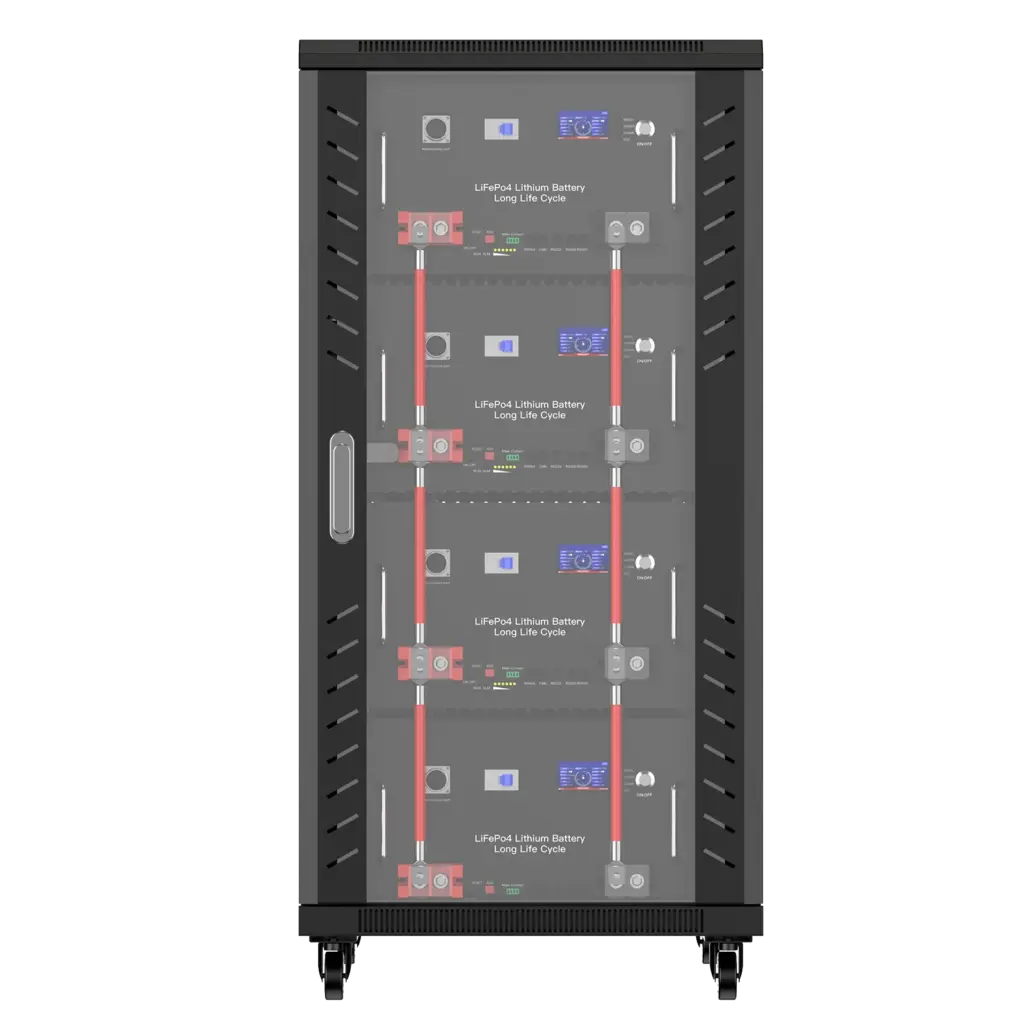
A high-voltage battery system is formed by connecting battery modules in series, resulting in a total DC voltage that is significantly higher than that of traditional 48V storage systems. This allows the system to deliver greater power at lower current, which is one of the key reasons it is highly attractive for commercial & industrial energy storage and large-scale solar applications.
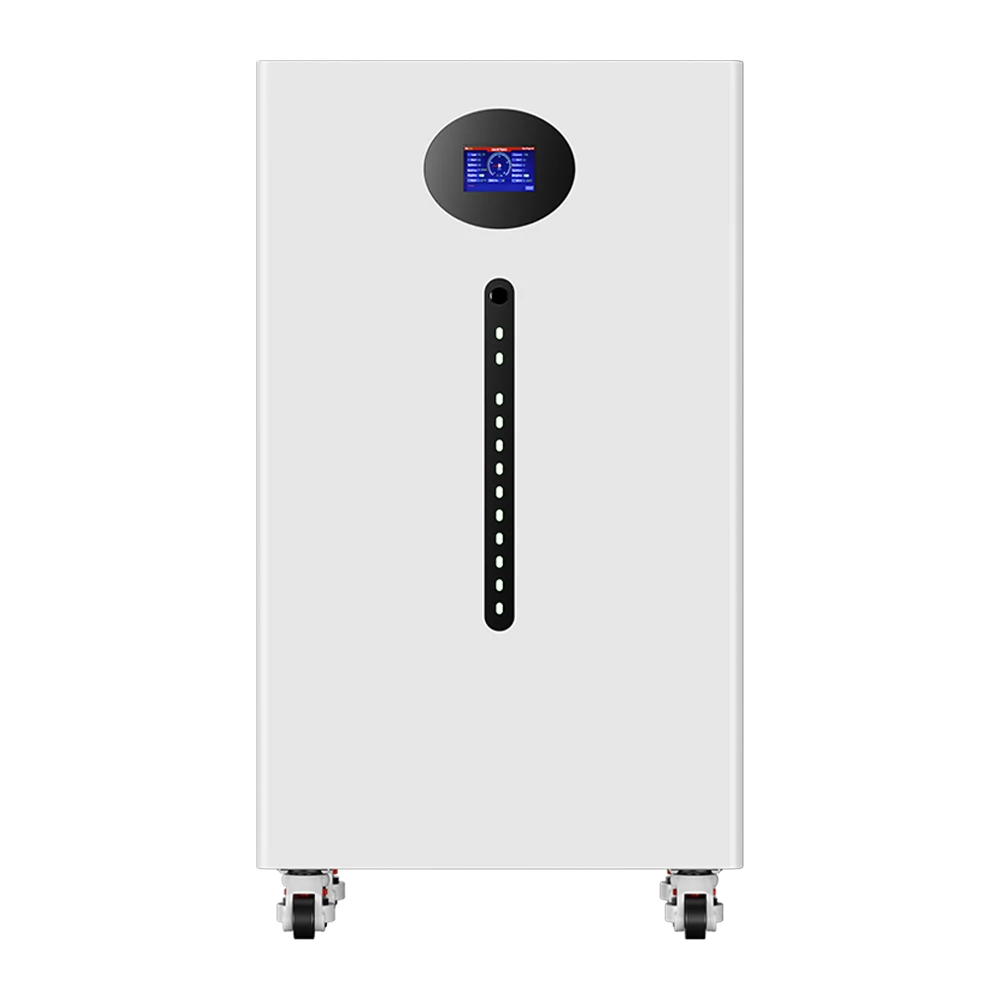
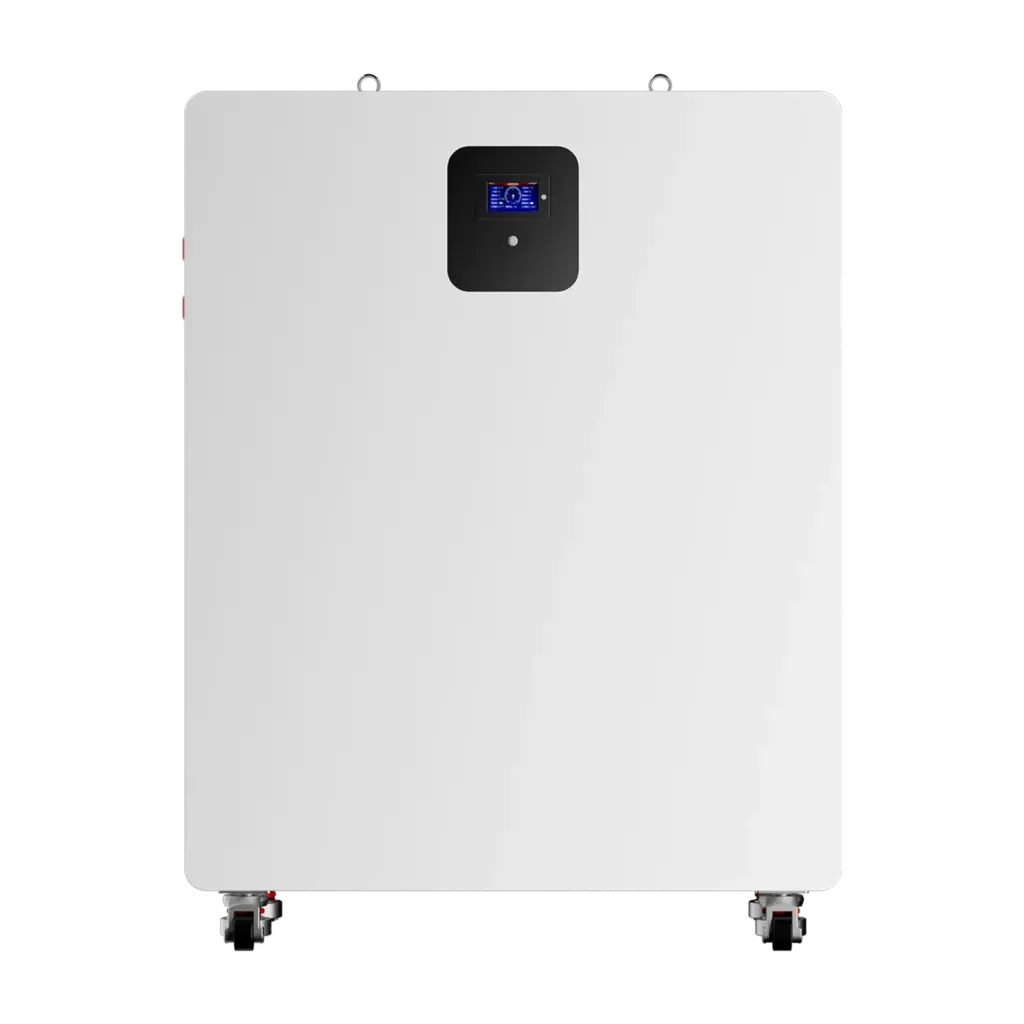
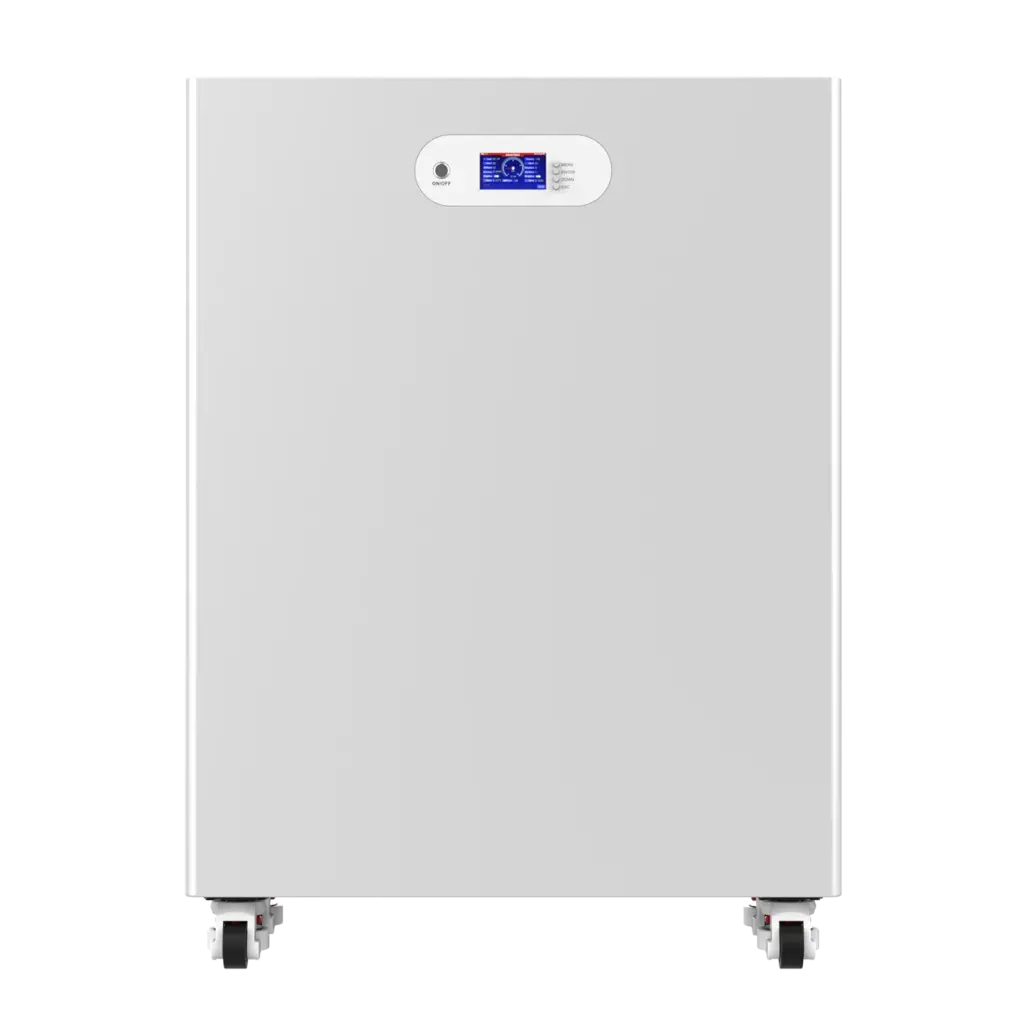
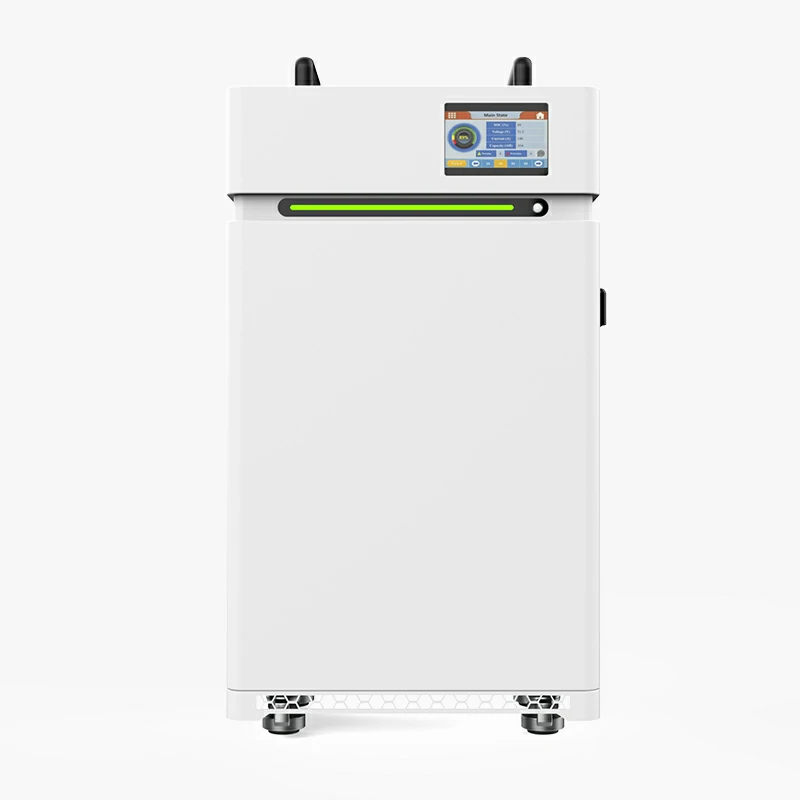
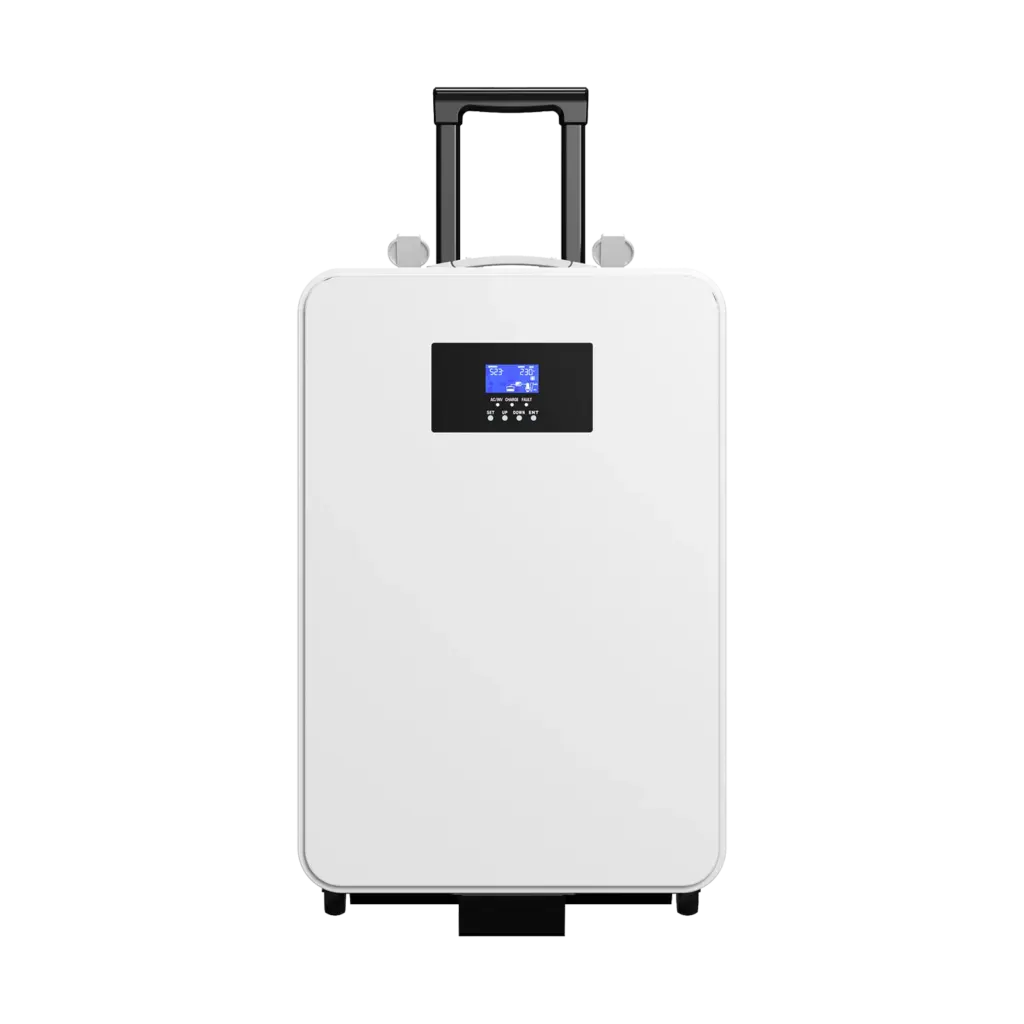
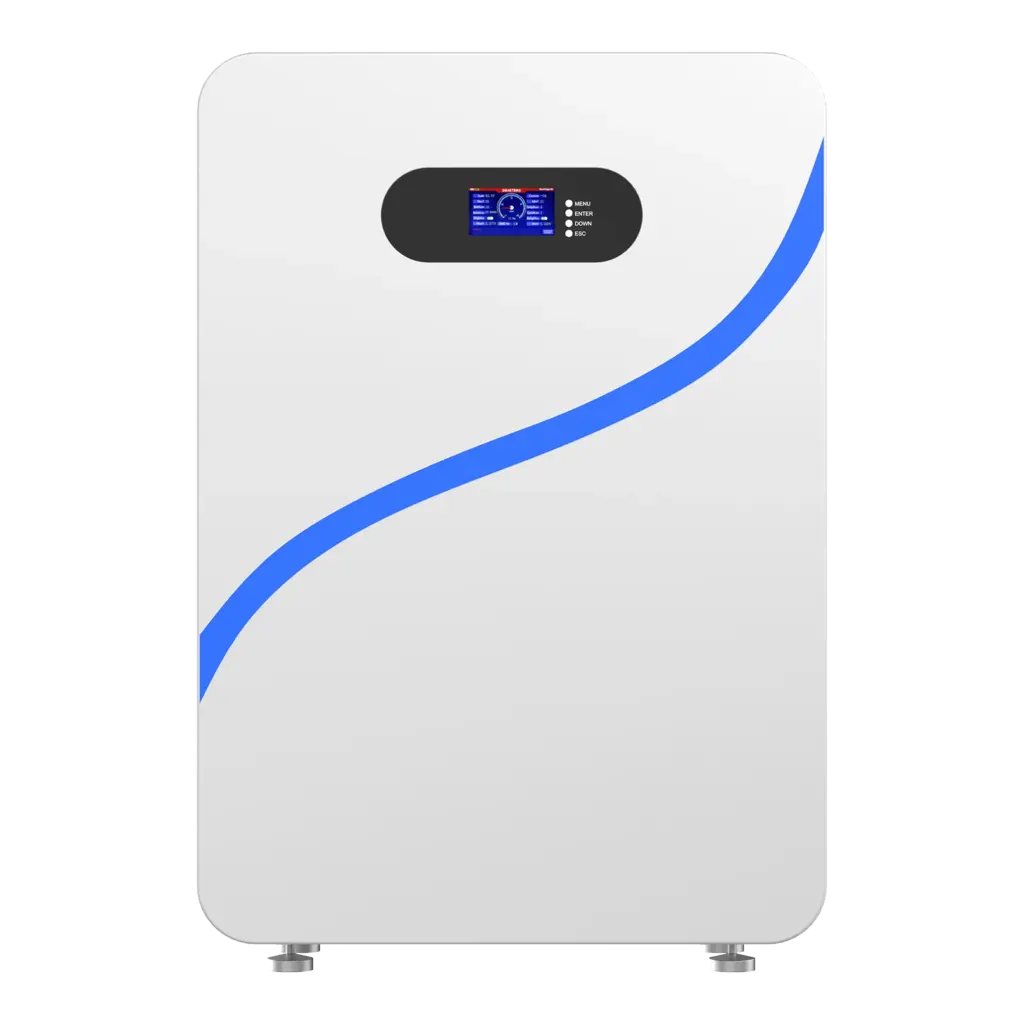
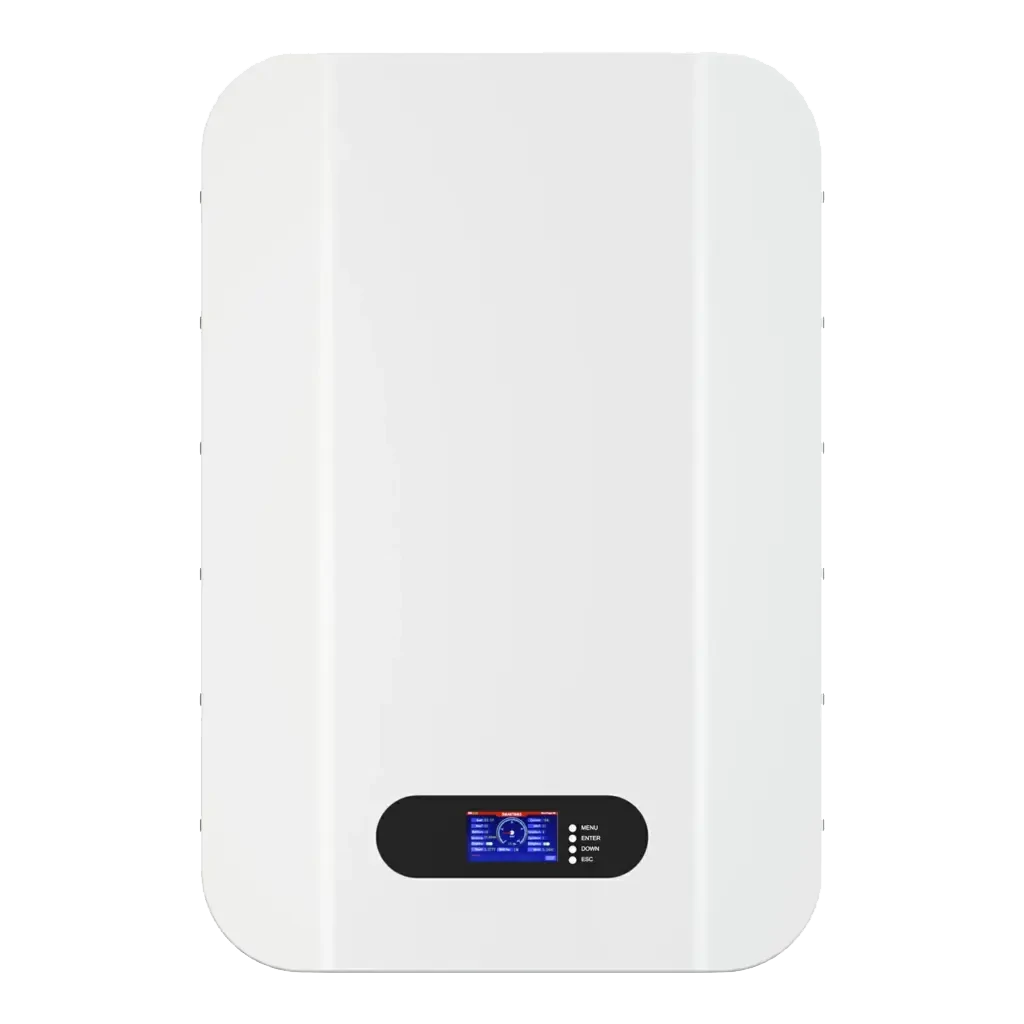
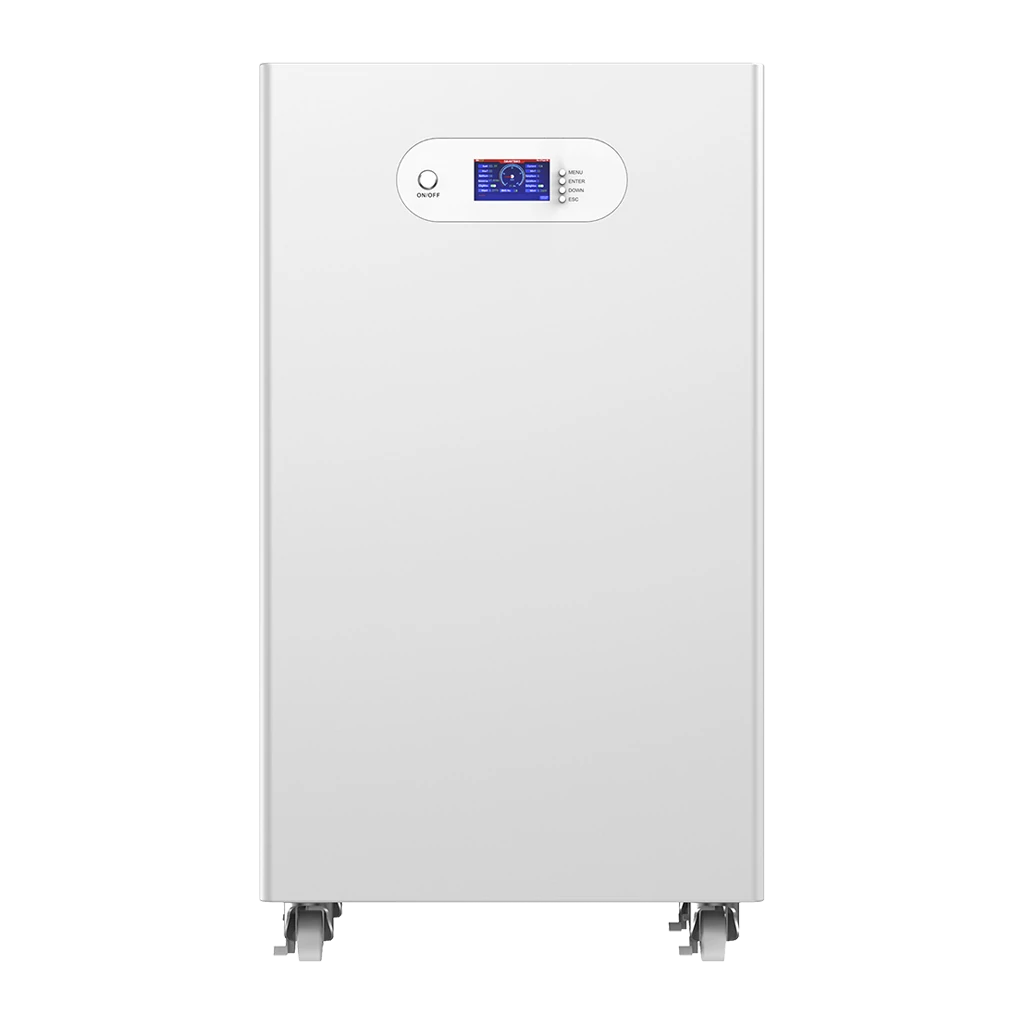
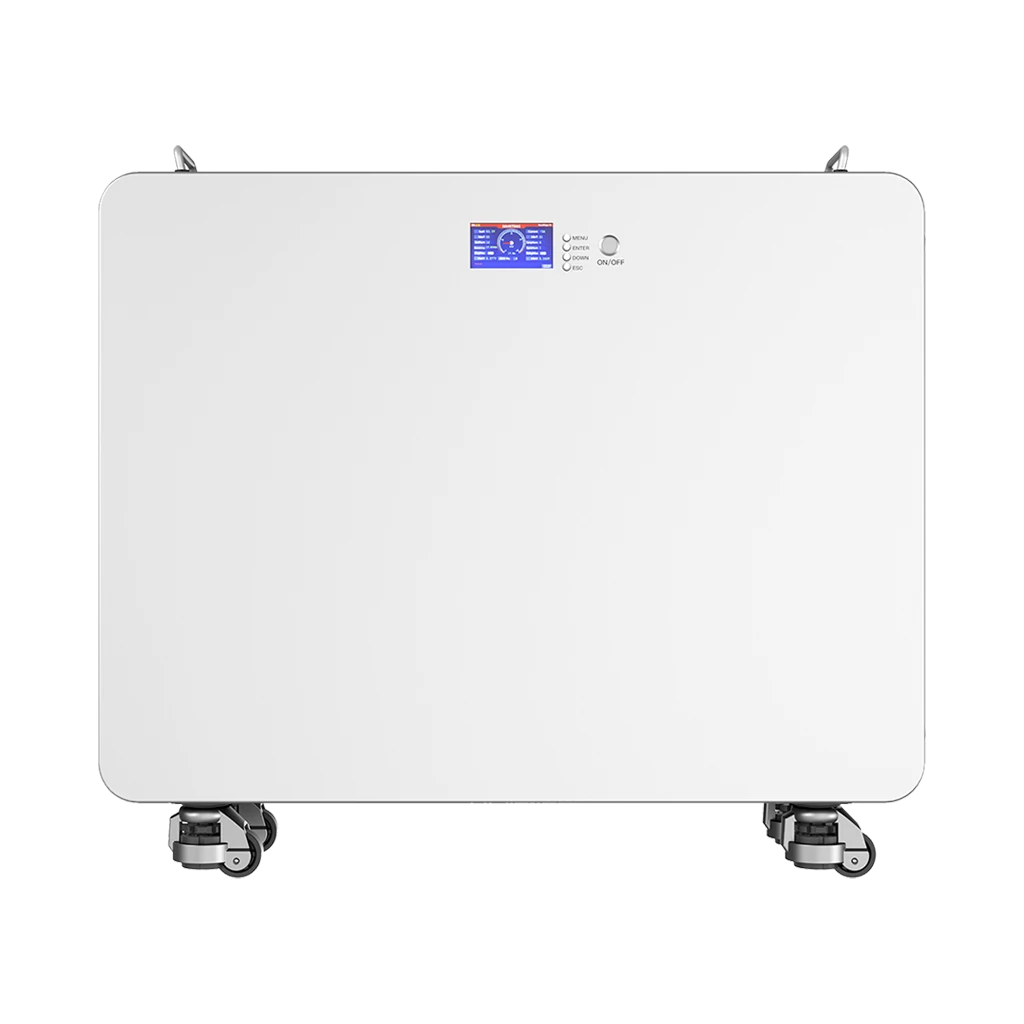
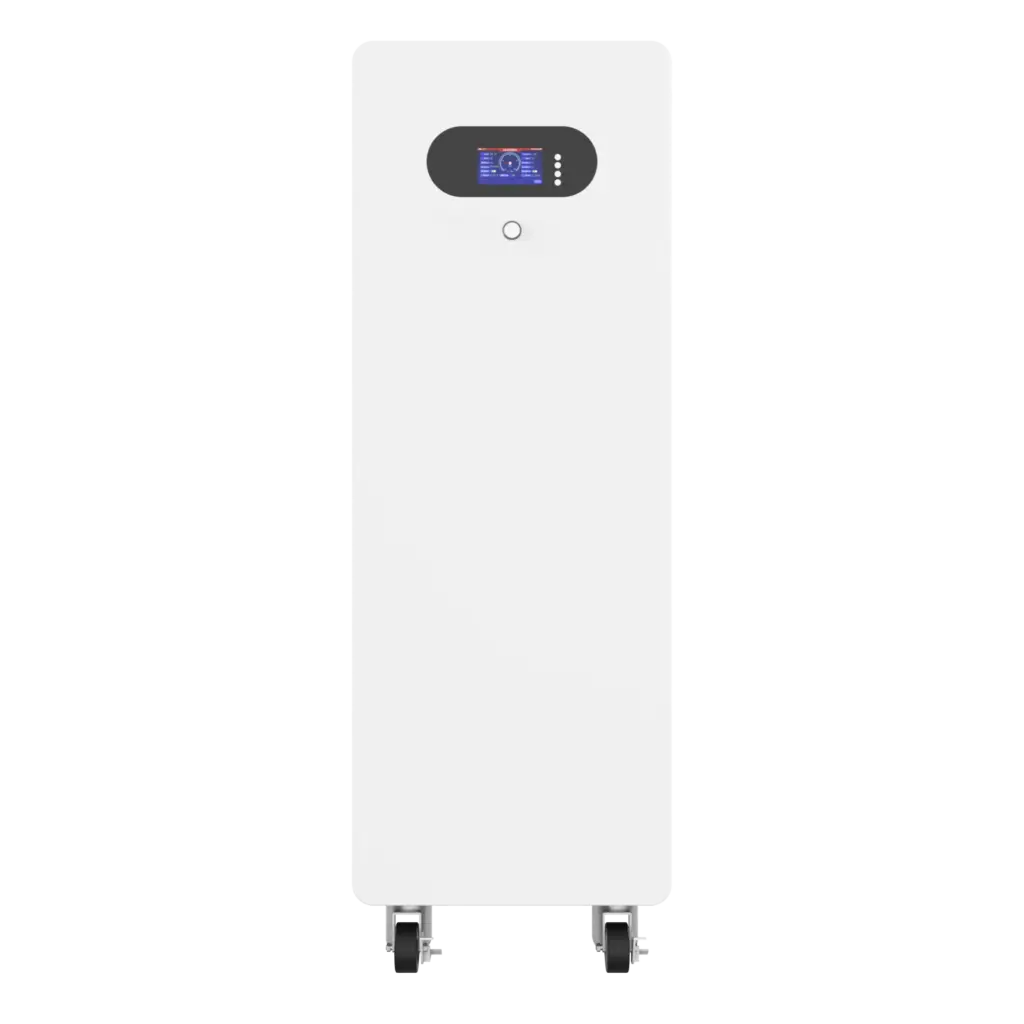
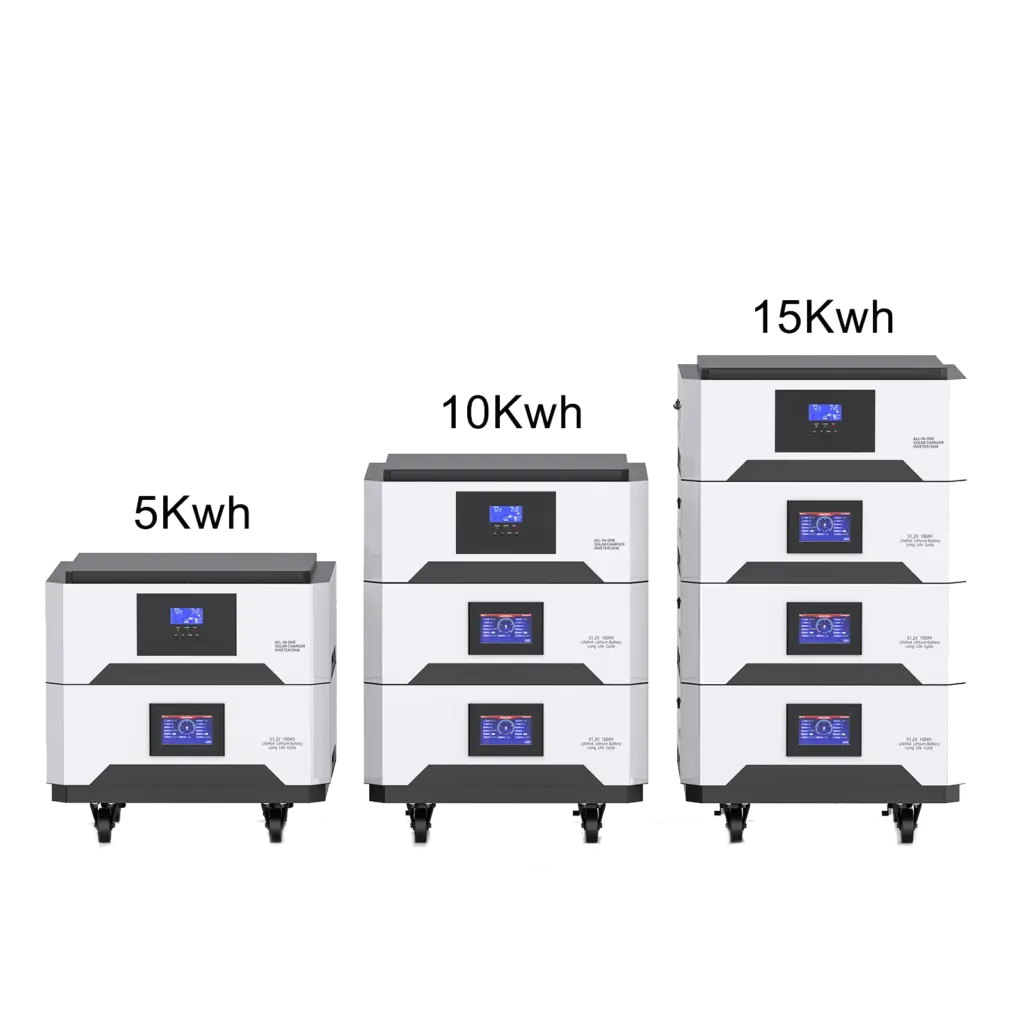
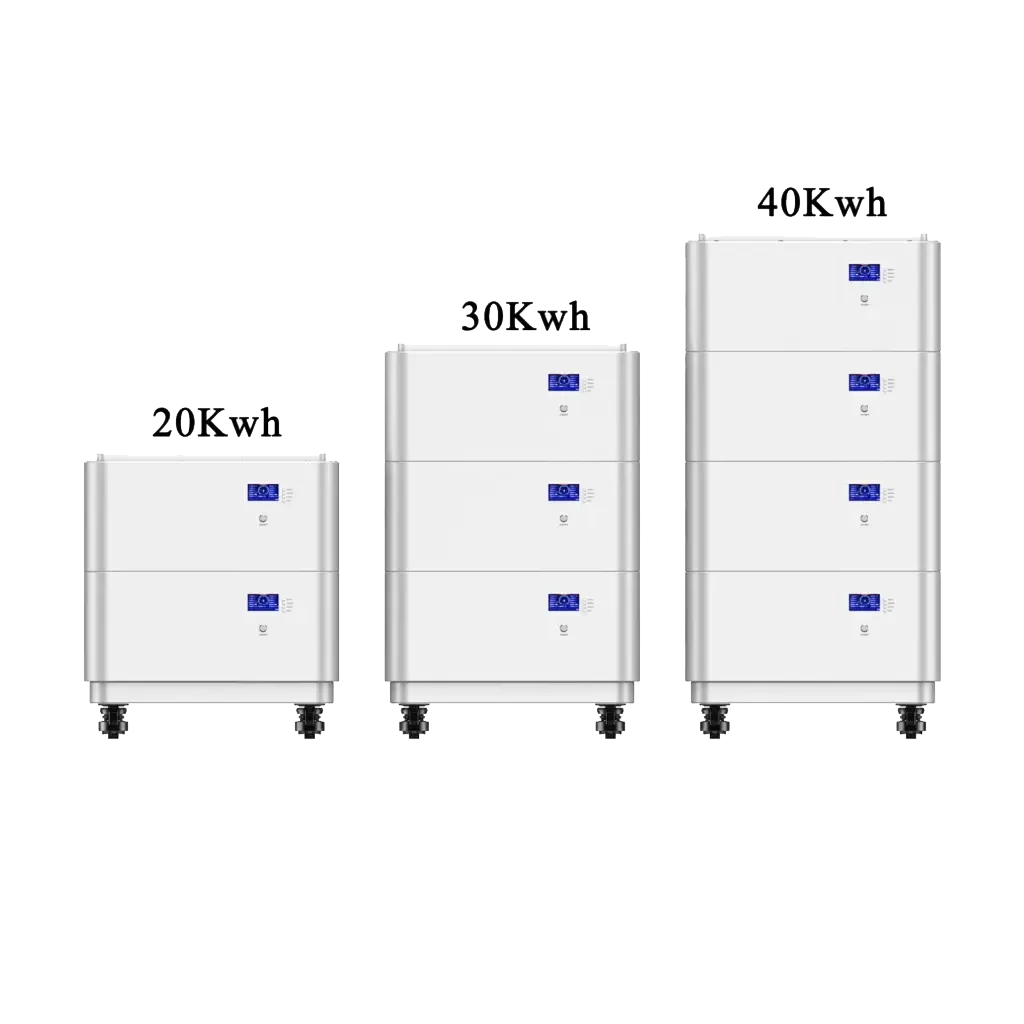
Avepower’s customized high-voltage battery storage system is an excellent example of this architecture in practice. Built with LiFePO4 chemistry, it is designed as a scalable and customizable energy storage solution. It supports modular cabinet design, Battery Management Unit (BMU) / Battery Control Unit (BCU) management, and is compatible with solar + storage, backup power, UPS, and customized project integration. The system supports CAN and partial RS485 communication, along with customization options for voltage, capacity, battery pack structure, inverter matching, communication protocols, fire protection, and project-specific topology.

Avepower Custom High Voltage Battery Storage
Avepower’s high-voltage energy storage systems are tailored to each project, covering voltage, capacity, system configuration, inverter compatibility, communication protocols, wiring, topology, and OEM/ODM support.
Benefits of High-Voltage Inverters in Solar and Storage Projects
When paired correctly with a high-voltage battery system, a high-voltage inverter can deliver several important advantages.
Better Efficiency in Larger Systems
Because current is reduced, cable losses can be lower and the overall system can move energy more efficiently. This is especially valuable in larger energy storage systems where power throughput is high.
More Practical for Commercial and Industrial Applications
Commercial and industrial users often need higher power, larger battery banks, and better system integration. High-voltage inverter architecture is generally more suitable for these requirements than a traditional low-voltage platform.
Cleaner System Expansion
As projects grow from one cabinet to multiple cabinets or from one cluster to several clusters, high-voltage architecture usually scales more naturally.
Stronger Compatibility with Modern ESS Design
Many modern storage systems now use BMU/BCU structures, cabinetized layouts, and communication-based control logic. A properly selected high-voltage inverter fits into that ecosystem more effectively than an inverter designed for simple low-voltage battery banks.
Better Fit for Solar Plus Storage
In solar-plus-storage projects, high-voltage battery systems and high-voltage inverters can work together to improve self-consumption, backup continuity, and grid interaction while reducing unnecessary conversion losses.
Where Are High-Voltage Inverters Used?
High-voltage inverters are no longer limited to one narrow niche. Their applications now span multiple industries.
Residential Energy Storage
In premium or high-capacity rsidential energy storage systems, high-voltage inverters are increasingly used with stacked or modular high-voltage batteries. They are a strong option for:
- Whole-home backup
- Large solar-plus-storage systems
- Homes with EV charging loads
- Houses with heat pumps or high-power appliances
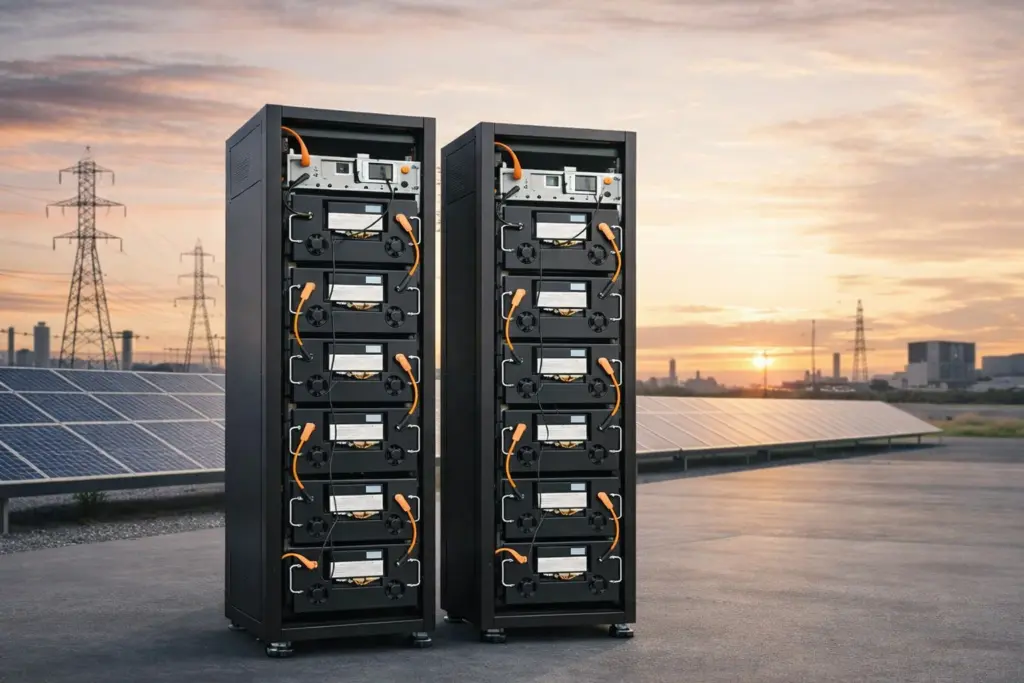
Commercial and Industrial Energy Storage
This is one of the most important growth areas. Commercial users often need:
- Peak shaving
- Demand charge control
- Backup power
- Time-of-use optimization
- Solar self-consumption improvement
High-voltage inverters are well suited to these goals because they can manage larger energy flows more efficiently.
Utility-Scale Solar and Storage
In large solar farms and utility-connected battery projects, high-voltage design helps reduce system losses and simplify large-scale power conversion architecture.
Industrial Motor and Process Systems
Beyond solar, high-voltage inverters are widely used in industry for motor speed control and power optimization. Typical equipment includes:
- Pumps
- Fans
- Compressors
- Conveyors
- Blowers
- Reactors
- Processing machinery
Industries such as mining, cement, metallurgy, chemicals, water treatment, paper, oil and gas, and transportation all use high-voltage inverter technology in one form or another.
Microgrids and Remote Power Systems
In remote communities, industrial sites, islands, and unstable-grid regions, high-voltage inverters help integrate solar, batteries, generators, and loads into a stable microgrid structure.
Safety Considerations for High-Voltage Inverter Systems
The advantages of high-voltage systems come with greater safety responsibility.
Because voltage is higher, the risk profile is different. These systems require more attention to:
- Insulation integrity
- Grounding design
- Isolation procedures
- Arc fault protection
- Enclosure protection level
- Thermal management
- Proper commissioning
- Qualified maintenance
A well-designed high-voltage inverter system can be extremely safe, but only if the whole system is engineered correctly. Battery communication, breaker coordination, fuse selection, BMS logic, and installation standards all matter.
This is why buyers should never compare high-voltage and low-voltage systems only by price. The quality of the entire system design is far more important than a simple hardware cost comparison.
A Practical Case: Lithuania 522.5kWh High-Voltage ESS
One of the best ways to explain the importance of high-voltage inverters and battery systems is to show how they work together in a real project.
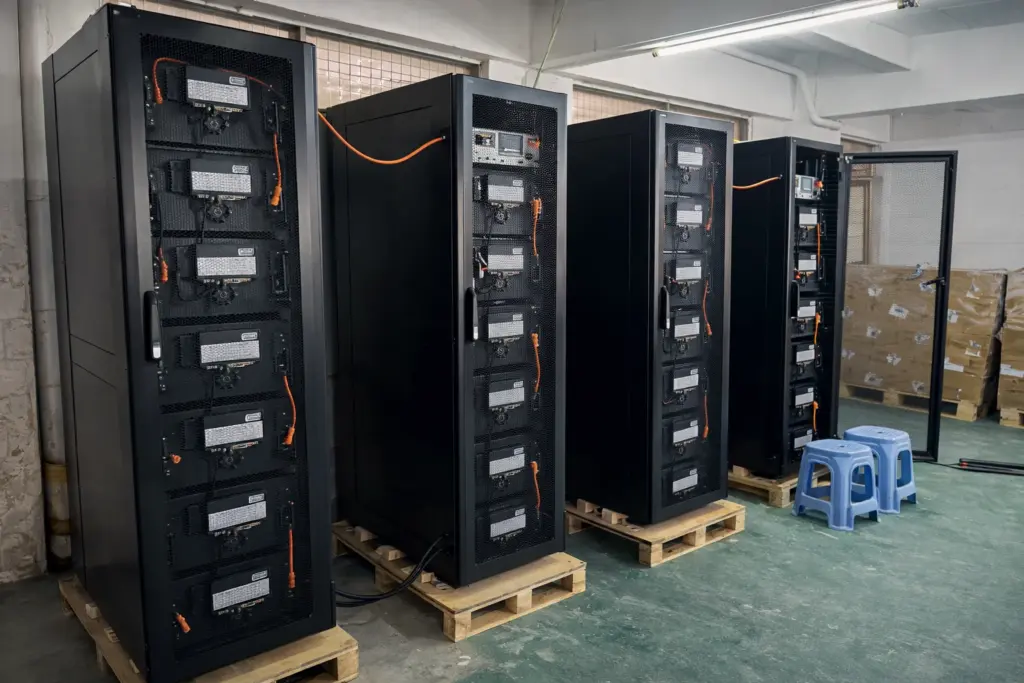
Avepower’s Lithuania case study features a 522.496kWh high-voltage energy storage system built for a local partner, designed for commercial & industrial use, grid support, and renewable energy integration. The system specifications include an 832V DC nominal voltage, a 4×42U cabinet configuration, two parallel units, and a continuous current of 200A.
The case study outlines a step-by-step engineering process: starting from sample orders of EVE MB31 314Ah battery cells, moving to pre-assembled battery packs, and ultimately forming a jointly designed 522.496kWh / 832V high-voltage architecture. The project also included full documentation, integration support, and a robust Battery Management System (BMS) with advanced protection features. The final system integrates an intelligent BMS for monitoring voltage, current, and temperature, combined with multi-level protection to ensure long-term reliability.
A battery system operating at 832V DC is not a small or temporary setup. It requires a well-matched inverter strategy, carefully designed communication logic, proper protection coordination, and project-level engineering. In other words, selecting a high-voltage inverter is not just about meeting voltage specifications on paper—it must be fully integrated into a complete energy storage system architecture that can be reliably deployed and maintained in real-world conditions.
Ready to Build Your Next High-Voltage ESS Project?
Tell us your project requirements—our engineers will recommend a safe, scalable configuration.
How to Choose a High-Voltage Inverter for Your Project
If you are choosing a high-voltage inverter, the key question is not simply whether “high voltage” sounds more advanced. The real question is whether the full project architecture supports it.
You should evaluate:
- the inverter’s DC voltage window
- battery voltage compatibility
- communication protocol compatibility
- continuous and peak power requirements
- thermal design
- protection logic
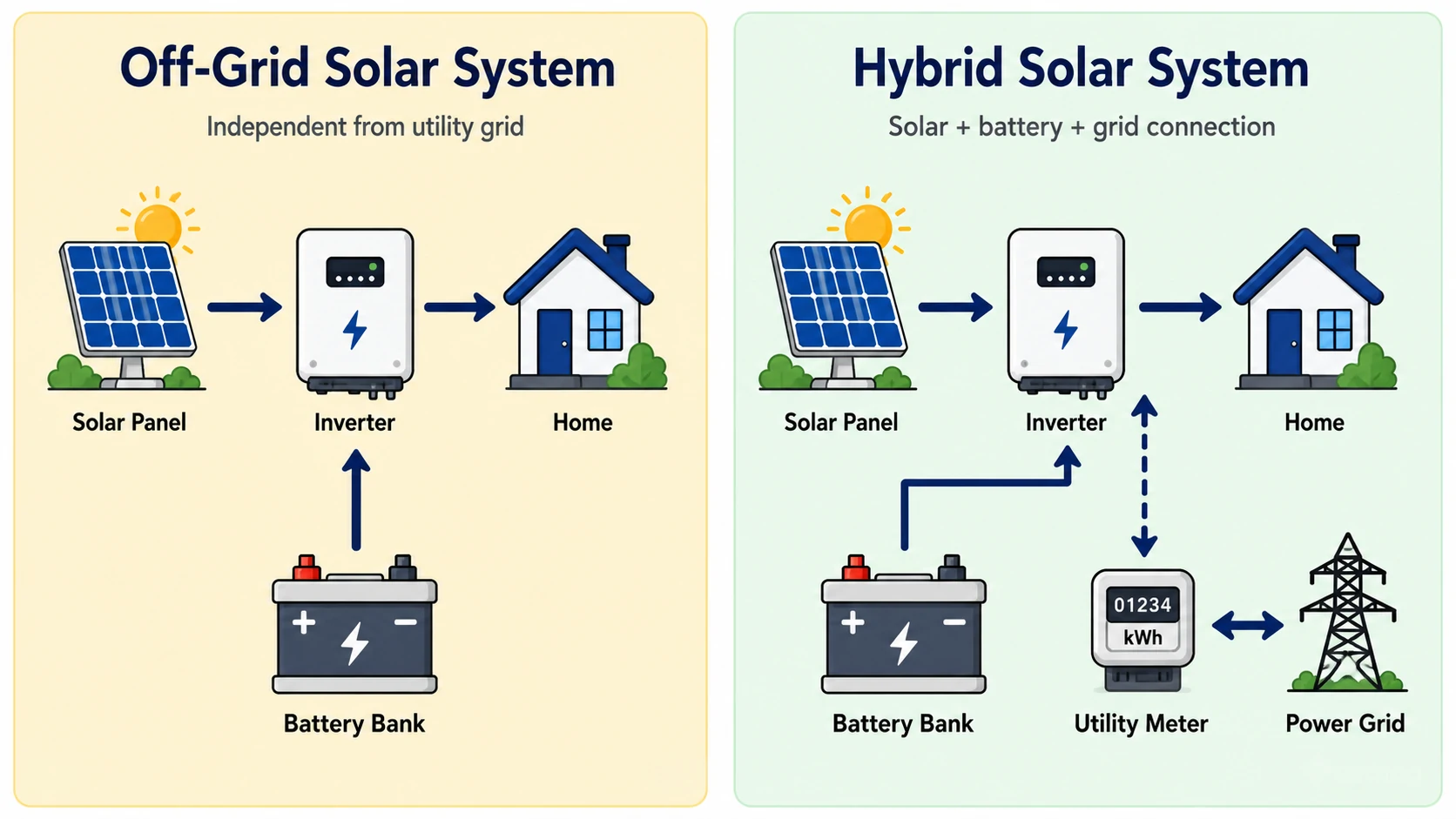
- whether the project is grid-tied, hybrid, or off-grid
- future expansion requirements
It is also wise to evaluate the battery platform and inverter together. A project-specific high-voltage ESS, such as the kind Avepower describes on its product page, can be more practical than forcing a standard inverter into a poorly matched battery architecture. When the storage platform already supports modular expansion, BMU + BCU protection, inverter matching, wiring topology support, and project-based configuration, the inverter selection process becomes much more reliable.
Conclusion
A high-voltage inverter is much more than a DC-to-AC converter. It is a key part of a high-performance energy architecture. By operating at higher voltage and lower current, it helps reduce cable losses, improve efficiency, support larger power flows, and better serve modern solar-plus-storage applications.
Compared with low-voltage inverters, high-voltage inverter systems are generally more suitable for larger residential backup systems, commercial and industrial storage, grid support applications, renewable integration, and engineered battery energy storage platforms. Their real advantage becomes clear when they are paired with the right high-voltage battery solution.
That is why the most effective approach is not to choose an inverter in isolation. It is to choose a complete system architecture. Avepower’s custom high-voltage battery storage platform and its 522.5kWh Lithuania project are good examples of this principle in practice.
FAQ
A high-voltage inverter is a power conversion device that changes high-voltage DC electricity from solar panels or battery storage systems into usable AC electricity for homes, businesses, industrial loads, or the utility grid. It is commonly used in larger energy systems where higher efficiency and lower current are important.
The main difference is the operating voltage range. Low-voltage inverters are typically used with 12V, 24V, or 48V battery systems, while high-voltage inverters work with much higher DC voltages. High-voltage systems usually allow lower current, reduced cable losses, and better suitability for medium- to large-scale applications.
High-voltage inverters can be more efficient because higher voltage means lower current for the same power output. Lower current reduces resistive losses in cables and components, which helps improve overall system efficiency, especially in larger solar and storage installations.
High-voltage inverters are commonly used in commercial and industrial energy storage systems, solar-plus-storage projects, microgrids, large residential backup systems, grid support applications, and some industrial motor-control environments.
A high-voltage battery and inverter combination can provide lower current, reduced cable losses, better power density, easier scaling, and stronger compatibility with commercial and industrial energy storage projects. It also supports more efficient power transfer in larger systems.