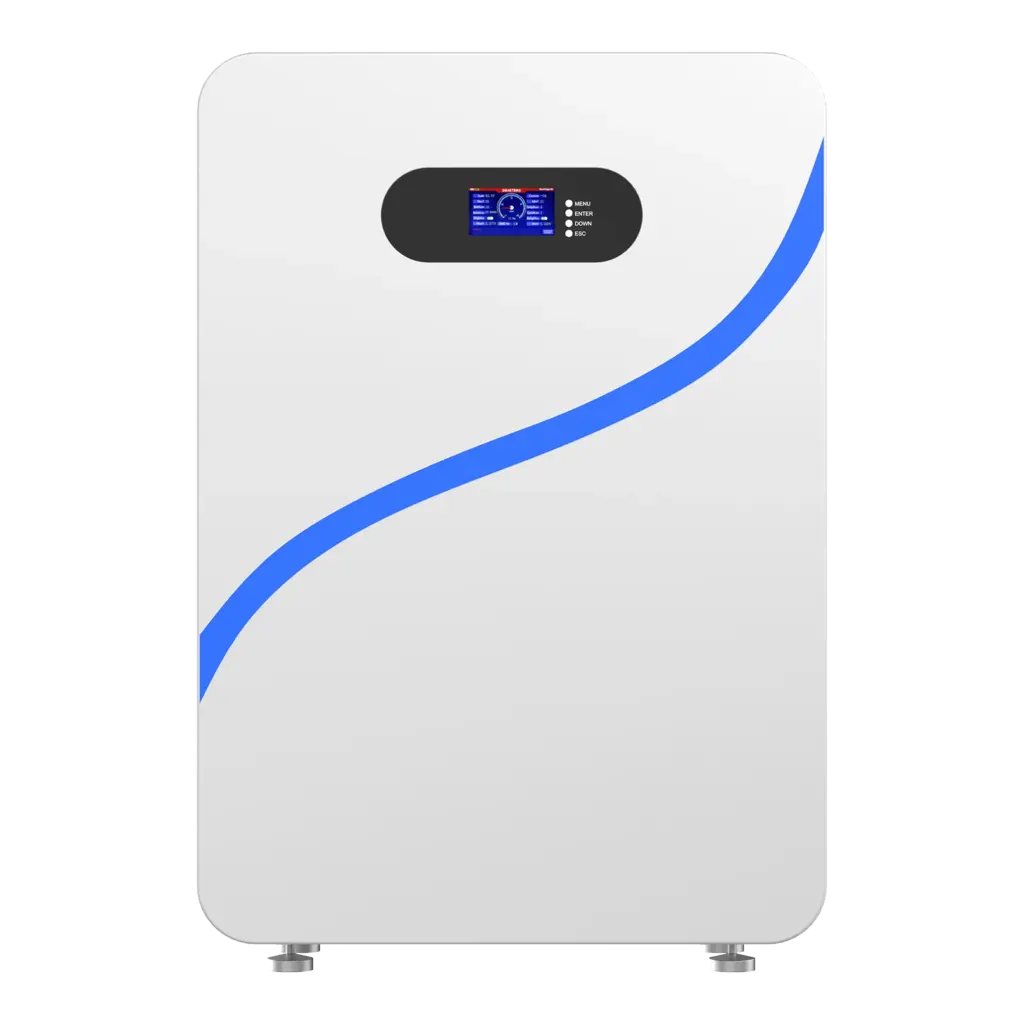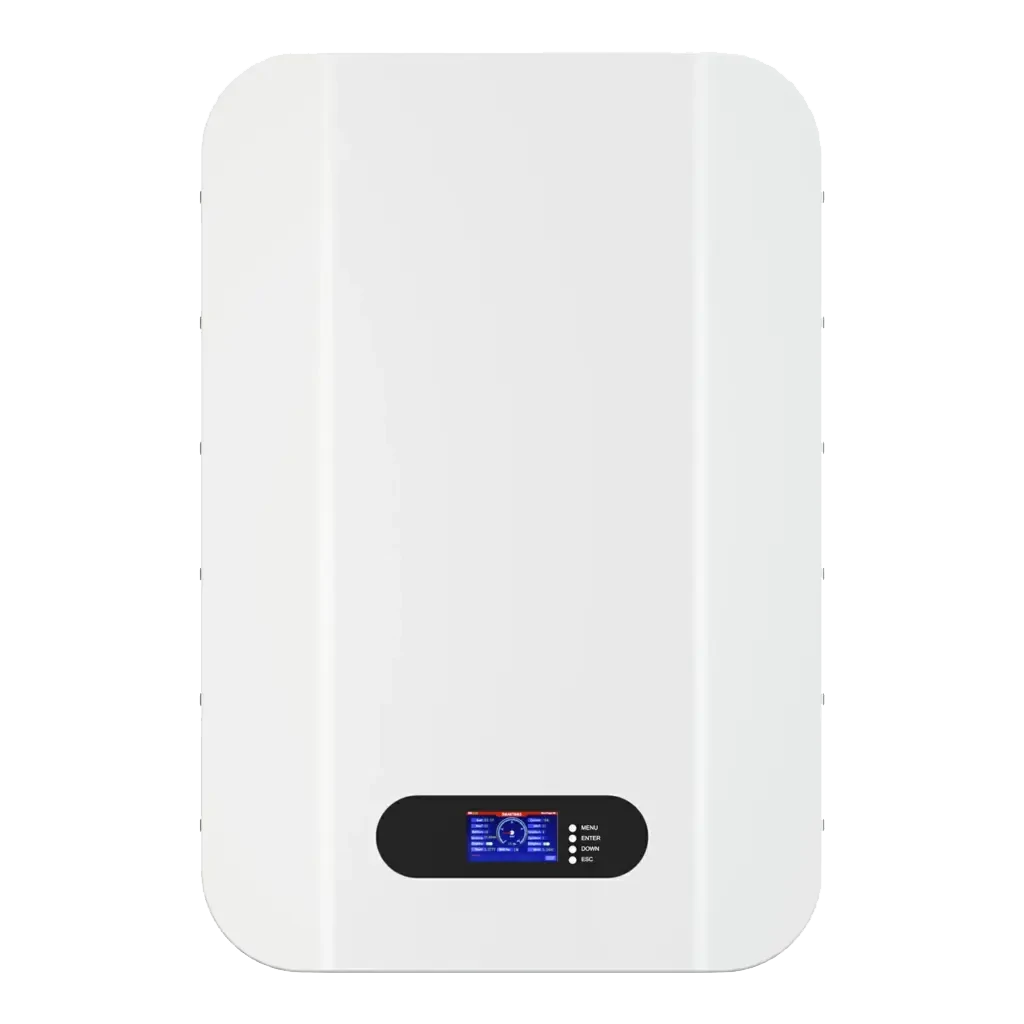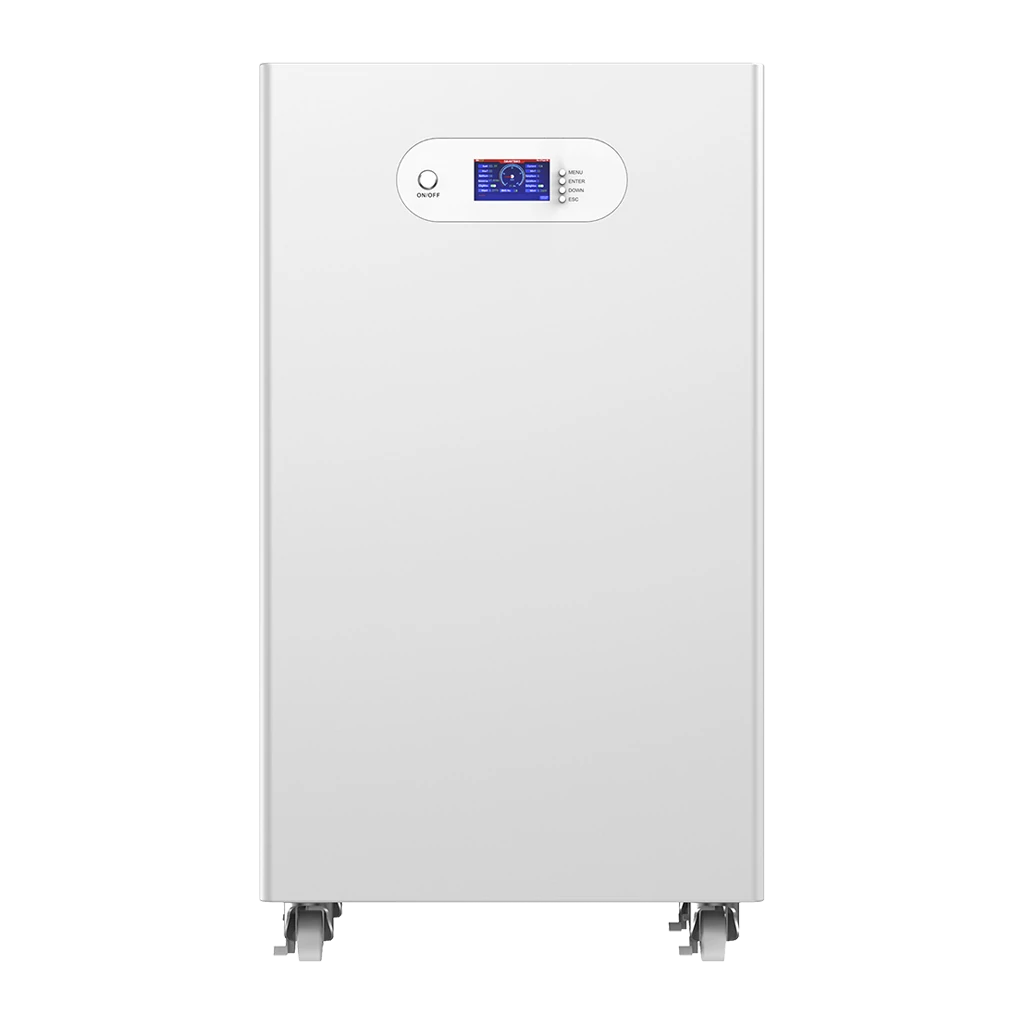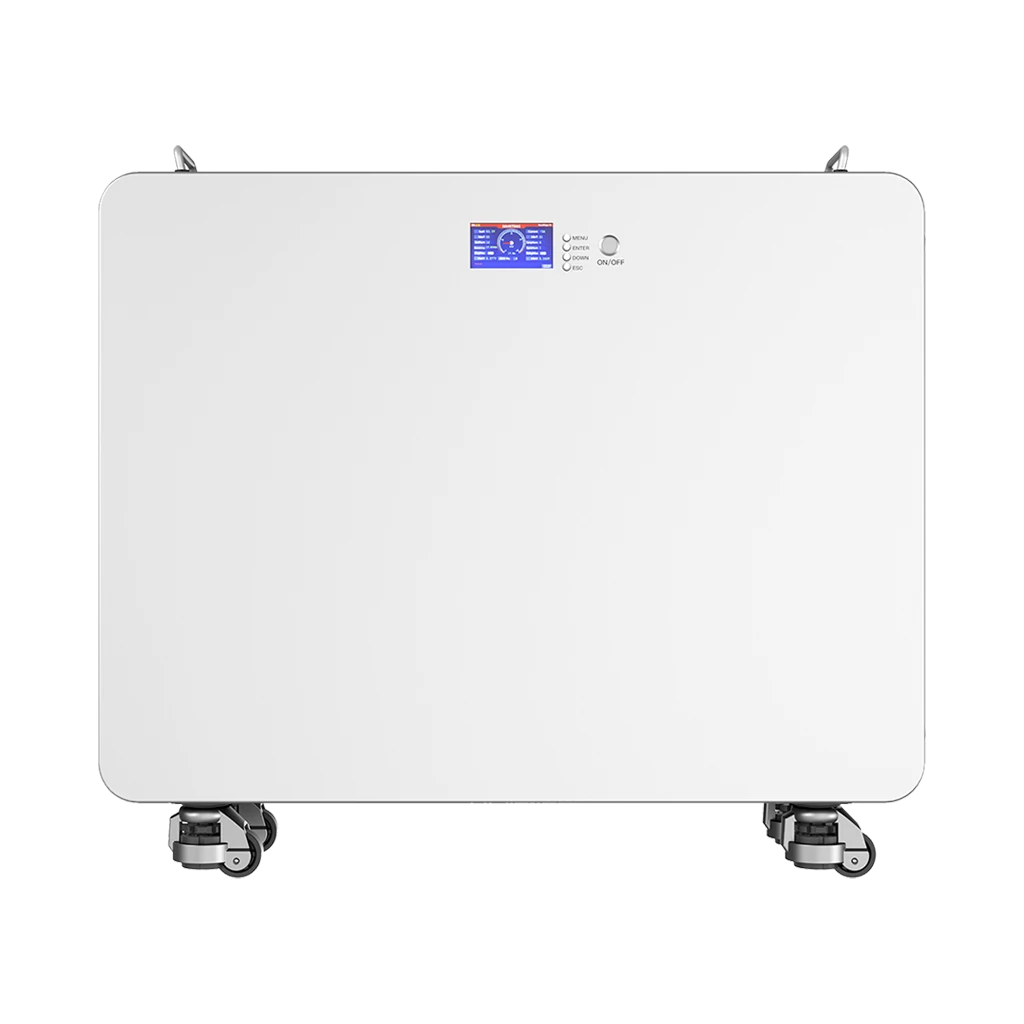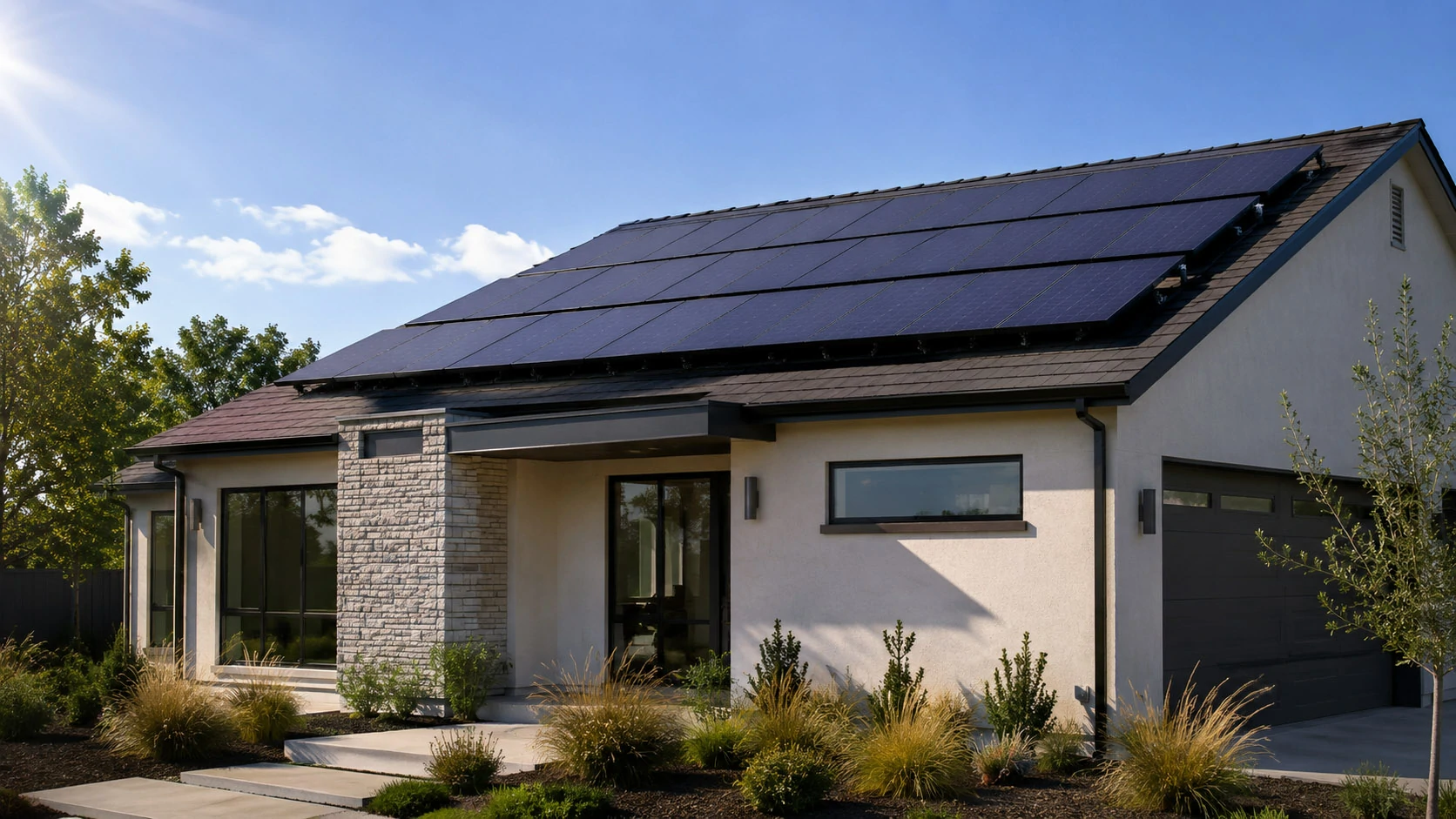
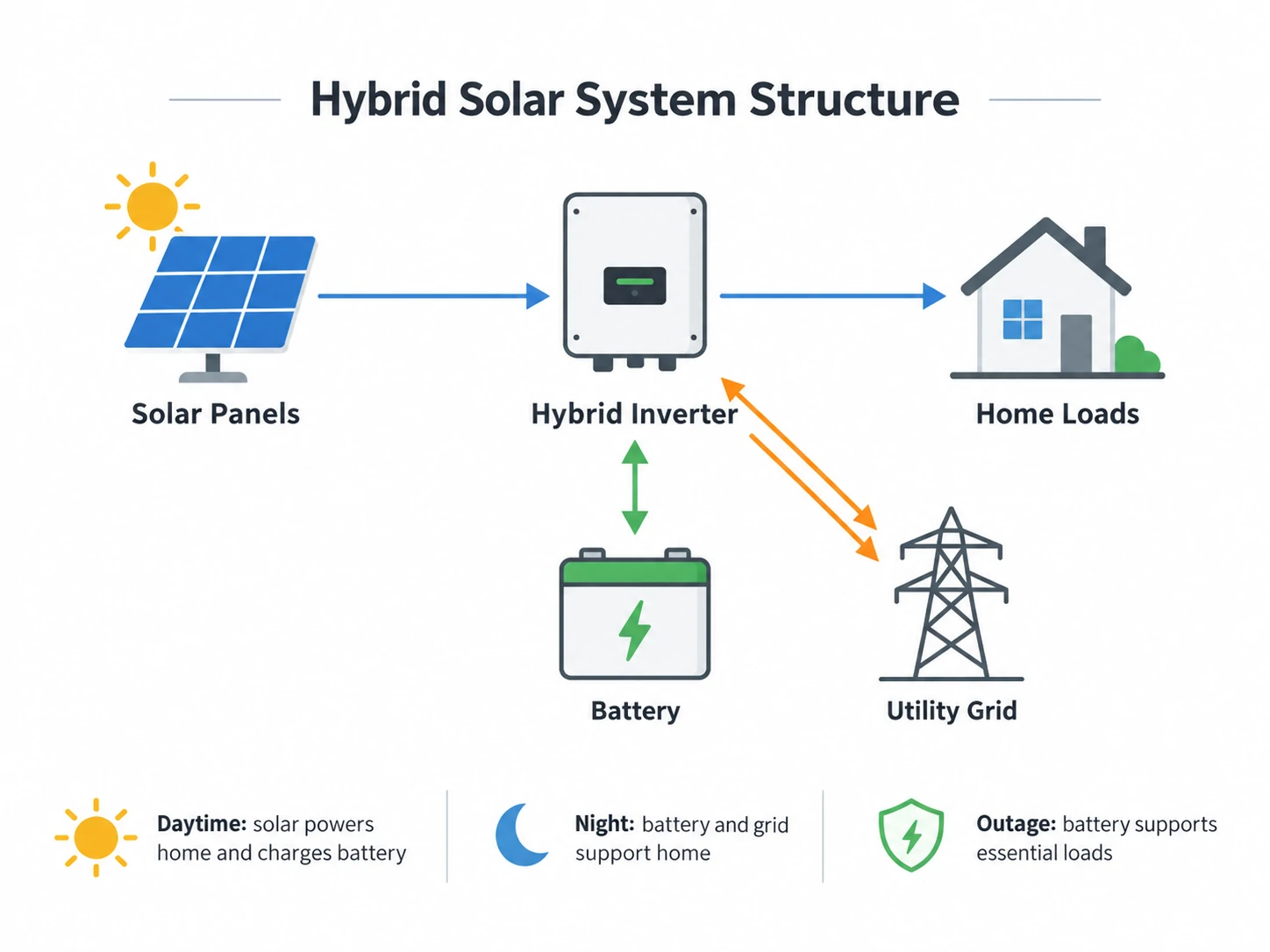
A hybrid solar system combines solar panels, battery storage, a hybrid inverter, and the utility grid. It uses solar power during the day, stores excess electricity for later, and uses the grid when solar and battery power are insufficient. A properly configured hybrid system can also provide backup power during an outage.
Typical U.S. residential hybrid systems can range from roughly $15,000 to $75,000+, depending on system size, battery capacity, inverter type, installation, and backup requirements.
In this article, you will get a clear and detailed explanation of hybrid solar systems, including how they operate, the main components involved, their advantages and disadvantages, and when it makes sense to invest in one.
What Is a Hybrid Solar System?
A hybrid solar system is a solar power setup that combines solar panels, a hybrid inverter, battery storage, and a grid connection into one integrated system.
Unlike traditional grid-tied systems that shut down during power outages, or off-grid systems that rely only on batteries, a hybrid solar system blends the strengths of both approaches. It allows your home to use solar energy during the day, store extra electricity in batteries, and draw power from the utility grid when needed.
This design gives you continuous electricity, even when sunlight is limited or the grid is unstable.
Typical Cost
For a typical U.S. residential installation, a 5 kW hybrid solar system may cost roughly $15,000–$40,000, while a 10 kW system can range from about $25,000–$75,000+, depending mainly on battery capacity, inverter configuration, installation, and backup requirements.
Best For
Homes with high electricity prices, time-of-use rates, weak net-metering/export credits, or frequent power outages.
Key Components of a Hybrid Solar System
A hybrid solar system has a few key components, and each component has a job.
Solar Panels
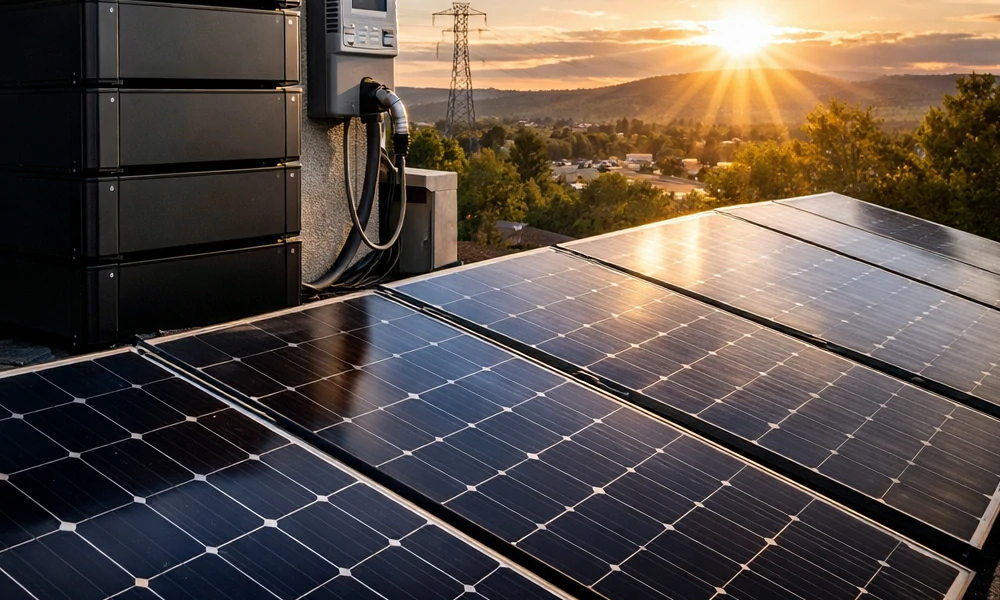
Solar panels produce DC electricity from sunlight. Your roof or ground mount holds the panels at a tilt and direction that helps them catch more sun.
Hybrid Inverter
A hybrid inverter turns DC electricity into AC electricity that your home uses. A hybrid inverter can also move power between the grid, your battery, your solar panels, and your home loads. Many sources describe a hybrid inverter as a “two-in-one” device that manages solar and battery in a single unit.
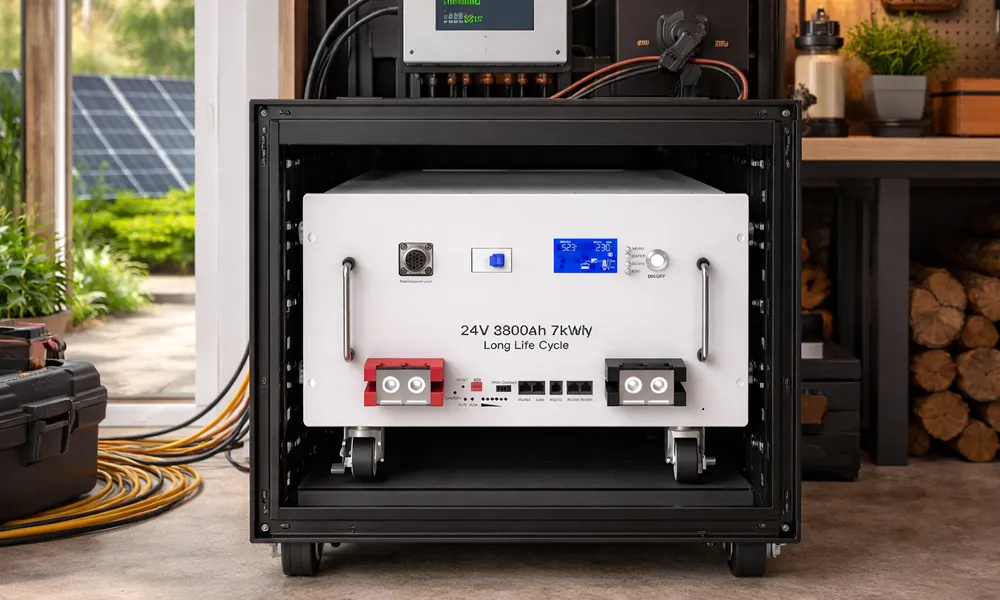
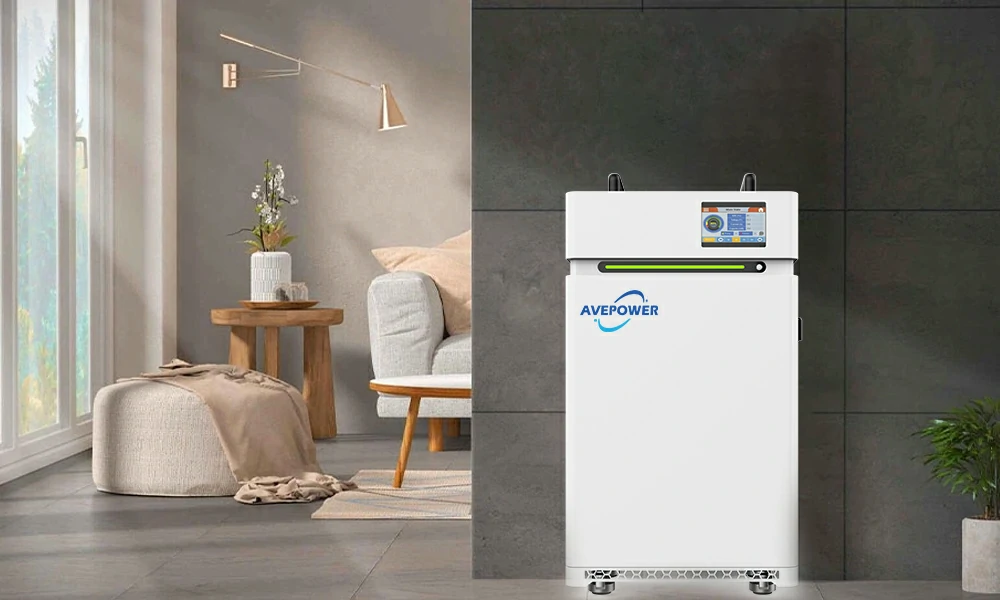
Battery (Energy Storage)
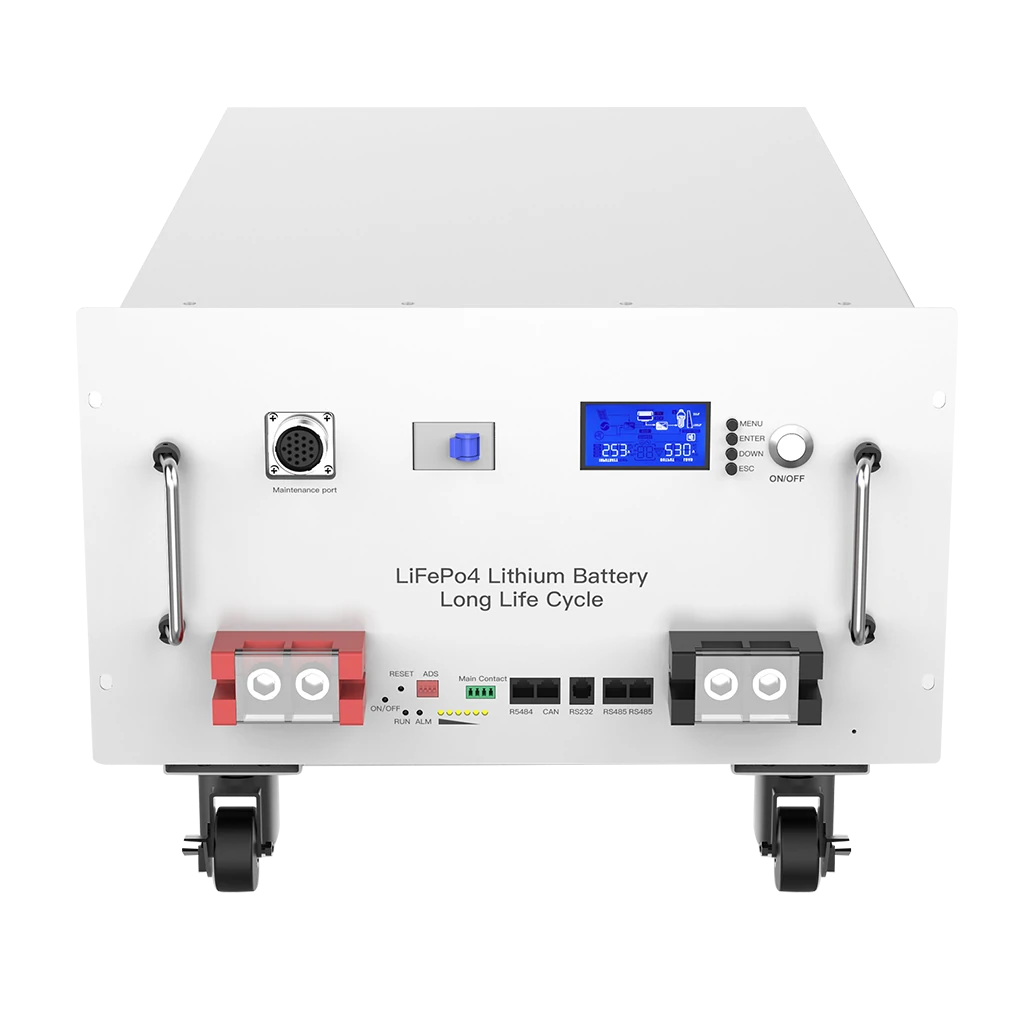
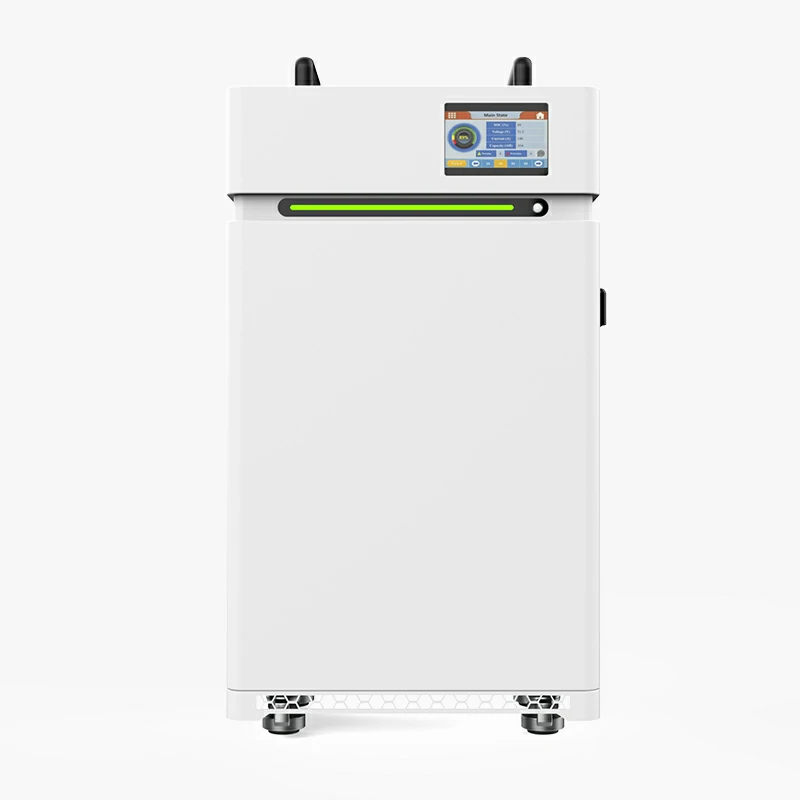
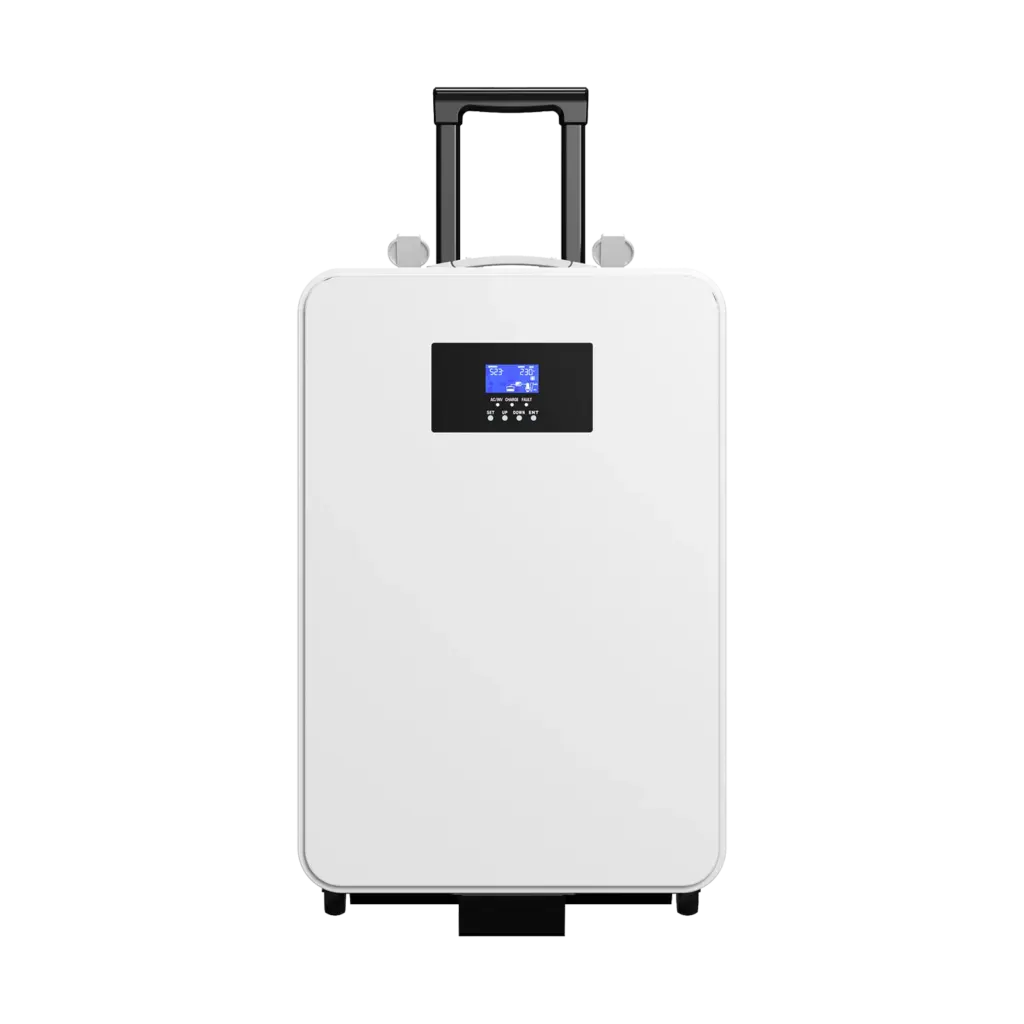
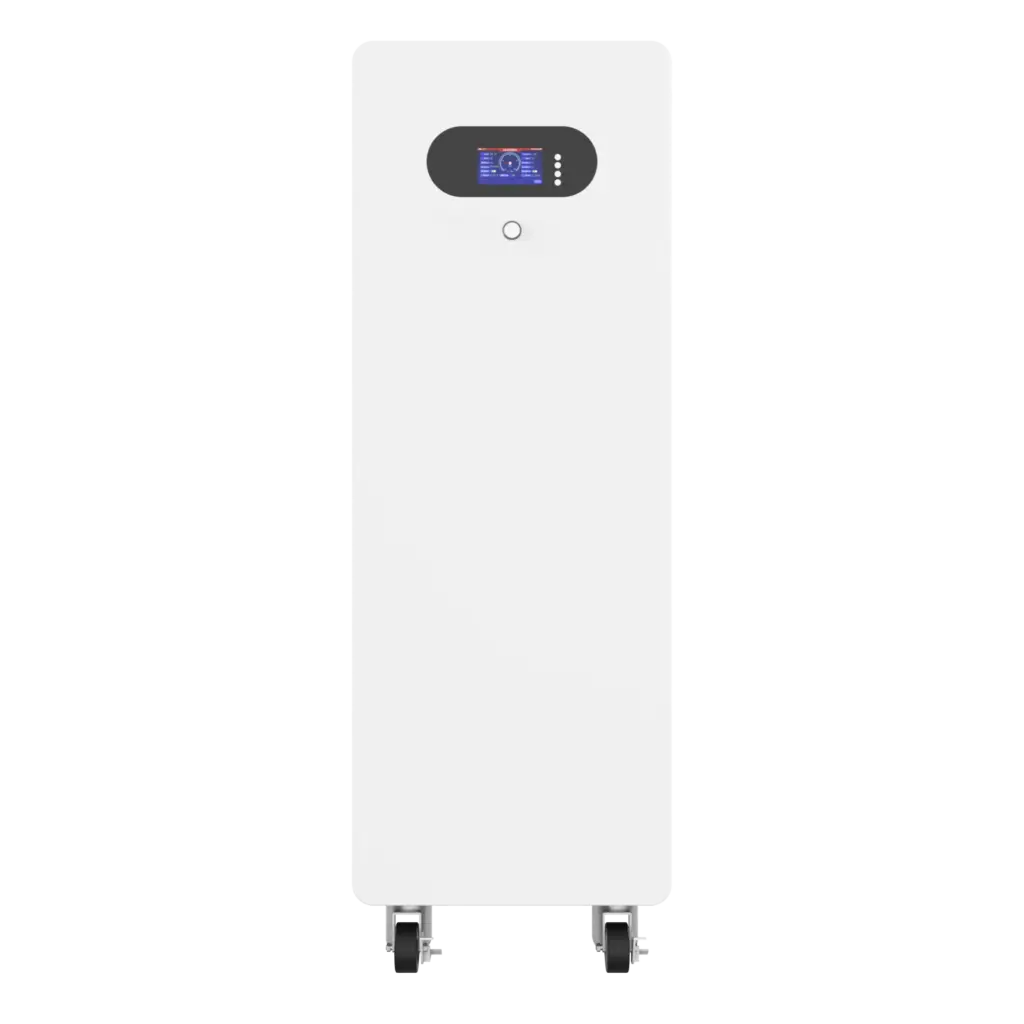
A battery stores extra solar energy so you can use it later. A battery system normally includes a Battery Management System (BMS), and the BMS helps protect the battery by monitoring charging, discharging, temperature, and current.
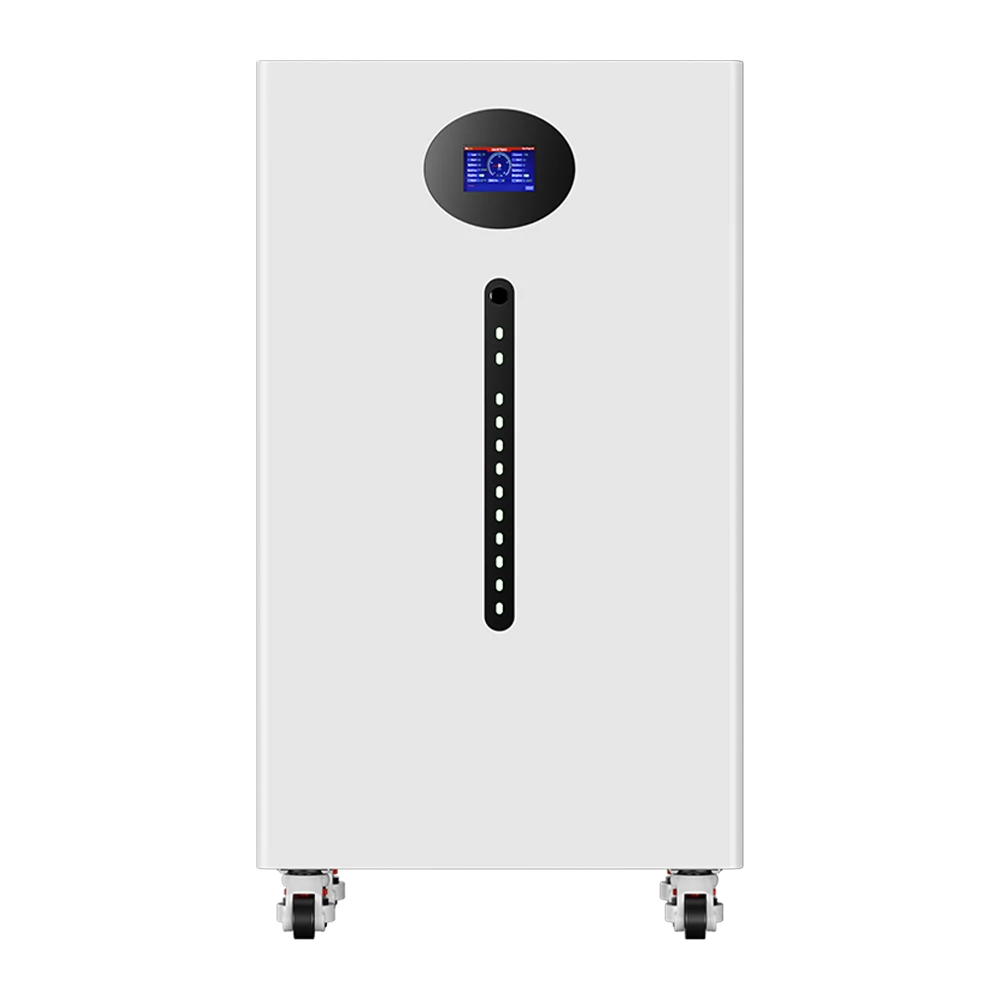
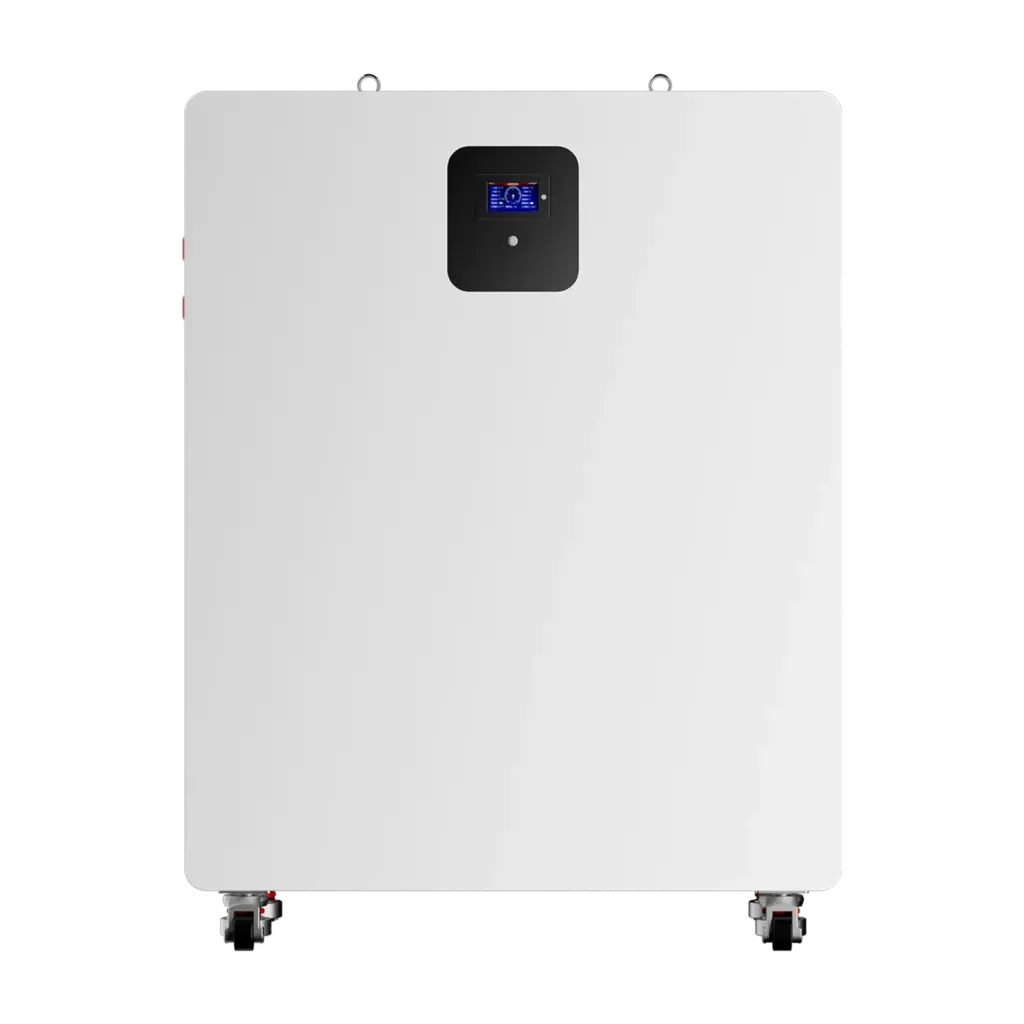
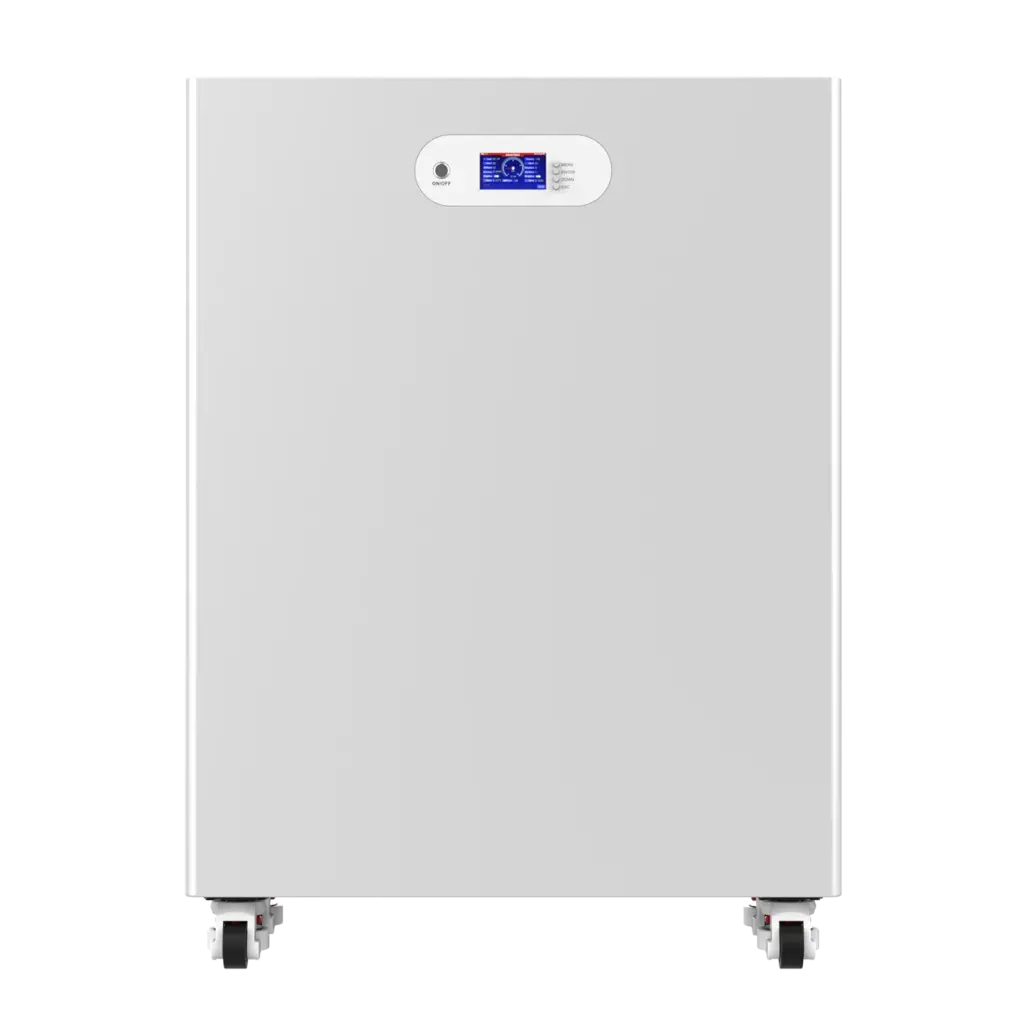
If you sell home energy storage products (like Avepower does), you can position the battery as the “energy bank” in a hybrid system. Avepower batteries 8000+ cycling, safety, and BMS protections, which match what hybrid homes need.
Grid Connection
The utility grid gives you power when solar and battery power are not enough. The grid can also accept extra solar energy if your local rules allow export.
Optional Backup Panel (Critical Loads Panel)
A backup panel powers selected circuits during a blackout. A backup panel usually covers items like a fridge, lights, Wi-Fi, outlets, and sometimes a small air conditioner.
How a Hybrid Solar System Works
A hybrid system works because it follows simple priorities. A hybrid system usually powers your home first, then charges your battery, and then exports to the grid if export is allowed.
Scenario 1: Daytime with Sunshine
- Solar panels produce DC power.
- The hybrid inverter converts DC to AC so your home can use the power.
- Your home uses solar power first if your loads are running.
- Your battery charges with extra solar energy after the home loads are covered.
- The grid receives extra power only after the battery reaches its charge target and only if export is enabled.
Scenario 2: Evening or Cloudy Periods
- Your solar output drops when sunlight drops.
- Your battery discharges to cover your home loads.
- The grid supplies the rest if your battery reaches its lower limit or if your loads spike.
Scenario 3: Blackout
A standard grid-tied inverter must shut down during a blackout to protect utility workers, because the system must avoid unsafe “islanding.”
A hybrid system can keep running only if it has the right inverter mode and the right wiring for backup. Many hybrid inverters can disconnect from the grid and form a “safe island” for your home’s backup circuits, so your battery and solar can keep powering those circuits.
Hybrid Solar System Wiring Types
You can build hybrid solar plus storage in two common ways.
DC-coupled Systems
A DC-coupled system connects solar panels to a hybrid inverter that can charge the battery on the DC side. This design can reduce extra conversion steps during battery charging, which can improve efficiency in some setups.
AC-coupled Systems
An AC-coupled system connects the solar inverter output to the home AC side, and the battery system charges from AC power. This design can be useful when you add a battery to an existing solar system.
Types of Solar Panels Used in Hybrid Systems
Choosing the right solar panels is crucial for your hybrid solar system’s efficiency, cost, and space usage. Below is a comparison of common panel types used in hybrid setups:
| Solar Panel Type | Efficiency | Pros | Cons |
|---|---|---|---|
| Thin-Film Solar Panels | 10-12% (approx.) | Lightweight, flexible, cheaper | Lower efficiency, shorter lifespan |
| Monocrystalline Panels | 16-24% | High efficiency, long lifespan | Higher cost, fragile |
| Polycrystalline Panels | 14-20% | Lower cost, eco-friendly | Larger area needed, lower efficiency |
| Building-Integrated PV (BIPV) | 5-10% | Aesthetic, space-saving | Complex install, efficiency varies |
Thin-Film Solar Panels
Thin-film panels are lightweight and flexible, often made from materials like amorphous silicon or cadmium telluride. They perform relatively well in shaded or diffused light and are generally cheaper to manufacture.
- Pros:
- Easy to install due to light weight
- Better performance in shade or low light conditions
- Lower upfront cost
- Cons:
- Lower efficiency compared to crystalline panels
- Shorter lifespan
- Some materials used raise environmental concerns
Monocrystalline Solar Panels
Monocrystalline panels are made from single-crystal silicon. They are highly efficient, usually converting 16% to 24% of sunlight into electricity. These panels perform well even in low-light conditions and tend to have a longer lifespan, often backed by warranties of 25 years or more.
- Pros:
- High efficiency
- Long lifespan (typically 25+ years)
- Compact size, ideal when space is limited
- Cons:
- Higher cost
- More fragile, requires careful handling
Polycrystalline Solar Panels
Polycrystalline panels are produced by melting multiple silicon fragments together, resulting in a more varied crystal structure. This production method is simpler and cheaper, making these panels a popular choice for budget-conscious solar buyers.
- Pros:
- Lower cost than monocrystalline
- Reduced silicon waste during production
- Environmentally friendlier manufacturing process
- Cons:
- Slightly lower efficiency (14-20%)
- Requires more space for same power output
- Less uniform appearance
Building-Integrated Photovoltaics (BIPV)
BIPV panels serve a dual purpose by acting as both a building material and an energy generator. These panels replace traditional materials in roofs, facades, or windows, blending solar power generation seamlessly into the building’s design.
- Pros:
- Visually appealing, blends with architecture
- Can qualify for government incentives
- Saves space by replacing conventional materials
- Cons:
- Installation is complex and costlier
- Efficiency depends heavily on building orientation and design
- Maintenance can be more challenging
Pros of Hybrid Solar Systems
Hybrid solar systems offer several benefits over conventional solar setups:
1. Reliable Power Supply
With battery backup, hybrid systems provide electricity even during grid outages or bad weather. This means no more interruptions to your essential appliances and devices.
2. Cost Savings and Return on Investment
Though the upfront costs are higher, hybrid systems help reduce your electricity bills over time by using solar energy more efficiently and minimizing grid reliance. You also avoid the rising costs of fossil fuels since solar energy is free. Additionally, having a hybrid system can increase your property’s value.
3. Environmental Benefits
By using clean, renewable energy from the sun, hybrid solar systems reduce greenhouse gas emissions and reliance on non-renewable resources like coal or gas. This helps fight climate change and supports a sustainable future.
Cons of Hybrid Solar Systems
Before investing, it’s important to consider some drawbacks:
1. Higher Initial Costs
Hybrid systems require batteries and more sophisticated inverters, which add to the upfront investment compared to standard grid-tied systems.
2. Space Requirements
Battery banks and additional equipment require more installation space, which may be limited in some homes.
3. More Complex Installation
Installing and configuring a hybrid system is more complicated and often requires professional electricians certified to handle grid connections and safety regulations.
4. Battery Maintenance
Batteries have a limited lifespan (usually 7-15 years) and may need replacement, adding to long-term maintenance costs.
Battery Chemistry for Hybrid Systems
You will see different battery types in the market. You should know the basics.
LiFePO4
LFP batteries are popular because the chemistry is stable and the cycle life can be long with good design. Many LFP packs include a strong BMS that controls charging and discharging.
Related articles: LFP vs NMC Batteries
NMC
NMC batteries can provide high energy density. Many well-known home batteries use NMC. The chemistry can work well when the system design is strong.
Lead-acid
Lead-acid battery cost less upfront, but the usable capacity is lower and the cycle life is often shorter. Many modern homes avoid lead-acid unless budget is very tight or the application is special.
When you compare batteries, you should ask about:
- Usable capacity (not just nameplate capacity)
- Warranty terms
- Cycle rating and expected life
- Temperature limits
- Certifications and safety testing
- BMS features and protections
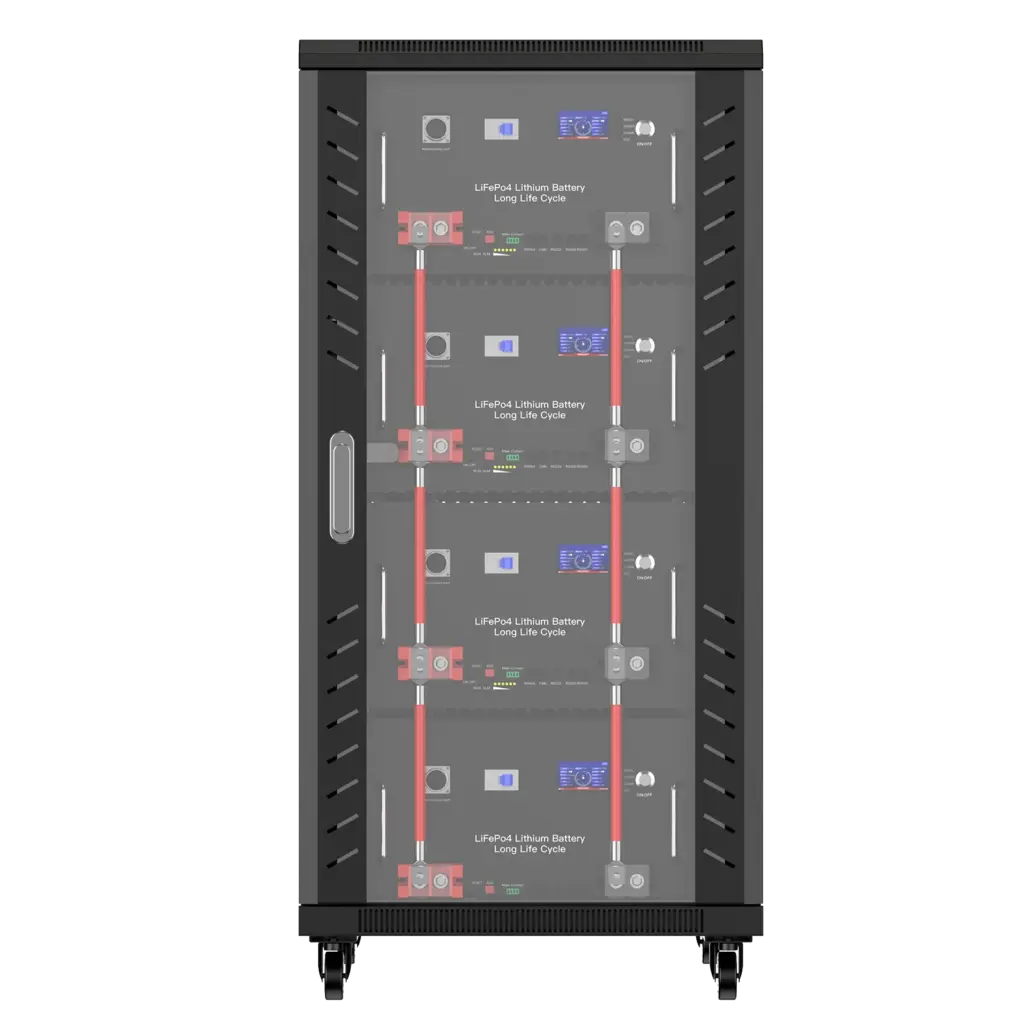
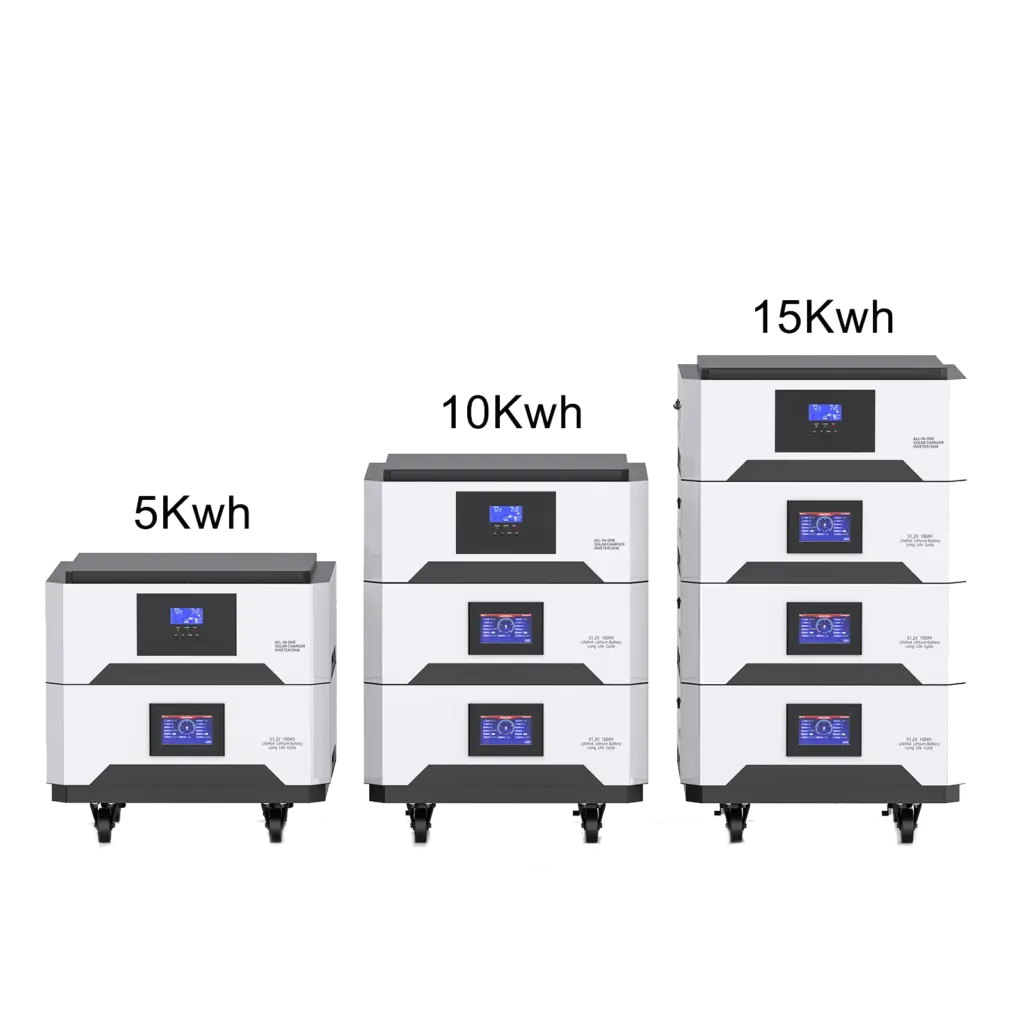
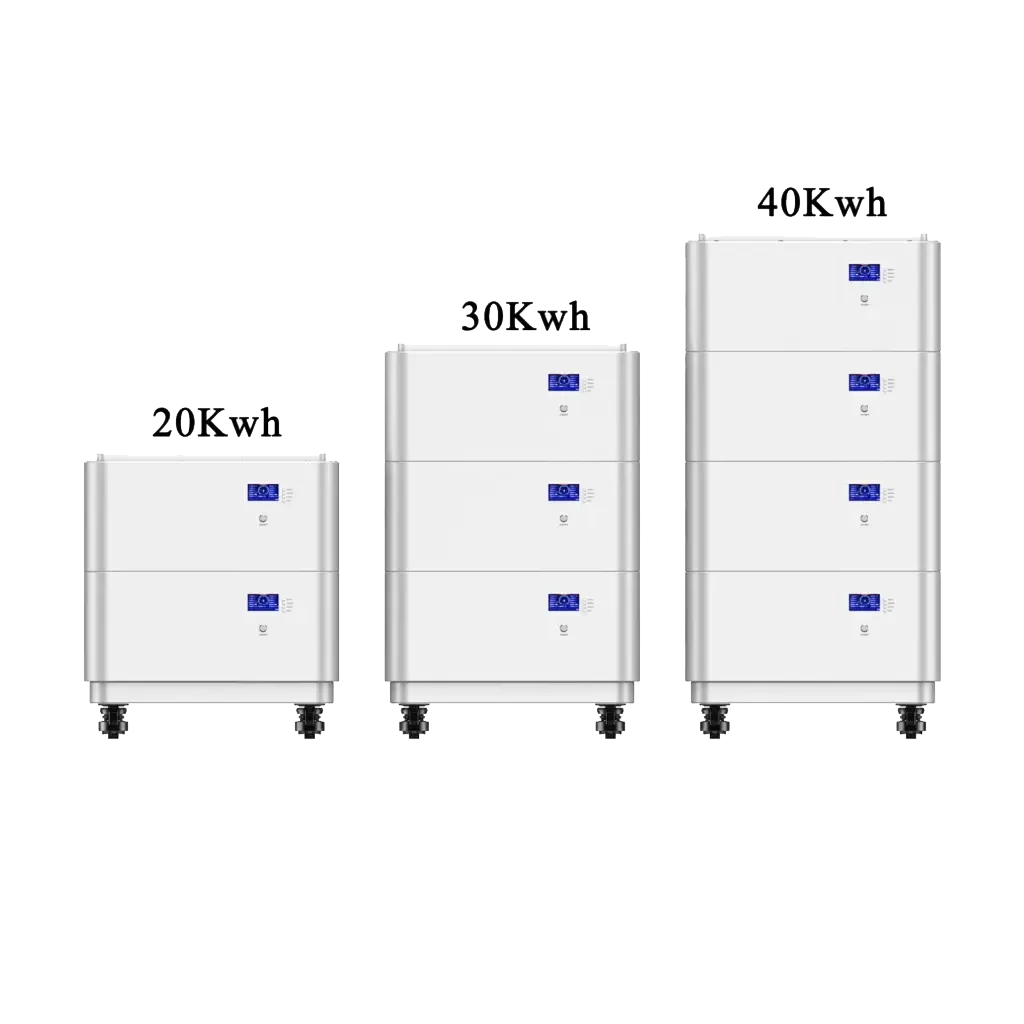
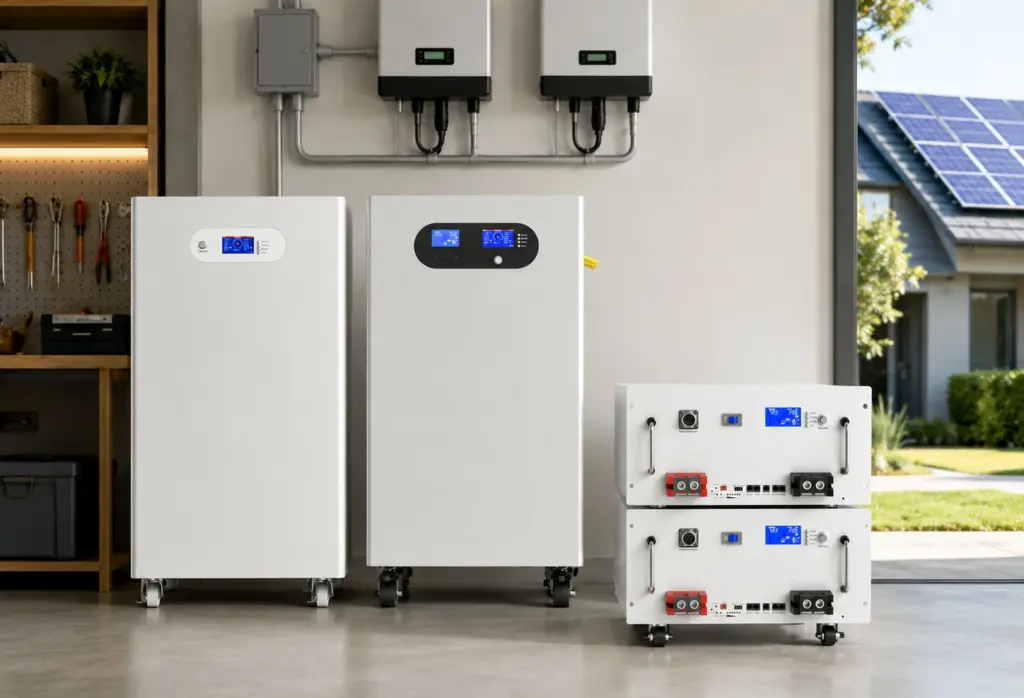
If you want a modular approach, you can consider stackable LiFePO4 batteries that expand capacity over time. Many homeowners start with a smaller capacity and add modules later when needs grow.
Avepower focuses on LiFePO4 energy storage options that are built for long-term daily cycling and backup use, with BMS protection and international certification support (such as CE, UL, and RoHS) depending on the model and market. You can use that kind of battery approach when you want scalable storage that fits a hybrid inverter setup, especially if you want flexible capacity planning for installers and distributors.
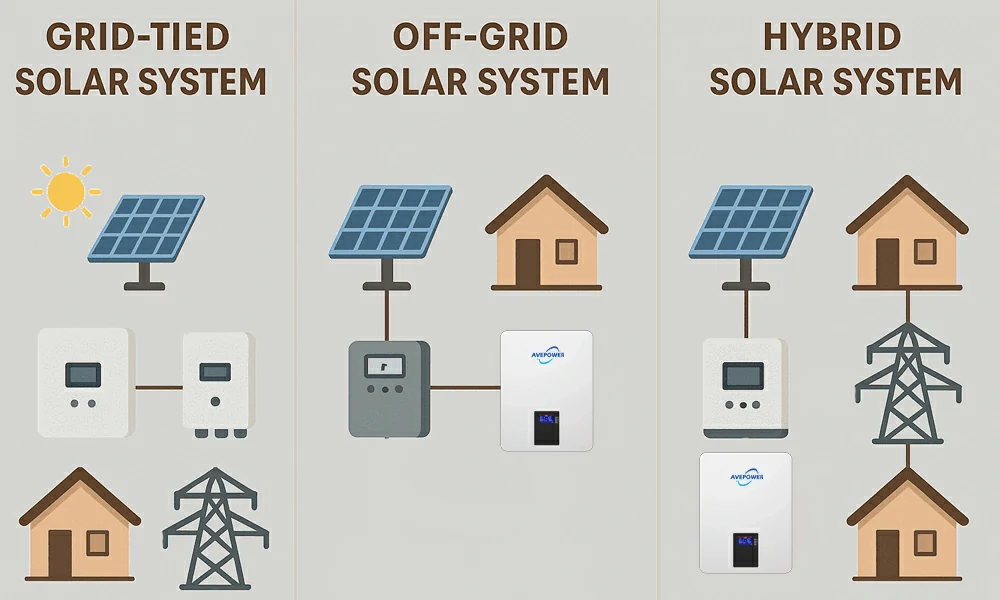
Grid-Tied vs Off-Grid vs Hybrid Solar Systems
Each system type serves different needs.
- Grid-tied systems cost less but shut down during outages
- Off-grid systems offer independence but require large battery banks
- Hybrid systems combine backup power, grid access, and energy savings
For many households, a hybrid solar system provides the best balance between reliability, flexibility, and long-term value.
| Feature | Grid-Tied System | Off-Grid System | Hybrid System |
|---|---|---|---|
| Grid Connection | Yes | No | Yes |
| Battery Storage | Optional | Yes | Yes |
| Backup Power During Outages | No | Yes | Yes |
| Cost | Lowest upfront | Highest upfront | Moderate to High upfront |
| Complexity | Low | High | Moderate |
| Energy Independence | Low | Full | Partial |
*A system only works in a blackout if it has the correct inverter mode, wiring, and protection devices. A basic grid-tied inverter shuts down during outages for safety.
If you want to explore hybrid solar system options tailored to your specific energy requirements, companies like Avepower provide customizable solutions that integrate solar, storage, and smart energy management for homes and businesses. This ensures you get the most reliable and efficient system designed for your lifestyle.
Build the Right Hybrid System for Your Home
If you are dealing with rising electricity bills, low value from daytime solar exports, and the reality that standard grid-tied systems stop working during outages, you need a smarter way to keep energy available when it matters most.
Let Avepower help you match the right combination of solar panels, battery storage, and a hybrid inverter. We will recommend a clear system size based on your energy habits, backup goals, and budget, so you can build a hybrid solution that works in real life—not just on paper.
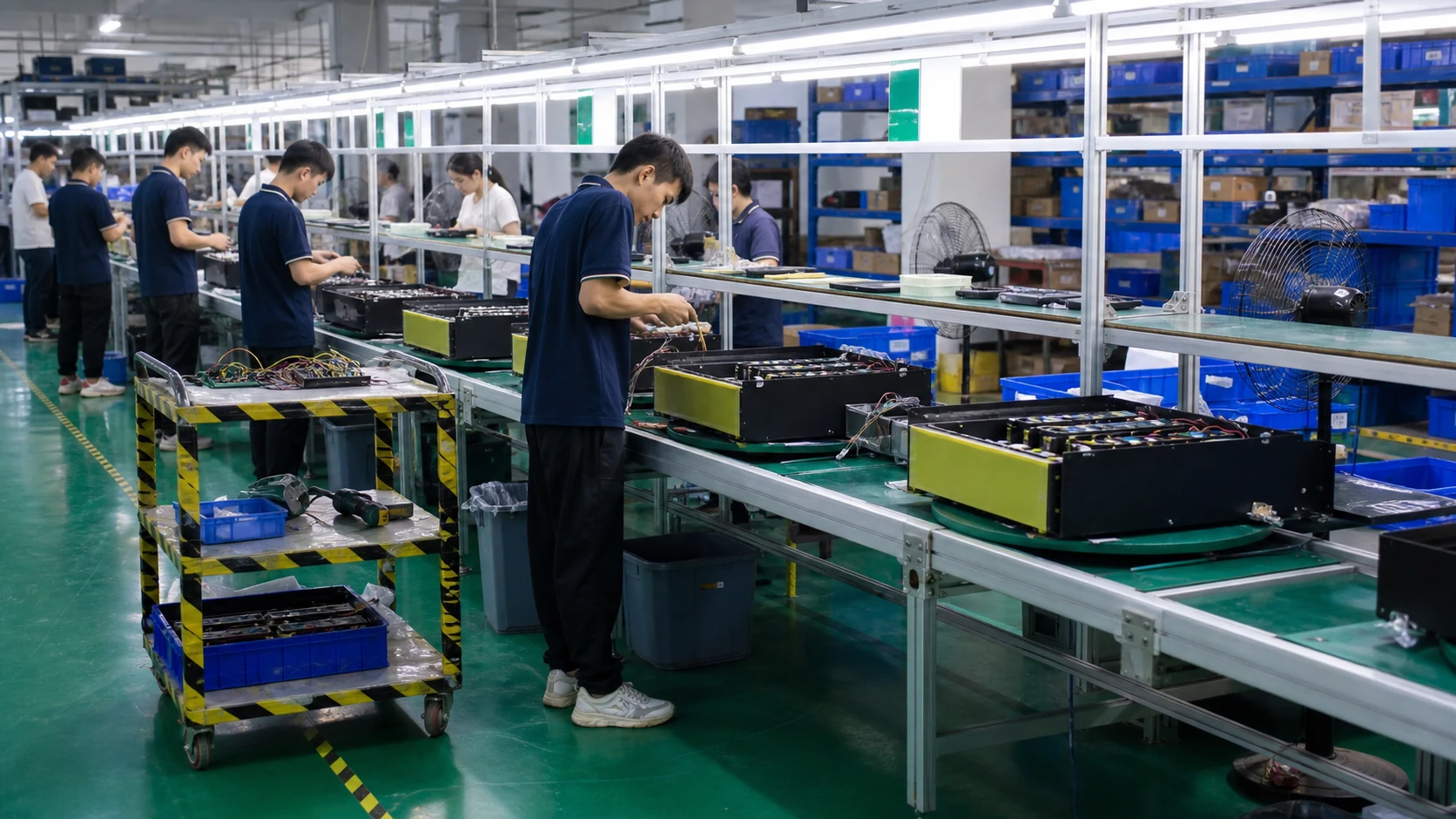
Contact Avepower for hybrid system selection support and energy storage solutions. We support installers, distributors, and project buyers with inverter compatibility coordination, capacity configuration guidance, and OEM/ODM customization (appearance, capacity, and functions). You get a safer, more stable, and scalable hybrid storage system that you can deploy faster—and expand as your demand grows.
Take Control of Your Energy with Avepower!
Reliable home solar battery solutions with OEM/ODM customization and in-house manufacturing, tailored to the needs of distributors, installers, and energy partners.
FAQ
The key parts include solar panels, a hybrid inverter, batteries for energy storage, grid connection, and an energy management system.
At night, your solar panels stop producing energy. Your home can run on stored battery energy first. When your battery reaches its reserve level, your home will automatically switch to grid power.
A grid-tied system usually has no battery and shuts down during outages. An off-grid system has batteries and no grid connection but needs larger sizing and higher cost. A hybrid system uses battery + grid, so your system can save money and also provide backup if designed correctly.
The main downsides are higher upfront cost, more complex installation, and battery aging over time. Your system also needs space for the battery and must follow local electrical and safety codes.
A hybrid solar system is often worth it if you face high electricity prices, time-of-use peak rates, limited net metering, or frequent outages. If your grid is stable and export credits are generous, a simple grid-tied system may deliver faster payback.