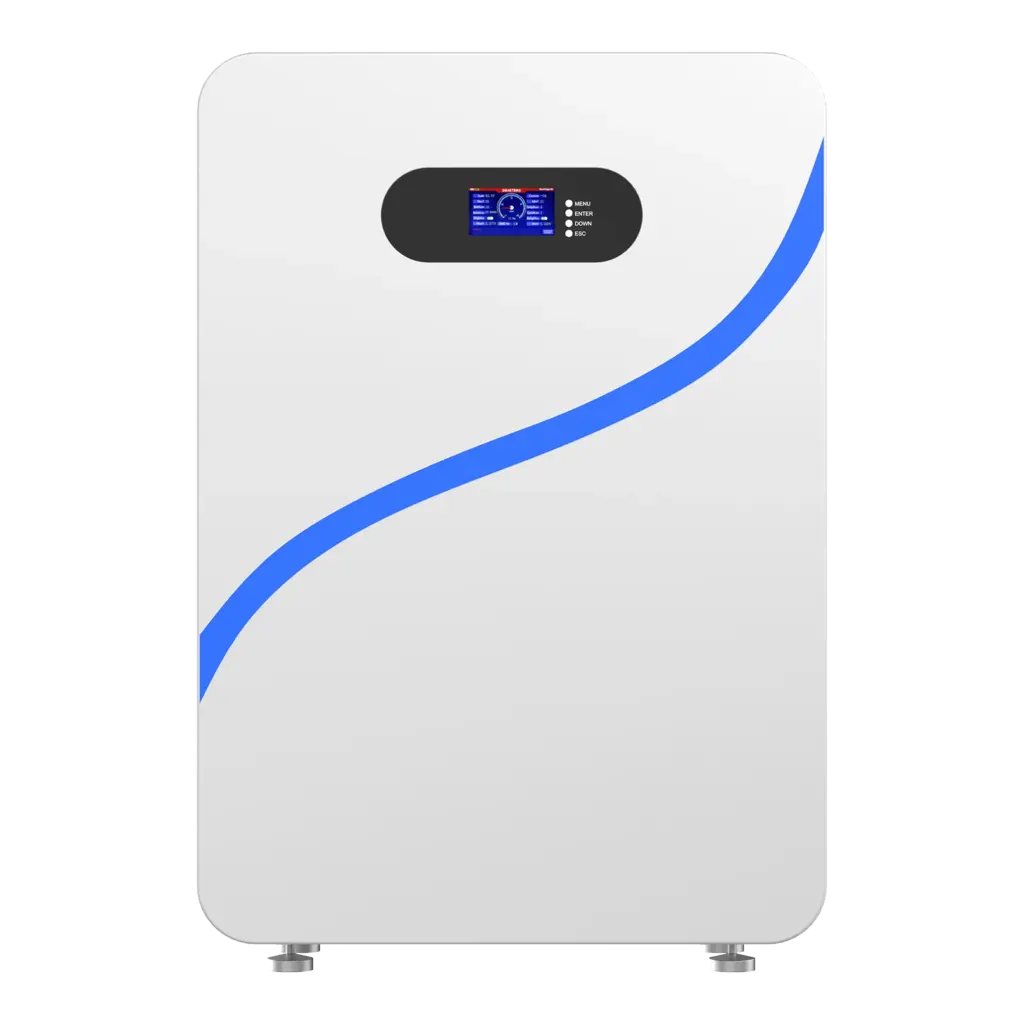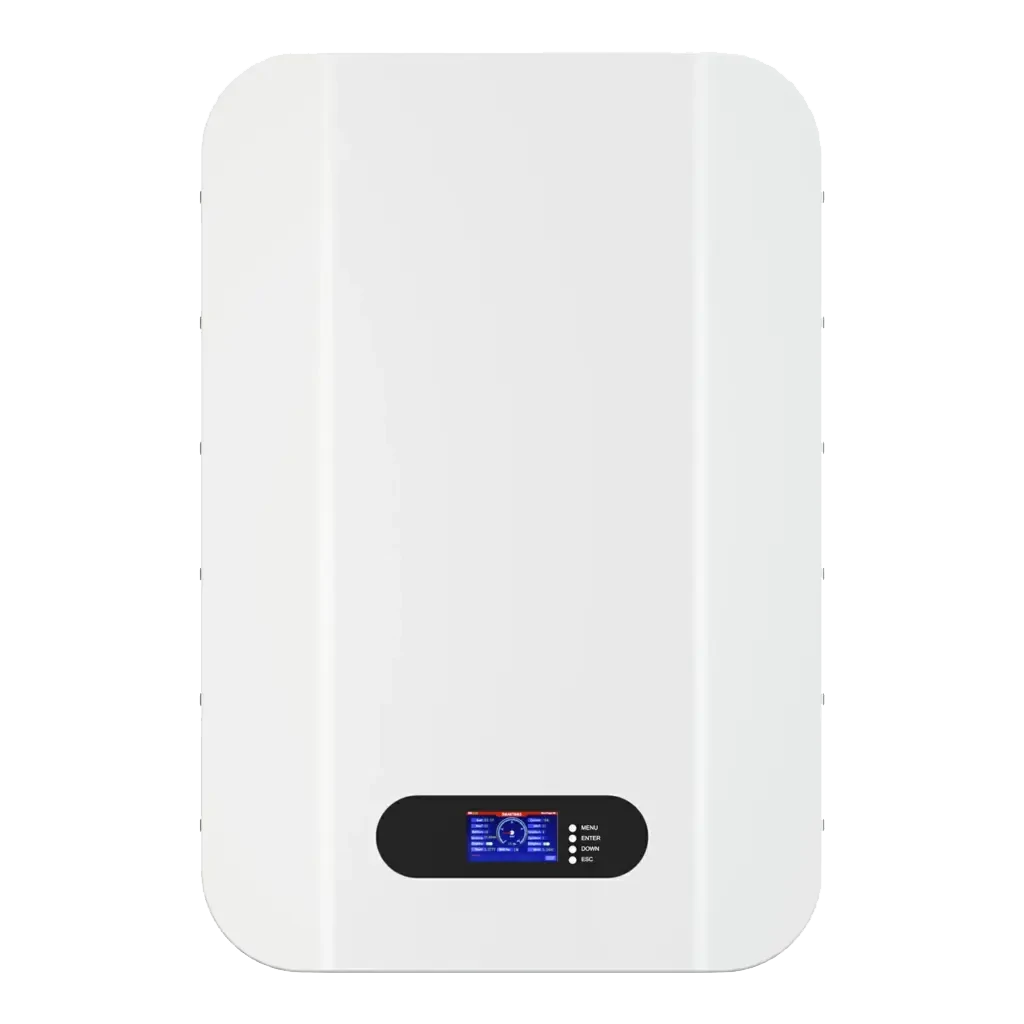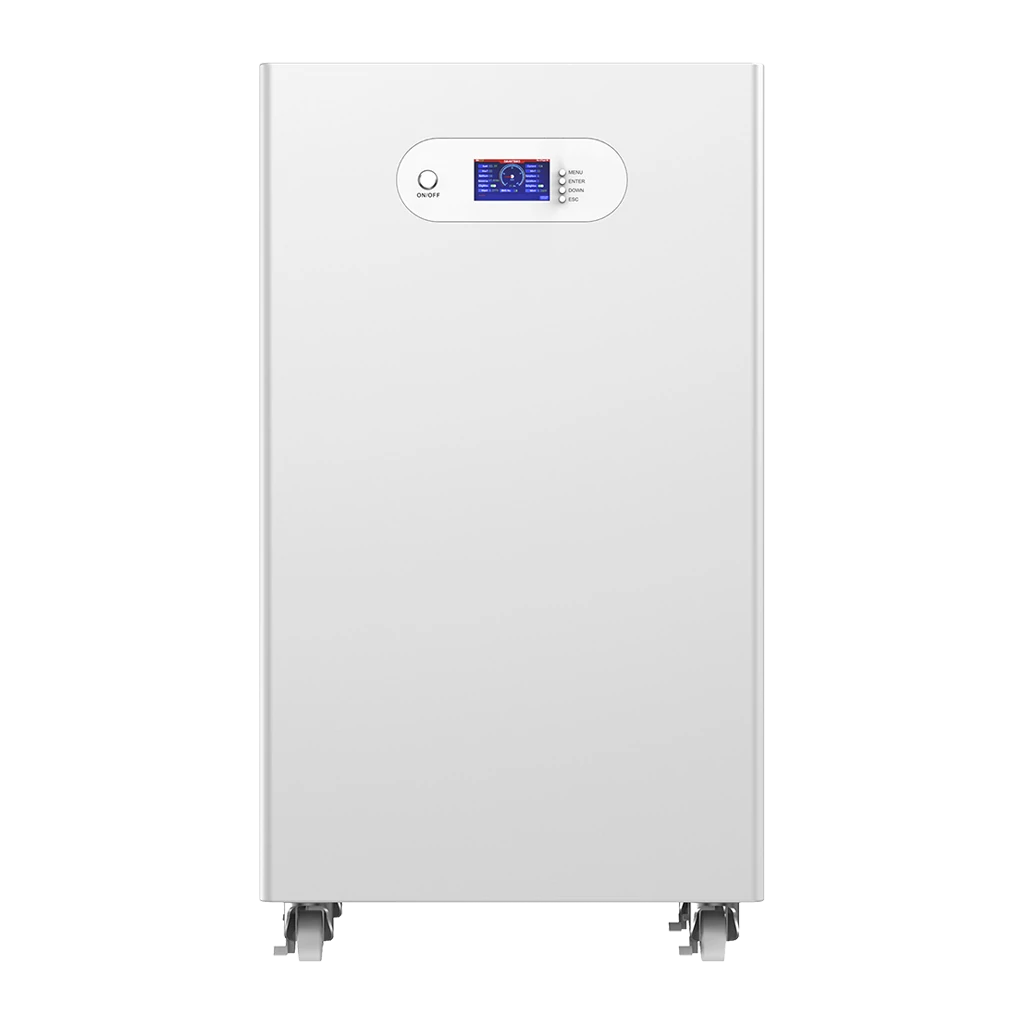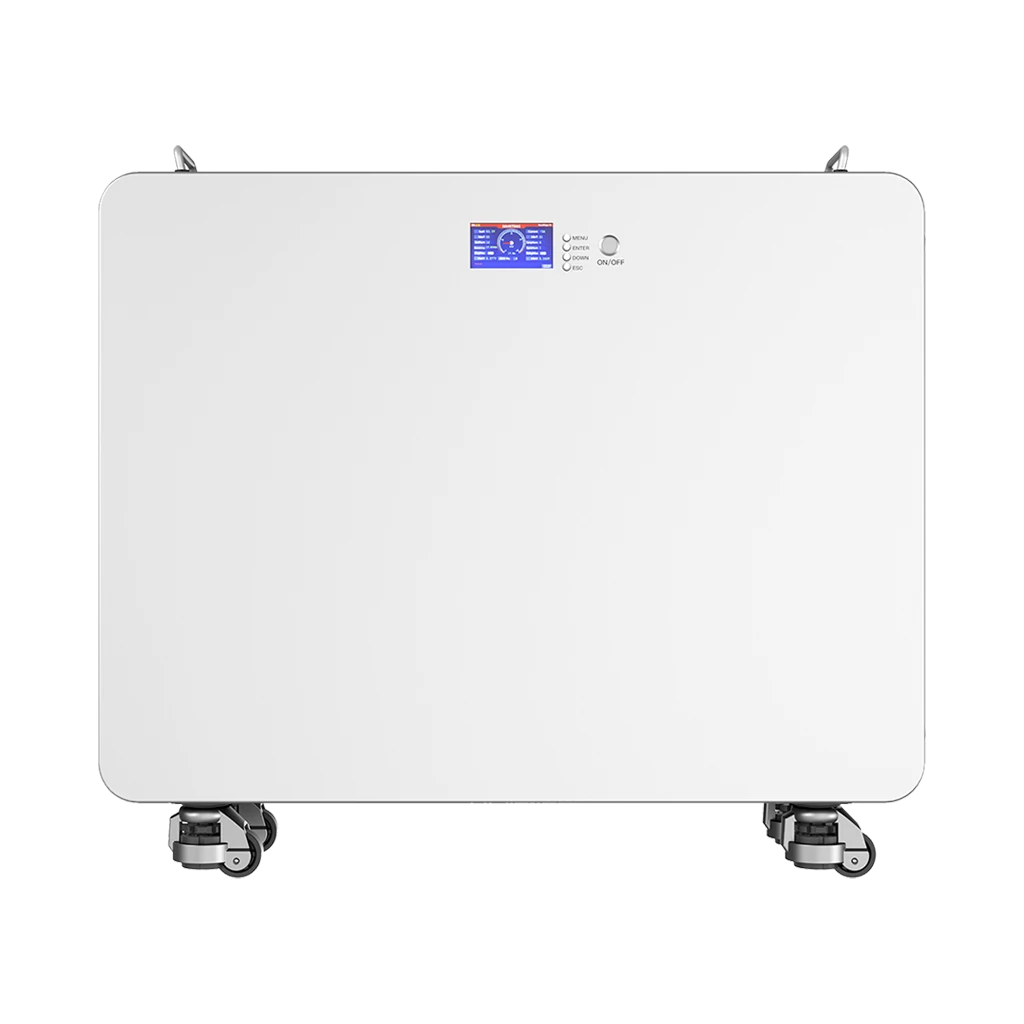

A home solar system needs more than solar panels. A home solar system also needs a solar inverter, because most homes cannot use the electricity that panels make without it.
Solar panels produce direct current (DC) electricity. Most household appliances and the public grid use alternating current (AC) electricity. A solar inverter sits between the solar panels and your home’s electrical panel, and the inverter converts DC power into AC power. A modern inverter also does several other important jobs, such as tracking the best power point, protecting the system, monitoring performance, and helping the solar system work safely with the grid.
This guide explains what a solar inverter is, what it does, how it works, what types exist, and how you can choose the right inverter for your system.
What Is a Solar Inverter?
A solar inverter is an electronic device that converts the direct current (DC) electricity produced by solar panels into alternating current (AC) electricity. This AC electricity is what powers the lights, appliances, and devices in your home.
Why Do We Need an Inverter?
Solar panels produce direct current (DC) electricity. DC flows in one direction and maintains a steady voltage. This type of electricity is easy to store in batteries. However, most household appliances and the power grid use alternating current (AC) electricity. AC electricity changes direction rapidly in a sine wave pattern, allowing it to deliver power efficiently over long distances and meet the needs of various devices.
Since the electricity from solar panels is DC, it must be converted to AC before it can be used at home or sent back to the electrical grid. The solar inverter performs this essential conversion.
How Does a Solar Inverter Work?
- Sunlight hits the solar panels: The photovoltaic cells inside the panels absorb sunlight and convert it into DC electricity.
- DC electricity flows to the inverter: Wires carry the DC power from the panels to the inverter.
- Conversion from DC to AC: Inside the inverter, a combination of electronic components including transistors and transformers works together to change the DC electricity into AC electricity.
- Transistors rapidly switch the DC current on and off, effectively reversing the direction of the current many times per second.
- The transformer then adjusts the voltage of the AC power to match your home’s electrical system.
- Distribution of AC electricity: The converted AC power flows from the inverter to your home’s electrical panel, where it is distributed to power your lights, appliances, and electronics.
- Handling excess electricity: If your solar panels produce more electricity than your home needs, the extra power can be sent back to the electrical grid (if your system is grid-tied) or stored in batteries for later use.
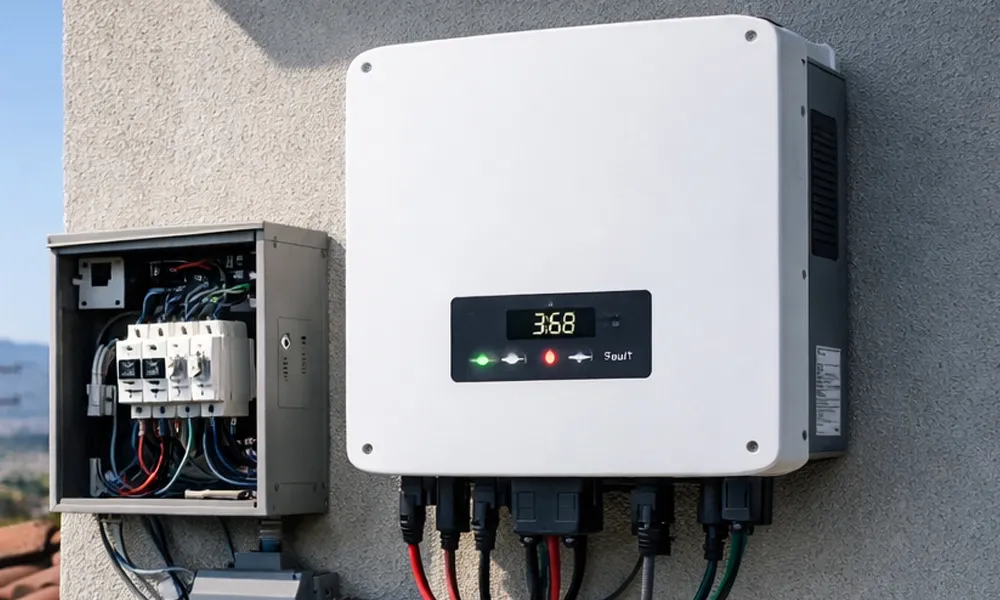
What a Solar Inverter Actually Controls (Beyond DC-to-AC)
A homeowner often expects a solar inverter to “convert power,” and that expectation is correct. A homeowner should also know that an inverter does much more.
The Inverter Tracks the Best Power Point (MPPT)
A solar panel has a sweet spot where it produces the most power for a given moment. The inverter uses a method called MPPT (maximum power point tracking) to keep the panels close to that sweet spot. The inverter changes the operating voltage and current to pull the most usable power from the panels.
The Inverter Manages Grid Rules
A grid-tied system must follow local grid rules, and those rules can include voltage ride-through, frequency response, and export limits. The inverter enforces those rules because the inverter is the gate between the system and the grid.
The Inverter Provides Monitoring and Alerts
Most modern inverters provide an app or portal that shows daily energy, peak power, and system status. Many modern inverters also provide fault codes that help installers diagnose issues.
The Inverter Supports Safety Functions
Many regions require rapid shutdown or other safety functions. Many systems also rely on the inverter for ground fault detection, arc fault detection, and safe isolation during service.
Types of Solar Inverters
There are several types of solar inverters, each with different advantages and disadvantages. Understanding these types can help you select the best inverter for your solar system.
| Inverter Type | How It Works | Pros | Cons |
|---|---|---|---|
| String Inverter | Converts DC from a string of panels | Affordable, simple, reliable | One shaded panel lowers output |
| Microinverter | Converts DC at each panel | Maximizes energy, panel-level monitoring | More expensive, roof maintenance harder |
| Power Optimizer + String | Optimizes each panel, then central conversion | Reduces shading loss, better performance | Higher cost, more complex install |
| Centralized Inverter | Large inverter for many panels | Efficient for big systems | Mainly commercial use |
| Grid-Tied Inverter | Connects to grid, exports excess power | Supports net metering, safe shutdown | Needs grid, no backup during outage |
| Hybrid Inverter | Manages solar, battery, grid inputs | Backup power, multi-use | More costly, complex system |
How to Choose the Best Solar Inverter for Your Home
Selecting the right inverter depends on several factors, including your roof’s layout, shading, budget, and whether you want battery storage.
- If your roof is simple with little shading and fewer than six panels, a traditional string inverter usually offers the best value.
- For complex roofs with shading or multiple orientations, microinverters or power optimizers may yield better energy production.
- If you plan to add battery storage or want backup power, consider hybrid inverters.
Remember, the inverter is the brain of your solar system. Investing in a quality inverter with good efficiency and a strong warranty can maximize your solar investment over time.
If you want a complete solar energy solution, including expert advice on inverter selection and installation, Avepower offers integrated solar and energy storage systems tailored to your home’s needs. We provide customized solutions that optimize your energy savings and backup power reliability.
Quick Comparison: Which Inverter Type Matches Which Situation?
| Situation | A good fit | The main reason |
|---|---|---|
| The roof is simple and mostly unshaded | String inverter | The setup is cost-friendly and easy to service |
| The roof has shade or many roof faces | Microinverters or optimizers | The panels can act more independently |
| The homeowner wants battery backup soon | Hybrid inverter | The inverter can manage solar, battery, and grid together |
| The homeowner wants panel-level monitoring | Microinverters or optimizers | The system can track each panel |
| The homeowner wants easy service access | String inverter or optimizer + string | The main conversion unit stays on the wall |
How an Inverter Helps You Save Money
A solar inverter affects savings in two main ways.
First, the inverter affects how much energy the system delivers.
A higher-efficiency inverter wastes less energy during conversion. A smarter MPPT design can also capture more energy during changing sunlight.
Second, the inverter affects how well you can use your solar power.
A hybrid inverter can charge a battery so you can use more solar at night. A system that shifts energy use away from expensive grid hours can reduce bills when time-of-use rates apply.
A homeowner saves more when the inverter and system design match the household’s real usage pattern.
Common Solar Inverter Problems
A homeowner often worries about inverter problems, and that worry is normal. A homeowner can reduce issues with good placement and good maintenance.
Overheating
Overheating can happen when the inverter sits in direct sun or in a hot, closed space. A homeowner can place the inverter in shade and give the inverter airflow. A homeowner can also keep vents clear.
Grid faults and shutdowns
Grid voltage can rise on sunny days in some neighborhoods. The inverter can reduce output or shut down to protect itself and follow grid rules. An installer can sometimes adjust settings within allowed limits, and an installer can sometimes recommend a different connection method.
Communication dropouts
Wi-Fi signals can be weak at the inverter location. A homeowner can add a repeater, use Ethernet, or use a cellular gateway when the system supports it.
Fan noise
Some inverters use fans, and fans can wear over time. A homeowner can ask the installer about expected noise and can place the inverter away from bedrooms when possible.
End of life replacement
Every inverter has a working life, and replacement is normal over long time spans. A homeowner can plan for replacement by choosing a brand with stable support and by keeping system documents.
Where the Inverter Fits in a Full Solar + Storage System
A solar inverter does not stand alone in most systems. A full home energy system often includes these parts:
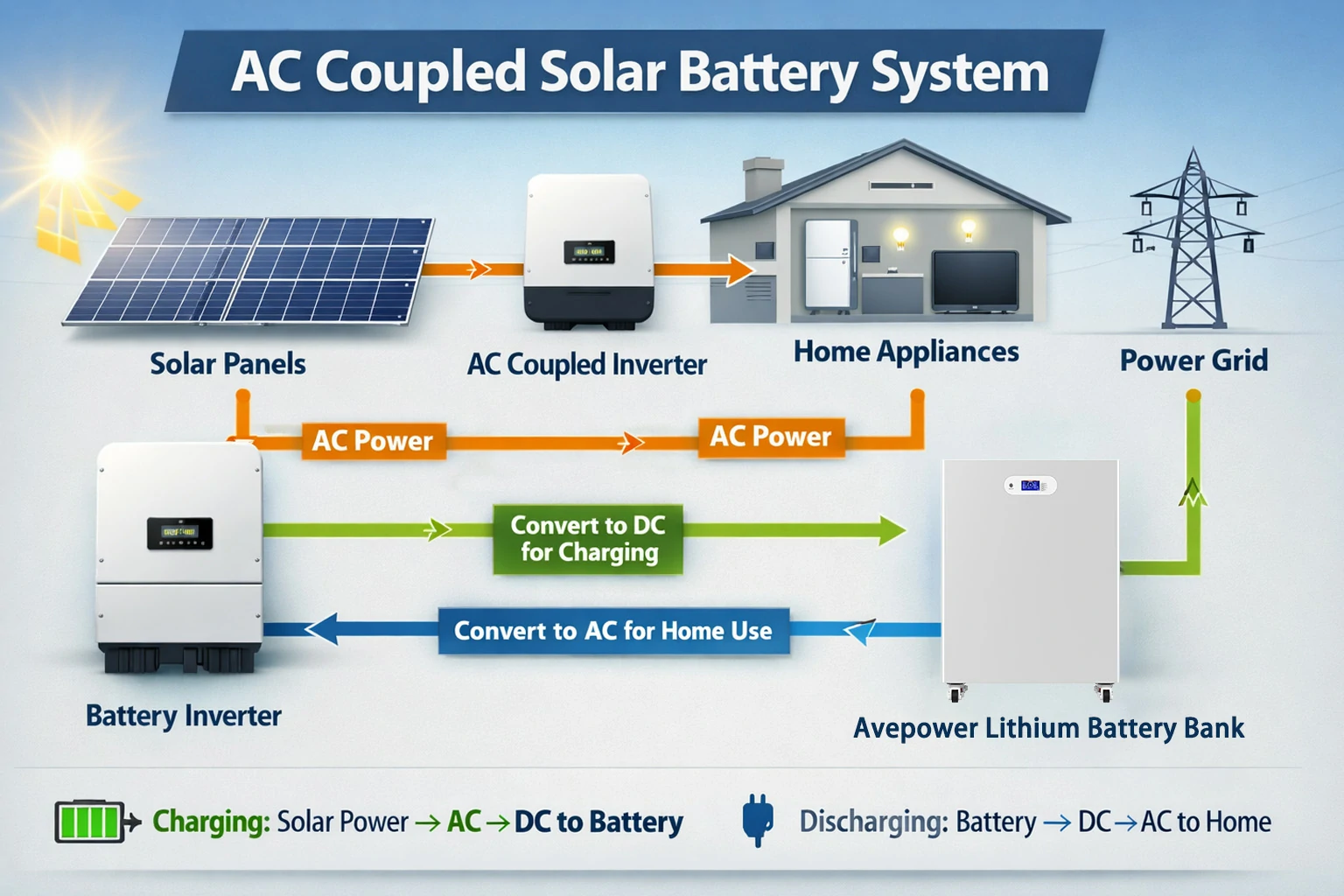
- Solar panels that produce DC energy.
- Mounting and wiring that carry DC energy safely.
- An inverter that converts power and manages the system.
- A main electrical panel that distributes AC power.
- A battery (optional) that stores energy for later use.
- A gateway or backup panel (optional) that supports outage backup.
- Monitoring hardware and software that reports system performance.
A hybrid inverter can simplify this layout because the hybrid inverter can handle solar input and battery connection in one device. A separate battery inverter design can also work, and a separate design can offer flexibility in some projects.
Complete Solar + Storage Solutions by Avepower
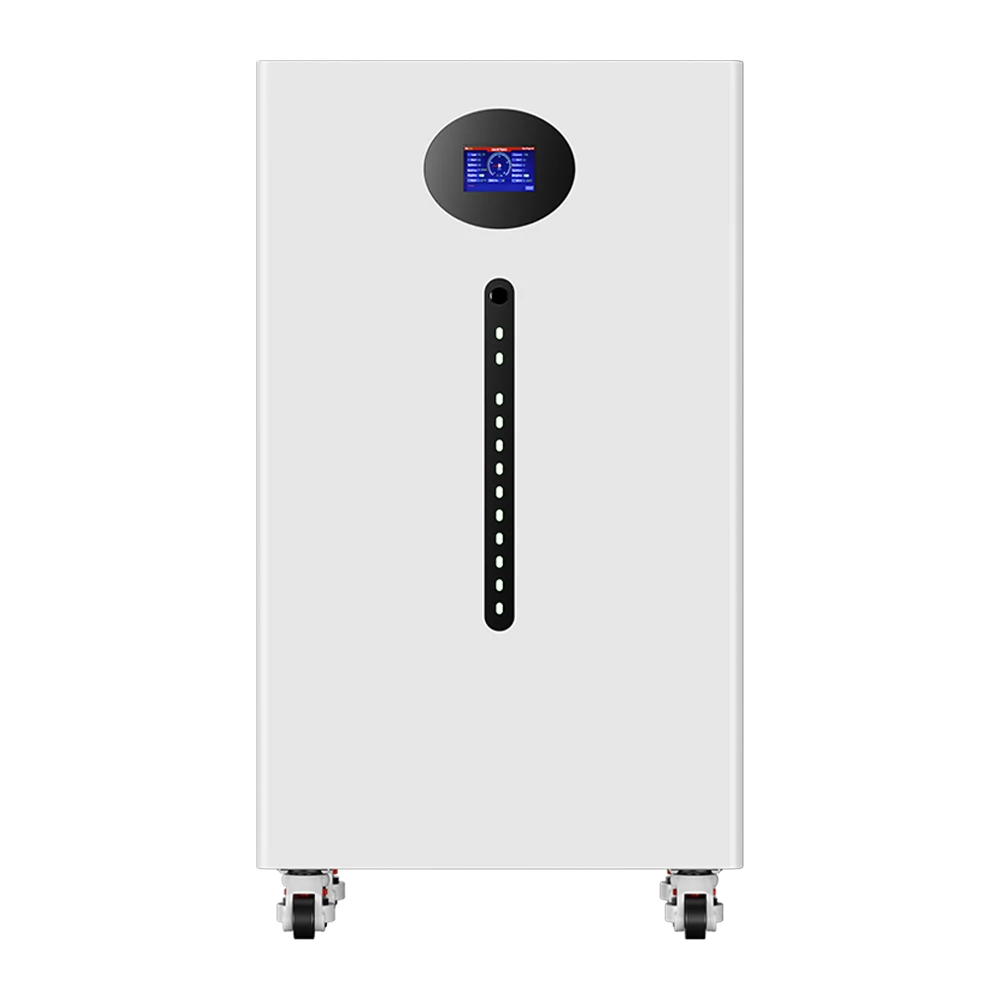
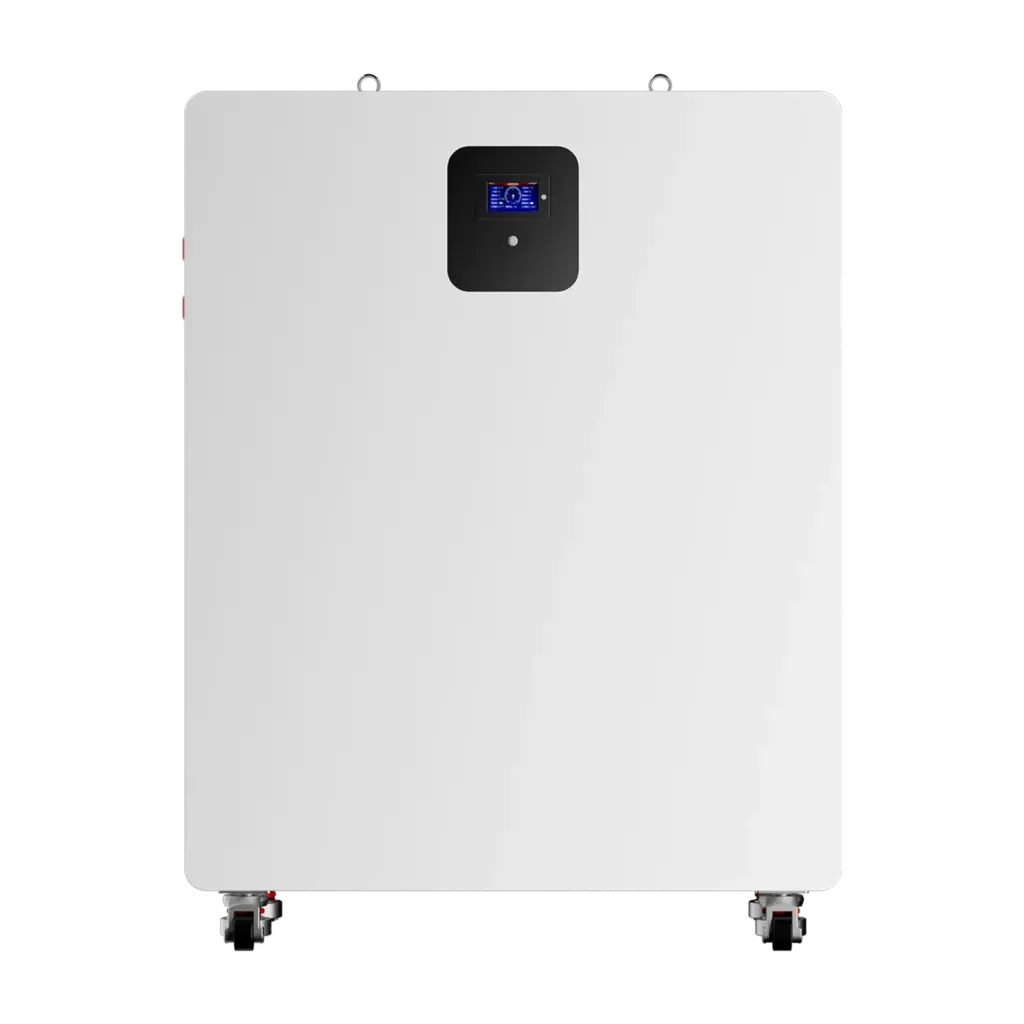
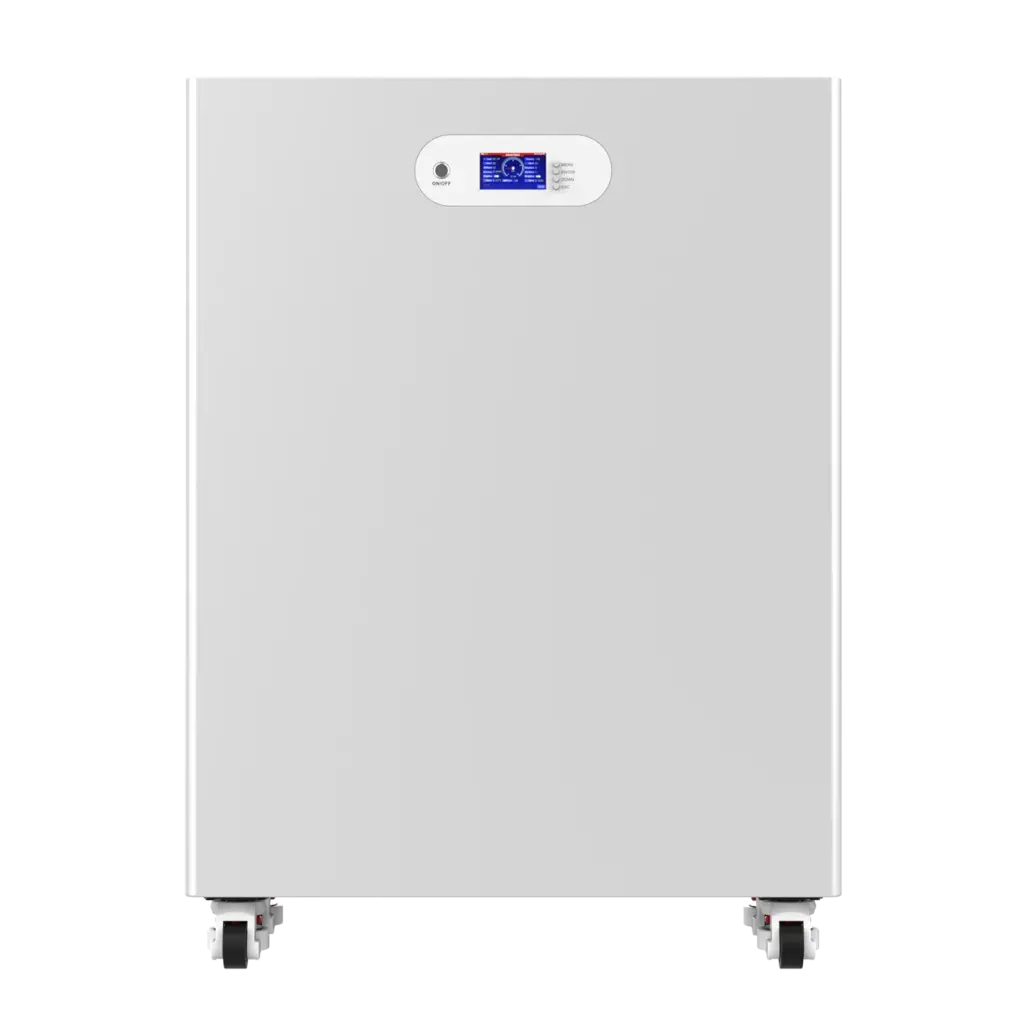
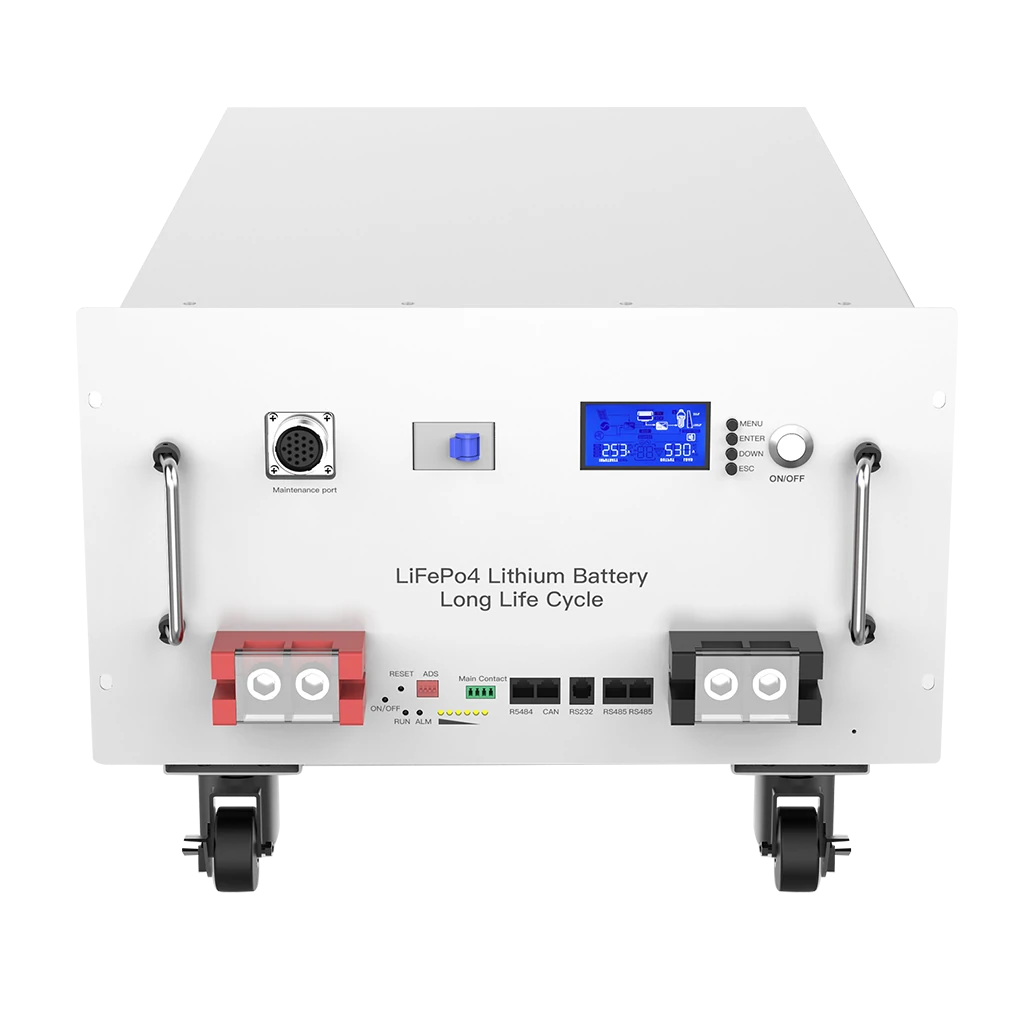
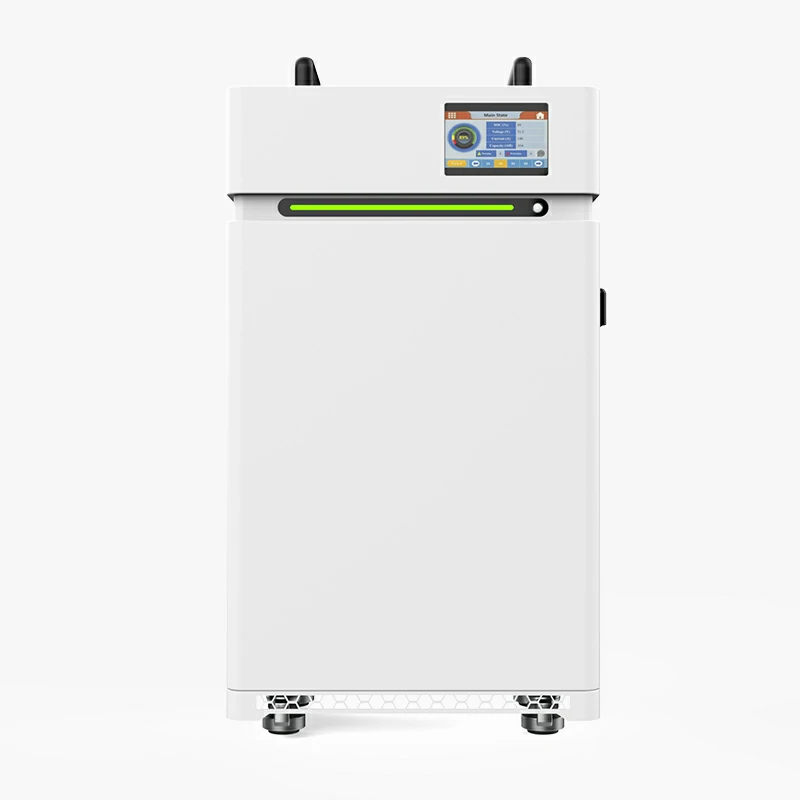
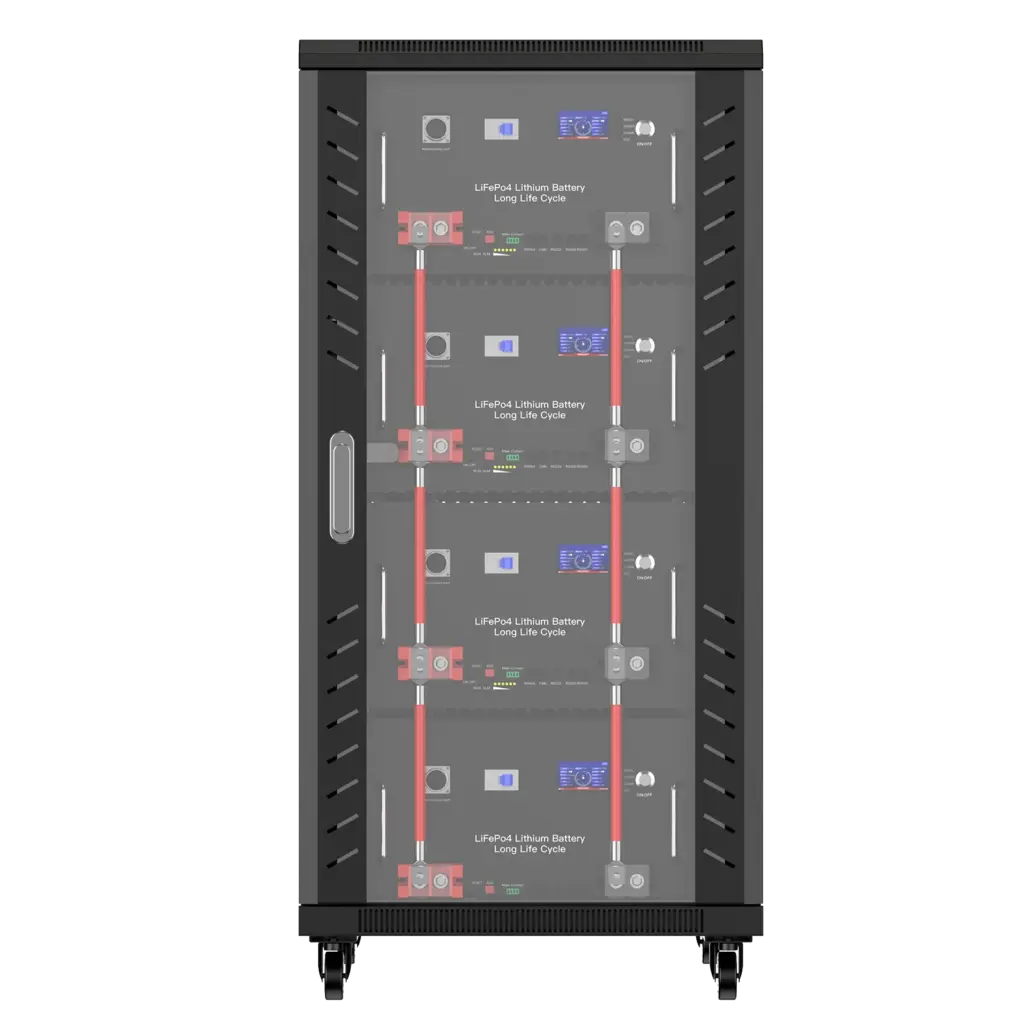
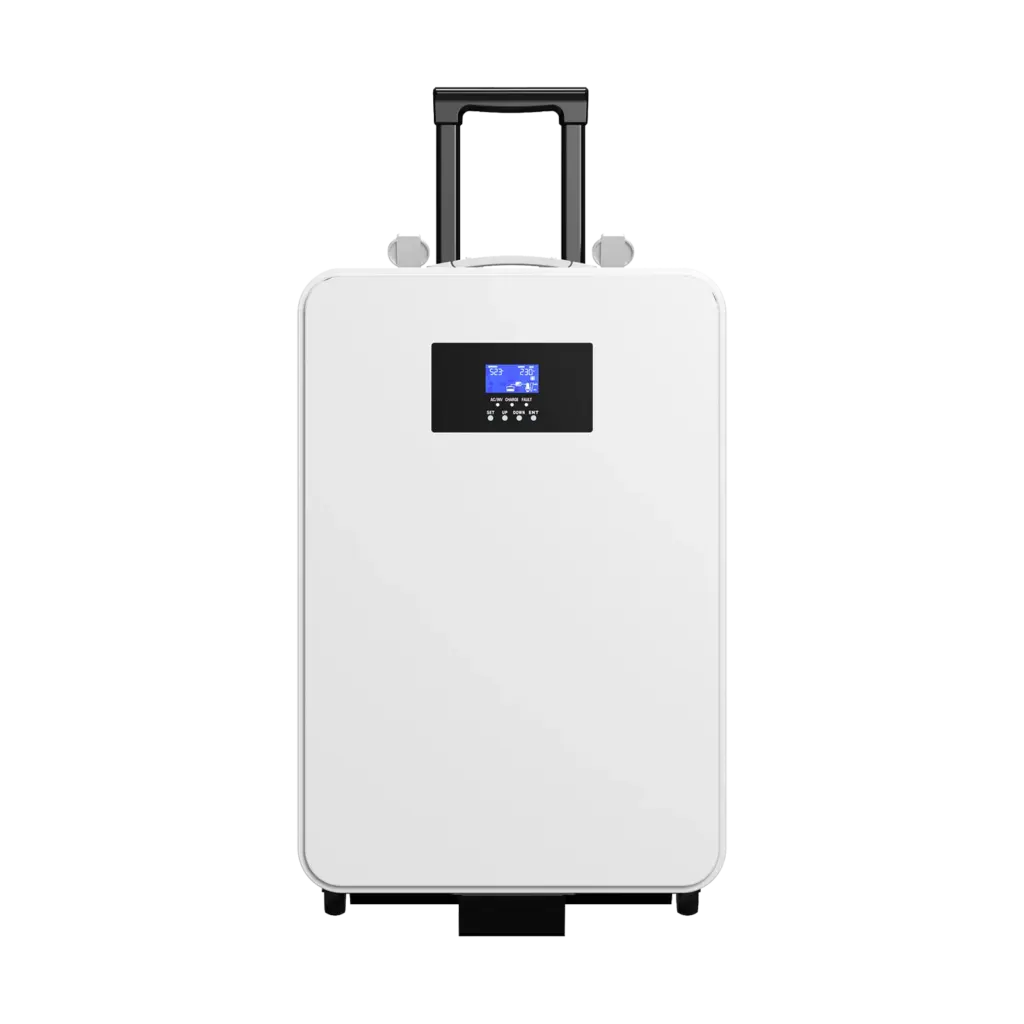
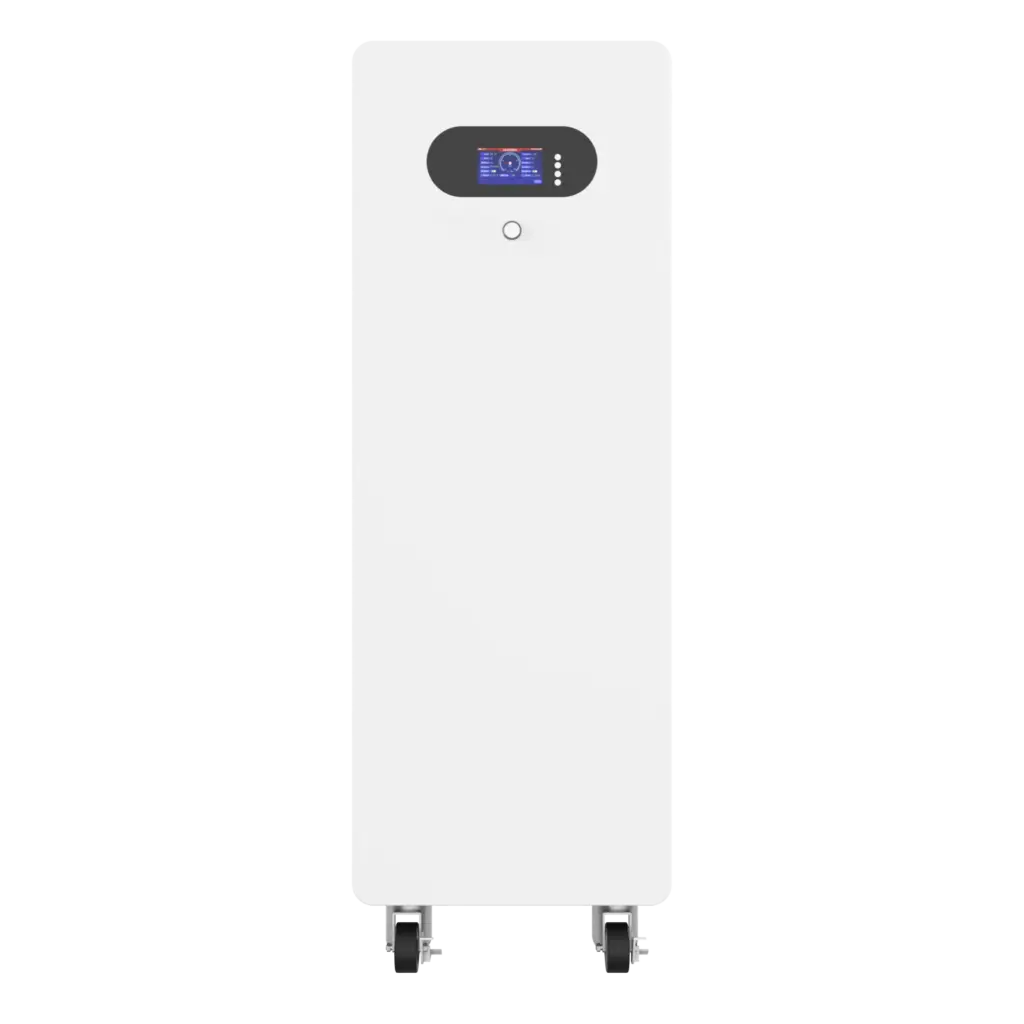
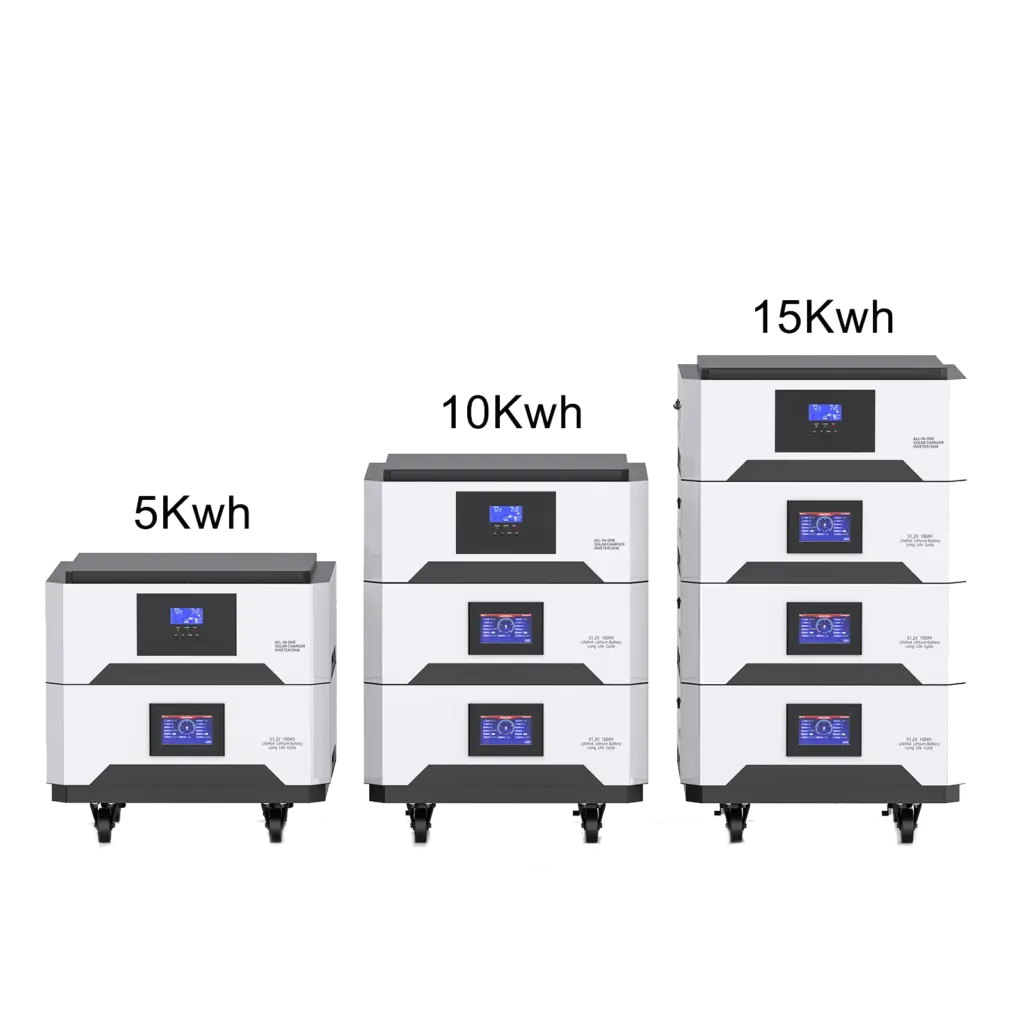
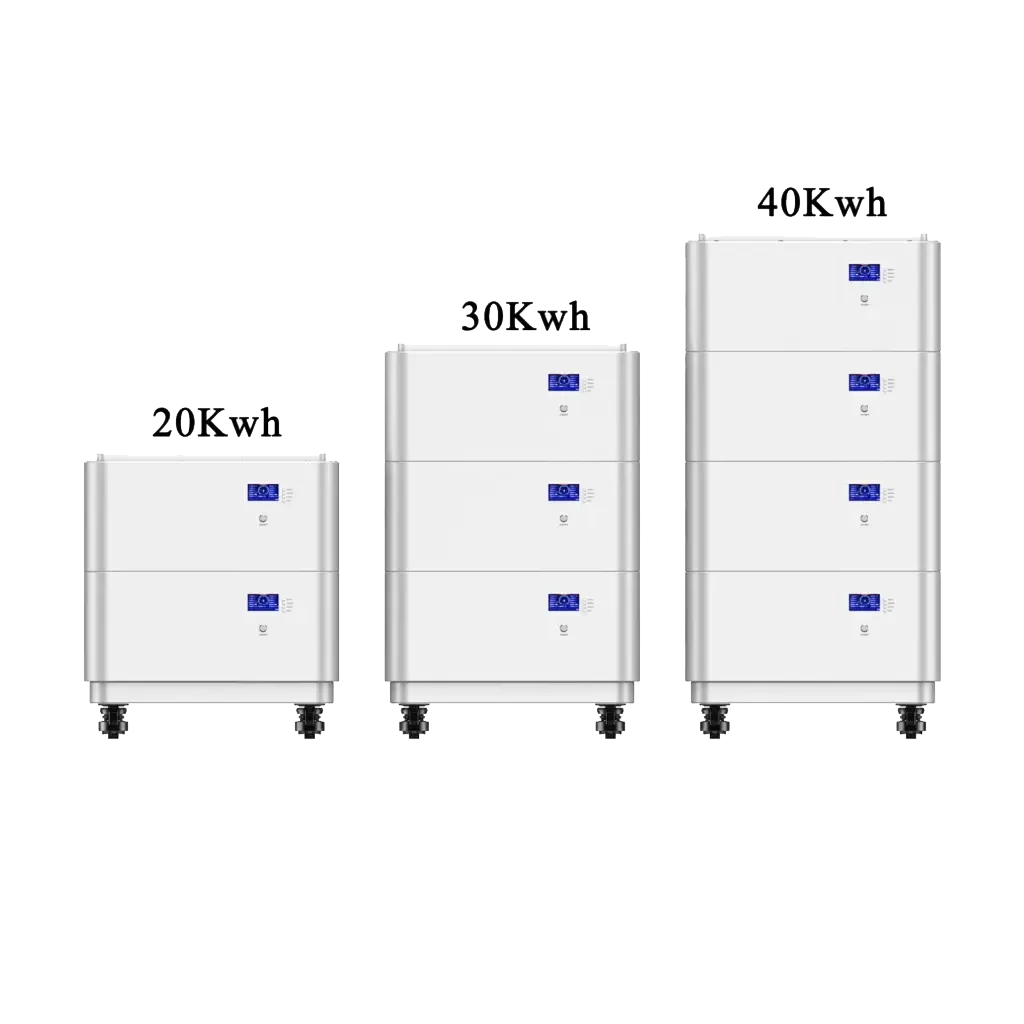
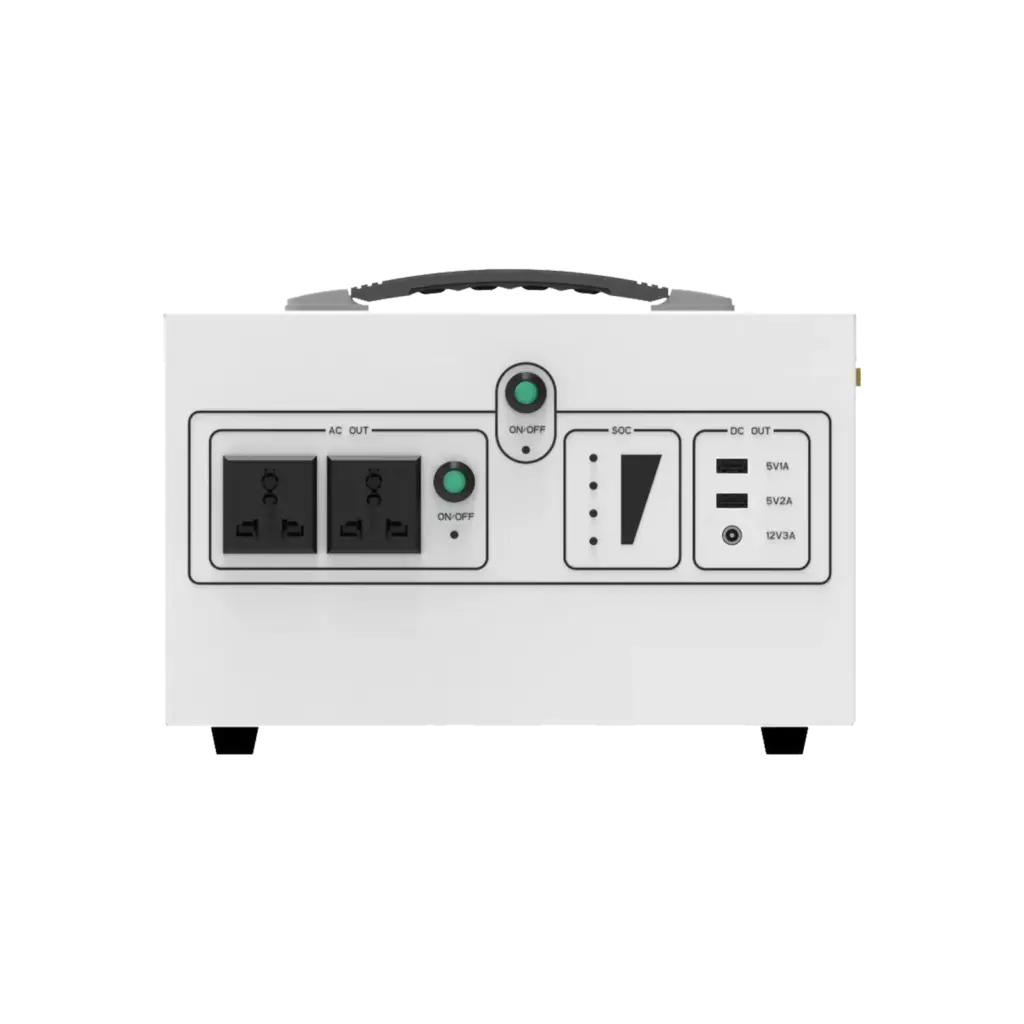
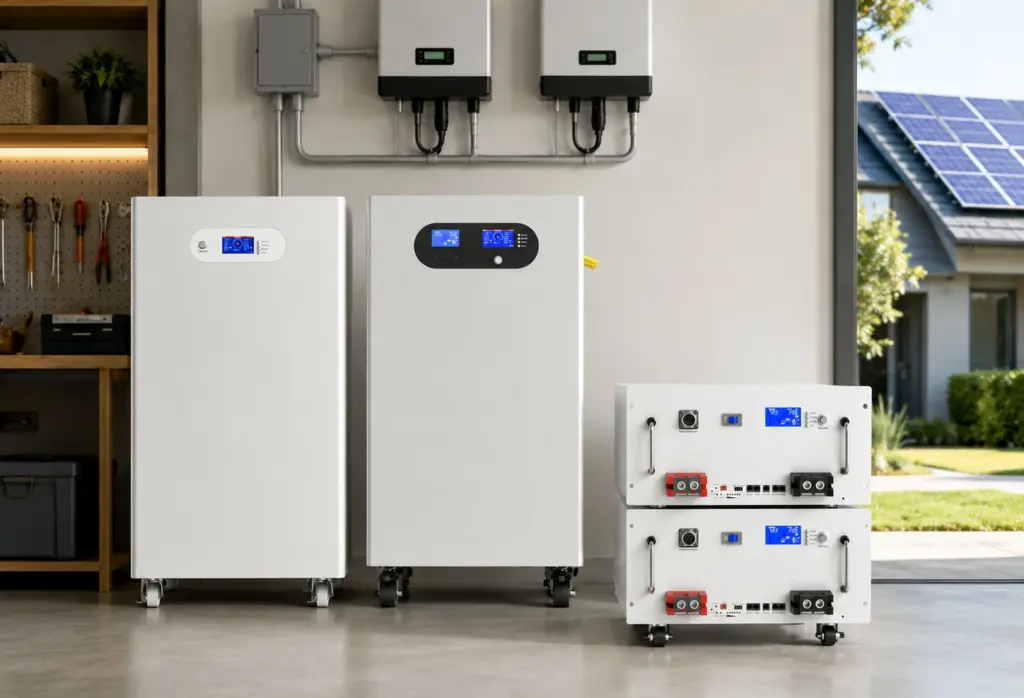
Many homeowners and installers want more than a single part. Many projects need a matched solar + inverter + battery setup that works as one system. Avepower supports complete solar energy storage solutions that can include solar panels, inverters, and battery storage for home backup and energy shifting.
Avepower also supports OEM/ODM projects for partners who need custom appearance, capacity, or functions. A buyer or partner who wants a hybrid system, backup power, remote monitoring, and a scalable battery design can treat the inverter as the “system brain” and treat the battery as the “system fuel tank.” Avepower can help match those parts to the real load and the real project goals.
Take Control of Your Energy with Avepower!
Reliable home solar battery solutions with OEM/ODM customization and in-house manufacturing, tailored to the needs of distributors, installers, and energy partners.
FAQ
A solar inverter is used to convert DC power from solar panels into AC power for home use. A modern inverter also manages safety, monitoring, and grid connection.
A home that uses standard appliances and standard wiring needs an inverter, because the panels produce DC and the home uses AC. Most solar setups include an inverter by default.
A string inverter converts power for many panels at one central unit. A microinverter converts power at each panel, which can help when shade affects only part of the array.
A power optimizer is a device that sits at a panel and improves panel-level power control. The optimizer sends conditioned DC to a central inverter for DC to AC conversion.
A hybrid solar inverter can connect to solar panels, the grid, home loads, and a battery. A hybrid inverter can store extra solar energy and can support backup power in many designs.
Clipping happens when the solar panels can produce more DC power than the inverter can output as AC. The inverter limits output during peak sun, and the system may still perform well over a full year.
Some systems support later battery add-ons, but many systems need extra equipment or a different inverter. A homeowner who plans future storage should discuss hybrid options early.