
More homeowners are choosing to power their lives with solar energy. This shift brings a new, important question: “Where does the power go when the sun goes down?” The answer is a home energy storage system, and lithium solar batteries are the top choice. For the lowest long-term cost and the most power in the smallest space, lithium batteries are the new standard for modern renewable energy.
These batteries are most specifically called Lithium Iron Phosphate (LiFePO4), or LFP batteries. They offer many clear advantages over the older lead-acid batteries that were once common. LFP batteries provide a longer life, better performance in a wide range of temperatures, and true deep-cycling ability. Their safety is also a major benefit. This guide will walk you through everything you need to know.
What Is A Lithium Solar Battery
A lithium solar battery is a rechargeable battery that stores electricity from your solar panels so you can use that energy later.
Most home systems today use lithium iron phosphate (LiFePO4 or LFP), which is a type of lithium-ion battery that focuses on long life and safety.
A lithium solar battery turns your solar array from a “daytime only” resource into an all-day power source.
How the Lithium Solar Battery Stores and Releases Power
Each lithium-ion cell has four core parts:
- Anode – usually made from carbon; stores lithium during charging.
- Cathode – made from a lithium-based compound like LiFePO4; stores lithium during discharge.
- Electrolyte – a liquid that lets lithium ions move between anode and cathode.
- Separator – a thin layer that keeps anode and cathode from touching while still allowing ions to pass through.
During charging, energy from your solar system pushes lithium ions:
- From the cathode → through the electrolyte → to the anode
- The battery “fills up” with stored chemical energy.
During discharging, the process reverses:
- Lithium ions move back to the cathode
- Electrons flow through your external circuit
- Your home devices receive power.
Every time this happens, you complete one cycle.
Every lithium solar battery also has a Battery Management System (BMS). You can think of the BMS as the battery’s brain. The BMS constantly checks important factors like temperature, voltage, and current. It protects the battery from harm and helps it work safely and efficiently for many years.
Why LiFePO4 Is The Leading Chemistry For Solar
Under the broad “lithium” label, there are different chemistries. For home energy storage, two main types show up often:
- LiFePO4 (LFP) – lithium iron phosphate
- NMC/NCA – lithium nickel manganese cobalt / nickel cobalt aluminum
Related resources: LFP vs NMC Batteries
There are also other forms, like lithium titanate (LTO) and lithium polymer (Li-Po), but they play smaller roles in typical home systems.
LiFePO4 Versus Lead-Acid Batteries
Lead-acid batteries (flooded or sealed) were the old standard for off-grid systems. LiFePO4 has now replaced them in most new installs.
Key Differences For Home Solar
| Feature | Typical Lead-Acid Bank | LiFePO4 Solar Battery |
|---|---|---|
| Recommended Depth of Discharge (DoD) | About 50% | 80–100% usable |
| Cycle Life (to ~80% of original capacity) | ~500–3,000 cycles | ~6,000–10,000+ cycles |
| Maintenance | Watering, cleaning, equalizing | Maintenance-free |
| Weight For Same Energy | Heavy | Much lighter |
| Indoor Installation | Often not ideal due to gas | Safe with correct design |
| Temperature Tolerance | Loses capacity in cold | Better performance in cold and heat |
Because LiFePO4 can be discharged more deeply and can reach several thousand cycles, the cost per kWh delivered over its life is usually much lower than lead-acid, even if the upfront price is higher.
For example, many modern LFP home batteries can reach more than 6,000 cycles at 80% DoD in lab tests and field data, while also showing lower cost per cycle than other lithium chemistries.
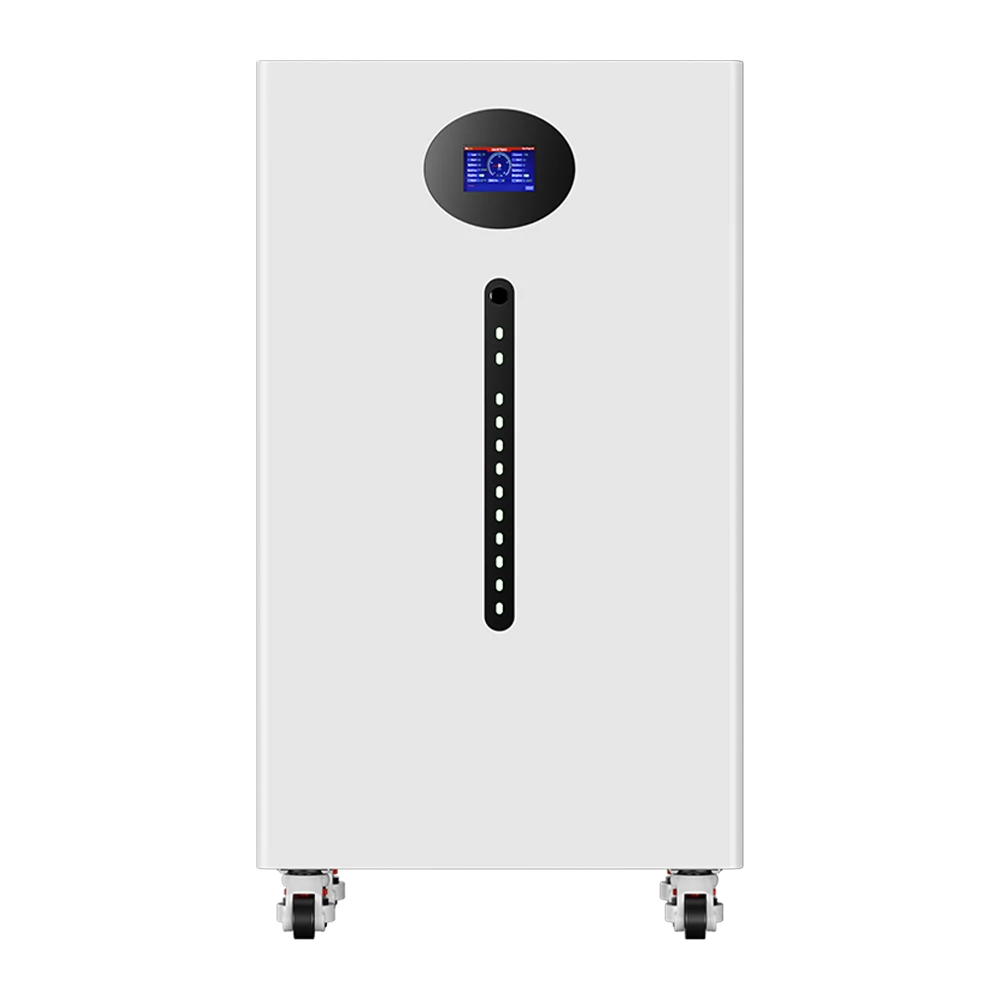
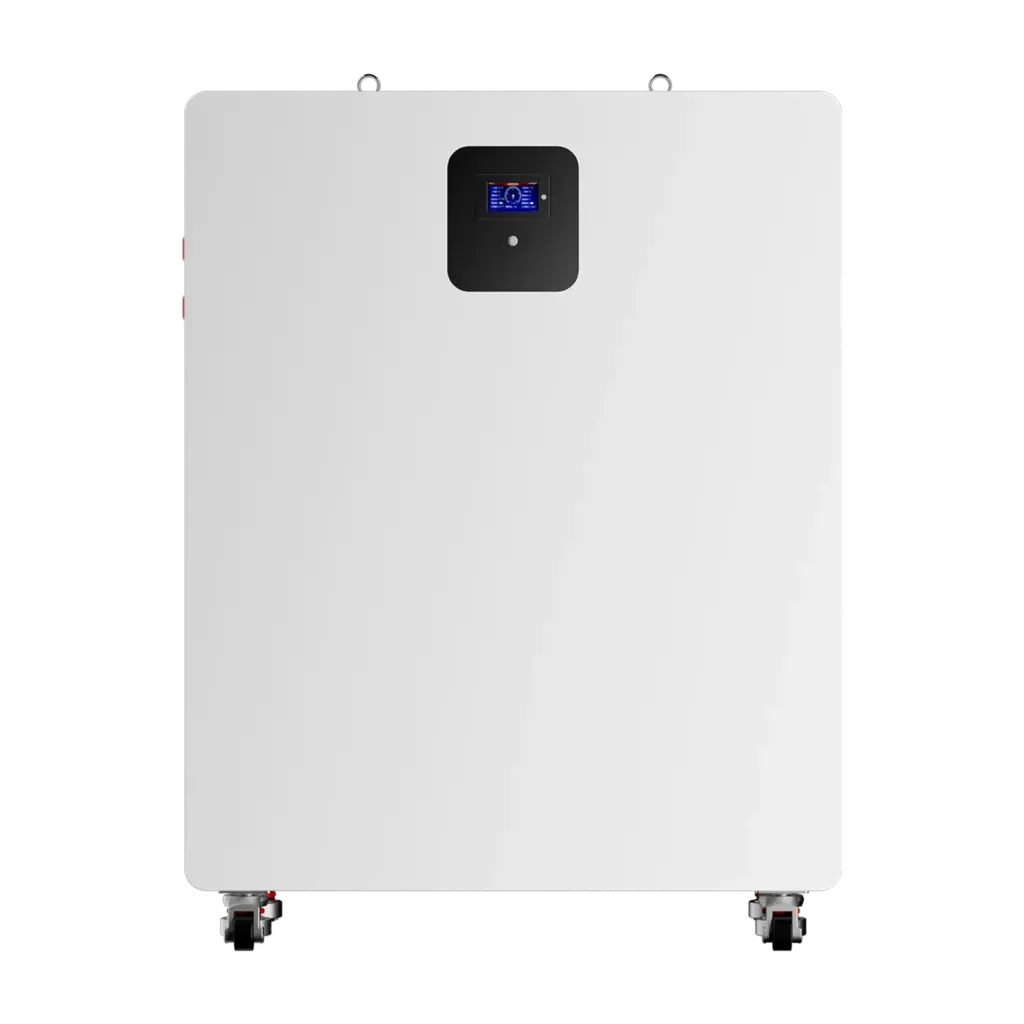
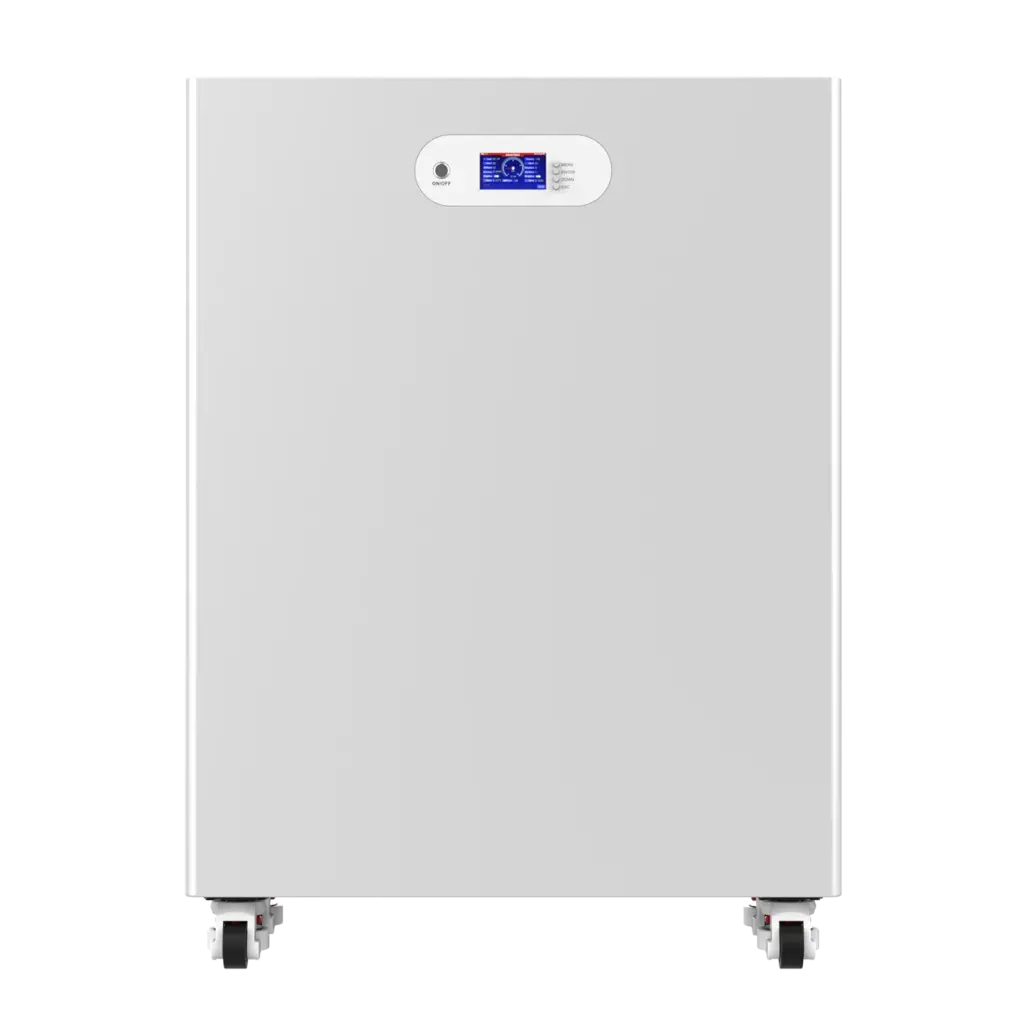
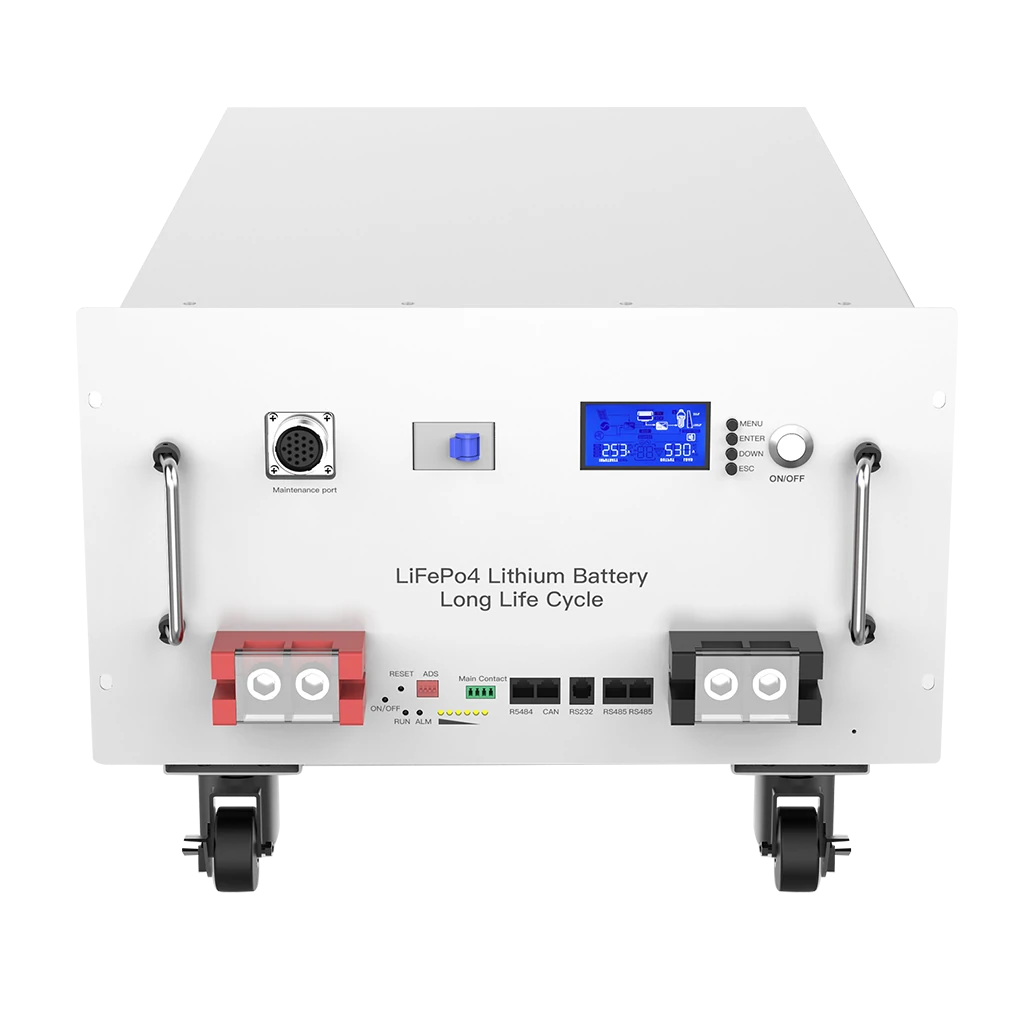
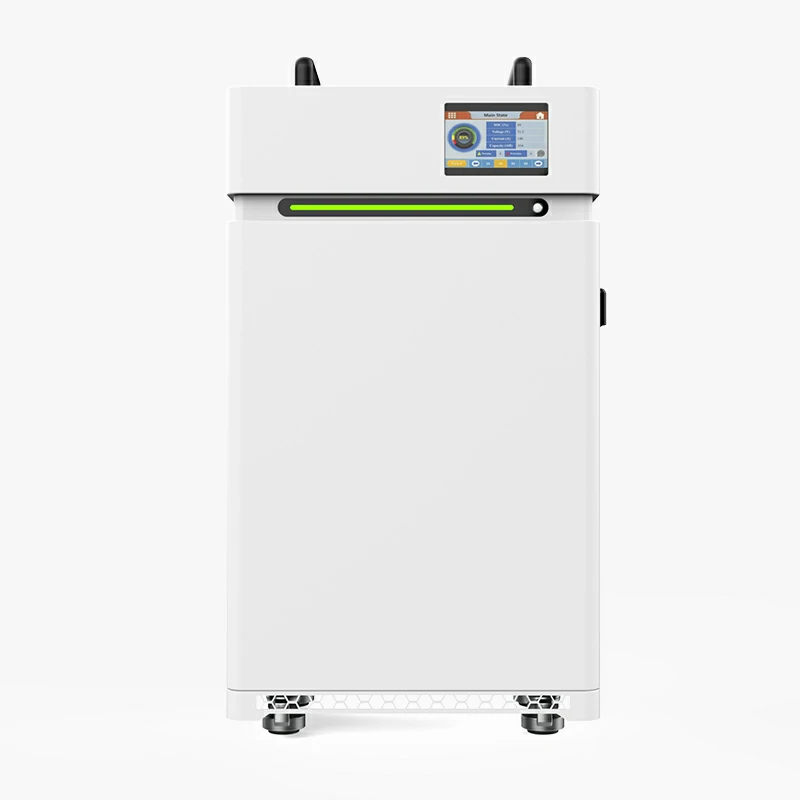
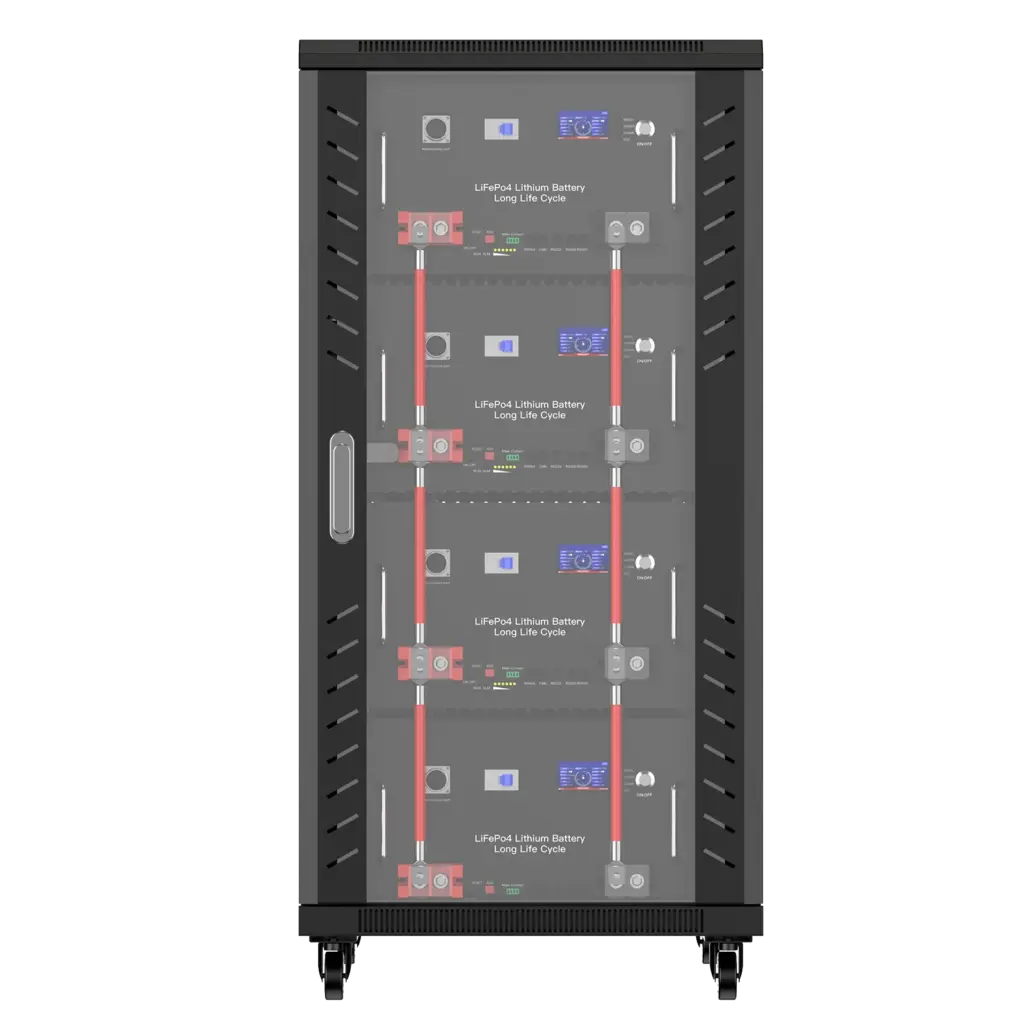
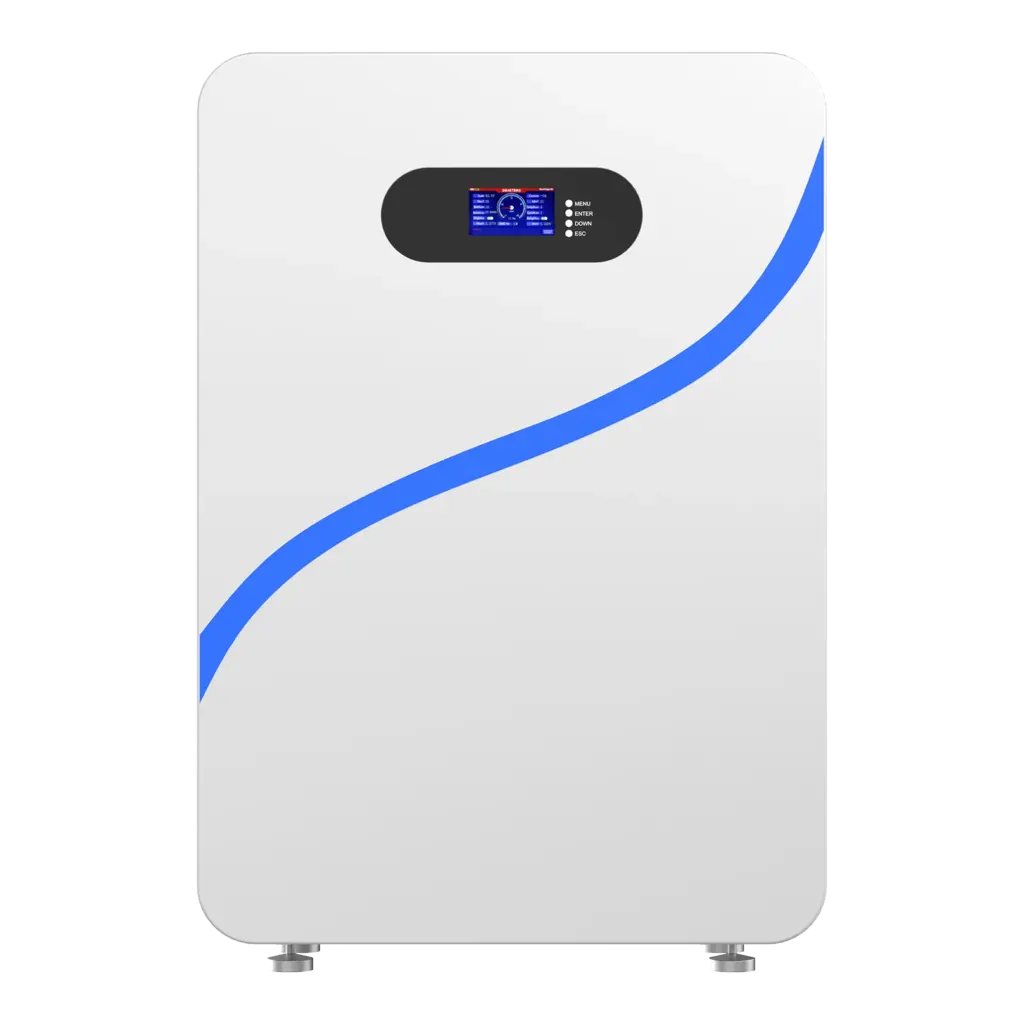
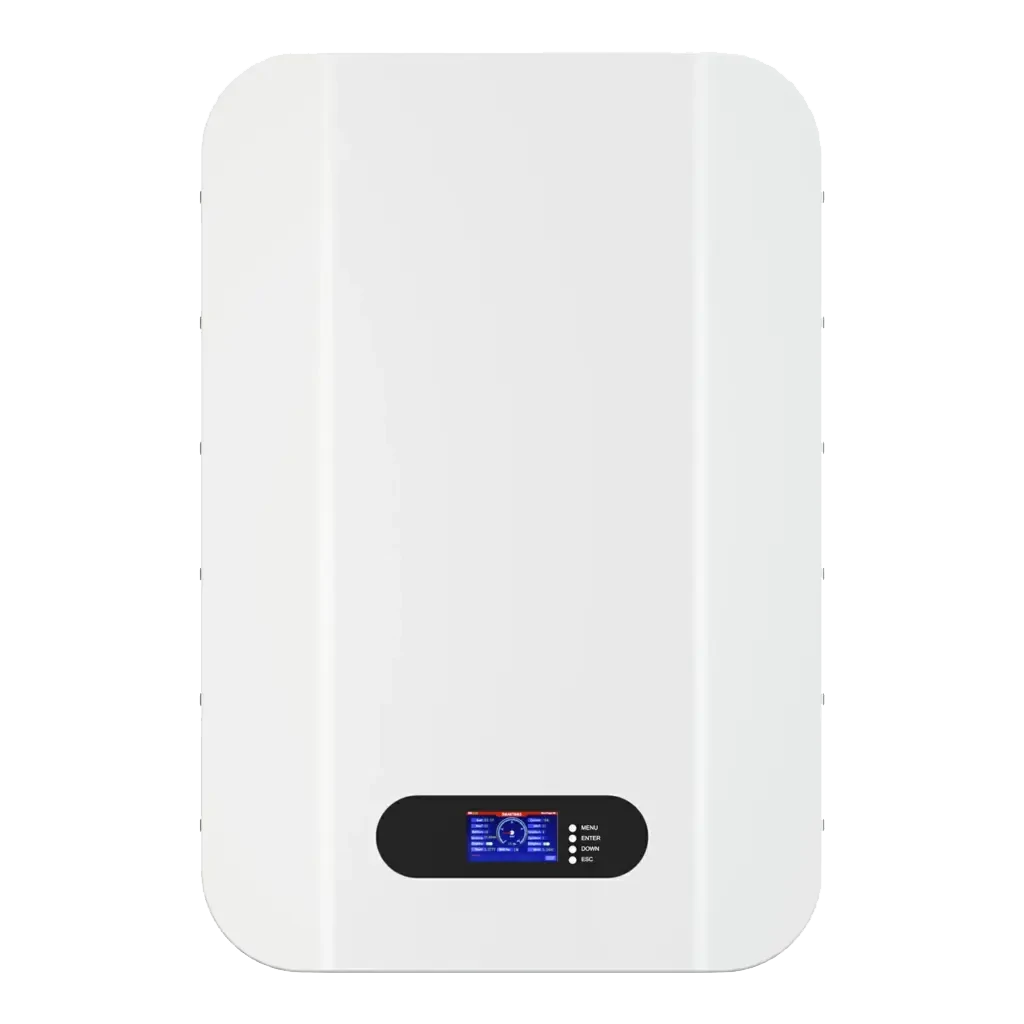
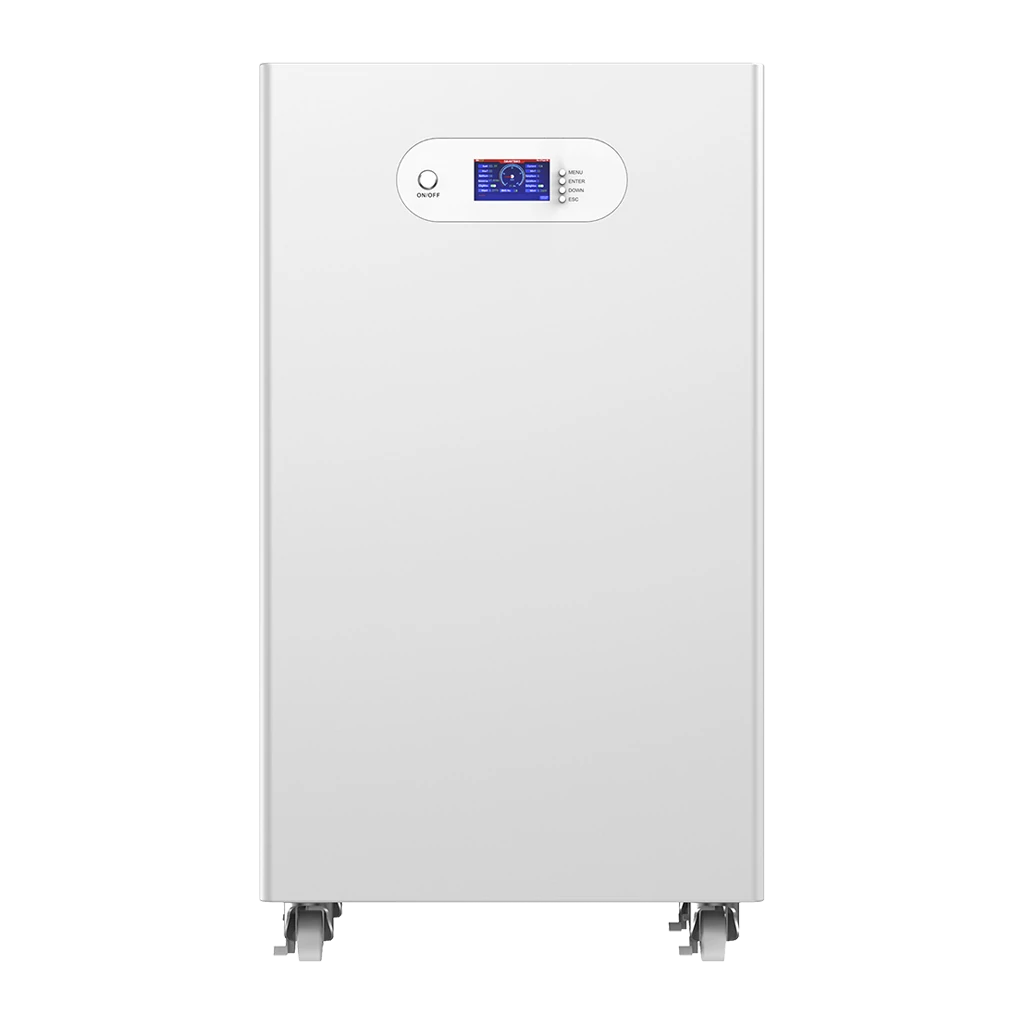
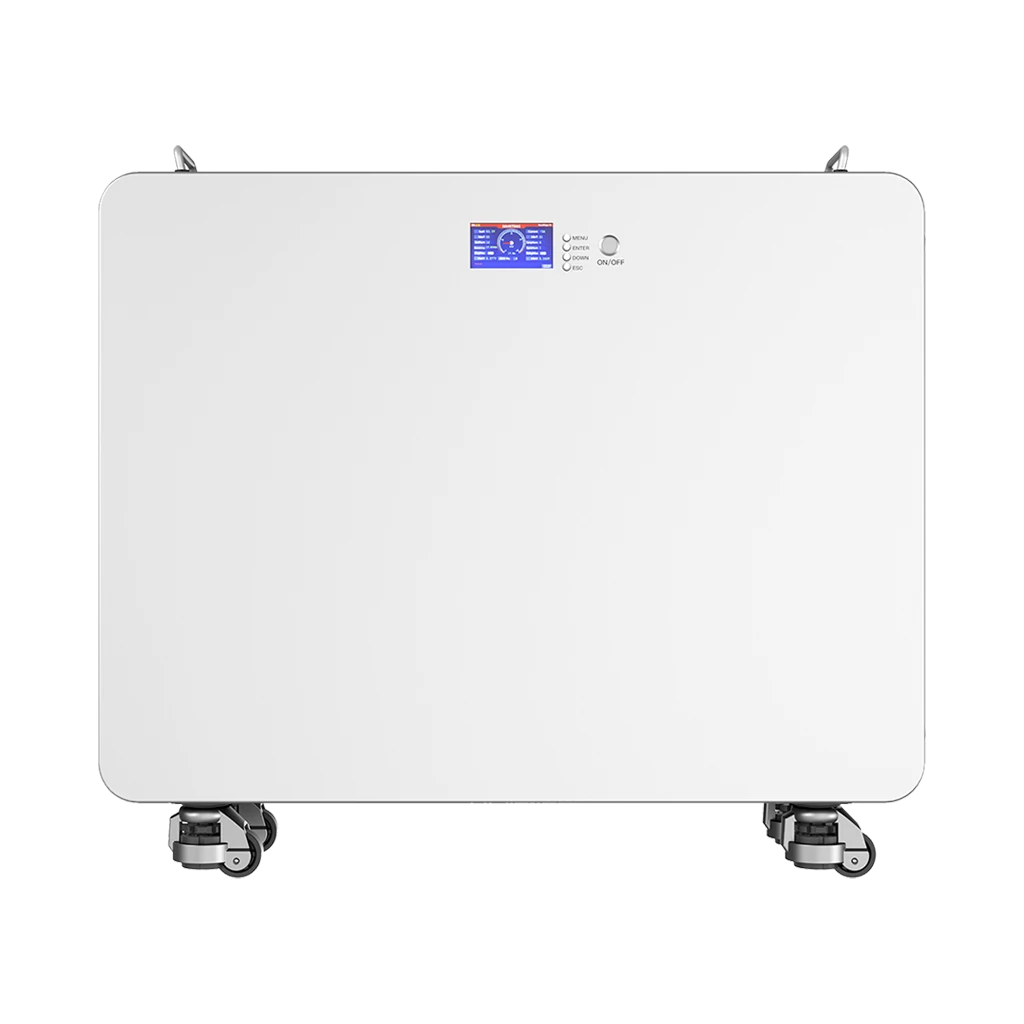
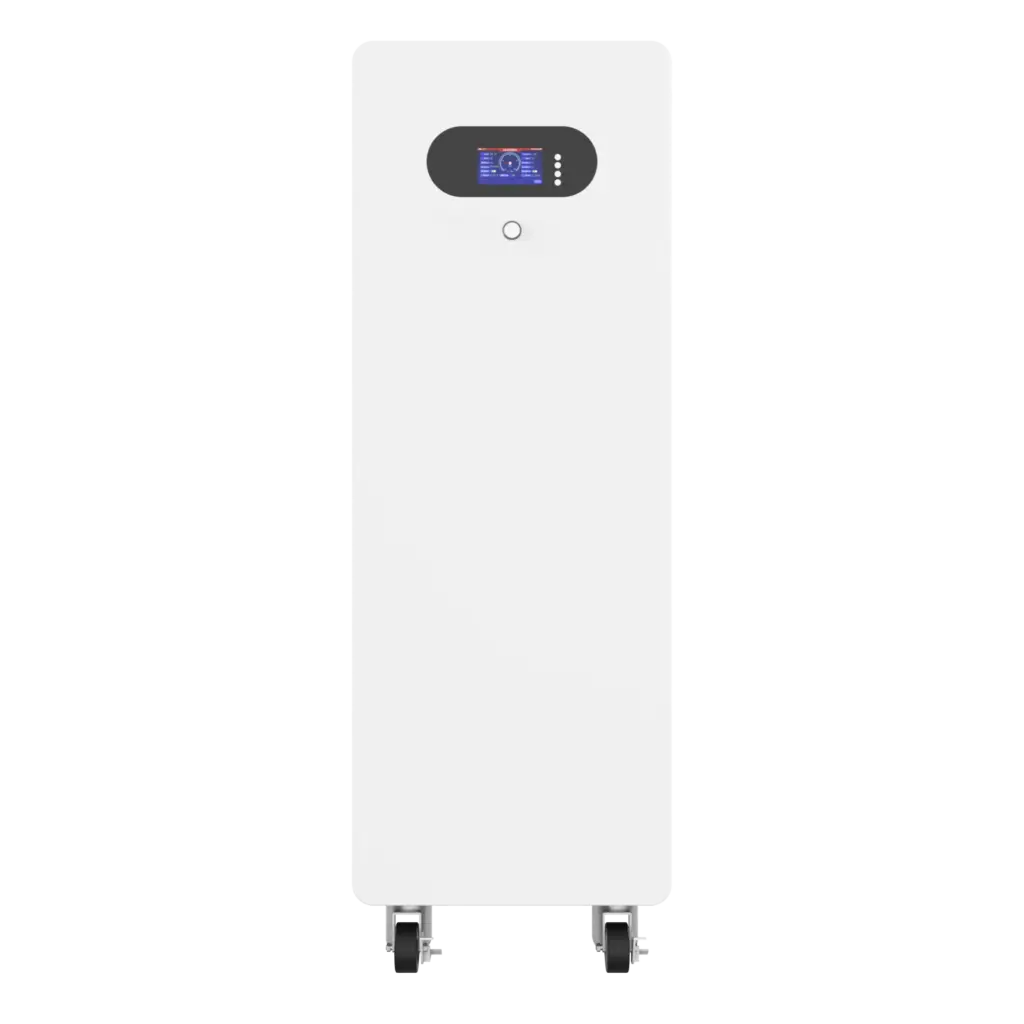
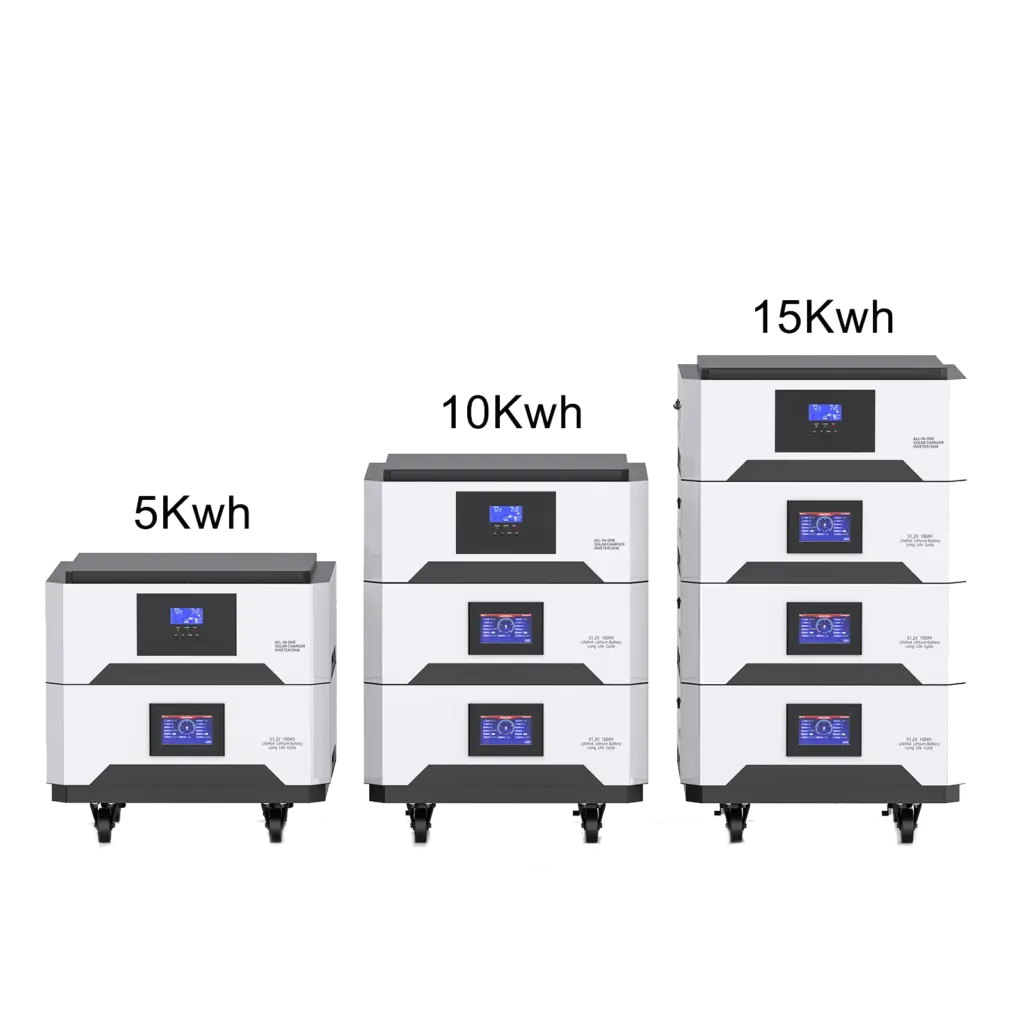
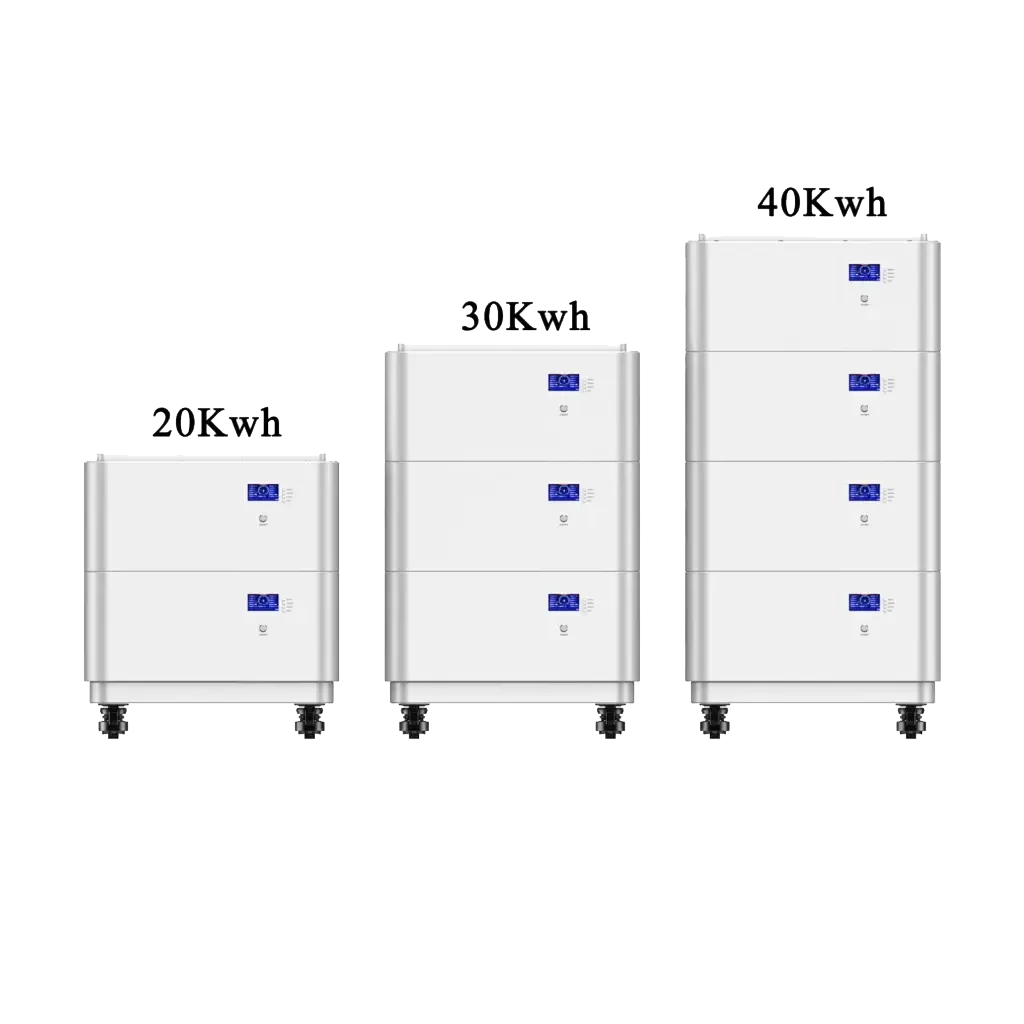
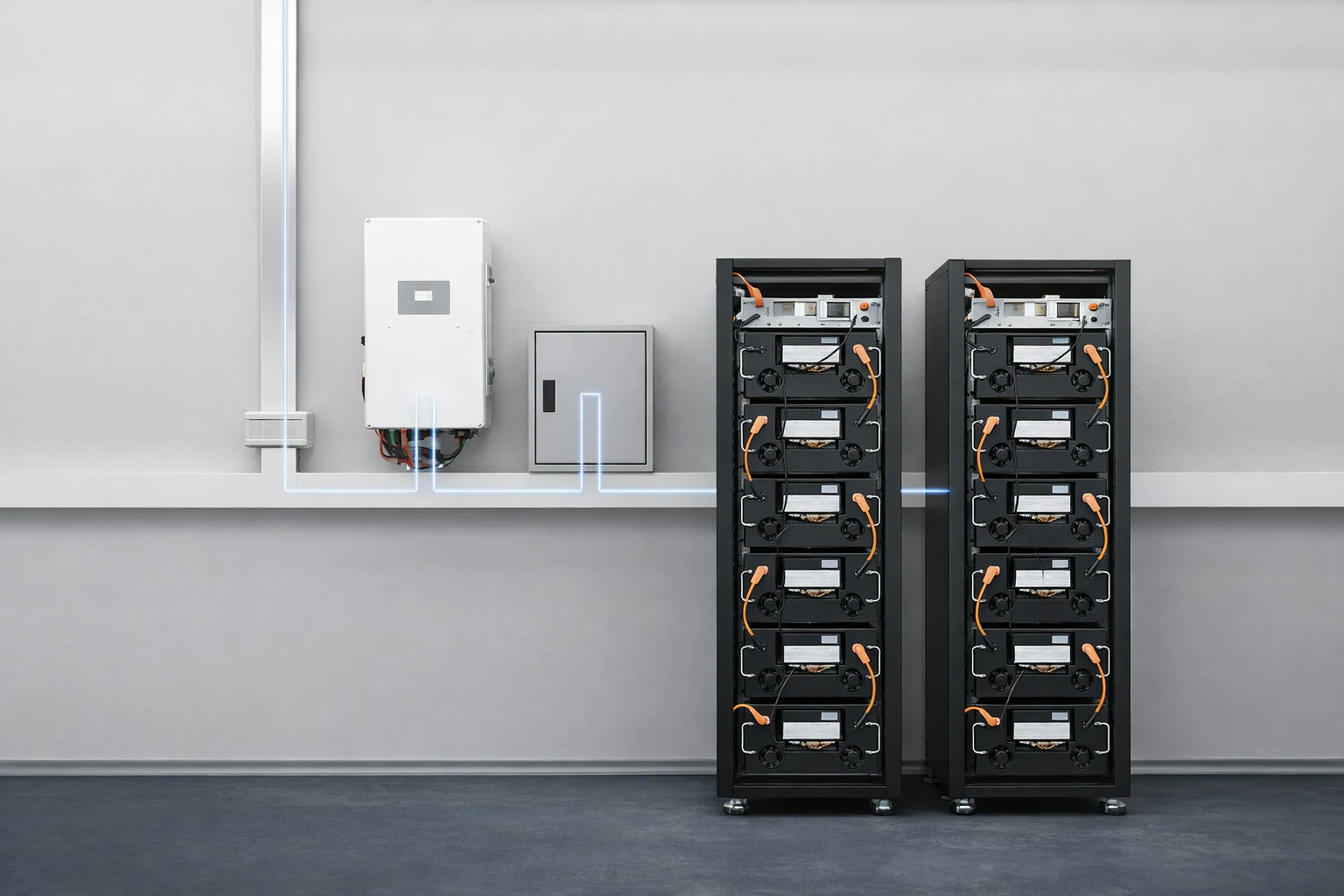
Avepower’s wall-mounted battery and rack batteries use LiFePO4 cells for this reason. The design aims for long cycle life, stable performance, and safer operation in hot or cold weather, rather than squeezing out the last bit of energy density.
LiFePO4 vs NMC And Other Lithium Types
NMC and NCA chemistries are common in electric vehicles and some earlier home batteries. They offer high energy density but they run hotter and can be more sensitive to misuse.
| Type | Full Name | Typical Energy Density | Typical Cycle Life | Relative Safety | Common Uses Today |
|---|---|---|---|---|---|
| LFP | Lithium Iron Phosphate | Medium | 6,000–10,000+ | Very high | Home batteries, commercial ESS, e-buses |
| NMC | Nickel Manganese Cobalt | High | 1,500–3,000 | Medium | EVs, portable power stations |
| NCA | Nickel Cobalt Aluminum | Very high | 2,000–3,000 | Medium-low | Some EV packs, UPS |
| LCO | Lithium Cobalt Oxide | High | 500–1,000 | Low | Phones, laptops |
| LTO | Lithium Titanate | Low | Up to 15,000 | Very high | Grid storage, buses, special projects |
| Li-Polymer | Lithium Polymer (various chemistries) | Medium | 500–1,000 | High | Drones, thin devices |
For most homes, LFP offers the best balance of safety, cycle life, and total cost, so you will see it used in both all-in-one wall batteries and modular rack systems.
Pros And Cons Of Lithium Solar Batteries
Lithium solar batteries are not perfect for every scenario, but they usually provide the best mix of performance and total cost of ownership for home solar.
Advantages
Lithium Batteries Offer Higher Usable Depth Of Discharge
Most quality lithium solar batteries allow:
- 80–100% Depth of Discharge (DoD) in normal operation
This means that when you buy a 10 kWh battery, you may safely use 8–10 kWh on each cycle. Many lead-acid banks should be kept around 50% DoD to avoid early failure, so half of their capacity is not really usable day-to-day.
Lithium Batteries Provide Much Longer Lifespan
Because lithium cells tolerate deep discharges and partial charges, they often maintain:
- 6,000–10,000 cycles before reaching end-of-warranty capacity
- About 10 years or more of typical daily cycling in many home storage products
Lithium Batteries Have Higher Efficiency
Round-trip efficiency tells you how much energy you get back after storing it.
- Modern lithium solar batteries often reach 90–96% round-trip efficiency
- Lead-acid banks often sit around 75–85%, especially when lightly cycled.
Higher efficiency means:
- Less solar energy is lost inside the battery
- You need less panel capacity to reach the same usable energy over a year
Lithium Batteries Accept Higher Charge And Discharge Rates
Lithium-ion cells handle:
- Higher charge currents, so they can refill quickly when solar production spikes
- Higher discharge rates, so they can support powerful loads without large voltage sag
This behavior makes lithium a better match for:
- Fast-changing solar production
- Heavy loads like pumps, air-conditioning, or induction cooking (with correct inverter sizing)
Lithium Batteries Offer High Energy Density And Small Footprint
Lithium packs:
- More energy per kilogram
- More energy per liter of volume
As a result, you can:
- Mount a single compact unit on a wall
- Place modular rack batteries in a small corner or cabinet
For homeowners with limited space, this can be a major decision factor.
Lithium Batteries Require Very Little Maintenance
With lithium, you do not need to:
- Add water
- Equalize regularly
- Clean heavily corroded terminals
Once installed and correctly programmed, lithium systems usually need only:
- Occasional firmware updates
- Periodic visual checks for dust, moisture, and damage
Main Drawbacks
Lithium Batteries Have Higher Upfront Cost
Lithium solar batteries are usually the most expensive residential storage option in terms of upfront cash.
- Market data in 2025 shows installed battery costs around $1,300 per kWh before incentives, and roughly $1,000 per kWh when a 30% tax credit applies.
- Many homeowners pay around $6,000–$23,000 for a full battery system including parts and labor, depending on size and brand.
However, when you spread this cost over 10+ years and thousands of cycles, the cost per kWh delivered often beats lead-acid.
Lithium Batteries Still Require Respect For Thermal Runaway Risk
All lithium-ion chemistries can face thermal runaway if they are abused or badly designed. This is a self-heating chain reaction that can lead to smoke or fire.
Most safety incidents with lithium batteries come from:
- Poor cell quality
- Weak or missing BMS
- Wrong installation or lack of ventilation
- Use outside the rated temperature or current range
Regulated home batteries from well-known brands must pass strict safety tests. Still, even major brands can face recalls if a supplier’s cells have defects, as seen with Powerwall 2 battery recalls in 2025 due to overheating risks in a limited batch of units.
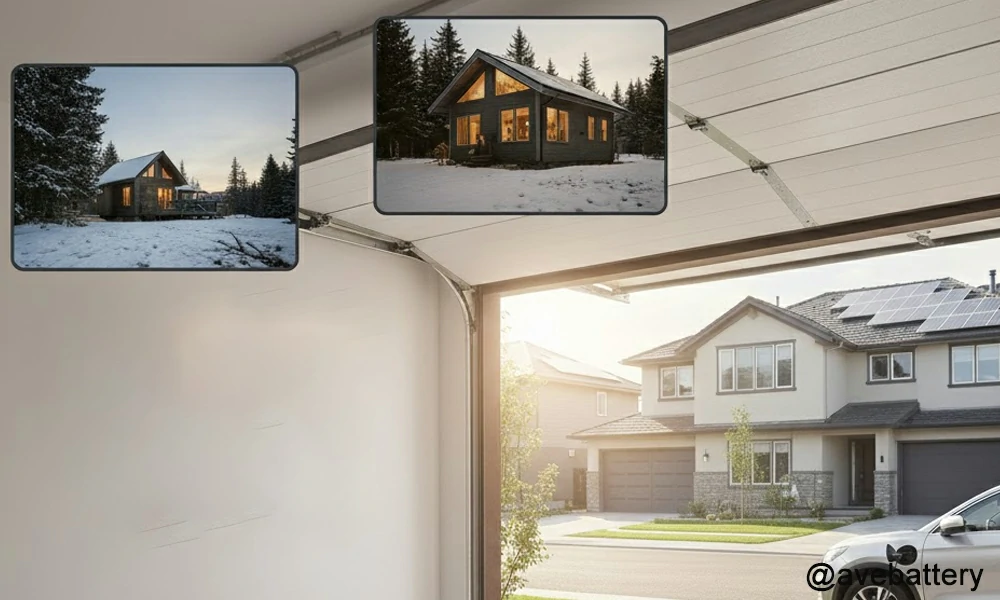
Where Do Lithium Solar Batteries Make the Most Sense?
The best battery for you depends on your goals. Are you off-grid? Do you just need backup power? How often will you use it?
Lithium-ion batteries are the best storage method for most everyday home uses.
Full-Time Off-Grid Living
People who live completely off-grid depend on their power system 24/7. They need a battery that can handle deep, daily cycling for many years. LFP batteries are perfect for this. Their long cycle life and high DoD provide reliable, maintenance-free power year after year.
Grid-Tied Homes Needing Backup Power
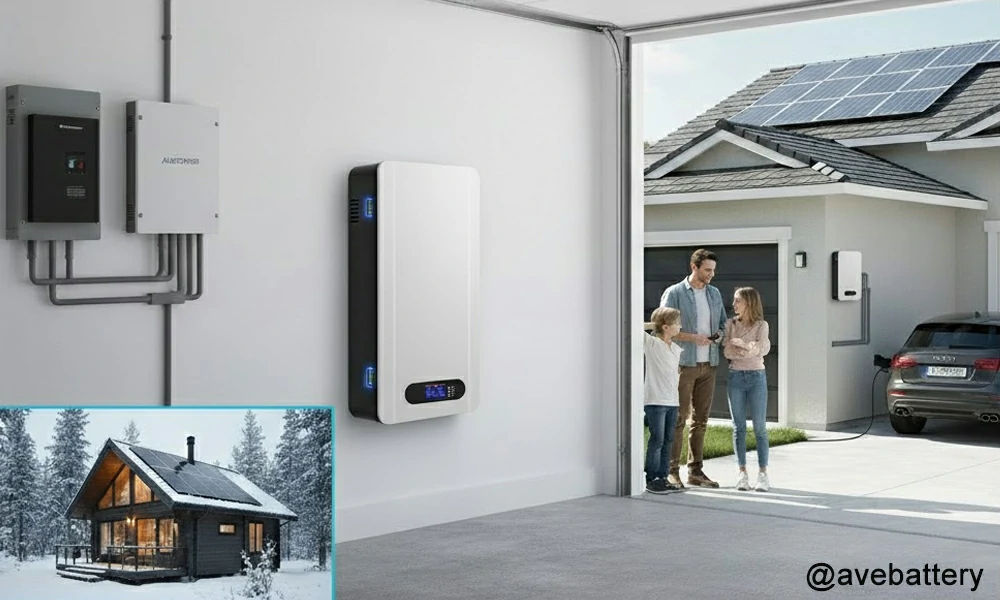
This is the most common use for home batteries. The battery stays connected to the grid. It stores solar power during the day. If the grid power goes out during a storm, the battery automatically takes over and powers the home’s important loads (like the fridge, lights, and internet). LFP’s high energy density means a single, small battery box can back up a home for hours.
Remote and Part-Time Properties
A vacation home or remote cabin benefits from LFP’s “set it and forget it” design. Because no maintenance is needed, the battery works well even if the home is empty for months. You can also install it inside the house, where it is protected from extreme weather.
Related resources: Why LFP (LiFePO4) Batteries Are the Safest for Home Energy Storage
When A Lithium Solar Battery Makes Sense — And When It Might Not
A lithium solar battery is usually a good fit when you:
- experience regular outages and value quiet backup
- live with time-of-use tariffs and can save money by shifting energy
- have existing solar with poor export rates
- plan to stay in your home long enough to enjoy the full life of the battery
- want to join VPP or demand response programs for extra income
A lithium solar battery may not be the best choice if you:
- only want very rare backup and have another option (for example, a small generator)
- use very little electricity and already have low bills
- move often and cannot be sure you will capture the long-term value
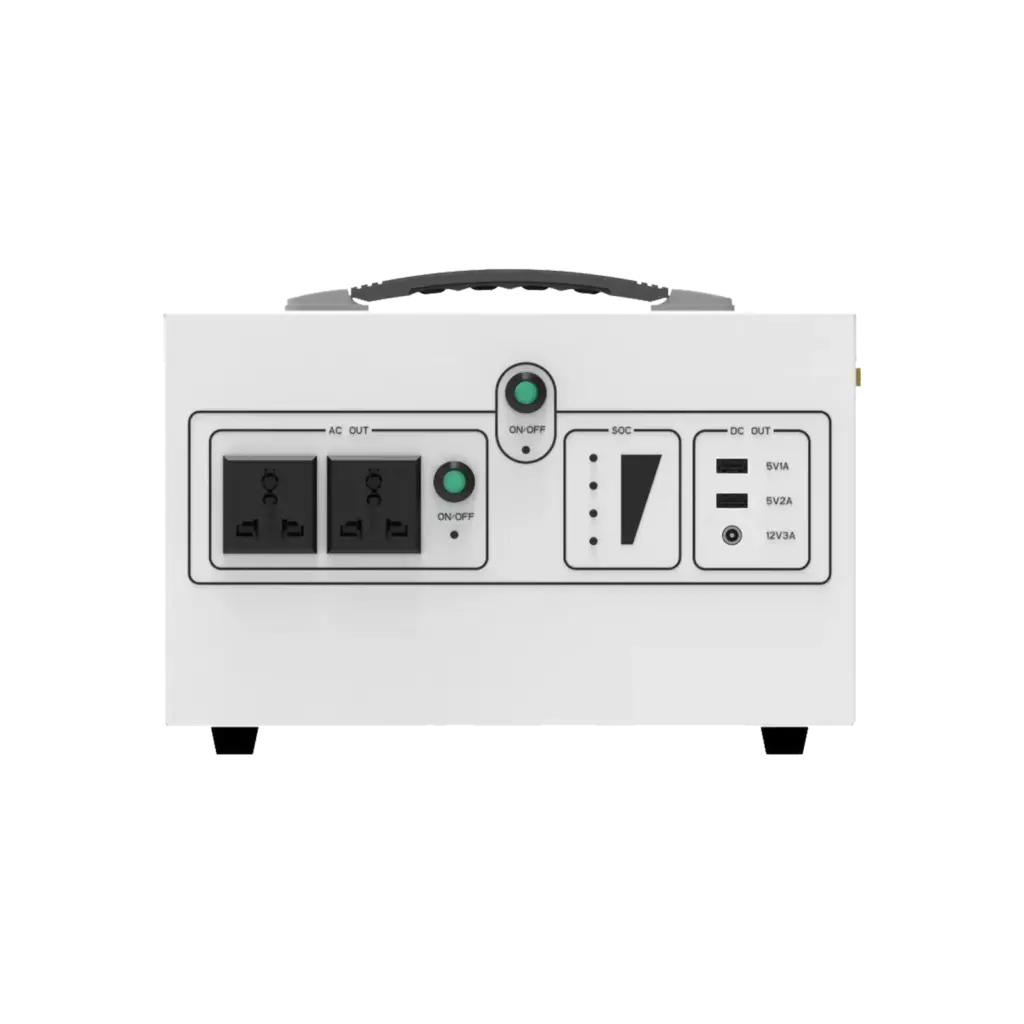
In those cases, you might still consider a smaller battery or a portable solar backup battery, rather than a full fixed system.
How Much Do Lithium Solar Batteries Cost (2025–2026)?
A 10 kWh solar batteries system including installation often ends up around $9,600–$20,000, depending on brand and complexity.
Average installed cost per kWh usually falls between $700 and $1,300 per usable kWh before incentives, and closer to $1,000 per kWh or less after tax credits, where available.
Approximate Installed Cost By Size
| Battery Size | Typical Installed Cost (Before Incentives) | Typical Cost After 30% Tax Credit | Example Brands In This Range |
|---|---|---|---|
| 5 kWh | $5,000–$7,000 | $3,500–$4,900 | Small modular LFP units |
| 10 kWh | $9,000–$13,000 | $6,300–$9,100 | Popular wall batteries and modular stacks |
| 13.5 kWh | $12,000–$16,000 | $8,400–$11,200 | Mid-size home backup systems |
| 20 kWh | $16,000–$22,000 | $11,200–$15,400 | Larger homes or heavy backup loads |
- In the U.S., the 30% federal tax credit for batteries is currently set to end for systems installed after December 31, 2025, unless lawmakers change the policy.
- In Australia, the planned Cheaper Home Batteries Program aims to cut installed battery prices by about 30% from July 2025, through small-scale technology certificates (STCs).
Best Lithium Solar Batteries (2025–2026 Snapshot)
Below is a snapshot of popular brands and models that many homeowners consider in 2025–2026.
| Model | Chemistry | Usable Capacity (kWh) | Continuous Power (kW) | Round-Trip Efficiency | Warranty | Best For |
|---|---|---|---|---|---|---|
| Tesla Powerwall 2 / 3 | NMC | ~13.5 | Up to ~11 kW (PW3, on-grid) | ~90% AC (PW2) | 10 years | All-round home storage + backup |
| Enphase IQ Battery 10T | LFP | ~10.08 | 3.84 kW AC | ~89–96% (DC) | Up to 15 years | High reliability, micro-inverter systems |
| BYD Battery-Box Premium HVS/HVM | LFP | ~5.1–22+ (modular) | Depends on inverter | High (DC-coupled) | 10+ years | Flexible, scalable DC-coupled systems |
| LG RESU 10H / Prime | NMC | ~9.3–9.6 | ~5 kW continuous | ~94–95% DC | 10 years | Compact DC-coupled systems |
| Avepower LiFePO4 Home Packs | LFP | 5–20+ (modular) | Depends on design/inverter | High (pack level) | Typical 10 years | Cost-effective LiFePO4 packs, OEM/B2B supply |
Tesla Powerwall 2 / 3
- Offers about 13.5 kWh usable capacity per unit.
- Newer Powerwall 3 versions can deliver over 11 kW continuous power and include a built-in solar inverter in some markets.
- Works well for whole-home backup and time-of-use shifting.
Enphase IQ Battery 10T
- Uses LFP chemistry and has roughly 10.08 kWh usable capacity with a 3.84 kW continuous AC output.
- Pairs naturally with Enphase micro-inverters and can be stacked for more storage.
BYD Battery-Box Premium HVS/HVM
- Modular LFP units; HVS ranges roughly from 5.1 to 12.8 kWh, while larger HVM stacks can reach over 16 kWh per stack and much more with parallel stacks.
- Strong cycle life (often >6,000 cycles) and flexible configurations.
LG RESU 10H / Prime
- The well-known RESU 10H offers about 9.3 kWh usable energy with around 94.5% round-trip efficiency and a 10-year warranty.
- NMC chemistry gives high energy density in a compact enclosure.
Avepower LiFePO4 Home Batteries
Avepower focuses on LiFePO4 packs for home energy storage, with typical features such as:
- Long cycle life (often up to 8,000+ cycles at recommended DoD)
- Built-in BMS for cell balancing, over-current, over-voltage, and temperature protection
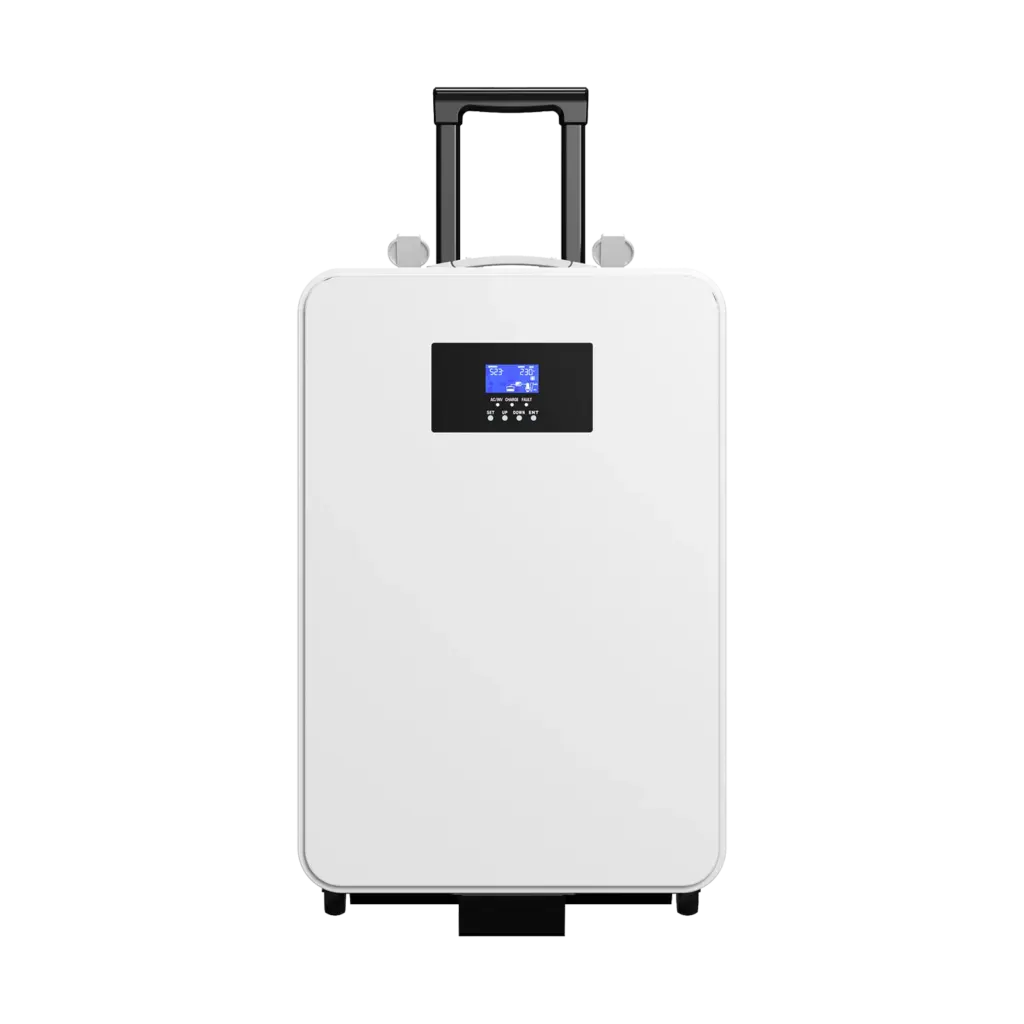
- Options for wall-mounted, rack-mounted, stackable, and all-in-one battery-inverter systems
- International certifications (such as CE, CB, RoHS, ISO9001) and support for OEM/private-label projects
If you are comparing different LiFePO4 manufacturers for projects or for a custom home storage solution, a brand like Avepower can be a practical option, especially when you need flexible capacity, modular design, or tailored enclosures.
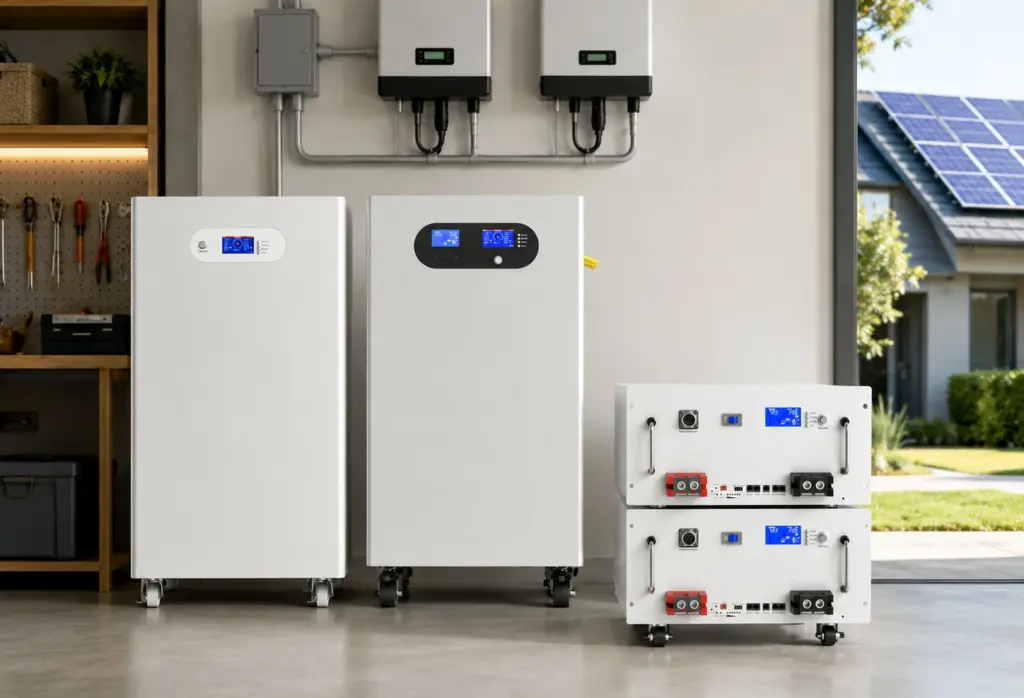
Take Control of Your Energy with Avepower!
Reliable home solar battery solutions with OEM/ODM customization and in-house manufacturing, tailored to the needs of distributors, installers, and energy partners.
Conclusion
Lithium solar batteries—especially those built with LiFePO4—have become the benchmark for home energy storage. They let you store more usable energy, operate safely over many years, and take better control of how and when you use power.
If you also want flexible, modular LiFePO₄ packs that can match your exact project or market, you can include Avepower in your research and see how its home batteries compare with other LFP-based systems.
With thoughtful planning now, your lithium solar battery can give you quieter nights, lower bills, and a more stable power supply through 2025, 2026, and many years beyond.
FAQ
Most modern lithium solar batteries are designed to last 10 years or more under normal daily use. LiFePO4 batteries often reach 4,000–6,000 full cycles or more, which is enough for more than a decade of daily cycling.
Many homes choose one full evening and night of backup, which often means 5–15 kWh. Off-grid homes may need more capacity and more days of autonomy, especially in winter.
This is called “AC coupling.” A new battery and inverter can be added to your current solar system. It is a very common upgrade for homeowners who want to add backup power.