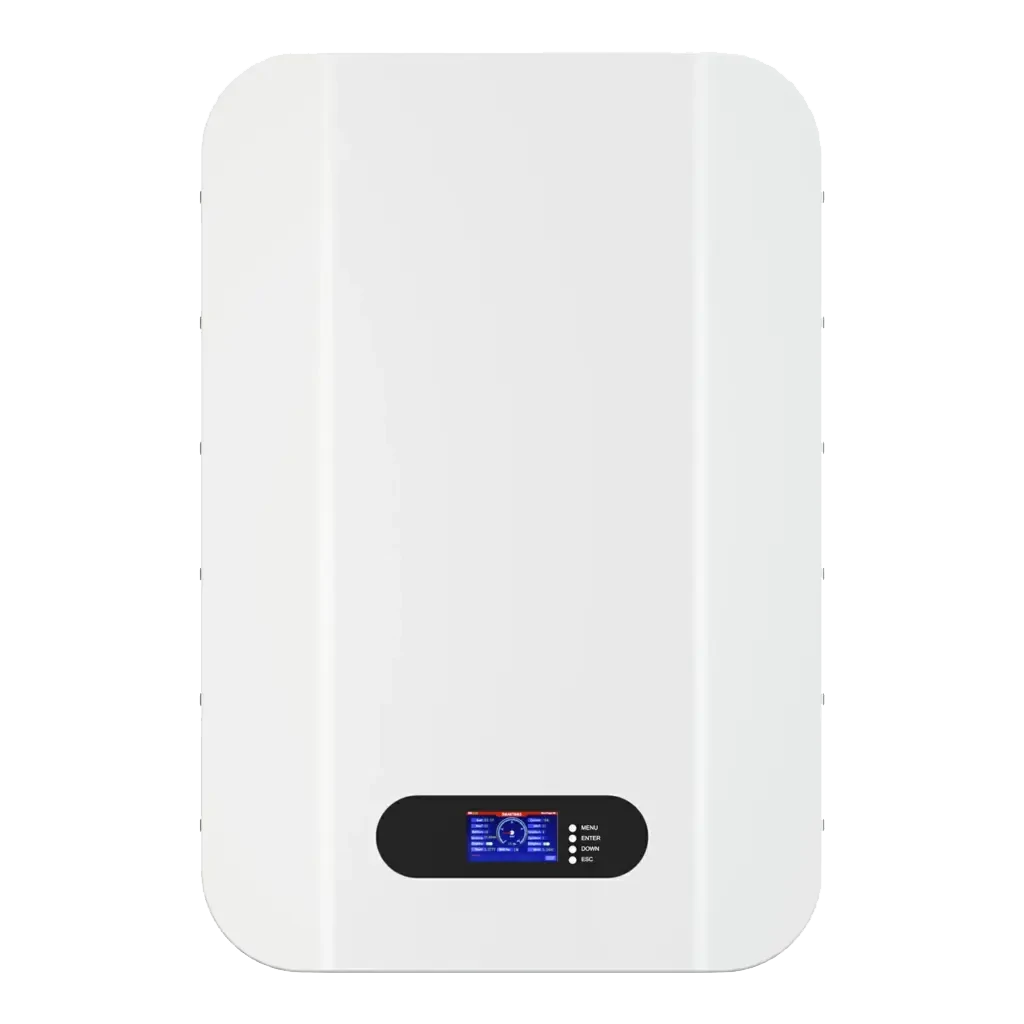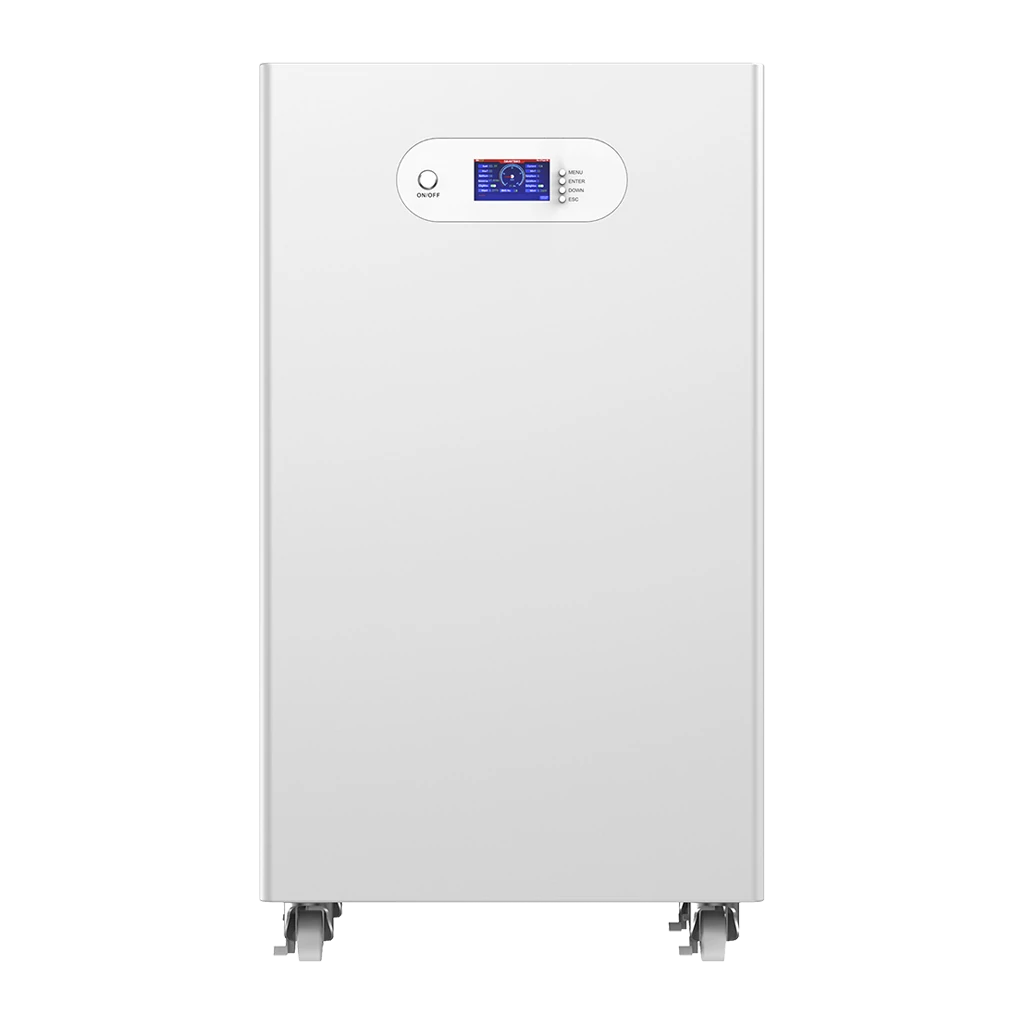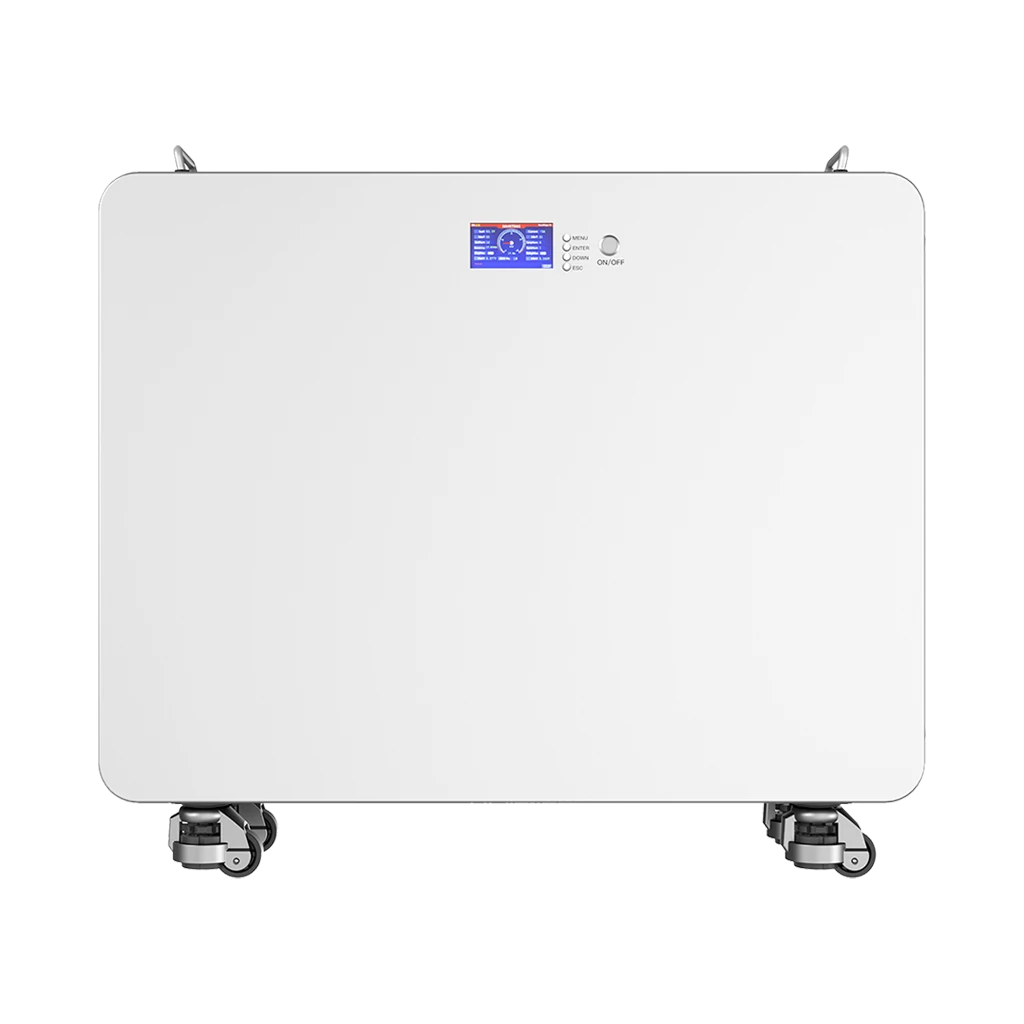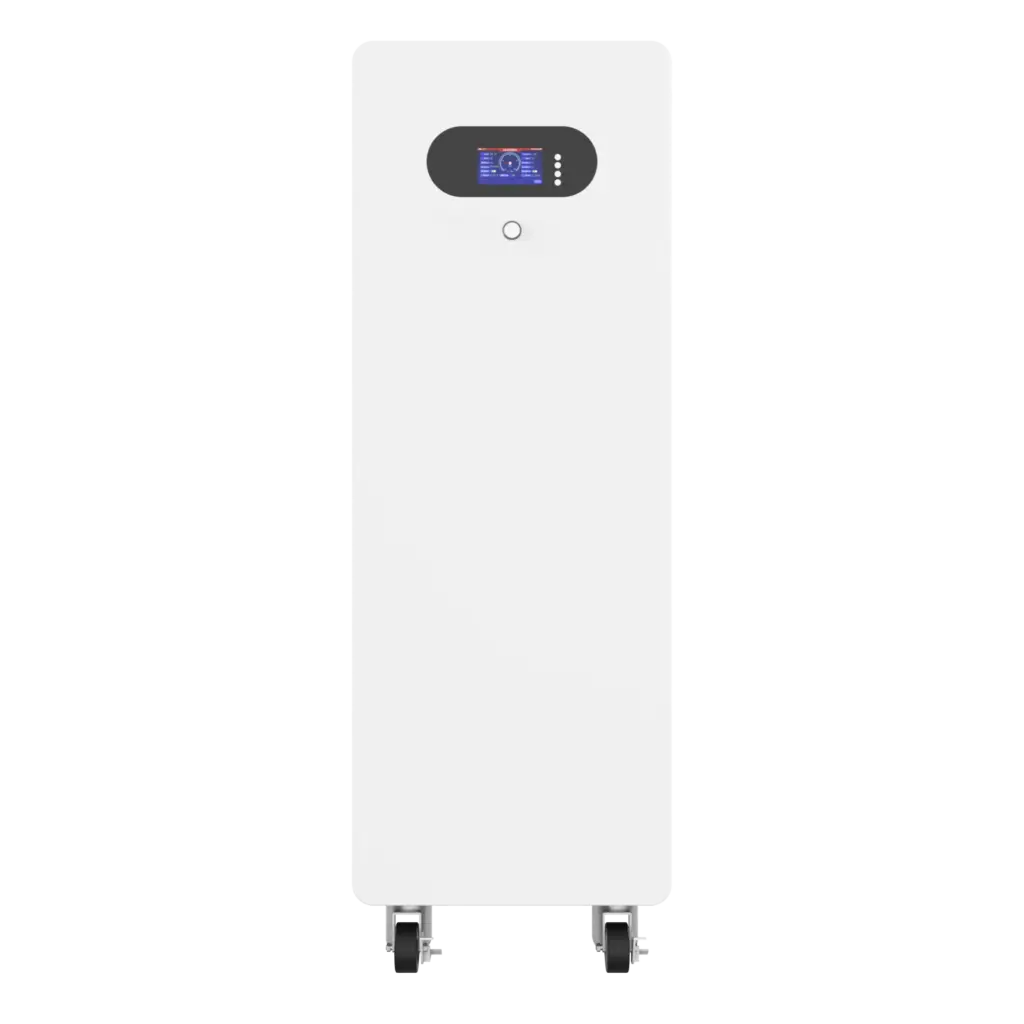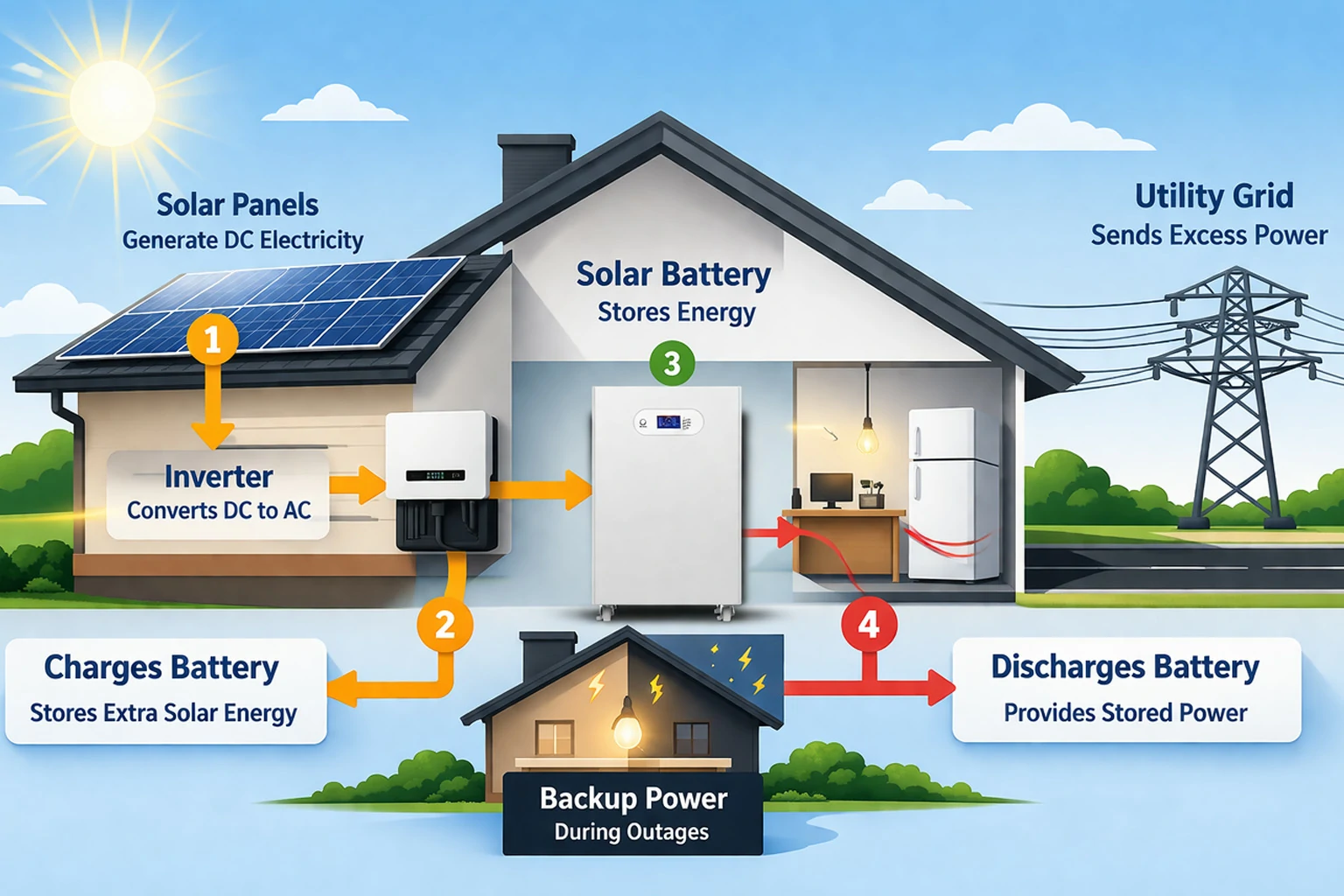

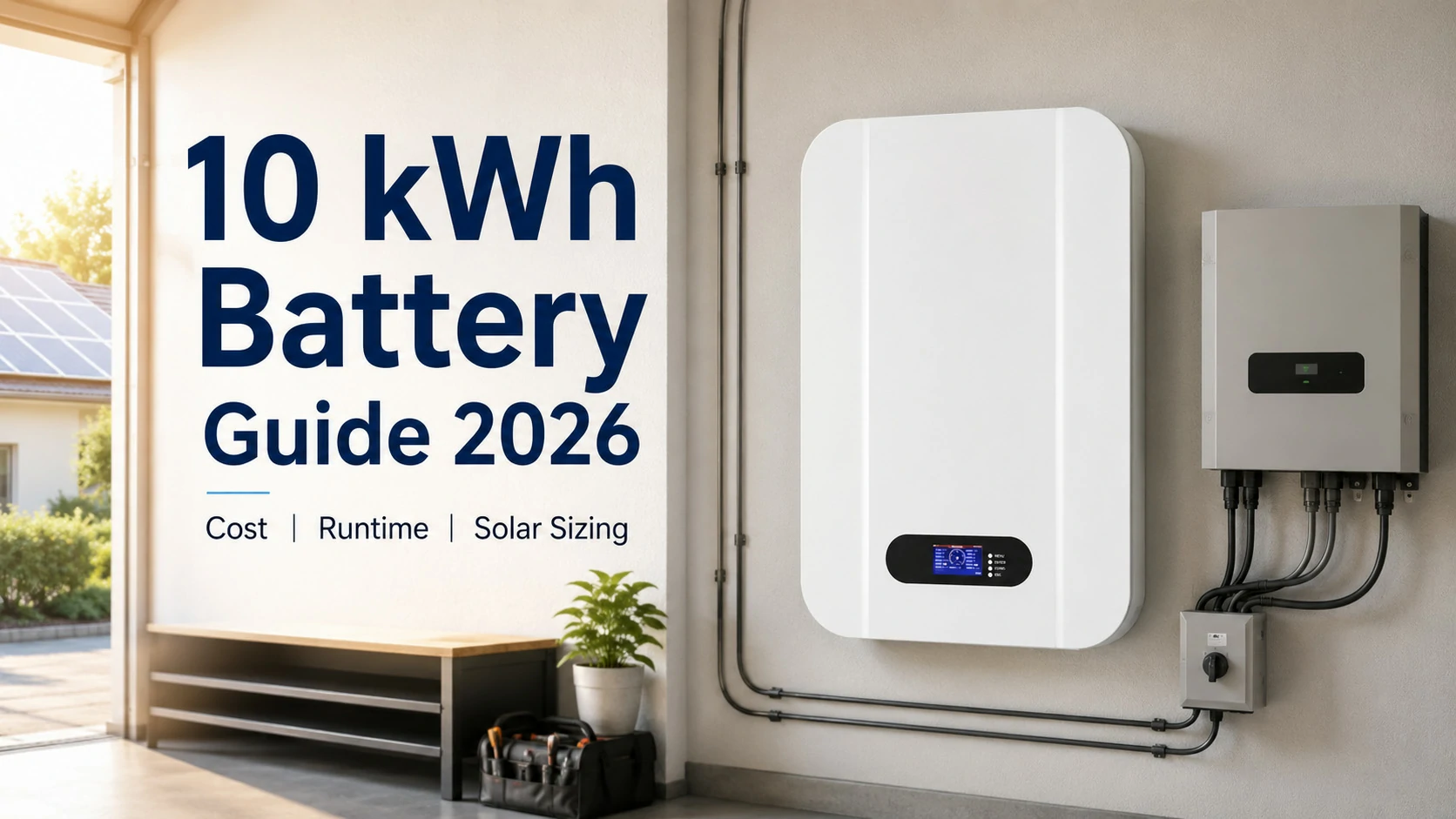
A 10 kWh battery is a practical home energy storage size for households that want to store excess solar power, reduce evening grid imports, and keep essential loads running during outages. In real use, a 10 kWh battery normally provides about 9–9.5 kWh of usable energy, depending on its depth of discharge, inverter efficiency and system settings.
For many homes, that can cover evening and overnight essentials such as lights, refrigerator, Wi-Fi, TV, fans, laptops and selected kitchen loads. It is not usually enough to run every heavy appliance for a full day, especially large air conditioners, electric ovens, water heaters, EV chargers or pool pumps.
In 2026, a typical installed 10 kWh solar battery around A$8,000–A$12,000, with final cost depending on brand, inverter type, backup circuits, switchboard work and rebate eligibility.
Avepower supports residential and project-based energy storage through home battery energy storage systems, including selection support, inverter compatibility review, BMS protection and OEM/ODM customization for partners.
What Is a 10 kWh Battery?
A 10 kWh battery is an energy storage system that can store around 10 kilowatt-hours of electricity. In simple terms, one kilowatt-hour is the amount of energy used by a 1 kW appliance running for one hour.
So, in theory:
10 kWh = 10,000 watt-hours of stored energy
In practice, the full 10 kWh is not always available for household use. Battery systems keep a small reserve to protect the cells and extend service life. A quality 10 kWh LiFePO4 battery may allow around 90–95% depth of discharge, meaning the usable capacity may be closer to 9–9.5 kWh.
How Long Will a 10 kWh Battery Last During a Blackout?
The runtime depends on the load. The lower the load, the longer the battery lasts.
A simple formula is:
Runtime = usable battery capacity ÷ average load
If a 10 kWh battery provides 9 kWh of usable energy and your essential loads average 1 kW, the estimated runtime is about 9 hours.
| Average Load | Typical Appliances | Estimated Runtime |
|---|---|---|
| 300 W | Wi-Fi, LED lights, phone charging, small standby loads | 25–30 hours |
| 500 W | Lights, Wi-Fi, fridge cycling, laptop charging | 16–18 hours |
| 750 W | Lights, fridge, Wi-Fi, TV, small appliances | 11–13 hours |
| 1 kW | Essential household loads | 8–10 hours |
| 1.5 kW | Fridge, lighting, TV, fans, occasional kitchen use | 5–6 hours |
| 2 kW | More appliances running together | 4–5 hours |
| 3 kW | Pump, small AC, multiple appliances | 2.5–3 hours |
| 5 kW | Heavy loads or several appliances at once | Around 1.5–2 hours |
For backup planning, do not assume the battery will run the whole home as normal. A better approach is to create an essential loads plan. This usually includes the refrigerator, internet router, lighting, selected outlets, security system, medical equipment if required, and perhaps a small fan or efficient appliance.
Large loads such as ducted air conditioning, electric ovens, pool pumps, EV chargers and electric water heating can drain a 10 kWh battery very quickly.rain quickly if it is asked to run heating, cooling, cooking or EV charging.
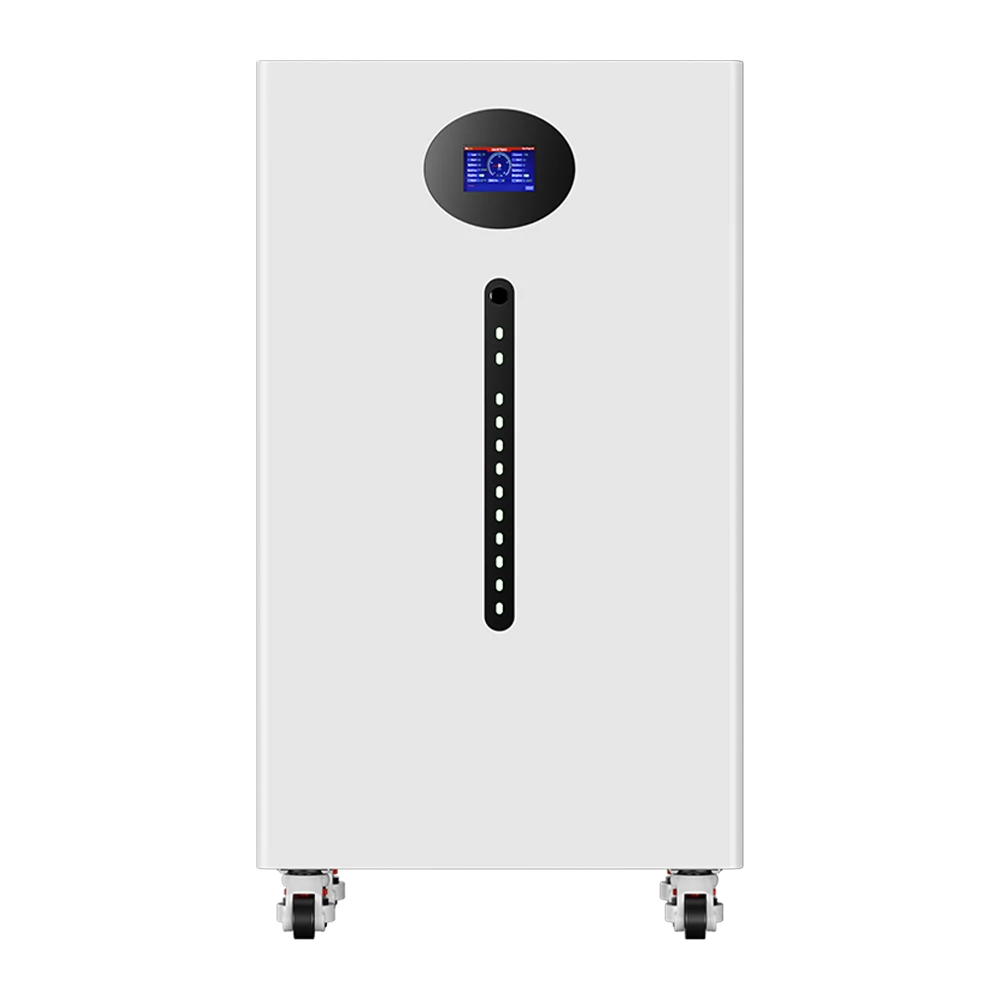
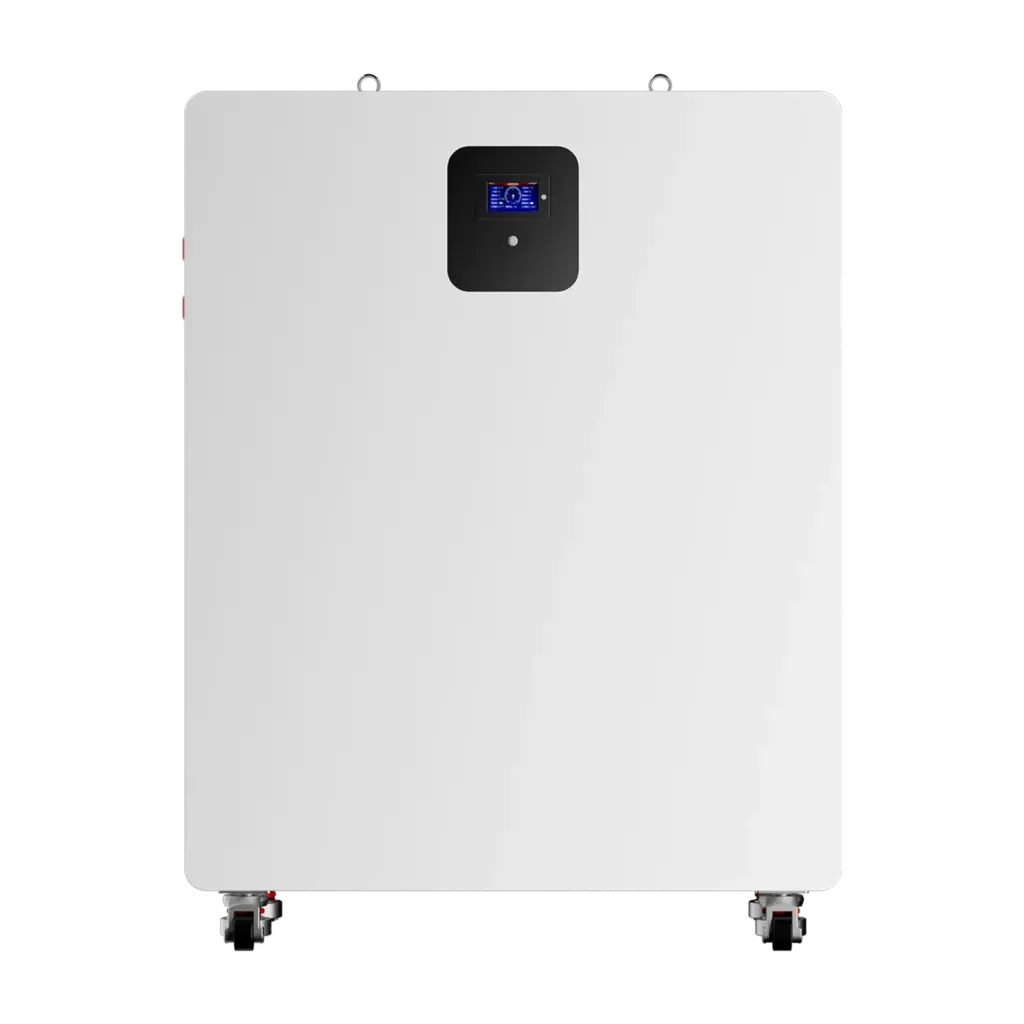
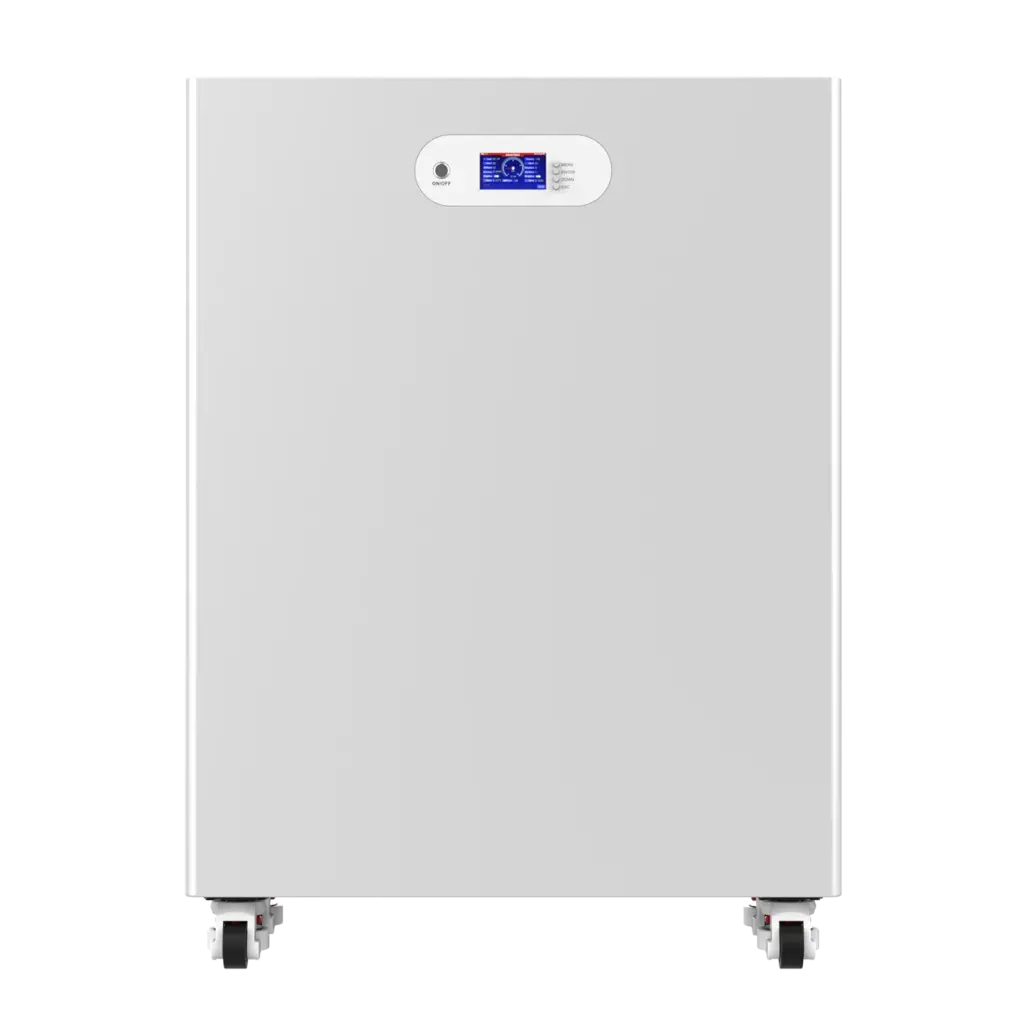
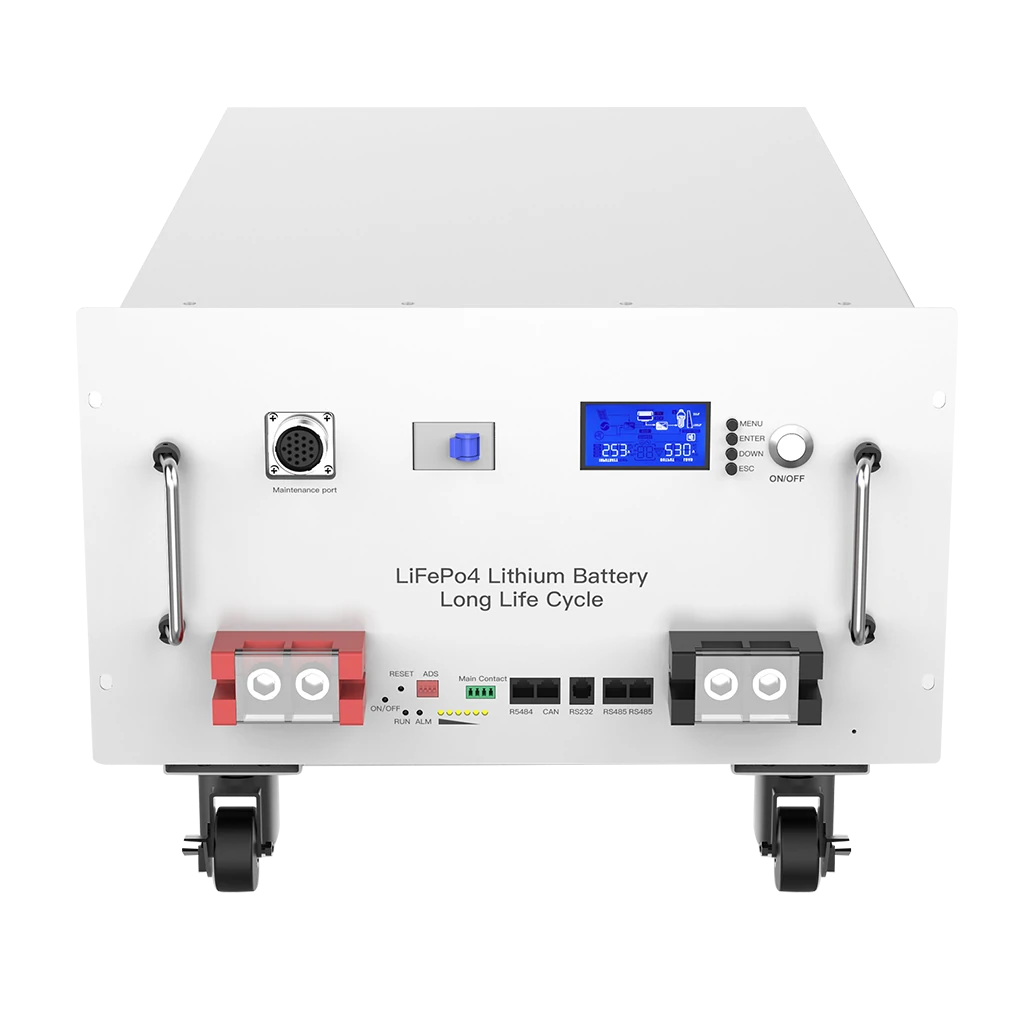
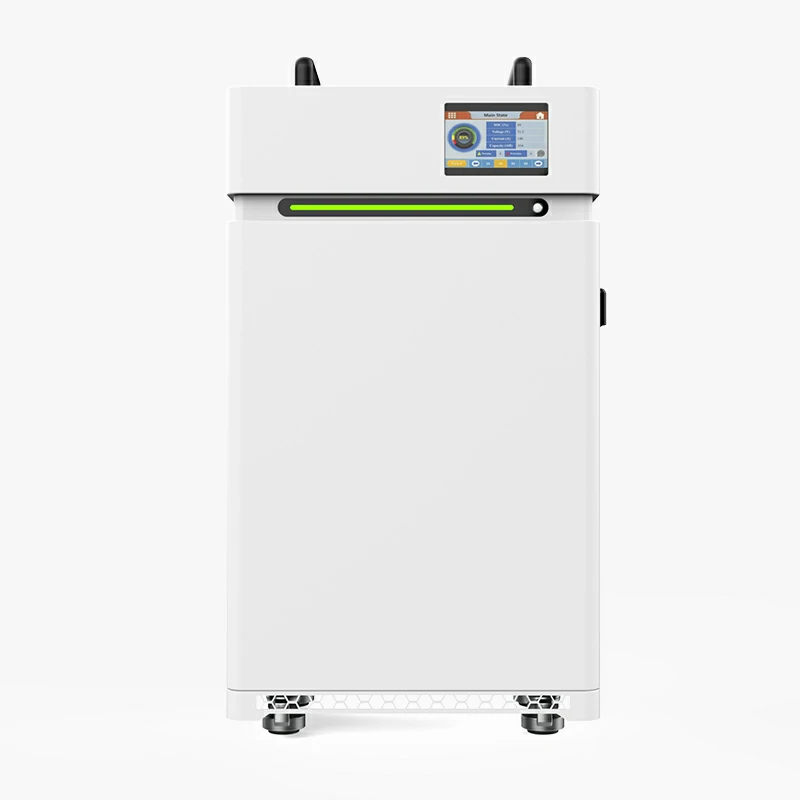
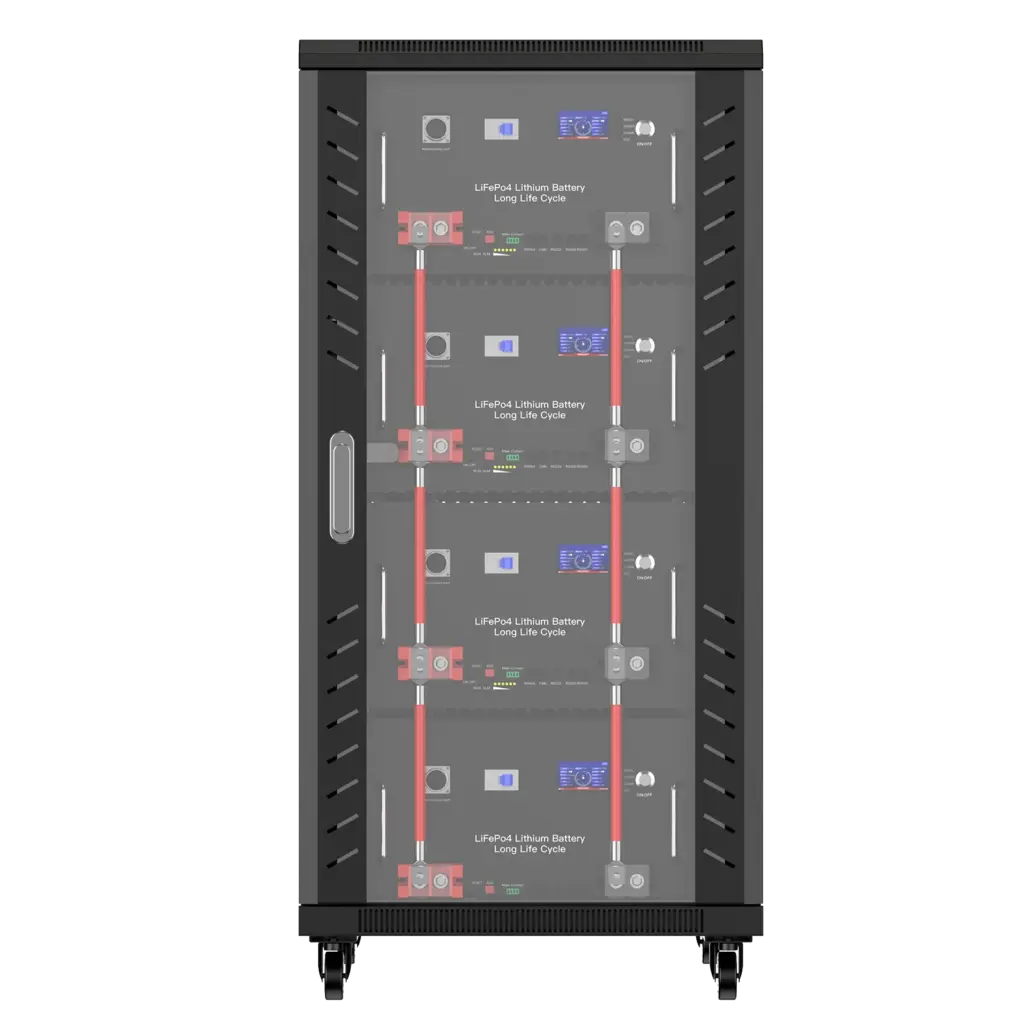
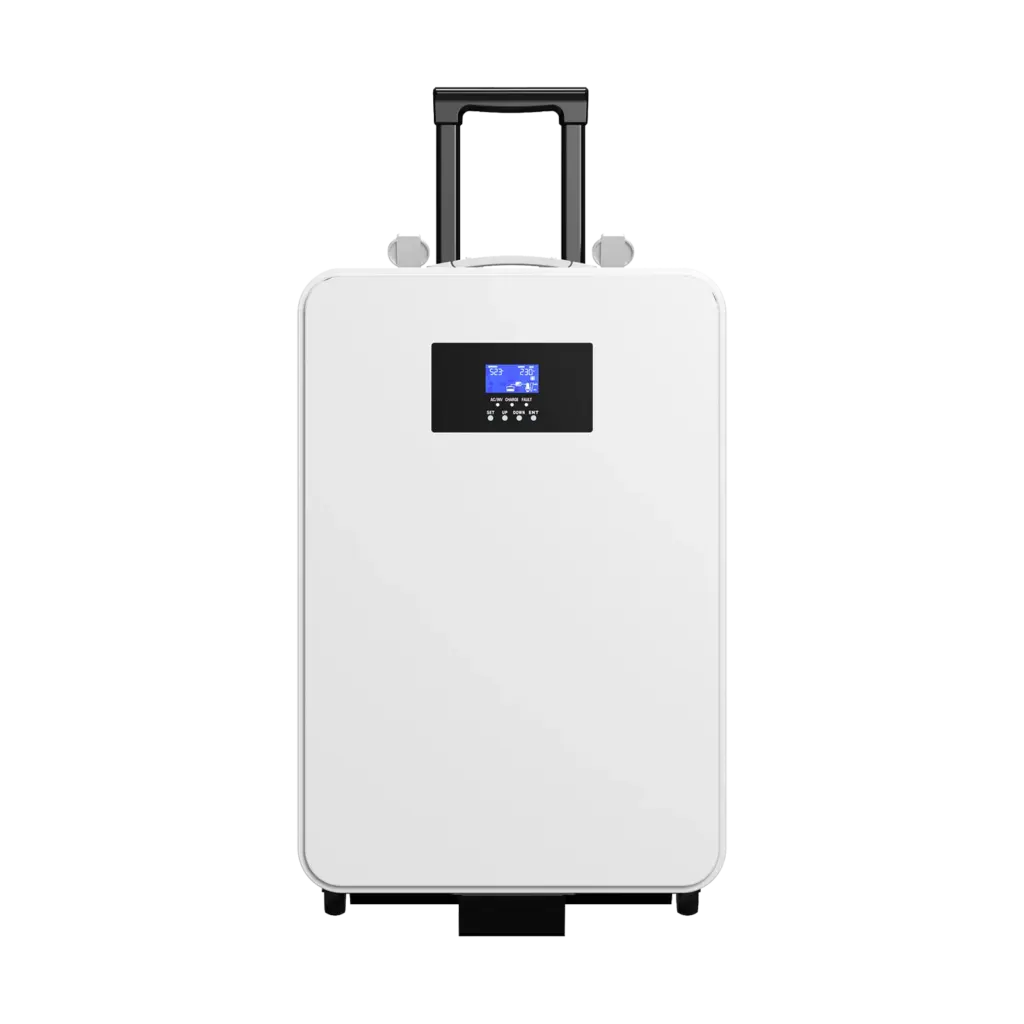
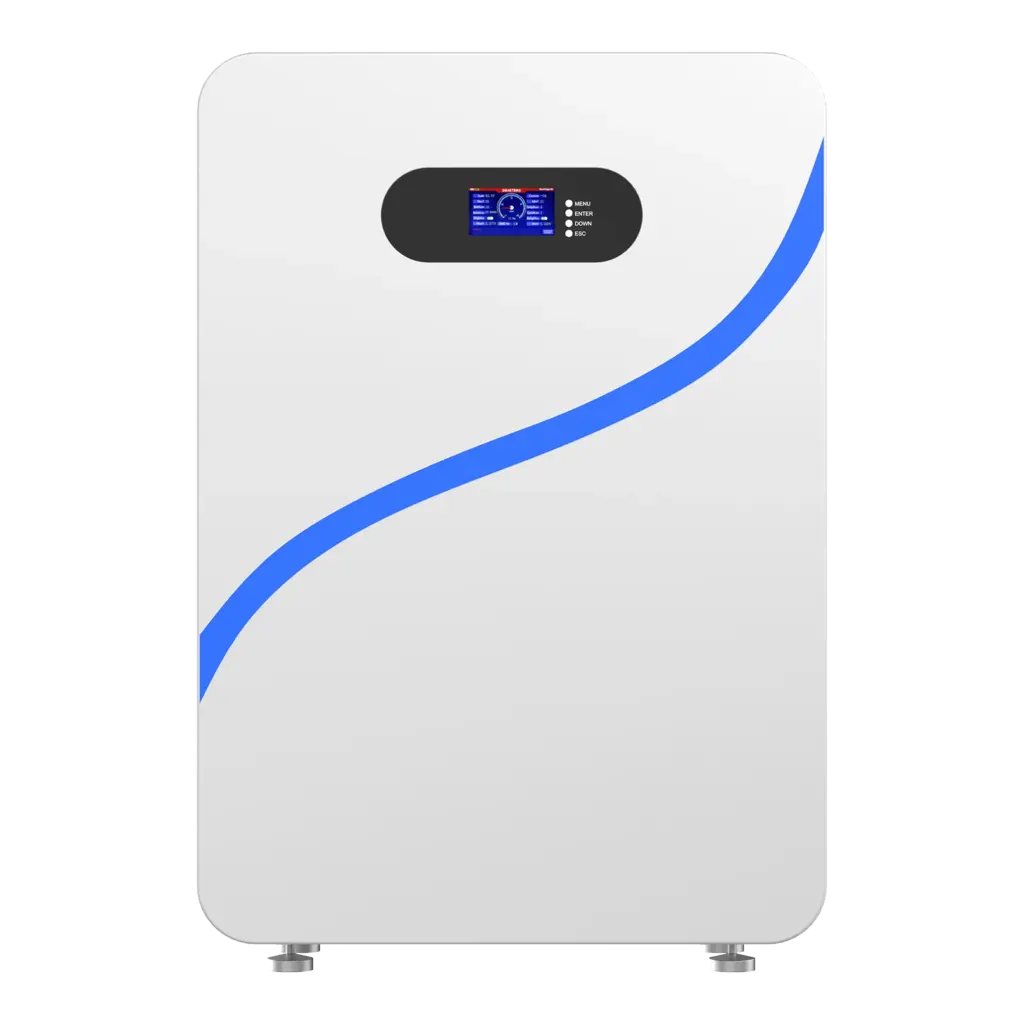
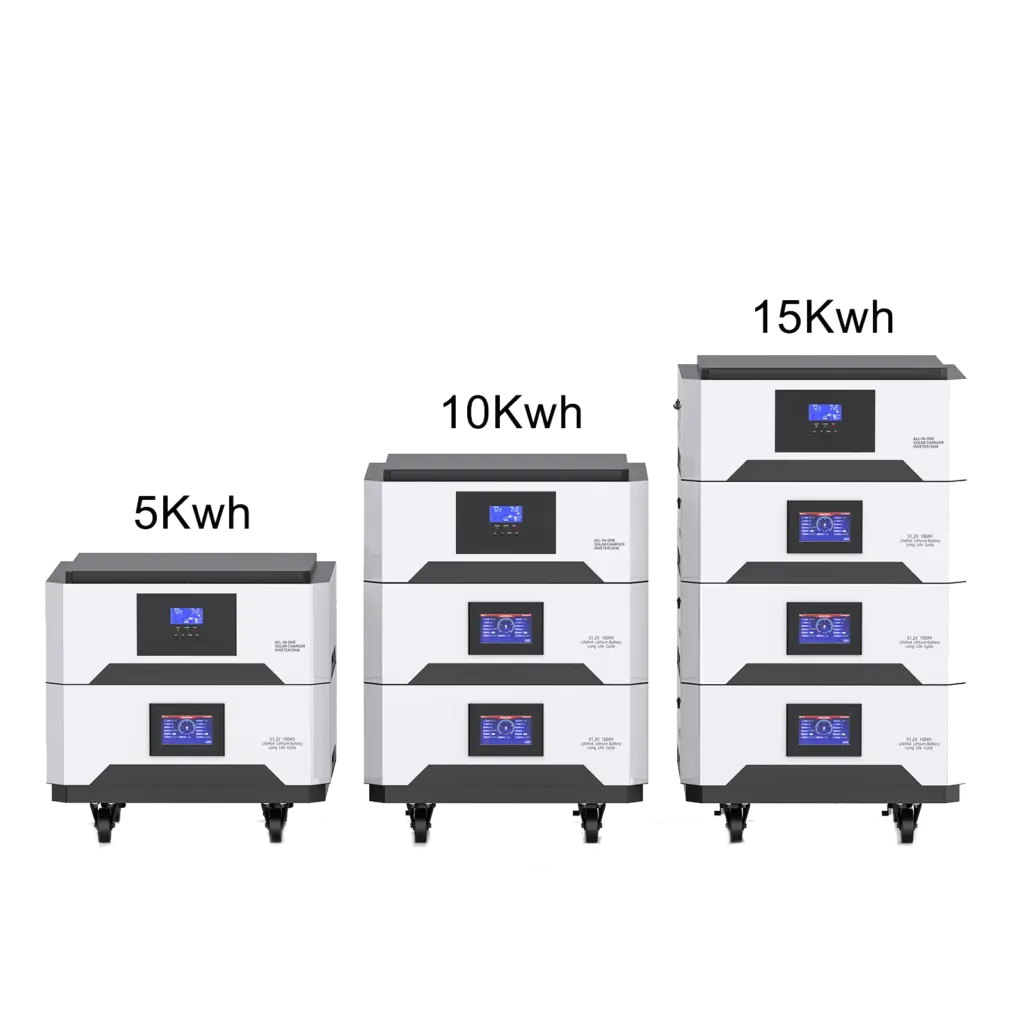
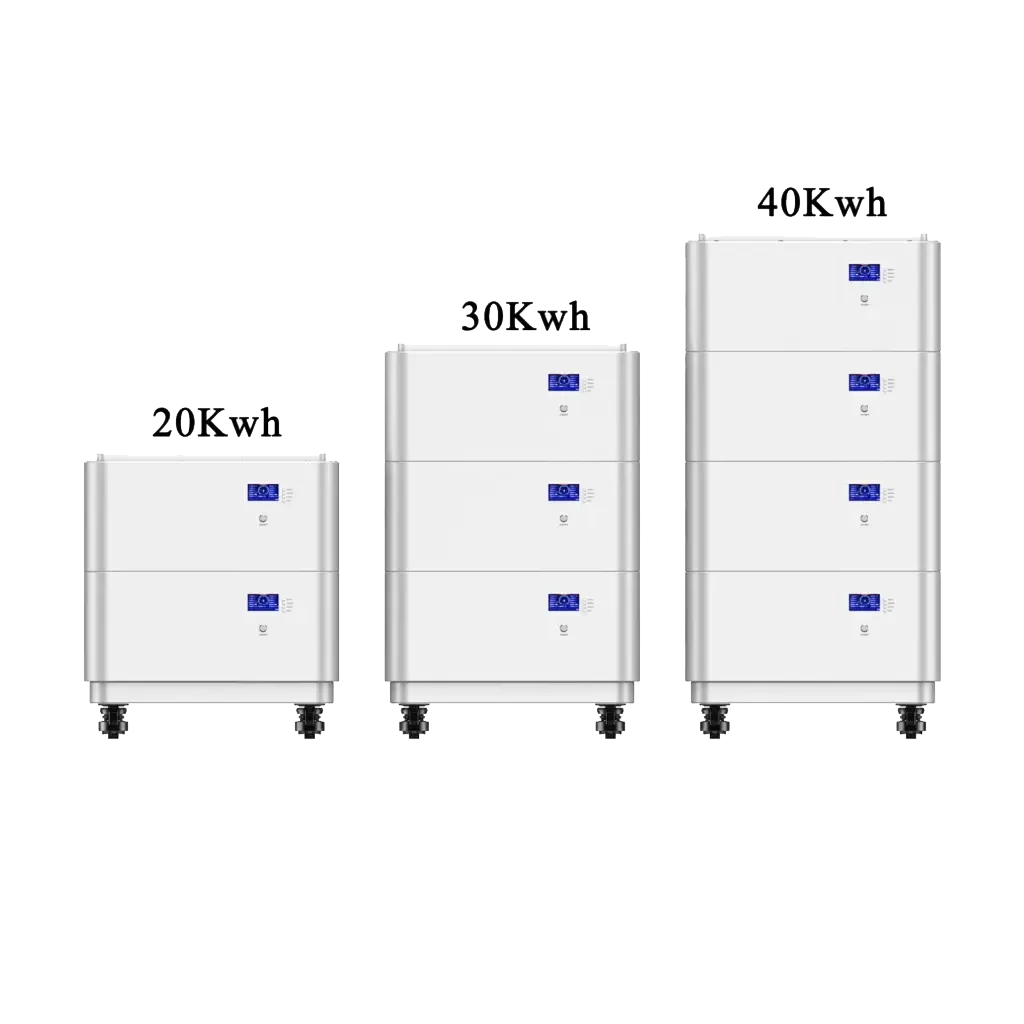
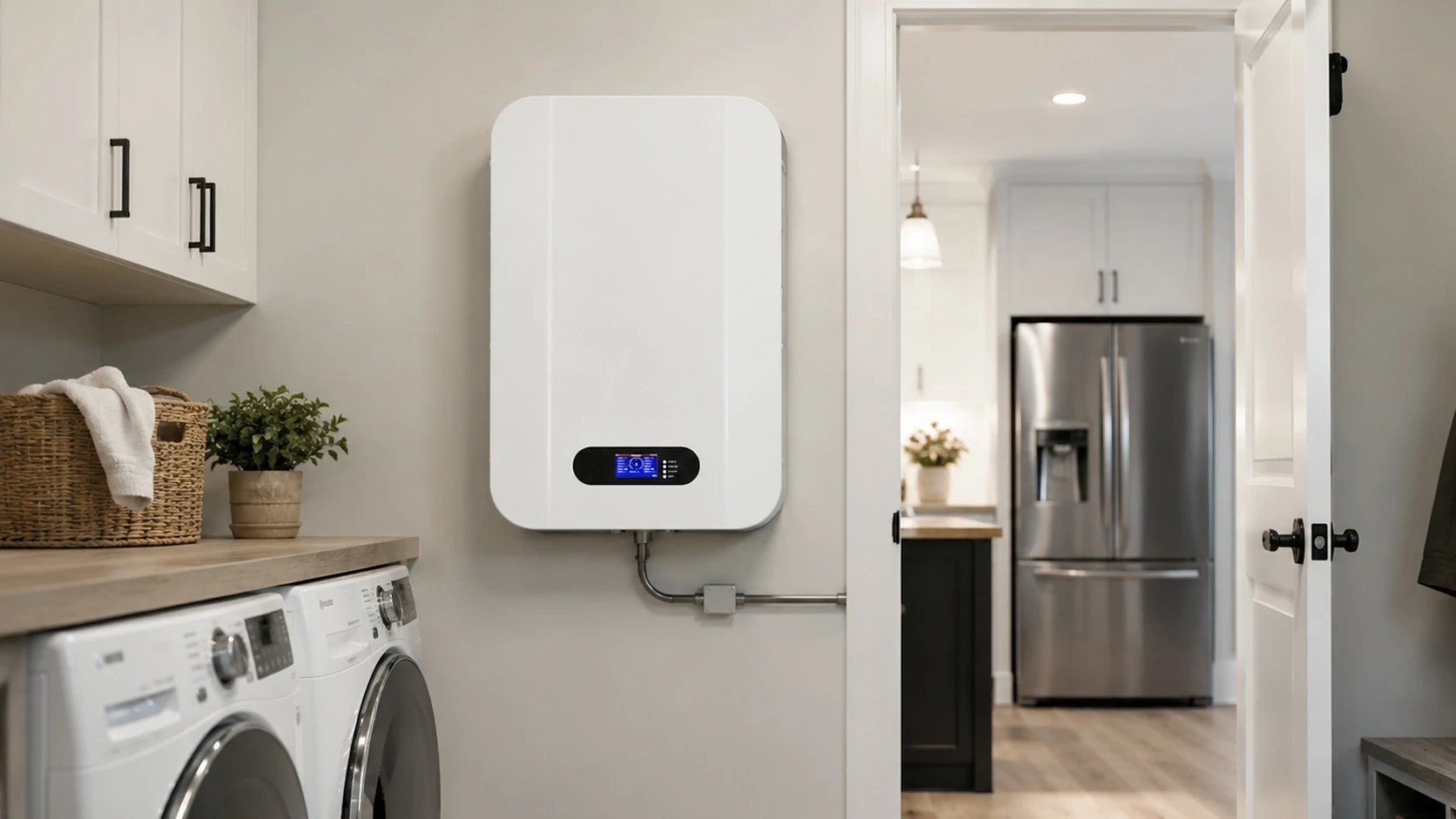
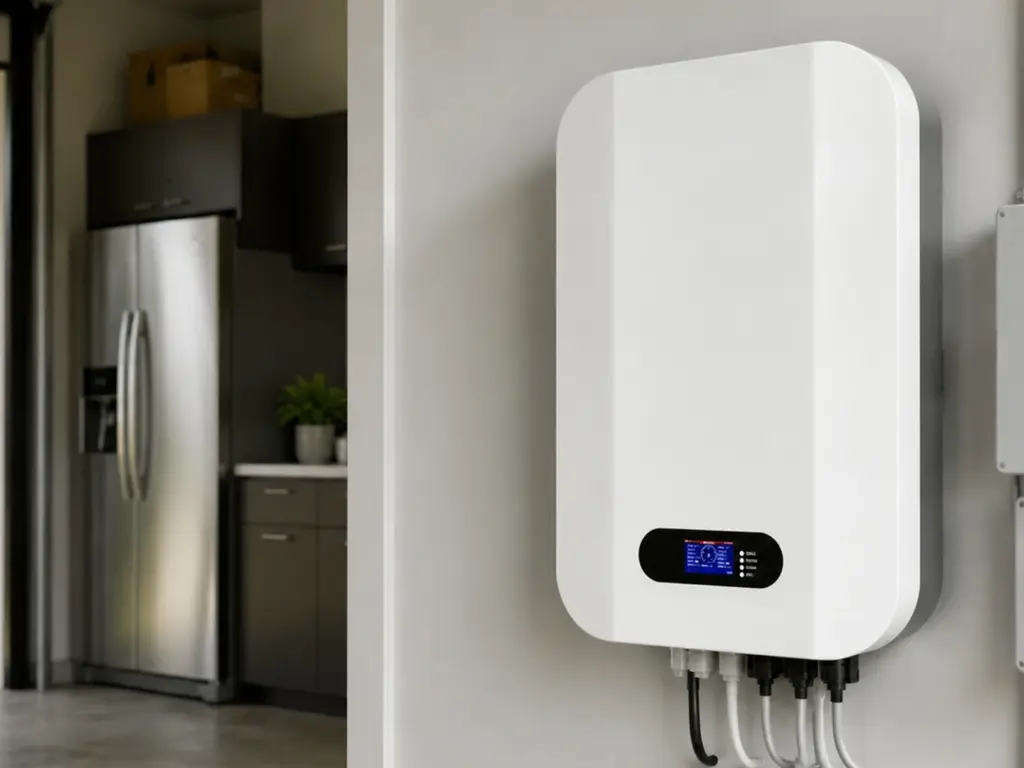
Avepower provides residential storage options such as 48V 200Ah 10kWh Powerwall-style batteries and 5kWh, 10kWh and 15kWh stackable solar batteries, giving installers and distributors more flexibility when matching capacity to household needs.
Looking for a Reliable 10 kWh Battery Solution?
Avepower supports residential energy storage projects with LiFePO4 battery systems, integrated BMS protection, inverter communication options and OEM/ODM customization for installers, distributors and project partners.
How Much Does a 10 kWh Battery Cost in 2026?
The cost of a 10 kWh battery depends on the battery brand, inverter design, installation complexity, backup requirements and local incentive rules.
In 2026, a typical installed 10 kWh solar battery around A$8,000–A$12,000, with final cost depending on brand, inverter type, backup circuits, switchboard work and rebate eligibility.
What Is Usually Included in the Installed Price?
A proper installed quote should clearly separate:
- Battery unit
- Battery inverter or hybrid inverter
- Gateway, backup box or transfer equipment
- Circuit protection
- Cabling and mounting
- Switchboard upgrades
- Monitoring setup
- Commissioning
- Compliance paperwork
- Warranty terms
- Optional backup load panel
A cheap quote that excludes backup circuits, switchboard work or inverter replacement may not be comparable with a more complete system quote.
How Australia’s 2026 Battery Rebate Affects 10 kWh Batteries
The Australian Government says eligible systems must be between 5 kWh and 100 kWh nominal capacity, with STCs applying to the first 50 kWh of usable capacity. The battery and inverter must be on the relevant approved product lists, and installation must be performed by accredited professionals.
From 1 May 2026, the STC factor changed to 6.8 for May–December 2026. The support also became tiered by system size:
- 0–14 kWh: 100% STC factor
- More than 14–28 kWh: 60% STC factor
- More than 28–50 kWh: 15% STC factor
This structure makes 10 kWh batteries especially relevant because they sit inside the first full-support tier. The official program also warns that bigger is not always better: an oversized battery can reduce the benefit if your solar system cannot fill it or your home does not discharge it regularly.
For a 10 kWh battery buyer, the key takeaway is simple: choose the battery size based on actual energy use, not just the maximum rebate available.
How Much Solar Do You Need to Charge a 10 kWh Battery?
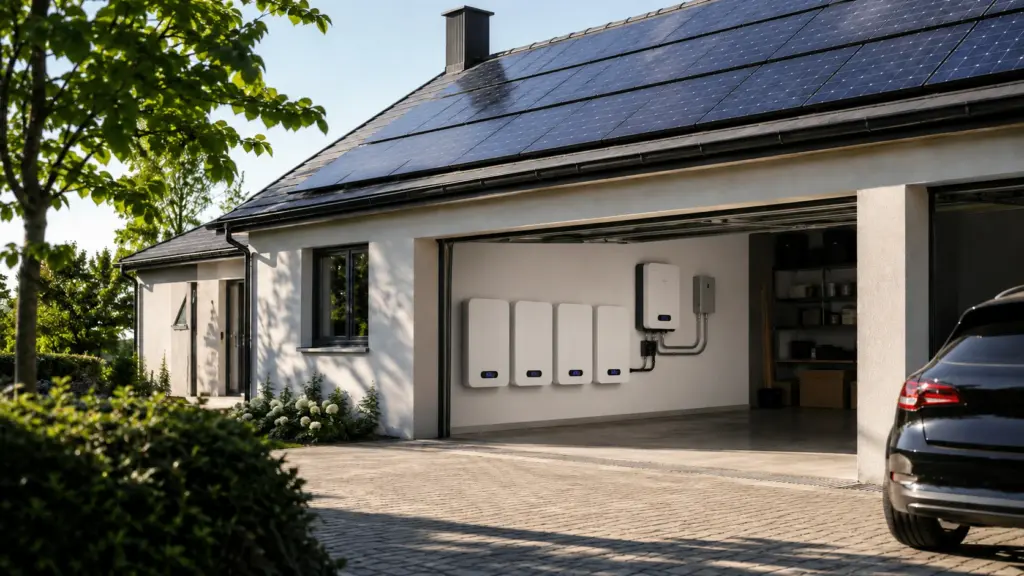
Most homes pair a 10 kWh battery with a solar system between 5 kW and 10 kW, depending on roof space, climate, daytime loads and seasonal energy production.
Your solar system must first power daytime loads, then produce enough surplus energy to recharge the battery.
For many homes, a 6.6 kW solar system may often produce enough surplus on sunny days to charge a 10 kWh battery, but winter, shading, cloudy weather and high daytime usage can reduce available surplus. A larger 8–10 kW solar system may be better for homes with higher electricity use, all-electric appliances or future EV charging plans.
A useful sizing logic is:
- Estimate your daily solar production.
- Subtract daytime household consumption.
- Check how much surplus remains for battery charging.
- Compare that surplus with the battery’s usable capacity.
- Allow for seasonal reduction in winter.
For example:
| Solar System Size | Possible Daily Generation | Match with 10 kWh Battery |
|---|---|---|
| 3–4 kW | Limited surplus after daytime loads | May not fully charge daily |
| 5–6.6 kW | Common residential pairing | Often suitable for moderate users |
| 7–10 kW | More surplus energy | Better for larger homes or future expansion |
| 10 kW+ | Strong generation potential | May support larger or expandable storage |
A 10 kWh battery is not just about the battery. It should be matched with the solar array, inverter, load profile and backup goal.
For readers still comparing system sizes, Avepower’s guide to a 6 kW solar system can be used as a supporting internal resource when explaining why solar production and storage capacity should be designed together.
10 kWh Battery for Installers, Distributors and OEM Partners
For trade buyers, a 10 kWh battery is not only a home storage product. It is also a high-demand standard capacity for residential solar packages, retrofit projects and channel distribution.
A strong 10 kWh battery product line should offer:
- Technical support for installers
- Stable LiFePO4 cell supply
- Clear BMS protection logic
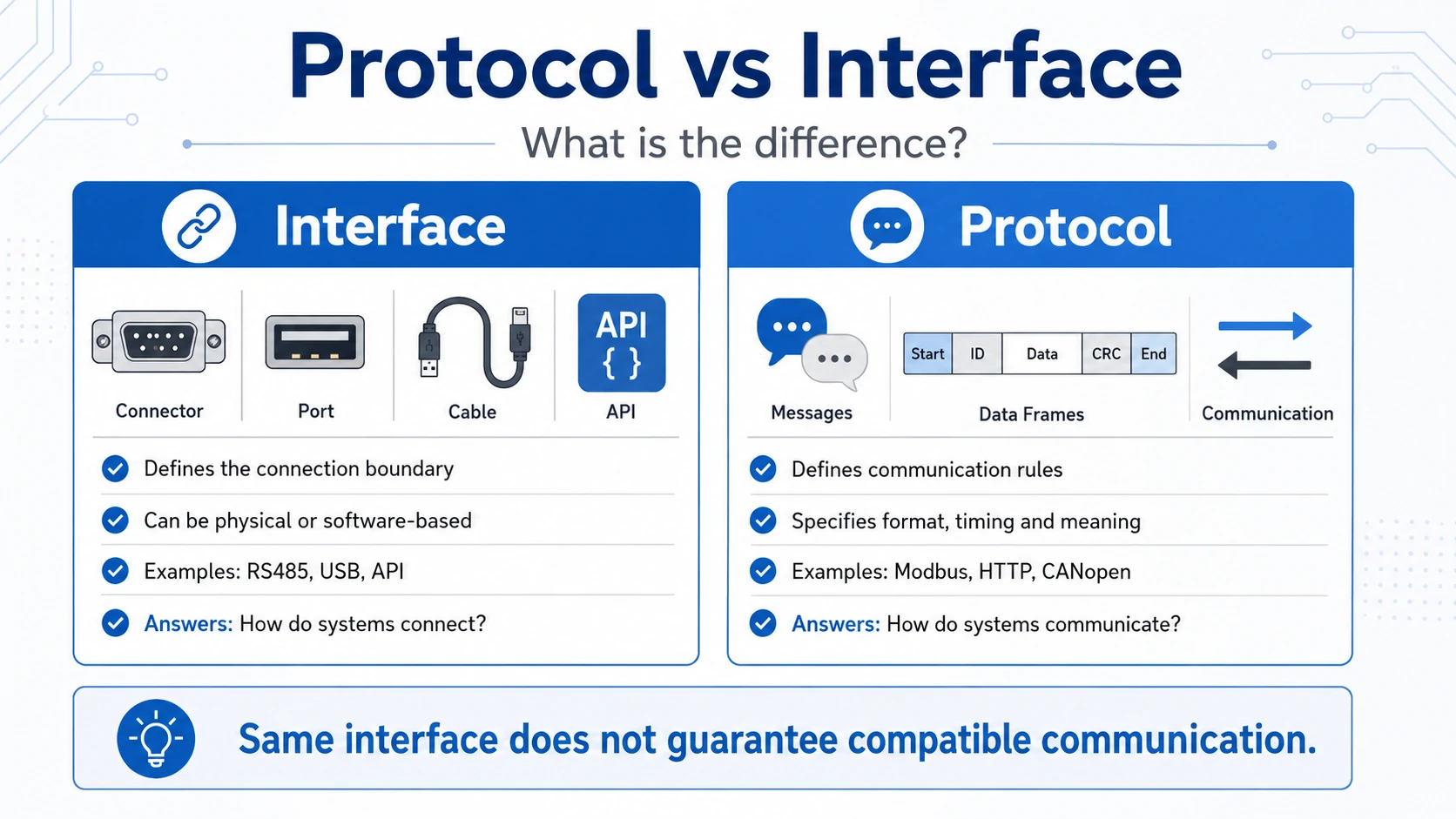
- Mainstream inverter protocol matching
- CAN / RS485 communication options
- Reliable cycle performance
- Consistent enclosure design
- Certification document support
- Packaging suitable for export
- Custom label and branding options
- Flexible MOQ and delivery planning
Avepower supports project partners with residential LiFePO4 battery systems, OEM/ODM customization, product configuration support and documentation for certifications such as CE, UL, RoHS, UN38.3 and ISO 9001 where applicable. Trade customers can also review Avepower’s page for home battery systems for solar installers and EPC teams or home solar battery wholesale supply.
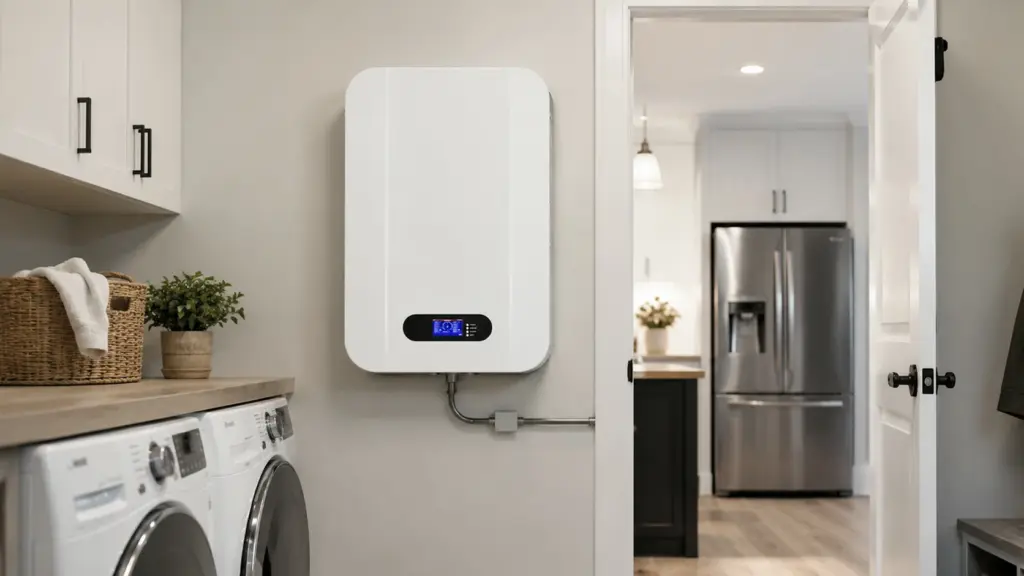
Need a Scalable Home Energy Storage Battery?
Avepower provides wall-mounted, stackable and customized LiFePO4 battery solutions for installers, distributors and OEM/ODM partners. Get technical support, certification documents and flexible battery configurations for your next project.
What Can a 10 kWh Battery Power?
A 10 kWh battery is best understood as an energy budget. Every appliance you run spends part of that budget.
Approximate energy use examples:
| Appliance / Load | Typical Power Use |
|---|---|
| Wi-Fi router | 10–20 W |
| LED lights | 5–15 W each |
| Refrigerator | 100–300 W cycling |
| TV | 80–200 W |
| Laptop | 40–100 W |
| Microwave | 800–1,500 W |
| Washing machine | 500–2,000 W depending on cycle |
| Split-system AC | 500–2,500 W depending on size |
| Electric oven | 2,000–5,000 W |
| EV charger | 3,600–7,000 W+ |
A 10 kWh battery is usually strong for essentials and moderate evening use. It is not ideal if you expect to run heavy electric appliances without managing loads.
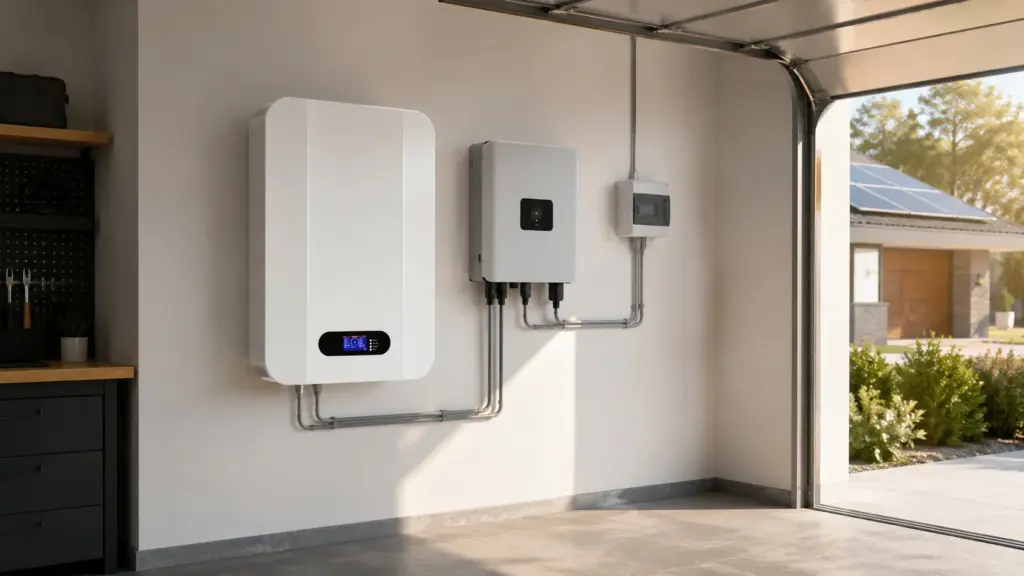
All-in-One Battery System
An all-in-one system combines battery storage, inverter functions and control hardware into a more integrated package. Avepower’s all-in-one home battery system is an example of this approach for buyers or project partners who prefer a simplified architecture.
Best for:
- New builds
- Installer-led solar-plus-storage packages
- Cleaner equipment layout
- Faster system planning
10 kWh Battery Payback
Here is a simplified example.
Assume:
- Battery usable capacity: 9 kWh
- Daily discharge: 7 kWh
- Grid import rate: $0.35/kWh
- Solar feed-in tariff value given up: $0.06/kWh
- Net value per stored kWh: $0.29
- Annual usable battery discharge: 7 kWh × 365 = 2,555 kWh
- Estimated annual value: 2,555 × $0.29 = $741
If the installed cost after incentives is $8,500, simple payback is:
$8,500 ÷ $741 = about 11.5 years
If the home uses more stored energy, has higher peak rates, joins a well-structured VPP, or receives stronger incentives, the payback can be shorter. If the home discharges the battery only occasionally, payback will be longer.
10 kWh Battery vs 5 kWh vs 15 kWh
| Battery Size | Best For | Main Limitation |
|---|---|---|
| 5 kWh | Small homes, light night usage, budget-conscious buyers | May not cover full evening demand |
| 10 kWh | Average homes, solar self-consumption, essential backup | May be limited for high-load homes |
| 15 kWh | Larger homes, longer backup, higher evening use | Higher upfront cost |
| 20 kWh+ | EV-ready homes, rural backup, high electricity users | Needs enough solar and budget |
Conclusion
A 10 kWh battery is one of the most practical home energy storage sizes in 2026 because it balances cost, usable capacity, installation flexibility and everyday value. It is large enough to cover many households’ evening energy use, but still small enough to remain affordable and easy to integrate into residential solar systems.
It is a good option if you want to:
- Store more of your own solar energy
- Reduce evening grid imports
- Improve backup resilience
- Manage time-of-use tariffs
- Start with a modular system
- Avoid oversizing too early
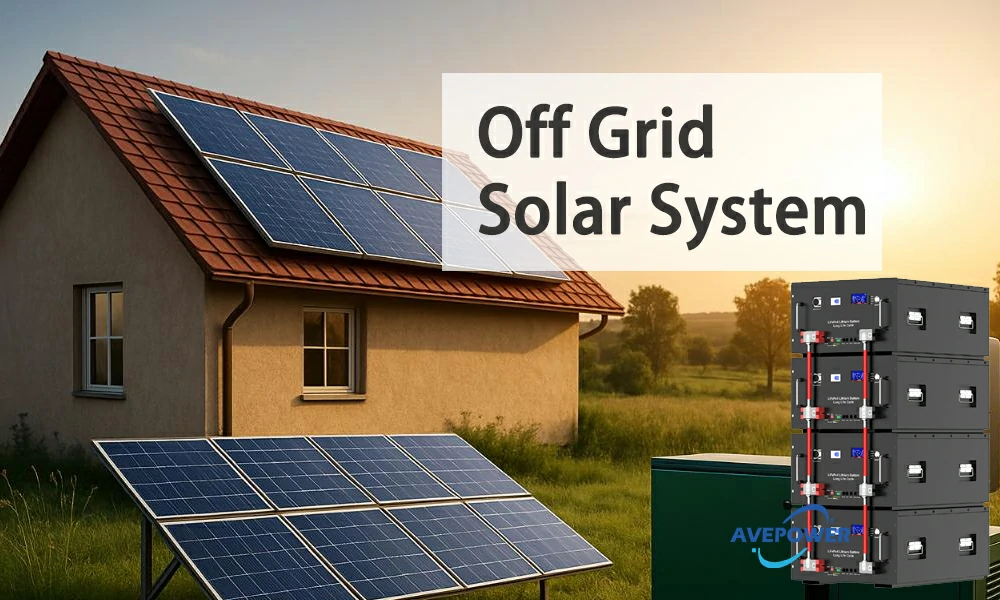
It may not be enough if your goal is whole-home backup, EV charging from battery, full off-grid living or heavy night-time appliance use.
The best buying decision starts with data: check your smart meter, understand your evening load, review your solar export, compare usable capacity and choose a battery platform that can grow with your home.
For project buyers, installers or distributors, Avepower can support 10 kWh battery sourcing with LiFePO4 chemistry, BMS protection, inverter communication options, certification documents and OEM/ODM customization. To explore suitable configurations, visit Avepower’s wall-mounted battery, stackable battery or residential energy storage solution pages.
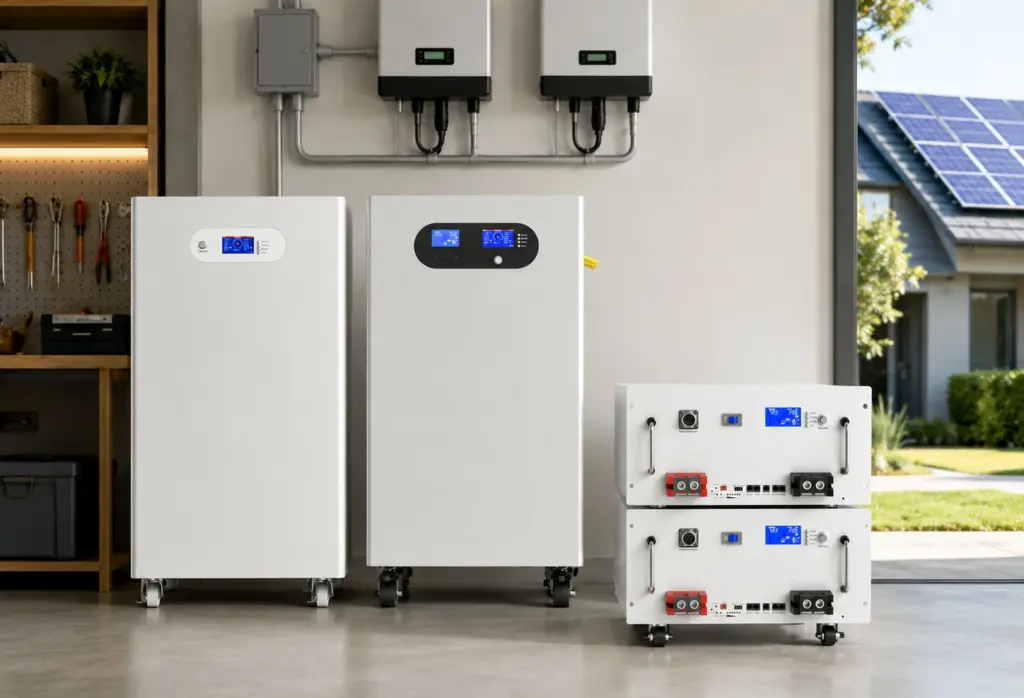
Take Control of Your Energy with Avepower!
Reliable home solar battery solutions with OEM/ODM customization and in-house manufacturing, tailored to the needs of distributors, installers, and energy partners.
FAQ
Many lithium batteries provide around 90–95% usable capacity, so a 10 kWh battery may deliver about 9–9.5 kWh before reserve settings and system losses.
Many homes pair a 10 kWh battery with a 5 kW to 8 kW solar system, but the right size depends on location, roof conditions, daytime usage and seasonal generation.
It depends on the load. A 10 kWh battery may run essential loads for 8–14 hours, but heavy appliances can reduce runtime to only a few hours.
Compare usable capacity, continuous output, peak output, warranty, chemistry, backup function, inverter compatibility, certifications, monitoring and expansion options.