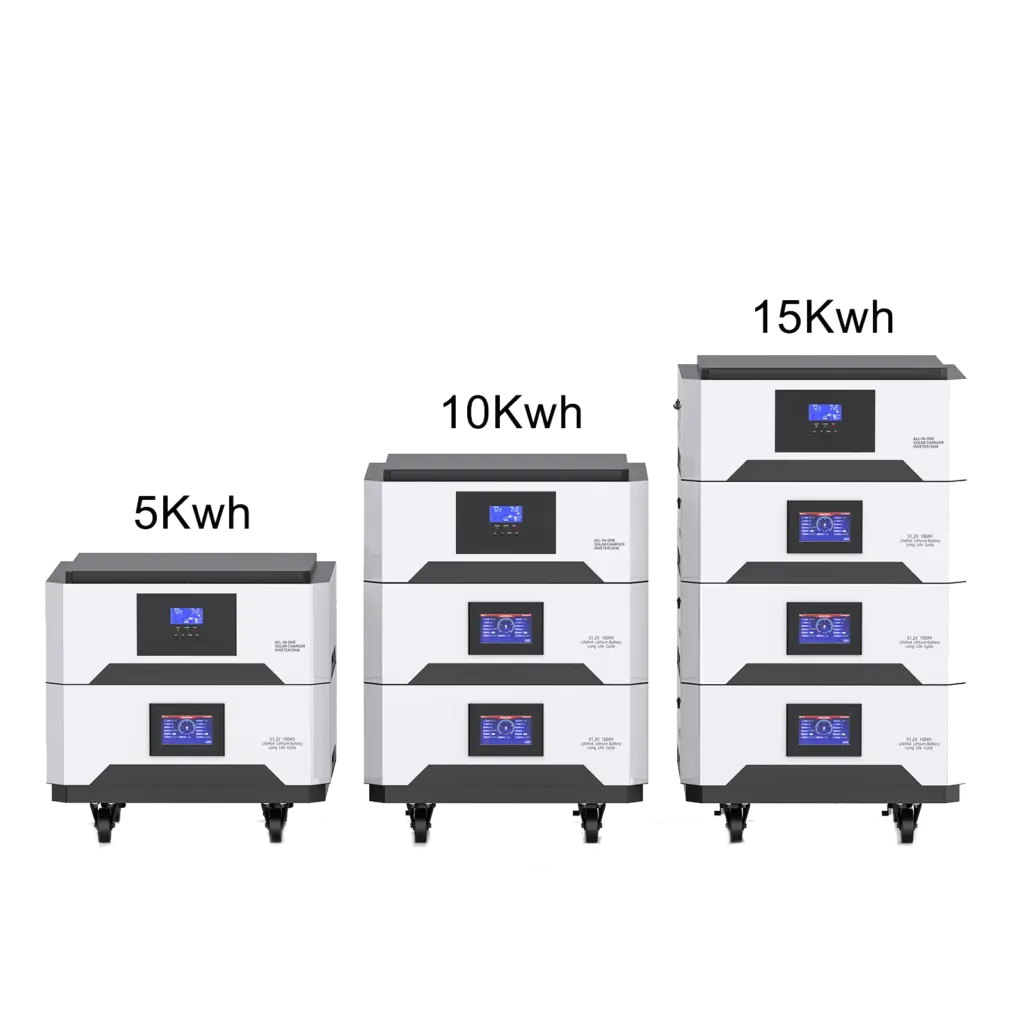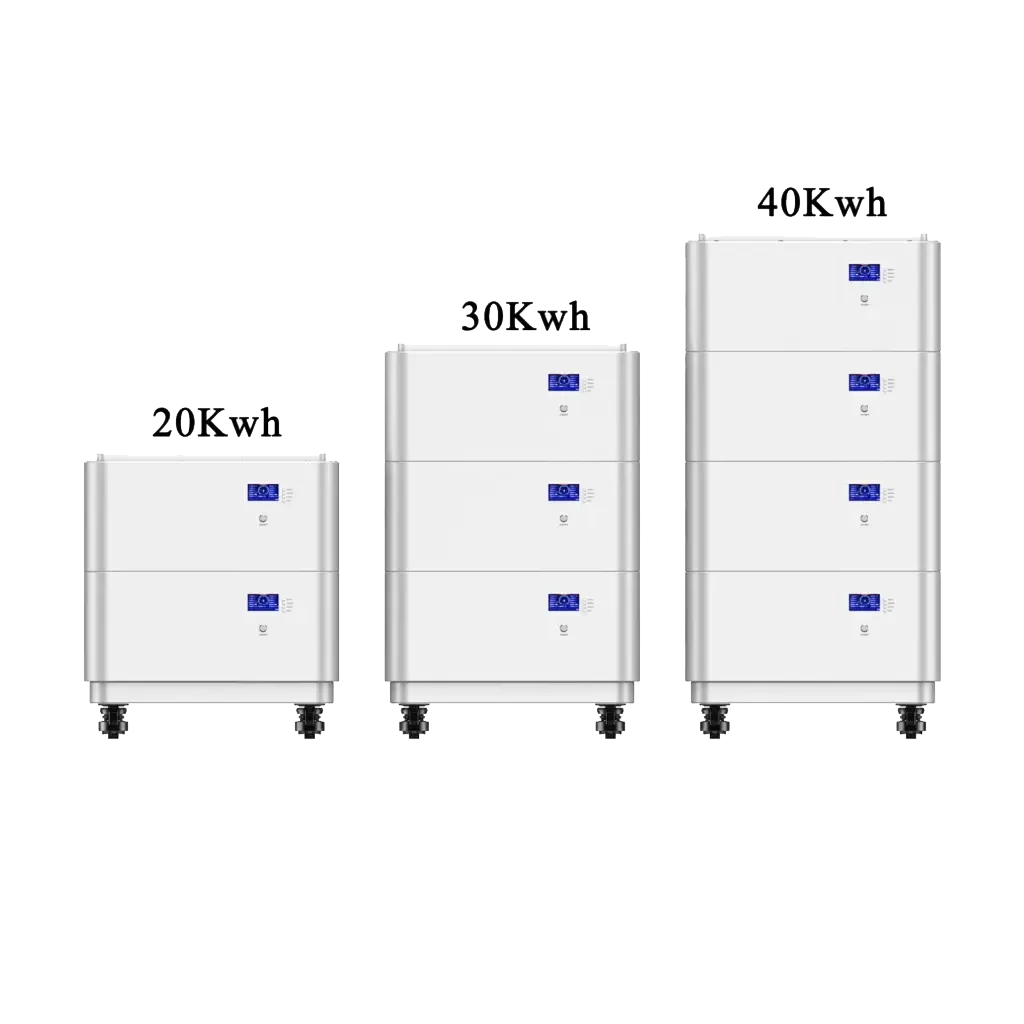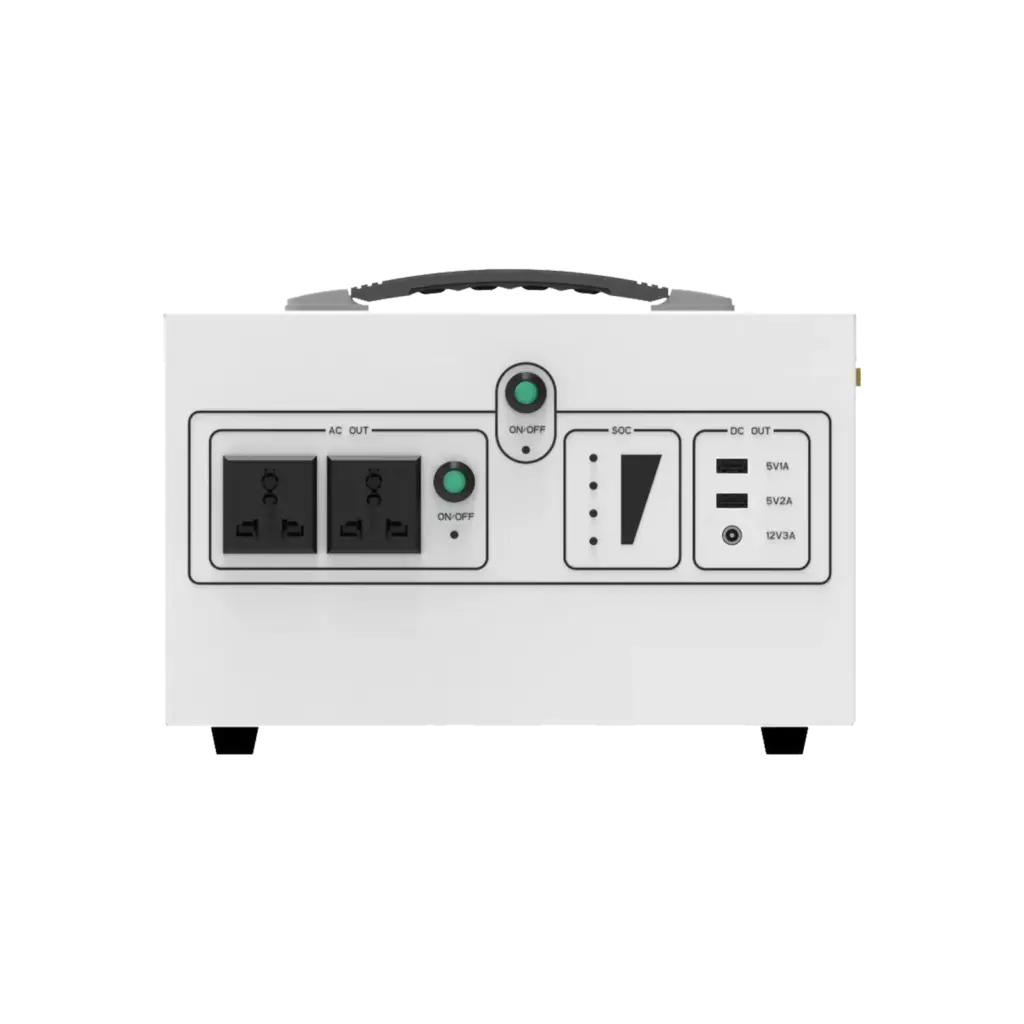

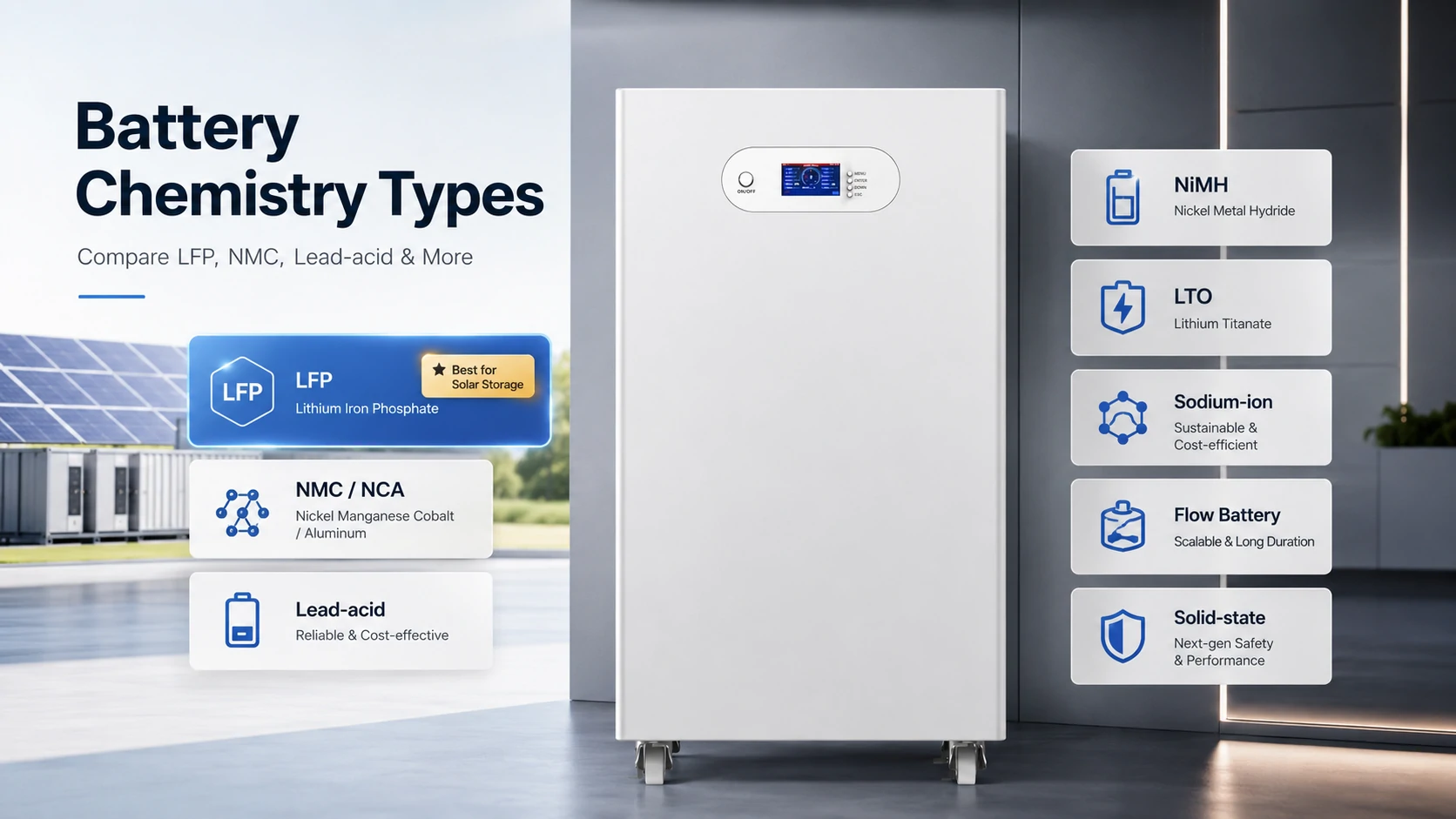
Battery chemistry determines how a battery stores energy and strongly influences its voltage, weight, power capability, charging behavior, service life, temperature tolerance and material cost. No chemistry is universally best: LFP usually suits daily stationary storage, NMC favors compact mobile systems, lead-acid remains useful for low-cost standby applications, and flow batteries fit selected long-duration projects.
The more useful question is therefore not “Which battery chemistry is best?” but “Which chemistry provides the right balance of safety, usable energy, lifetime throughput, power, size, cost and supply-chain support for this application?”
What Are Battery Chemistry Types?
Battery chemistry types are classifications based primarily on the active materials used in a cell’s positive electrode, negative electrode and electrolyte. Changing these materials changes the voltage and electrochemical reaction, which in turn affects how much energy the cell stores, how quickly it can release power and how it ages.
Every battery cell contains an anode, a cathode and an electrolyte. During operation, electrons move through the external circuit while ions move through the electrolyte. The materials selected for these components determine the cell’s electrochemical properties.
Cylindrical, pouch and prismatic describe the physical construction of a cell, while LFP, NMC, NiMH and lead-acid describe its chemistry. A 5kWh and a 50kWh system may use the same chemistry, while two batteries with the same capacity may use completely different chemistries.
Primary and Secondary Batteries
Primary batteries are intended for one-time use, whereas secondary batteries use reversible reactions that allow repeated charging and discharging. This distinction should be checked before comparing energy density or cost because a high-energy primary cell is not a substitute for a rechargeable solar, vehicle or backup battery.
Common primary chemistries include:
- Alkaline zinc–manganese dioxide
- Zinc-carbon
- Primary lithium metal
- Silver oxide
- Zinc-air
Common rechargeable chemistries include:
- Lead-acid
- Nickel-metal hydride
- Nickel-cadmium
- Lithium-ion
- Sodium-ion
- Flow batteries
What Are the Main Battery Chemistry Types?
The main commercial battery chemistry types include alkaline, primary lithium, lead-acid, NiMH, NiCd and several lithium-ion variants. Sodium-ion and flow batteries are becoming more relevant in stationary storage, while solid-state, lithium-sulfur and metal-air systems remain emerging technologies with different levels of commercial readiness.
| Battery Chemistry | Rechargeable | Relative Energy Density | Cycle-life Potential | Main Advantage | Common Applications | Main Limitation |
|---|---|---|---|---|---|---|
| Alkaline | No | Medium | Not applicable | Low cost and long shelf life | Remotes, clocks, toys | Disposable and poor for repeated high loads |
| Primary lithium | No | High | Not applicable | High energy and long storage life | Sensors, meters, medical devices | Cannot normally be recharged |
| Lead-acid | Yes | Low | Low to medium | Low initial cost and mature recycling | Starter batteries, UPS, standby power | Heavy and sensitive to deep cycling |
| NiMH | Yes | Medium | Medium | Robust and relatively abuse-tolerant | Rechargeable AA/AAA cells, hybrid vehicles | Higher self-discharge and heat generation |
| NiCd | Yes | Low to medium | High | Strong high-rate and temperature performance | Aviation and industrial backup | Cadmium toxicity and regulatory restrictions |
| LFP | Yes | Medium to high | High to very high | Thermal stability and long cycle life | Solar storage, BESS, backup, buses | Lower energy density than NMC |
| NMC/NCA | Yes | High | Medium | High energy in limited volume or weight | EVs, mobile equipment, electronics | Greater thermal-management demands |
| LTO | Yes | Low | Very high | Fast charging, cold performance and longevity | Buses, UPS and specialty equipment | High cost and low energy density |
| Sodium-ion | Yes | Medium | Developing | Abundant materials and cold-weather potential | Stationary storage and short-range mobility | Lower energy density and immature supply chain |
| Flow battery | Yes | Low volumetric density | Very high | Energy capacity can be scaled with electrolyte tanks | Long-duration grid and microgrid storage | Pumps, tanks, space and system complexity |
| Solid-state | Yes | Potentially high | Not proven at scale | Potential safety and energy-density gains | Future EV and specialist applications | Manufacturing and interface challenges |
Cell design, electrode formulation, thermal management, depth of discharge, charge rate and test endpoint can substantially change actual performance.
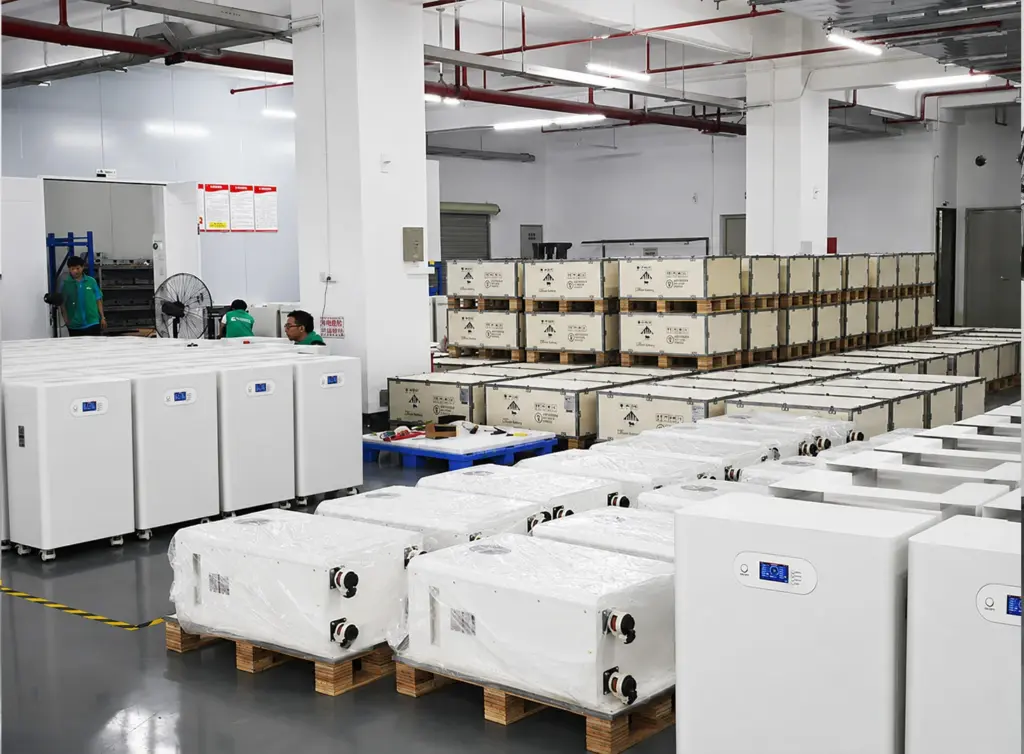
Need a Reliable LiFePO4 Battery Solution?
Explore Avepower’s wall-mounted, rack-mounted, stackable and high-voltage LiFePO4 battery systems for residential and commercial energy storage projects.
How Do Lithium-Ion Battery Chemistries Differ?
Lithium-ion is an umbrella term covering several cathode and anode combinations. LFP prioritizes stability and life, NMC and NCA prioritize energy density, LCO serves compact electronics, LMO provides high power, and LTO changes the anode to achieve rapid charging and exceptional cycle performance at higher cost.
| Lithium-ion Type | Full Name | Primary Strength | Typical Use | Main Trade-off |
|---|---|---|---|---|
| LFP | Lithium iron phosphate | Stability, cycle life and material-cost control | Solar storage, BESS, buses and backup | Lower energy density |
| NMC | Lithium nickel manganese cobalt oxide | Balanced energy and power | EVs, tools and mobile systems | Thermal control and critical-material exposure |
| NCA | Lithium nickel cobalt aluminum oxide | High specific energy | Long-range EVs and specialist systems | More demanding protection requirements |
| LCO | Lithium cobalt oxide | High specific energy in small cells | Phones, laptops and cameras | Shorter life and lower thermal tolerance |
| LMO | Lithium manganese oxide | Power capability and relatively stable operation | Power tools, medical devices and blended EV cells | Lower capacity and calendar life |
| LTO | Lithium titanate, normally used as the anode | Fast charging, low-temperature operation and long life | Buses, UPS and high-cycle systems | Low energy density and high price |
A battery advertised simply as “lithium” does not provide enough information for proper selection. Buyers should ask for the exact cathode chemistry, anode type, cell manufacturer, cycle test conditions, BMS limits and complete pack specifications.
For a more focused stationary-storage comparison, see Avepower’s guide to LFP vs NMC batteries. A separate guide explaining what solar batteries are made of covers electrodes, electrolytes, separators, conductors and system electronics.
Which Battery Chemistry Is Best for Each Application?
The best chemistry depends on the duty cycle rather than the product label. Daily solar cycling usually favors LFP, weight-sensitive mobility favors NMC or NCA, infrequent low-cost standby may still use lead-acid, and long-duration grid projects may justify flow or other purpose-designed technologies.
| Application | Usually Suitable Chemistry | Why | When it May Not Fit |
|---|---|---|---|
| Residential solar storage | LFP | Long cycle life, stability and high usable capacity | Where installation space is extremely restricted |
| C&I battery storage | LFP | Daily cycling, scalable packs and lower lifetime cost | Very long-duration projects may suit other technologies |
| Long-range EV | NMC or NCA | High gravimetric and volumetric energy density | Cost-sensitive, standard-range vehicles may prefer LFP |
| Entry-level or fleet EV | LFP | Cost, life and reduced cobalt/nickel exposure | Extremely cold or weight-sensitive operation |
| Engine starting | Lead-acid | High surge current and low initial cost | Deep-cycle daily storage |
| Infrequent UPS backup | Lead-acid, LFP or NiCd | Depends on budget, life and operating environment | Selection must reflect replacement and maintenance cost |
| Rechargeable household cells | NiMH | Compatible form factors and safe handling | High-energy mobile devices |
| Fast-charge, high-cycle equipment | LTO | Strong rate capability and life | Projects with strict cost or weight limits |
| Long-duration grid storage | Flow or other long-duration systems | Independent scaling of energy and power | Small residential systems or space-constrained sites |
| Emerging cold-climate storage | Sodium-ion | Promising cold performance and material availability | Projects requiring mature global service networks today |
Why Is LFP Common in Solar and Stationary Energy Storage?
LFP is usually the strongest all-round choice for daily stationary storage because fixed installations can tolerate slightly lower energy density while benefiting from long cycle life, stable cathode behavior, high usable capacity and lower material cost. Chemistry alone is not sufficient, but it gives system designers a strong foundation.
Stationary storage differs from an EV because the battery does not have to travel with the user. A modest increase in cabinet size or weight is often acceptable if it improves lifetime, safety margins and operating cost.
LFP is particularly suitable when a system will:
- Charge and discharge almost every day
- Operate for solar self-consumption or time-of-use shifting
- Support frequent grid outages
- Remain installed close to homes or commercial buildings
- Require modular expansion
- Need predictable replacement planning
- Operate with hybrid inverters or energy management systems
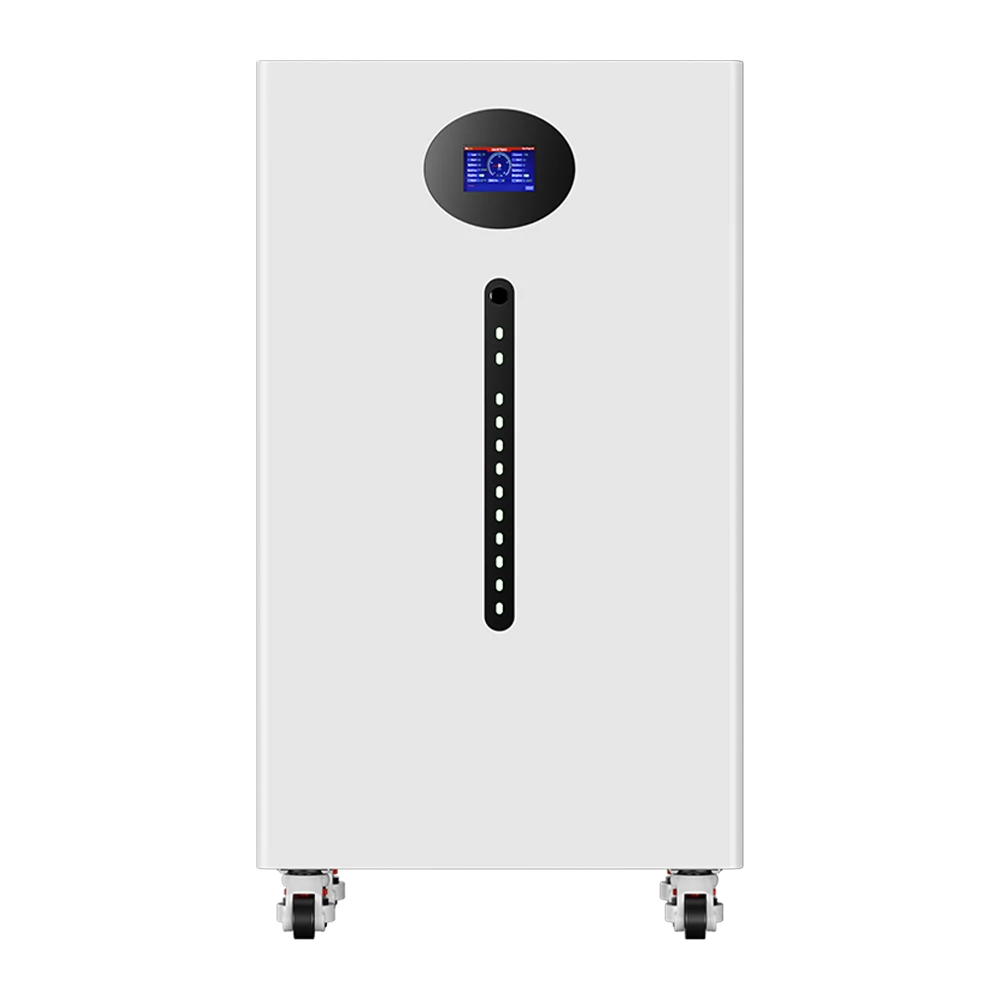
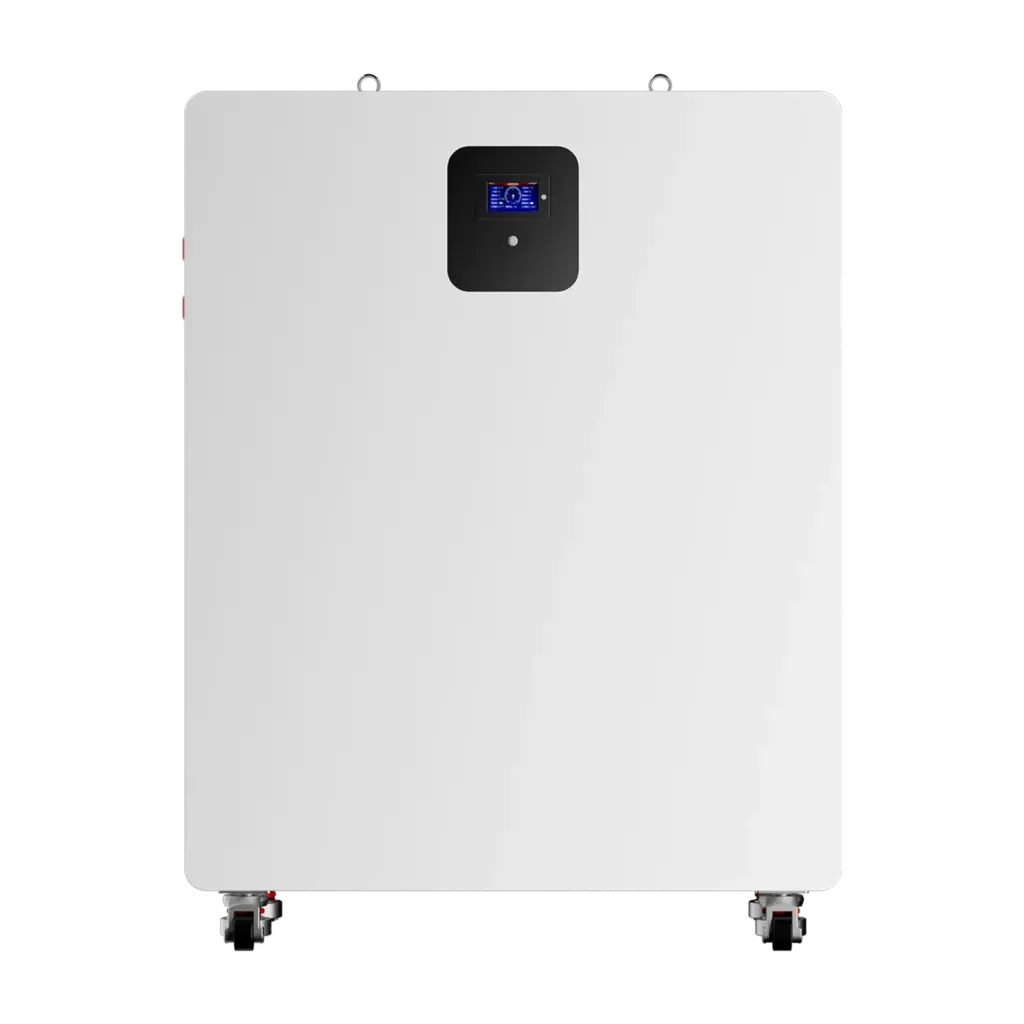
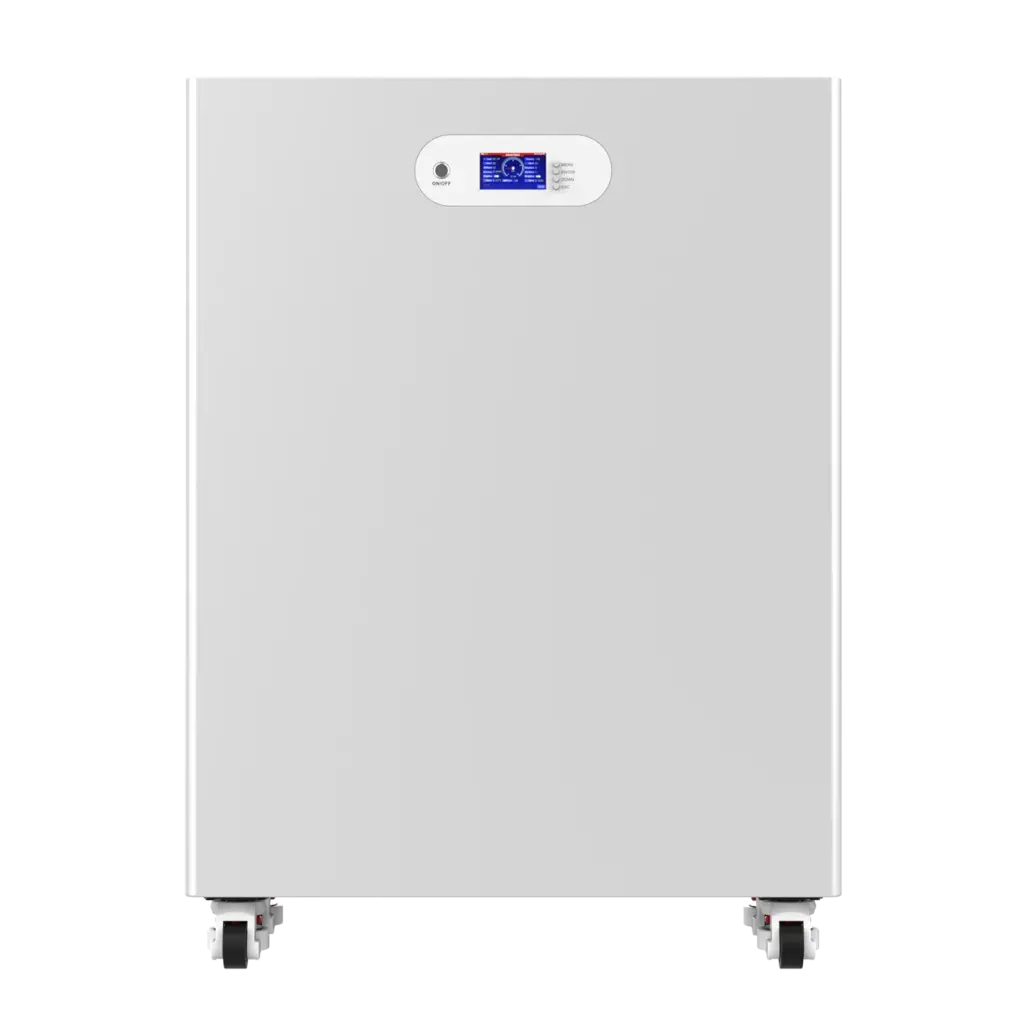
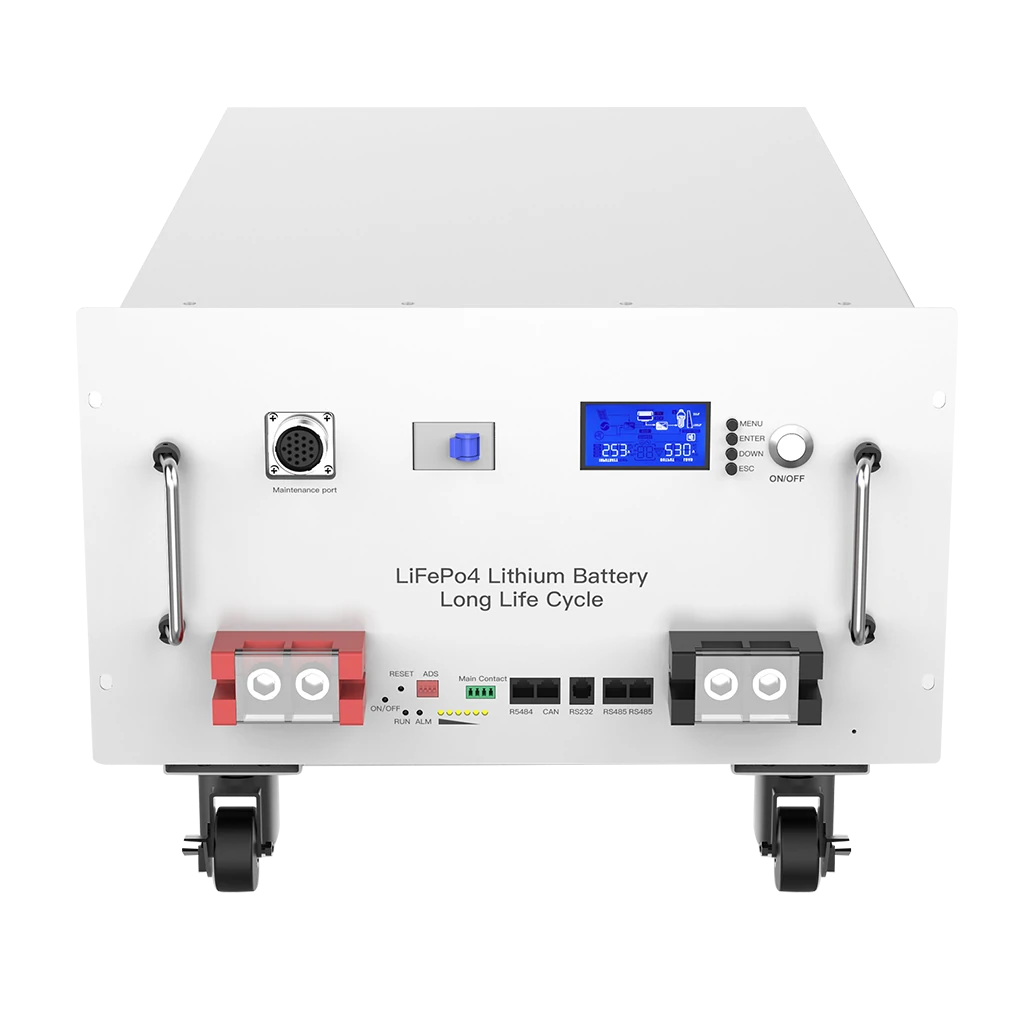
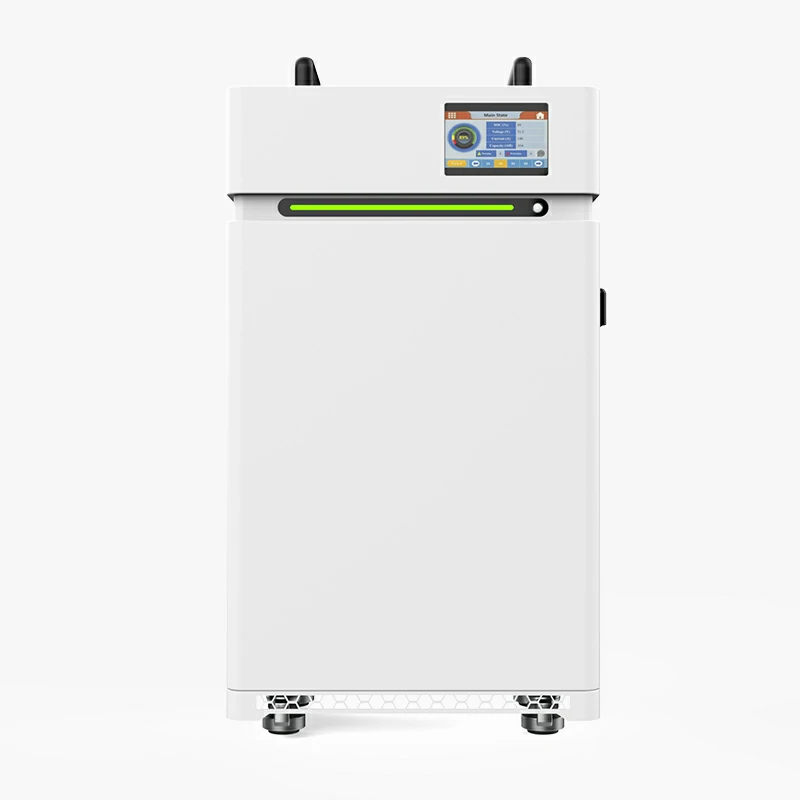
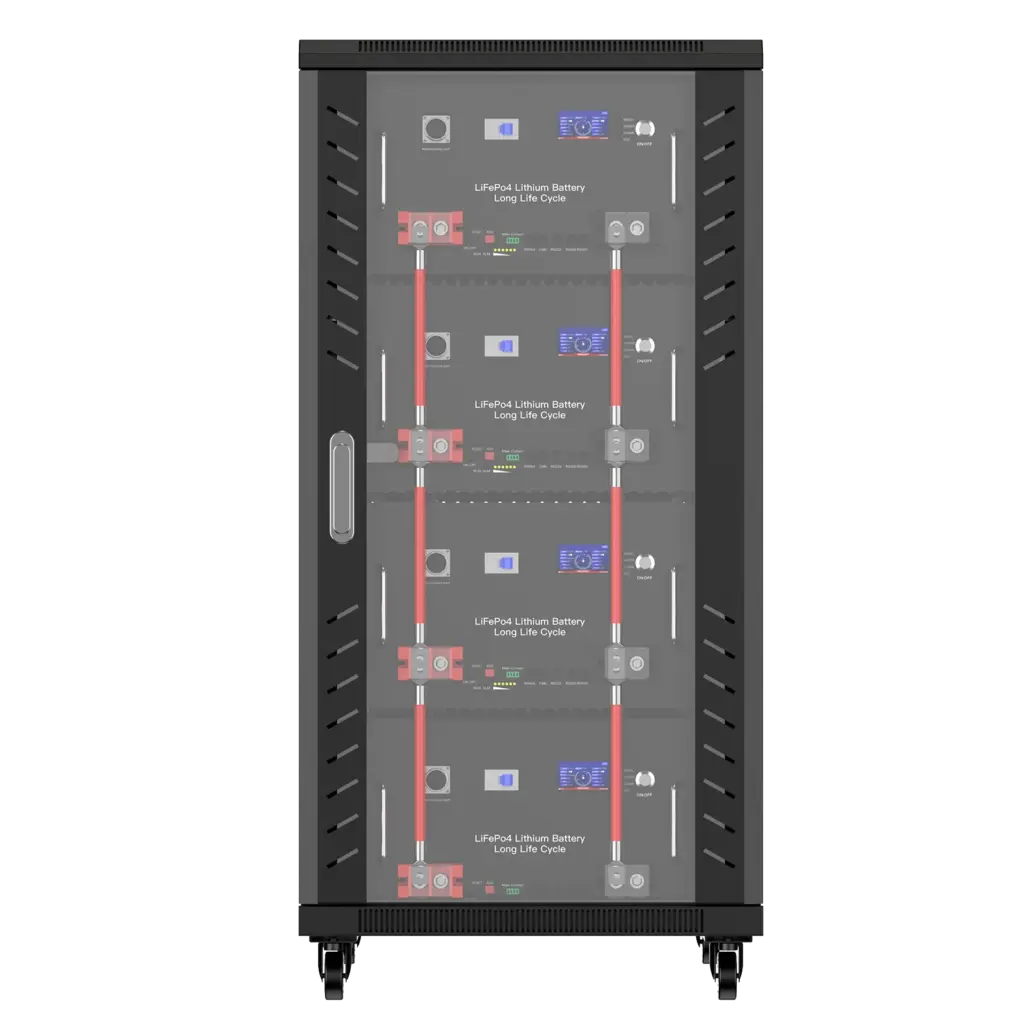
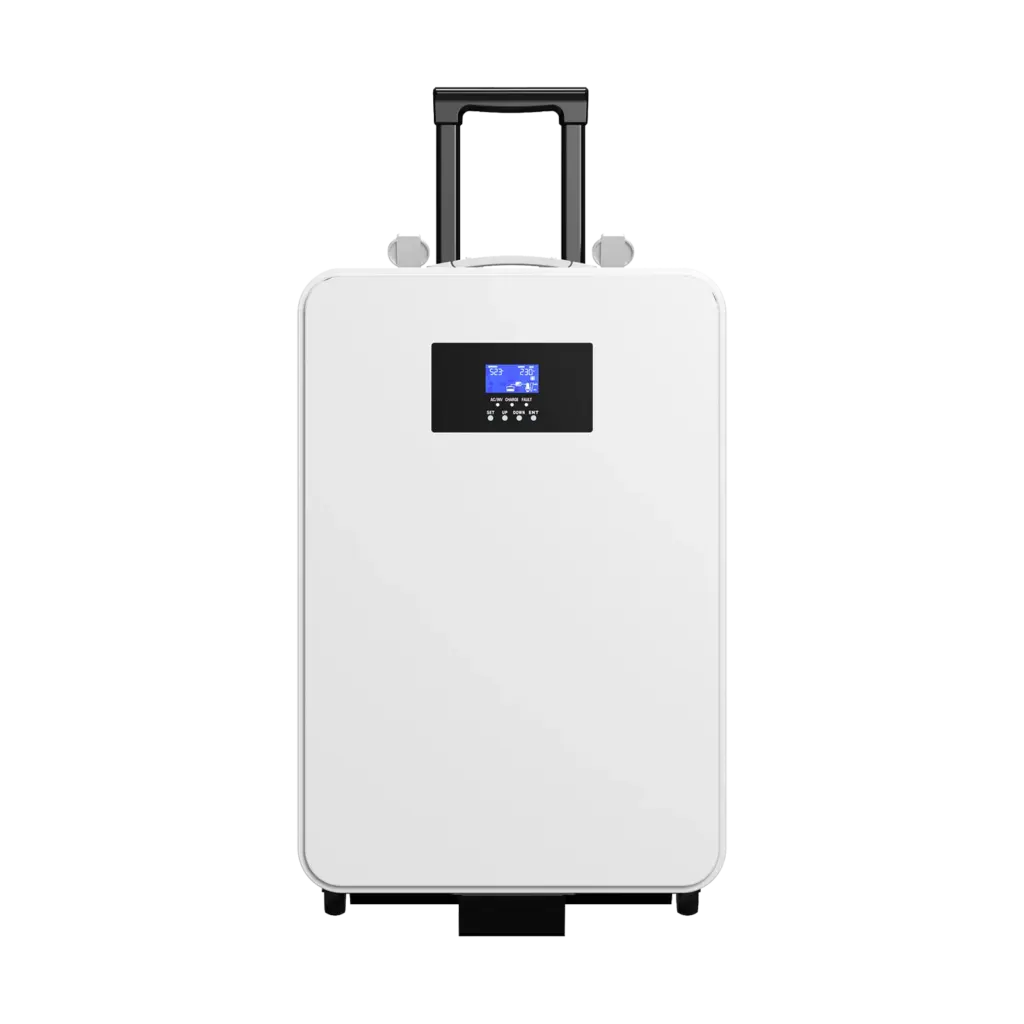
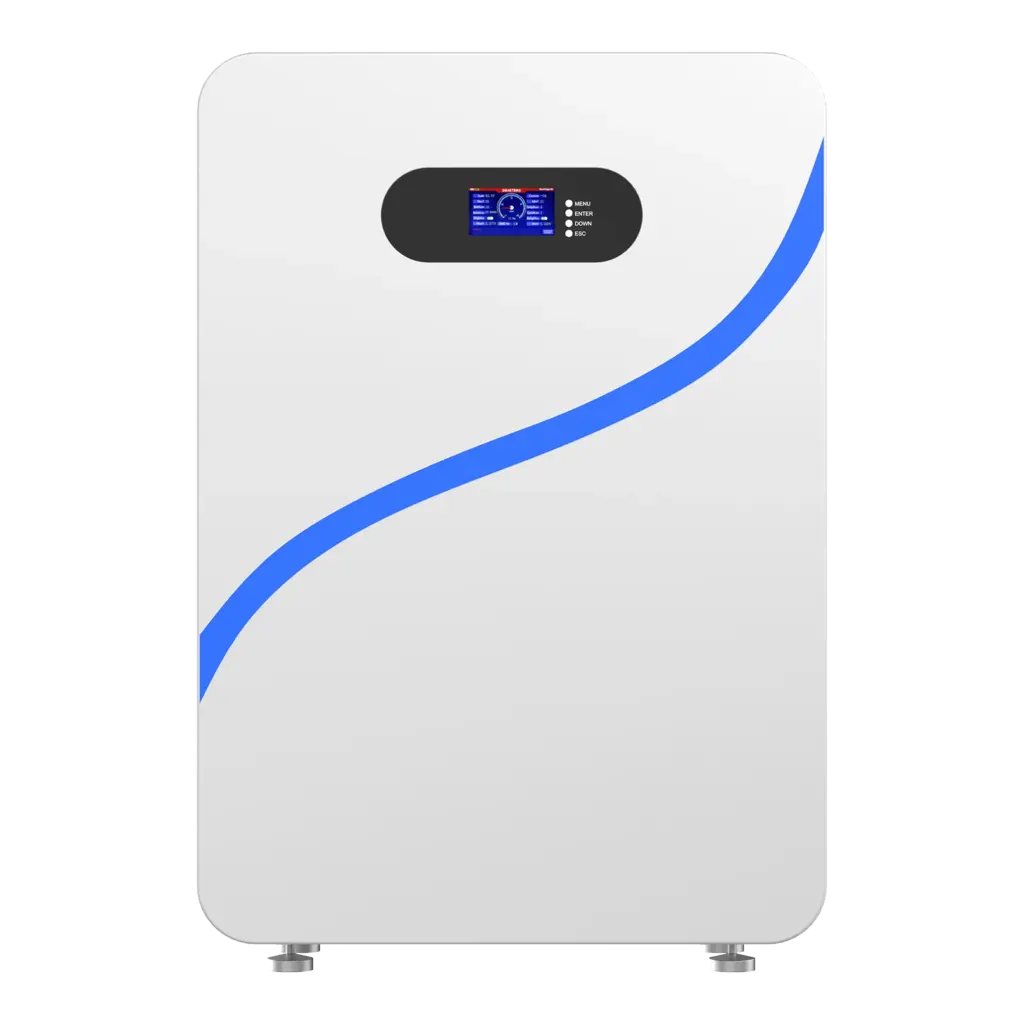
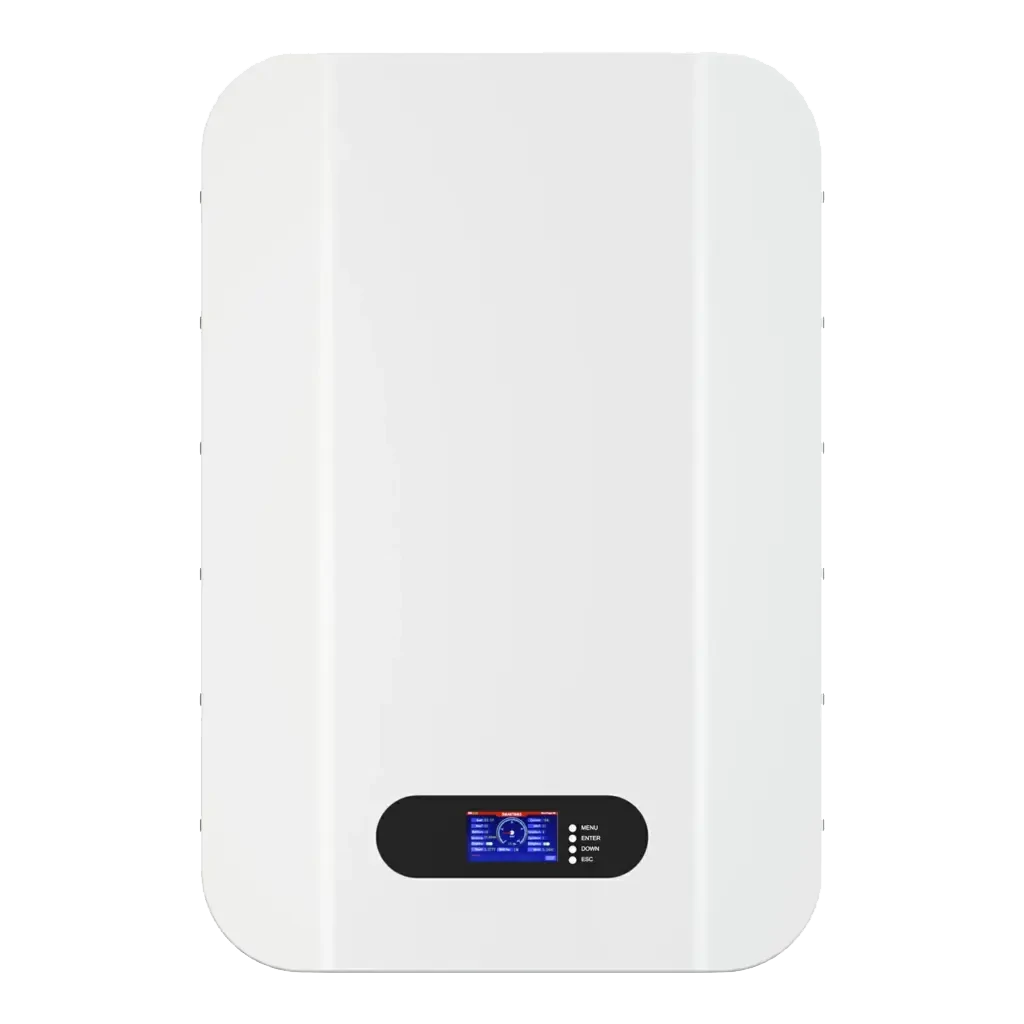
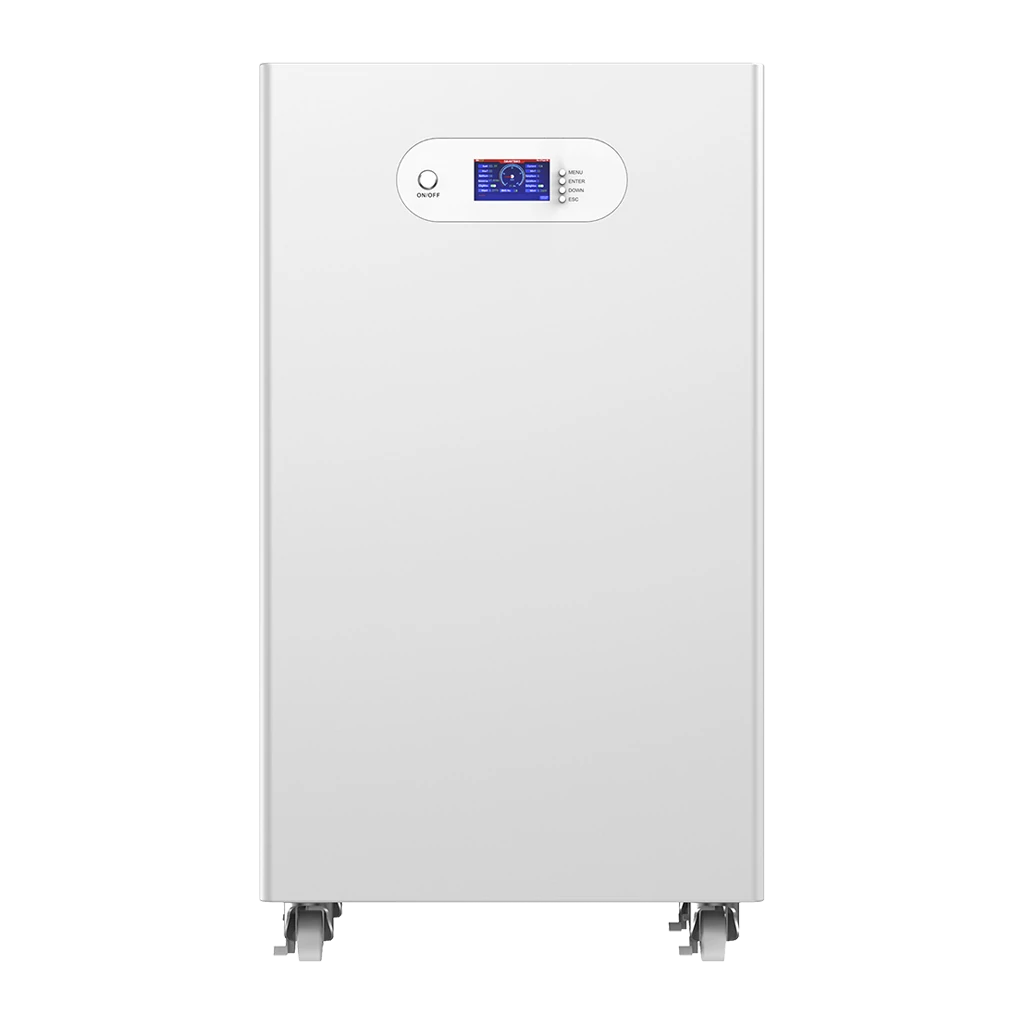
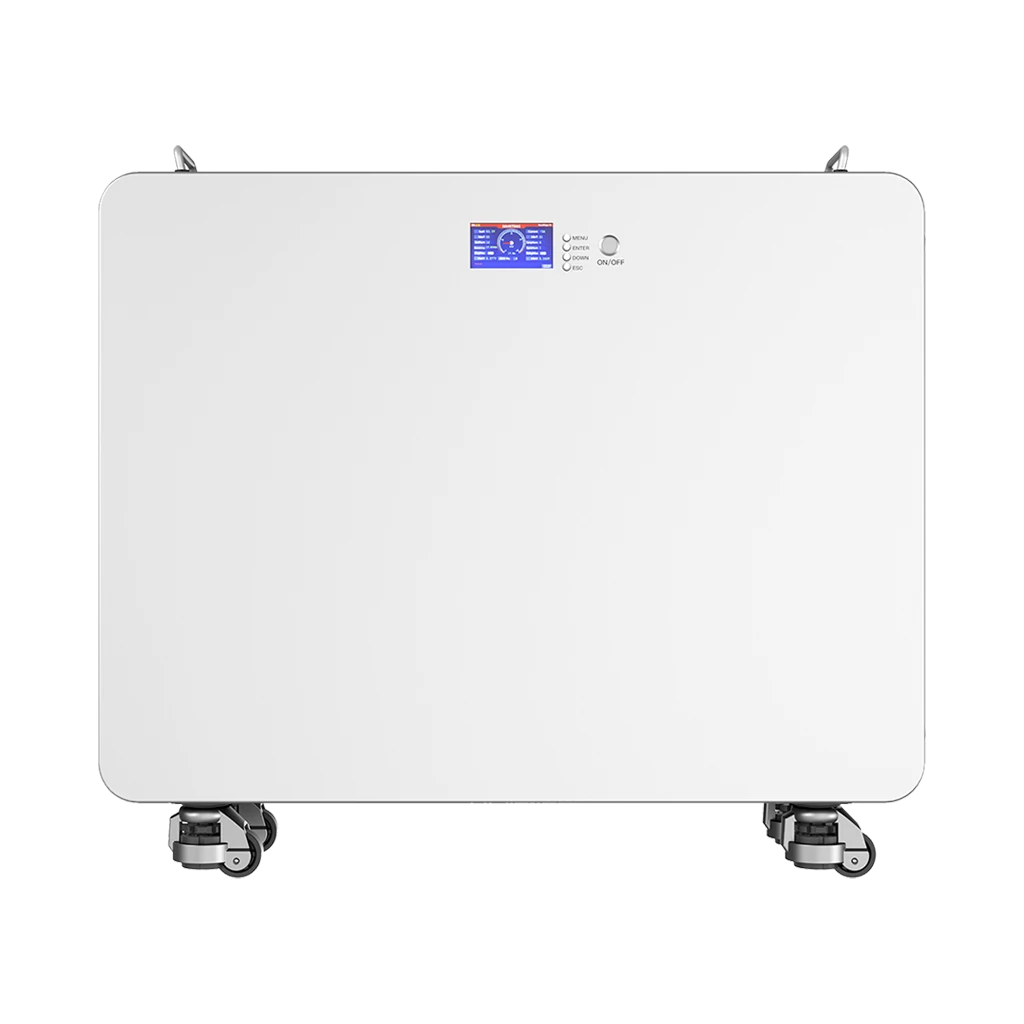
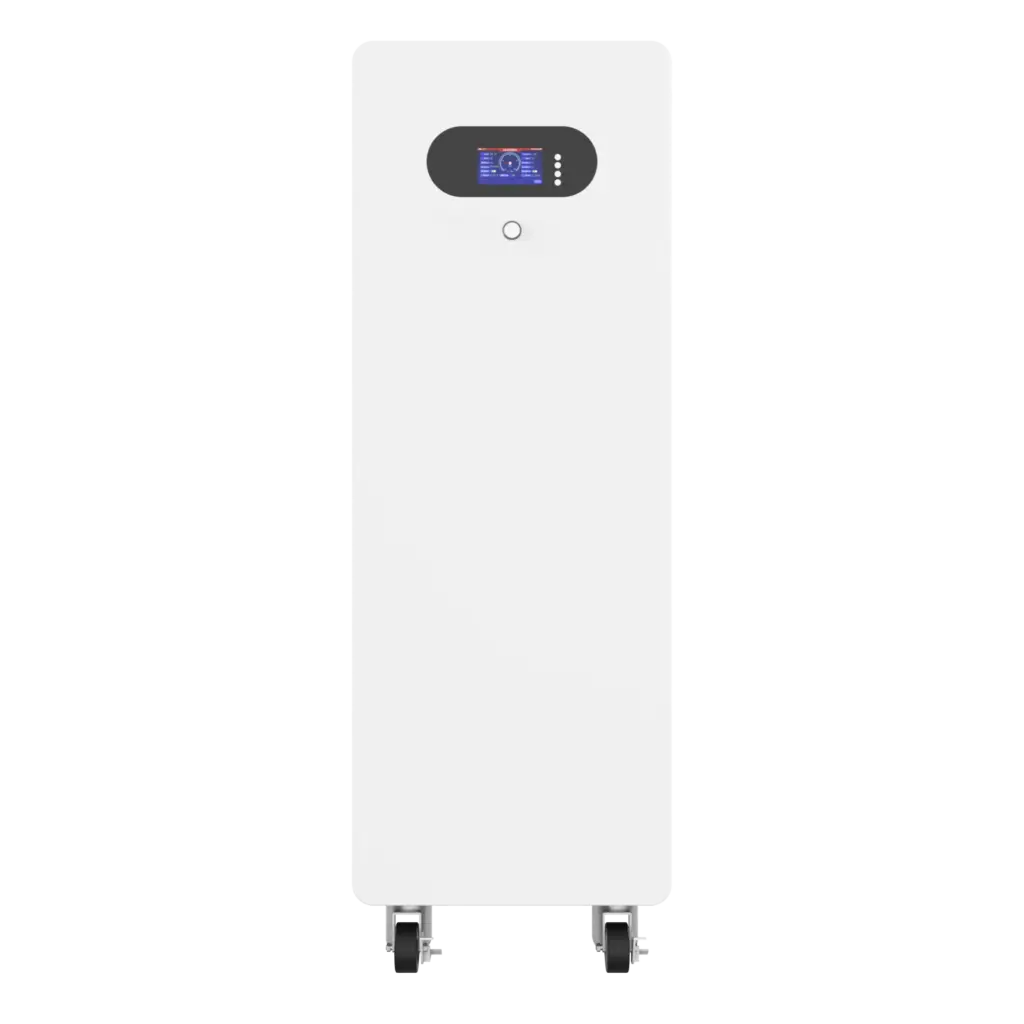
Avepower applies LFP across several installation formats. A wall-mounted LiFePO4 battery suits projects where floor space is limited, while a stackable battery system supports modular expansion. Rack-based projects can use rack-mounted batteries, and higher-capacity residential or light-commercial installations can use vertical LiFePO4 batteries.
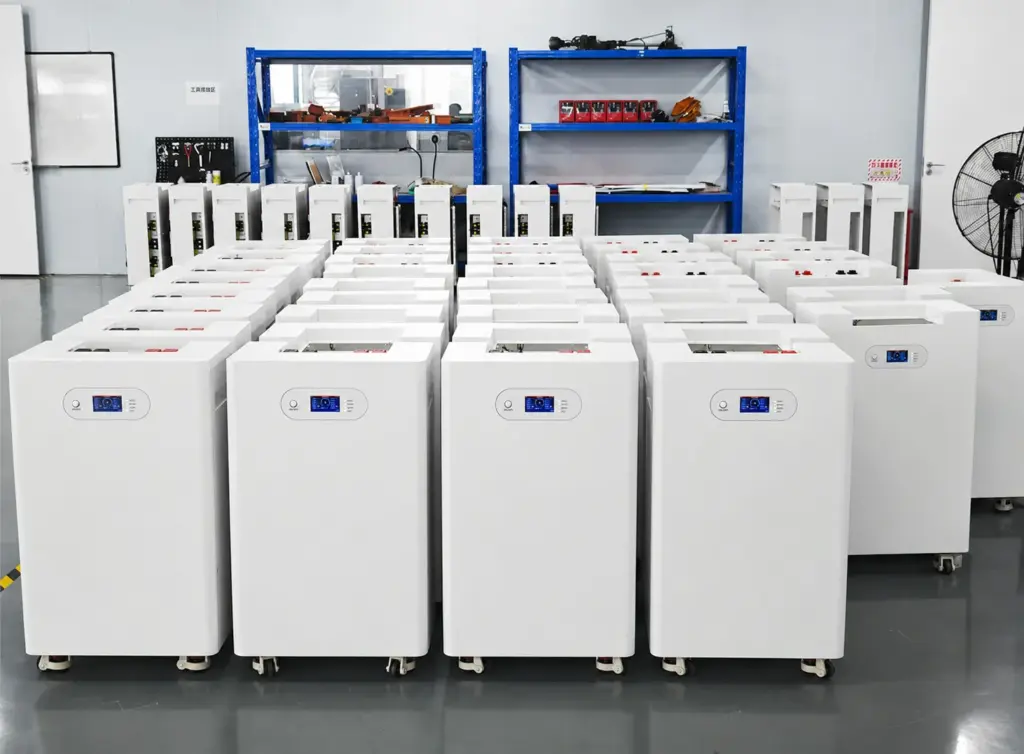
Build the Right Battery System for Your Market
Send us your required capacity, inverter model, operating voltage and project application. Avepower can support product selection, communication matching and OEM/ODM customization.
When Is NMC or NCA the Better Choice?
NMC or NCA is generally preferable when storing the greatest possible energy in the smallest and lightest pack creates more value than maximizing cycle life or simplifying thermal management. This is why these chemistries remain important in long-range vehicles, aircraft development, portable equipment and tightly packaged systems.
NMC or NCA may therefore be justified when:
- Battery weight directly affects vehicle range
- The enclosure cannot be enlarged
- High energy must fit into a mobile platform
- The manufacturer has validated thermal controls
- The application does not require extremely high lifetime cycle throughput
- The increased pack cost produces measurable system value
Is Lead-Acid Still Worth Considering?
Lead-acid remains relevant where the purchase budget is limited, the battery stays on standby and deep cycling is infrequent. It is usually less competitive for daily solar storage because of its weight, lower usable capacity, maintenance requirements and faster degradation under repeated deep discharge.
Lead-acid batteries still serve starter batteries, telecom backup, emergency power and traditional UPS applications. Their supply chains are mature, technicians understand them, and replacement products are widely available.
Lead-acid may still make sense when:
- Backup events are rare
- Weight and floor area are not major constraints
- A local recycling system is already established
- The user can maintain the battery correctly
- Minimum purchase price matters more than lifetime throughput
It is usually a poor choice when the battery must deliver daily solar shifting, frequent load shedding support or deep off-grid cycling.
Are Sodium-Ion, Flow and Solid-State Batteries Ready?
Sodium-ion is entering commercial deployment, flow batteries are already viable for selected stationary projects, and solid-state batteries remain a developing option that has not yet demonstrated all promised benefits at mass-production scale. Buyers should separate proven products from laboratory records and announced manufacturing plans.
Sodium-Ion Batteries
Sodium-ion is most promising where material diversification, cold-weather behavior and stationary-system economics matter more than maximum energy density. It is unlikely to replace every lithium-ion application because current cells store less energy per kilogram and the supply chain remains less mature.
Flow Batteries
Flow batteries are most valuable when a project needs long discharge duration, frequent cycling and independent scaling of power and energy. Their liquid electrolyte tanks can be enlarged without increasing the electrochemical stack in the same proportion, but this creates greater space, pumping and system-complexity requirements.
Solid-State Batteries
Solid-state batteries have meaningful potential, but buyers should not assume that replacing a liquid electrolyte automatically creates a commercially proven, safer and longer-lasting product. Interface stability, scalable manufacturing, yield, cost and real-world pack validation remain important barriers.
How Should Buyers Compare Battery Chemistry?
A professional battery chemistry comparison should examine usable lifetime energy and system compatibility, not just nominal capacity or an advertised cycle number. The correct chemistry must deliver the required power, runtime and service life within the project’s temperature, space, safety, certification and budget limits.
Ask suppliers for the following information.
1. Exact Cell Chemistry
“Lithium battery” is not specific enough. Request LFP, NMC, NCA, LTO or another exact designation.
2. Cell and Pack Manufacturer
Cell consistency, traceability and quality-control records can matter as much as the chemistry family.
3. Cycle-Test Conditions
A cycle figure is incomplete without:
- Depth of discharge
- Charge and discharge rate
- Test temperature
- End-of-life capacity threshold
- Rest periods
- Cell-level or pack-level test status
A battery rated for 8,000 cycles at 80% DoD is not directly comparable with one rated for 8,000 cycles at 50% DoD.
4. Calendar-Life Assumptions
A battery may reach its calendar-life limit before reaching the advertised cycle count, especially when stored at high temperature or high state of charge.
5. Usable Rather Than Nominal Capacity
Usable energy is determined by the operating SOC window:
Usable Energy=Nominal Capacity×Permitted DoD
A 10kWh battery operating at 80% DoD provides approximately 8kWh of usable DC energy per full equivalent cycle.
6. Charge and Discharge Power
A high-capacity battery may still be unable to start or continuously support a high-power load. Check continuous current, peak current, inverter rating and cable design.
7. Temperature Limits
Review separate limits for charging, discharging and storage. A battery that can discharge below freezing may still prohibit charging at the same temperature.
8. BMS and Inverter Communication
The BMS must coordinate charge voltage, current limits, discharge limits, SOC and alarms with a compatible inverter. Avepower’s battery communication guide explains CAN, RS485, RS232 and protocol matching in greater detail.
9. System-Level Safety
Chemistry is only one safety layer. Buyers should also review:
- BMS protection logic
- Cell spacing and mechanical design
- Thermal management
- Fuses, breakers and disconnects
- Enclosure rating
- Fire detection or suppression where required
- Installation instructions
- Transport and application-specific compliance documents
10. Warranty and End-of-Life Definition
Check whether the warranty is based on years, energy throughput, cycles, remaining capacity or a combination of these conditions.
How Do You Calculate Lifetime Energy Throughput?
Lifetime energy throughput provides a more useful comparison than cycle count alone because it combines battery capacity, permitted depth of discharge and expected cycles. It does not predict exact real-world output, but it helps buyers identify products that may deliver better long-term value despite a higher initial price.
Use this basic formula:
Lifetime DC Throughput=Nominal Capacity×DoD×Cycle Life
Example Calculation
Consider a nominal 10kWh LFP battery rated for 8,000 cycles at 80% DoD:
10kWh×80%×8,000=64,000kWh
The theoretical lifetime DC energy throughput is therefore:
64,000kWh=64MWh
If an assumed complete-system round-trip efficiency of 90% is applied:
64MWh×90%=57.6MWh
This 57.6MWh figure is illustrative rather than a product guarantee. Real output will be affected by degradation, standby consumption, temperature, partial cycles, inverter efficiency, current rate and the actual warranty endpoint.
Avepower’s 10kWh wall-mounted LiFePO4 battery is specified at 8,000+ cycles under 80% DoD conditions and supports up to 16 units in parallel. These stated conditions provide more decision value than a cycle figure presented without DoD.
How Does Battery Chemistry Affect a Real Energy Storage Project?
A real project demonstrates that chemistry selection must support the complete operating strategy. In a hotel BESS, the battery must handle solar charging, peak shifting, backup operation, parallel control and frequent scheduling, making cycle life and system integration more valuable than maximizing energy density alone.
Avepower’s Afghanistan hotel 640kWh solar BESS case study used 20 parallel 32kWh LiFePO4 battery units.
| Project Item | Configuration |
|---|---|
| Application | Hotel solar, backup and peak shaving |
| Total capacity | 640kWh |
| Battery chemistry | LiFePO4 |
| Individual module | 51.2V, 628Ah, 32kWh |
| Quantity | 20 units |
| System control | Smart inverters and EMS |
| Operating modes | Grid-connected and off-grid |
| Primary functions | Solar self-consumption, load shifting and backup |
LFP created value in this project because the installation was stationary and required scalable daily operation rather than minimum weight. However, the chemistry did not complete the project by itself: parallel architecture, inverter matching, EMS scheduling and operating-mode control were also essential.
For larger commercial platforms, Avepower has also deployed LFP in a 522.5kWh high-voltage ESS and a 321.5kWh UK high-voltage project, illustrating how the same chemistry can be engineered into different voltage, current and cabinet architectures.
Avepower supports solar installers, distributors, wholesalers, project developers and OEM/ODM energy brands with LFP wall-mounted, rack-mounted, stackable, vertical, all-in-one and high-voltage battery systems.
Share your country, application, inverter model, load profile, required capacity, installation environment and expected daily operating cycle through the Avepower project inquiry page to receive a project-matched battery recommendation rather than selecting chemistry from a generic specification sheet.
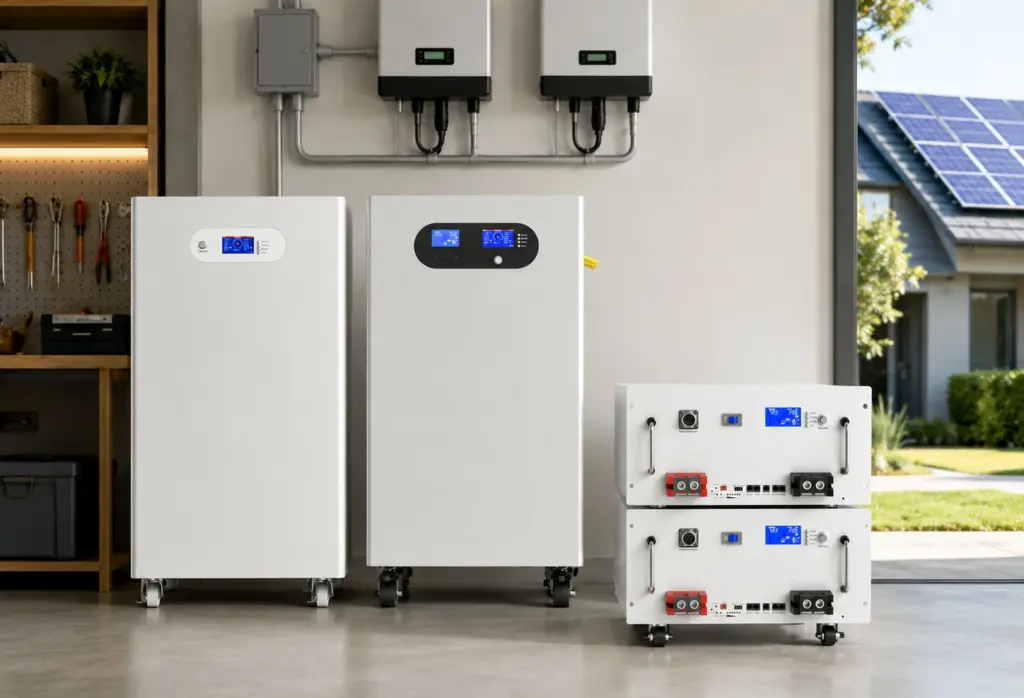
Take Control of Your Energy with Avepower!
Reliable home solar battery solutions with OEM/ODM customization and in-house manufacturing, tailored to the needs of distributors, installers, and energy partners.
FAQ
NiMH, NiCd and LTO are not obsolete; each remains useful where its specialist advantages justify the cost or limitations. NiMH is established in hybrid vehicles, NiCd remains rugged in selected industrial environments, and LTO offers exceptional fast-charge, low-temperature and high-cycle performance.
Avepower uses LiFePO4 across its residential and commercial storage portfolio because the chemistry aligns with daily cycling, modular expansion and long-term stationary operation. The selection is combined with BMS protection, inverter communication, project sizing and different enclosure formats rather than being presented as a chemistry-only solution.
The most common types are alkaline, primary lithium, lead-acid, NiMH, NiCd and lithium-ion. Important lithium-ion subtypes include LFP, NMC, NCA, LCO, LMO and LTO. Sodium-ion and flow batteries are also becoming more relevant in stationary storage.
LiFePO4 is one type of lithium-ion battery. It uses lithium iron phosphate as the cathode material, while other lithium-ion batteries may use nickel, manganese, cobalt or aluminum-based cathodes.
Commercial NMC and NCA lithium-ion cells generally provide higher energy density than LFP, lead-acid, NiMH, LTO and current sodium-ion cells. Emerging lithium-metal and solid-state technologies may eventually exceed them but are not yet equivalent mass-market alternatives.
LTO, selected flow batteries and high-quality LFP systems can offer very high cycle-life potential. Actual life depends on DoD, temperature, current rate, charge voltage, cell consistency, calendar aging and the capacity threshold used to define end of life.
LFP is generally the preferred chemistry for residential and commercial solar storage because it balances cycle life, stability, efficiency, usable capacity and cost. Lead-acid can still suit infrequent backup, while flow batteries may fit selected long-duration grid projects.