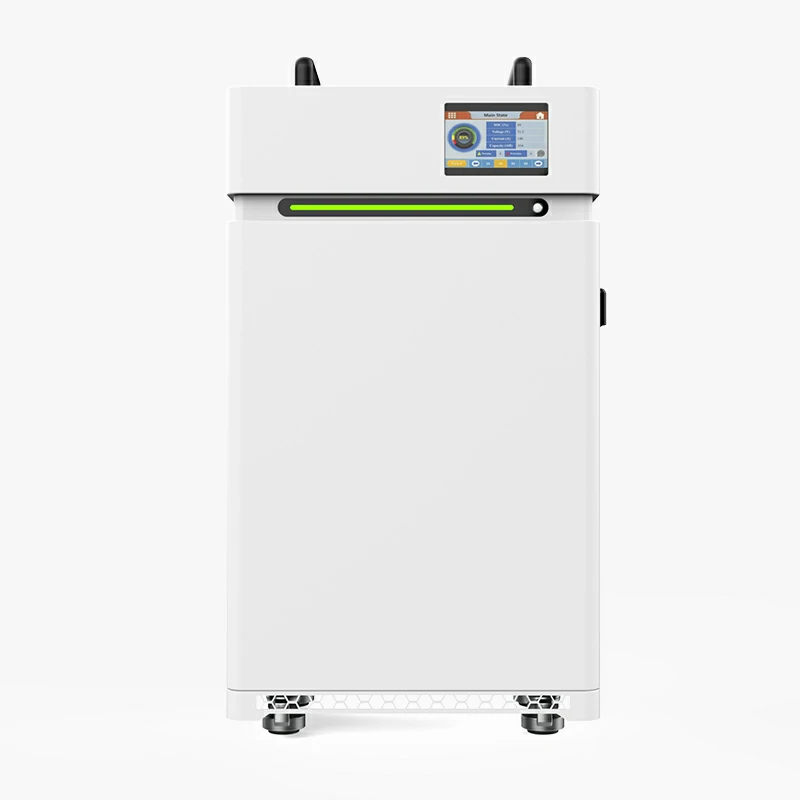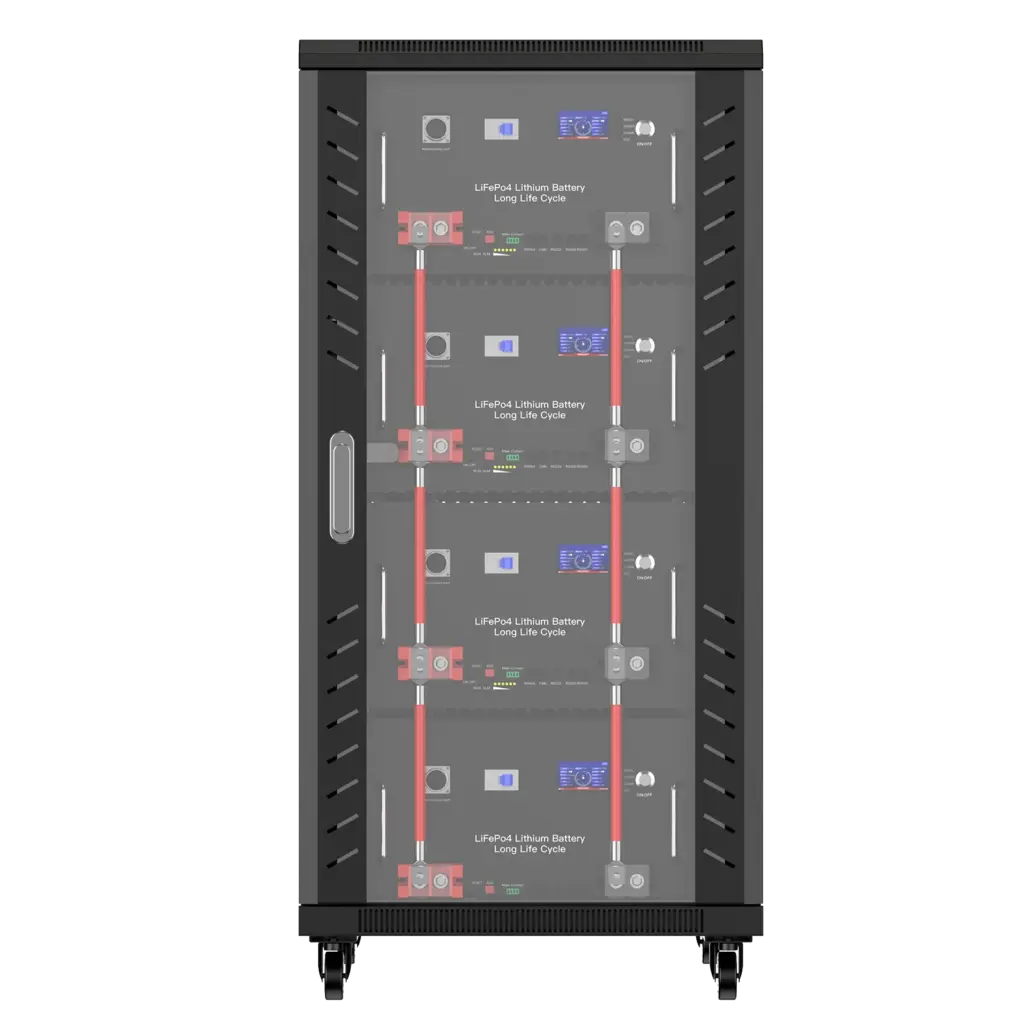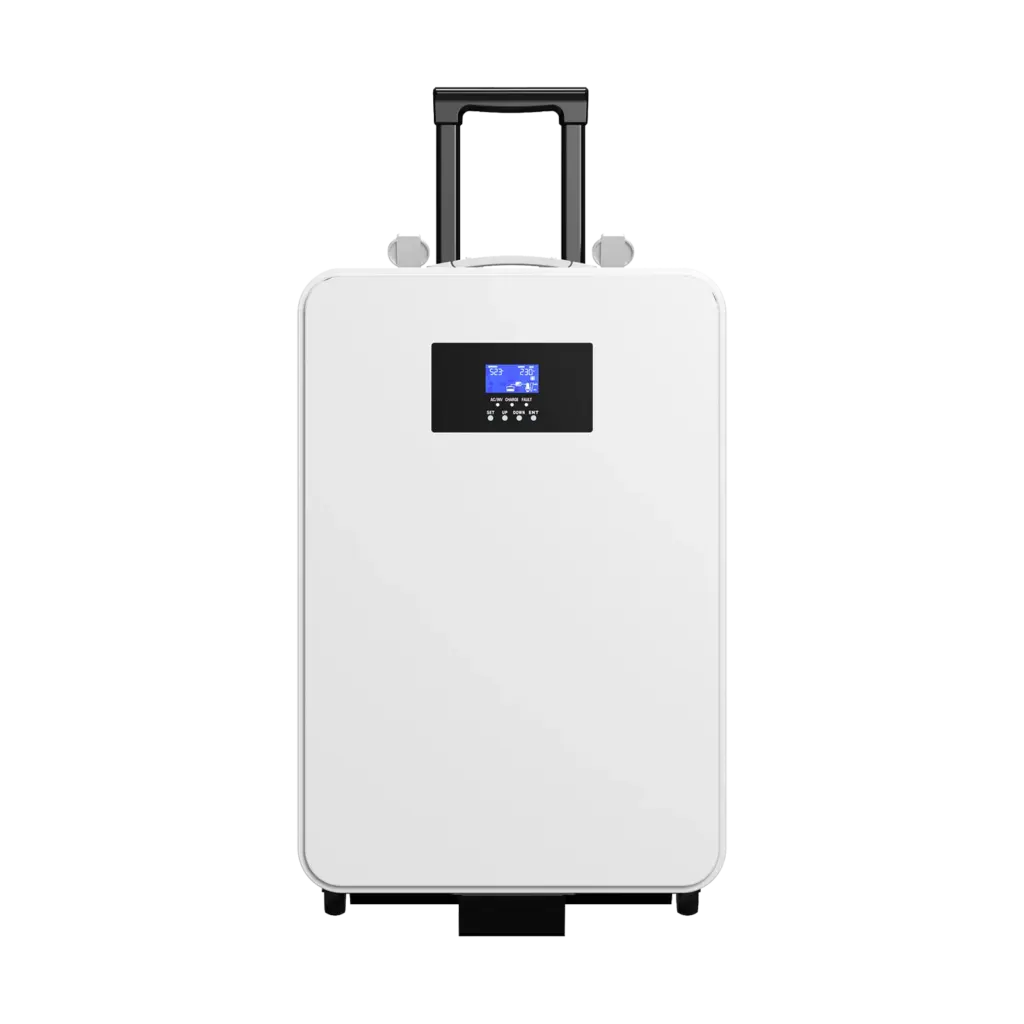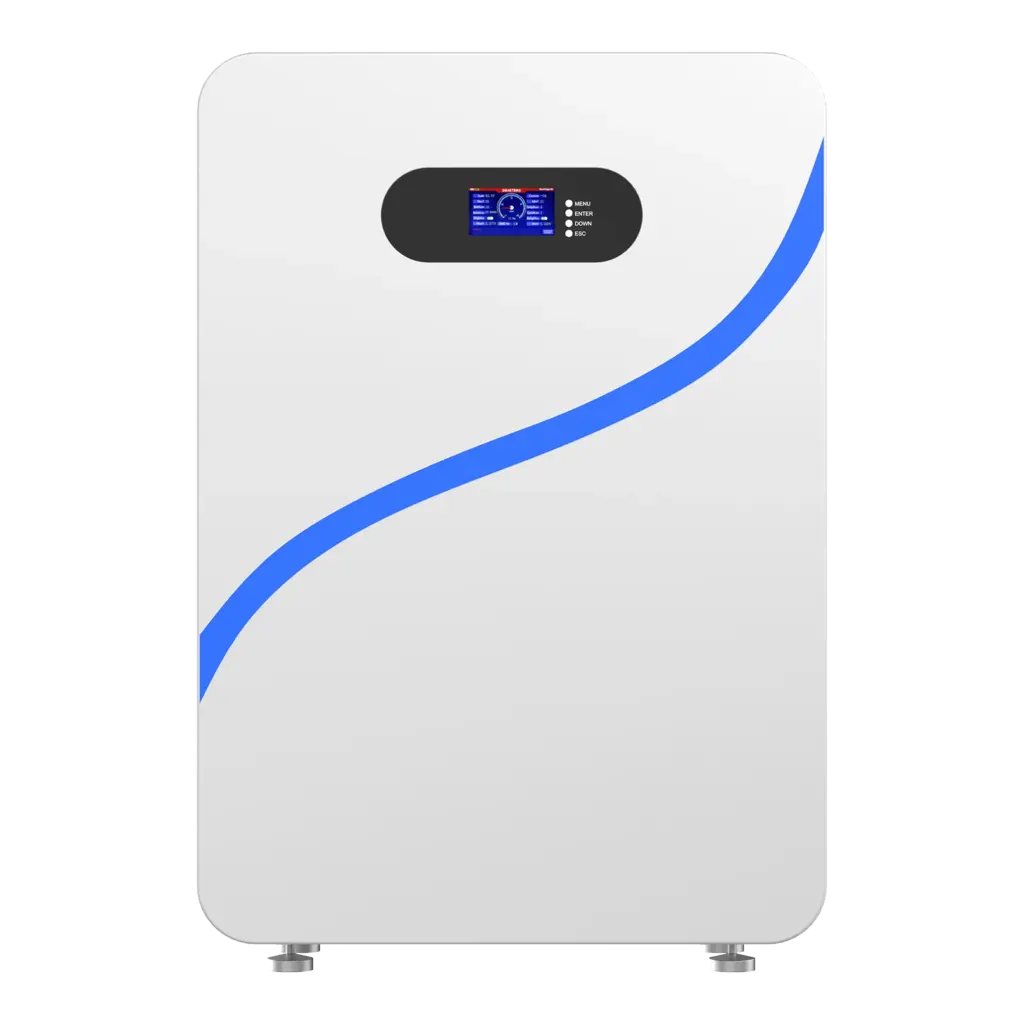

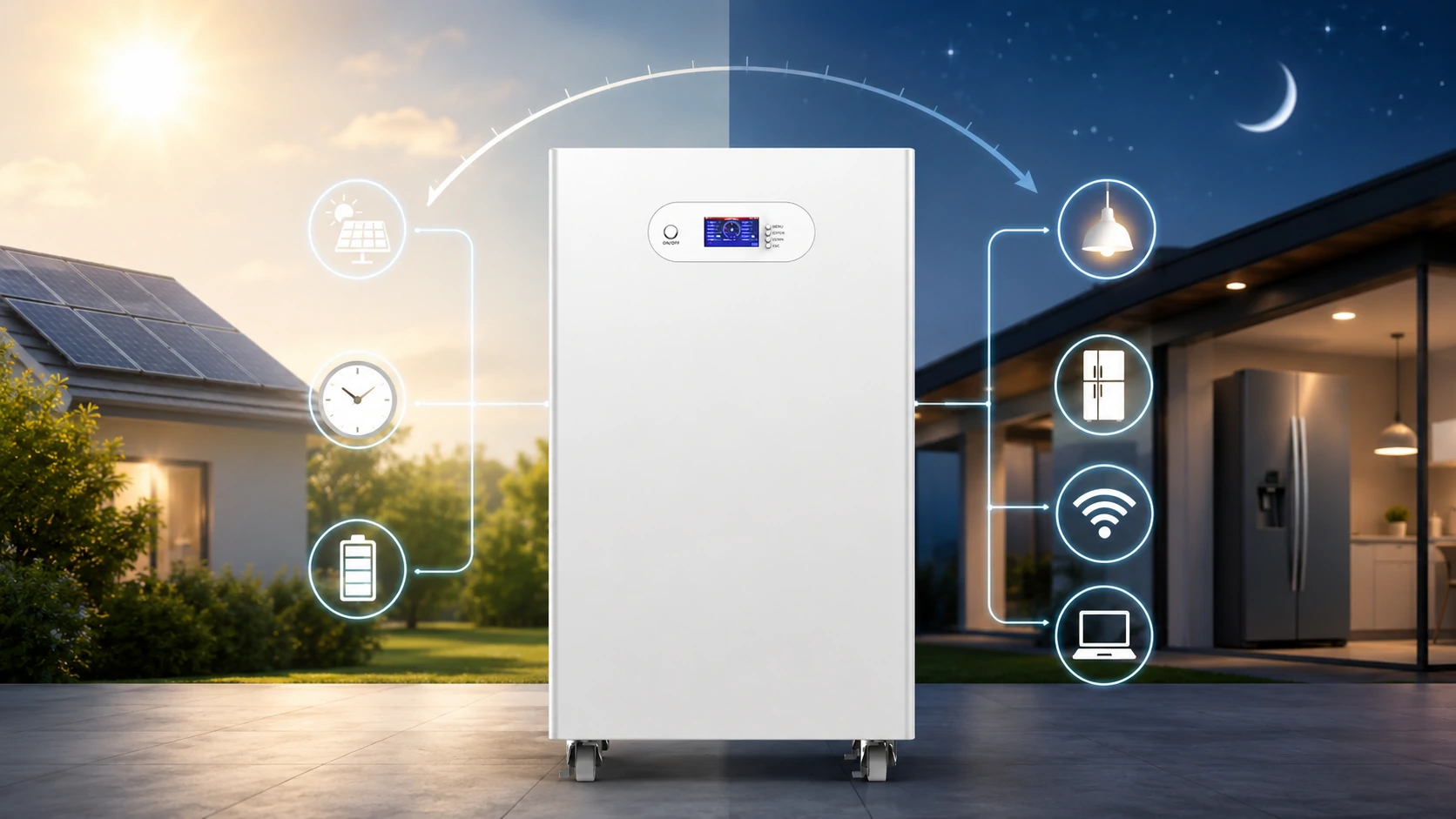
A solar battery charge usually lasts from a few hours to more than one day, depending on battery capacity, usable depth of discharge, inverter efficiency, and the appliances you run. In a typical home, a 10kWh solar battery can often run essential loads such as lights, WiFi, a refrigerator, phone charging, and small electronics for about 12 to 24 hours. If you run high-power loads such as air conditioning, electric heating, ovens, pumps, or EV charging, the same battery may last only a few hours.
How many years does a solar battery last before replacement? Most modern home solar batteries provide strong performance for around 10 to 15 years, depending on chemistry, cycle life, temperature, depth of discharge, installation quality, and daily usage.
Solar Battery Runtime: The Simple Formula
To estimate how long a solar battery charge will last, use this formula:
Runtime hours = Battery capacity × usable DoD × inverter efficiency ÷ load power
For example:
A 10kWh battery
Usable depth of discharge: 90%
Inverter efficiency: 90%
Average load: 1kW
Runtime = 10 × 0.9 × 0.9 ÷ 1 = 8.1 hours
If your average load is only 500W, the same battery may last about 16 hours. If your load is 2kW, it may last about 4 hours.
This is why battery runtime is not only about battery size. It is also about what you choose to power.
How Long Will Different Solar Battery Sizes Last?
The table below gives a practical estimate. It assumes 90% usable depth of discharge and 90% inverter efficiency. Actual runtime may change due to battery age, inverter settings, temperature, peak loads, and backup circuit design.
| Nominal Battery Capacity | Usable Energy Estimate | 500W Essential Load | 1kW Mixed Load | 2kW Higher Load |
|---|---|---|---|---|
| 5kWh | 4.05kWh | 8.1 hours | 4 hours | 2 hours |
| 10kWh | 8.1kWh | 16.2 hours | 8.1 hours | 4 hours |
| 15kWh | 12.15kWh | 24.3 hours | 12.1 hours | 6 hours |
| 20kWh | 16.2kWh | 32.4 hours | 16.2 hours | 8.1 hours |
| 30kWh | 24.3kWh | 48.6 hours | 24.3 hours | 12.1 hours |
For essential backup, many homes can manage with 5kWh to 15kWh. For whole-home backup, longer outages, larger homes, or systems with air conditioning, the battery bank usually needs to be larger.
Avepower gives a useful real-world benchmark: without air conditioning or electric heat, a 10kWh battery can power critical home electrical systems for at least 24 hours with careful usage.
Need Help Choosing the Right Battery Size?
Not sure whether your project needs 5kWh, 10kWh, 15kWh or a larger expandable battery system? Avepower can help you estimate backup runtime based on real household loads, solar system size and installation requirements.
What Affects How Long a Solar Battery Charge Lasts?
1. Battery Capacity
Battery capacity is measured in kilowatt-hours, or kWh. A 10kWh battery stores roughly twice as much energy as a 5kWh battery. However, nominal capacity is not always the same as usable capacity.
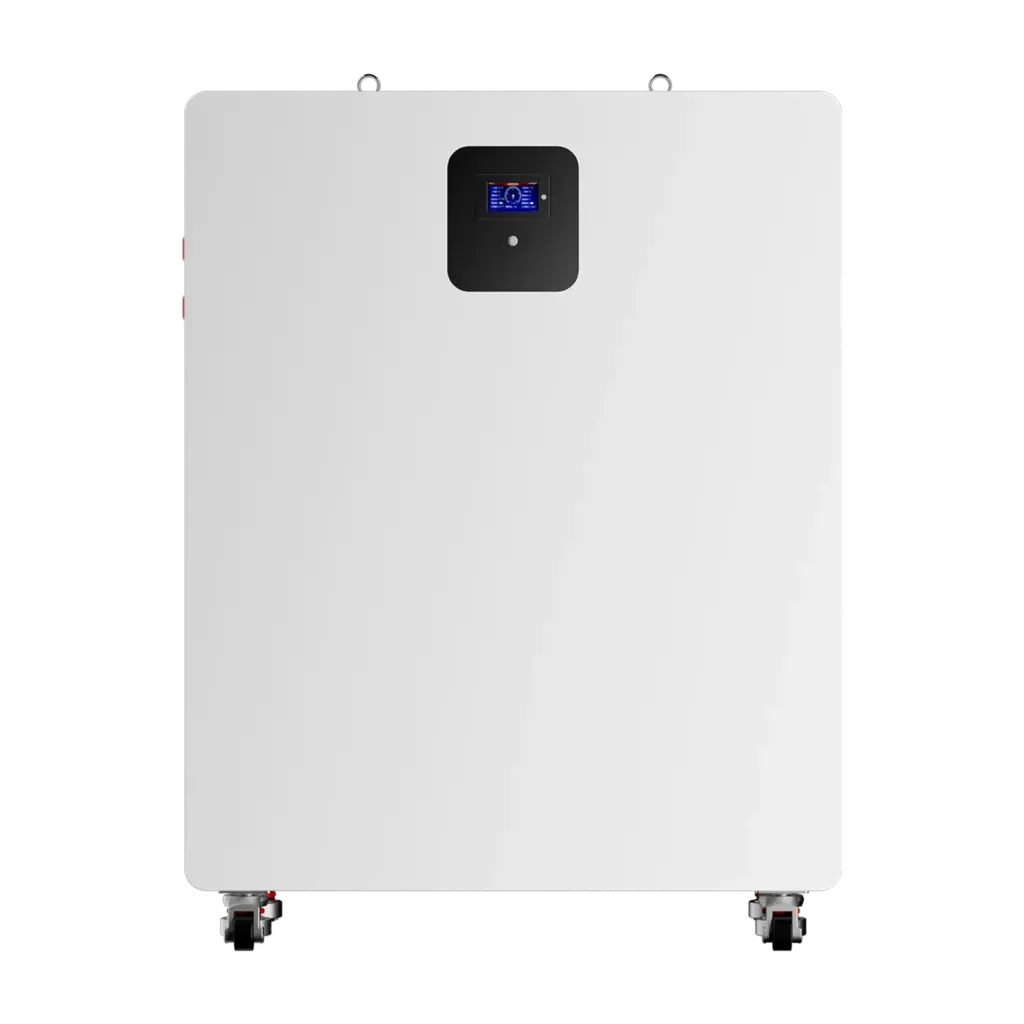
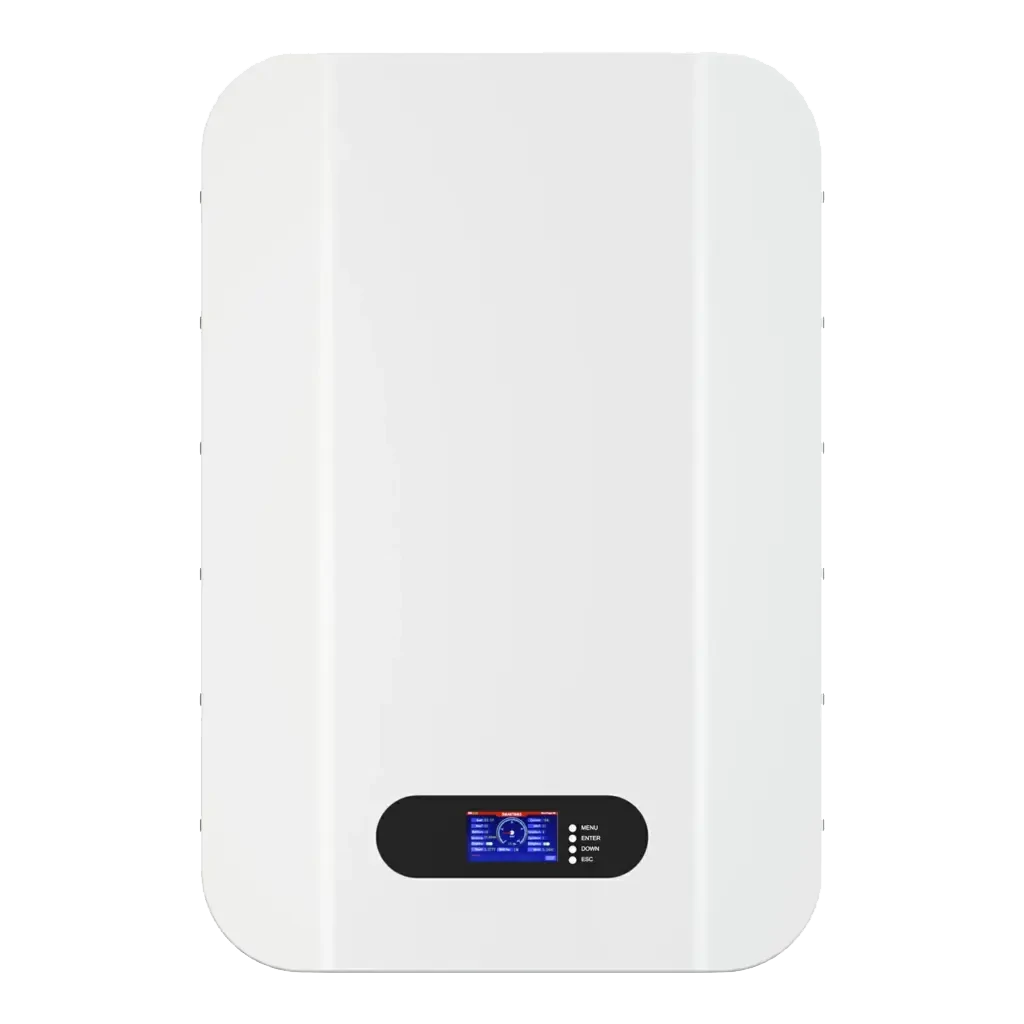
For example, the Avepower 48V 100Ah 5kWh Wall Mounted LiFePO4 Battery Pack is designed for residential solar storage, backup power, and small energy storage projects. It supports up to 16 units in parallel, giving installers and project buyers more flexibility when a single 5kWh battery is not enough.
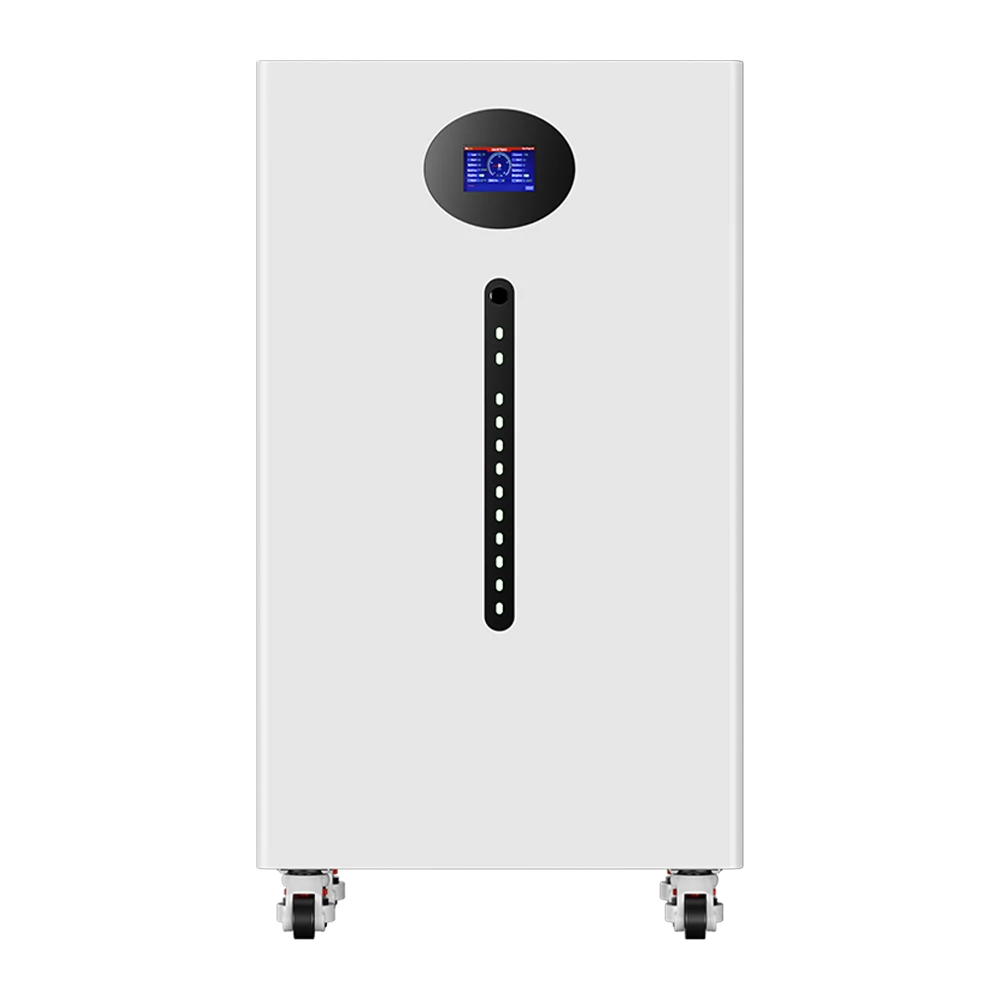
For larger residential systems, the Avepower 48V 200Ah 10kWh Powerwall Battery Pack can be a more practical starting point for homes that need longer backup time.
2. Depth of Discharge
Depth of discharge, or DoD, tells you how much of the battery can be used safely during normal operation. A battery with higher usable DoD gives you more usable energy from the same nominal capacity.
For example, if a 10kWh battery is operated at 80% DoD, the usable battery energy is about 8kWh before inverter losses. Avepower explains this in more detail in its guide to Depth of Discharge of Battery.
3. Appliance Load
Your battery does not power “a house” in a general sense. It powers specific loads.
| Appliance or Load | Typical Power Range | Runtime Impact |
|---|---|---|
| LED lights | 5-15W each | Low |
| WiFi router | 10-20W | Low |
| Refrigerator | 100-800W cycling | Medium |
| Laptop | 40-100W | Low |
| TV | 80-200W | Medium |
| Washing machine | 500-1,500W | High |
| Microwave | 800-1,500W | High |
| Air conditioner | 1,000-5,000W+ | Very high |
| Electric heater | 1,500-5,000W+ | Very high |
| EV charger | 3,000-11,000W+ | Very high |
If you only back up essential circuits, a battery lasts much longer. If you try to power the entire home as usual, runtime drops quickly.
4. Solar Recharging During the Day
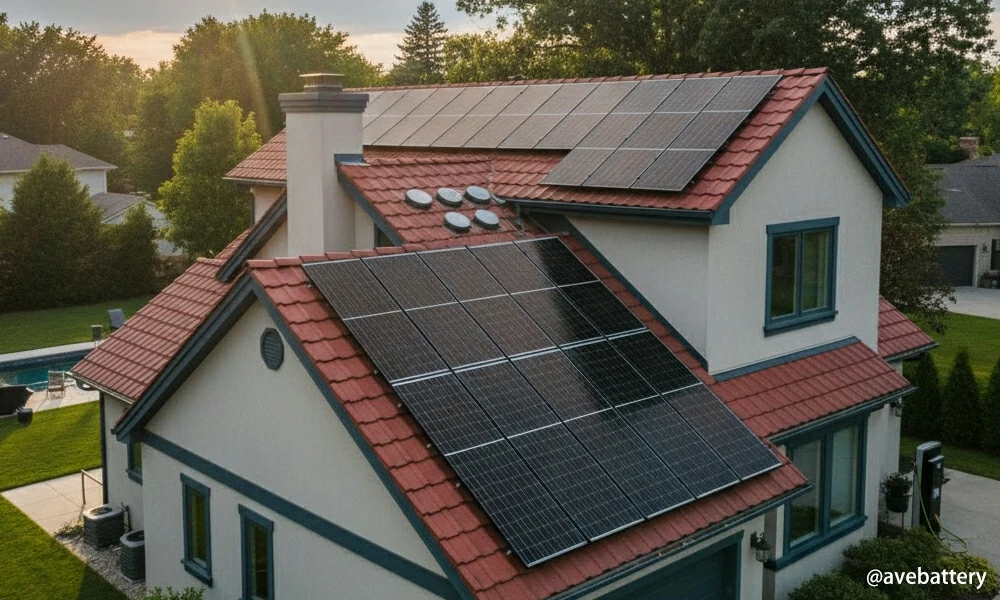
A solar battery can last longer when it is paired with solar panels because the panels can recharge the battery during daylight hours. During an outage, this can extend backup time from hours to multiple days if sunlight is available and the system is configured for backup charging.
5. Inverter Efficiency
The battery stores DC power, but most home appliances use AC power. The inverter converts DC into AC, and some energy is lost during conversion. This is why a 10kWh battery does not always deliver a full 10kWh to your appliances.
For installers and project buyers, inverter matching is especially important. Avepower provides an Inverter Compatibility List covering common communication options such as CAN, RS485, and RS232 for selected inverter brands.
6. Battery Age and Temperature
As batteries age, their usable capacity gradually declines. High temperatures, very low temperatures, poor ventilation, frequent deep discharge, and unsuitable charging behavior can reduce battery life.
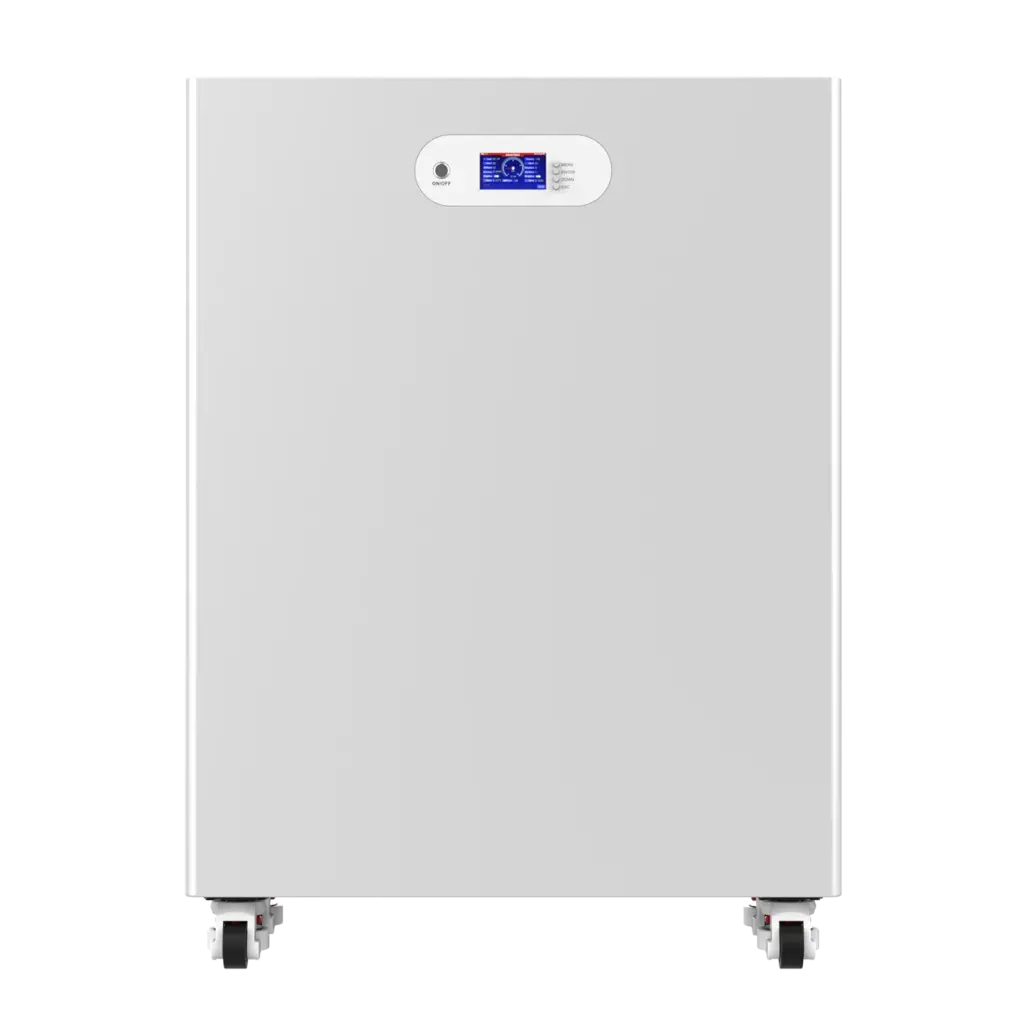
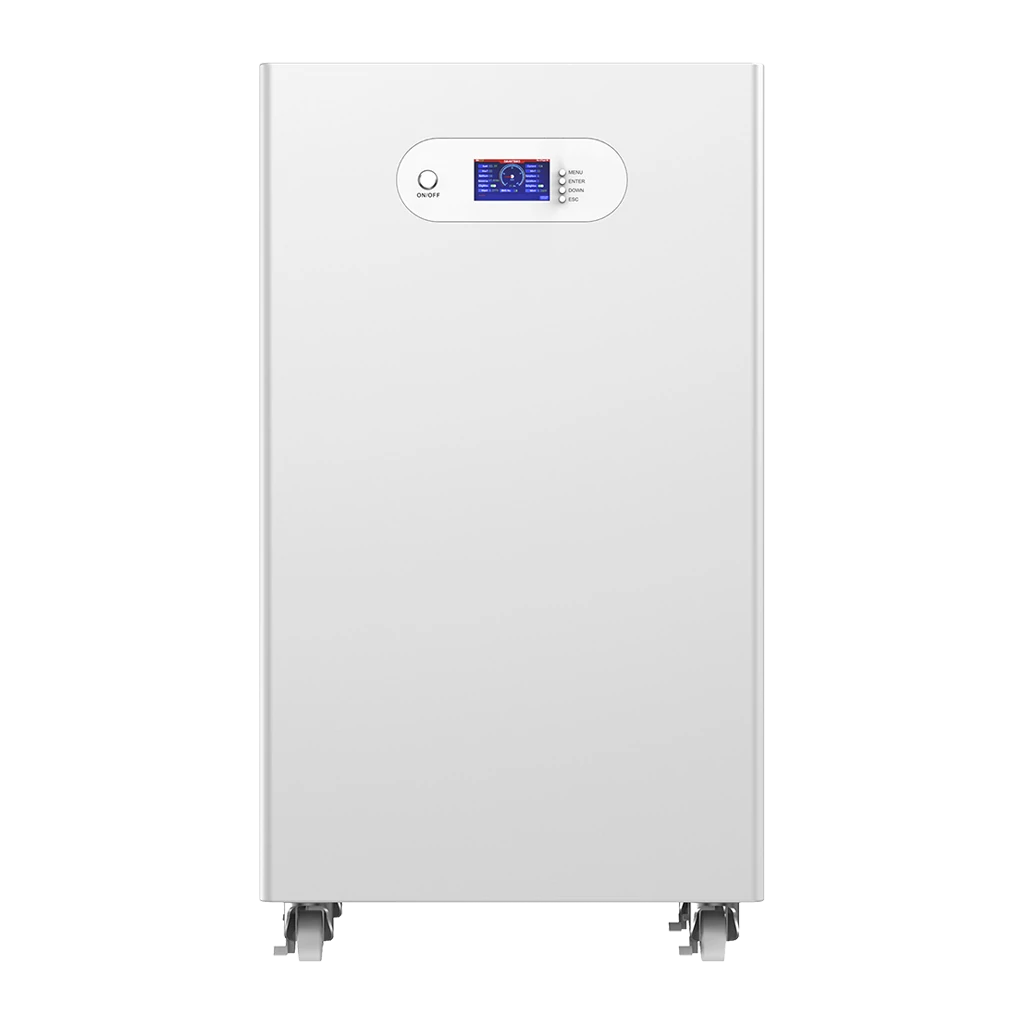
LiFePO4 batteries are widely used in home energy storage because they offer strong thermal stability, long cycle life, and good safety performance. Avepower’s Home Energy Storage Battery System Solution uses LiFePO4 technology across multiple residential battery formats, including wall-mounted, rack-mounted, stackable, vertical, and all-in-one systems.
Ready to Estimate Your Backup Runtime?
Send us your target backup time, appliance load list and preferred battery capacity. Avepower will help you match the right solar battery system for night use, blackout backup or long-term energy storage projects.
How Long Does a Solar Battery Last at Night?
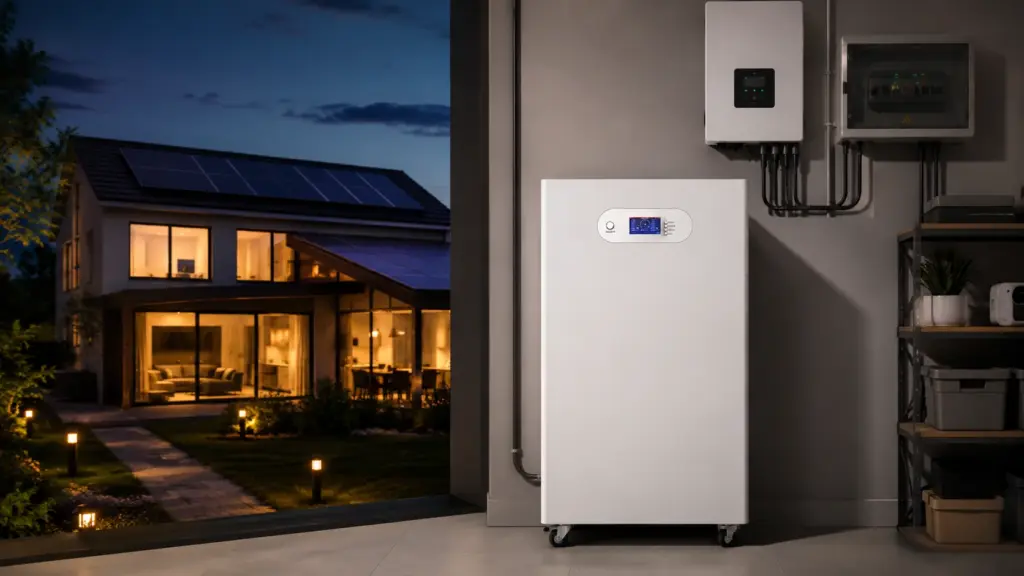
A solar battery can usually last through the night if it is sized for essential household loads. For many homes, a 10kWh solar battery can run lights, WiFi, a refrigerator, phone charging, and small electronics for about 8–16 hours, and sometimes longer with careful energy use.
Typical estimates:
| Battery Size | Essential Loads | Mixed Loads | Heavy Loads |
|---|---|---|---|
| 5kWh | 4–8 hours | 2–4 hours | 1–2 hours |
| 10kWh | 8–16 hours | 4–8 hours | 2–4 hours |
| 15kWh | 12–24 hours | 6–12 hours | 3–6 hours |
| 20kWh | 16–32 hours | 8–16 hours | 4–8 hours |
The real runtime depends on:
- Battery usable capacity
- Depth of discharge, or DoD
- Inverter efficiency
- Appliance load
- Whether you run air conditioning, electric heating, pumps, or cooking appliances
- Battery age and temperature
A simple formula is:
Runtime = Battery capacity × usable DoD × inverter efficiency ÷ load power
For example, a 10kWh battery with 90% DoD and 90% inverter efficiency powering a 500W night load:
10 × 0.9 × 0.9 ÷ 0.5 = about 16.2 hours
So the short answer is: yes, a properly sized solar battery can last all night, but only if the load is controlled. Heavy appliances can drain it much faster. See guide how long does a solar battery last at night.
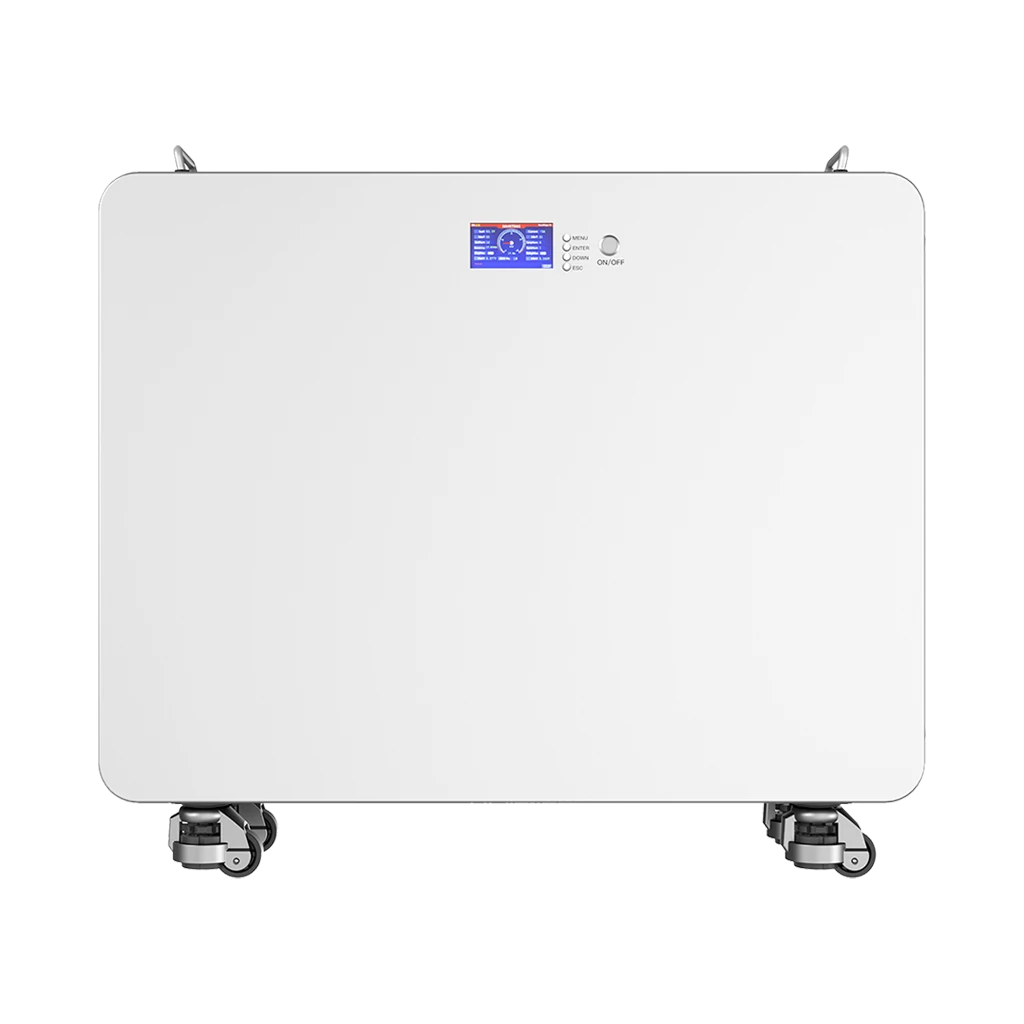
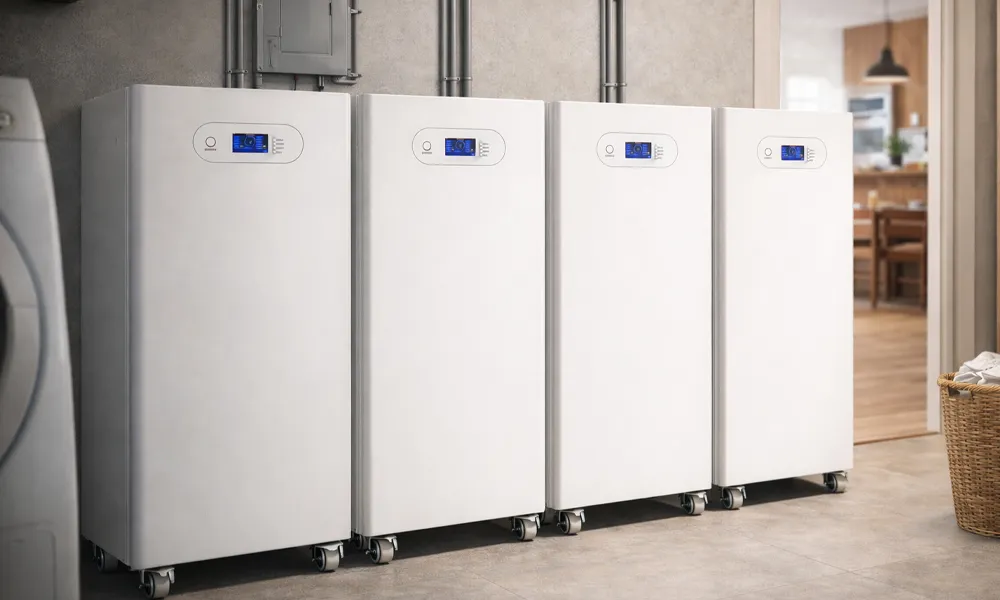
For homes that may need to expand over time, Avepower Stackable Battery systems are designed for modular capacity growth. They can be used in residential solar storage, backup power, and installer-led projects where battery capacity may need to increase later.
How Long Does a Solar Battery Last During a Blackout?
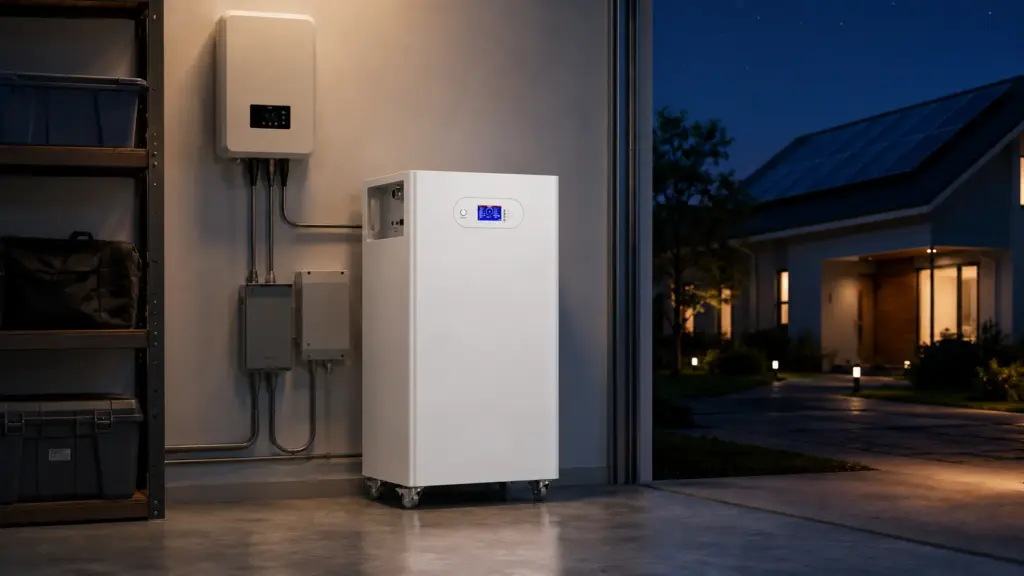
During a blackout, a solar battery can last a few hours to more than one day, depending on battery size and what appliances you keep running.
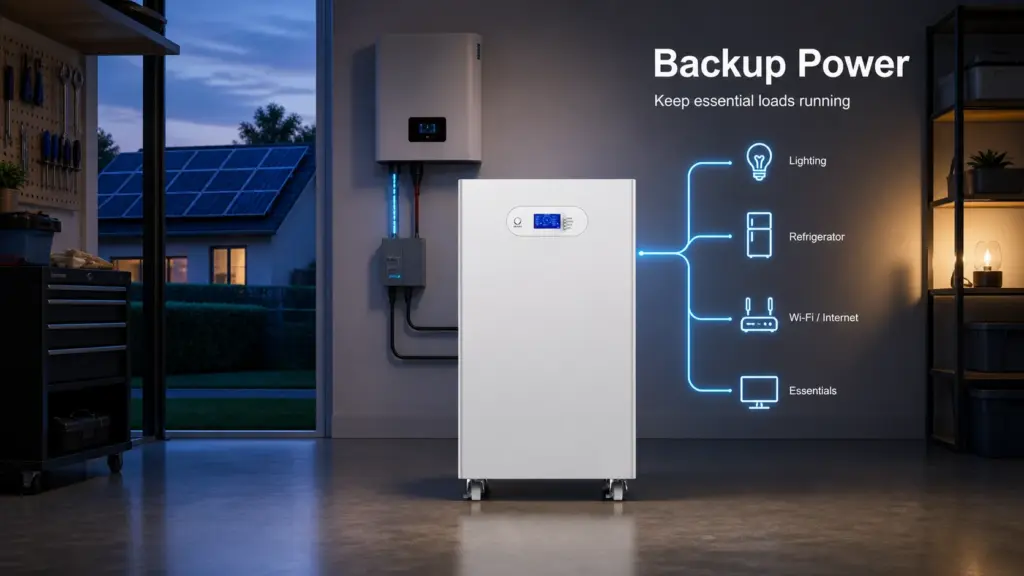
A 10kWh solar battery can often power essential loads such as a refrigerator, LED lights, WiFi router, phone charging, and a few small devices for about 8–24 hours. If you run high-power appliances like air conditioning, electric heating, an oven, water pump, or EV charger, the battery may last only 2–5 hours.
| Battery Size | Essential Loads | Mixed Household Loads | Heavy Loads |
|---|---|---|---|
| 5kWh | 4–8 hours | 2–4 hours | 1–2 hours |
| 10kWh | 8–24 hours | 4–8 hours | 2–5 hours |
| 15kWh | 12–30 hours | 6–12 hours | 3–7 hours |
| 20kWh | 24–40+ hours | 8–16 hours | 4–10 hours |
The key factors are:
- Battery capacity in kWh
- Usable depth of discharge
- Inverter efficiency
- Which appliances are connected to backup circuits
- Whether solar panels can recharge the battery during the outage
- Weather and sunlight conditions
- Battery age and temperature
A simple estimate is:
Backup runtime = battery capacity × usable DoD × inverter efficiency ÷ load power
For example, a 10kWh battery with 90% usable DoD and 90% inverter efficiency running a 500W essential load:
10 × 0.9 × 0.9 ÷ 0.5 = about 16.2 hours
So, for blackout backup, the best setup is usually not to power everything. It is to keep essential circuits running and let solar recharge the battery during the day when possible.
How Many Solar Batteries Do You Need?
You can estimate battery quantity with this formula:
Required battery capacity = Daily backup energy ÷ usable DoD ÷ inverter efficiency
Example:
A home needs 12kWh of backup energy.
Assume 90% DoD and 90% inverter efficiency.
Required nominal capacity = 12 ÷ 0.9 ÷ 0.9 = 14.8kWh
In this case, a 15kWh battery system may be suitable for essential backup. If the homeowner wants two days of backup, larger capacity or modular expansion is needed.
Runtime vs Lifespan: Do Not Confuse These Two
| Question | Meaning | Typical Answer |
|---|---|---|
| How long does one charge last? | Runtime after the battery is charged | A few hours to 24+ hours |
| How long does the battery last? | Service life before replacement | Often 10-15 years for modern lithium batteries |
| How many cycles does it last? | Charge-discharge cycle life | Depends on chemistry, DoD, and operating conditions |
Avepower LiFePO4 battery products are designed for long service life, with selected models rated for 8,000+ cycles under stated test conditions. For example, the 5kWh wall-mounted model lists 8,000+ cycles at 25°C and 80% DoD, with a designed life of 10+ years.
Avepower Solar Battery Options for Different Runtime Needs
| Runtime Need | Suggested Battery Type | Avepower Page |
|---|---|---|
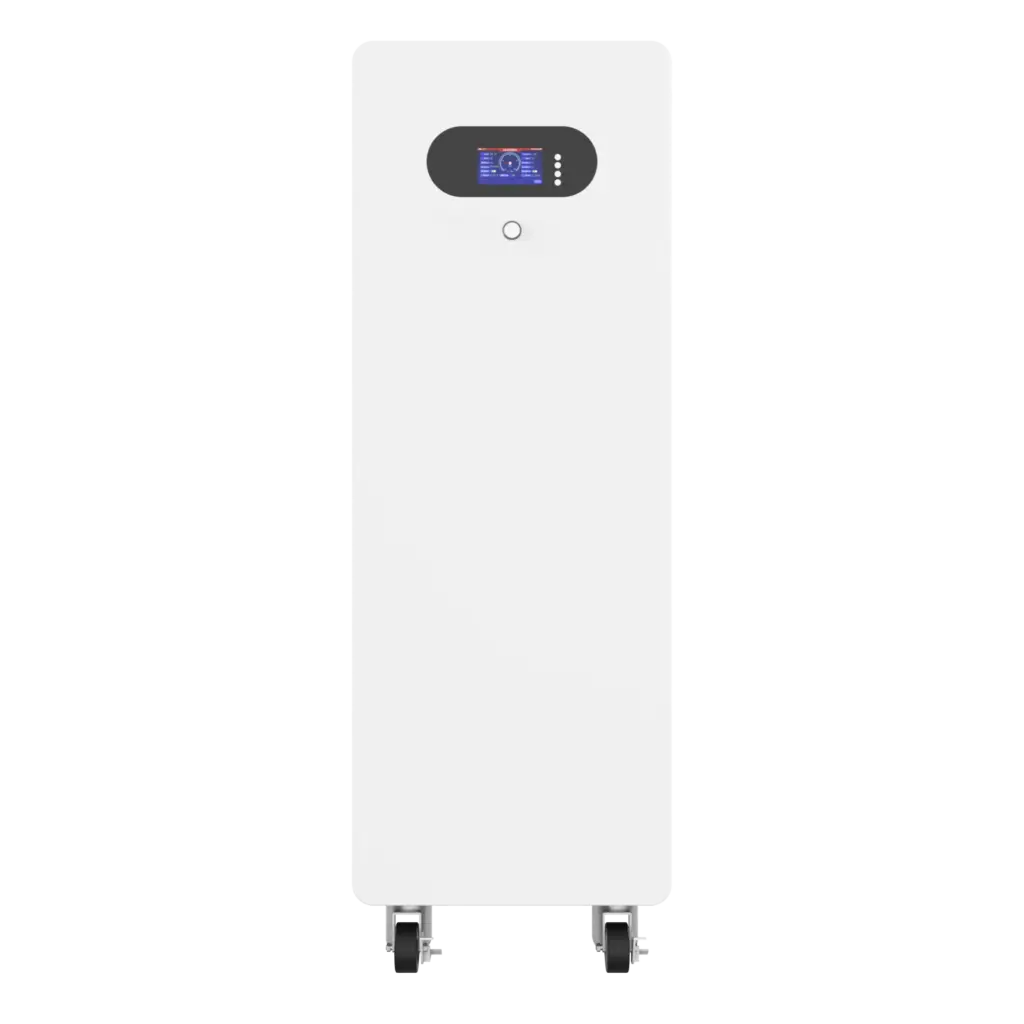
| Basic essential backup | Vertical battery | 48V 15kWh Vertical LiFePO4 Battery |
| Longer home backup | Wall mounted battery | 48V 200Ah 10kWh Powerwall Battery |
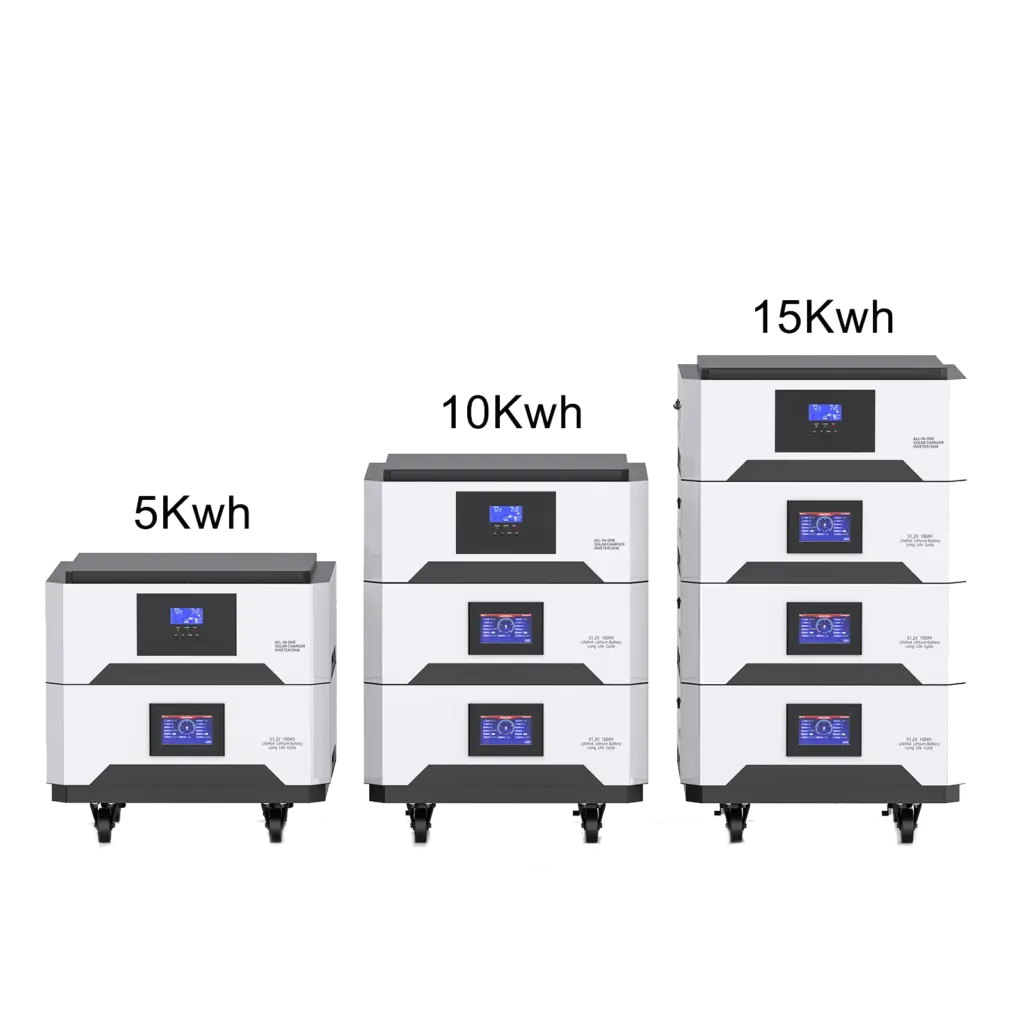
| Flexible expansion | Stackable battery system | 5kWh 10kWh 15kWh Stackable Solar Batteries |
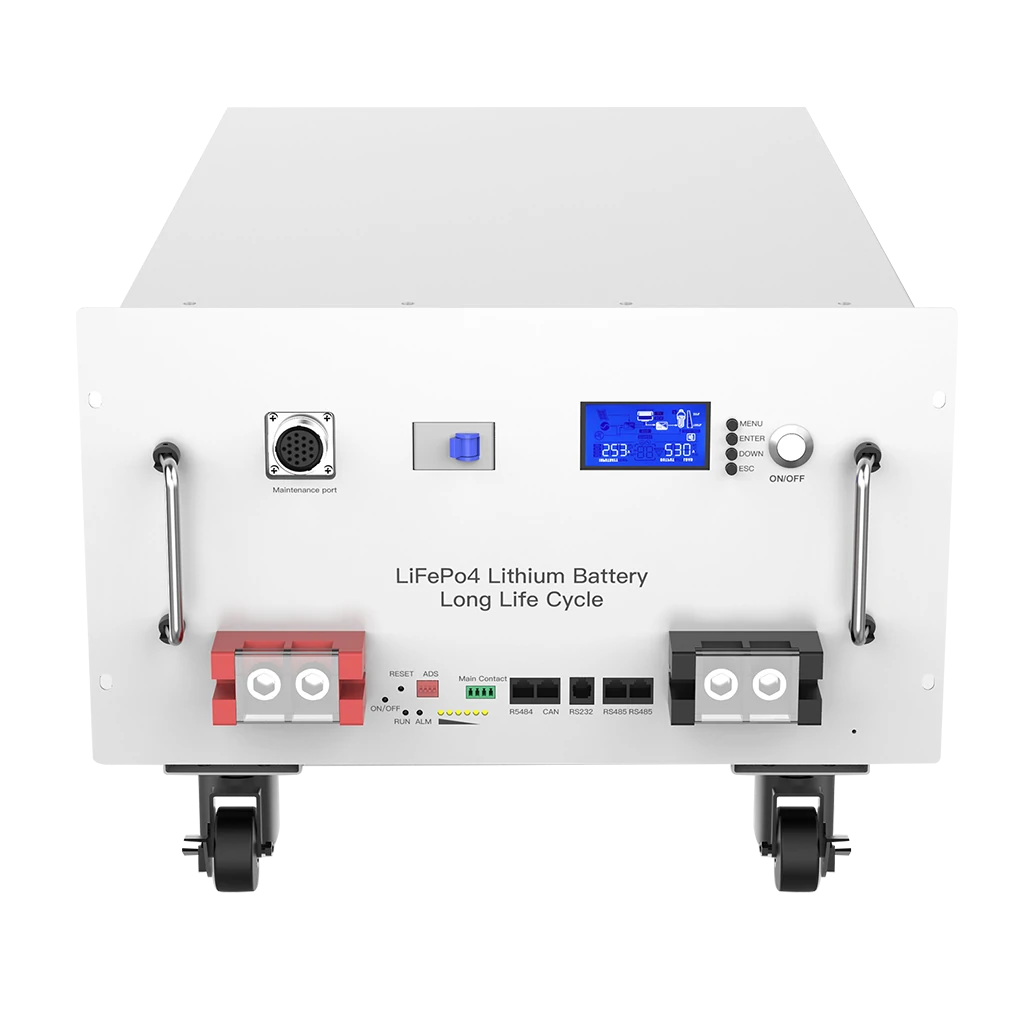
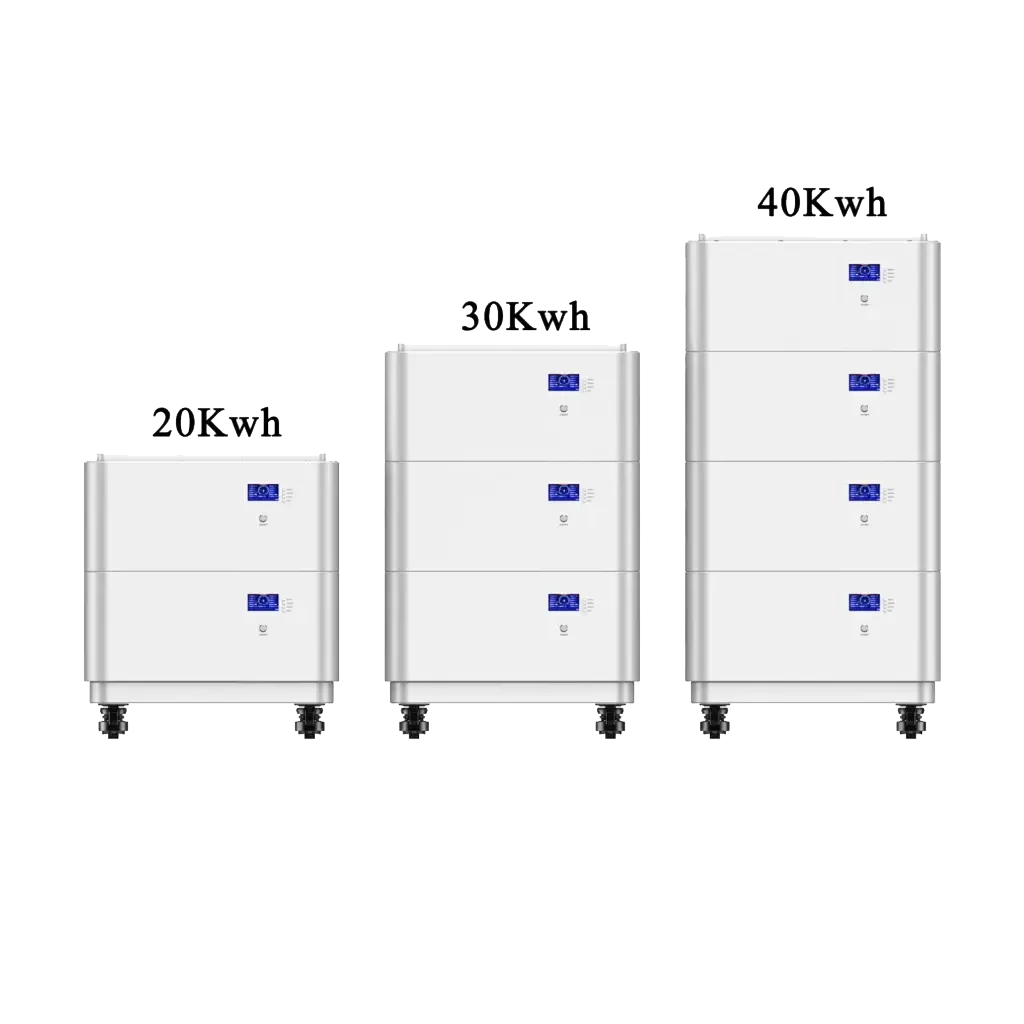
| Cabinet-style project | Rack-mounted battery | 20kWh Rack Mount Battery |
| Integrated system | Battery with inverter | Solar Battery 15kWh with 6kW Inverter |
| C&I or larger project | Custom HV ESS | High Voltage Battery Storage System |
Avepower also supports wholesalers, installers, distributors, OEM/ODM brands, and project buyers through home solar battery wholesale supply, custom branding, capacity configuration, communication protocol matching, and project-based battery selection.
Build a Scalable Solar Battery System with Avepower
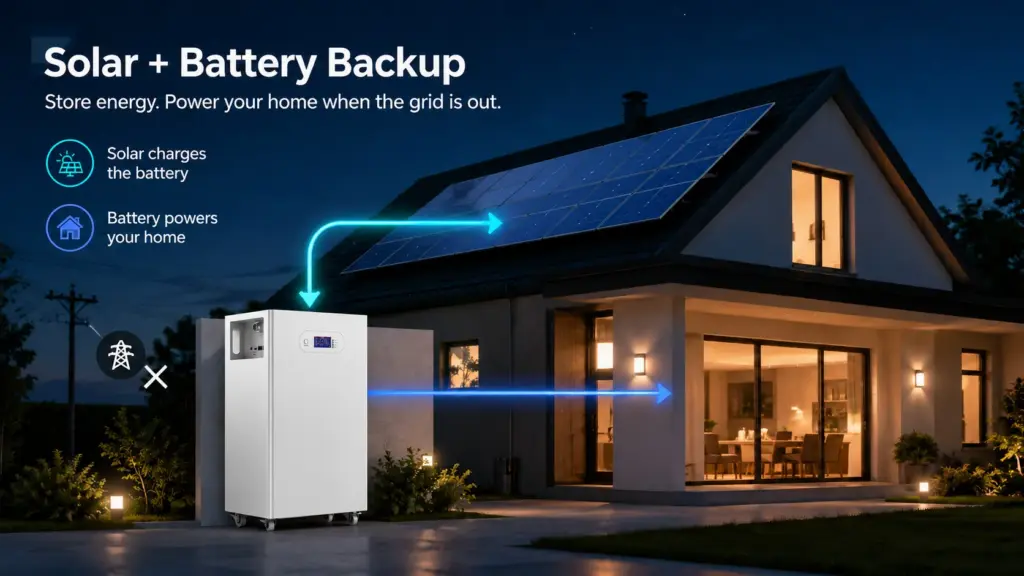
Avepower provides LiFePO4 wall-mounted, rack-mounted, stackable and all-in-one battery systems for home solar storage, backup power and small energy projects.
How to Make a Solar Battery Charge Last Longer
- Back up essential circuits instead of the entire home.
- Avoid running electric heating, air conditioning, ovens, and EV chargers during backup mode.
- Use LED lighting and efficient appliances.
- Charge the battery fully before expected outages when possible.
- Keep the battery in a suitable indoor or protected location.
- Use correct inverter settings and BMS communication.
- Choose a modular battery system if future load growth is likely.
- Maintain proper ventilation and avoid extreme temperatures.
- Monitor state of charge through app or system display.
For installers, battery runtime should be explained to customers using load data, not only nominal kWh. This reduces unrealistic expectations and improves long-term satisfaction.
Conclusion
A solar battery charge can last a few hours, overnight, or more than a day depending on battery size, usable capacity, inverter efficiency, solar recharging, and the loads connected to the backup system. A 10kWh battery can often support essential home loads for about 12 to 24 hours, but high-power appliances can reduce runtime to only a few hours.
For long-term value, choose a battery based on usable capacity, cycle life, chemistry, inverter compatibility, safety protection, expansion options, and supplier support. Avepower LiFePO4 home energy storage systems give homeowners, installers, distributors, and OEM/ODM buyers flexible options across wall-mounted, rack-mounted, stackable, vertical, all-in-one, and high-voltage battery platforms.
FAQ
A 10kWh solar battery may last about 8 to 16 hours under a 500W to 1kW essential load, or only a few hours under heavy loads. With careful load management, some homes can stretch a 10kWh battery to about 24 hours for critical circuits.
Yes, if the battery is sized correctly and the home limits high-power loads. A 10kWh to 15kWh battery system is often enough for basic overnight essential loads, but larger homes or air conditioning loads need more capacity.
Yes, if the system is designed for backup power. Not every grid-tied solar system automatically works during an outage. You need a compatible inverter, battery, backup circuit design, and proper installation.
A 5kWh battery may run a 500W essential load for around 8 hours after usable capacity and inverter losses are considered. If the load is 1kW, runtime may be closer to 4 hours.
Most modern lithium solar batteries last around 10 to 15 years, depending on chemistry, cycle life, operating temperature, depth of discharge, and usage pattern.
Not always. A bigger battery gives longer runtime, but the system also needs the right inverter power, solar charging capacity, safety design, communication compatibility, and installation quality.
Air conditioners, electric heaters, ovens, kettles, pumps, dryers, and EV chargers drain batteries quickly because they require high power.
Yes, if the system is designed for expansion. Avepower wall-mounted and stackable battery systems support parallel expansion, making them suitable for installers and homeowners who want scalable storage.
Use real load data. Add up the appliances you want to run, convert the total to kW, then divide usable battery energy by that load. The formula is: battery capacity × DoD × inverter efficiency ÷ load power.