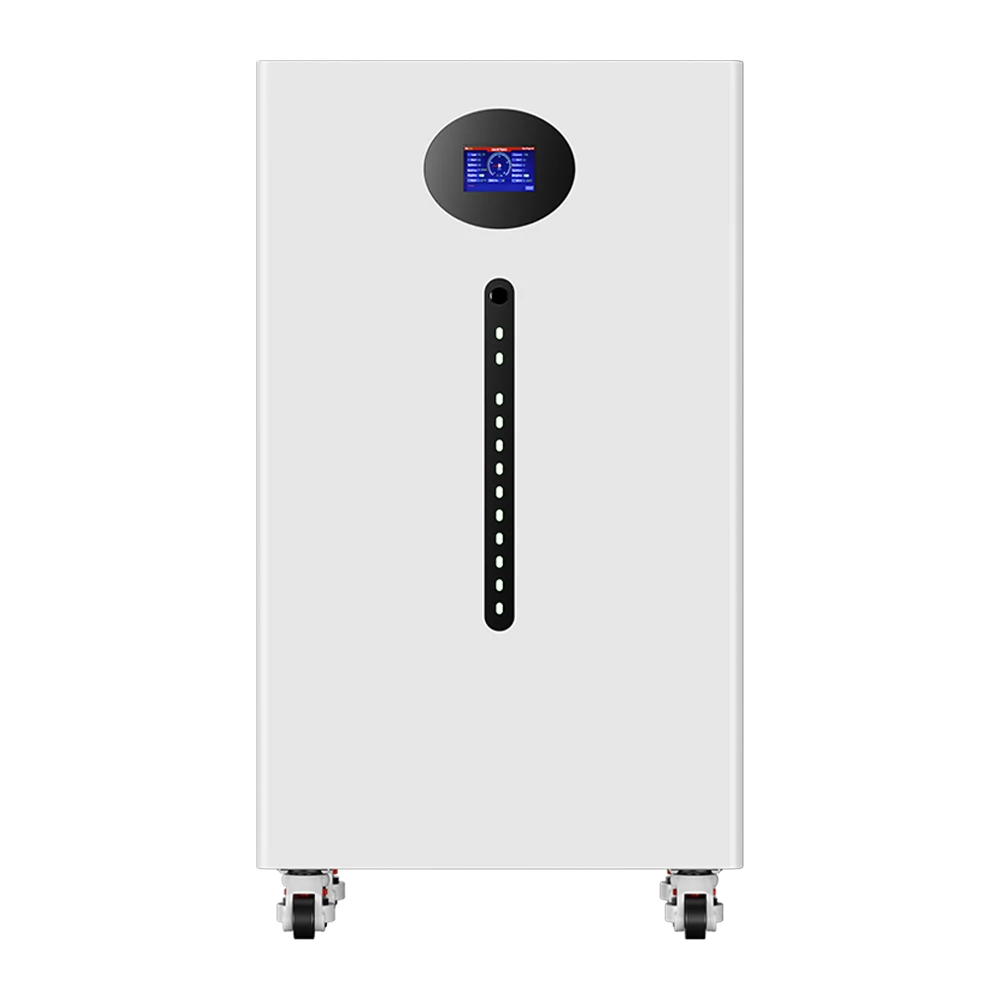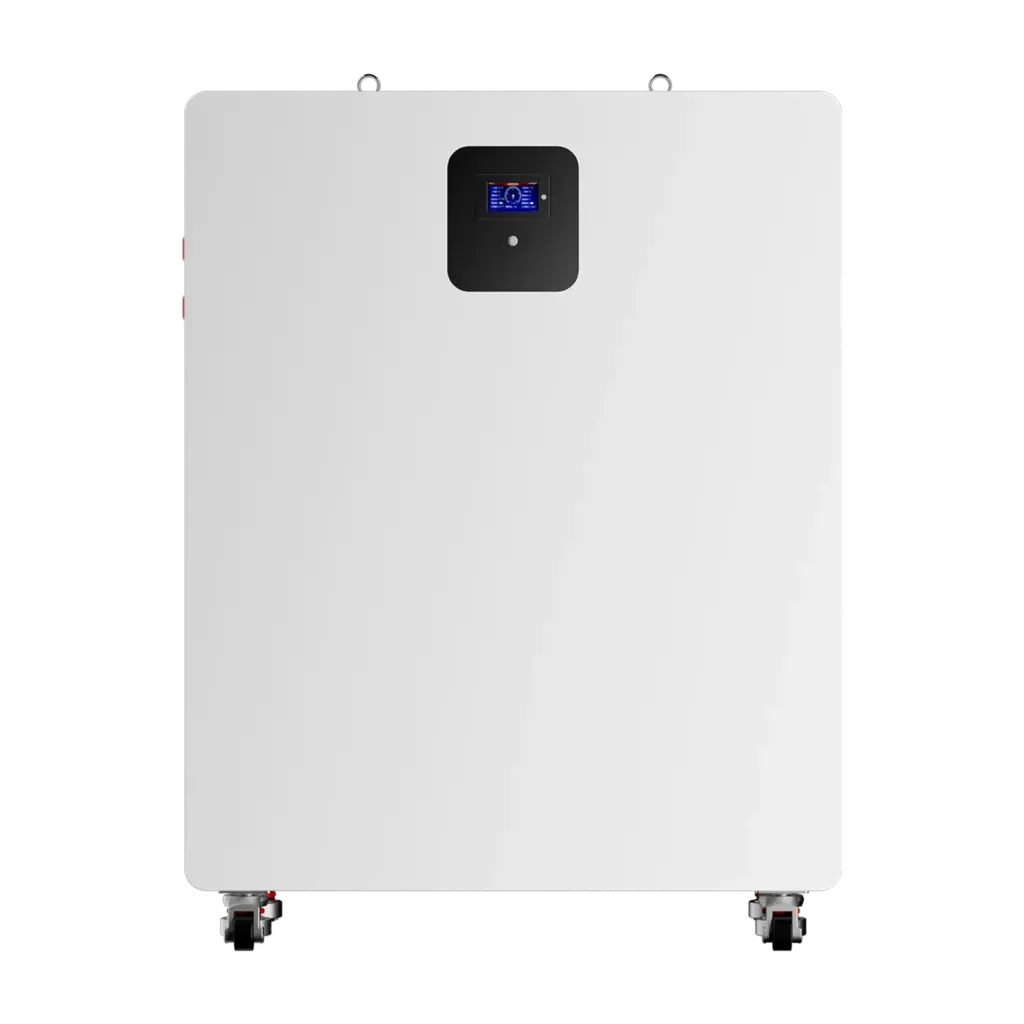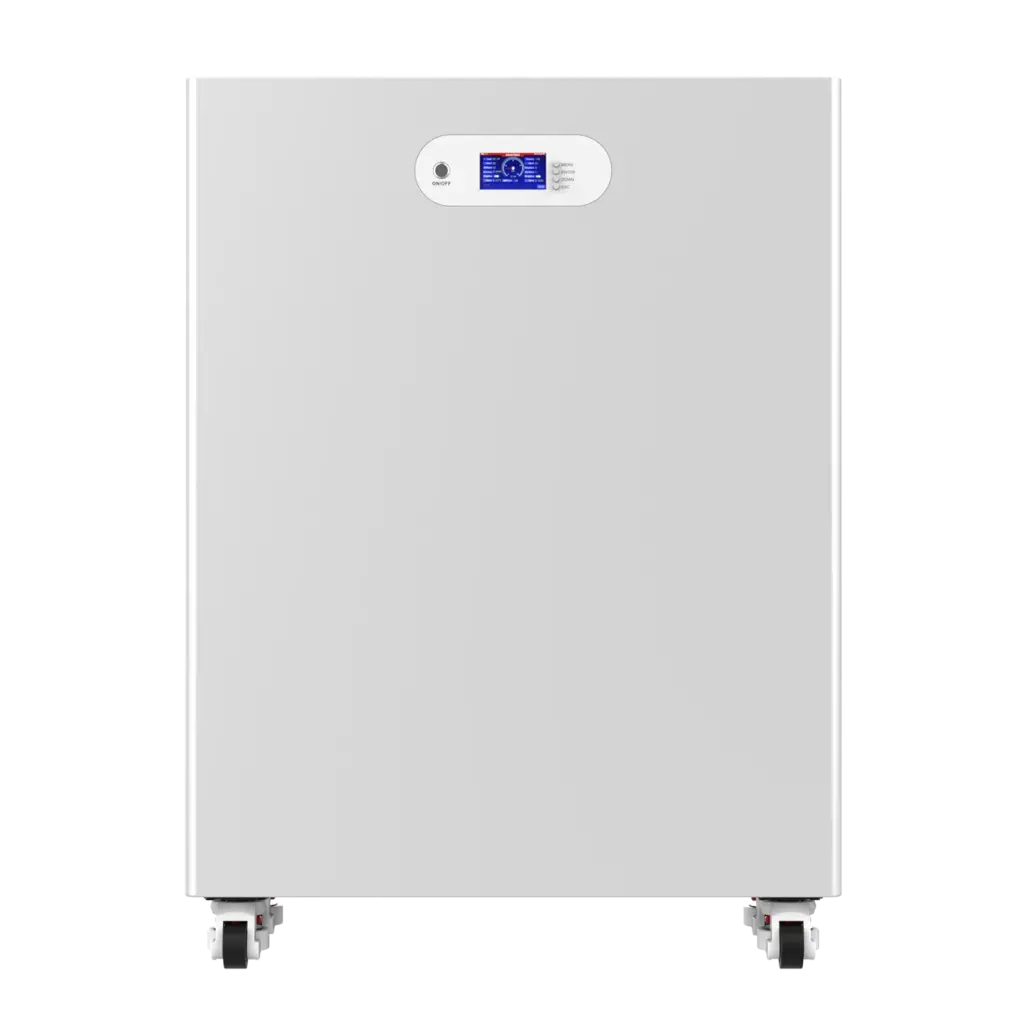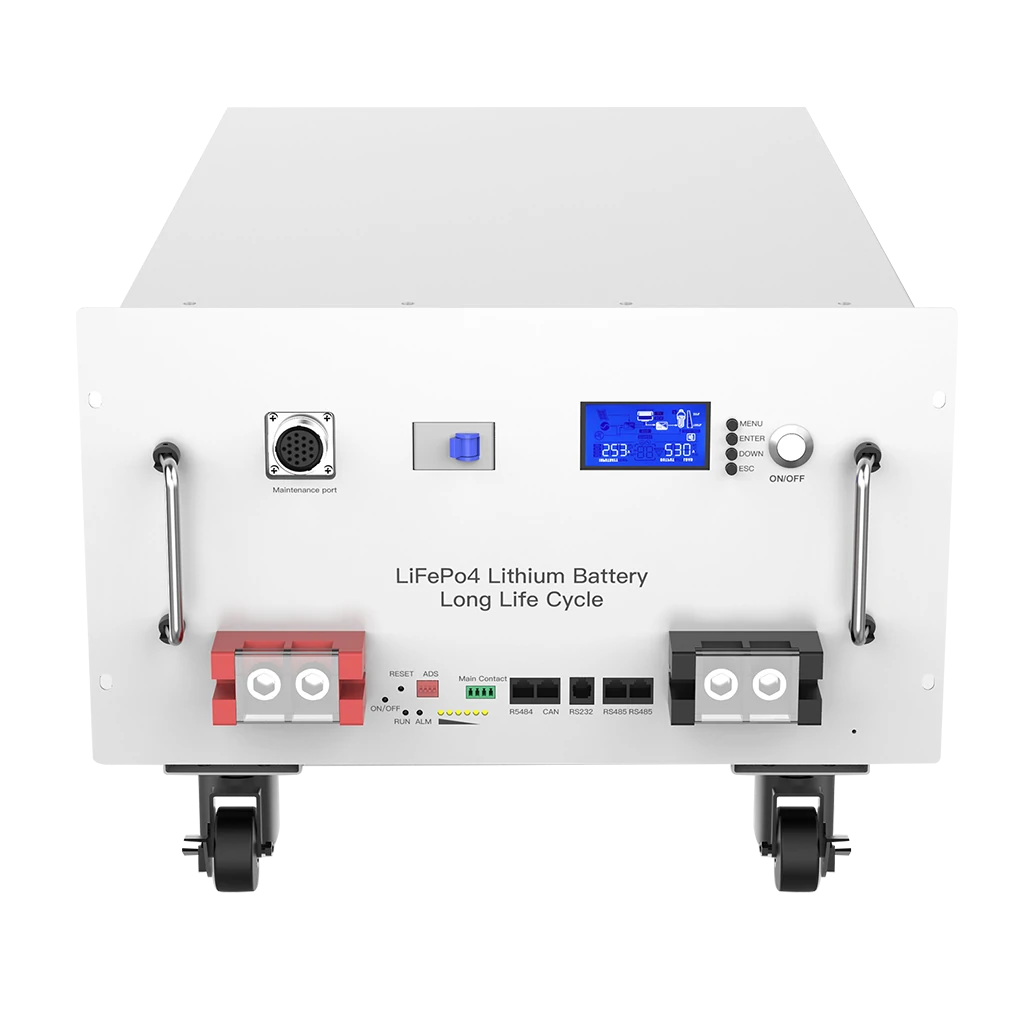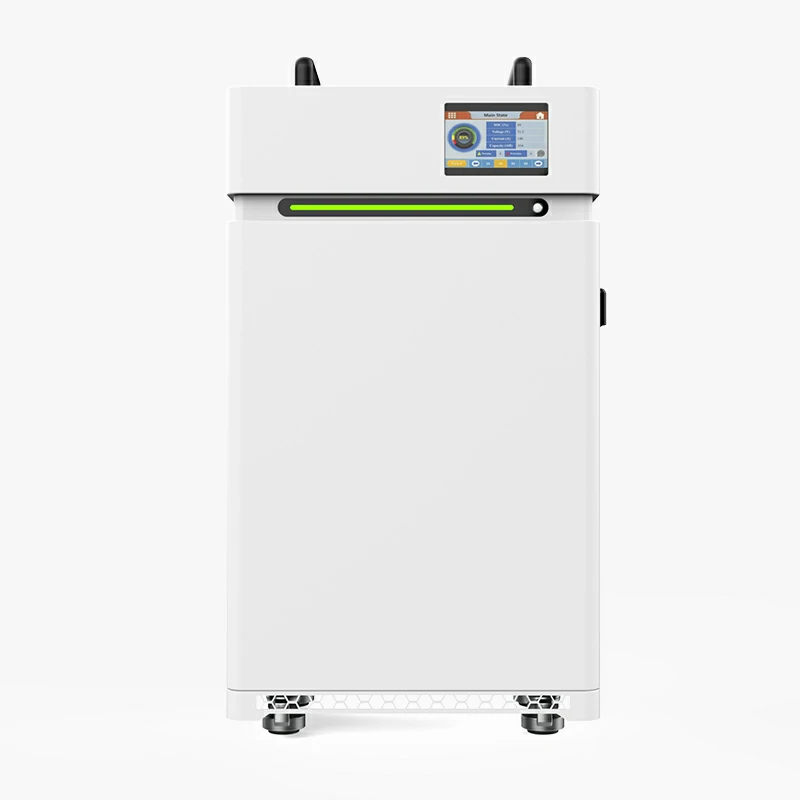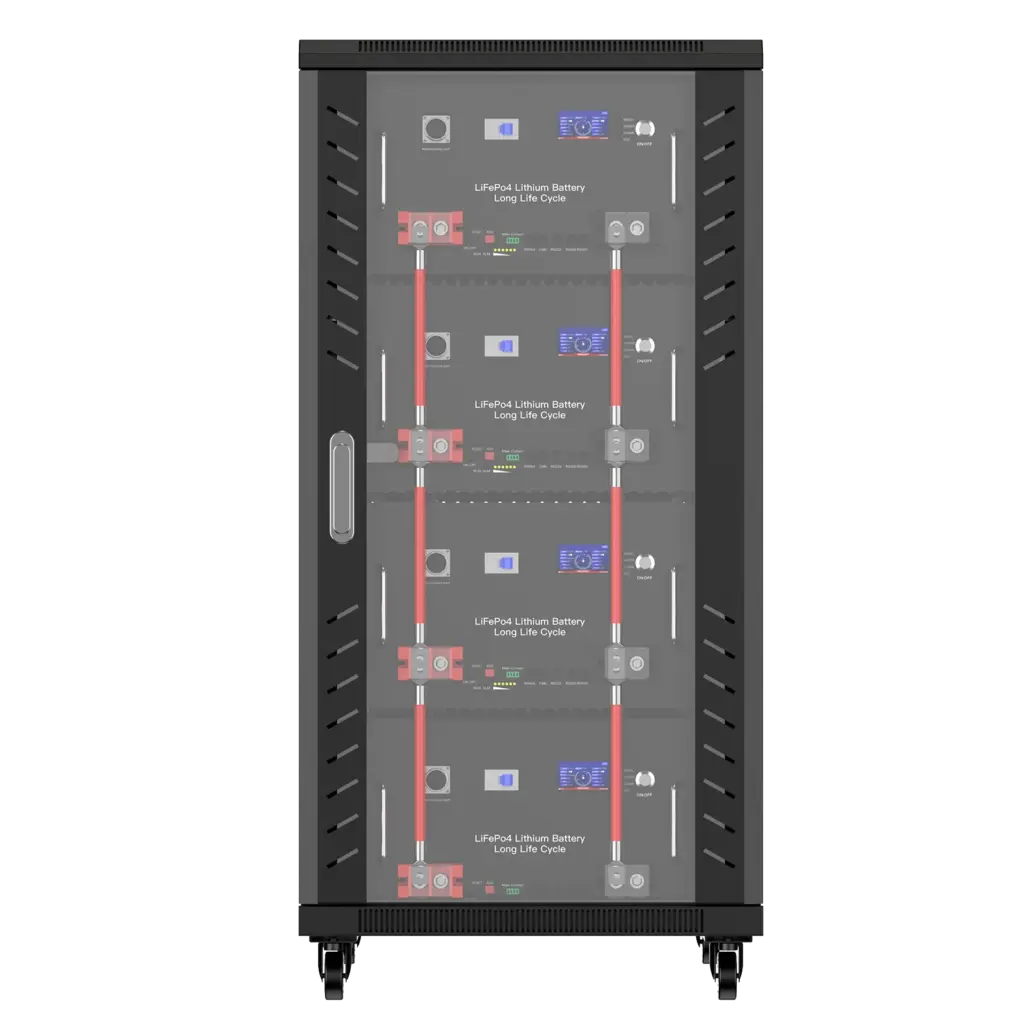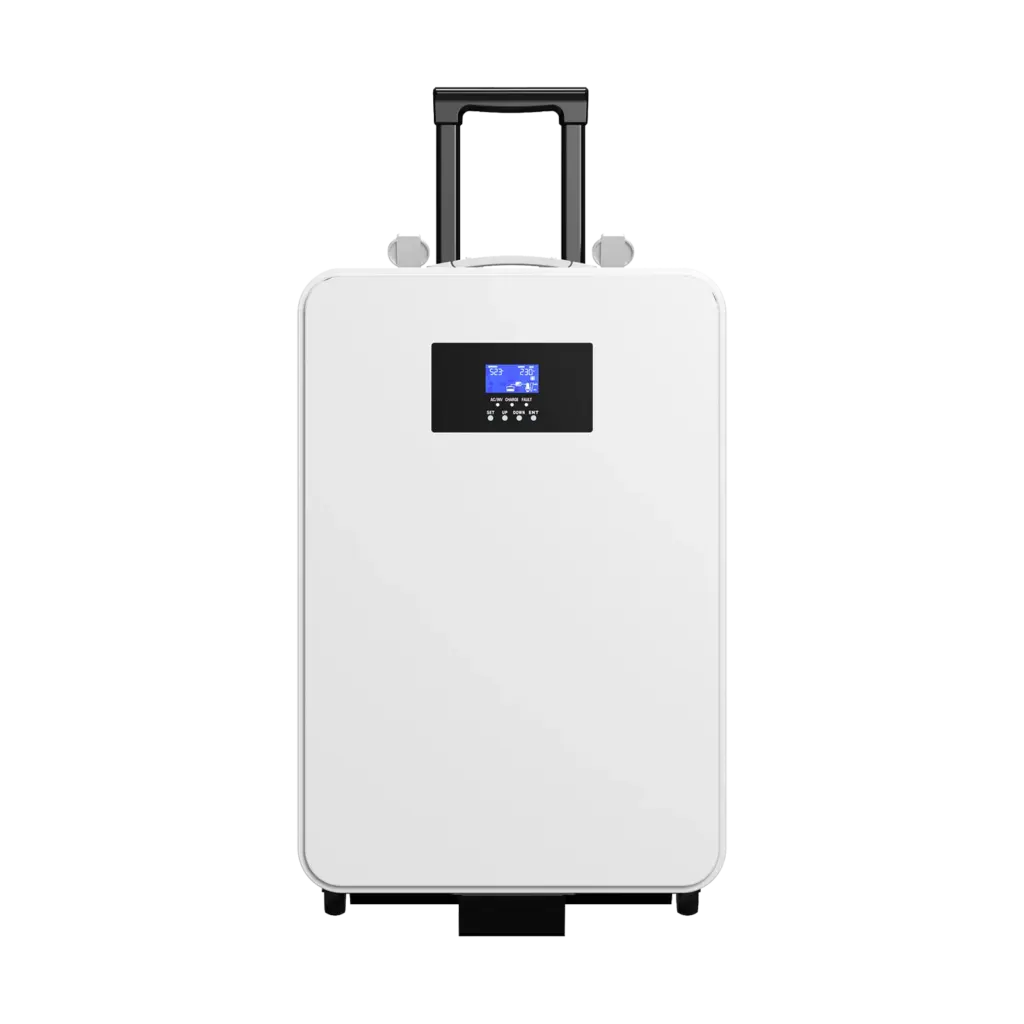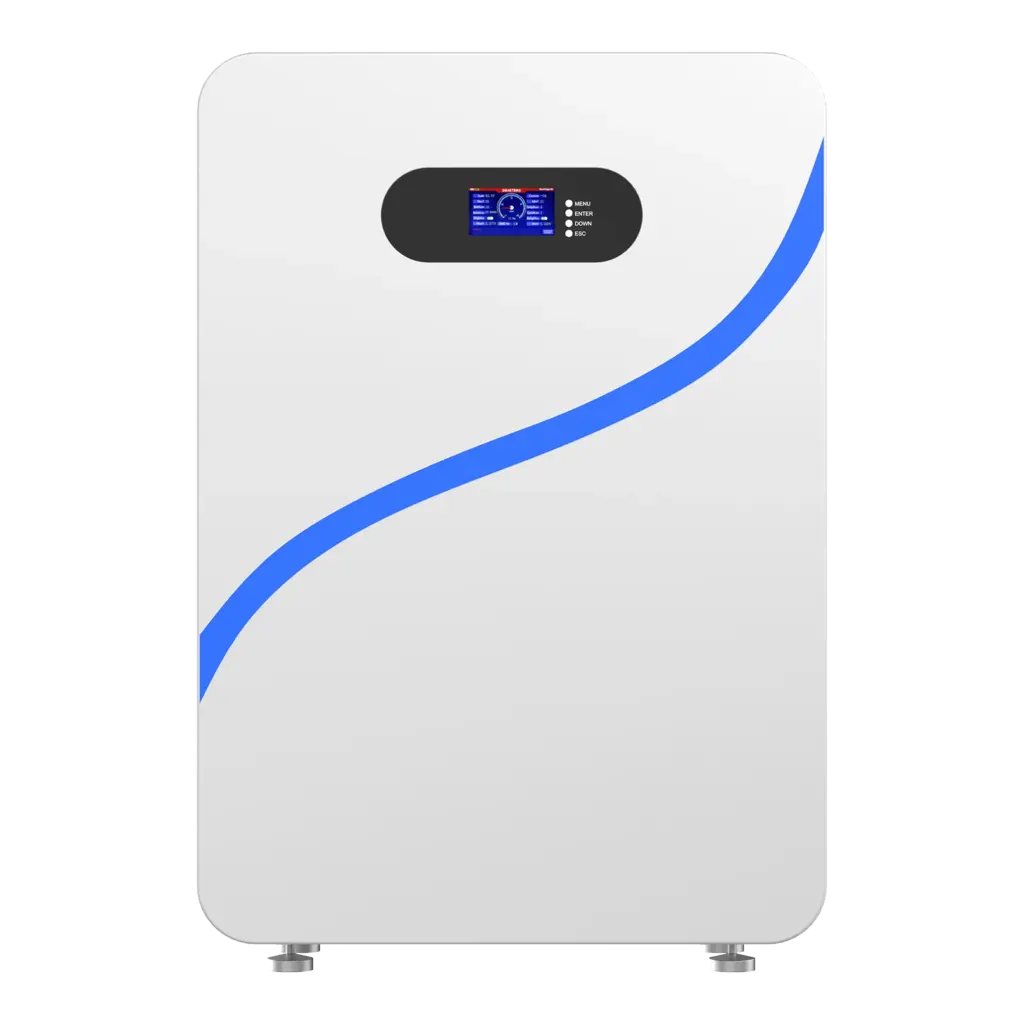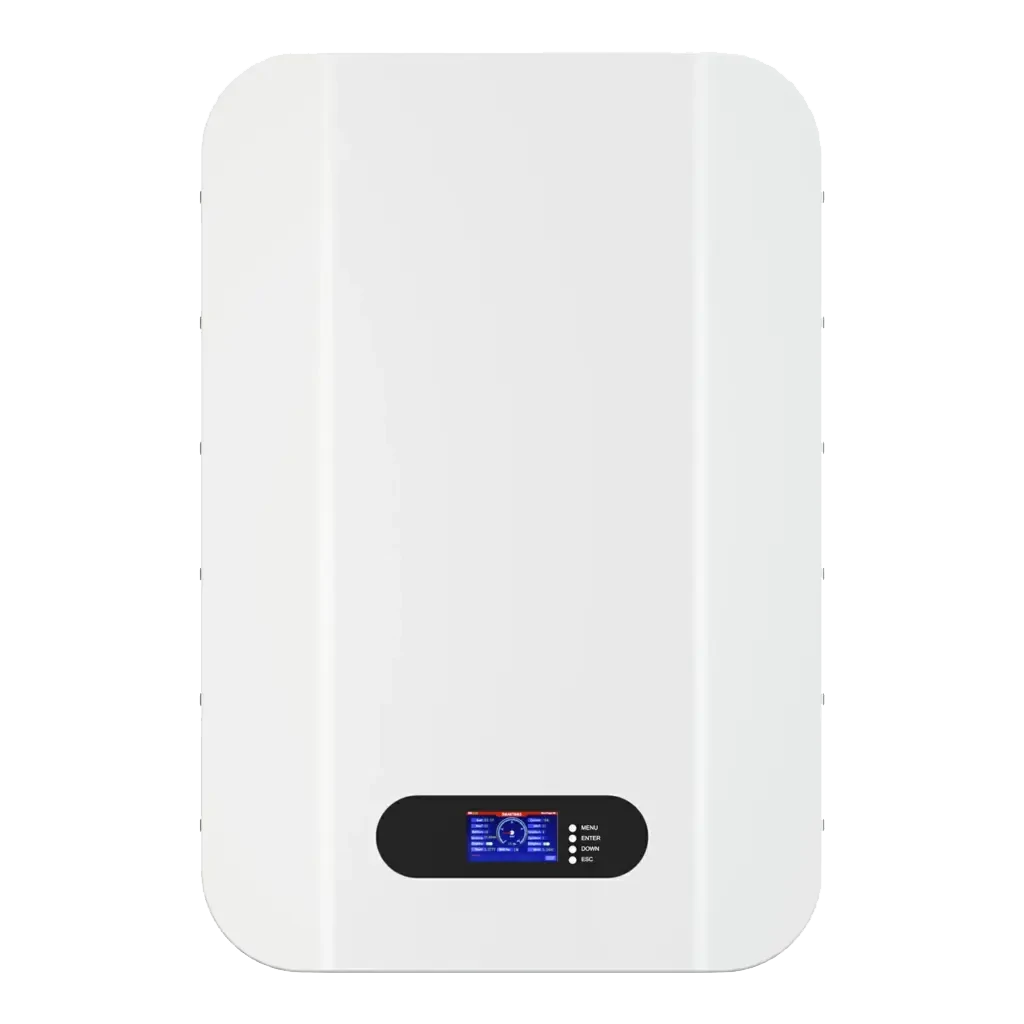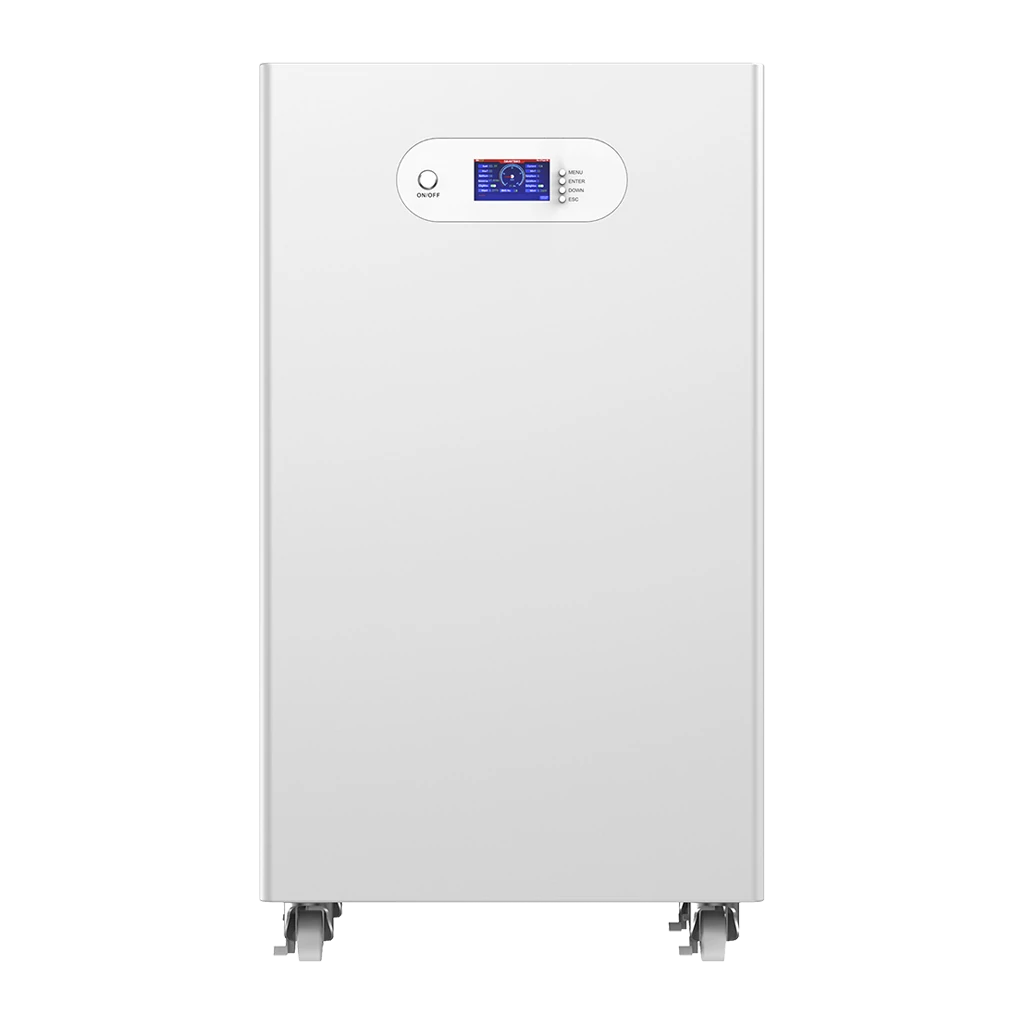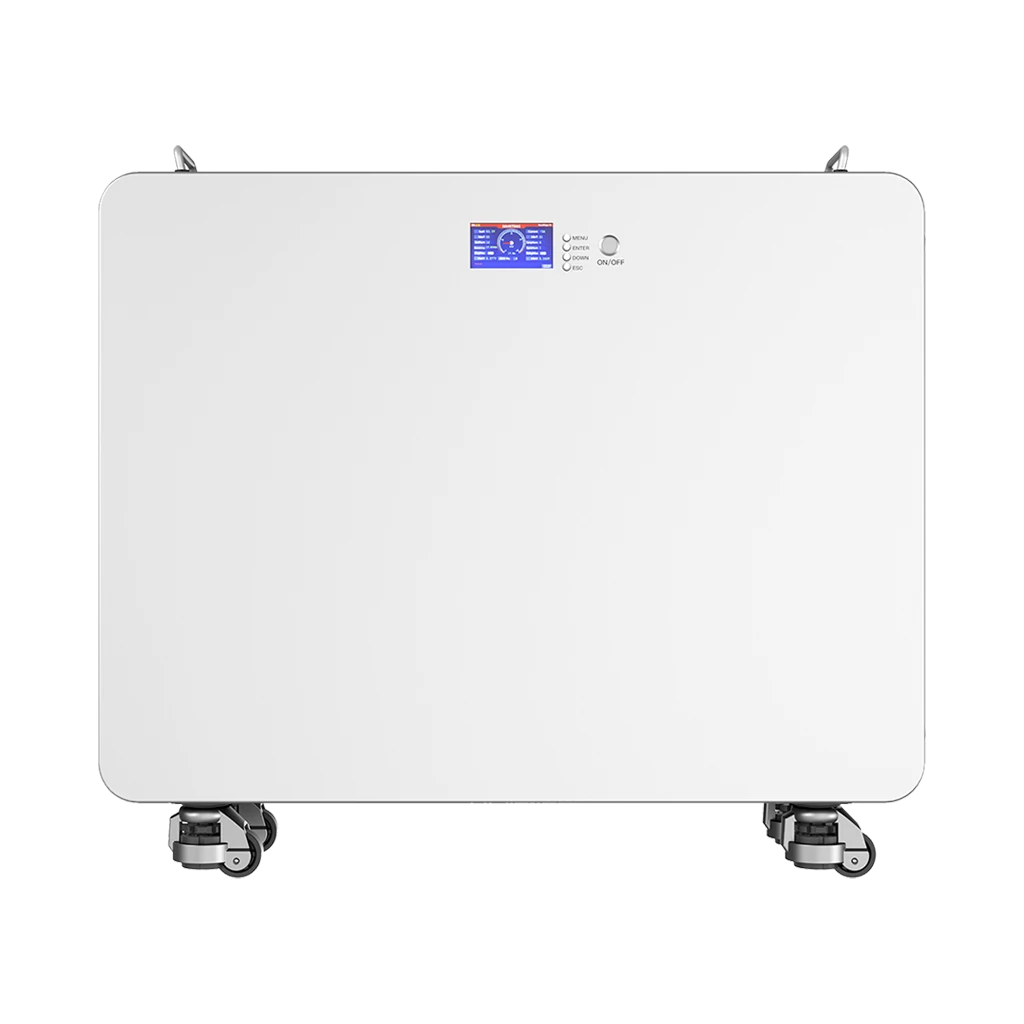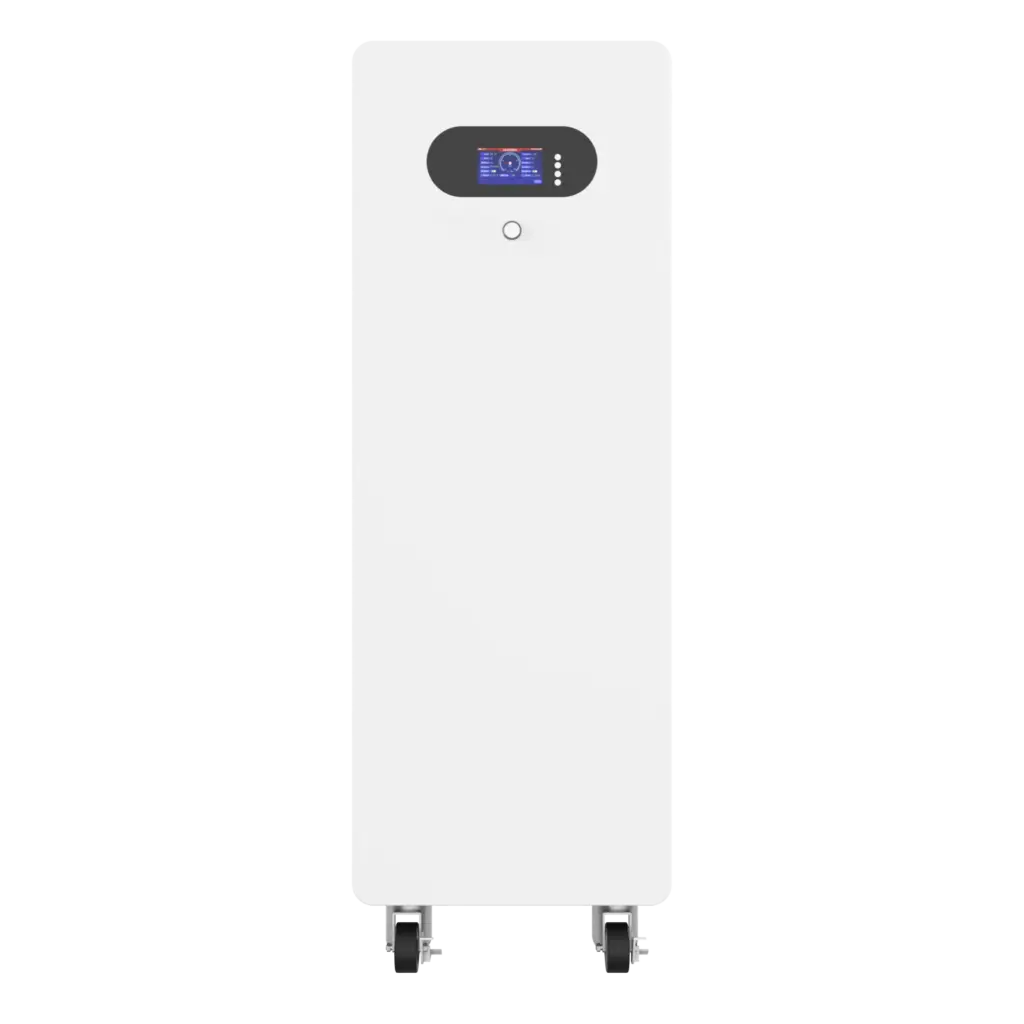

Depth of Discharge (DoD) determines how much of a home battery’s total capacity can be safely and effectively used. It indicates the level to which a battery can be discharged during normal operation without causing performance issues or long-term damage. Today, many modern home energy storage batteries are rated with a 90%–100% Depth of Discharge, allowing homeowners to utilize most of the stored energy and improve overall energy efficiency.
In this guide, we will explain what Depth of Discharge (DoD) is, how it is calculated, and how DoD impacts battery lifespan, cycle life, and long-term ownership costs—helping you make more informed decisions when choosing and using a home battery system.
What Does Depth of Discharge (DoD) Mean?
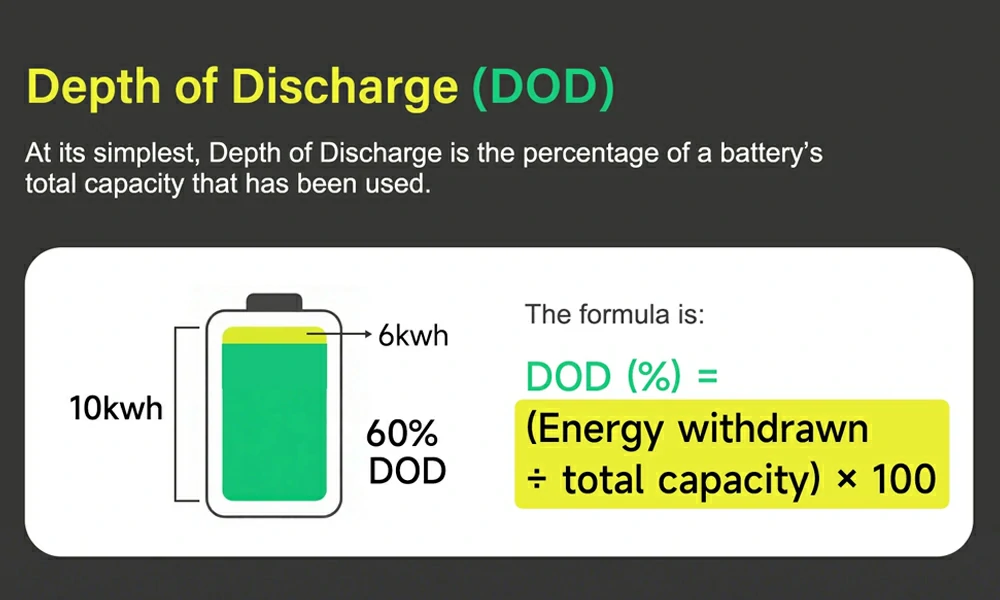
Depth of Discharge represents the proportion of a battery’s total energy capacity that has been used during operation. Manufacturers express this value as a percentage of the battery’s nominal capacity.
A battery rated for 100% DoD is designed to safely discharge its full stored energy. A battery rated for 80% DoD should only use 80% of its capacity to maintain long-term performance and warranty coverage.
This value directly determines how much energy is available to power loads before the battery must be recharged.
Depth of Discharge Calculator
You can calculate DoD using either energy (kWh) or capacity (Ah).
DoD formula (kWh)
DoD (%) = (Energy removed ÷ Battery rated capacity) × 100
SoC formula (when the battery starts full)
SoC (%) = 100 − DoD (%)
Usable energy formula
Usable energy (kWh) = Battery rated capacity (kWh) × DoD limit (%)
Why Depth of Discharge Is a Design Limitation
Battery cells degrade through electrochemical reactions that occur during charging and discharging. Deep discharge cycles place greater stress on internal electrodes, electrolytes, and separators. Over time, this stress accelerates material breakdown and reduces usable capacity.
Manufacturers therefore specify a maximum allowable DoD to balance:
- Energy availability
- Safety margins
- Cycle durability
- Warranty obligations
Modern batteries rely on integrated Battery Management Systems (BMS) to enforce these limits automatically.
What is State of Charge (SoC), and How is it Linked to DoD?
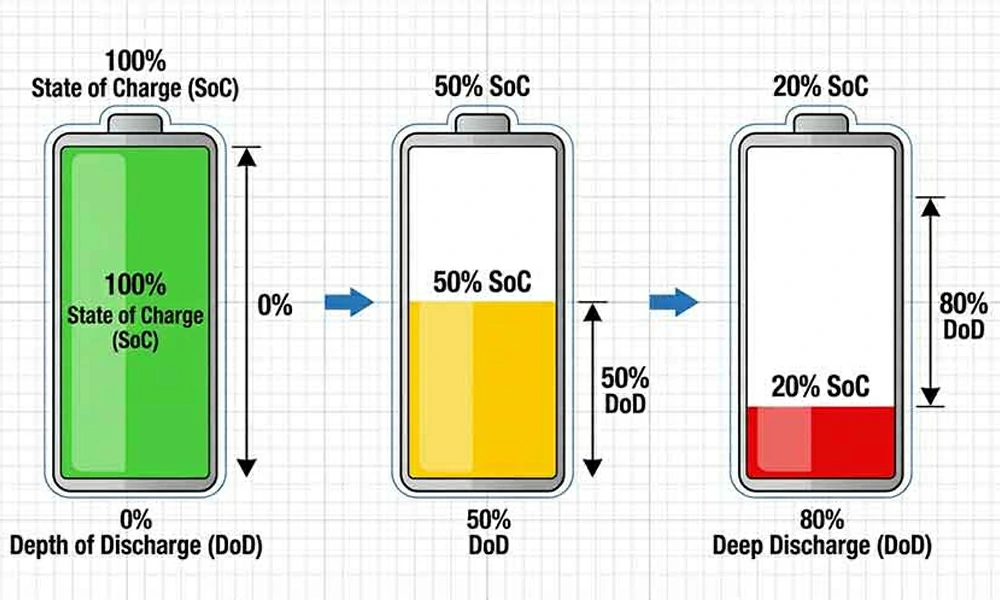
State of Charge (SoC) describes how much energy is left in the battery.
- A battery at 70% SoC still has about 70% of its stored energy remaining.
- A battery at 20% SoC has about 20% remaining.
DoD and SoC are two sides of the same idea when you start from a full charge.
- If you start at 100% SoC, then DoD% + SoC% = 100%.
So if a battery is at 25% SoC after a discharge, the battery has a DoD of 75% for that discharge.
Many battery systems set a minimum SoC, such as 10% or 20%. That minimum SoC works like a “reserve” that helps protect the battery and keeps a backup margin for emergencies.
A battery might show “100%” on a marketing page, but the system might still keep a hidden reserve. You can still treat DoD as the usable window the system allows.
Why DoD Matters for Home Battery Buyers
DoD matters because DoD controls two practical things:
- How much usable energy you get each day
- How hard the battery works over time
A battery that allows deeper discharge gives you more usable kilowatt-hours (kWh) from the same nameplate size. A battery that stays shallow can last longer in some chemistries, but it also gives you less usable energy per cycle.
A home battery system also uses DoD to protect the battery. A good battery management system (BMS) can limit discharge and help the battery avoid harmful conditions.
Depth of Discharge (DoD) Across Different Battery Types
Below is a comparison of DoD characteristics for common battery types, including flooded lead-acid, AGM, lithium, NiCd, and NiMH batteries.
| Battery Chemistry | Recommended DoD | Cycle Life Impact |
|---|---|---|
| Flooded Lead-Acid | ≤50% | Strongly affected by deep discharge |
| AGM | ≤50%–80% | Moderate sensitivity to deep cycling |
| Lithium (Li-ion / LiFePO4) | 80%–95% | Minimal impact when properly managed |
| NiCd | Up to 100% | Very tolerant |
| NiMH | 80%–100% | High tolerance |
Many modern home batteries use lithium iron phosphate (LiFePO4 or LFP) cells, because LFP chemistry usually supports strong safety and long cycle performance when a system uses a solid BMS.
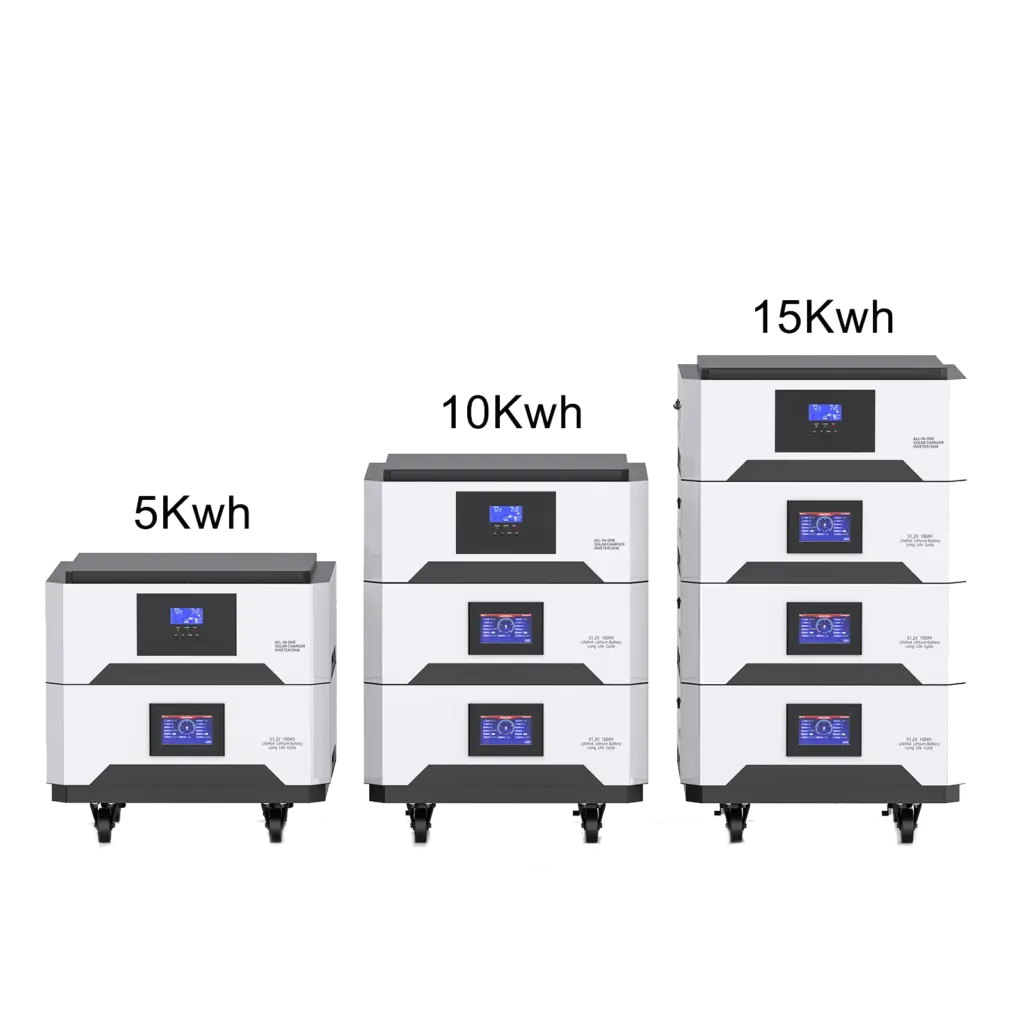
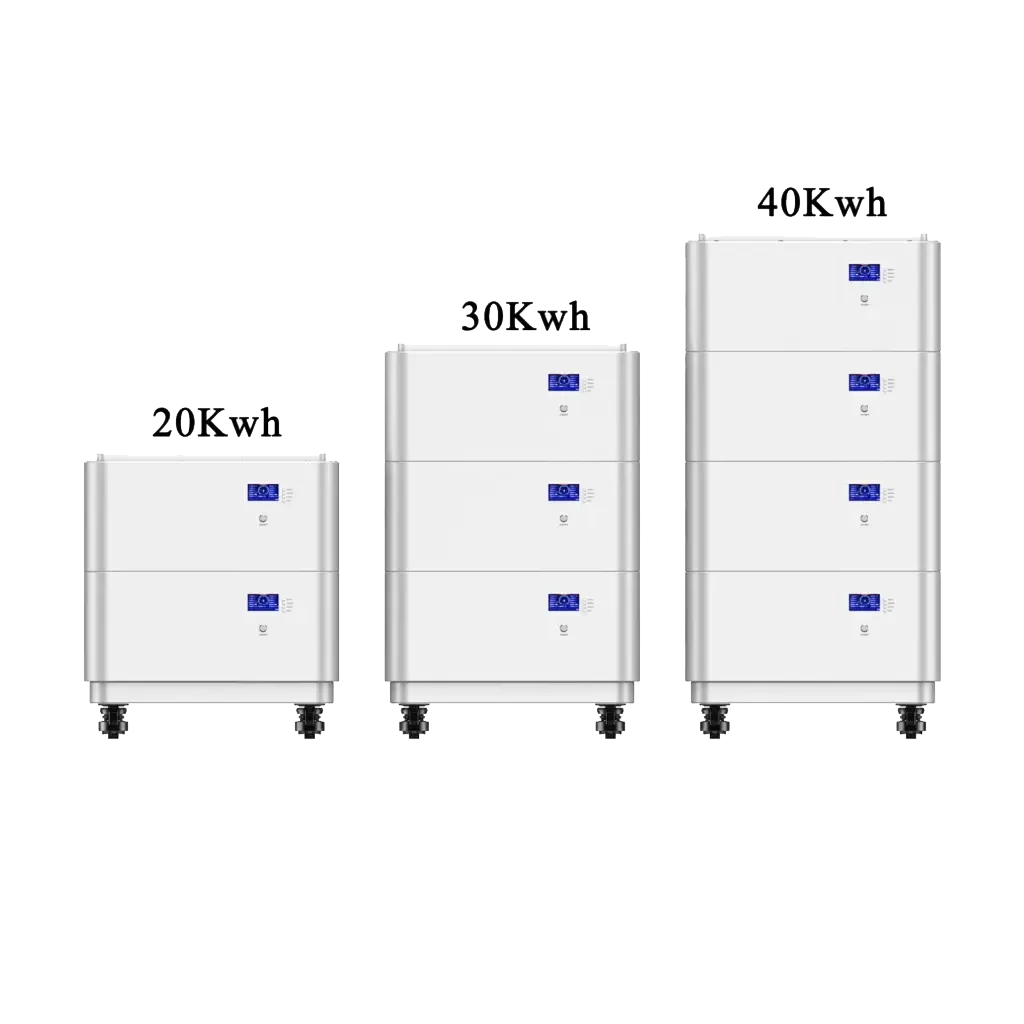
Avepower designs home energy storage systems around lithium battery technology and BMS protection, and a buyer can use DoD and usable energy to size an Avepower system the same way a buyer sizes any quality home battery. A homeowner should match usable kWh to night-time loads, and a homeowner should match kW power to heavy appliances, because both numbers shape the real experience.
Why Depth of Discharge (DoD) Matters in Everyday Use
Depth of Discharge influences several practical aspects of how a battery performs in daily life. Homeowners often notice these effects quickly after installation.
1. DoD Determines Your Usable Energy
The maximum Depth of Discharge directly controls how much of a battery’s rated capacity you can actually use. For example, if your battery is rated at 15 kWh but has a DoD limit of 50%, only 7.5 kWh is safely available for use before the battery requires recharging.
This means if your home needs about 10 kWh of power overnight, a battery with a 50% DoD rating won’t be sufficient unless you install a larger capacity. Higher DoD batteries provide more usable energy from the same rated size, improving efficiency and reducing costs.
2. DoD Affects How Often Your Battery Runs “Empty”
Backup duration depends on usable energy. A higher DoD usually gives longer backup time, because the battery can safely give more energy before the system stops the discharge.
A home that uses 2 kW during an outage can run:
- about 6 hours on 12 kWh usable energy
- about 7.5 hours on 15 kWh usable energy
The home’s real backup time depends on loads, inverter limits, and temperature, but usable energy still sets the ceiling.
3. DoD Influences Battery Wear and Lifespan
Discharging a battery more deeply typically causes greater wear during each cycle. This is especially true for older battery chemistries, like traditional lead-acid types, which are less tolerant of deep cycling.
While the exact relationship between DoD and battery degradation varies by chemistry and design, the general trend is clear: deeper discharge cycles tend to reduce overall battery lifespan if the battery is not engineered to handle deep cycling.
Batteries designed with higher DoD tolerances, such as modern lithium-ion cells, can handle deeper discharges with less impact on longevity.
Temperature Effects on Depth of Discharge and Lifespan
Temperature strongly affects battery performance and battery aging. Many home battery owners forget temperature because temperature feels like a “background” issue, but temperature can shorten lifespan quickly.
High Temperatures
High heat speeds up side reactions inside the cells. A hot battery ages faster, even if the battery cycles gently.
Many installers treat 30°C (86°F) as a practical line where heat starts to become a bigger risk for long-term life, especially in garages with poor airflow.
Low Temperatures
Cold conditions can reduce available power and can make charging harder. Cold conditions can also force the system to use higher voltage or extra control steps to charge safely.
A homeowner can improve battery life by placing the battery in a space that stays mild, such as:
- a shaded garage wall,
- a utility room,
- or another indoor space that stays within the recommended operating range.
A homeowner should always follow the product manual and local code.
The Influence of Depth of Discharge on Battery Cycle Life
Cycle life describes how many full charge-discharge cycles a battery can endure before its capacity drops below a usable threshold (commonly 70-80% of original capacity). Importantly, cycle life varies inversely with Depth of Discharge.
Typical Cycle Life Relationship:
| Depth of Discharge (%) | Approximate Cycle Life (Cycles) |
|---|---|
| 10 | Up to 15,000 |
| 50 | Around 5,000 |
| 80 | Approximately 3,000 |
| 100 | Below 1,000 (varies by chemistry) |
Deeper discharges induce higher mechanical and chemical stresses inside battery cells, accelerating wear. Conversely, shallower discharges reduce stress, prolonging battery lifespan.
This dynamic emphasizes the importance of operating batteries within recommended DoD limits to optimize both performance and longevity.
Understanding Battery Cycle Life in Depth
A single battery cycle is a complete sequence of charging and discharging. Partial discharges can accumulate to one full cycle—for example, two 50% discharges count as one full cycle.
Manufacturers specify cycle life based on standardized test conditions, but real-world usage varies depending on DoD, temperature, charging rate, and other factors.
A high-quality lithium-ion battery with a controlled DoD of 80% can often achieve 3,000+ cycles, equating to 8-10 years of service in residential applications.
Conclusion
Depth of Discharge is a critical factor influencing the energy you can draw from your battery, its overall health, and your system’s economics. Understanding DoD enables homeowners to:
- Optimize battery sizing for real-world energy needs
- Extend battery lifespan by operating within safe DoD limits
- Maximize solar energy self-consumption and backup power duration
- Reduce total cost of ownership through smarter energy management
Modern lithium-ion batteries with high DoD thresholds, supported by intelligent BMS technology, provide the best balance of usable capacity and durability for residential solar energy storage.
By grasping how DoD interrelates with cycle life, temperature, and battery chemistry, users can confidently invest in home energy systems that deliver reliable, long-lasting performance.
FAQ
A 100% DoD claim often means the system allows you to use the full rated capacity. A BMS usually still protects the cells with internal limits.
DoD describes how much energy the battery has used. SoC describes how much energy the battery has left.