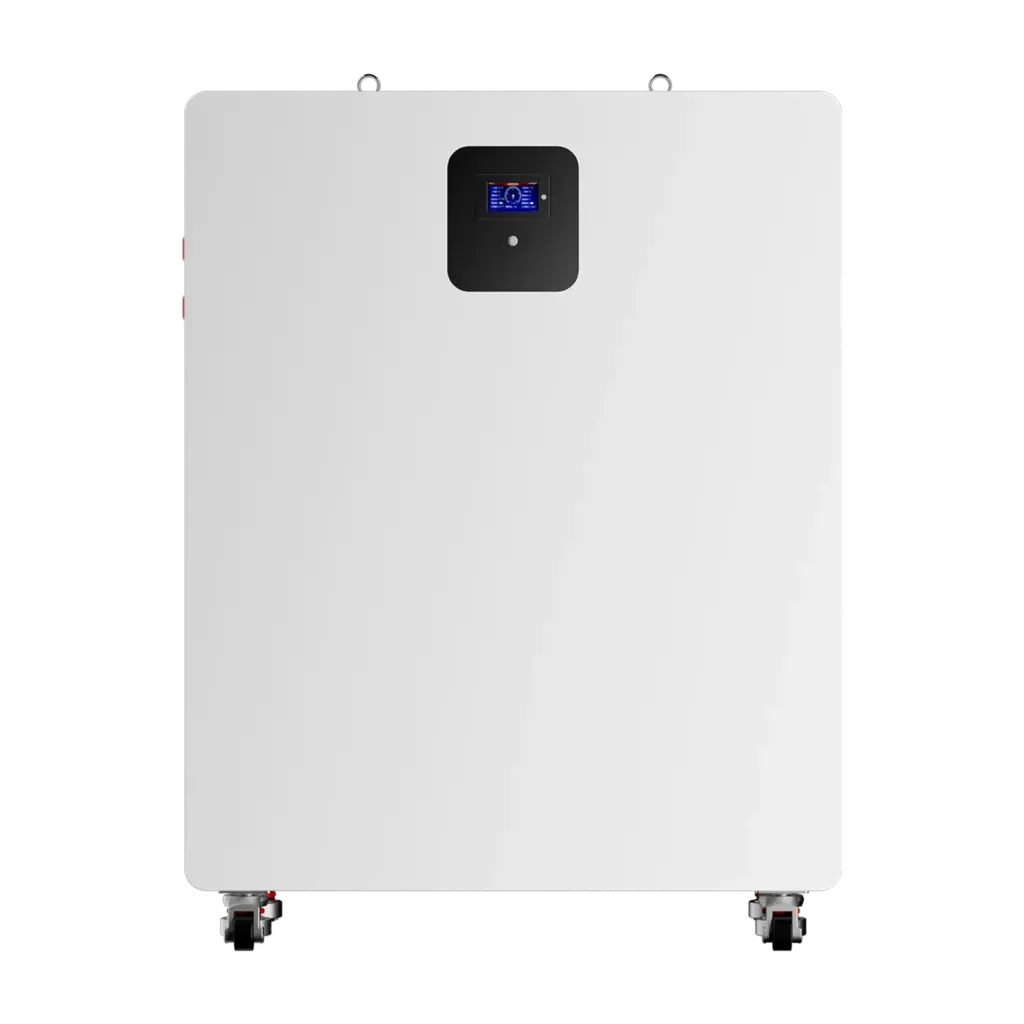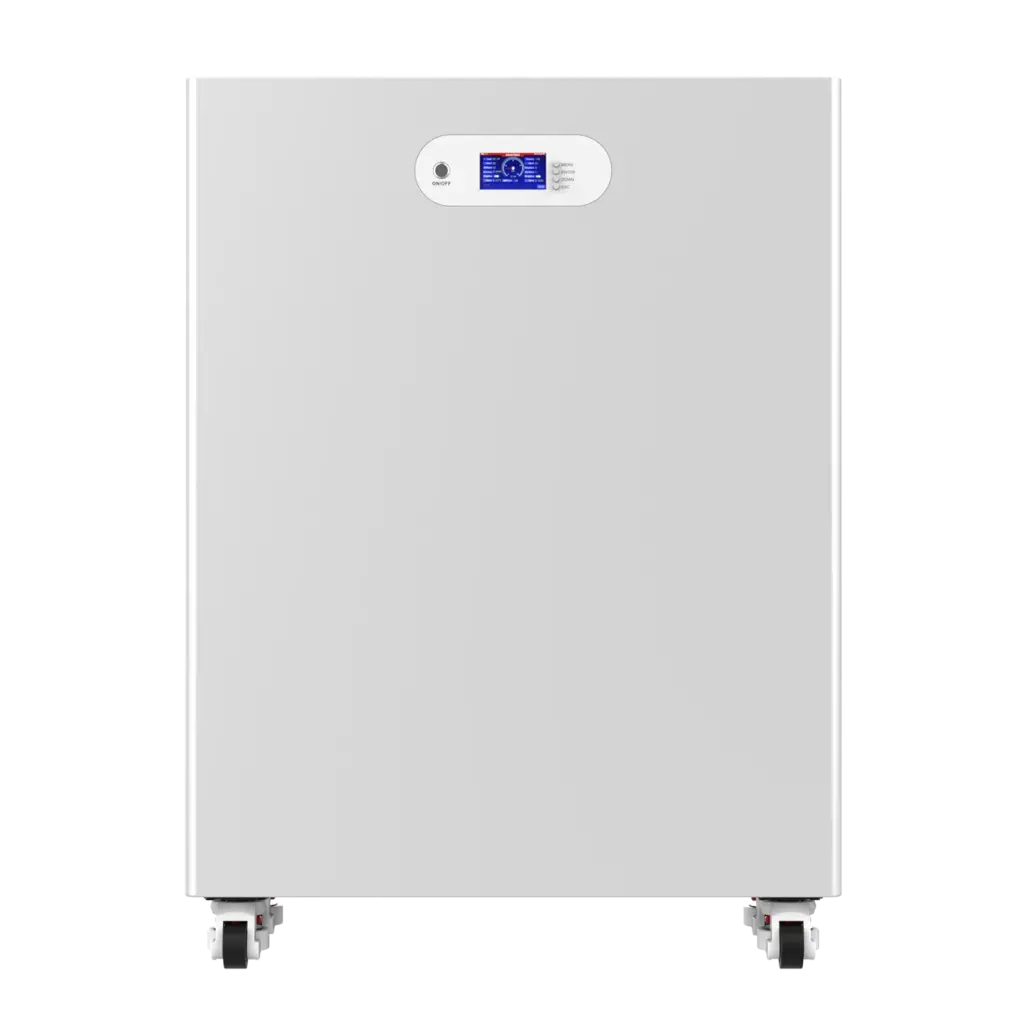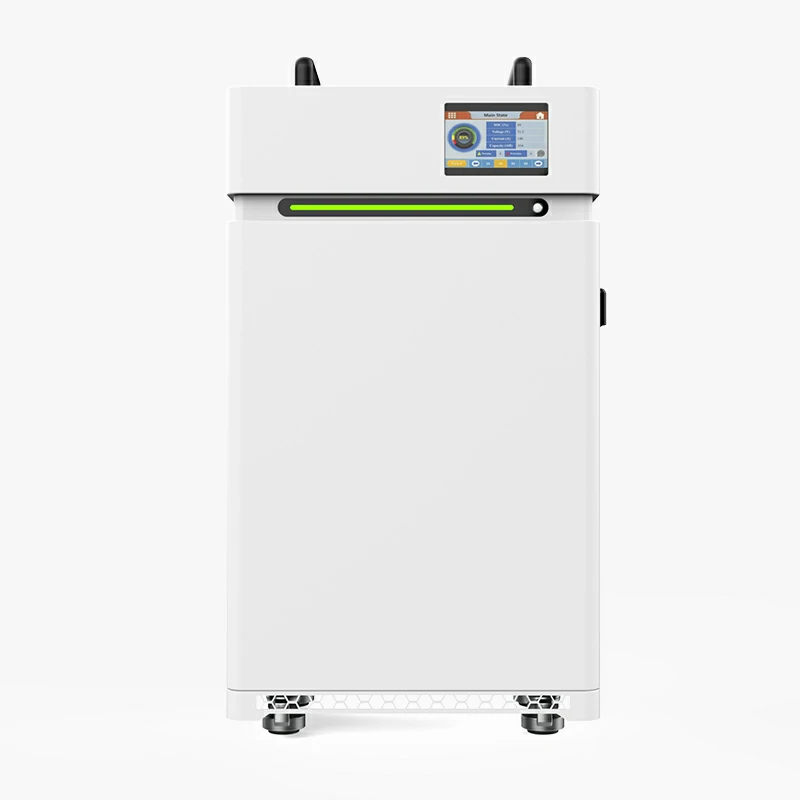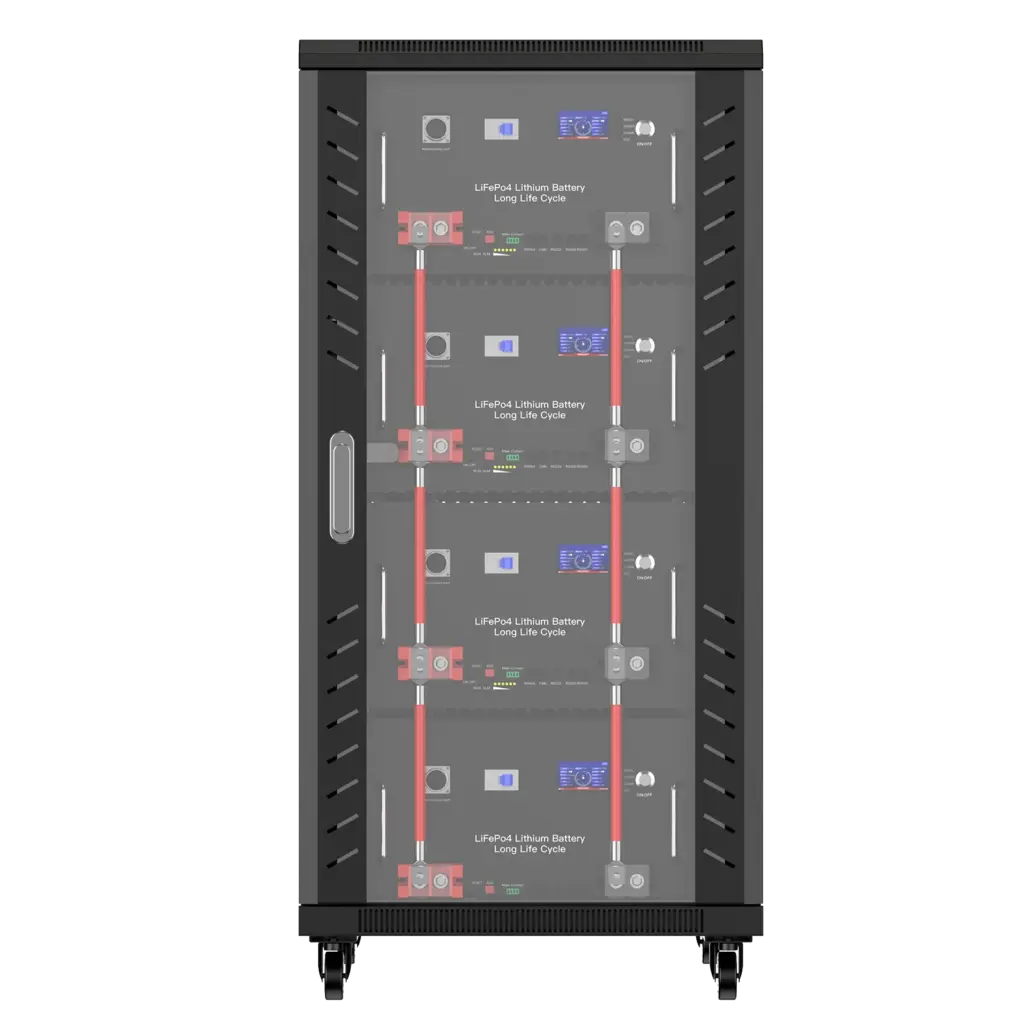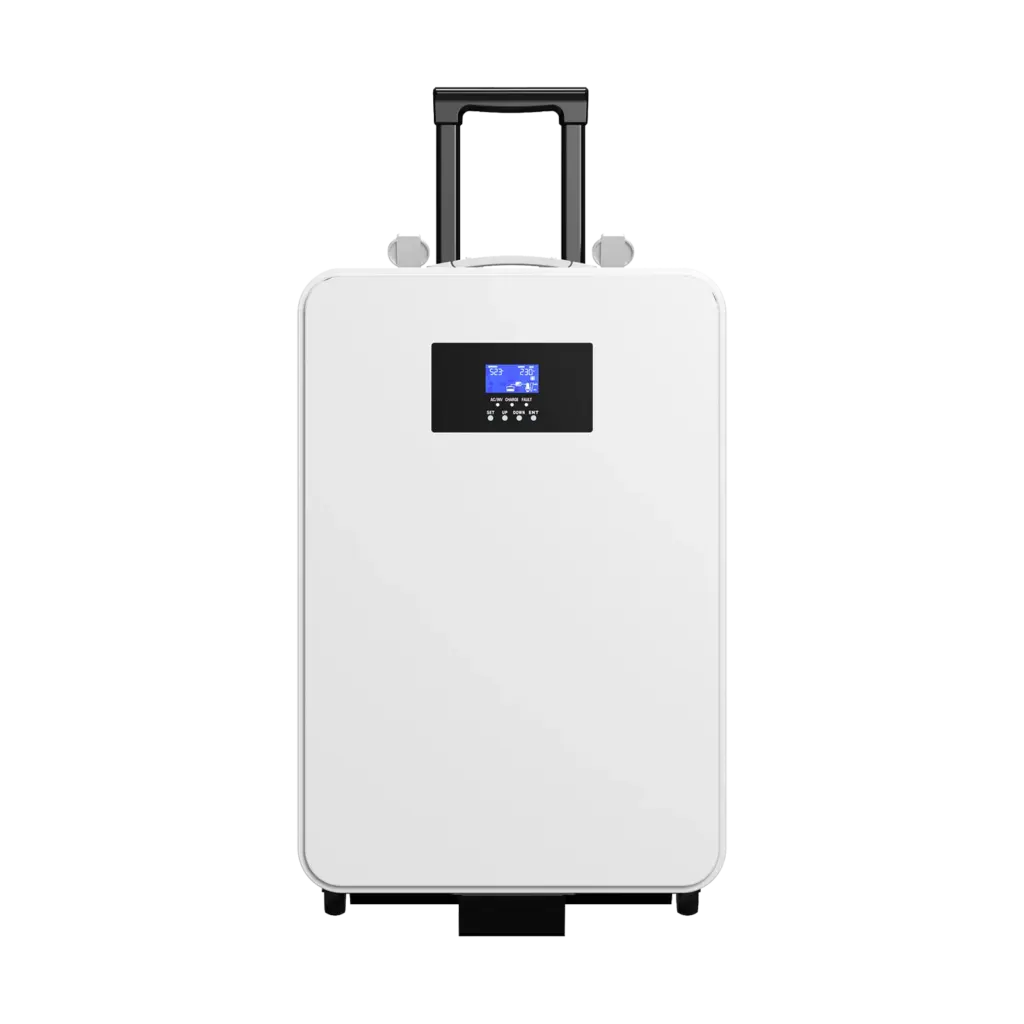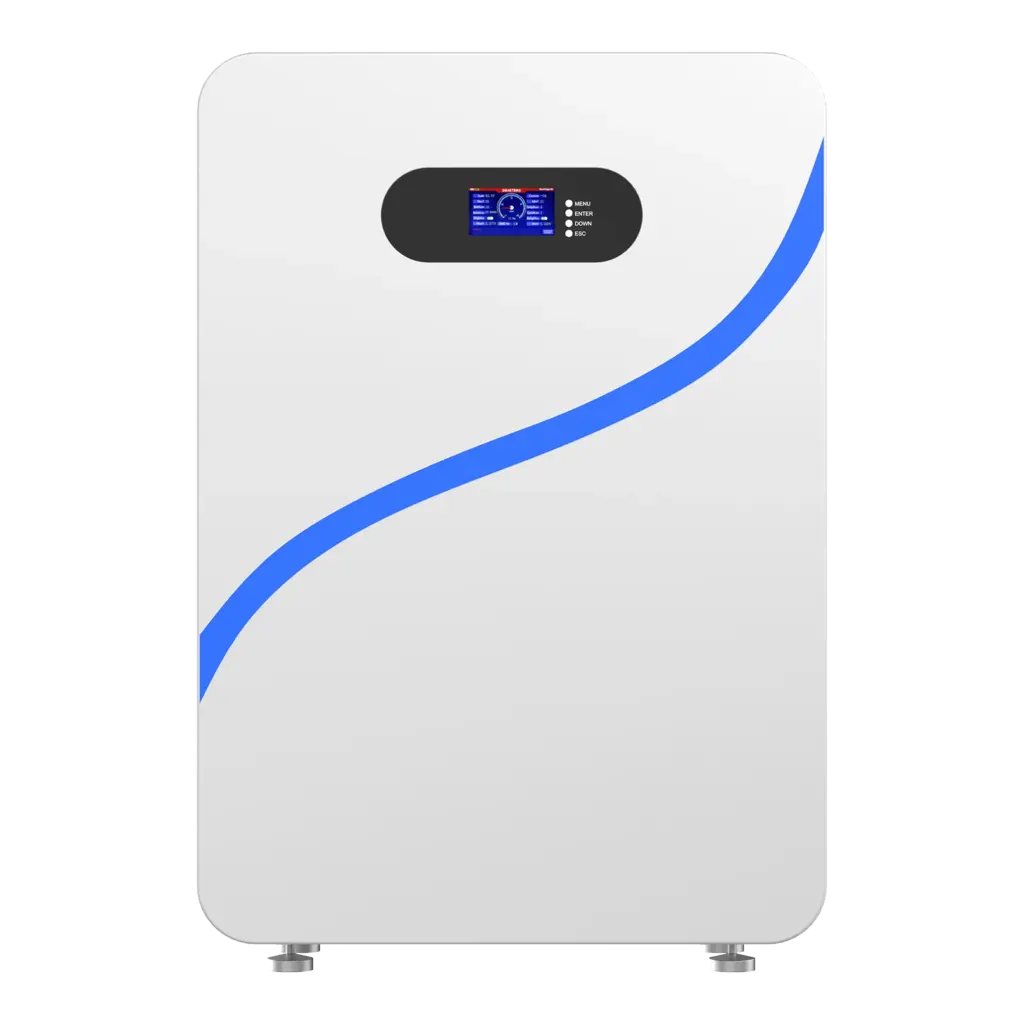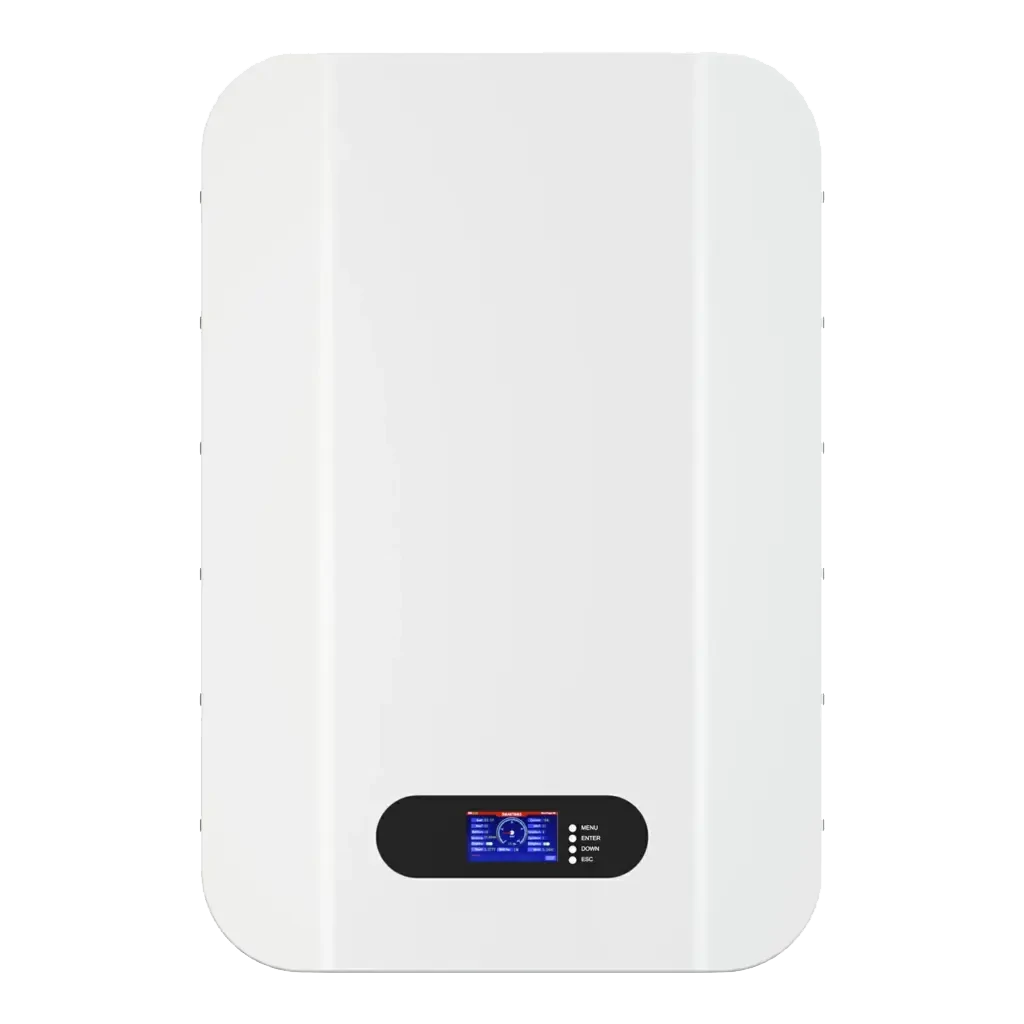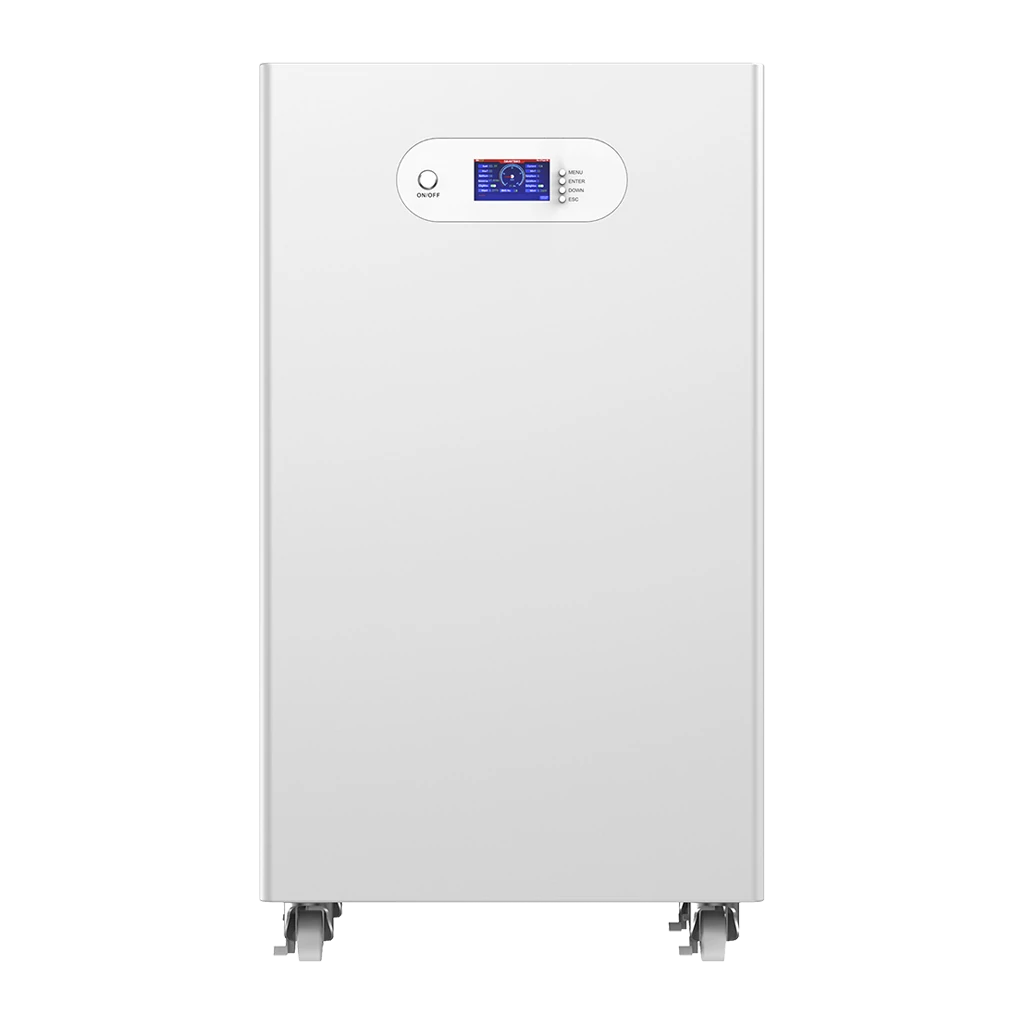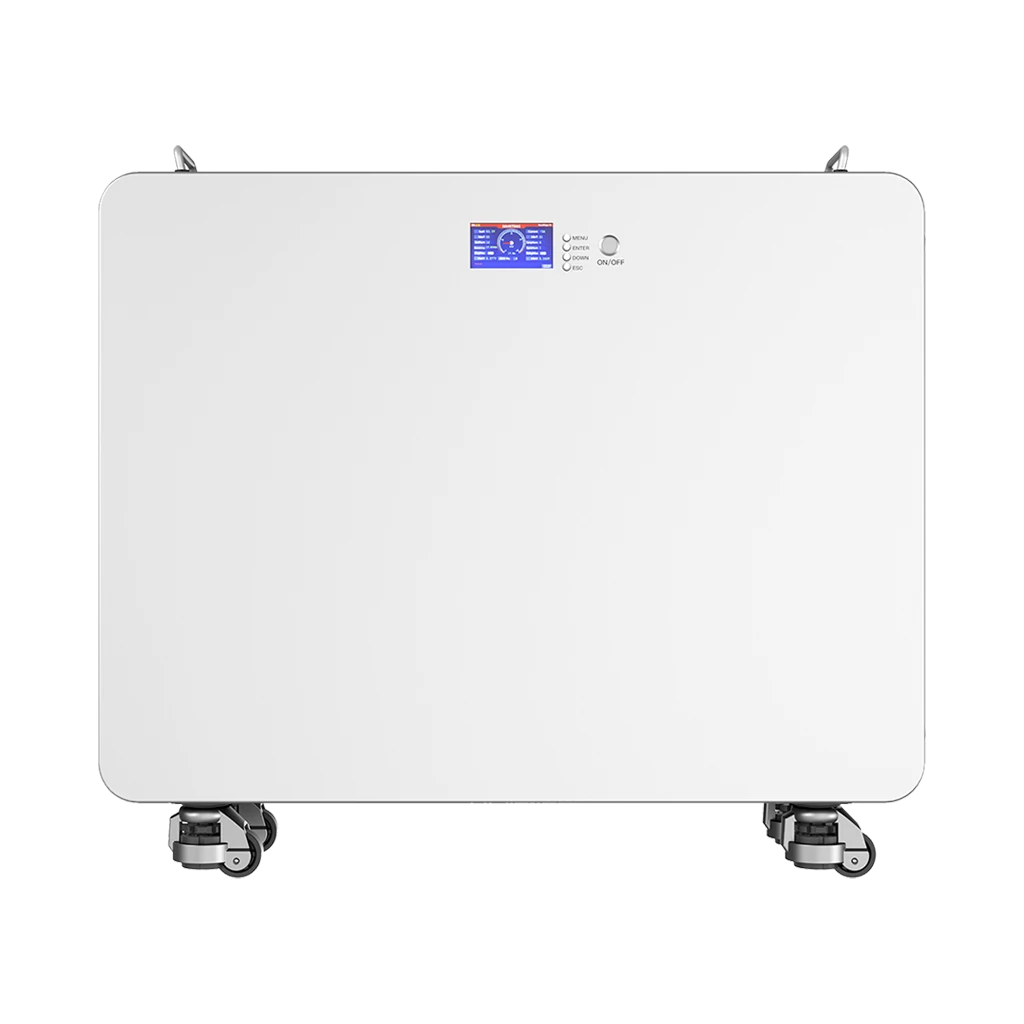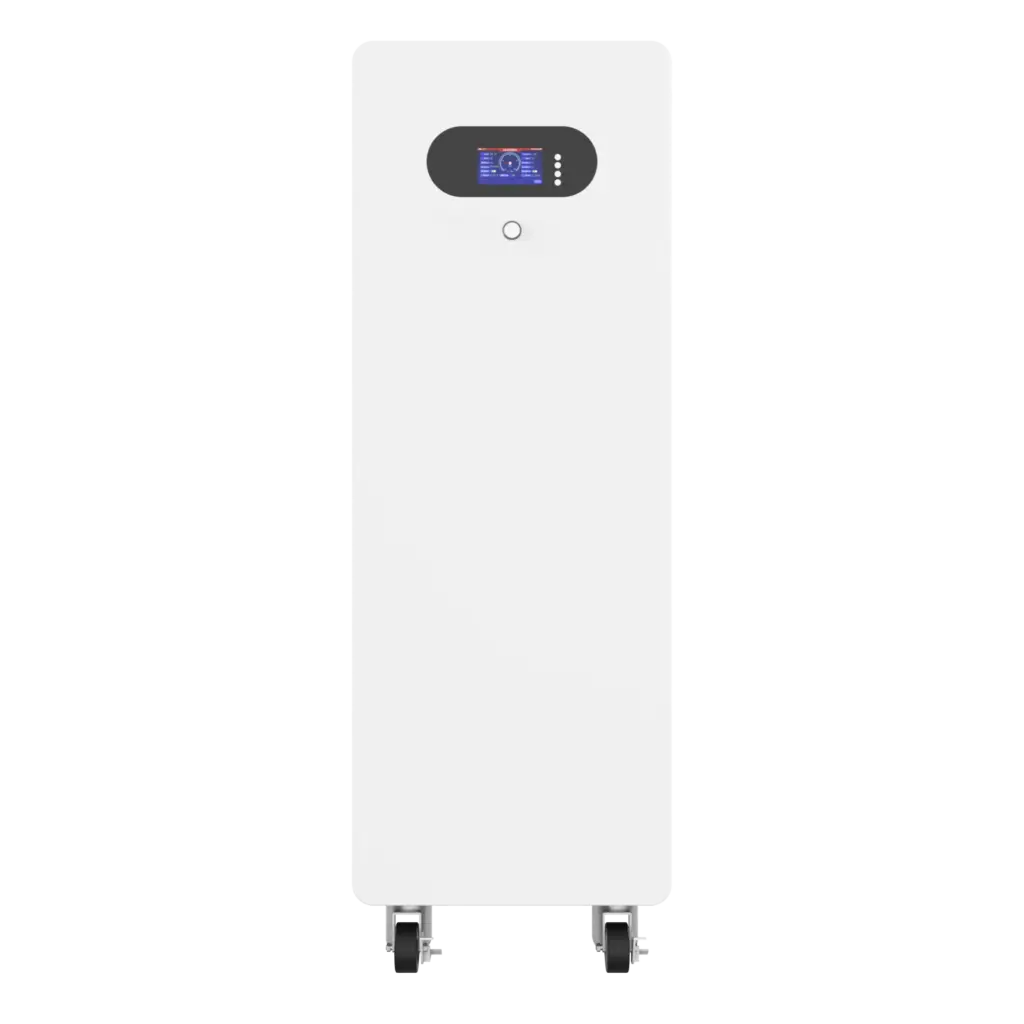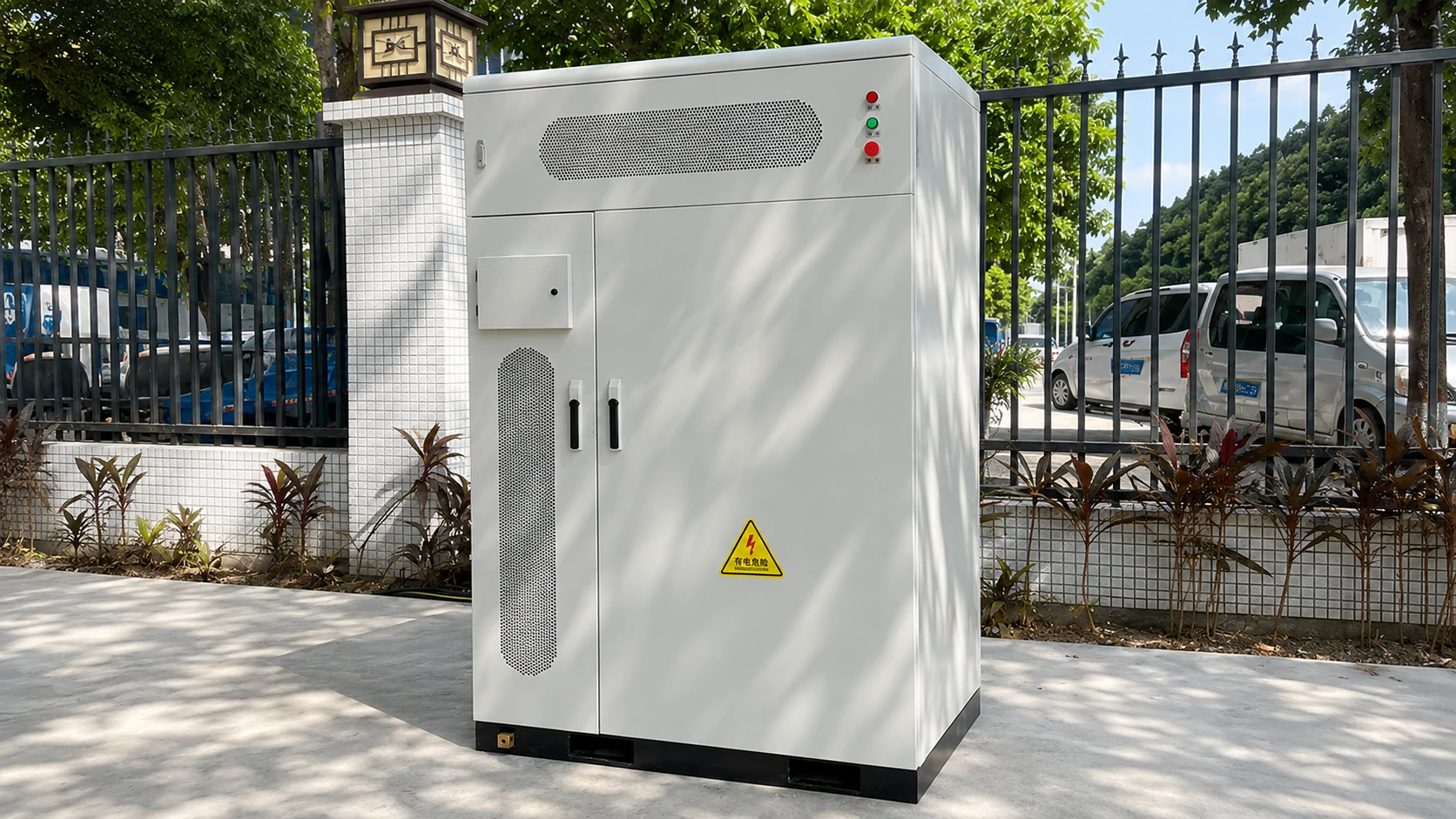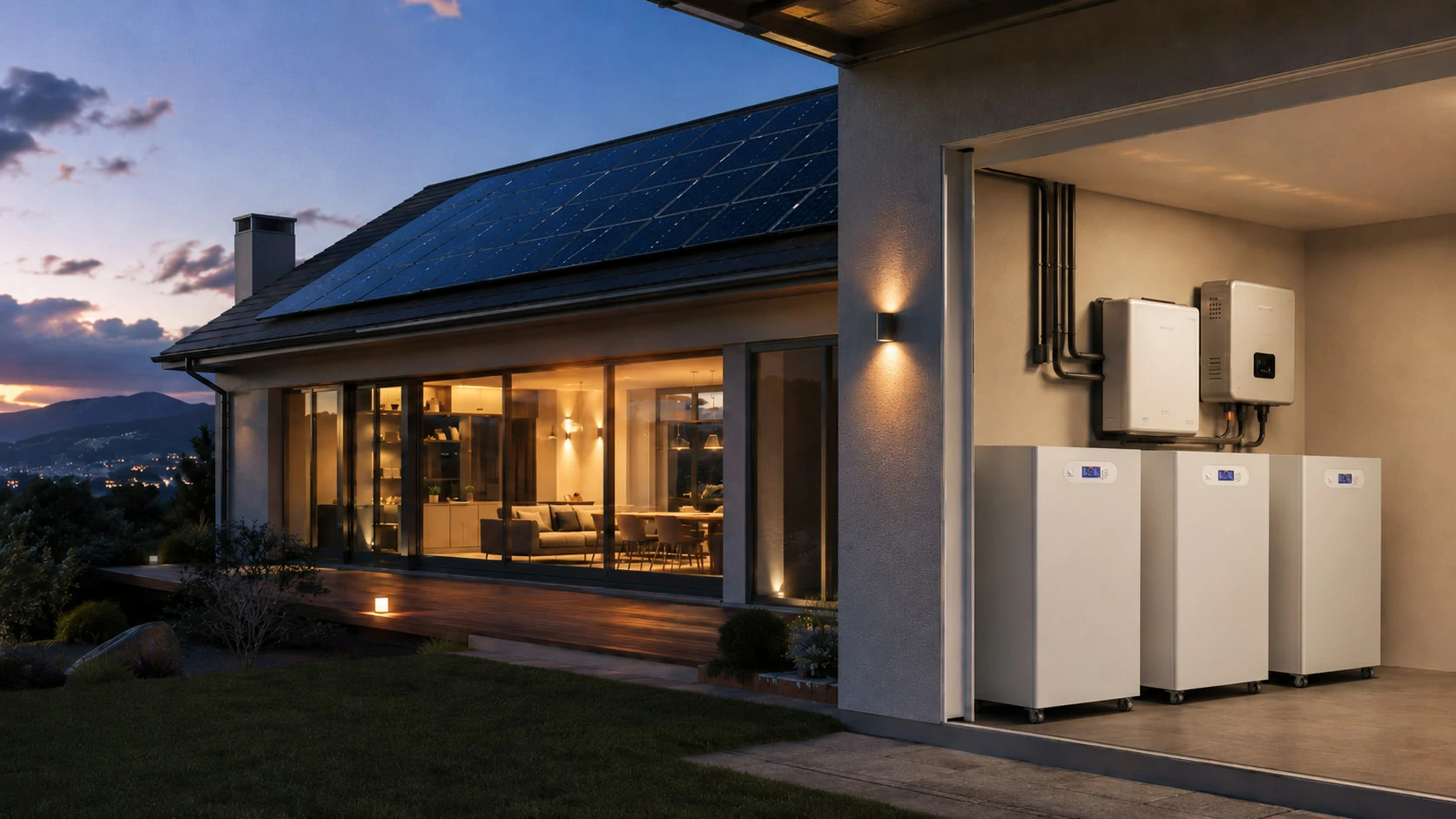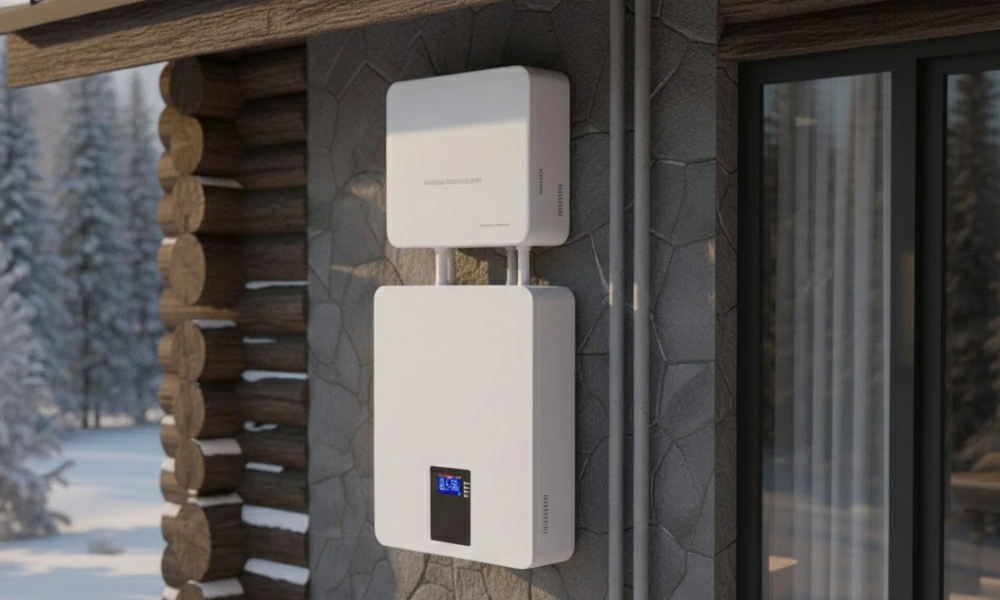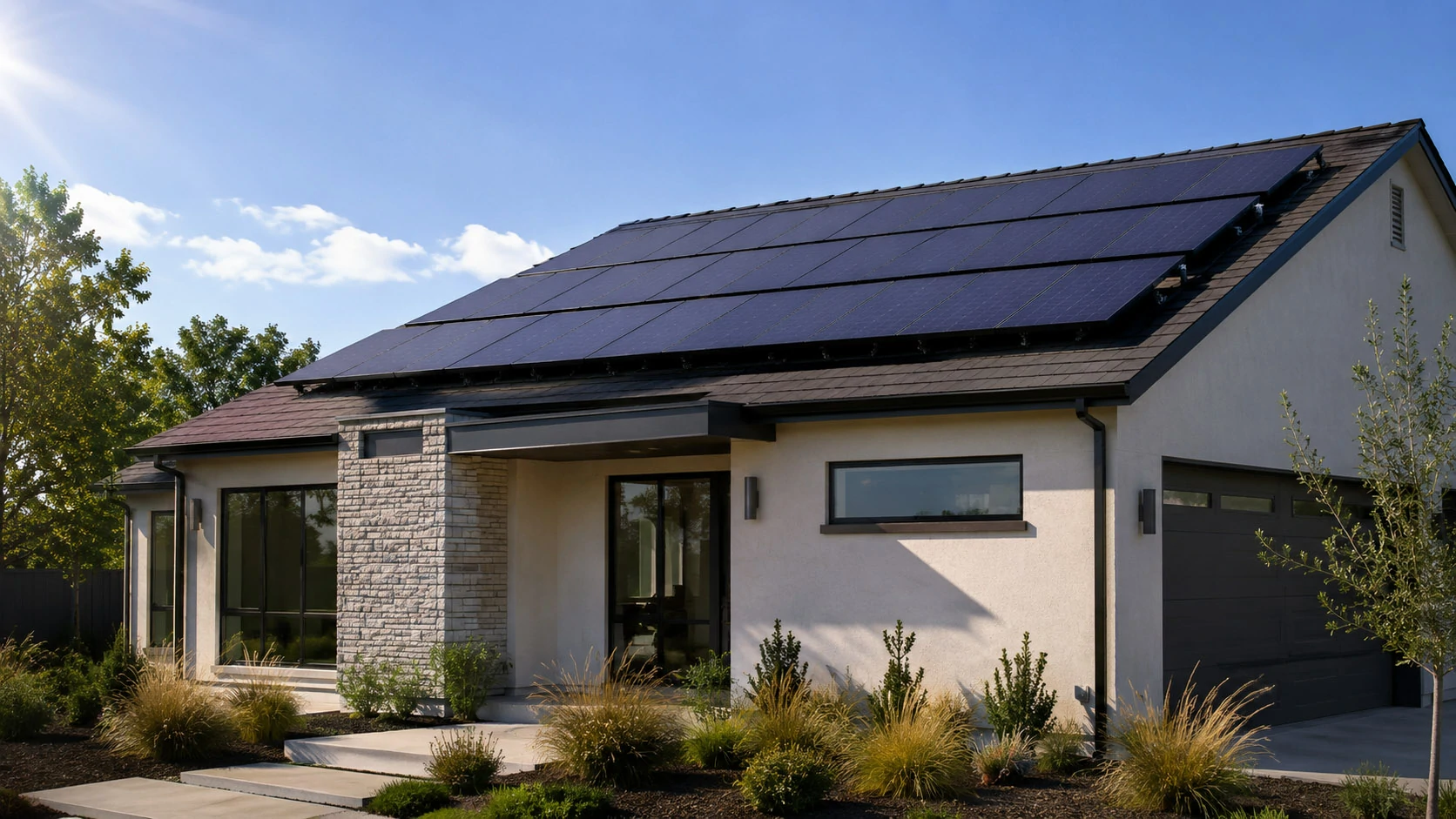

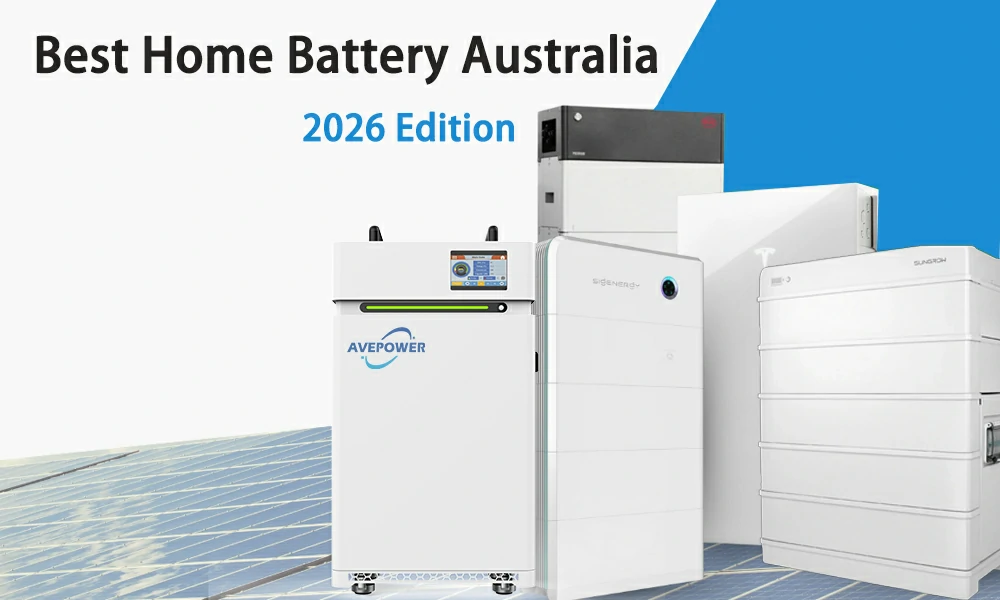
Home batteries are changing how Australian households use solar. A battery lets a home store extra solar power during the day and use it at night or during peak price times, instead of sending surplus power back to the grid.
Australia has strong sunshine and high power prices in many areas, so a good battery can feel like both a comfort upgrade and a money decision. Many households also want more control during outages, so battery backup has become a real “must-have,” not just a “nice-to-have.”
This guide reviews the top home batteries available in Australia in 2026, explains what to look for when purchasing, and helps you decide which product fits your lifestyle and energy needs.
Quick Comparison Snapshot for 2026
| Brand | Expansion Style | Weather Rating | Typical Battery Only Price Guide (Not Installed) |
|---|---|---|---|
| Tesla Powerwall 3 | Expansion units can take total storage higher | IP67 | $13,600 for 13.5 kWh |
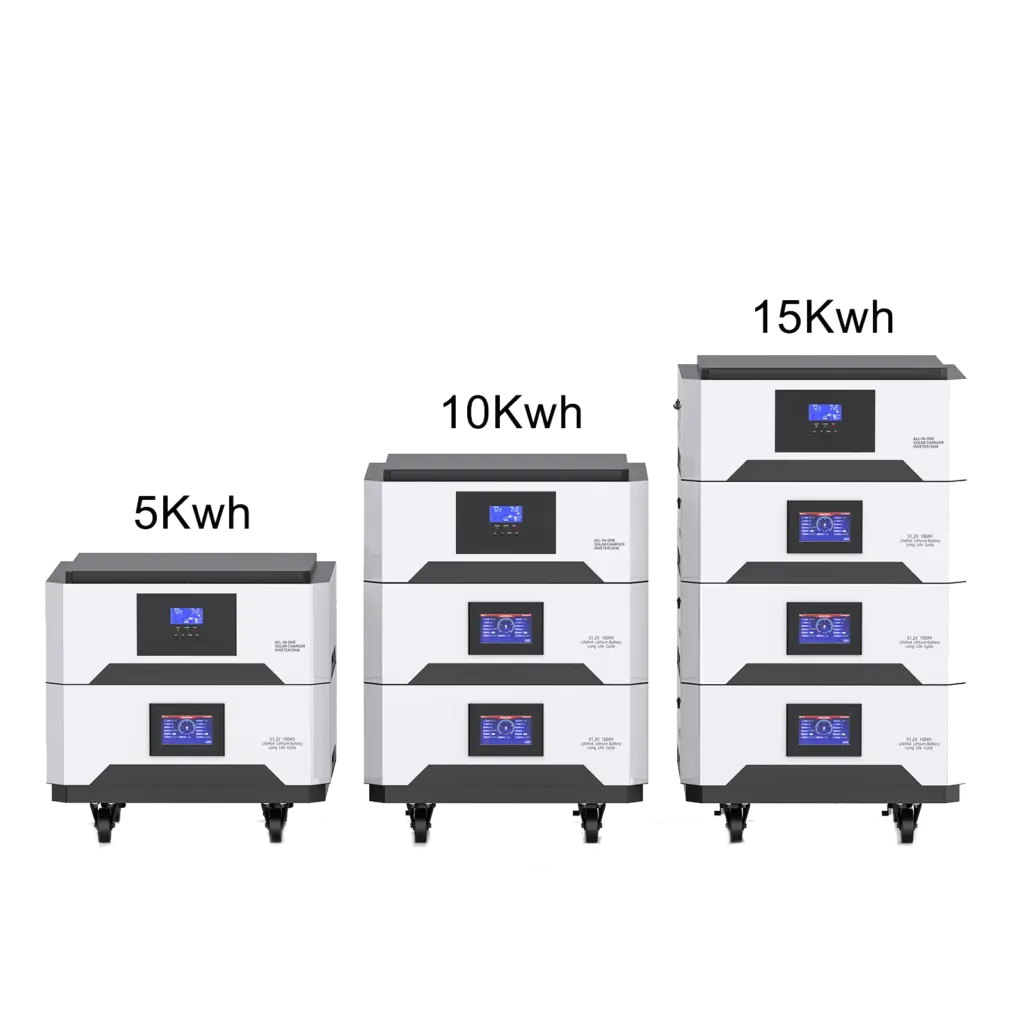
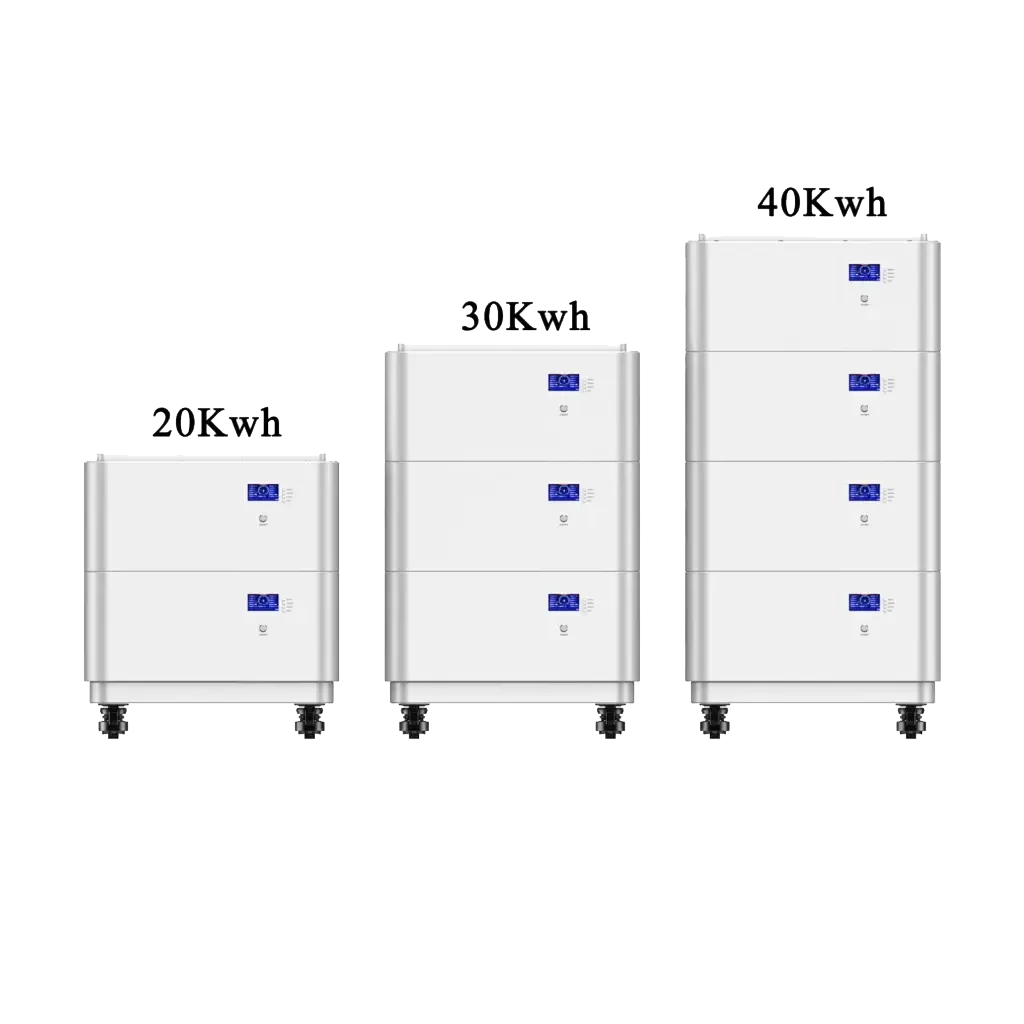
| Avepower | Up to 16 parallel units, with a capacity expansion to 260kwh | IP20 (For indoor use) | $10,400 for ~15 kWh |
| Sungrow SBR HV | 2–8 modules per unit | IP55 | $9,500 for 12.8 kWh |
| BYD Battery Box Premium HVM | Add modules and parallel stacks (up to 3) | IP55 | $10,600 for 13.8 kWh |
| Sigenergy SigenStor | Modular system and parallel options depend on design | IP66 | $11,500 for ~13 kWh |
You should treat these as non negotiable checks before you choose a brand.
- The battery needs to be installed with new or existing rooftop solar, not as a grid only battery.
- The battery model should be on the Clean Energy Council approved products list if you want to rely on rebates that use that list.
- The install should meet Australian safety rules like AS NZS 5139, and the installer accreditation matters.
- A grid connected battery generally needs to be VPP capable (VPP participation is not always required, but the capability is often required for program eligibility), and that capability needs an internet connection in many setups.
Why Home Battery Storage Matters More Than Ever in Australia
Australian electricity pricing increasingly penalizes peak-time consumption while reducing the value of exported solar energy. Feed-in tariffs have declined across most states, while evening peak rates continue to rise.
A home battery storage addresses this imbalance by allowing households to shift their own solar energy from low-value export periods to high-cost consumption periods. This practice, known as energy arbitrage, significantly improves the financial return of a solar system.
Grid Resilience and Backup Power
Grid outages caused by extreme weather events, maintenance, or network congestion are becoming more common in parts of Australia. A home battery with backup functionality provides immediate access to stored energy during outages, ensuring continuity for essential household loads.
For rural and semi-rural homes, battery-backed systems are often the most practical solution for improving supply reliability without costly grid upgrades.
Emissions Reduction and Energy Self-Consumption
By increasing on-site consumption of solar energy, batteries reduce reliance on grid electricity that may still be generated from fossil fuels. Higher self-consumption directly translates to lower household carbon emissions and contributes to national decarbonization goals.
Best Home Batteries in Australia for 2026
Different households need different best answers. A family with a single-phase home and moderate loads often needs a different battery than a family with a three-phase home, a pool pump, ducted air conditioning, and an EV charger.
1. Tesla
Best for: Homeowners who want a well-known, all-in-one style battery with a mature app experience.
Tesla stays popular because many households like a simple system story. The Powerwall line also benefits from a large installer network and strong name recognition in Australia. Tesla’s Powerwall 3 spec sheet lists the main unit at 13.5 kWh and lists a high output power rating that can support heavier loads than many batteries in the same size class.
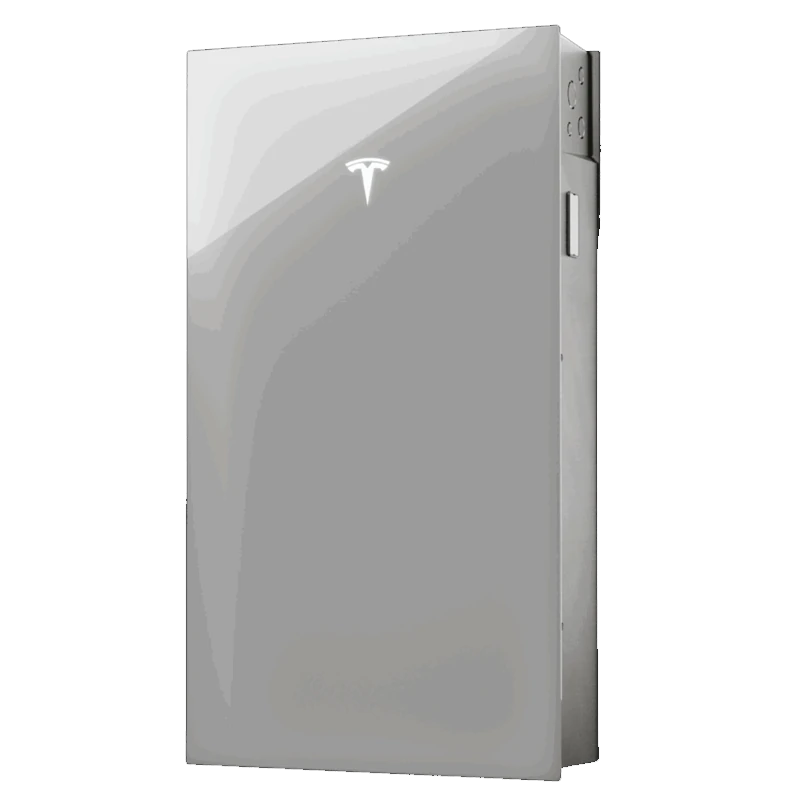
Tesla Powerwall 3
- 13.5 kWh capacity
- Approximate cost: $13,600
- High ingress protection rating (IP67), enabling robust outdoor installation.
- Seamless software integration with Tesla’s energy monitoring platform.
- Compact and visually minimal design.
2. Avepower
Best for: Homeowners working with an installer or distributor who wants a manufacturer-direct option with strong customization potential, or homeowners who want a modular design that can match specific project needs.
Avepower is different from the other names on this list because Avepower operates primarily as an energy storage manufacturer and OEM/ODM supplier. That business model can benefit buyers who work through capable local partners and who want a system tailored to a specific use case.
Why Avepower deserves a place on a 2026 shortlist
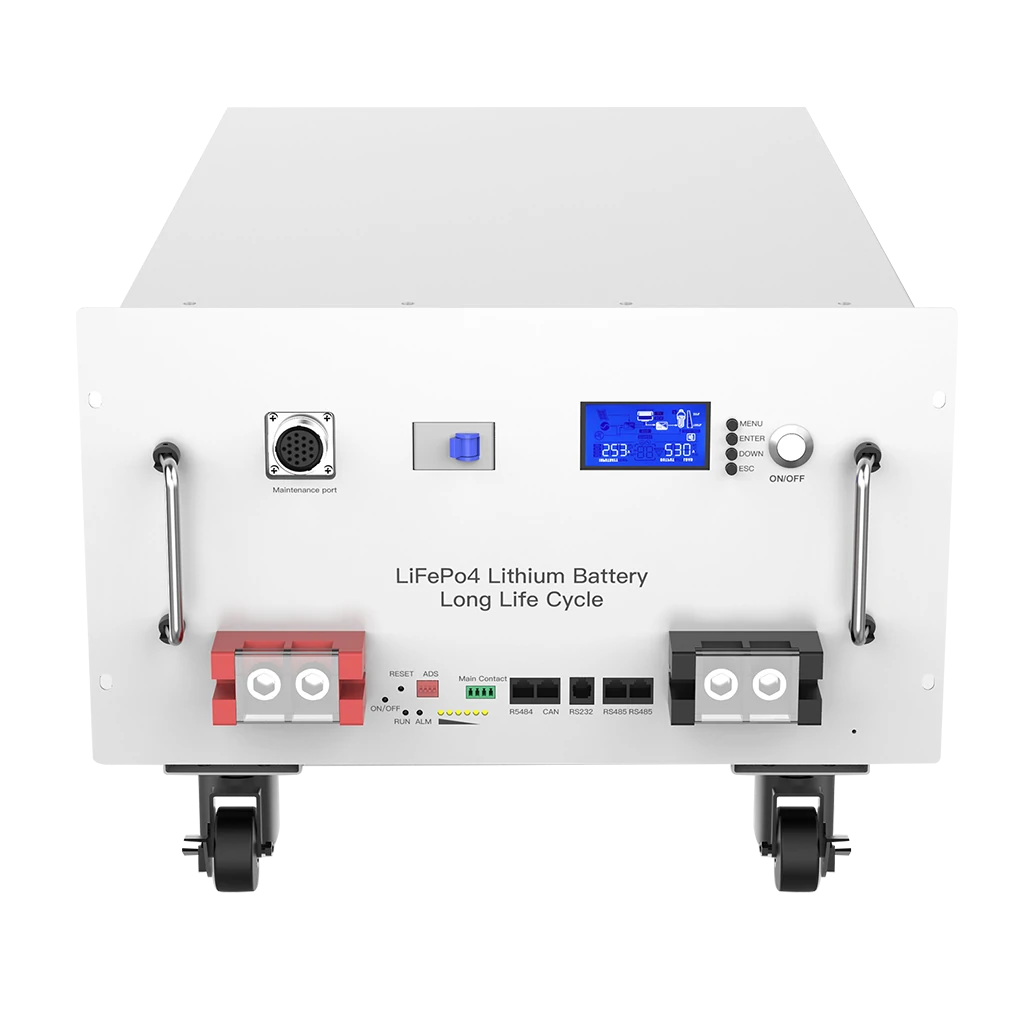
- Avepower focuses on LiFePO4 chemistry, and Avepower designs typically include intelligent BMS protection aimed at safety and stable long-term use.
- Avepower supports customization across appearance, capacity, and function, which can help installers build solutions for different home layouts and load profiles.
- Avepower’s manufacturing profile includes long experience in battery R&D and production, a dedicated engineering team, and international compliance pathways such as CE, UL, RoHS, and ISO9001 (availability depends on model and market).
Where Avepower fits best in practice
Avepower usually fits best when a homeowner values modular scaling and when a homeowner wants a system that can grow from one stage to the next. Avepower also fits well when an installer wants tighter control of system design across inverter pairing, battery sizing, and backup loads.
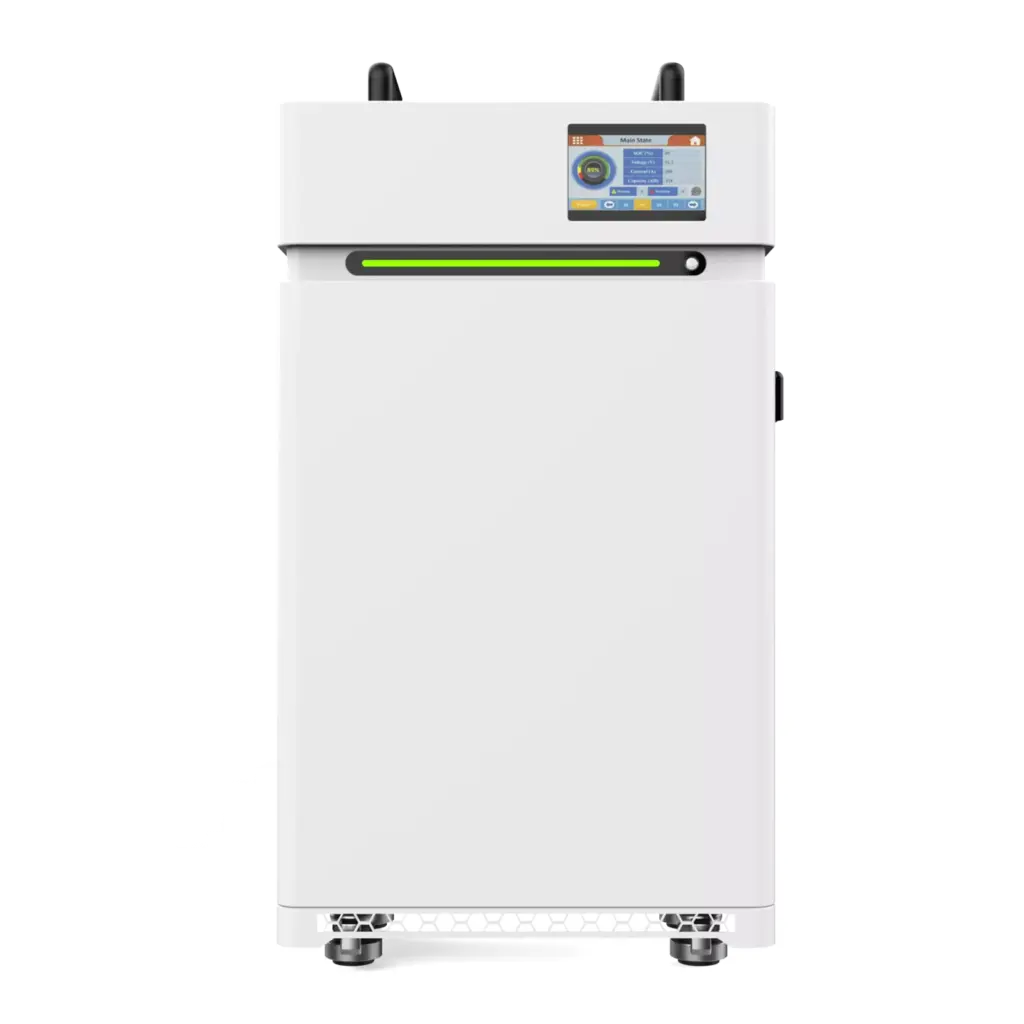
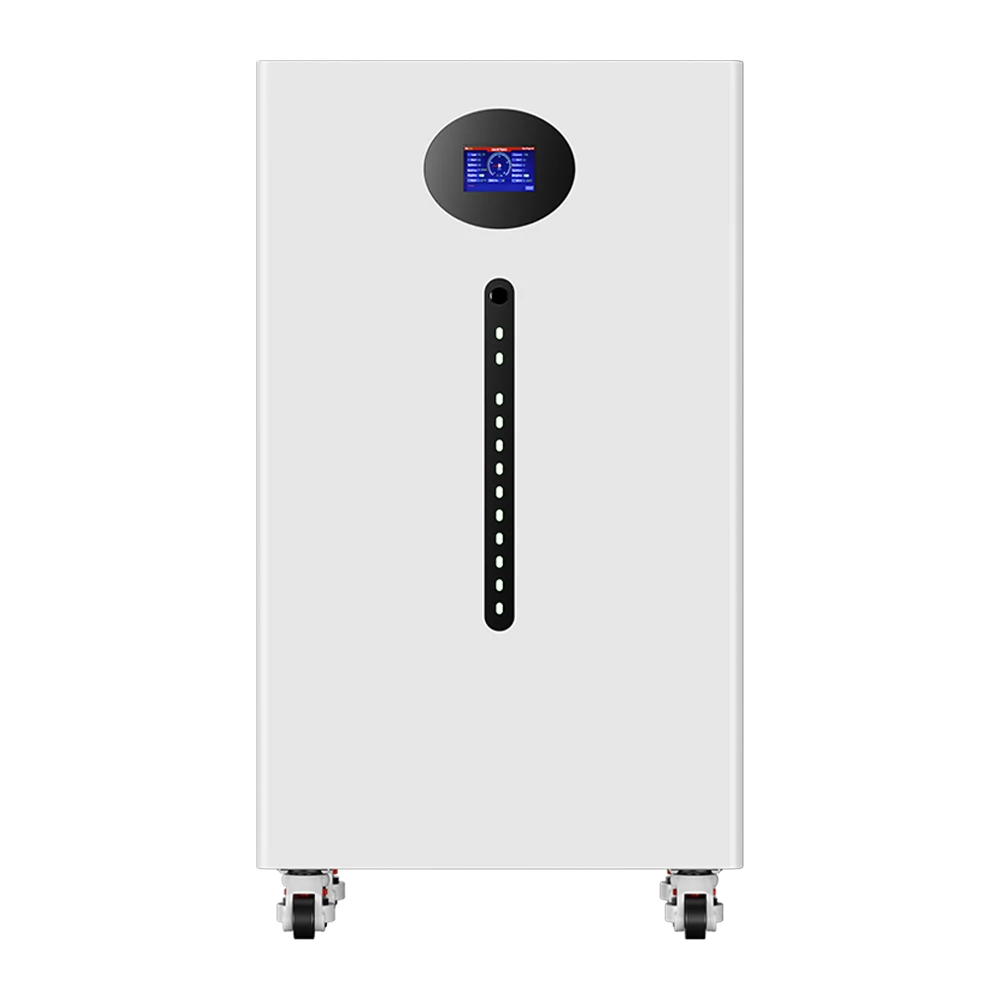
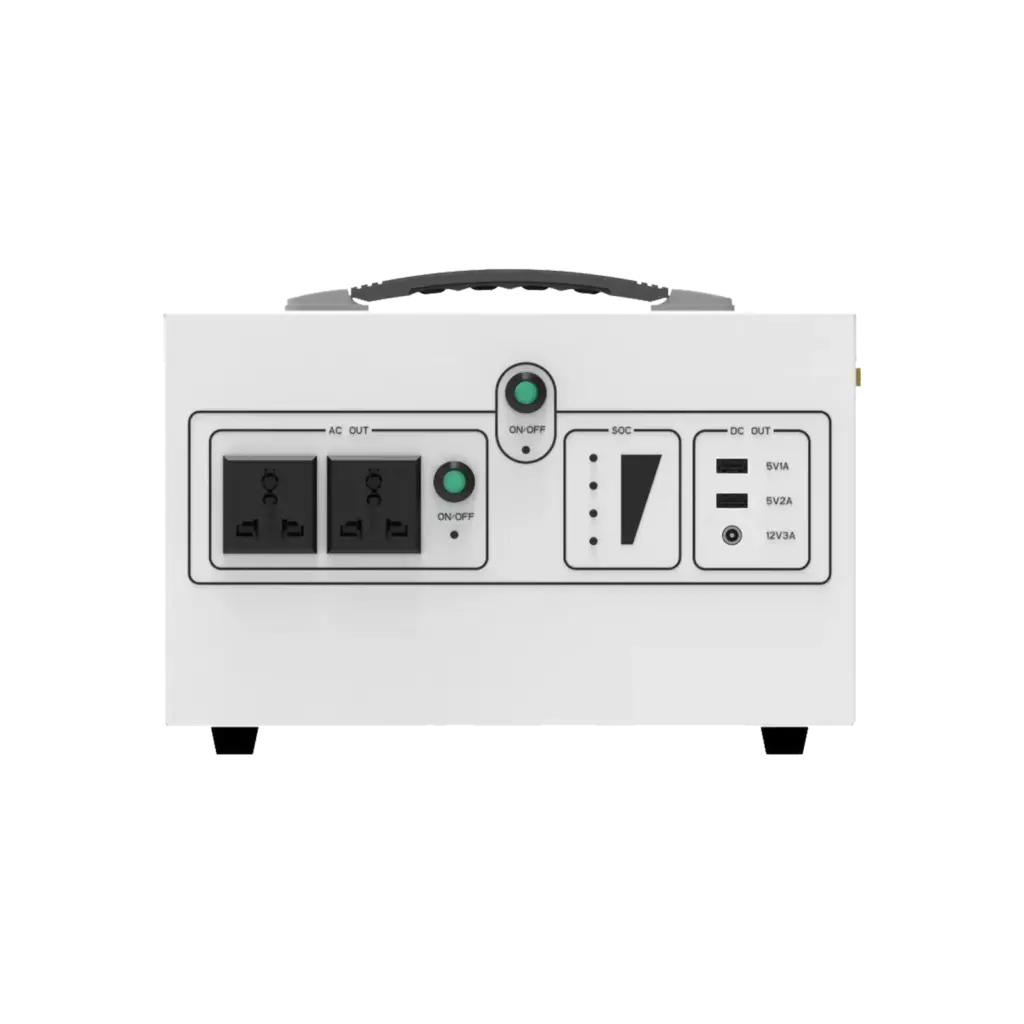
Avepower Battery
- 15 kWh typical module
- Approximate cost: $10,400
- The battery charge indicator bar enables clear monitoring of the battery status at a glance.
- High degree of customization for different household sizes and load profiles.
- Strong suitability for whole-home backup configurations.
- Local support and supply chains reduce maintenance risk and downtime.
- Designed for long-term system expansion, including EV charging and increased solar capacity.
3. Sungrow
Best for: Households that want a modular battery that can grow over time, especially households using a compatible hybrid inverter.
Sungrow has a strong inverter footprint globally, and that footprint helps the battery side too. The SBR HV line focuses on stackable modules and high usable energy. A Sungrow SBR manual describes the system as LiFePO4, lists 100% depth of discharge, and lists IP55 protection along with a wide discharge temperature range.
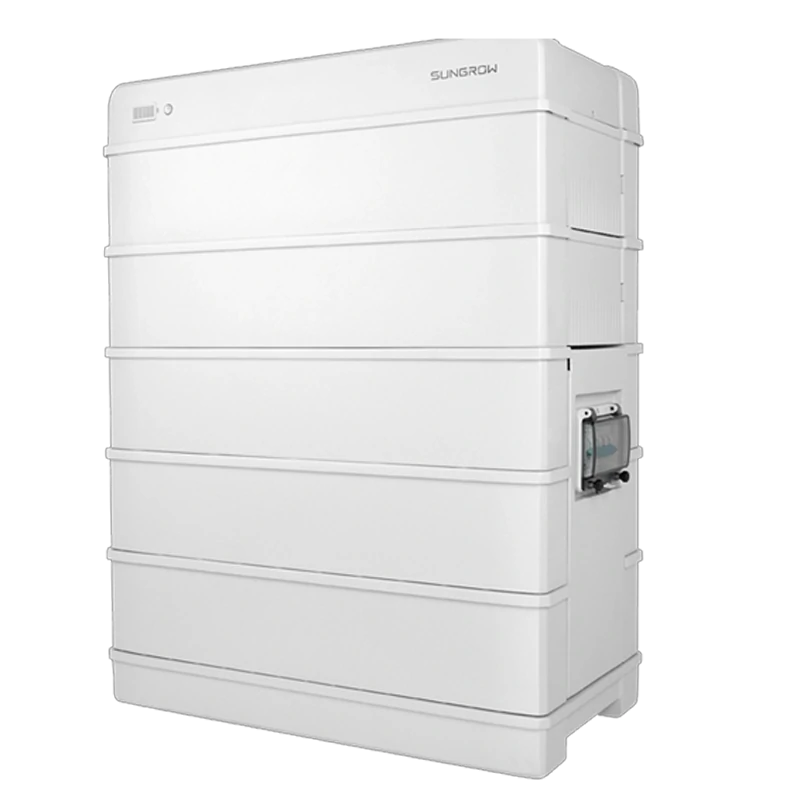
Sungrow (SunGrow) Battery System
- 12.8 kWh typical module
- Approximate cost: $9,500
- Capacity ranges from 6.4 kWh up to approximately 100 kWh in three-phase configurations.
- Lithium Iron Phosphate (LFP) chemistry ensures high thermal stability and long cycle life.
- The system supports indoor and outdoor installations across a wide operating temperature range.
4. BYD
Best for: Homeowners who already prefer the Fronius ecosystem, especially homes built around the Fronius GEN24 line.
BYD batteries have a strong global presence, and BYD’s modular battery stack format fits many hybrid inverter setups. The most practical reason BYD stays a top choice in Australia is compatibility with popular inverter ecosystems. Fronius explicitly presents the BYD Battery Box Premium HVS/HVM line as compatible with Fronius GEN24 Plus, and Fronius describes modular expansion and parallel operation options.
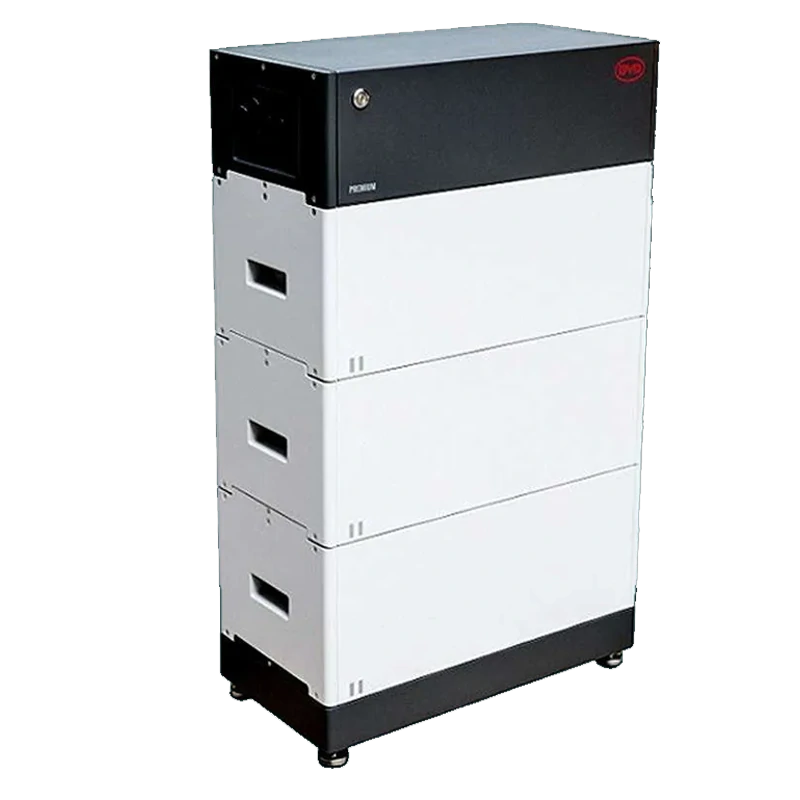
BYD Battery (with Fronius Gen24 Inverter)
- 13.8 kWh capacity
- Approximate cost: $10,600
- The Fronius pairing gives homeowners a tidy monitoring experience, and the pairing also gives installers a clear compatibility pathway.
- The modular steps let buyers choose capacity in practical increments.
5. Sigenergy SigenStor
Best for: Households that want fast backup switching, strong outdoor protection, and a modern modular “energy hub” approach.
Sigenergy is newer than the older “classic” battery brands, but the platform has gained attention because it packages a lot of capability into a modular stack. A Sigenergy Sigen Energy Controller datasheet lists IP66 for ingress protection and lists 0 ms disruption time for backup switching when paired correctly with the gateway components.
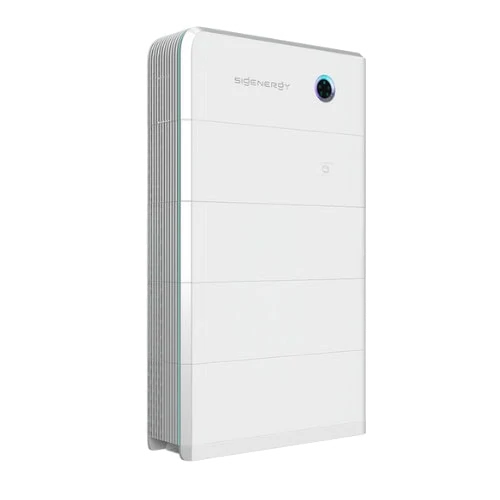
Sigenergy SigenStor Battery
- 13 kWh (typical configuration)
- Approximate cost: $11,500
- Modular capacity options (5.38 kWh and 8.06 kWh), stackable to 48 kWh and scalable in parallel up to utility-scale levels.
- LFP chemistry supporting up to 100% Depth of Discharge under controlled conditions.
- High ingress protection (IP66) suitable for harsh environments.
- Integrated heating elements improve low-temperature performance.
How to choose the right home battery in Australia
A buyer should not choose a battery based on price alone. A buyer should also avoid choosing a battery based on a single headline spec. A buyer should judge value using a few linked factors, because those factors control long-term cost and real-world performance.
Battery Capacity (kWh)
Capacity tells you how much energy the battery can store. A bigger number can power more of your night usage, but a bigger number also costs more.
Most home batteries sit around 5 kWh to 20 kWh per unit or per stack, and many homes choose a size that matches evening loads and overnight needs. A home with heavy evening cooking, air conditioning, or EV charging often needs more capacity than a home with light loads.
A buyer should look at evening and overnight usage in kWh, because that number helps the buyer avoid paying for capacity that the home rarely uses.
Depth of Discharge (DoD)
DoD describes how much of the battery you can use without harming long-term life. A higher DoD usually means the home can access more usable energy.
A buyer should treat DoD as part of usable energy math. A buyer should also ask how the system manages DoD in real operation, because some systems reserve energy for backup or for battery health.
Round-trip Efficiency
Round-trip efficiency describes how much energy you get back after you store energy and later discharge it. Higher efficiency means less loss inside the charge and discharge cycle.
Most good systems aim for 90% or better in practical conditions, although real performance can vary based on temperature, power level, and how the system is configured.
Warranty Length and the “Fine Print” That Actually Matters
A buyer should look for a warranty of 10 years or more with clear rules. A buyer should also read the warranty capacity promise, because many warranties guarantee that the battery will retain around 70% capacity by the end of the warranty term.
A buyer should also check throughput warranty rules. Throughput limits can matter a lot for households that cycle the battery hard every day, such as households on time-of-use tariffs or households that run large loads at night.
Safety Design and Installation Environment
A buyer should care about the chemistry, the BMS, the enclosure design, and the protection rating when the battery sits outdoors.
A buyer should also ask about temperature limits and thermal management, because Australian summers can be harsh, and some regions can still hit cold winter nights.
Backup Capability and Changeover Behavior
A buyer should confirm whether the battery system provides backup, because not every battery includes full blackout support by default. A buyer should also ask which circuits can run in backup mode and how fast the switch happens.
A buyer should treat backup as a design project, because backup performance depends on switchgear, wiring, and load planning.
Expansion Options and Future Planning
Many households buy a battery and later add an EV, add more solar, or electrify hot water and cooking. A modular battery system can make that future upgrade easier.
A buyer should ask the installer how expansion works in that brand’s design. A buyer should also ask about extra hardware needs for parallel expansion.
A Practical Way to Pick the Best Battery for Your Home
A homeowner can make the choice simpler by using a basic three-step method.
- Step 1: The homeowner should check electricity data and estimate how many kWh the home uses from sunset to sunrise. That number gives the homeowner a real target for battery capacity.
- Step 2: One household may want bill savings first, and another household may want blackout backup first. A goal helps the homeowner choose between higher capacity, higher power output, stronger backup design, or a more modular path.
- Step 3: The homeowner should compare usable kWh, warranty years, throughput limits, and the promised end-of-warranty capacity. Those elements help the homeowner compare long-term value instead of short-term pricing.
Conclusion
In 2026, Australian homeowners benefit from a wide selection of top-quality home battery systems. Tesla Powerwall continues to lead with brand strength and ecosystem integration. Sungrow and BYD offer scalable, reliable options backed by global expertise. Sigenergy impresses with advanced protection and modular flexibility, ideal for higher-demand households.
Avepower offers a strong new choice tailored to Australian homes, with flexible capacity, robust monitoring, and local support—ideal for those looking for customizable, future-ready energy storage.
To select the right battery, carefully analyze your household energy consumption, budget constraints, and plans for future growth. Prioritize batteries that deliver solid warranties, high efficiency, and easy expandability.
By investing in the right home battery system, you can lower your electricity costs, gain energy security, and support Australia’s clean energy transition.
FAQ
A home battery saves the most money when the home has excess solar during the day and the home faces high evening tariffs. A home battery saves less money when the home already uses most solar in daytime or when the feed-in tariff stays high.
VPP participation can increase cycling. A homeowner should check warranty cycling and throughput terms before joining a VPP, because those terms define long-term risk.
A homeowner should compare usable kWh, continuous kW, backup switching behaviour, warranty conditions, and installer support. A homeowner should also compare the total installed scope rather than only the battery box price.