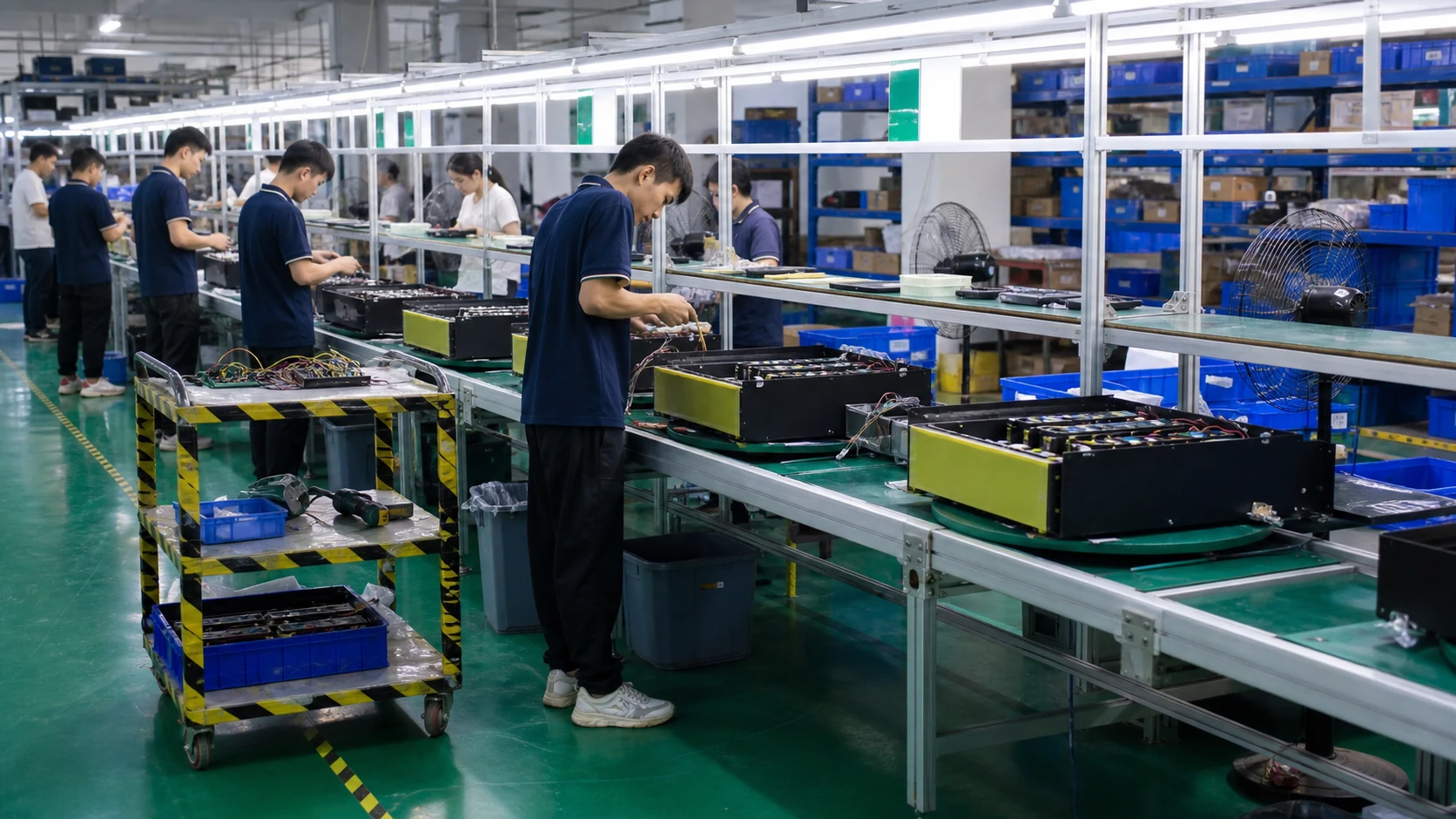

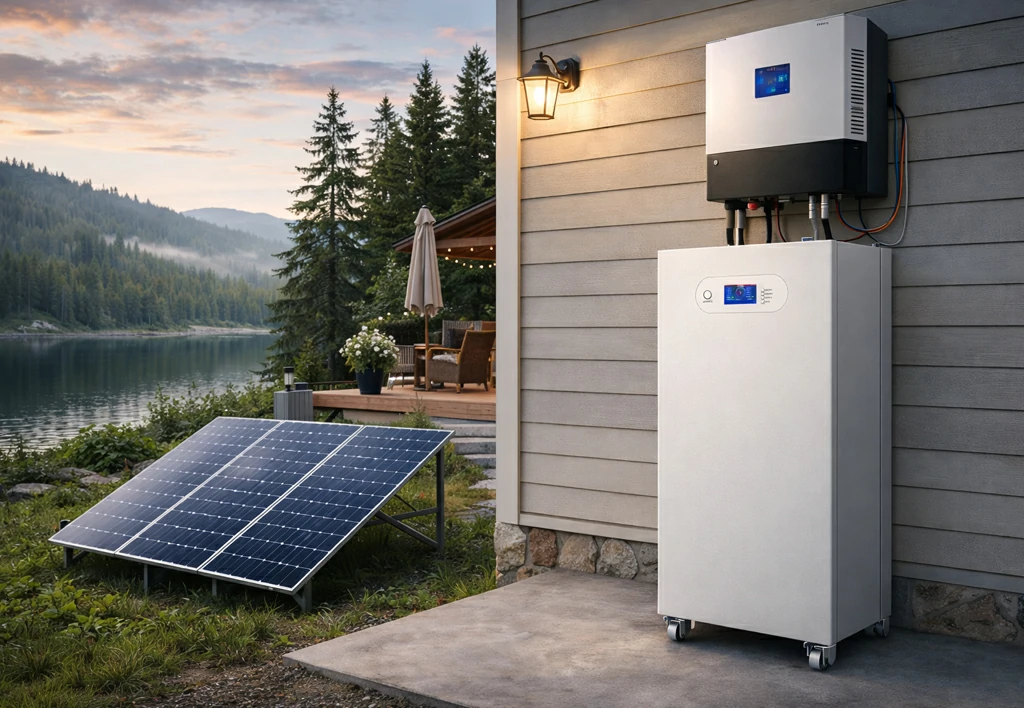
Are you planning a solar system that operates fully off the electric grid? If so, the heart of your system isn’t the panels or the solar inverter — it’s the battery storage. Without a high‑quality off‑grid battery, you simply can’t store solar energy for night use, cloudy days, and power outages. In off‑grid solar, the battery is not optional — it’s essential for reliable, independent electric power.
This comprehensive guide explains how solar batteries work, compares leading technologies (lead‑acid vs lithium), highlights key buying criteria, and offers practical recommendations for systems in 2026 and beyond.
What Can a Solar Battery Do for an Off-Grid Home?
While backup power is often seen as the primary role of a home battery, modern energy storage systems deliver far greater value—especially for off-grid living, where reliability and energy independence are essential.
1. Energy Time Shifting (A Daily Necessity)
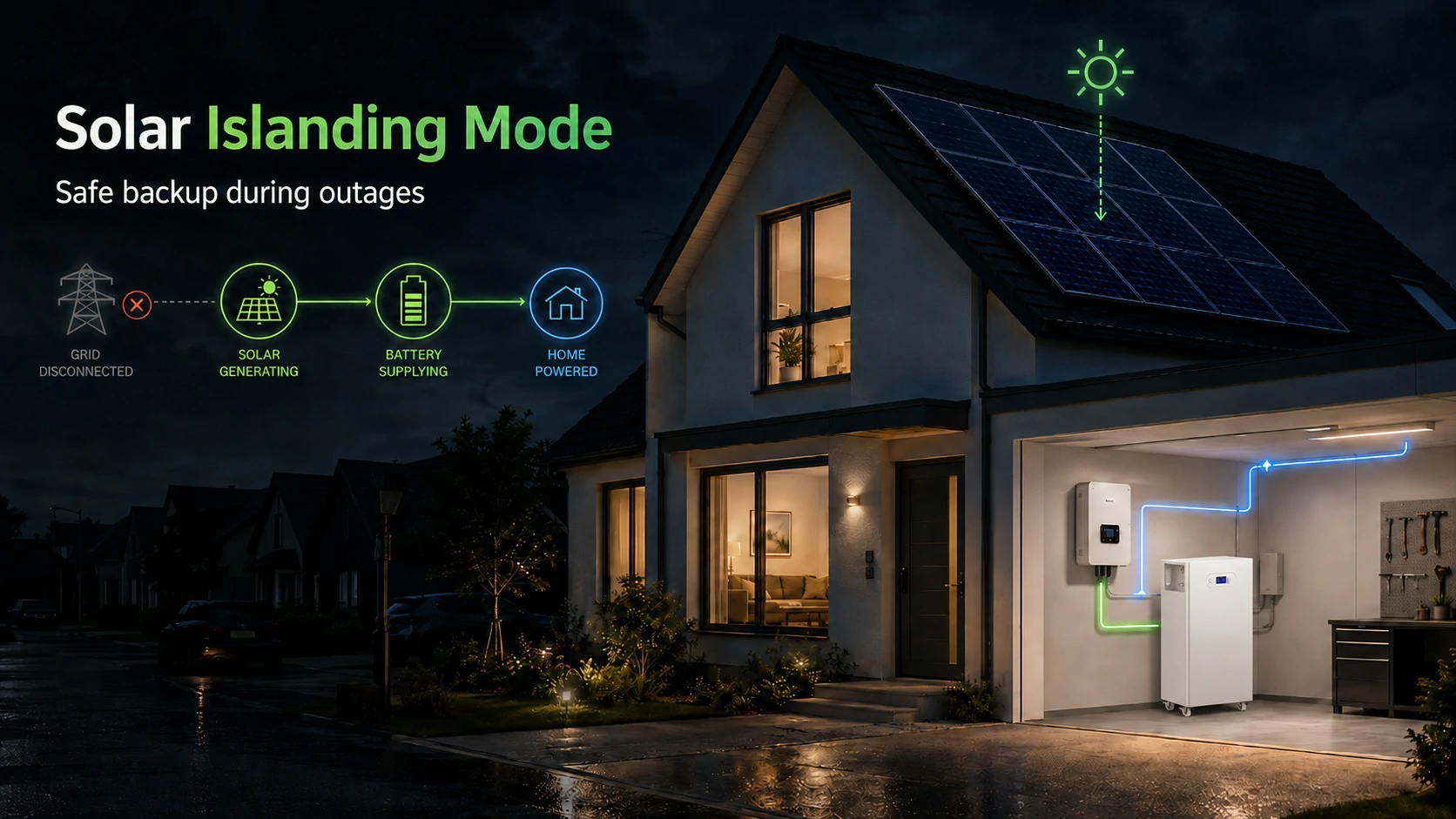
Solar batteries store excess electricity generated during the day and supply it at night or during low-sun periods. For off-grid homes, this isn’t about saving money—it’s what makes 24/7 power possible.
Advanced lithium solar battery systems are designed for daily charge-discharge cycles with minimal efficiency loss, supporting long-term, uninterrupted off-grid operation.
2. Maximizing Solar Self-Consumption
In an off-grid system, the goal is simple: use every kilowatt-hour you generate.
Batteries capture surplus solar energy once household loads are met, preventing wasted production. This becomes especially critical in regions with strong seasonal variations in sunlight, where efficient storage directly impacts year-round energy security.
3. System Resilience and Power Reliability
With extreme weather, aging infrastructure, and rising energy demand, grid instability is increasing worldwide. Off-grid battery systems ensure critical functions remain powered, including:
- Refrigeration and food storage
- Medical and health-related equipment
- Communication and internet devices
- Lighting, security, and safety systems
Without battery storage, solar panels alone cannot maintain system stability—causing power to shut down when demand and supply fall out of balance.
4. Reducing or Eliminating Generator Dependence
High-quality battery storage significantly reduces the need for diesel or gasoline generators. This leads to:
- Lower fuel and maintenance costs
- Quieter operation
- Reduced emissions and environmental impact
In many off-grid homes, batteries allow generators to become a last-resort backup—or be removed entirely.
Which Batteries Are Best for Solar Off-Grid Applications?
Solar batteries have evolved significantly over the past two decades. While early off-grid systems relied almost exclusively on lead-acid technology, modern installations increasingly favor lithium-based batteries, especially lithium iron phosphate (LiFePO4).
Below, we compare the four most common battery types used in off-grid solar systems today:
- Flooded Lead-Acid Batteries
- Gel Batteries
- AGM (Absorbed Glass Mat) Batteries
- Lithium Iron Phosphate Batteries
Let’s examine each in depth.
| Battery Type | Lifespan | Usable Capacity | Maintenance | Efficiency |
|---|---|---|---|---|
| Lead-acid | 2–5 years | 50% | Required | Low |
| Gel | 2–5 years | 50% | None | Medium |
| AGM | 4–6 years | 50% | None | Medium |
| LiFePO4 | 10–15 years | 80–100% | None | High |
Lead-Acid Batteries for Off-Grid Solar
Lead-acid batteries have been in use for more than 150 years and formed the backbone of early off-grid and backup power systems. For decades, they were the default choice simply because no better alternative existed at scale. Despite their long history, lead-acid batteries are now largely considered a transitional or entry-level solution rather than a serious long- term option for modern off-grid living.
- Advantages: Suitable for short-term or experimental systems, low upfront cost, widely available, and simple technology
- Disadvantages: Limited usable capacity, bulky and heavy, short lifespan, high maintenance and ventilation requirements, contains toxic materials, and poor performance in remote or unattended locations
Gel Batteries for Off-Grid Solar
Gel batteries are a sealed variation of lead-acid technology. The electrolyte is suspended in a gel-like substance, reducing leakage and some maintenance concerns associated with flooded batteries. While gel batteries offer incremental improvements, they remain fundamentally constrained by the limitations of lead-acid chemistry.
- Advantages: Leak-resistant and sealed, low self-discharge, maintenance-free design, quiet and stable operation
- Disadvantages: Short lifespan (2–5 years), limited peak power output, higher cost than flooded lead-acid, slow charging, and only ~50% usable capacity
Gel batteries can be acceptable for light, intermittent use, such as small cabins or backup-only systems, but they are poorly suited for continuous off-grid living.
AGM Batteries for Off-Grid Solar
AGM (Absorbent Glass Mat) batteries represent a more advanced sealed lead-acid design. The electrolyte is absorbed into fiberglass mats, allowing for higher power output and better durability than gel batteries. AGM batteries are often marketed as a “premium” lead-acid solution, but they still inherit the core drawbacks of the chemistry.
- Advantages: Low maintenance, better cold-weather performance, spill-proof and sealed construction, higher peak power output, and good for seasonal or part-time use
- Disadvantages: Sensitive to overcharging, only ~50% usable capacity, moderate lifespan (4–6 years), and high cost relative to performance
AGM batteries represent an incremental improvement, not a true long-term solution for full-time off-grid homes.
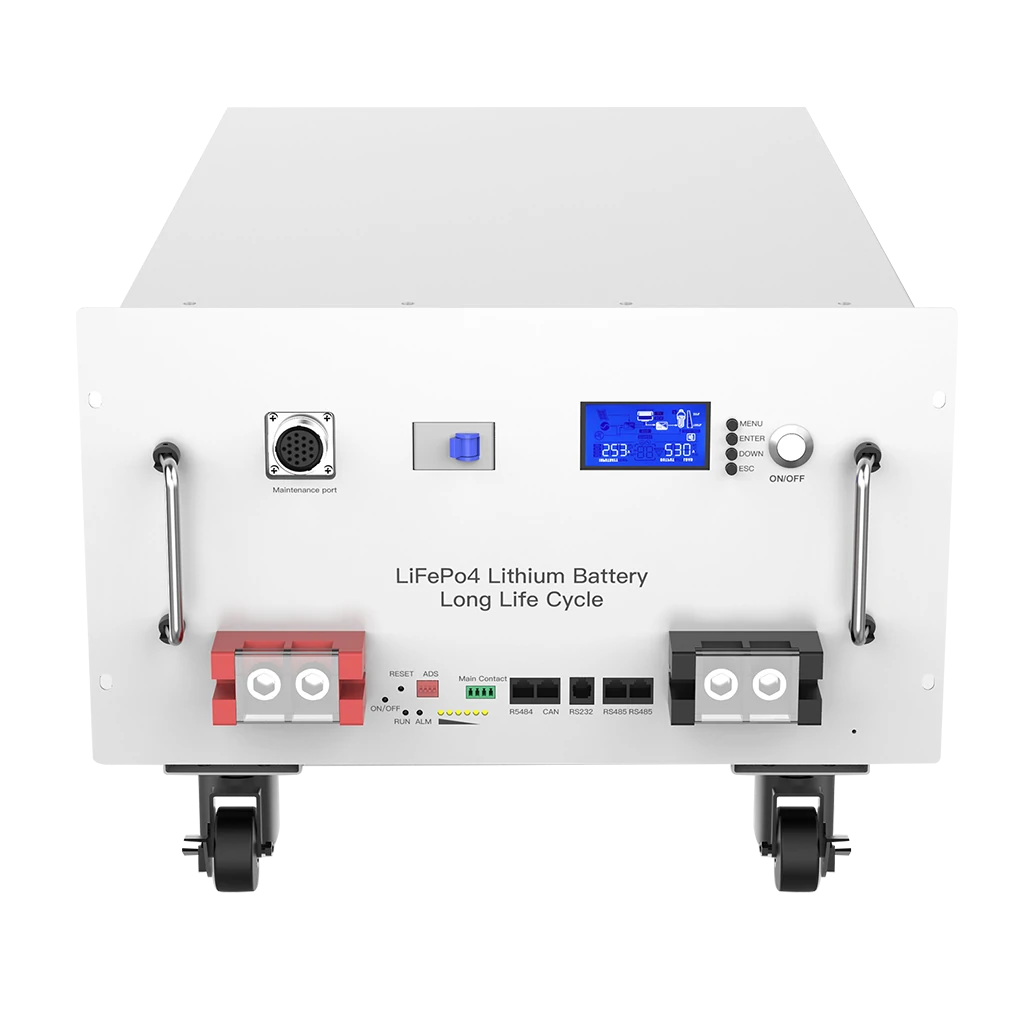
Lithium Batteries for Off-Grid Solar (LiFePO4)
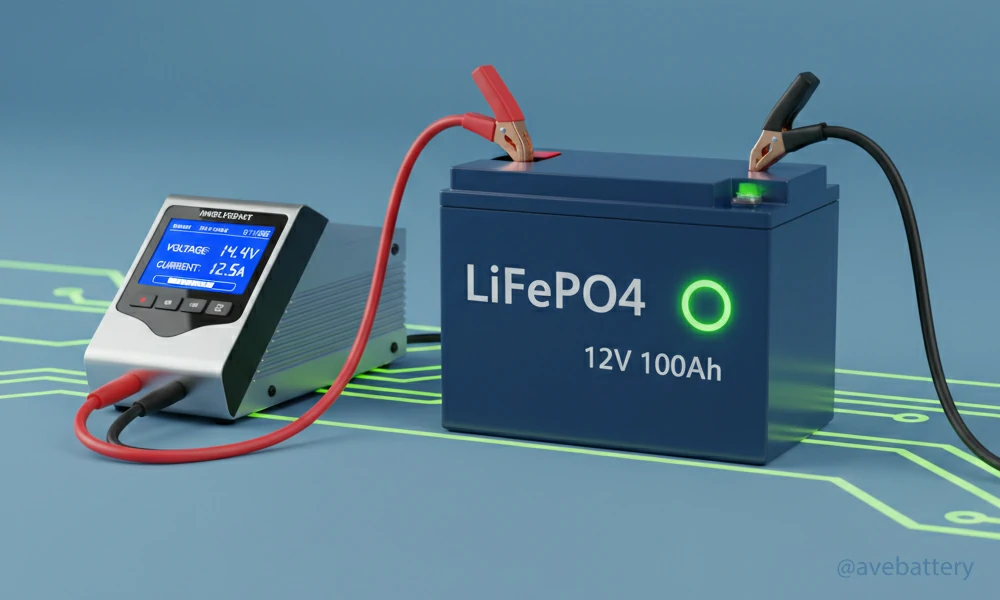
Lithium iron phosphate (LiFePO4) batteries are widely regarded as the most advanced, reliable, and cost-effective energy storage technology for off-grid solar systems in 2026. They are purpose-built for frequent cycling, high efficiency, and autonomous operation—exactly what off-grid systems demand.
- Advantages: Extremely high cycle life, fast charging capability, excellent performance across climates, 80–100% usable capacity, integrated Battery Management System (BMS), maintenance-free operation, high round-trip efficiency (up to 98%), non-toxic and environmentally safer, longest lifespan (10–15+ years), and lowest lifetime cost
- Disadvantages: Higher initial investment and sensitivity to extreme low temperatures
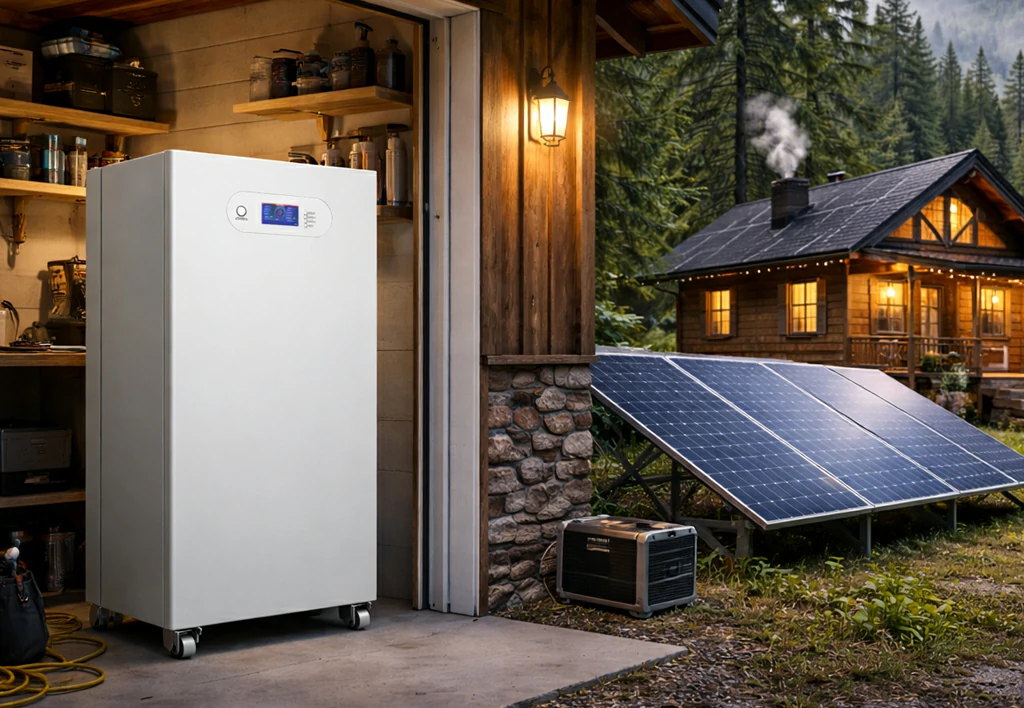
Which Solar Battery Should You Choose?
There is no one-size-fits-all solution. Your ideal battery depends on your goals:
- Testing solar short-term: Lead-acid or AGM
- Seasonal cabin use: AGM or small lithium system
- Full off-grid living: Lithium iron phosphate
When efficiency, durability, safety, and total lifetime cost are considered, lithium batteries are the clear winner.
According to data from the National Renewable Energy Laboratory (NREL) and BloombergNEF, lithium batteries now dominate new residential energy storage installations worldwide due to their superior economics and reliability.
Why Avepower Solar Batteries Stand Out
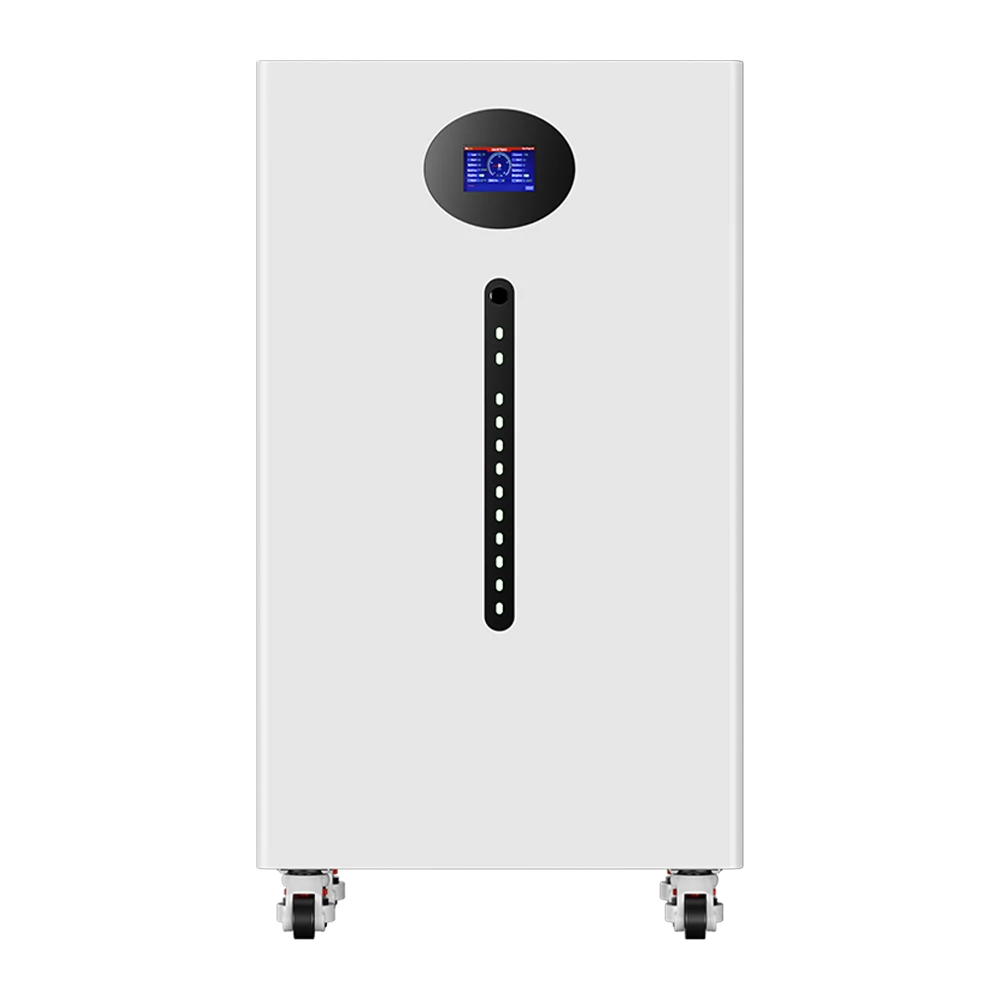
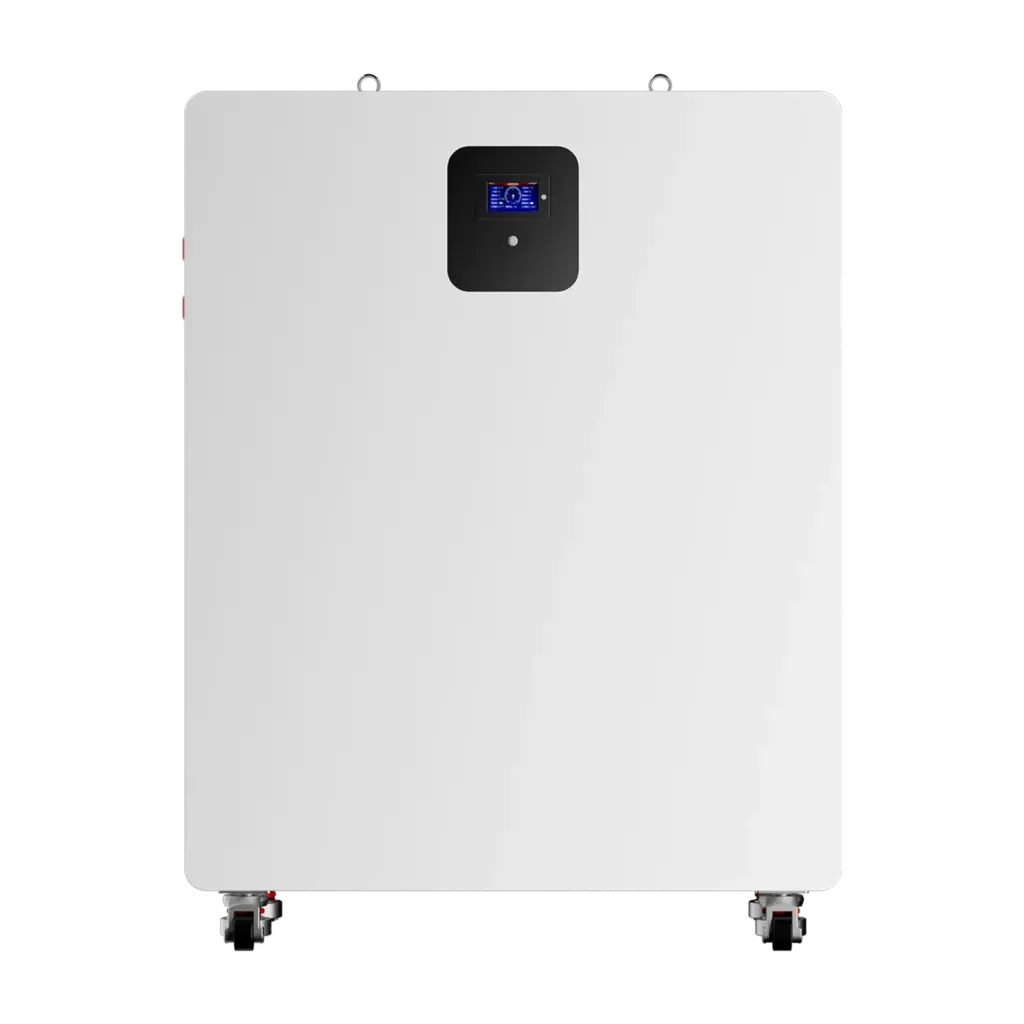
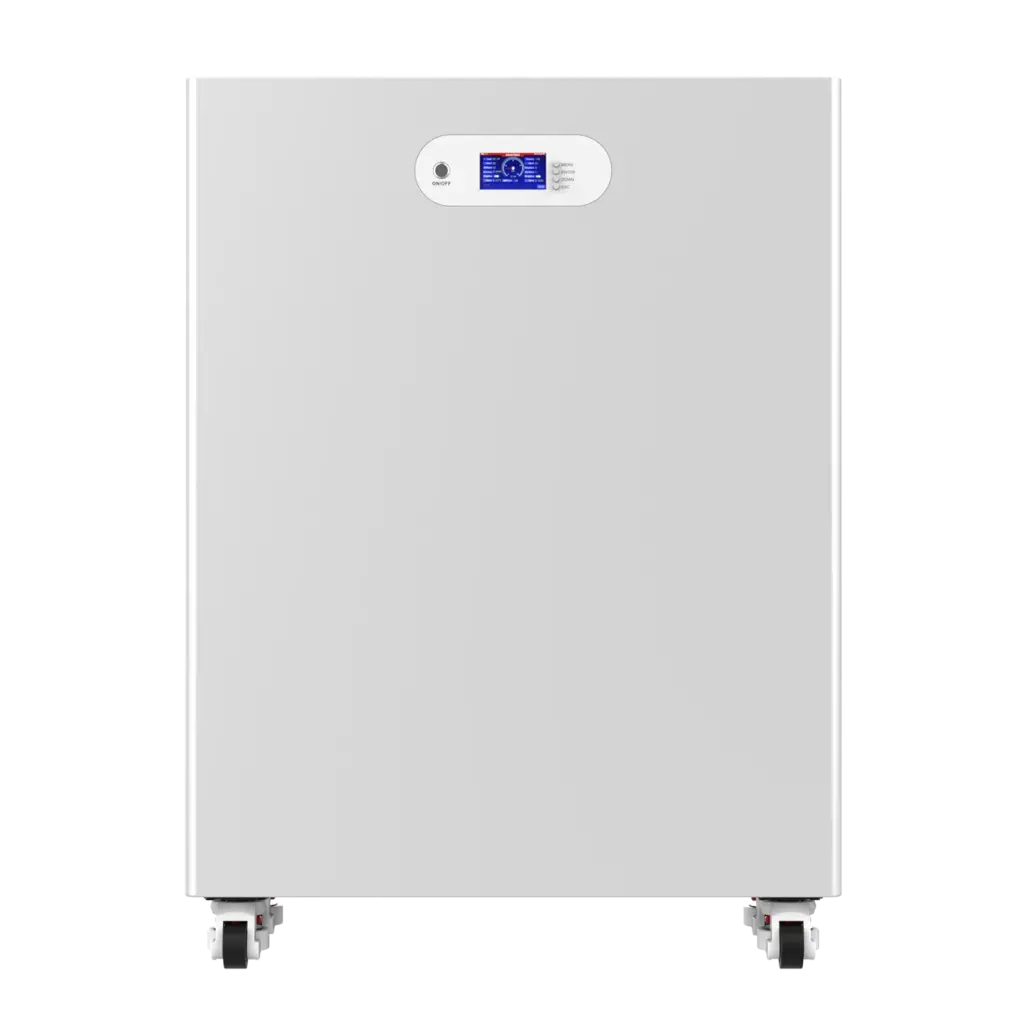
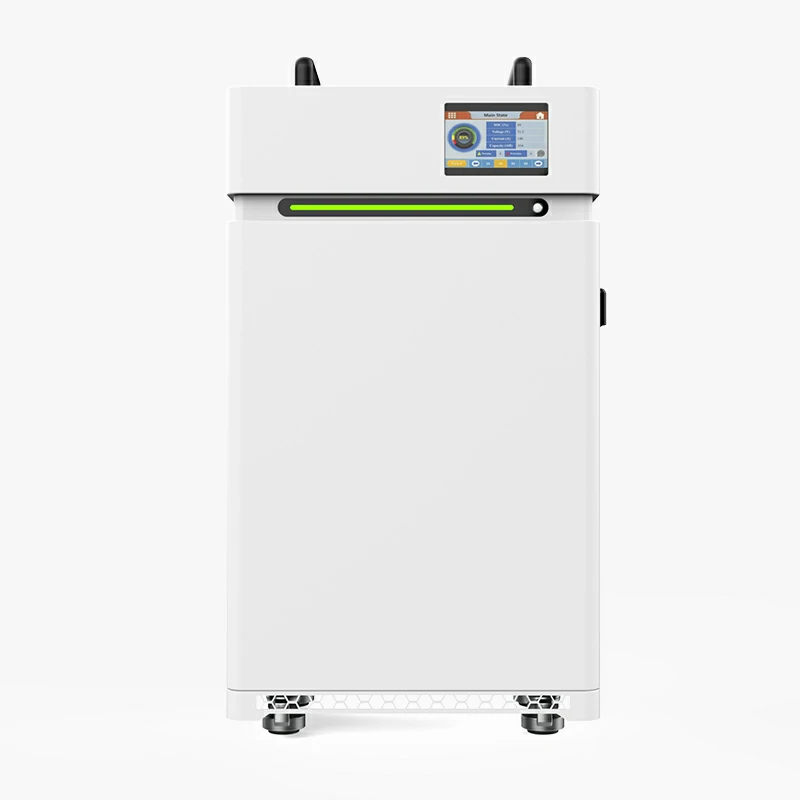
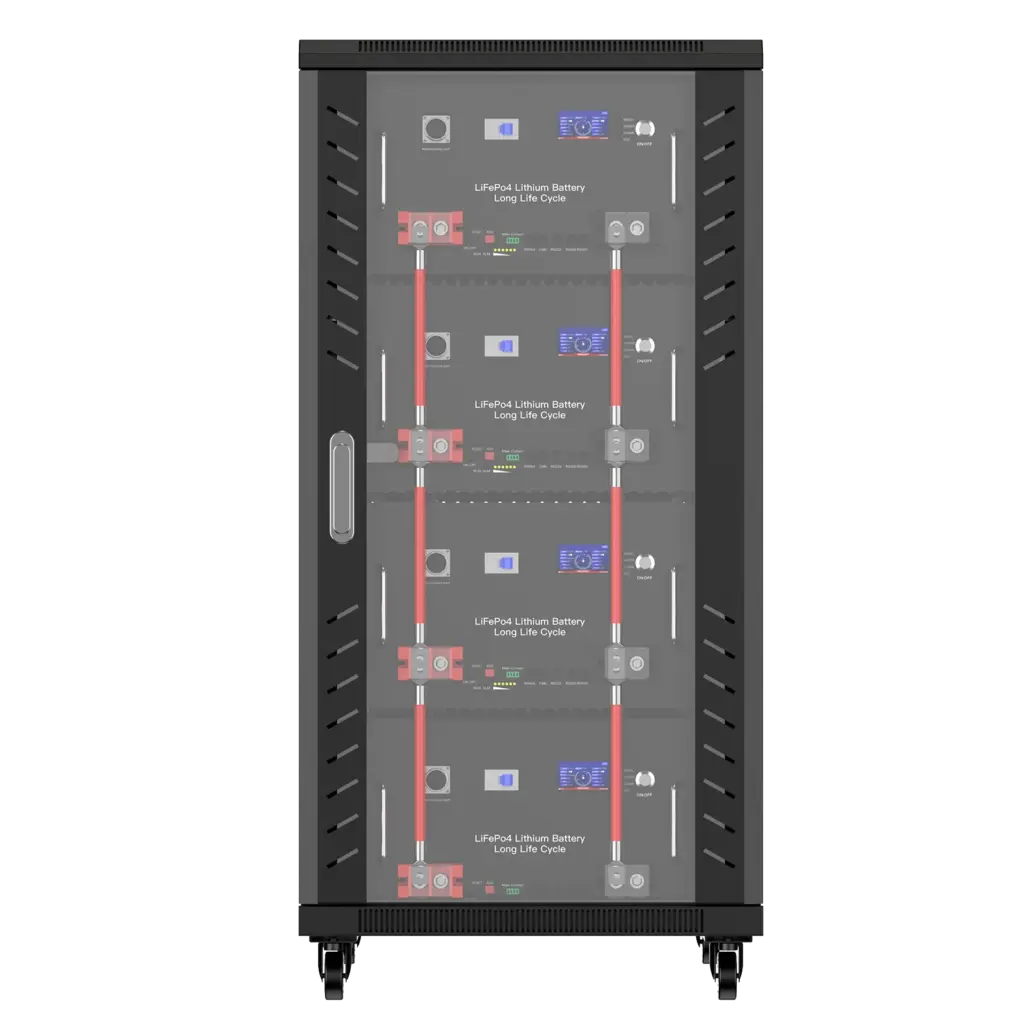
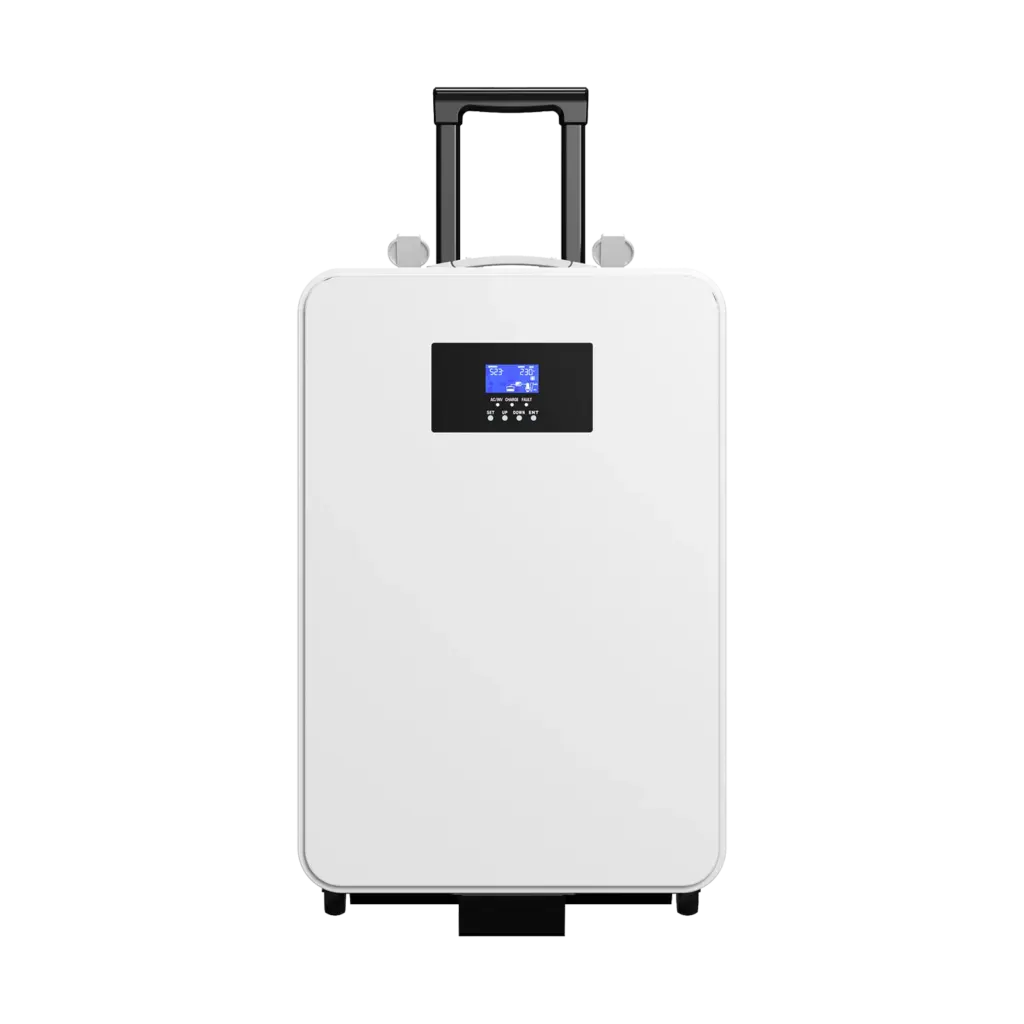
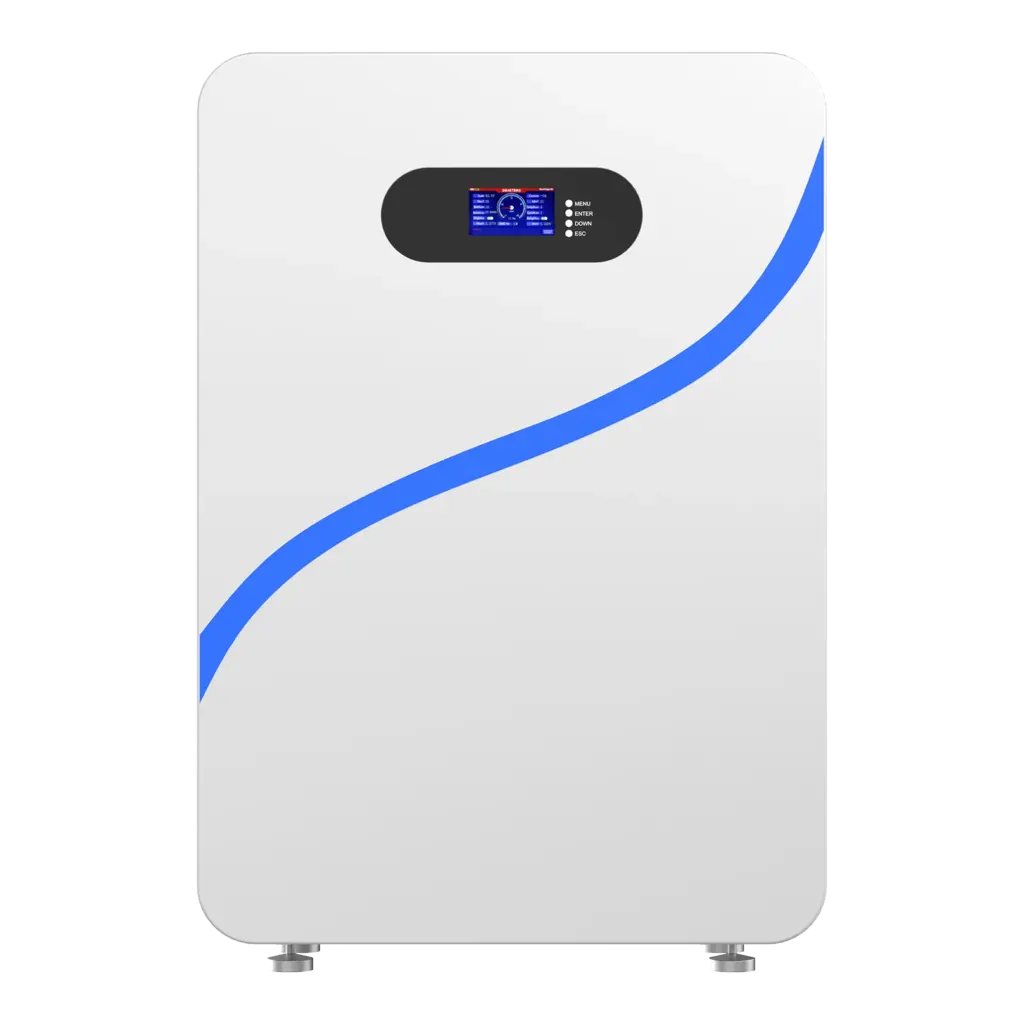
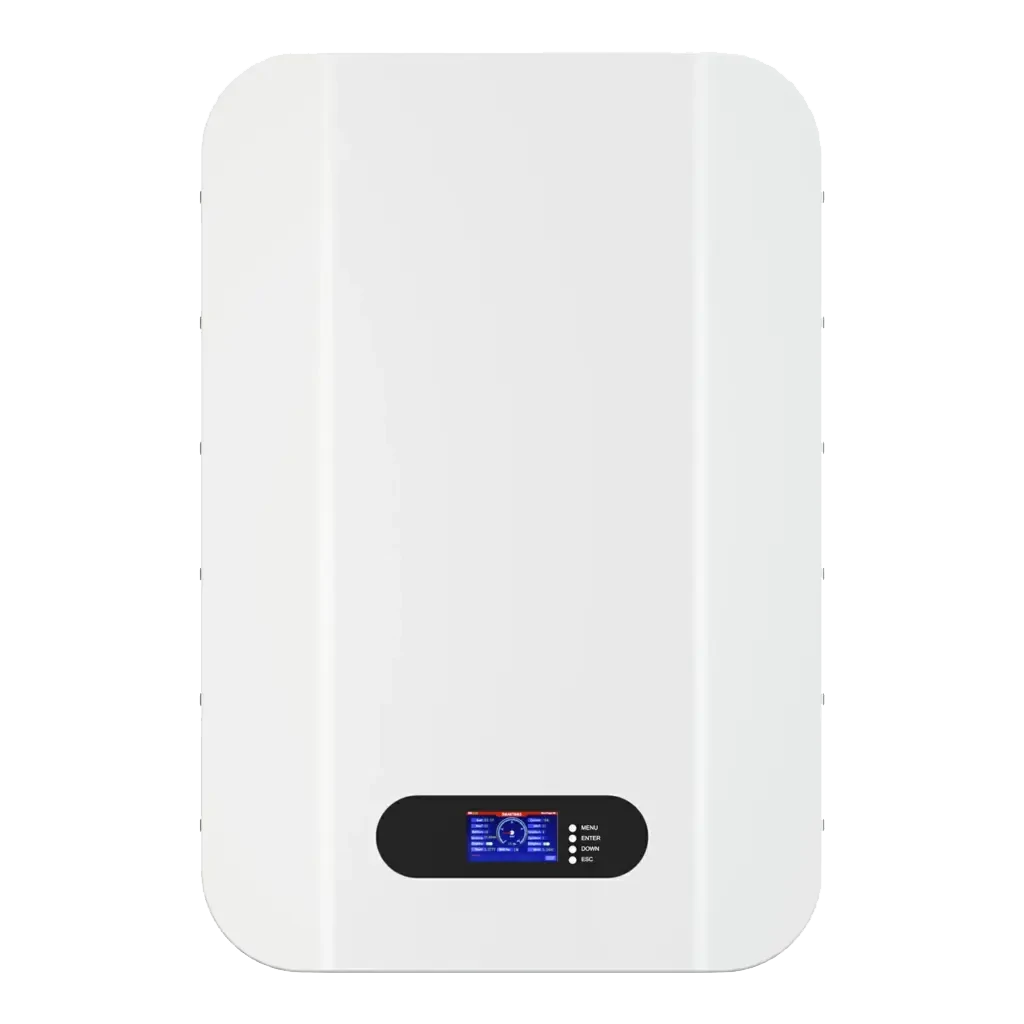
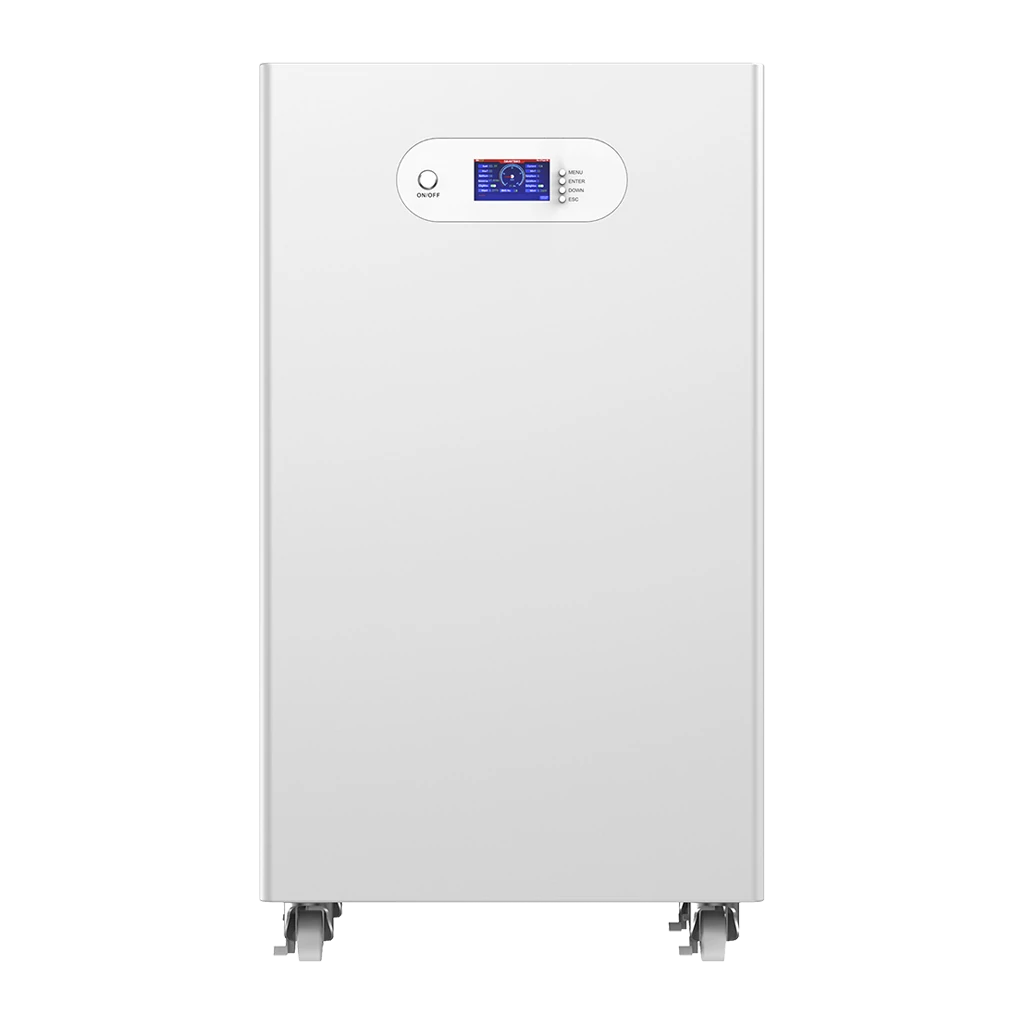
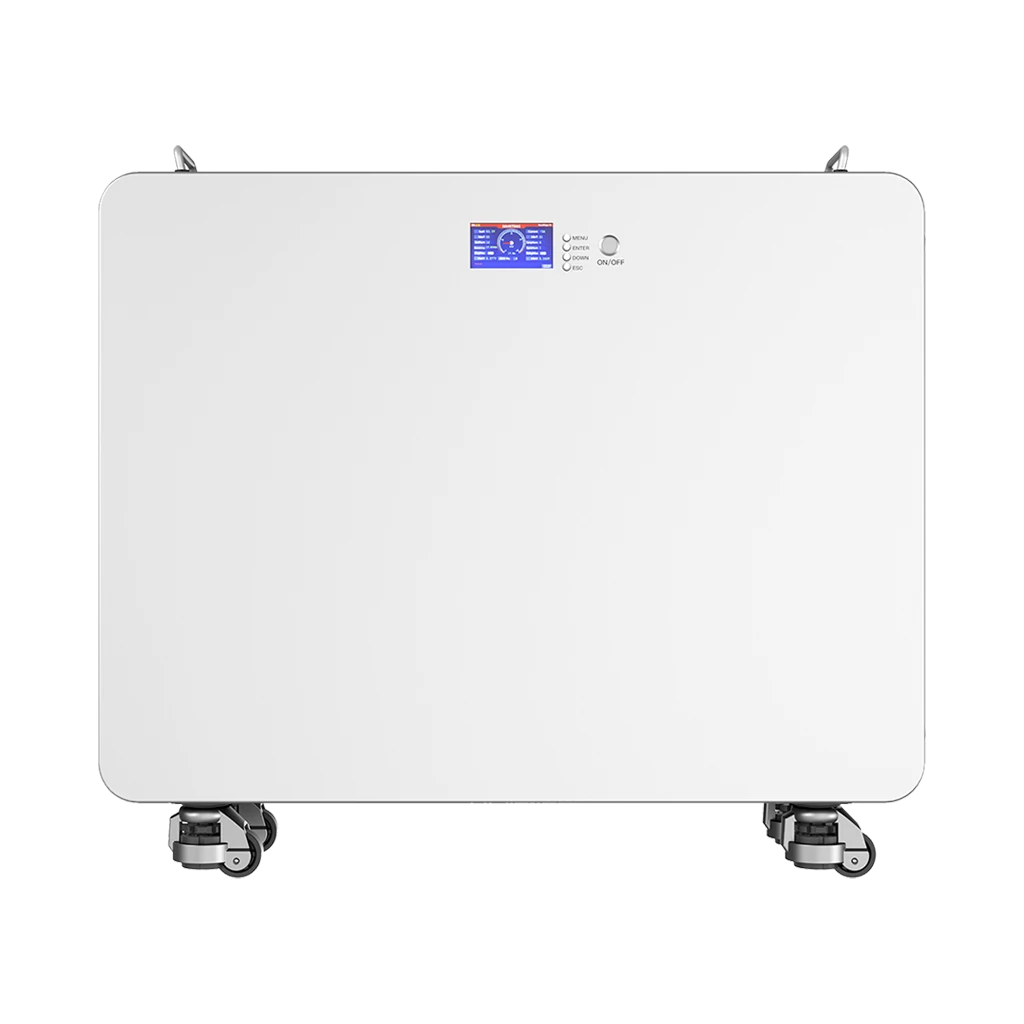
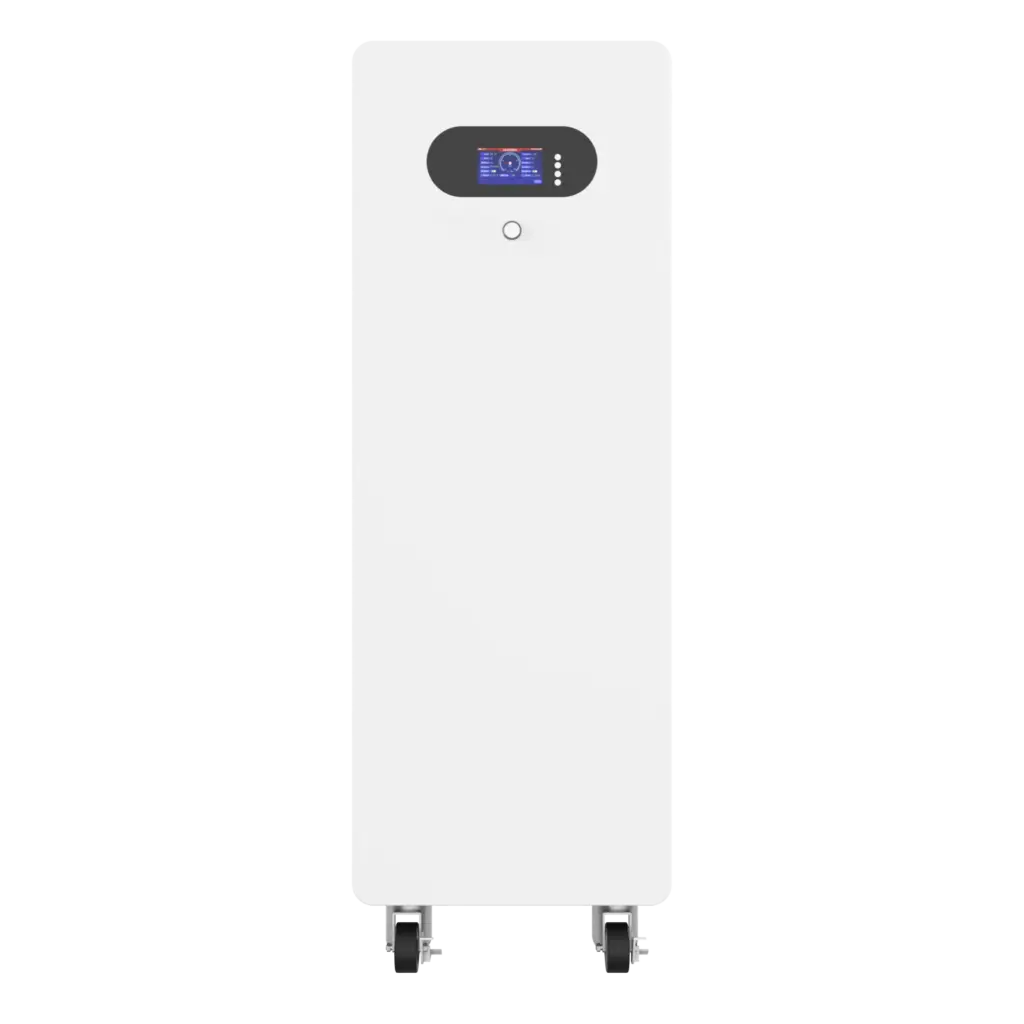
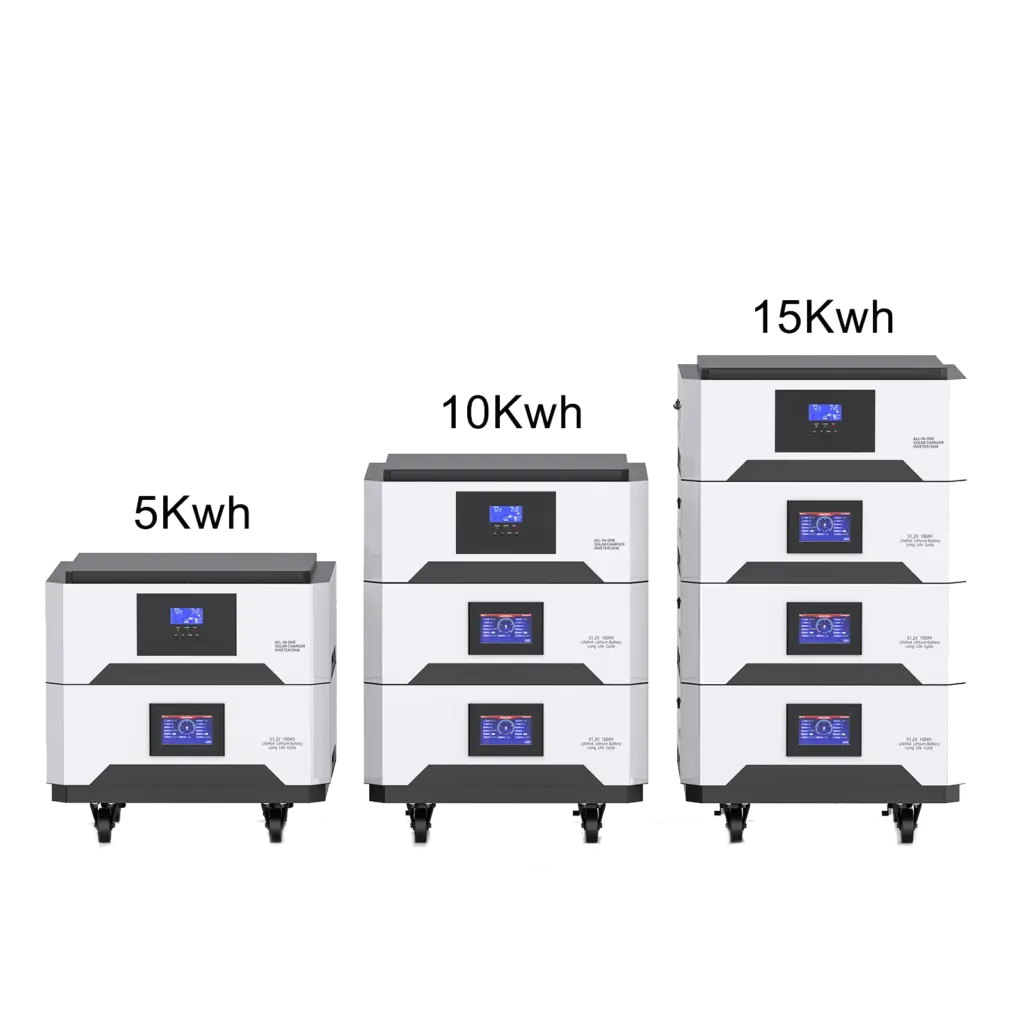
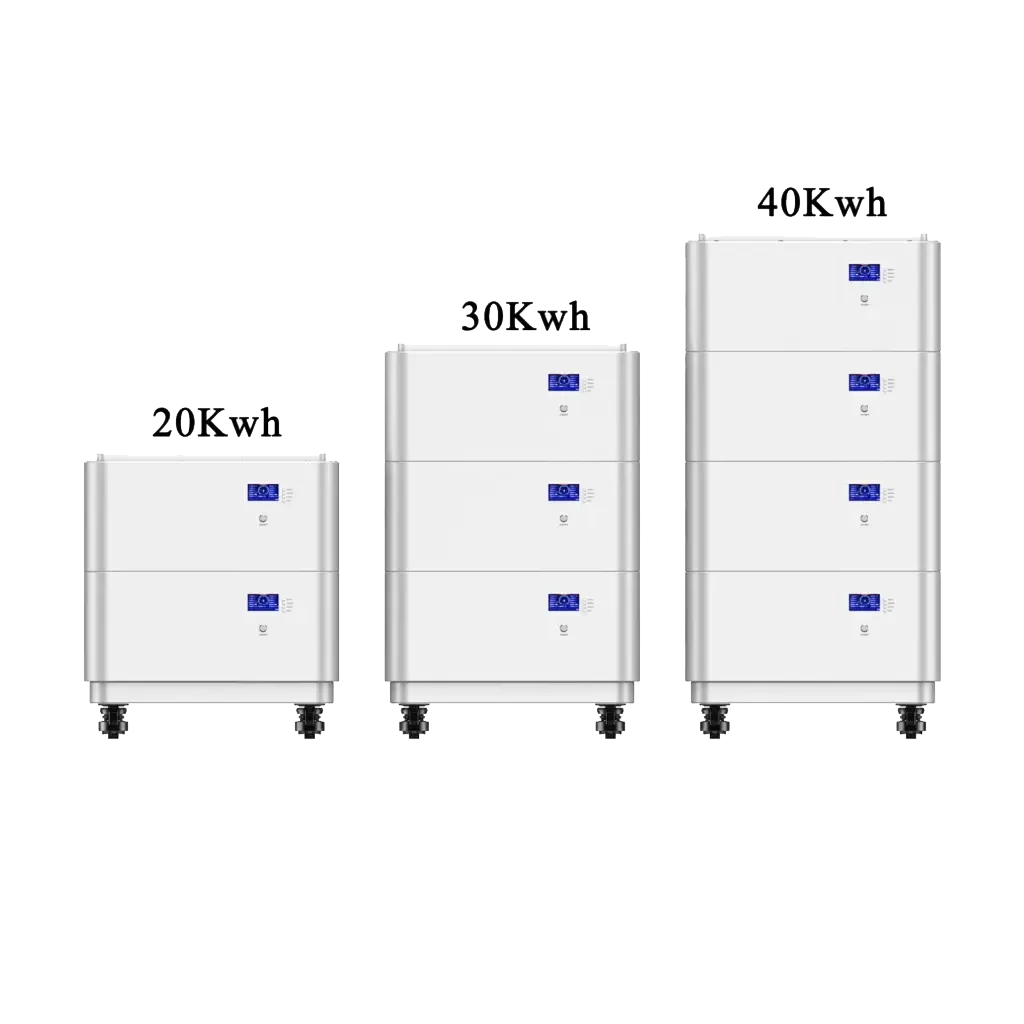
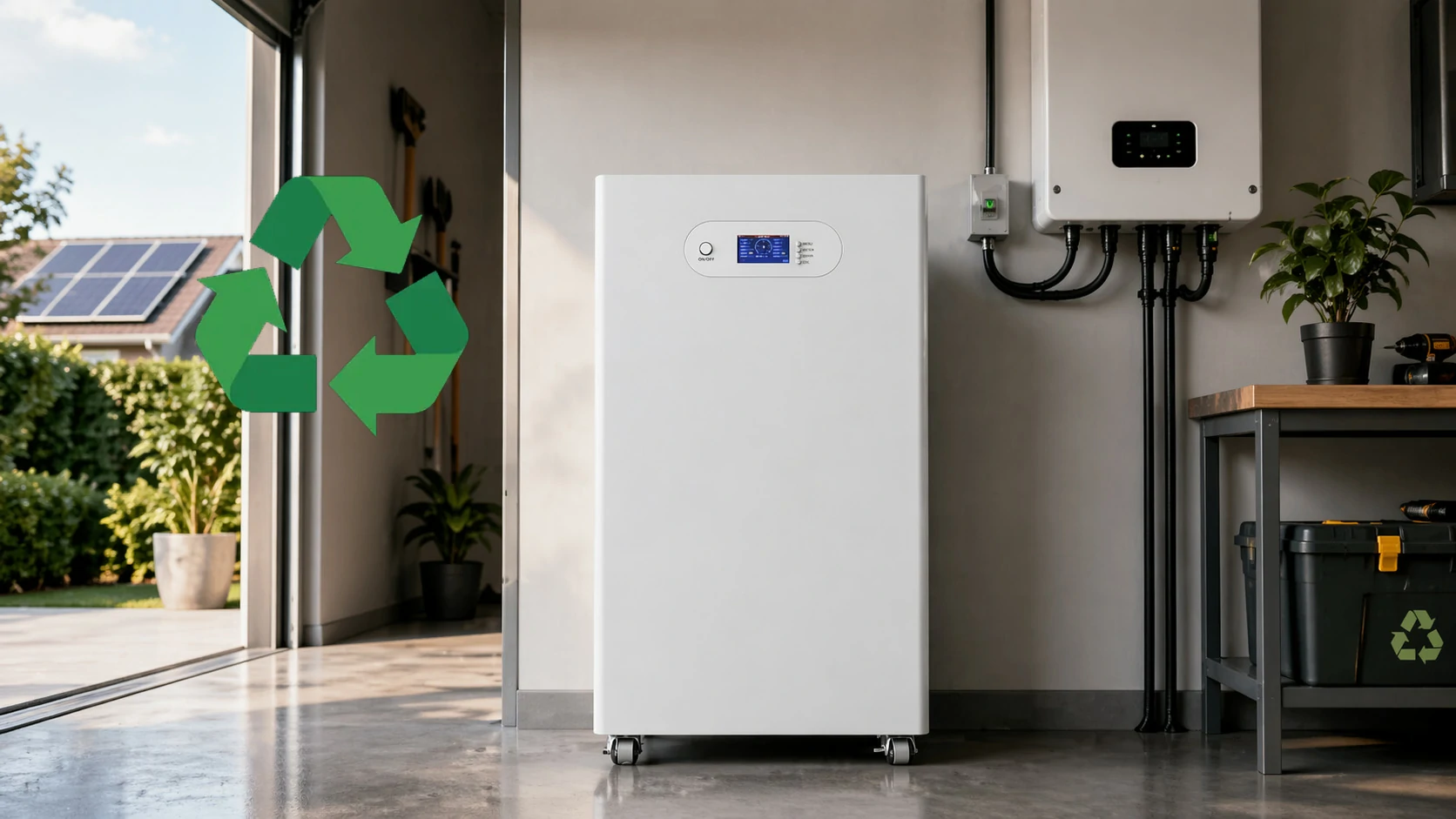
Avepower’s home energy storage systems are built on LiFePO4 technology, combined with intelligent BMS protection and modular scalability.
Key features include:
- Starting capacity from 5 kWh
- Expandable up to 260 kWh
- Advanced safety monitoring
- Compatibility with leading inverter brands
- Designed for homes, communities, and businesses
Avepower systems are engineered to meet international standards such as IEC, CE, and UN38.3, and have been recognized in multiple clean-energy industry showcases.
Customer feedback consistently highlights:
- Reliable long-term performance
- Quiet operation
- Simple expansion as energy needs grow
Key Battery Specifications You Must Understand
Depth of Discharge (DoD)
Depth of discharge refers to how much of a battery’s total capacity can be used before degradation accelerates. A higher DoD means more usable energy.
- Lead-acid batteries: ~50% usable
- Lithium batteries: 80–100% usable
Higher DoD translates directly into better value and efficiency.
Battery Capacity (kWh)
Capacity measures how much energy a battery can store. Most off-grid batteries range from 5 kWh to 15 kWh per unit. For context, the average U.S. household consumes approximately 30 kWh per day, meaning multiple batteries are typically required for full off-grid coverage.
Power Output (kW)
Power output determines how many appliances can run simultaneously. High-power demands—such as air conditioners or EV chargers—require batteries with strong continuous and peak power ratings.
Round-Trip Efficiency
Round-trip efficiency measures how much energy you get back compared to how much you put in.
- Lead-acid: 70–85%
- Lithium: 90–98%
Higher efficiency means less wasted solar energy.
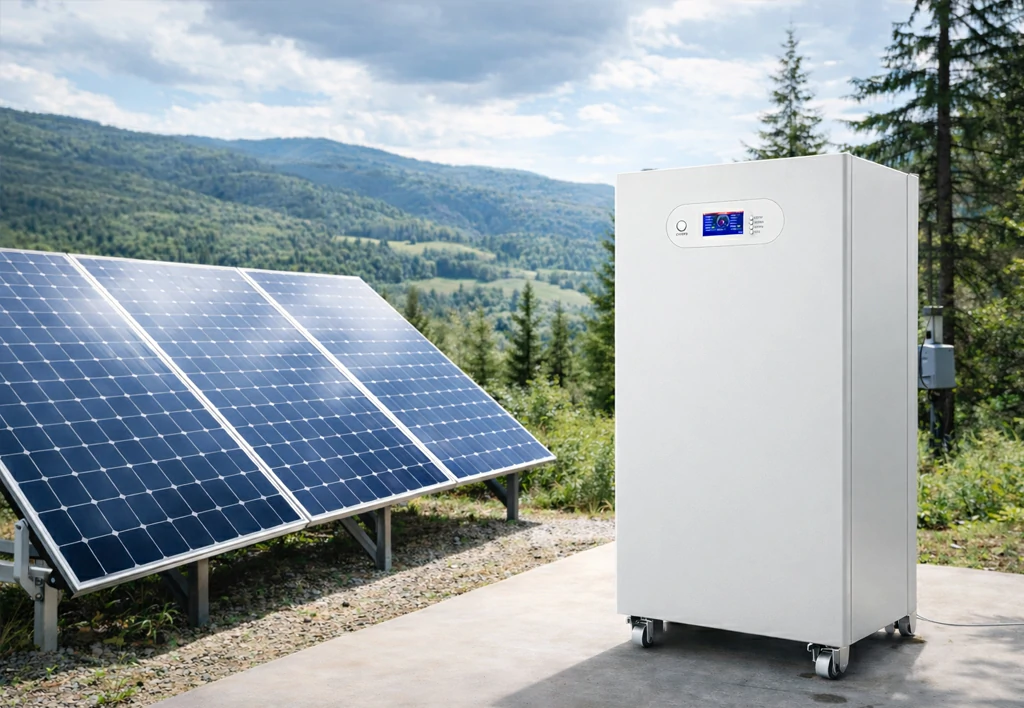
Industry Certifications & Safety Standards
When choosing a solar battery for residential off‑grid or backup use, certifications matter. They indicate that systems have been tested for safety and regulatory compliance.
Key Standards
- UL 1973 – Standard for batteries used in stationary and solar applications. Ensures safety at cell and module level.
- UL 9540 / UL 9540A – Safety standards for complete energy storage systems, including fire and thermal runaway resistance.
- UL 1741 – Applies to inverters and controllers used with batteries.
- IEC Standards (e.g., 62619, 62933‑5‑2) – Common international safety and performance standards.
- NFPA 855 & NABCEP ESIP – Additional residential safety and installer certifications often required by insurance and permitting authorities.
Certification to these standards ensures the system will operate safely and legally, which is increasingly important as home energy storage adoption grows rapidly.
2026 Battery Cost Outlook
As of 2025–26, battery storage costs continue to fall even as demand grows. According to industry reports, solar battery installation grew significantly in 2025 as solar and wind projects expanded, and costs have fallen steeply over the last decade.
Typical residential off‑grid battery systems currently range from around $1,000 to $2,000 per kWh installed capacity — before incentives — depending on chemistry, brand, and installer markup.
Avepower Off-Grid Battery Solutions
Avepower designs LiFePO4 battery systems specifically for solar energy storage.
Key features include:
- Advanced BMS protection
- Modular stackable design
- CE, UL, RoHS, ISO9001 certifications
- Custom OEM/ODM solutions
- Expandable from 5 kWh to 260 kWh
- 8,000+ cycle life
Avepower systems support both residential and commercial off-grid applications. Many installers and distributors choose Avepower due to reliability, safety certifications, and flexible capacity expansion.
Recommended Off-Grid Battery Sizes
Typical off-grid battery capacities include:
- 5 kWh battery
- 10 kWh battery
- 15 kWh battery
- 20 kWh battery
- 25 kWh battery
- 30 kWh battery systems
Many off-grid homes use multiple batteries in parallel. Avepower modular battery systems allow capacity expansion as energy demand grows. Whether you’re starting small or planning a full-scale off-grid setup, we have a scalable solution to match your needs.
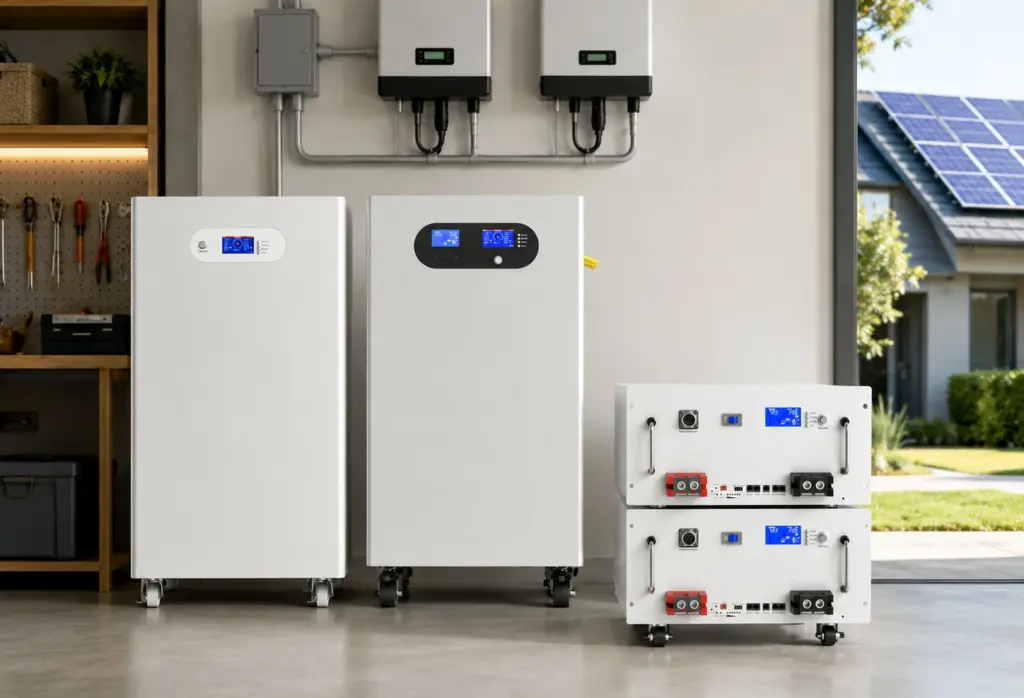
Take Control of Your Energy with Avepower!
Reliable home solar battery solutions with OEM/ODM customization and in-house manufacturing, tailored to the needs of distributors, installers, and energy partners.
FAQ
For most full-time off-grid homes, LiFePO4 (lithium iron phosphate) batteries are usually the best choice because they offer high usable capacity, high efficiency, long cycle life, and low maintenance.
Many off-grid homes start around 10–30 kWh, then scale up. Modular systems like Avepower make it easier to expand from 5 kWh upward as your needs grow.
AGM and gel batteries can be a reasonable choice for intermittent use (like cabins or seasonal homes) because they are sealed and lower-maintenance than flooded lead-acid.
Many whole-home off-grid setups need 20–60 kWh or more, especially if you run HVAC or heavy appliances. The most reliable approach is to list your daily kWh usage and peak power needs, then size both battery capacity (kWh) and inverter power (kW) accordingly.