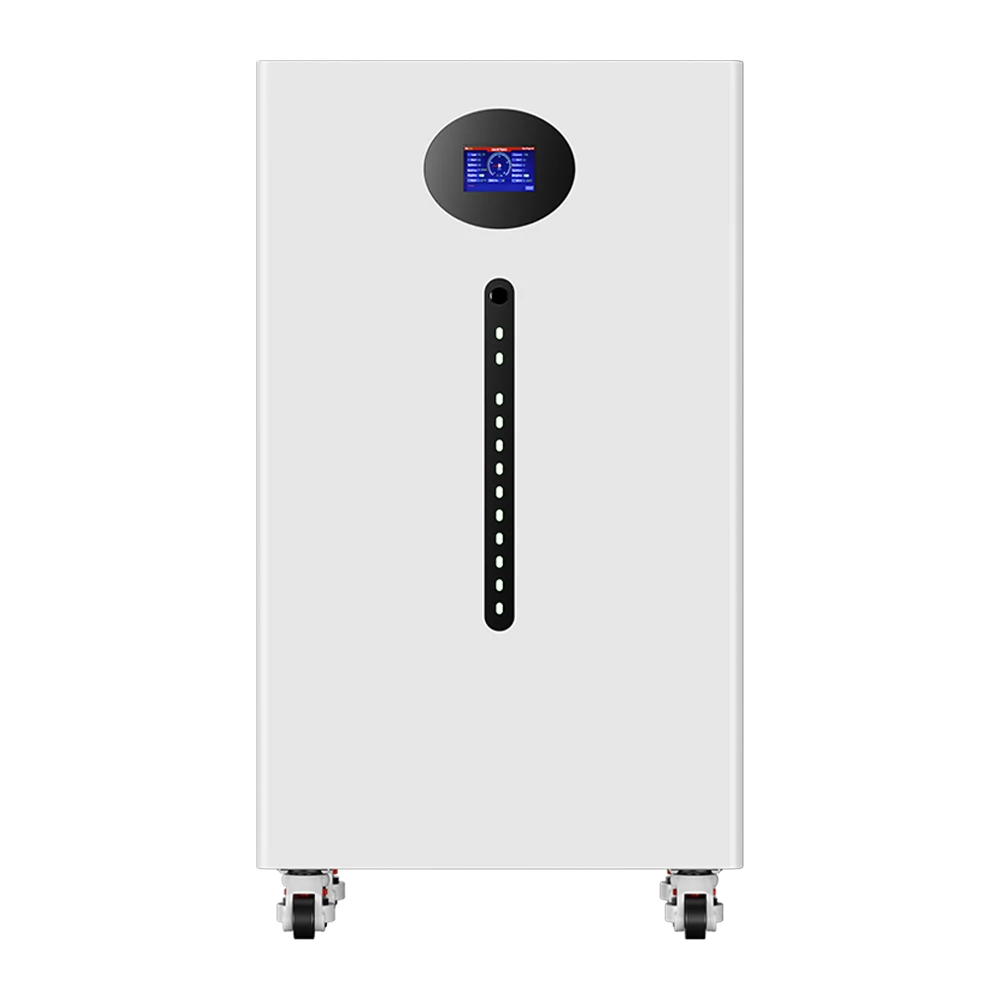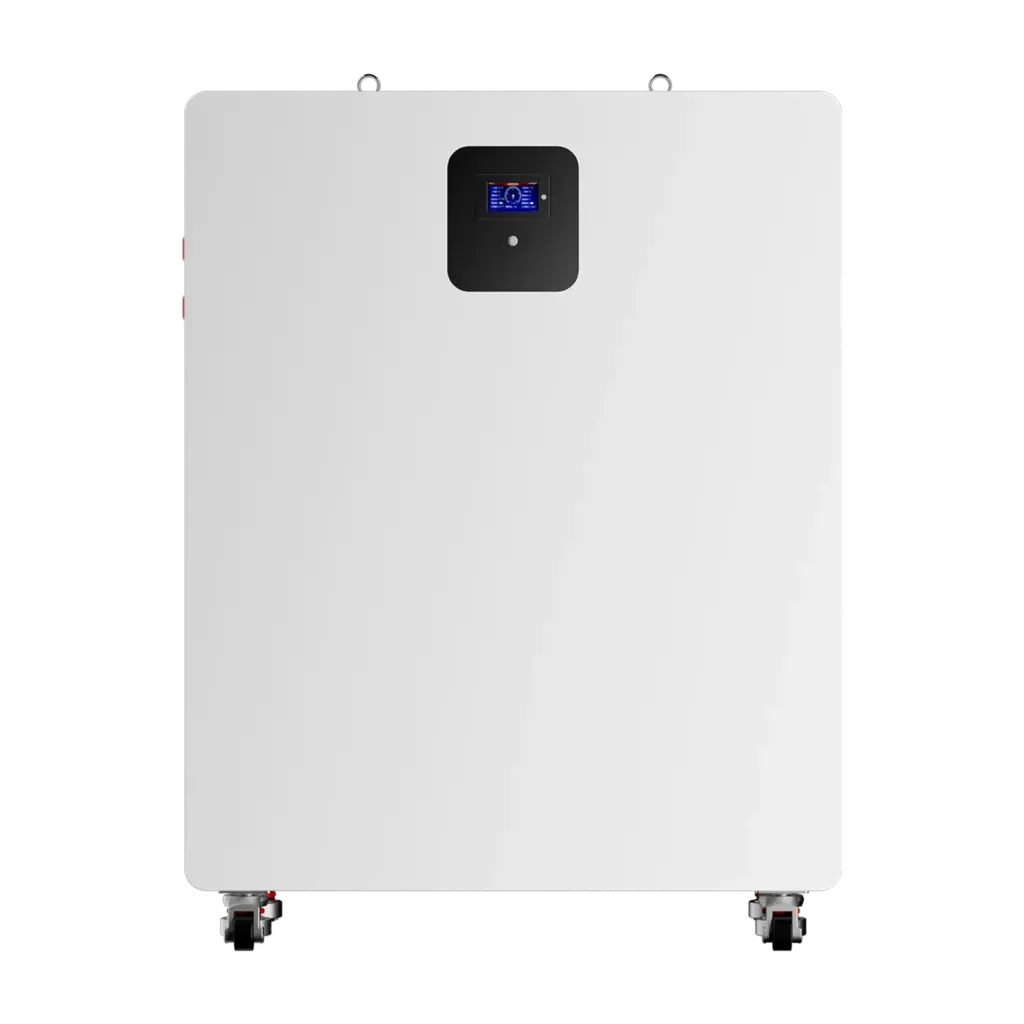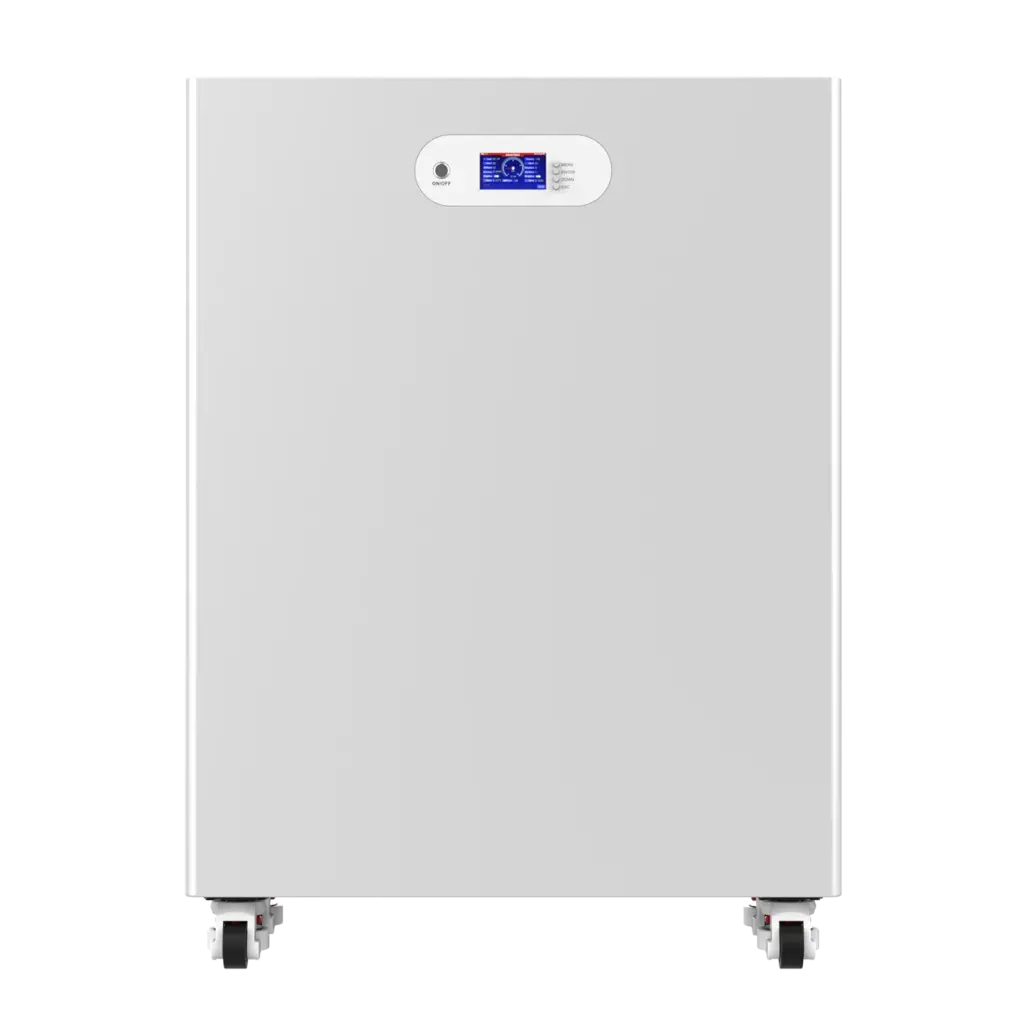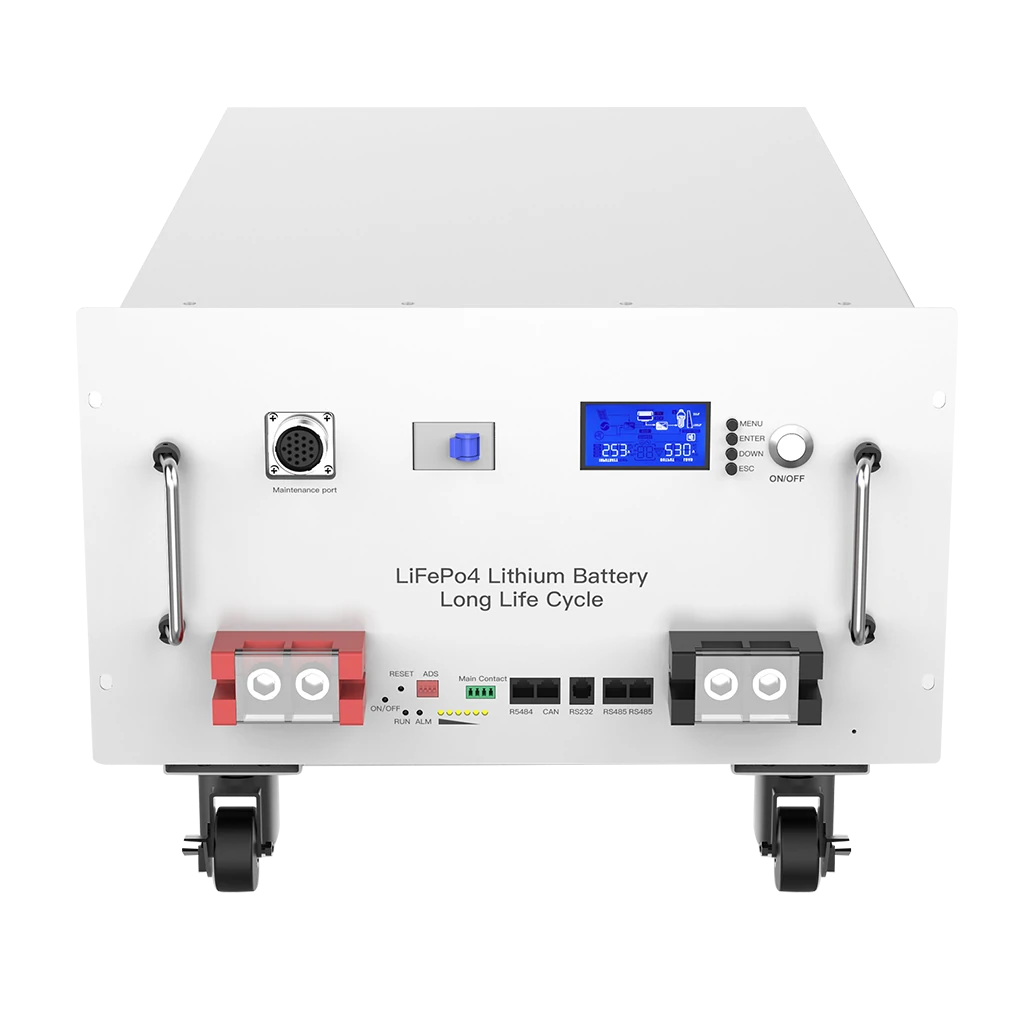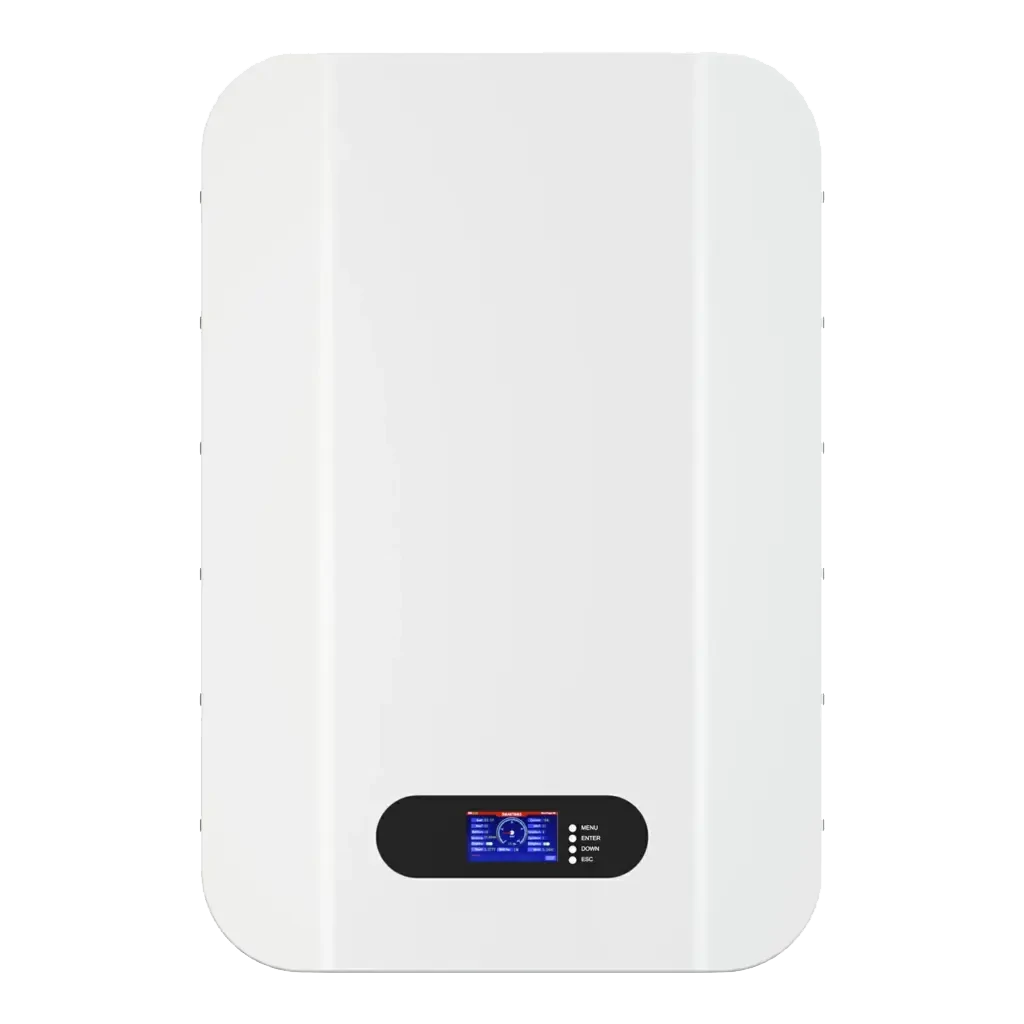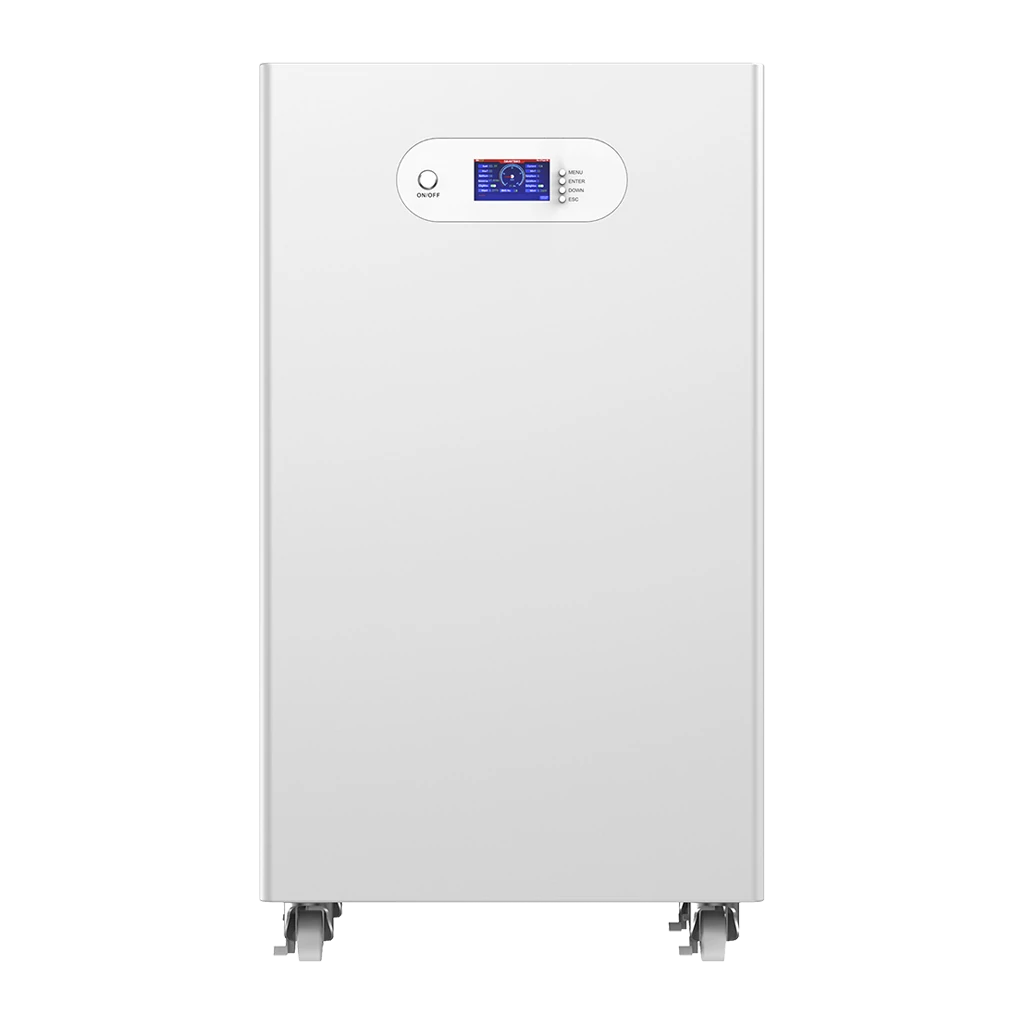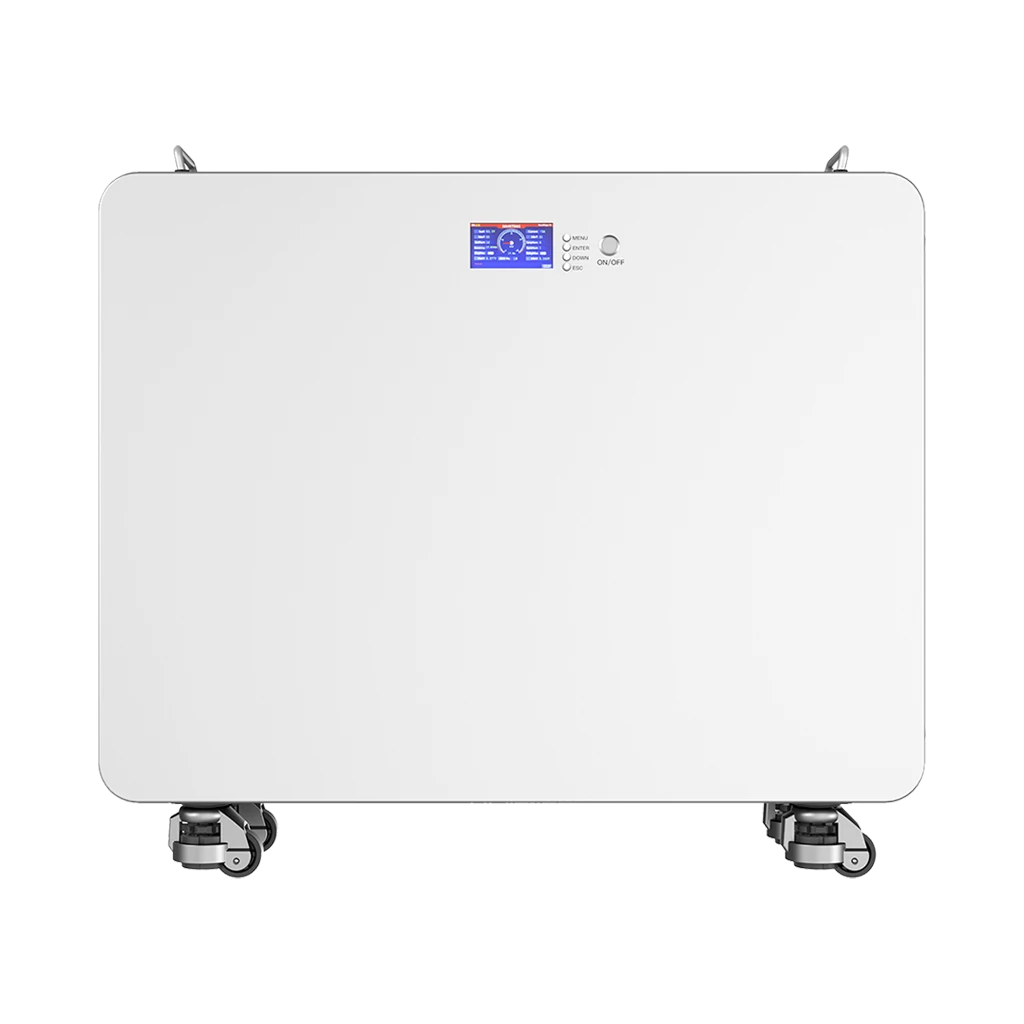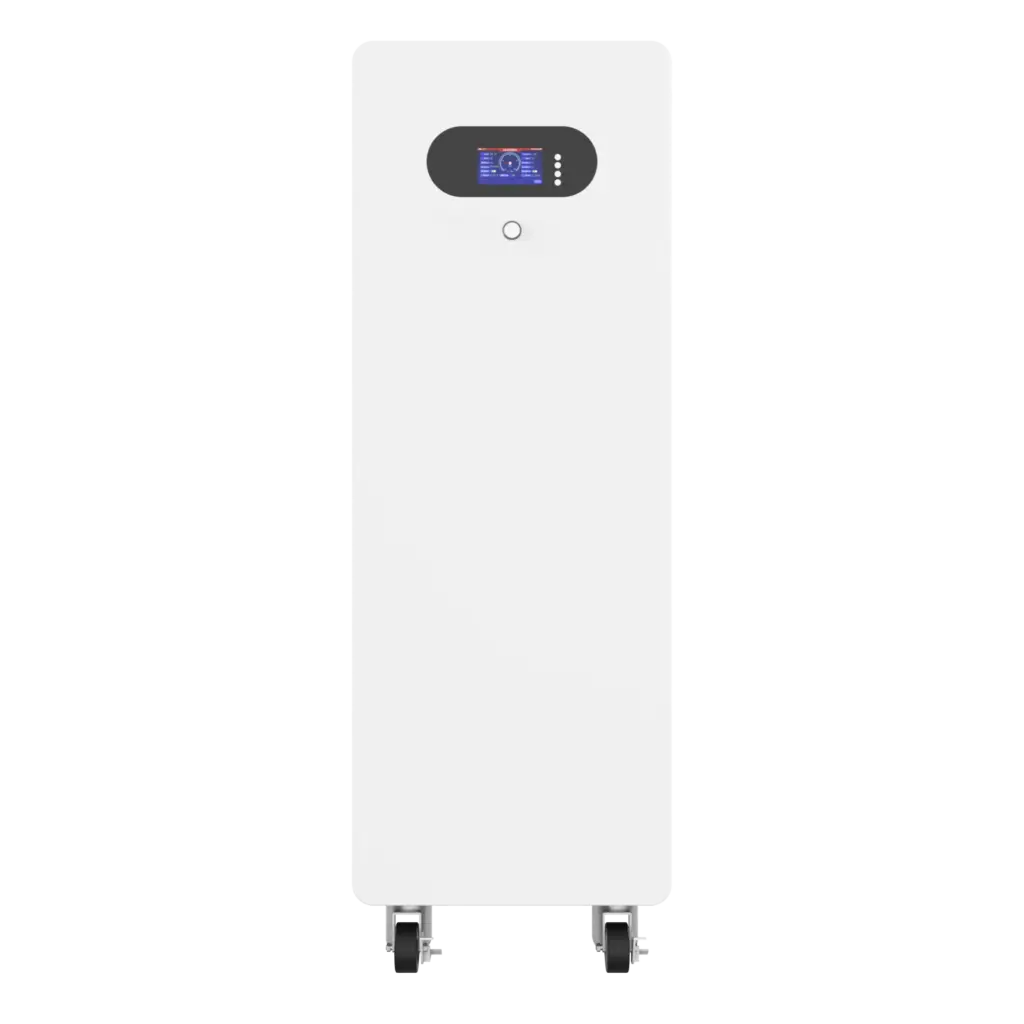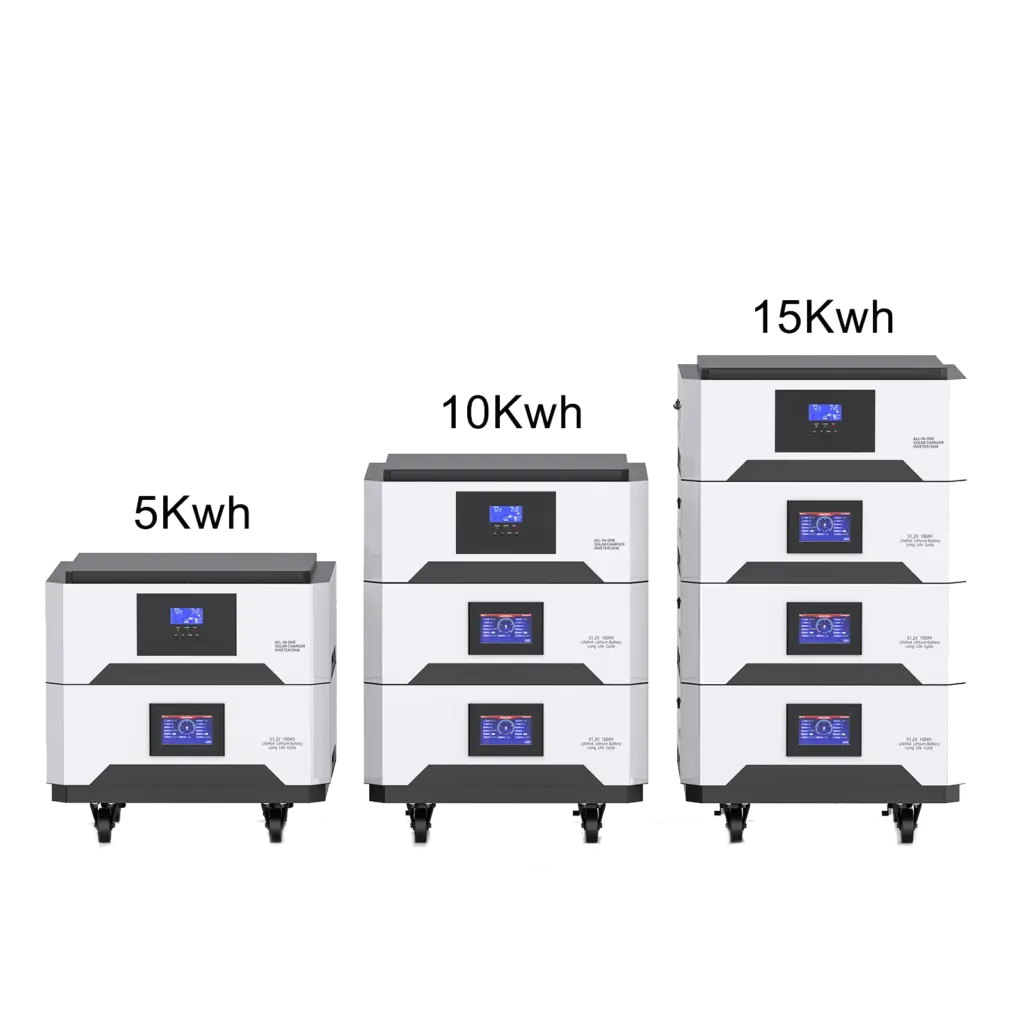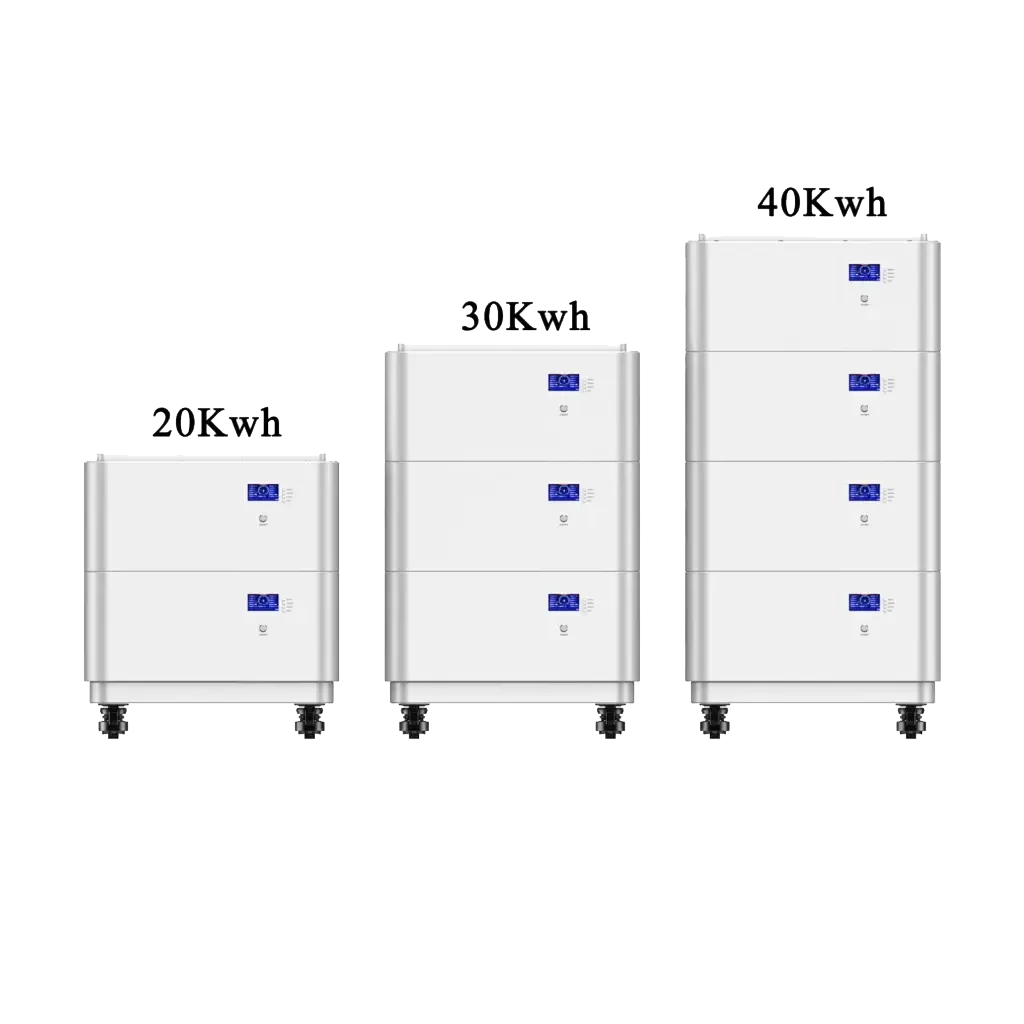

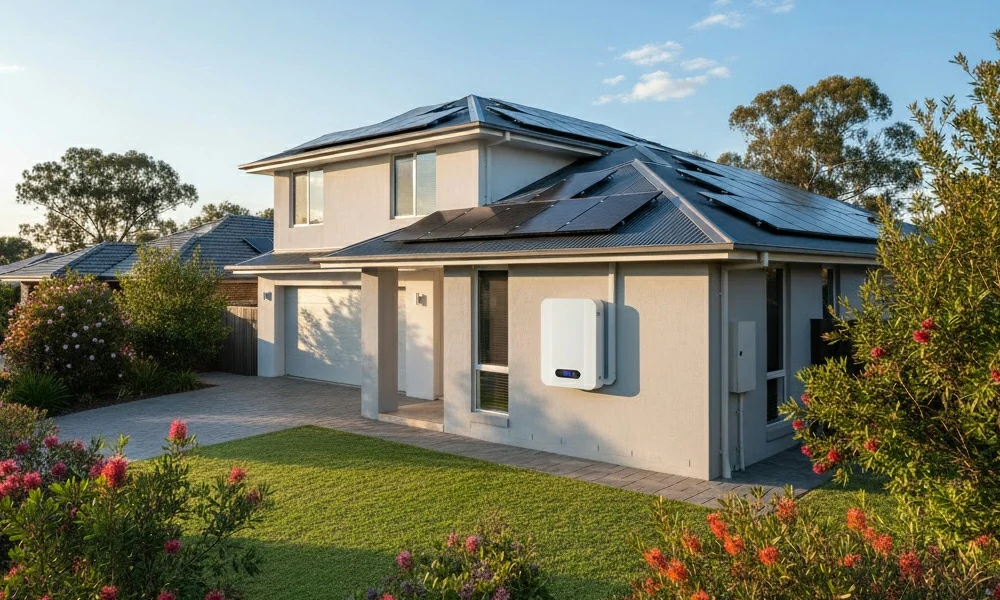
A residential solar battery in Australia typically costs about A$5,000 to A$17,000 installed after the federal battery discount, depending on usable capacity and whether the home already has a compatible battery inverter. A standard 10kWh system generally costs around A$8,500–A$12,500, while premium backup installations can cost more.
The final price is not determined by the battery alone. Inverter requirements, switchboard work, backup equipment, installation difficulty, usable capacity and the value of the federal discount can change a quotation by several thousand dollars.
What Is the Average Solar Battery Cost in Australia?
Most Australian households should budget approximately A$8,500–A$15,500 for a practical 10–15kWh battery system. The lower end normally assumes an existing compatible hybrid inverter, while the higher end may include a new inverter, AC-coupled retrofit equipment or more complex electrical work.
The table below separates battery-only installations from systems that require an additional battery inverter.
| Usable Battery Capacity | Battery Added to a Compatible System | Battery Plus Additional Inverter | Typical Use |
|---|---|---|---|
| Around 5kWh | A$5,000–A$6,500 | A$7,000–A$9,000 | Small home or modest evening demand |
| Around 8kWh | A$7,500–A$9,000 | A$9,000–A$11,000 | Small-to-average household |
| Around 10kWh | A$8,500–A$10,000 | A$10,000–A$12,500 | Typical family home |
| Around 13–15kWh | A$10,500–A$13,000 | A$12,500–A$15,500 | Higher evening use, EV or air conditioning |
| Around 20kWh | A$14,000–A$17,000 | A$16,500–A$20,000+ | Large home, high consumption or longer backup |
These ranges assume standard installation conditions and an eligible system receiving the applicable federal discount. They do not necessarily include major switchboard upgrades, extensive cable runs, trenching, three-phase redesign or whole-home backup equipment.
Quick Price Answer by Battery Size
- 5kWh solar battery: approximately A$5,000–A$9,000 installed
- 10kWh solar battery: approximately A$8,500–A$12,500 installed
- 13.5kWh solar battery: approximately A$10,500–A$15,000 installed
- 15kWh solar battery: approximately A$11,000–A$15,500 installed
- 20kWh solar battery: approximately A$14,000–A$20,000+ installed
Use these figures as an initial budget rather than a substitute for an itemised quotation.
Why Does a Battery With an Inverter Cost More?
A battery-plus-inverter installation costs more because the project includes additional power-conversion equipment, electrical protection, wiring and commissioning. This is common when adding a battery to an existing solar system that uses a standard grid-connected inverter rather than a battery-ready hybrid inverter.
The additional equipment may include:
- Hybrid inverter
- Dedicated battery inverter
- AC coupling equipment
- Gateway or controller
- Additional isolation devices
- Metering equipment
- Communication hardware
- New protection devices
- Backup or EPS switching equipment
An AC-coupled battery can often be added without replacing the existing solar inverter. However, it still requires its own battery inverter and electrical integration.
A DC-coupled battery normally connects through a compatible hybrid inverter. It can be efficient for a new solar-and-battery installation, but retrofitting may require replacement of the existing solar inverter.
How Did the Federal Battery Discount Change on 1 May 2026?
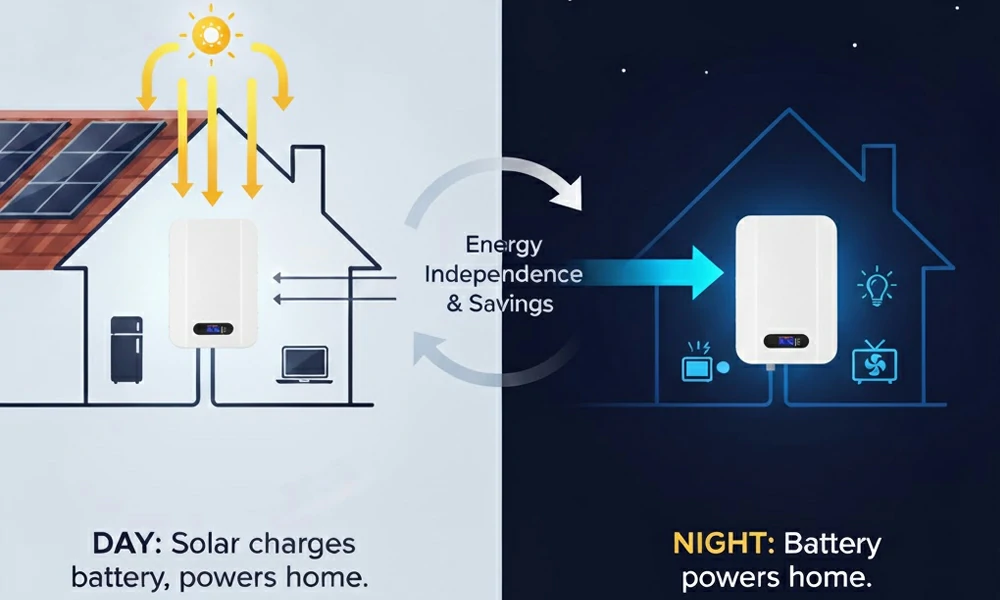
Australia’s Cheaper Home Batteries Program still supports eligible battery installations, but the STC calculation changed on 1 May 2026. The discount now decreases more quickly over time and provides proportionally less support for battery capacity above 14kWh and 28kWh.
For installations completed between May and December 2026, the STC factor is 6.8 per eligible usable kilowatt-hour before capacity tapering is applied.
The current capacity tiers are:
| Portion of Usable Capacity | Percentage of STC Factor Applied |
|---|---|
| First 0–14kWh | 100% |
| Capacity above 14kWh up to 28kWh | 60% |
| Capacity above 28kWh up to 50kWh | 15% |
| Capacity above 50kWh | No additional STCs |
This means a larger system can still qualify, but every additional kilowatt-hour does not receive the same level of support.
The program supports eligible battery systems with a nominal capacity between 5kWh and 100kWh. STCs are available only for the first 50kWh of eligible usable capacity.
What Determines Which Rebate Rate Applies?
The applicable STC factor is determined by the date the battery is installed, not simply the date the contract is signed or the deposit is paid.
Ask the retailer to state in writing:
- Expected installation date
- Current STC factor used
- Estimated number of STCs
- Assumed STC certificate value
- Total discount included in the quotation
- What happens if the installation date changes
- Whether the quoted final price is fixed
The market value of STCs can change, so two quotations for the same battery may show different discount values.
Which Batteries Qualify for the Federal Discount?
An eligible battery must satisfy product, capacity, installation and solar-connection requirements. Buyers should not assume that every battery sold in Australia automatically qualifies, even when it has a familiar brand name or common chemistry.
The main conditions include:
- Battery system with 5–100kWh nominal capacity
- Connection to a new or existing eligible solar PV system
- Approved battery and inverter products
- Installation by or under the required supervision of an accredited battery installer
- Compliance with state and territory electrical rules
- Permanent installation at the premises
- Required communication capability for eligible on-grid systems
- Correct certification and documentation
Battery systems installed only to charge from the grid without an eligible solar PV system do not qualify under the current program.
Portable batteries and electric vehicles are also outside the program.
Can an Off-Grid Battery Receive the Discount?
An eligible off-grid residential battery can receive support when it meets the applicable program requirements. Off-grid systems do not always need the same VPP capability as grid-connected systems, but the property, battery, solar installation and installer must still satisfy the relevant rules.
The previous statement that all off-grid systems are excluded should not be used.
Off-grid eligibility can depend on:
- Whether the structure is used as a dwelling
- Distance from the electricity grid
- Solar PV connection
- Battery and inverter approval
- Installer accreditation
- Evidence relating to grid-connection cost in some circumstances
- State or territory electrical requirements
The installer should confirm eligibility before including a federal discount in the quotation.
Is It Cheaper to Install a Battery With New Solar?
Installing solar and a battery together is usually cheaper than completing two separate projects. The installer can design the inverter, switchboard, metering and cabling as one system, reducing duplicated labour and the risk of equipment incompatibility.
A combined installation can reduce:
- Repeat site visits
- Duplicate design work
- Inverter replacement later
- Additional cable routes
- Repeated approvals
- Separate commissioning
- Compatibility problems
However, buying a battery immediately is not always the best financial decision. A household with limited evening consumption or little surplus solar may benefit from monitoring its actual energy profile before selecting battery capacity.
When a Retrofit Still Makes Sense
A retrofit can be practical when:
- The existing solar system performs well
- The current inverter can remain in service
- An AC-coupled battery is suitable
- Evening electricity consumption has increased
- Feed-in tariffs have fallen
- The household has added an EV or heat pump
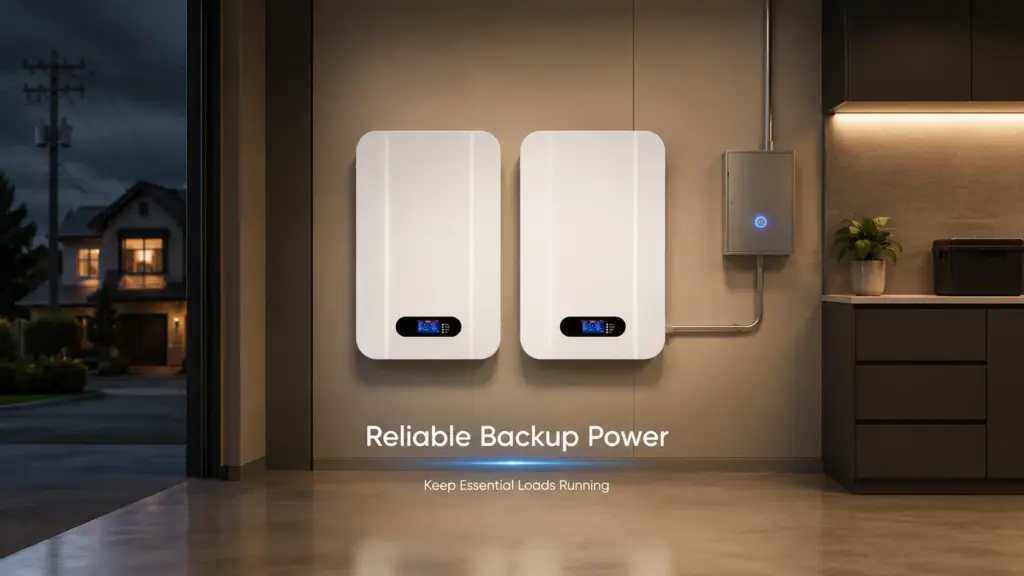
- Backup power has become more important
How Much Does a Solar-Plus-Battery System Cost?
A complete solar-and-battery package usually costs more than A$13,000 and can exceed A$25,000 depending on solar size, battery capacity, inverter architecture and backup requirements. It must be separated from the price of the battery alone.
Indicative combined-system budgets include:
| System Configuration | Indicative Installed Budget |
|---|---|
| 6–6.6kW solar plus around 5kWh battery | A$11,000–A$16,000 |
| 6–6.6kW solar plus around 10kWh battery | A$13,000–A$19,000 |
| 8–10kW solar plus around 10–15kWh battery | A$17,000–A$25,000 |
| Large solar plus around 20kWh battery | A$23,000–A$35,000+ |
| Premium whole-home backup project | Site-specific quotation required |
These estimates can include separate solar and battery incentives where the systems meet the relevant requirements. Always ask the retailer to show the solar and battery discounts separately.
What Is a Fair Installed Cost per kWh?
A fair installed cost per usable kilowatt-hour generally falls as battery size increases because many installation costs remain fixed. Small systems may exceed A$1,200 per usable kWh, while larger standard installations may fall below A$900 per usable kWh.
Indicative after-discount ranges are:
| Battery Size | Approximate Installed Cost Per Usable kWh |
|---|---|
| Around 5kWh | A$1,000–A$1,800 |
| Around 10kWh | A$850–A$1,250 |
| Around 13–15kWh | A$750–A$1,050 |
| Around 20kWh | A$700–A$1,000 |
Use cost per kWh as a screening tool, not the final buying decision.
A lower cost per kWh can still represent poor value if the system has:
- Low power output
- Restrictive warranty throughput
- Weak installer support
- Poor inverter compatibility
- No practical backup function
- High replacement labour costs
- Limited future expansion
How Do You Estimate Solar Battery Payback?
Simple payback is calculated by dividing the net installed cost by estimated annual financial savings. The estimate should account for lost feed-in revenue, conversion losses, seasonal charging and any VPP income rather than treating every stored kilowatt-hour as a full retail-price saving.
Use:
Simple payback = Net installed cost ÷ Estimated annual savings
Annual battery savings can be estimated as:
Stored solar used by the home × (avoided import price − lost feed-in tariff)
Add separately:
- Time-of-use arbitrage savings
- VPP payments
- Demand-charge reductions where applicable
- Backup value, if the household assigns a financial value to outages
Illustrative Example
Assume a 10kWh battery delivers an average of 8kWh to the home each day.
If the avoided import price is A$0.35/kWh and the lost feed-in tariff is A$0.05/kWh:
8kWh × A$0.30 × 365 = approximately A$876 per year
If the net installed price is A$9,500:
A$9,500 ÷ A$876 = approximately 10.8 years
This is only an illustration. Real results change with weather, tariffs, battery reserve, degradation, household use and VPP participation.
Do not use a payback claim that assumes:
- Full battery discharge every day
- Zero conversion loss
- No lost feed-in revenue
- Electricity prices always increase
- No degradation
- No maintenance or replacement costs
How Does Avepower Support Battery Buyers and Project Partners?
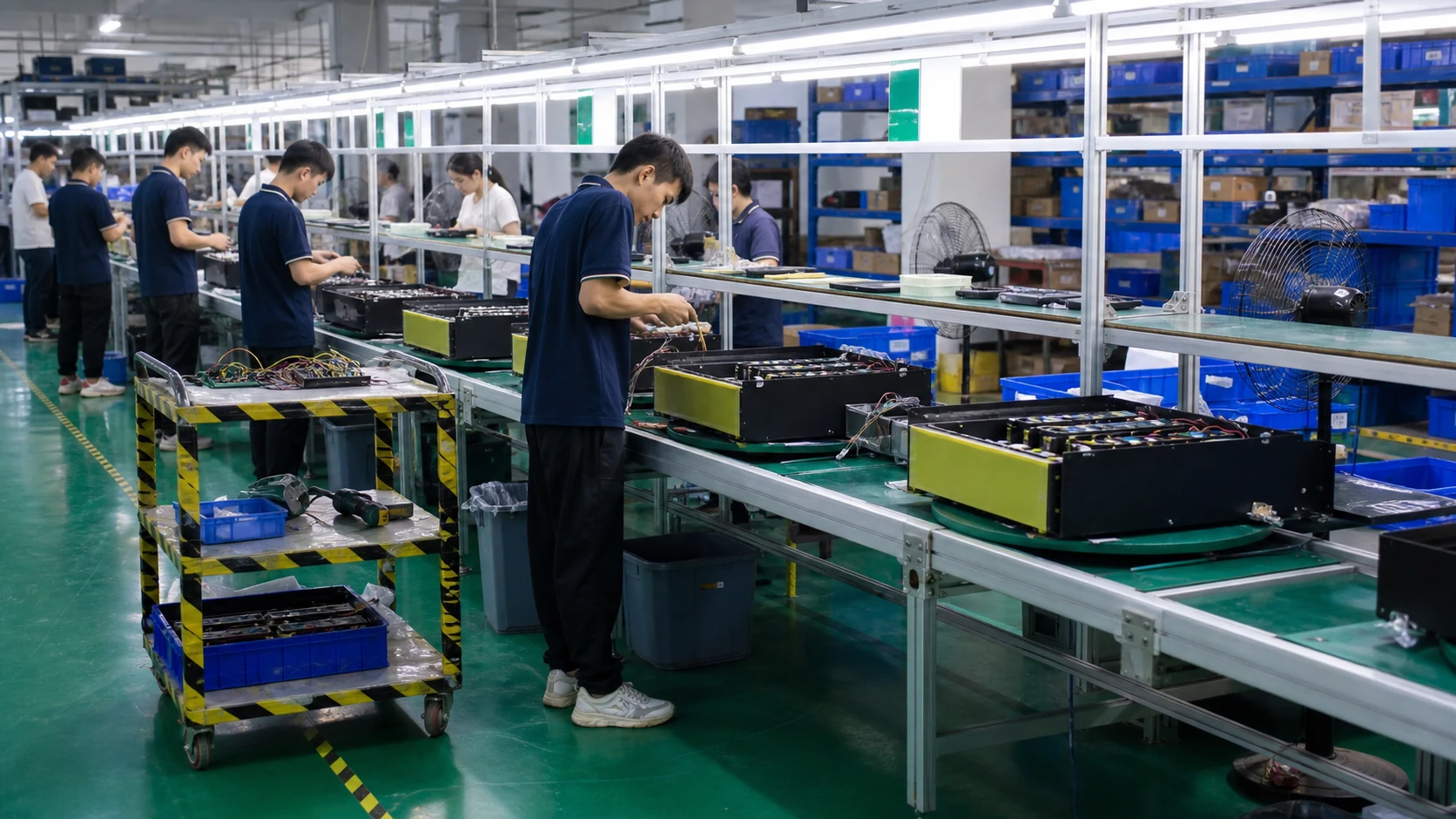
Avepower manufactures LiFePO₄ battery storage systems for solar installers, distributors, wholesalers, project developers and OEM partners. Avepower does not present a single nationwide Australian consumer installation price because the final cost depends on the local installer, inverter, certification, shipping and project scope.
Available battery formats include:
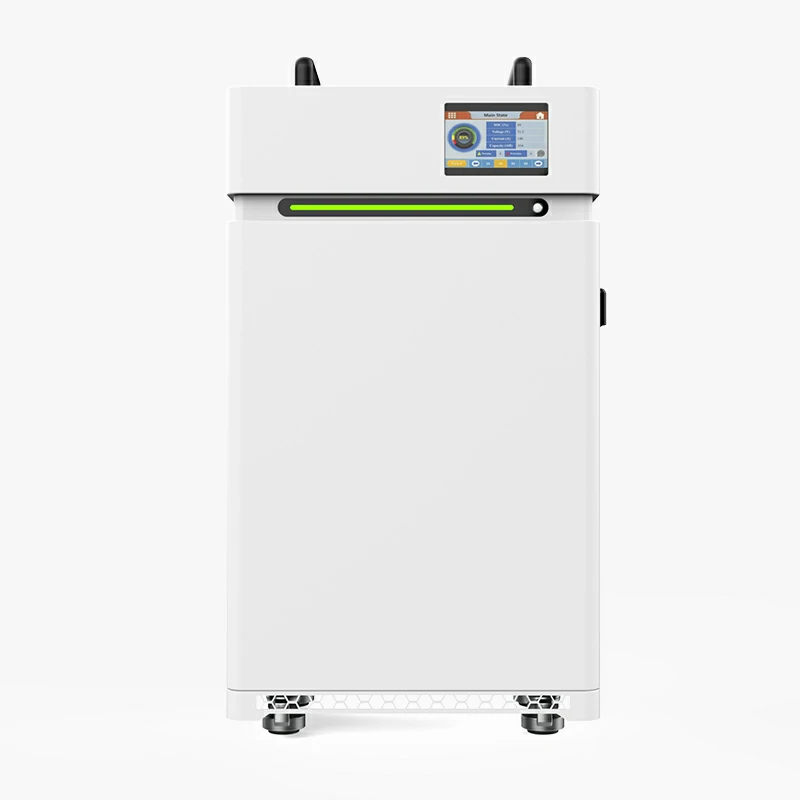
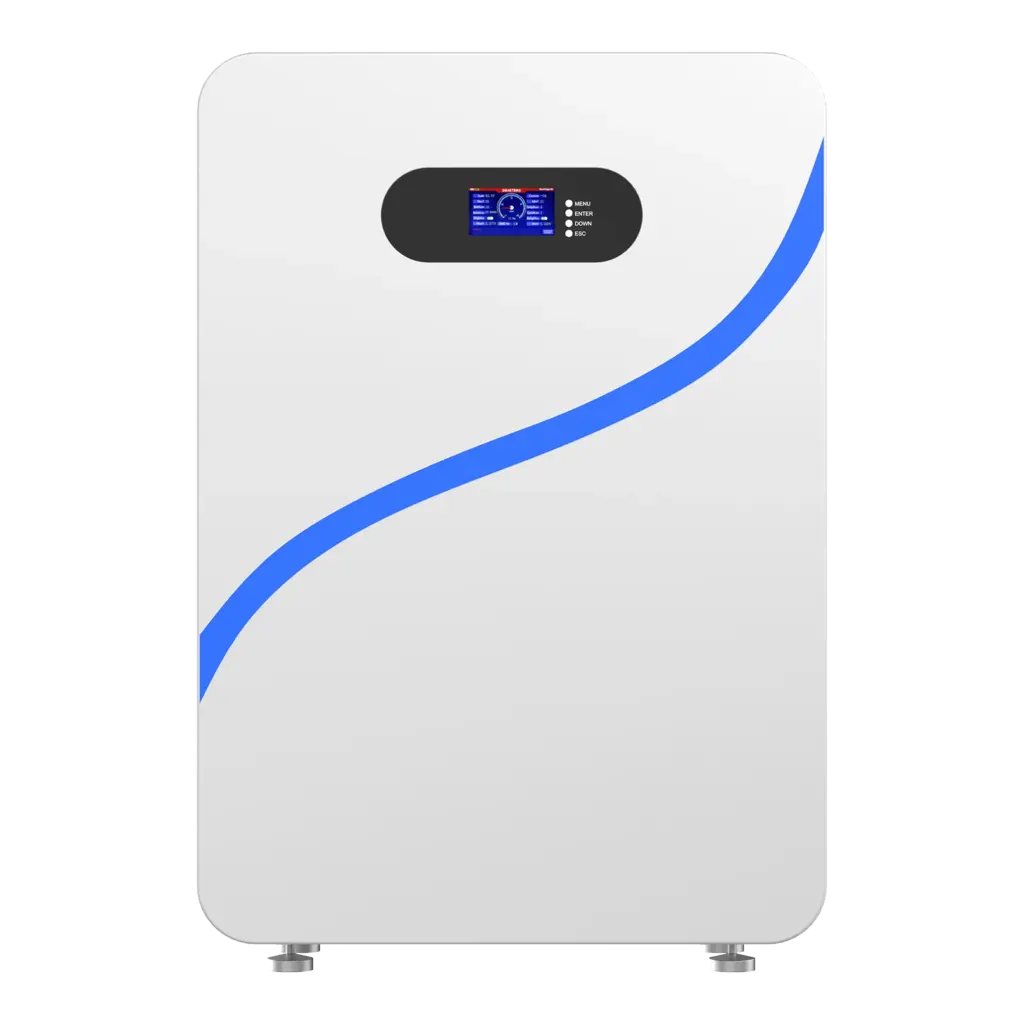
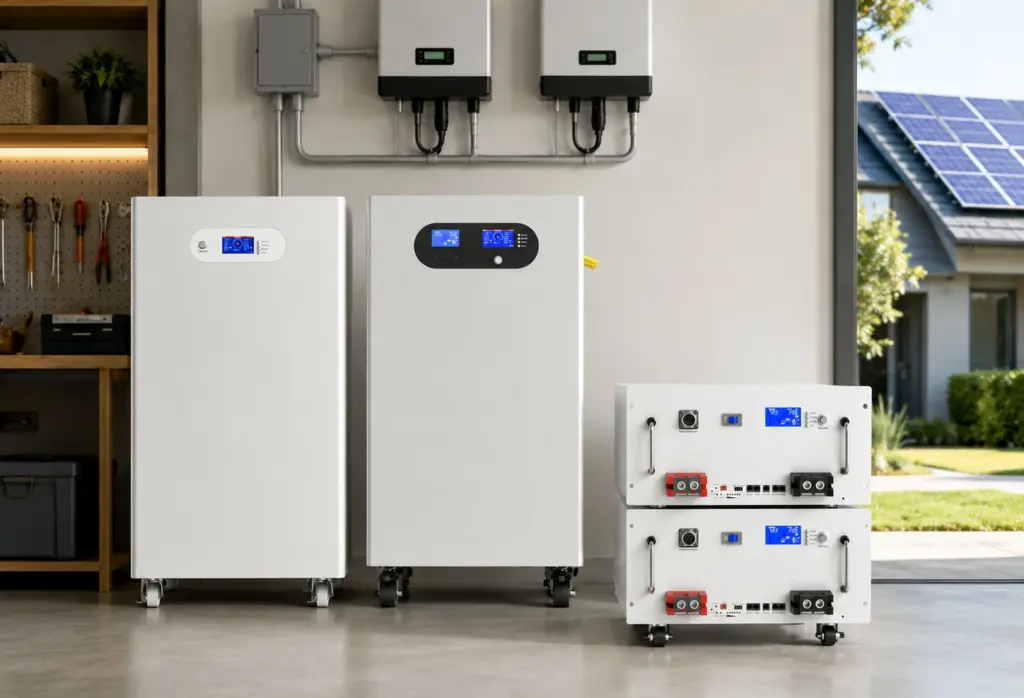
- Wall-mounted batteries
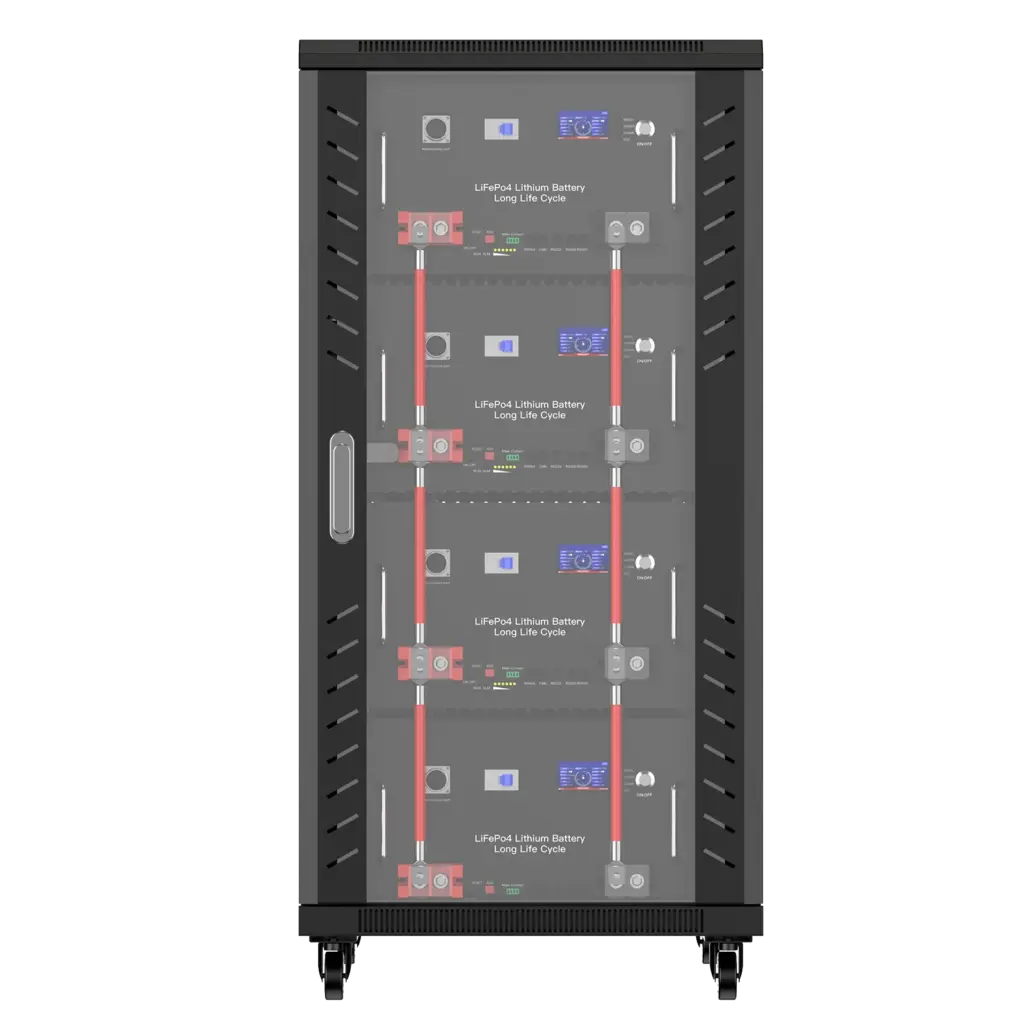
- Rack-mounted batteries
- Stackable residential batteries
- Floor-standing batteries
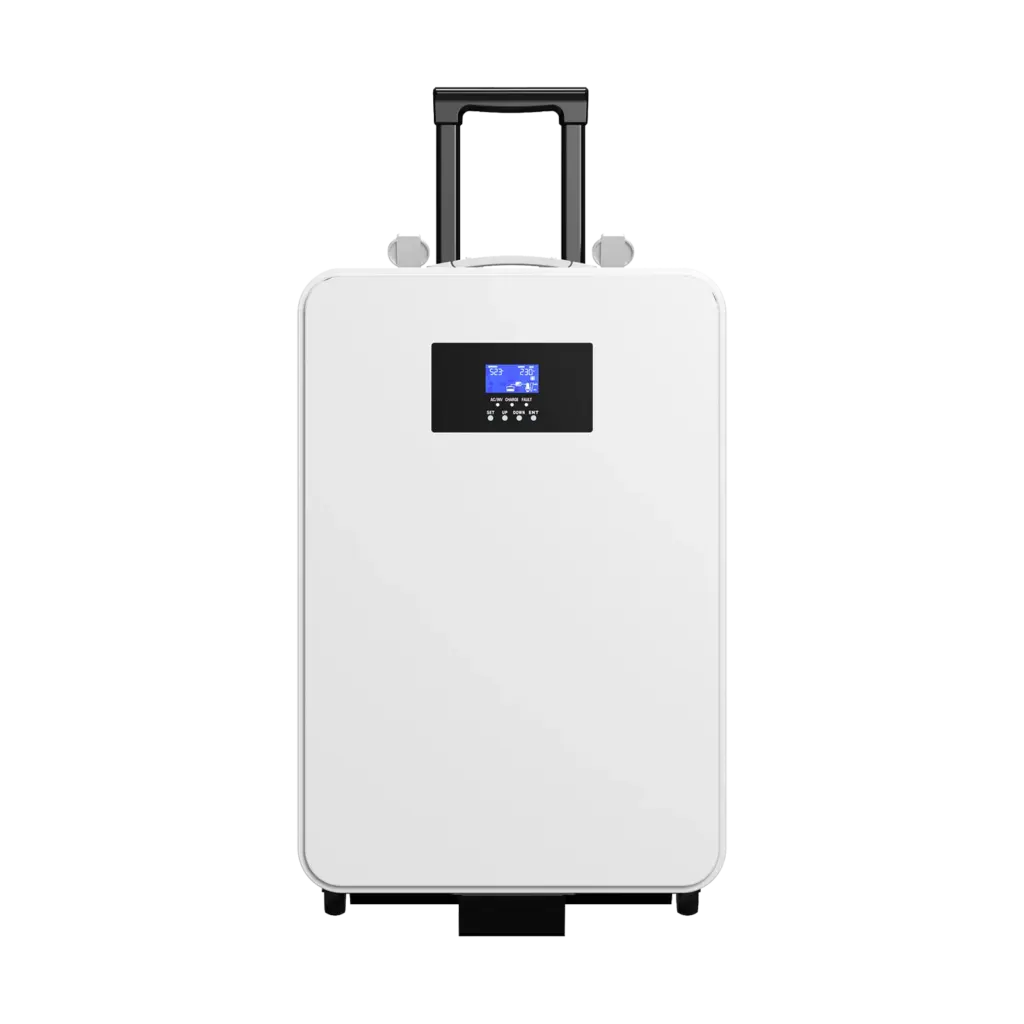
- All-in-one energy storage systems
- High-voltage battery systems
- OEM and ODM battery configurations
Project buyers should provide:
- Required battery capacity
- Battery voltage
- Inverter brand and model
- Communication protocol
- Charge and discharge requirements
- Installation environment
- Required certification
- Target market
- Expected order quantity
- Branding or enclosure requirements
Compare a Project-Ready Battery Configuration
Send your required capacity, inverter model, target market and expected order volume. Avepower can review battery configuration, communication compatibility and OEM or wholesale requirements.
Take Control of Your Energy with Avepower!
Reliable home solar battery solutions with OEM/ODM customization and in-house manufacturing, tailored to the needs of distributors, installers, and energy partners.
Final Answer: How Much Should You Budget?
For a standard Australian home battery project in 2026, budget approximately A$8,500–A$12,500 for a 10kWh system and A$10,500–A$15,500 for a 13–15kWh system. Allow more when the project requires a new inverter, switchboard upgrades, difficult installation work or whole-home backup.
The most reliable way to compare quotations is to separate:
- Battery and inverter hardware
- Standard installation
- Backup equipment
- Switchboard or site variations
- Federal battery discount
- Additional state or VPP support
- Warranty and after-sales responsibility
Do not select a battery solely because it has the lowest headline price. The correct system should match the home’s solar surplus, evening demand, inverter, backup requirements and long-term support expectations.
FAQ
A 10kWh solar battery typically costs approximately A$8,500–A$10,000 when added to a compatible battery-ready system. A system requiring an additional inverter commonly costs around A$10,000–A$12,500. Complex or premium backup installations may cost more.
A 5kWh battery typically costs approximately A$5,000–A$6,500 when the home already has a compatible system. Adding an inverter and additional integration can increase the total to around A$7,000–A$9,000.
A 15kWh residential battery commonly costs around A$11,000–A$13,000 when installed with a compatible inverter. A battery-plus-inverter package may cost approximately A$13,000–A$15,500 or more.
Yes. Eligible battery systems can still receive support through the Cheaper Home Batteries Program. For installations from May to December 2026, the STC factor is 6.8 before capacity tapering is applied.
Yes. From 1 May 2026, the STC factor changed and support became tiered by usable capacity. The first 14kWh receives the full factor, capacity between 14kWh and 28kWh receives 60%, and capacity between 28kWh and 50kWh receives 15%.
A standard installed residential battery may cost approximately A$700–A$1,250 per usable kWh after applicable support, depending on system size and whether an additional inverter is required.