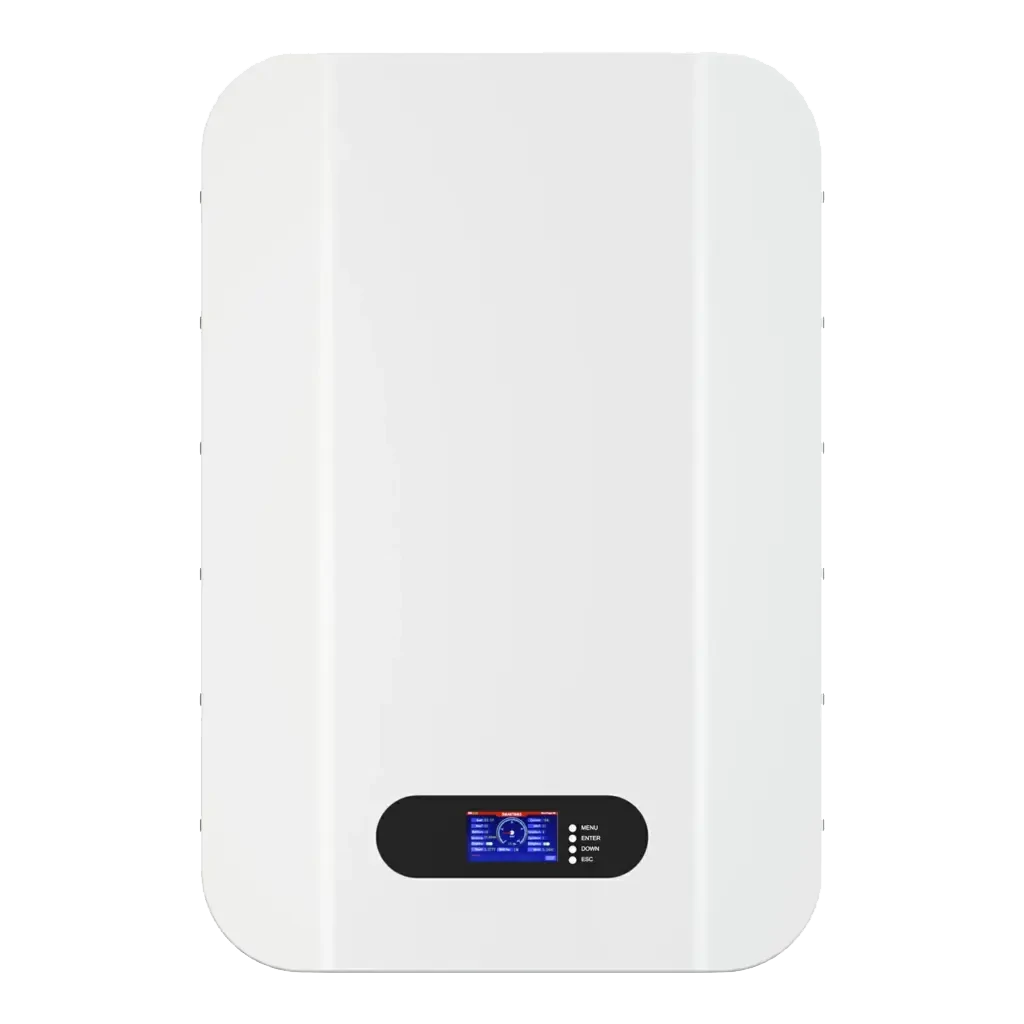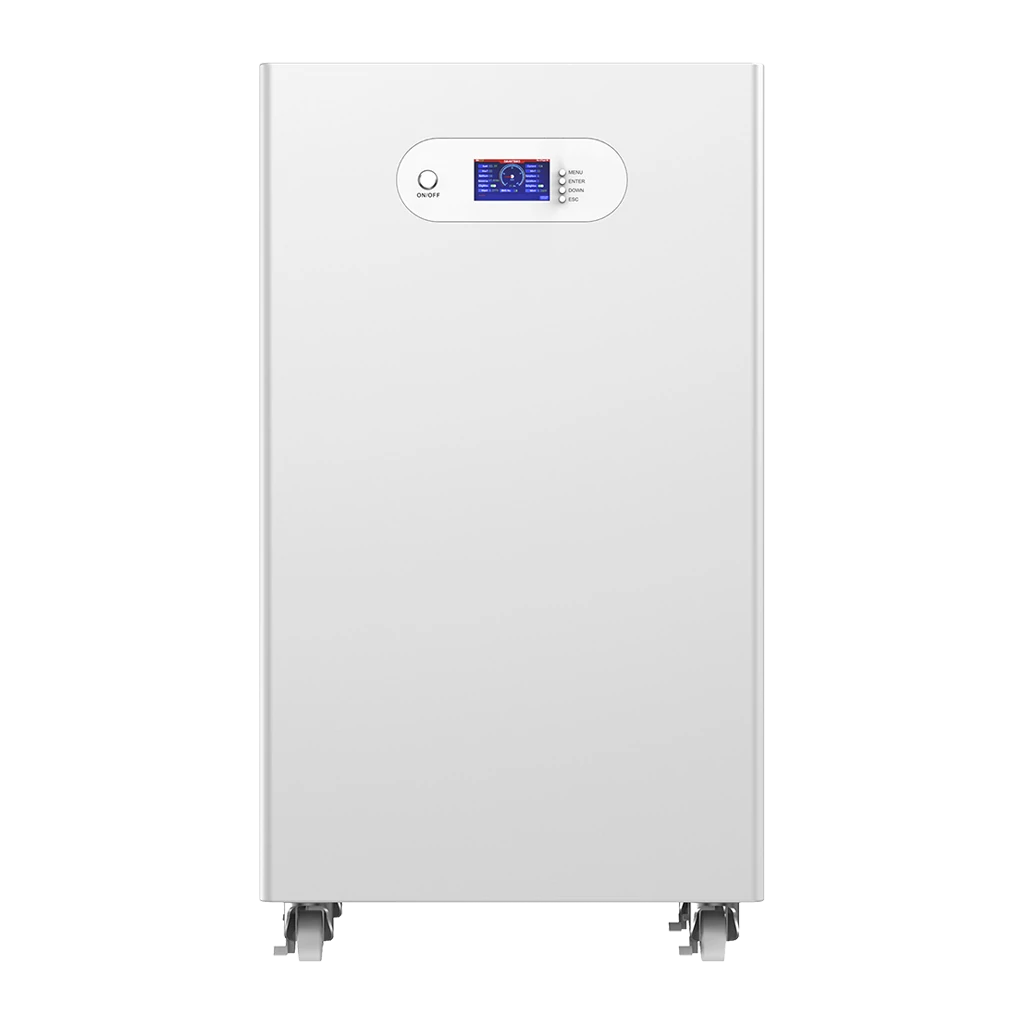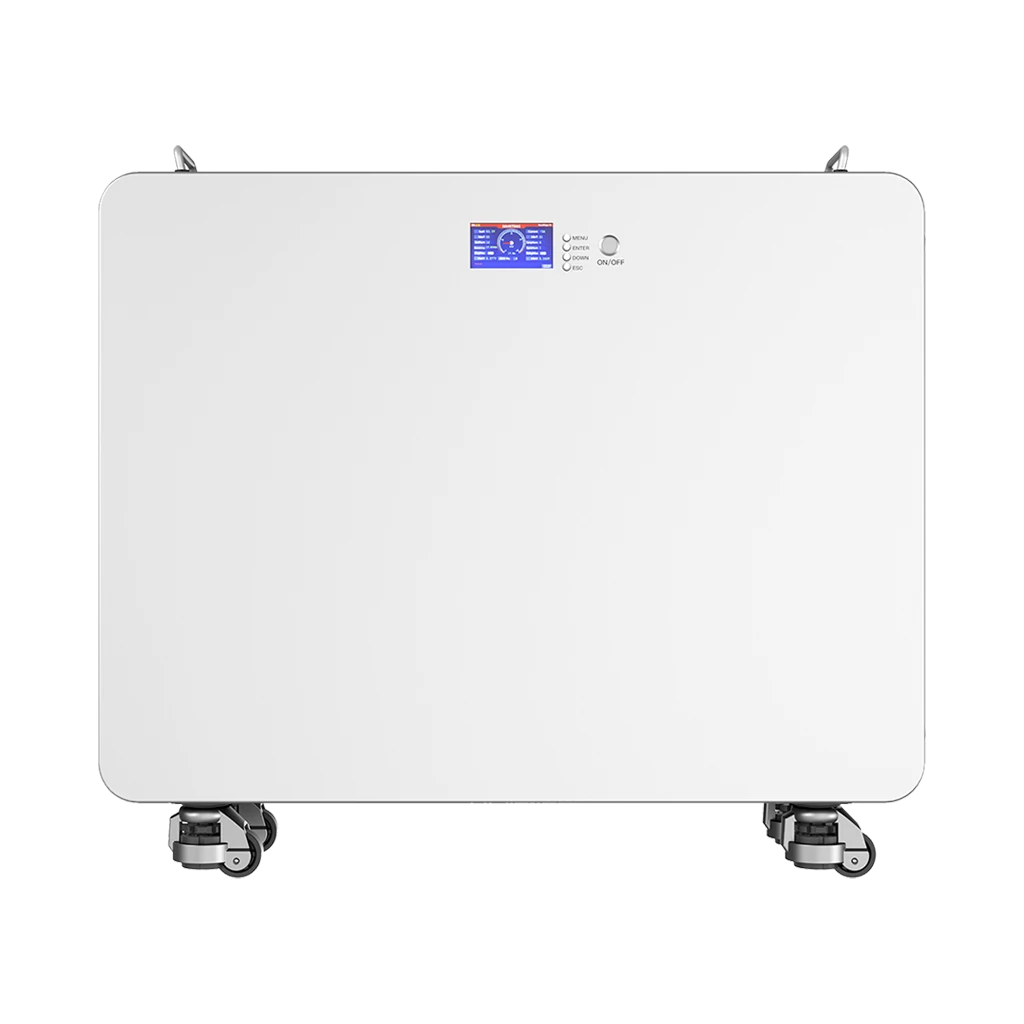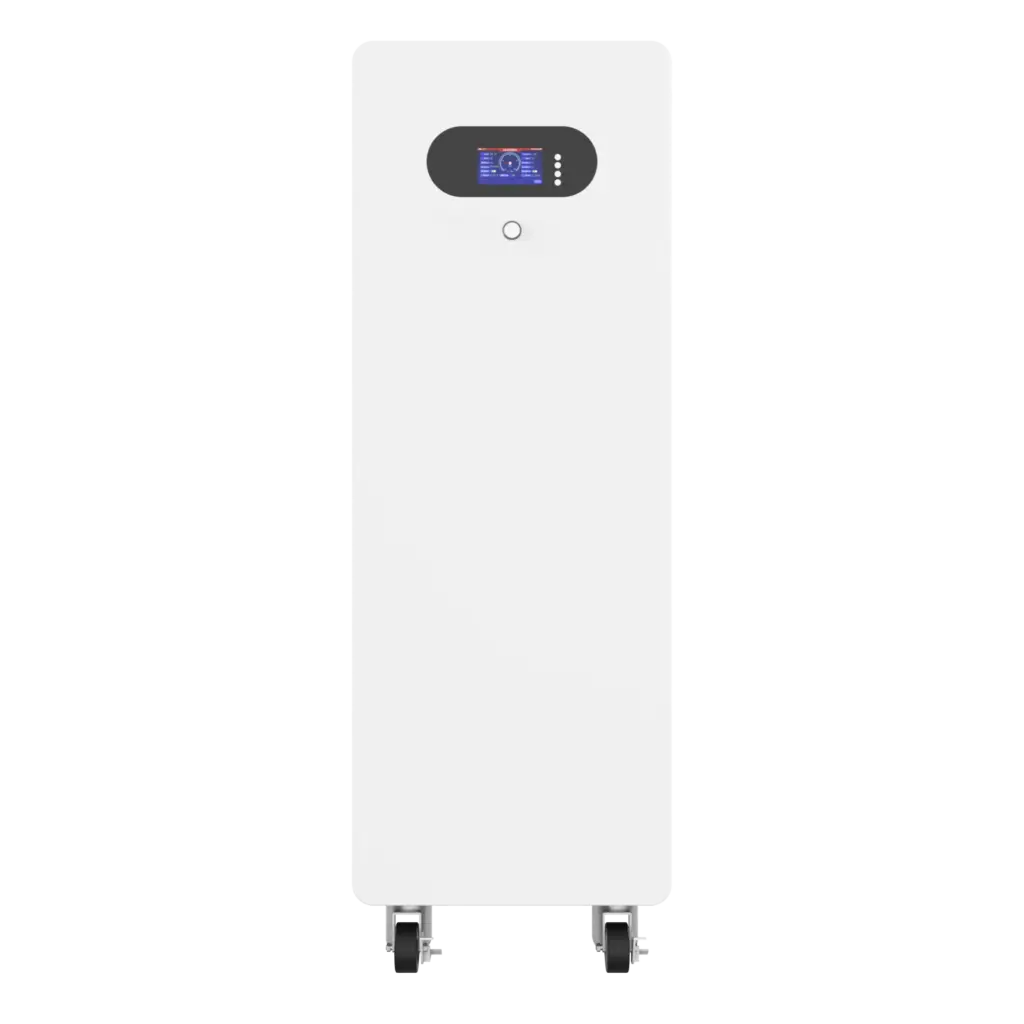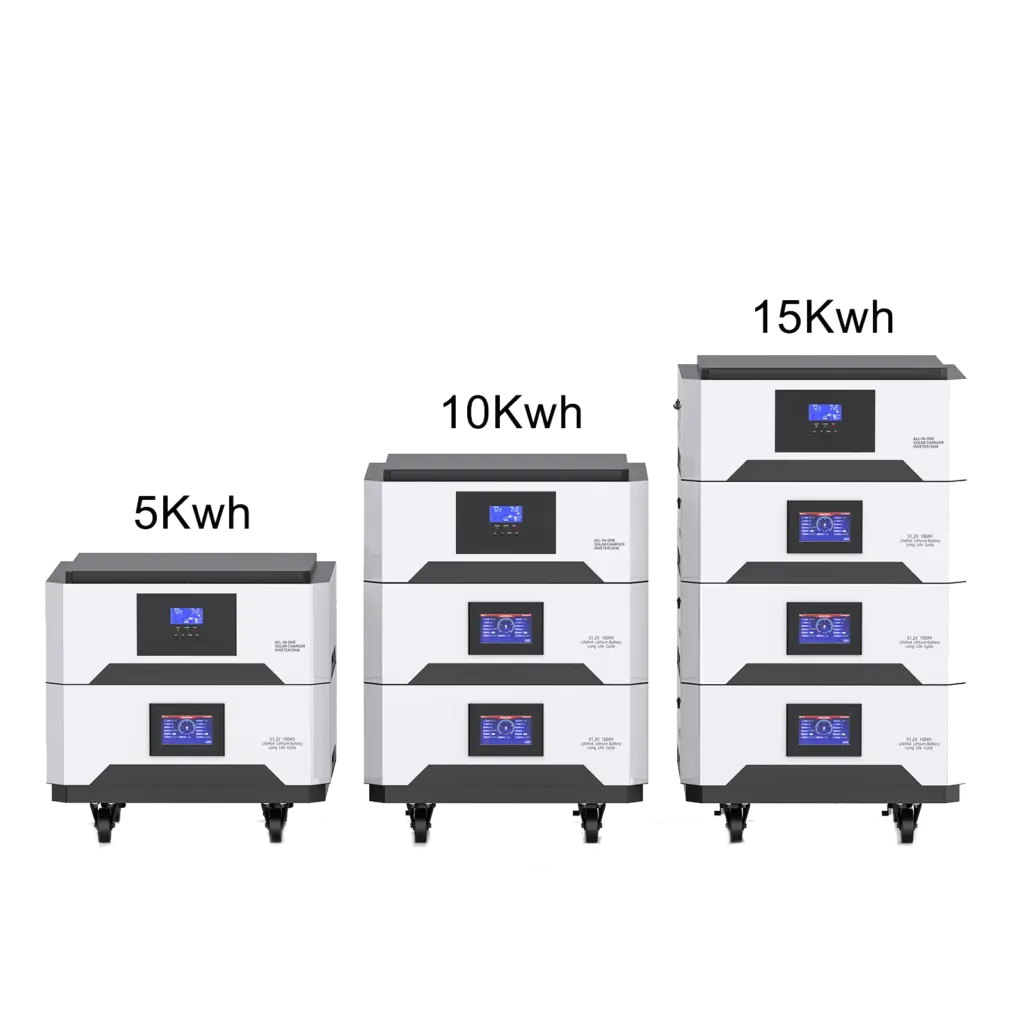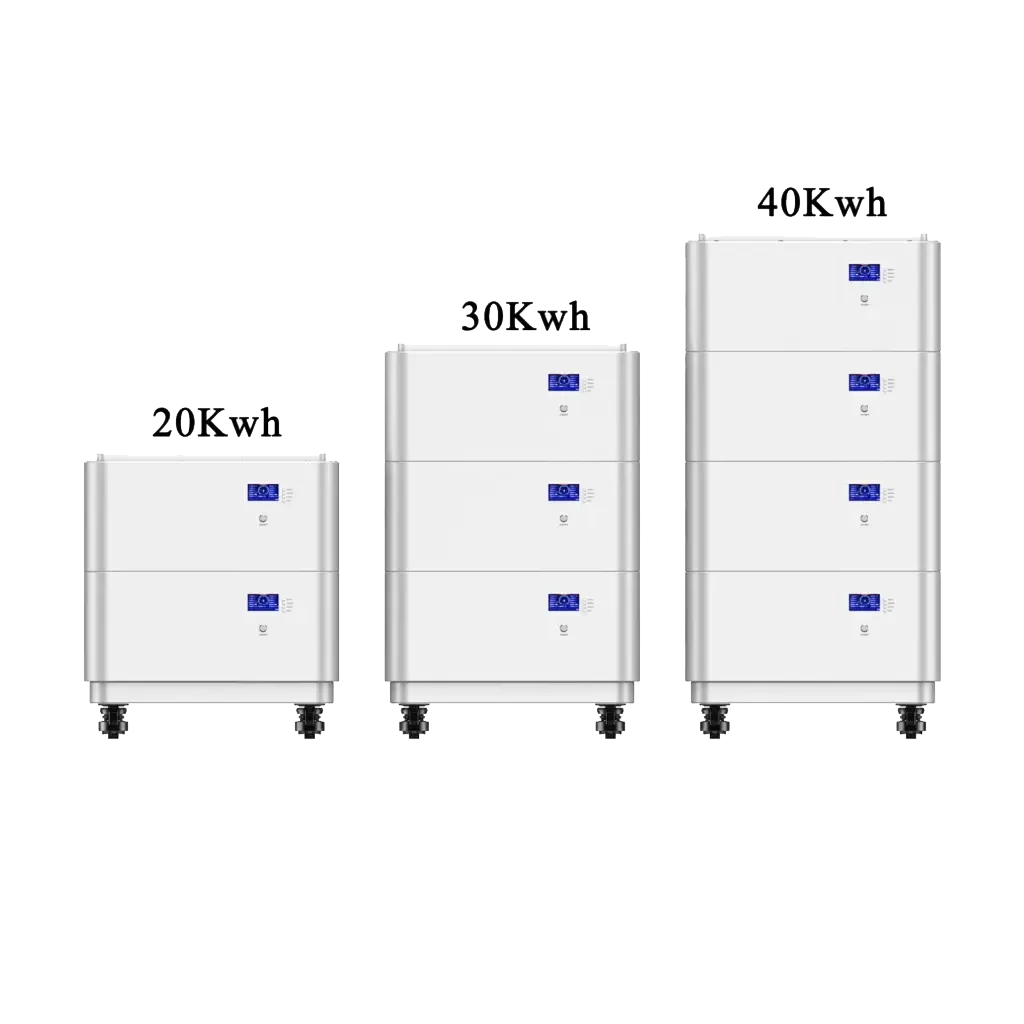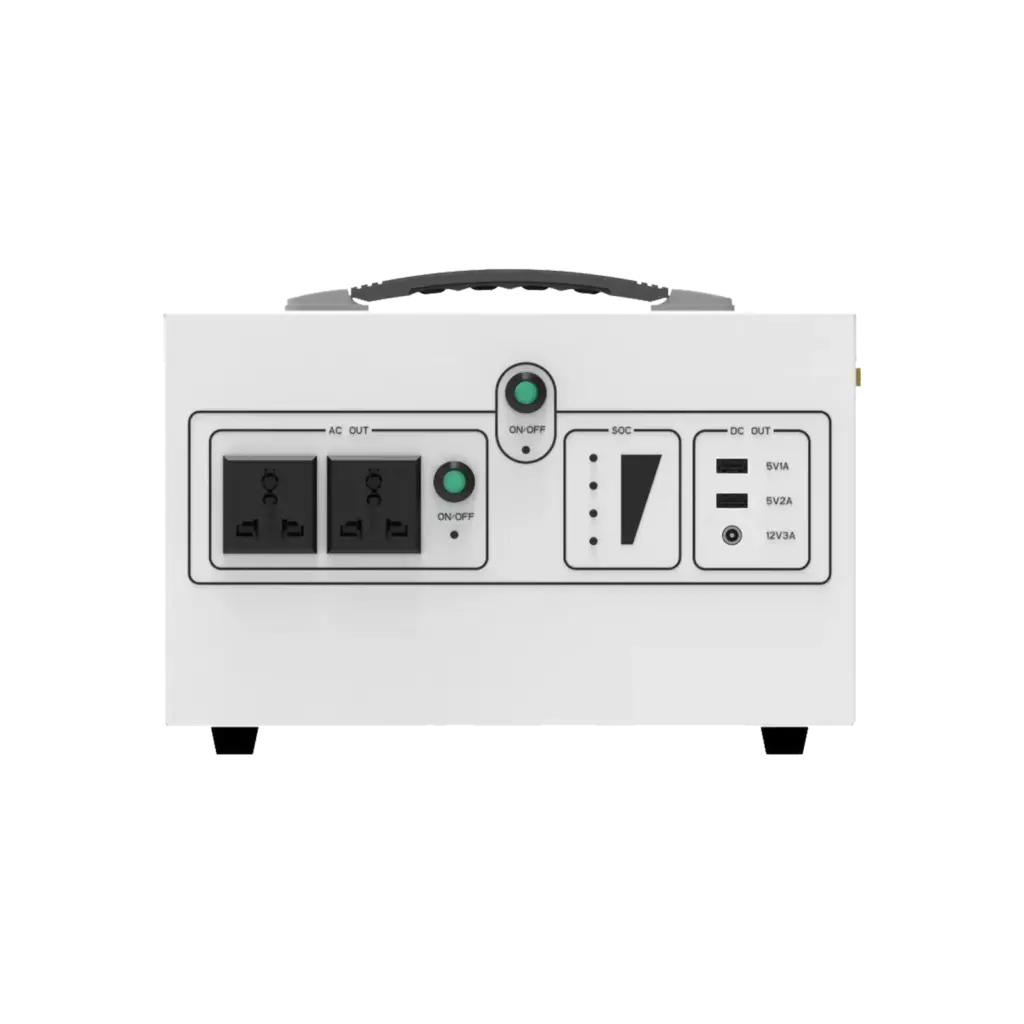

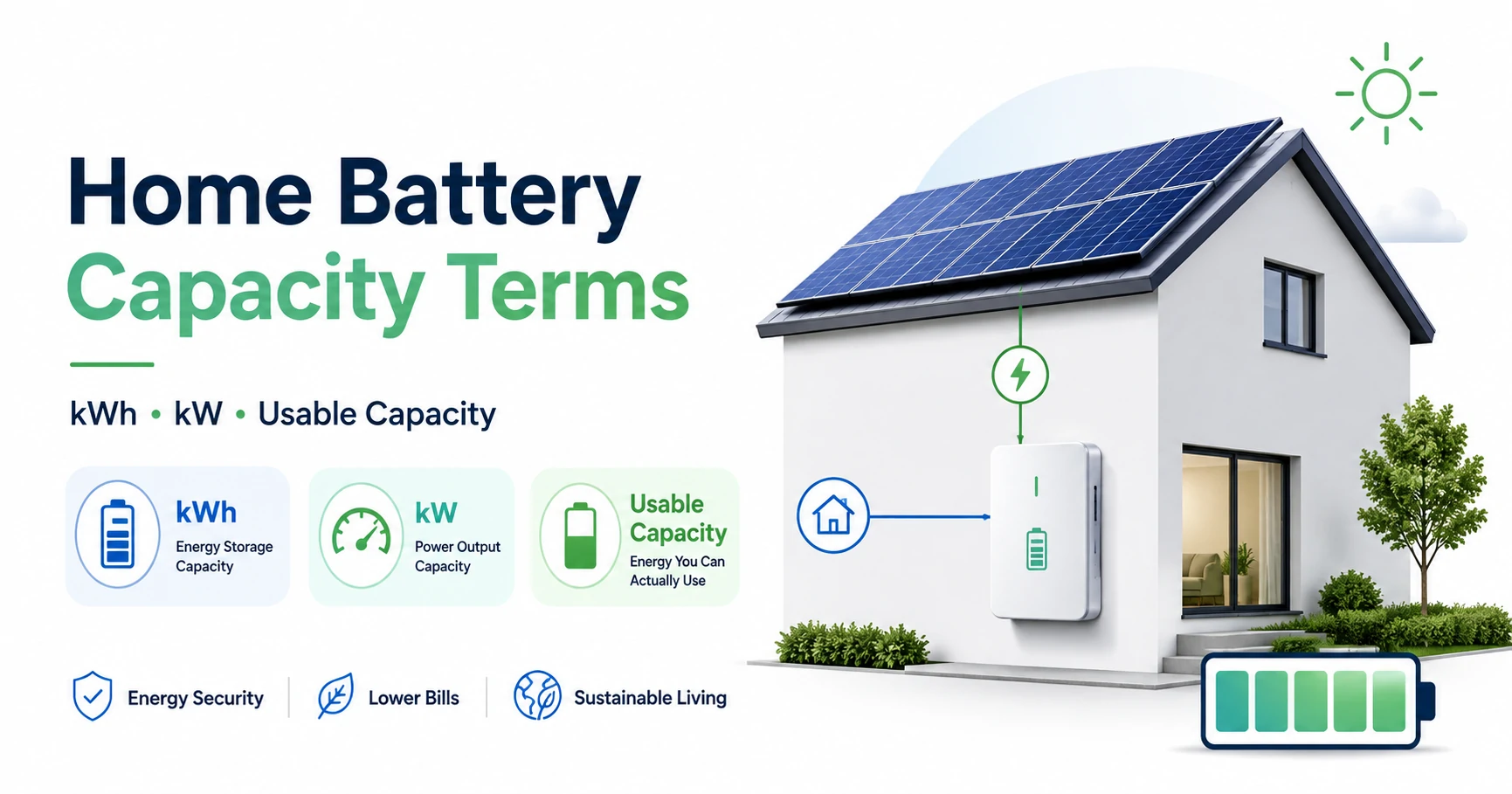
Home battery storage capacity terminology becomes much easier once you separate energy, power and operating limits. kWh tells you how much energy a battery can store, kW tells you how quickly it can deliver that energy, and usable capacity tells you how much of the rated storage is actually available under the manufacturer’s operating limits.
The most important rule when comparing home batteries is therefore simple: do not compare products using headline kWh alone.
kWh vs kW in Home Battery
kWh measures how much energy the battery stores, while kW measures how quickly the battery or inverter can supply that energy.
| Term | Unit | What It Measures | Homeowner Question |
|---|---|---|---|
| Energy capacity | kWh | Amount of stored energy | How long can my loads run? |
| Continuous power | kW | Sustained output rate | What can I run continuously? |
| Peak/surge power | kW | Short-duration maximum output | Can the system start a motor or HVAC compressor? |
| Capacity | Ah | Electrical charge | How large is the battery at a given voltage? |
| C-rate | C | Charge/discharge rate relative to capacity | How quickly can the battery charge or discharge? |
A 15 kWh battery connected to a 3 kW inverter may contain plenty of stored energy but still fail to operate a group of appliances demanding 5 kW simultaneously.
Conversely, a 10 kW system with only 5 kWh of usable energy may support a high load but only for a short period.
Avepower explains this distinction in more detail in its power rating guide and inverter output power guide.
Nominal, Total and Usable Battery Capacity
Nominal or total capacity describes the rated energy reservoir under specified conditions, while usable capacity is the portion the battery management system makes available for normal operation. For runtime and purchasing comparisons, usable kWh is normally more valuable than headline nominal kWh.
Manufacturers do not always use exactly the same terminology, so always read the definitions in the datasheet.
Nominal Capacity or Nominal Energy
Nominal energy is the reference energy rating assigned to a battery under defined conditions.
For a simple DC battery:
Energy (Wh) ≈ Nominal Voltage (V) × Capacity (Ah)
For example:
51.2 V × 100 Ah = 5,120 Wh
5,120 Wh ÷ 1,000 = 5.12 kWh
Avepower has a separate explanation of nominal battery energy and the kWh formula.
Total Capacity
“Total” or “gross” capacity usually refers to the full rated energy reservoir of the system.
It may include energy that the BMS does not allow the homeowner to access during normal use.
Usable Capacity
Usable capacity is the energy available inside the permitted operating window.
For example, if:
Nominal energy = 10 kWh
Usable operating window = 90%
Then:
10 × 0.90 = 9 kWh usable energy
However, do not perform this calculation if the manufacturer already publishes a verified usable-energy figure.
Otherwise you may accidentally apply the DoD reduction twice.
For a more detailed treatment, see Avepower’s nominal vs usable solar battery capacity guide.
Depth of Discharge and State of Charge
State of Charge tells you how much charge remains, while Depth of Discharge describes how much of the battery has been used.
A simple relationship is:
DoD + remaining SOC ≈ 100%
when measured from a full starting charge.
If a battery starts at 100% SOC and finishes at 20% SOC:
DoD = 100% − 20% = 80%
This does not necessarily mean the cells have physically moved through exactly 80% of their absolute chemical storage range.
Modern BMS software may maintain protective reserves above or below the user-visible SOC range.
That is why a product advertised as allowing “100% DoD” should not automatically be interpreted as physically discharging every cell to its absolute minimum voltage.
Avepower’s Depth of Discharge guide and SOC battery guide explain these concepts separately.
Backup Reserve
Backup reserve is energy deliberately held in the battery for a future outage, so it can reduce the amount available for daily solar self-consumption or time-of-use optimization even though the battery’s technical usable-capacity specification has not changed.
Suppose a battery provides:
10 kWh usable capacity
and you configure:
20% backup reserve.
Energy available for normal daily dispatch becomes approximately:
10 × 0.80 = 8 kWh
The remaining 2 kWh stays reserved unless the operating mode permits its use during a grid outage.
This creates three different figures that homeowners often confuse:
| Capacity Layer | Example |
|---|---|
| Nominal battery energy | 11 kWh |
| Manufacturer usable energy | 10 kWh |
| Daily energy after 20% backup reserve | 8 kWh |
Ah Mean, and How Is It Different From kWh
Ampere-hours measure electrical charge, not energy by themselves, so Ah should only be compared when battery voltage is also known. For residential storage comparisons, kWh is usually more informative because two batteries with the same Ah can contain very different amounts of energy at different voltages.
The simplified conversion is:
Wh = V × Ah
For example:
Battery A:
51.2 V × 100 Ah = 5.12 kWh
Battery B:
25.6 V × 100 Ah = 2.56 kWh
Both are 100 Ah batteries.
But Battery A contains roughly twice the nominal energy.
Therefore, saying “this is a 200Ah home battery” is not enough to determine its energy storage capacity.
Avepower provides a dedicated Ampere-Hours explained guide for interpreting battery Ah ratings.
C-Rate in Home Battery Storage
C-rate describes how quickly a battery is charged or discharged relative to its capacity. A 0.5C rate theoretically corresponds to a two-hour charge or discharge, while 1C corresponds to roughly one hour, although real limits depend on current, voltage, temperature, BMS and inverter constraints.
For an Ah-rated battery:
C-rate = Current ÷ Capacity
For a 200 Ah battery discharged at 100 A:
100 ÷ 200 = 0.5C
For an energy-based approximation:
Power-to-energy ratio ≈ kW ÷ kWh
A 10 kWh battery providing 5 kW has a power-to-energy ratio of:
5 ÷ 10 = 0.5
That indicates approximately a two-hour full-power discharge in an idealized calculation.
Do not assume C-rate alone tells you the real AC output.
The final system can still be constrained by:
- battery current limits;
- inverter rating;
- cabling;
- temperature derating;
- firmware;
- battery voltage;
- BMS protection;
- grid or backup-mode limits.
Avepower’s detailed battery C-rate guide includes current-based examples and explains why maximum current should not automatically be treated as the preferred continuous operating point.
Round-Trip Efficiency
Round-trip efficiency measures how much energy is recovered after storing and later releasing electricity, so it includes losses occurring during the complete charge-storage-discharge process. It should not be confused with inverter efficiency, discharge efficiency or the battery’s usable-capacity percentage.
The basic formula is:
Round-trip efficiency = Energy returned ÷ Energy supplied × 100%
If 10 kWh enters a system and 9 kWh is later recovered:
RTE = 9 ÷ 10 × 100% = 90%
Losses can occur in:
- power electronics;
- battery internal resistance;
- wiring;
- BMS and auxiliary equipment;
- thermal management;
- charging;
- discharging.
The exact value also depends on the test boundary.
An AC-to-AC measurement and a battery-only DC measurement should not be compared as though they represent the same system.
For deeper analysis, see Avepower’s battery round-trip efficiency guide and battery efficiency guide.
Cycle Life, SOH and Capacity Retention
Cycle life tells you how many defined charge-discharge cycles a battery is designed or tested to withstand, while State of Health and capacity-retention figures describe how much performance remains as the battery ages. A cycle number is meaningful only when its DoD, temperature and test conditions are also stated.
A statement such as:
8,000 cycles
is incomplete without test conditions.
A more useful specification is:
8,000+ cycles at 80% DoD and 25°C
because depth of discharge and temperature affect ageing.
Avepower, for example, lists 8,000+ cycles at 80% DoD on several residential LiFePO4 product pages. The 10kWh Avepower wall-mounted battery page provides both the cycle claim and its DoD condition.
For long-term comparisons, also examine:
- end-of-warranty capacity;
- warranty years;
- warranted cycles;
- warranted energy throughput;
- operating temperature;
- allowable DoD;
- charge/discharge power conditions.
A 10 kWh battery retaining 70% of its capacity later in life would provide approximately:
10 × 0.70 = 7 kWh
at the same defined measurement boundary.
That ageing allowance can matter in backup designs expected to meet the same load requirement many years after installation.
Conclusion: Which Home Battery Capacity Number Matters Most?
Usable kWh is usually the best first figure for estimating storage duration, but it is never sufficient by itself. A sound home battery decision combines usable energy with continuous kW, surge capability, efficiency, SOC limits, reserve settings, ageing, inverter compatibility and installation requirements.
The shortest way to remember the terminology is:
- kWh = how much energy you have.
- kW = how fast you can use it.
- Nominal capacity = rated energy reservoir.
- Usable capacity = accessible battery energy.
- SOC = how much remains.
- DoD = how much has been used.
- C-rate = how quickly the battery is charged or discharged relative to capacity.
- RTE = how much energy you recover after a full storage cycle.
- SOH / capacity retention = how much capability remains as the battery ages.
Once those terms are separated, battery comparison becomes much more reliable.
For installers, distributors and energy-project buyers who need a system matched to real loads rather than a headline capacity number, Avepower offers residential LiFePO4 energy storage solutions ranging from smaller home batteries to scalable multi-unit systems. Its manufacturing facility information, quality-control process, certification resources and residential case studies provide additional project-verification information.
Planning a home battery project? Send Avepower your required usable kWh, daily load profile, peak kW, inverter brand/model, solar size, backup requirement and destination country. The engineering team can then screen battery capacity, current, communication, inverter compatibility and required documentation before a final configuration is selected.
Take Control of Your Energy with Avepower!
Reliable home solar battery solutions with OEM/ODM customization and in-house manufacturing, tailored to the needs of distributors, installers, and energy partners.
FAQ
Battery energy capacity is normally measured in kWh. kW measures power—the rate at which energy can be delivered or absorbed.
Not necessarily. Check whether 10 kWh refers to nominal, total or usable energy. If it is explicitly published as usable energy, do not apply the DoD percentage a second time.
Nominal capacity describes the rated energy reservoir, while usable capacity describes the portion available inside the permitted operating window.
Not necessarily. The user-visible 0–100% operating range may sit inside protective limits maintained internally by the BMS.
Runtime depends on usable energy and average load. Nine kWh of delivered energy at a 1 kW average load provides roughly nine hours under simplified conditions.
Neither is sufficient alone. kWh determines potential runtime, while kW determines which loads can operate simultaneously.
A 0.5C charge or discharge rate means the current is approximately half the battery’s Ah capacity in amps. The idealized full charge/discharge duration is roughly two hours.
Electrochemical ageing gradually reduces the battery’s ability to store and deliver energy. Temperature, cycling conditions, C-rate, SOC and calendar age all influence degradation.
Ah can be useful for electrical design but cannot be compared fairly without voltage. kWh is usually the more useful energy metric for home-storage comparisons.
No. Oversized storage can increase cost without increasing useful energy if the solar array or off-peak charging window cannot regularly recharge it. Capacity should be matched to the load profile, solar generation and operating objective.