
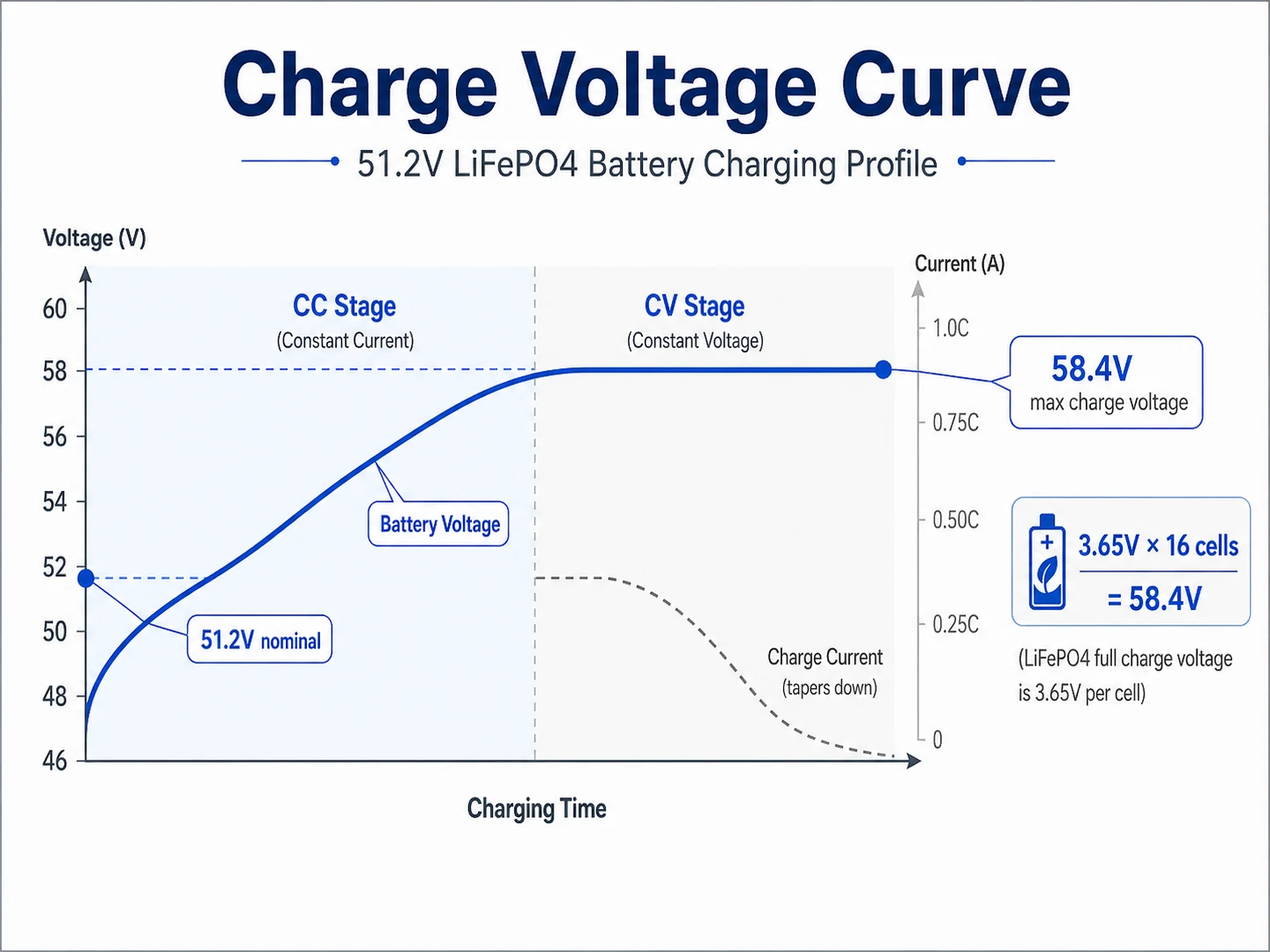
Charge voltage is the voltage applied to a rechargeable battery during charging, and the correct value depends on battery chemistry, number of cells in series, temperature, BMS limits and manufacturer specifications. It is not the same as nominal voltage, resting voltage or the voltage measured after the charger is disconnected.
For example, a 51.2V LiFePO4 battery normally contains 16 cells connected in series.
Each cell has a nominal voltage of approximately:
3.2V
Therefore:
16 × 3.2V = 51.2V nominal
But the upper charging voltage may be around:
16 × 3.65V = 58.4V
depending on the cell, battery and manufacturer specification.
That difference between 51.2V nominal and up to 58.4V during charging is normal.
This guide explains how charge voltage works, how to calculate battery-pack charging voltage, why LiFePO4 and lead-acid settings differ, what happens when voltage is too high or too low, and how to configure solar chargers and inverters correctly.
What Is Charge Voltage?
Charge voltage is the electrical potential applied by a charger across a battery’s terminals while energy is being returned to the battery. It must be high enough to drive charging current into the cells but controlled below the battery chemistry’s permitted upper limit to prevent overcharge, excessive degradation or protection events.
Is Charge Voltage the Same as Battery Voltage?
No. Battery voltage describes the electrical potential present at the battery terminals, while charge voltage usually refers to the controlled voltage target applied during charging. A battery’s terminal voltage changes with SOC, load, charge current, temperature and chemistry, so it should not be confused with its nominal voltage rating.
| Term | What It Means | 51.2V LiFePO4 Example |
|---|---|---|
| Nominal voltage | Rated operating voltage | 51.2V |
| Resting voltage | Voltage with no significant charge/load | Varies with SOC |
| Charge voltage | Charger/BMS charging target or limit | Model dependent |
| Maximum cell charge voltage | Cell-level upper boundary | Often up to 3.65V/cell |
| Pack upper voltage | Cell limit × series cells | Up to 58.4V for 16S |
| Discharge cutoff | Lower protection boundary | Model dependent |
| Charged voltage setting | Monitor threshold for declaring full | Not necessarily charge voltage |
For a deeper explanation of nominal, resting and operating voltages, see Avepower’s LiFePO4 cell voltage guide.
What Is the Difference Between Charge Voltage and Charged Voltage?
Charge voltage controls the actual charging process, whereas “charged voltage” can refer to a monitoring threshold used to decide when a battery should be considered fully charged. The two settings may therefore have completely different numerical values and should never be copied from one device menu into another without checking the manual.
Charge Voltage
= charger control parameter.
Charged Voltage
= may be a monitoring/SOC detection parameter.
Always check what the manufacturer means before changing either one.
How Do You Calculate Battery Charge Voltage?
For a series battery pack, the theoretical pack-level charge boundary can be estimated by multiplying the permitted charge voltage of one cell by the number of cells connected in series.
The basic formula is:
Pack Charge Voltage = Cell Charge Voltage × Number of Cells in Series
For a LiFePO4 cell with an upper charge voltage of:
3.65V
the calculation becomes:
| Configuration | Nominal Voltage | Cell Count | Upper Cell-Based Voltage |
|---|---|---|---|
| 4S | 12.8V | 4 | 14.6V |
| 8S | 25.6V | 8 | 29.2V |
| 12S | 38.4V | 12 | 43.8V |
| 16S | 51.2V | 16 | 58.4V |
For example:
16 × 3.65V = 58.4V
This is why many products marketed as 48V LiFePO4 batteries are actually:
51.2V nominal / 16S
systems.
Avepower’s 48V battery guide explains why 48V and 51.2V terminology frequently appear together in solar energy-storage systems.
What Is the Correct Charge Voltage for Different Battery Chemistries?
| Chemistry | Approx. Nominal Cell Voltage | Typical Charging Approach | Example Voltage Guidance |
|---|---|---|---|
| LiFePO4 | ~3.2V | CC-CV | Often up to 3.65V/cell |
| Conventional Li-ion | ~3.6–3.7V | CC-CV | Often 4.20V/cell |
| Sealed lead-acid | ~2.0V | Current-limited constant voltage | ~2.35–2.45V/cell cyclic |
| Lead-acid float | ~2.0V | Constant voltage | ~2.25–2.30V/cell |
| NiMH | ~1.2V | Current control + termination detection | Not normally controlled by one fixed CV value |
What Charge Voltage Should You Use for a LiFePO4 Battery?
LiFePO4 batteries commonly use a maximum cell charging voltage around 3.65V, but daily pack-level charger settings are manufacturer-specific and may be lower than that theoretical maximum. For 51.2V 16S systems, common charging settings fall below or up to 58.4V.
| Battery Class | Nominal Voltage | Typical Recommended Range |
|---|---|---|
| 12V LFP | 12.8V | 14.0–14.6V |
| 24V LFP | 25.6V | 28.0–29.2V |
| 36V LFP | 38.4V | 42.0–43.8V |
| 48V-class LFP | 51.2V | 56.0–58.4V |
For the exact charge voltage:
- Find the battery model.
- Check the datasheet.
- Confirm the inverter battery profile.
- Verify BMS communication.
- Do not exceed the battery’s published limit.
For LiFePO4-specific charging instructions, see How to Charge LiFePO4 Batteries Correctly.
What Charge Voltage Should a 51.2V LiFePO4 Battery Use?
A 51.2V LiFePO4 battery is normally a 16S pack made from sixteen nominal 3.2V cells. Its theoretical upper voltage reaches 58.4V when each cell reaches 3.65V.
The cell calculation is:
16 × 3.2V = 51.2V nominal
At:
3.60V/cell
pack voltage becomes:
57.6V
At:
3.65V/cell
pack voltage becomes:
58.4V
Avepower’s documented 51.2V / 314Ah energy-storage pack uses a voltage range extending to 58.4V.
What Is CC-CV Charging?
CC-CV means Constant Current–Constant Voltage, the standard charging method used by many lithium-ion and LiFePO4 batteries. The charger first supplies controlled current while battery voltage rises; when the target voltage is reached, it holds that voltage and allows charging current to taper as the battery approaches full charge.
The two phases are:
Constant Current — CC
The charger limits current to a specified value.
Battery voltage gradually rises.
Constant Voltage — CV
The battery reaches the target voltage.
The charger holds that voltage.
Current gradually decreases.
What Happens If Charge Voltage Is Too High?
Charge voltage that exceeds the battery’s approved limit can overcharge cells or cause the BMS to disconnect charging before permanent damage occurs. Repeated high-voltage operation can also accelerate degradation, and lead-acid batteries may experience increased gassing, water loss and positive-grid corrosion when charging voltage remains excessive.
Possible symptoms include:
- BMS overvoltage alarms;
- charger cycling on and off;
- one cell reaching high-voltage protection first;
- excessive battery temperature;
- charging stopping unexpectedly;
- reduced long-term capacity.
If a LiFePO4 BMS repeatedly disconnects charging, do not solve the problem by increasing its protection threshold. Avepower’s LiFePO4 cell voltage troubleshooting guide covers this cell-level diagnostic process.
Real Calculation: From a 51.2V Battery Pack to a 512V ESS
Avepower’s documented UK project uses 51.2V nominal LiFePO4 packs with a 40–58.4V pack range, then connects them into a 512V nominal battery architecture with a 400–584V total system range.
The project specification is:
| Parameter | Value |
|---|---|
| Cell | 3.2V / 314Ah LiFePO4 |
| Pack configuration | 1P16S |
| Pack nominal voltage | 51.2V |
| Pack voltage range | 40–58.4V |
| Pack nominal energy | 16.0768kWh |
| System configuration | 2P160S |
| System nominal voltage | 512V |
| System voltage range | 400–584V |
| Total energy | 321.5kWh |
The mathematics is straightforward.
At the pack level:
16 × 3.2V = 51.2V nominal
At the upper cell boundary:
16 × 3.65V = 58.4V
The high-voltage string contains the equivalent of:
160 cells in series
so:
160 × 3.2V = 512V nominal
and:
160 × 3.65V = 584V
But a real 321.5kWh system is not commissioned by simply typing “584V” into a charger.
The BMS, high-voltage BCU and PCS must coordinate system-level charging and cell-level protection.
This is the difference between:
voltage arithmetic
and:
battery-system engineering.
View the Avepower 321.5kWh high-voltage ESS case study
How Can You Tell if Your Charge Voltage Is Wrong?
Use this diagnostic table:
| Symptom | Possible Cause | Check First |
|---|---|---|
| BMS disconnects near full | Charge voltage too high / imbalance | Highest cell voltage |
| Battery never reaches full | Charge voltage too low | Charger target |
| Inverter says full too early | SOC/charged-voltage setting | BMS SOC + monitor settings |
| Charger repeatedly restarts | BMS overvoltage cycling | Cell delta |
| Battery gets unusually warm | High current / voltage / temperature | Current and cell temperature |
| Charger says 58V, battery sees less | Cable voltage drop | Voltage at both ends |
| One cell rises rapidly | Cell imbalance or resistance | Individual cell data |
| SOC becomes inaccurate | Communication/calibration issue | CAN/RS485 + coulomb counter |
Need Help Matching Battery Charge Voltage to Your Inverter?
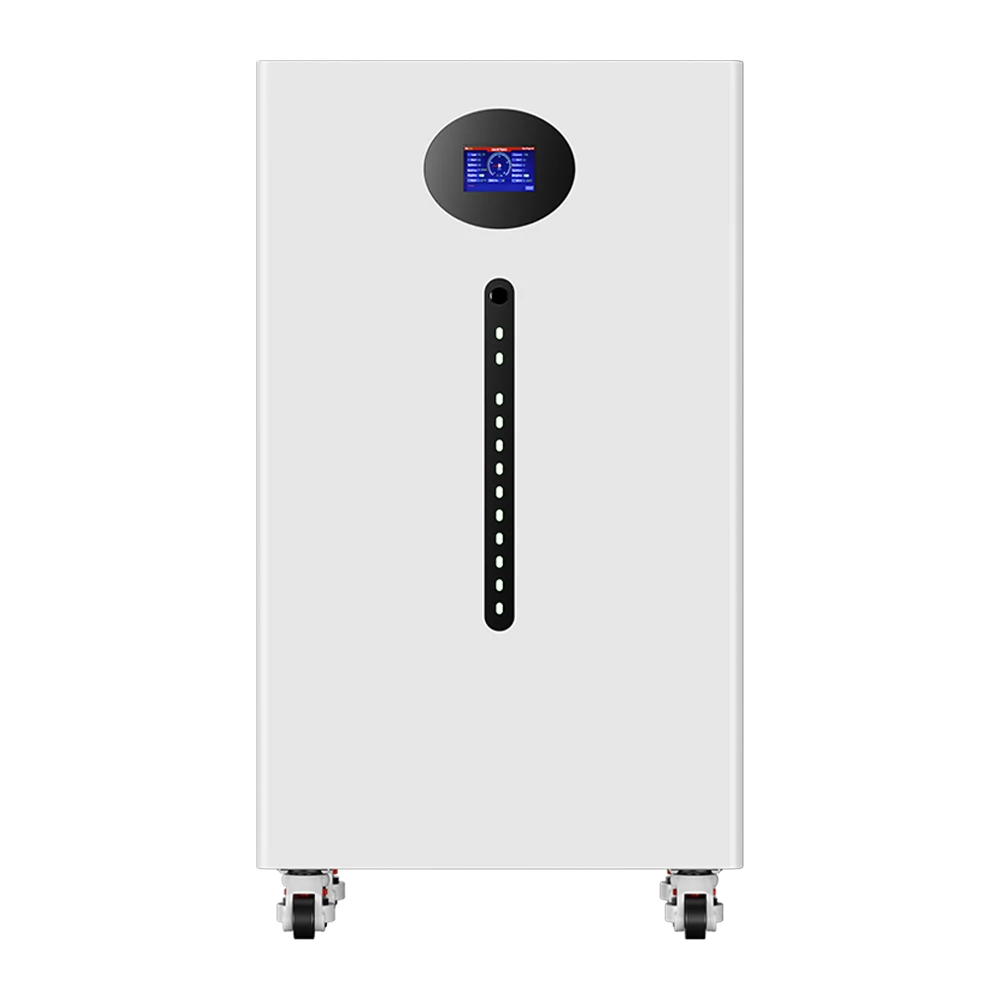
Avepower develops LiFePO4 energy-storage systems for solar installers, distributors, EPC contractors and OEM/ODM partners, including 51.2V low-voltage batteries and customized high-voltage ESS platforms.
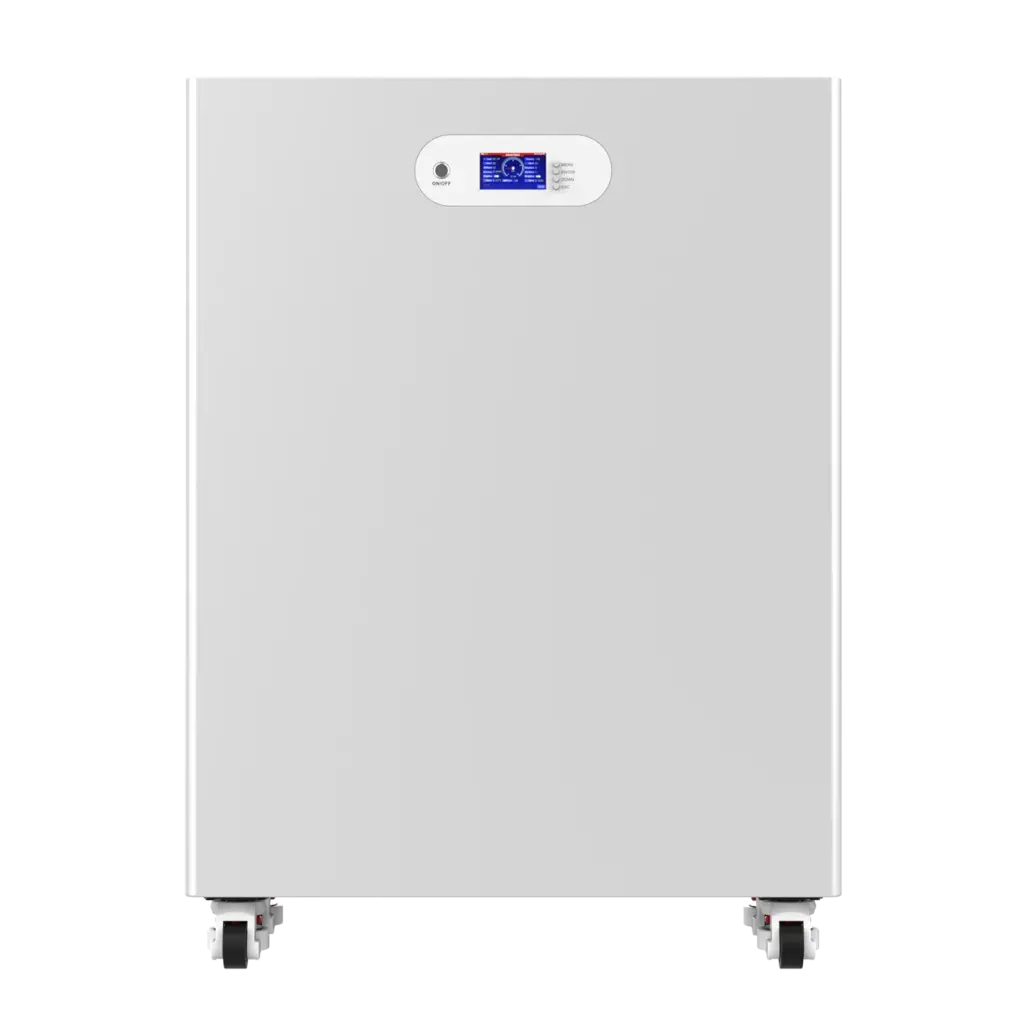
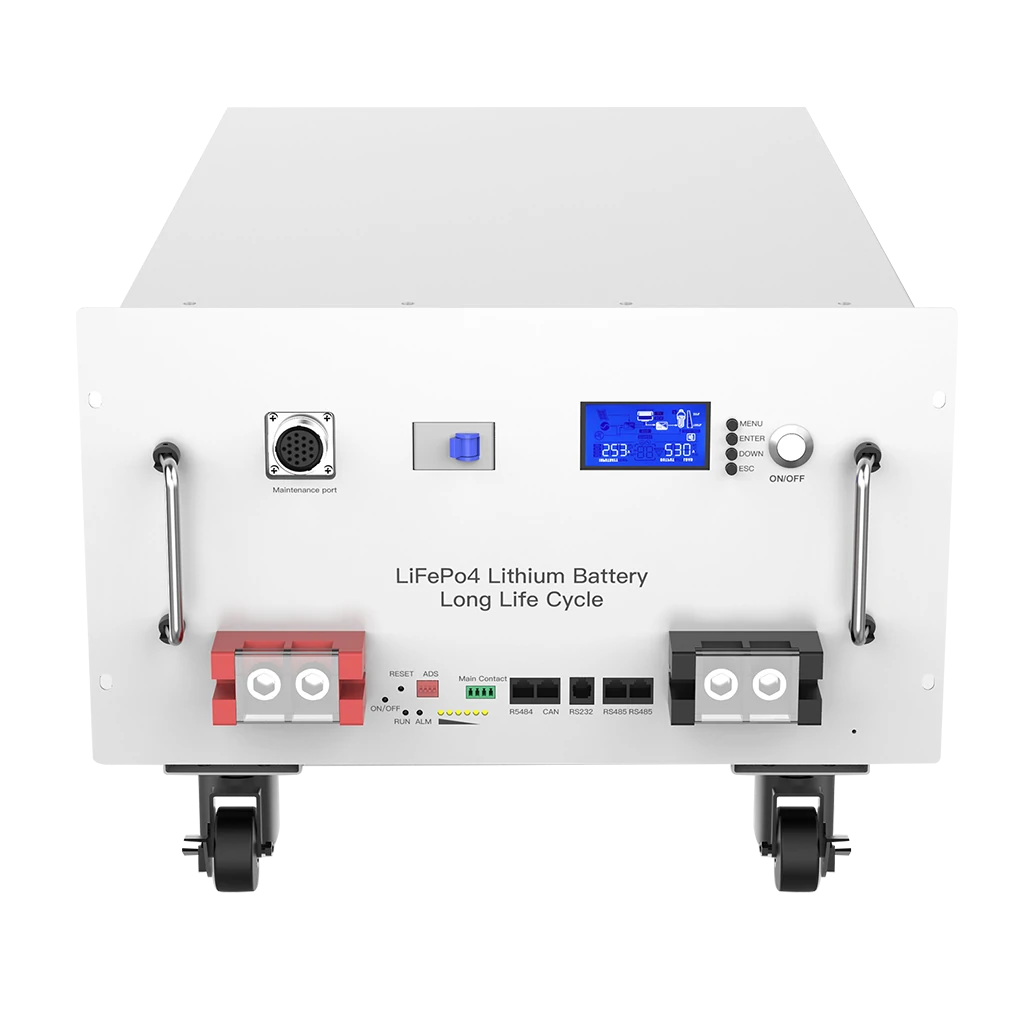
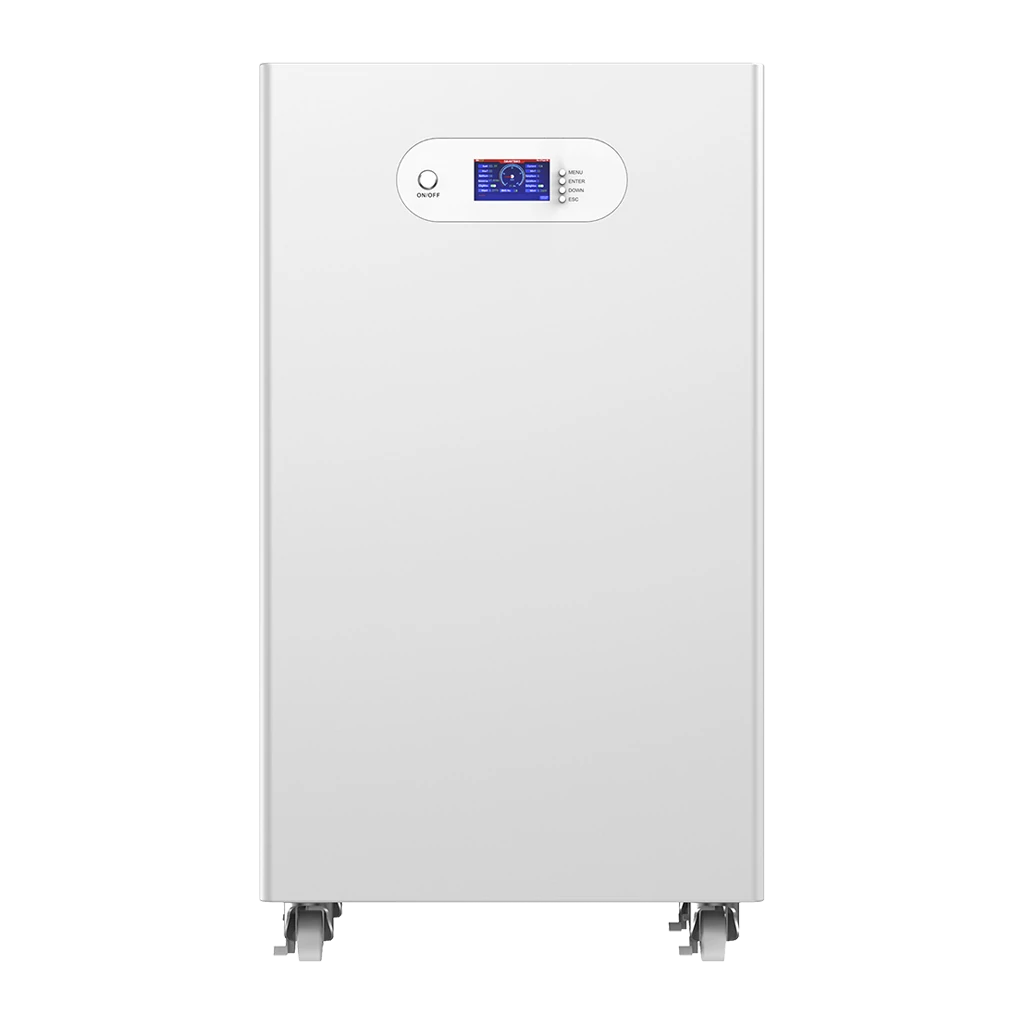
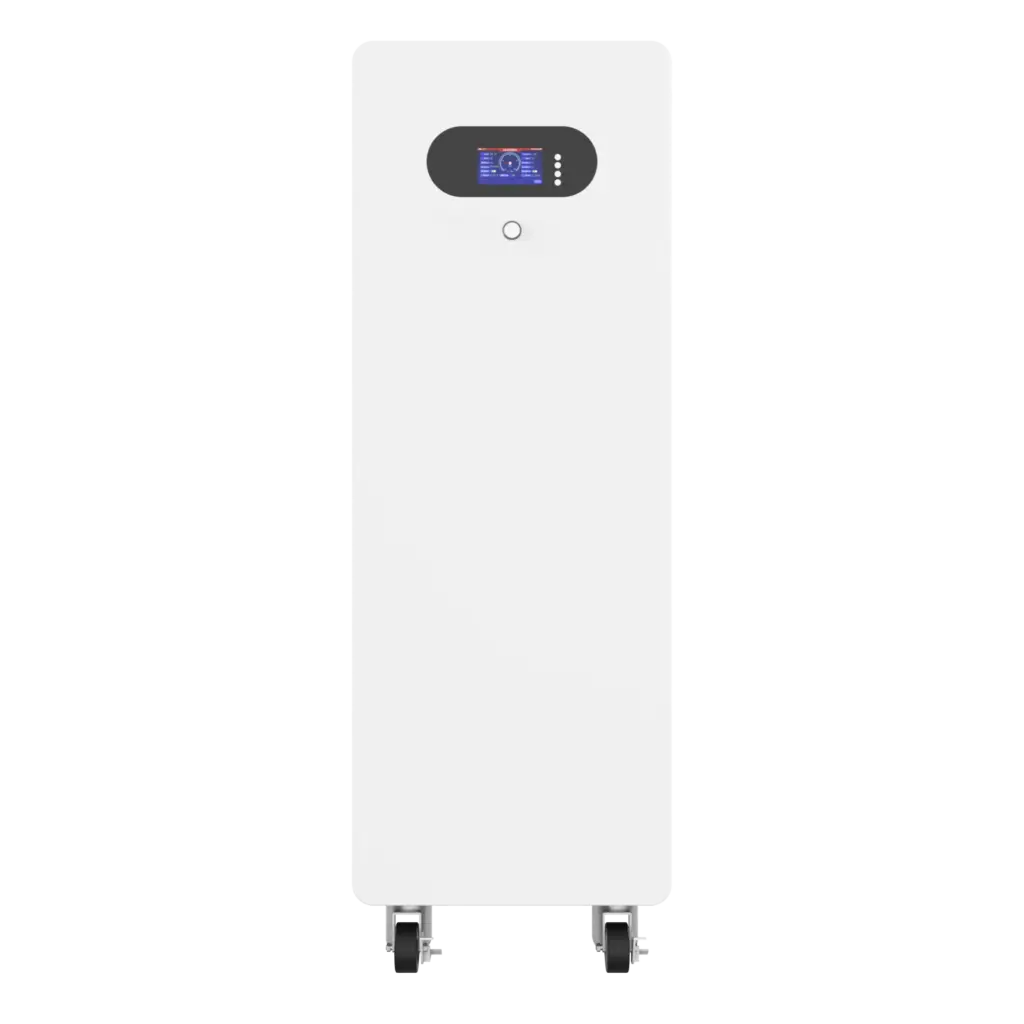
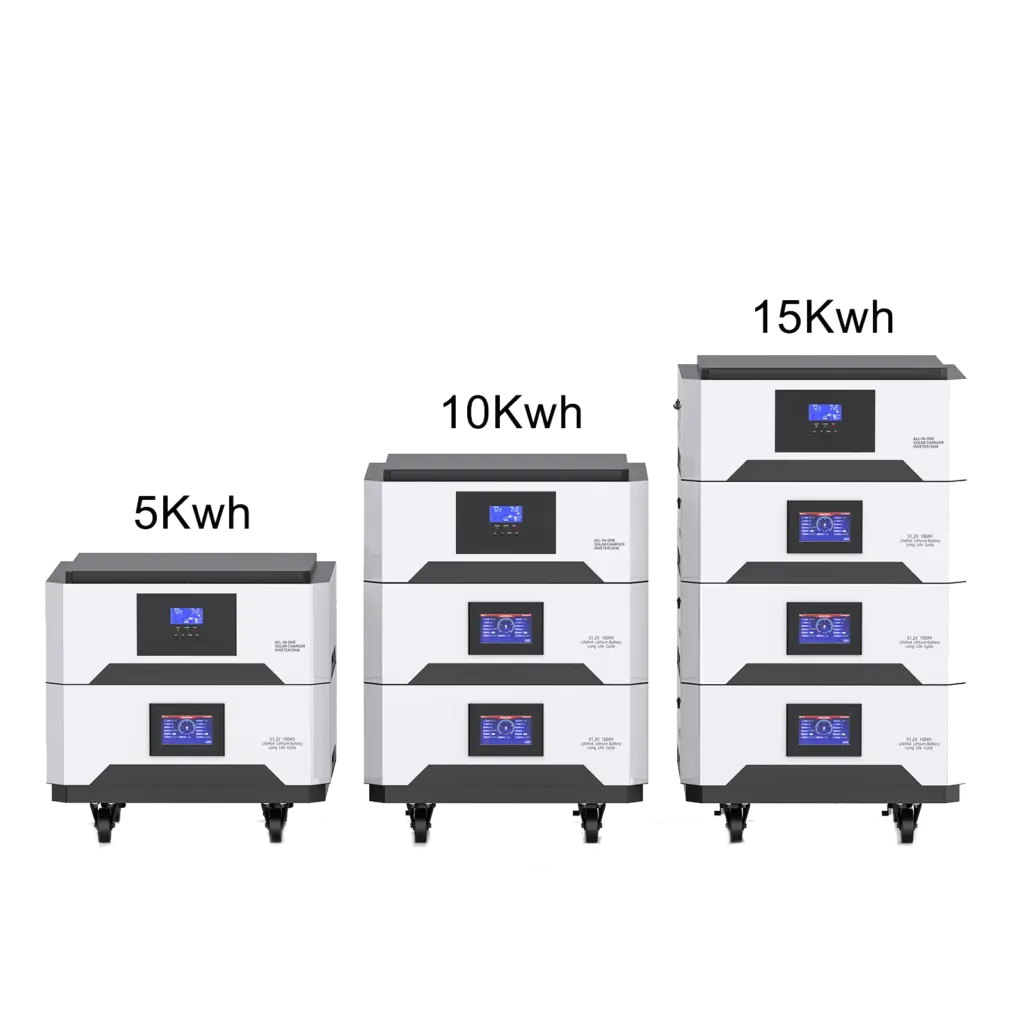
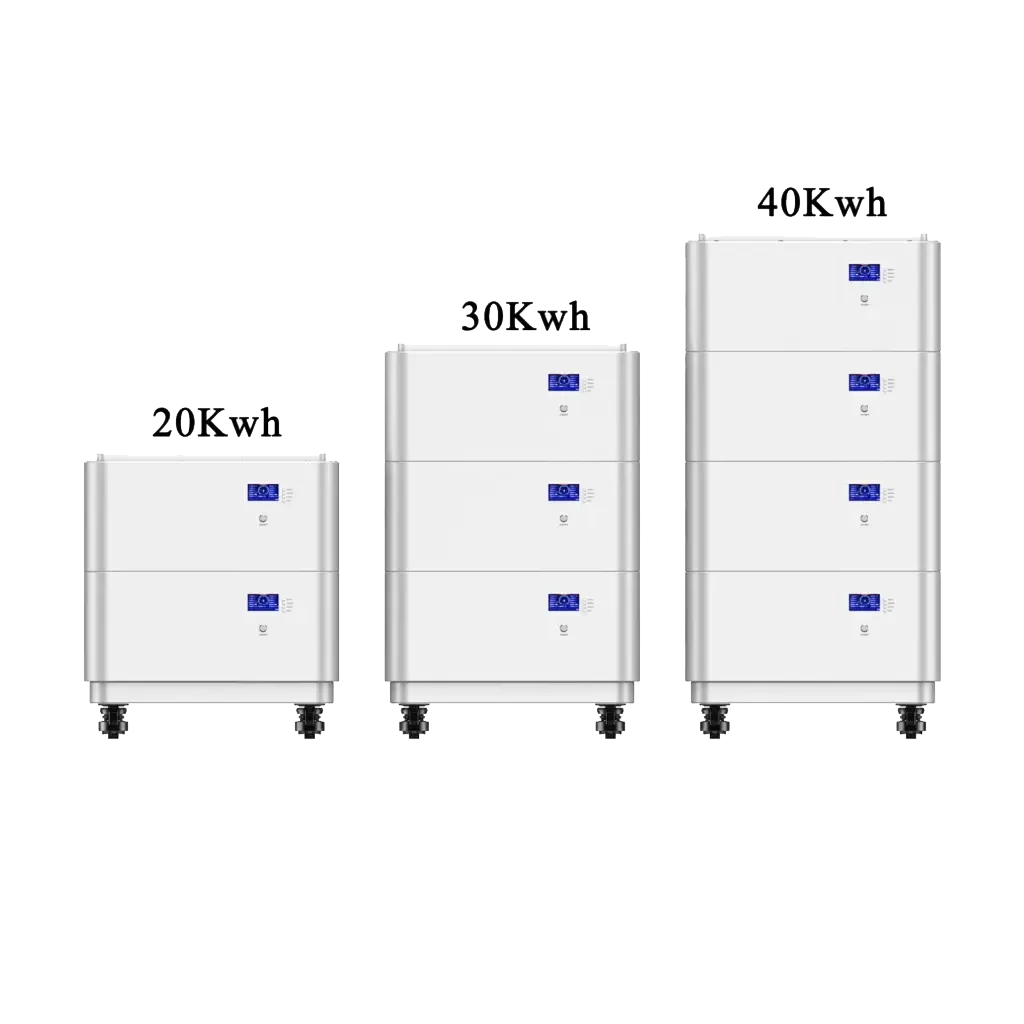
For example, Avepower’s 5kWh, 10kWh and 15kWh stackable battery series uses a 51.2V LiFePO4 architecture, CC-CV charging and CAN/RS485/RS232 communication for supported inverter systems.
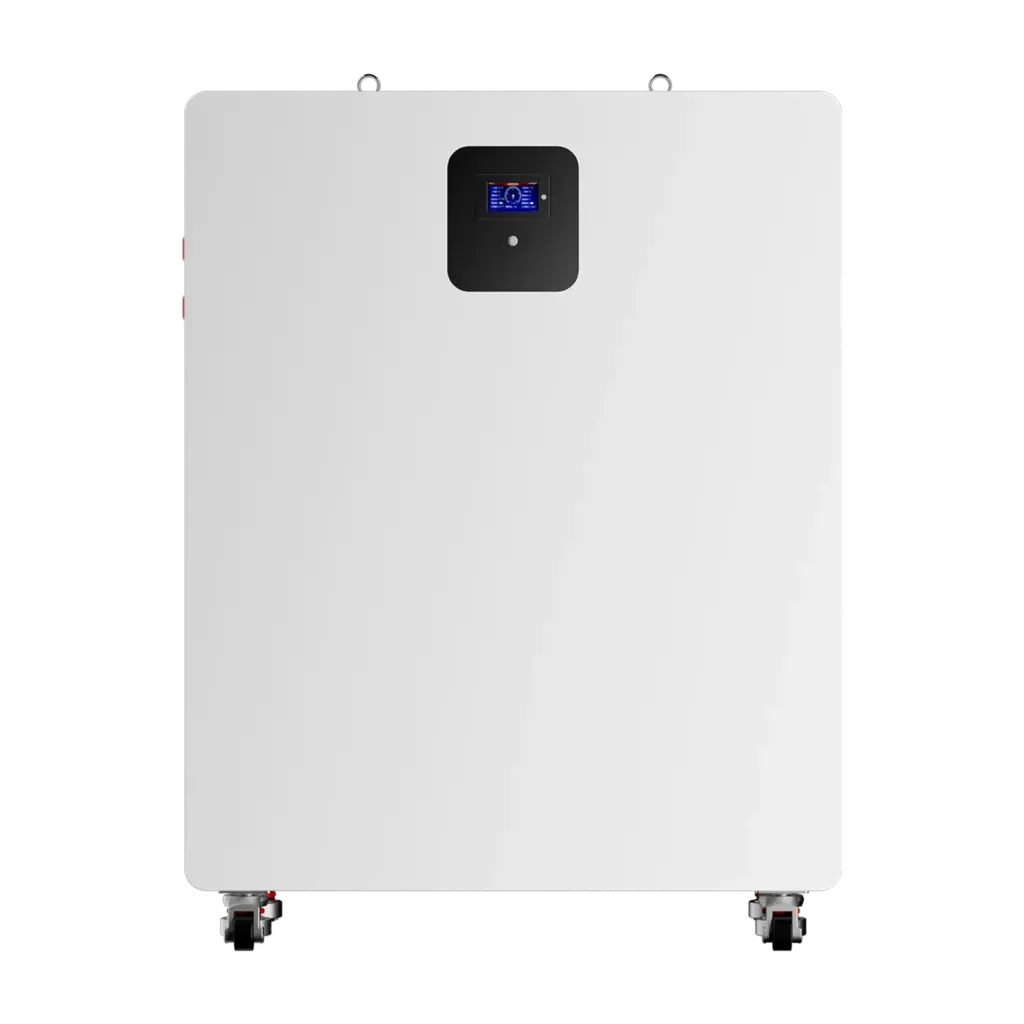
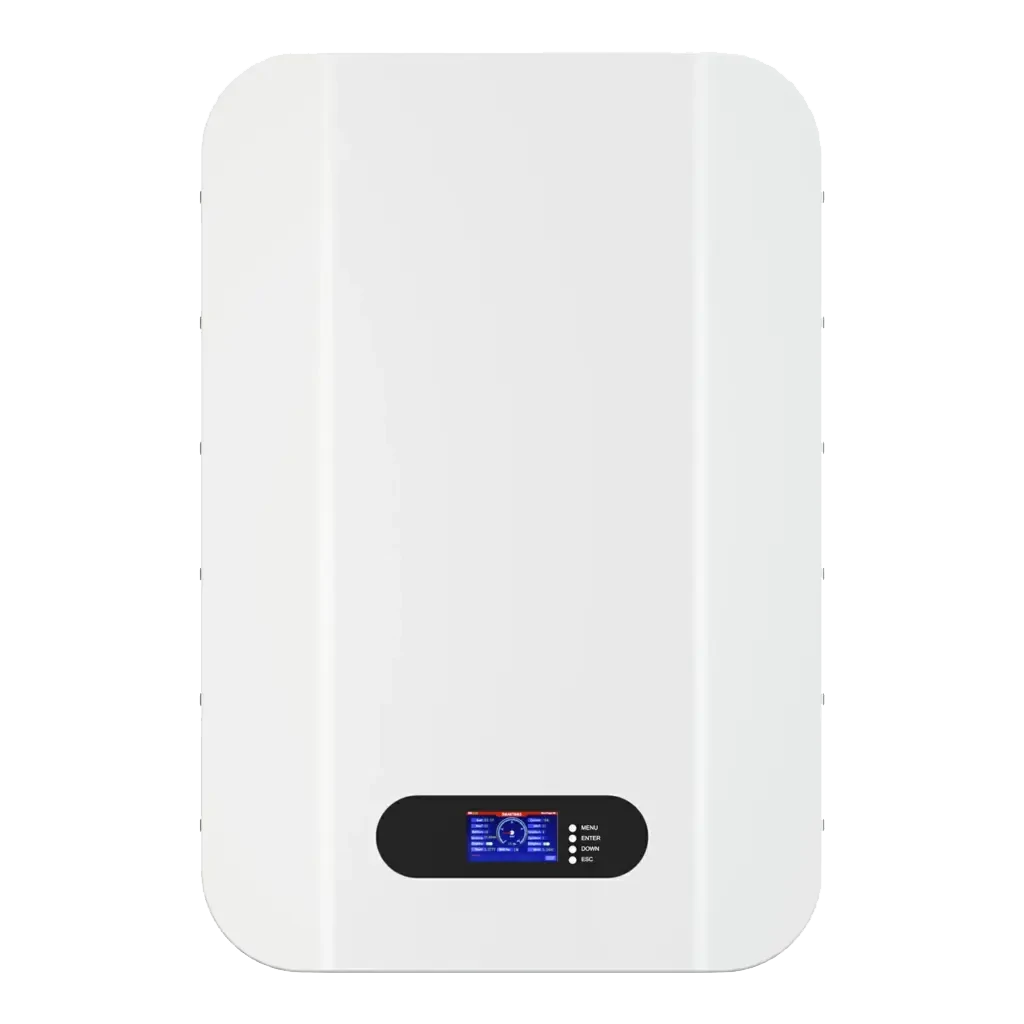
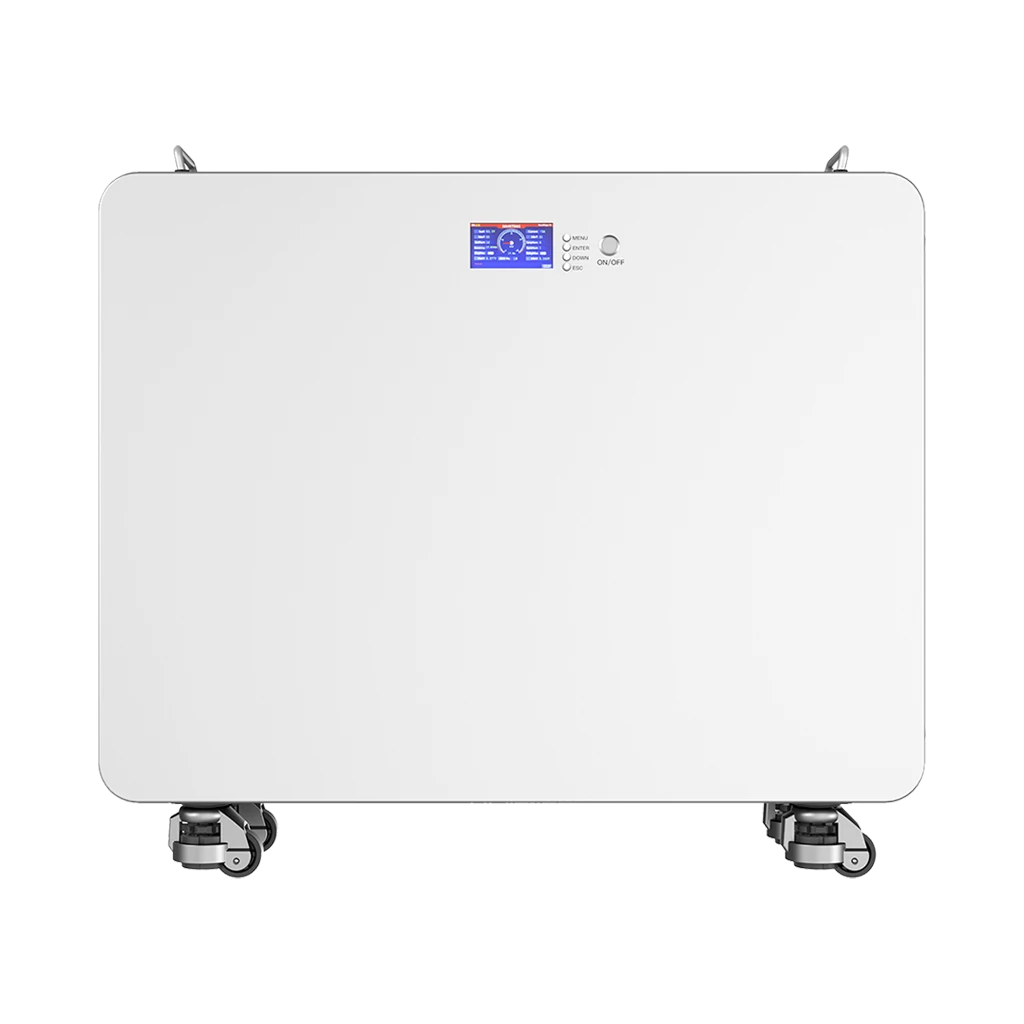
If your project requires a different installation format, the 51.2V 5kWh wall-mounted LiFePO4 battery provides the same low-voltage class in a compact residential configuration.
Before ordering, send:
Battery Capacity + Inverter Brand/Model + System Voltage + Project Country + Required Charge/Discharge Power
so the engineering team can review the battery operating range, BMS communication and inverter compatibility before commissioning.
Take Control of Your Energy with Avepower!
Reliable home solar battery solutions with OEM/ODM customization and in-house manufacturing, tailored to the needs of distributors, installers, and energy partners.
FAQ
Charge voltage is the voltage applied by a charger to a rechargeable battery while charging. The correct value depends on chemistry and cell configuration and normally differs from nominal battery voltage.
A 12.8V LiFePO4 battery commonly charges around 14.0–14.6V depending on manufacturer settings, while a 12V sealed lead-acid battery may use approximately 14.1–14.7V for cyclic charging and around 13.5–13.8V for float service.
A 51.2V LiFePO4 battery normally uses 16 series cells. At 3.60V per cell the pack reaches 57.6V, while 3.65V per cell corresponds to 58.4V.
58.4V corresponds mathematically to 3.65V per cell in a 16S LiFePO4 pack and is within the upper range of many LFP designs. It is not automatically the preferred daily charging target for every 51.2V battery, however.
Charge voltage is a general term for voltage used during charging, while float voltage is a lower maintenance voltage traditionally used to keep lead-acid batteries fully charged.