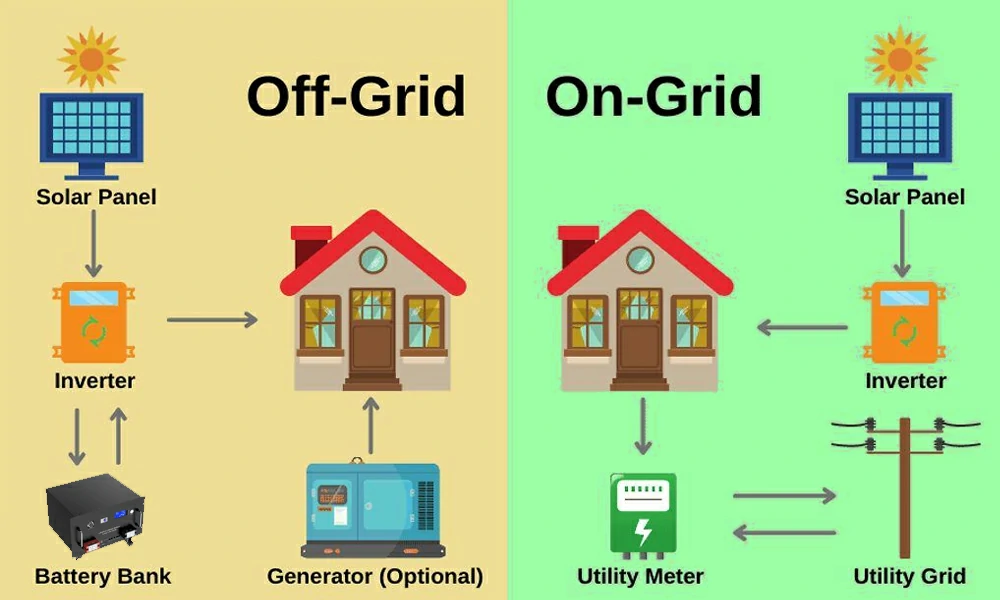
Solar energy is becoming increasingly popular among homeowners and businesses worldwide because it offers a clean, renewable source of power. However, when considering solar energy for your property, you will encounter two primary system types: on-grid (grid-tied) and off-grid (standalone) solar systems.
This guide explains the real differences between off-grid and on-grid solar systems, how each system works, where batteries fit, what costs to consider, and how to choose the right setup for a home, business or energy storage project.
Quick Answer: What Is the Main Difference?
The main difference between an off-grid and on-grid solar system is the connection to the utility grid.
An on-grid solar system remains connected to the public electricity grid. Solar power is used during the day, excess energy may be exported to the grid, and electricity can be imported when solar production is low. Batteries are optional.
An off-grid solar system is not connected to the utility grid. It must generate, store and manage all electricity on-site. This means batteries are essential, system sizing is more demanding, and backup power planning becomes much more important.
A hybrid solar system connects to the grid but also uses batteries. It can store excess solar energy for night use, reduce grid dependence and provide backup power if the inverter and system design support islanding during outages.
Off-Grid vs On-Grid Solar System Comparison
| Factor | On-Grid Solar System | Off-Grid Solar System | Hybrid Solar System |
|---|---|---|---|
| Grid connection | Connected to the utility grid | Completely independent | Connected to the grid with battery backup |
| Battery requirement | Optional | Required | Required |
| Upfront cost | Usually lowest | Usually highest | Medium to high |
| Backup during outage | No, unless designed with backup | Yes, if batteries are charged | Yes, if backup function is included |
| Excess solar energy | Exported to grid or limited by inverter | Stored in batteries or curtailed | Stored first, then exported or limited |
| Best for | Urban homes, stable grid areas, bill reduction | Remote homes, farms, cabins, telecom sites | Homes and businesses wanting savings plus backup |
| Main challenge | Grid dependence | Battery sizing and energy management | More complex system design |
| Typical buyer goal | Lower electricity bills | Energy independence | Better self-consumption and resilience |
What Is an Off-Grid Solar System?
An off-grid solar system is a standalone power system that operates without a utility grid connection. It must be designed to cover the property’s electricity demand through solar generation, battery storage and sometimes a backup generator.
The U.S. Department of Energy describes off-grid or standalone renewable energy systems as systems that are not connected to the electricity grid, and notes that they can make economic sense in remote areas where extending utility power lines is expensive. You can read its overview of stand-alone renewable energy systems.
A typical off-grid solar system includes:
- Solar panels
- Charge controller or MPPT controller
- Off-grid inverter or inverter charger
- Battery bank
- Battery management system
- DC and AC protection devices
- Monitoring system
- Backup generator, if required
The battery bank is the heart of an off-grid system. It stores daytime solar energy for night use, cloudy periods and peak loads. Without enough battery capacity, an off-grid system may run out of usable power before the next solar charging window.
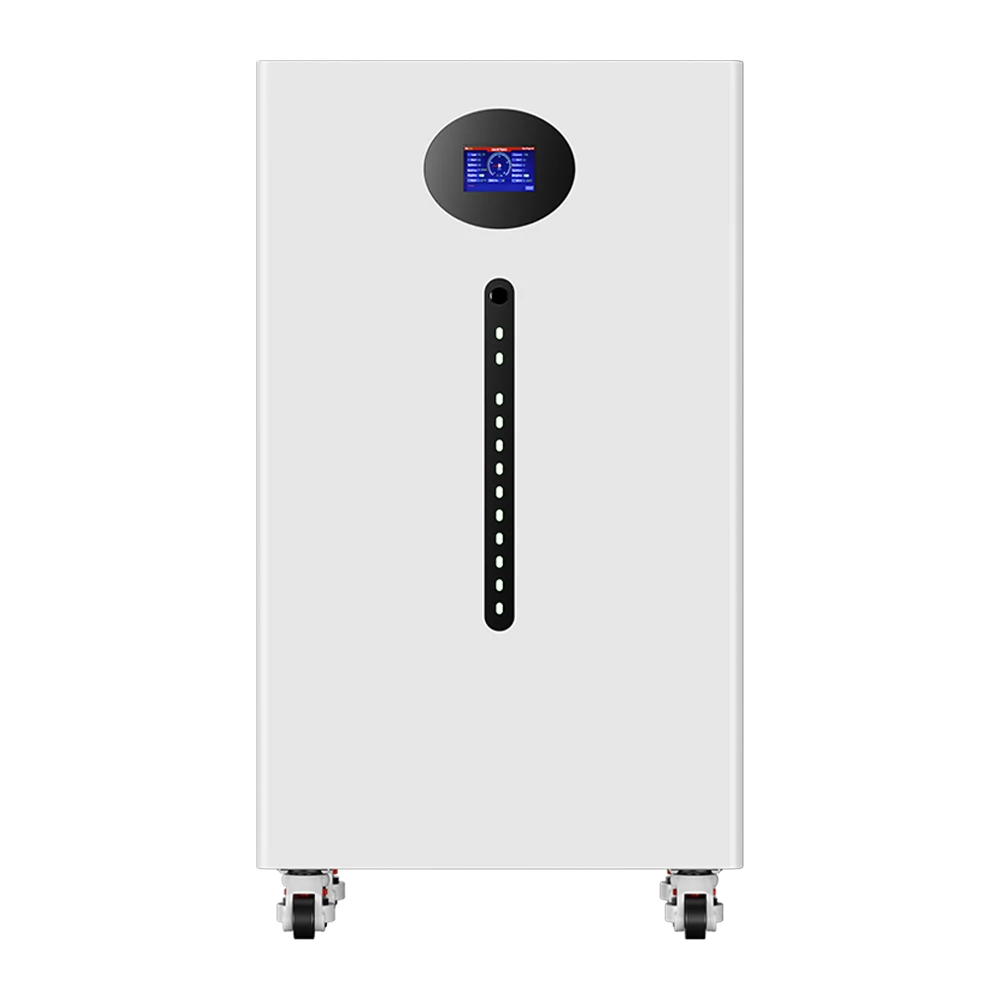
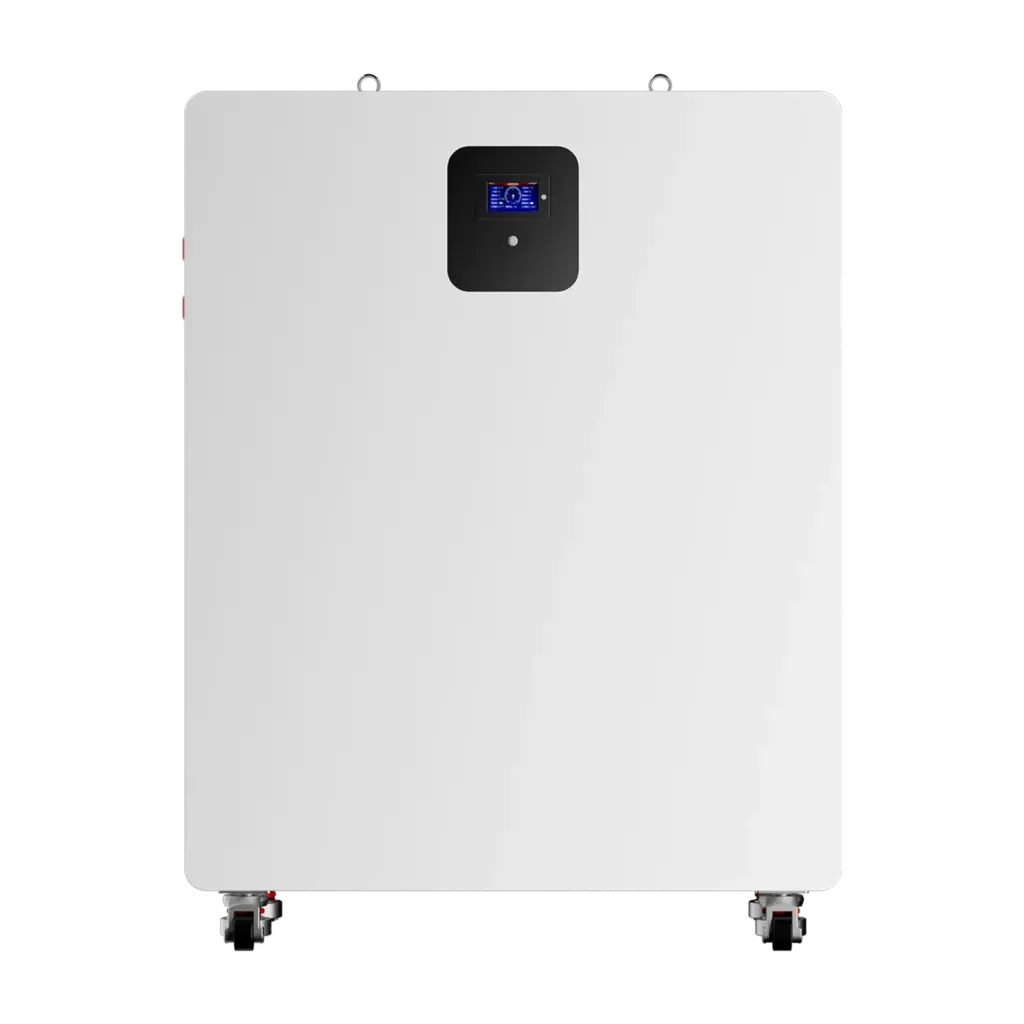
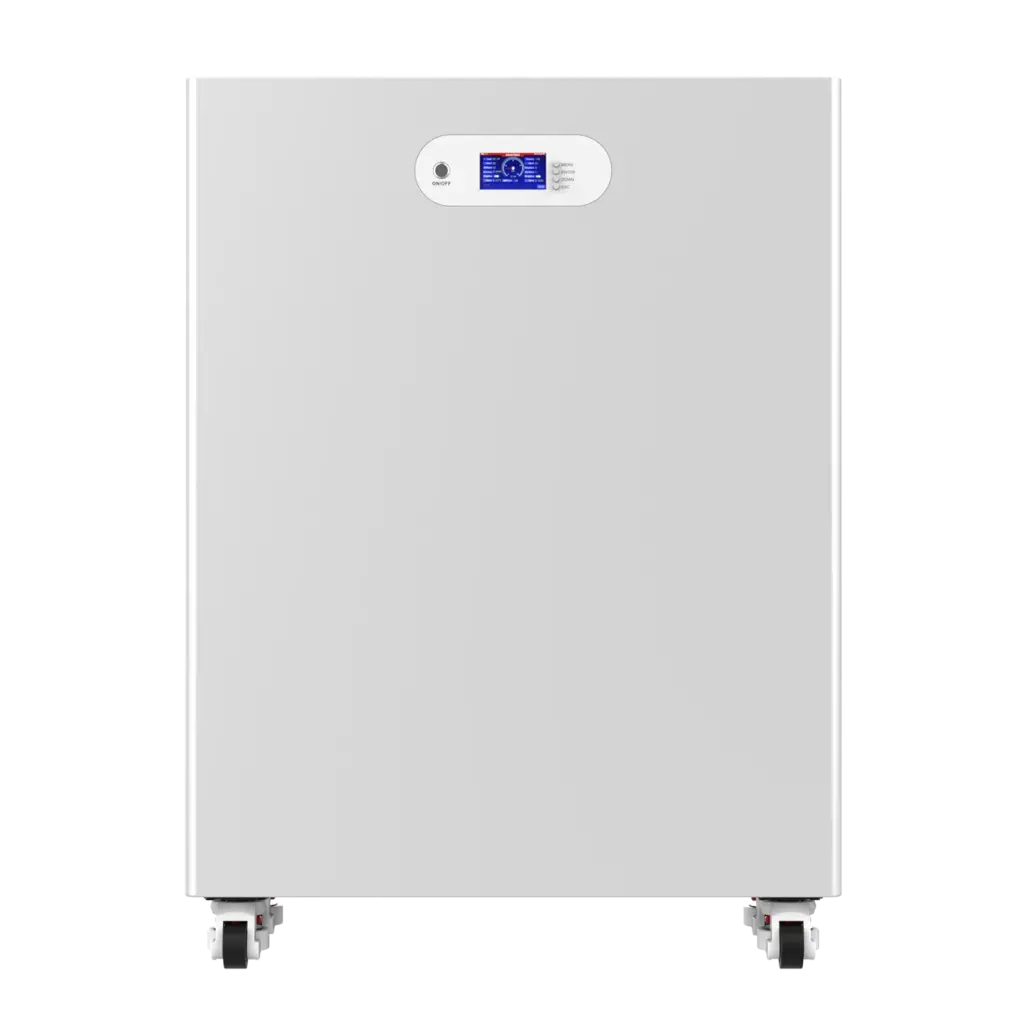
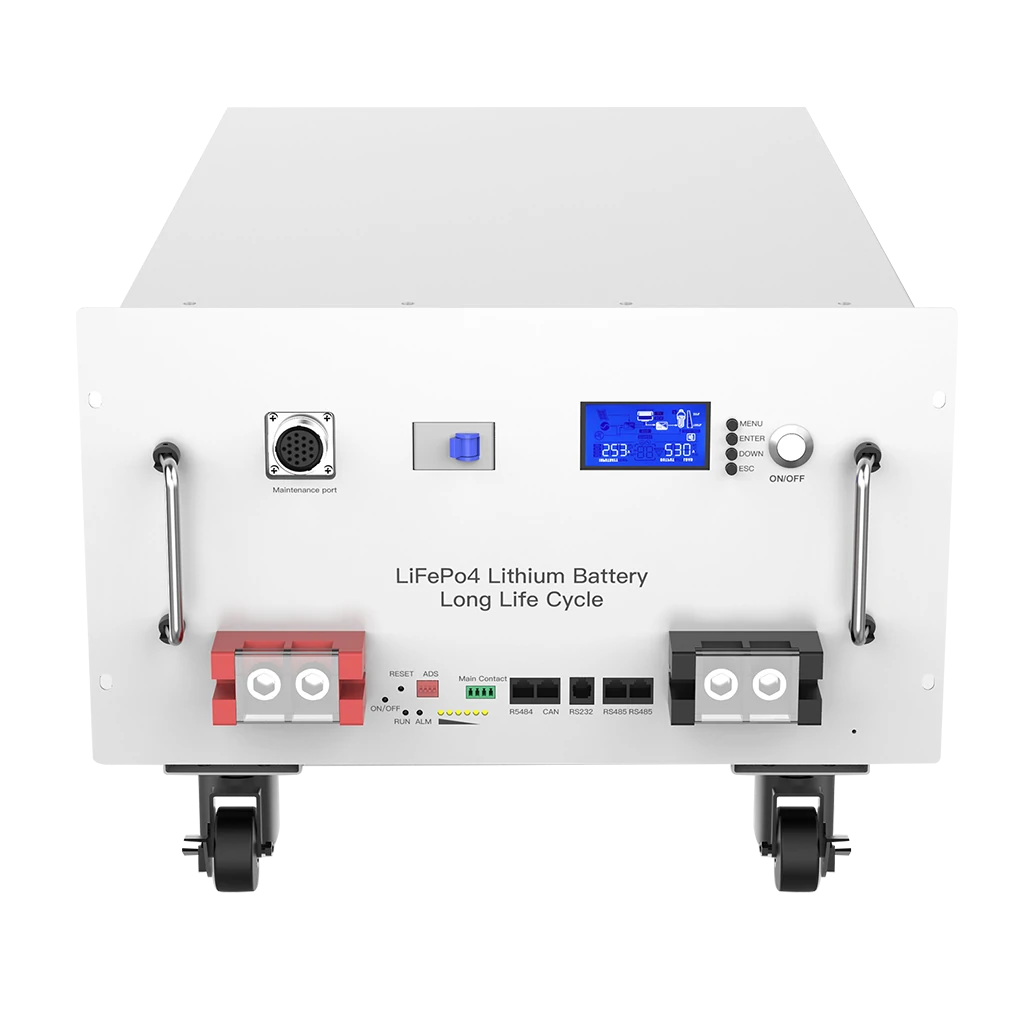
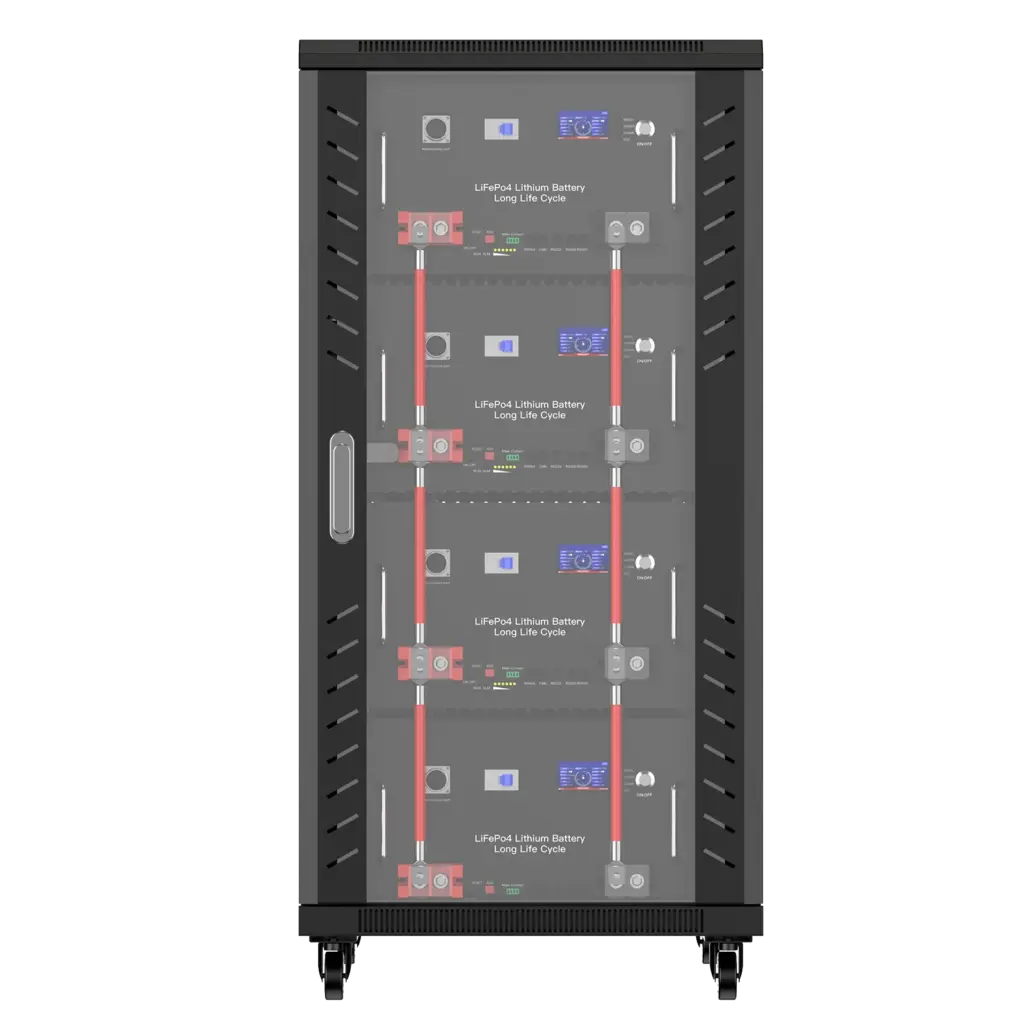
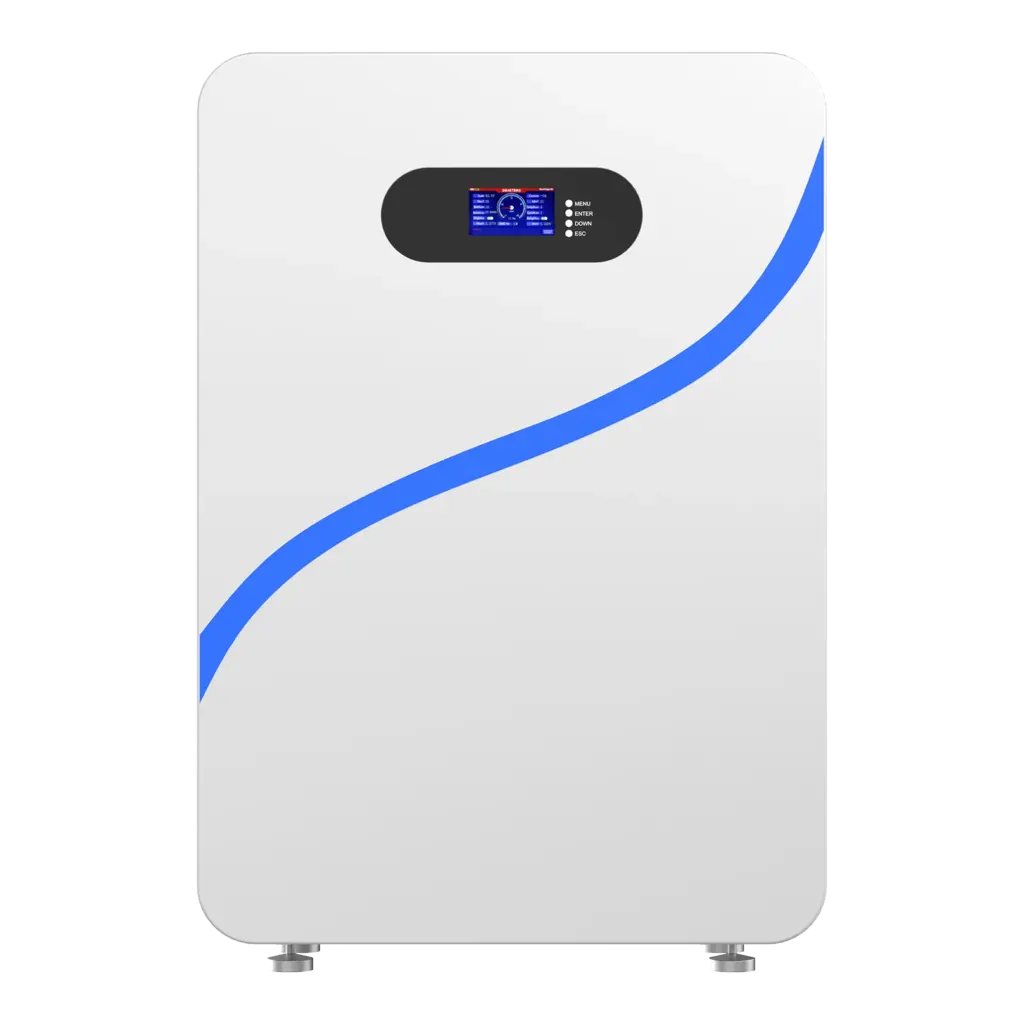
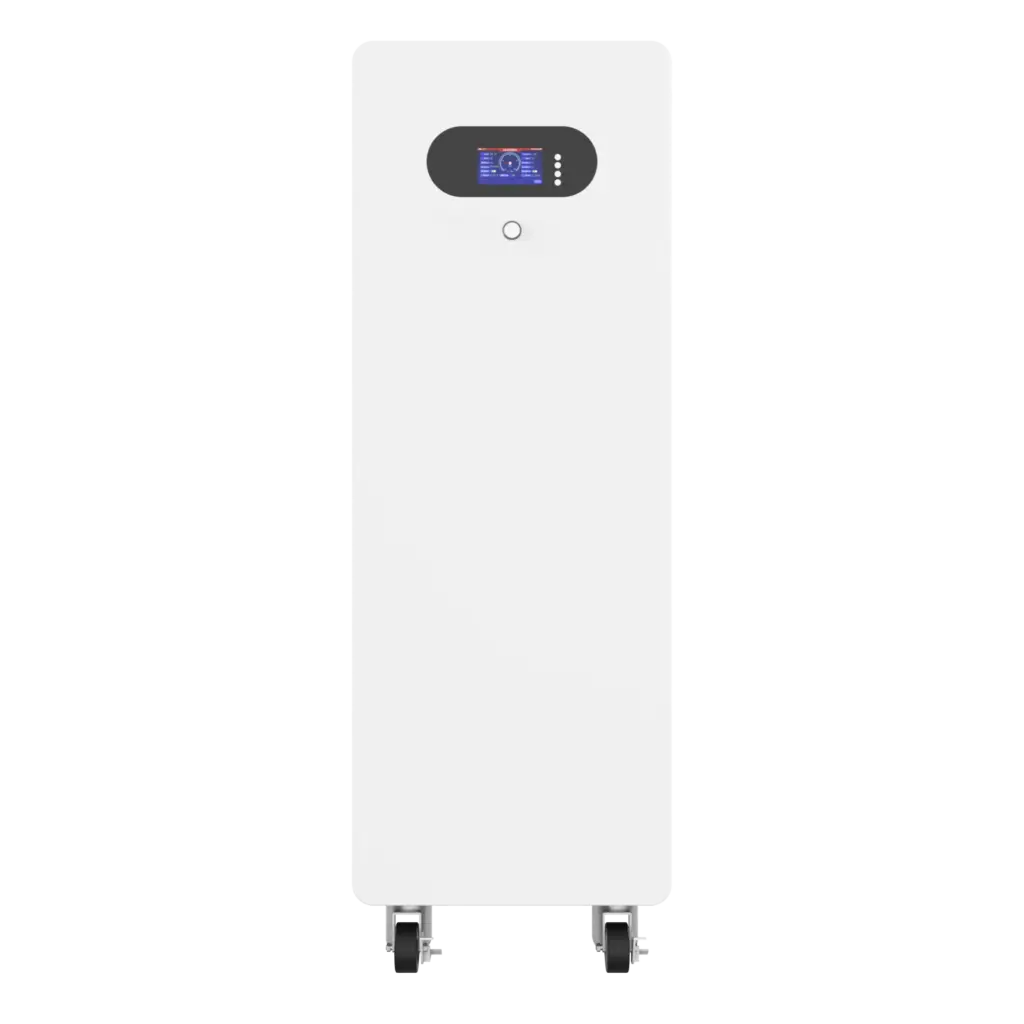
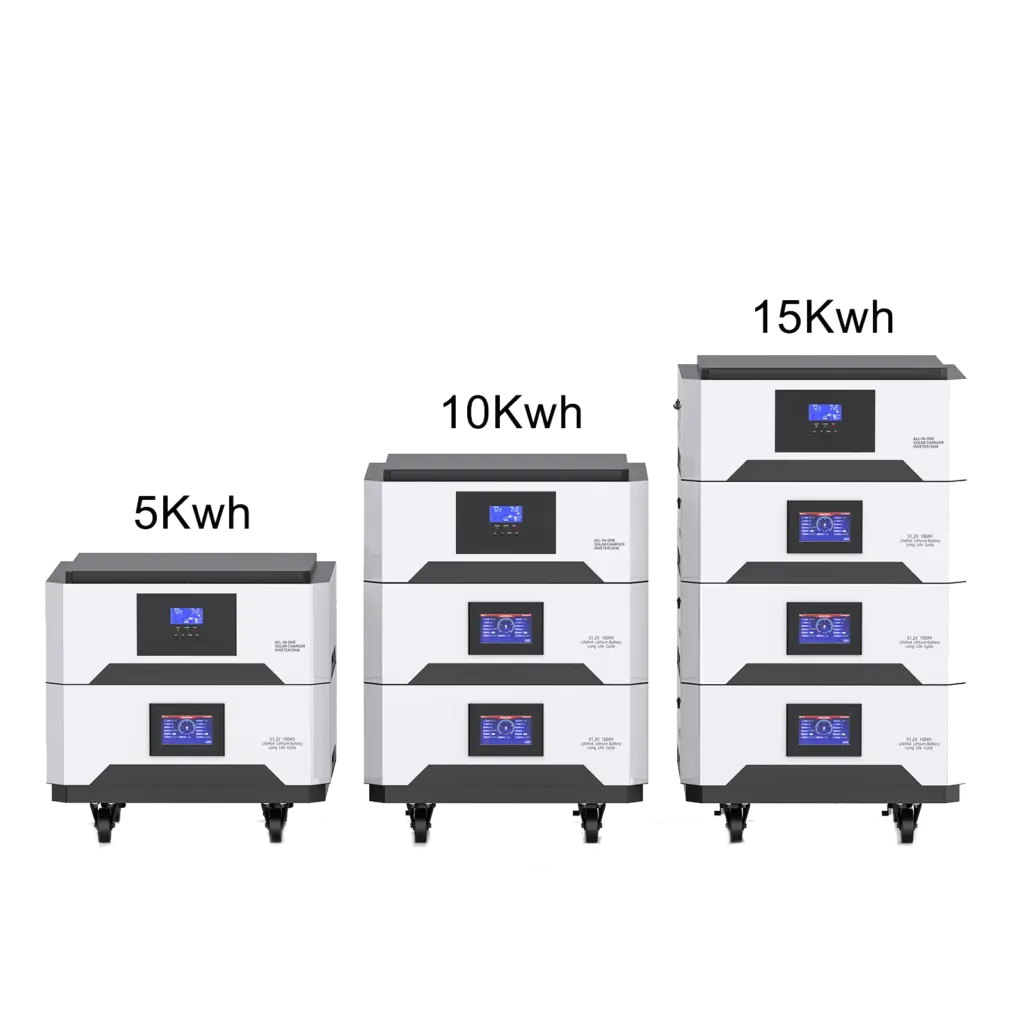
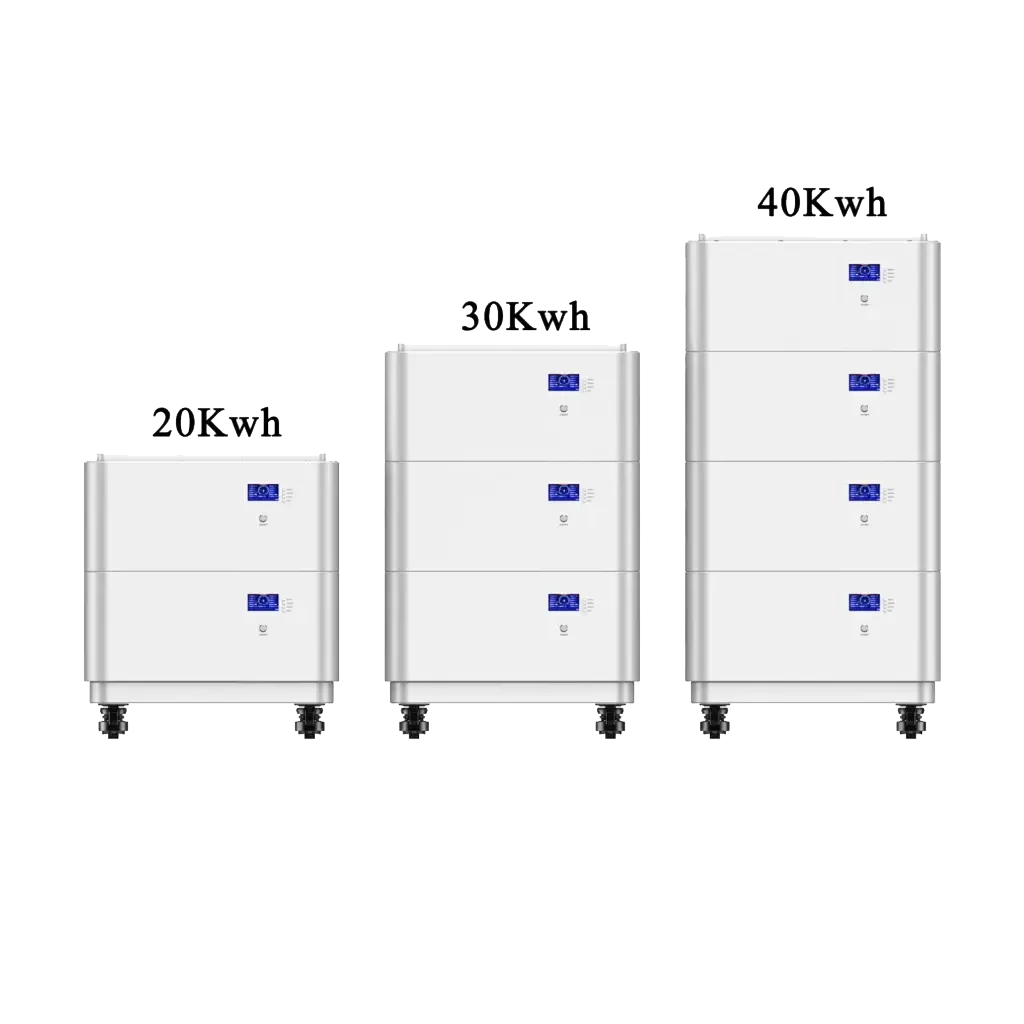
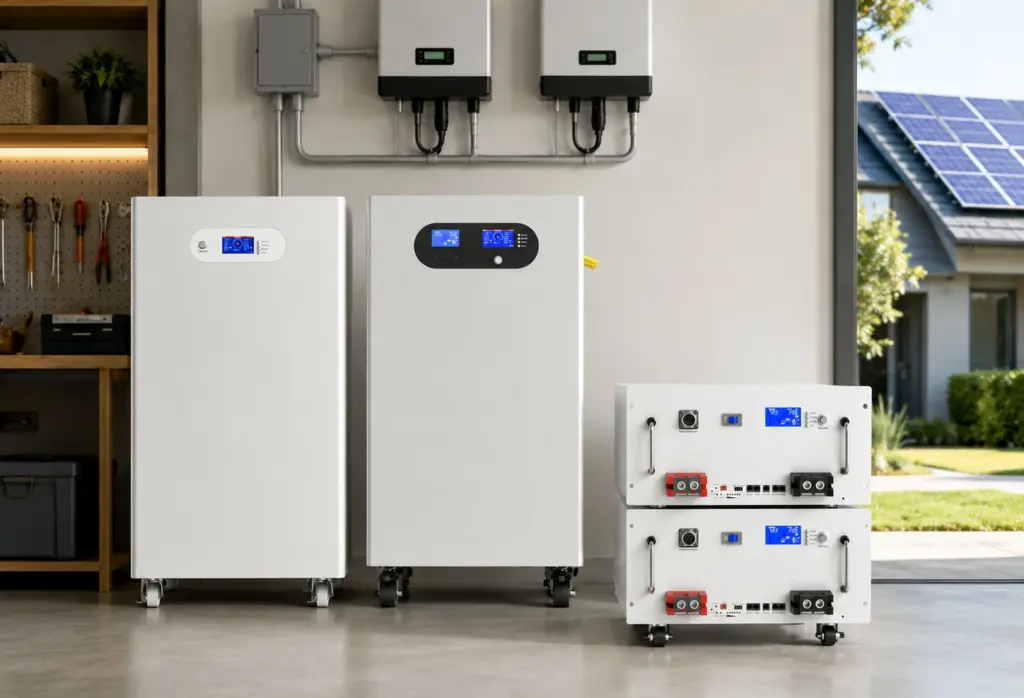
For modern off-grid projects, LiFePO4 batteries are commonly preferred because they offer long cycle life, high usable depth of discharge, stable thermal performance and lower maintenance compared with older lead-acid battery banks. Avepower’s stackable LiFePO4 battery systems are a practical example for projects that need modular expansion from smaller home backup capacity to larger off-grid battery banks.
Key Benefits of Off-Grid Solar Systems
- Energy independence: You are not affected by utility outages or rate changes.
- Reliability in remote areas: Ideal for locations without access to a power grid.
- Savings on electricity bills: You generate and use your own power, so you pay nothing to utilities.
- Freedom from grid regulations: No utility approval or complex paperwork is needed.
Limitations of Off-Grid Solar Systems
- Higher upfront cost: Batteries and related equipment add significant expense.
- Battery maintenance and replacement: Batteries have a limited lifespan and require upkeep.
- Energy management required: You must carefully monitor and manage your energy usage to avoid running out of power.
- Possible power outages: In prolonged bad weather or high usage, batteries may deplete, resulting in loss of power unless a backup generator is available.
What Is an On-Grid Solar System?
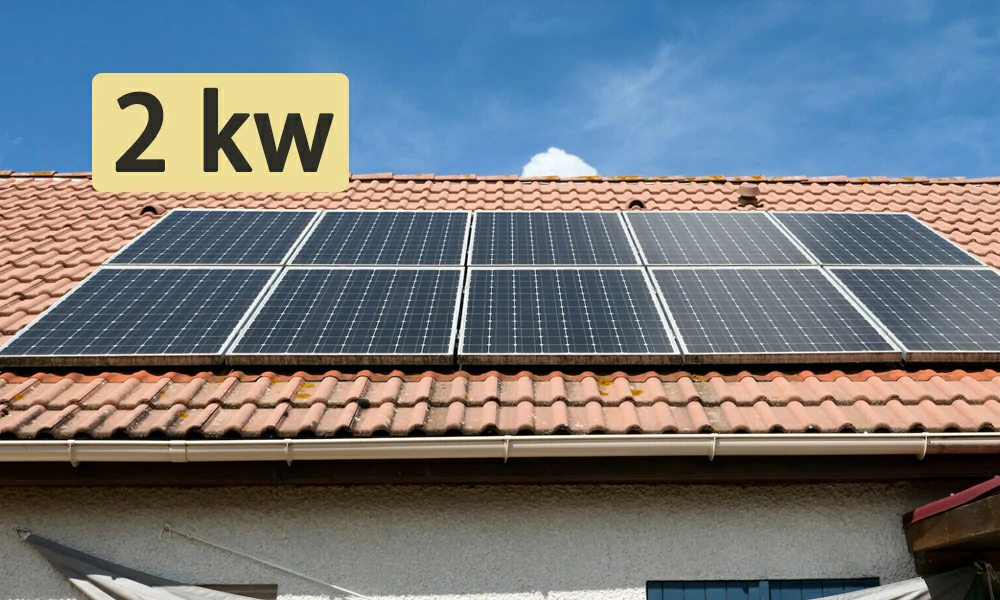
An on-grid solar system, also called a grid-tied solar system, is connected to the local electricity network. During the day, solar panels produce DC electricity, and a grid-tied inverter converts it into AC electricity for use in the home or business.
When solar production is higher than the load, the surplus can be exported to the grid if local regulations and utility agreements allow it. When solar generation is not enough, such as at night or during cloudy weather, the property imports power from the grid.
This makes on-grid solar the most common choice for urban and suburban homes. It is simpler, usually cheaper to install, and does not require a battery to operate.
For a deeper technical explanation of inverter functions, you can also read Avepower’s guide: What Is an Inverter?
Key Benefits of On-Grid Solar Systems
- Lower upfront cost: Since these systems do not require batteries, they are generally cheaper to install.
- Net metering benefits: You can reduce your electricity bill by earning credits for the surplus energy you export to the grid.
- Simple maintenance: With fewer components, on-grid systems typically require less upkeep.
- Reliable power supply: The grid acts as an unlimited “battery,” providing power whenever your solar panels cannot.
Limitations of On-Grid Solar Systems
- No power during outages: For safety reasons, most grid-tied solar systems automatically shut down during a power outage to protect utility workers, leaving your property without electricity unless you have a backup power source.
- Dependency on grid: You remain reliant on your local utility grid and its policies.
- Approval and regulations: Installation may require permits and inspections, as well as adherence to utility regulations for grid connection.
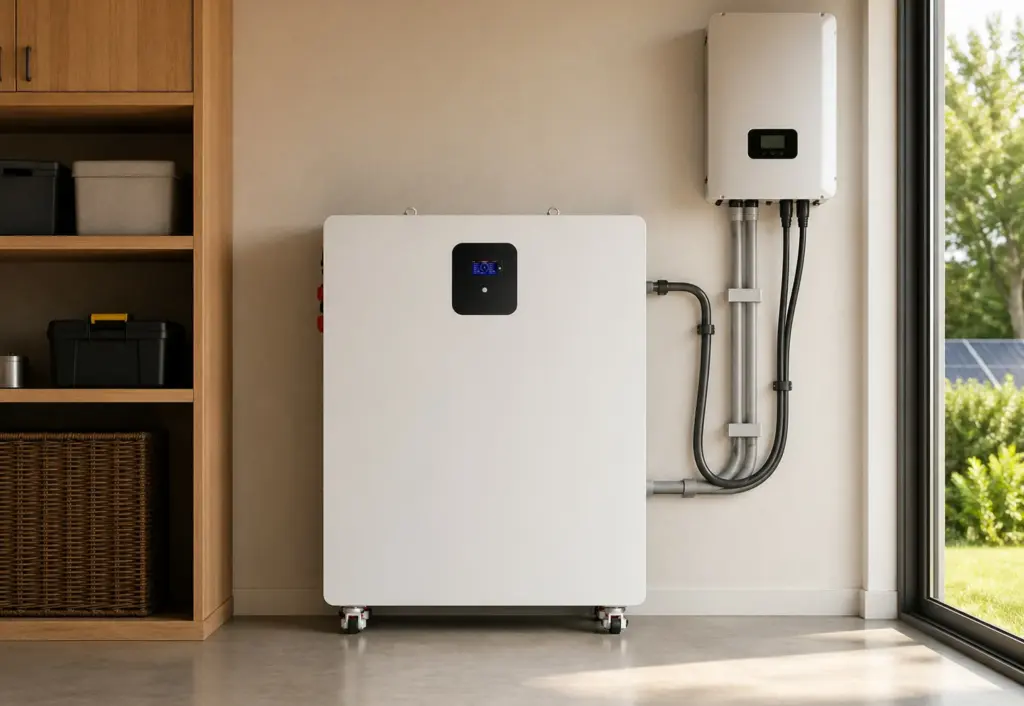
Need Help Choosing the Right Solar Battery System?
Explore Avepower’s home energy storage solutions or contact the Avepower team for a customized battery storage recommendation.
How an On-Grid Solar System Works
A simple on-grid solar power flow looks like this:
Solar panels → Grid-tied inverter → Home loads → Utility grid
During strong sunlight, your home uses solar power first. If there is extra generation, the system may export it to the grid depending on your local utility policy. At night, your home imports electricity from the grid.
This design is simple and cost-effective because you do not need to buy a large battery bank. However, it also means your energy independence is limited.
Important Point: On-Grid Solar Usually Does Not Work During Blackouts
Many homeowners assume solar panels will keep the lights on during a power outage. In most standard grid-tied systems, they will not.
When the grid goes down, a typical grid-tied inverter shuts off automatically for safety. This protection is commonly called anti-islanding. It prevents solar electricity from feeding back into grid lines while technicians may be repairing them.
To use solar power during a blackout, you usually need:
- A battery system configured for backup
- A hybrid inverter or battery inverter
- A backup gateway or transfer device
- Critical load circuits or a whole-home backup design
This is why “solar installed” and “backup power available” are not the same thing.
How an Off-Grid Solar System Works
A simple off-grid solar power flow looks like this:
Solar panels → Charge controller or hybrid inverter → Battery bank → Off-grid inverter → Home loads
During the day, solar panels power the loads and charge the battery. At night, the battery supplies electricity. During long cloudy periods or unusually high consumption, a generator may be needed to support the battery bank.
The key difference is responsibility. In an on-grid system, the grid fills the gap. In an off-grid system, your own equipment must fill the gap.
That makes battery sizing one of the most important parts of off-grid design.
What Is a Hybrid Solar System?
A hybrid solar system combines features of both on-grid and off-grid solar. It remains connected to the utility grid but also includes battery storage.
During the day, solar power supplies the loads first. Surplus solar can charge the battery. When the battery is full, remaining excess energy may be exported to the grid if allowed. At night, the system can discharge the battery before importing grid power.
If the system includes a proper hybrid inverter, backup output and isolation equipment, it can keep selected loads running during a grid outage. This makes hybrid solar especially useful for homes and businesses that want lower bills but do not want to lose power during blackouts.
For many modern projects, hybrid is the most practical answer. It does not require the oversized battery bank of a full off-grid system, but it gives more energy control than a simple grid-tied system. Avepower explains this system type further in its guide to what a hybrid solar system is and how a hybrid solar inverter works.
How to Choose Between Off-Grid and On-Grid Solar
Choosing the right solar system is not only a price decision. It is a risk, reliability and usage decision.
Choose On-Grid Solar If Your Main Goal Is Bill Reduction
On-grid solar is usually the best starting point if the property has a stable grid connection and the main objective is to lower energy costs. This setup is common for homes, offices, shops and warehouses that use much of their energy during daylight hours.
It is also suitable when the buyer wants a shorter payback period and does not need backup power. For many customers, the smartest first step is to install a correctly sized solar array and then evaluate whether battery storage makes sense later.
Choose Off-Grid Solar If Grid Access Is Poor or Unavailable
Off-grid solar is the right choice when the utility grid is unavailable, unstable or too expensive to extend. It is also suitable when the buyer values energy independence more than lowest upfront cost.
For off-grid systems, battery sizing and inverter selection are critical. The system must handle normal daily loads, peak surge loads and low-sun periods. It should also include enough monitoring so users can see battery state of charge, solar production and load behavior.
For projects requiring larger battery capacity, Avepower can support tailored battery configurations through its residential battery energy storage system solutions and larger commercial and industrial energy storage solutions.
Choose Hybrid Solar If You Want Both Savings and Backup
Hybrid solar is often the best solution for homes and businesses with an available grid connection but increasing concern about outages, evening electricity prices or low export value.
It allows the owner to use more solar energy on-site, store power for evening loads and keep essential circuits running during outages. It is also easier to expand than a fully off-grid system because the grid can still act as a secondary backup.
For installers and distributors, hybrid systems are often easier to sell than full off-grid systems because they balance cost, comfort and resilience. The key is to confirm inverter communication, battery compatibility, backup load limits and local grid rules before installation. Avepower’s inverter compatibility page can support early-stage system matching.
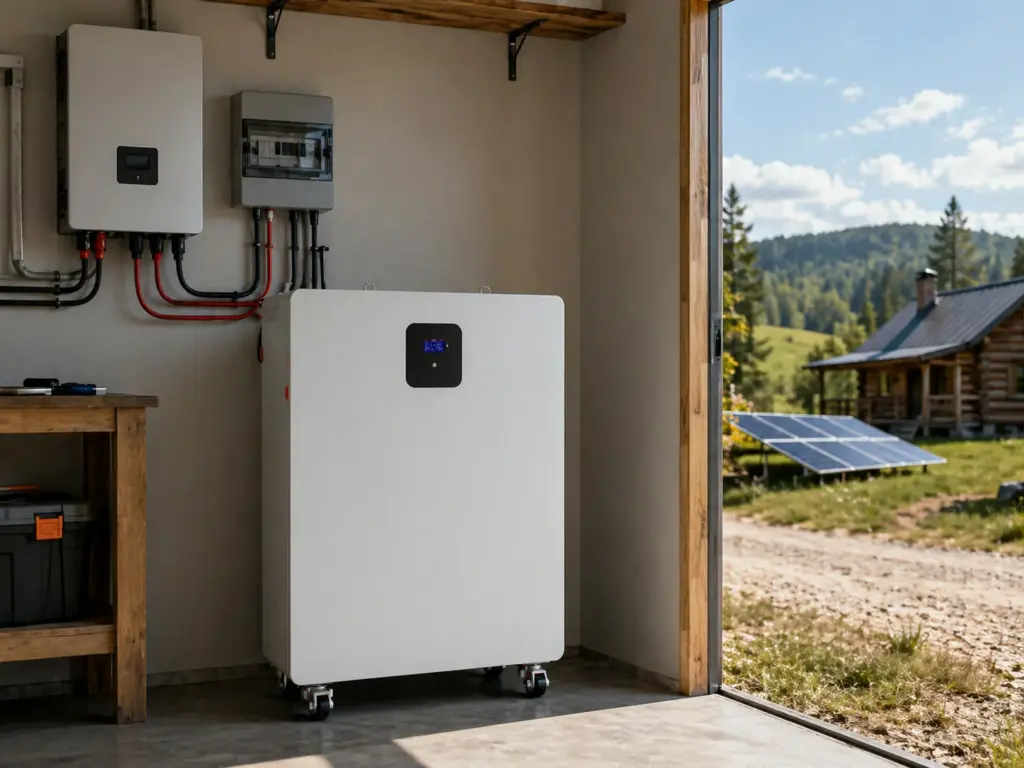
Avepower Recommendation for System Selection
Avepower supports OEM and ODM customization for appearance, capacity, branding, communication protocol and system configuration, which can help partners build more suitable storage solutions for different regional markets.
Battery Storage: The Biggest Difference Between On-Grid and Off-Grid Solar
Battery storage is optional for an on-grid solar system, but it is essential for an off-grid system.
A battery does three important things:
- It stores solar energy for night use.
- It provides backup during outages or low-solar periods.
- It helps increase self-consumption instead of exporting surplus power.
In a grid-connected home, a battery can reduce grid imports, improve backup capability, and support time-of-use energy management. In an off-grid home, the battery is the heart of the system.
Battery Capacity vs Battery Power
Many buyers confuse battery capacity and battery power.
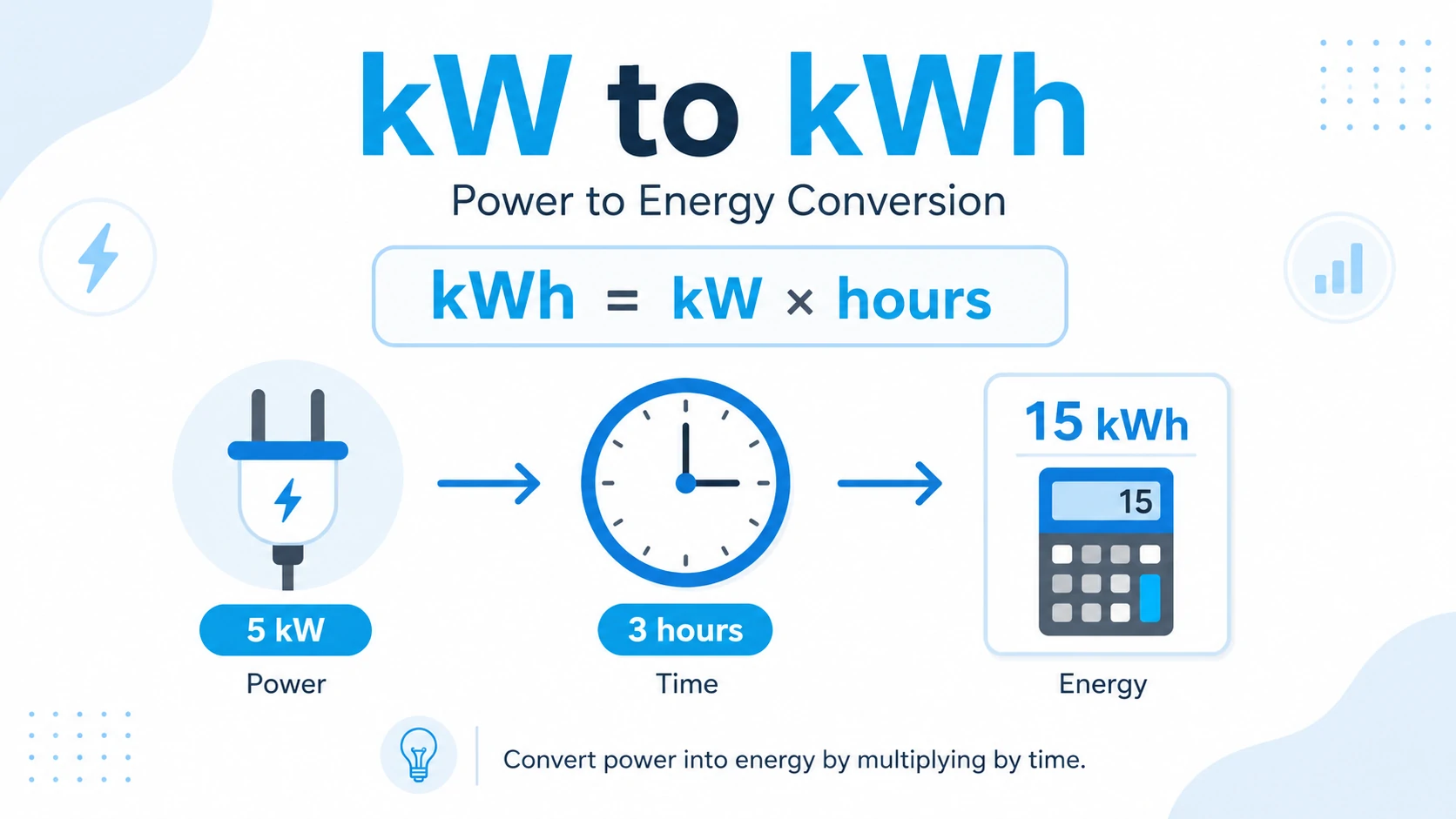
Battery capacity is measured in kWh. It tells you how much energy the battery can store.
Battery power is measured in kW. It tells you how much electricity the battery or inverter can deliver at one time.
For example, a home may need enough kWh to run overnight, but it also needs enough kW to start high-power loads such as pumps, air conditioners, workshop tools, or induction appliances.
You can read more about this difference in Avepower’s guide: kW vs kWh
How Much Battery Capacity Do You Need?
Battery size depends on daily electricity use, backup goals and system type.
A simple sizing method is:
Daily energy use × backup days ÷ usable battery depth ÷ system efficiency = required battery capacity
For example, if a home uses 25 kWh per day and wants two days of backup, the usable energy target is 50 kWh. If the battery system is designed around 90% usable depth of discharge and about 92% system efficiency, the installed battery capacity may need to be around 60 kWh.
This is only a simplified estimate. Real system sizing should also consider:
- Peak power demand
- Starting surge of pumps, motors or compressors
- Winter solar production
- Heat pump or air conditioning loads
- EV charging demand
- Critical load panel design
- Battery voltage and inverter limits
- Expansion space
- Local regulations and installer requirements
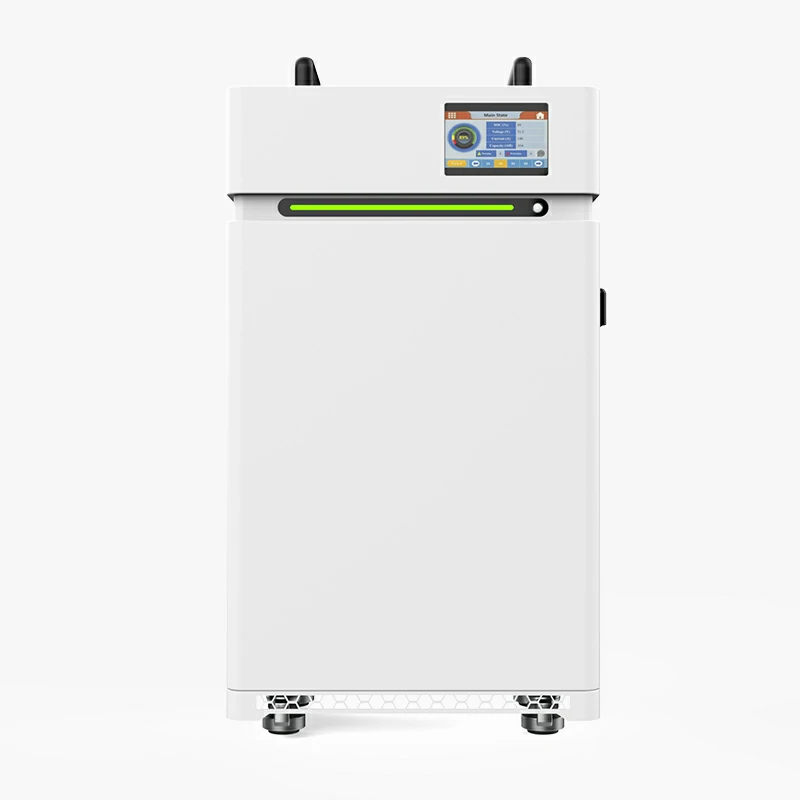
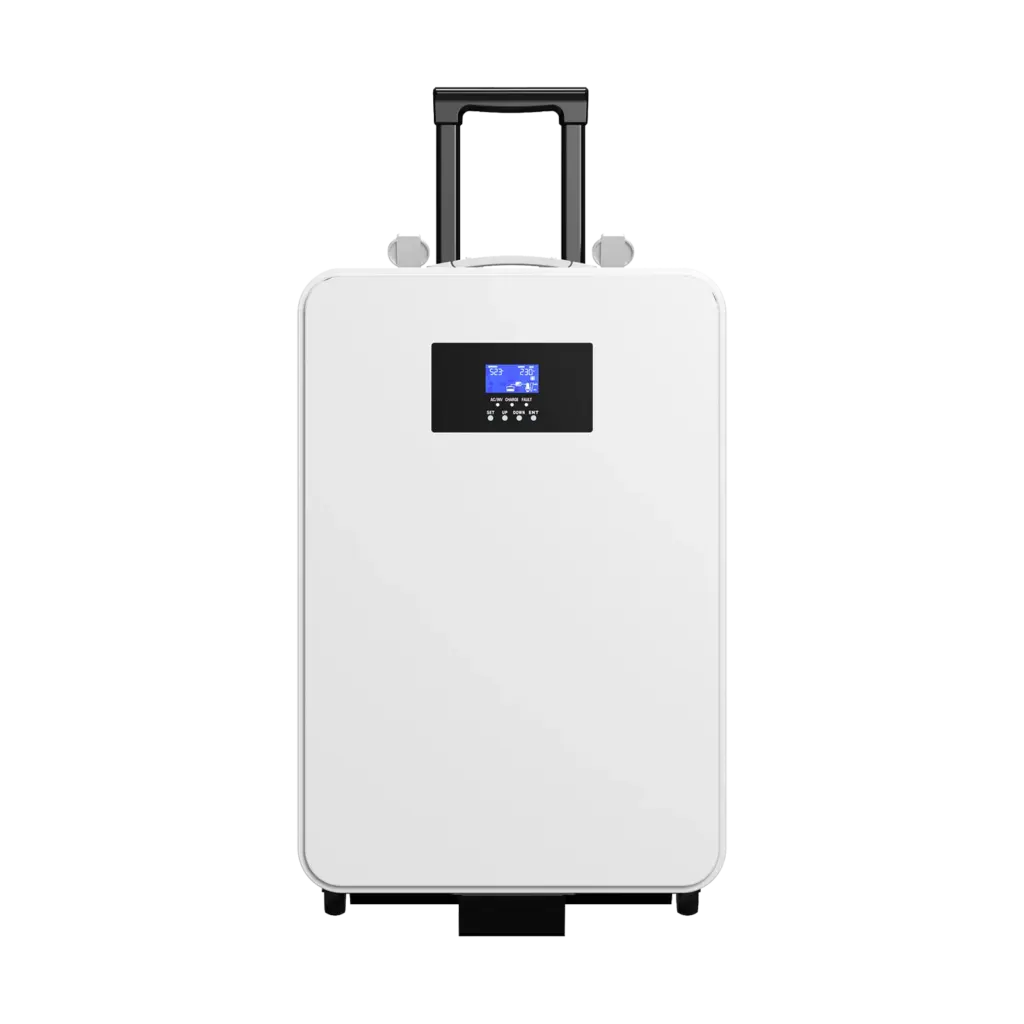
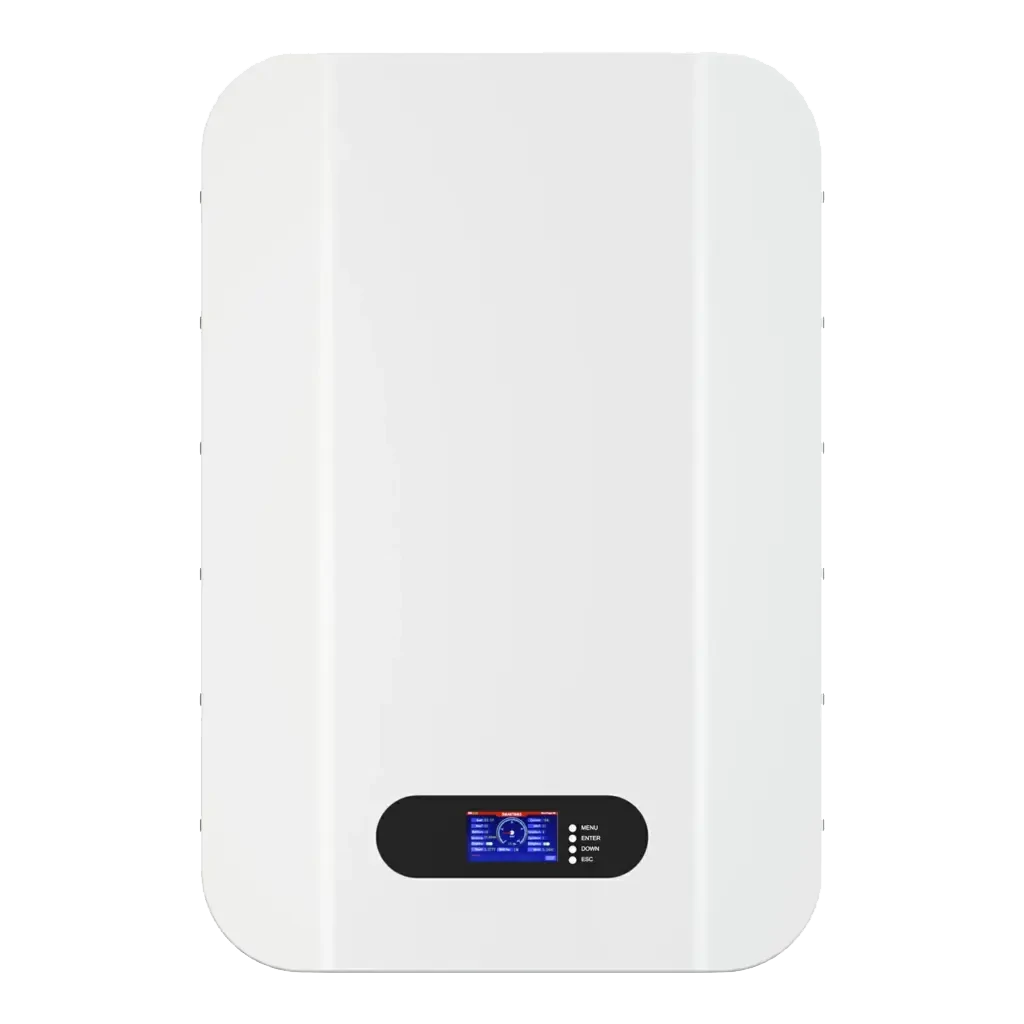
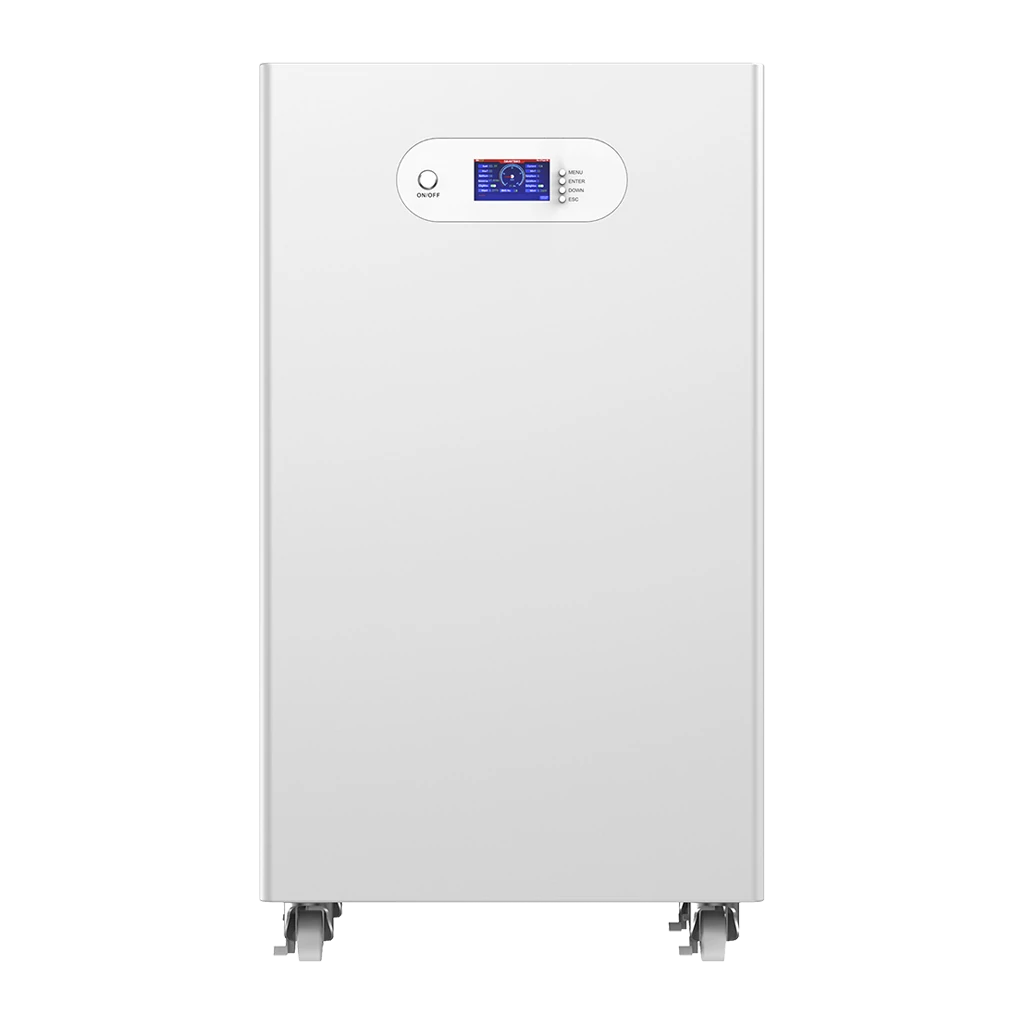
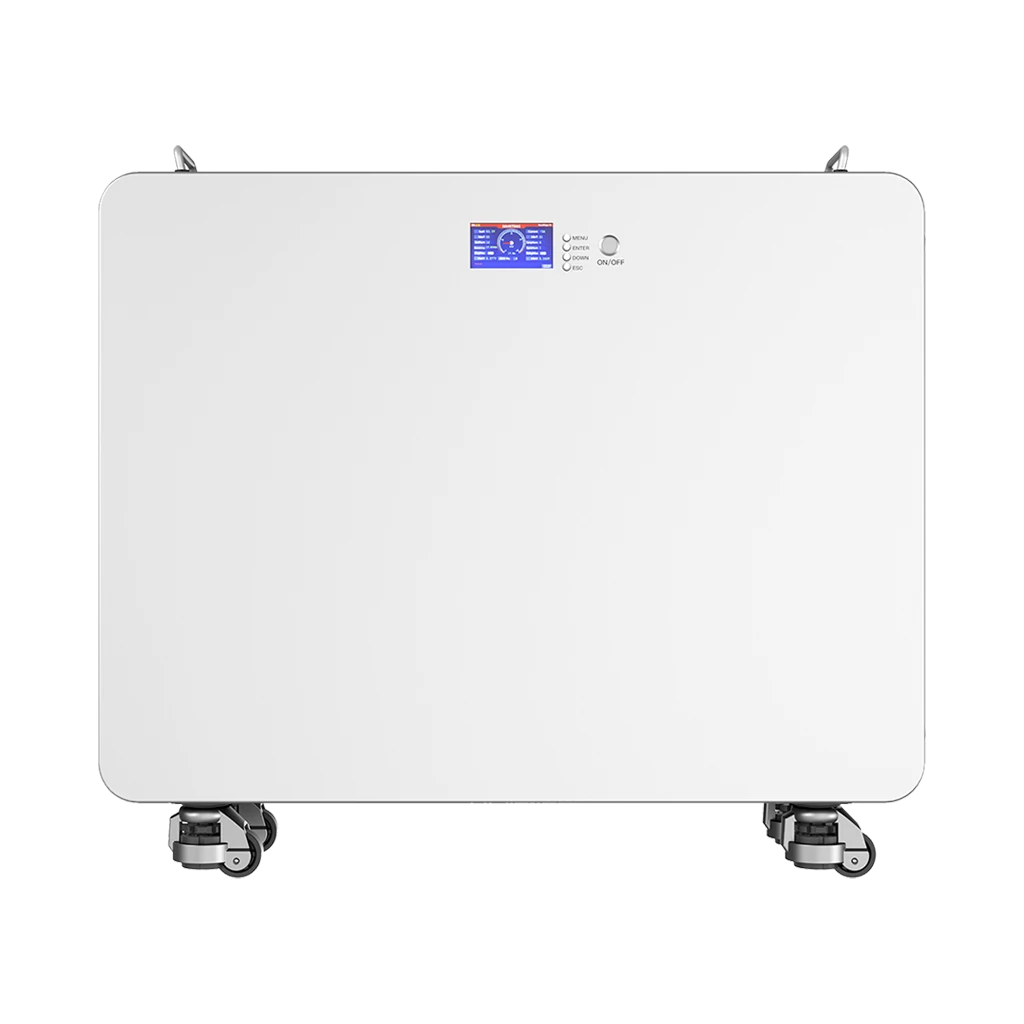
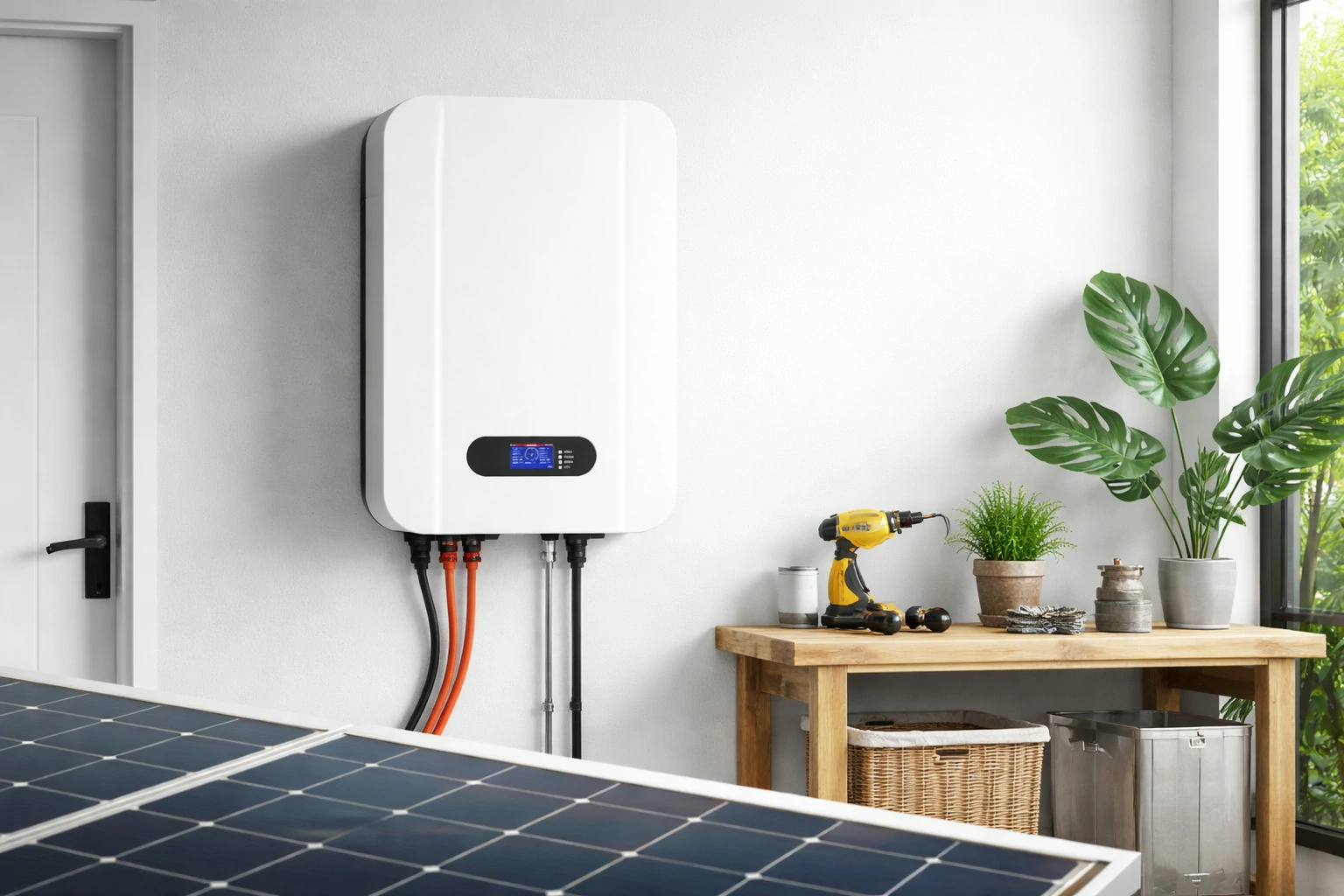
For homes with limited space, a wall mounted battery may be suitable for essential backup. For larger homes or growing energy use, a modular stackable battery or vertical LiFePO4 battery can make future expansion easier. For installer-led equipment rooms, a rack mount battery can simplify layout, maintenance and parallel expansion.
Cost: Which System Is More Affordable?
On-grid solar is usually the most affordable option because it does not require a large battery bank. The system mainly includes solar panels, a grid-tied inverter, mounting, protection devices, wiring and installation.
Off-grid solar has a higher upfront cost because the system must include enough battery capacity and inverter power to operate independently. It may also require a generator, larger solar array, heavier electrical protection and more detailed engineering.
Hybrid solar sits between the two. It costs more than a basic on-grid system because of the battery and hybrid inverter, but it usually costs less than a fully off-grid system designed for several days of autonomy.
In markets such as Australia, solar battery prices are updated regularly by comparison platforms. The Solar Choice Battery Price Index is one reference point for current installed battery pricing trends, although actual project cost depends heavily on product selection, installation complexity, usable capacity, inverter design and local incentives.
Think About Lifetime Value, Not Only Upfront Cost
A cheaper solar system is not always the better system. For energy storage projects, the real value depends on usable capacity, battery cycle life, warranty terms, system compatibility, service support and how much energy the customer can actually use.
For example, a low-cost on-grid system may have a fast payback but no backup value. A full off-grid system may be expensive but necessary where the grid is unavailable. A hybrid system may deliver the best lifetime value where evening electricity prices are high and outages are becoming more frequent.
Avepower’s suggestion is to evaluate four numbers before choosing:
- Daily kWh consumption
- Peak kW demand
- Required backup hours
- Future load growth
These four numbers are more useful than choosing a battery by price alone.
Final Thoughts
The best off-grid and on-grid solar system choice depends on grid access, budget, backup expectations, and energy habits.
An on-grid solar system is usually the most affordable way to reduce electricity bills if the local grid is reliable. An off-grid solar system is best for remote sites or users who truly need independence from utility power. A hybrid solar system is often the most practical option for homeowners who want both solar savings and backup power.
The key is not to choose based on a label. Choose based on load profile, backup requirement, battery capacity, inverter compatibility, and long-term energy growth.
If you are planning a residential solar battery project, installer program, distribution project, or OEM/ODM energy storage solution, Avepower can help match LiFePO4 battery capacity, BMS communication, inverter compatibility, and system configuration to your project needs.
Take Control of Your Energy with Avepower!
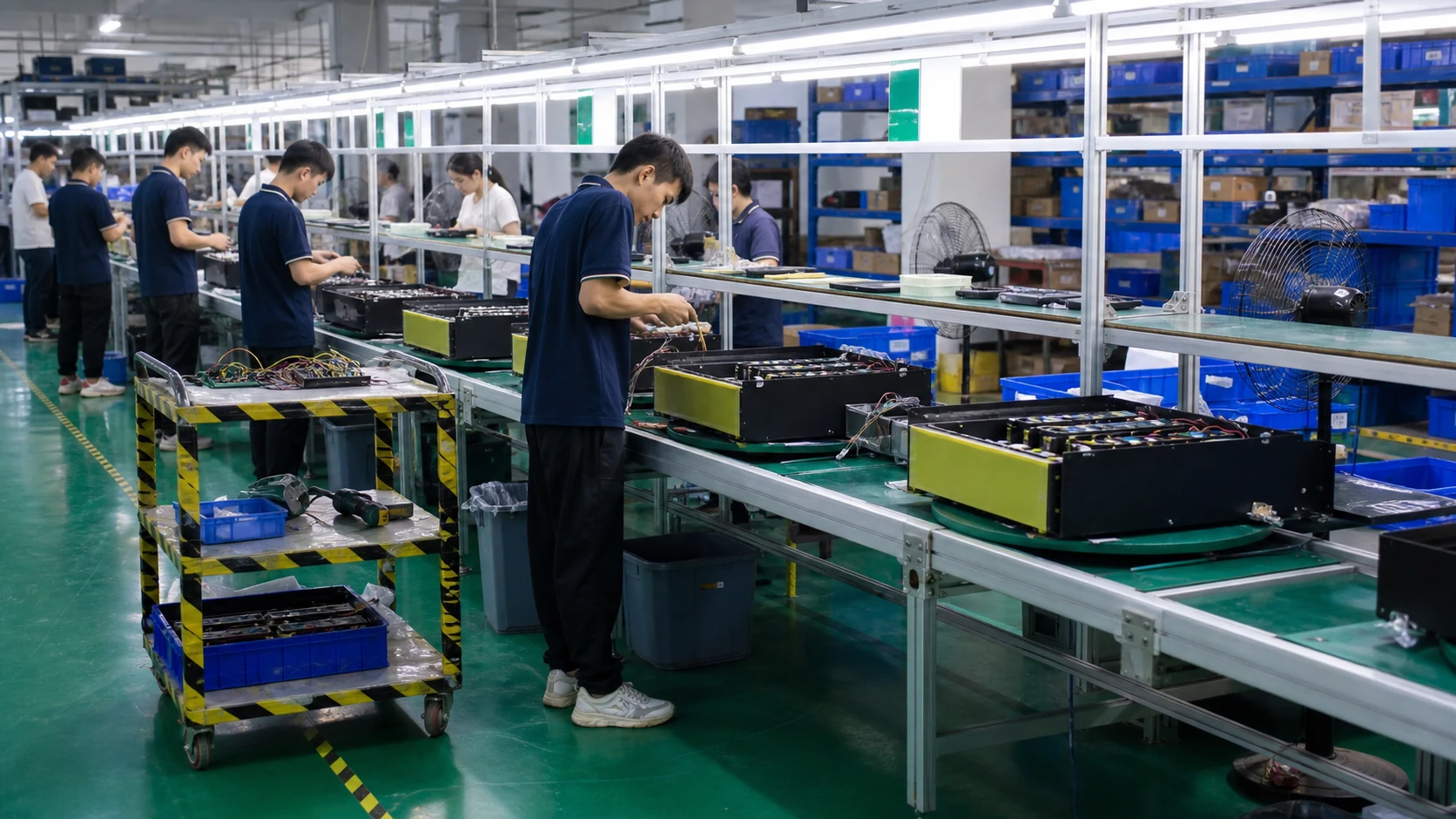
Reliable home solar battery solutions with OEM/ODM customization and in-house manufacturing, tailored to the needs of distributors, installers, and energy partners.
FAQ
An on-grid solar system is connected to the public electricity grid. It uses solar panels to power your home during the day, sends any extra energy back to the grid, and draws electricity from the grid when solar production is insufficient.
Off-grid systems are ideal for homes or businesses in remote locations without grid access or for those wanting full energy independence by relying solely on solar panels and battery storage.
On-grid systems usually have lower upfront costs because they don’t require expensive batteries. Off-grid systems need batteries and additional equipment, making them more costly initially.
Off-grid systems store excess solar energy in batteries during the day. These batteries supply power during nighttime or cloudy days to maintain a steady electricity supply.
No. For safety, on-grid systems automatically shut down during power outages to prevent backfeeding, meaning they don’t provide electricity when the grid is down.