
Lithium‑ion batteries power almost everything in modern life — from smartphones and laptops to electric vehicles and home solar storage systems. Understanding lithium ion battery life is essential for choosing the right battery, maintaining it properly, and maximizing its performance and longevity. In this guide, we break down how long lithium‑ion batteries last, what affects their lifespan, and practical steps to extend their life.
What Is Lithium‑Ion Battery Life?
Lithium‑ion battery life refers to how long a battery can perform before its capacity and performance significantly degrade. There are two main ways to measure this:
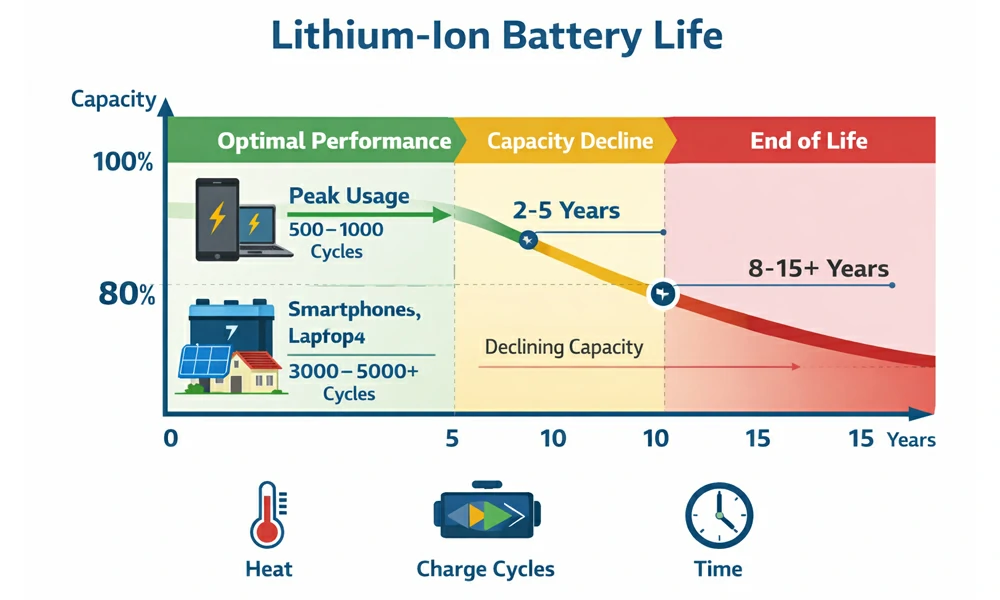
- Cycle Life — how many times a battery can be fully charged and discharged before its capacity drops to a key threshold (usually around 80% of original capacity).
- Calendar Life — total time a battery lasts regardless of cycle count, including aging that happens even when the battery isn’t used.
Unlike older battery technologies such as lead‑acid, lithium‑ion batteries degrade gradually. Over time, their ability to hold a charge declines, influenced by chemistry, usage, and environmental conditions.
How Long Do Lithium‑Ion Batteries Last?
Different types of lithium‑ion chemistries and applications exhibit different lifespan expectations:
- Standard Lithium‑Ion (Li‑ion) — found in phones and laptops: typically 2–10 years depending on use.
- Lithium Iron Phosphate (LiFePO4) — common in solar systems, energy storage, and RV batteries: often 10–15+ years thanks to superior stability and cycle life.
- Other chemistries (LiPo, LiMnO₂, etc.) may range 2–7 years depending on design and usage.
Consulting manufacturer specifications provides the most accurate expectation for any specific battery model, as lifespan claims depend on design and quality.
Understanding Battery Cycles
A “cycle” means one full discharge and recharge. Batteries are usually rated for the number of cycles to reach around 80% of original capacity, which is considered the end of their useful life in many use cases.
Example cycle life figures:
| Battery Type | Typical Lifespan | Cycle Life |
|---|---|---|
| Standard Lithium‑Ion | 2–10 Years | ~500–2,000 cycles† |
| LiFePO4 (LFP) | 10 Years | ~4,000–8,000+ cycles† |
| High‑end LiFePO4 designs | 15 Years | Up to ~15,000 equivalent partial cycles† |
| LiPo (Lithium Polymer) | 2–5 Years | Lower than LiFePO4 |
| LiMn₂O₄ | 2–7 Years | Moderate |
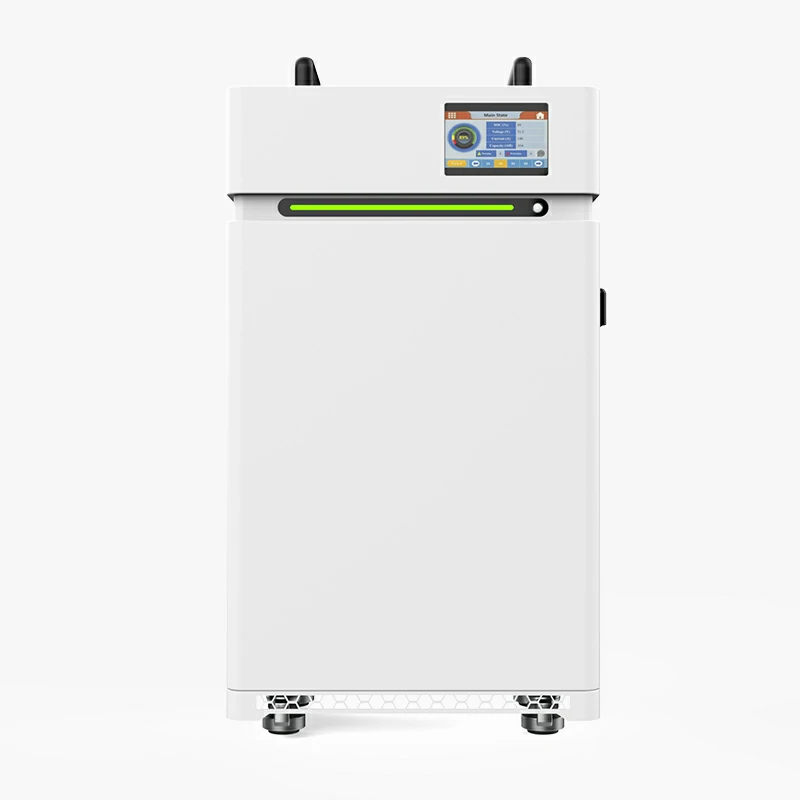
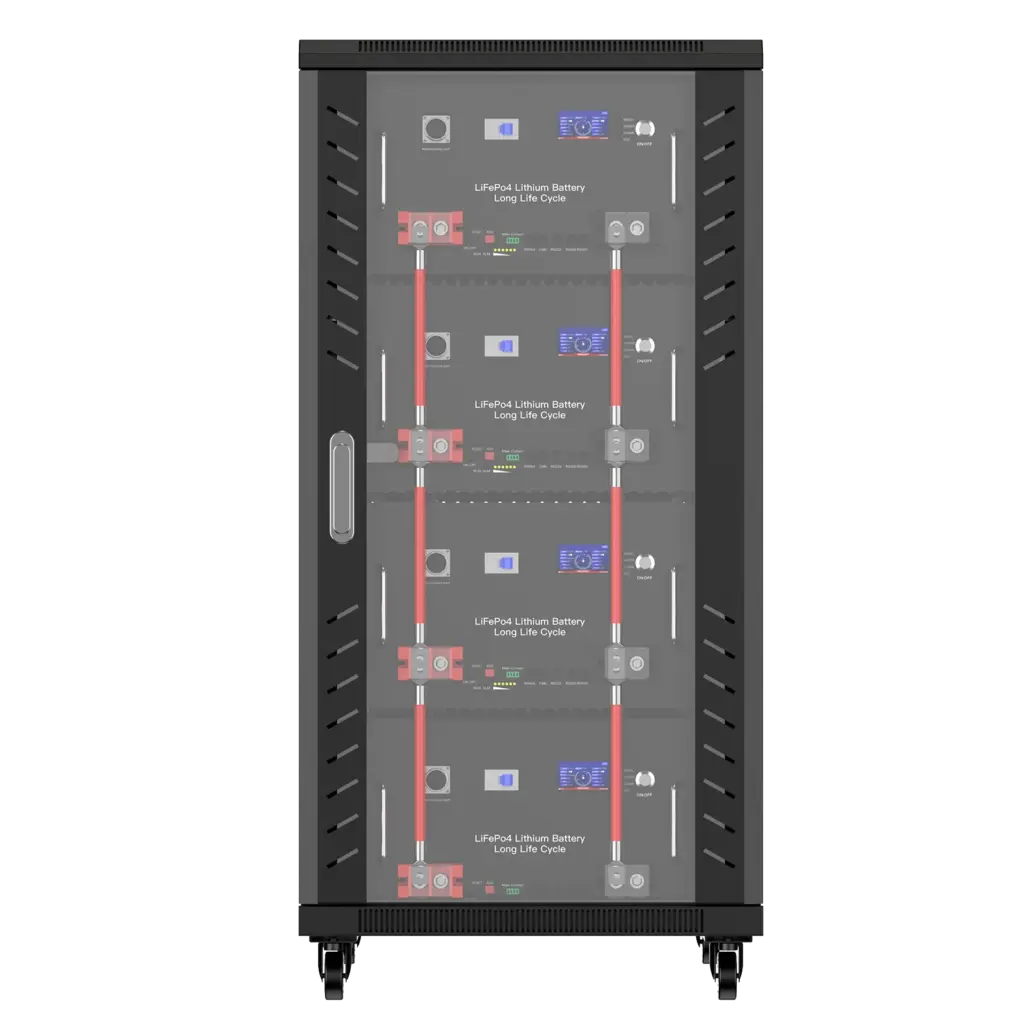
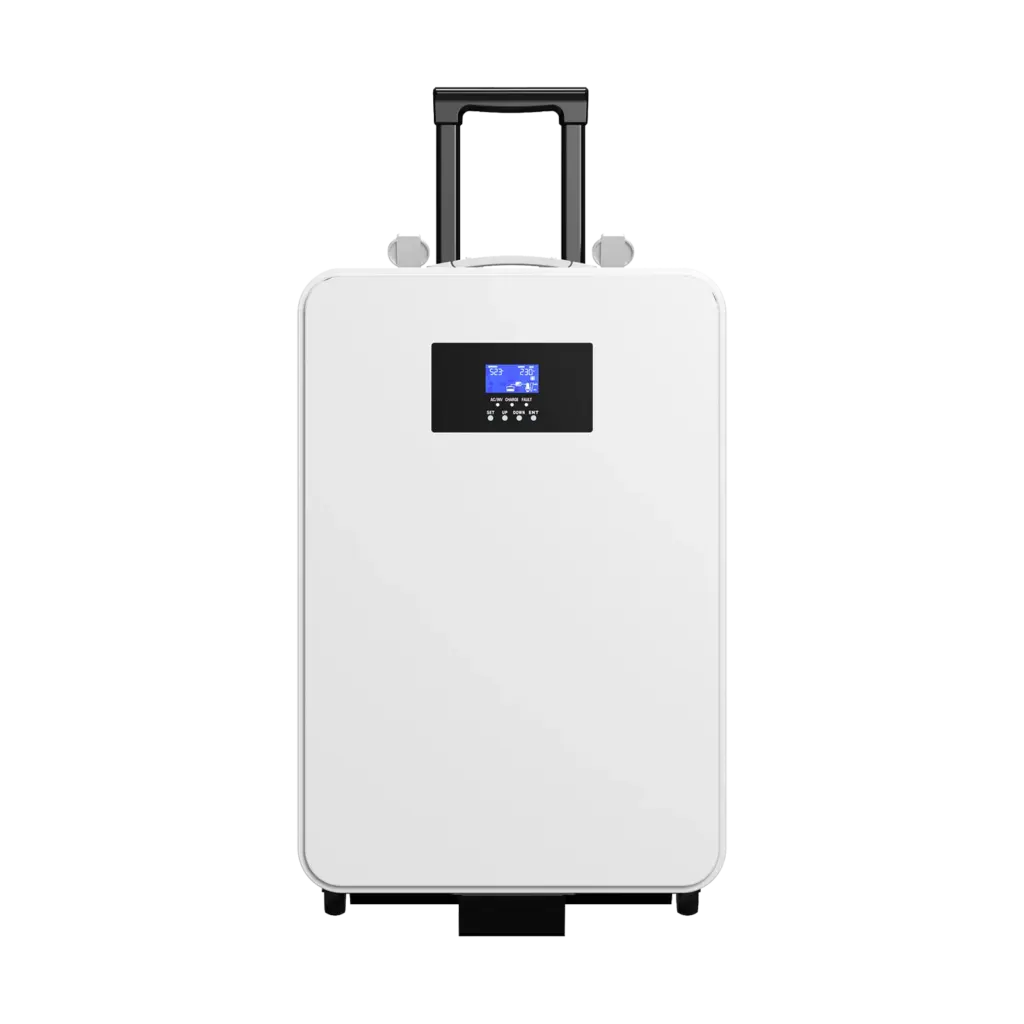
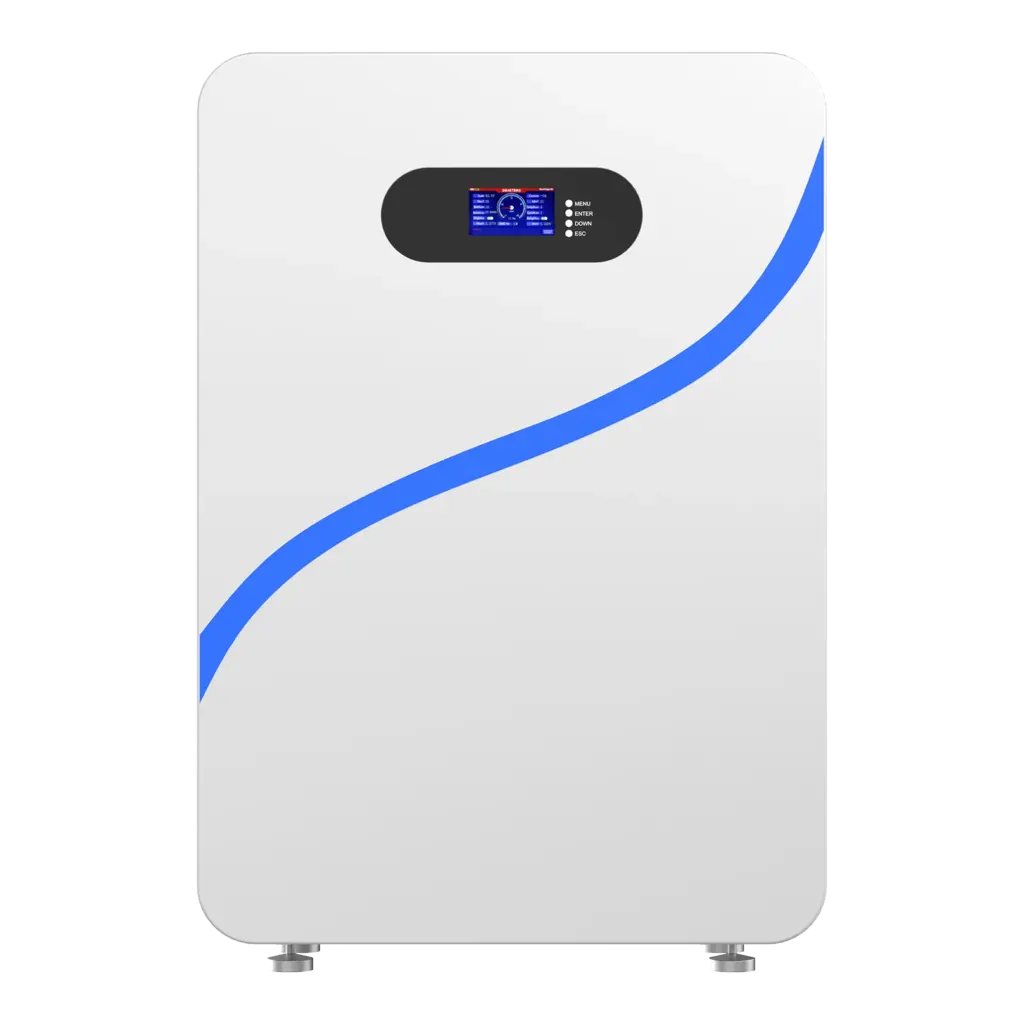
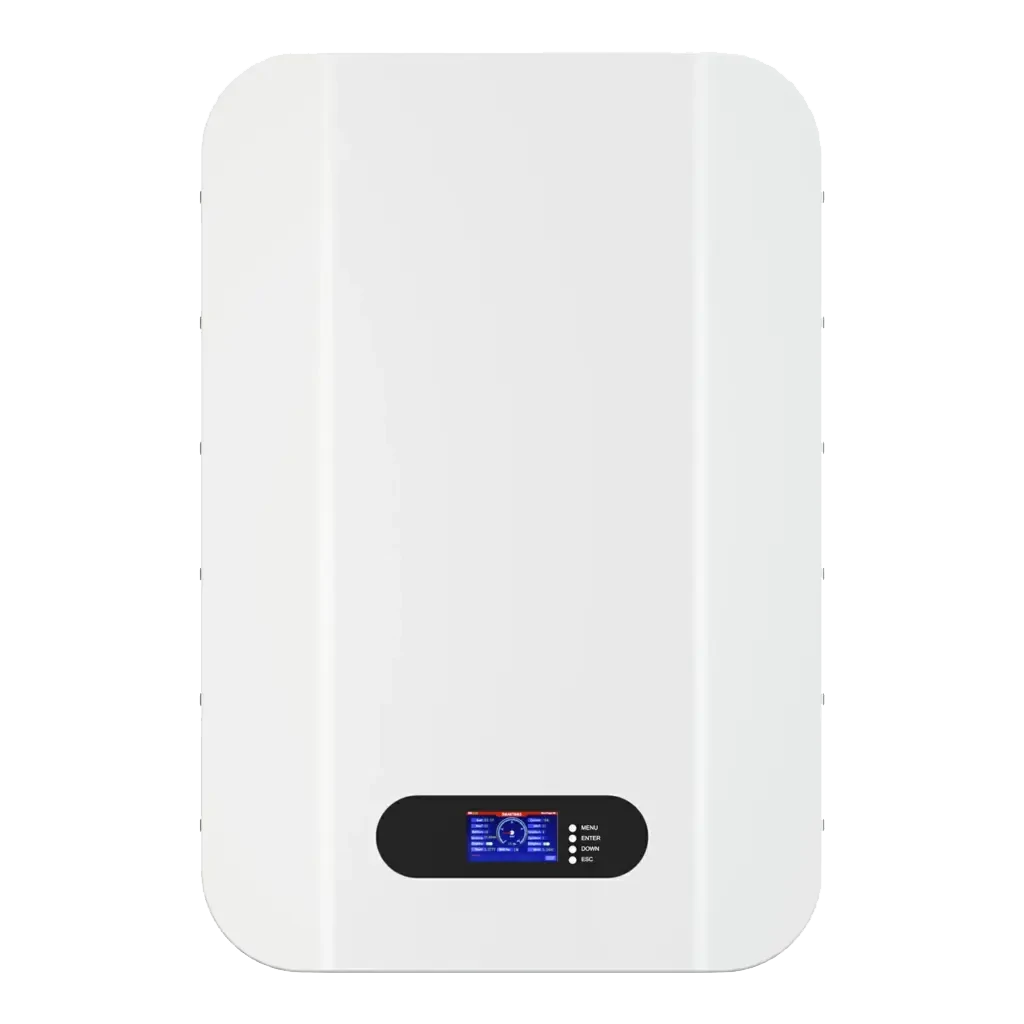
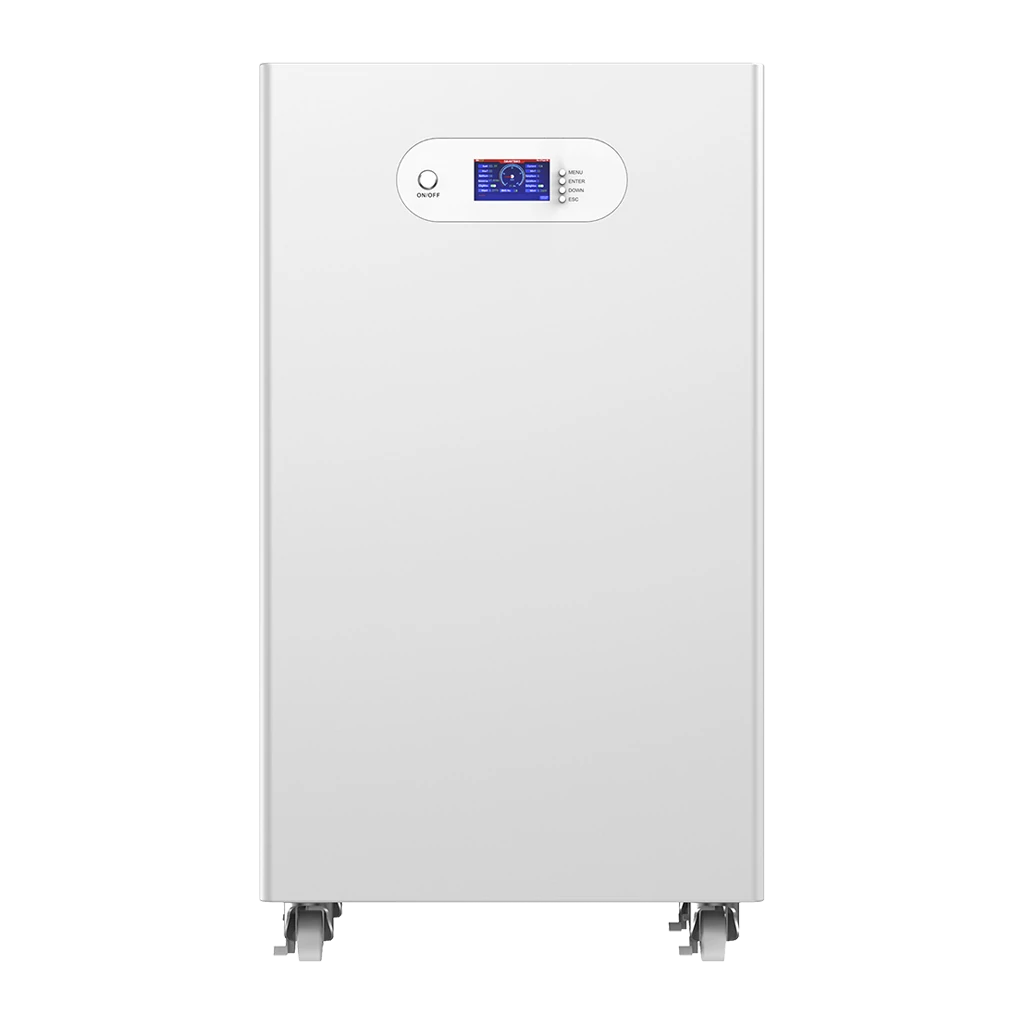
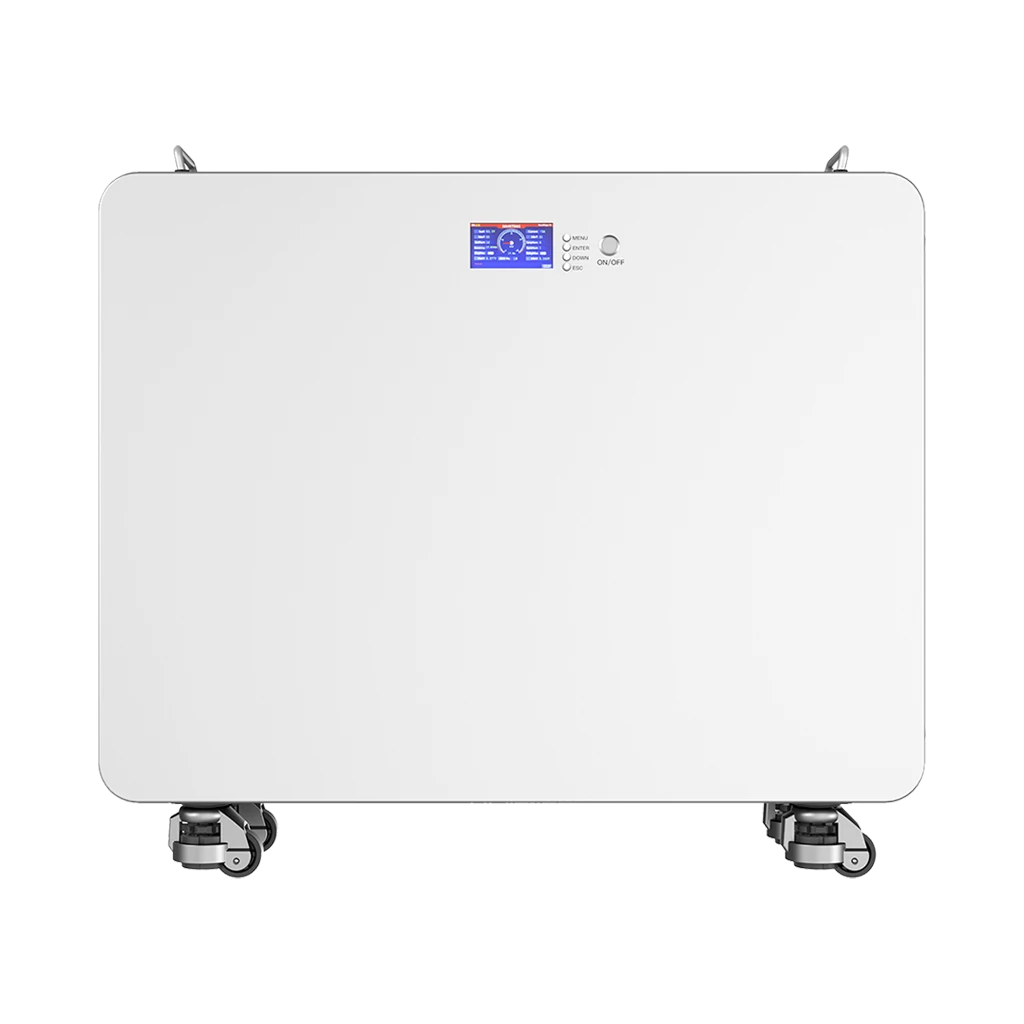
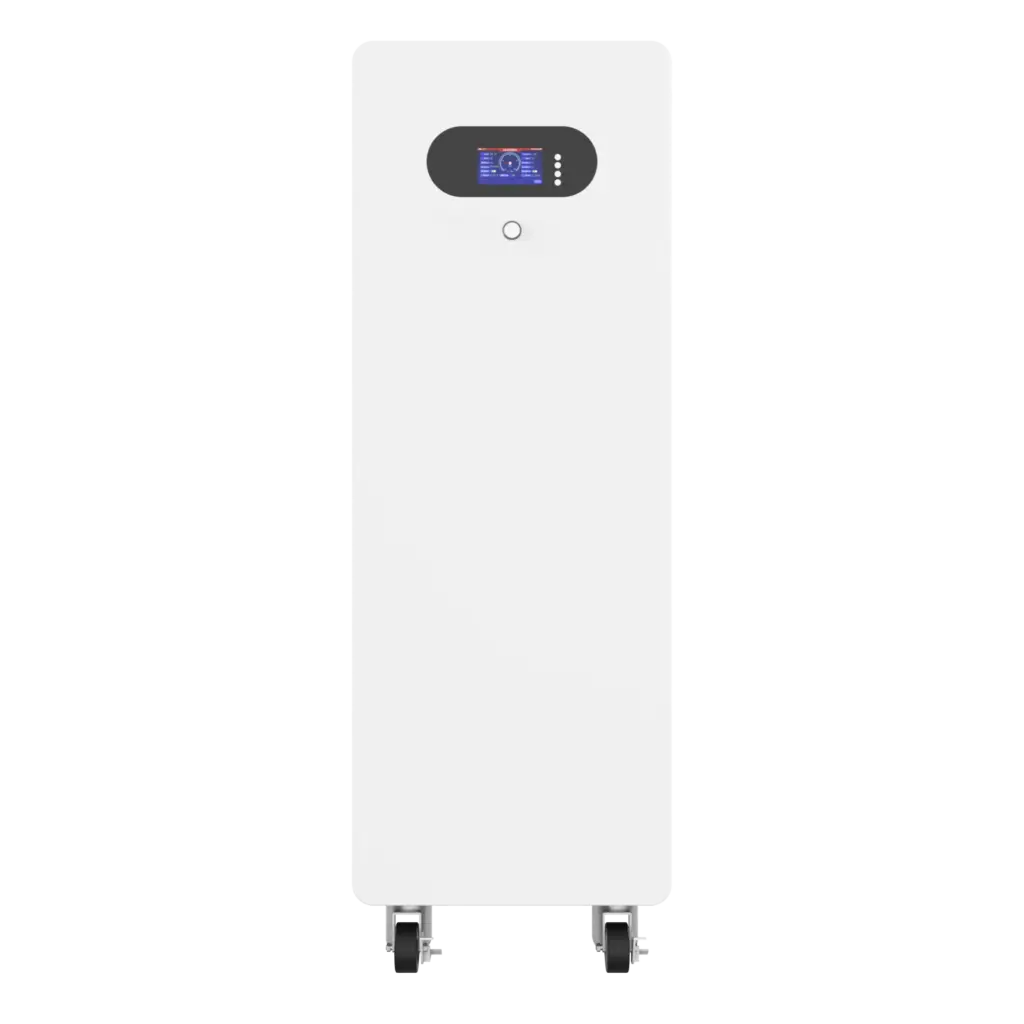
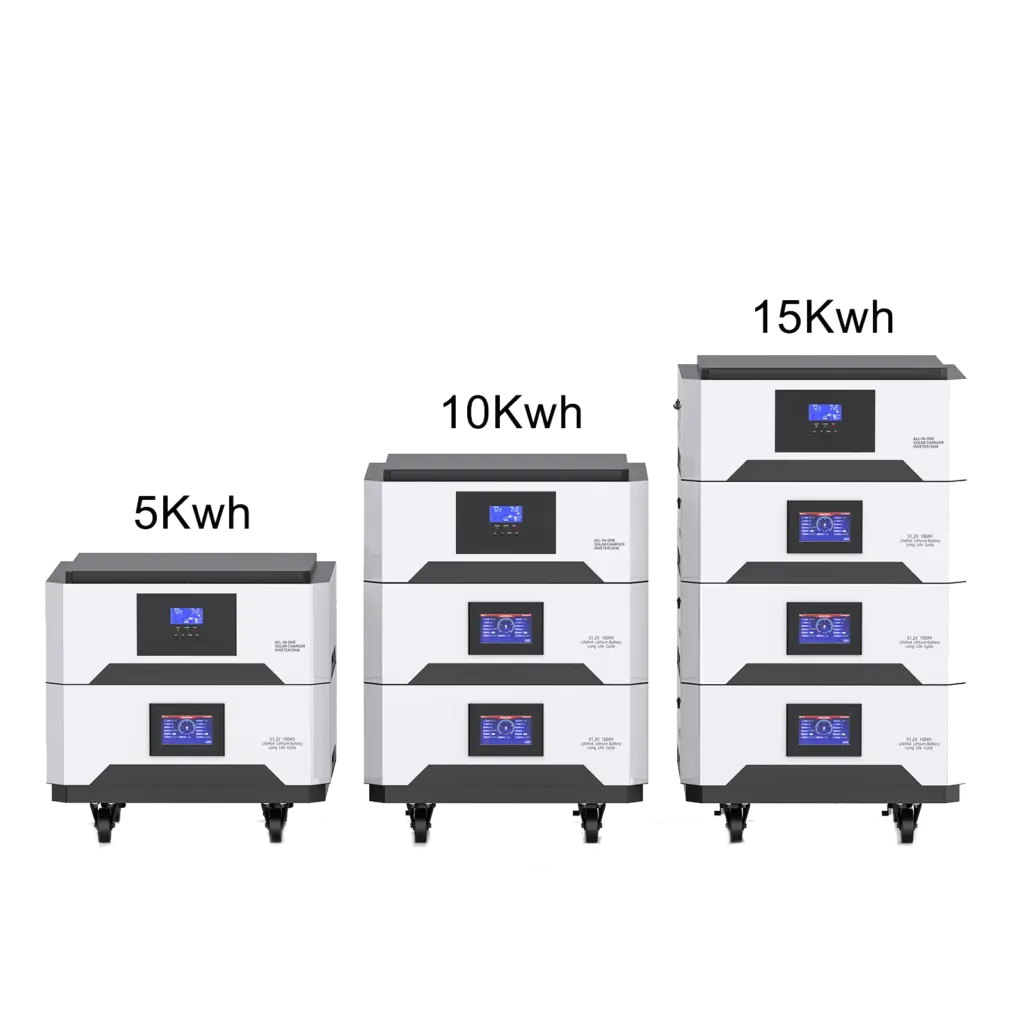
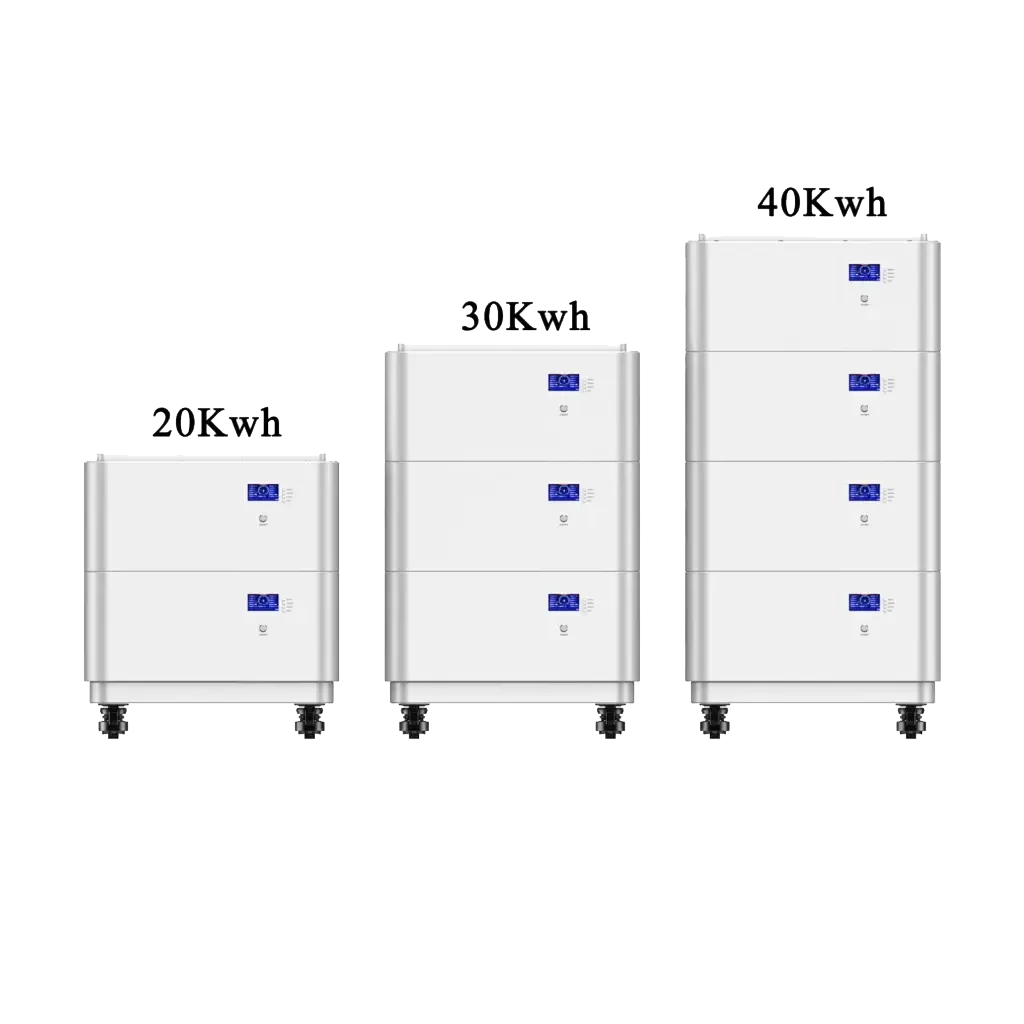
Many high-quality lithium iron phosphate (LiFePO4) batteries used in solar energy storage applications, such as renewable energy power plants, are rated for over 4,000–8,000 cycles under proper use, which means a service life of more than 10 years under typical daily usage. For example, the Avepower LiFePO4 solar battery series uses lithium iron phosphate technology, and after 8,000 full cycles, it still retains at least 80% of its original capacity.
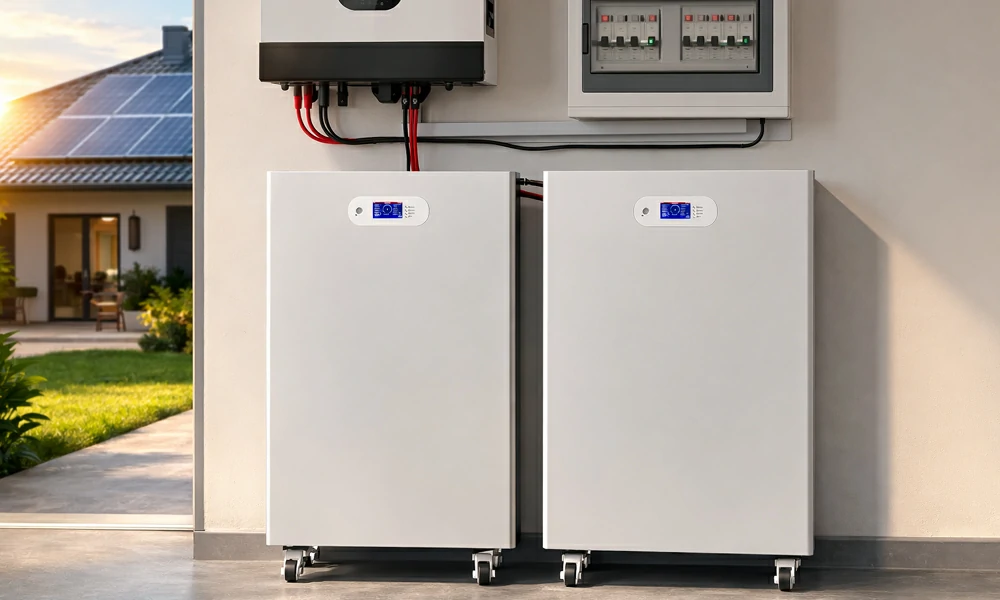
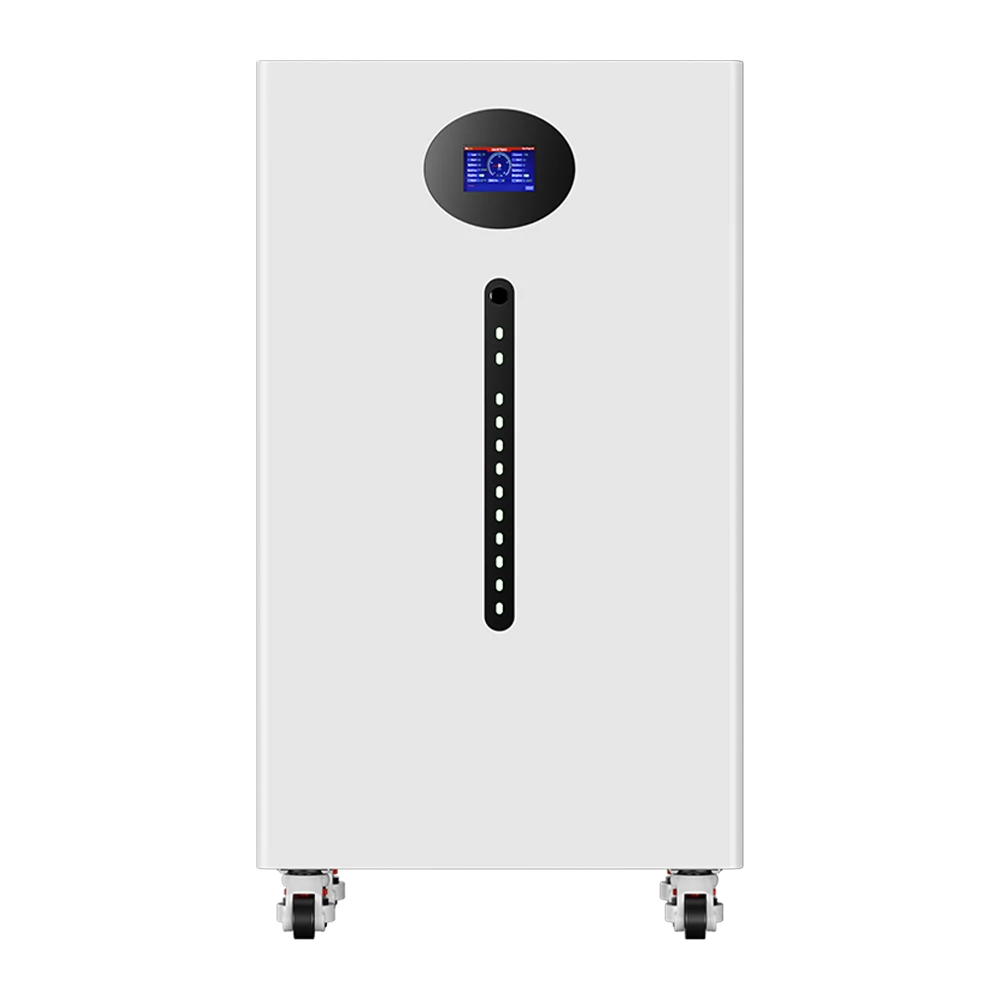
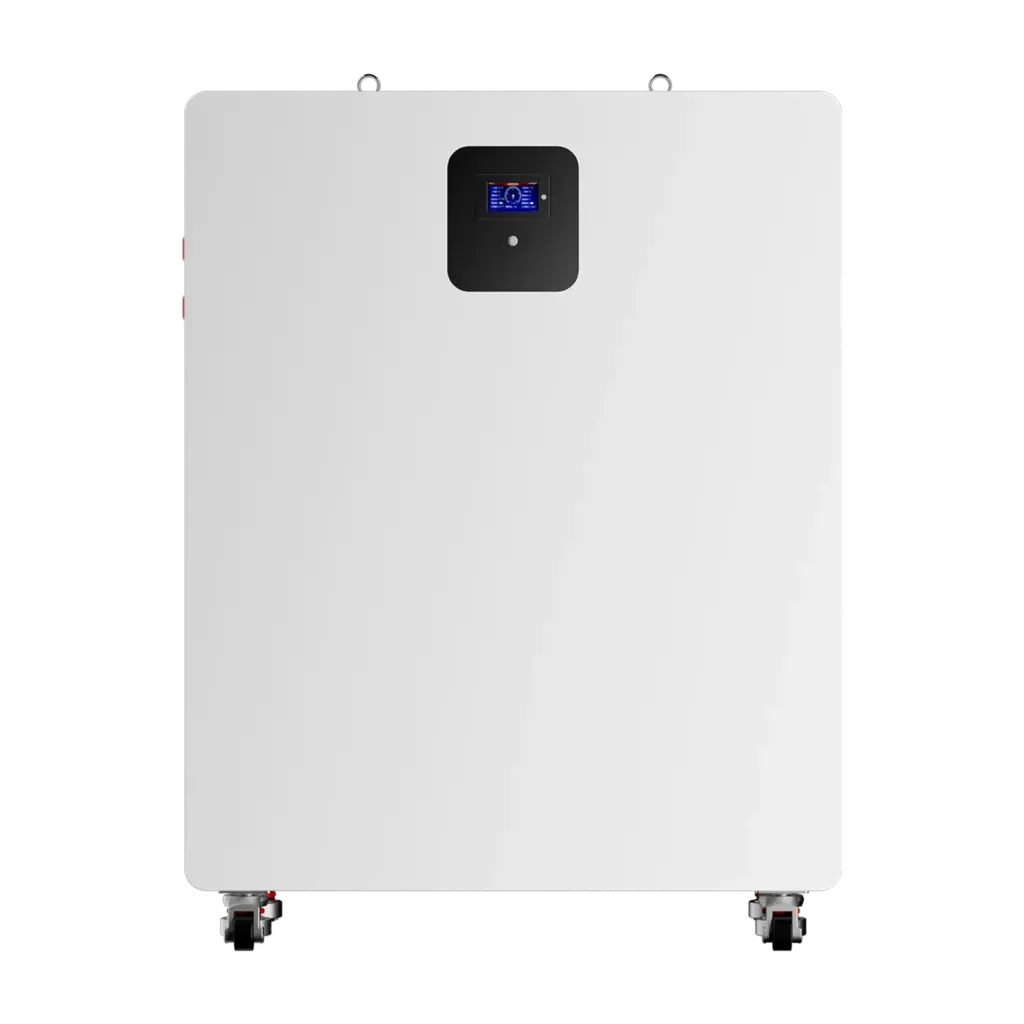
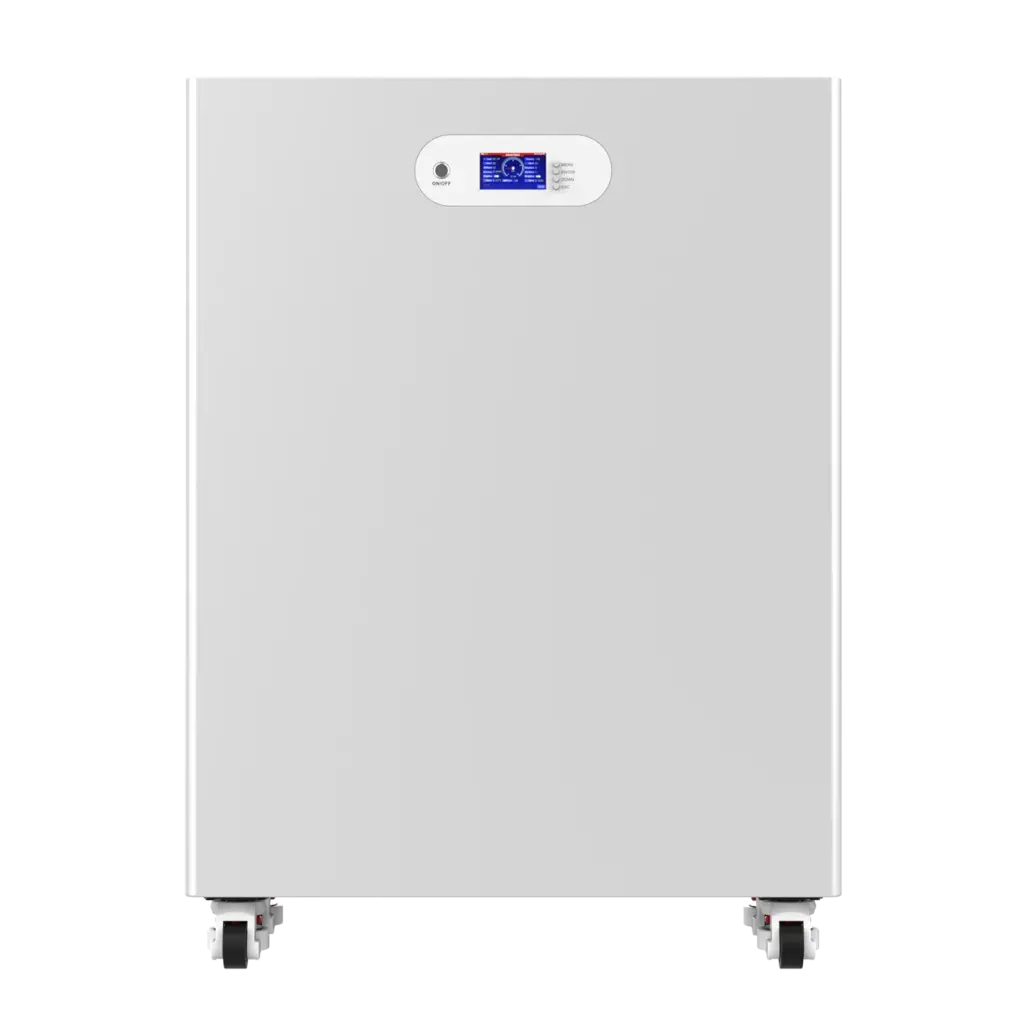
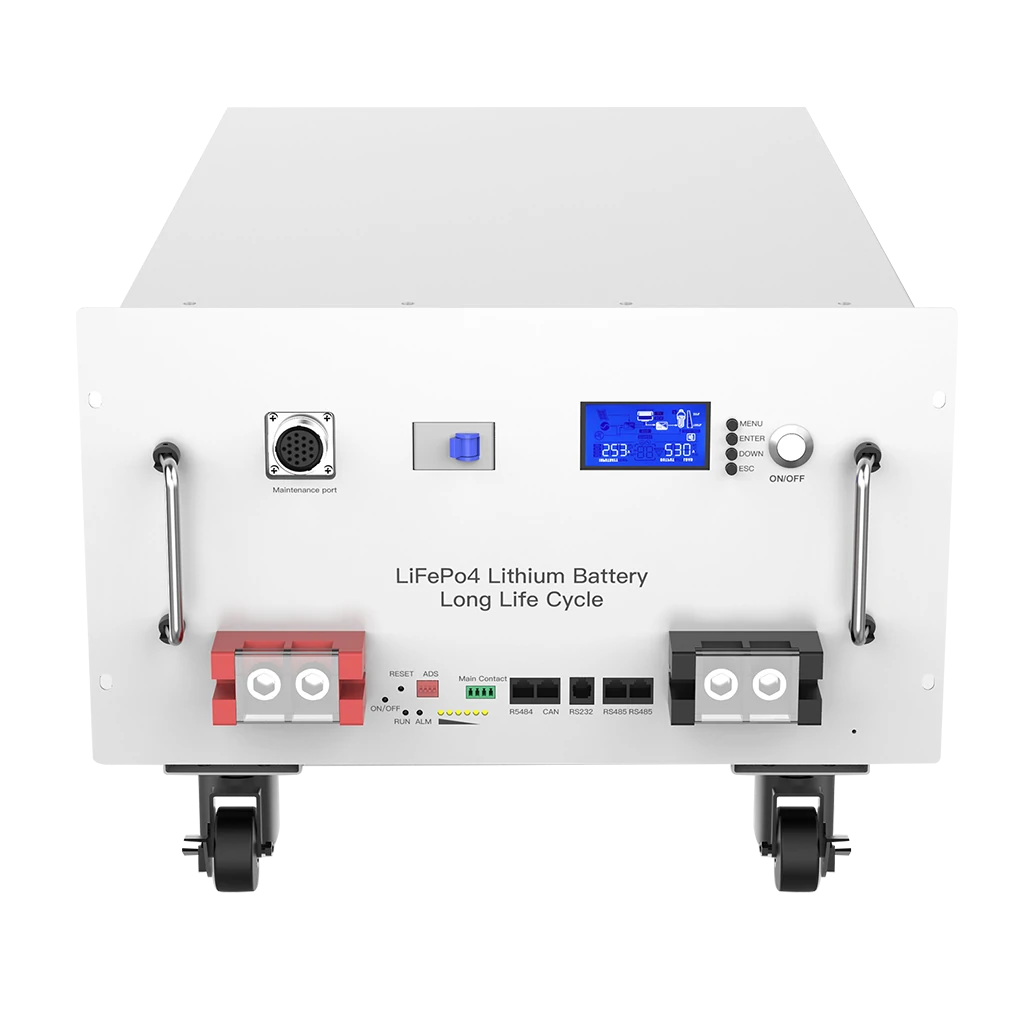
Avepower LiFePO4 Home Storage Battery
- Battery type: LiFePO4 (Lithium Iron Phosphate)
- System energy: 15kWh
- Nominal voltage: 48V class system
- Cycle life: Up to 8000+ cycles @ recommended depth of discharge
- Protection: Over-charge, over-discharge, over-current, short-circuit
What Factors Affect Lithium‑Ion Battery Life?
Several variables influence how fast lithium‑ion batteries age:
1. Temperature
Temperature is one of the most critical factors affecting lithium-ion battery lifespan. Batteries generally achieve the longest cycle life near room temperature, while exposure to high or low temperatures can significantly reduce lifespan. For consumer devices, temperatures above 35°C (95°F) can permanently degrade battery capacity, whereas cold environments temporarily reduce runtime until the battery warms up.
If you are selecting a solar battery capable of handling real-world conditions, Avepower’s LiFePO4 solar batteries are an excellent choice. They are designed with a wide operating temperature range:
- Charging temperature: 0°C to 55°C
- Discharging temperature: -20°C to 55°C
Within these limits, the batteries can safely charge on cold mornings and reliably power your loads during hot summer days.
2. State of Charge and Extended Full Charge
Batteries kept at full charge for extended periods tend to age faster than those undergoing more moderate charge cycles. Most modern solar batteries include overcharge protection, automatically stopping charging when the battery reaches full capacity, making overnight charging generally safe.
However, staying at 100% state of charge for long periods, especially in high temperatures, can accelerate chemical aging. Partial charging strategies are often more favorable for long-term battery health.
3. Depth of Discharge (DoD)
Depth of Discharge (DoD) is a major factor influencing battery longevity. Shallow or partial discharges are much gentler on lithium-ion batteries than repeated deep discharges. Regularly depleting a battery near 0% is more damaging than recharging before it is fully drained.
Best practice: recharge before the battery drops to 0%. Charging within 20–80% or 30–80% ranges is generally friendlier to battery chemistry than frequent full-cycle (0–100%) operation.
4. Charge and Discharge Rate
Frequent rapid charging or discharging can shorten battery life. High C-rates generate more heat, accelerating chemical wear and reducing long-term cycle life.
This does not mean fast charging should always be avoided — it is valuable when quick energy replenishment is needed. However, for maximizing lifespan, moderate charging rates are typically preferred.
5. Storage Conditions
Storage is often an overlooked factor affecting battery longevity. Storing a fully discharged battery can lead to deep discharge damage, while storing fully charged batteries at high temperatures can reduce capacity over time.
Avepower recommends storing batteries at 40–60% charge and avoiding both fully drained or fully charged storage in hot environments. For optimal long-term storage performance:
- 1 month: 0–45°C
- 3 months: 0–35°C
- 6 months: 0–25°C
Temperature, charge level, and storage location are all critical for maintaining battery health during extended periods of inactivity.
6. Battery Management System (BMS) and Charger Quality
A quality Battery Management System (BMS) protects against harmful overcharge, over-discharge, unsafe current, and temperature conditions. Modern lithium-ion batteries, particularly high-capacity packs, rely on BMS as a primary reason for their enhanced safety and durability compared to traditional batteries. For example, Avepower LiFePO4 solar batteries feature an integrated BMS that safeguards battery health.
Using the correct charger and following manufacturer-specified voltage and current limits helps reduce unnecessary heat and degradation. Improper charging may not immediately damage the battery but can accelerate long-term wear.
How to Extend Lithium‑Ion Battery Life?
Maximizing your battery’s useful lifespan involves mindful usage and smart habits. Here are key practices:
1. Keep the Battery Cool
Avoid charging or storing your device in hot environments, such as inside a car under direct sunlight or under pillows. High temperatures are one of the fastest accelerators of lithium-ion battery aging. Avepower recommends keeping battery temperature below 35°C (95°F) and using batteries near room temperature whenever possible.
2. Minimize Time at Extreme or High Charge Levels
Regularly charging from 0% to 100% is more stressful for the battery than operating within moderate charge levels. Maintaining a mid-range state of charge is healthier for long-term battery performance than keeping the battery fully charged for extended periods.
3. Avoid Unnecessary Deep Discharges
Lithium-ion batteries do not need to be fully drained (0%) before recharging. Partial charges are gentler, and recharging before the battery is fully depleted helps preserve battery chemistry over time.
4. Use Gentler Charging Methods When Possible
If fast charging is not required, opt for moderate or slower charging methods. While rapid charging is convenient, repeated high-speed charging generates heat and accelerates wear. Nighttime slow charging is generally more beneficial for battery longevity.
5. Store Batteries Properly During Long Periods of Inactivity
For long-term storage, keep the battery around 40–60% charge, store in a cool, shaded place, and perform periodic maintenance charging. This is far better than leaving the battery fully drained or fully charged for extended periods.
6. Rely on a Reliable BMS for Large Packs
For high-capacity batteries, always use packs equipped with a quality BMS. A BMS actively protects the battery against abnormal voltage, current, and temperature conditions, ensuring that the battery is more likely to achieve its rated lifespan in real-world use.
Signs a Lithium-Ion Battery Is Nearing Replacement
Aging batteries usually do not fail all at once. More often, they show up as shorter runtime, weaker performance under load, or unexpected shutdowns in cold conditions. If those symptoms are frequent and the battery no longer meets your needs, replacement is usually the practical answer.
Upgrade to Avepower Lithium Solar Batteries
For distributors, EPC contractors, and energy solution providers, choosing the right battery partner is critical to delivering long-term value to your customers.
Avepower’s LiFePO4 lithium solar batteries are engineered to meet demanding project requirements with 8,000+ cycle life, high safety standards, and reliable performance in real-world applications. Whether you’re supplying residential systems or managing large-scale installations, our solutions are built to support your business growth.
With products like the 15kWh solar battery featuring 200A continuous discharge, Avepower ensures consistent power delivery and long service life—helping you reduce maintenance costs and increase customer satisfaction.
Partner with Avepower Today
- Stable supply for bulk orders
- Competitive distributor pricing
- Customization support for OEM/ODM projects
- Technical support for system integration
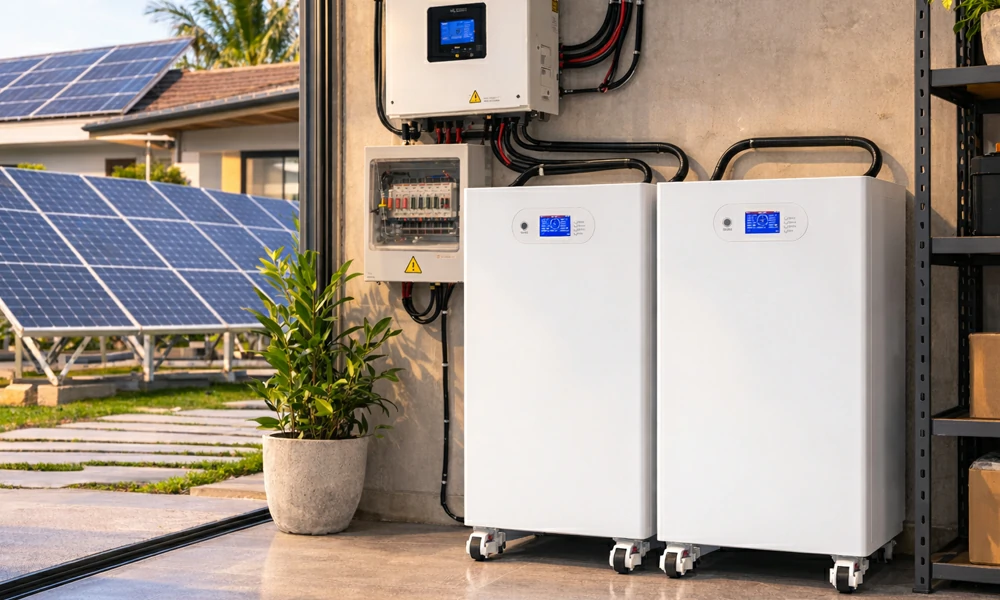
Avepower Lithium Solar Batteries
With more than 8,000 cycles, Avepower batteries significantly outperform conventional lithium-ion solutions, reducing replacement frequency and long-term costs.
FAQ
Yes. Lithium-ion batteries age with time as well as use. That is calendar aging, and it becomes worse when batteries are stored hot or at high state of charge.
Around 40% to 60% charge in a cool, dry place is a widely recommended storage range.
Common signs include shorter runtime, slower performance, unexpected shutdowns, longer charging times, and noticeable drops in capacity. In larger battery systems, you may also see reduced backup time or lower usable energy than before.
Cycle life refers to the number of charge and discharge cycles a battery can complete before its capacity drops to a certain level, usually 80% of its original capacity. One full cycle does not always mean one single charge. For example, using 50% of the battery twice equals one full cycle.