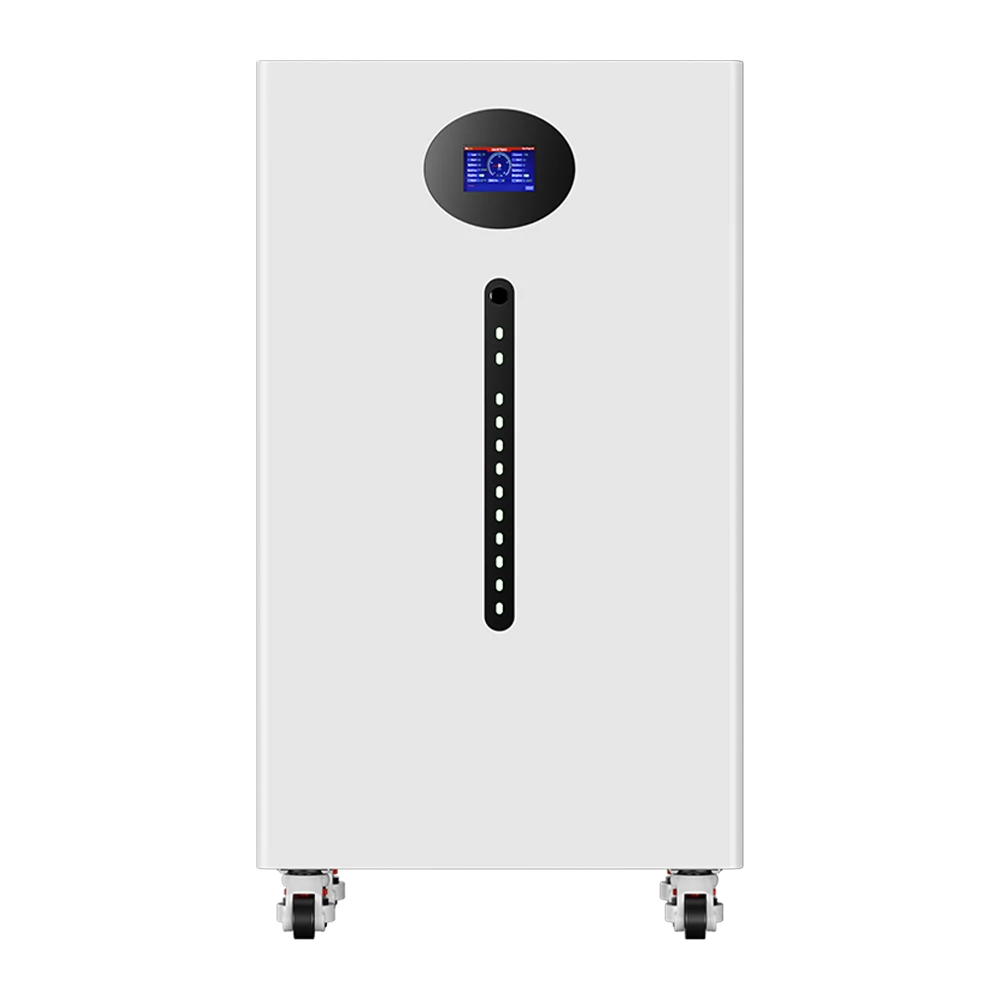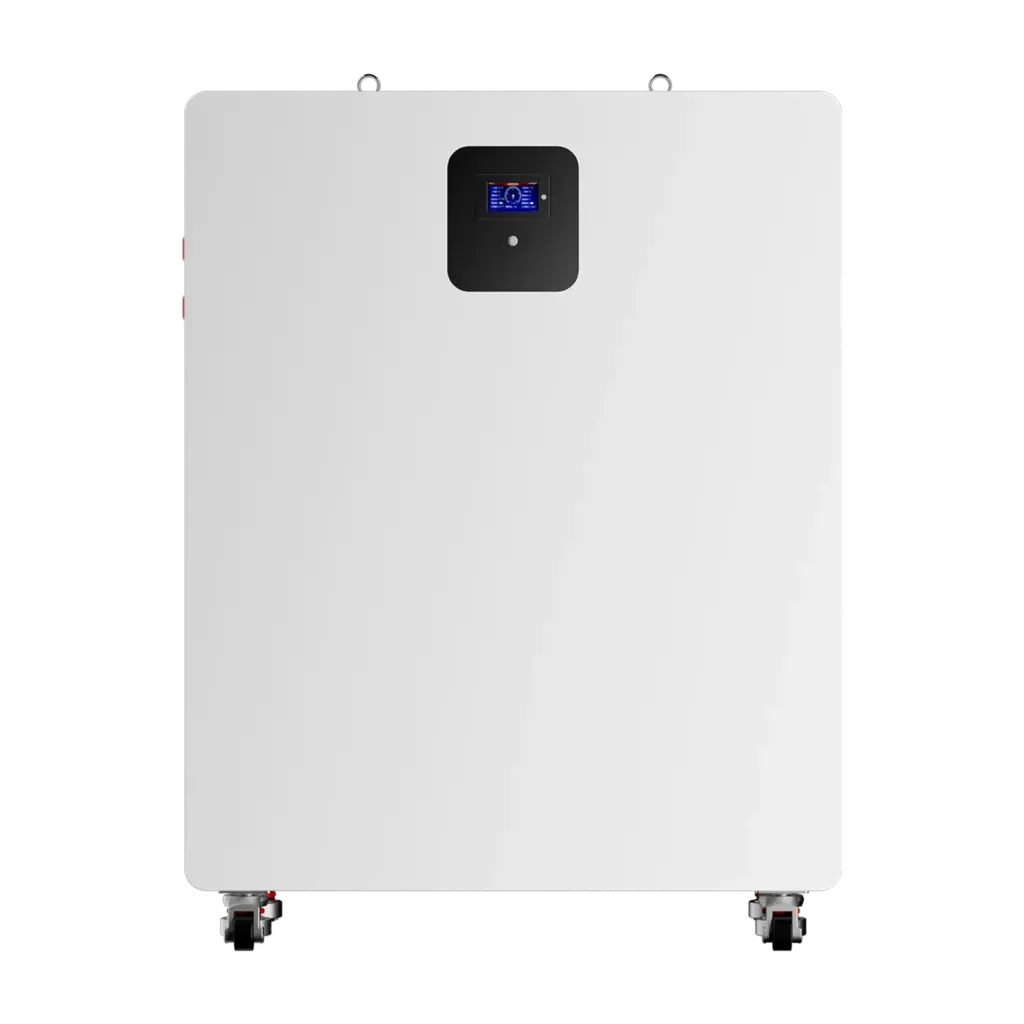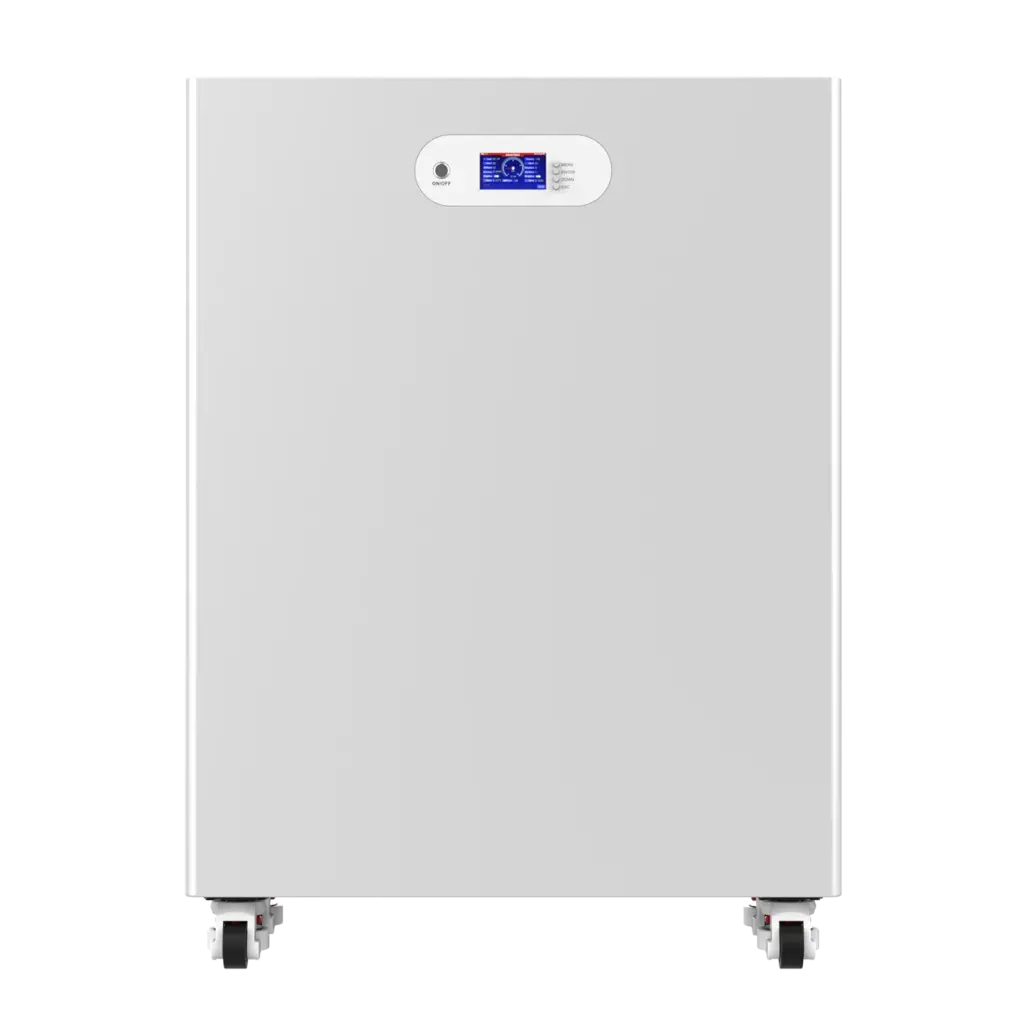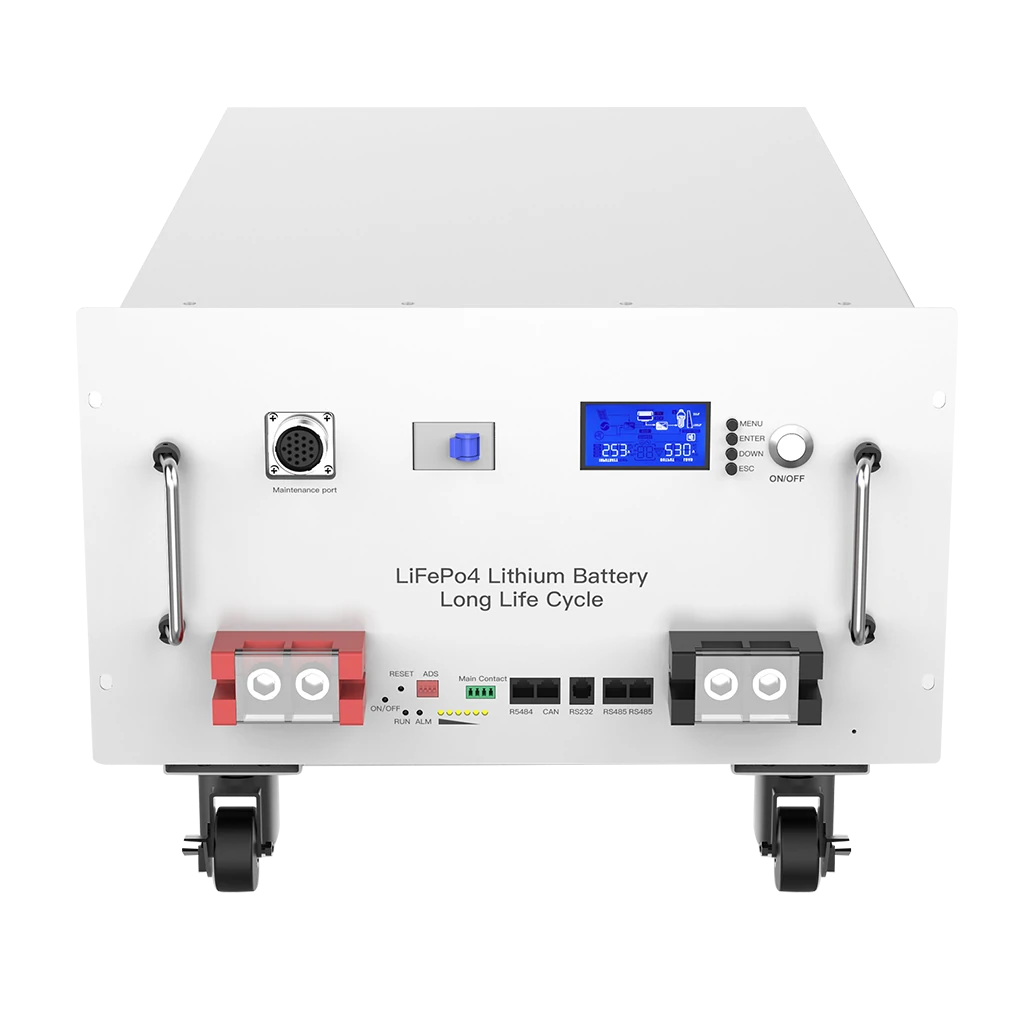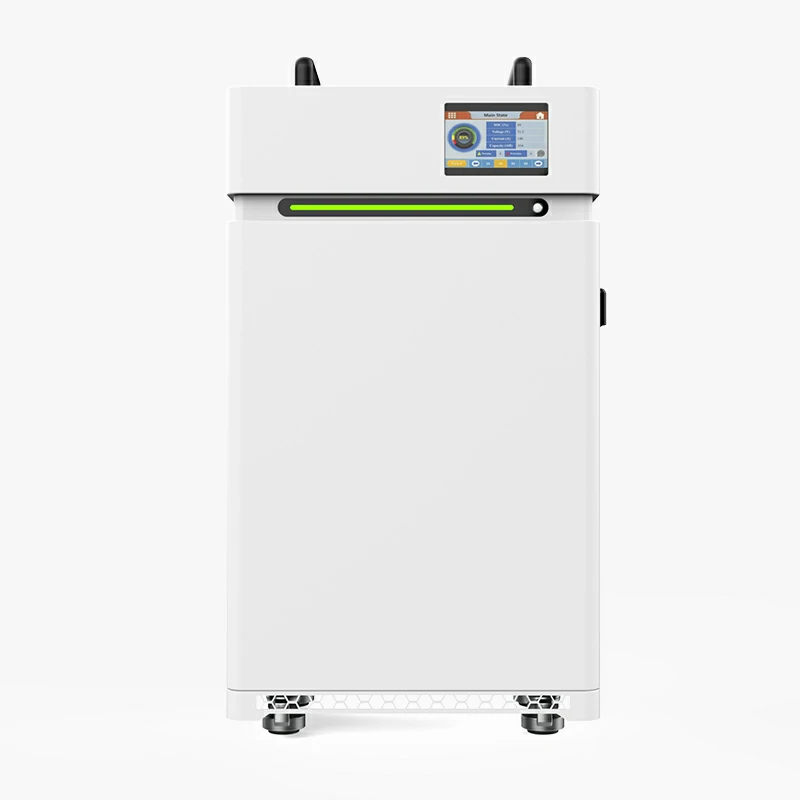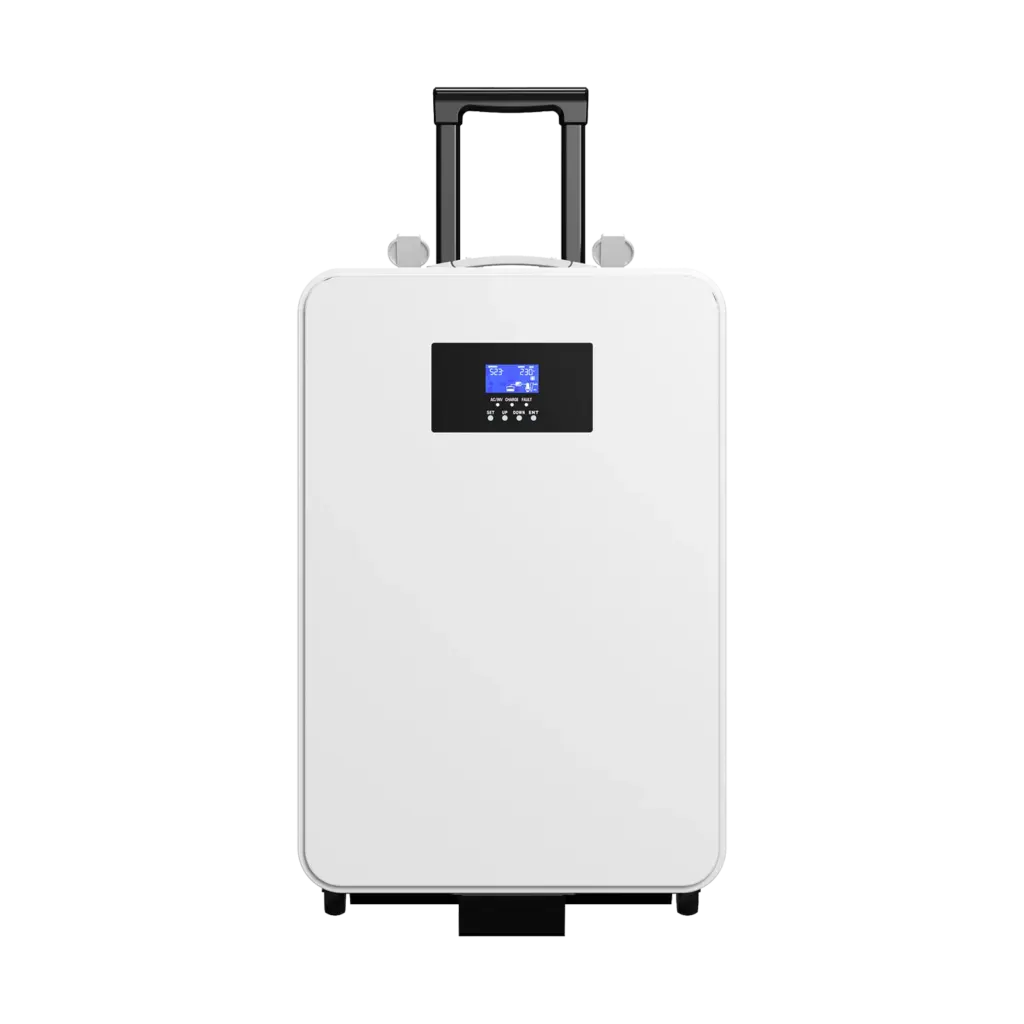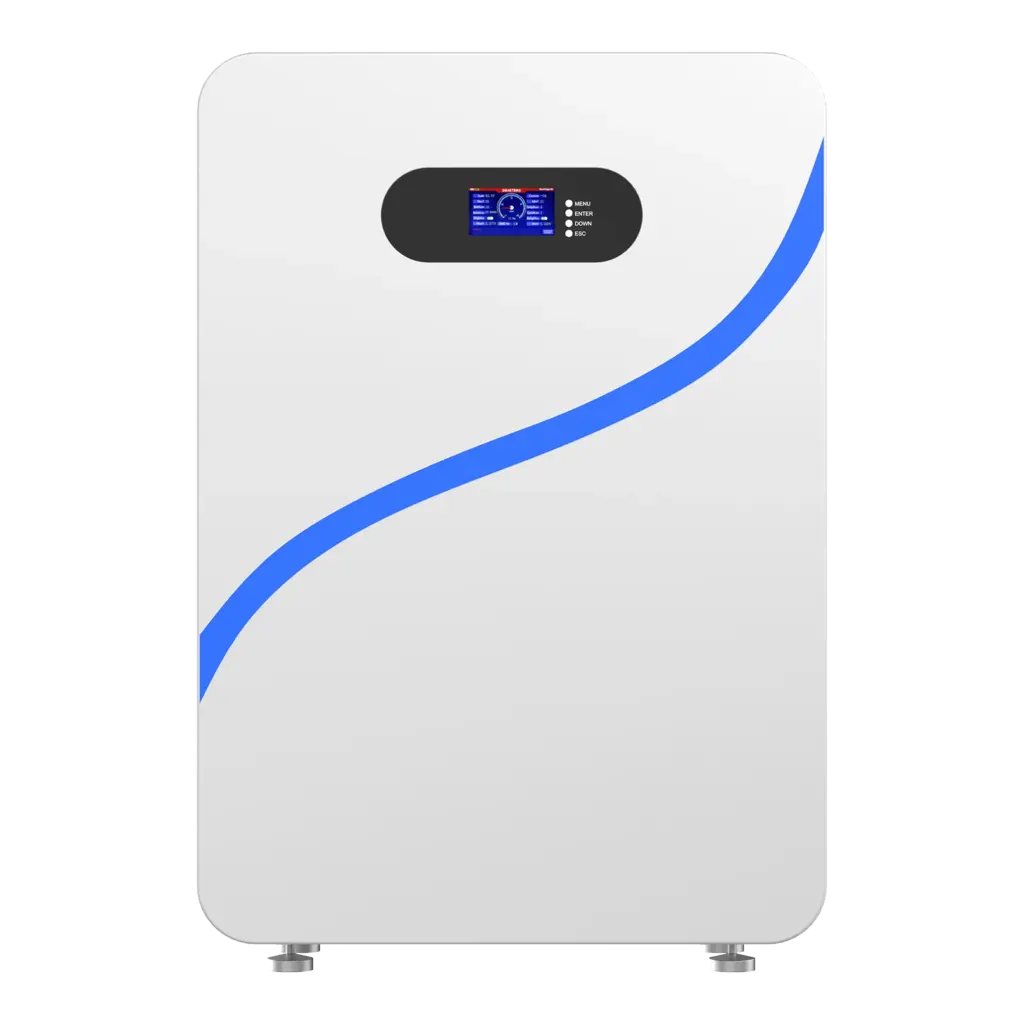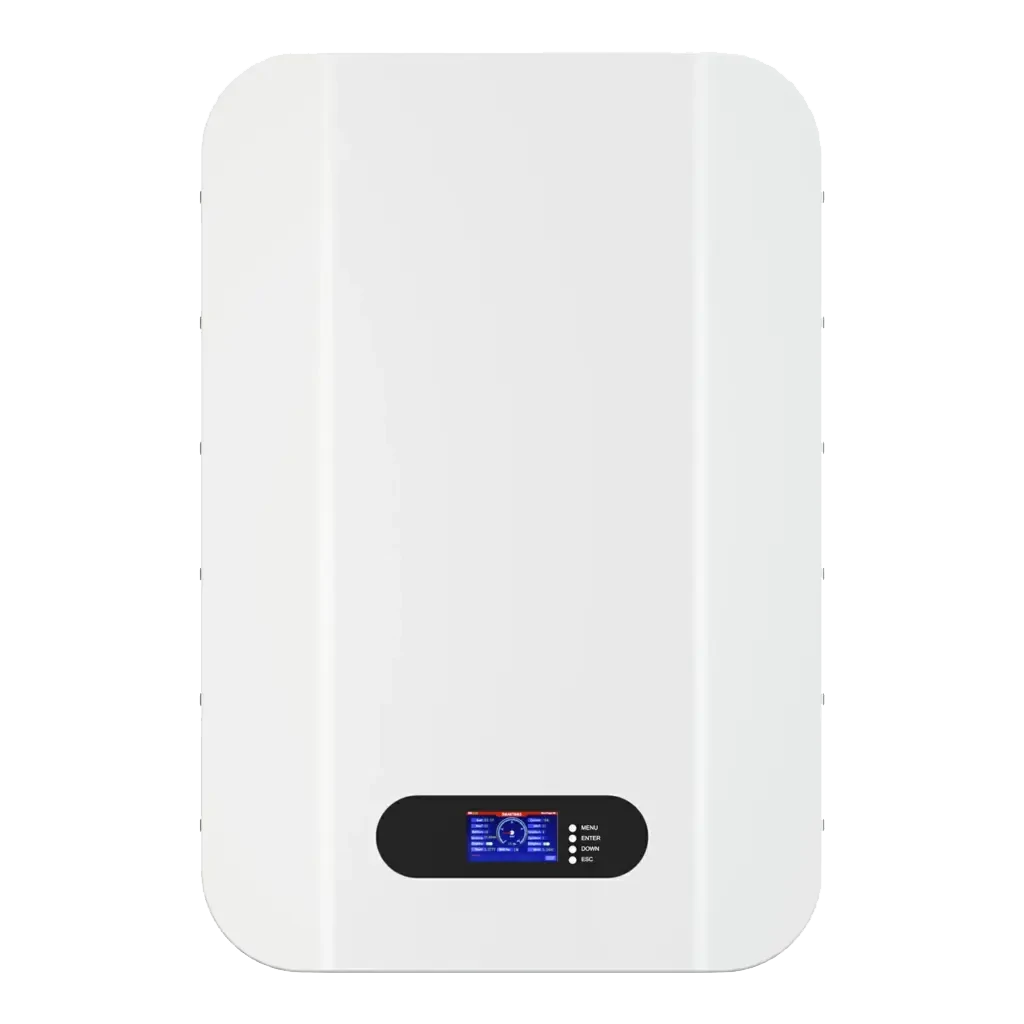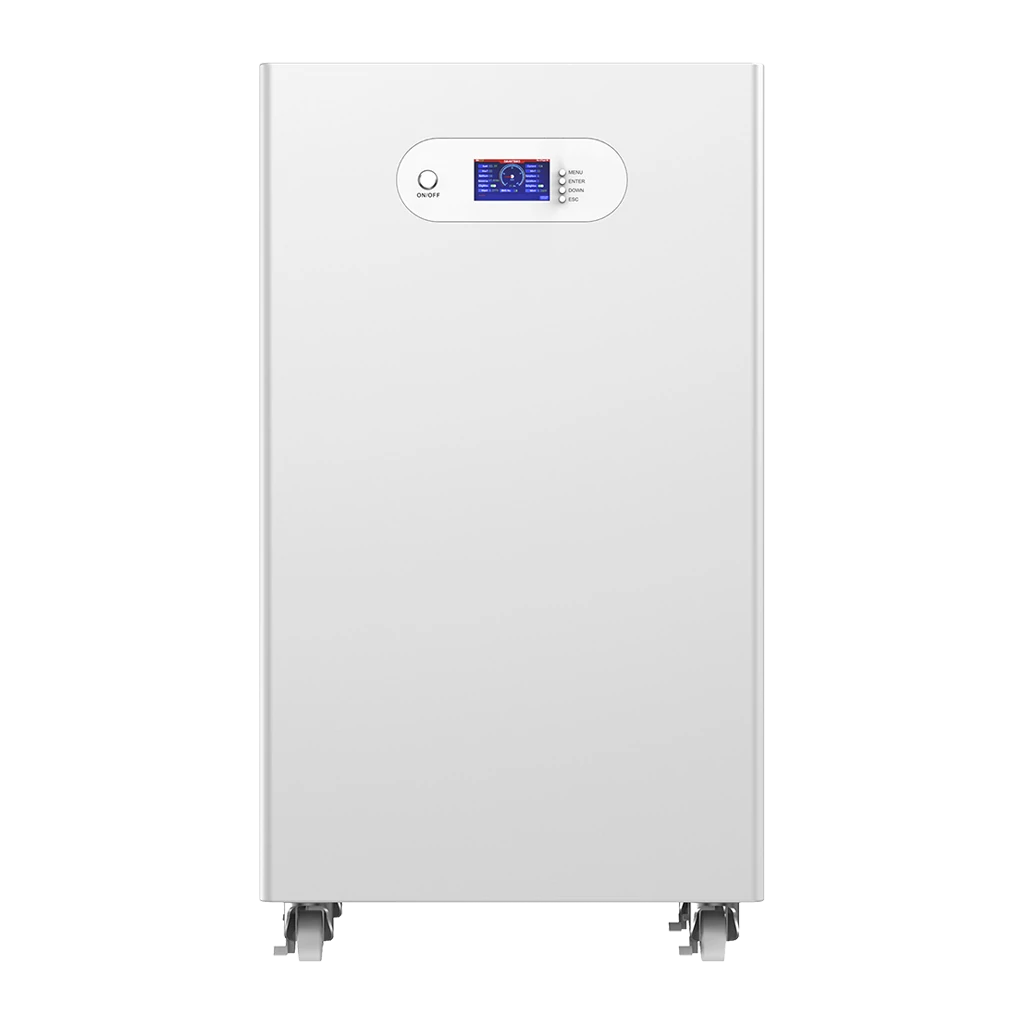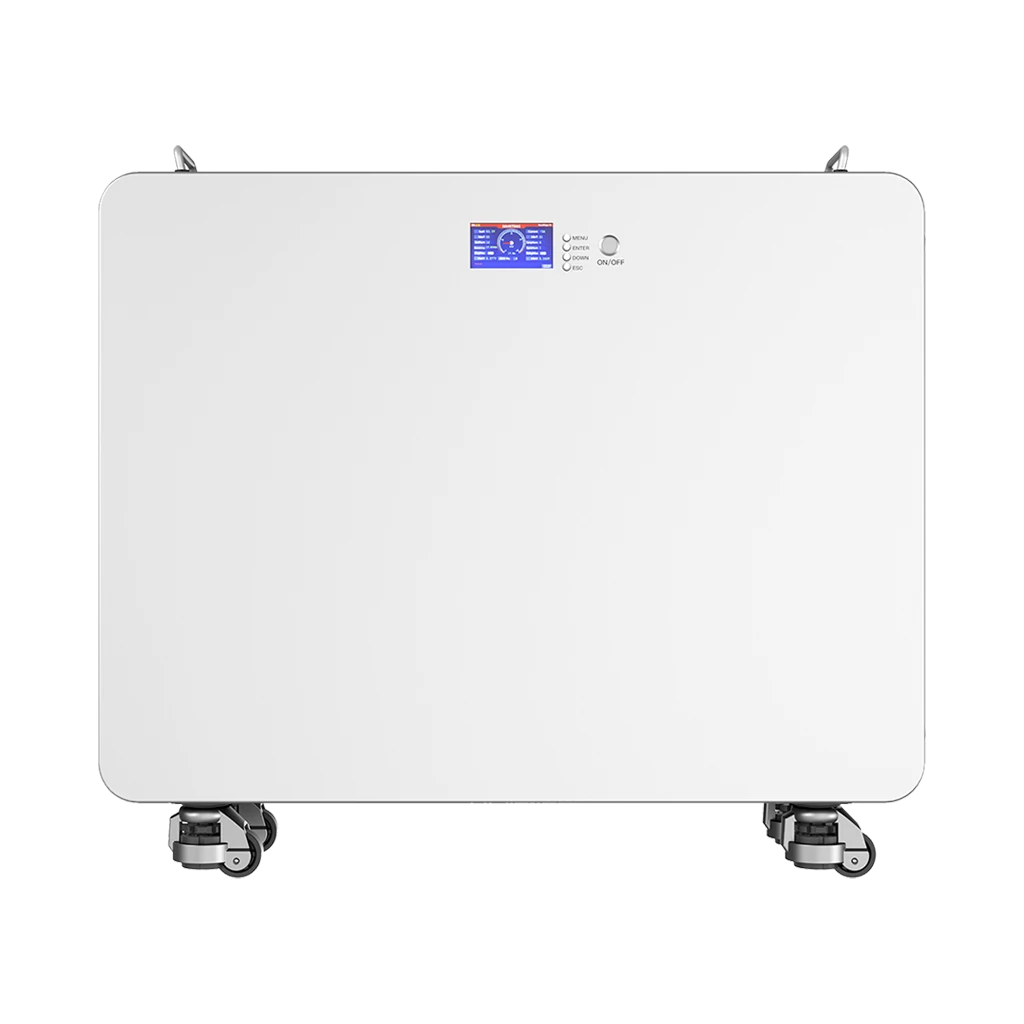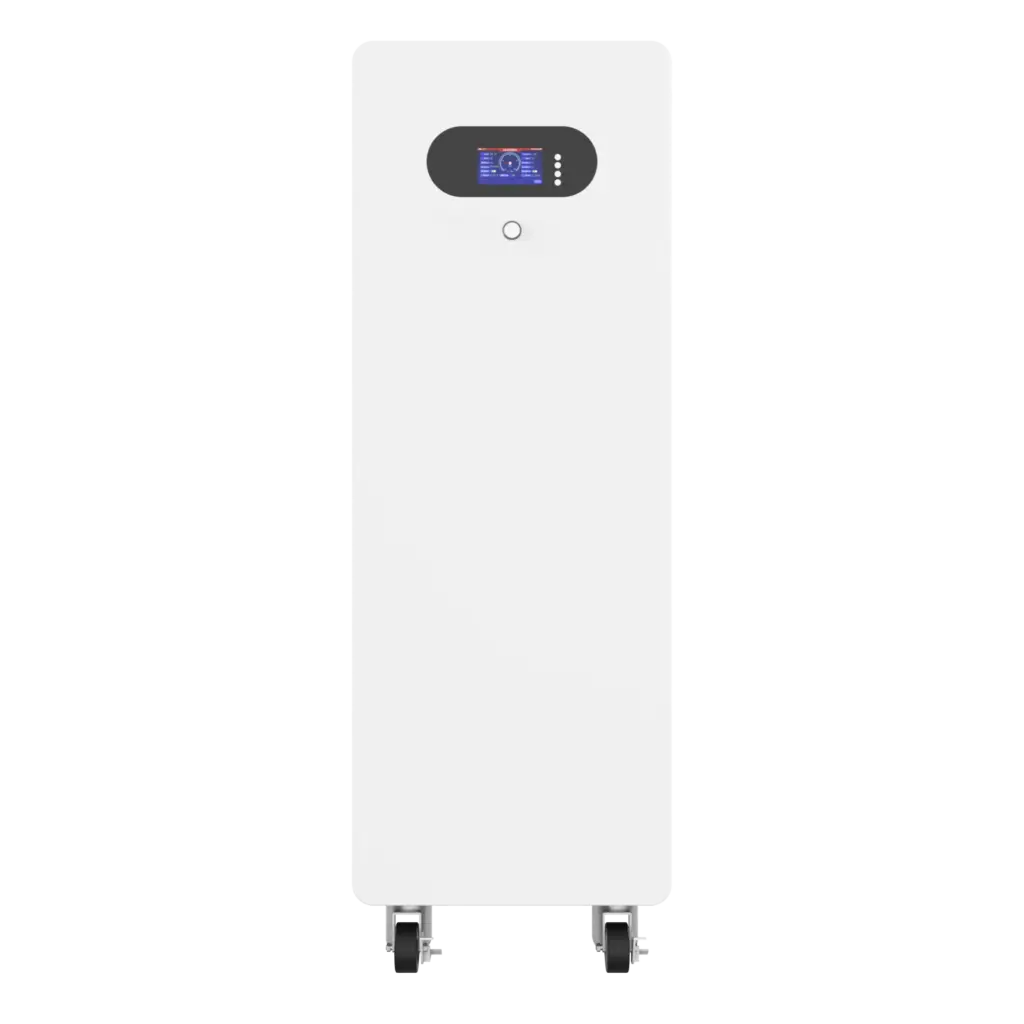

As electricity demand grows and power outages become more common, homeowners need dependable energy solutions more than ever. Avepower offers advanced 100 kWh battery systems designed to give you true energy independence, cost savings, and peace of mind.
Our large-capacity battery solutions integrate seamlessly with solar panels, allowing you to store excess renewable energy during the day and use it when you need it most—at night or during outages. At Avepower, we believe that every household deserves clean, reliable power without compromise.
What Is a 100 kWh Home Battery System?
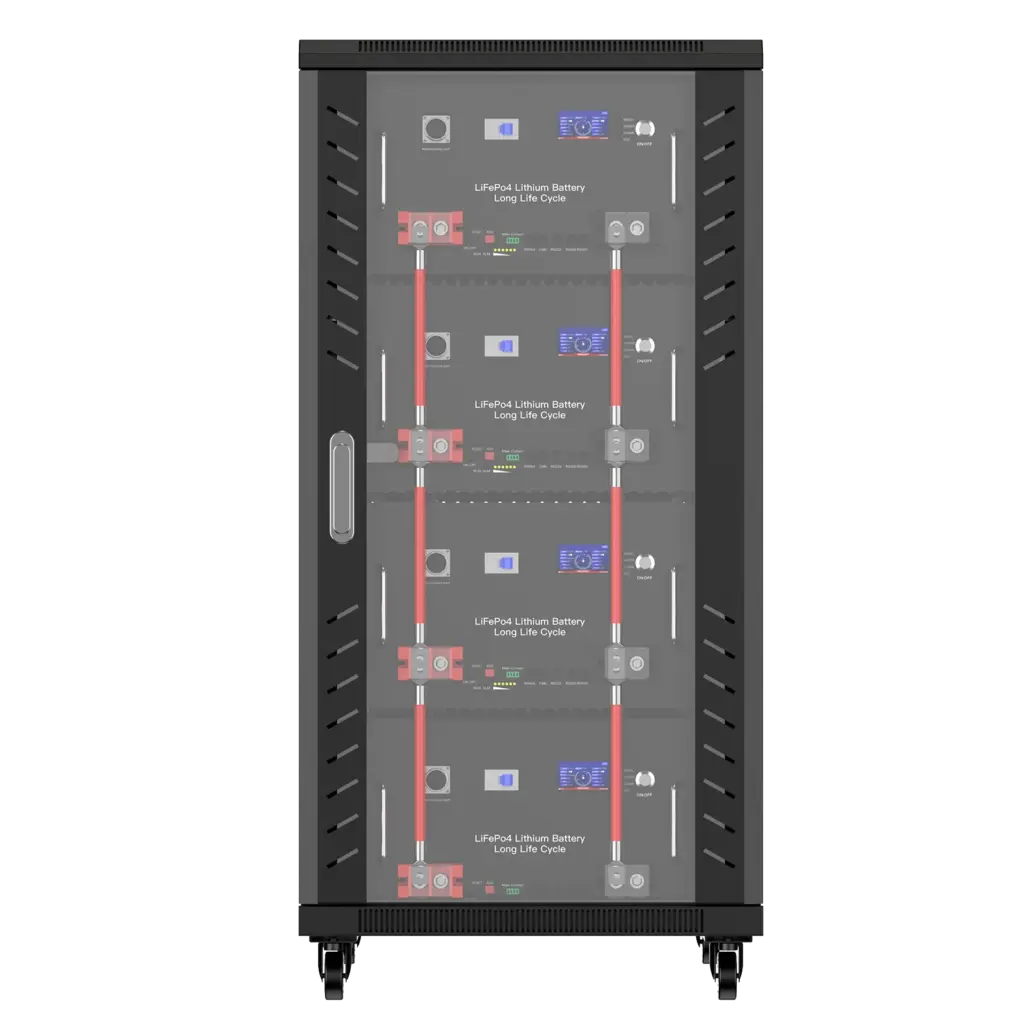
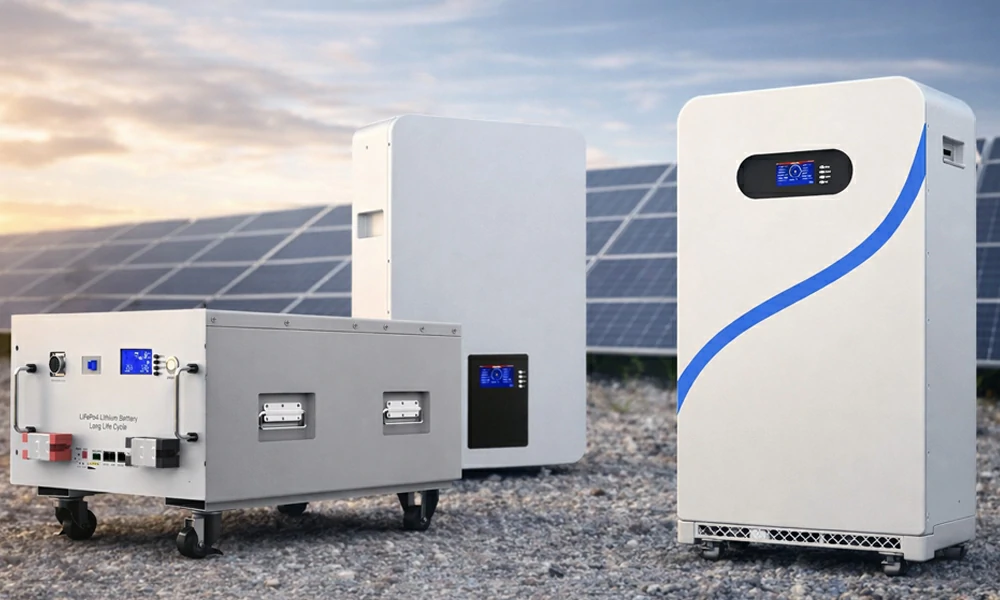
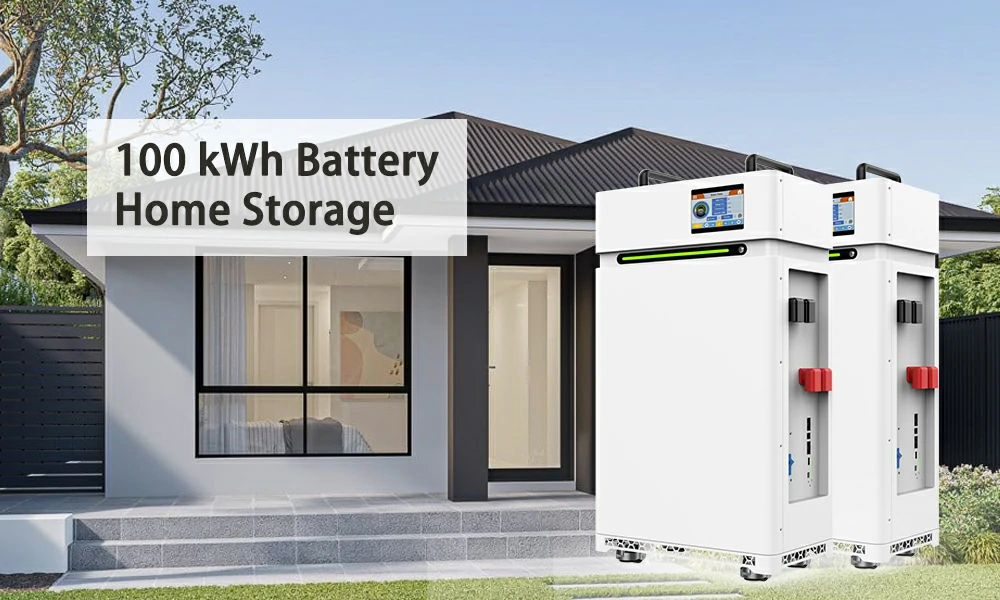
A 100 kWh battery system is a large-scale solar energy storage system designed specifically for residential use. It can store up to 100 kilowatt-hours of electricity and release that energy when it is needed. Most modern systems use lithium iron phosphate (LiFePO4) batteries, such as those offered by Avepower, which are known for their safety, stability, and long service life.
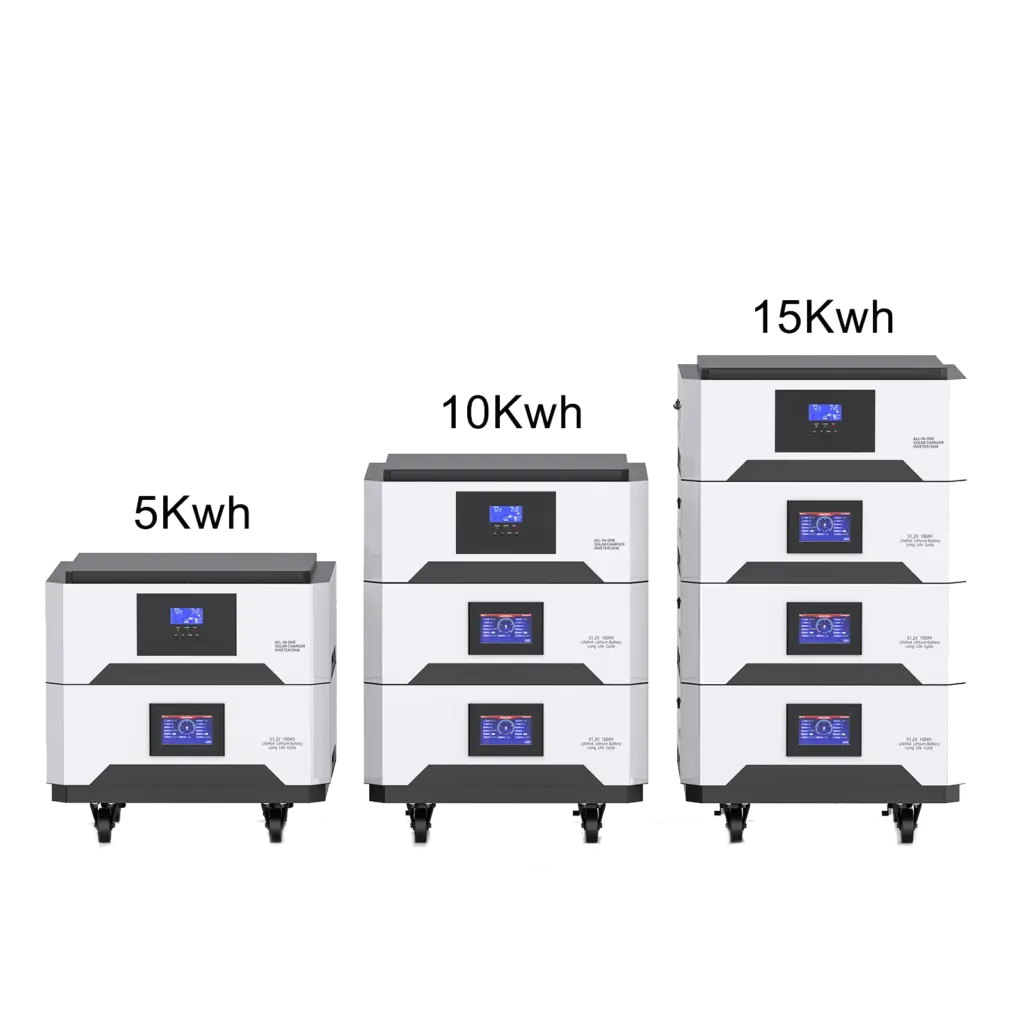
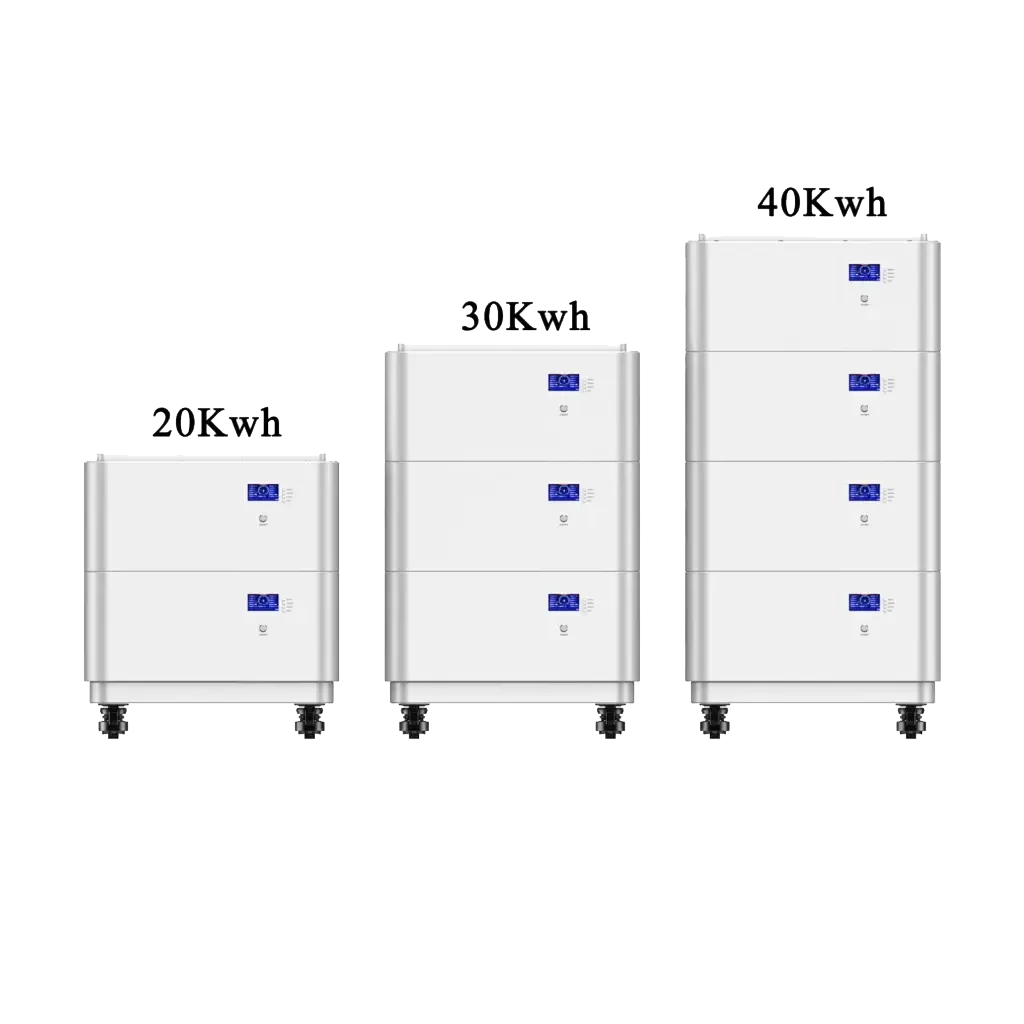
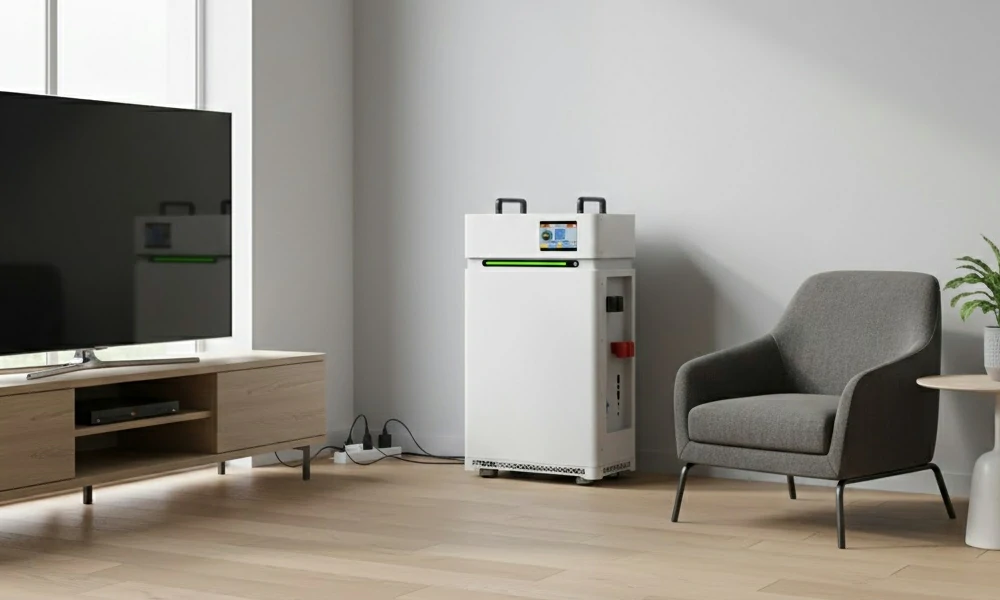
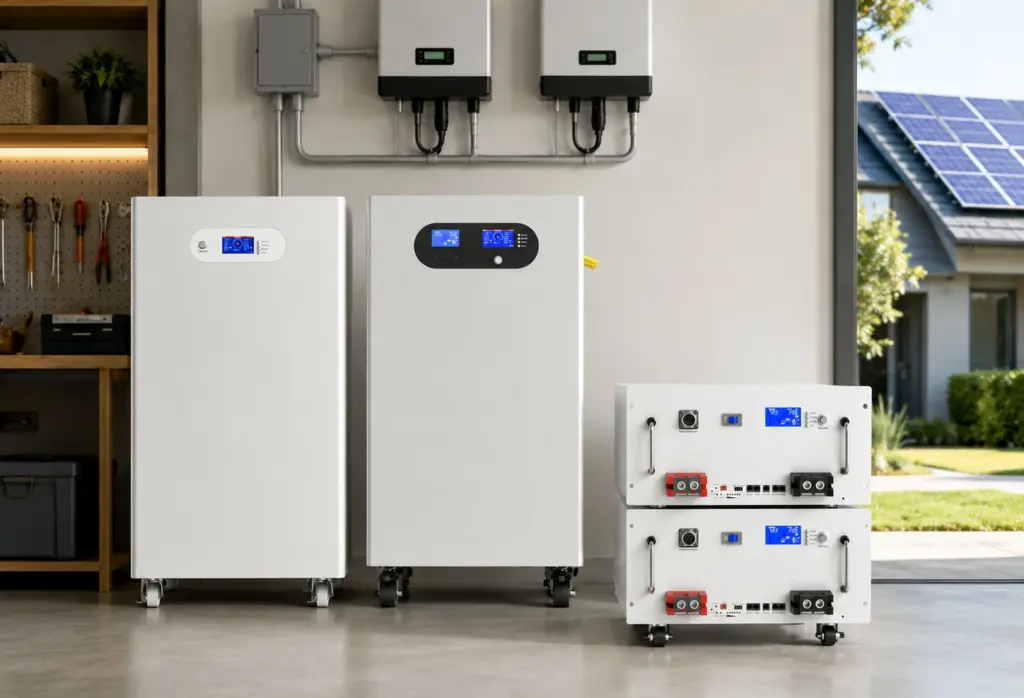
This type of system is usually built by connecting multiple battery modules together, with each module contributing part of the total capacity. Homeowners commonly install these systems in garages, utility rooms, or dedicated battery cabinets. Solutions like Avepower batteries are designed to scale easily, allowing the battery capacity to expand as household energy needs grow.
Unlike smaller batteries that provide only limited backup power, a 100 kWh battery system can supply electricity to an entire home for extended periods. It can support lighting, kitchen appliances, heating systems, and air conditioning, and with proper load management, it can even power electric vehicle chargers.
How Does a 100 kWh Battery Work?
The home battery storage stores electrical energy as chemical energy and releases it as electricity when needed. Here’s a simple breakdown of the process:
- Charging: During the day, the battery charges using solar power or low-cost electricity from the grid.
- Storage: The battery holds the energy until it’s needed.
- Discharging: When the sun goes down or during peak electricity rate hours, the battery releases stored energy to power your home.
Advanced battery management systems monitor and optimize charging and discharging, ensuring safety and efficiency.
How Much Energy Can a 100 kWh Battery Actually Provide?
A typical household consumes between 20 to 40 kWh of electricity per day, depending on lifestyle and climate conditions.
Therefore, a 100 kWh battery can generally offer:
- 2 to 5 days of full home power without any grid supply.
- Several nights of backup power during periods of low solar generation.
- Reliable energy support for larger homes with high electricity demands.
For households using electric heating, pool pumps, or electric vehicle charging, energy consumption can increase significantly. In such cases, a 100 kWh battery provides a safety margin that smaller systems cannot.
Battery Usable Capacity and Energy Planning
Batteries rarely deliver 100% of their nominal capacity to the load. Energy conversion losses occur, and a portion of the battery’s capacity is reserved to maintain battery health. A practical rule of thumb is that 80% to 90% of the nominal capacity is available for daily use, depending on the system and settings.
Typical Backup Time Based on Daily Energy Use
Assuming an available battery capacity of 85 kWh (around 85% of nominal 100 kWh), here is an estimate of backup duration during a complete grid outage, assuming good load management:
| Daily Household Consumption | Available Battery Capacity | Approximate Backup Duration |
|---|---|---|
| 10 kWh/day | 85 kWh | About 8.5 days |
| 20 kWh/day | 85 kWh | About 4.25 days |
| 30 kWh/day | 85 kWh | About 2.8 days |
How Long Does It Take to Charge a 100 kWh Battery at Home?
You can estimate the charging time with this formula: Charging Time (hours) = Energy to be charged (kWh) ÷ Charging Power (kW)
Home chargers or inverters typically provide charging power of 5 kW, 10 kW, or even higher. The actual charging speed can also be affected by grid limitations. In everyday use, a 100 kWh battery rarely charges from 0% to 100%, so the real charging time is often shorter.
- At 10 kW charging power, it takes about 10 hours to fully charge 100 kWh.
- At 5 kW charging power, it takes about 20 hours to fully charge 100 kWh.
If charging is done purely by solar power, the time depends on the size of the solar array and the hours of sunlight. Typically, solar charging is spread over 1 or 2 days.
Required Solar System Size to Keep a 100 kWh Battery Fully Charged
To maintain a fully charged 100 kWh battery using solar power, the solar system must generate at least the daily discharge amount of the battery plus extra to cover household consumption and system losses.
For example, if a household uses 20 kWh per day, and the battery supplies all of this energy during day or night, the solar system should produce about 25 kWh per day to recharge the battery and power the home simultaneously (accounting for roughly 20% losses and variability).
Depending on location and sunlight hours, the rough estimates for solar system size are:
| Location Peak Sun Hours | Solar System Size Needed to Generate 25 kWh/Day |
|---|---|
| 5 hours/day (e.g., Australia) | 5 kW |
| 4 hours/day (e.g., Northern Europe) | 6.5 kW |
| 3 hours/day (e.g., less sunny regions) | 8.5 kW |
How Many Homes Can a 100 kW Power Supply Serve?
An average household typically consumes about 1 to 2 kW of power on average throughout the day. Under these conditions, a 100 kW power supply could support roughly 50 to 100 homes.
However, during peak usage times, when many households run high-power appliances simultaneously, the same 100 kW supply may only be able to serve a small number of homes reliably.
Safety and System Design Considerations for a 100 kWh Home Battery
Safety is the top priority for large home battery systems. Manufacturers address this by using stable battery chemistries and advanced protective features.
LiFePO4 batteries offer excellent resistance to thermal runaway and maintain stability even at high temperatures. Battery enclosures are typically made from fire-resistant materials and equipped with ventilation systems. The Avepower 100 kWh battery boasts a cycle life of 8,000 cycles or more, which translates to 10 to 15 years of typical daily use.
Proper installation, adequate spacing, and regular firmware updates all contribute to maintaining the system’s safety and performance. Homeowners should always choose certified installers who comply with local electrical codes.
Installation Considerations and Space Requirements
A 100 kWh battery system requires more space than smaller units. You need to evaluate wall strength, floor load capacity, ventilation, and clearances. Indoor installations are often placed in garages or utility rooms, while outdoor setups may require weatherproof enclosures. Local regulations may dictate installation locations and setback distances.
The installation process also involves selecting the right inverter, upgrading wiring as needed, and system commissioning. In some regions, grid connection approval from the utility company is required before going live. Although larger systems tend to be more complex to install, Avepower’s professional installers typically complete most projects within a few days.
How Much Does a 100 kWh Battery Cost?
The cost of a 100 kWh battery system depends on several factors:
- Price per battery unit or cabinet (equipment only)
- Complete battery system price (battery + PCS/inverter + controller)
- Project installation costs (engineering design, electrical upgrades, labor, and approvals)
For large residential systems in Australia, the cost per kWh typically decreases as system size increases, since many installation costs are fixed. As of November 2025, the average installed cost for batteries was about $696 per kWh. This means a 100 kWh battery system would cost roughly $69,600.
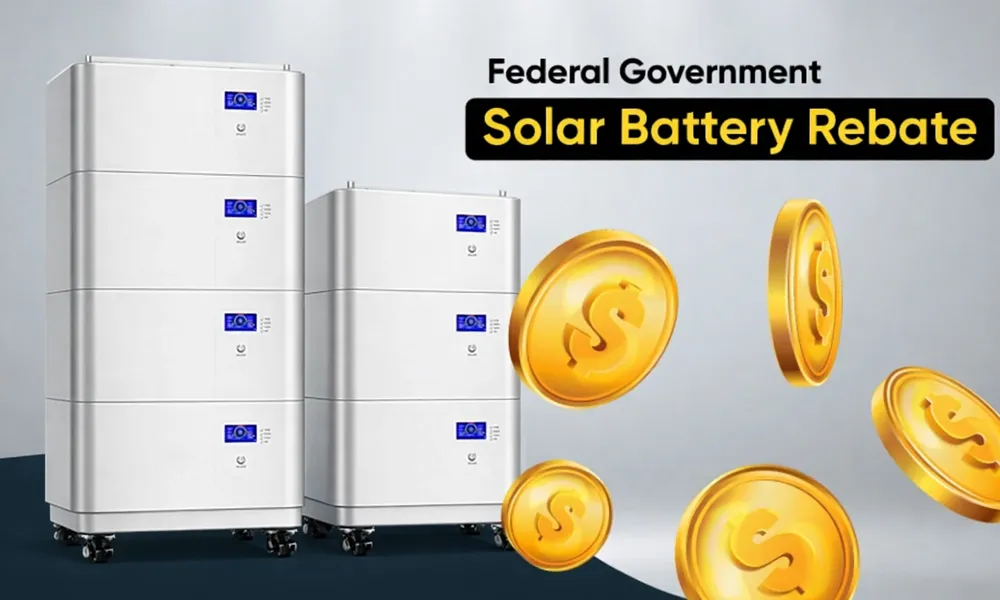
However, the Australian government’s cheaper home batteries program offers a prepaid discount of around 30% for eligible small battery systems, covering capacities from 5 kWh up to 100 kWh. If you qualify for this subsidy, the price for a 100 kWh battery system could be reduced to about $48,720, saving you approximately $20,880.
Is a 100 kWh Battery Right for Your Home?
A 100 kWh home battery isn’t a one-size-fits-all solution. However, it offers unmatched capacity for households with high energy demands. Homeowners who prioritize energy independence, a robust backup power supply, and long-term cost savings will benefit the most from a system of this size.
Carefully assessing your daily energy consumption, solar generation capacity, and future needs is key to determining if a 100 kWh battery is suitable for you. You can consult with Avepower—share your household energy requirements with us, and we’ll help design a tailored home energy solution just for you.
Benefits of Installing a 100 kWh Battery System
High Energy Usage
If your household consumes a large amount of electricity daily, a 100 kWh battery provides ample storage capacity. This allows you to meet most or all of your energy needs during power outages or nighttime hours without relying on the grid.
Seamless Solar Integration
A 100 kWh battery works hand-in-hand with solar panels by storing excess energy generated during the day. This stored power can be used later, helping reduce your dependence on the grid and lowering your electricity bills.
Reliable Backup Power
For families living in areas with frequent blackouts or extreme weather events, a battery of this size offers a robust and dependable backup power source, ensuring critical appliances and systems remain operational.
Reduced Electricity Bills
By storing energy during off-peak hours or from solar panels, you can reduce electricity consumption from the grid when rates are high. This load shifting helps lower your monthly bills.
100 kWh vs. Smaller Battery Systems
| Feature | Avepower 100 kWh Battery | Avepower 20 kWh Battery | Avepower 10 kWh Battery |
|---|---|---|---|
| Storage Capacity | 100 kWh | 20 kWh | 10 kWh |
| Backup Duration | Several days of whole-home power | Up to 1 day | Only critical loads, few hours |
| Scalability | Modular, up to 515 kWh | Modular, up to 260 kWh | Modular, up to 160 kWh |
| Cycle Life | 68,000 cycles | 8,000 cycles | 8,000 cycles |
| Compatible With Solar | Yes | Yes | Yes |
| Typical Use Case | Large families, off-grid, backup | Medium households, partial backup | Small homes, limited backup |
| Estimated Lifespan | 10-15 years | 10-15 years | 10-15 years |
| Links | Learn More | Learn More | Learn More |
Avepower Home Energy Solutions
At Avepower, we don’t just sell batteries — we deliver residence energy solutions tailored to your home and lifestyle. Our expert team guides you through system design, installation, and ongoing support. With up to 8,000 cycles and a lifespan of 10-15 years, our batteries ensure you get reliable energy storage for years to come. The modular design lets you start with a smaller system and expand as your energy needs grow.
Our systems support communication protocols like CAN, RS485, and RS232, so they integrate smoothly with most inverters and solar setups. Whether you want backup power for emergencies or to maximize your solar investment, Avepower has you covered.
Contact Avepower today to learn more about our 100 kWh battery systems. Our team will help you assess your energy needs, recommend the right configuration, and provide a personalized quote.
Experience the freedom of energy independence with Avepower — reliable, scalable, and designed for you.
Take Control of Your Energy with Avepower!
Reliable home solar battery solutions with OEM/ODM customization and in-house manufacturing, tailored to the needs of distributors, installers, and energy partners.
FAQ
In Australia, the average installed cost is about $696 per kWh, making a 100 kWh system roughly $69,600 before subsidies. Eligible homeowners may receive discounts or rebates that significantly reduce this price.
Depending on your daily energy consumption, a 100 kWh battery can provide backup power for 2 to 8.5 days. For example, if your home uses around 10 kWh per day, the battery can last approximately 8.5 days.
Charging time depends on the charging power. For example, with a 10 kW charger, it takes about 10 hours to fully charge from zero; with a 5 kW charger, it can take around 20 hours.
Consider your daily electricity consumption, solar capacity, and backup power needs. Homes with high energy use, solar systems, or frequent outages benefit most from a 100 kWh system. Avepower can help assess your requirements and recommend the best solution.