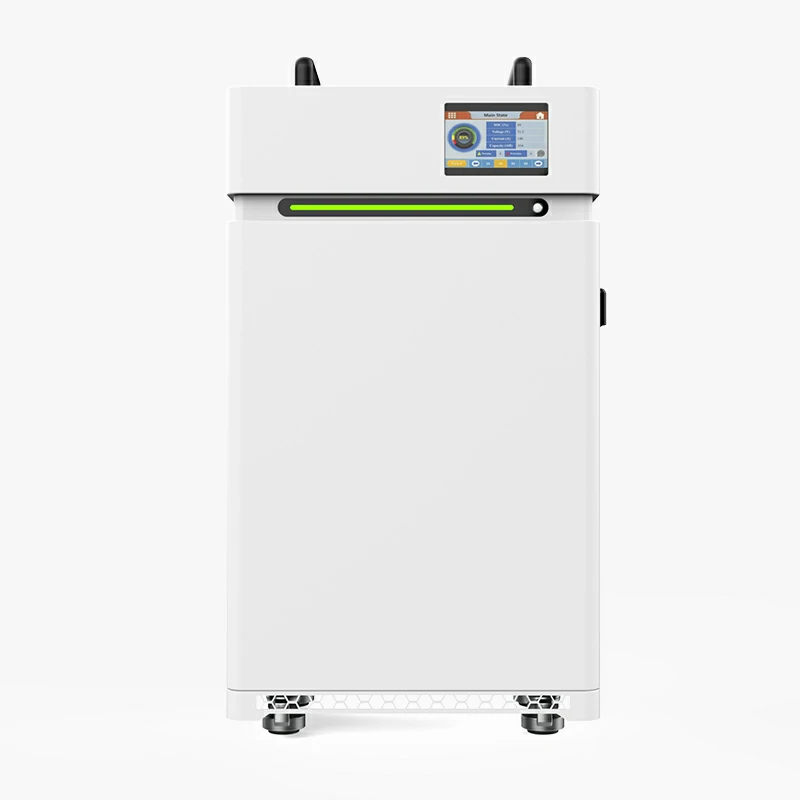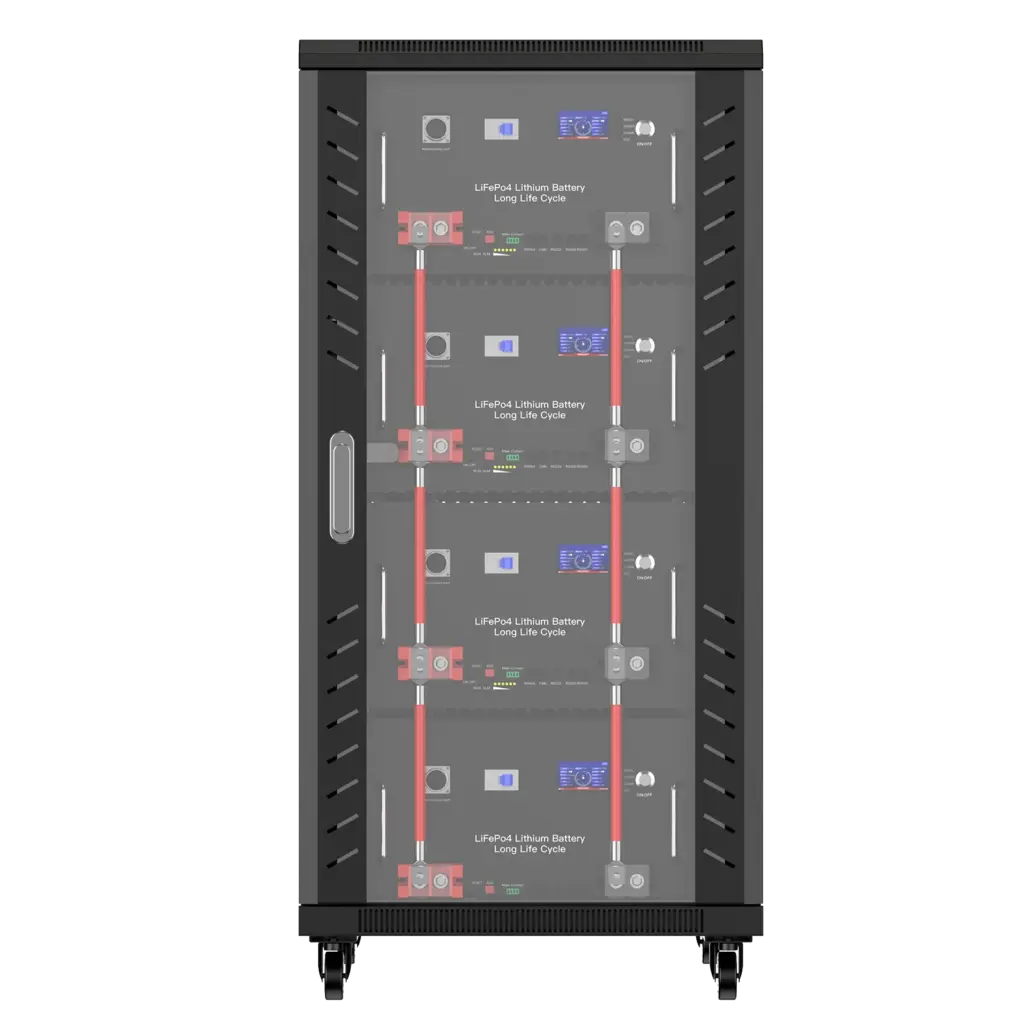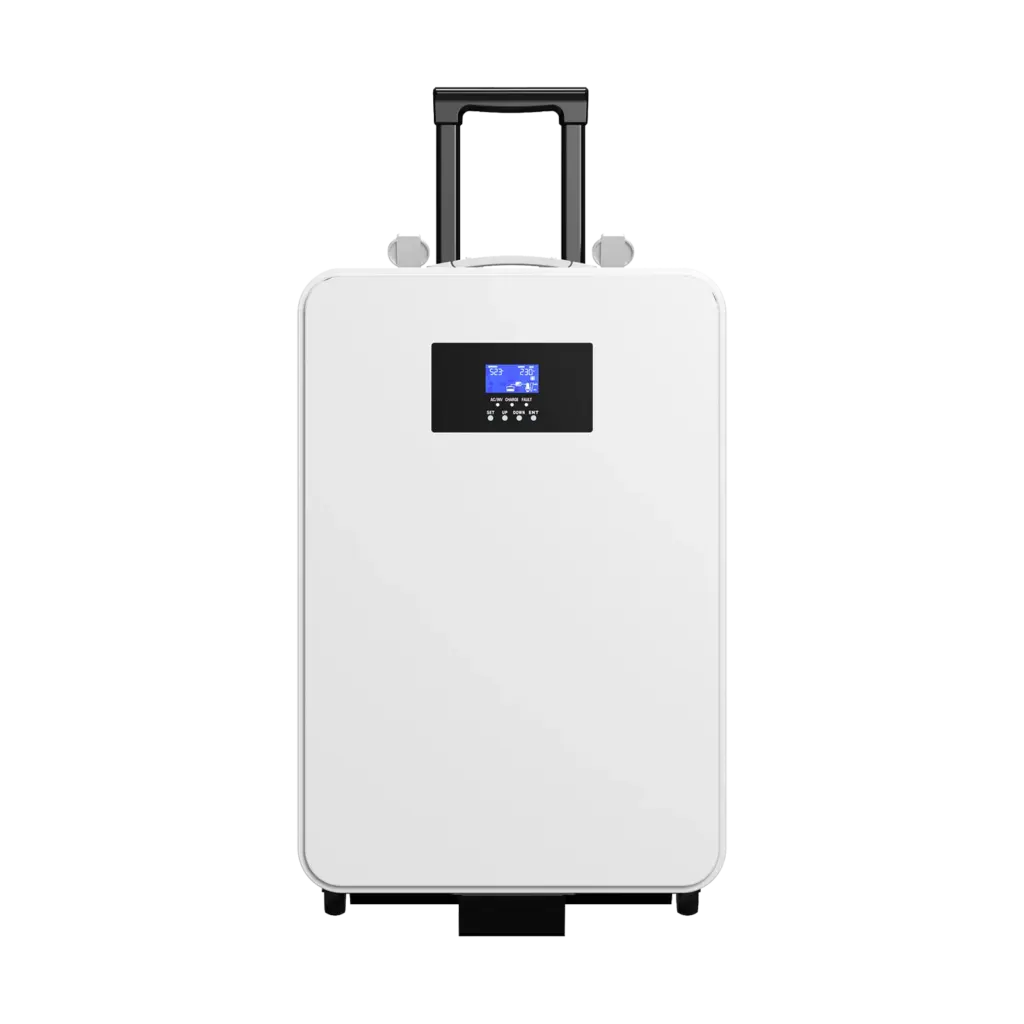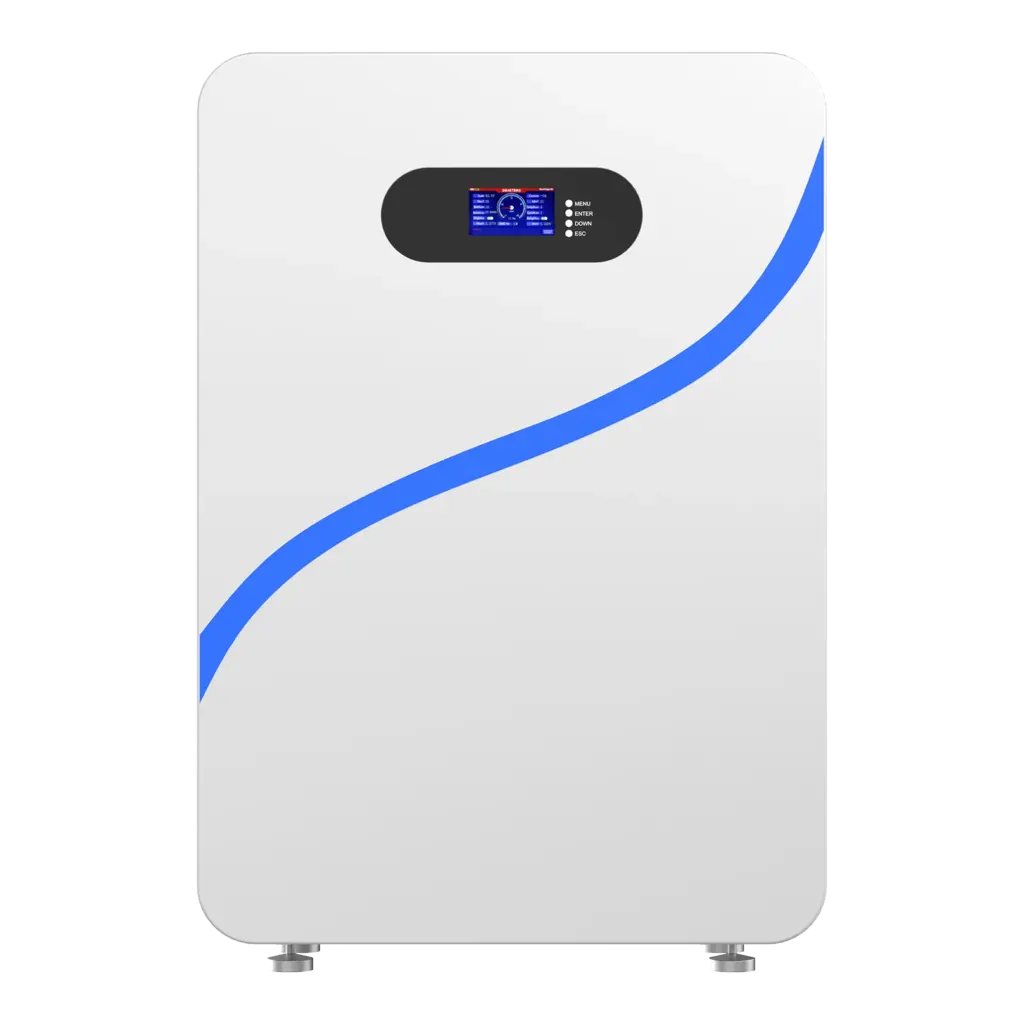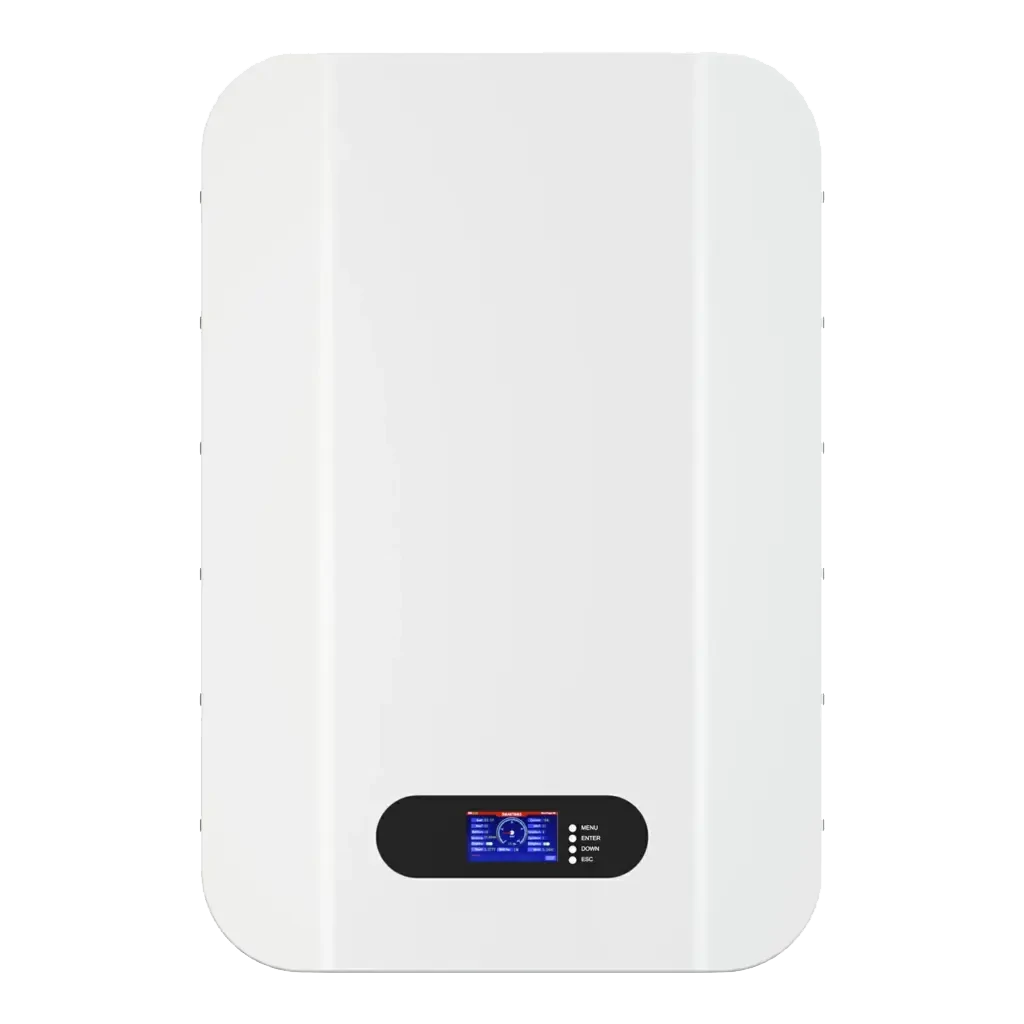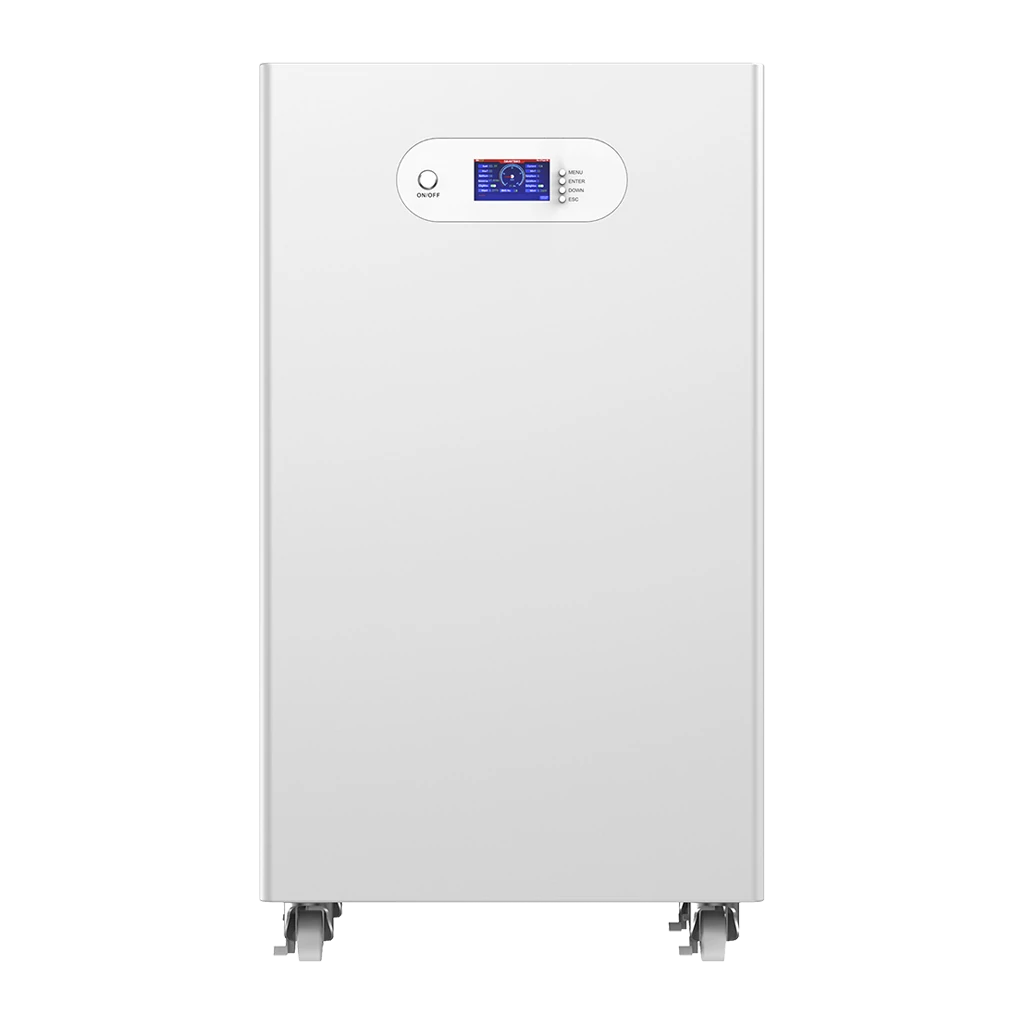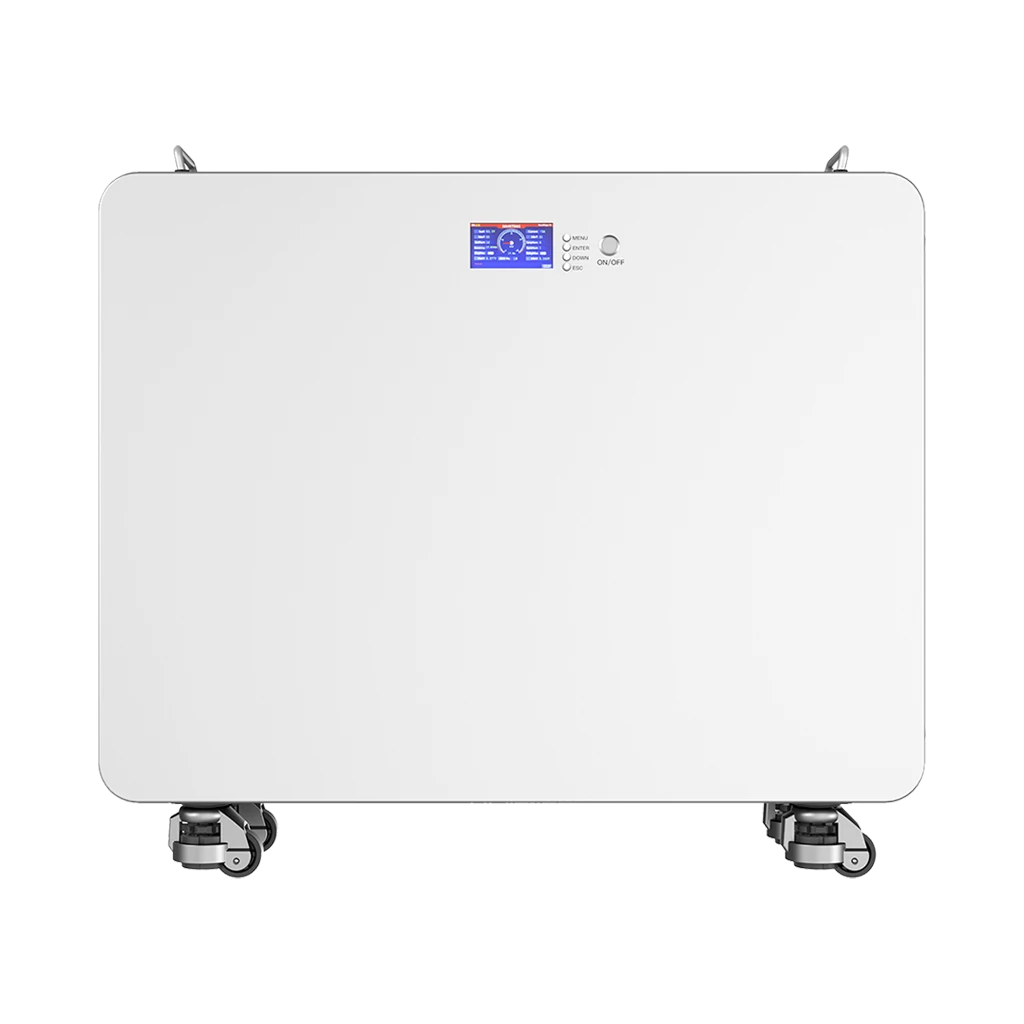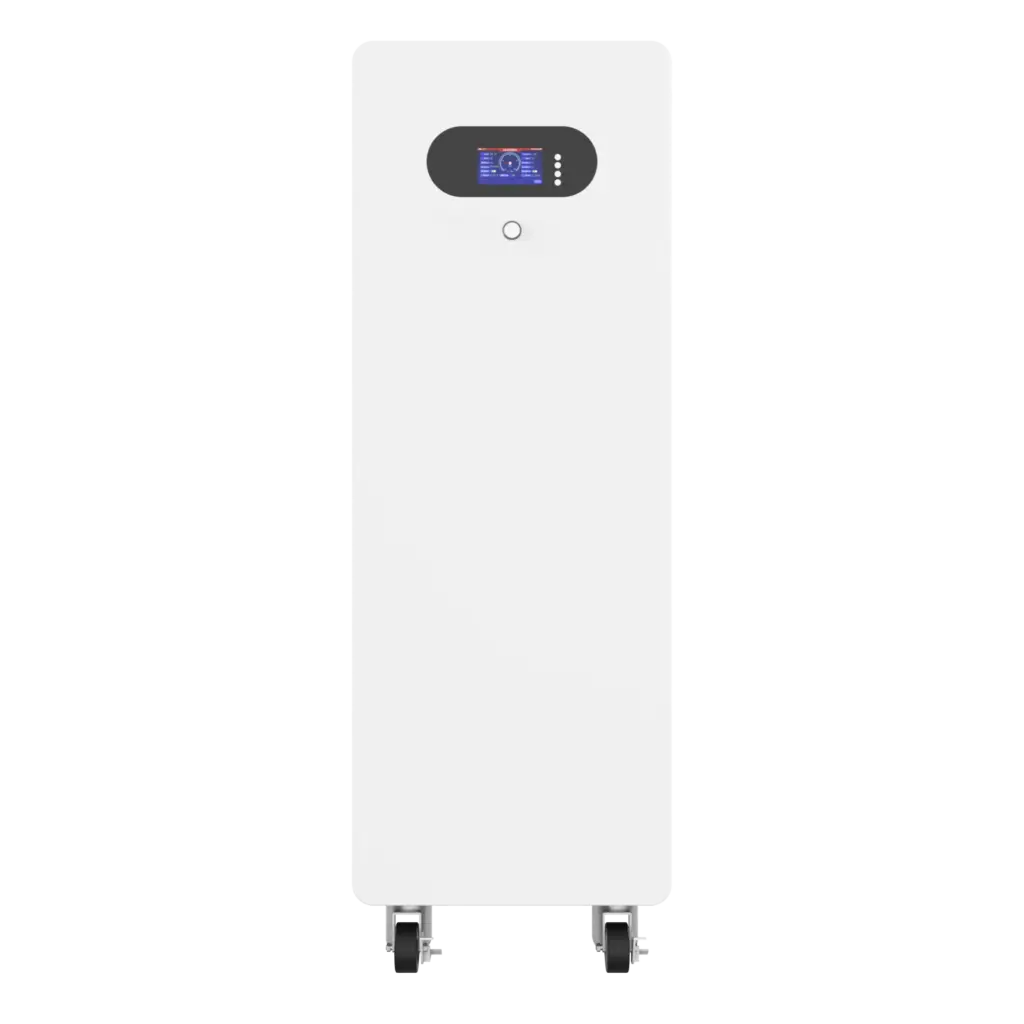

Save Sourcing Time. Get the Right Energy Storage Solution for Your Project.

Building or sourcing an energy storage system? Avepower helps you match the right battery solution based on capacity, application, inverter compatibility, and certification needs.

Start Your Request

No obligation. Get a project-matched battery solution.

Ampere and Milliampere: Difference, Conversion & Examples

ampere and milliampere

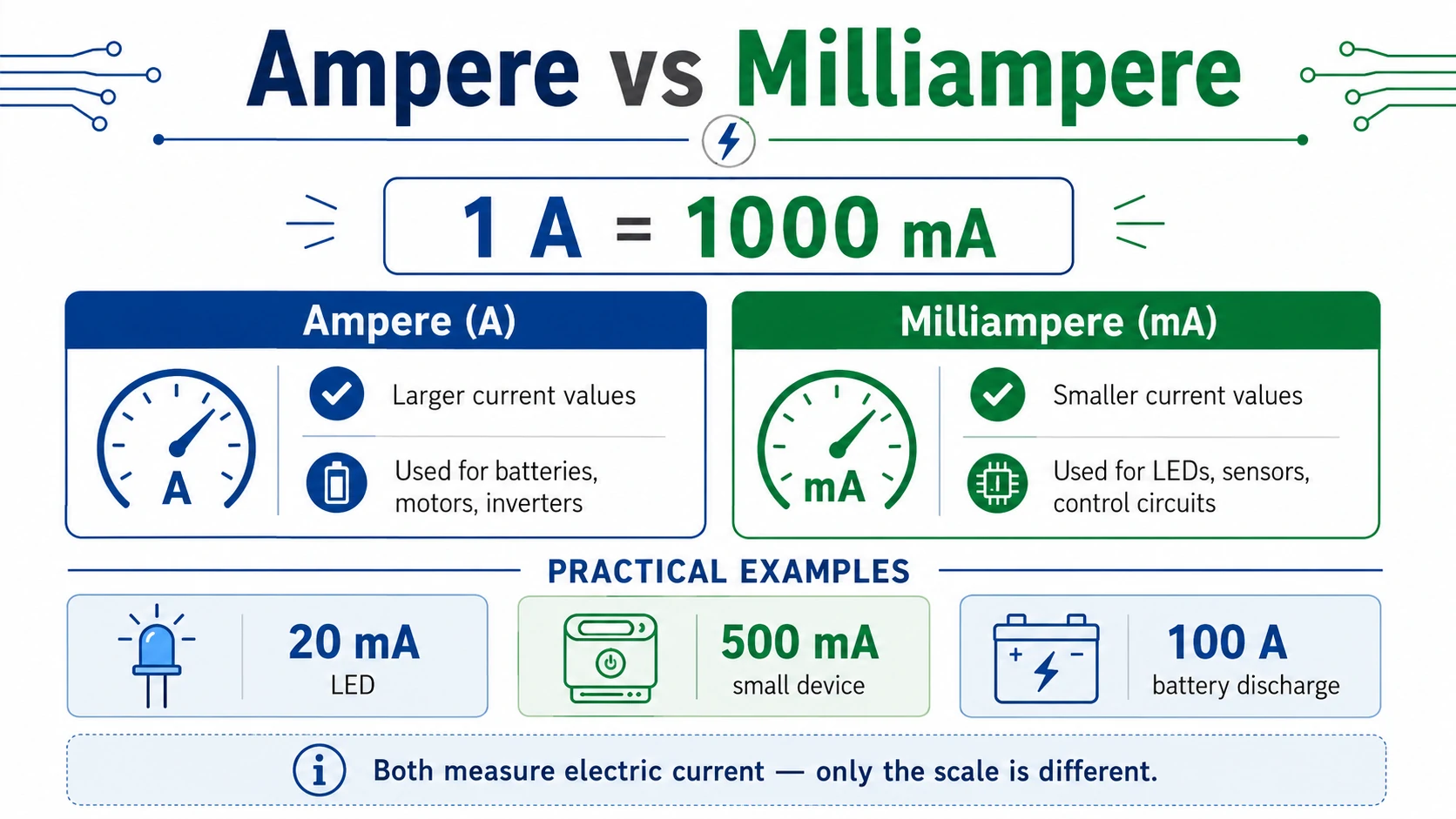
An ampere and a milliampere measure the same thing—electric current—but on different scales. One ampere equals 1,000 milliamperes, so 1mA equals 0.001A. Amperes are convenient for larger currents such as motors and batteries, while milliamperes are easier to use for LEDs, sensors and other low-current electronics.

The conversion is simple:

1 A = 1,000 mA

1 mA = 0.001 A

However, understanding ampere and milliampere is more useful than memorizing the conversion.

If you work with batteries, chargers, solar systems or electronics, you also need to distinguish:

  • A from Ah
  • mA from mAh
  • current from voltage
  • current from power
  • continuous current from peak current
  • device current demand from power-supply current capability

This guide explains those differences and shows how current calculations apply to both small electronics and large LiFePO₄ energy storage systems.

What is the Difference Between Ampere and Milliampere?

The difference between an ampere and a milliampere is only scale: 1A is exactly 1,000mA. Engineers normally use amperes for larger currents and milliamperes for smaller electronic loads because values such as 20mA are easier to read and compare than 0.020A, even though both numbers describe the same current.

FeatureAmpereMilliampere
SymbolAmA
MeasuresElectric currentElectric current
SI relationshipBase unit10⁻³ A
Conversion1A = 1,000mA1mA = 0.001A
Typical useBatteries, motors, inverters, appliancesLEDs, sensors, circuit boards
Example100A battery discharge20mA LED
Physical quantityCharge flow rateCharge flow rate

How Many Milliamperes Are In One Ampere?

One ampere contains exactly 1,000 milliamperes because the SI prefix “milli” means one-thousandth. Therefore, multiplying an ampere value by 1,000 converts it into milliamperes, while dividing milliamperes by 1,000 converts the value back into amperes without changing the actual amount of current.

Quick reference:

AmperesMilliamperes
0.001A1mA
0.005A5mA
0.01A10mA
0.02A20mA
0.05A50mA
0.1A100mA
0.25A250mA
0.5A500mA
1A1,000mA
2A2,000mA
5A5,000mA
10A10,000mA
100A100,000mA
200A200,000mA

The last two examples may look unusual because engineers would almost always write 100A or 200A instead of 100,000mA or 200,000mA.

How Do You Convert Ampere to Milliampere?

To convert amperes to milliamperes, multiply the current in amperes by 1,000. The calculation changes only the unit used to express the number; it does not increase the electrical current. For example, 2.5A becomes 2,500mA, but both values represent exactly the same charge-flow rate in the circuit.

Formula

Current (mA) = Current (A) × 1,000

Example 1: 0.5A to mA

0.5 × 1,000 = 500mA

Example 2: 2.4A to mA

2.4 × 1,000 = 2,400mA

Example 3: 157A to mA

157 × 1,000 = 157,000mA

How Do You Convert Milliampere to Ampere?

To convert milliamperes to amperes, divide the milliampere value by 1,000. This is useful when a small electronic load is specified in mA but a power supply, battery or engineering calculation uses A. Always preserve the decimal carefully because a three-place conversion error changes the current by a factor of 1,000.

Formula

Current (A) = Current (mA) ÷ 1,000

Examples:

20mA ÷ 1,000 = 0.020A

150mA ÷ 1,000 = 0.150A

500mA ÷ 1,000 = 0.500A

2,500mA ÷ 1,000 = 2.5A

What Does One Ampere Actually Mean?

One ampere represents a charge-flow rate of one coulomb per second. Using the modern SI definition of elementary charge, that corresponds to approximately 6.24 × 10¹⁸ elementary charges passing a point every second. One milliampere therefore corresponds to approximately 6.24 × 10¹⁵ elementary charges per second.

The BIPM fixes elementary charge at:

e = 1.602176634 × 10⁻¹⁹ C

Therefore:

1A ≈ 6.2415 × 10¹⁸ elementary charges per second

and:

1mA ≈ 6.2415 × 10¹⁵ elementary charges per second

When Should You Use Amperes Instead of Milliamperes?

Use amperes when current is large enough that expressing it in milliamperes would create unnecessarily large numbers. Batteries, electric motors, inverters, alternators, EV systems and household circuits are therefore commonly rated in A, while electronic control boards, LEDs and sensors often use mA because their operating currents are much smaller.

Typical examples:

ApplicationExample Current ScaleConvenient Unit
Small sensor2mAmA
Indicator LED10–30mAmA
Small control circuit50mAmA
USB electronics500mA–3A+mA or A
Small DC motor1–10AA
Car accessory circuit5–30AA
Home battery50–200A+A
High-power inverter battery input100A+A

What is the Difference Between mA and mAh?

Milliampere, or mA, measures current at a particular moment, while milliampere-hour, or mAh, measures electric charge capacity over time. A device drawing 500mA and a battery rated 5,000mAh therefore describe two different quantities: one describes how fast charge is flowing and the other describes how much charge is available.

This is one of the most common mistakes in battery terminology.

UnitMeaningMeasures
mAMilliampereCurrent
AAmpereCurrent
mAhMilliampere-hourCharge capacity
AhAmpere-hourCharge capacity
WhWatt-hourEnergy
kWhKilowatt-hourEnergy

For example:

A battery rated:

5,000mAh

is equivalent to:

5Ah

because:

5,000 ÷ 1,000 = 5Ah

But it is not a 5,000mA battery output rating.

Avepower explains this distinction in its ampere-hour battery guide.

What is the Difference Between Ampere and Ampere-hour?

Ampere measures the instantaneous rate of electric-charge flow, whereas ampere-hour measures the quantity of charge that a battery can deliver over a period of time. A 100Ah battery does not necessarily discharge at 100A; the actual current is determined by the connected load and limited by the battery, BMS, wiring and protection devices.

In theoretical terms:

Ah = A × hours

For example:

20A × 5h = 100Ah

This suggests that a 100Ah battery might theoretically provide:

  • 1A for 100 hours
  • 5A for 20 hours
  • 10A for 10 hours
  • 20A for 5 hours

Real runtime differs because of:

  • battery chemistry
  • temperature
  • discharge rate
  • voltage cutoff
  • aging
  • BMS settings
  • inverter losses

For practical battery sizing, see Avepower’s battery amp-hour calculation guide.

How Are Amperes Related to Watts?

Amperes describe current while watts describe power, so they cannot be directly converted without knowing voltage and, for many AC systems, additional information such as power factor. In a simple DC circuit, power equals voltage multiplied by current, allowing current to be estimated when both load power and operating voltage are known.

For DC systems:

P = V × I

Therefore:

I = P ÷ V

Example: 12V, 120W Load

120W ÷ 12V = 10A

Current is:

10A

or:

10,000mA

Example: 5V, 2W Electronic Device

2W ÷ 5V = 0.4A

or:

400mA

Why Does a Higher Battery Voltage Reduce Current for the Same Power?

For the same electrical power, increasing battery voltage reduces the required current because current is approximately power divided by voltage. This is one reason higher-voltage systems are attractive as power rises: lower current can reduce conductor size, resistive losses and current stress, although higher voltage introduces different insulation and safety requirements.

Consider a 5kW DC load before detailed efficiency adjustments:

Battery VoltageApprox. Current for 5kW
12V417A
24V208A
48V104A
51.2V97.7A
100V50A
400V12.5A

The power remains:

5kW

but current changes dramatically.

This is one reason current matters so much in energy storage.

Higher current typically requires greater attention to:

  • cable cross-section
  • terminals
  • busbars
  • contactors
  • fuses
  • circuit breakers
  • BMS limits
  • heat dissipation

Avepower’s voltage versus current guide explores this relationship in more detail.

How Do Ampere and Milliampere Apply to a Real LiFePO4 Battery?

Large solar batteries normally use amperes rather than milliamperes because their charging and discharging currents can exceed 100A. For example, Avepower’s current 51.2V 314Ah vertical LiFePO₄ model specifies a 157A continuous discharge capability and a 200A maximum discharge rating for up to 300 seconds.

Consider the published Avepower 51.2V 314Ah battery.

Relevant specifications include:

SpecificationValue
Nominal voltage51.2V
Nominal capacity314Ah
Nominal energy≈16kWh
Standard charge current62.8A
Maximum charge current157A
Continuous discharge current157A
Maximum discharge200A for up to 300s
BMS200A
CommunicationCAN / RS485 / RS232

Convert 157A to Milliamperes

157A × 1,000 = 157,000mA

The number is technically correct.

But 157A is clearly the more practical notation.

What C-rate is 157A for a 314Ah Battery?

157A ÷ 314Ah = 0.5C

So the continuous discharge current corresponds to approximately:

0.5C

A battery can hold plenty of energy but still be unable to support a high-power inverter if its permitted current is too low.

How Much Current Could a 5kW Inverter Draw from a 51.2V Battery?

A 5kW inverter can require roughly 106A from a 51.2V battery when inverter efficiency is assumed to be 92%. This is why inverter sizing must be checked against the battery’s continuous discharge current rather than capacity alone; a large kWh rating does not automatically prove sufficient power capability.

Assume:

  • AC output = 5,000W
  • Battery voltage = 51.2V
  • Inverter efficiency = 92%

Approximate battery current:

I = 5,000 ÷ 51.2 ÷ 0.92

I ≈ 106A

In milliamperes:

106A × 1,000 ≈ 106,000mA

How Does Battery C-rate Relate to Amperes?

Battery C-rate expresses current relative to battery capacity rather than as an absolute ampere value. A 1C discharge means current numerically equals the Ah capacity, so 1C for a 100Ah battery is 100A, while 1C for a 314Ah battery is 314A. This makes stress easier to compare across battery sizes.

For a 100Ah battery:

C-rateCurrent
0.1C10A
0.2C20A
0.5C50A
1C100A
2C200A

For a 314Ah battery:

C-rateCurrent
0.1C31.4A
0.2C62.8A
0.5C157A
1C314A

This illustrates something important:

100A alone does not tell you how stressful a discharge is.

For:

  • a 10Ah battery, 100A = 10C
  • a 100Ah battery, 100A = 1C
  • a 500Ah battery, 100A = 0.2C

See Avepower’s battery C-rate calculation guide for a deeper explanation.

How Should You Measure Amps and Milliamps?

Current must be measured with equipment and connection methods appropriate to the expected current, circuit voltage and safety category. A multimeter typically measures smaller current by becoming part of the circuit, while a suitable clamp meter can measure larger currents without inserting the meter directly into the current path.

This is different from voltage measurement.

Voltage is normally measured across two points.

Traditional multimeter current measurement is made with the meter in the current path.

That distinction is critical.

Fluke’s current-measurement guidance emphasizes choosing an appropriate meter, range and measurement method for the circuit.

Do Not Make This Mistake

Never place a multimeter configured for current measurement directly across a battery or voltage source as though measuring voltage.

In current mode, the meter presents a very low-resistance path.

This can cause:

  • fuse operation
  • sparks
  • meter damage
  • short circuit
  • battery fault
  • injury

For high-current battery and energy-storage systems, measurements should be performed using appropriately rated equipment by qualified personnel.

Conclusion

Ampere and milliampere measure exactly the same physical quantity—electric current—but at different scales. One ampere equals 1,000 milliamperes, making mA convenient for small electronics and A more practical for motors, chargers, inverters and battery energy storage systems.

The key relationships to remember are:

  • 1A = 1,000mA
  • 1mA = 0.001A
  • A and mA measure current
  • Ah and mAh measure charge capacity
  • Wh and kWh measure energy
  • I = V ÷ R for appropriate ohmic conditions
  • P = V × I for simple DC calculations
  • battery Ah does not determine maximum current by itself
  • continuous current and peak current must be checked separately
  • BMS current limits must match the inverter and load

For battery buyers, knowing the difference between ampere and milliampere is only the first step. A complete energy-storage specification should be evaluated using voltage, current, Ah, kWh, C-rate, BMS limits, inverter compatibility and operating conditions together

Need a Battery System Matched to Your Current and Power Requirements?

Avepower supports solar installers, distributors, project developers and OEM/ODM energy brands with LiFePO4 battery systems engineered around project voltage, capacity, continuous current, inverter power and communication requirements.

Share your target kWh, inverter or PCS model, required continuous power, peak load, project country and monthly volume to receive a configuration matched to the real electrical requirements rather than selecting a battery by Ah alone.

Avepower home energy storage battery

Take Control of Your Energy with Avepower!

Home solar battery that’s quiet, clean, and reliable—seamlessly pairs with solar or the grid for whole-home backup. Avepower right-sizes storage to your loads, solar yield, and future growth.

FAQ

Is 1 amp equal to 1,000 milliamps?

Yes. One ampere equals exactly 1,000 milliamperes. To convert A to mA, multiply by 1,000. To convert mA to A, divide by 1,000.

Are amp and ampere the same thing?

Yes. “Amp” is the common shortened form of ampere. The official unit symbol is A

Does a 3A charger damage a 1A device?

Not necessarily if voltage, polarity, interface and charging protocol are compatible. A properly designed device normally draws the current it requires rather than automatically taking the supply’s entire maximum current capability.

Why are phone batteries rated in mAh but solar batteries in Ah or kWh?

Phone batteries are small enough that mAh gives convenient numbers such as 5,000mAh. Larger batteries use Ah because writing millions of mAh becomes cumbersome.
Solar batteries are increasingly compared in kWh because voltage must also be considered when comparing stored energy.

What is current in a battery?

Battery current is the rate at which electrical charge enters during charging or leaves during discharge. Its magnitude depends on the charger, inverter or load and must remain within the cells, BMS, connections and protection system’s allowable limits.

Picture of Ryan

Ryan

Ryan is an energy expert with over 10 years of experience in the field of battery energy storage and renewable solutions. He is passionate about developing efficient, safe, and sustainable battery systems. In his spare time, he enjoys adventure and exploring.

Share the Post:

Leave a Comment

Your email address will not be published. Required fields are marked *

Get a Free Battery Quote

Get battery type, capacity, and solution suggestions in one quick form.

Get a Quote & Download Catalog

Custom Energy Storage Solutions

OEM & ODM services designed for installers, wholesalers, distributors, and global brands.

avepower energy storage battery system manufacturing factory (1)

Energy Storage Solution Quote

Battery Quote Request

Download Avepower Catalog

Full energy storage specs and details in one PDF. Instant access with your info.

Get Battery Quote & Solution