Save Sourcing Time. Get the Right Energy Storage Solution for Your Project.
Building or sourcing an energy storage system? Avepower helps you match the right battery solution based on capacity, application, inverter compatibility, and certification needs.
CE UL RoHS ISO9001 available
Inverter compatibility support
MOQ, lead time and shipping plan
OEM/ODM customization available
For solar installers, distributors, and OEM brands
No obligation. Get a project-matched battery solution.
Home » What Is Distributed Energy Resources (DER) and How They Work?
What Is Distributed Energy Resources (DER) and How They Work?
As power systems become more digital, more electrified, and more dependent on renewable energy, Distributed Energy Resources (DERs) are moving from the edge of the grid to the center of energy strategy. What used to be a simple one-way system—large power plants sending electricity through transmission lines to homes and businesses—is becoming a more flexible network where customers can also generate, store, shift, and even sell electricity.
DERs can improve energy storage economics, support grid integration, reduce emissions, and strengthen resilience. But they also introduce new technical and regulatory challenges. This guide explains what DERs are, how they work, which technologies matter most, and why distributed energy is becoming so important in modern power systems.
Key Takeaways
Distributed Energy Resources (DERs) are small-scale energy systems located near where electricity is used, including solar panels, batteries, EVs, and flexible loads.
DERs transform the grid from a one-way system to a bidirectional, interactive network, enabling users to both consume and produce energy.
Energy storage is a core component of DERs, allowing excess renewable energy to be stored and used when needed, improving efficiency and reliability.
DERs play a critical role in grid integration, helping balance supply and demand, stabilize voltage, and support renewable energy adoption.
Distributed energy systems are scalable and flexible, making them suitable for residential, commercial, and industrial applications.
Solutions like Avepower energy storage systems enhance DER performance by enabling smarter energy use, backup power, and optimized solar consumption.
Distributed Energy Resources (DERs) are small-scale units of electricity generation or storage that operate near the point of consumption. These can range from solar panels on rooftops to community battery storage systems or even electric vehicles that can feed energy back to the grid. DERs are part of a growing trend toward decentralized energy production, enabling consumers to become “prosumers” — both producing and consuming energy.
Key Features of DERs:
Small to medium-scale energy generation or storage.
Located close to energy users, reducing transmission losses.
Can operate independently or in coordination with the grid.
Flexible and scalable, suitable for residential, commercial, or industrial applications.
According to the U.S. Department of Energy, integrating DERs can help reduce peak demand, enhance system reliability, and support renewable energy adoption.
How Does Distributed Energy Work?
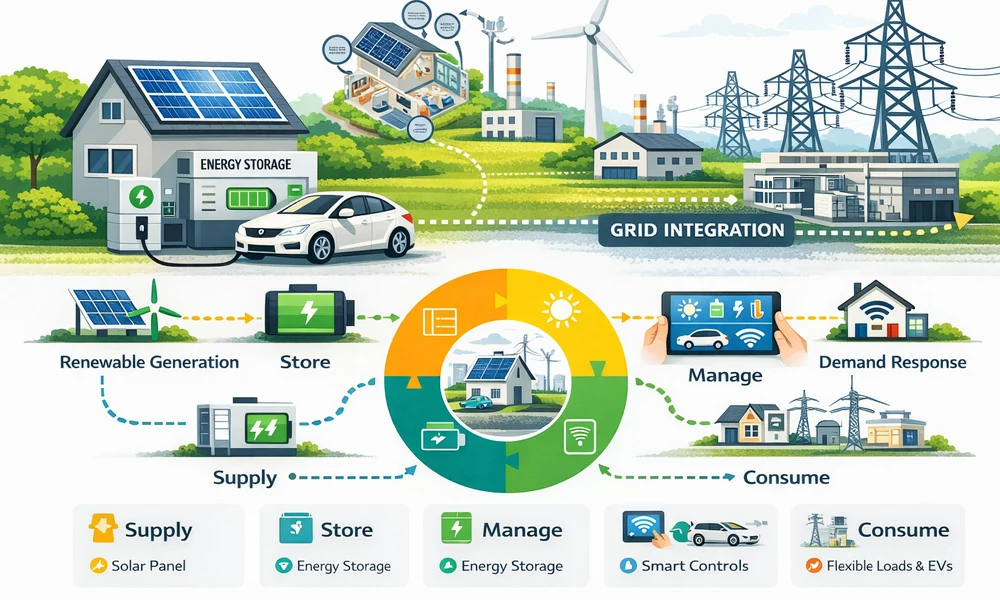
Distributed energy works by placing generation, storage, or flexible electrical loads closer to end users and then coordinating those resources through controls, inverters, software, and grid rules.
A simple example is a home with rooftop solar and a battery:
Solar panels generate electricity during the day.
The home uses that electricity first.
Extra generation charges the battery.
Surplus electricity may be exported to the grid.
In the evening, the battery discharges to serve the home or reduce grid purchases.
On a larger scale, the same logic can apply to schools, factories, hospitals, apartment blocks, EV fleets, or industrial campuses. Multiple DERs can also be grouped by an aggregator and operated together as a “virtual” resource. FERC Order No. 2222 was designed to better enable these DER aggregations to participate in regional electricity markets, including resources such as batteries, rooftop solar, smart thermostats, thermal storage, electric vehicles, and efficiency-related demand reductions.
The IEA notes that DERs are transforming electricity systems because consumers can increasingly produce electricity, store it, respond to price signals, and create bidirectional electricity flows rather than only consuming power from the grid. Between 2019 and 2021 alone, 167 GW of distributed PV was installed globally.
What Are Some Common DER Technologies and Systems Used for Energy Generation?
Not every DER generates electricity, but many do. The most common generation-oriented DER technologies are solar photovoltaics, fuel cells, cogeneration systems, and microturbines.
Solar Photovoltaic Systems
Solar PV systems are the most widely adopted DER technology. Residential PV systems typically range from 5 kW to 20 kW, while commercial systems can exceed 1 MW. PV systems reduce dependency on grid electricity, lower energy bills, and support grid integration during peak sunlight hours.
Example: In California, over 30% of residential households have rooftop solar PV systems contributing to local DER capacity (California Energy Commission, 2023).
Fuel Cells
Fuel cells convert chemical energy from fuels such as hydrogen into electricity through an electrochemical process. They are clean, highly efficient, and can operate continuously as long as fuel is supplied. Fuel cells are commonly used in commercial or industrial DER applications where reliability is crucial.
Cogeneration (Combined Heat and Power)
Cogeneration systems produce both electricity and usable heat from a single fuel source, often natural gas. They can achieve overall energy efficiencies of 60–80%, compared to 30–50% for traditional generation.
Microturbines
Microturbines are compact, high-speed turbines that generate electricity locally. They are suitable for commercial and industrial sites needing reliable power and can integrate with renewable DERs for hybrid systems.
What Energy Storage Technologies Are Used as Distributed Energy Resources?
Energy storage is one of the most important DER categories because it adds flexibility to almost every other resource.
Battery Storage
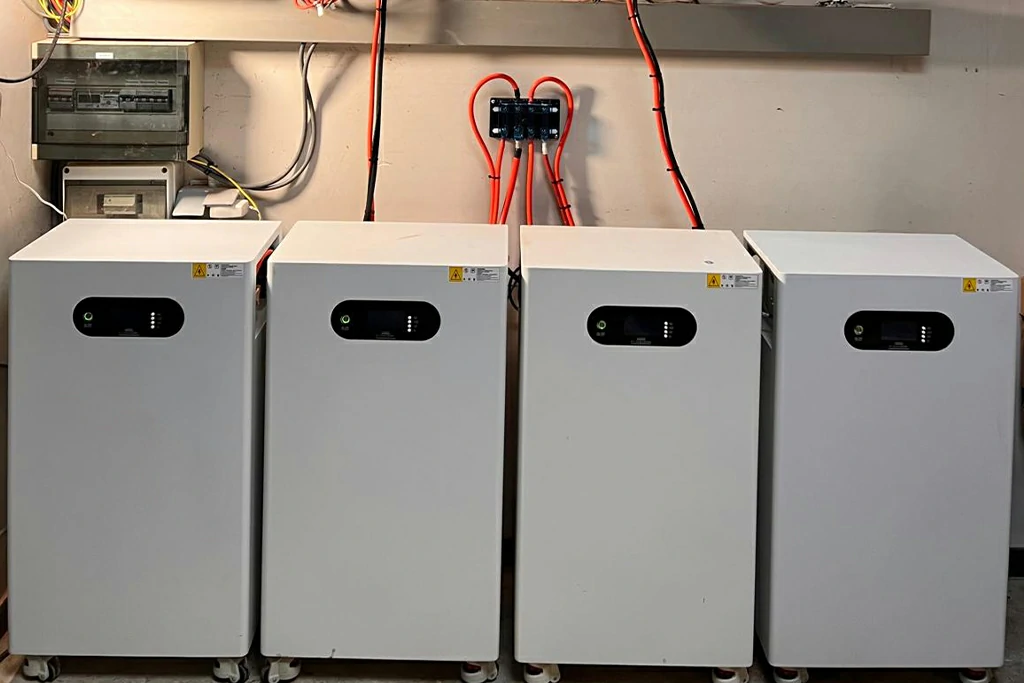
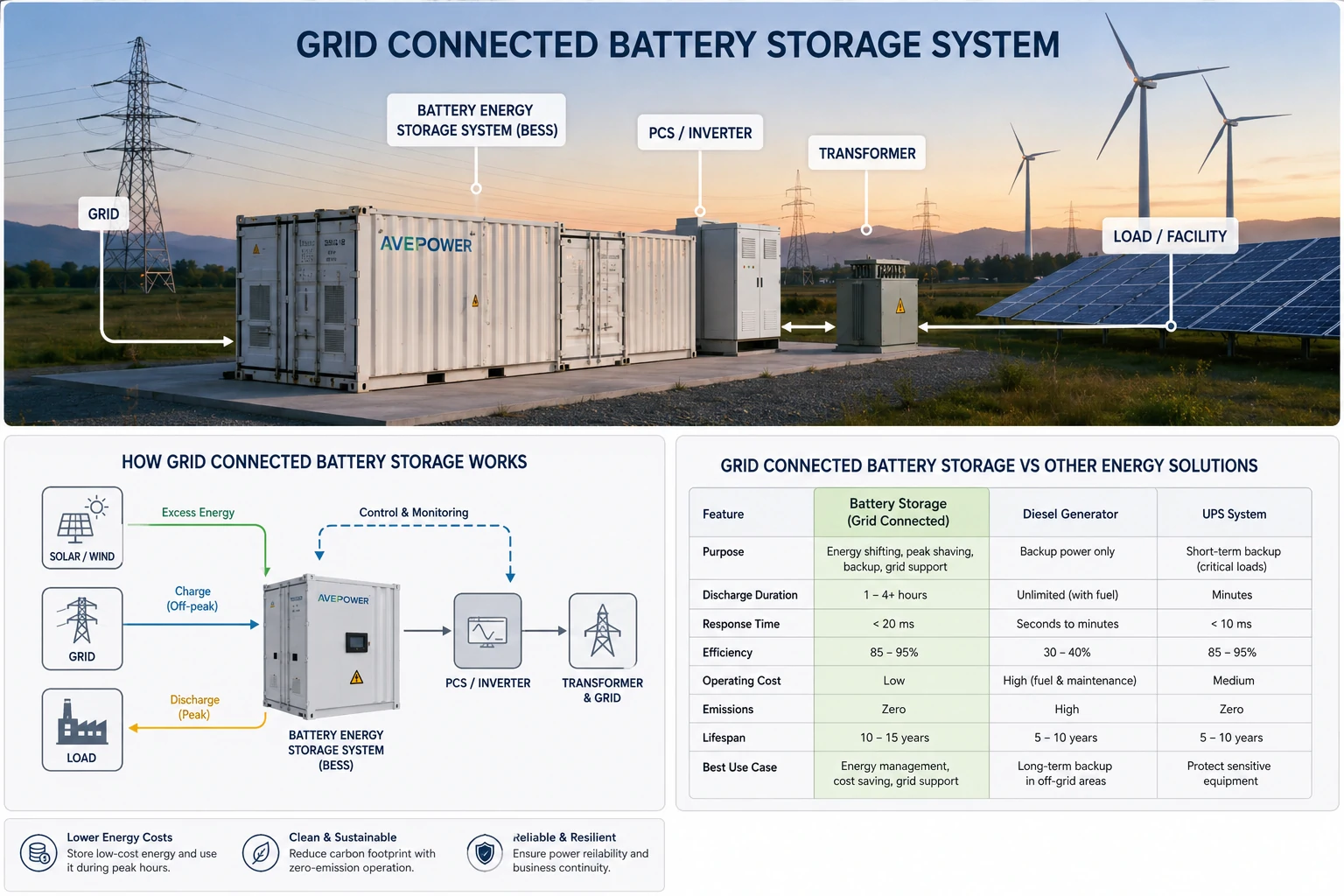
Battery storage is currently the most widely recognized form of distributed energy storage. It stores electricity when supply is abundant or prices are low and releases it when needed. Batteries can be installed behind a residential or commercial meter, or in front of a local distribution meter. In either case, battery storage can support grid integration by shifting energy supply timing, smoothing solar generation, reducing peak demand, and responding rapidly to grid events.
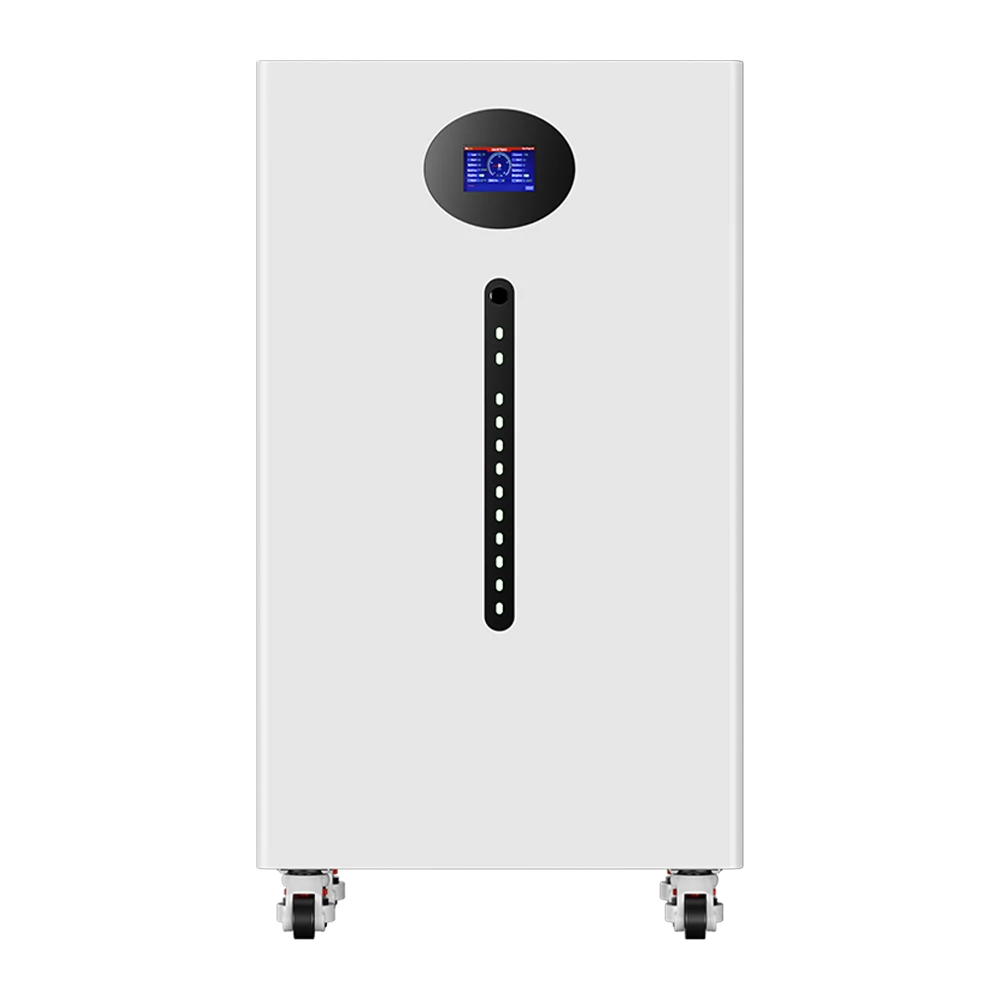
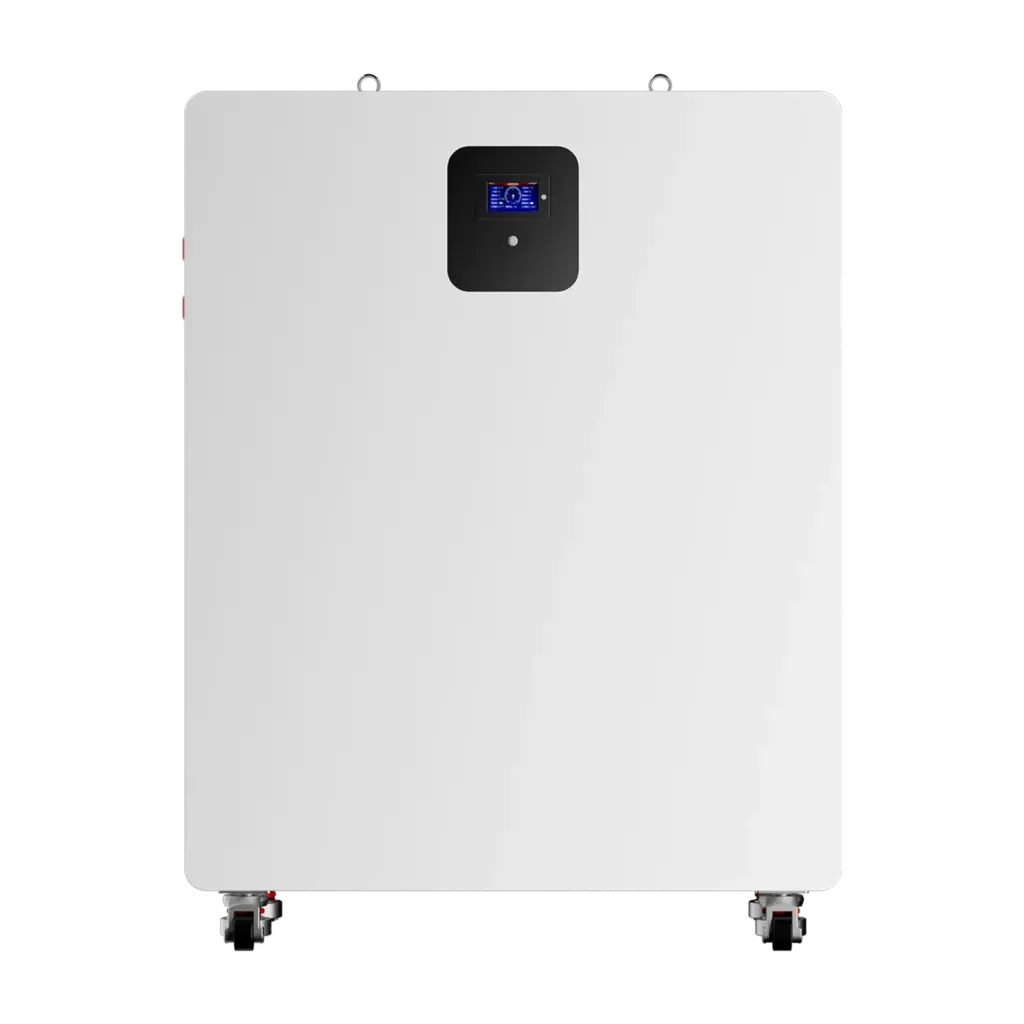
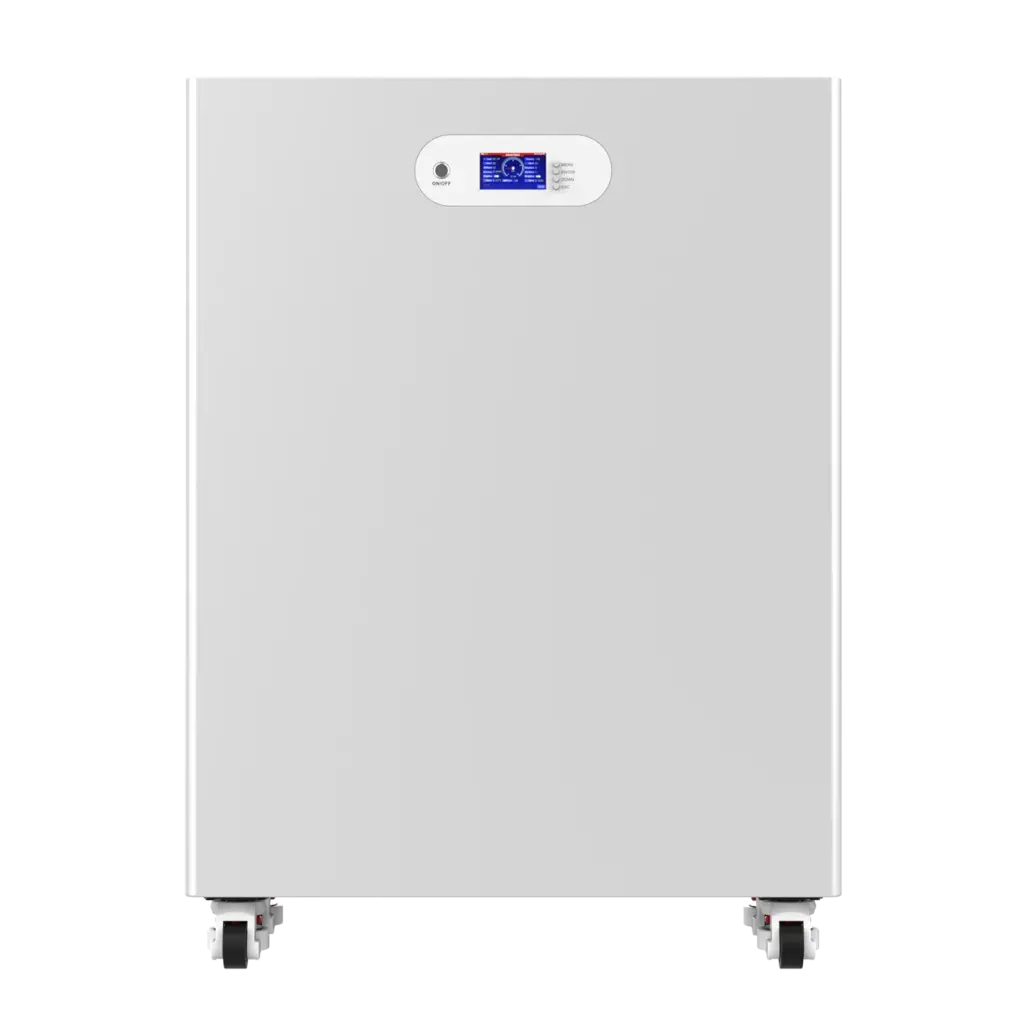
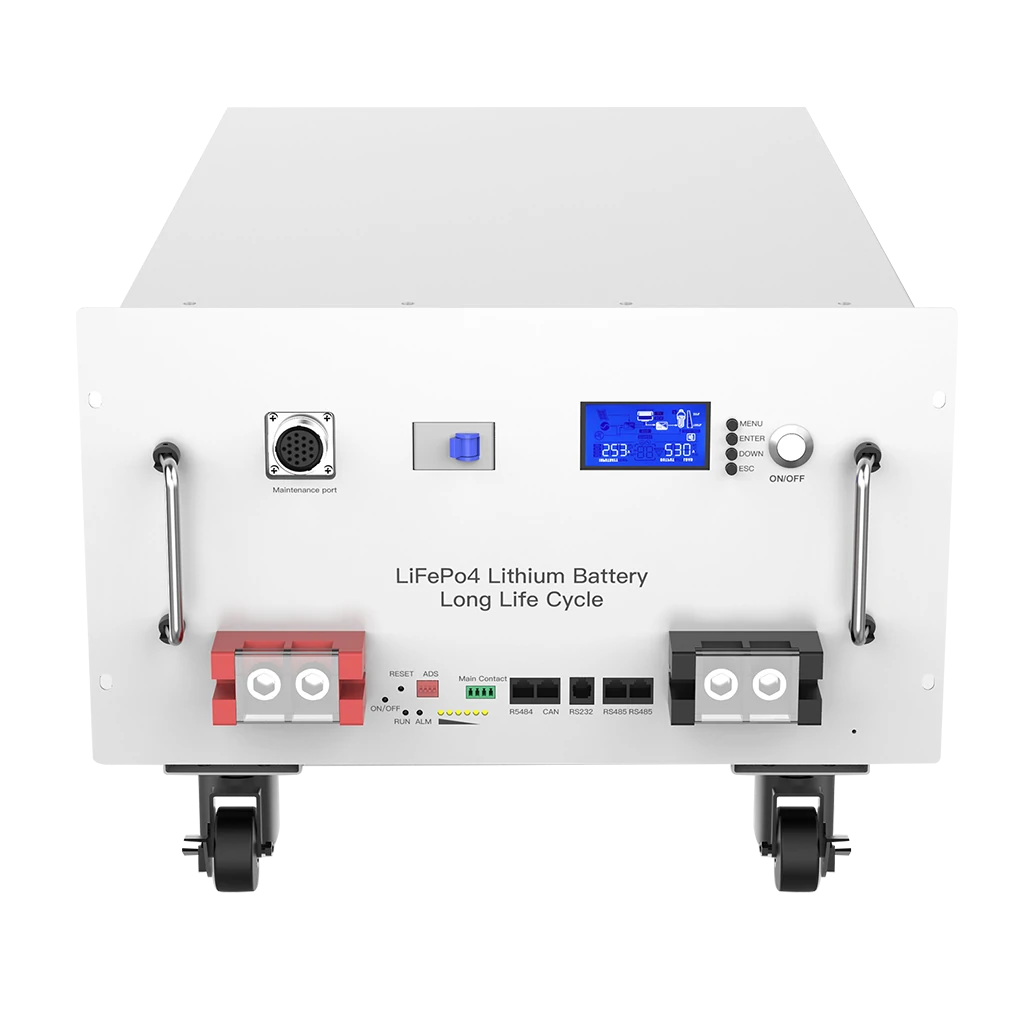
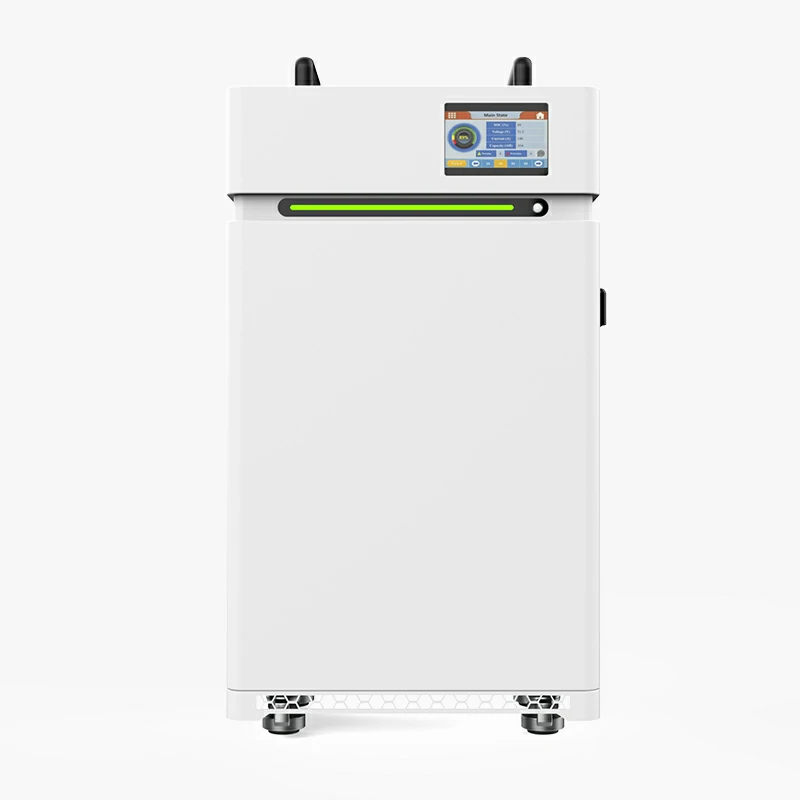
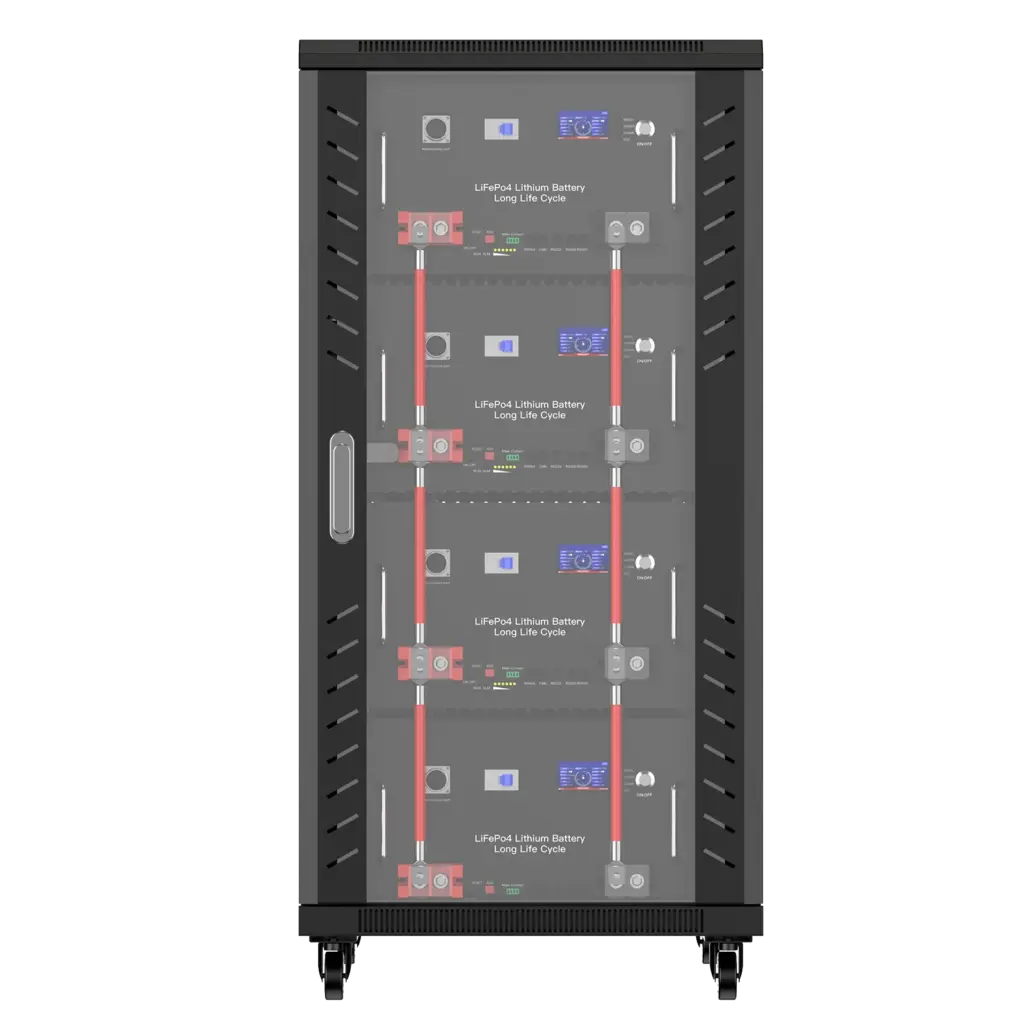
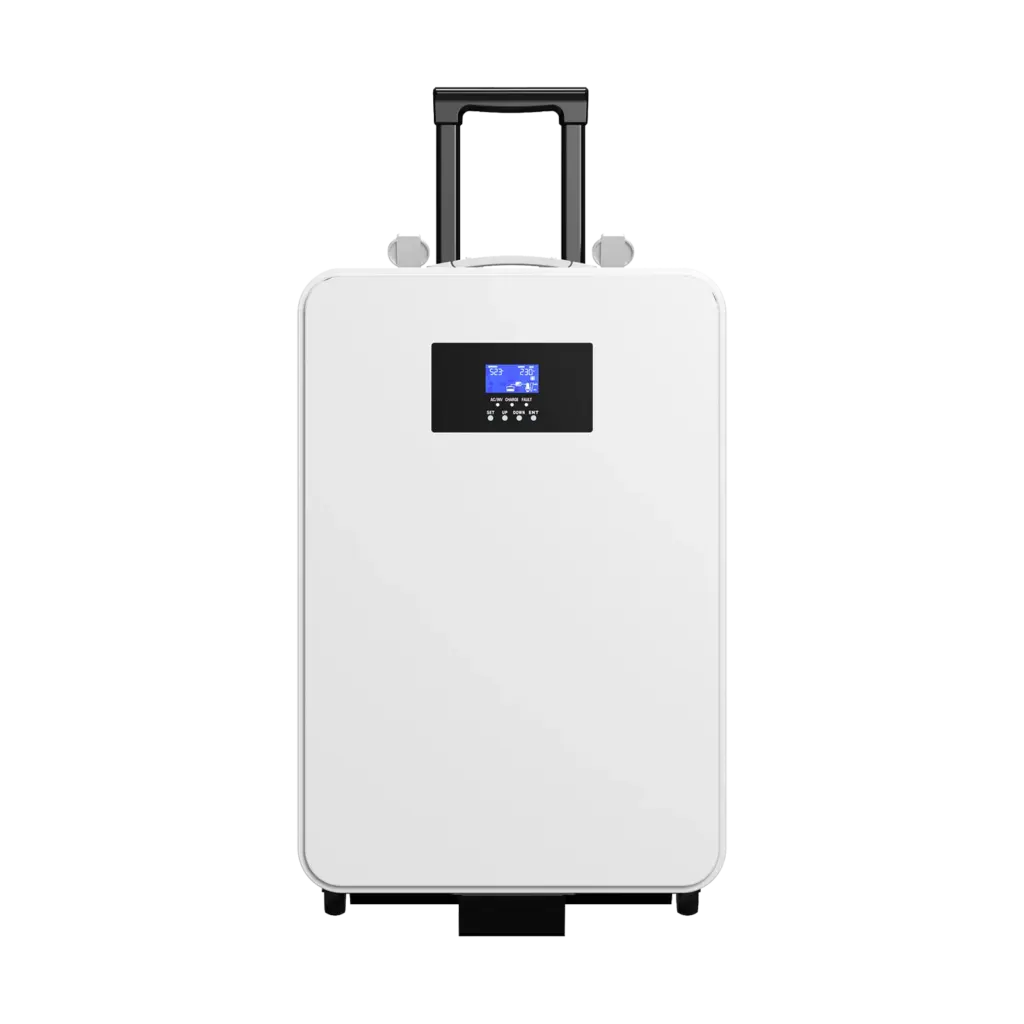
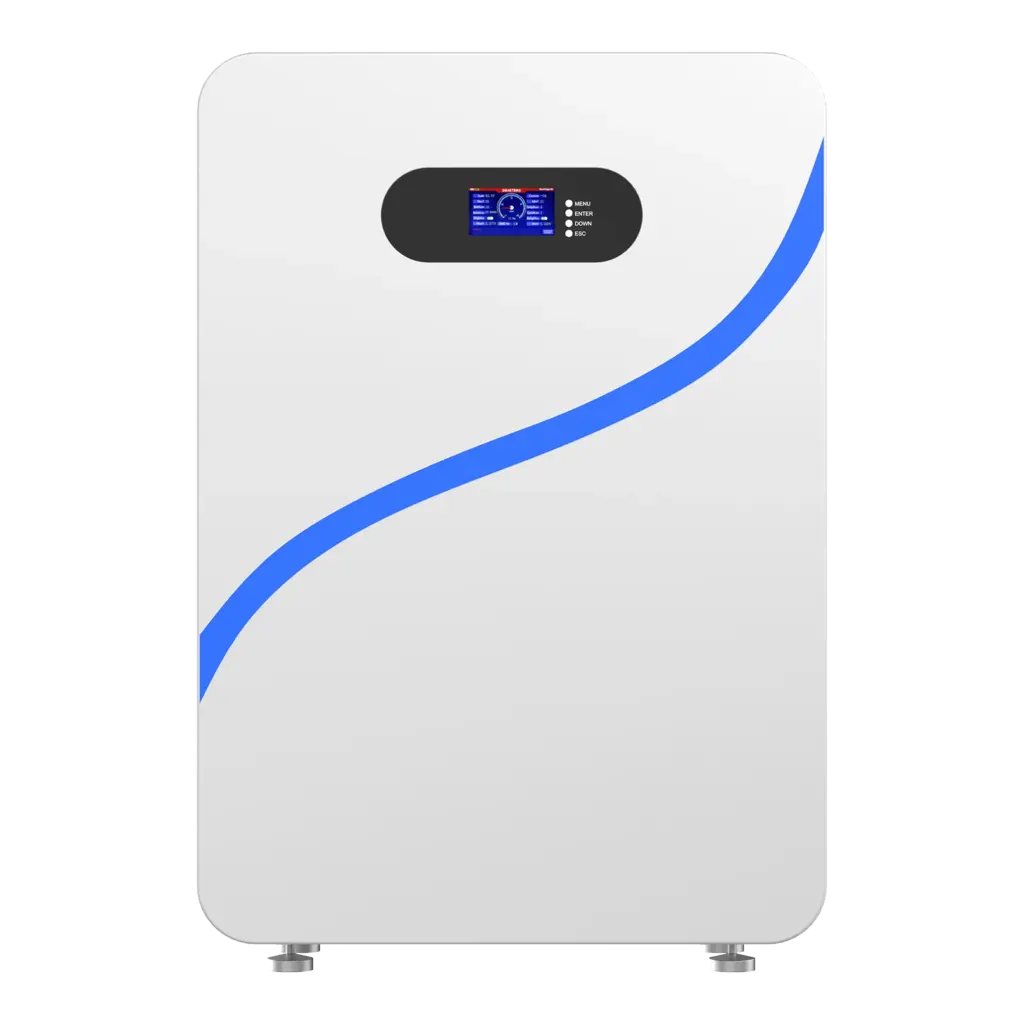
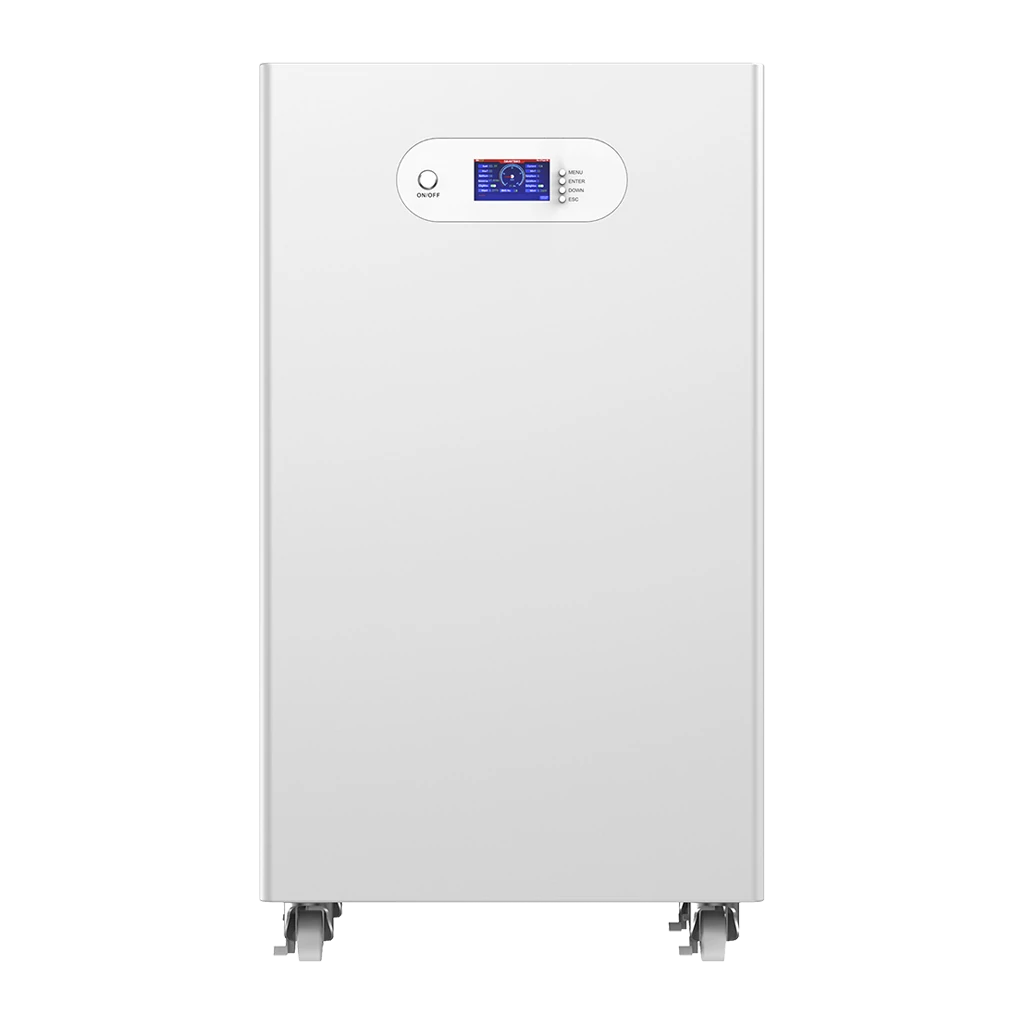
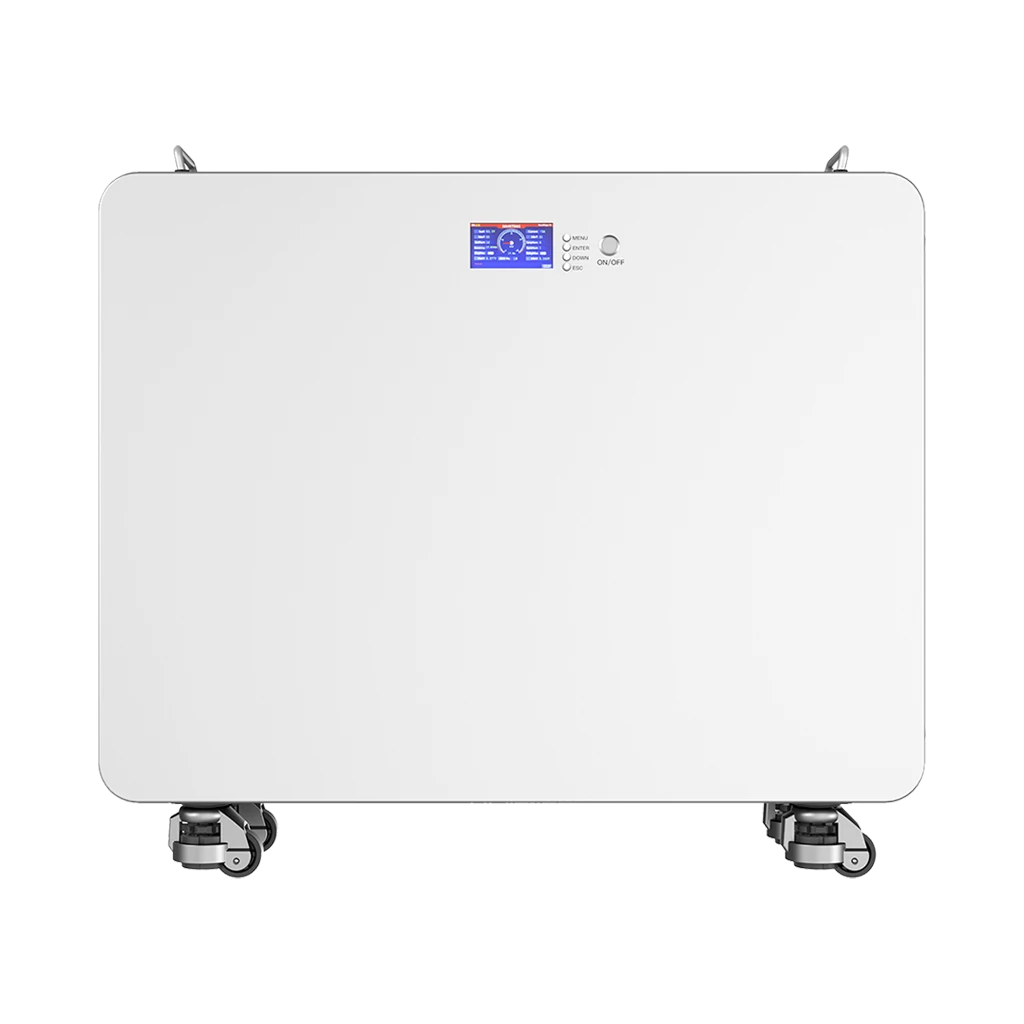
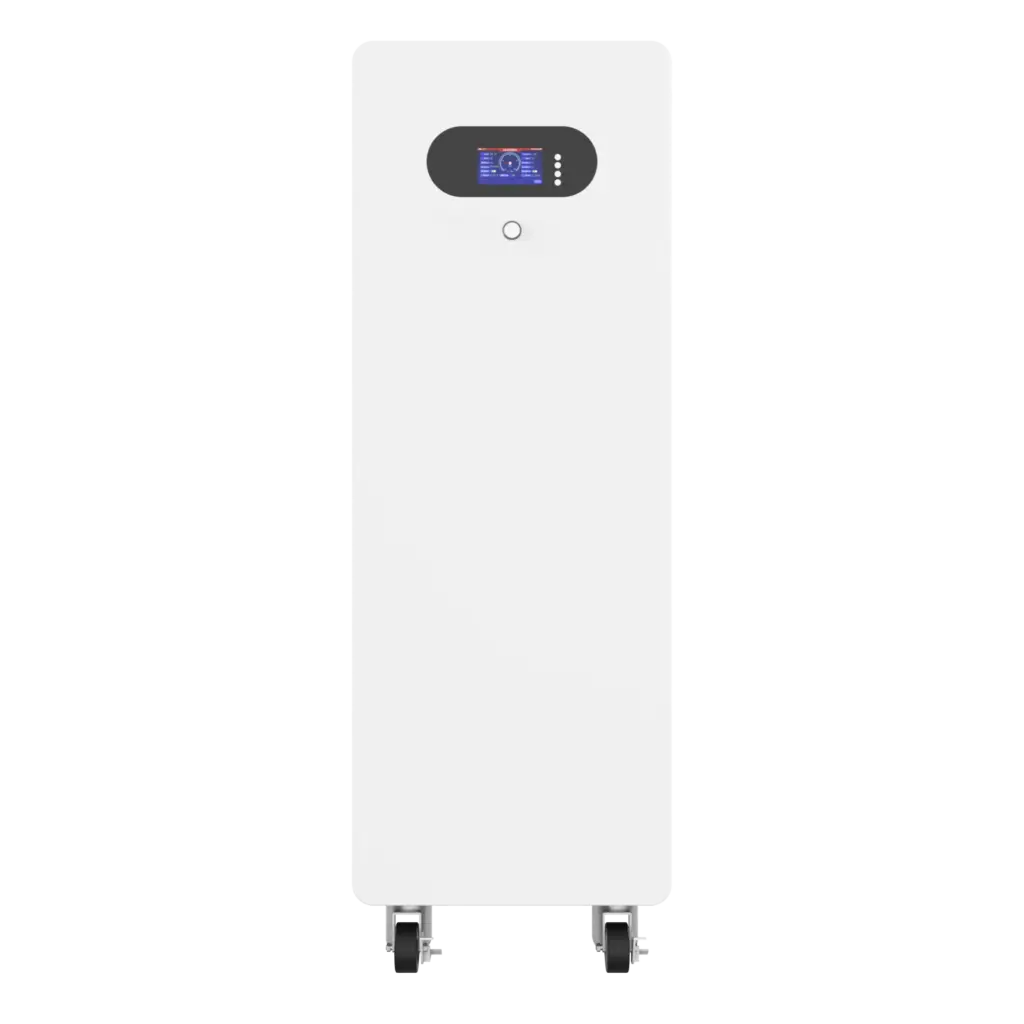
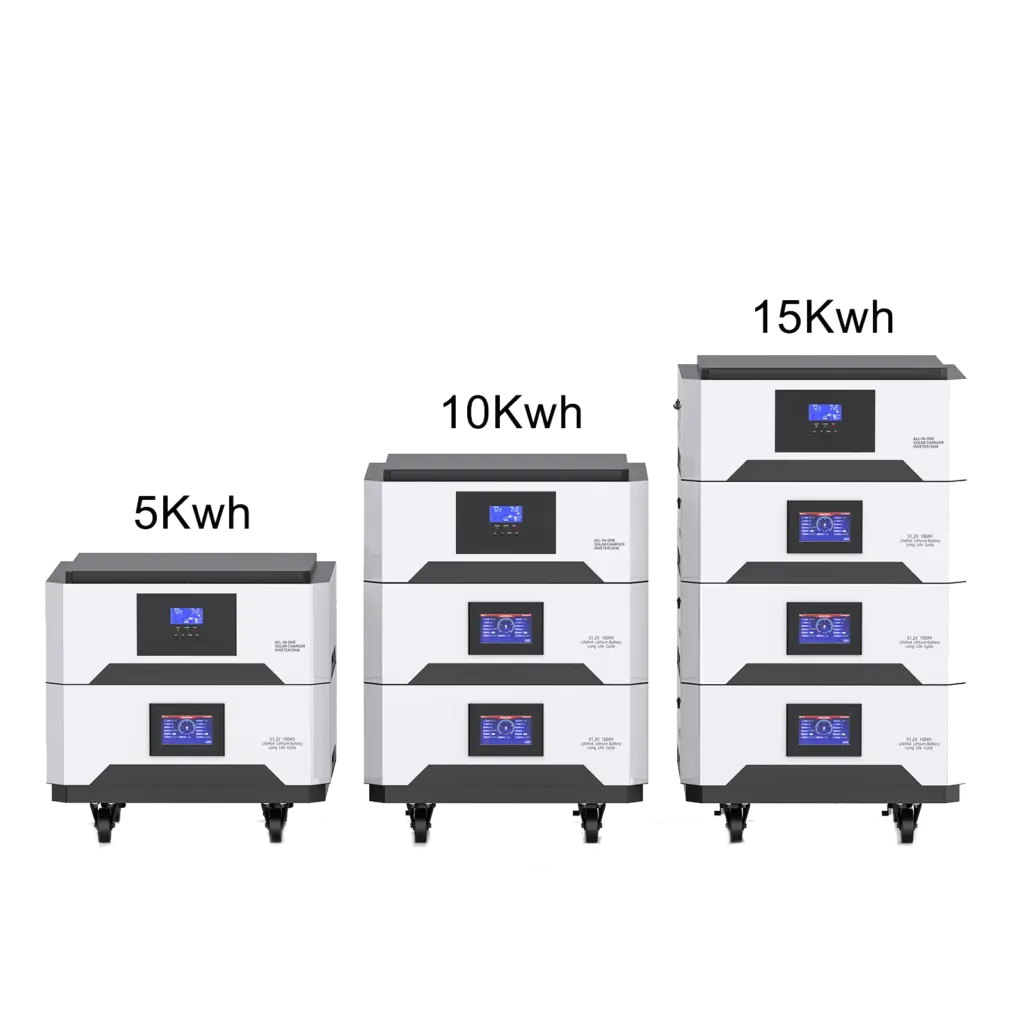
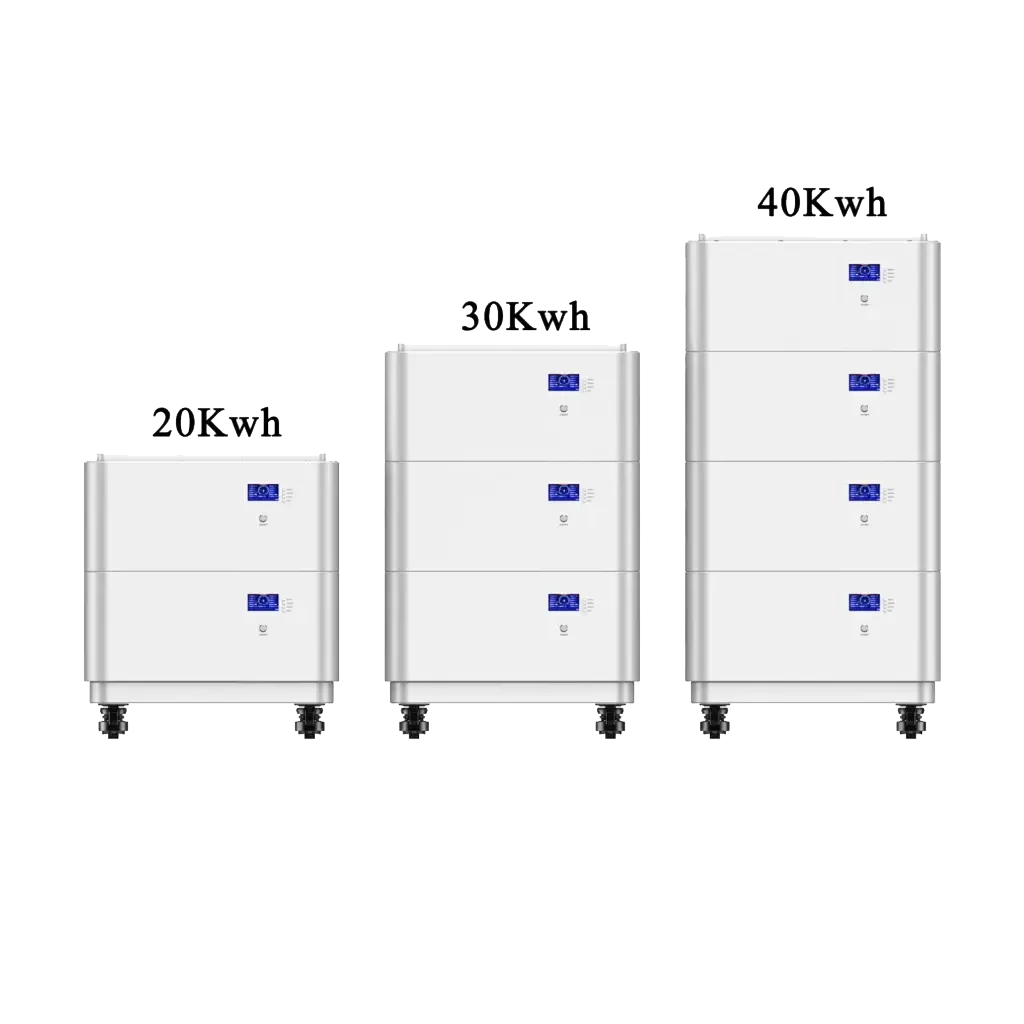
Examples of battery storage in DER: Avepower’s residential energy storage systems are scalable from ~15 kWh up to ~260 kWh, letting homeowners expand capacity based on their energy needs.
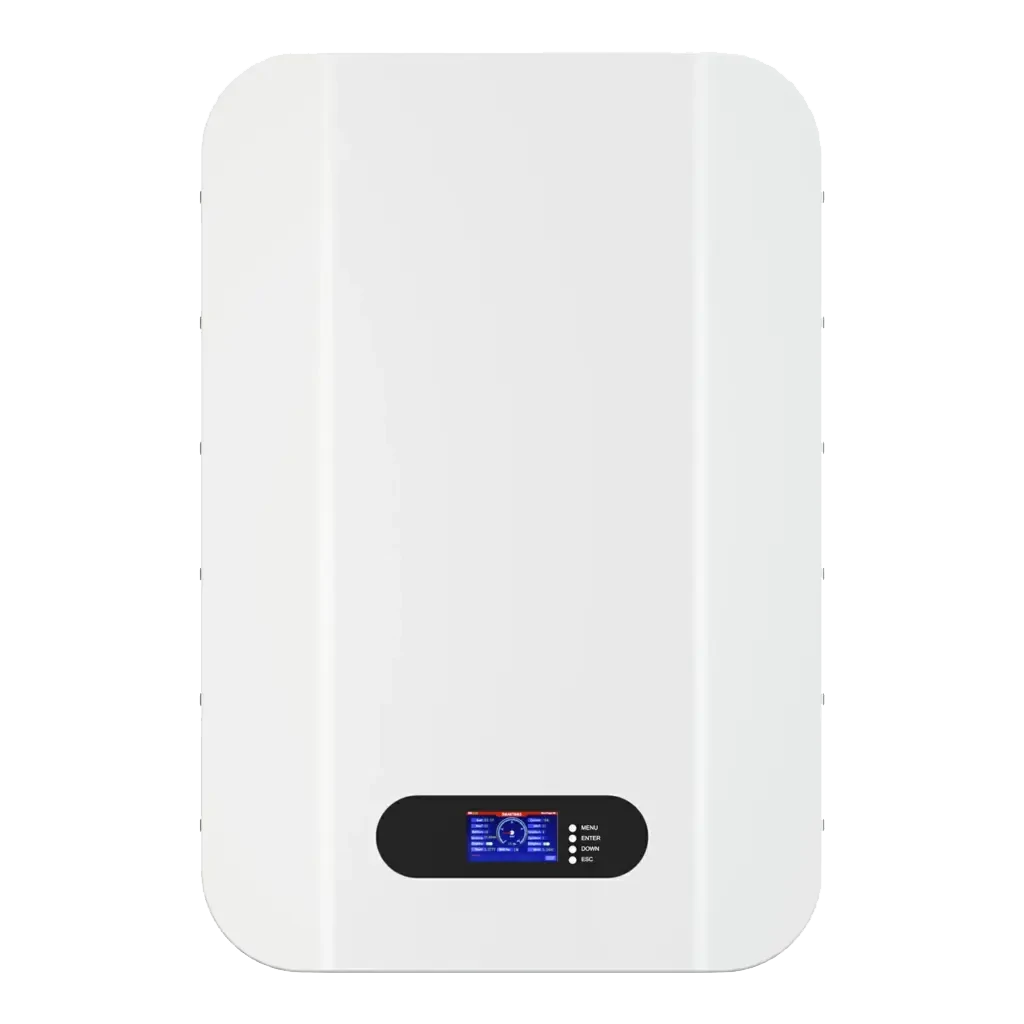
Avepower 15kWh Vertical Home Storage Battery
Battery type: LiFePO4 (Lithium Iron Phosphate)
System energy: 15kWh
Nominal voltage: 48V class system
Cycle life: Up to 8000+ cycles @ recommended depth of discharge
Electric vehicles (EVs) can serve as mobile storage devices. Through vehicle-to-grid (V2G) technology, EVs can feed electricity back to the grid or home during peak demand periods, effectively acting as distributed energy resources.
Electric Water Heaters
Electric water heaters are a form of thermal energy storage. They can heat water when electricity prices are low or renewable generation is abundant and reduce energy consumption during periods of high grid load. A 2024 technical brief from the U.S. Department of Energy notes that compared with conventional resistive water heaters, heat pump water heaters can reduce annual water heating electricity use by approximately 60–70% while also enabling load shifting.
How Do DER Systems Work in Conjunction with Electric Grids?
DERs integrate with electric grids through smart inverters, energy management systems, and grid communication technologies. Key functions include:
Grid support: Providing voltage regulation and reactive power compensation.
Load balancing: Shifting energy use to reduce peak demand.
Island operation: Microgrids with DERs can disconnect from the main grid during outages, ensuring uninterrupted supply.
This integration enhances overall grid reliability while accommodating higher renewable energy penetration.
What Are the Benefits of Distributed Energy Resources?
The value of distributed energy resources goes beyond one single metric. Their benefits span economics, emissions, resilience, and system planning.
DERs supply electricity close to the point of use, reducing transmission losses.
Enable more efficient energy management through demand response programs, where utilities incentivize users to adjust consumption and allow access to DER systems to meet demand.
Consumers with DERs can produce cheaper electricity for their own use.
Excess energy can be fed back to the local grid via net metering, earning bill credits.
Utilities save on infrastructure costs by integrating DERs instead of building new generation facilities.
Many DERs rely on renewable energy or hydrogen, producing far fewer emissions than coal or oil-based power.
DERs provide backup power during extreme weather or natural disasters, improving overall grid resilience.
What Are the Challenges of Distributed Energy Resources?
DERs are promising, but they are not effortless. Scaling them well requires solving technical, financial, and regulatory problems.
Installation of DER technologies such as fuel cells or solar arrays can cost thousands of dollars.
Government incentives, such as tax credits and subsidies, can help reduce initial investment barriers.
Older grids were designed for one-way power flow from central plants to users.
DERs can cause congestion and stress the grid due to bidirectional flows.
Coordination among stakeholders (regulators, utilities, users) and adoption of smart grid technologies can help mitigate these issues.
Advantages of Distributed Energy Production vs. Centralized Systems
Distributed energy production has several structural advantages over centralized generation. It can be deployed incrementally, closer to load, and often faster than building large central plants and transmission lines. It can reduce some network losses, improve resilience at the customer level, and allow electricity users to become active participants rather than passive consumers.
Feature
Distributed Energy
Centralized Energy
Location
Close to consumption
Far from consumption
Efficiency
Reduced transmission loss
Higher transmission loss
Reliability
Flexible, can island
Dependent on central grid
Emissions
Often renewable
Often fossil-fuel based
Cost
Scalable, modular
High infrastructure cost
Conclusion
By combining generation, storage, and smart grid integration, DERs enable more efficient, sustainable, and resilient energy systems. For homeowners and businesses, investing in DERs like solar PV, battery storage, or EV-based energy solutions can lead to significant cost savings and environmental benefits. For utilities, integrating DERs into grid operations enhances flexibility and reliability.
Integration with Avepower Solutions
Companies like Avepower design and deliver smart DER‑ready energy storage systems that integrate solar PV, battery storage, and energy management to maximize self‑consumption and grid support. Avepower’s home energy storage and commercial energy storage products are based on Lithium‑Iron‑Phosphate (LiFePO4) technology, offering modular capacity options (from a 15 kWh to multiple 260 kWh), scalable system designs, and long cycle life for reliable DER deployment.
Avepower energy storage solutions help homeowners store excess solar generation for night‑time use, provide resilient backup power during grid outages, and shift energy usage to reduce electricity costs while reducing carbon emissions.
DER stands for Distributed. These are smaller energy assets located close to where electricity is used, such as rooftop solar, batteries, CHP systems, EVs, and flexible building loads.
Are DERs the same as renewable energy?
No. Many DERs are renewable, such as solar PV, but DERs can also include batteries, CHP, fuel cells, smart thermostats, electric vehicles, and other flexible loads.
How do DERs help with grid integration?
DERs help grid integration by shifting load, storing renewable energy, supplying local power, and supporting voltage or frequency through advanced controls and inverter functions.
What is the difference between DER and centralized generation?
Centralized generation comes from large remote power plants, while DERs are smaller resources placed closer to end users. DERs can reduce line losses and improve local resilience.
Why are DERs becoming more important now?
Because power systems are facing higher electrification, more distributed solar, more storage, more EVs, and greater resilience needs. DERs help power systems adapt to all of those trends.
Ryan
Ryan is an energy expert with over 10 years of experience in the field of battery energy storage and renewable solutions. He is passionate about developing efficient, safe, and sustainable battery systems. In his spare time, he enjoys adventure and exploring.
Battery reserve capacity is the number of minutes a fully charged battery can deliver a…
Cookie Consent
We value your privacy. By selecting “Accept All,” you consent to the use of cookies on your device to improve site navigation, analyze site performance, and support our marketing initiatives.
Cookie Preferences
Manage your cookie preferences below:
Essential cookies enable basic functions and are necessary for the proper function of the website.
Name
Description
Duration
Cookie Preferences
This cookie is used to store the user's cookie consent preferences.
30 days
These cookies are needed for adding comments on this website.
Name
Description
Duration
comment_author
Used to track the user across multiple sessions.
Session
comment_author_email
Used to track the user across multiple sessions.
Session
comment_author_url
Used to track the user across multiple sessions.
Session
Google reCAPTCHA helps protect websites from spam and abuse by verifying user interactions through challenges.
Name
Description
Duration
_GRECAPTCHA
Google reCAPTCHA sets a necessary cookie (_GRECAPTCHA) when executed for the purpose of providing its risk analysis.
179 days
Statistics cookies collect information anonymously. This information helps us understand how visitors use our website.
Google Analytics is a powerful tool that tracks and analyzes website traffic for informed marketing decisions.
Used to distinguish new sessions and visits. This cookie is set when the GA.js javascript library is loaded and there is no existing __utmb cookie. The cookie is updated every time data is sent to the Google Analytics server.
30 minutes after last activity
__utmc
Used only with old Urchin versions of Google Analytics and not with GA.js. Was used to distinguish between new sessions and visits at the end of a session.
End of session (browser)
__utmz
Contains information about the traffic source or campaign that directed user to the website. The cookie is set when the GA.js javascript is loaded and updated when data is sent to the Google Anaytics server
6 months after last activity
__utmv
Contains custom information set by the web developer via the _setCustomVar method in Google Analytics. This cookie is updated every time new data is sent to the Google Analytics server.
2 years after last activity
__utmx
Used to determine whether a user is included in an A / B or Multivariate test.
18 months
_ga
ID used to identify users
2 years
_gali
Used by Google Analytics to determine which links on a page are being clicked
30 seconds
_ga_
ID used to identify users
2 years
_gid
ID used to identify users for 24 hours after last activity
24 hours
_gat
Used to monitor number of Google Analytics server requests when using Google Tag Manager
1 minute
_gac_
Contains information related to marketing campaigns of the user. These are shared with Google AdWords / Google Ads when the Google Ads and Google Analytics accounts are linked together.
90 days
__utma
ID used to identify users and sessions
2 years after last activity
__utmt
Used to monitor number of Google Analytics server requests
10 minutes
You can find more information in our Cookie Policy and .
Talk to a Battery Expert
Get quick answers on WhatsApp
🟢Online | Privacy policy
WhatsApp us
Energy Storage Solution Quote
Battery Quote Request
Get a Quote & Download Catalog
Privacy: Avepower respect your privacy and never share your information.
Custom Energy Storage Solutions
OEM & ODM services designed for installers, wholesalers, distributors, and global brands.
Battery capacity & voltage customization
Enclosure, logo & packaging customization
BMS & communication protocol support
Complete ESS development from concept to production
Download Avepower Catalog
Full energy storage specs and details in one PDF. Instant access with your info.